
A typical household often shops in the 6.6kW solar system to 10kW solar system range, while many businesses step up to 20kW solar system or more. A 15kW solar system can still work for a home, but it only makes sense when your energy use, roof space, and grid connection rules all line up.
This guide explains who a 15kW system is really for, how much power it can produce, and how to think about battery capacity so the system actually matches the way you use electricity.
How Much Electricity Can a 15kW Solar System Generate?
The 15kW rating of a solar system refers to its maximum output under standard test conditions. In real-world use, actual energy production varies depending on factors such as location, season, roof orientation, shading, temperature, and inverter settings.
In Australia, a well-positioned 15kW system in a major city typically generates 60 kWh or more per day, with higher output possible on very sunny days. Peak sun hours differ by city and season, and performance ratios account for real-world losses.
If you want a 15kW solar system calculator based on Australian data, with the option to add battery storage, you can use the government-supported SunSPOT tool, developed by the University of New South Wales and the Australian PV Institute.
Is 15kW Enough Power for a Household?
For many households, electricity use is concentrated in the morning and evening, while solar power generation peaks around midday. The average household consumes about 7,500 kWh per year (around 20.5 kWh per day), which means a 15kW solar system can easily cover this level of demand.
However, if most of your electricity use happens after sunset and you don’t have home battery storage, a 15kW system may export a large amount of power to the grid at a relatively low feed-in tariff, while you still need to buy electricity at night. This setup can still reduce bills, but it may not deliver the “no power bills ever again” outcome many people expect.
Who Needs a 15kW Solar System?
A 15kW system is typically suited for households with high electricity consumption, especially those with significant heating and cooling needs and multiple appliances running daily. Examples include:
- Homes transitioning to full electrification using induction cooktops, heat pump water heaters, electric heaters, and electric vehicles.
- Properties with high daytime electricity use, such as those with swimming pools, spas, irrigation pumps, or home studios.
- Households aiming to meet the majority of their annual energy demand and willing to install battery storage to reduce nighttime electricity purchases.
However, a 15kW system may be less suitable if your roof suffers from significant shading or poor orientation, as the system’s rated size won’t translate directly into actual output. If your daytime self-consumption is low and grid export limits are strict, these constraints can reduce the system’s overall value.
How Many Solar Panels Does a 15kW System Need?
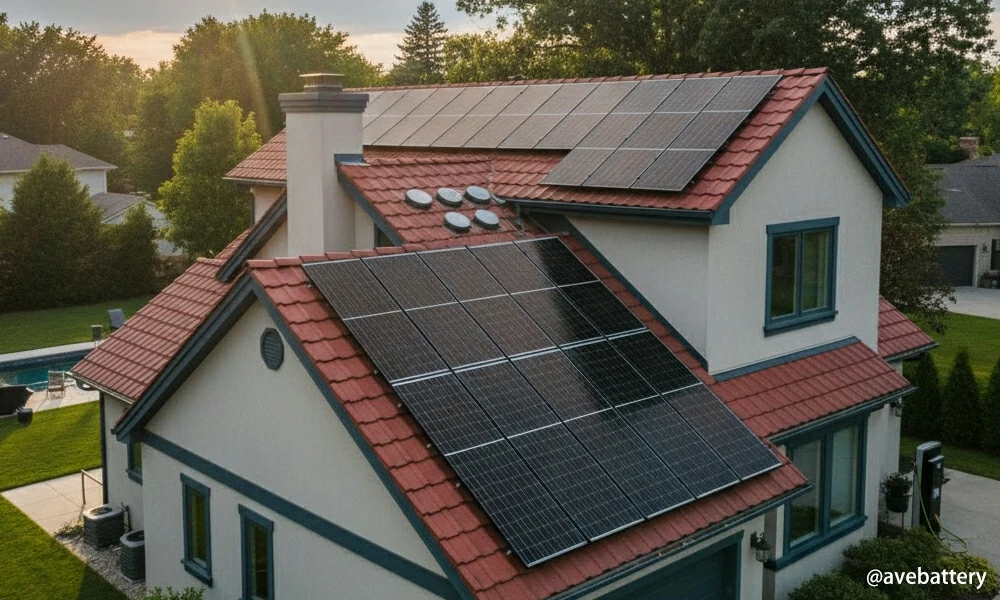
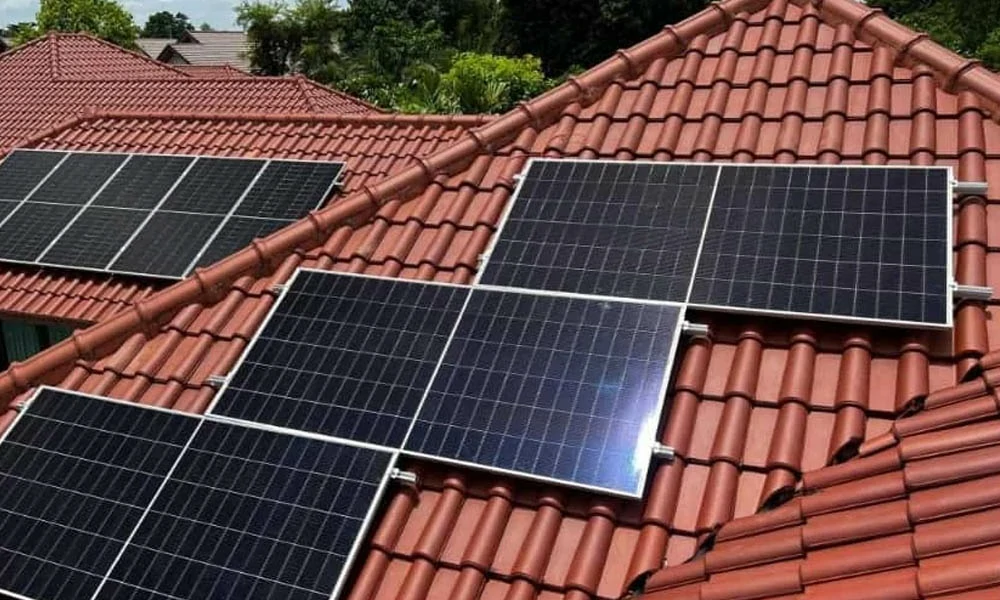
The number of solar panels required for a 15kW solar system depends on the wattage of each panel. With 400W panels, you’ll need around 38 panels. If you use 450W panels, the number drops to about 33–34 panels. Installers will also design the system based on panel string sizes and roof geometry, so the exact number may vary slightly.
In practice, this many panels require a large amount of roof space. That’s why 15kW systems are most suitable for homes with large, simple roof layouts or for ground-mounted installations.
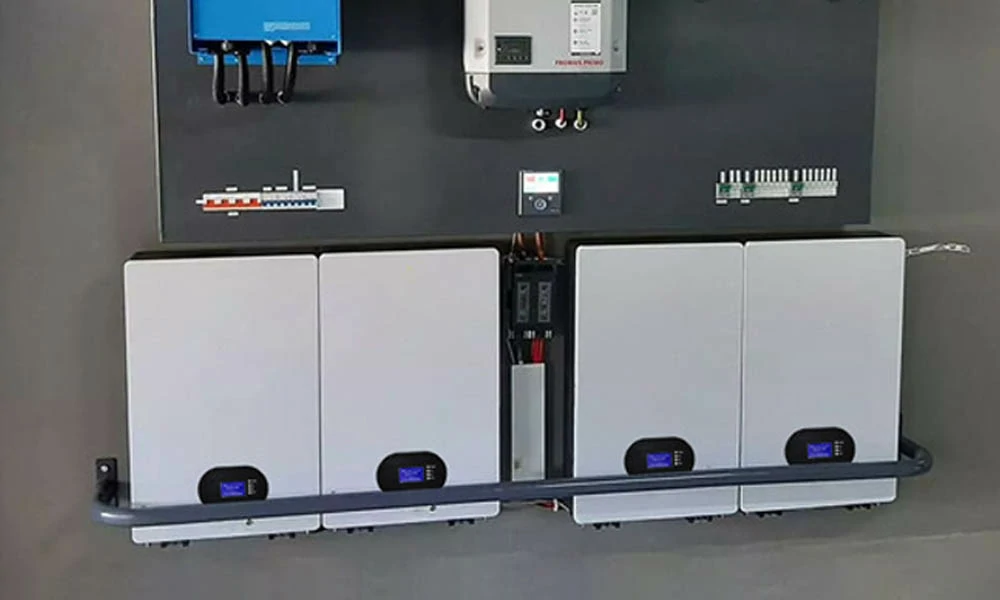
15kW Solar System With Battery Storage: How to Determine Battery Capacity
Choosing the right battery capacity depends on your specific needs. A practical way to calculate it is to start with the amount of energy you want to cover after sunset:
- Estimate your evening and nighttime electricity use in kilowatt-hours (kWh).
- Decide what percentage of that energy you want your battery to supply.
- Divide by a usable capacity factor (batteries rarely provide 100% of their rated capacity daily).
Modern solar batteries typically offer high usable capacity and efficiency, but you should still account for energy losses and reserve capacity. For example, if you want to cover about 20 kWh of nighttime use, considering losses and usable capacity, selecting a battery sized between 15 kWh battery and 25 kWh battery is a realistic choice.
15kW Solar System Price and Cost in Australia
The price of a solar power system depends on several factors, including equipment brands, installer qualifications, roof complexity, and the value of Small-scale Technology Certificates (STCs) in your state. In Australia, STC discounts are usually applied upfront by the retailer or installer and then claimed through the Small-scale Renewable Energy Scheme (SRES).
According to SolarQuotes, the installed price of a 15kW solar system typically ranges from $13,000 to $18,000, while a 20kW system usually costs around $17,000 to $22,000, including installation.
If you’re looking for the price of a 15kW solar system in Australia, any single “headline price” is incomplete. A meaningful quote should clearly specify:
- The exact solar panel and inverter models
- The installation scope (roof type, switchboard upgrades, monitoring)
- Grid connection requirements and export limits
Only with these details can you accurately compare quotes and understand the true cost of the system.
15kW Solar Battery Price and Total Cost With Storage
Battery prices vary by brand and system design, such as AC-coupled systems versus hybrid inverter systems. In Australia, the average installed price of a 15 kWh battery is around $11,040 for the battery alone, or about $12,690 for a battery plus inverter.
From 1 July 2025, the Australian Federal Government’s Cheaper Home Batteries Program provides an upfront discount of around 30% on eligible batteries through the SRES framework.
Putting this together:
- A 15kW solar system typically costs around $13,000–$14,500 installed
- Adding a 15 kWh battery usually adds $11,000–$12,700 installed
The total cost of a 15kW solar system with 15 kWh of battery storage will therefore depend on equipment choice, installation complexity, and eligibility for incentives, but accurate quotes should always itemise both the solar and storage components.
Comparing 13kW Solar With Battery vs 15kW and 20kW Systems
If you’re struggling to choose between similar system sizes, you’re not alone.
When roof space or grid export limits make a 15kW system difficult to install, or when household electricity use is high but not extreme, a 13kW solar system with battery storage is often a practical choice. The average installed cost of a 13kW system is around $10,374-$16,226, and adding a battery helps shift solar energy into evening use, improving self-consumption.
For large homes, commercial sites, or heavily electrified properties, a 20kW solar system can be a better fit. Installed prices for 20kW systems typically range from $17,000-$24,000 after incentives, depending on equipment and installation complexity.
Ultimately, the right system size isn’t just about kilowatts. It should align with your roof layout, network approval limits, and—most importantly—when your household uses electricity.
Scalable Solar Battery Storage
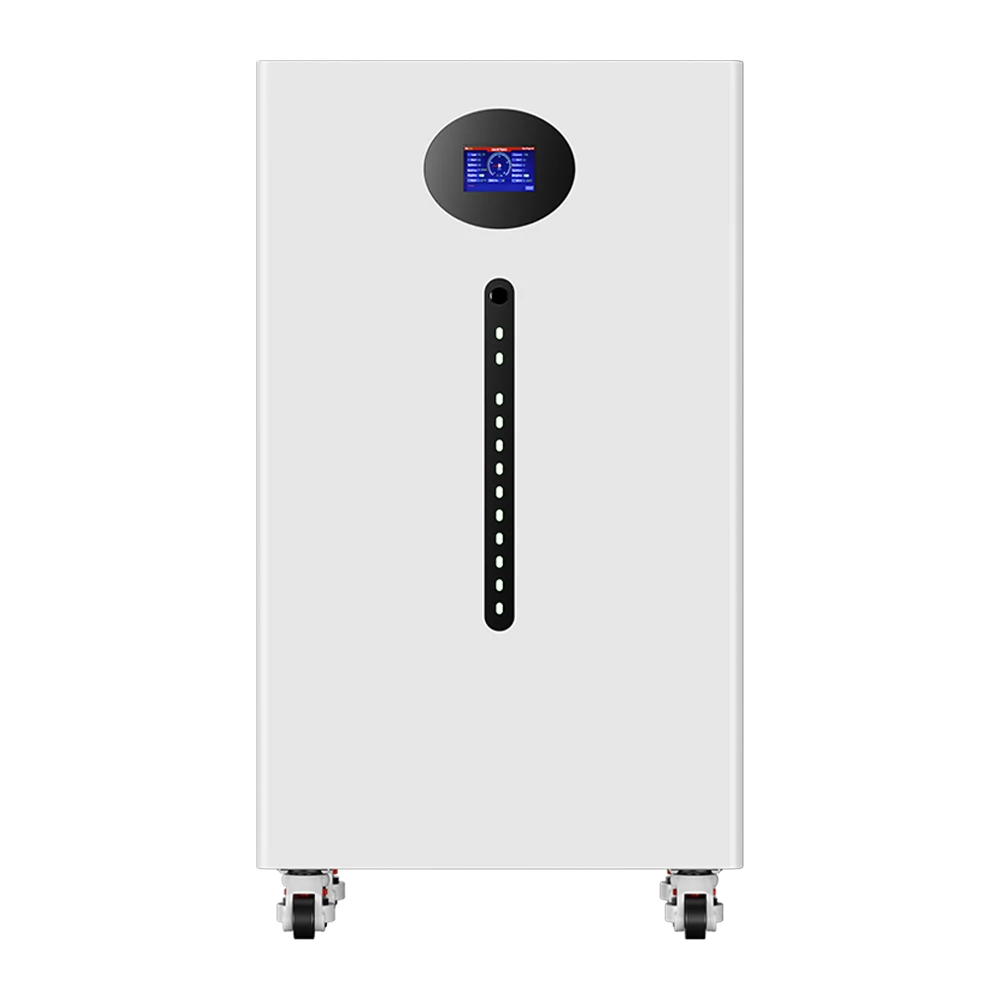
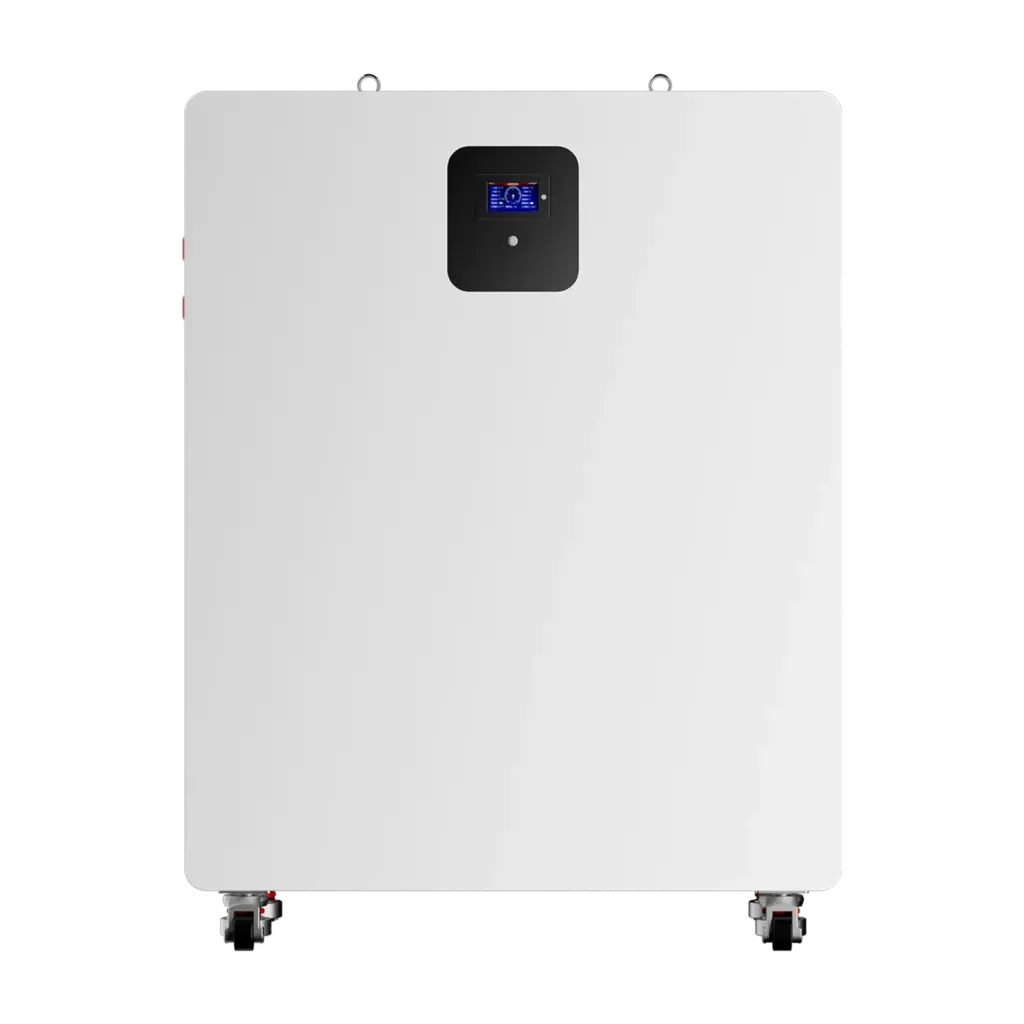
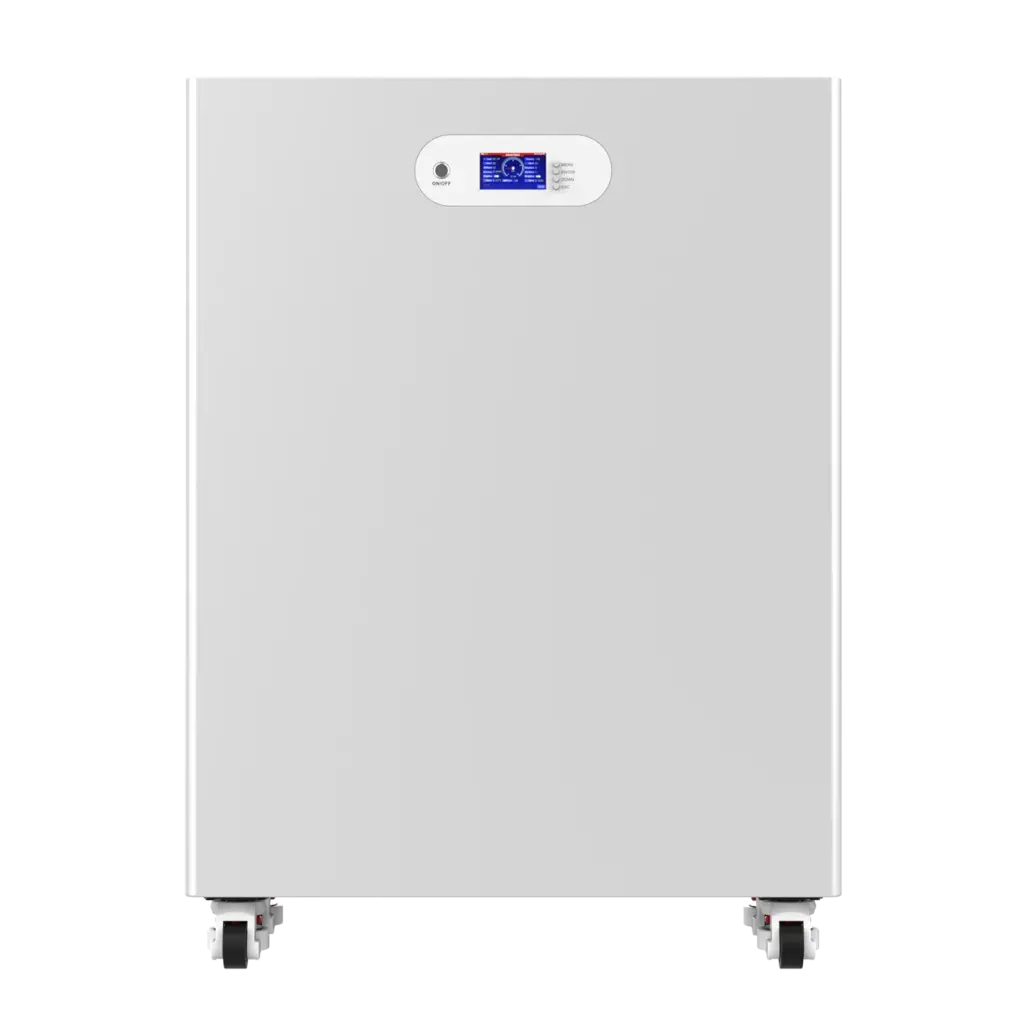
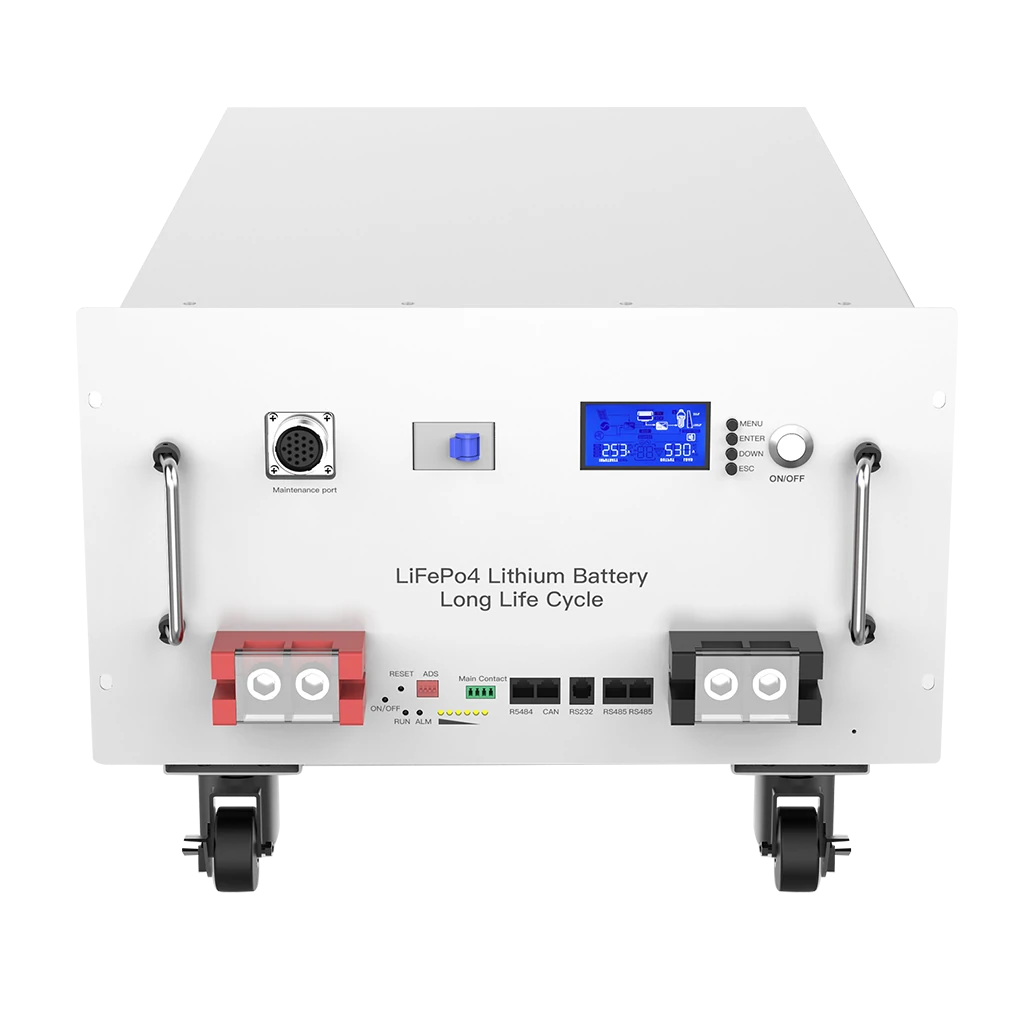
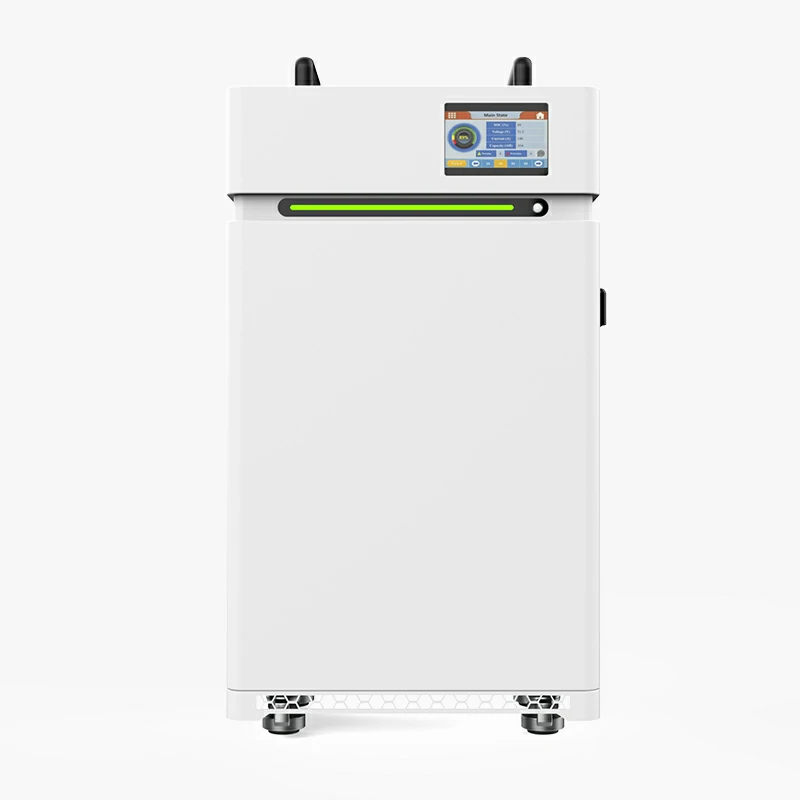
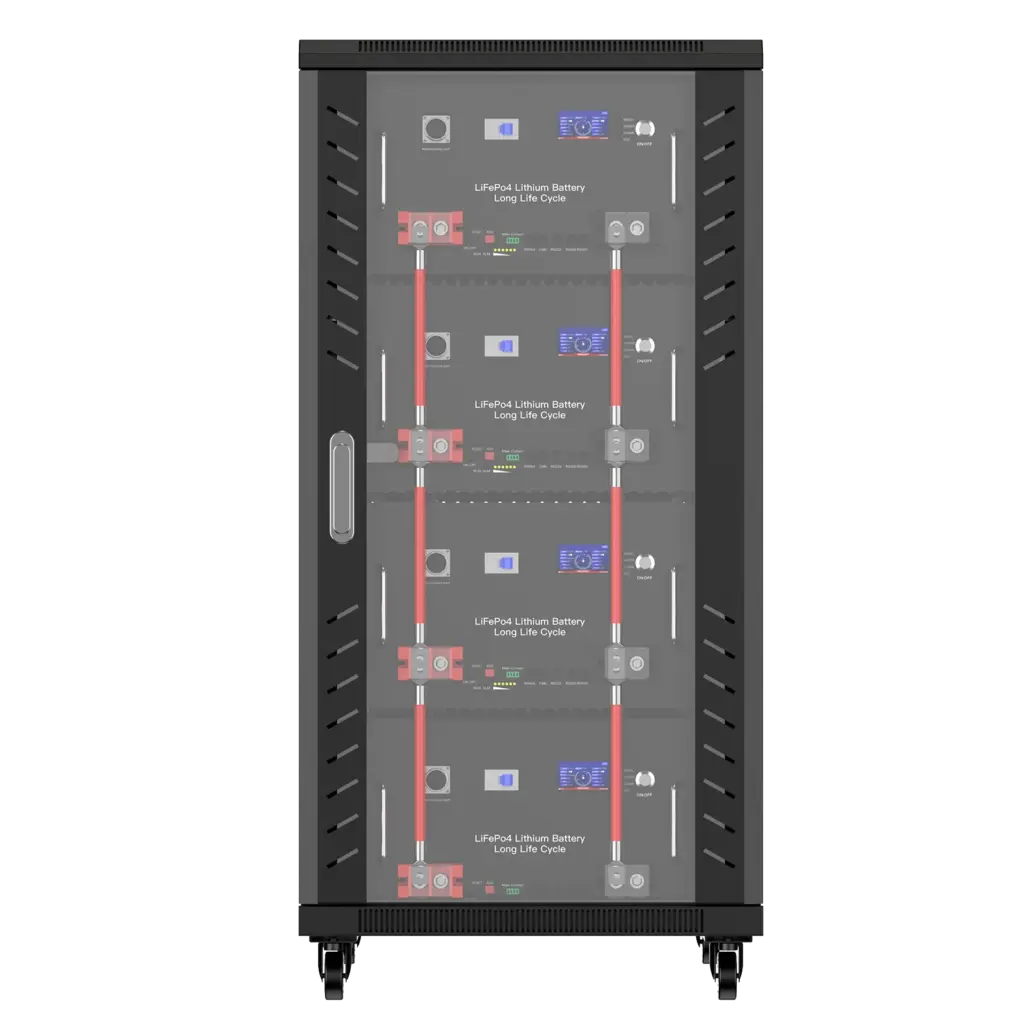
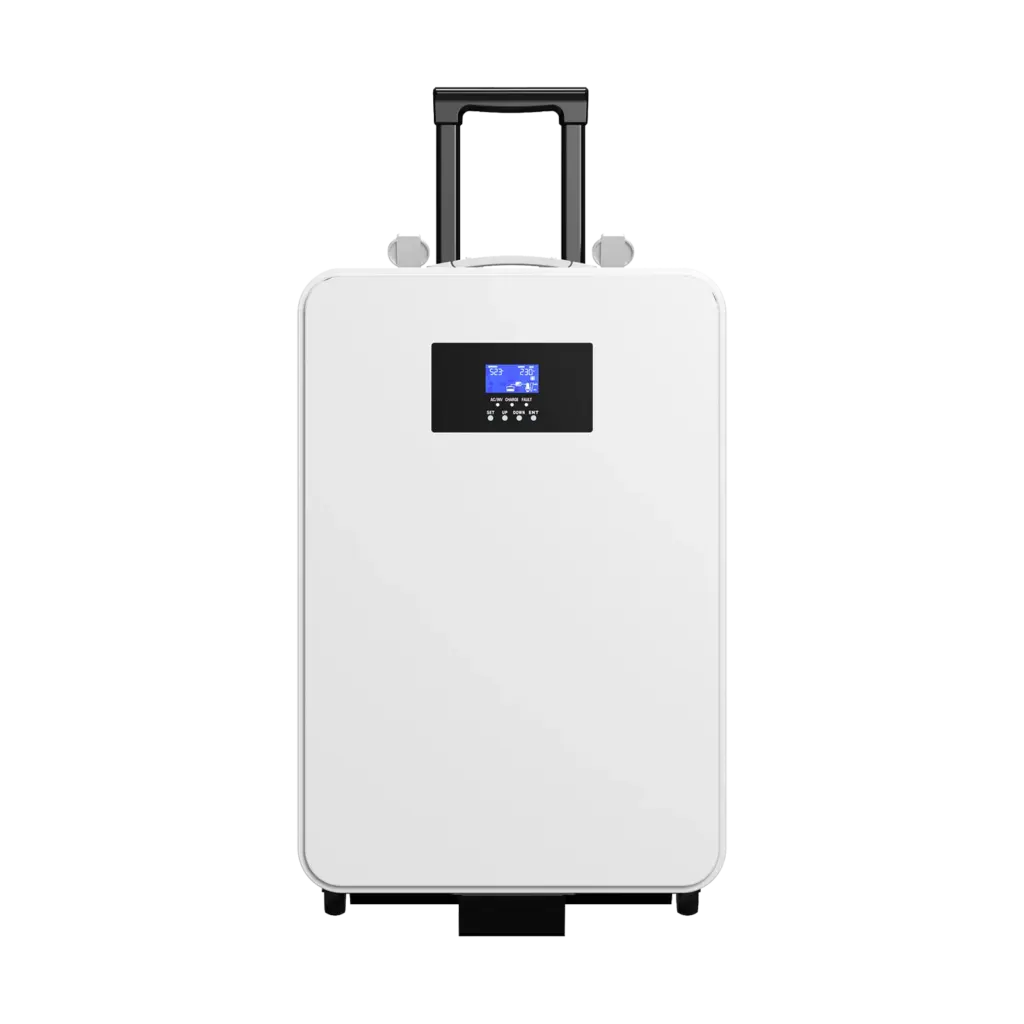
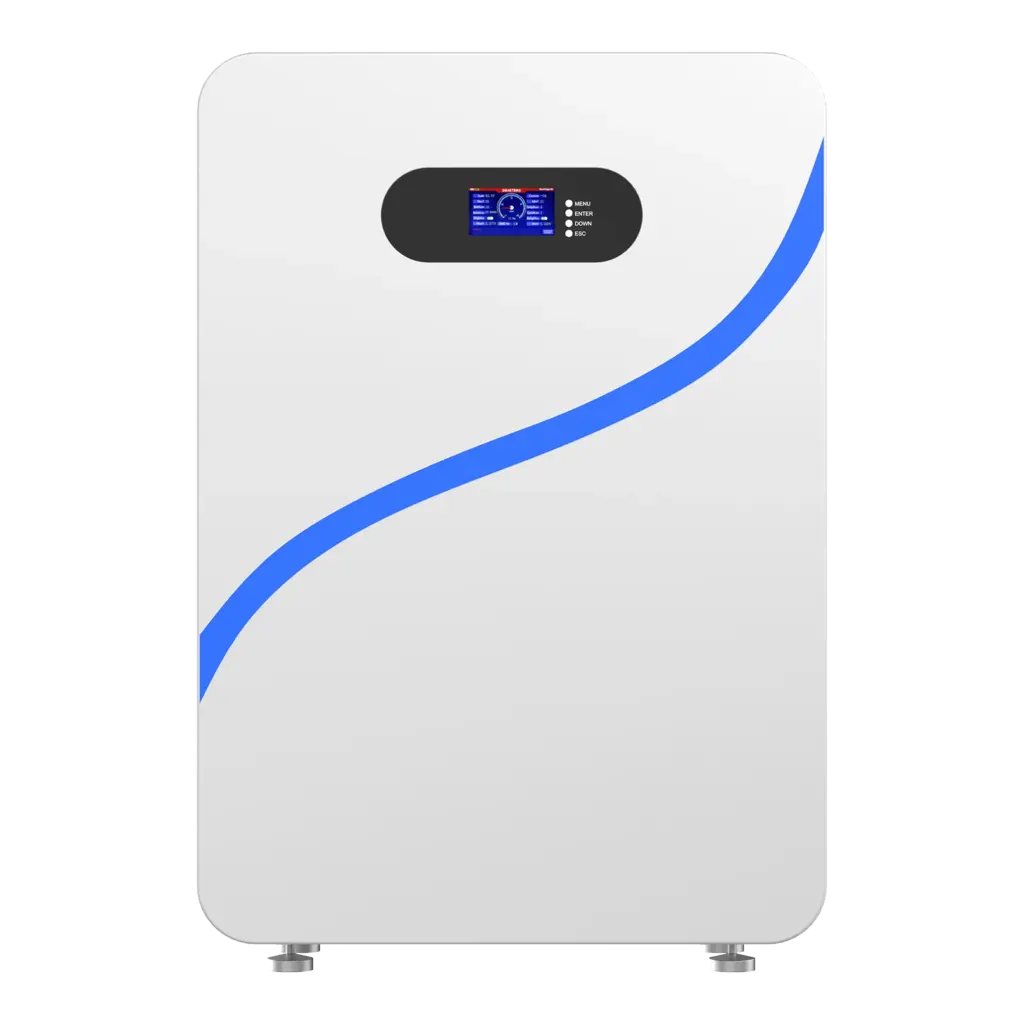
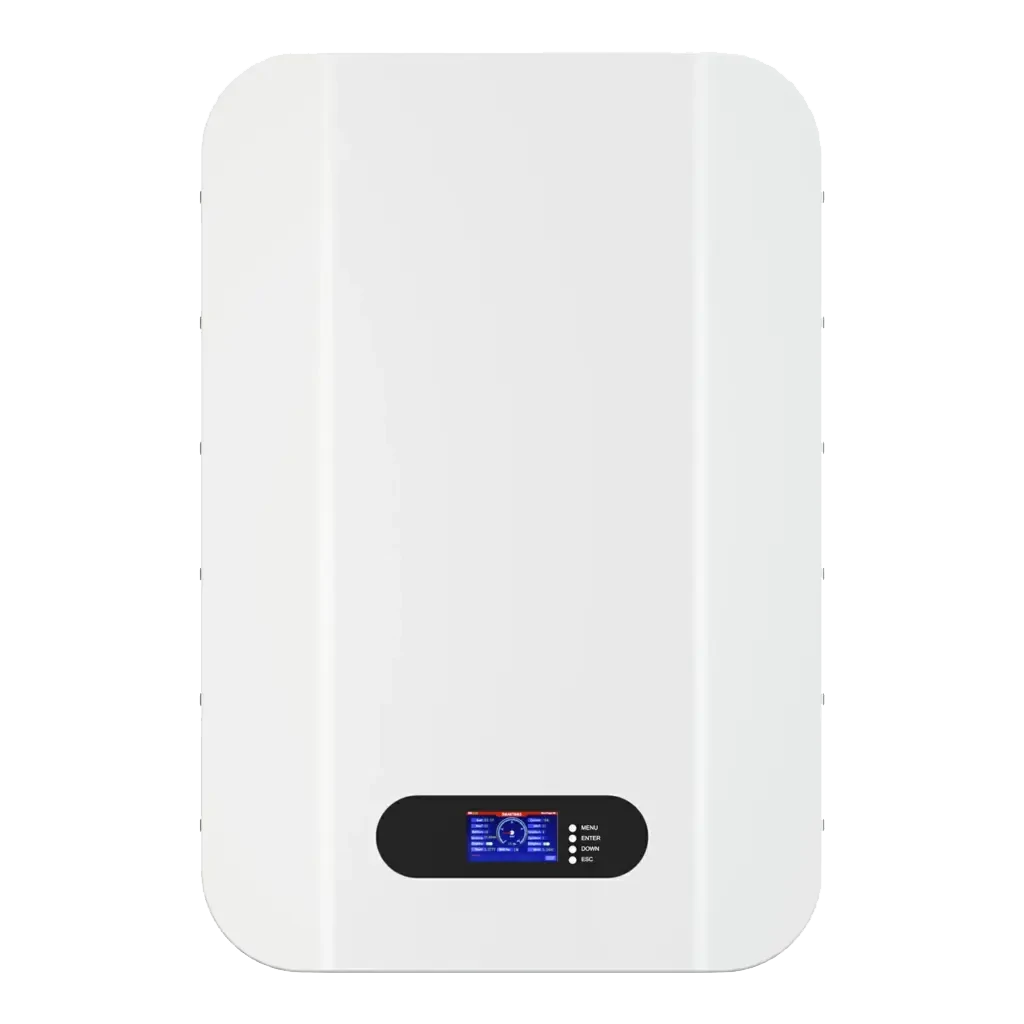
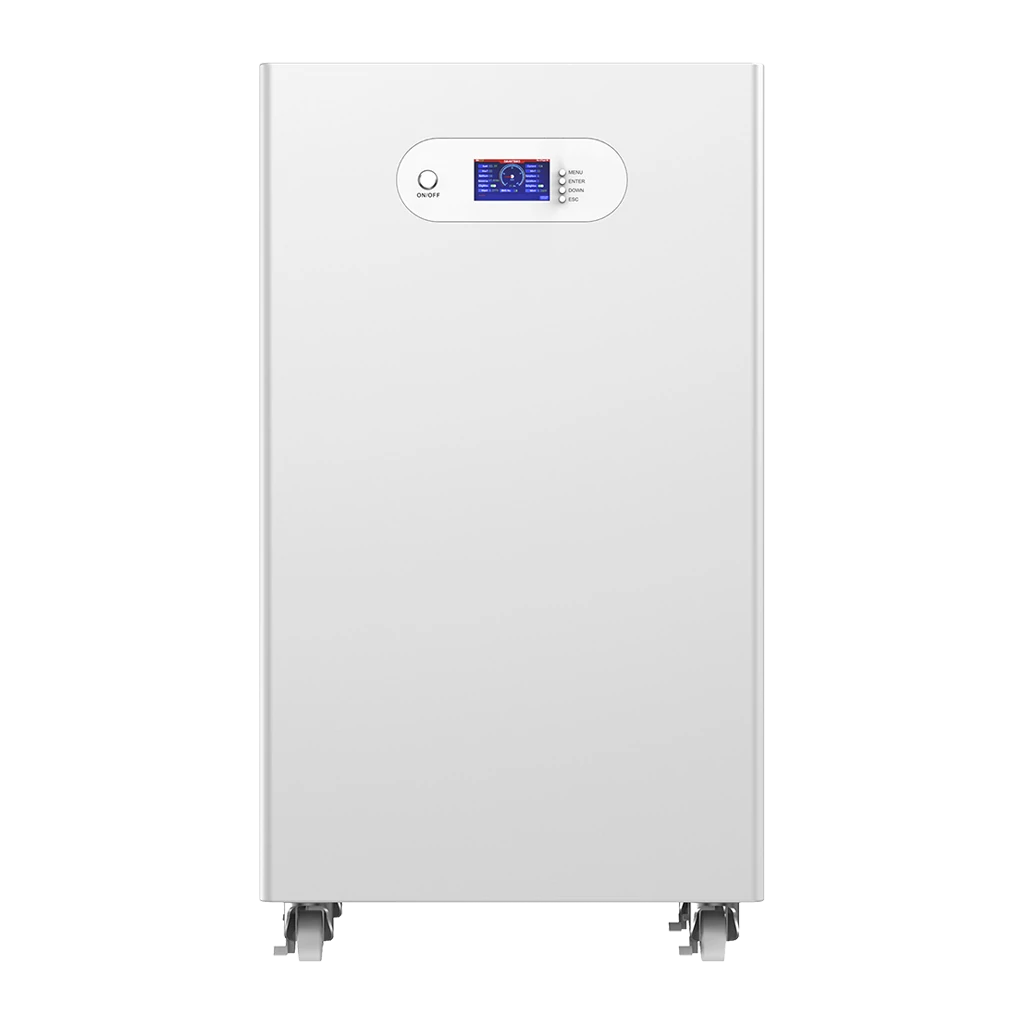
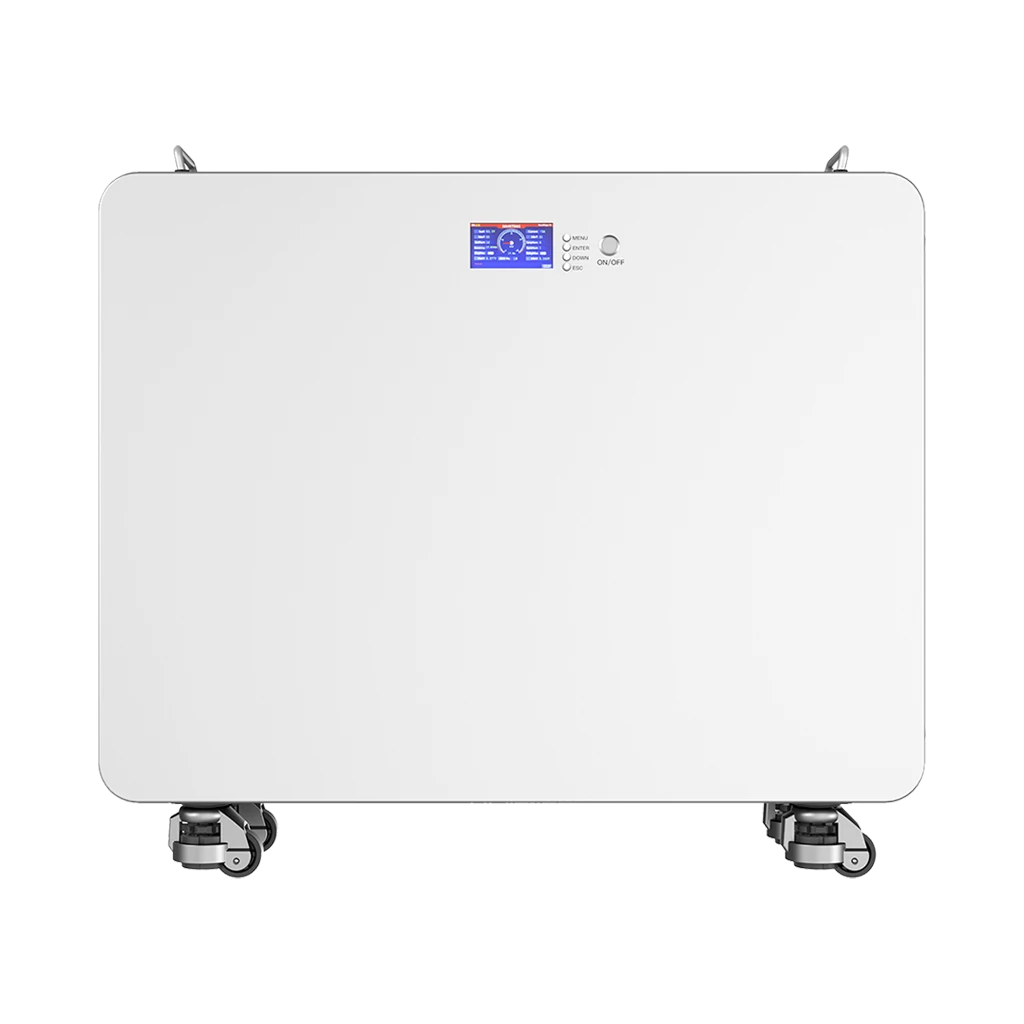
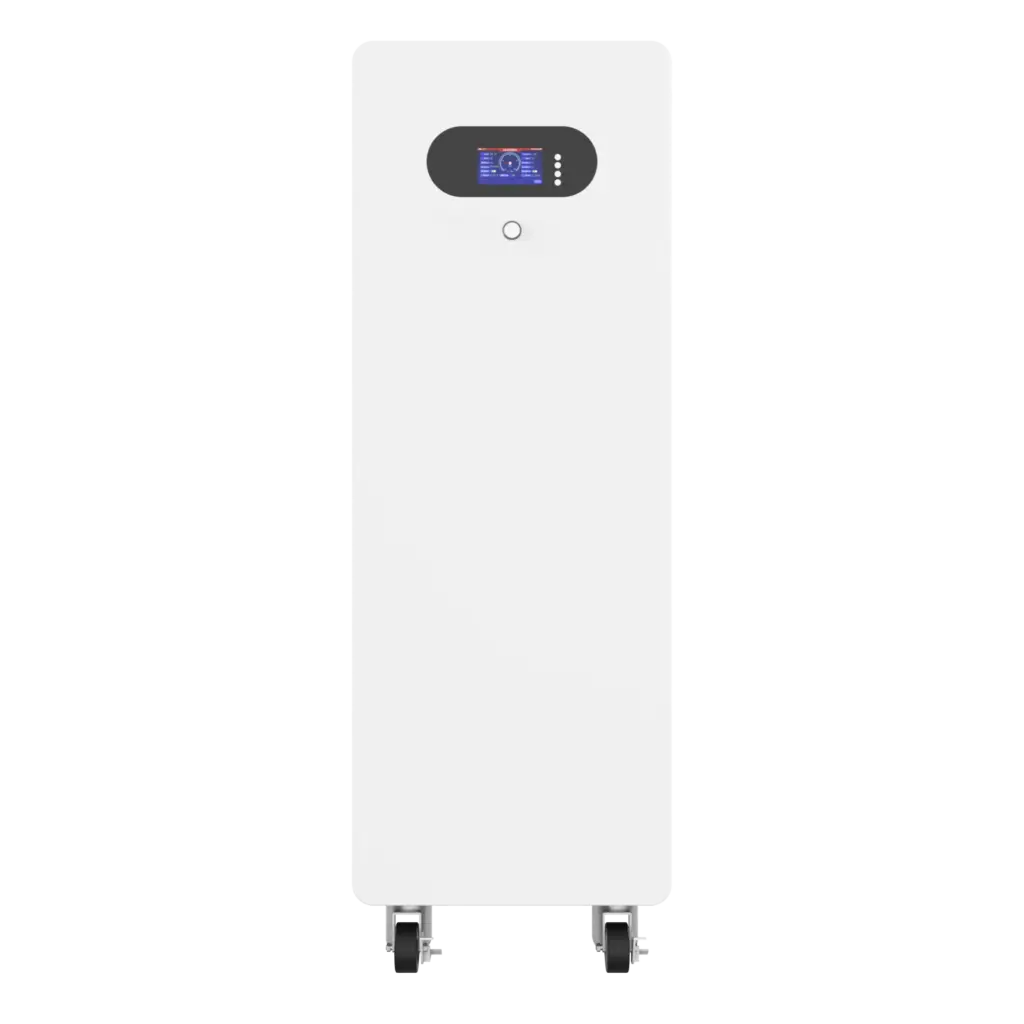
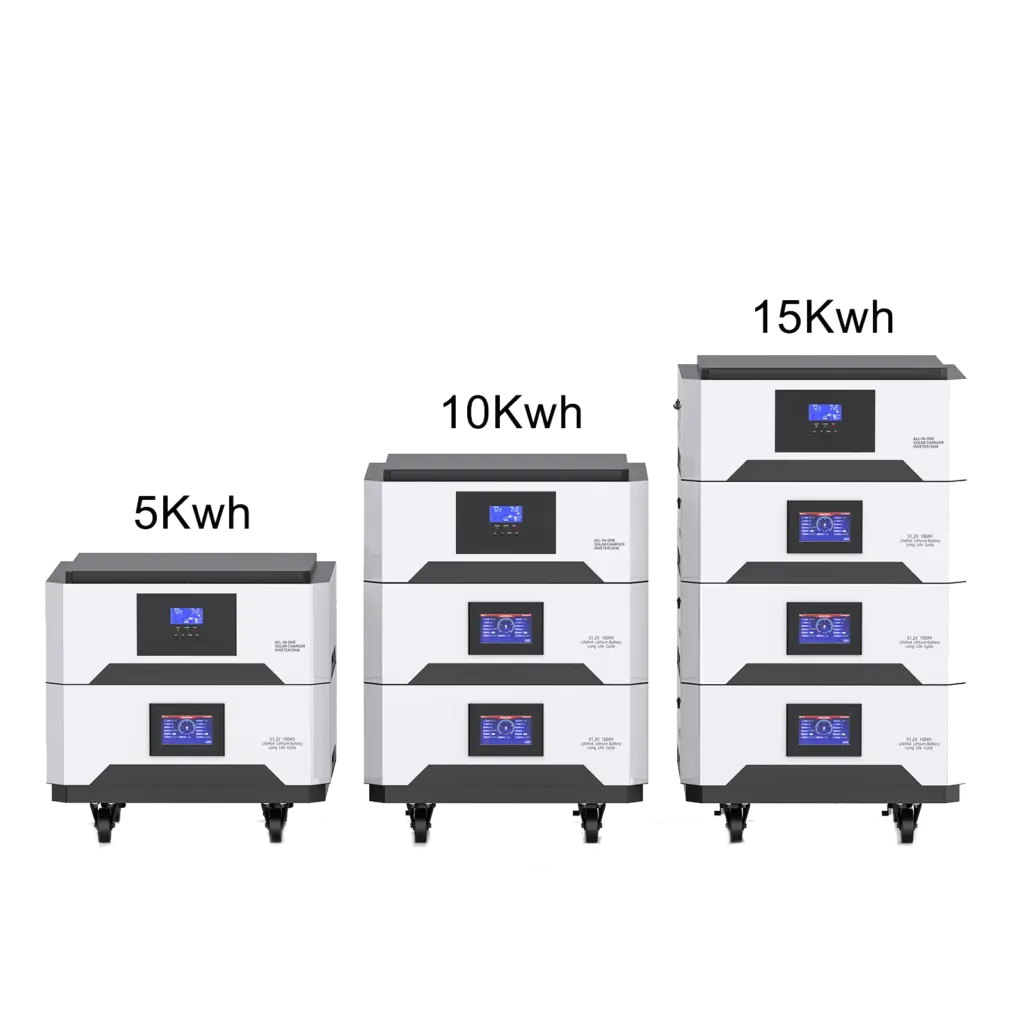
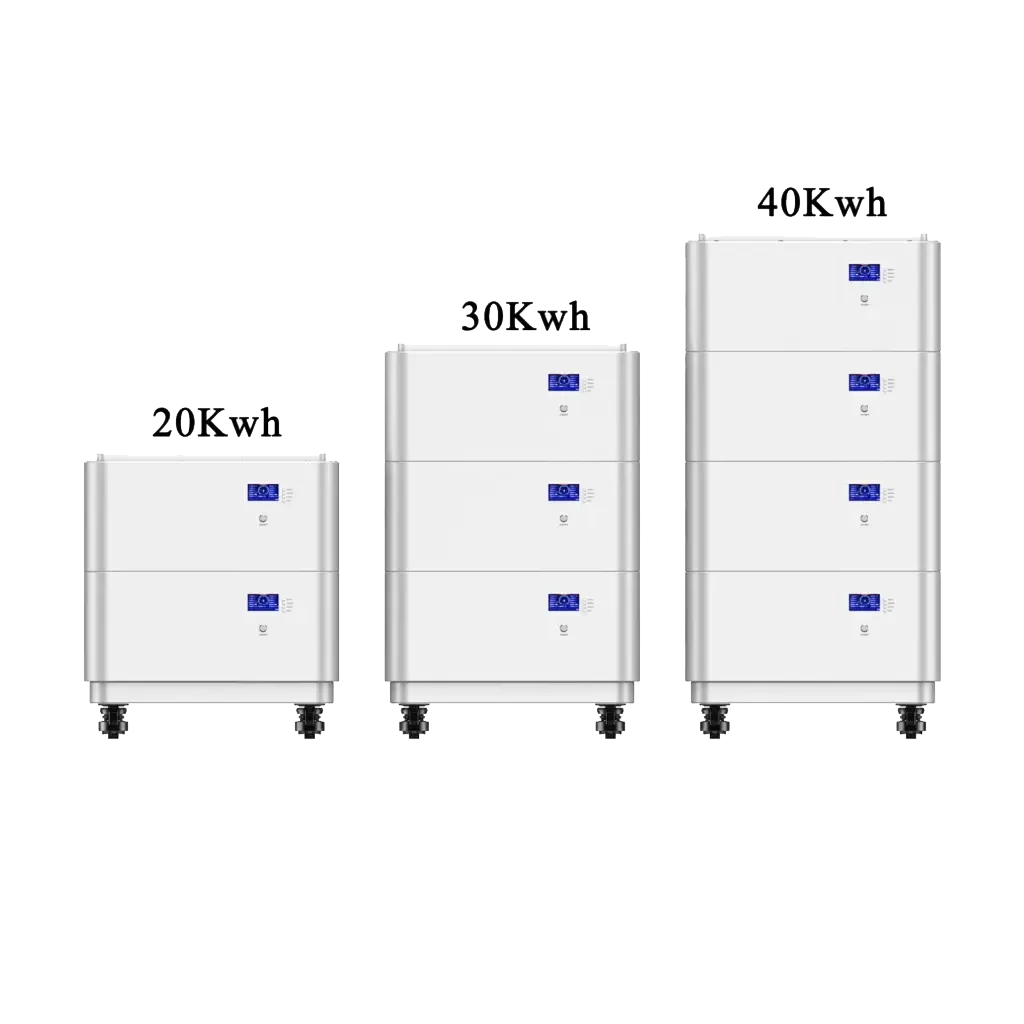
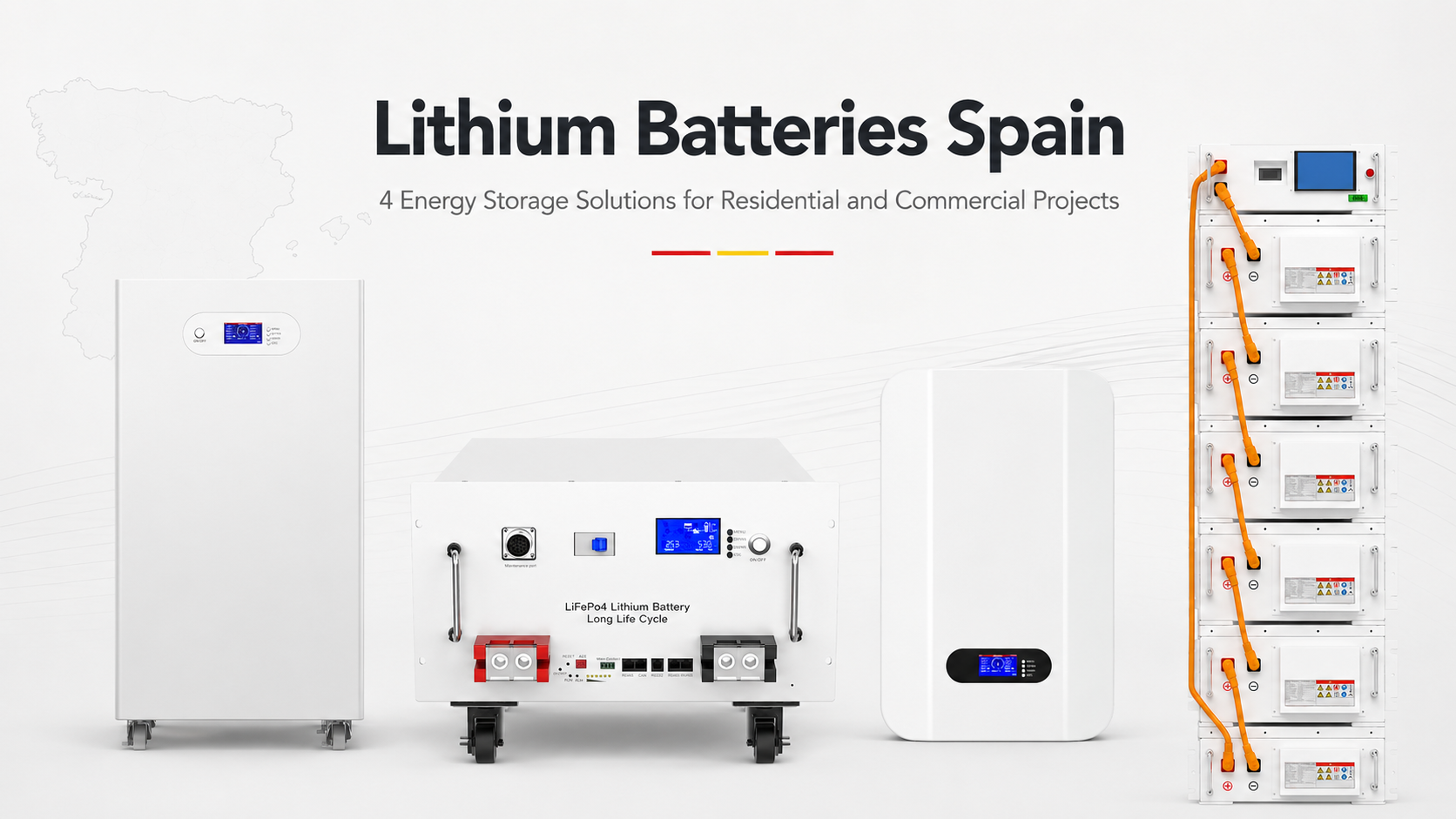
If you want a solar battery that grows with your home, choose Avepower’s 48v 15kwh battery storage. You can start with the capacity you need today and expand later as your usage increases—whether you add an EV charger, upgrade your air conditioning, or simply want more night-time backup—without replacing the whole system.
Contact Avepower now for a tailored quote. With safe LiFePO4 chemistry, smart BMS protection, and wide inverter compatibility, you get reliable storage that helps you keep more solar, use less grid power, and stay confident through every season.
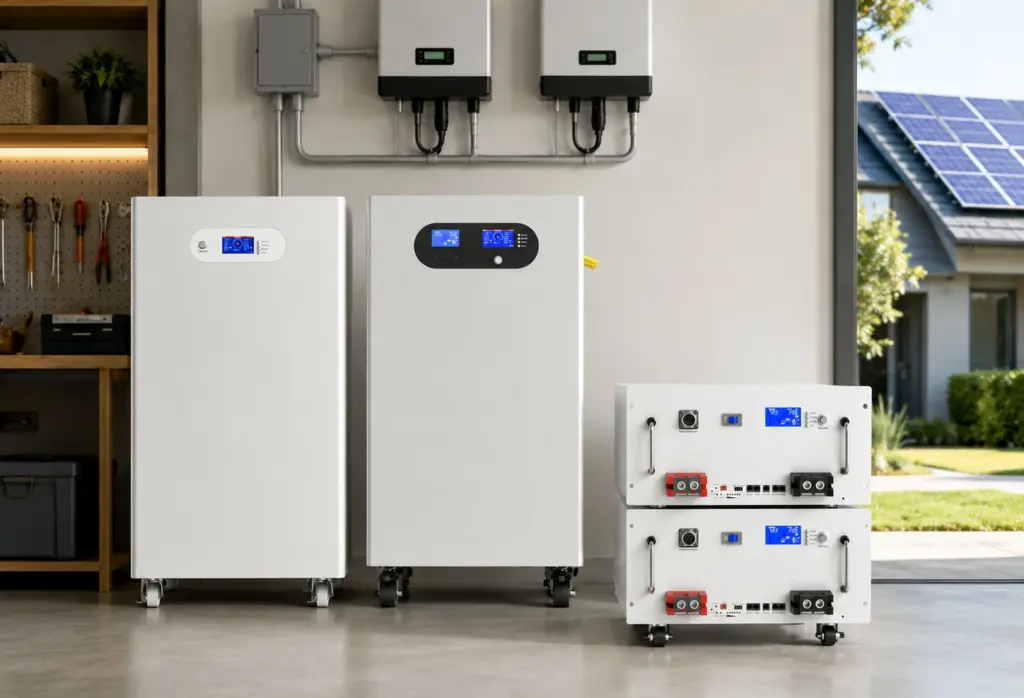
Take Control of Your Energy with Avepower!
Reliable home solar battery solutions with OEM/ODM customization and in-house manufacturing, tailored to the needs of distributors, installers, and energy partners.
Conclusion
A 15kW solar system is well suited to households with high electricity demand, significant daytime usage, and plans for future electrification. It can comfortably meet typical household energy needs, but real-world performance depends on when you use power and your local grid capacity.
When choosing battery storage, focus on your night-time energy use (kWh) rather than the solar system’s power rating (kW). For most large homes, a 15 kWh battery is a practical and well-matched option.
FAQ
Most 15kW systems use about 35–41 panels, depending on panel wattage. Higher-watt panels mean fewer panels for the same total size.
Battery size depends on your evening and overnight usage. Many high-consumption households choose 10–15 kWh, while homes with heavy night loads or stronger backup goals often consider 15–25 kWh.