
If you are wondering how many solar batteries are needed to power a house, the answer depends on more than just the size of your home. Your daily electricity use, the appliances you want to run, the length of backup time you need, and the usable capacity of each battery all affect the final number.
A small household that only needs backup power for lighting, Wi-Fi, and a refrigerator may require just one battery, while a fully electrified home with air conditioning, an electric stove, and high nighttime energy use may need multiple batteries.
According to the latest annual residential electricity consumption data from the U.S. Energy Information Administration, the average U.S. household used 863 kWh per month in 2024, which is about 28.8 kWh per day. For many households, unless energy use is strictly managed, a small battery is far from sufficient to cover a full day of consumption.
Quick Answer
For most households:
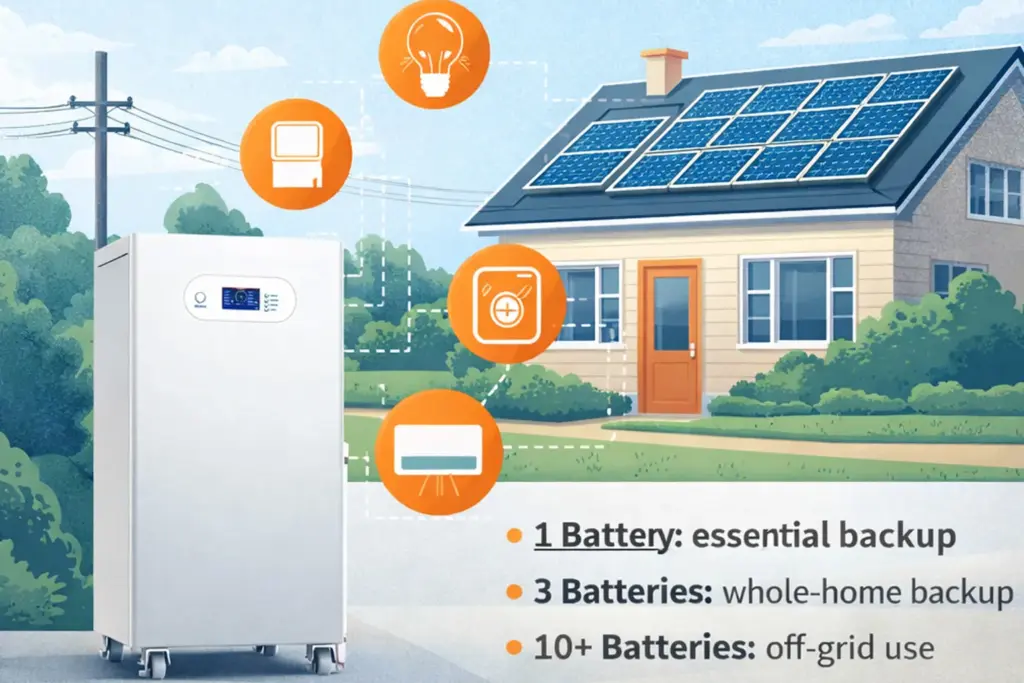
- 1 battery for basic backup
- 2–3 batteries to increase solar self-consumption and reduce nighttime electricity costs
- 3–5 batteries for whole-home backup solutions
- 10+ batteries for off-grid living or very high energy independence goals
Why Does Every Home Use a Different Battery Model?
1. Your Daily Energy Consumption Matters Most
The first step is always to determine your actual electricity usage. A household that uses 12 kWh per day is very different from one that consumes 30 kWh or even 50 kWh daily.
According to the latest data from the U.S. Energy Information Administration (EIA), the average U.S. household used 863 kWh per month. Data from SolarQuotes shows that Australian households use around 16 kWh per day on average, while larger homes often reach 30 kWh or more—and some large families even exceed 60 kWh per day.
Because of these differences, battery capacity should always be based on your own energy usage rather than a one-size-fits-all rule.
2. Your Goals Change the Answer
A battery system for backup power is not the same as one designed to save on electricity bills.
- One battery is often enough for emergency backup
- Two to three batteries can reduce reliance on expensive nighttime grid power
- Full energy independence requires significantly larger storage capacity
3. Runtime and Capacity Are Equally Important
If you only need to cover evening peak usage, your storage needs may be moderate. But if you want backup during a 24-hour outage or 2–3 days of bad weather, capacity requirements increase quickly.
For example, if your essential loads total 5 kWh per day and you want 2 days of autonomy, your energy target is 10 kWh. In this case, a 10 kWh or 15 kWh Avepower battery could meet your needs.
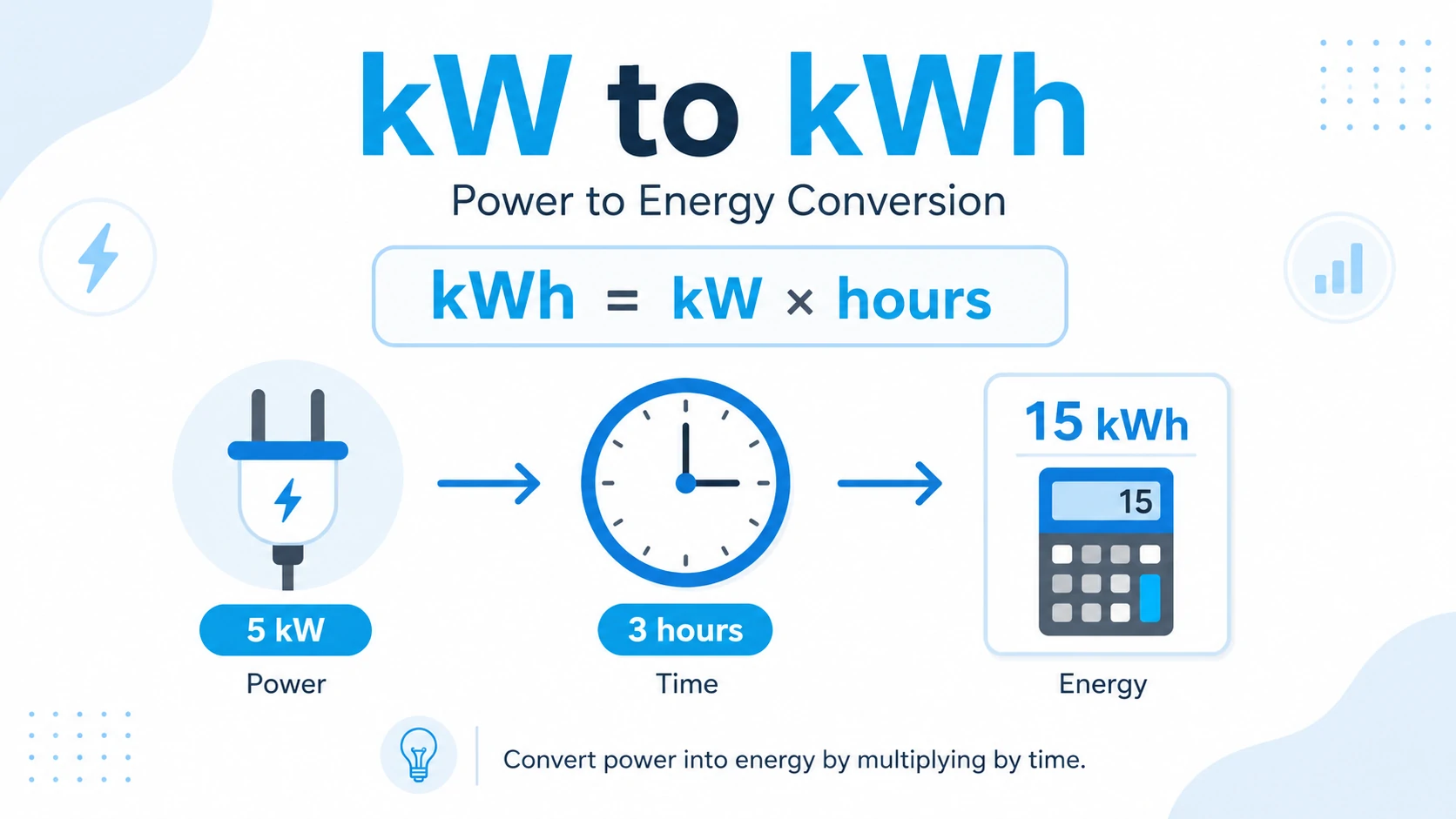
4. kWh and kW Are Not the Same
- kWh (kilowatt-hours) measures how much energy a battery can store
- kW (kilowatts) measures how much power it can deliver at one time
A home may have enough stored energy to run for hours, but if the output power is too low, it may not be able to run multiple large appliances simultaneously.
5. Real Systems Have Efficiency Losses
Batteries cannot return 100% of the energy they store. In real-world conditions, losses occur due to conversion and system inefficiencies.
This means the battery capacity you need is usually higher than a simple calculation based on appliance consumption—especially when factoring in inverter losses and actual operating conditions.
How to Calculate How Much Solar Battery Capacity You Need
A simple way to estimate battery quantity is:
Required storage (kWh) = energy you want to cover ÷ system efficiency
Number of batteries = required storage (kWh) ÷ usable battery capacity per battery (kWh)
If you are using an 85% round-trip efficiency assumption, and you want to cover 20 kWh of daily household usage, then the required stored energy is:
20 ÷ 0.85 = 23.5 kWh
That means you would need:
- about 2 batteries if each battery provides 15 kWh
- about 3 batteries if each battery provides around 10 kWh
This formula does not replace a full installer load assessment, but it gives homeowners a far more useful estimate than guessing.
Example 1: Basic Backup Only
Assume your goal is to keep only essential loads running during an outage: refrigerator, internet, lighting, phone charging, and a few outlets.
If your critical load is 5 kWh per day for two days, the total energy requirement is 10 kWh. One 15 kWh battery would be sufficient.
This is why many households only need a single battery when they are backing up essential loads rather than powering the entire home.
Without heating and cooling loads, a solar + storage system with a 15 kWh battery can typically support most homes through a 3-day outage. However, once heating and cooling are included, the required battery capacity increases significantly.
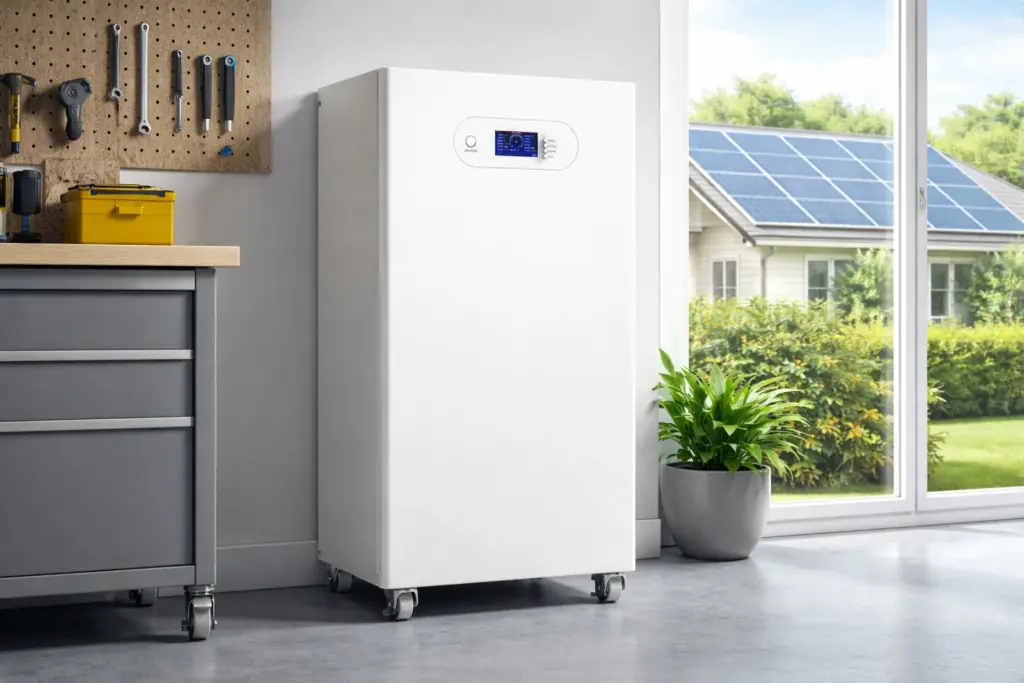
Avepower Solar + Storage System Solution
Looking for a scalable solar + storage solution for your market or project? Contact Avepower for product selection, inverter compatibility, and OEM/ODM support.
Example 2: Average Home (1 Day Backup)
Using the U.S. Energy Information Administration (EIA) daily average consumption of 28.8 kWh and the NREL 85% efficiency assumption:
28.8÷0.85≈33.9 kWh
This means an average home would need approximately:
- 3 batteries, each with 15 kWh capacity
- 4 batteries, each with 10 kWh capacity
A single battery can power critical circuits, but it typically cannot provide full-day backup for an average household.
Example 3: Large Homes with HVAC and High Loads
Homes with central air conditioning, electric heating, water heaters, pool pumps, or EV chargers generally require significantly more storage than energy-efficient homes with only essential circuits.
During extended outages, including heating and cooling loads will greatly increase storage requirements. Without HVAC, 15 kWh of storage may be enough for many homes during a 3-day outage. However, if heating and cooling must also be backed up, a much larger battery system is usually required.
Example 4: How Many Batteries for an Average U.S. House?
Using the latest EIA average of 28.8 kWh per day, and applying NREL’s representative 85% round-trip efficiency, an average home would need about 33.8 kWh of stored energy to cover one full day without solar recharge. That works out to roughly:
- 3 batteries if each battery provides about 15 kWh
- 4 batteries if each battery provides about 10 kWh
For 2 days of autonomy, the same average home would need about 67.7 kWh of storage after accounting for efficiency losses, or roughly:
- 5 batteries at 15 kWh each
- 7 batteries at 10 kWh each
Can One Solar Battery Power a Home?
Yes—but only in certain situations.
A single battery can usually power part of a home, especially if you define a critical loads panel and exclude major appliances. It may also be sufficient for energy-efficient homes that mainly want to shift excess solar energy from daytime to nighttime use.
However, if you’re expecting to power an entire home during an outage—including air conditioning, cooking, laundry, and other comfort loads—one battery is typically not enough.
A Better Way to Choose the Right Number of Batteries
Ask yourself:
- How many kWh does my home use per day?
- Which loads are essential, and which are optional?
- How many hours or days of backup do I need?
- Can my solar panels recharge the battery during the day?
- Do I want a fixed-capacity battery or a modular system that can expand later?
Battery capacity should match both your daily energy consumption and your peak power demand.
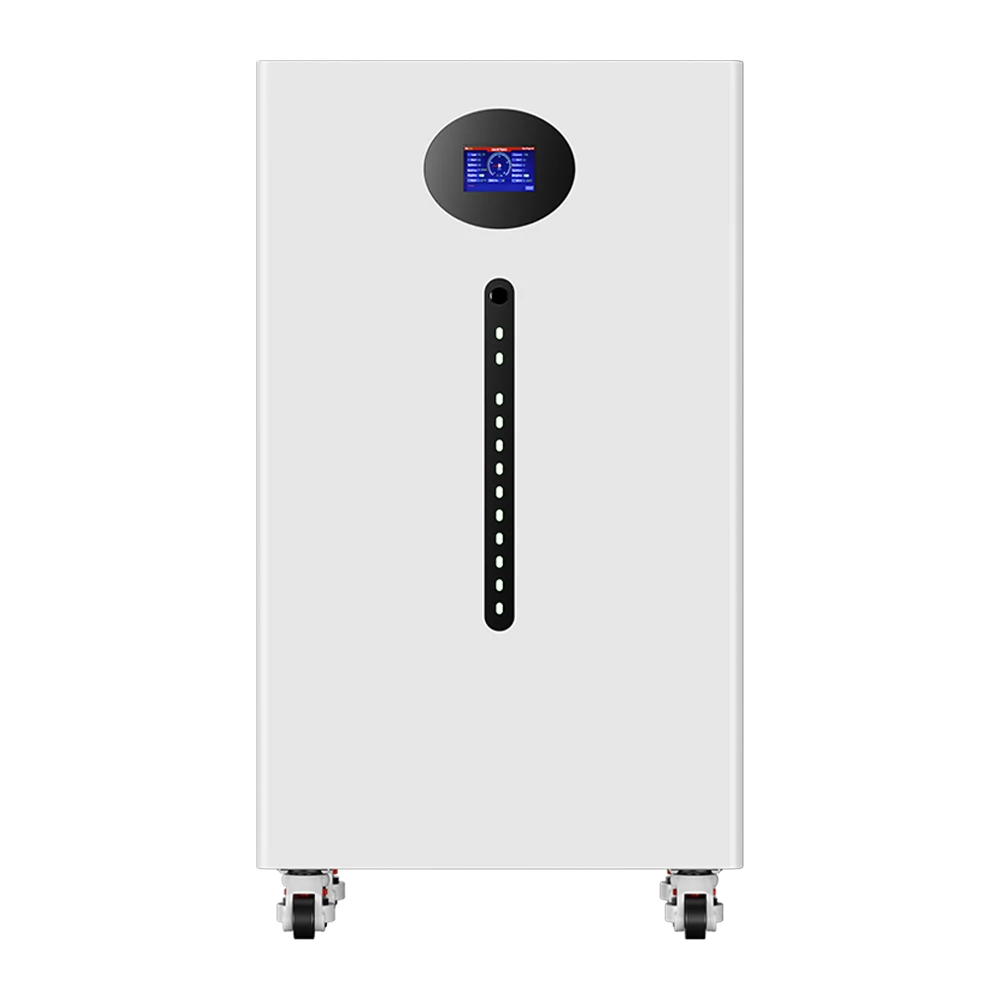
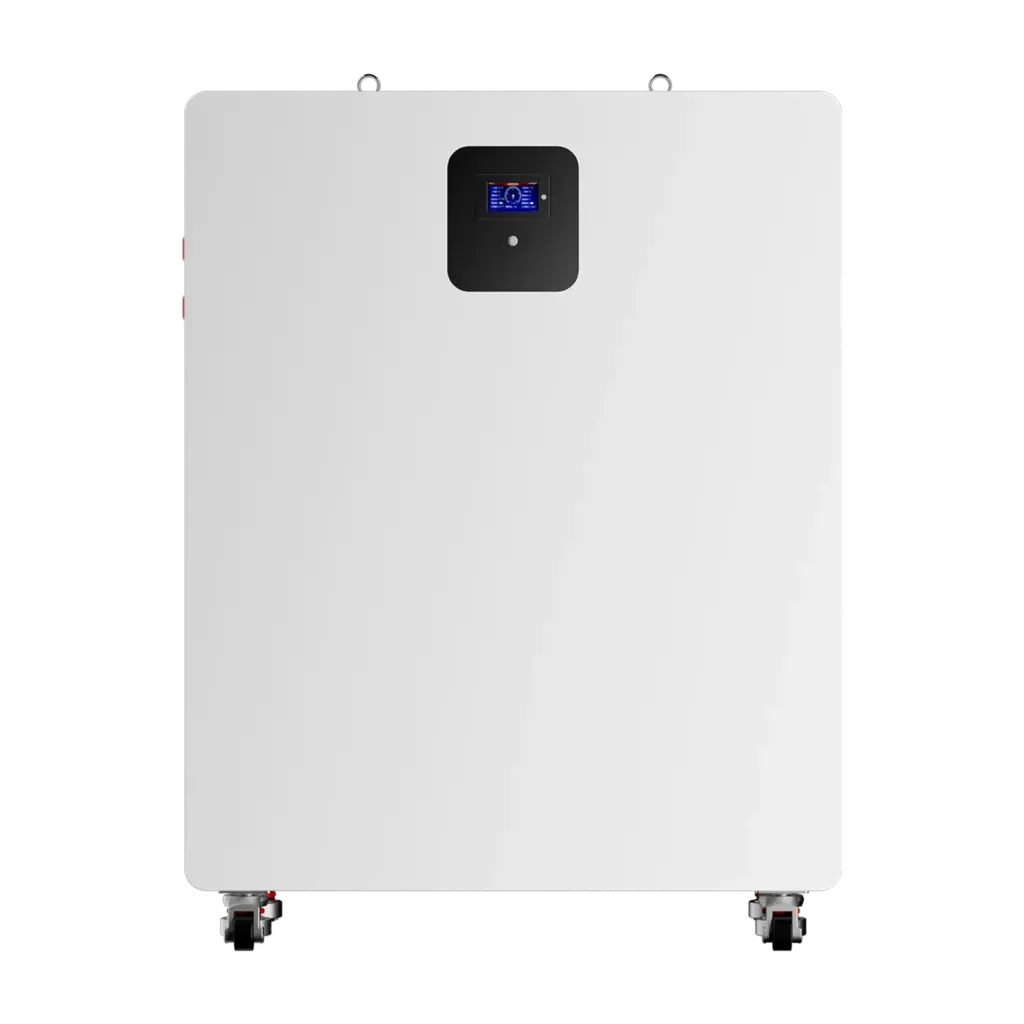
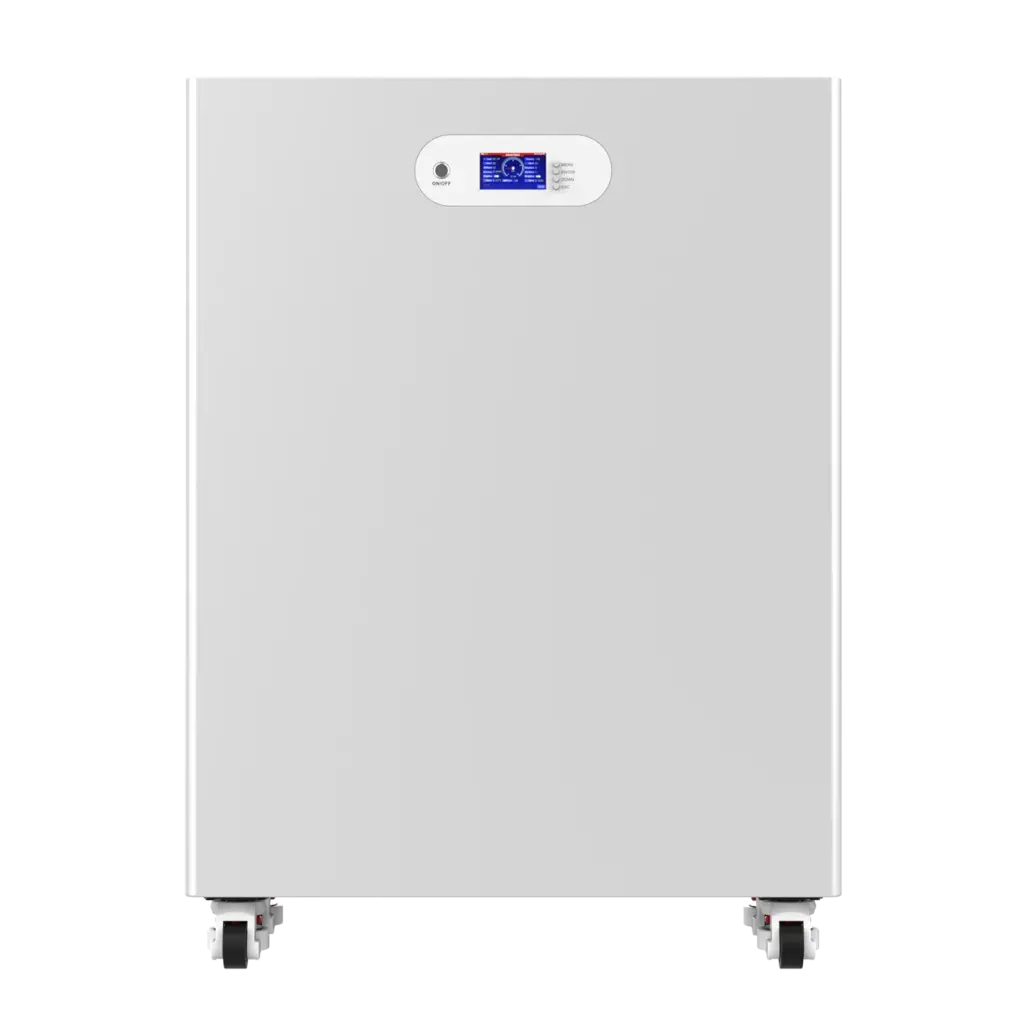
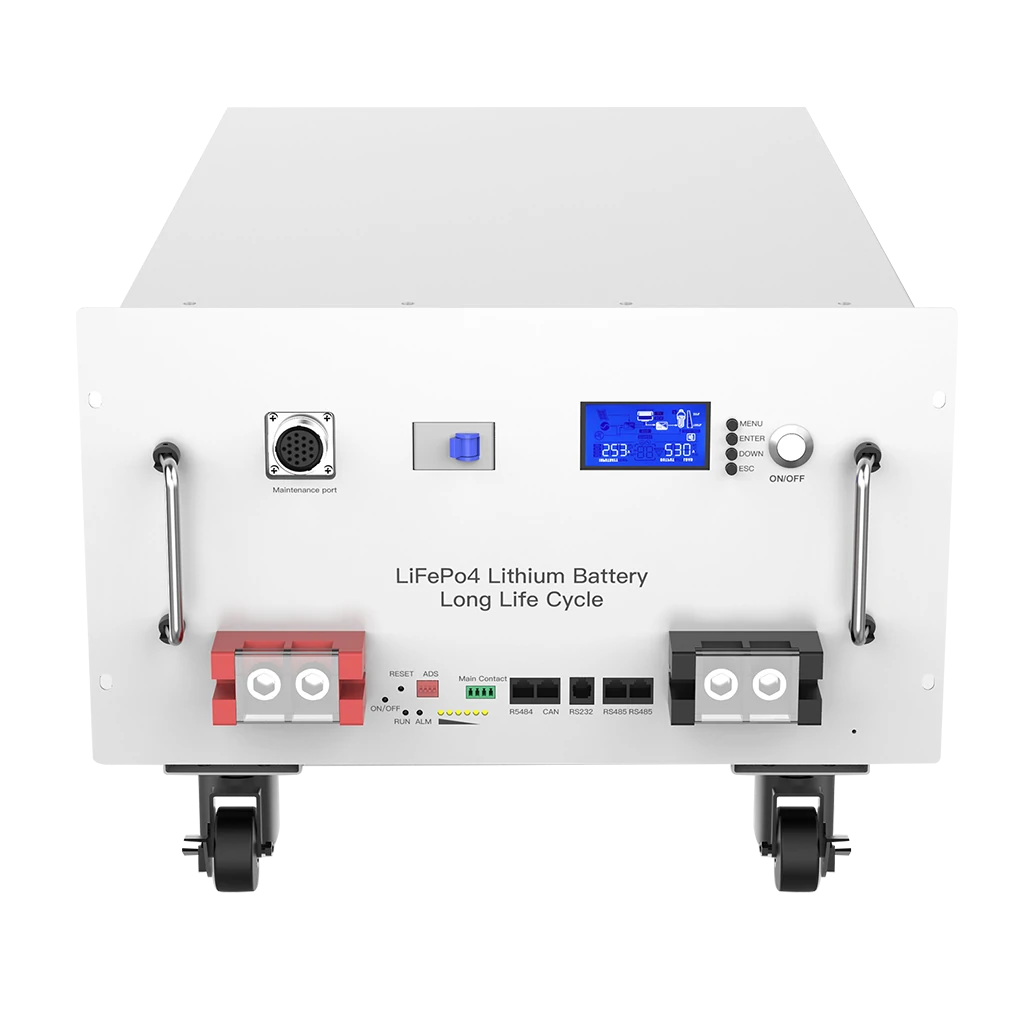
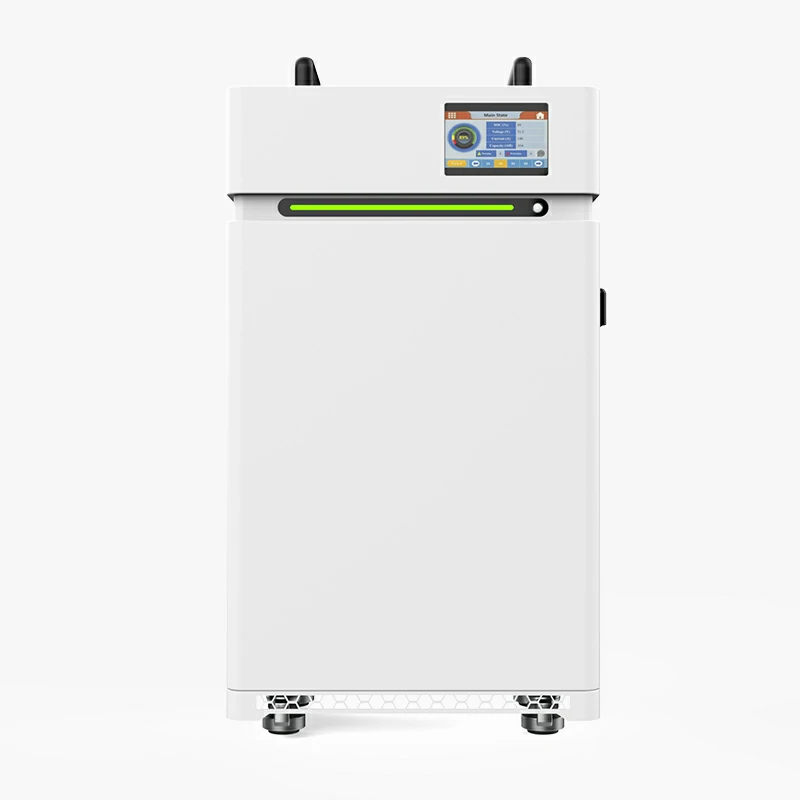
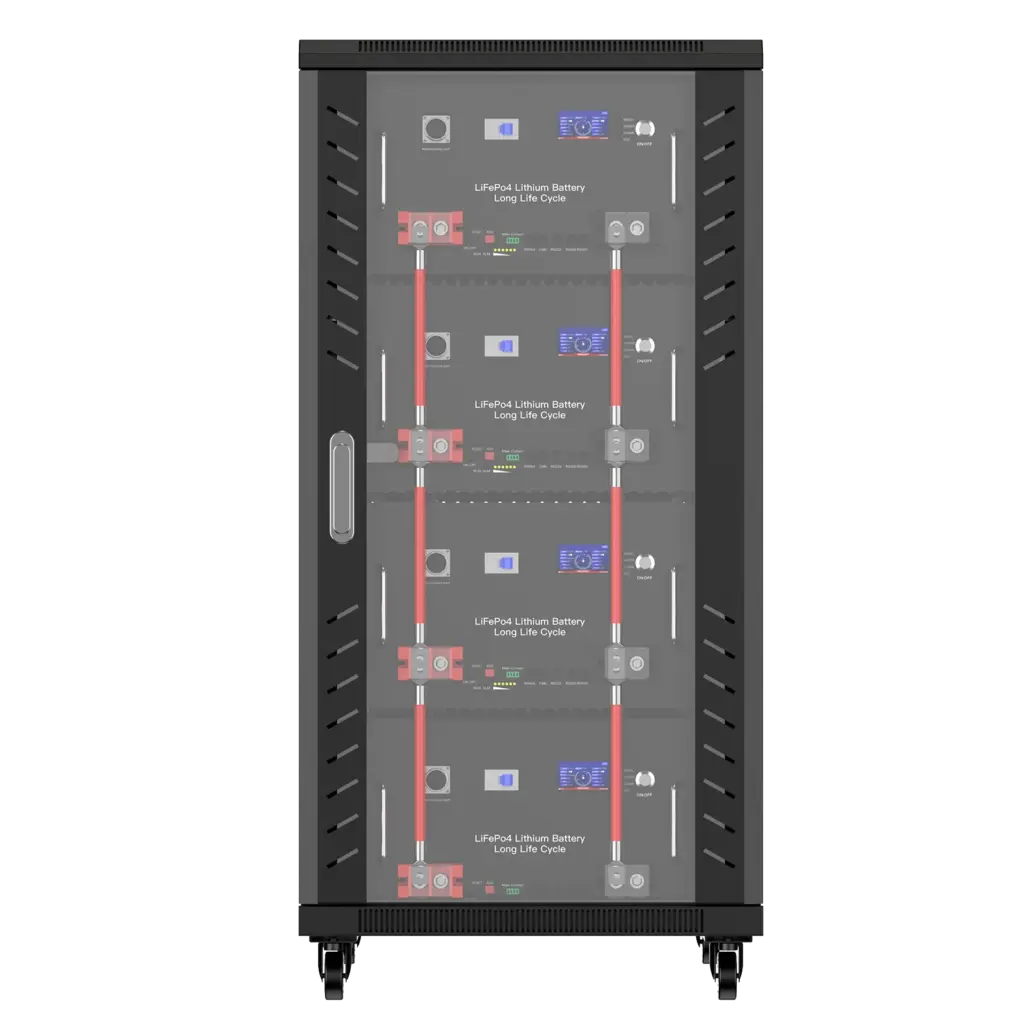
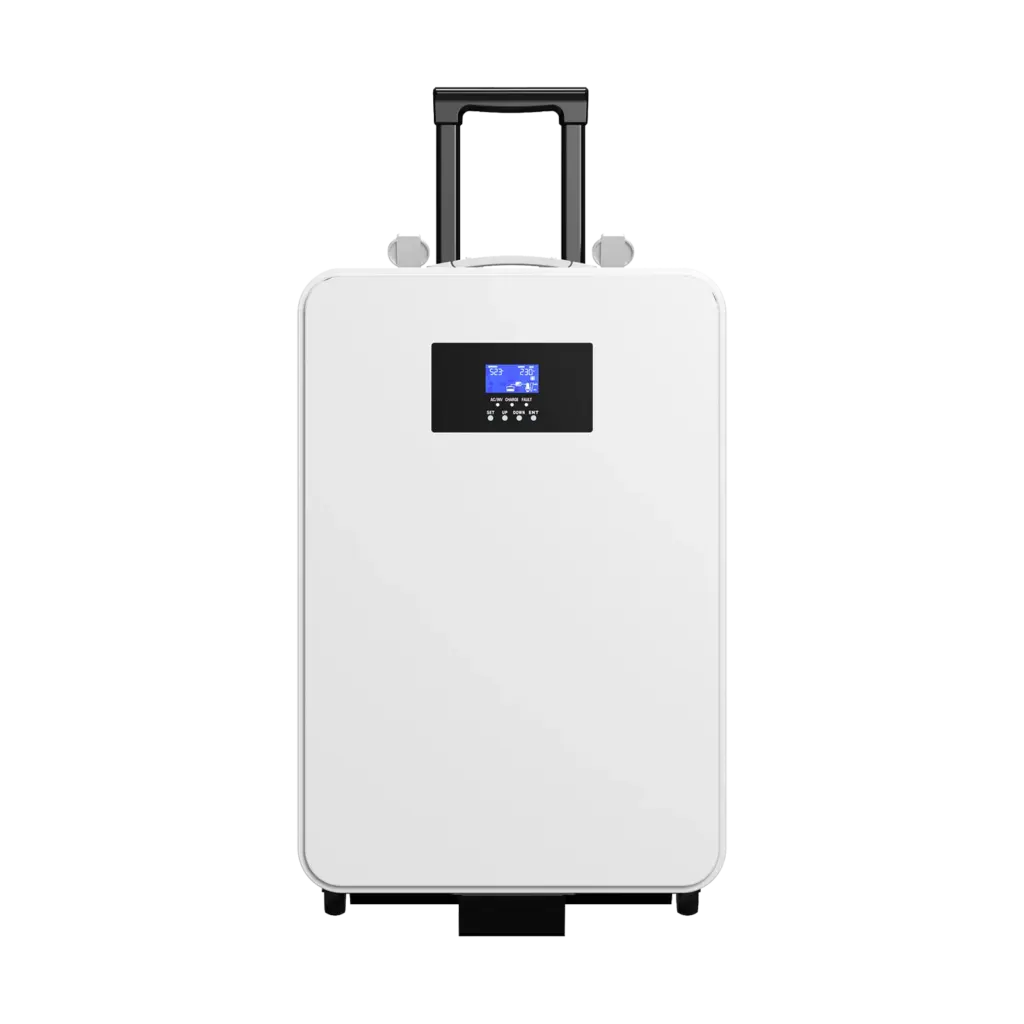
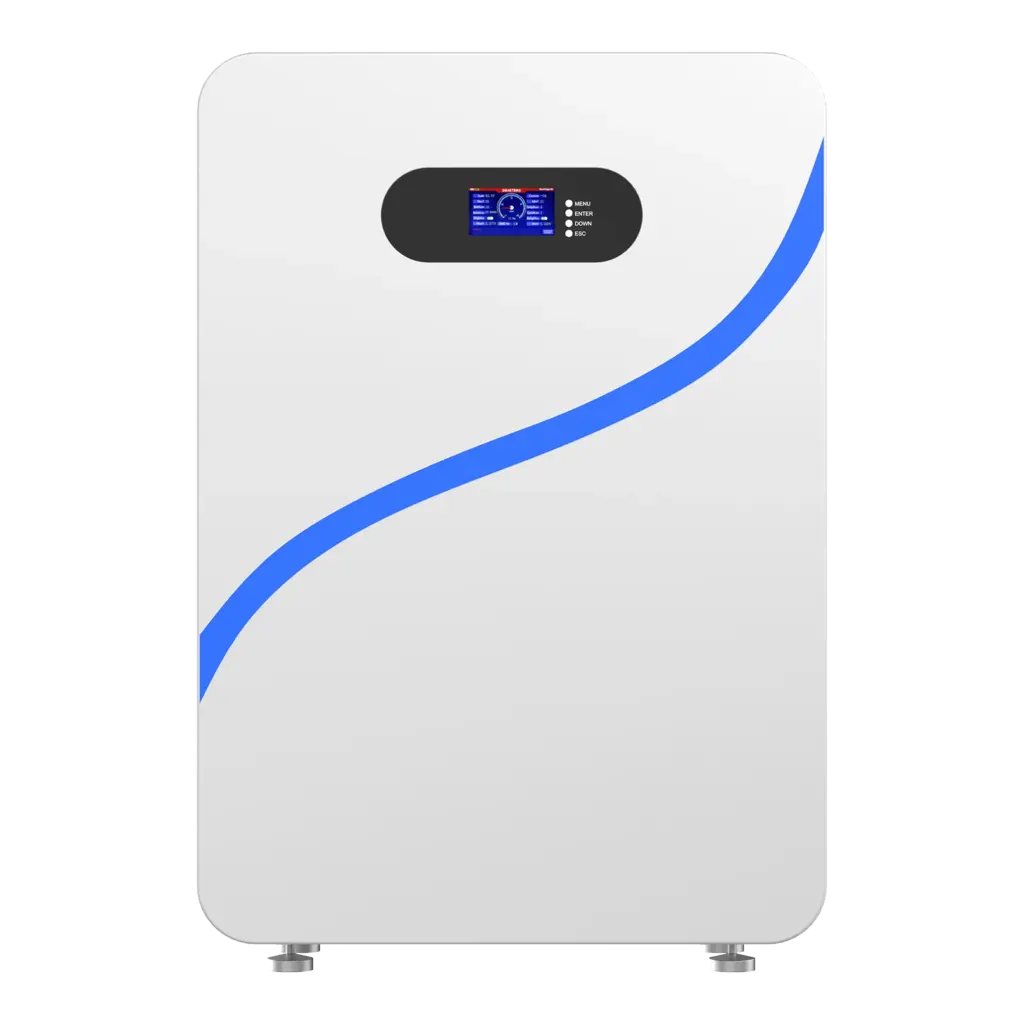
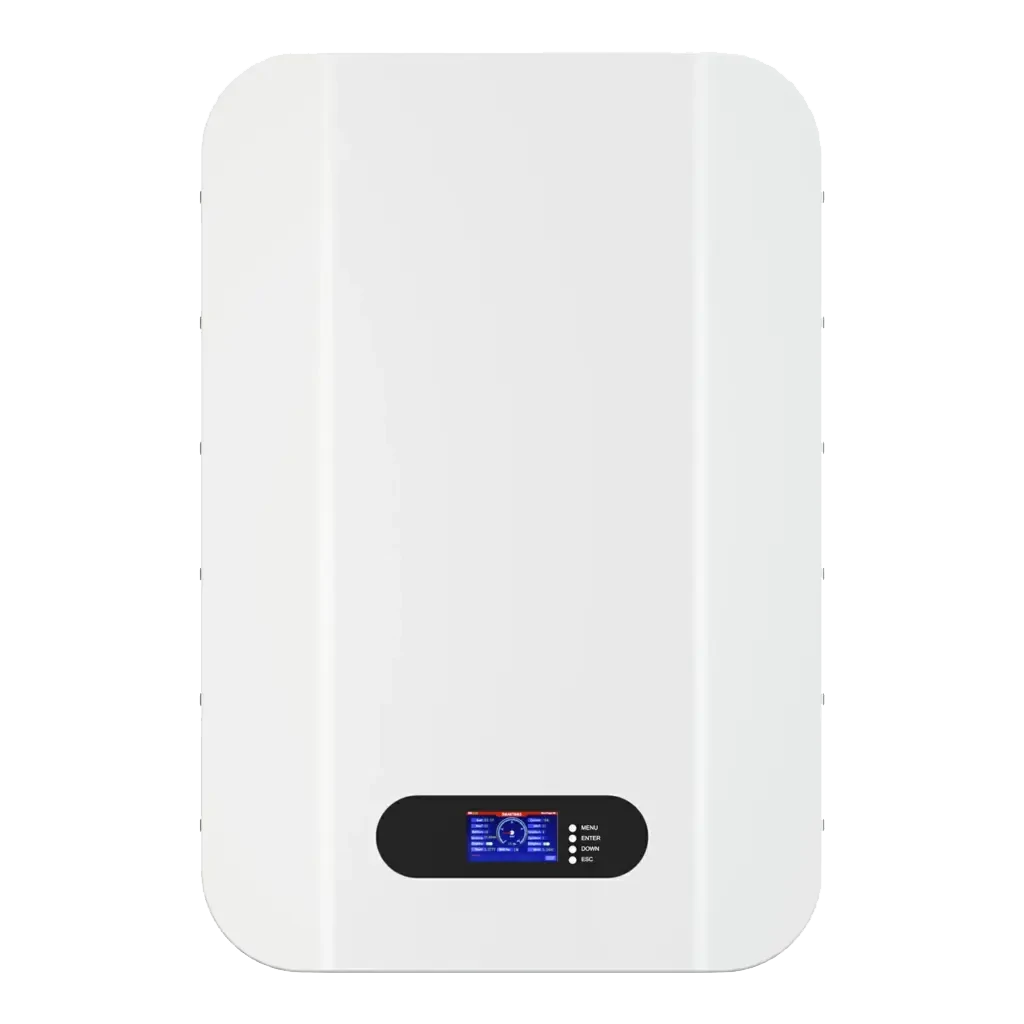
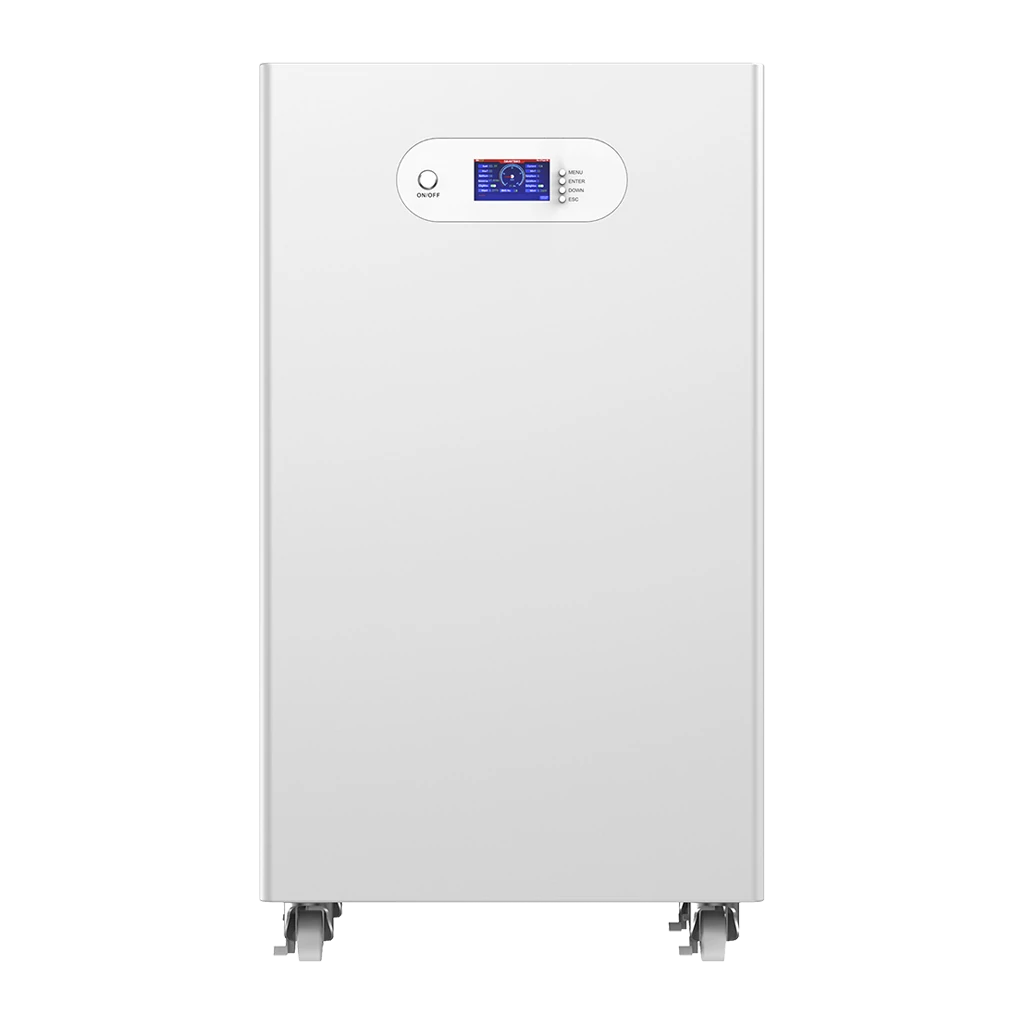
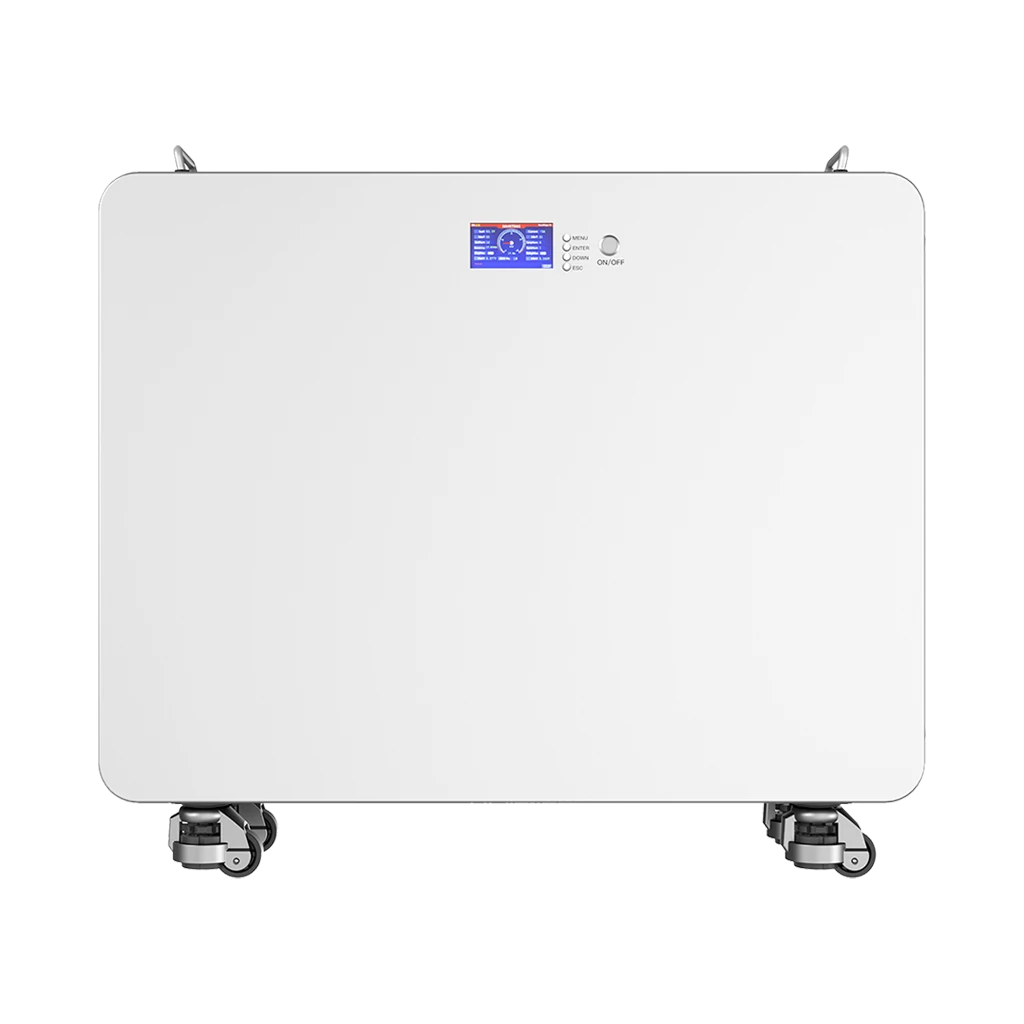
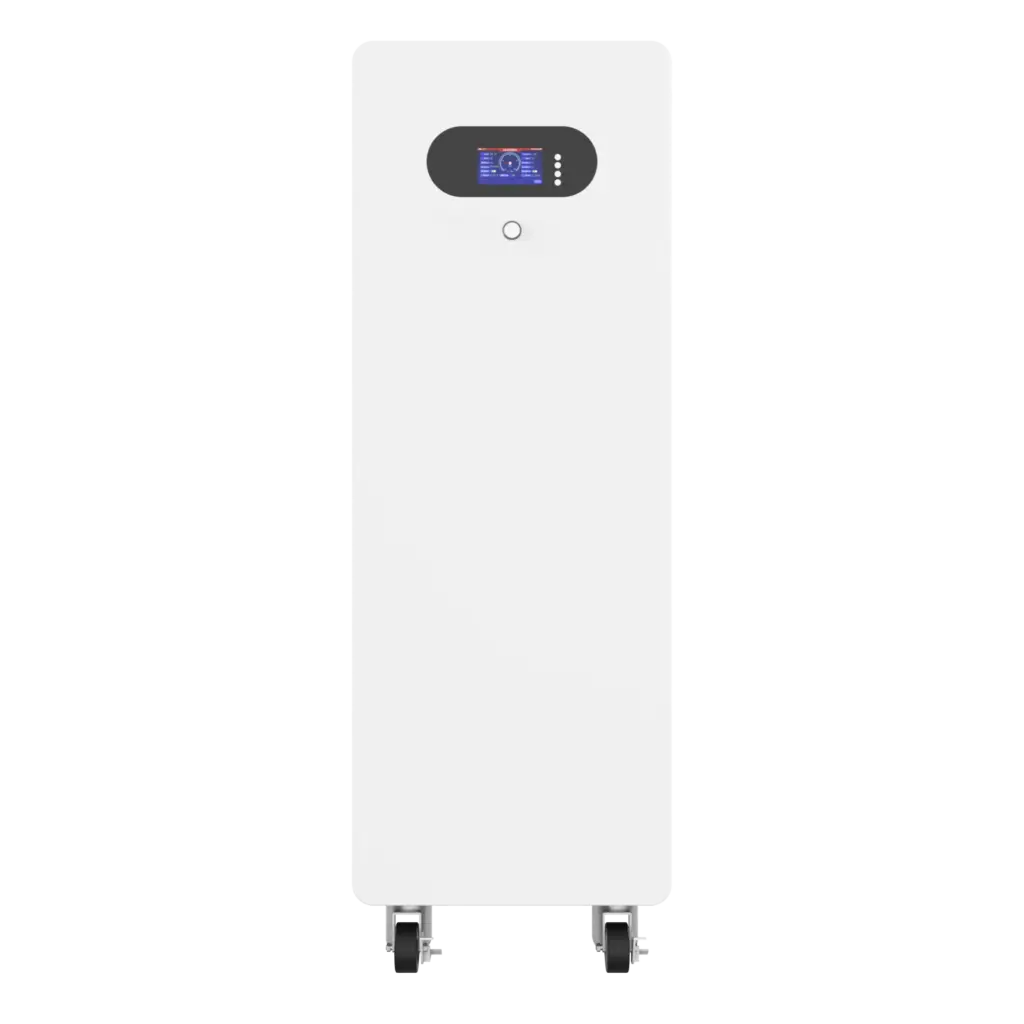
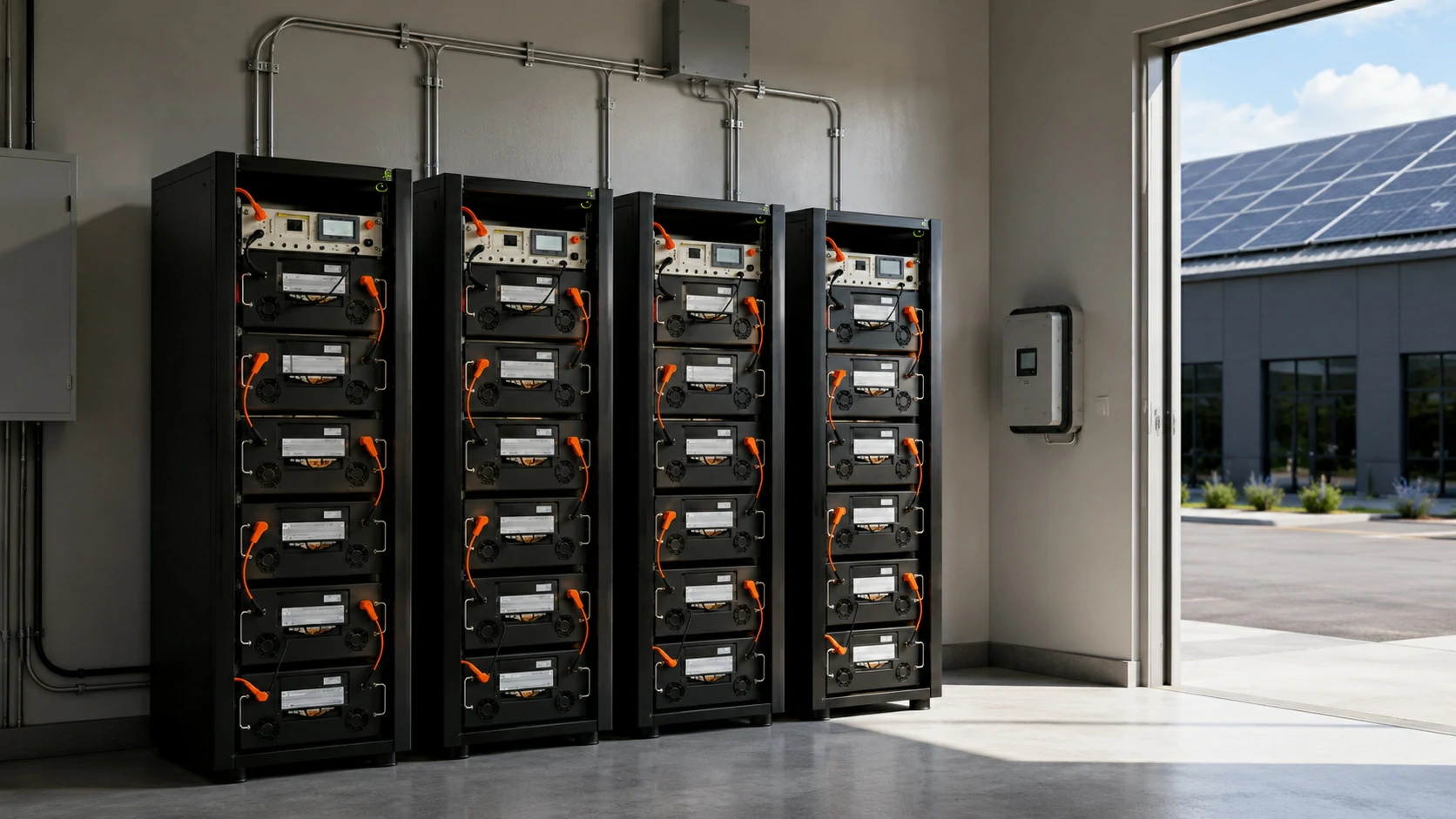
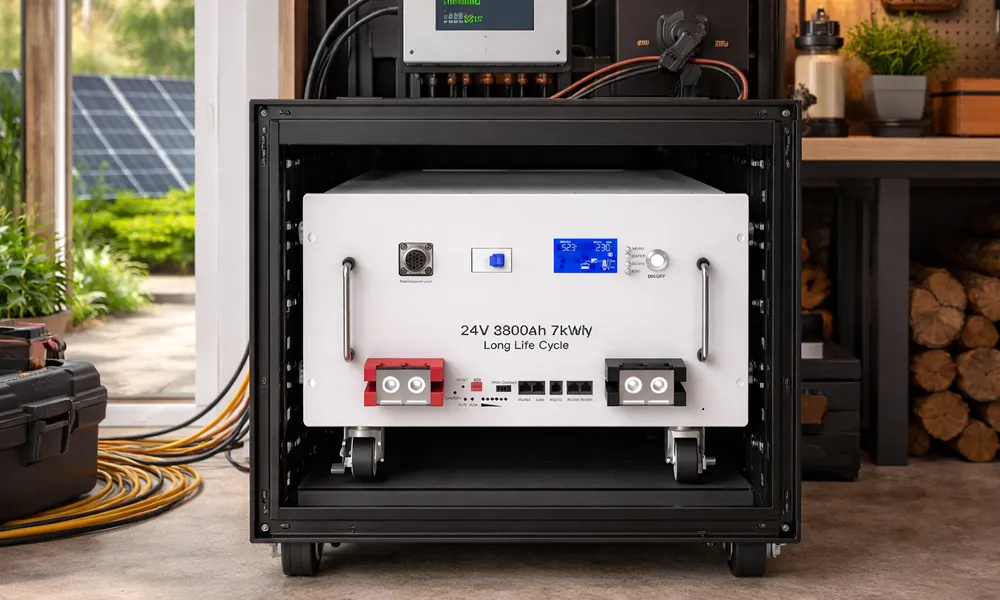
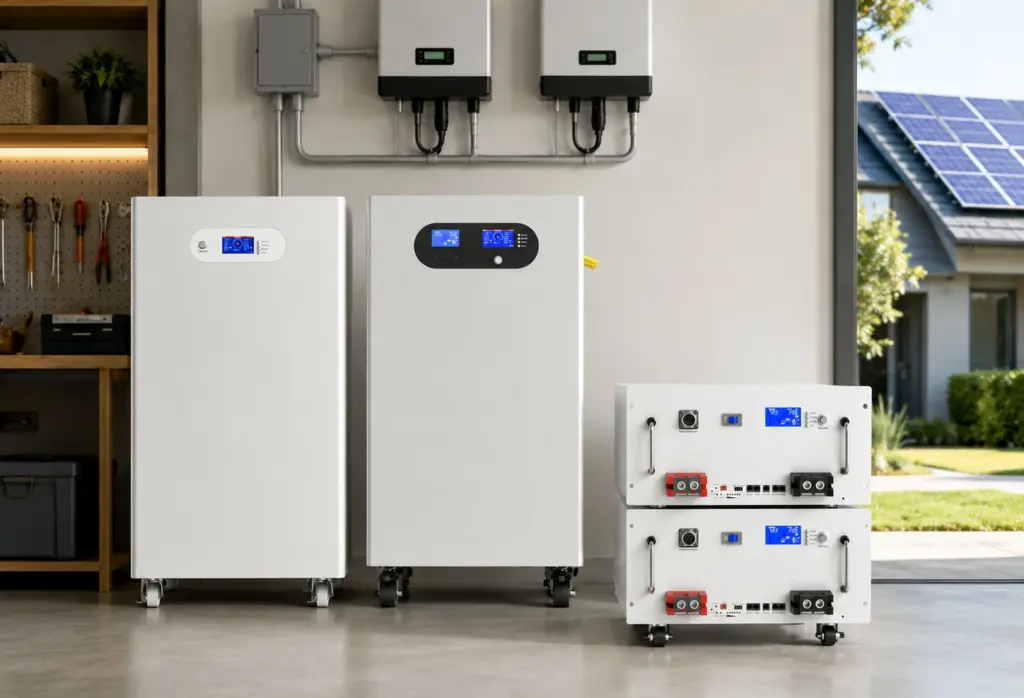
Avepower offers a wide range of residential energy storage solutions to meet different project needs, including wall-mounted batteries, stackable battery, rack-mounted batteries, all-in-one units, and integrated battery systems with built-in inverters.
This flexibility makes it easier for homeowners, installers, and distributors to select the right capacity today—and scale up as energy needs grow.
How to Match Battery Count to Real Households
For homeowners, choosing the right battery system is not just about total capacity (kWh). It also depends on installation space, scalability, inverter compatibility, and whether you prefer a modular design or an all-in-one system.
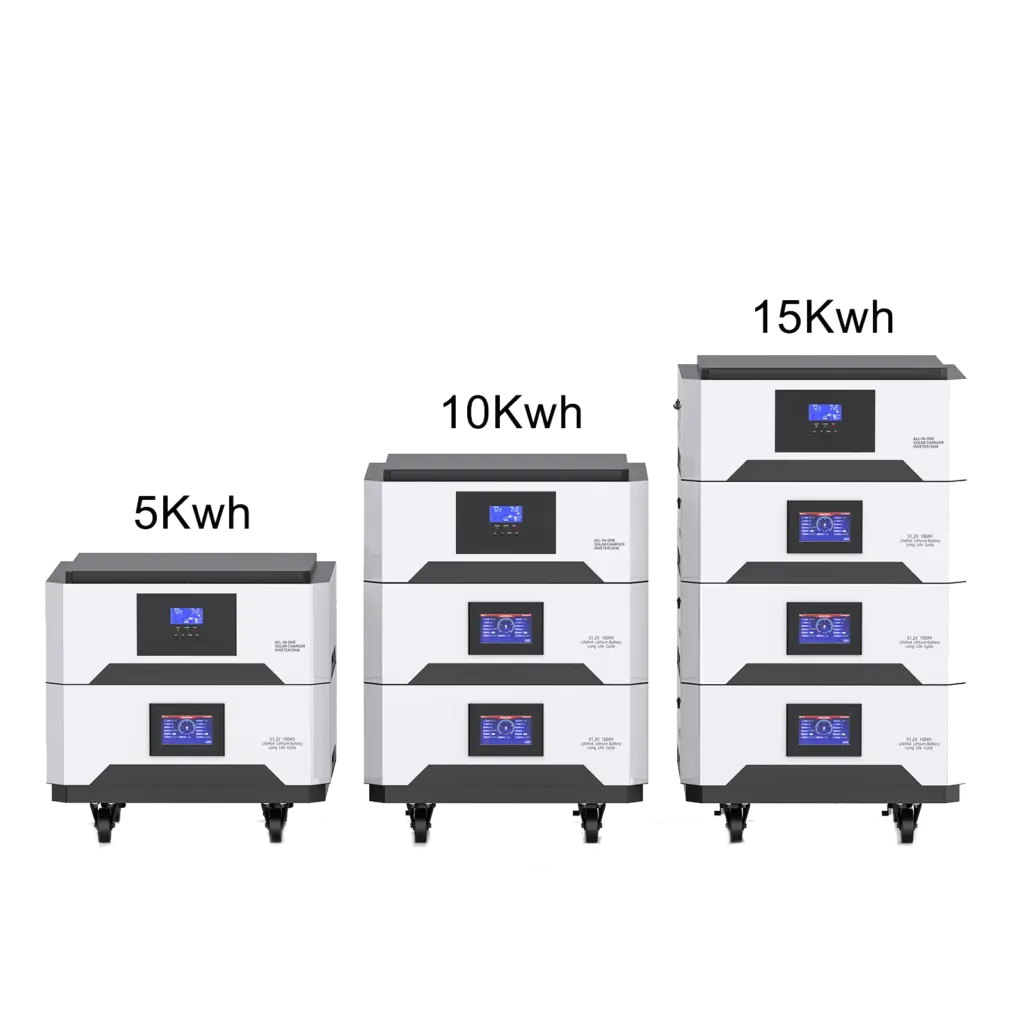
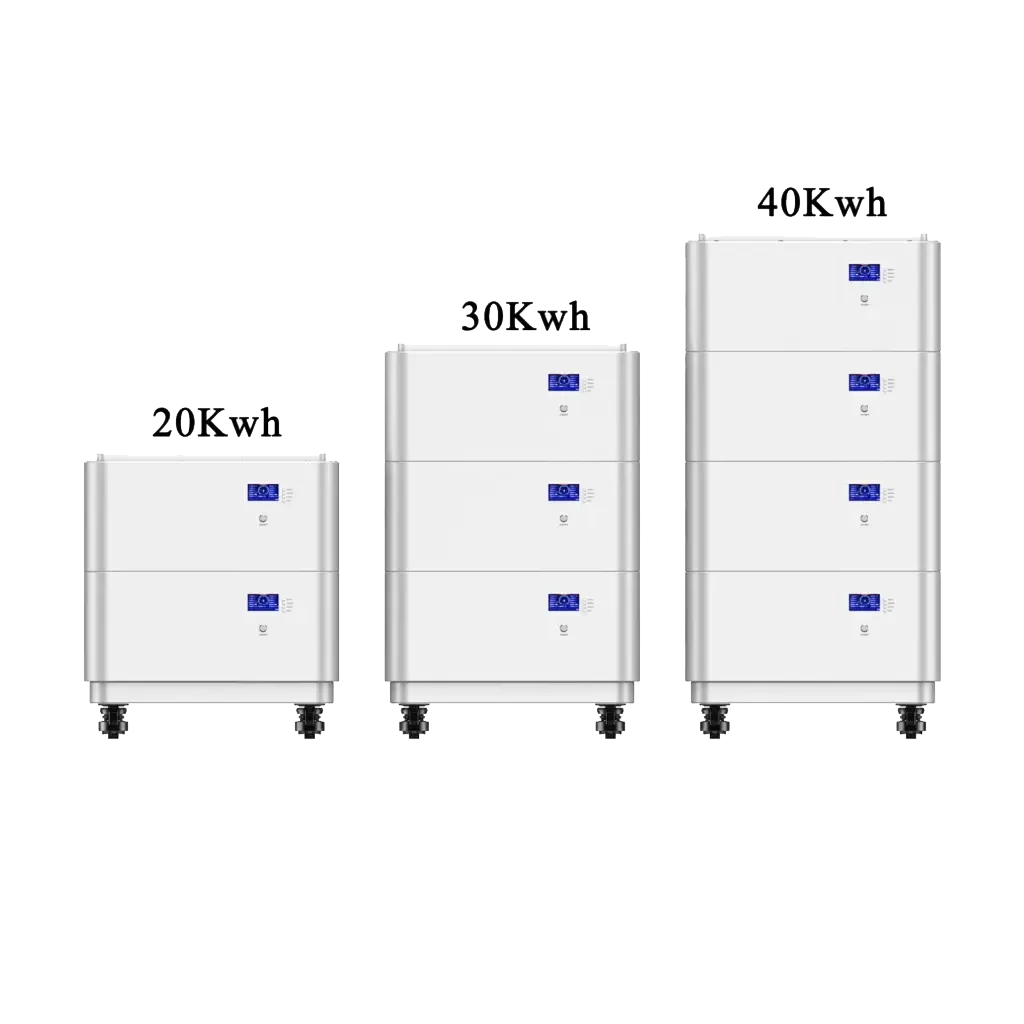
Avepower’s home energy storage systems are scalable from 5 kWh to 260 kWh, with support for up to 16 units in parallel. The product lineup includes wall-mounted, stackable, and all-in-one battery solutions, making it easier to match different installation spaces and energy needs.
Wall-mounted batteries in the 5 kWh to 10 kWh range are suitable for smaller households, while homes with higher nighttime consumption may prefer modular stackable systems ranging from 10 kWh to 15 kWh. Buyers looking for a cleaner and simpler installation can also consider all-in-one units.
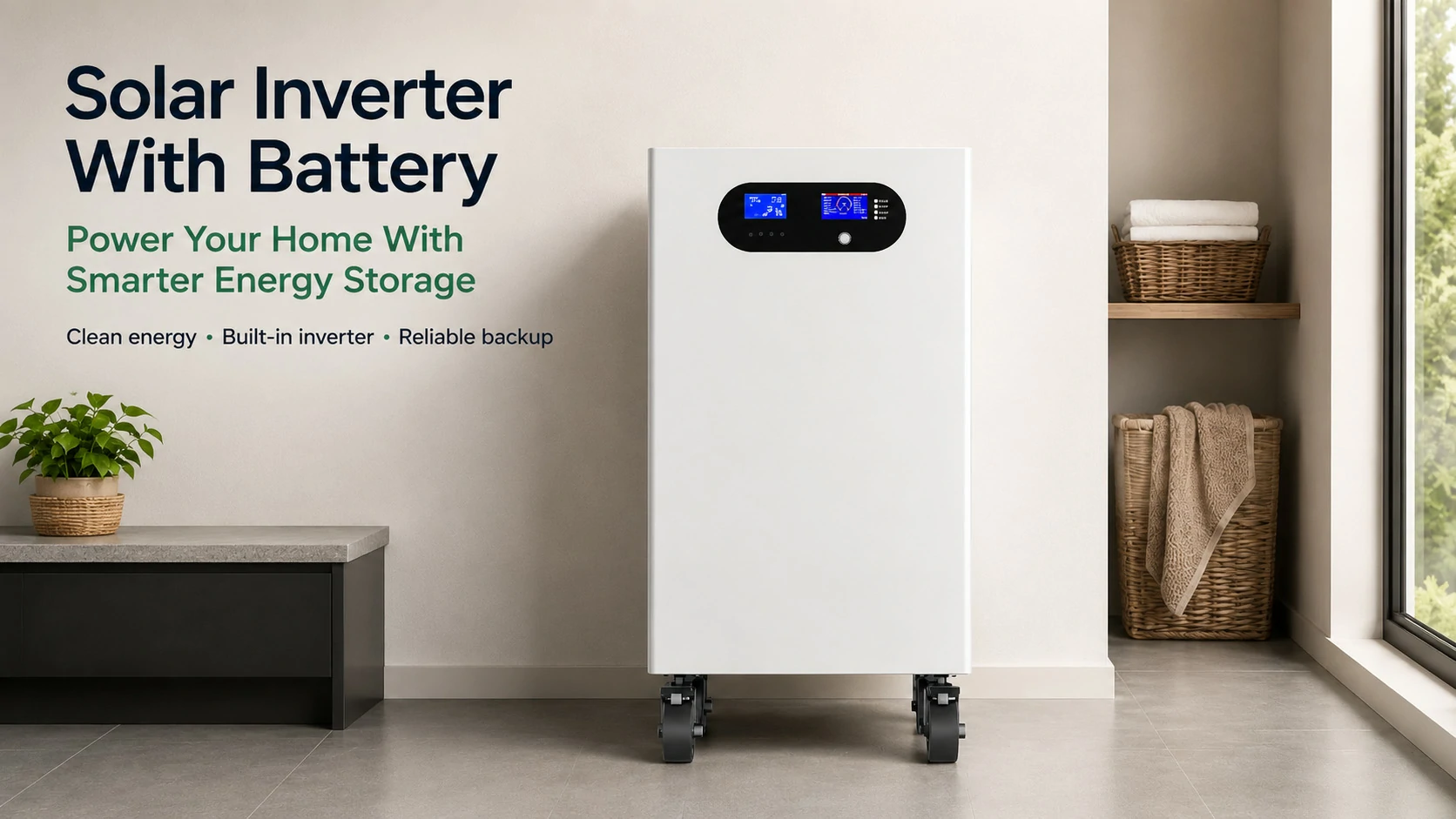
Avepower’s current product offerings include 5 kWh, 10 kWh, 15 kWh, and 20 kWh wall-mounted batteries, as well as an all-in-one 15 kWh home battery equipped with a 6 kW inverter.
Take Control of Your Energy with Avepower!
Reliable home solar battery solutions with OEM/ODM customization and in-house manufacturing, tailored to the needs of distributors, installers, and energy partners.
Conclusion
So, how many solar batteries are needed to power a house?
For many households, the practical answer is:
- 1 battery for essential backup
- 2 to 3 batteries for daily energy shifting and stronger bill savings
- 3 to 5 batteries for many whole-home backup cases
- 10+ batteries for off-grid or very high-autonomy use
The best answer comes from your real electricity bill, your essential-load list, your backup-time target, and the usable capacity and output power of the battery you choose.
FAQ
For an average U.S. home using about 28.8 kWh per day, one day of backup works out to about 33.9 kWh after applying an 85% efficiency assumption, so roughly 4 batteries of 10 kWh each is a useful planning estimate.
Many homes need 10 or more batteries to go fully off-grid, depending on usage, weather, and autonomy goals.
Avepower currently offers wall-mounted, stackable, and all-in-one home battery systems, including modular 5/10/15 kWh stackable options and a 15 kWh all-in-one battery with a 6 kW inverter.
Yes. If your solar array can recharge the battery during the day, you may need less stored energy than in a no-solar-recharge scenario.
Many homes start with a system around 10–15 kWh for essential backup. 10 kWh battery covering 5 kWh/day of critical loads for 2 days.
Convert your monthly usage into daily usage, divide by system efficiency, then divide by the usable capacity of each battery. That gives you a planning estimate for battery count.
For smaller needs, Avepower offers wall-mounted 5–10 kWh options; for expandable residential systems, it offers stackable 5/10/15 kWh solutions; and for integrated layouts, it offers a 15 kWh all-in-one system with a 6 kW inverter.
Air conditioners add major power demand and significant daily energy use. Tesla’s guide shows that larger outage scenarios with major loads can require 40–90 kWh for 2–3 days of autonomy.
Modular systems are often more flexible because they let you scale both energy storage and power output as your needs grow. Avepower’s current sizing guide specifically highlights modular expansion as a practical approach.
Use your actual utility bills, identify the loads you want to run, decide how many hours or days of backup you want, and then divide that target by the usable capacity of each battery while allowing for system losses. That is the most accurate way to estimate battery count.