
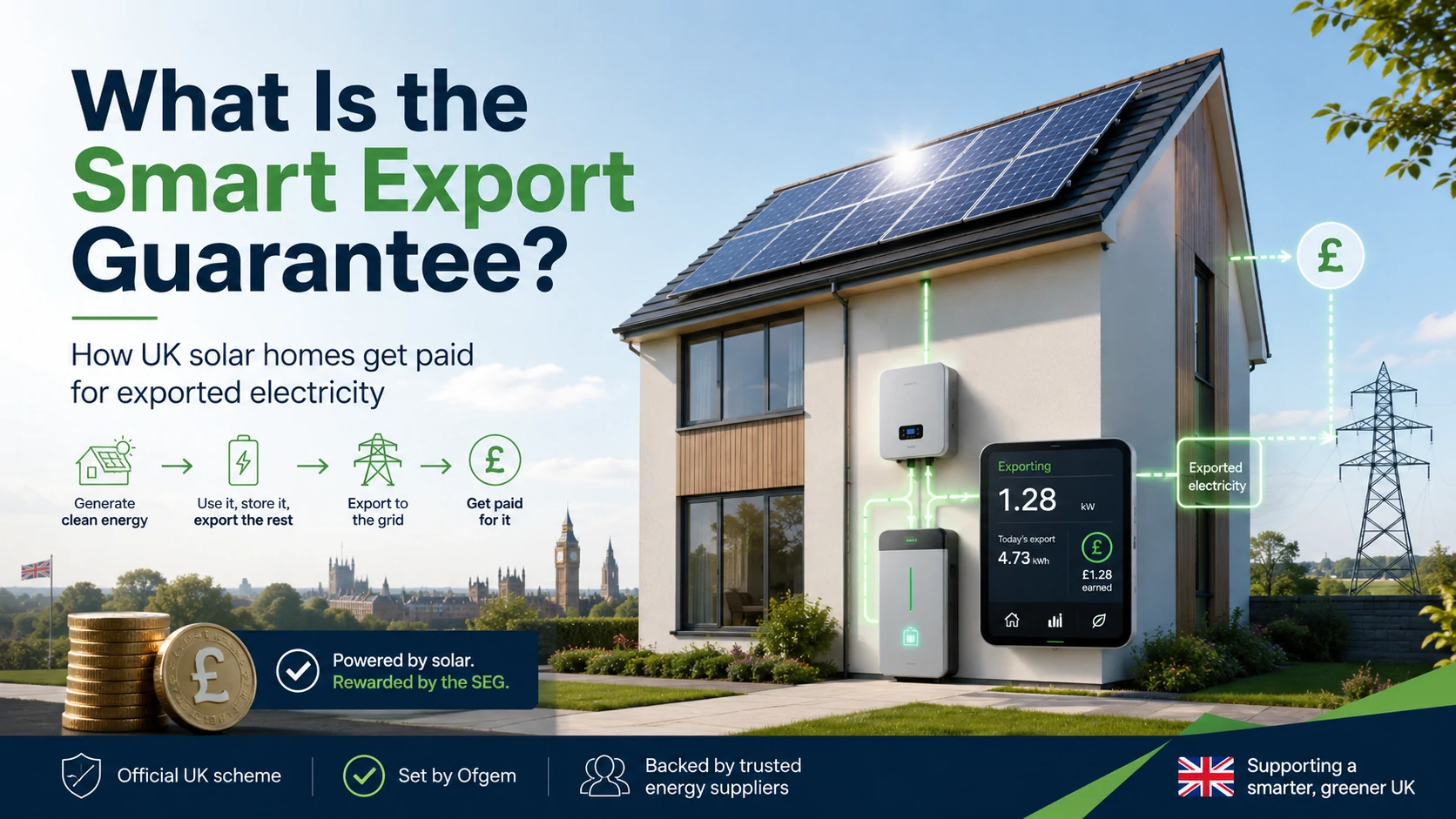
The Smart Export Guarantee, or SEG, is a Great Britain scheme requiring certain electricity suppliers to pay eligible homes and businesses for low-carbon electricity they export to the grid. It applies to measured exports, is not automatic and does not set one national payment rate.
Introduced on 1 January 2020, the scheme replaced the need for a government-set export tariff after the Feed-in Tariff closed to new applicants. Electricity suppliers now design their own rates, contract terms and eligibility conditions, provided a compliant SEG tariff always pays more than zero.
What Does the Smart Export Guarantee Mean?
The Smart Export Guarantee means that eligible small-scale generators can receive payment for every metered kilowatt-hour of low-carbon electricity exported to the grid. It does not pay for all electricity generated, and it does not pay for electricity consumed within the property.
For a typical solar home, electricity first supplies appliances, charges a battery or serves other on-site loads. Only the electricity that passes through the export meter into the public network is counted for SEG payment.
SEG Quick Facts
| Question | Answer |
|---|---|
| When did SEG start? | 1 January 2020 |
| Where does it apply? | England, Scotland and Wales |
| Does it apply in Northern Ireland? | No |
| Is there one national SEG rate? | No |
| What is the minimum tariff? | It must remain above zero |
| Are payments automatic? | No, the generator must apply |
| Is payment based on generation? | No, it is based on measured export |
| Can the export supplier differ from the import supplier? | Yes |
| Can a battery be used? | Yes, subject to supplier rules on the source of exported energy |
SEG applies in Great Britain rather than the whole United Kingdom. Northern Ireland has separate electricity market arrangements, although individual suppliers may offer their own export terms.
How Does the Smart Export Guarantee Work?
The SEG works by measuring electricity that an eligible renewable installation sends to the grid and paying the generator according to a contract with an SEG licensee. The export supplier obtains meter data, applies its tariff and pays for the eligible exported units.
The process normally works as follows:
- Solar panels or another eligible technology generate electricity.
- The property uses part of that electricity directly.
- A battery may store some surplus for later use.
- Remaining electricity is exported through an approved meter.
- Half-hourly or other accepted export readings are submitted to the supplier.
- The SEG supplier pays the agreed pence-per-kWh rate.
The supplier paying for export does not necessarily have to sell electricity to the property.
Who Is Eligible for the Smart Export Guarantee?
You may qualify when your installation uses an eligible low-carbon technology, is located in Great Britain, remains within the capacity limit, has suitable certification and records actual exported electricity through an approved export meter with an export MPAN.
Eligible Technologies and Capacity Limits
| Technology | Maximum SEG Capacity | Main Certification Position |
|---|---|---|
| Solar photovoltaic | 5 MW | Installation certification required |
| Onshore wind | 5 MW | Installation certification required |
| Hydroelectric generation | 5 MW | Installation certification required |
| Anaerobic digestion | 5 MW | Installation certification and additional sustainability requirements |
| Micro combined heat and power | 50 kW | Installation and installer certification required |
For solar PV, wind and micro-CHP installations of 50 kW or less, Ofgem normally expects suitable certification for both the installation and installer. An MCS certificate is commonly used, although an equivalent certification route may be accepted by the chosen supplier.
Basic SEG Eligibility Checklist
You will normally need:
- An eligible renewable generation technology
- A Great Britain installation address
- Total installed capacity within the SEG limit
- MCS certification or an accepted equivalent
- A meter capable of recording export in half-hourly periods
- A separate export MPAN
- Access to actual export readings
- No simultaneous FiT export payment for the same electricity
A standard import MPAN shown on an electricity bill is not the same as an export MPAN. The export supplier normally helps register or obtain the export MPAN during onboarding.
How Much Does the Smart Export Guarantee Pay in 2026?
There is no fixed national SEG rate because each supplier controls its own tariff structure. Current options range from low basic SEG rates to much higher tariffs tied to electricity supply, equipment installation, battery compatibility or time-of-use export periods.
Ofgem’s latest completed annual dataset covers 1 April 2024 to 31 March 2025. It recorded:
| SEG Year 5 Metric | Result |
|---|---|
| Installations registered at year-end | 270,395 |
| Eligible electricity exported | 443.1 GWh |
| Total payments made | £56.97 million |
| Average tariff offered | 10.8p/kWh |
| Average tied tariff | 15.39p/kWh |
| Average untied tariff | 4.47p/kWh |
| Solar share of installations | 99.98% |
The average tariff offered increased from 3.15p/kWh in SEG Year 1 to 10.8p/kWh in Year 5.
Examples of Published Export Rates in July 2026
The following examples were checked against supplier pages on 14 July 2026. Rates and eligibility rules can change, so applicants should verify the current tariff terms before switching.
| Supplier and Tariff | Published Export Rate | Important Condition |
|---|---|---|
| Octopus basic SEG tariff | 4.1p/kWh | Basic compliant SEG option |
| Outgoing Octopus | 12p/kWh | Variable flat-rate export tariff |
| Prime Outgoing Octopus | 16p/kWh from 4–7pm; 9p otherwise | Designed for timed export, often more useful with a battery |
| E.ON Next Export Premium v3 | 17.5p/kWh | Installation and supply conditions apply |
| E.ON Next Export Exclusive v3 | 13p/kWh | Requires an eligible E.ON import tariff |
| British Gas Export Premium | 12p/kWh | British Gas electricity customer; systems up to 15 kW |
| British Gas basic export tariff | 3p/kWh | Available under broader eligibility |
| ScottishPower SmartGen | 6p/kWh | Standard option |
| ScottishPower SmartGen Premium | 12p/kWh | Electricity customer requirement |
| ScottishPower Premium Plus | 15p/kWh | Supply and installation conditions |
| OVO installation-exclusive SEG | Up to 20p/kWh | Solar, battery and supply conditions apply |
How Much Can You Earn From the Smart Export Guarantee?
Annual SEG income equals the amount of electricity exported multiplied by the tariff rate. The result depends more on actual export volume and tariff conditions than on the nominal size of the solar array alone.
The basic formula is:
Annual SEG income = exported electricity in kWh × export rate in £/kWh
Example: A Home Exporting 2,200 kWh per Year
Assume an illustrative home generates 4,000 kWh annually, consumes 1,800 kWh directly and exports the remaining 2,200 kWh.
| Export Rate | Annual Export Payment |
|---|---|
| 4.1p/kWh | £90.20 |
| 6p/kWh | £132.00 |
| 12p/kWh | £264.00 |
| 17.5p/kWh | £385.00 |
| 20p/kWh | £440.00 |
The same physical solar system could therefore produce a difference of almost £350 per year between a 4.1p and a 20p export rate. However, the 20p option may require the customer to buy the solar system, battery and imported electricity from the same supplier.
This is why SEG tariff comparison should use the whole annual bill rather than export income alone.
Is It Better to Export Solar Electricity or Store It in a Battery?
Storing solar is normally more valuable when the avoided import cost, after battery losses, is higher than the export tariff. Exporting becomes more attractive when the SEG rate approaches the value of the electricity that the battery would otherwise help the household avoid buying.
A practical break-even formula is:
Store the electricity when:
Import rate × battery round-trip efficiency > export rate
Assume:
- Import electricity: 26.11p/kWh
- Battery round-trip efficiency: 90%
- Export tariff: 12p/kWh
The effective value of storing one incoming kilowatt-hour is:
26.11p × 90% = 23.50p
Because 23.50p is higher than the 12p export tariff, storing the electricity for later household use would generally provide more value.
Battery Storage Calculation
Suppose the household redirects 1,200 kWh of annual solar surplus into a battery:
- Battery input: 1,200 kWh
- Usable output after 90% efficiency: 1,080 kWh
- Avoided imports: 1,080 × £0.2611 = £281.99
- Export income given up: 1,200 × £0.12 = £144
- Additional gross value from self-consumption: about £138 per year
This calculation excludes battery purchase cost, degradation, standby consumption, inverter losses beyond the assumed efficiency, maintenance and financing. The 26.11p import figure is an illustrative July 2026 electricity rate published in E.ON’s solar calculations rather than a guaranteed national household rate.
Export or Store Decision Table
| Situation | Usually Better Strategy |
|---|---|
| Low SEG rate and high import price | Store solar and use it later |
| High evening household consumption | Store daytime solar |
| Premium peak export period | Reserve part of the battery for timed export |
| Export rate near the efficiency-adjusted import price | Compare battery degradation and tariff conditions |
| Battery regularly remains full | Export the remaining surplus |
| Low winter solar production | Preserve battery energy for household consumption |
| Cheap off-peak import and permitted peak export | Consider controlled tariff arbitrage |
A battery should not be sized solely to maximise SEG revenue. The system should also be evaluated against evening consumption, backup requirements, solar production, inverter output, off-peak charging opportunities and expected battery cycling.
How Should a Battery Be Sized for SEG and Solar Self-Consumption?
The right battery is normally large enough to capture regular daytime surplus but not so large that it remains partly empty for much of the year. Annual and seasonal export data should be reviewed before selecting a 5 kWh, 10 kWh or larger system.
A practical sizing process is:
- Download at least several months of half-hourly import and export data.
- Calculate typical daytime solar surplus.
- Measure electricity use between sunset and the next solar generation period.
- Identify any cheap off-peak charging window.
- Define the minimum backup reserve.
- Check inverter charge and discharge power.
- Model summer and winter separately.
- Select usable rather than nominal capacity.
For example, a home exporting 4–6 kWh on a typical sunny day and consuming 4–5 kWh after sunset may obtain good utilisation from a battery around 5 kWh. A household with an EV, heat pump or higher evening demand may need 10 kWh or more.
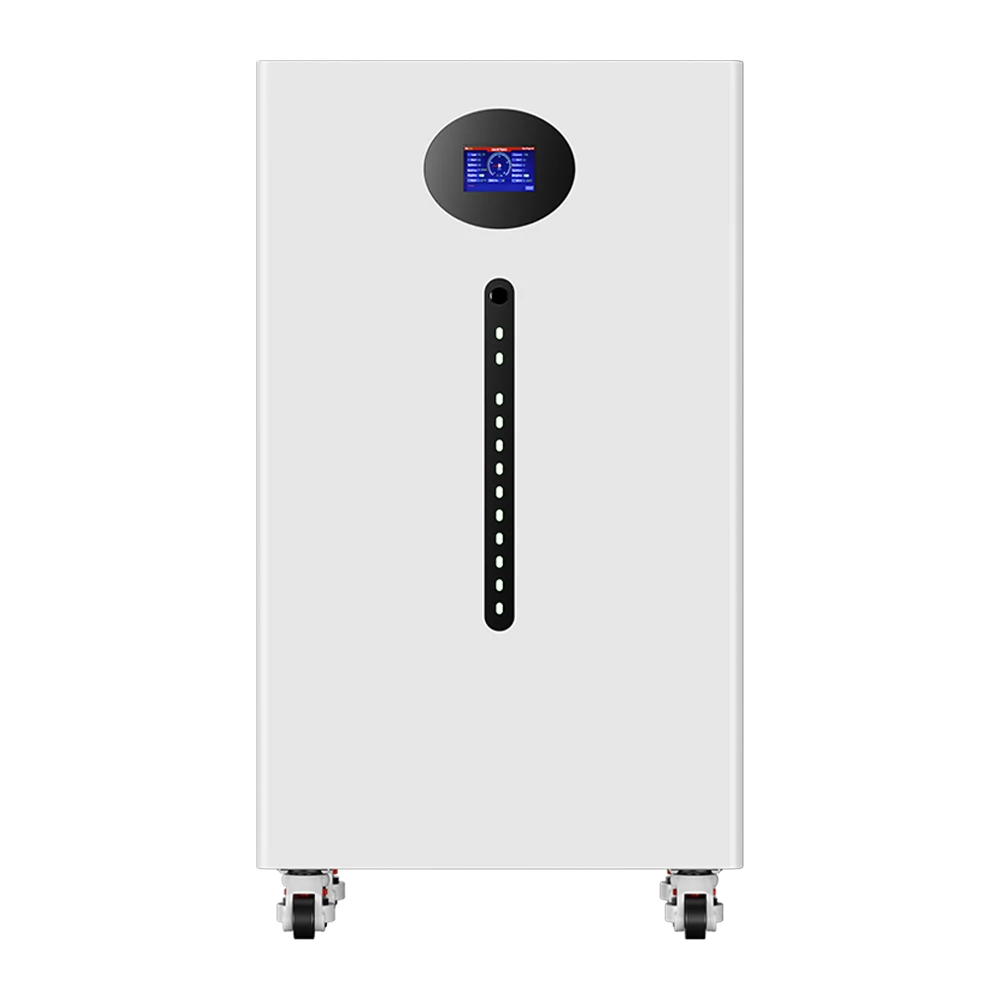
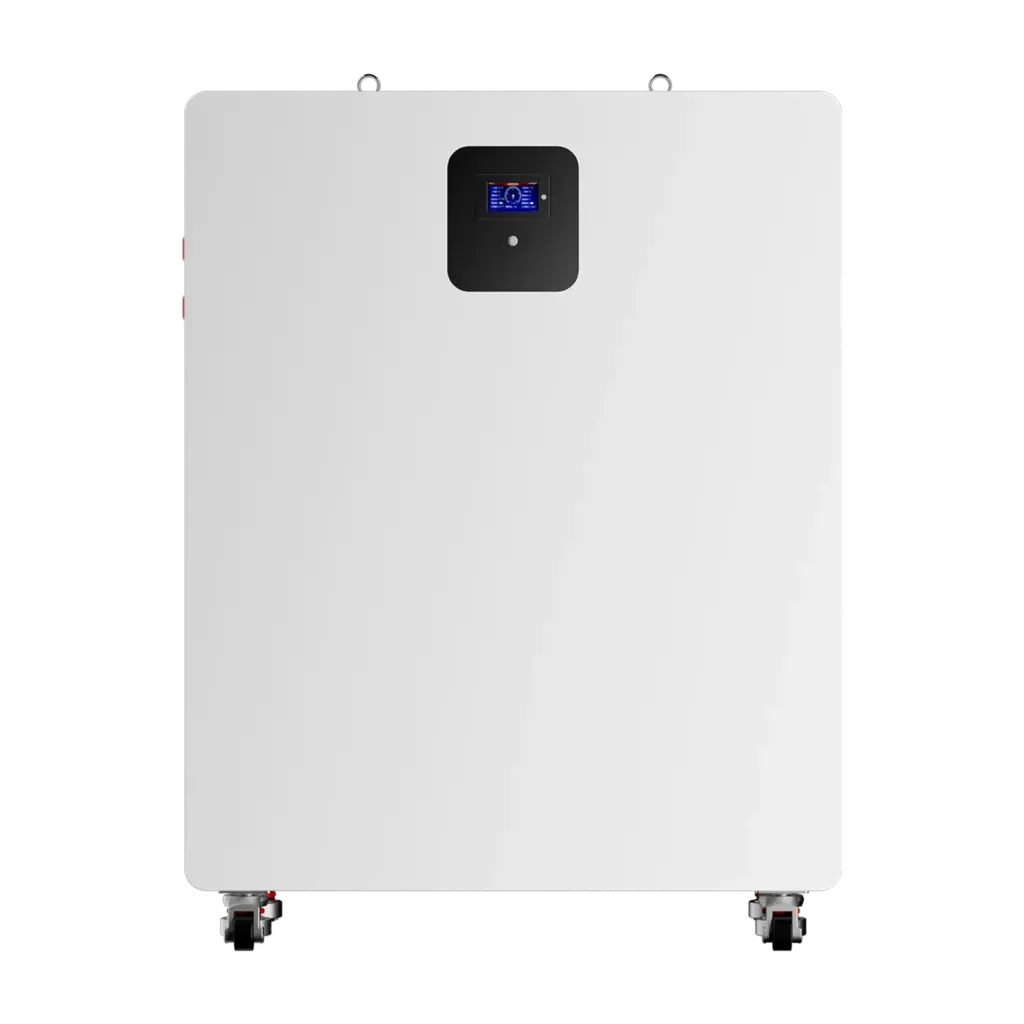
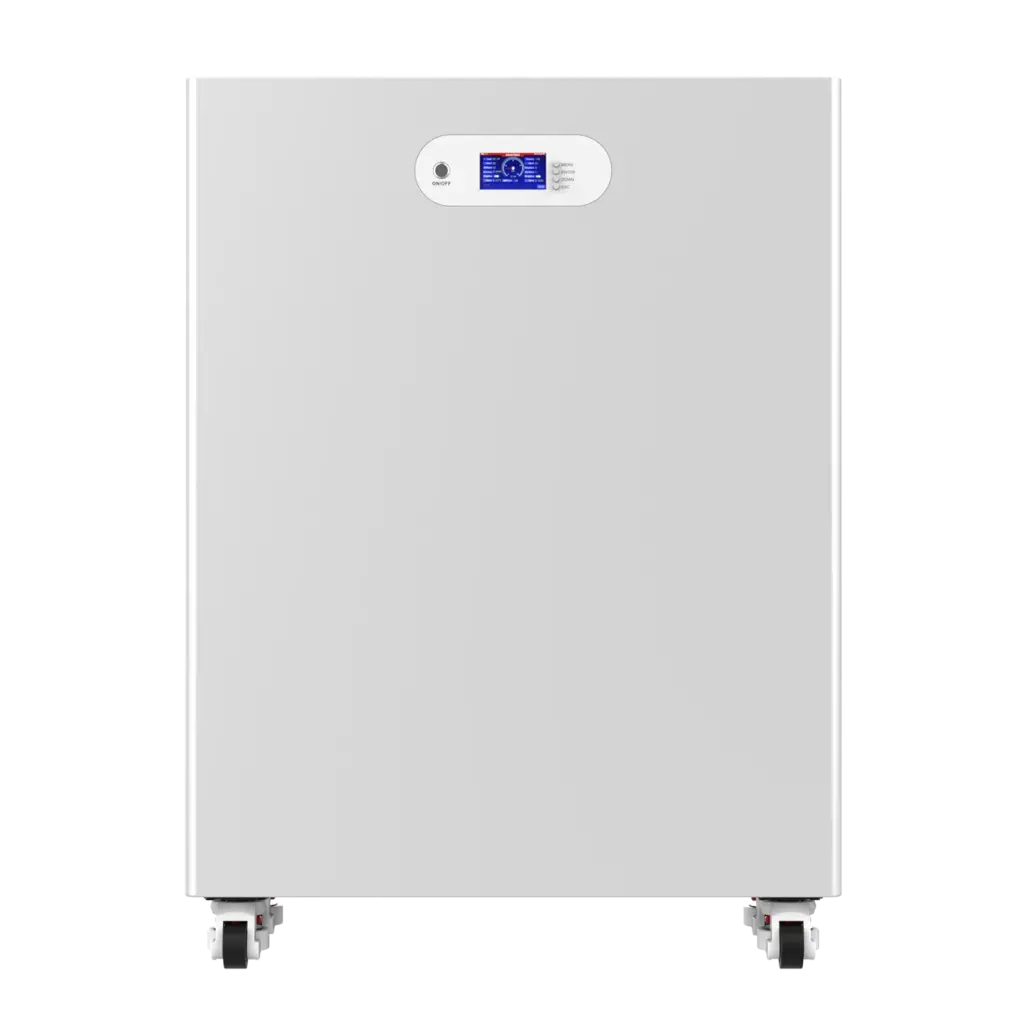
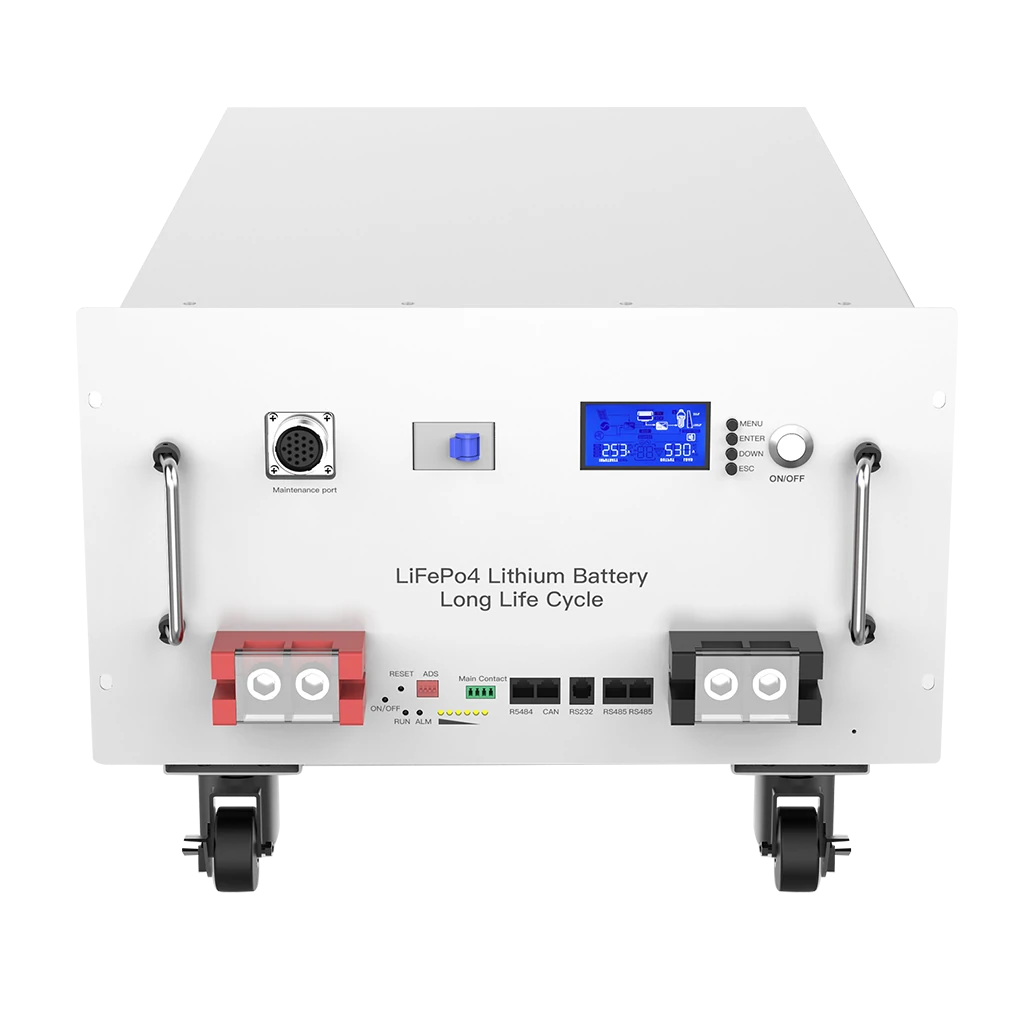
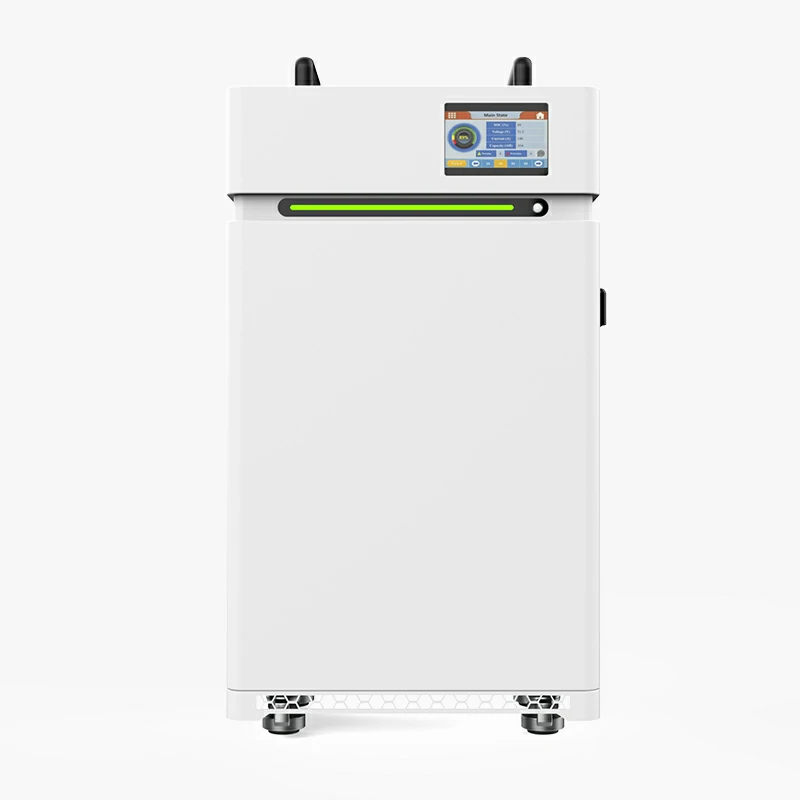
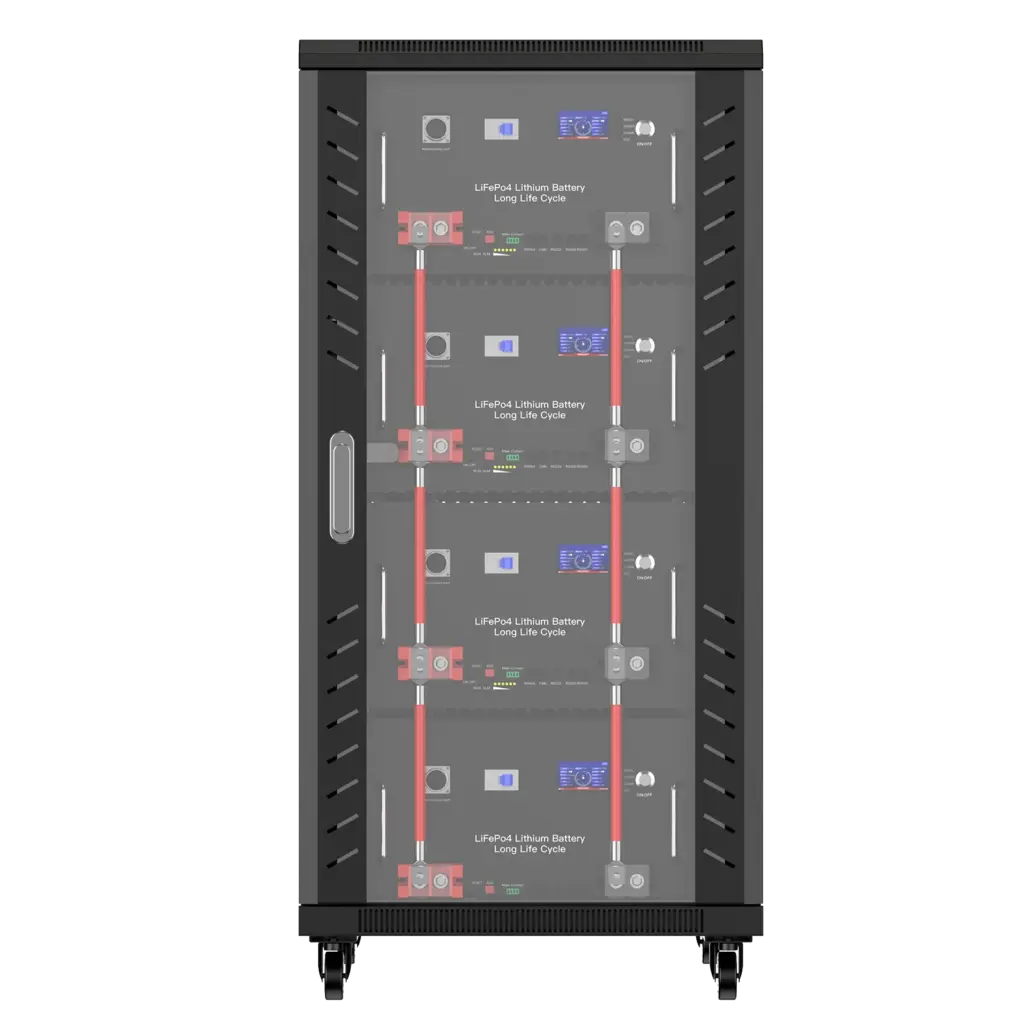
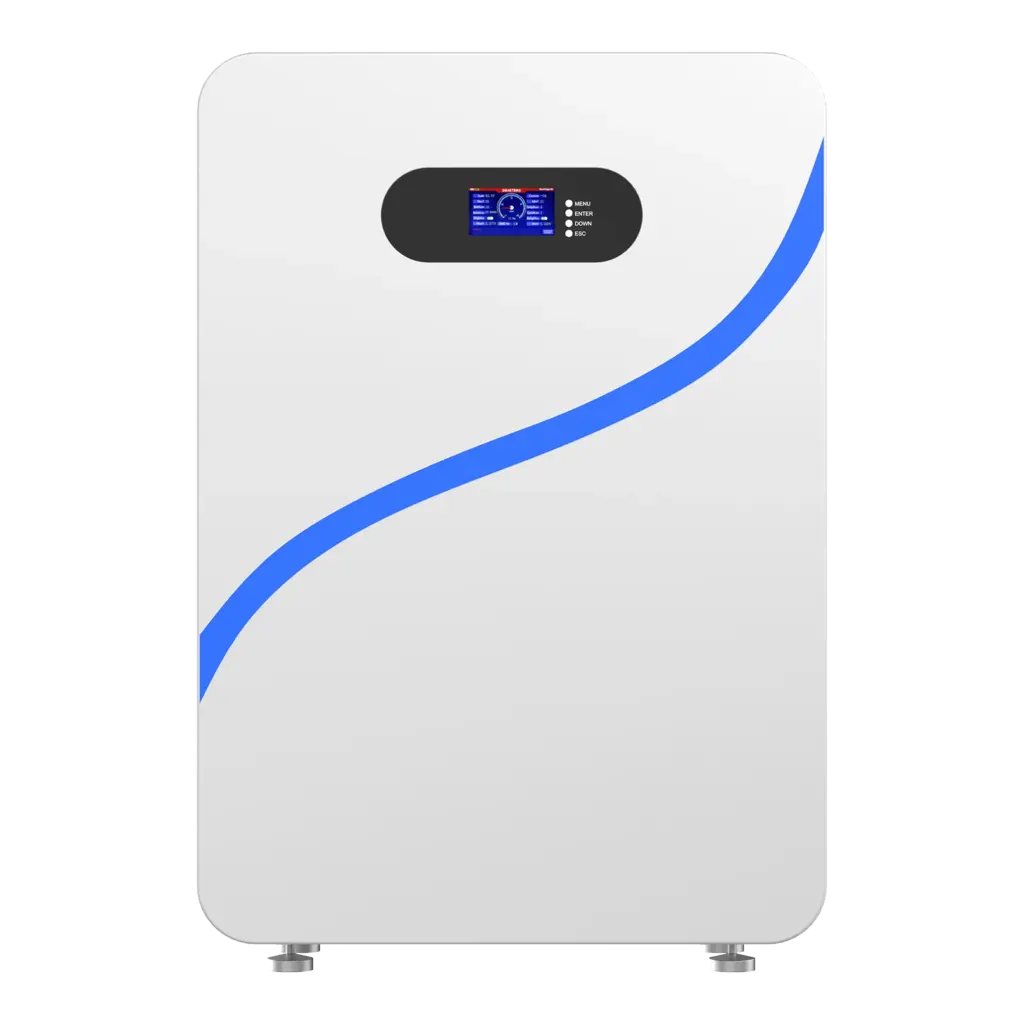
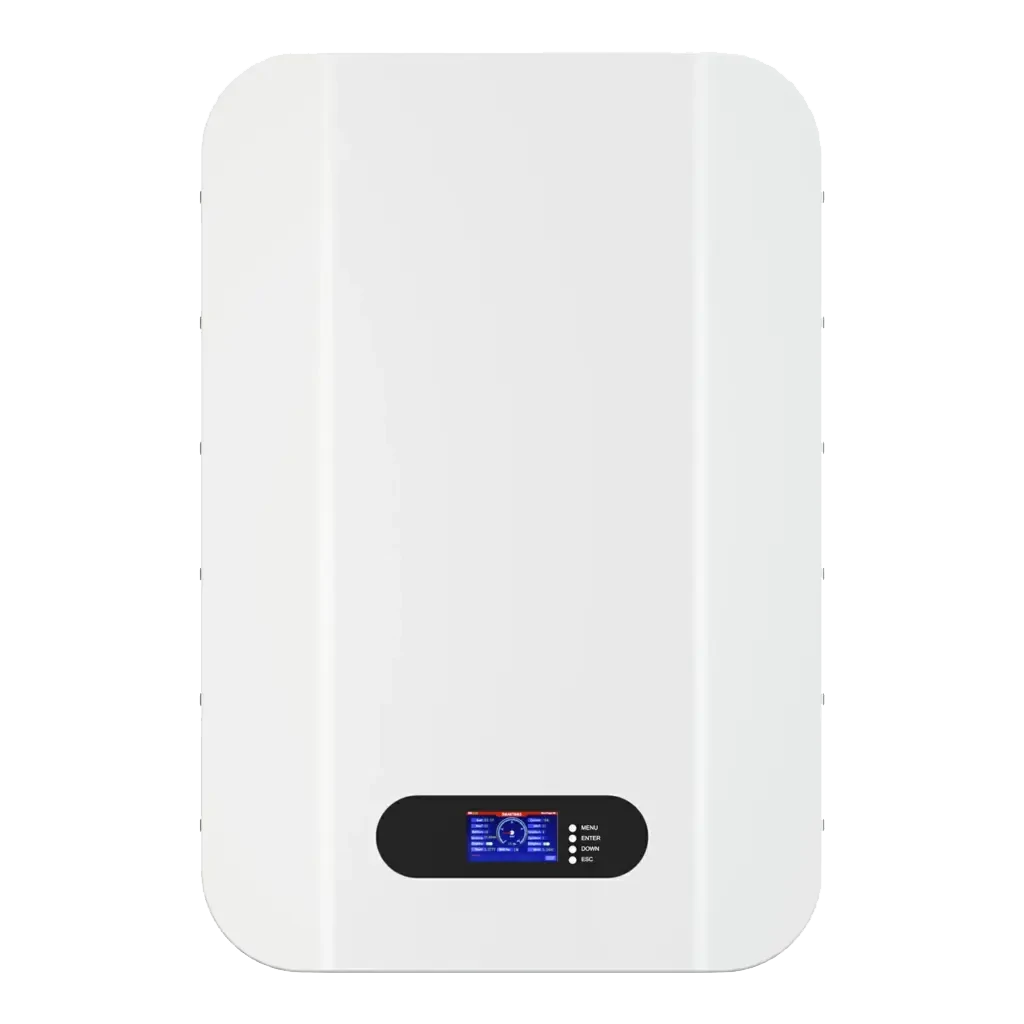
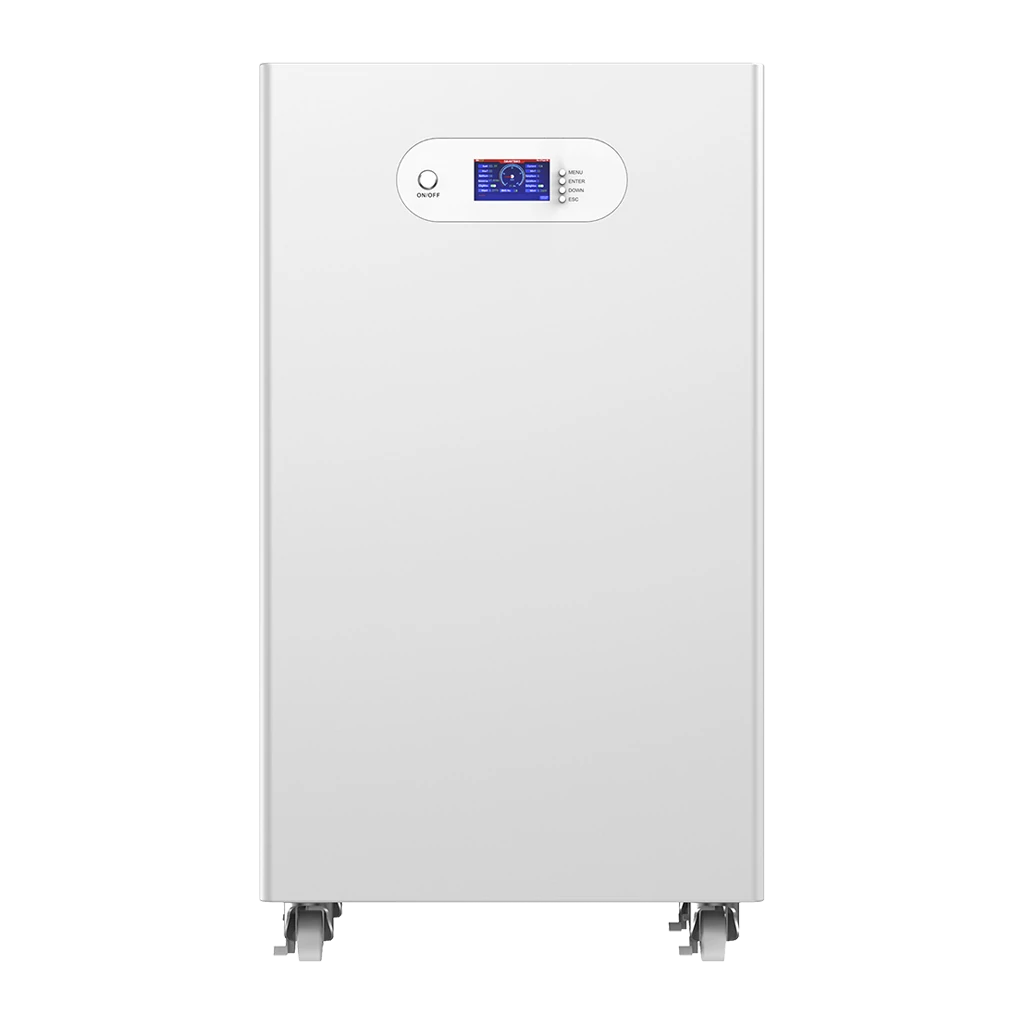
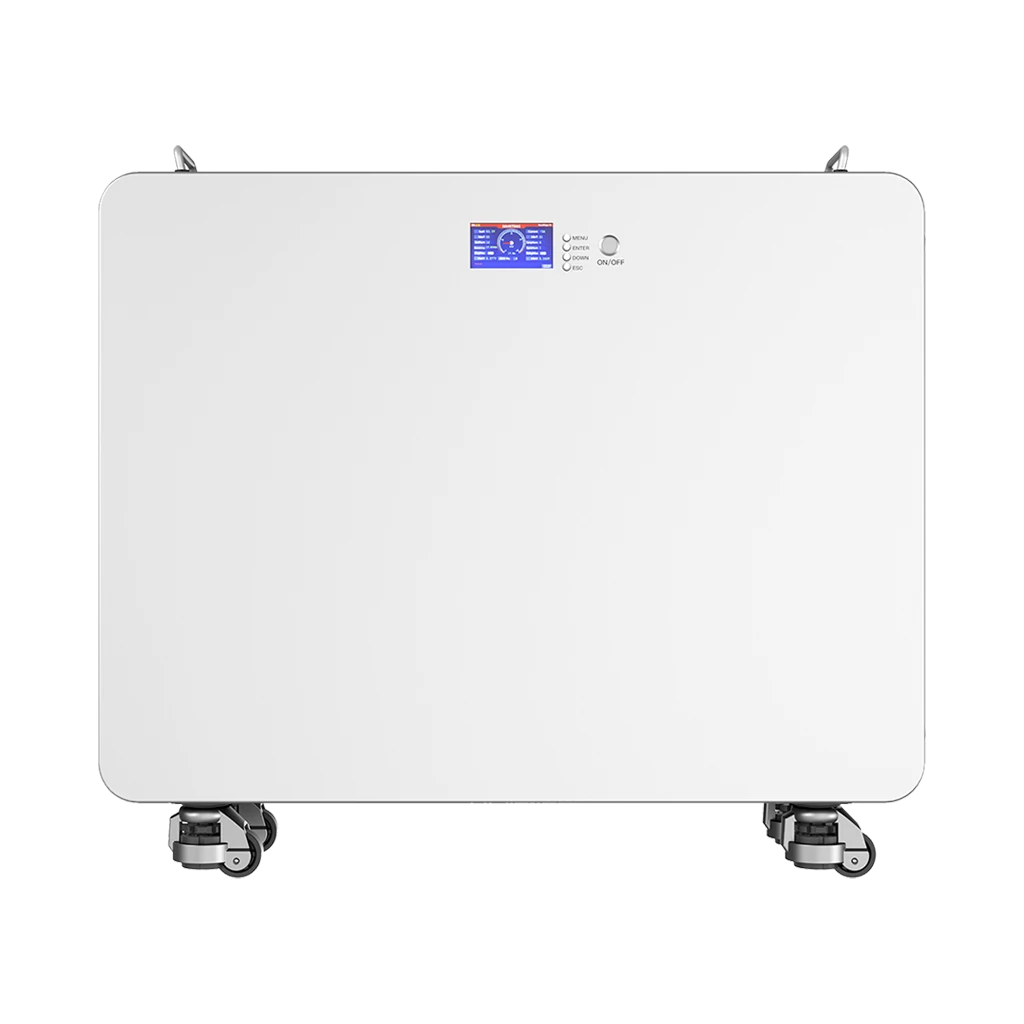
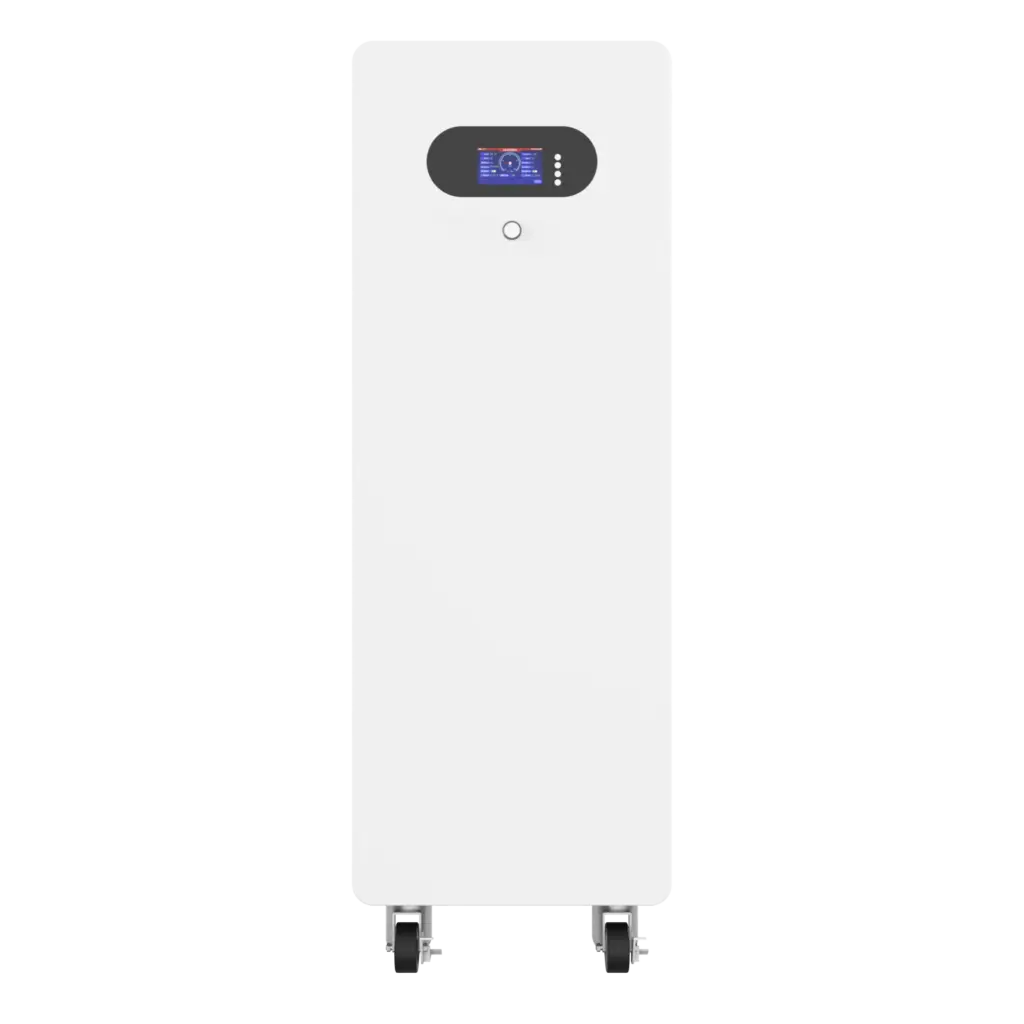
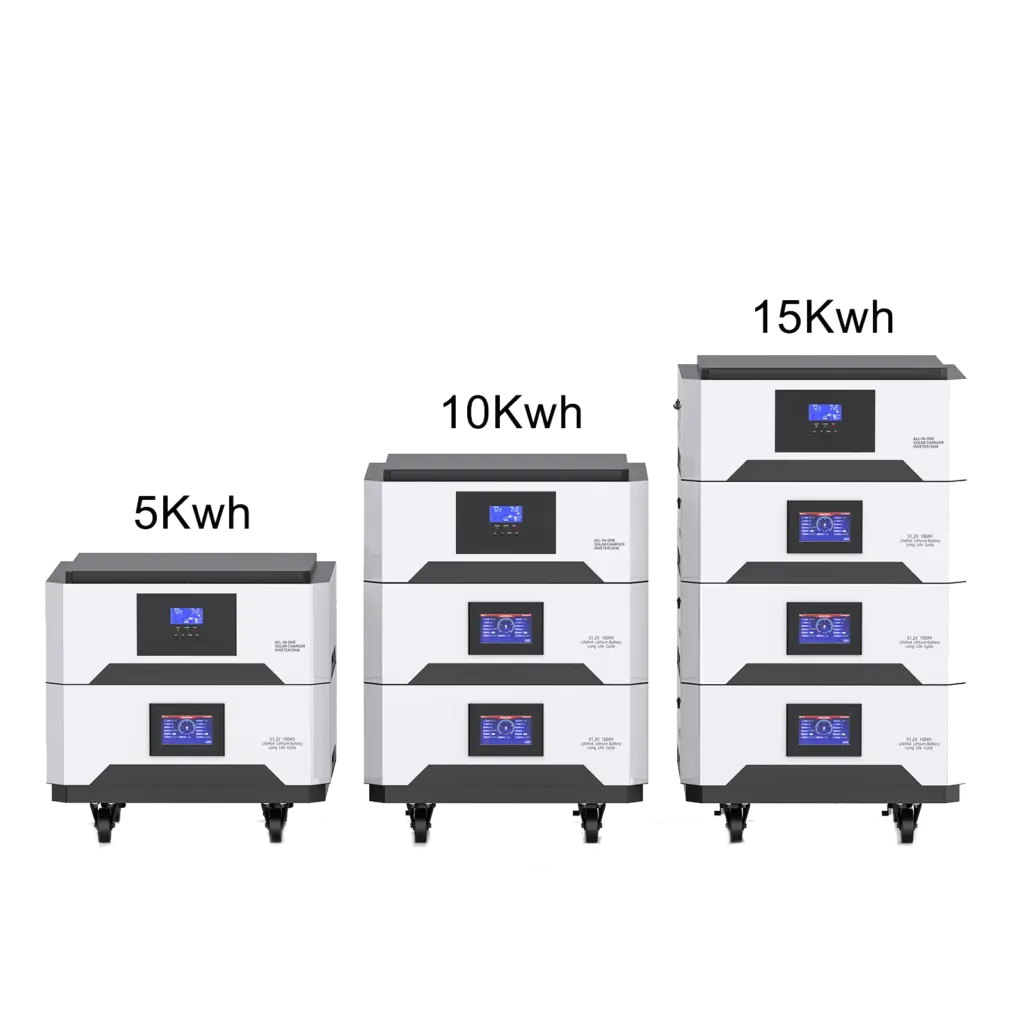
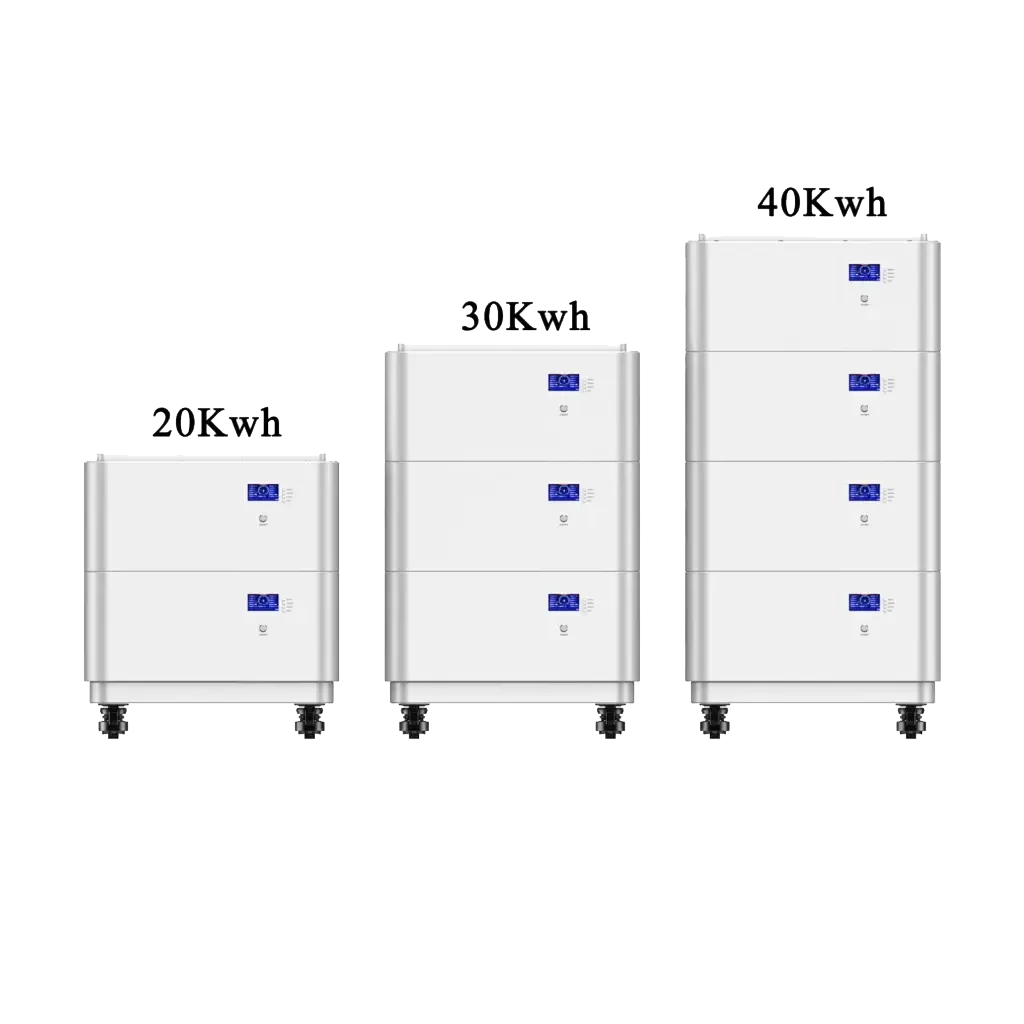
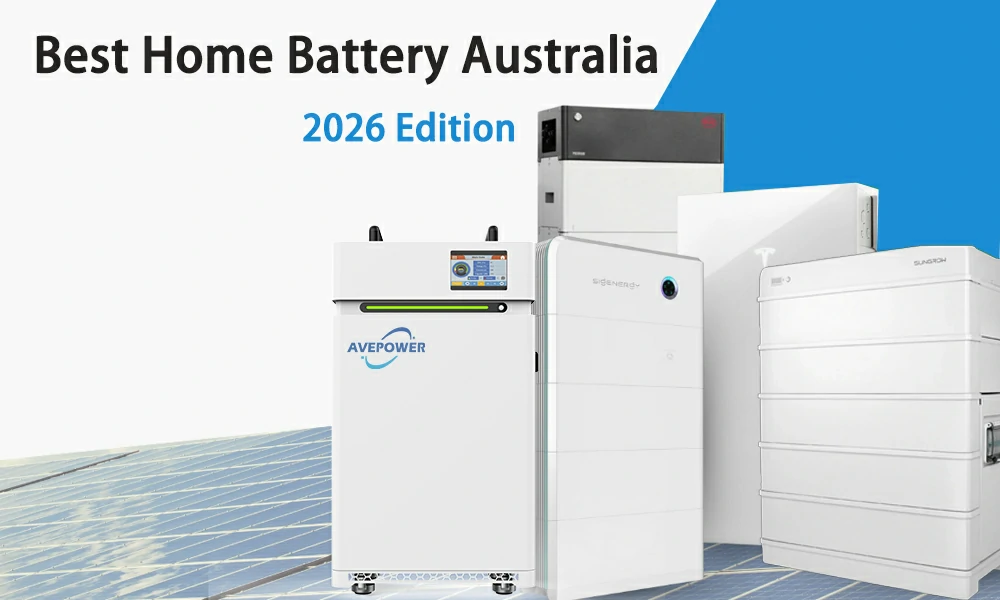
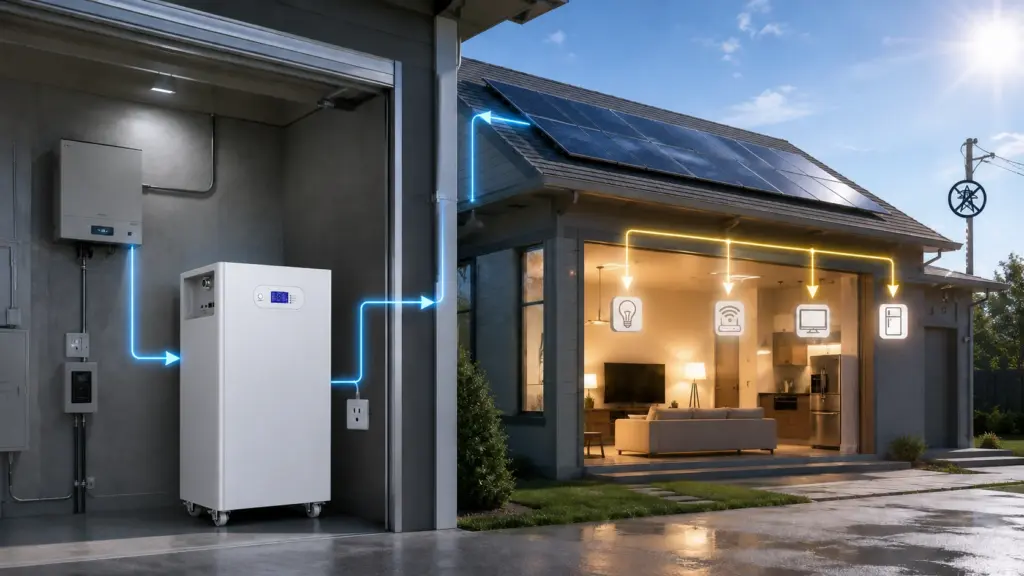
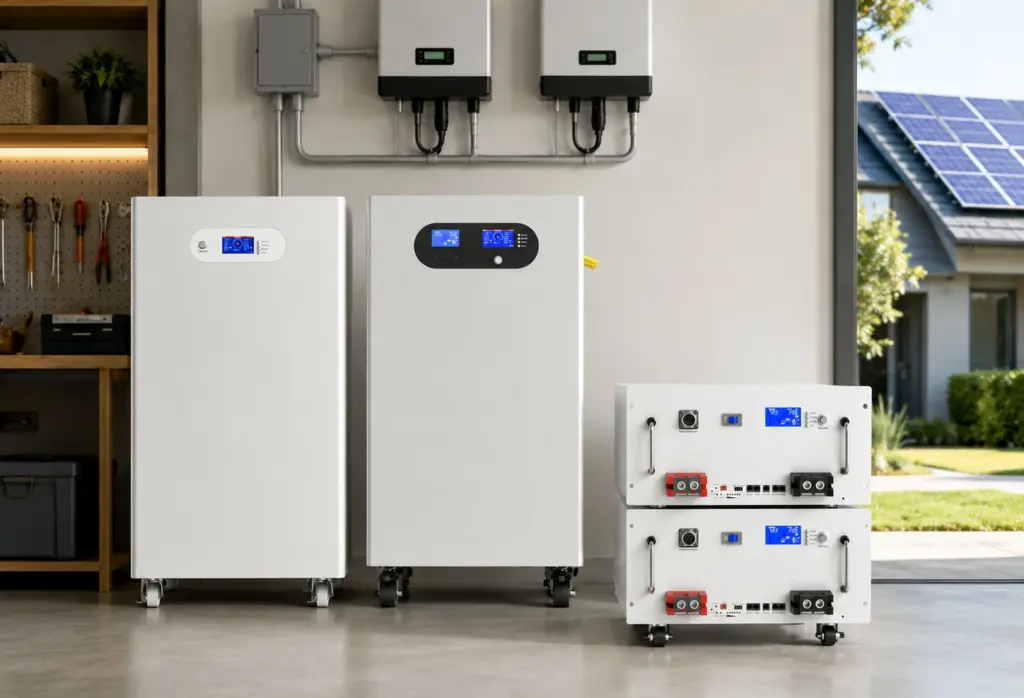
Avepower’s 5 kWh wall-mounted LiFePO4 battery provides a compact residential configuration and supports parallel expansion for larger projects. Its stackable solar battery range offers 5 kWh, 10 kWh and 15 kWh configurations that can be expanded according to measured load and solar-surplus data.
For UK installation projects, battery selection alone does not establish SEG eligibility. The complete installation must also meet applicable certification, metering, inverter, grid-connection and supplier requirements.
How Do You Apply for the Smart Export Guarantee?
You apply directly to an SEG licensee after confirming that the installation is eligible and that export can be measured. The supplier reviews the documents, registers or confirms the export MPAN and establishes the contract before payments begin.
Step 1: Confirm the Installation Is Eligible
Check the technology, total installed capacity, location and certification. Domestic solar installations normally fall well below the 5 MW limit.
Step 2: Check the Export Meter
The meter must be capable of taking half-hourly export measurements. A smart meter is normally used, but it must be properly configured to record export rather than import alone.
Step 3: Obtain an Export MPAN
An export MPAN is a separate 13-digit identifier for exported electricity. The selected SEG supplier usually coordinates this process.
Step 4: Prepare the Documents
Suppliers commonly request:
- MCS or equivalent installation certificate
- Proof of address and identity
- Smart meter details
- Current export meter reading or photograph
- Export MPAN, when already available
- Bank details
- Installation capacity and commissioning date
- FiT status, when relevant
Step 5: Compare the Whole Tariff Package
Review the export rate together with:
- Import unit rates
- Standing charge
- Off-peak periods
- Contract duration
- Exit fees
- Installation restrictions
- Battery compatibility
- Payment frequency
- Grid-charging rules
- Time-of-use export periods
Step 6: Submit the Application
Apply through the supplier’s website or application process. The export supplier does not legally have to be the same company as the import supplier.
Step 7: Confirm the Start Date
Do not assume that export will be backdated to the installation date. Confirm when the supplier begins recording eligible units and check the first statement against the export meter.
The current list of mandatory and voluntary licensees is available on the Ofgem SEG supplier list. For the seventh SEG year, from 1 April 2026 to 31 March 2027, Ofgem lists suppliers including British Gas, E.ON Next, EDF, Octopus, OVO, ScottishPower, So Energy, Utilita and Utility Warehouse.
What Is the Difference Between SEG and the Feed-in Tariff?
SEG pays for measured exported electricity, while the former Feed-in Tariff included separate generation and export payments. FiT closed to new applicants in 2019, but existing participants may still receive payments under their original agreements.
| Feature | Smart Export Guarantee | Feed-in Tariff |
|---|---|---|
| Open to new applicants | Yes | No |
| Payment for generation | No | Yes, for existing participants |
| Payment for export | Yes | Yes |
| Export measurement | Actual metered export | Actual or deemed, depending on arrangement |
| Rate set by | Electricity supplier | Original FiT framework |
| Can tariffs vary by supplier? | Yes | FiT rates follow the existing contract |
| Can FiT export and SEG export be claimed together? | No | No |
An existing FiT participant can retain the FiT generation payment and opt out of the FiT export payment before taking an SEG tariff. However, the same exported electricity cannot receive both FiT export and SEG payments.
Before changing, compare the value of actual exports against the deemed FiT export arrangement. A property that consumes most of its solar generation or charges a battery may have lower actual export than the deemed amount.
Is the Smart Export Guarantee Worth It?
SEG is generally worth applying for when a property regularly exports eligible renewable electricity because otherwise those exported units may receive no payment. Its value becomes much greater when the generator compares tariffs, confirms metering and coordinates solar, battery and household loads.
The fifth-year Ofgem report shows that 270,395 installations were registered at year-end and £56.97 million was paid for eligible export during the reporting year. It also shows why active comparison matters: tied tariffs averaged 15.39p/kWh, while untied tariffs averaged 4.47p/kWh.
SEG is most valuable when:
- The property has significant unused solar generation
- The export meter is correctly configured
- A competitive tariff is available
- The import and export tariffs work together
- Battery dispatch is based on price and load data
- The system avoids exporting at a low rate and importing later at a much higher rate
It is less financially important when nearly all solar electricity is consumed on site, annual generation is low or the property is limited to an extremely low export rate.
Conclusion
The Smart Export Guarantee pays eligible generators for actual low-carbon electricity exported to the grid, but it does not guarantee one nationally fixed rate. The best result comes from combining a competitive export tariff with accurate metering, suitable solar capacity, realistic battery sizing and a favourable import tariff.
For most solar homes, the central decision is not simply whether to export. It is whether each surplus kilowatt-hour is worth more when exported immediately, stored for later self-consumption or shifted into a premium export period.
Build a Battery System Around Real Tariff and Load Data
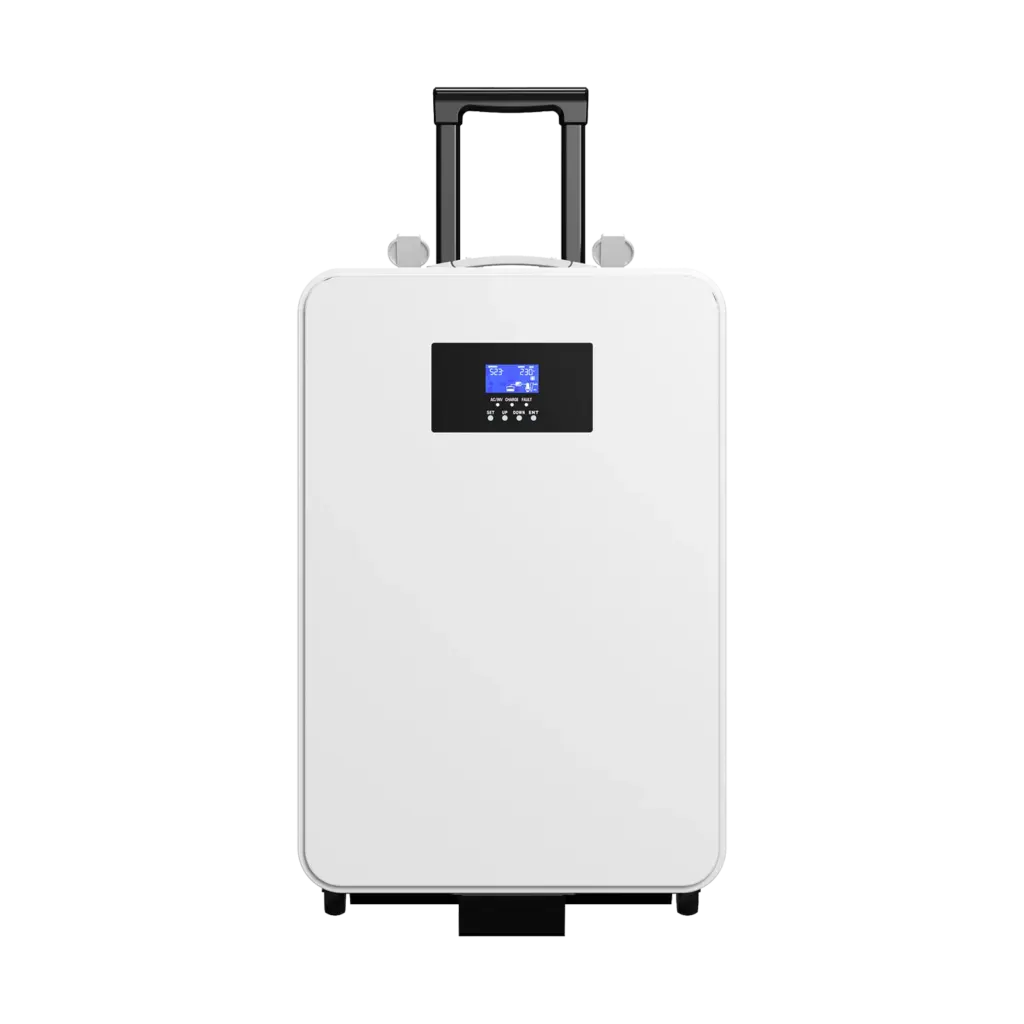
Avepower provides residential LiFePO4 battery solutions for solar installers, distributors, project developers and OEM partners. Available formats include wall-mounted, stackable, rack-mounted, vertical and all-in-one systems, with configurable capacity, inverter communication and parallel expansion.
For UK projects, Avepower can support battery capacity selection, BMS protocol matching, technical documentation and OEM/ODM development. Local installers remain responsible for confirming MCS or equivalent certification, inverter approval, grid connection, export metering and supplier tariff eligibility.
Explore Avepower home energy storage systems or review the UK home battery system guide before planning your next residential storage project.
Take Control of Your Energy with Avepower!
Reliable home solar battery solutions with OEM/ODM customization and in-house manufacturing, tailored to the needs of distributors, installers, and energy partners.
FAQ
An SEG tariff is a supplier’s regulated offering that meets SEG requirements, while a broader export tariff may be a separate commercial product with higher rates, additional conditions or different treatment of battery energy.
No. SEG is a government-backed regulatory mechanism requiring certain suppliers to offer eligible generators a payment tariff. The actual payments come from the electricity supplier under a commercial export contract, not from a fixed government grant.
No. SEG applies in England, Scotland and Wales. Northern Ireland operates under different electricity market arrangements, although individual electricity suppliers may offer separate export payment terms.
Yes. Businesses with eligible generation can apply, provided the installation remains within 5 MW, or 50 kW for micro-CHP, and satisfies the relevant certification and metering requirements.
A battery can increase income under time-of-use export tariffs by shifting electricity into higher-value periods. However, under a flat tariff it often reduces total export because more solar is retained for household use. The correct goal is to maximise total bill savings, not SEG income alone.
Payment frequency depends on the supplier contract. Some suppliers pay monthly, quarterly or after validated meter readings, so applicants should check the tariff terms before applying.