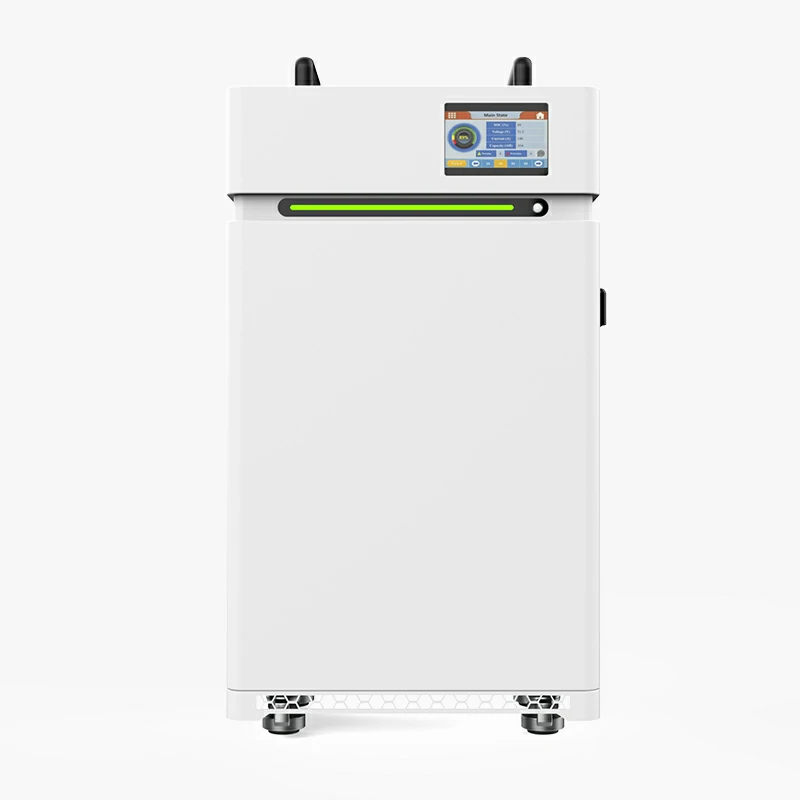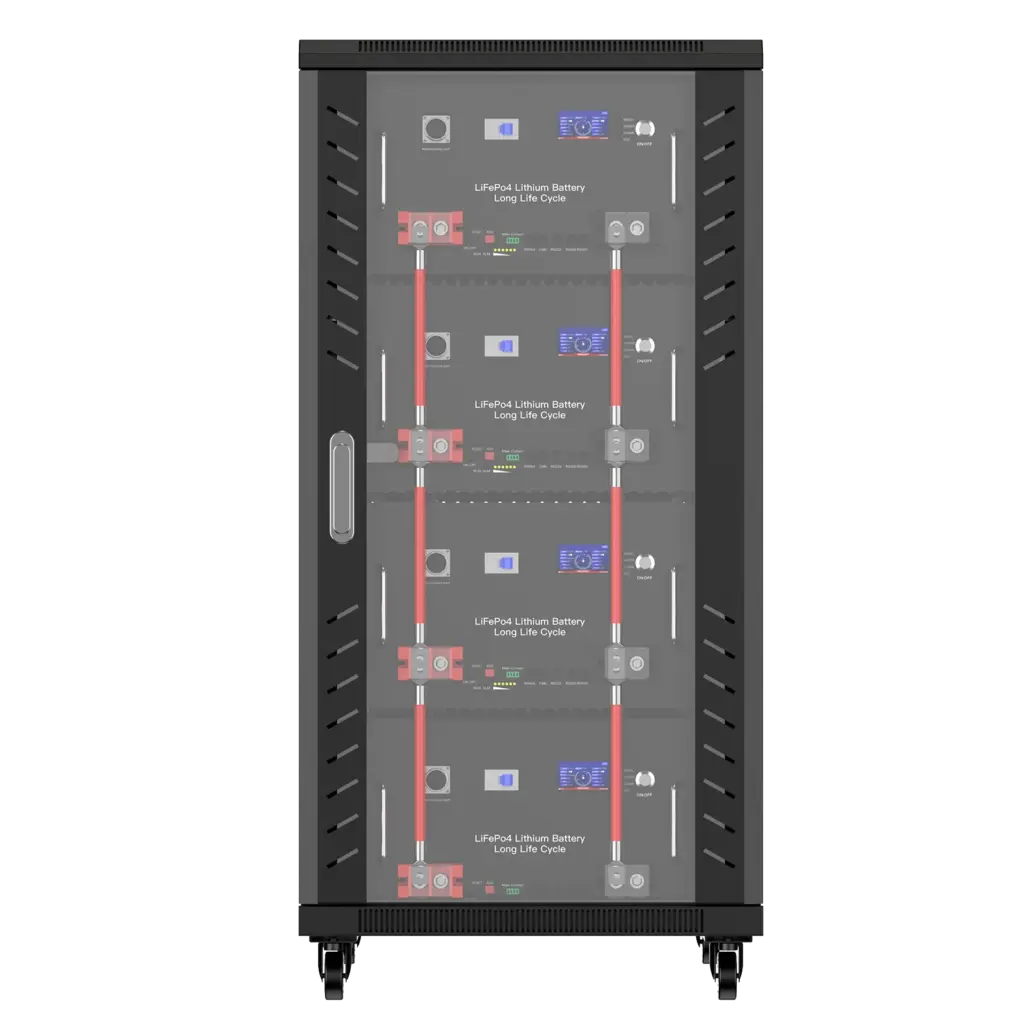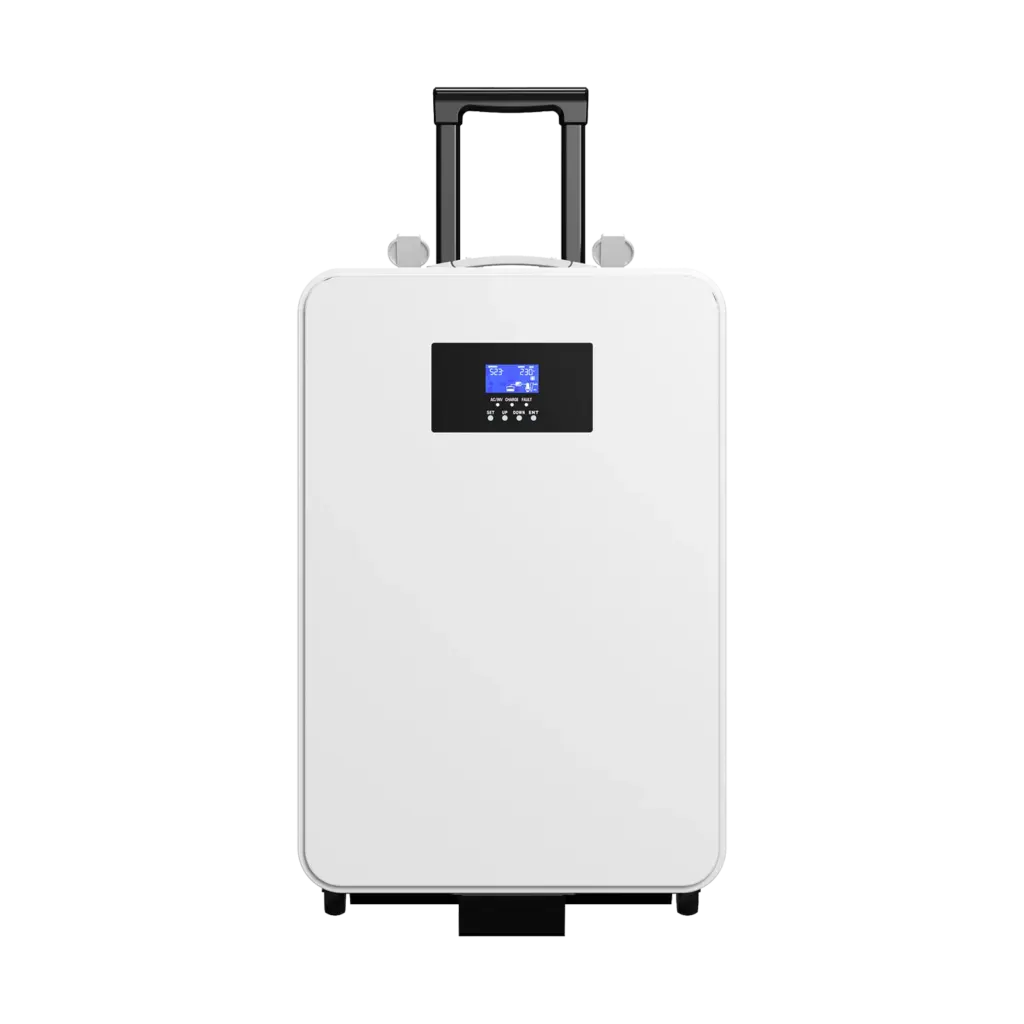

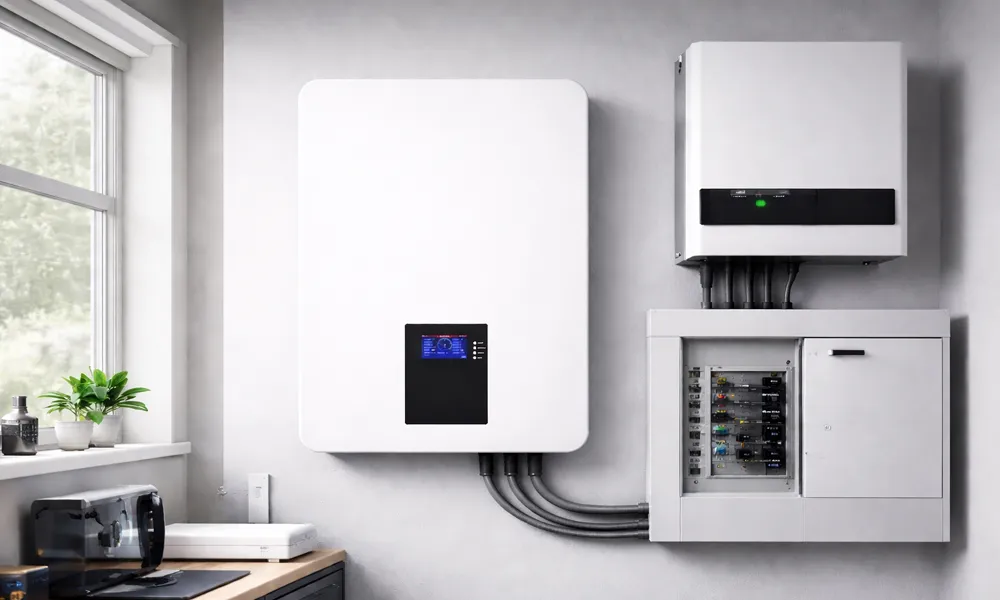
A 5 kWh battery has become one of the most popular entry-level home energy storage solutions for homeowners who want backup power, better solar self-consumption, and reduced dependence on the electrical grid. As electricity prices rise and grid reliability becomes less predictable, many households are looking for compact battery systems that balance cost, performance, and flexibility.
This article provides a detailed and structured analysis of a 5 kWh battery, including pricing, runtime expectations, real-world applications, and guidance on whether this battery size is sufficient for household use.
What Is a 5 kWh Battery?
A 5 kWh battery is an energy storage device that can store up to 5 kilowatt-hours of electrical energy. This means the battery can deliver 5,000 watts for one hour, 1,000 watts for five hours, or 500 watts for ten hours under ideal conditions.
Most modern 5 kWh batteries use lithium-based chemistry, with lithium iron phosphate (LiFePO4) being the most common option for residential energy storage. This chemistry offers strong safety characteristics, long cycle life, and stable performance across a wide range of operating conditions.
Homeowners typically use a 5 kWh battery for home backup power during outages, solar energy storage for nighttime use, or peak load shifting to reduce electricity bills.
Why Is a “5 kWh” Battery Often Rated at 5.12 kWh or 4.8 kWh?
Many batteries labeled as 5 kWh are actually 5.12 kWh or 4.8 kWh because manufacturers use standard modular cell designs. For example, LFP cells with a nominal 3.2 V naturally form a 5.12 kWh battery, which is easier to stack and expand.
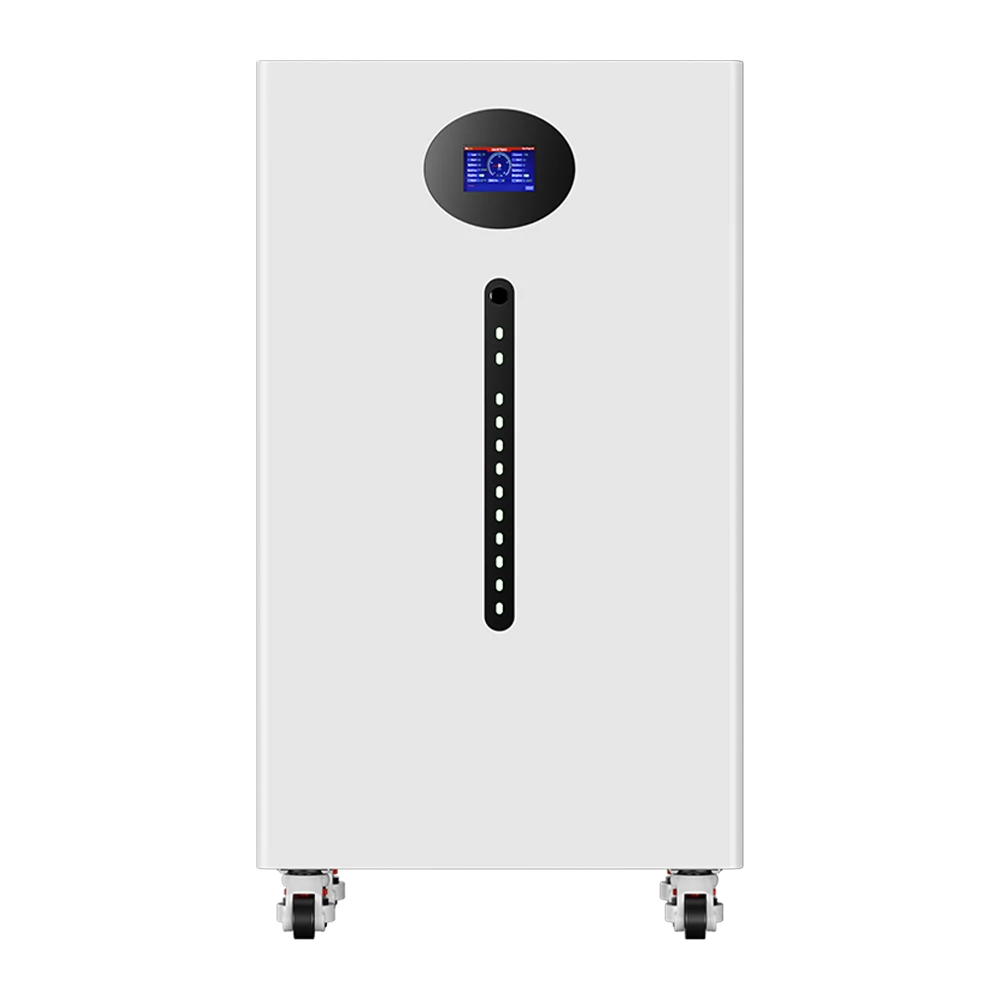
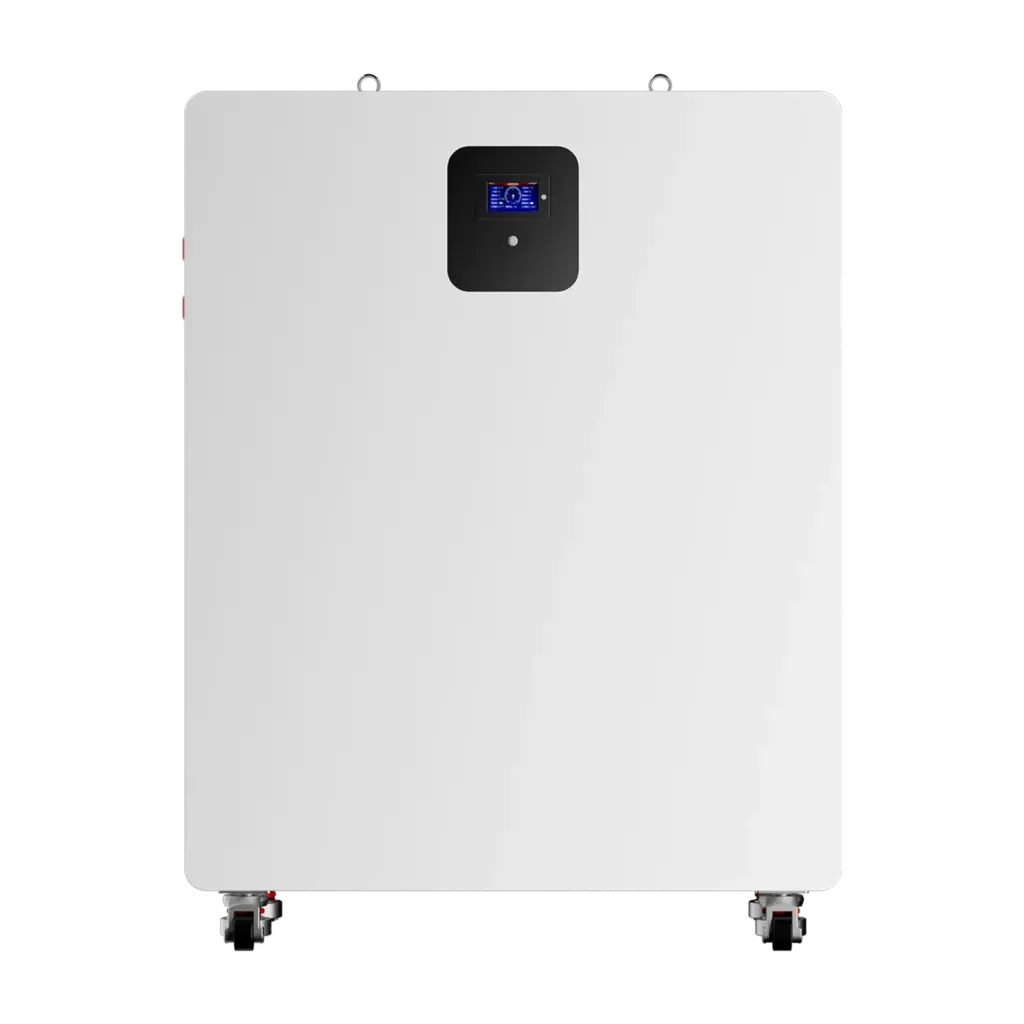
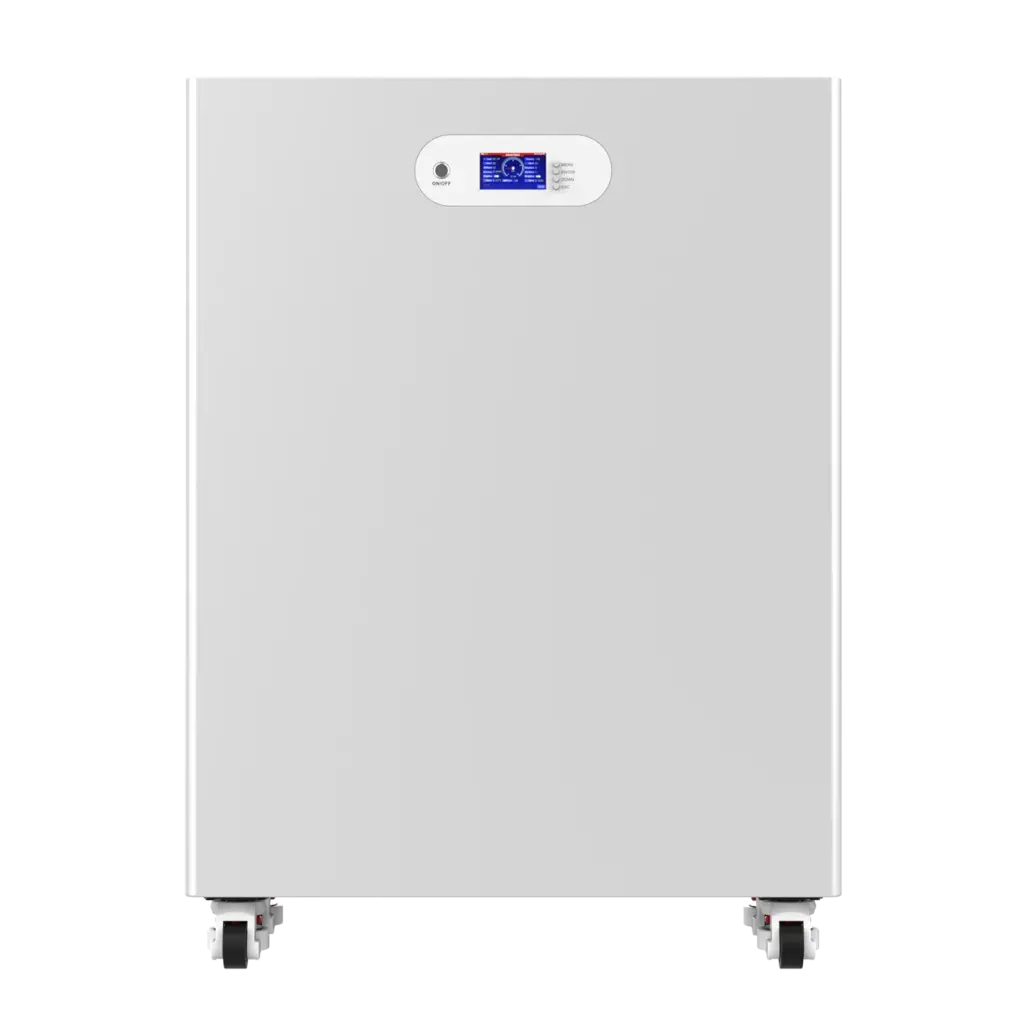
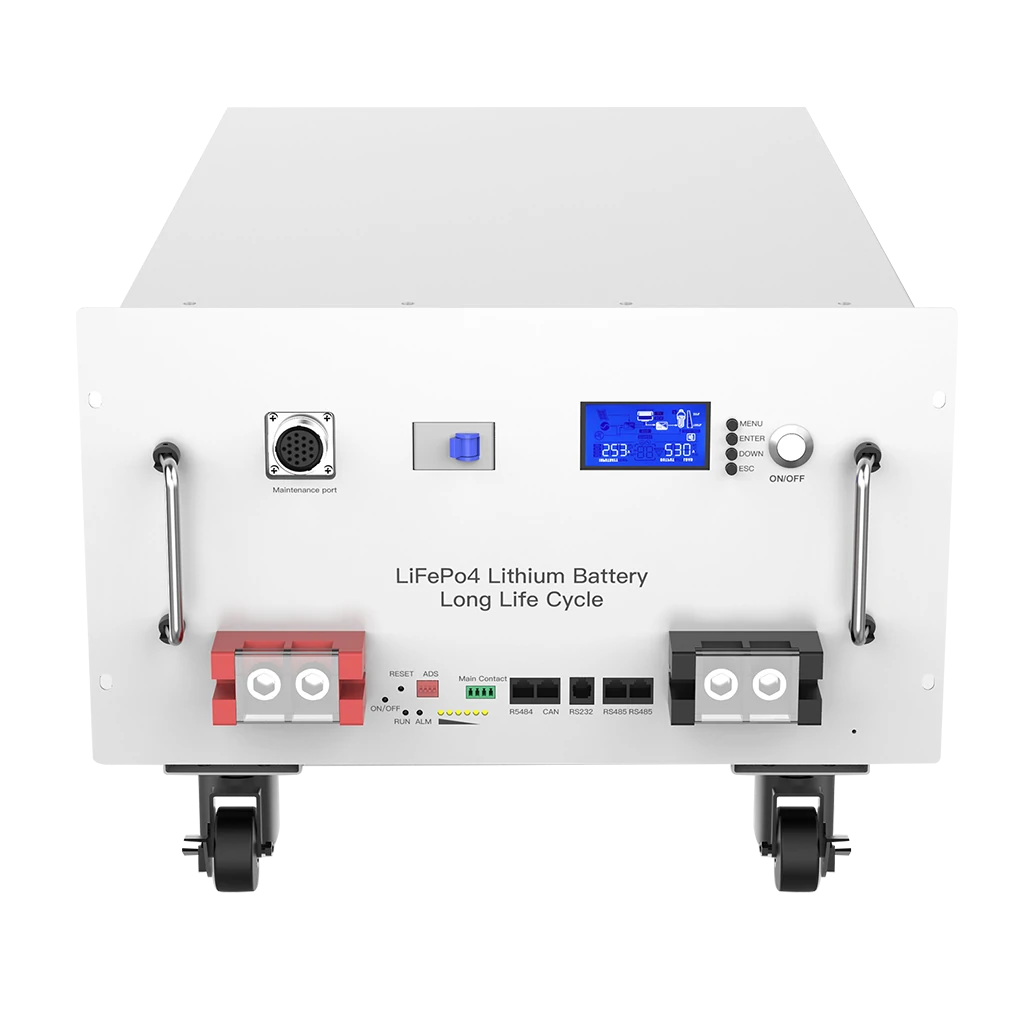
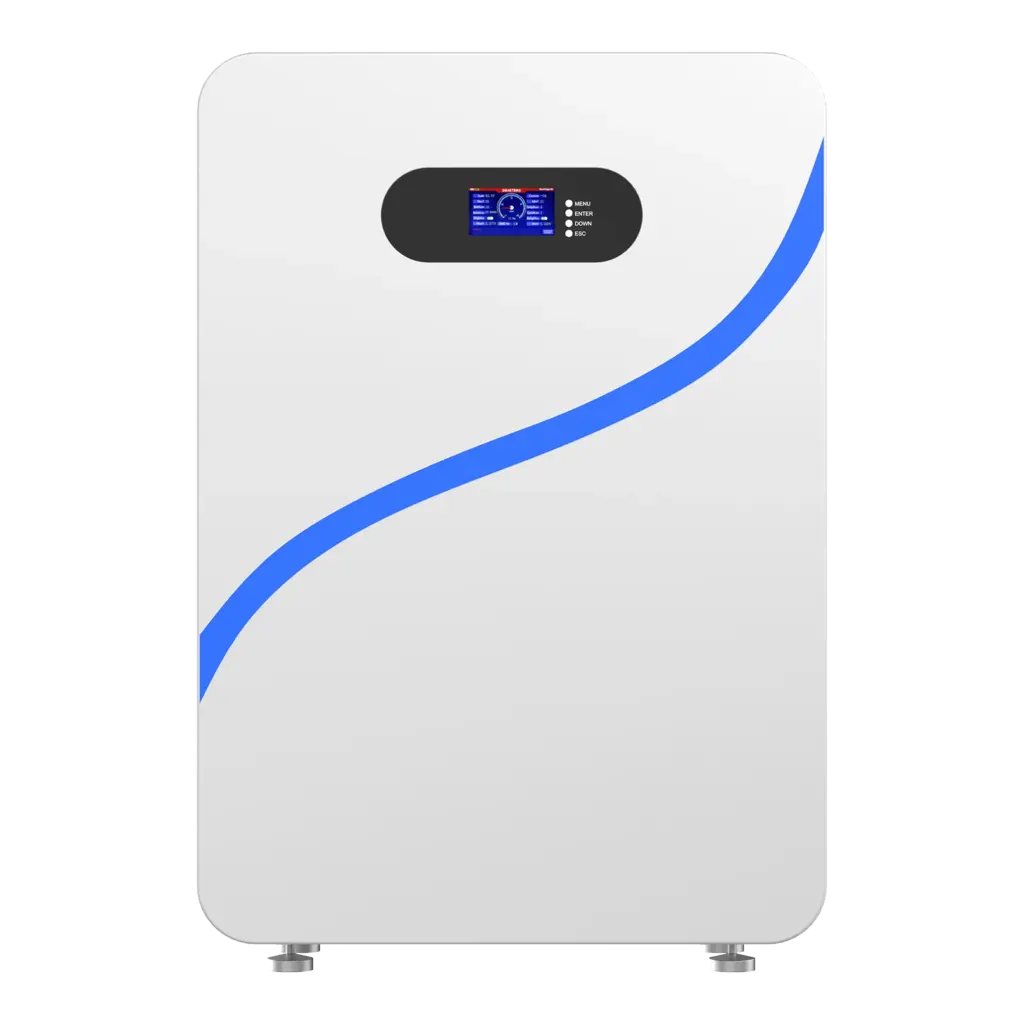
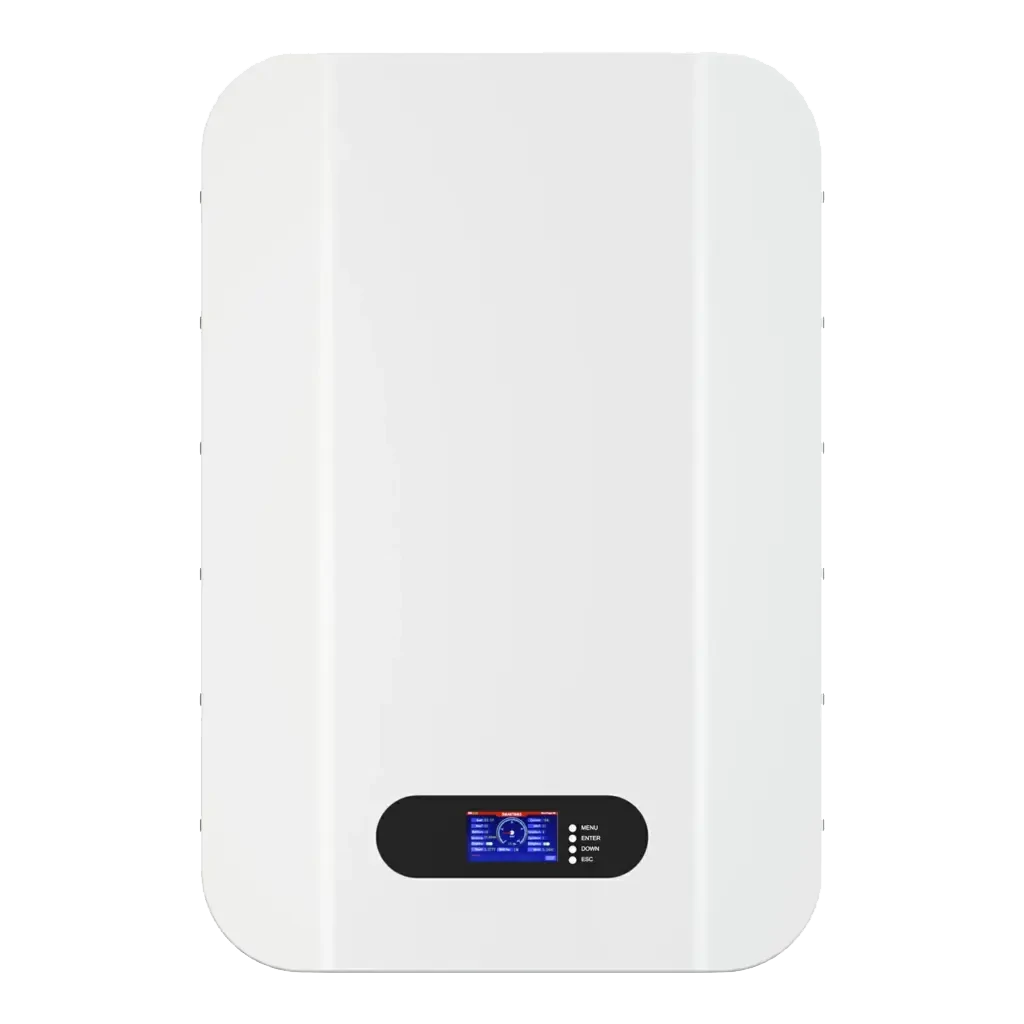
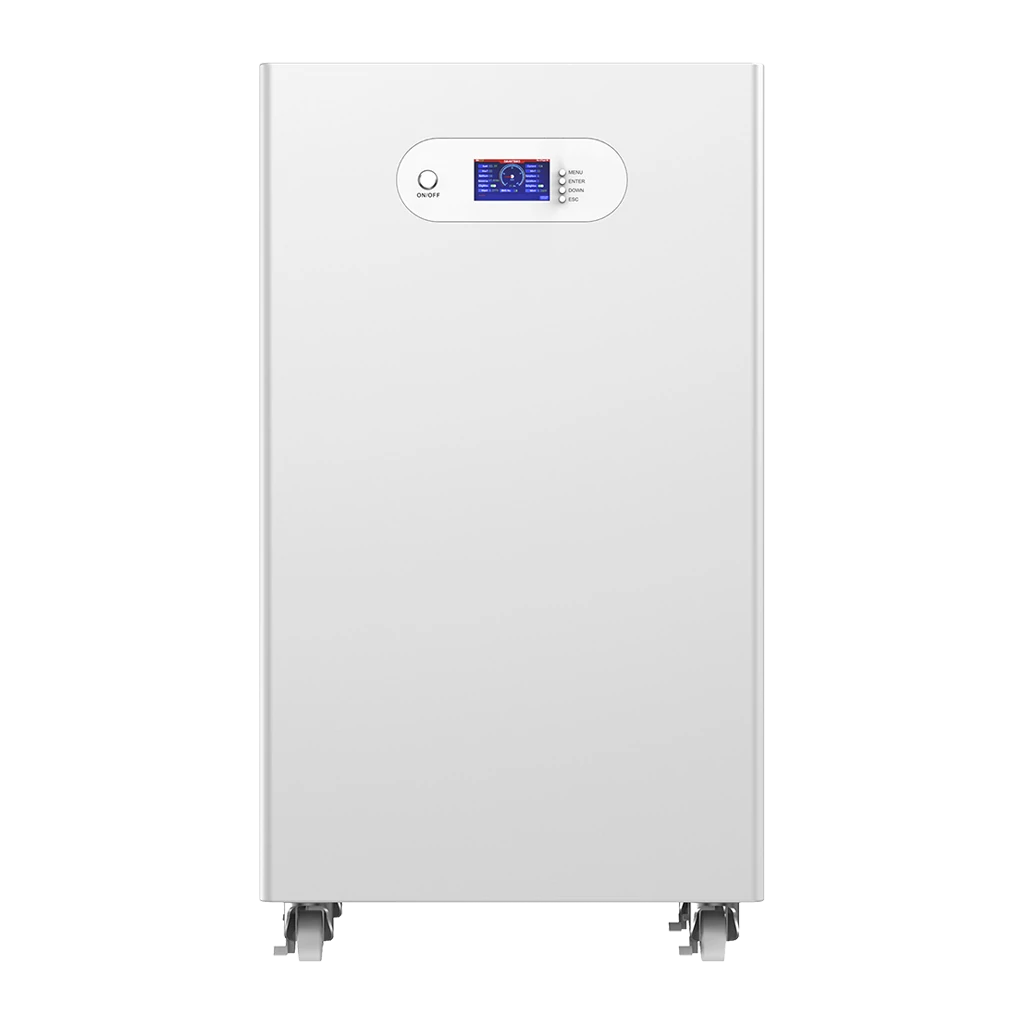
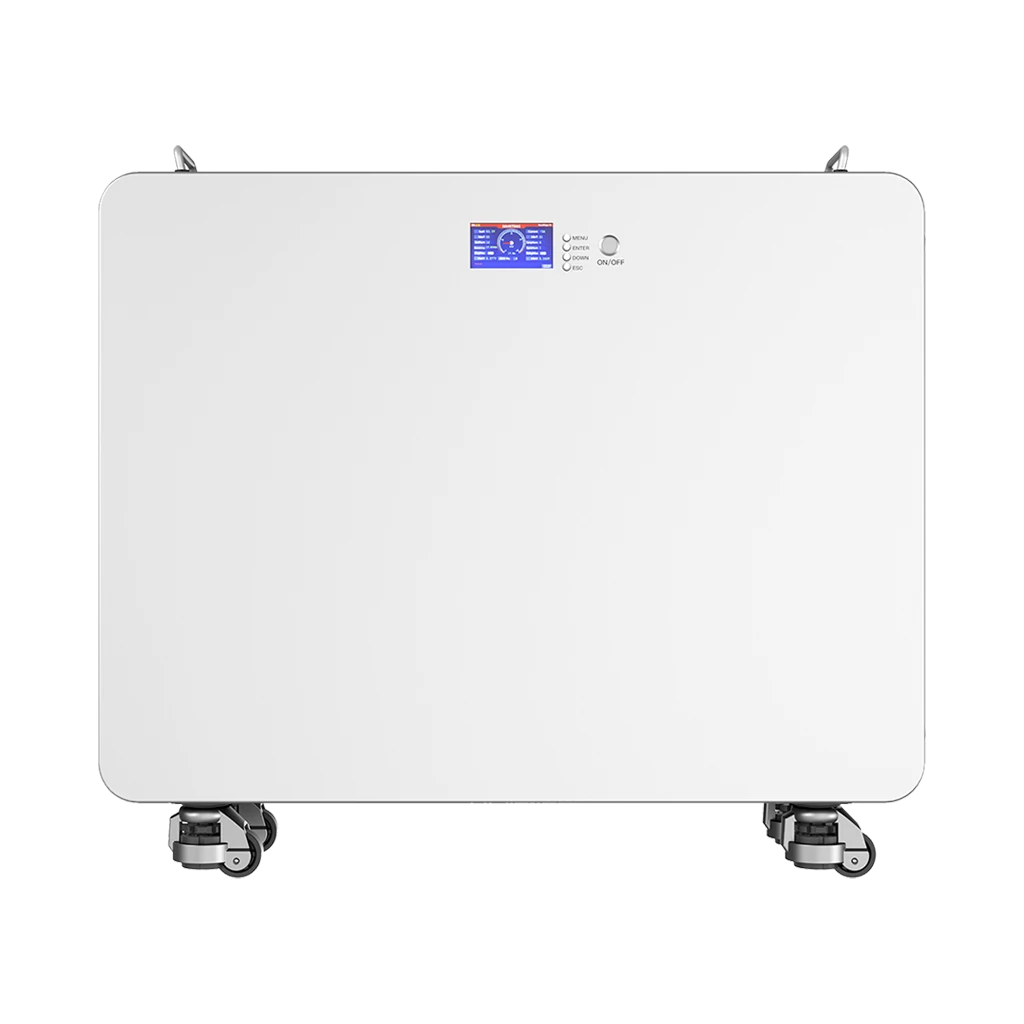
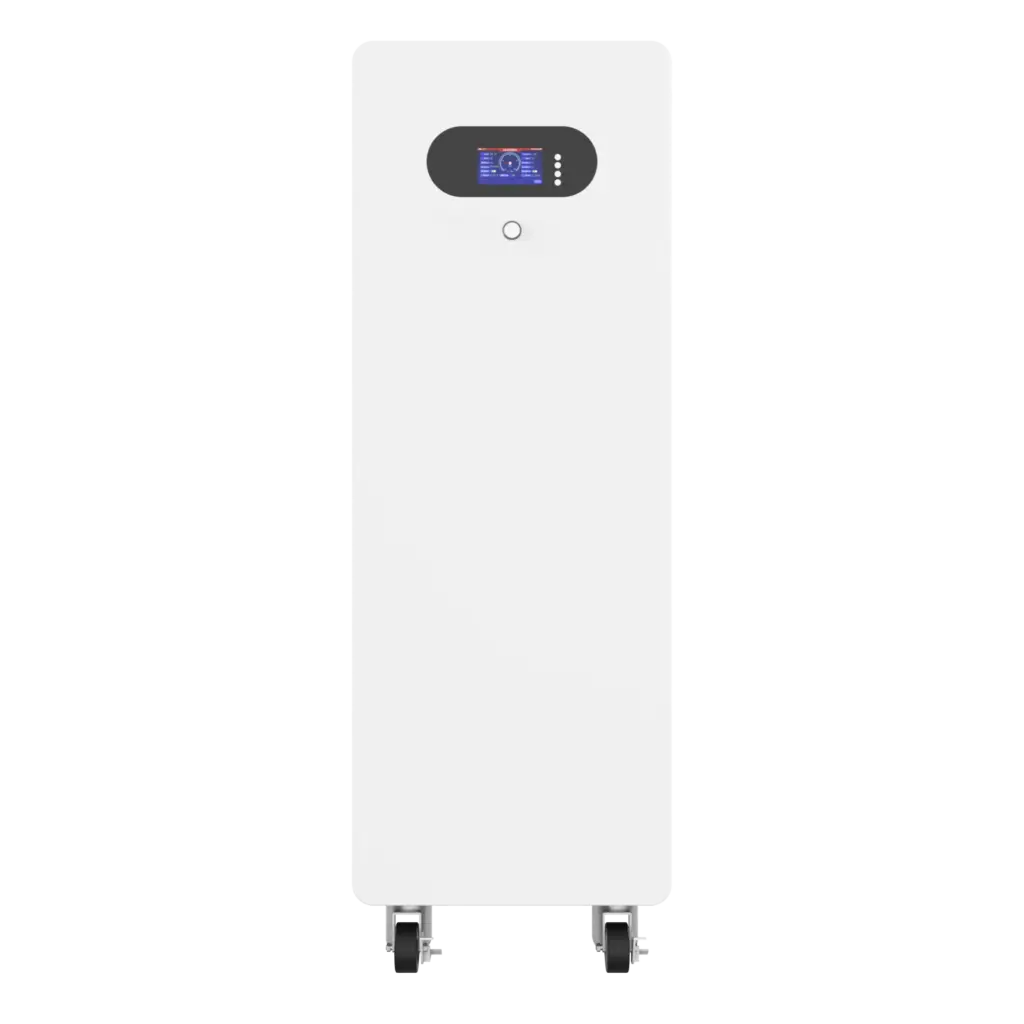
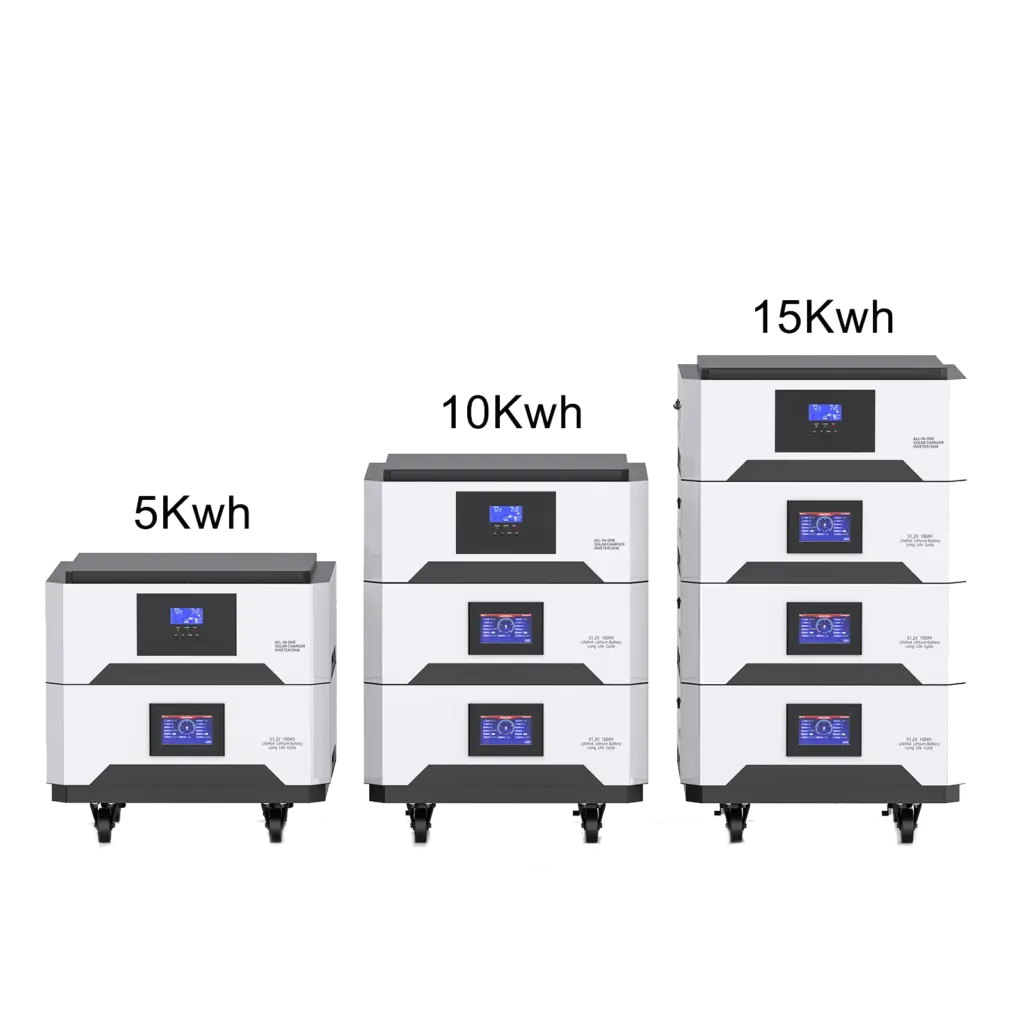
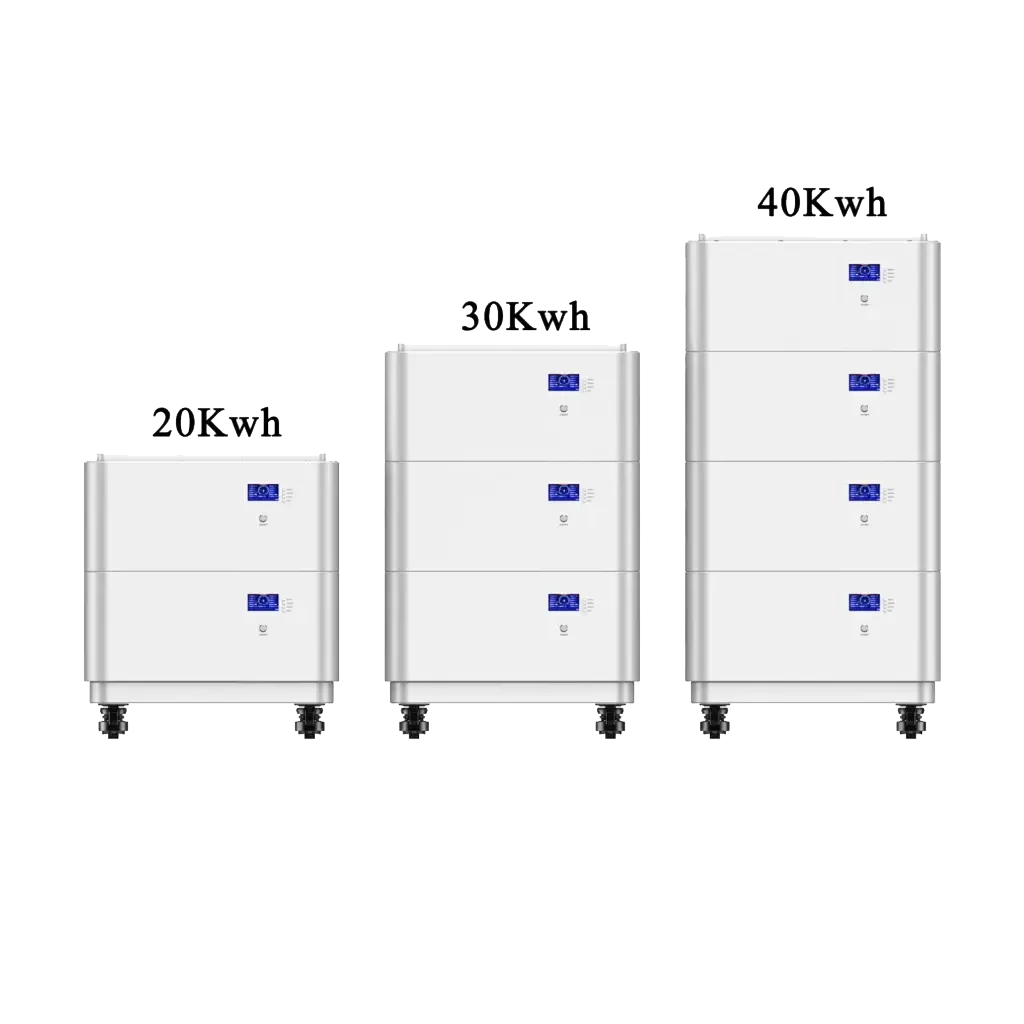
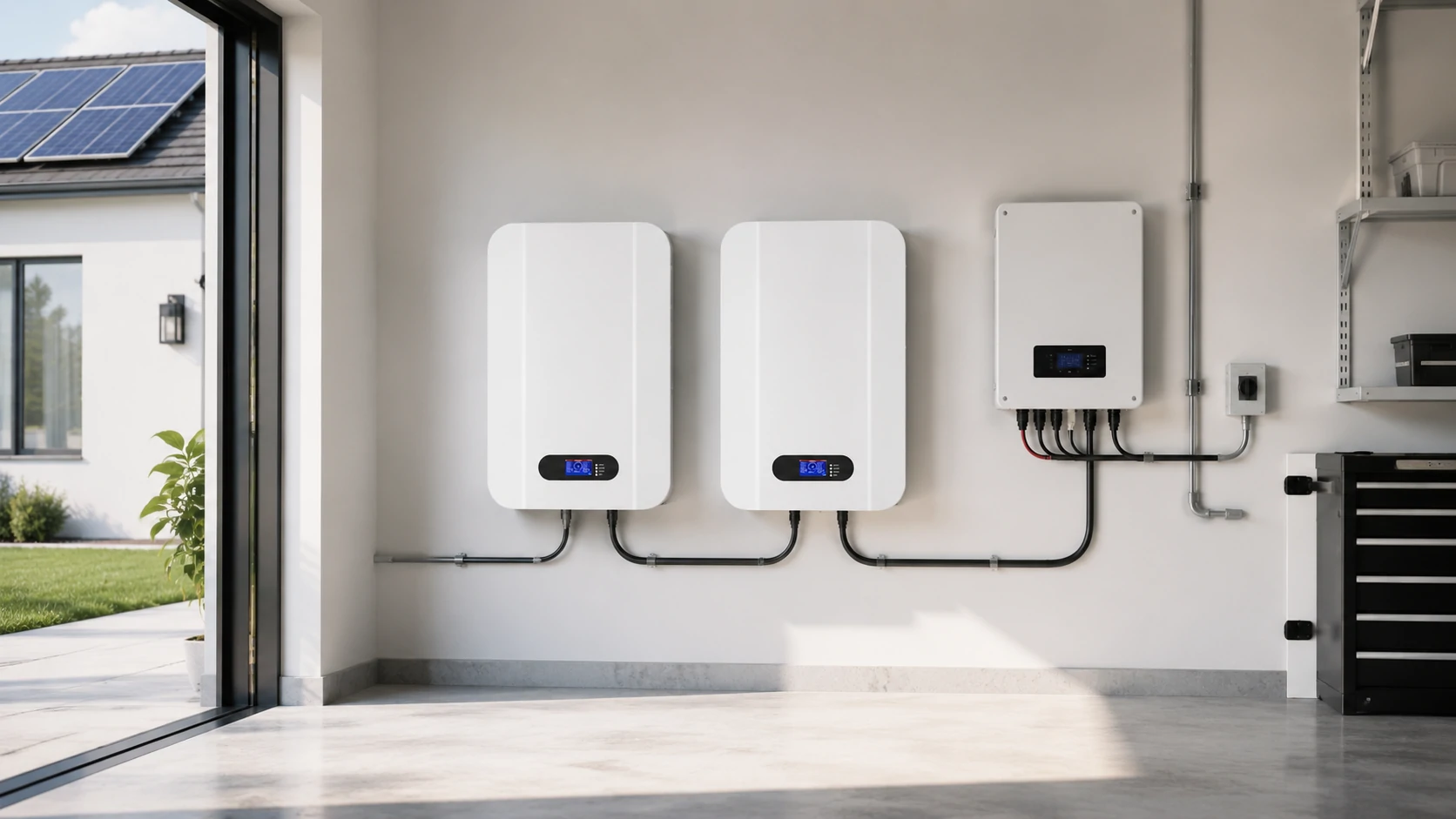
Avepower wall-mounted batteries provide 5.12 kWh of usable energy, with ≥96% DC round-trip efficiency and over 8,000 cycles at 25°C. The modular design allows systems to scale from 5.12 kWh up to 160 kWh by paralleling up to 16 units.
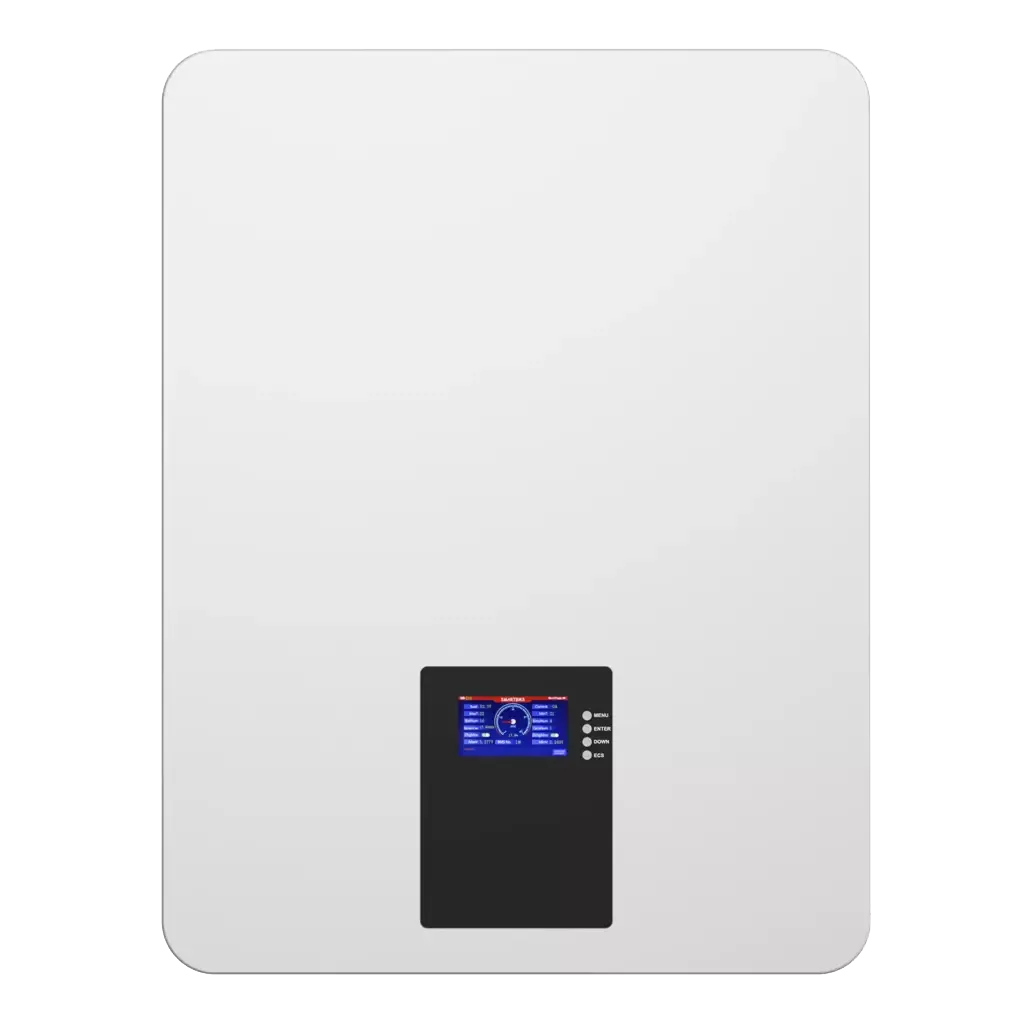
Avepower 5kWh Wall Mounted Battery
- 48V 5kWh 100Ah
- Maximum Paralleling 16 unit
- Support Bluetooth & WIFI
- 100% Customized
- 8000+ cycles@100% DOD
- Communication CAN/ RS485/ RS232
Average Cost of a 5 kWh Battery
The price of a 5 kWh battery depends on the battery chemistry, brand, system design, and installation requirements. On average:
- Battery-only cost: approximately $5,000–$5,500
- Battery with inverter and control system: an additional $1,200–$1,500
- Installed system cost: typically ranges from $6,500 to $8,500, depending on labor and regional factors
A battery-only configuration works best for homes that already have a compatible hybrid or off-grid inverter. A battery-and-inverter bundle is more suitable for new installations or full backup systems.
While the upfront cost of a 5 kWh battery may seem high, the long lifespan of lithium batteries significantly reduces the cost per cycle over time.
Several factors influence the price of a 5 kWh battery system:
- Battery chemistry: LiFePO₄ batteries cost more upfront than lead-acid batteries but last significantly longer.
- Cycle life: High-quality lithium batteries often support over 5,000 charge cycles.
- Safety systems: Integrated battery management systems (BMS) add cost but protect the battery from overheating, overcharging, and deep discharge.
- Compatibility: Hybrid inverter compatibility and smart monitoring features increase system value.
How Long Will a 5 kWh Battery Last?
A 5 kWh battery works best when powering essential household devices rather than high-demand appliances like air conditioners or electric ovens. In real homes, most users rely on a 5 kWh battery to support critical circuits during power outages.
Battery runtime depends on the power consumption of connected devices. Under ideal conditions:
- A 400-watt load can run for about 12 hours
- A 500-watt load can run for about 10 hours
- A 600-watt load can run for about 8 hours
- A 1000-watt load can run for about 5 hours
This assumes the full battery capacity is available with no efficiency losses. In reality, due to efficiency losses and depth of discharge limits, typical runtime for moderate loads ranges from 5 to 12 hours.
How to Calculate the Runtime of a 5 kWh Battery
Standard Runtime Formula
The basic formula for estimating battery runtime is:
Runtime (hours) = Battery Capacity (Wh) ÷ Device Power (W)
For example:
- Battery capacity: 5,000 Wh
- Refrigerator power: 200 W
Runtime = 5,000 ÷ 200 = 25 hours
Since no battery operates at 100% efficiency, real-world calculations should include efficiency adjustments.
Adjusted Runtime = Battery Capacity × Efficiency ÷ Device Power
If efficiency is 90%:
- Adjusted capacity: 5,000 × 0.9 = 4,500 Wh
- Runtime: 4,500 ÷ 200 = 22.5 hours
This method provides a more accurate estimate for daily planning.
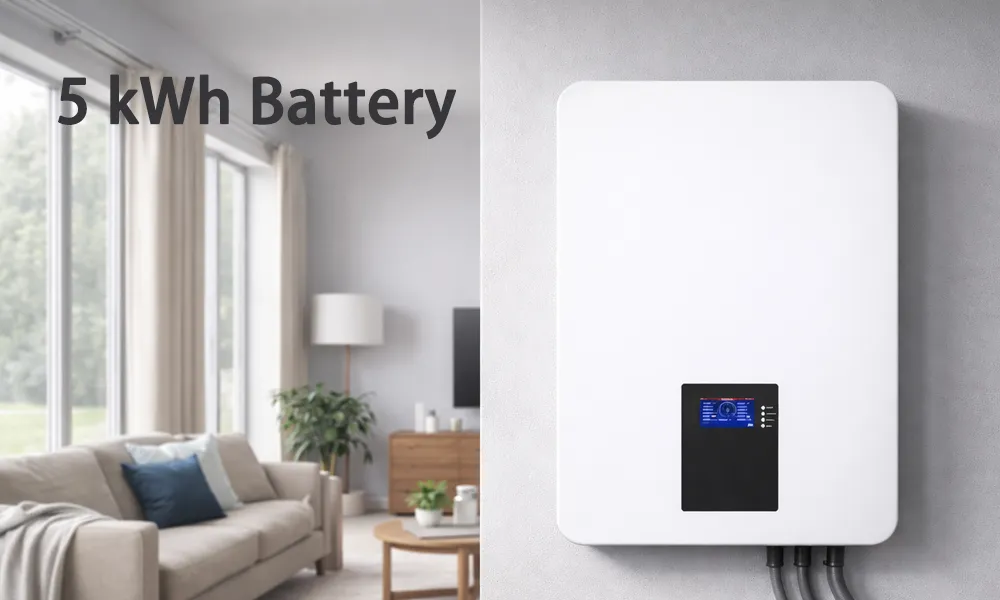
Is a 5 kWh Battery Enough to Run a House?
The table below assumes you run steady average loads, and it assumes you have about 4.5 kWh available to AC loads after typical losses and reserve.
| Backup Scenario | Average Load | Estimated Runtime From ~4.5 kWh Usable |
|---|---|---|
| Wi-Fi + phones + a laptop + a few LED lights | 100 W | ~45 hours |
| Refrigerator only (average over time) | 150 W | ~30 hours |
| Fridge + lights + Wi-Fi | 250 W | ~18 hours |
| Essentials circuit (fridge + lights + router + TV some of the time) | 400 W | ~11 hours |
| Small home office + lights + fridge cycling | 500 W | ~9 hours |
| Heavy “comfort” loads (microwave use + more lighting + more electronics) | 800 W | ~5.6 hours |
A fridge uses energy in bursts, and the compressor turns on and off. ENERGY STAR notes that an ENERGY STAR certified top-freezer refrigerator uses about 360 kWh per year in its messaging materials, and that number averages to about 1 kWh per day across the year.
A typical home usually cannot run these items for long with a 5 kWh battery:
- Central air conditioning
- Electric water heating
- Electric oven or cooktop
- Clothes dryer
- EV charging
A 5 kWh battery still helps in those homes because the battery can keep the “must-have” circuits on while the family waits for the grid to come back.
Pairing a 5 kWh Battery With Solar
If a solar array can send 2 kW into the battery during good sun, the rough refill time looks like:
- 5 kWh ÷ 2 kW = 2.5 hours
A system never runs at perfect net charge power for every hour. A real day includes clouds, heat losses, inverter limits, and household loads. A practical plan assumes you will need extra time beyond the clean math.
A homeowner who has a small solar system under 5 kW often pairs well with a 5 kWh starter battery. A homeowner who has a larger solar system often wants more storage so the home can keep more solar energy after sunset.
Best Use Cases for a 5 kWh Battery
Emergency Backup Power
A 5 kWh battery offers reliable backup power during grid outages, giving homeowners peace of mind. It keeps essential appliances and devices running—such as refrigerators, lights, and communication equipment—especially in areas prone to unstable or unreliable electricity supply.
Solar Energy Self-Consumption
For homes equipped with solar panels, a 5 kWh battery stores the excess solar energy generated during daylight hours. This stored energy can be used in the evening or at night, reducing dependence on the grid and maximizing the value of your solar system by increasing self-consumption.
Time-of-Use Electricity Optimization
In regions where electricity prices fluctuate throughout the day, a 5 kWh battery enables homeowners to charge during low-cost periods and use the stored energy during peak-rate hours. This strategy helps lower electricity bills by avoiding high tariffs when demand and prices are at their highest.
Key Factors That Affect the Runtime of a 5 kWh Battery
Understanding the variables that influence battery runtime helps users plan their energy usage more effectively.
Device Power Consumption
The power consumption of connected appliances is the main factor affecting battery runtime. Higher wattage devices drain stored energy faster.
Common examples include:
- Refrigerator
Average consumption: 200 watts
Estimated runtime: approximately 22 hours - Television
Average consumption: 80 watts
Estimated runtime: approximately 62.5 hours - Wi-Fi Router and Modem
Average consumption: 15 watts
Estimated runtime: approximately 222 hours
By listing essential devices and their wattage, homeowners can calculate realistic runtime expectations.
Battery Efficiency and Depth of Discharge (DoD)
Battery efficiency indicates how much of the stored energy can be practically used after losses in charging and discharging. Most modern lithium batteries operate at 92–97% efficiency, while lead-acid batteries usually fall below 80%.
Depth of Discharge (DoD) reflects the safe usable capacity percentage of the battery’s total storage.
For example:
- A 5 kWh battery with 85% DoD provides about 4.25 kWh of usable energy
- A 5 kWh battery with 95% DoD can deliver up to 4.75 kWh of usable energy
Lithium iron phosphate (LiFePO₄) batteries typically support DoD values above 90% without negatively affecting lifespan, making them ideal for residential use.
Charge and Discharge Cycles
Every battery has a finite lifespan measured in charge and discharge cycles before its capacity declines significantly.
- Lead-acid batteries generally last 1,200 to 2,000 cycles
- LiFePO4 batteries typically exceed 6,000 cycles
Batteries subjected to frequent deep cycling experience faster degradation. Grid-tied systems that use batteries mainly for backup or time-shifting impose less stress, extending battery life.
Environmental Conditions
Temperature has a strong impact on battery performance and longevity.
- High temperatures above 35°C (95°F) accelerate chemical aging, reducing lifespan.
- Low temperatures below 0°C (32°F) reduce immediate battery capacity by slowing chemical reactions, but do not cause permanent damage.
Lithium batteries operate optimally between 20°C and 30°C (68°F to 86°F). Installing batteries indoors or in temperature-controlled enclosures helps maintain this range and protects against premature wear.
Battery Maintenance and Monitoring
Proper care ensures the battery operates reliably over its expected life.
Recommended practices include:
- Keeping batteries clean and dry to prevent corrosion and electrical faults
- Avoiding charging beyond manufacturer limits or deep discharges below recommended DoD
- Utilizing a Battery Management System (BMS) for real-time monitoring of voltage, temperature, and state of charge to detect issues early
Modern lithium batteries require minimal hands-on maintenance but monitoring is key to maximizing efficiency and safety.
How to Size a 5 kWh Battery for Your Own Needs
Sizing a battery system can be straightforward when you follow these simple steps. Proper sizing ensures your battery meets your backup or daily energy needs without overspending.
Step 1: List Your Essential Loads
Start by identifying the devices and appliances you want to keep running during a power outage or peak usage times. Typical essential loads include:
- Refrigerator
- Internet router and modem
- Lighting (LED bulbs)
- Phone and laptop chargers
- Medical devices (if any)
Make a list of all these critical devices to understand what your battery needs to support.
Step 2: Estimate Average Power Consumption and Daily Energy Use
Next, estimate how much energy each device uses. You can find this information by:
- Checking appliance labels
- Using a watt meter or smart plug to measure actual consumption
- Reviewing your electricity bills or utility data for general consumption trends
Use the formula below to calculate energy consumption:
Energy (Wh) = Power (W) × Operating Time (hours)
For example, if your electrical appliances uses 150 watts on average and runs for 10 hours, the energy needed is:
150 W × 10 hours = 1,500 Wh (or 1.5 kWh)
Add up the estimated energy use for all essential devices to get your total daily energy requirement.
Step 3: Compare Your Energy Needs to Usable Battery Capacity
A 5 kWh battery typically does not provide the full 5,000 Wh of usable energy. Due to depth of discharge limits and system design, expect between 3,500 and 4,500 Wh of usable capacity.
Compare your total energy need with this usable range. For instance:
- If your essential loads consume about 3,000 Wh per night, a 5 kWh battery is a suitable fit.
- If your essential loads require 8,000 Wh or more, a 5 kWh battery will likely be too small, and you should consider a larger system or multiple batteries.
Step 4: Verify Your Inverter’s Power Capacity
Even if you have a smaller battery, your inverter needs to be powerful enough to handle the peak power demand and surge loads (such as the startup current of refrigerators or pumps).
Make sure the inverter’s continuous and surge power ratings match or exceed your highest expected load. This ensures your system can safely and reliably support your essential appliances.
Choosing Between a 5 kWh Battery and Larger Systems
Most residential solar systems range from 3 kW to 10 kW. A general matching guideline is:
- 3–5 kW solar system: 5 kWh battery
- 6–8 kW solar system: 10 kWh battery
- 10 kW or larger system: 20 kWh battery or more
A 5 kWh battery serves as a practical starting point and can often be expanded later using modular designs.
Get Your 5 kWh Backup Battery Quote
Power your essentials with confidence. Avepower’s home battery solutions give you safe, stable backup energy for outages and everyday solar self-use. Our 5 kWh option is a smart starting point for essential circuits, and our modular designs let you expand capacity later as your needs grow.
Ready to size the right battery for your home or project? Tell us your backup loads and solar system details, and Avepower will provide a clear recommendation, compatibility guidance, and a fast quote. Request pricing or get a custom solution plan today.
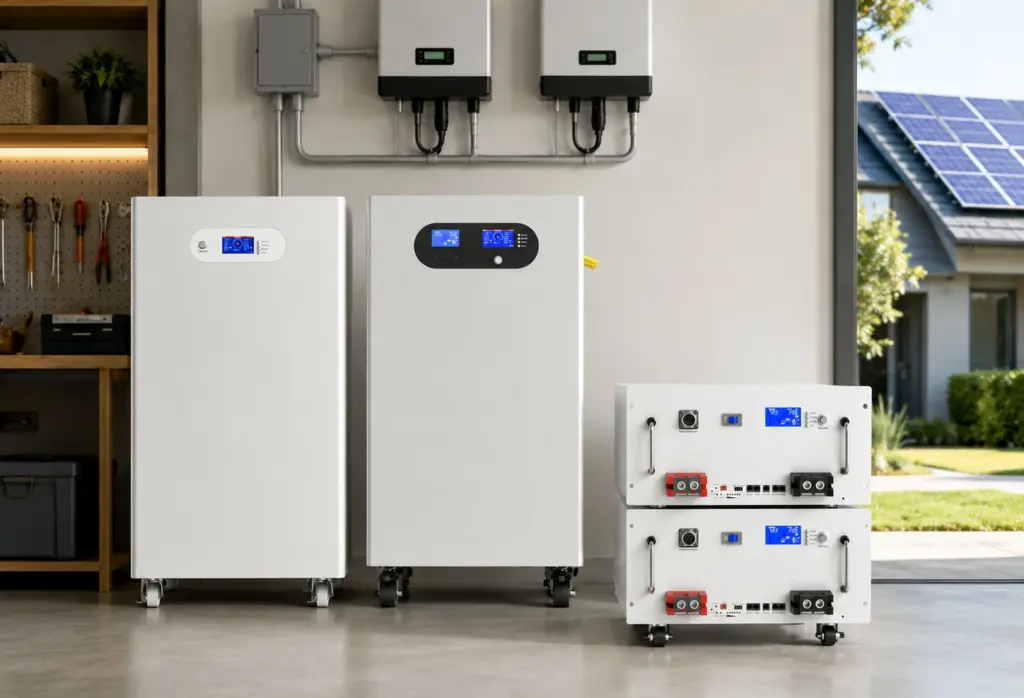
Take Control of Your Energy with Avepower!
Reliable home solar battery solutions with OEM/ODM customization and in-house manufacturing, tailored to the needs of distributors, installers, and energy partners.
Conclusion
A 5 kWh battery can be a strong home backup choice when the home focuses on essential circuits. A 5 kWh battery can also be a smart solar add-on when the home wants to use more solar power at night. Your load plan decides the runtime more than any marketing claim.
A buyer gets the best outcome when the buyer sizes the system from real loads, checks usable energy and inverter power, and chooses a battery chemistry and warranty that match the intended use.
FAQ
A 5 kWh battery can often run a refrigerator for about 12–24 hours in many homes when other loads stay low. Each refrigerator has different real use, so a homeowner should measure the fridge or check energy label data.
It depends on device power. Ideally, 400 W lasts about 12 hours, 500 W about 10 hours, and 600 W about 8 hours. Real-world runtime is usually 8 to 12 hours due to efficiency and discharge limits.
Your system has efficiency losses, and your battery may not use 100% of its labeled capacity. Your loads may also surge higher than you expect, which uses energy faster.
Many homeowners choose LiFePO4 because LiFePO4 tends to support deeper use and longer life. A good BMS also helps safety and reliability.