
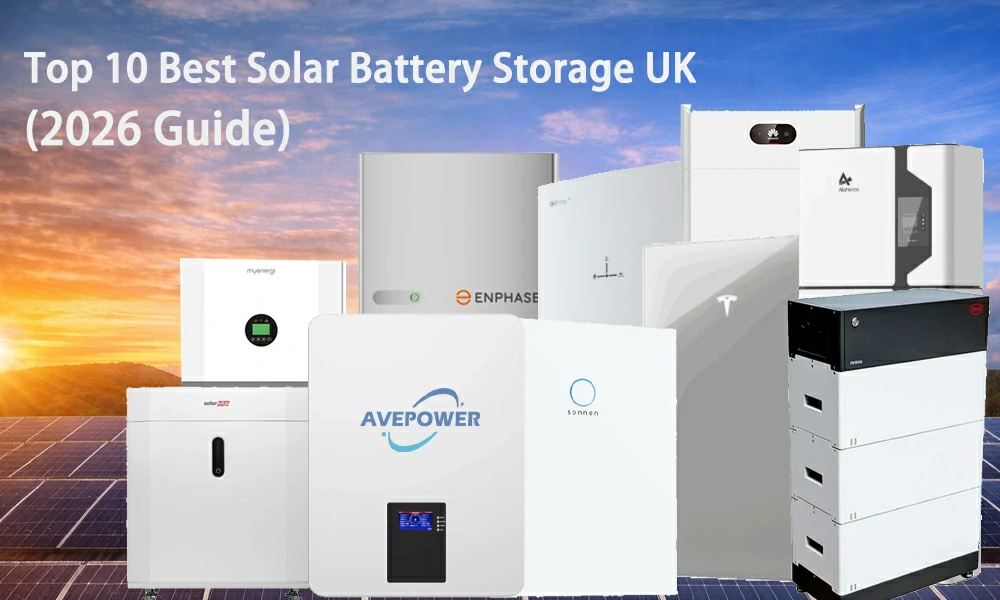
Compare the top 10 solar battery manufacturers for the UK in 2026, including myenergi / Duracell Energy, Avepower, Tesla, Sigenergy and more. See home battery options, scalability, installer fit and key buying criteria.
For homeowners, the decision often starts with battery capacity, backup power and installer availability.
For solar installers, distributors and project developers, the manufacturer behind the battery becomes equally important. Production capacity, technical documentation, BMS communication, product scalability and after-sales support can determine whether a battery platform is suitable for long-term deployment.
If you are still deciding what a complete residential battery system should include, start with Avepower’s guide to residential battery energy storage systems.
Quick Verdict: Which Solar Battery Manufacturers Are Best in the UK?
Our 2026 manufacturer ranking is:
| Rank | Manufacturer | Best For | Main Strength |
|---|---|---|---|
| 1 | myenergi / Duracell Energy | UK residential storage | Strong UK-focused home energy ecosystem |
| 2 | Avepower | Installers, distributors & OEM/ODM | Factory-direct scalable LiFePO4 manufacturing |
| 3 | Tesla | Premium home backup | Integrated Powerwall ecosystem |
| 4 | Sigenergy | Smart modular storage | Integrated and expandable energy platform |
| 5 | Fox ESS | Installer-led systems | Broad inverter and battery portfolio |
| 6 | Enphase | Solar retrofits | Modular AC-coupled architecture |
| 7 | BYD | High-voltage modular storage | Expandable Battery-Box platform |
| 8 | Pylontech | Modular LiFePO4 systems | Dedicated battery-storage focus |
| 9 | Sunsynk | Hybrid inverter projects | Battery and hybrid inverter ecosystem |
| 10 | SolarEdge | SolarEdge installations | Integrated solar and battery ecosystem |
1. myenergi / Duracell Energy
myenergi because its libbi battery is designed around a UK-focused smart home energy ecosystem rather than operating as a standalone storage product. The modular system is available in 5kWh, 10kWh, 15kWh and 20kWh configurations and can work alongside myenergi products such as the zappi EV charger and eddi energy diverter.
Why myenergi Stands Out
- Modular 5–20kWh home battery storage
- Strong UK residential-market positioning
- Integration with zappi EV charging
- Integration with eddi solar energy diversion
- Smart energy monitoring and management
- Suitable for solar or grid-charging applications
Best For
UK households already using, or planning to use, the wider myenergi smart-energy ecosystem—particularly homes combining solar, battery storage and EV charging.
Main Limitation
libbi delivers its strongest benefits when used as part of the wider myenergi ecosystem, so homeowners looking for a more inverter-independent battery platform or installers requiring extensive OEM customization may prefer other manufacturers.
2. Avepower
Avepower ranks second because it combines residential LiFePO4 battery manufacturing with scalable product platforms, engineering support and OEM/ODM capability for professional energy-storage buyers.
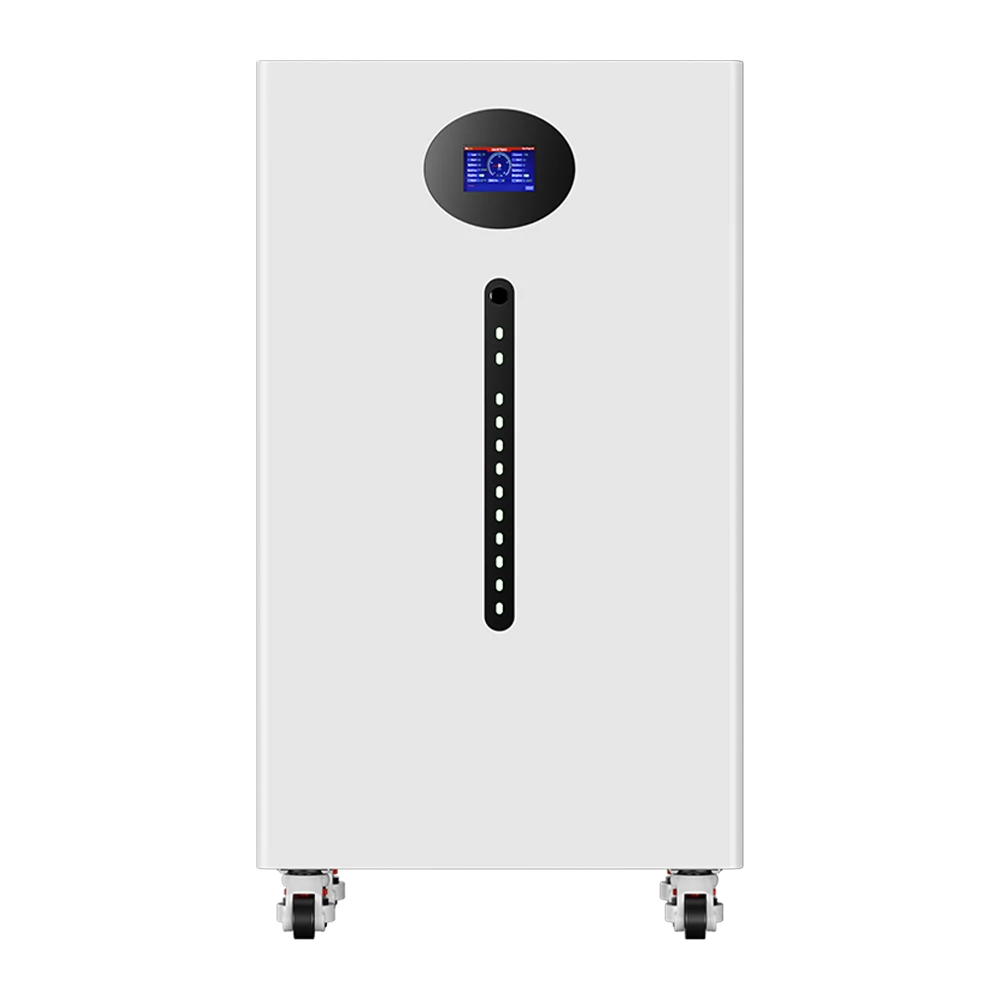
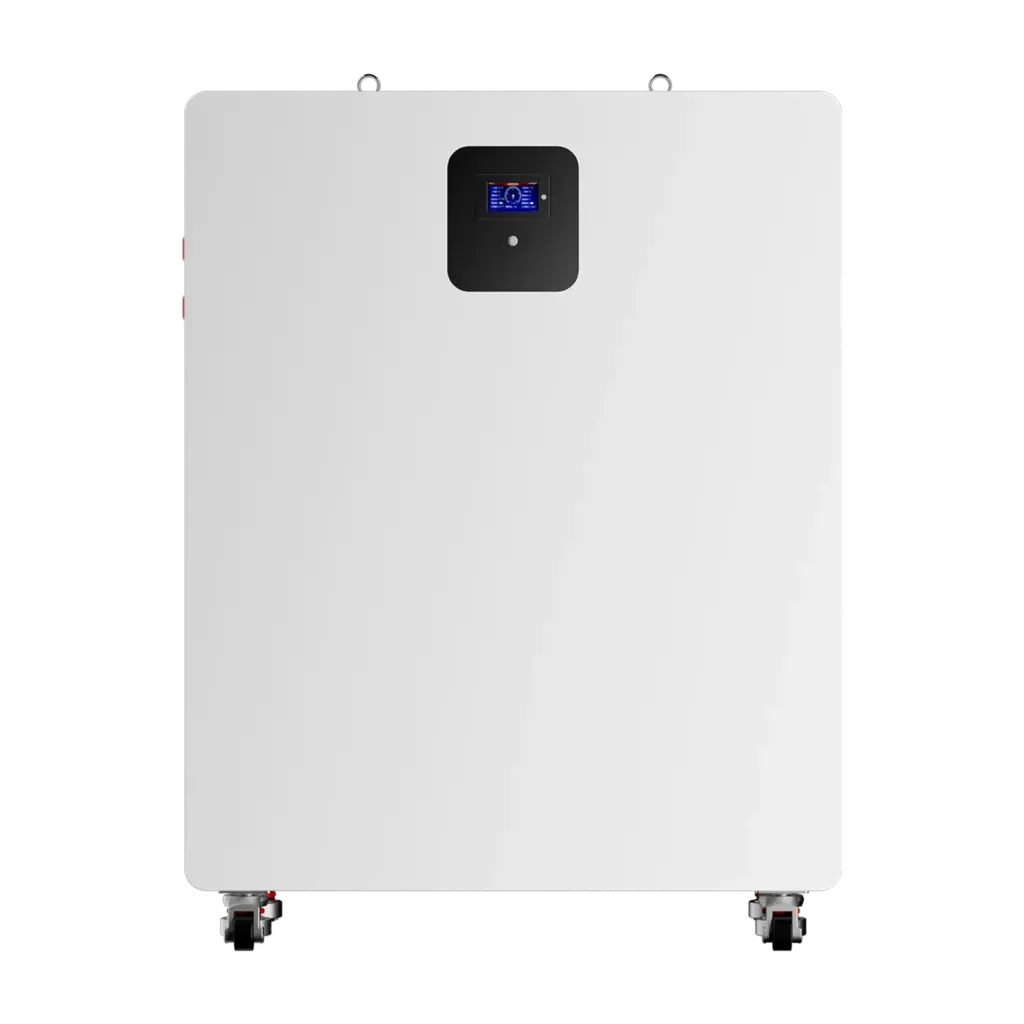
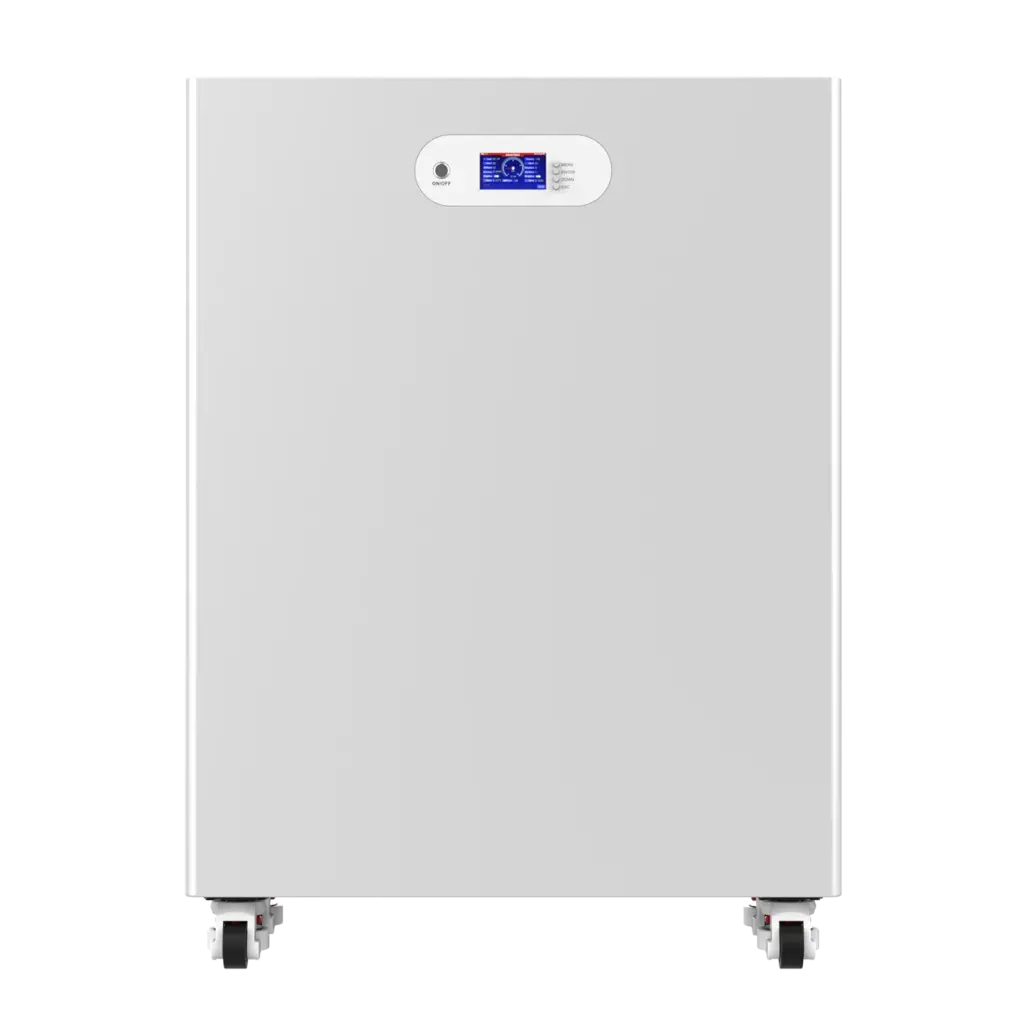
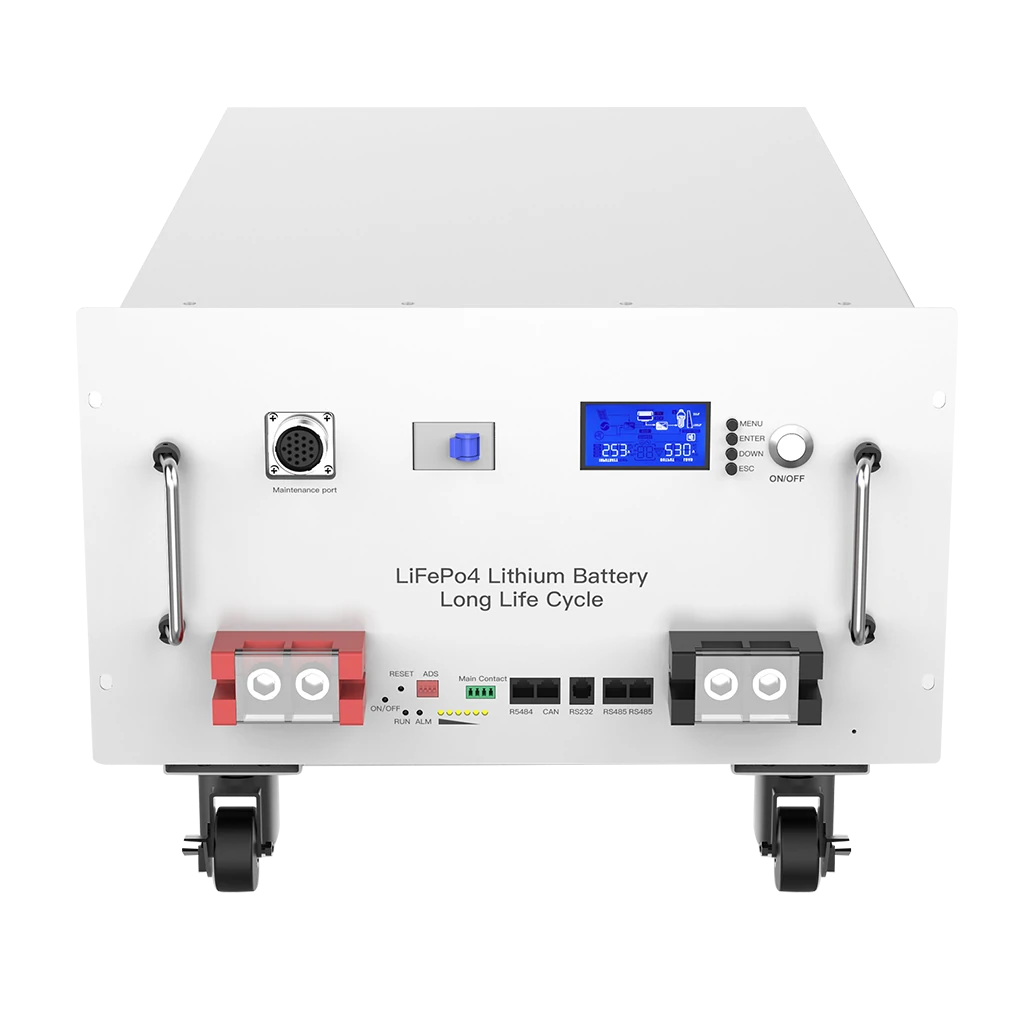
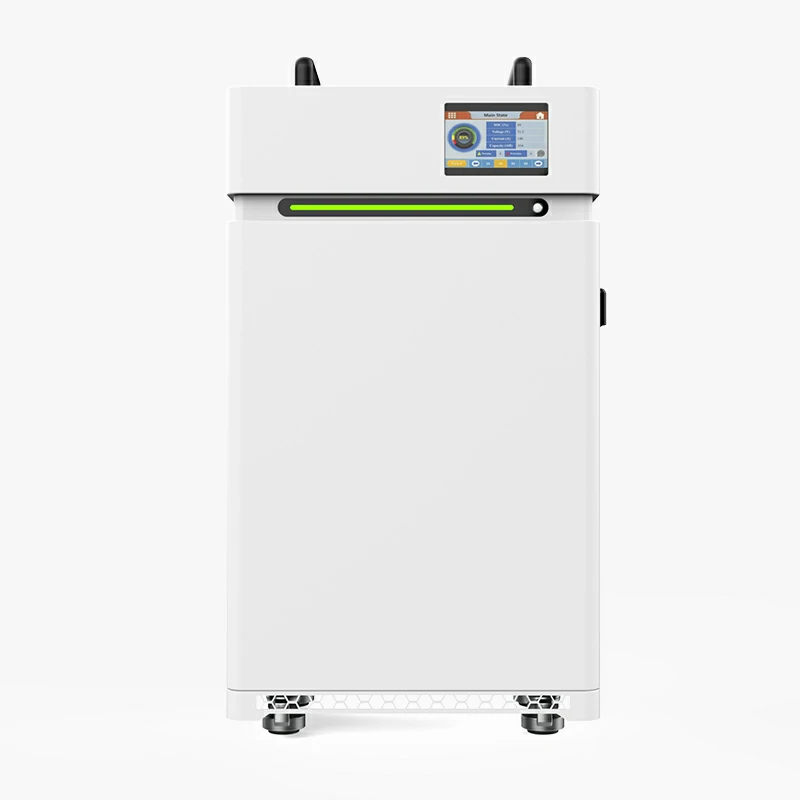
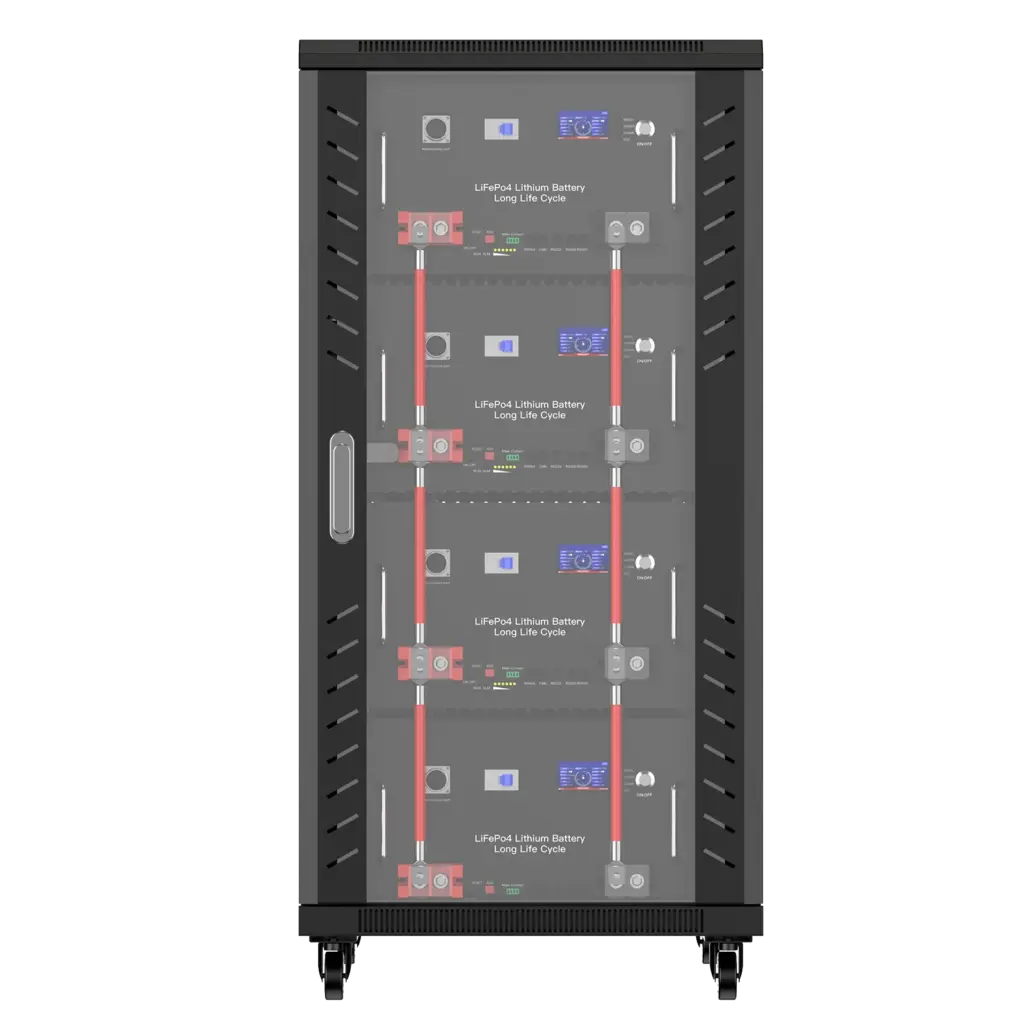
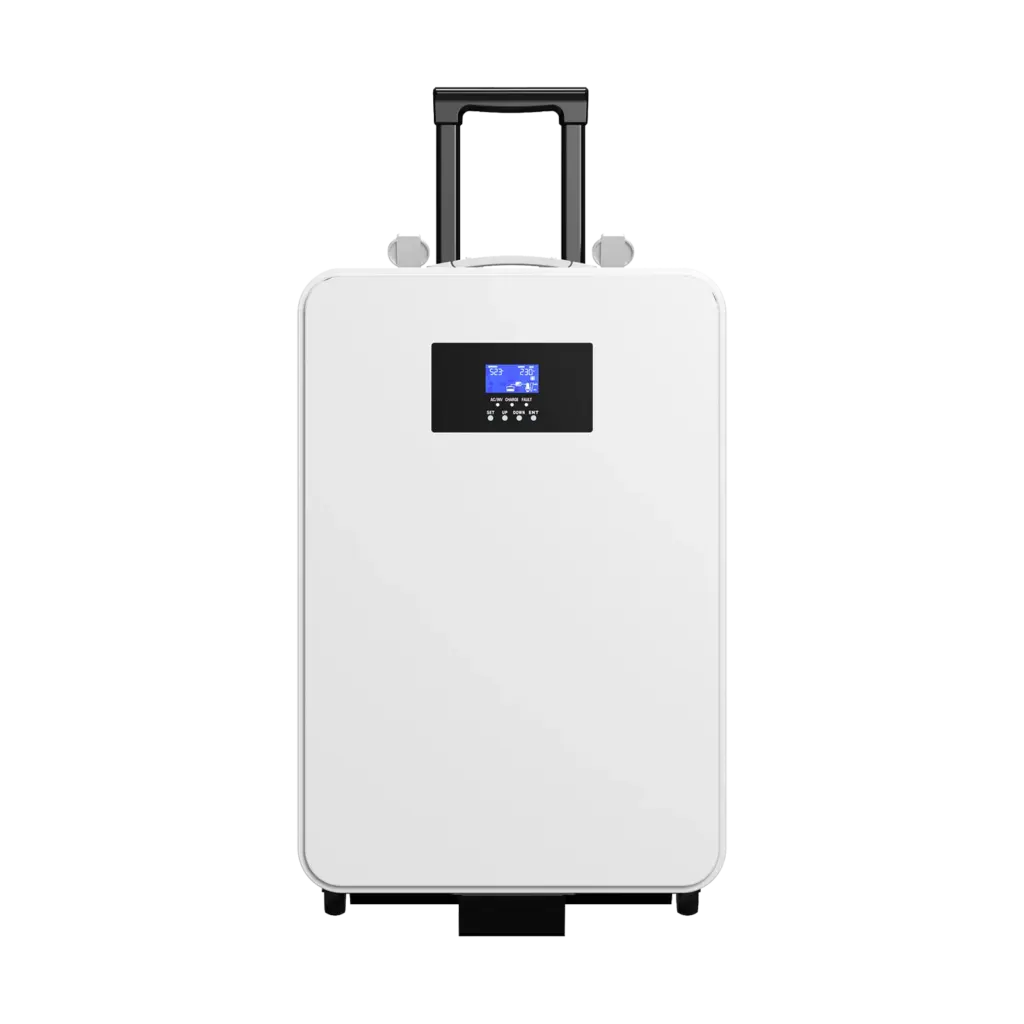
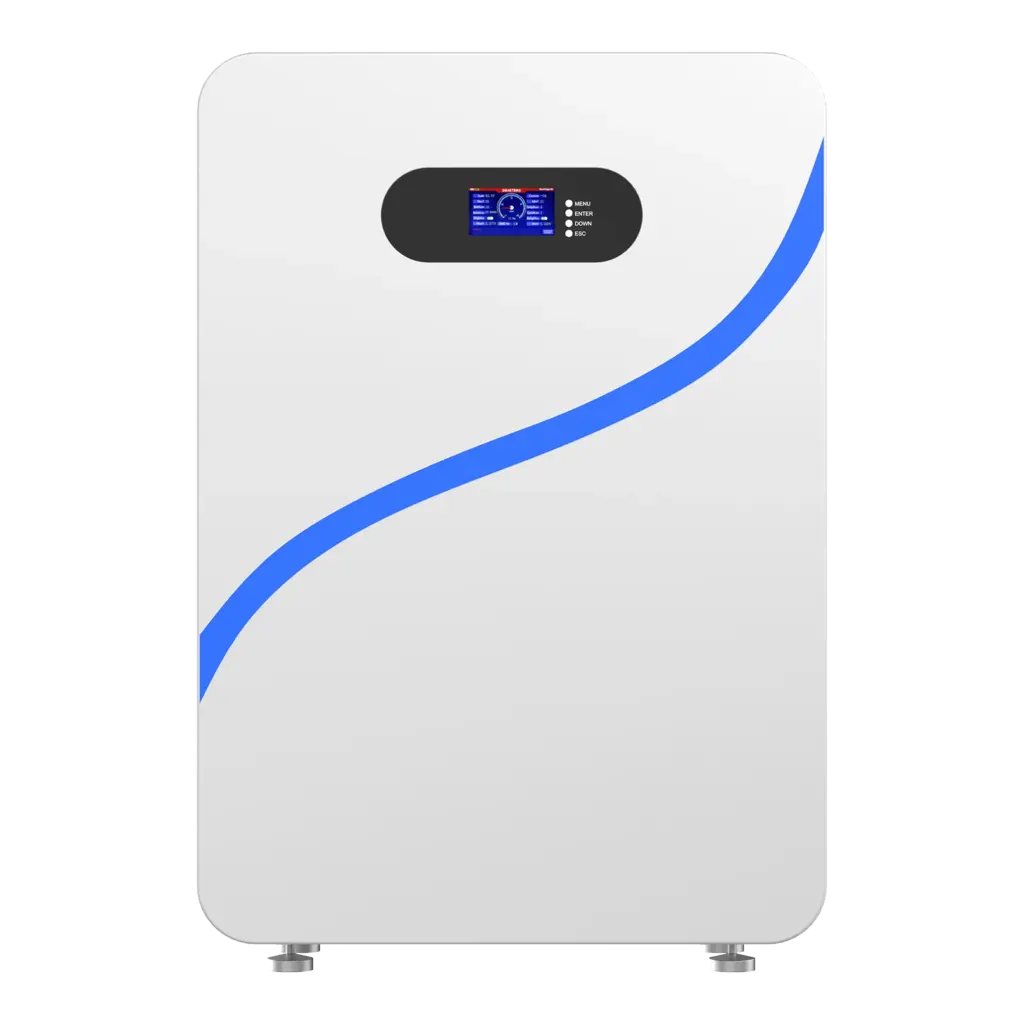
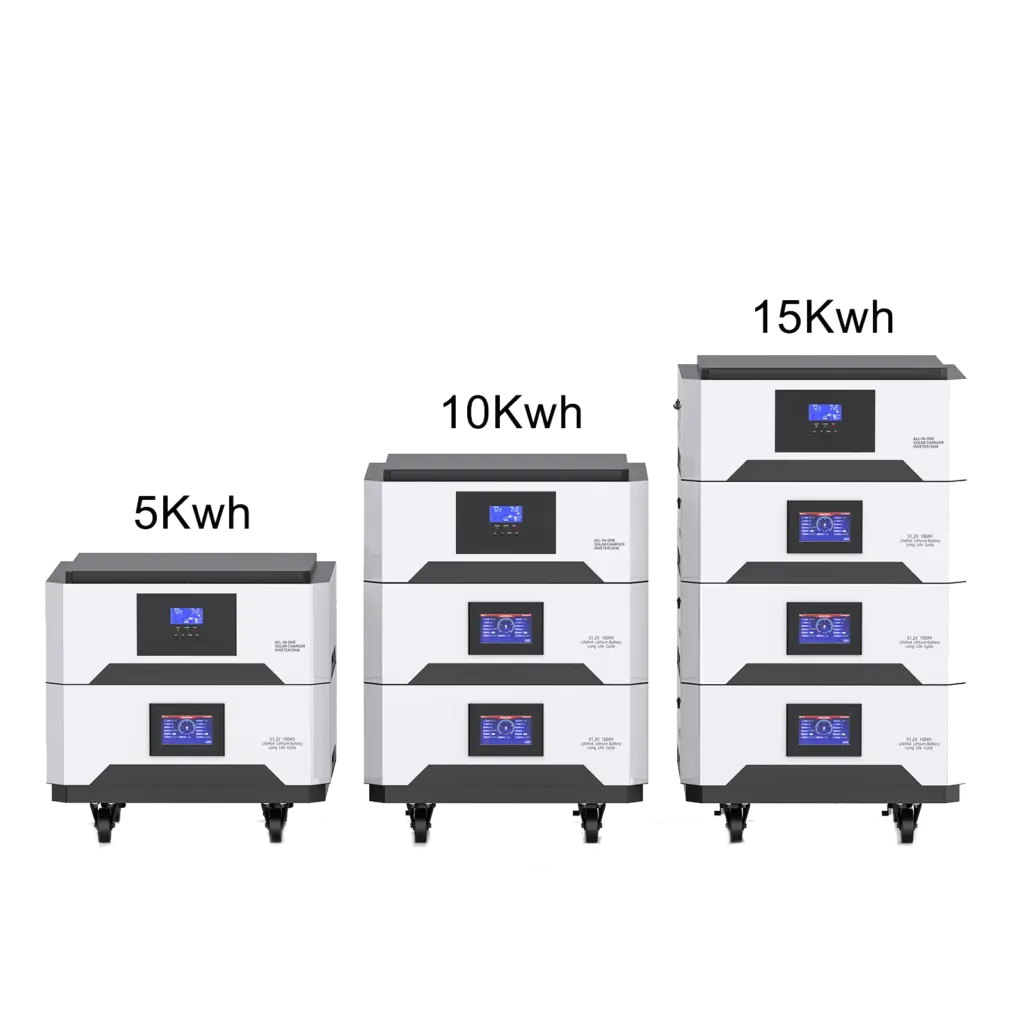
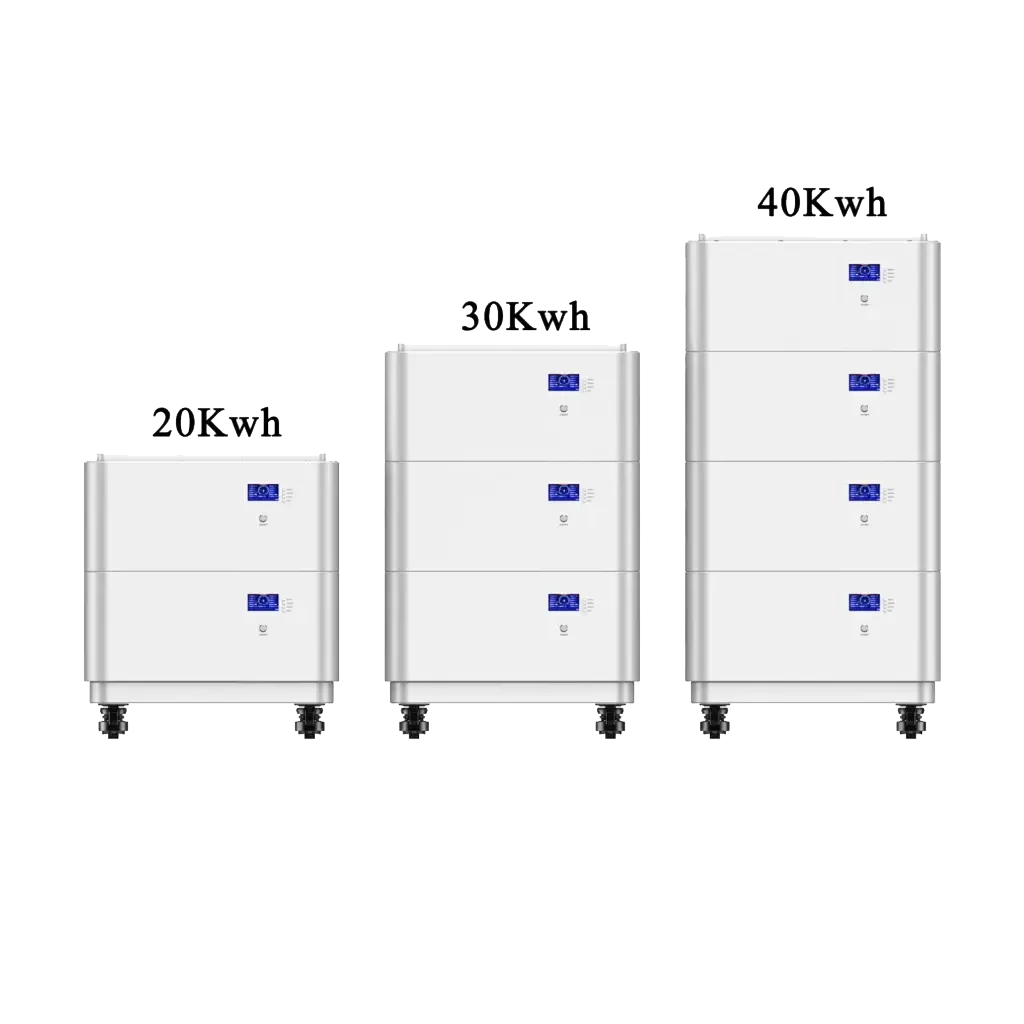
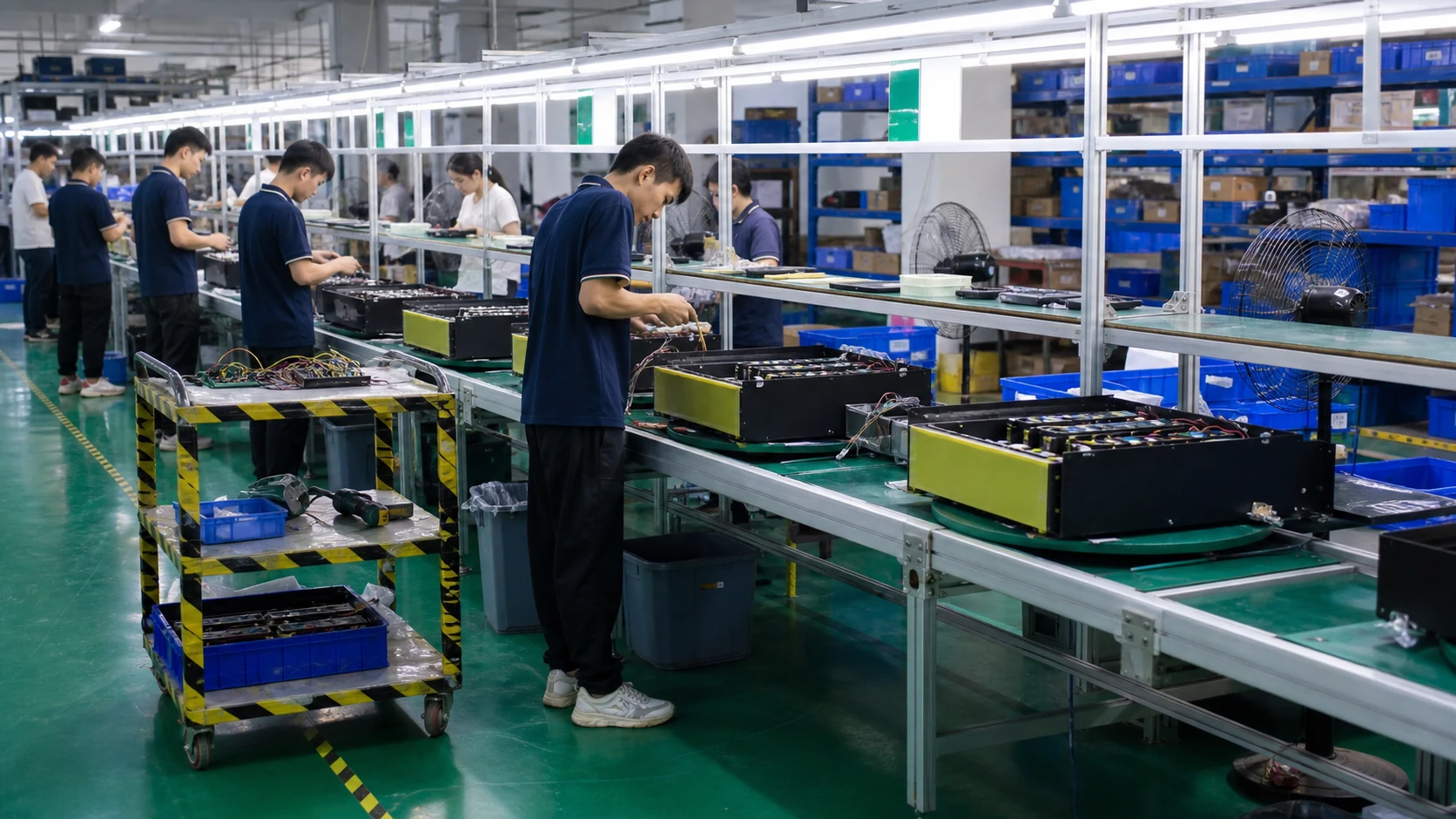
Avepower operates a 20,000+ m² manufacturing facility with 15+ production lines, and its residential energy-storage portfolio covers multiple battery formats and capacities. You can review the company’s battery manufacturing factory and battery quality-control process for more detail.
Unlike a manufacturer centred on a single retail battery platform, Avepower supplies:
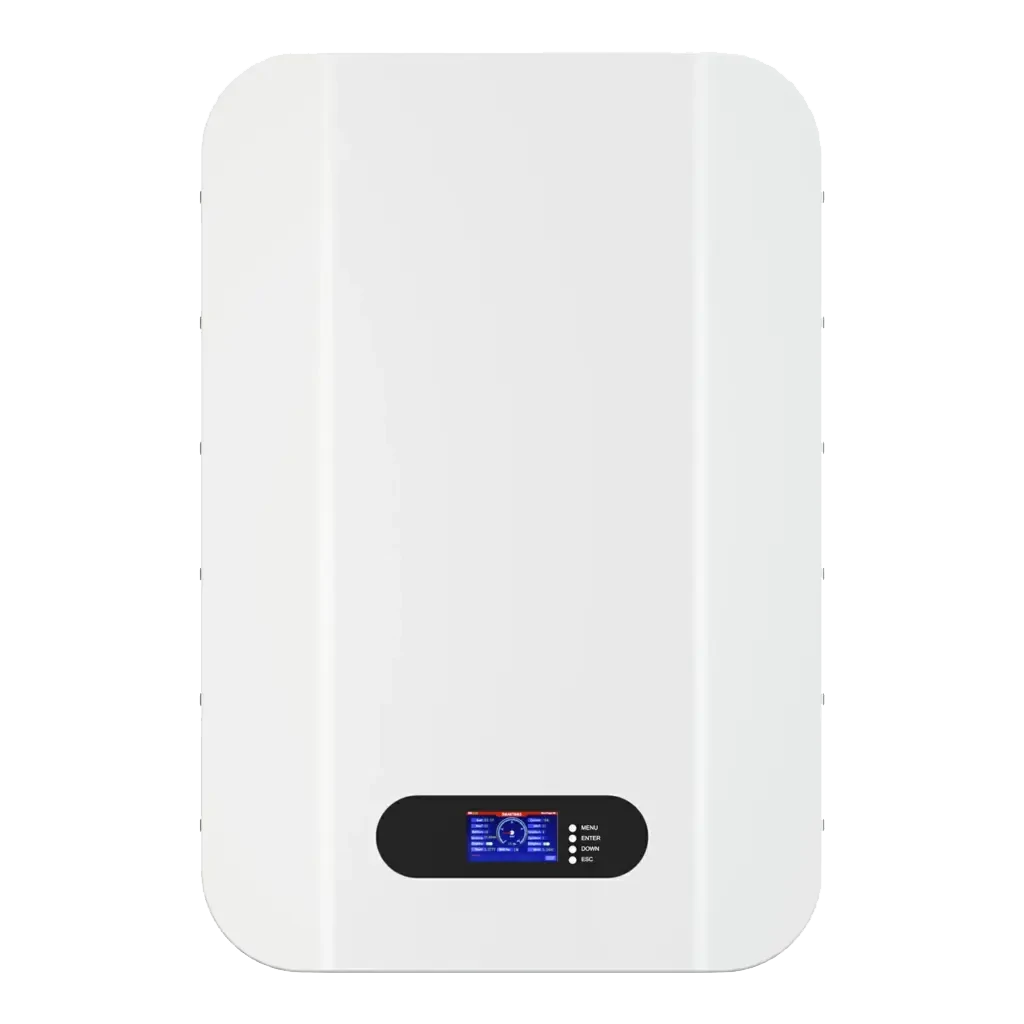
- Wall-mounted batteries
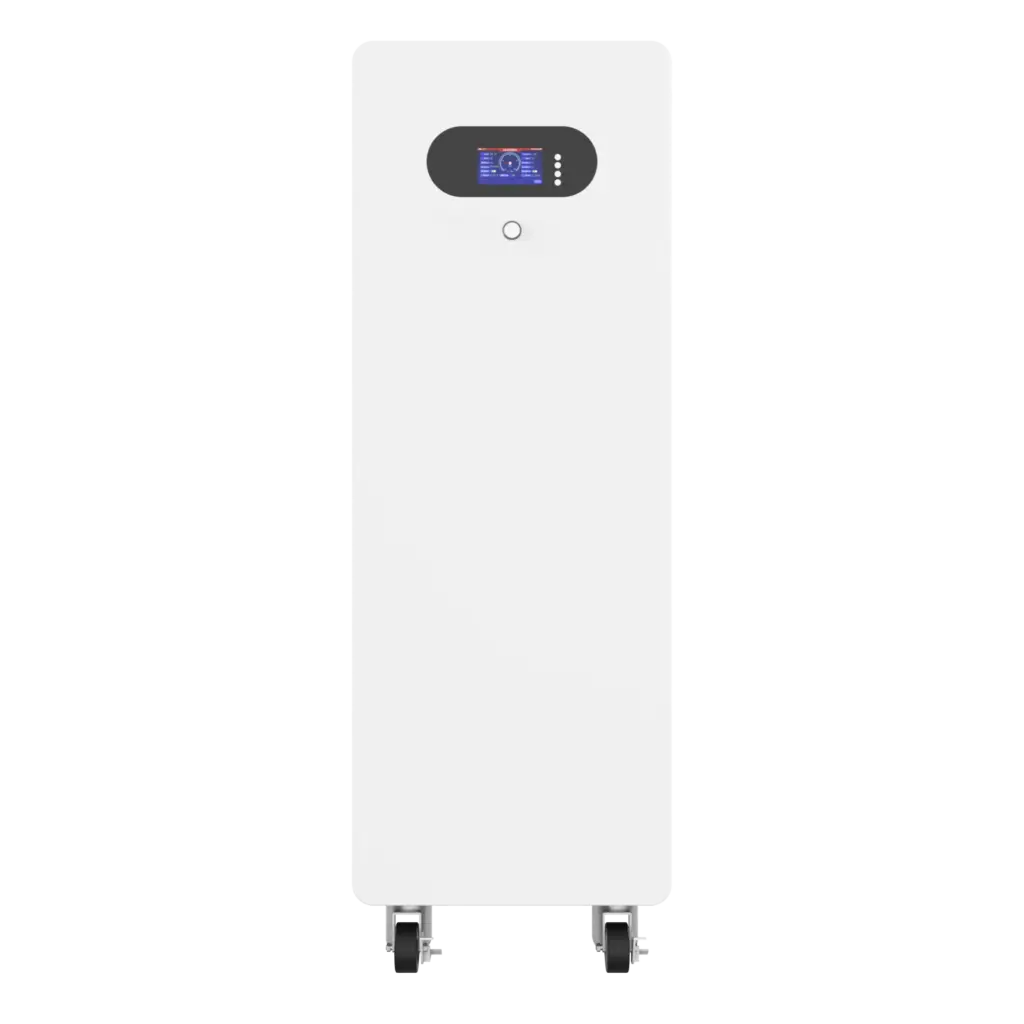
- Vertical batteries
- Rack-mounted batteries
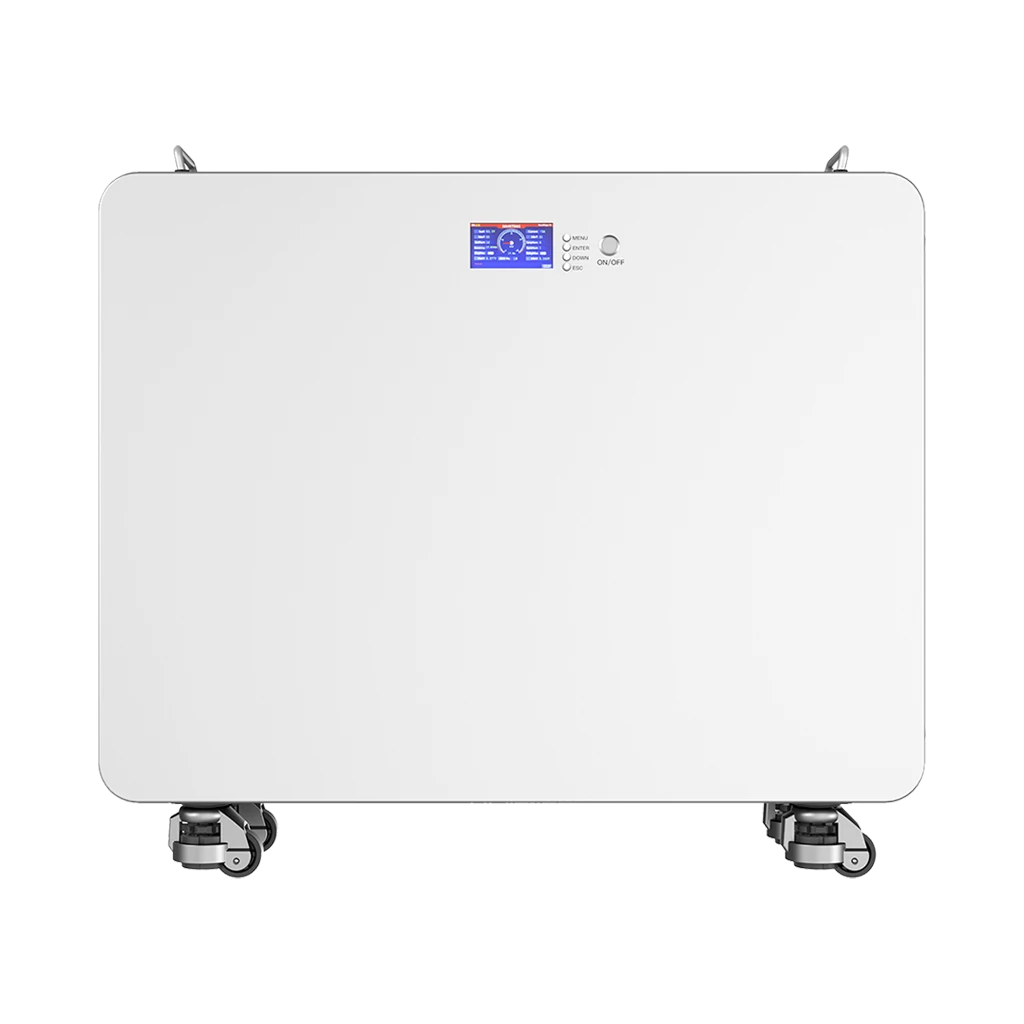
- Stackable batteries
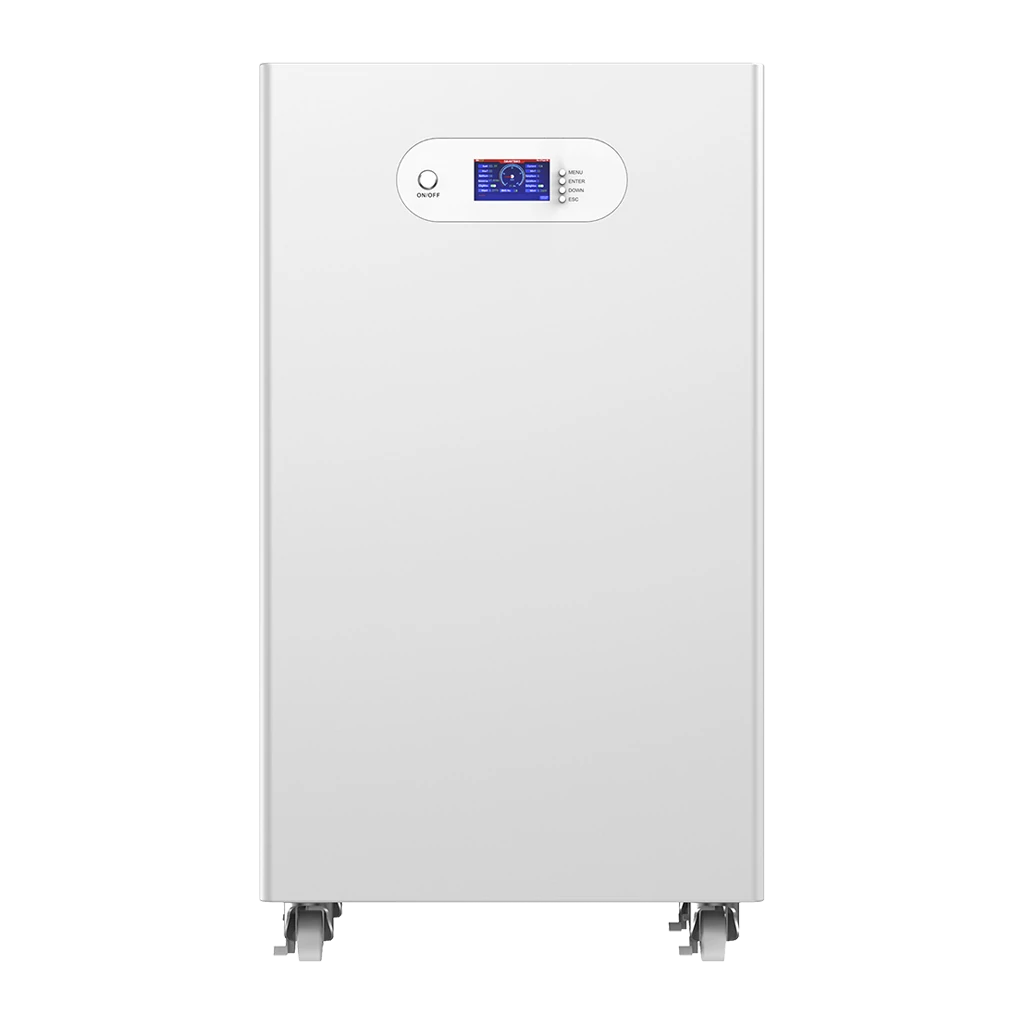
- All-in-one battery systems
- Larger project-based storage systems
Explore the complete Avepower home energy storage range.
OEM/ODM Battery Development
Battery configuration can be adapted for different markets and projects.
Avepower’s OEM/ODM battery customization service covers areas such as:
- Capacity
- Voltage platform
- Battery enclosure
- BMS
- Communication protocol
- Branding
- Packaging
- Documentation
Professional battery procurement should consider more than cycle-life claims.
Avepower publishes dedicated information about:
- Battery quality control
- Battery certifications
- Battery safety technology
- Energy-storage project case studies
These pages are particularly useful for installers and distributors evaluating a long-term supplier.
Who Is Avepower Best For?
Avepower is best suited to:
- Solar installers
- Distributors
- Wholesalers
- EPC companies
- Property developers
- Energy-storage brands
- OEM/ODM buyers
- High-capacity residential projects
For installers, Avepower also has a dedicated home battery programme for solar installers and EPC teams.
For bulk buyers, see the home solar battery wholesale programme.
3. Tesla
Tesla ranks third because Powerwall remains one of the most recognizable integrated home battery systems and combines energy storage, backup functionality and a solar inverter within the Powerwall ecosystem.
Tesla’s UK Powerwall platform is designed to store solar or off-peak grid energy and provide backup power during outages. Powerwall 3 also incorporates an integrated solar inverter.
Tesla’s main advantages include:
- Integrated residential energy ecosystem
- Strong consumer recognition
- Backup capability
- Smart energy control
- Suitable for higher-power residential applications
- Certified installer network
Best For
Homeowners prioritising a premium integrated solution and strong consumer-facing software experience.
Limitation
Tesla provides less product customization than a dedicated OEM battery manufacturer, making it more suitable for standardized residential installations than private-label or project-specific battery development.
4. Sigenergy
Sigenergy ranks fourth because SigenStor combines battery storage, inverter functionality, energy management and optional EV integration in a highly modular architecture.
SigenStor is positioned as a 5-in-one system combining a solar inverter, battery PCS, battery pack, EMS and EV charging functionality, with modular battery expansion for residential and business applications.
Its main strengths include:
- Highly integrated design
- Modular battery expansion
- AI-oriented energy management
- EV integration options
- Residential and commercial scalability
- Strong installer-focused platform
Best For
Technology-focused homeowners and installers wanting one integrated solar, battery and EV ecosystem.
Limitation
Highly integrated ecosystems can offer excellent functionality but may provide less flexibility when buyers want to mix equipment from multiple manufacturers.
5. Fox ESS EP5
Fox ESS EP5 is a practical value-focused option for UK households that want to begin with approximately 5kWh and expand later. Its final performance depends on the paired Fox ESS inverter, making the complete installer package more important than the battery module considered by itself.
The EP5 provides approximately 5.18kWh per battery module and can be expanded to support larger household capacities. This makes it relevant to small homes, average family properties and installations that may later add an EV or heat pump.
Fox ESS systems are frequently offered as part of competitively priced solar-and-battery packages. However, buyers should compare the exact inverter model, backup capability, warranty terms and installation support rather than selecting the battery only because the initial quote is lower.
Why Fox ESS EP5 Is a Strong Value Option
- Approximately 5.18kWh modular capacity
- Expandable for larger households
- Lithium iron phosphate battery chemistry
- Frequently available in competitively priced packages
- Suitable for new hybrid-inverter installations
- Practical starting capacity for smaller homes
Main Limitation
Output power, charging rate, backup functionality and app performance depend on the inverter and system configuration. Different Fox ESS battery and inverter combinations should not be treated as one identical product.
Best For
- Cost-conscious homeowners
- New solar and hybrid-inverter packages
- Homes starting near 5kWh
- Customers who may expand capacity later
- Installer-led systems with a clearly specified Fox ESS configuration
Avoid It If
Choose a more integrated system when you want one manufacturer package with a clearly defined premium whole-home backup configuration and fewer model-selection decisions.
6. SEnphase
Enphase ranks sixth because its IQ Battery platform uses a modular AC-coupled architecture that can be particularly attractive for existing solar installations.
The Enphase IQ Battery 5P is a 5.0kWh usable AC-coupled battery, while Enphase positions its battery platform around modular architecture and its established microinverter ecosystem.
Main Advantages
- AC-coupled architecture
- Modular expansion
- LiFePO4 chemistry
- Strong microinverter ecosystem
- Good retrofit potential
- Integrated monitoring
Best For
Homes already using Enphase microinverters or installers designing AC-coupled retrofit projects.
Limitation
The ecosystem works best when buyers are comfortable staying within the wider Enphase platform.
7. BYD Battery-Box Premium
BYD Battery-Box Premium is a strong option for installer-designed systems where flexible capacity and compatibility with selected third-party hybrid inverters are more important than an all-in-one package. The HVS and HVM ranges provide different voltage and capacity options for matching the battery to the inverter.
The HVS range provides usable capacities from approximately 5.1kWh to 12.8kWh per tower. The HVM range starts at approximately 8.3kWh and extends to approximately 22.1kWh per tower.
BYD supplies the battery rather than a complete universal home energy system. The installer must select an approved inverter, confirm firmware compatibility and design the backup function separately.
Why BYD Battery-Box Is Included
- HVS and HVM product ranges
- Flexible modular capacity
- Lithium iron phosphate chemistry
- High-voltage DC architecture
- Compatible with selected inverter manufacturers
- Suitable for installer-designed new systems
Main Limitation
The battery cannot be selected independently of the inverter. Similar-looking inverter models may have different compatibility or firmware requirements, so the exact combination must be checked against the current approved-inverter list.
Best For
- Installer-led hybrid-inverter systems
- Homes needing flexible DC-coupled capacity
- Projects using an approved third-party inverter
- Customers who do not require an all-in-one brand ecosystem
- Larger modular residential storage systems
Avoid It If
An integrated AC-coupled battery may be easier for homeowners who want to retain an existing solar inverter without redesigning the DC side of the system.
8. Pylontech
Pylontech ranks eighth because energy storage is a core part of its business and its residential ESS range covers multiple modular battery architectures.
Pylontech states more than 16 years of energy-storage specialization and more than two million ESS deliveries globally, while its residential product range includes modular home-storage systems.
Main Advantages
- Dedicated energy-storage focus
- LiFePO4 battery expertise
- Modular residential systems
- Multiple system architectures
- Strong presence in installer-led projects
Best For
Installers looking for modular battery storage that can be combined with compatible third-party inverter platforms.
Limitation
End-user experience depends heavily on the inverter and system integrator, rather than the battery manufacturer alone.
9. Sunsynk
Sunsynk ranks ninth because its UK-facing platform combines hybrid inverters, batteries and all-in-one storage systems across residential and commercial applications.
Its current battery range includes low-voltage and high-voltage LiFePO4 storage, while its all-in-one systems cover residential configurations and integrate directly with Sunsynk inverters.
Main Advantages
- Strong hybrid inverter range
- Low- and high-voltage batteries
- Installer network
- Residential and commercial systems
- Flexible system configuration
Best For
Installers and homeowners already considering the Sunsynk inverter ecosystem.
Limitation
As with other integrated ecosystems, buyers should confirm whether staying within one brand delivers better project value than combining a third-party battery and inverter.
10. SolarEdge
SolarEdge ranks tenth because its home battery is designed as part of a complete SolarEdge solar, inverter, battery and energy-management ecosystem.
The SolarEdge Home Battery 400V is designed to work with SolarEdge Home inverters and can use direct DC coupling for solar-to-battery storage. SolarEdge also provides a UK certified-installer network.
Main Advantages
- Strong solar inverter ecosystem
- DC-coupled storage
- Integrated monitoring
- Smart energy management
- Certified installer network
- Backup integration available with compatible equipment
Best For
Homes already using or planning a SolarEdge solar system.
Limitation
The strongest benefits are achieved inside the SolarEdge ecosystem, making it less relevant for buyers seeking an inverter-independent battery platform.
Best Home Battery Storage UK: Which Manufacturer Should You Choose?
| Buyer | Best-Fit Manufacturers |
|---|---|
| UK homeowner wanting local ecosystem | myenergi / Duracell Energy |
| Premium integrated backup | Tesla |
| Smart modular home | Sigenergy |
| Existing solar retrofit | Enphase |
| Installer needing flexible products | Avepower / Fox ESS |
| Distributor or wholesaler | Avepower |
| OEM/private-label brand | Avepower |
| High-voltage modular storage | BYD |
| Hybrid inverter project | Sunsynk |
| Existing SolarEdge home | SolarEdge |
How Much Does Home Battery Storage Cost in the UK?
UK home battery cost depends primarily on usable capacity, inverter requirements, installation complexity, backup hardware and whether the battery is fitted with new solar or retrofitted later.
Instead of duplicating a large pricing table here, use the dedicated Home Battery Storage UK Cost 2026 guide for current price ranges.
Avepower’s current UK cost guide places indicative installed pricing around:
- 5kWh: £3,000–£5,500
- 10kWh: £4,000–£8,000+
- 15kWh: £6,000–£10,000+
Actual quotations depend on installation scope and product selection.
Keeping detailed pricing on the dedicated UK cost page also prevents this manufacturer ranking from competing with your site’s price-intent content.
Solar Battery Runtime Table: How Long Will a Battery Last?
Runtime depends on usable capacity, load power and inverter limits. A simple estimate is:
Runtime = usable battery capacity ÷ average load
For example, if a 10kWh battery has about 9kWh usable energy and your home is using 0.5kW, the estimated runtime is about 18 hours. Real results vary because appliances turn on and off, batteries have reserve settings, and inverters have maximum output limits.
| Average Load | Example Loads | 5kWh Battery Approx. Runtime | 10kWh Battery Approx. Runtime | 15kWh Battery Approx. Runtime |
|---|---|---|---|---|
| 0.3kW | Fridge, WiFi, LED lights, small standby loads | 15 hours | 30 hours | 45 hours |
| 0.5kW | Essential home loads | 9 hours | 18 hours | 27 hours |
| 0.8kW | TV, laptop, lighting, fridge, router | 5–6 hours | 11 hours | 16–17 hours |
| 1.5kW | Mixed evening use | 3 hours | 6 hours | 9 hours |
| 2.0kW | Higher appliance use | 2–2.5 hours | 4–5 hours | 6–7 hours |
| 3.0kW | Heavy loads or multiple appliances | 1.5 hours | 3 hours | 4.5 hours |
Important: A battery does not automatically provide whole-home backup during a grid outage. For backup power, the system needs the correct inverter, EPS/backup circuit design, isolator, gateway or backup box, and installer configuration.
Can You Install Home Battery Storage Without Solar Panels?
Yes. A home battery can also charge from the grid and discharge during higher-priced periods, provided the inverter, tariff and installation support that operating strategy.
This creates a second UK battery-storage use case beyond solar self-consumption.
For the full explanation, read Home Battery Storage UK Without Solar.
This internal-link separation is important:
- This page targets best manufacturer / best battery
- The linked page targets battery without solar
That helps Google understand the role of each page.
What Should Battery Distributors and Wholesalers Look For?
Distributors usually need a wider battery portfolio and more predictable supply than a customer purchasing one home battery.
Important factors include:
- Product range
- Wholesale pricing
- MOQ
- Production capacity
- Packaging
- Technical documentation
- Private-label options
- Spare and replacement supply
- Market-specific customization
Avepower has a dedicated home solar battery wholesale programme for distributors and wholesalers.
Companies planning to build a local sales network can also review the Avepower dealer programme.
Which Manufacturer Is Best for OEM/ODM Home Battery Projects?
Avepower ranks strongest in this list for OEM/ODM projects because battery customization is part of its manufacturing model rather than simply a reseller service.
Its custom battery development service covers the process from requirement analysis and engineering through testing, documentation and mass production.
Customization can include:
- Documentation
- Battery capacity
- Voltage
- BMS
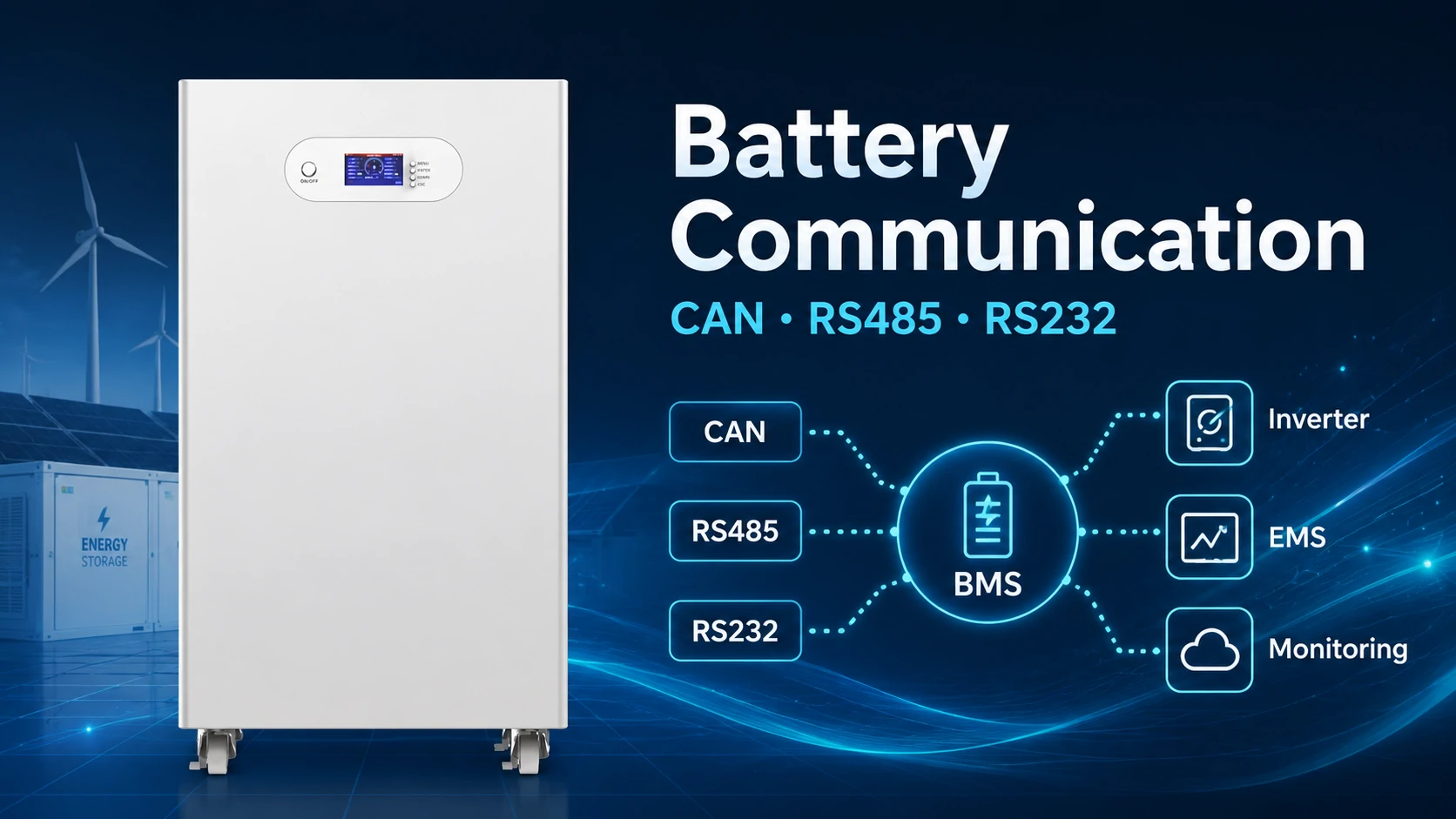
- CAN/RS485 protocol
- Enclosure
- Display
- Logo
- Packaging
Best Solar Battery Storage UK: Final Manufacturer Comparison
No single battery manufacturer is best for every UK project because the right choice depends on who is buying, the capacity required and how much system flexibility is needed.
| Category | Recommended Manufacturer |
|---|---|
| Best UK-focused manufacturer | myenergi / Duracell Energy |
| Best B2B battery manufacturer | Avepower |
| Best OEM/ODM battery manufacturer | Avepower |
| Best for distributors | Avepower |
| Best premium consumer ecosystem | Tesla |
| Best smart modular ecosystem | Sigenergy |
| Best flexible inverter ecosystem | Fox ESS |
| Best AC-coupled retrofit option | Enphase |
| Best modular high-voltage option | BYD |
| Best specialist modular battery manufacturer | Pylontech |
| Best hybrid inverter ecosystem | Sunsynk |
| Best for SolarEdge installations | SolarEdge |
For homeowners searching best home battery storage UK, start with:
Consumption → Capacity → Backup Requirement → Existing Solar/Inverter → Installer → Manufacturer
For professional buyers searching best battery storage manufacturers, the process should be:
Market Requirements → Product Range → Compatibility → Quality → Manufacturing Capacity → Support → Price
Conclusion: Which Solar Battery Manufacturer Should You Choose?
The best solar battery storage manufacturer depends on whether your priority is local UK integration, a premium consumer ecosystem, modular expansion or factory-direct supply.
For installers, distributors and battery brands, Avepower for factory-direct B2B and OEM/ODM projects, supported by a 20,000+ m² manufacturing base, 15+ production lines, 50+ R&D and engineering staff and a broad residential-to-commercial battery portfolio.
Tesla, Sigenergy, Fox ESS, Enphase, BYD, Pylontech, Sunsynk and SolarEdge remain important alternatives because each serves a different type of storage project.
FAQ
There is no single best battery for every UK home. myenergi / Duracell Energy is strong for UK-focused residential integration, Tesla is a premium standardized option, and Sigenergy suits smart modular systems. Installers needing flexible capacities or factory-direct supply may prefer manufacturers such as Avepower.
Our 2026 ranking includes myenergi / Duracell Energy, Avepower, Tesla, Sigenergy, Fox ESS, Enphase, BYD, Pylontech, Sunsynk and SolarEdge. The ranking evaluates UK relevance, product range, manufacturing capability, scalability, system integration and partner support.
Avepower ranks #2 because it combines residential LiFePO4 battery products with factory-direct manufacturing, multiple capacity options, inverter communication support and OEM/ODM services.
No. Avepower is a China-based energy-storage battery manufacturer serving international B2B customers. Its UK relevance is primarily for installers, distributors and project buyers sourcing battery systems rather than homeowners seeking a direct local installation company.
Yes. Avepower’s OEM/ODM battery service supports battery configuration, enclosure, branding, communication protocols and packaging based on project requirements.