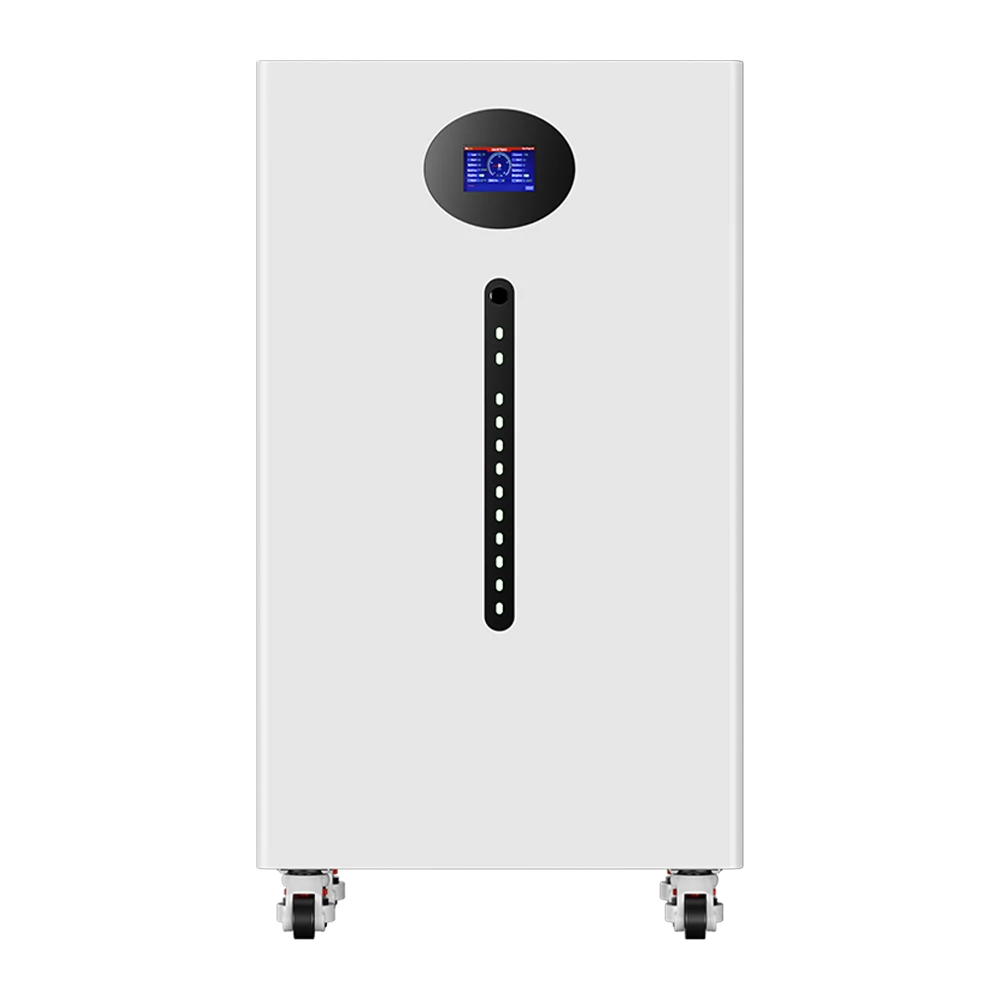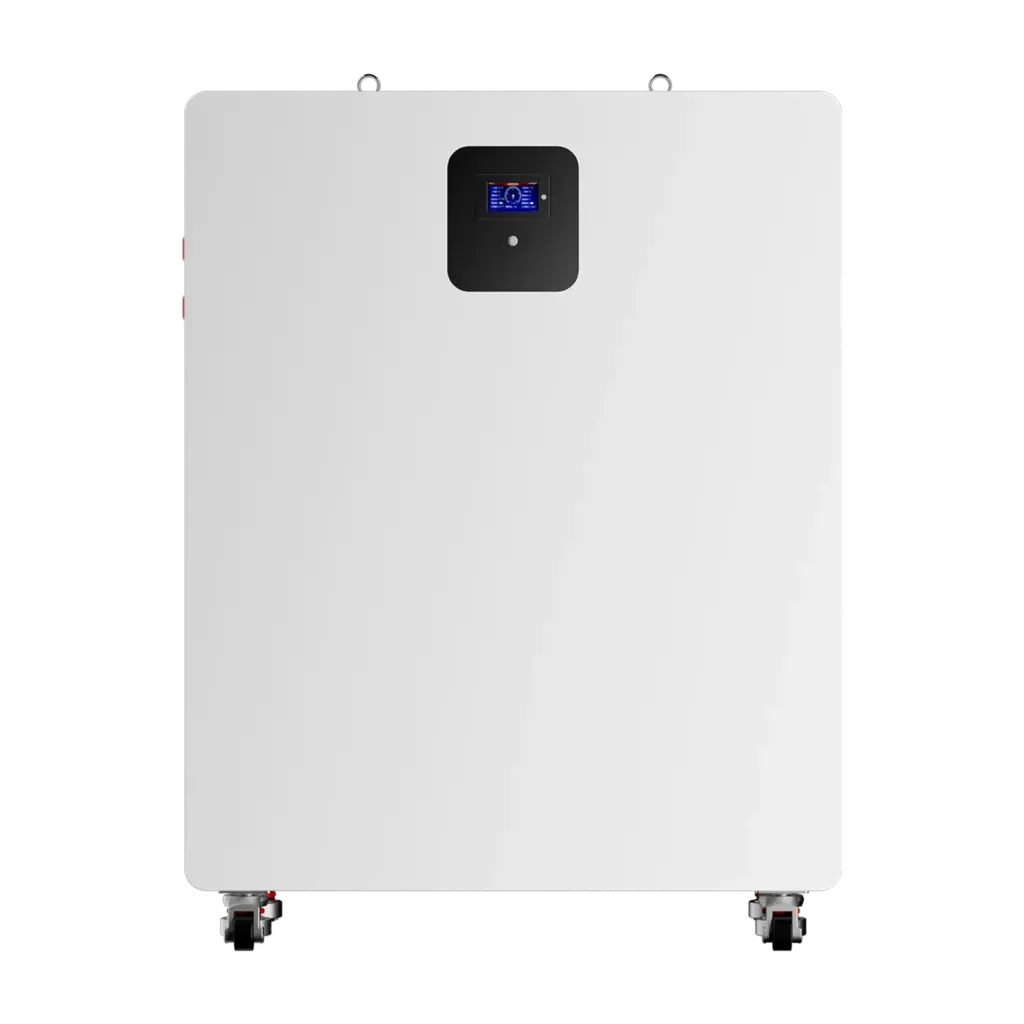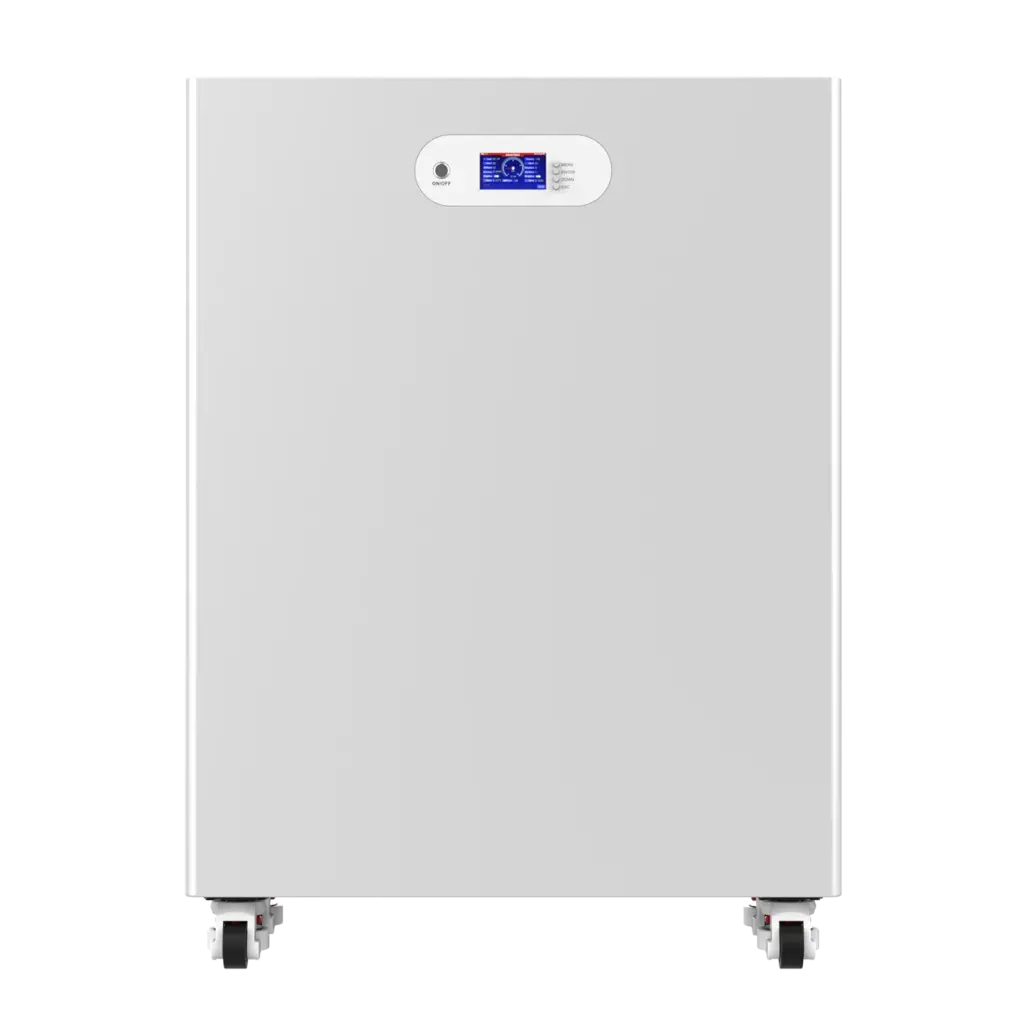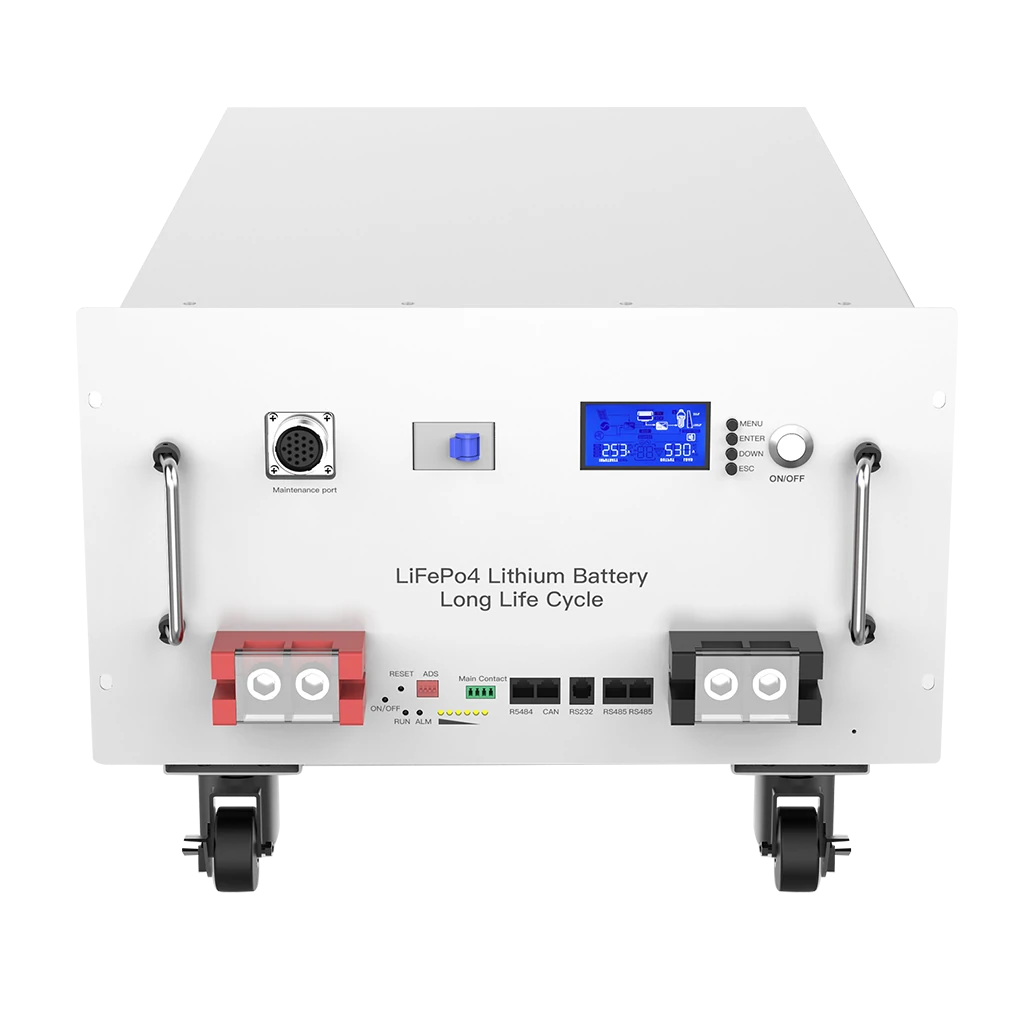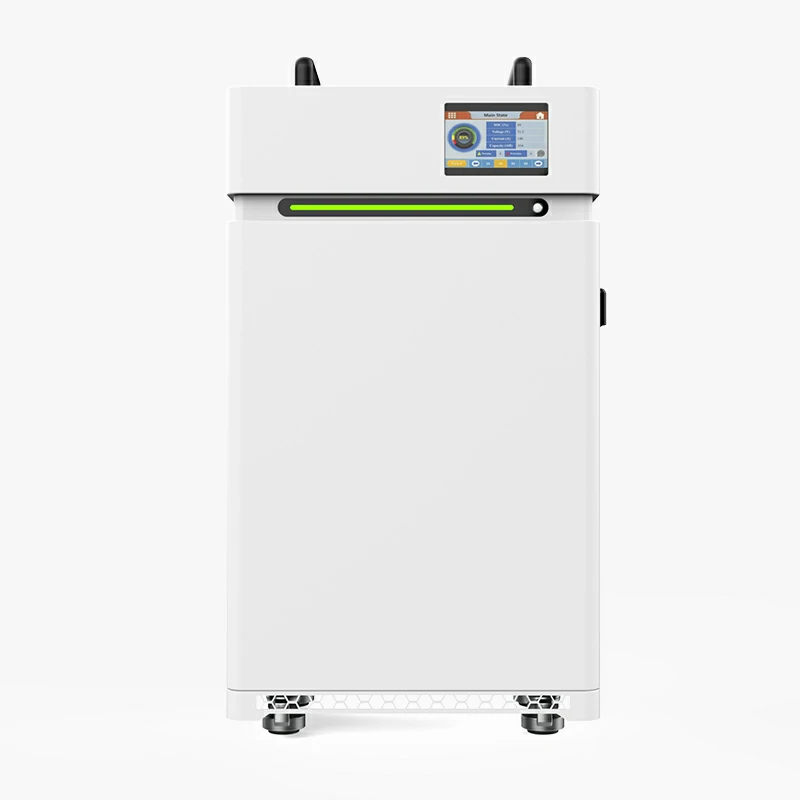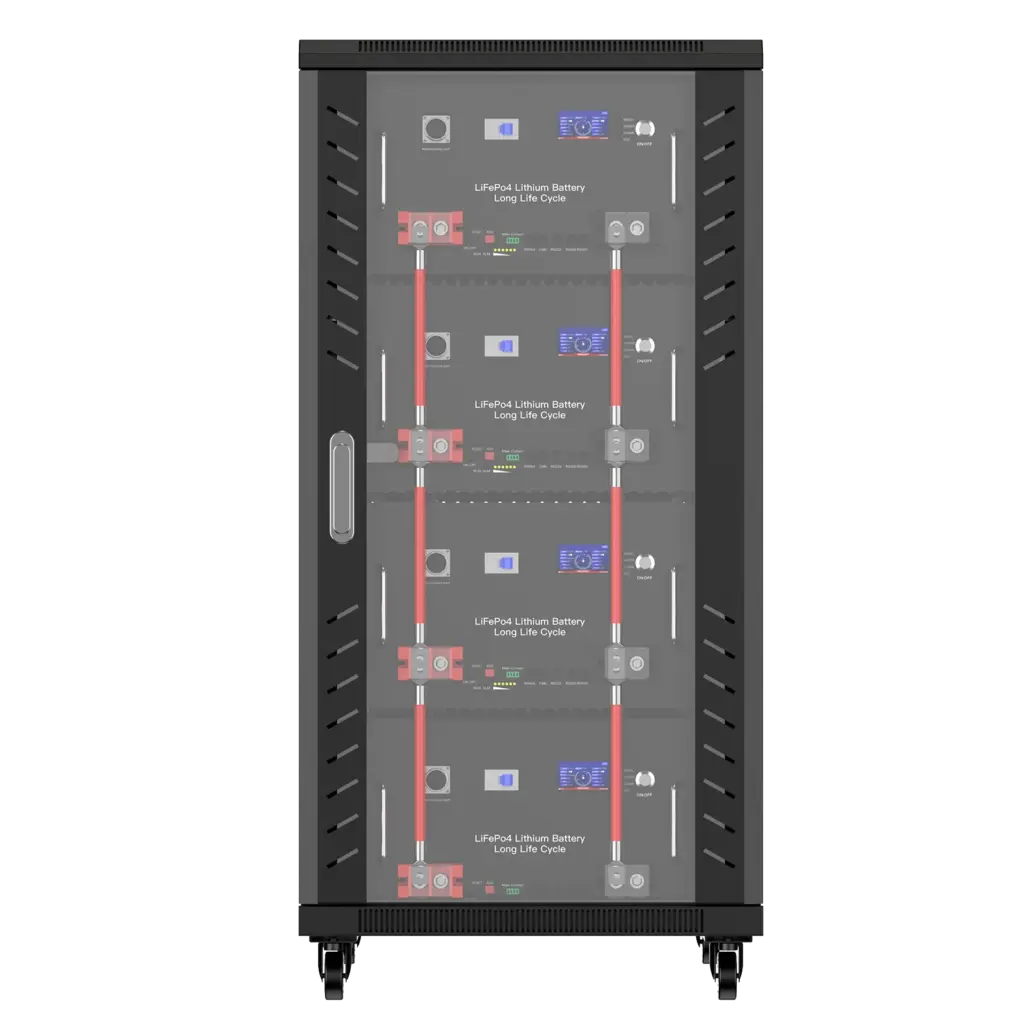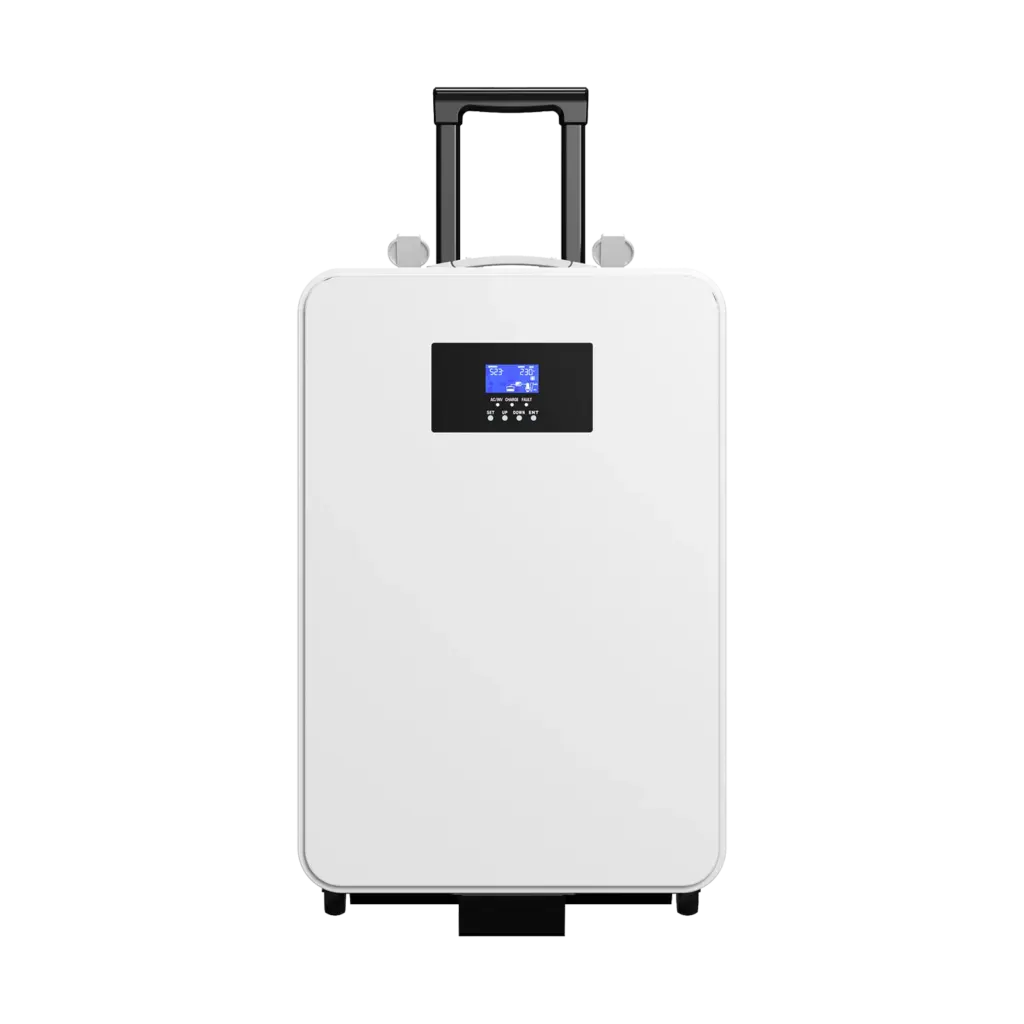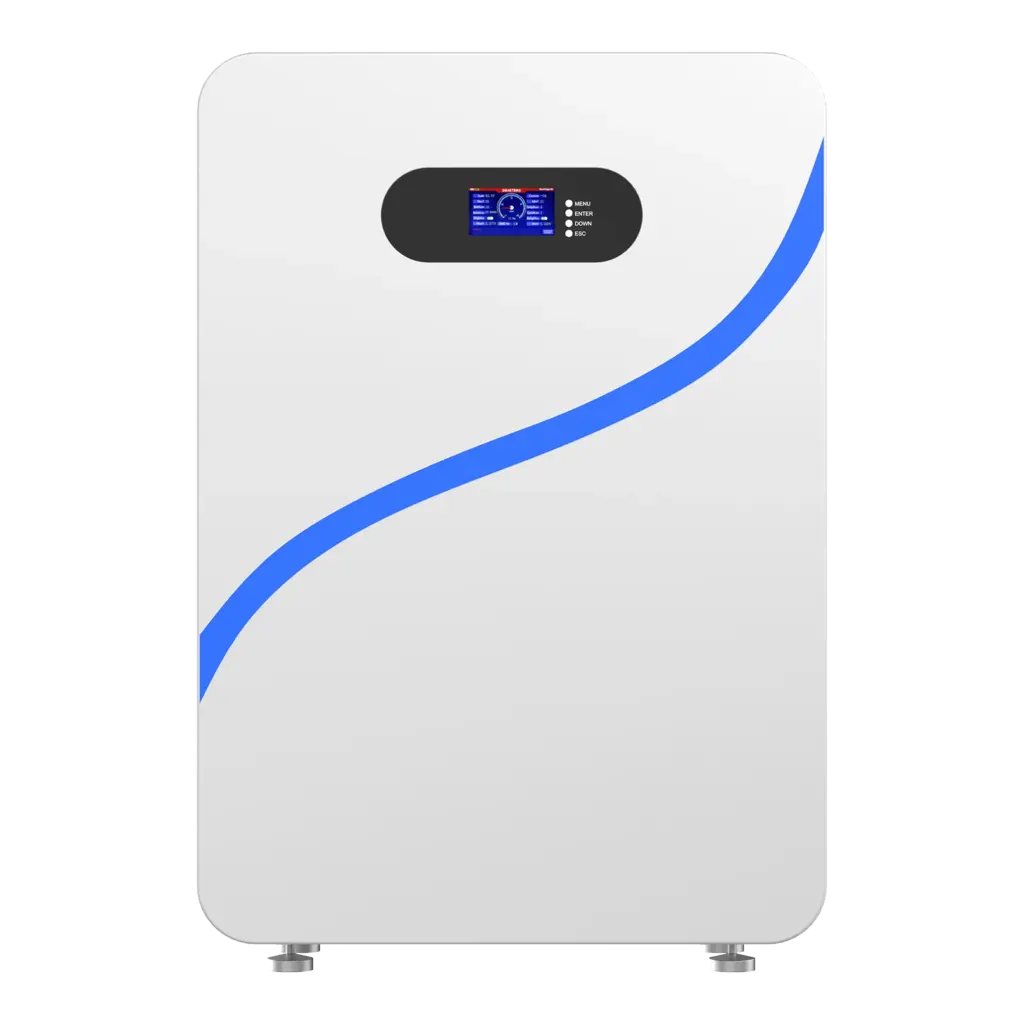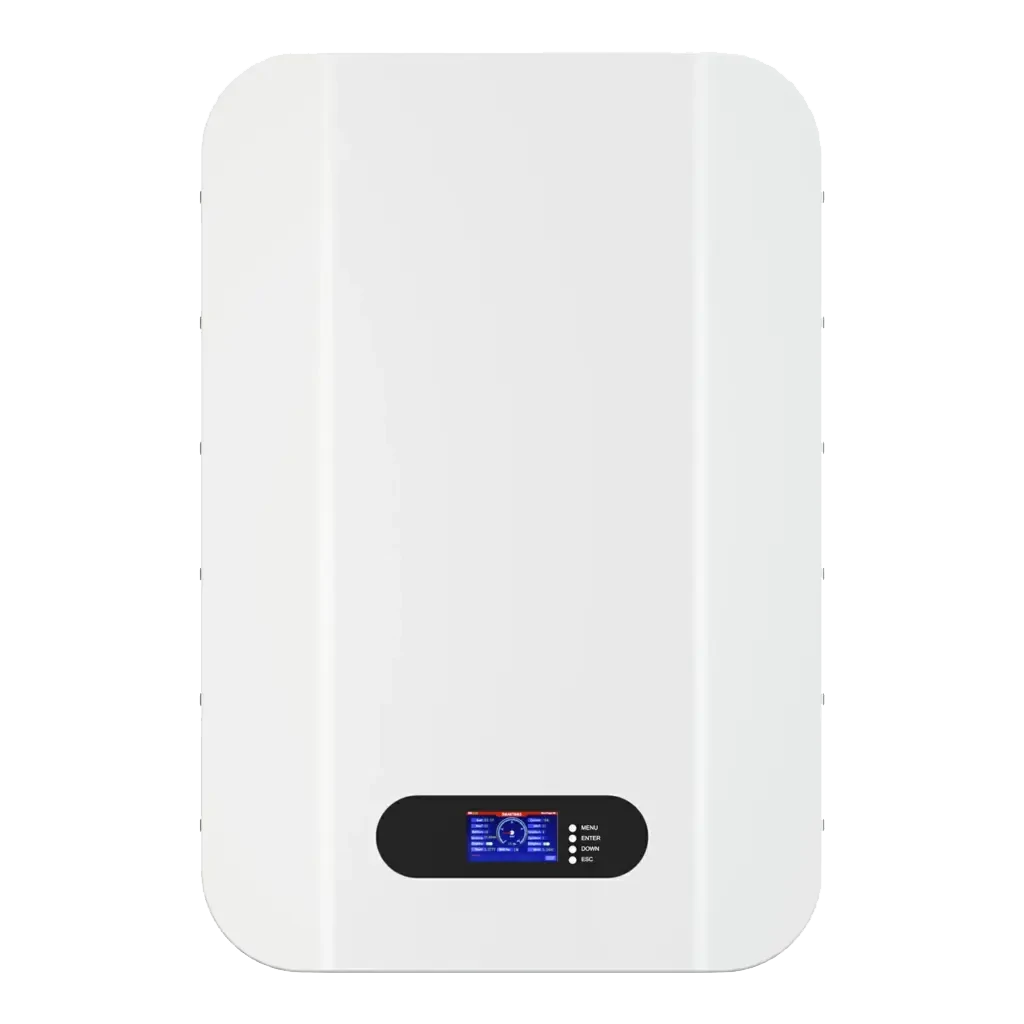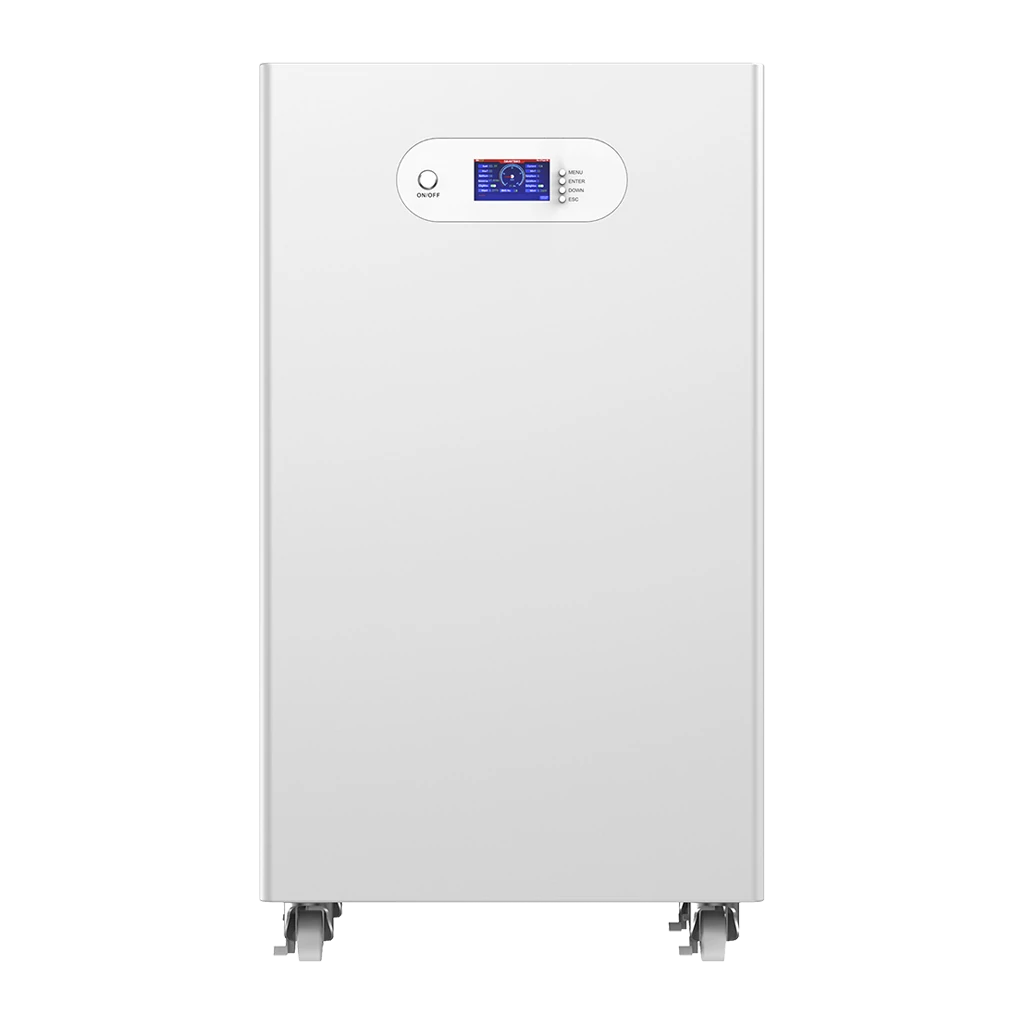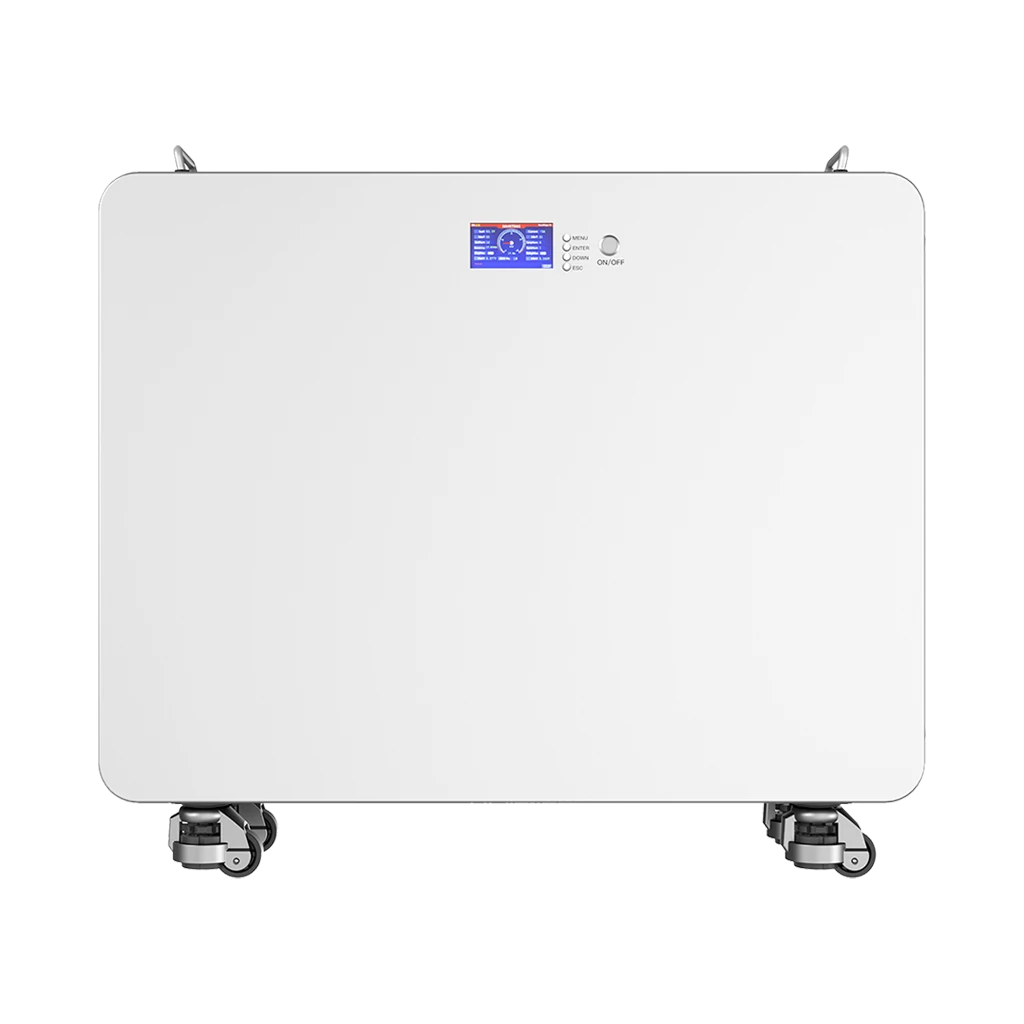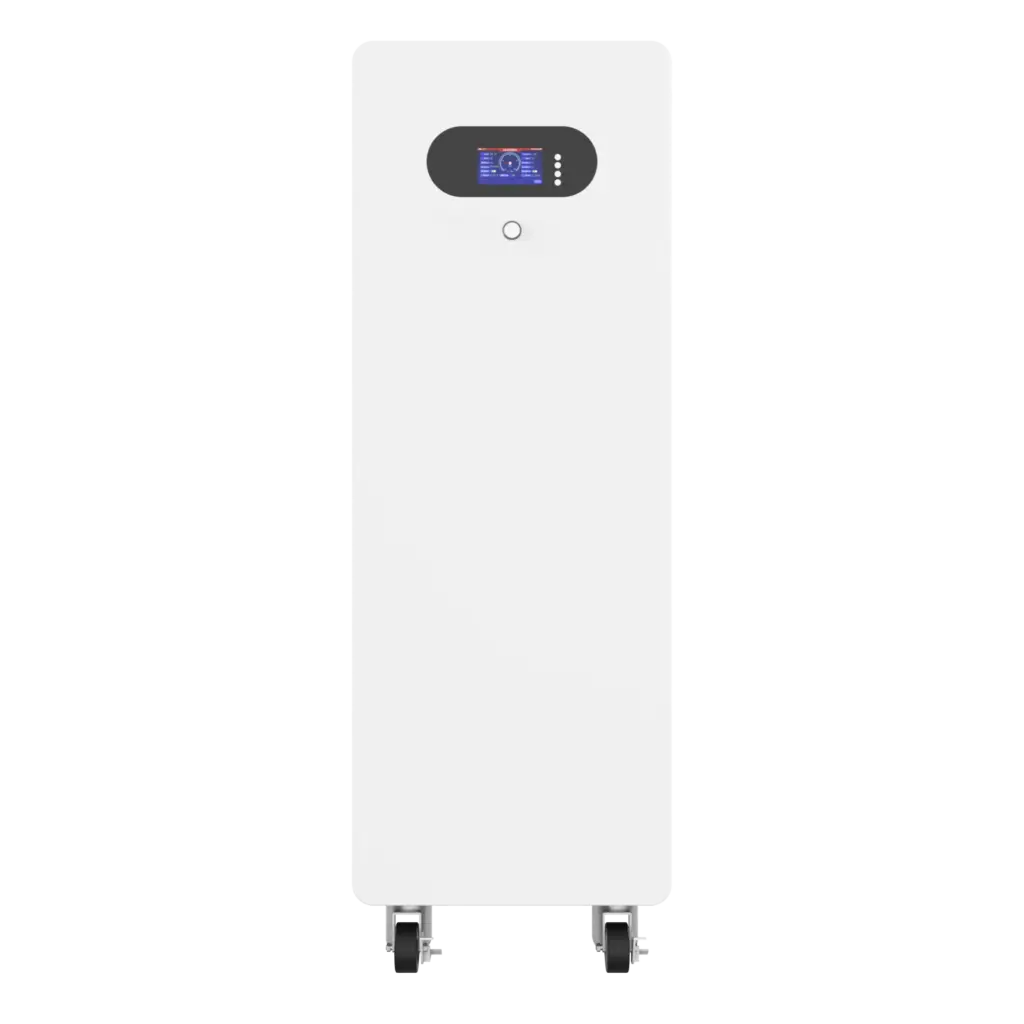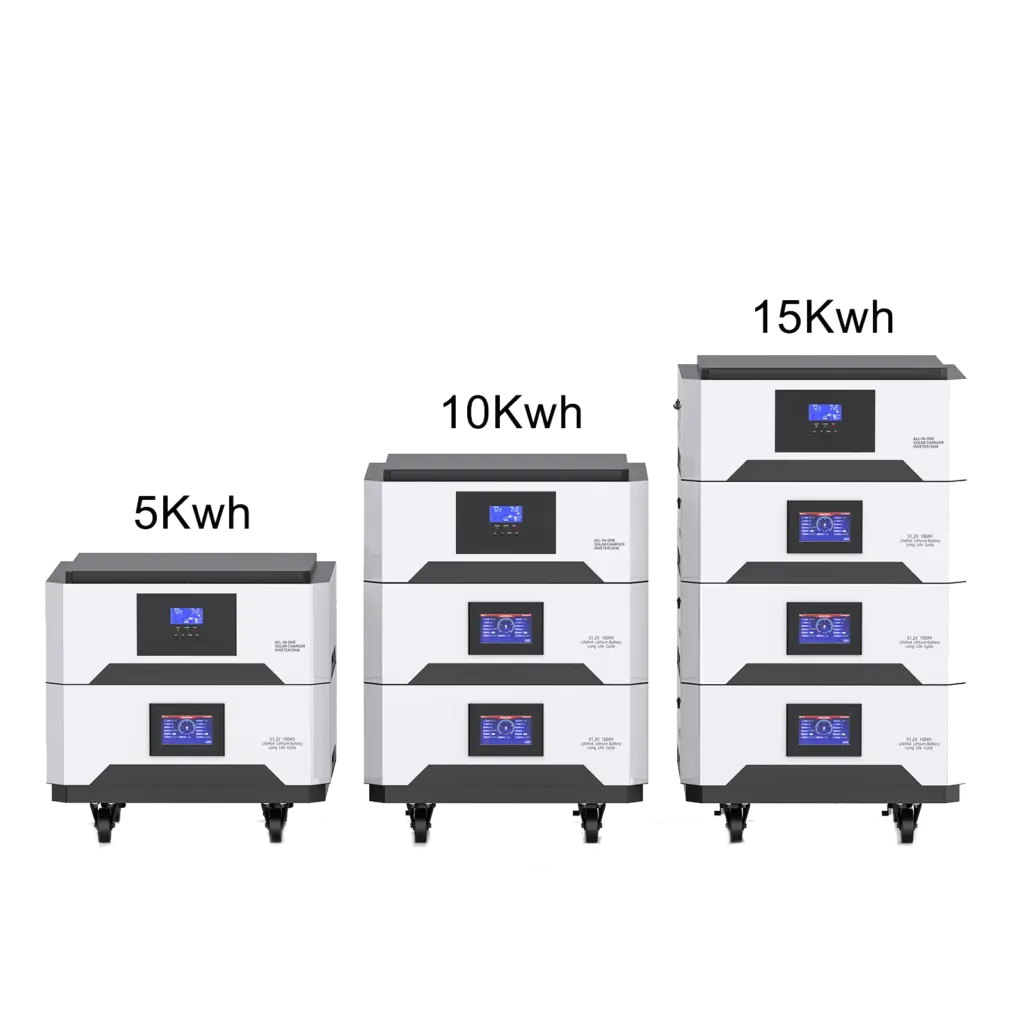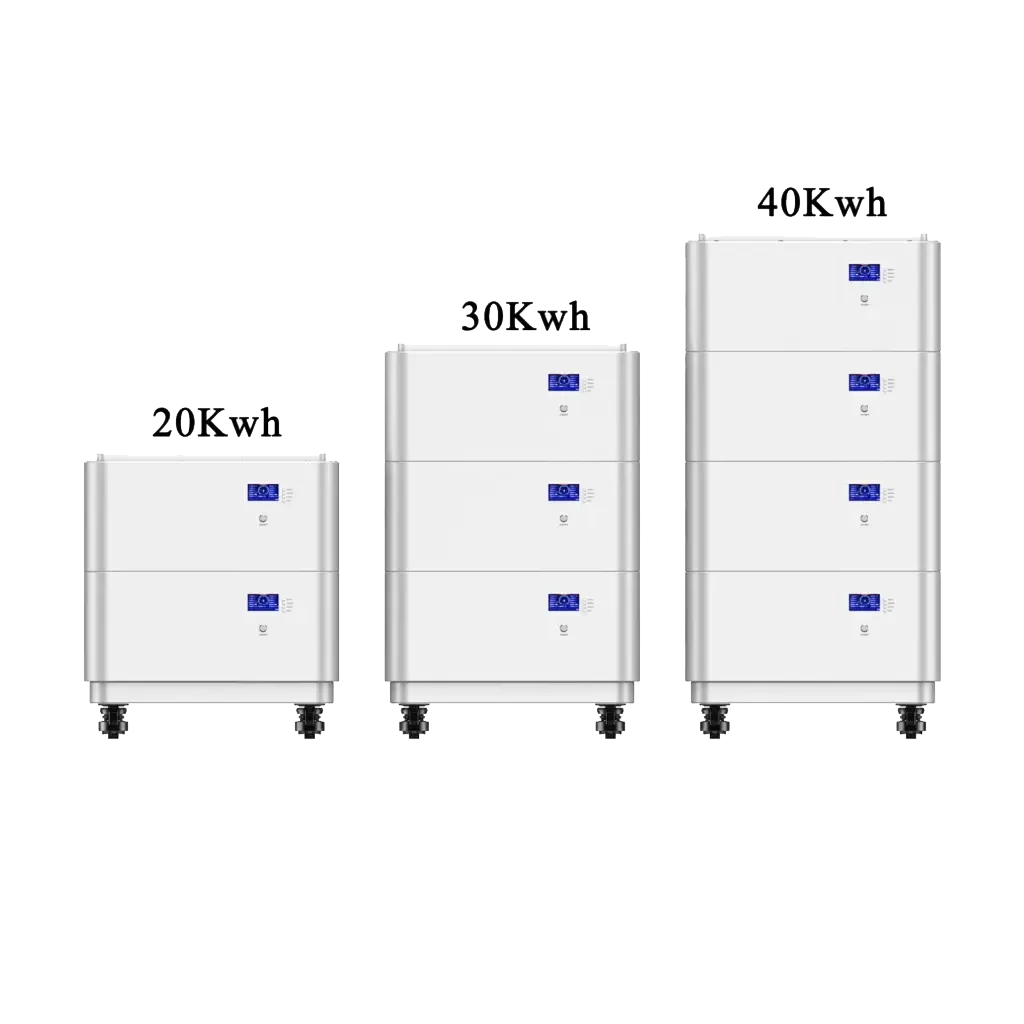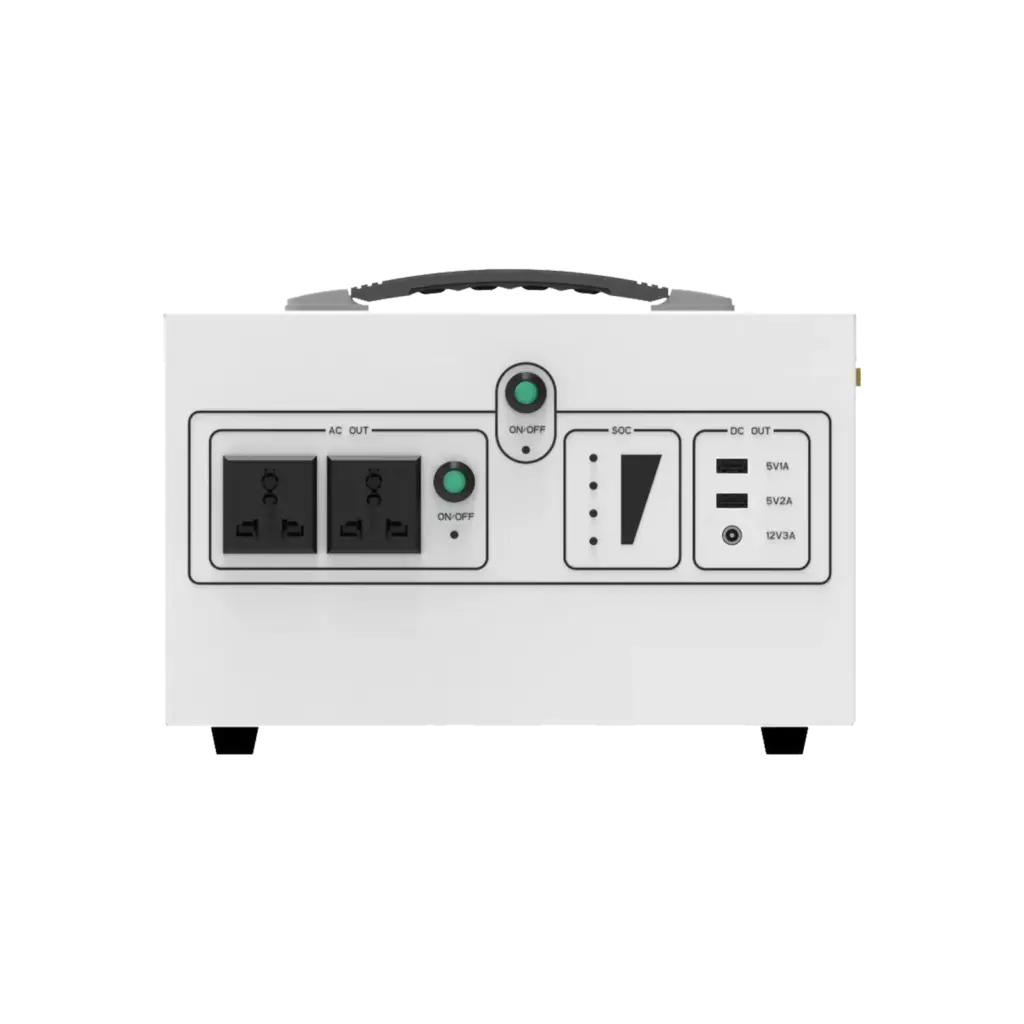

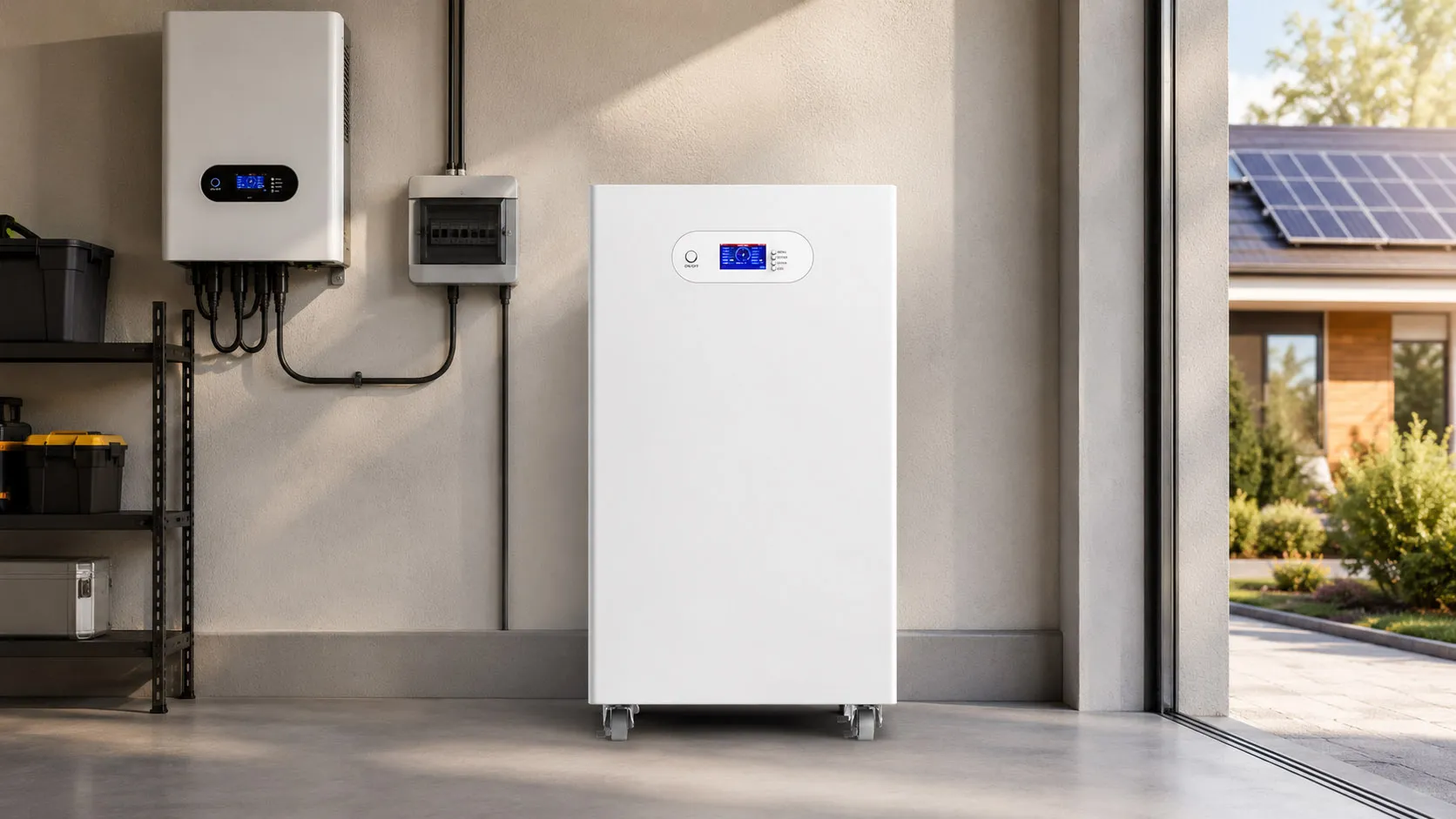
In 2026, a typical installed home battery storage system in the UK usually costs around £4,000 to £8,000+, depending on battery size, inverter requirements, installation complexity, brand, backup power needs, and whether it is installed with new solar panels or added later. A smaller 5kWh battery may cost around £3,000 to £5,500 when installed as part of a wider solar project, while a 10kWh battery often sits closer to £4,000 to £8,000+ depending on the specification and installation work.
This guide explains what affects the final price, how to size a battery properly, when home battery storage is worth it, and what UK homeowners, installers, and distributors should check before choosing a system.
Home Battery Storage UK Cost at a Glance
| Battery Setup | Typical UK Cost Range | Best Suited For |
|---|---|---|
| Small 5kWh battery | £3,000–£5,500 | Lower electricity use, smaller homes, basic solar self-consumption |
| Medium 10kWh battery | £4,000–£8,000 | Typical UK homes with solar panels or time-of-use tariffs |
| Larger 15kWh battery | £6,000–£10,000+ | High evening use, EVs, heat pumps, larger homes |
| Battery added to existing solar | £4,000–£8,000+ | Homes with solar PV already installed |
| Solar panels plus battery | £10,000–£15,000+ total | New solar and battery system designed together |
| Standalone battery without solar | £4,000–£8,000+ | Off-peak charging and peak-time use, but payback can be weaker |
A final quotation should include the battery, inverter or hybrid inverter, cabling, protection devices, commissioning, monitoring setup, certification, and labour.
How Much Does a 5kWh Home Battery Cost in the UK?
A 5kWh home battery typically costs around £3,000 to £5,500 installed in the UK. When installed at the same time as a new solar PV system, the battery part of the project may cost less because some labour, inverter work, scaffolding, and commissioning costs are shared.
A 5kWh battery can work well for:
- Smaller homes
- Homes with moderate evening electricity use
- Solar PV systems around 3–5kWp
- Households that mainly want to store daytime solar for evening use
- Installations where space and budget are limited
For example, a battery advertised as 5kWh may not allow the full 5kWh to be used every day. The usable capacity depends on the depth of discharge, BMS settings, and manufacturer design. Avepower’s 48V 100Ah wall mounted battery is an example of the type of low-voltage residential battery format commonly used for home solar storage projects.
Planning a Home Battery Storage Project in the UK?
If you are comparing home battery storage options for UK residential or installer-led projects, Avepower can help you evaluate suitable LiFePO4 battery solutions.
How Much Does a 10kWh Home Battery Cost in the UK?
A 1A 10kWh home battery generally costs around £4,000 to £8,000+ installed, depending on the brand, inverter setup, and installation work required.
A 10kWh battery is often suitable for:
- Family homes with higher evening use
- Homes with larger solar arrays
- Households using time-of-use tariffs
- Homes that want more overnight coverage
- Homes with moderate EV charging or electric heating demand
For installers and project buyers, modular systems are useful because the customer can start with a practical capacity and expand later. Avepower’s solar batteries UK solutions are designed around scalable LiFePO4 battery configurations for residential, installer-led, and project-based applications.
How Much Does a 15kWh Home Battery Cost in the UK?
A 15kWh home battery may cost around £6,000 to £10,000+ installed, while premium or whole-home backup systems can cost more.
A 15kWh battery may be suitable if the property has:
- High evening electricity consumption
- A heat pump
- An EV charger
- Large solar generation
- Higher backup power expectations
- A plan to reduce peak-rate electricity imports
Is It Cheaper to Install Battery Storage with Solar Panels?
Installing a battery at the same time as solar panels can reduce the overall cost because the installer is already on site and the inverter, wiring, scaffolding, commissioning, and paperwork can be planned as one project.
A combined solar and battery installation may cost around £10,000 to £15,000+, depending on solar system size, roof complexity, battery capacity, inverter selection, and location.
If budget allows, installing solar and battery storage together is often more efficient than adding a battery later.
How Much Does It Cost to Add a Battery to Existing Solar Panels?
Adding a battery to existing solar panels usually costs around £4,000 to £8,000+.
The final price depends on your existing inverter. If the inverter is already battery-ready, the installation may be relatively straightforward. If not, the installer may need to add an AC-coupled battery, replace the inverter, or install extra equipment.
Retrofit battery storage can still make sense, especially if you export a lot of unused solar energy during the day and buy electricity back in the evening.
Can You Install Home Battery Storage Without Solar Panels?
Yes, home battery storage can be installed without solar panels. In this setup, the battery charges from the grid during cheaper off-peak periods and discharges during expensive peak-rate periods.
This can work for households on a suitable time-of-use tariff, but the financial case is usually weaker than solar plus battery storage. Without solar panels, you are not generating free electricity during the day. You are simply shifting grid electricity from cheaper hours to more expensive hours.
Battery-only storage may be worth considering if:
- You have access to a strong off-peak tariff
- You use a lot of electricity during peak hours
- You want limited backup power
- You plan to add solar panels later
- Your home cannot currently support solar panels
However, if you are planning to install solar in the near future, it is usually better to design the solar and battery system together. For a deeper explanation, see Avepower’s guide to whole home battery backup systems.
For further reading, Avepower’s guide to home battery storage without solar explains the limitations of standalone battery systems in the UK.
What Affects Home Battery Storage Cost in the UK?
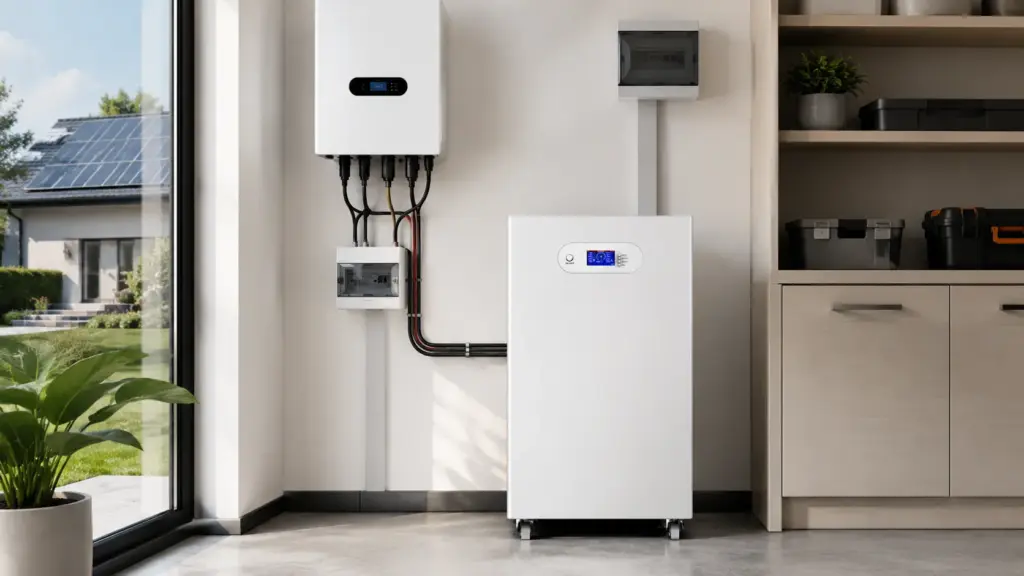
The final cost of a UK home battery system is not only about the battery itself. A quote usually includes hardware, electrical installation, inverter work, monitoring setup, commissioning, certification, and sometimes backup power design.
1. Battery Capacity
Capacity is the most obvious cost driver. A 10kWh battery usually costs more than a 5kWh battery, but larger systems may offer a better cost per usable kWh. A battery with more capacity is only worthwhile if the home can use it effectively.
2. Battery Chemistry
Most modern home battery systems use lithium-based chemistry. LiFePO4, also called LFP, is widely used in home energy storage because it is known for strong thermal stability, long cycle life, and good suitability for stationary storage.
Lead-acid batteries may look cheaper upfront, but they usually have shorter lifespan, lower usable depth of discharge, and higher maintenance requirements. For most modern UK home storage projects, lithium batteries are more practical.
You can learn more about long-term battery durability in Avepower’s guide to LiFePO4 battery life.
3. Inverter Setup
The inverter design can significantly affect cost.
A new solar-plus-battery system may use a hybrid inverter, while an existing solar system may need an AC-coupled battery or inverter changes.
Common setups include:
- Hybrid inverter with solar and battery
- AC-coupled battery for retrofit projects
- All-in-one battery and inverter system
- Separate inverter and modular battery bank
The right option depends on the property, existing solar equipment, backup requirements, and grid connection limitations.
4. Installation Complexity
Two homes can choose the same battery and still receive different quotes. Installation cost may change based on:
- Cable distance from battery to consumer unit
- Indoor or outdoor installation location
- Wall mounting or floor mounting
- Battery weight and access
- Consumer unit upgrades
- Earthing arrangements
- Fire safety considerations
- Backup circuit design
- DNO application requirements
- Smart meter and export metering setup
This is why a site survey or detailed installation assessment is important before confirming cost.
5. Backup Power Requirements
Not every battery installation automatically provides backup power during a power cut. Some systems only store energy for self-consumption and tariff optimisation.
If the homeowner wants backup power, the installer may need to add:
- Backup gateway
- EPS output
- Critical load board
- Additional wiring
- Transfer switching
- System protection devices
Whole-home backup is usually more expensive than backing up only essential loads such as lighting, Wi-Fi, fridge, boiler controls, or selected sockets.
6. Brand, Warranty, and Monitoring
Premium brands often cost more because they may include stronger monitoring platforms, higher power output, better app experience, longer warranty terms, or integrated backup functions.
However, a famous brand is not automatically the best choice for every home. A well-matched system with the right capacity, safe installation, and reliable after-sales support is more important than choosing a brand based only on name recognition.
7. Installer Quality and Certification
Battery storage is a technical electrical installation. Homeowners should use qualified installers and check relevant standards, product documentation, warranty conditions, and grid connection requirements.
Build a Smarter Home Battery Storage System
Whether you need a 5kWh, 10kWh or larger residential battery solution, Avepower supports home solar storage, backup power and OEM/ODM energy storage projects with flexible LiFePO4 battery systems.
How to Reduce Home Battery Storage Cost
You can reduce the total cost of a home battery project by making practical design choices.
Install Solar and Battery Together
If you plan to install solar panels, adding the battery at the same time can reduce duplicate labour and avoid future inverter changes.
Choose the Right Size
Oversizing increases cost and may reduce return on investment. Undersizing may limit savings. Use actual consumption data where possible.
Check Inverter Compatibility Early
For retrofit projects, inverter compatibility can make or break the budget. Confirm whether the system needs a hybrid inverter, AC-coupled battery, or extra equipment.
Avoid Unnecessary Whole-Home Backup
Backing up the whole home can be expensive. For many properties, backing up essential loads is more practical and cost-effective.
Compare Usable Capacity, Not Just Nominal Capacity
Two batteries with the same advertised capacity may deliver different usable energy. Compare usable kWh, depth of discharge, efficiency, and warranty conditions.
Consider Modular Expansion
A modular battery lets the homeowner start with a practical capacity and expand later. This can reduce upfront cost and support future EV charging, heat pump adoption, or higher backup needs.
Does 0% VAT Apply to Home Battery Storage in the UK?
Yes, qualifying residential battery storage installations currently benefit from 0% VAT in the UK. HMRC guidance includes electrical storage batteries within the energy-saving materials rules from 1 February 2024, and the wider zero-rate period for qualifying energy-saving material installations runs until 31 March 2027.
This matters because VAT can make a noticeable difference to the upfront cost of a home battery system. However, the details depend on how the product is supplied and installed. A battery supplied and installed by a qualifying installer is treated differently from a battery simply bought as a standalone retail product.
For the most accurate policy position, check the official HMRC VAT Notice 708/6 and the HMRC guidance on electrical storage batteries.
How Long Is the Payback Period?
A typical home battery payback period may range from 7 to 12+ years, but this is only a broad estimate. Some homes achieve faster payback with strong solar generation and good tariff optimisation. Others take longer, especially if the battery is installed without solar or if installation costs are high.
Payback depends on:
- Installed cost
- Annual bill savings
- Battery lifespan
- Warranty terms
- Degradation rate
- Export income
- Tariff changes
- Maintenance or replacement costs
For example, a home that saves £600 per year from a £6,000 battery system has a simple payback of around 10 years. If savings rise to £900 per year, payback may fall closer to 6–7 years. If savings are only £300 per year, payback may exceed the useful warranty period.
This is why accurate sizing matters. A battery should be selected based on electricity use, solar generation, tariff strategy, and backup needs, not just maximum capacity.
Where Avepower Fits in the UK Battery Storage Market
Avepower is a battery energy storage system manufacturer focused on LiFePO4 energy storage solutions for residential, commercial, industrial, and project-based applications.
For the UK market, Avepower is most relevant for:
- Solar installers
- Distributors and wholesalers
- EPC companies
- Project developers
- OEM/ODM battery programmes
- Residential energy storage projects
- Small commercial battery storage projects
Avepower’s home energy storage system solutions support solar self-consumption, backup power, off-peak energy storage, and modular capacity expansion. For business and project buyers, Avepower also provides commercial solar battery storage UK solutions for applications such as peak shaving, load shifting, backup power, and solar self-consumption.
For homeowners, the practical route is usually to work with a qualified installer who can confirm inverter compatibility, grid requirements, installation location, and the final system design. For installers and distributors, Avepower can support product matching, scalable battery configurations, communication options, BMS design, and OEM/ODM requirements.
Take Control of Your Energy with Avepower!
Reliable home solar battery solutions with OEM/ODM customization and in-house manufacturing, tailored to the needs of distributors, installers, and energy partners.
FAQ
Most installed home battery storage systems in the UK cost around £4,000 to £8,000+, depending on battery size, inverter setup, installation complexity, and whether backup power is included.
A 5kWh battery typically costs around £3,000 to £5,500 installed. It may be cheaper when installed with a new solar panel system and more expensive if retrofitted later.
A 10kWh home battery usually costs around £4,000 to £8,000+ installed. Larger or premium systems with backup functions can cost more.
Installing solar panels and battery storage together can reduce duplicated labour and allow the inverter and monitoring system to be designed properly from the beginning.
Qualifying residential battery installations currently benefit from 0% VAT in the UK until 31 March 2027. Always confirm VAT treatment with your installer and check official HMRC guidance.
Many modern lithium home batteries last around 10 to 12 years, depending on chemistry, cycle life, usage pattern, operating temperature, and warranty conditions. Some LiFePO4 systems are designed for longer cycle life.