
You want steady power even when the grid does not cooperate. You may also want lower power bills without installing rooftop panels.
Many people ask, “Can an battery power my home if I don’t have solar panels?” The answer is yes, absolutely!
Keep reading as we explain exactly how a home battery backup works without solar panels, discuss the advantages and disadvantages of these standalone battery systems, and highlight some of the best choices available in 2026.
Can a Battery Work Without Solar Panels?
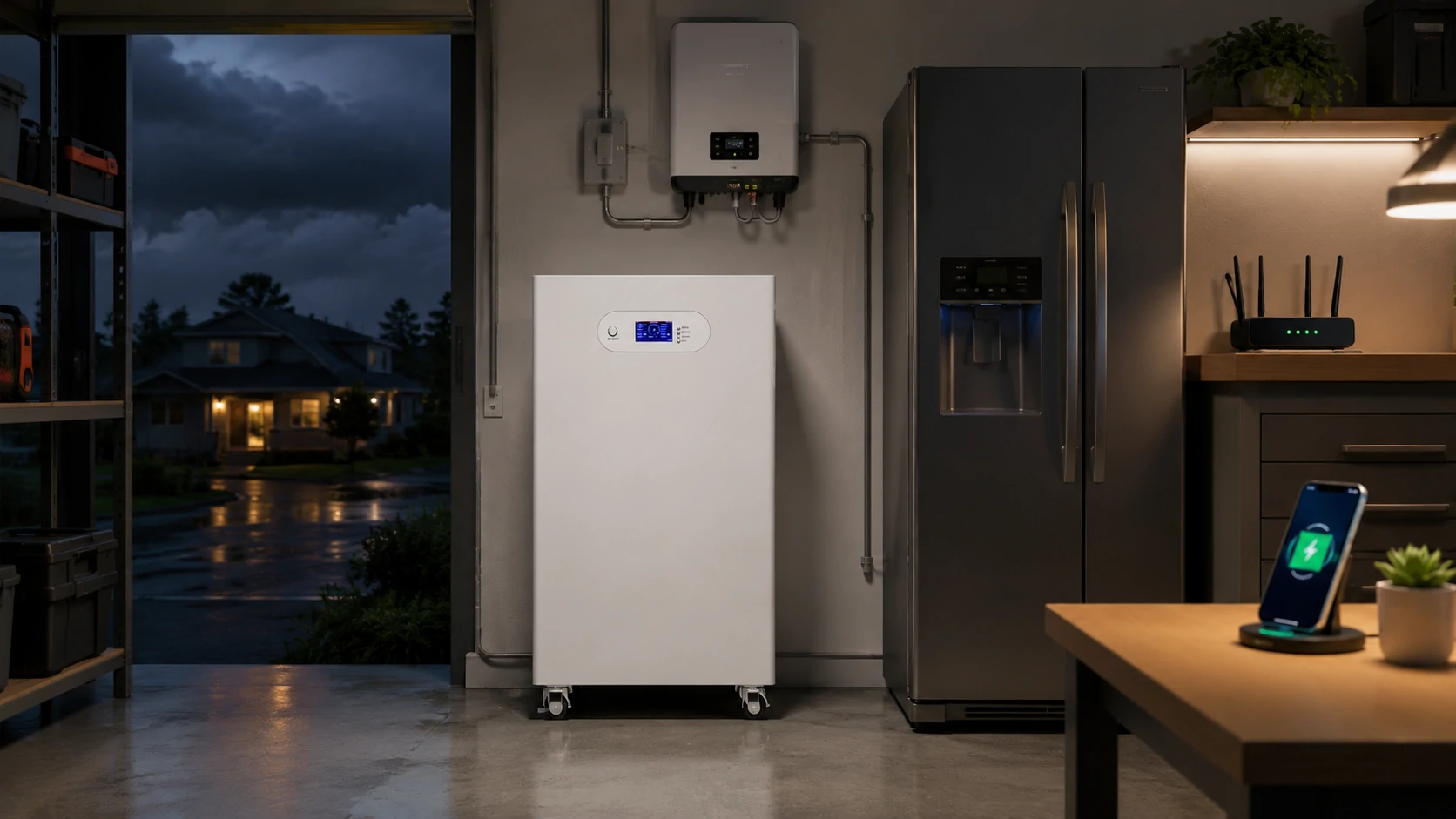
Yes, a battery system can operate completely independently of solar panels. It is a rechargeable energy storage system that holds electrical power for later use, such as during a power outage or when electricity rates are high.
However, a battery is only useful if you have a way to charge it.
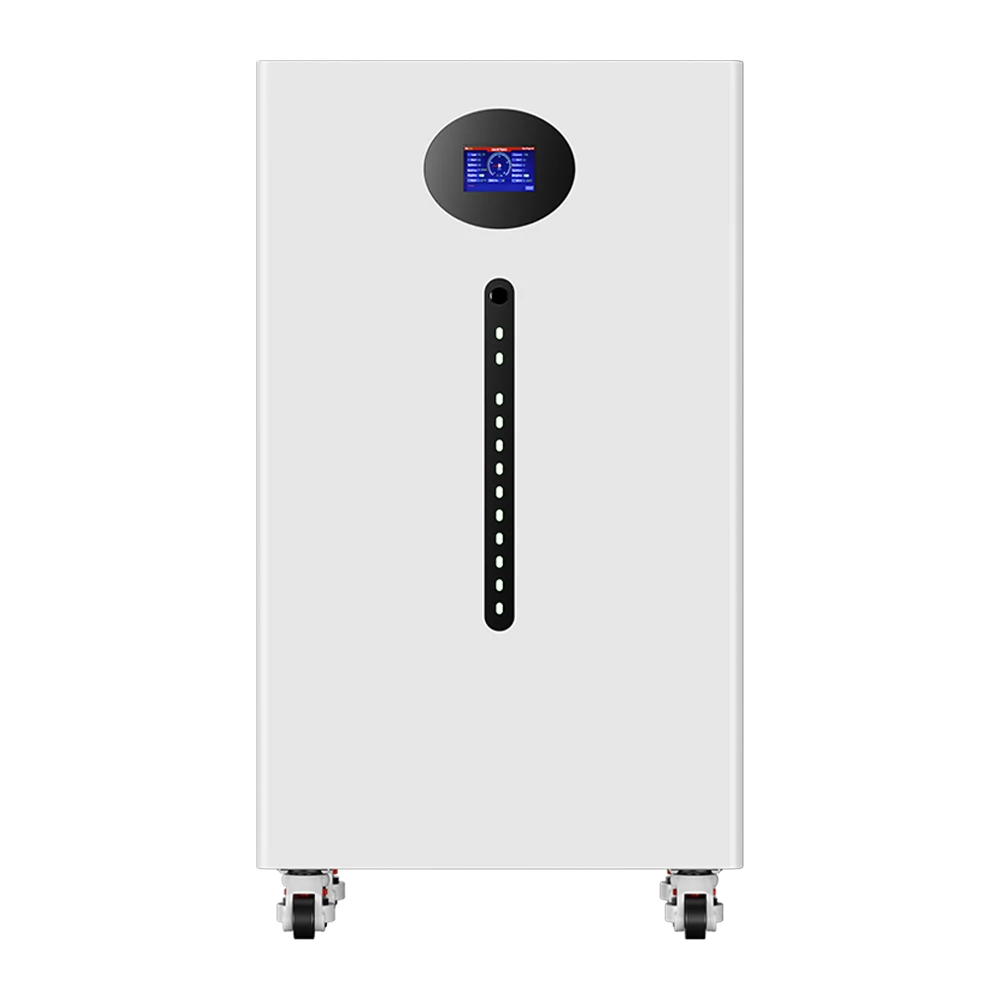
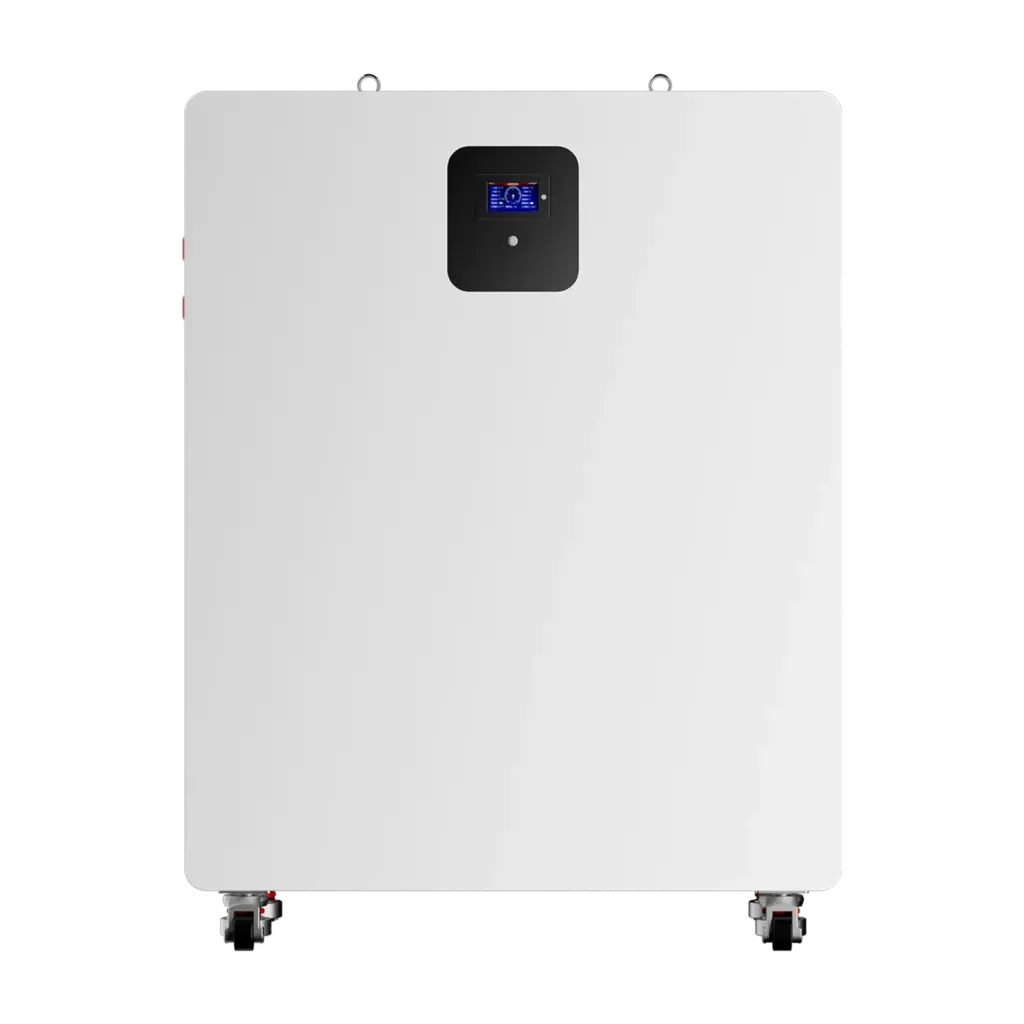
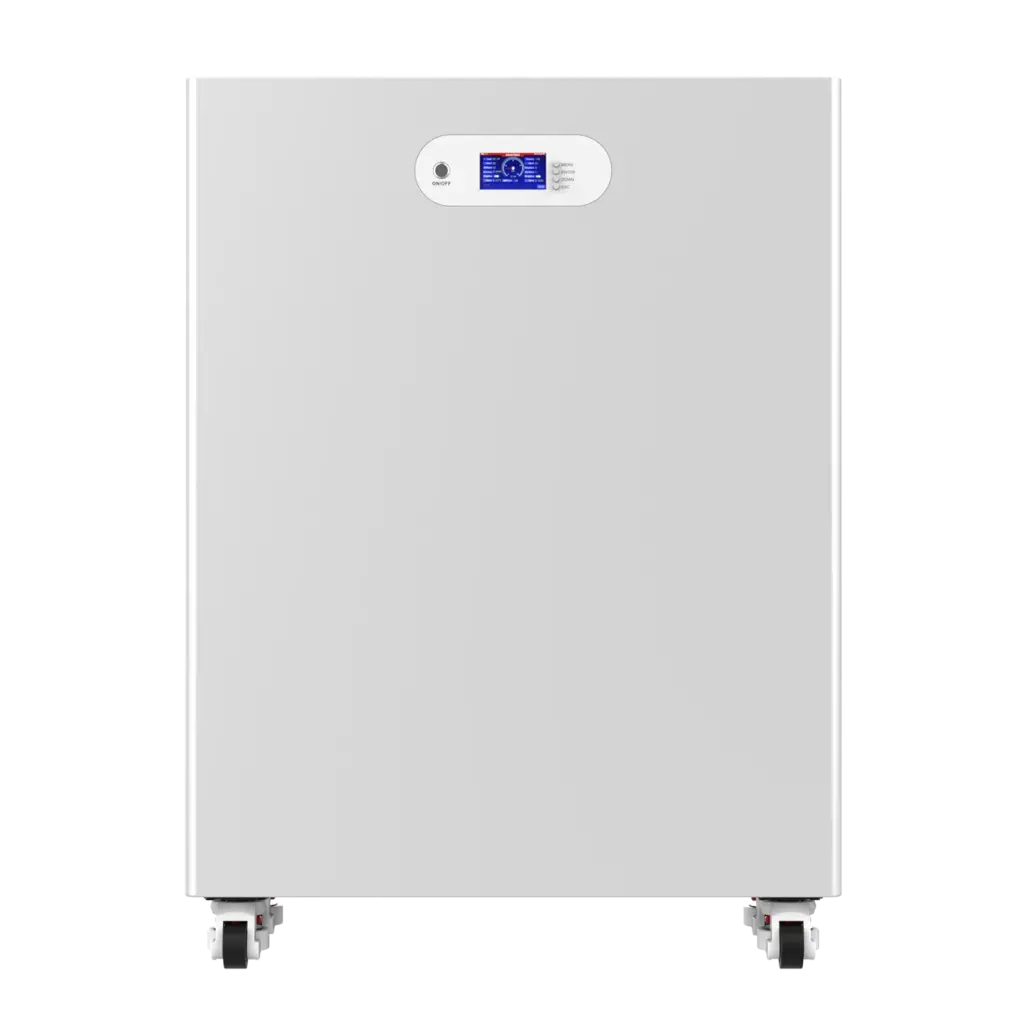
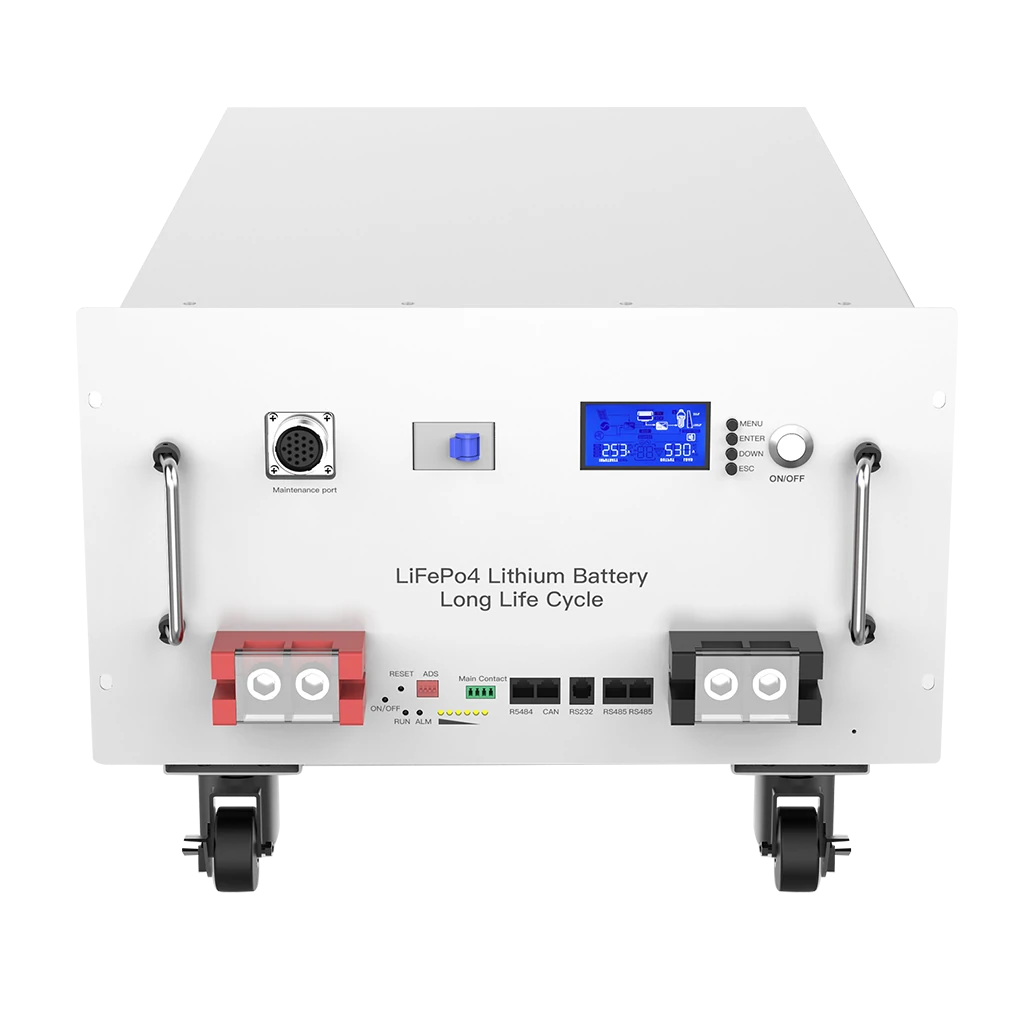
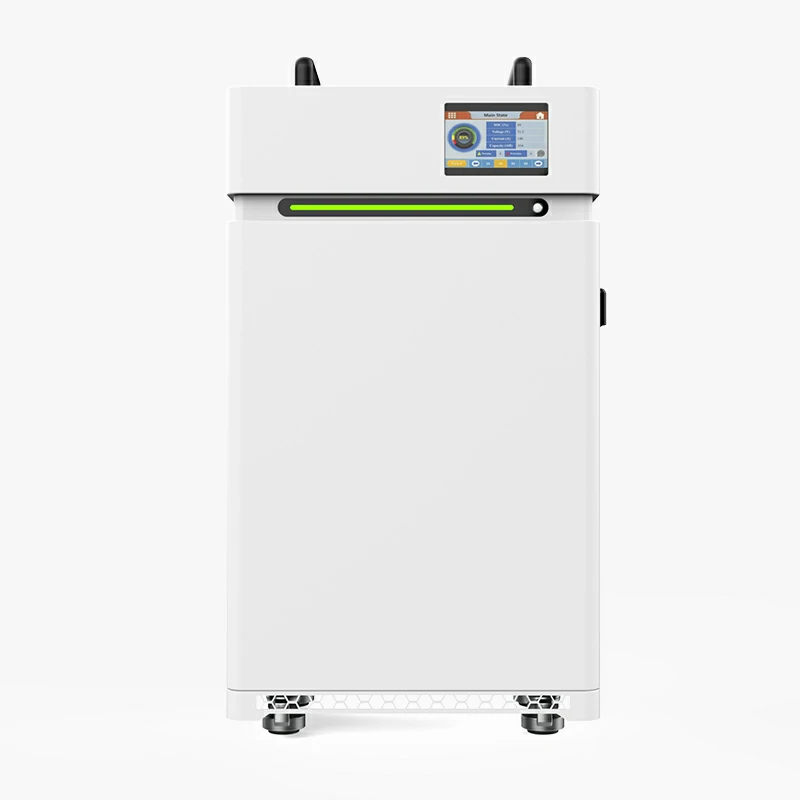
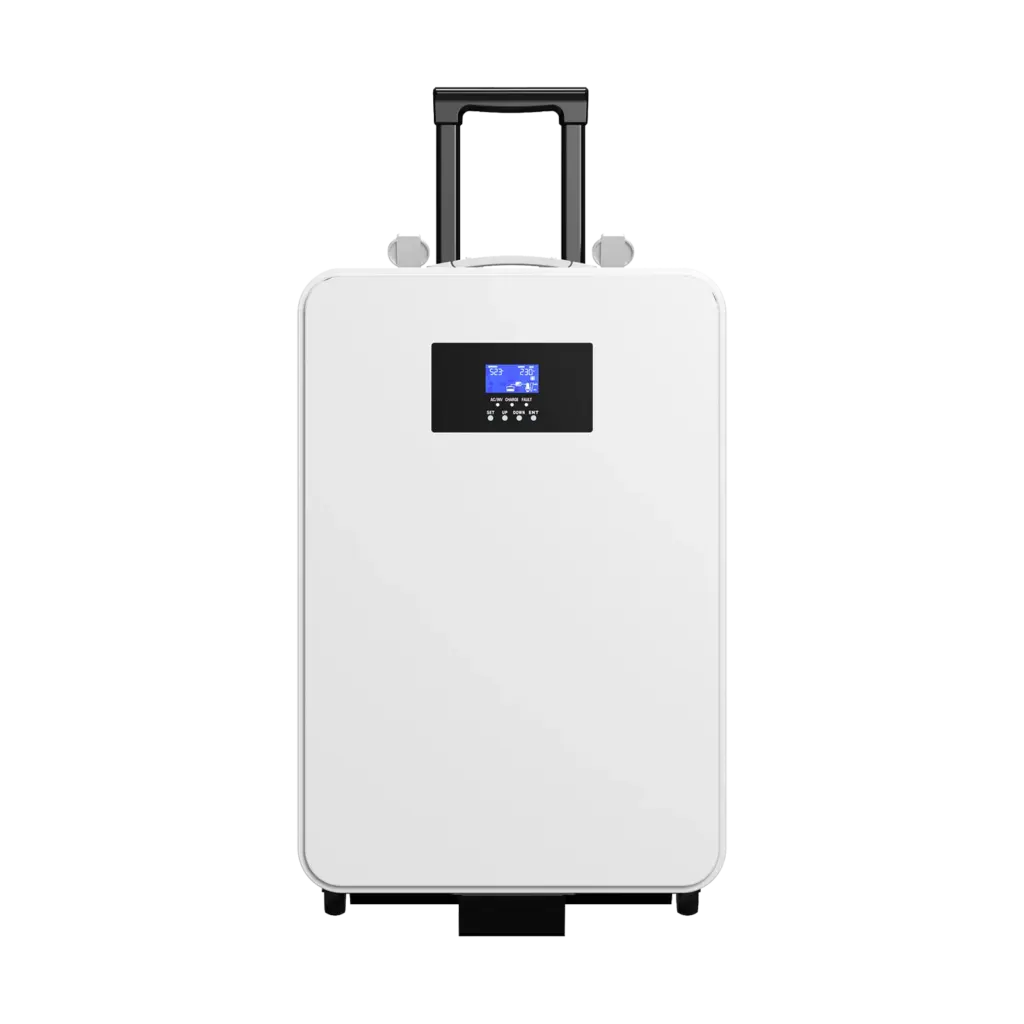
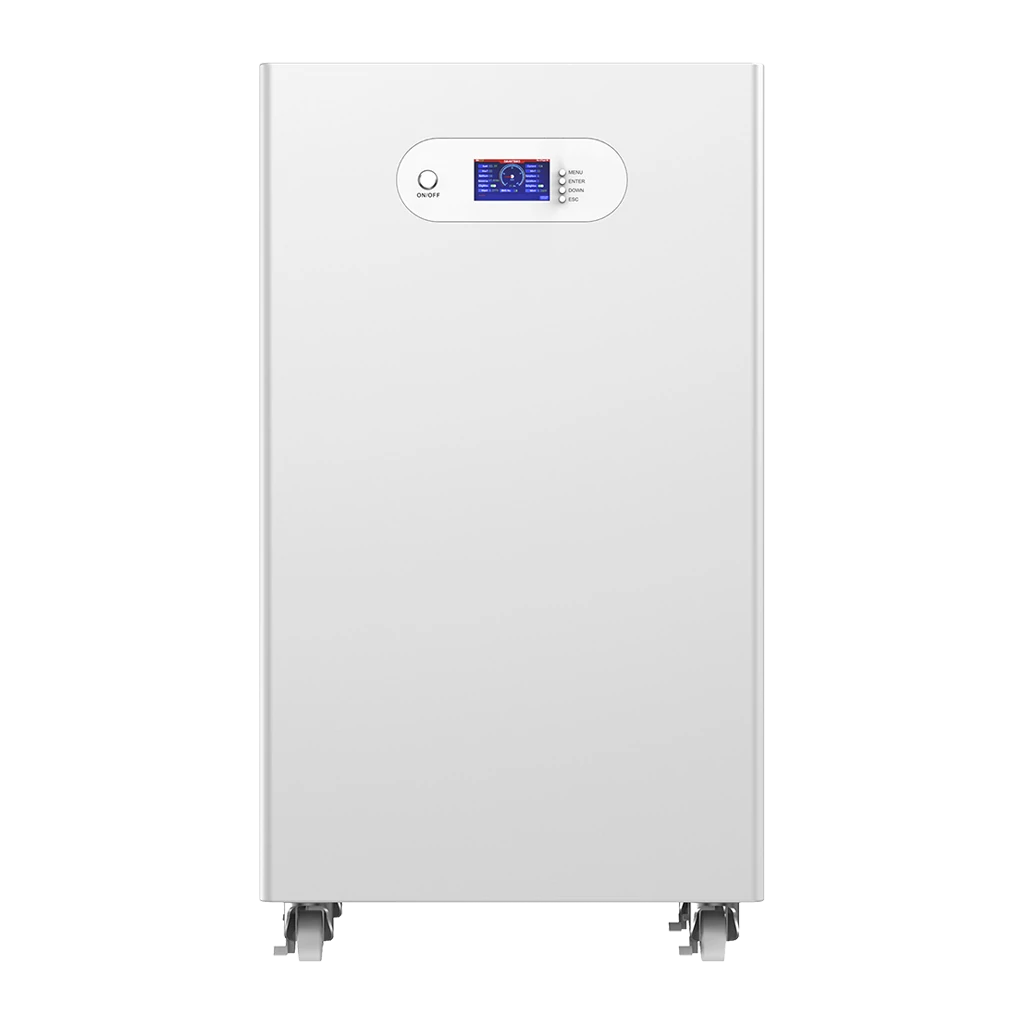
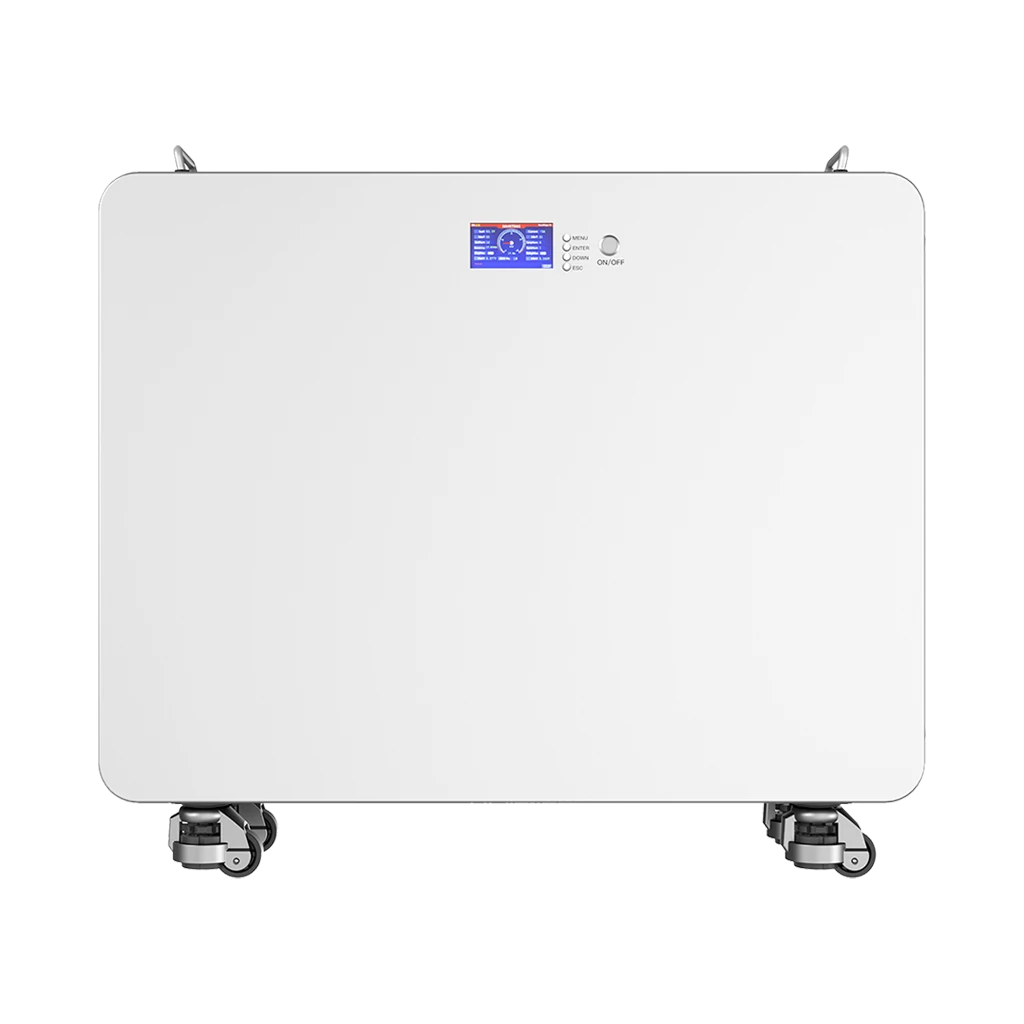
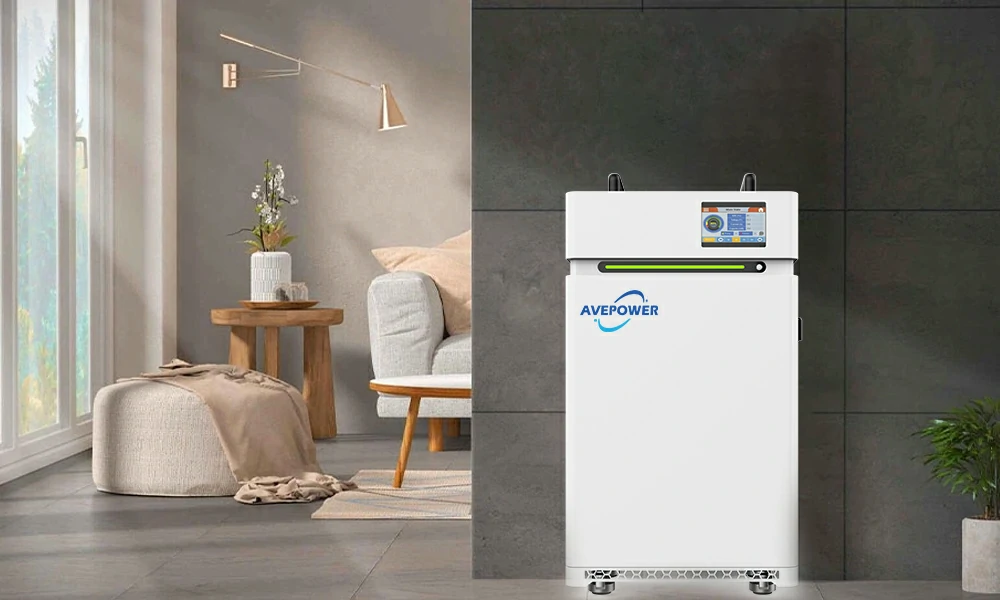
For example, a high-capacity system, like the Avepower 10kWh Powerwall, often supports multiple charging methods. It can charge from an AC power source (like a standard wall outlet), a vehicle charger, or solar panels. Even if you do not install solar panels initially, the ability to charge from the grid or another source gives you a lot of flexibility.
How Home Backup Batteries Work Without Solar Panels
Most modern systems support:
- Grid charging
- Generator charging
- Vehicle-to-Load (V2L)
1. Charging from the Electric Grid
Your installer connects the battery to your home’s electrical panel. The battery’s inverter/charger pulls power from the grid to fill the battery. A home energy app or the inverter’s settings decide when charging happens—often in low-cost off-peak windows on TOU plans—so you can store cheap energy and use it later.
What you need:
- A battery system with an inverter/charger that supports grid charging.
- A critical loads sub-panel (common for backup installs) or a whole-home backup design.
- Correct permits and utility approvals where required.
2. Using a Generator for Charging
A portable or standby generator can top up your battery during long outages or in off-grid cabins. The battery’s charger must match the generator’s output specs. Systems with smart charge control can throttle the charging rate to reduce fuel burn and noise because the generator does not have to run at full tilt. (Installers typically size the generator so it can run essential loads and charge the battery efficiently.)
3. Vehicle-to-Load (V2L) Technology
Even without solar, your Electric Vehicle (EV) can become a power source to charge your home battery. Vehicle-to-Load (V2L) technology permits an EV to release its stored energy to external devices or systems. This makes your EV a flexible tool for powering your home during an outage or for general energy management.
Unlike the more complex Vehicle-to-Home (V2H) or Vehicle-to-Grid (V2G) systems, V2L relies on the EV’s built-in inverter to supply AC power. This simplicity makes V2L much easier to use, often requiring just a standard outlet or adapter to start charging external devices like your home battery.
Can You Add Solar Panels to the Battery Later?
Yes, if your home backup battery supports solar charging, you can certainly add solar panels at a later date. The power source (solar panels) can often be purchased separately or as part of a package that includes the battery.
If your installer adds a PV inverter that integrates cleanly. Many homeowners follow this path because roofs, shade, and budgets change over time. You can also mix fixed rooftop panels with portable panels for camping or for seasonal use. You should check compatibility for voltage windows, current limits, and communication protocols before you buy.
A phased plan works well:
- Phase 1: Install battery + inverter/charger + backup sub-panel.
- Phase 2 (optional): Add generator integration or V2L procedures.
- Phase 3: Add solar when roof, incentives, or budget line up.
Quick planning tip: If your roof will not be ready for a year, choose a battery/inverter combo that supports AC coupling. AC coupling makes add-on solar much easier in staged projects.
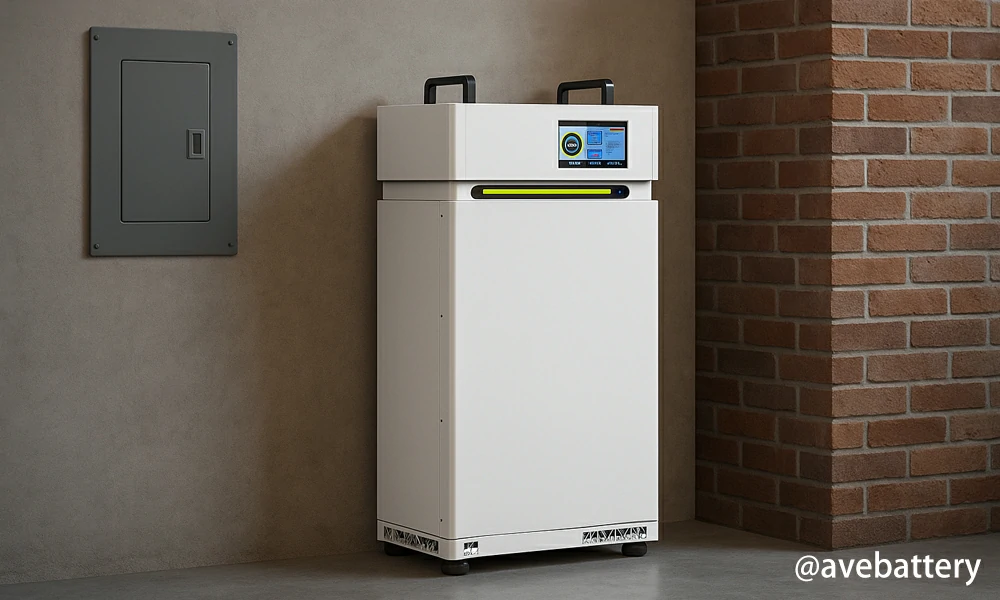
Why Buy a Home Battery Now—Even Without Solar?
Here are some key advantages of investing in a home backup battery on its own:
Ideal for Homes Unsuitable for Solar
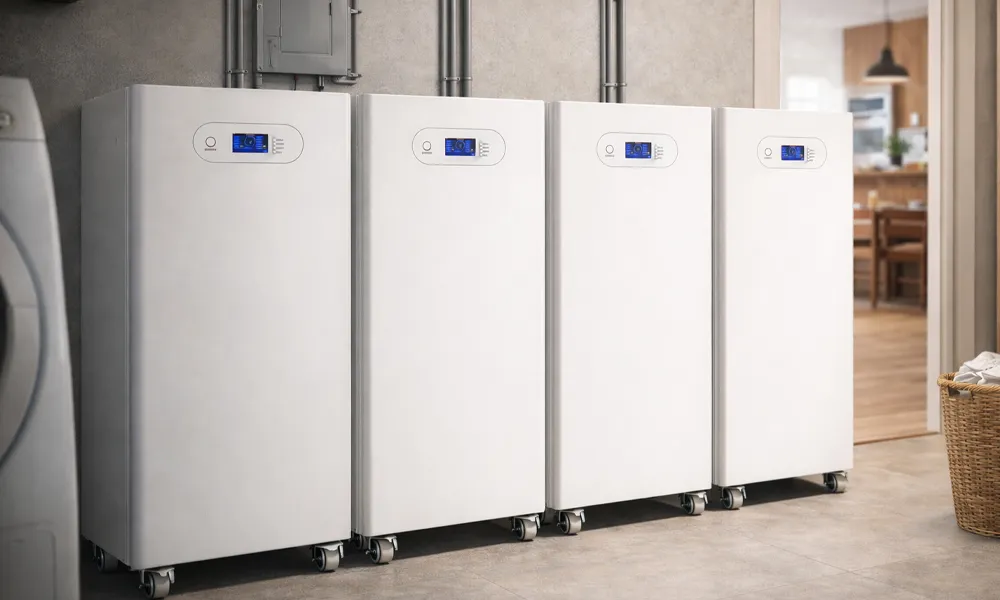
For homes where installing solar panels is impractical—due to heavy shading, roof orientation, or budget constraints—a standalone battery backup offers a practical and reliable alternative. It allows homeowners to secure emergency power without the need for a complete solar setup.
Lower Up-Front Cost Than “Battery + Solar”
Although the cost of solar technology is gradually decreasing, purchasing a standalone energy storage battery can save you a significant amount of money initially. You still gain access to emergency backup power without committing to the full expense of a residential solar system.
Easier Project Scope
A battery-only install may require fewer permits, no roof work, less design time, and fewer supply-chain pieces. That often means quicker installation and a simpler inspection path (local rules vary).
Federal Tax Credit Eligibility
Even if you only invest in a battery, you may qualify for certain federal tax incentives. In the U.S., the IRS offers a tax credit for standalone battery energy storage systems with a capacity of at least 3 kWh. The total savings are calculated at 30% of the battery’s cost. While this can result in significant savings, combining a battery with solar panels can further increase benefits and provide a renewable, self-sufficient energy solution. If you are in Australia, you can learn about the Cheaper Home Batteries Program
TOU Arbitrage and Demand Management
If your utility uses TOU pricing, a battery lets you charge during off-peak windows and discharge during peak windows to avoid high rates. Utilities explain TOU as a simple way to pay less when demand is low and more when demand is high; batteries automate the “shift.”
Disadvantages of a Battery-Only System
Dependence on the Grid
Without solar panels to charge your battery, you must rely on the utility grid for charging. This limits your energy independence and keeps you dependent on traditional energy sources.
Limited Backup Time
When your battery empties, power to backed-up circuits stops unless the grid returns or you have a generator or V2L source to recharge. Sizing matters. We show simple sizing math further below.
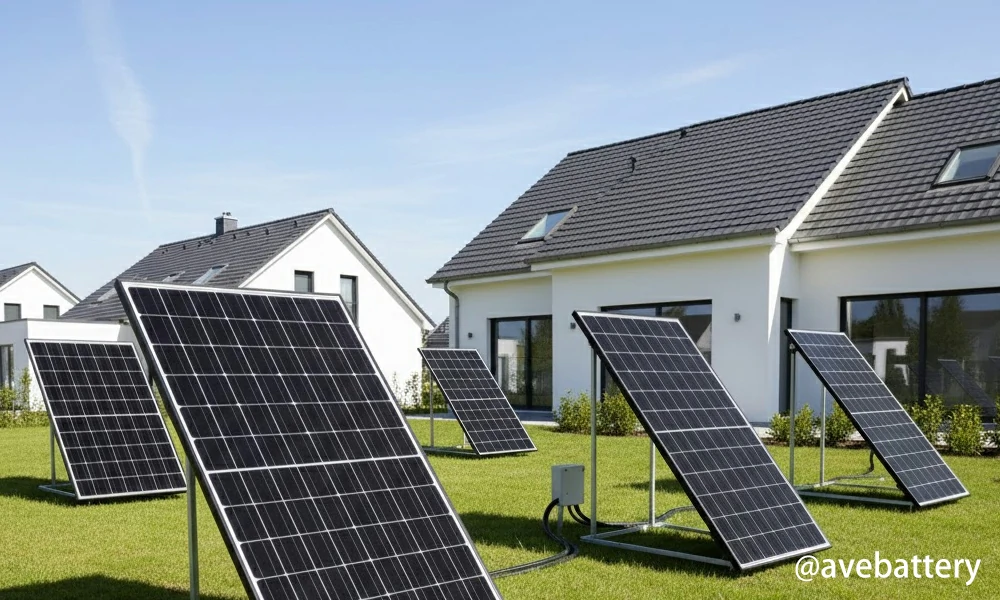
What are the Benefits of a Home Backup Battery With Solar Panels?
Here are several reasons to consider investing in both solar panels and an energy storage battery simultaneously.
Real Energy Independence
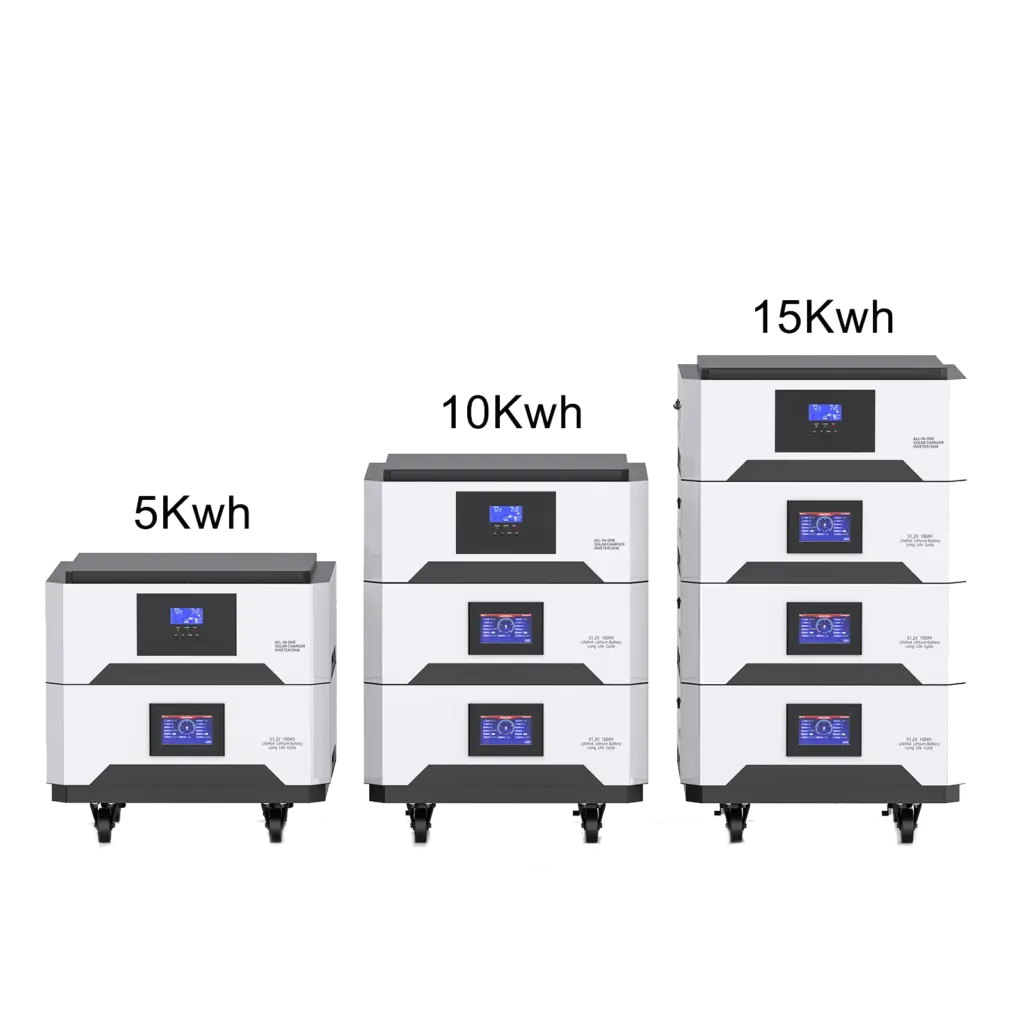
If your main goal is to truly stop relying on the utility grid, then investing in solar panels is essential. To achieve complete independence, you need a way to generate your own electricity. Systems like those made by Avepower can expand their storage capacity, sometimes up to 260kWh, which can power your home for days or even weeks. This truly frees you from depending on the grid.
Long-Term Savings
Solar adds up over time. The sun is free. In many states, PV + battery lets you buy less from the grid and dodge high peaks. Energy credits and state/local incentives can improve payback. (Always confirm current incentives in your zip code.)
Please read.: How Home Energy Storage Rebates Make Large-Scale Batteries Affordable
Excellent Emergency Preparedness
If you rely on the utility grid to charge your portable power station or home backup battery, what happens when there is a blackout? With solar power, you can recharge as long as there is sunshine. This makes a solar power system ideal for dealing with long-term power outages and sudden emergencies.
What About Safety and Certification?
You should look for batteries and inverters tested to widely used safety standards. In North America, UL 9540 covers energy storage systems as a whole, while UL 9540A is a testing method that examines thermal runaway and fire propagation behavior. Batteries themselves are typically evaluated to UL 1973, and inverters and related equipment reference UL 1741.
Battery-only vs. Battery + Solar (Quick Comparison)
| Factor | Battery-Only | Battery + Solar |
|---|---|---|
| Up-front cost | Lower | Higher |
| Bill savings | TOU shifting only | TOU + solar self-supply |
| Outage runtime | Limited by stored kWh | Replenished daily by sun |
| Energy independence | Limited | Strong, especially with large array |
| Complexity | Lower | Higher (roof work, permits, net metering) |
| Best for | Frequent short outages; TOU savings; staged projects | Deep savings, long outages, energy independence |
Sizing Your No-Solar Home Battery
You have two common goals. You may want to cover peak hours daily or you may want to ride through blackouts. You can size for one or both.
Home Backup Battery Size Calculator
- List Essentials: Fridge, modem/router, lights, chargers, medical devices, small heater/A/C, garage door, sump pump.
- Estimate Power (kW): Add device wattages for worst-case “all-on” scenario. Most homes need 1.5–3 kW continuous; account for short surges.
- Estimate Energy (kWh): Multiply watts × hours per day, then sum. Example: fridge 3.6 kWh + router 0.48 kWh + lights 0.3 kWh + chargers 0.3 kWh + medical device 0.56 kWh ≈ 5.24 kWh/day.
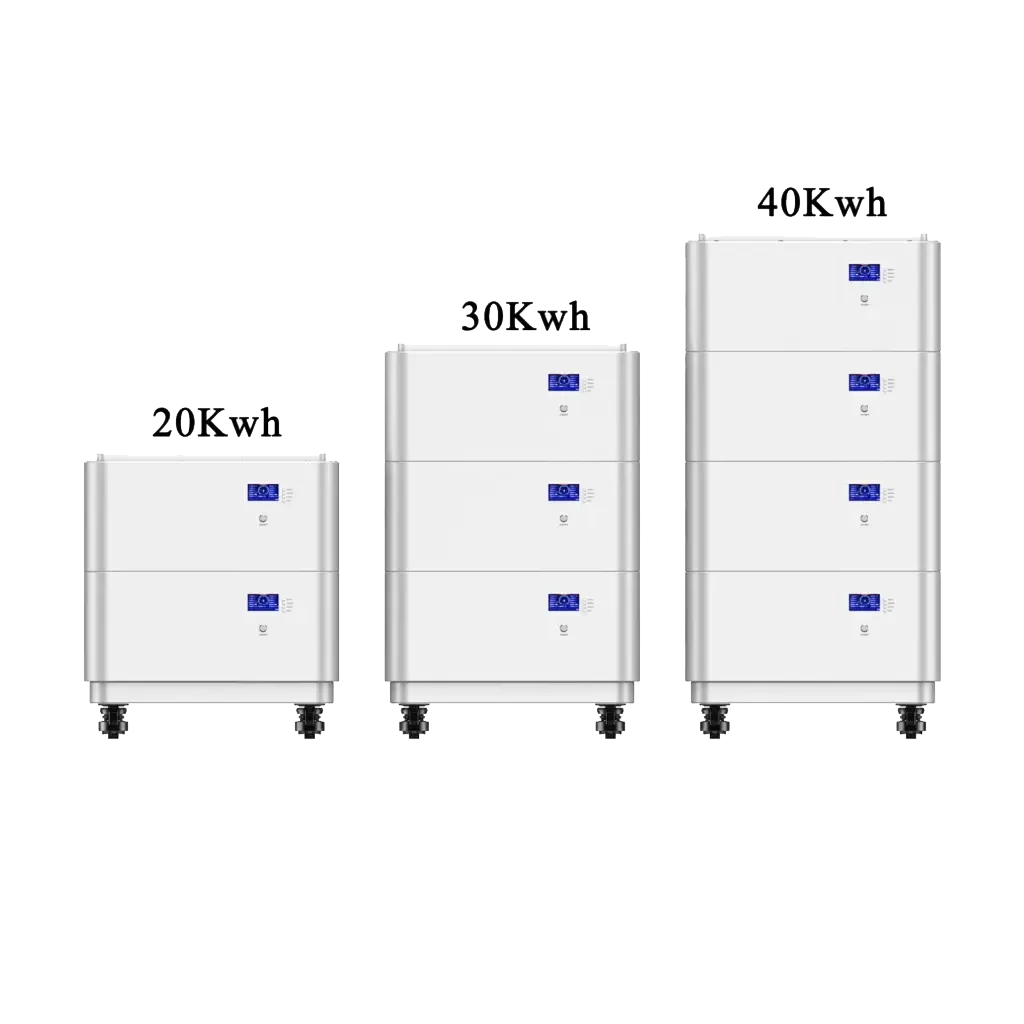
- Choose Battery Size: For one day of backup, 10 kWh is safe; for two days, 20 kWh or combine with generator/EV charging.
- Plan for Expansion: Start small (e.g., 10 kWh) and add batteries later. Ensure your inverter can handle future peak loads.
Top Home Battery Backup Choices Without Solar in 2025
As you look for the best home battery backup system without solar panels in 2025, you will find several excellent products that offer dependable power, ease of use, and top performance. Whether you need a small unit for essential appliances or a whole-house battery to last for days without solar, models like the ones below can meet your needs:
Avepower 48V 200Ah LiFePO4 Powerwall 10kWh Battery
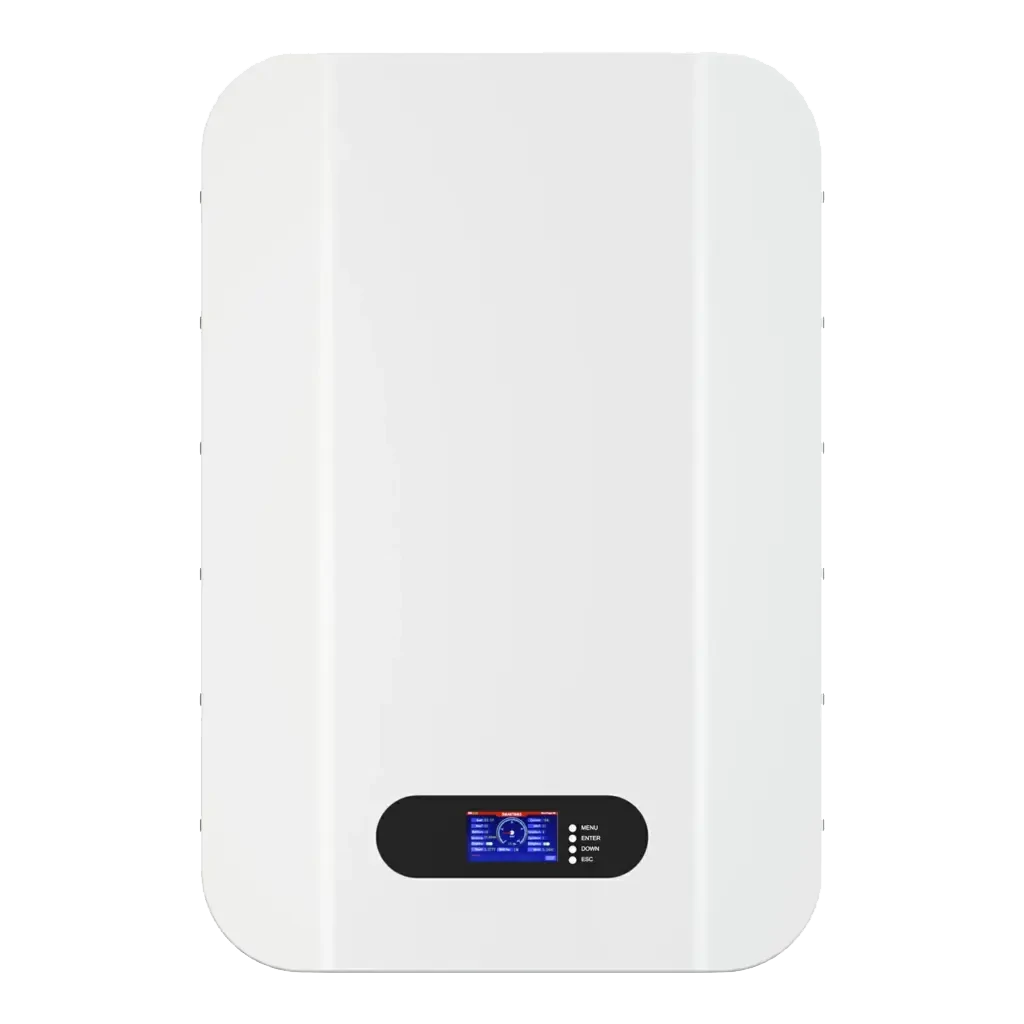
This is a solid all-around choice. It’s perfect if you want enough backup to cover your key appliances like your fridge, lights, and a few chargers. The 10kWh capacity means it can easily handle a full day or more of essential power. Plus, being LiFePO4, it’s safe, long-lasting, and holds its charge well.
Best for: Typical homes that want full “essentials” coverage for a day and strong TOU savings. Many homeowners start here and stack another 10 kWh later if needed.
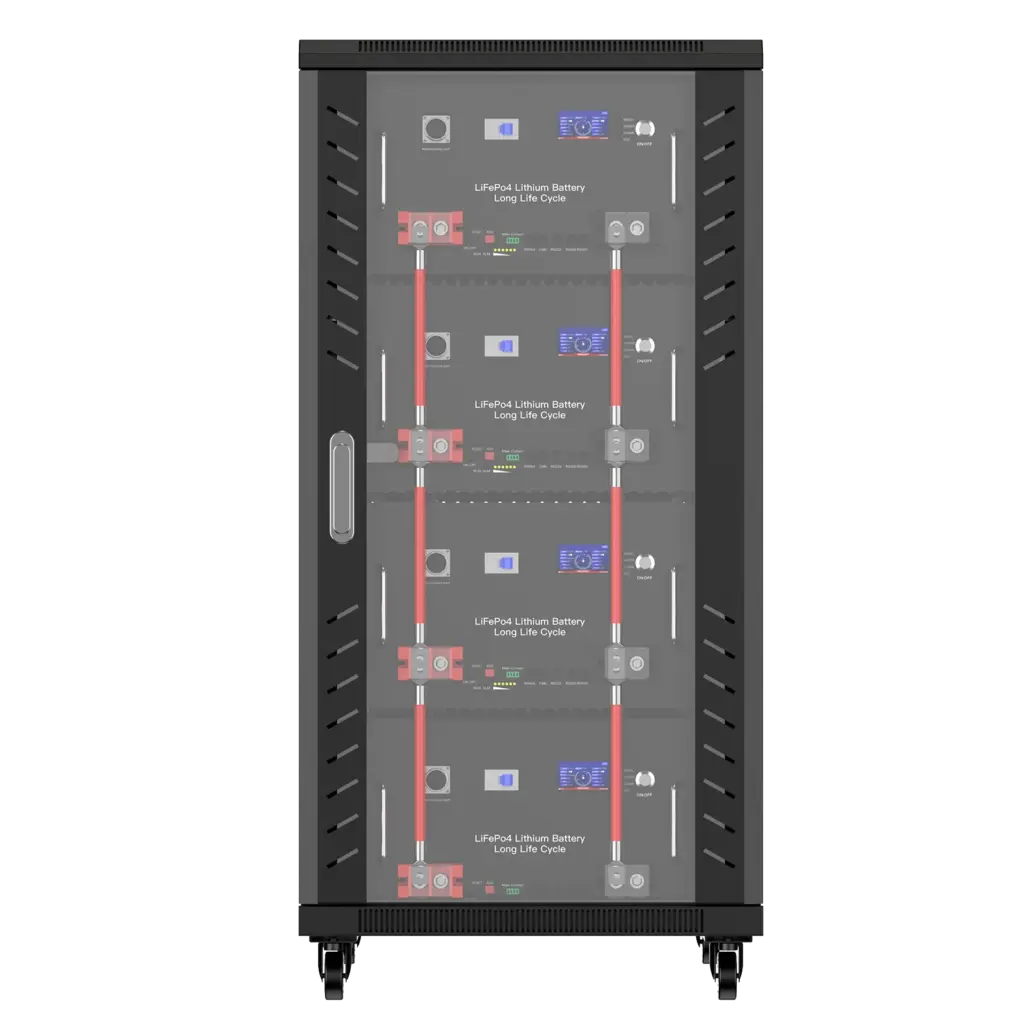
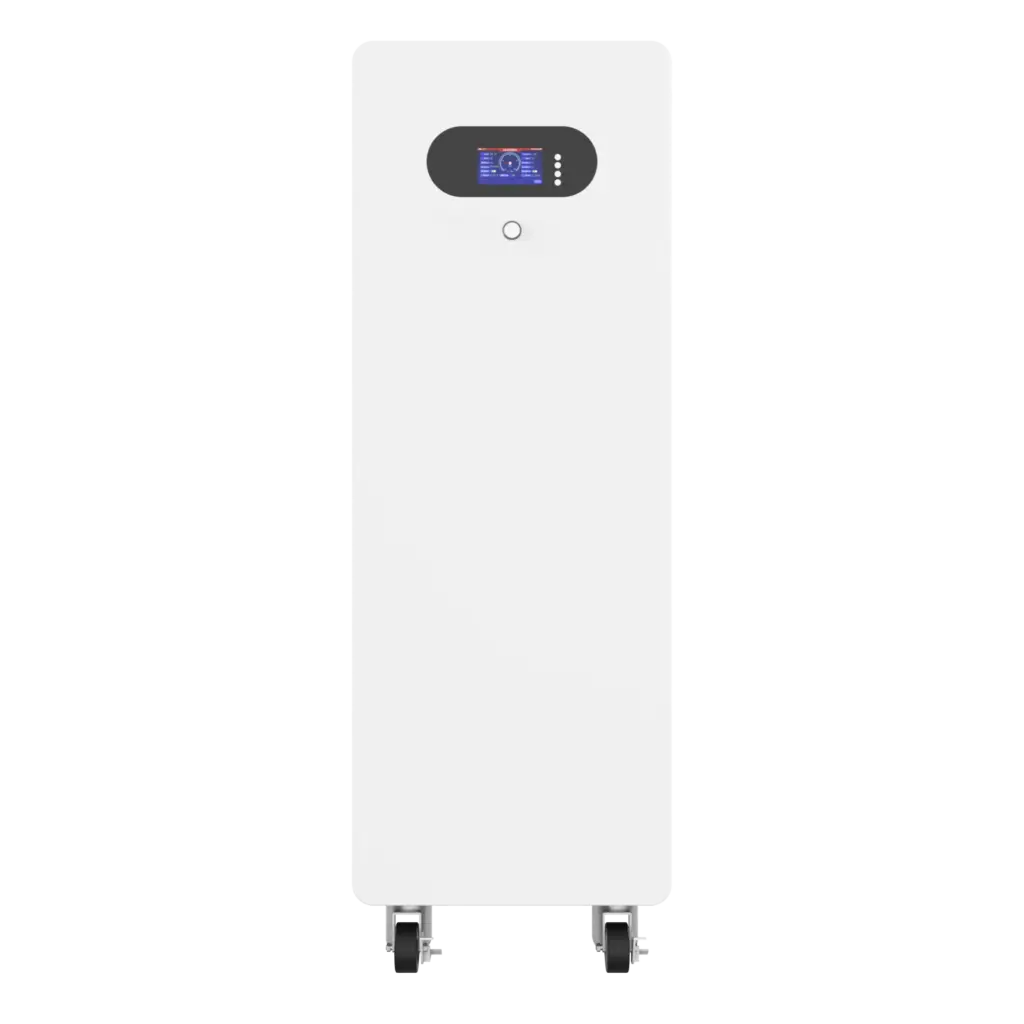
Avepower 280Ah 48V LiFePO4 15kWh Vertical Battery
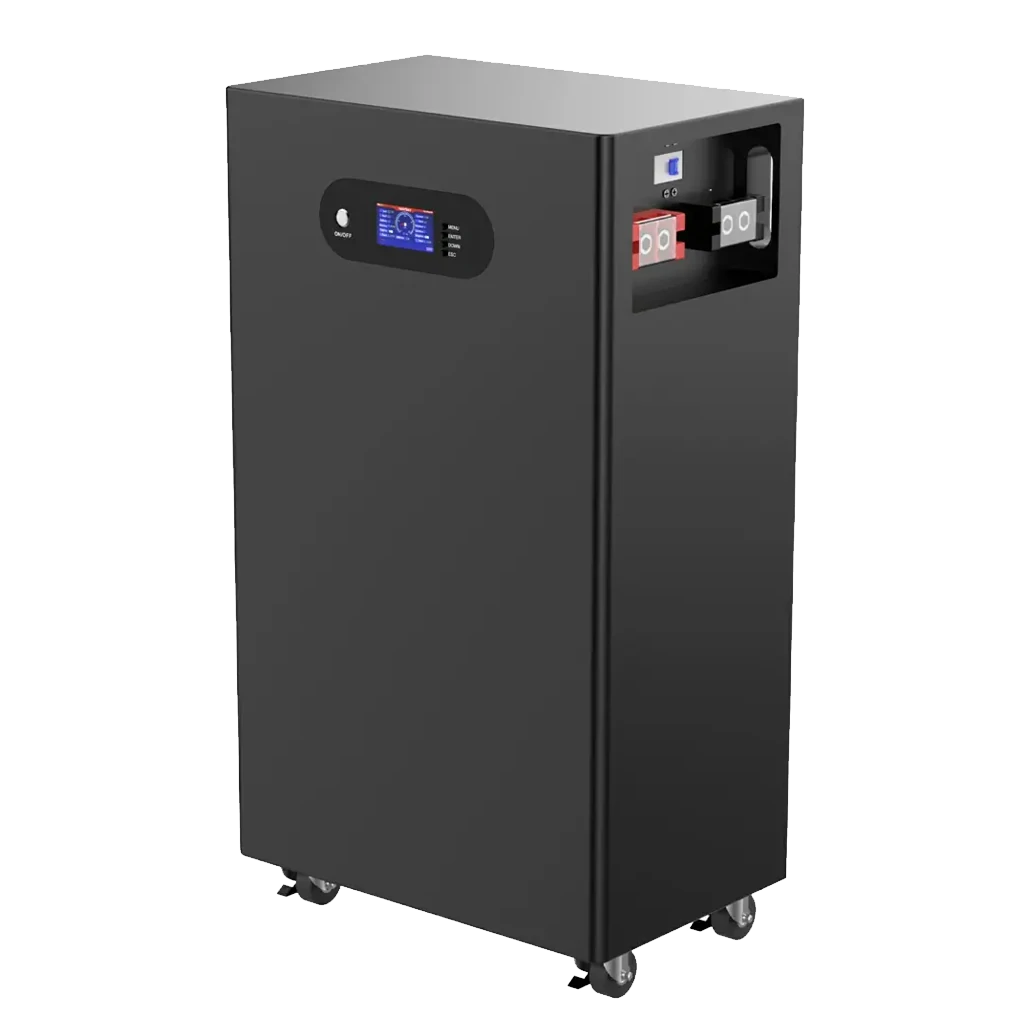
Need something bigger? The 15kWh vertical battery is ideal for homes that want more coverage—maybe running a fridge, lights, a small heater, and even a few extra devices during longer outages. Its vertical design saves space, and with 280Ah, it packs serious energy for extended backup.
Best for: Larger homes, well pumps, or longer outages. Bigger daily energy, higher surge support with the right inverter, easy to stack to 260 kWh.
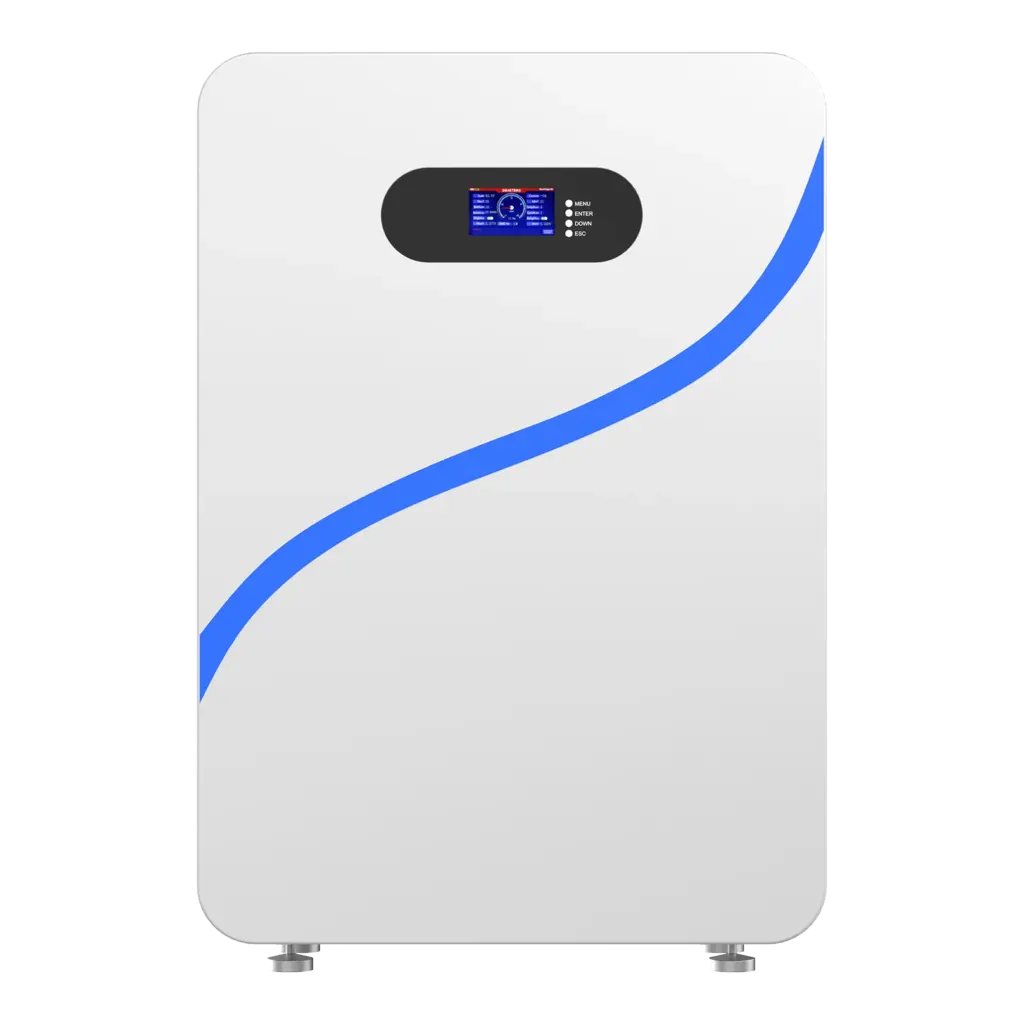
Avepower 48V 100Ah 5.12kWh LiFePO4 Battery Wall Mounted
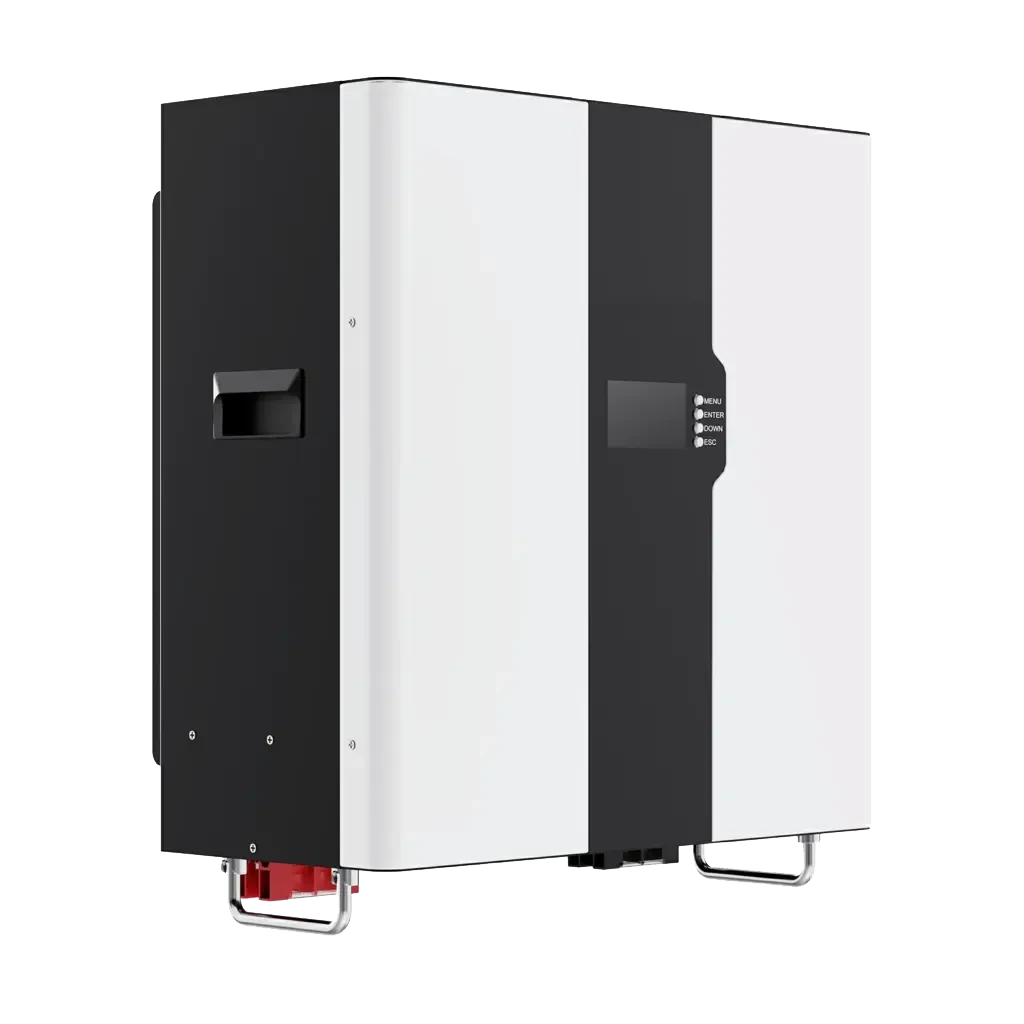
For smaller spaces or lighter needs, this 5.12kWh wall-mounted battery is a great option. It’s compact, easy to install, and perfect for keeping the essentials alive without taking up much room. Think of it as a reliable safety net for your home when the lights go out.
Best for: Apartments or small homes that need router/phone/fridge and a few lights during a blackout. Pairs with a 3–5 kW inverter. Ideal for TOU shaving of a few peak hours.
Conclusion
A home battery without solar can deliver real value in 2026. The battery gives you quiet, instant backup; it trims bills on TOU and demand plans; and it sets a clean path to add solar later. The key is to size for your actual critical loads, choose an inverter that can start your motors, and install with a proper transfer switch and subpanel. When you design for the way you live, a battery-only system keeps your home steady today and stays ready for tomorrow’s upgrades—whether you add more capacity, bring a generator into the plan, or mount panels when the time is right.
FAQ
Yes. A standalone battery provides emergency backup power during outages, helps protect essential appliances, and may qualify for federal tax credits. It’s especially useful for homes where solar isn’t practical.
Absolutely. Batteries can be charged from the grid, generators, or even electric vehicles. You don’t need solar to enjoy reliable backup power.
It depends on your needs. For just essential loads, a 5–10 kWh battery can cover a day. For full-house backup, including appliances like HVAC or well pumps, you may need 20 kWh or more.
Prices vary by capacity and brand. Small batteries (5–10 kWh) can start around $5,000–$10,000, while larger 20 kWh systems can range from $15,000–$25,000 or more, including installation.
For basic essentials like lights, fridge, and a few electronics, 2 kW can work. But for full-house power—including HVAC, water heaters, or large appliances—you’ll need a higher continuous output, usually 5 kW or more.
Prices vary by capacity and brand. Small batteries (5–10 kWh) can start around $5,000–$10,000, while larger 20 kWh systems can range from $15,000–$25,000 or more, including installation.