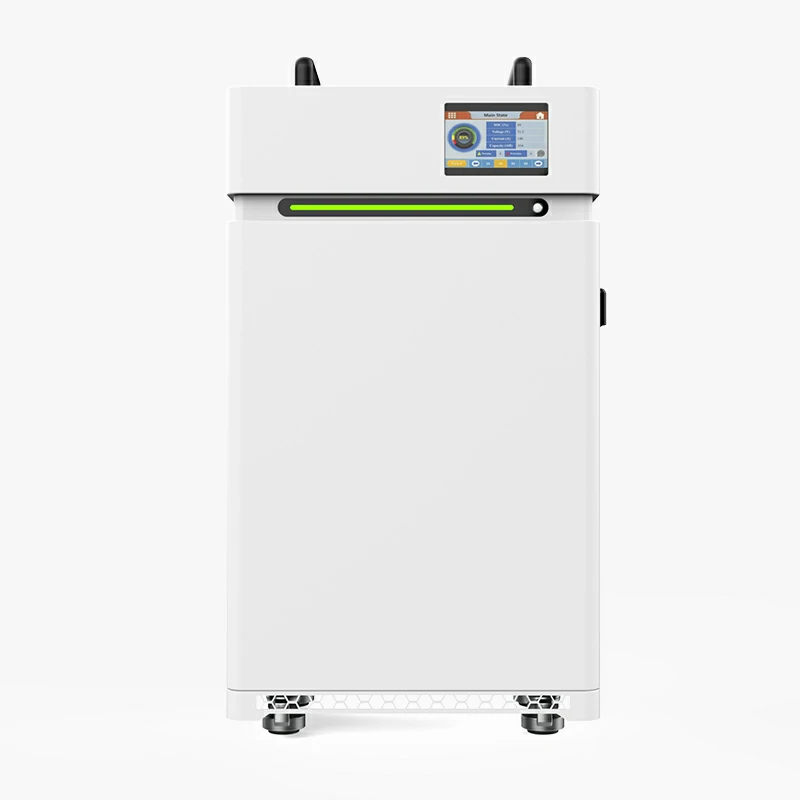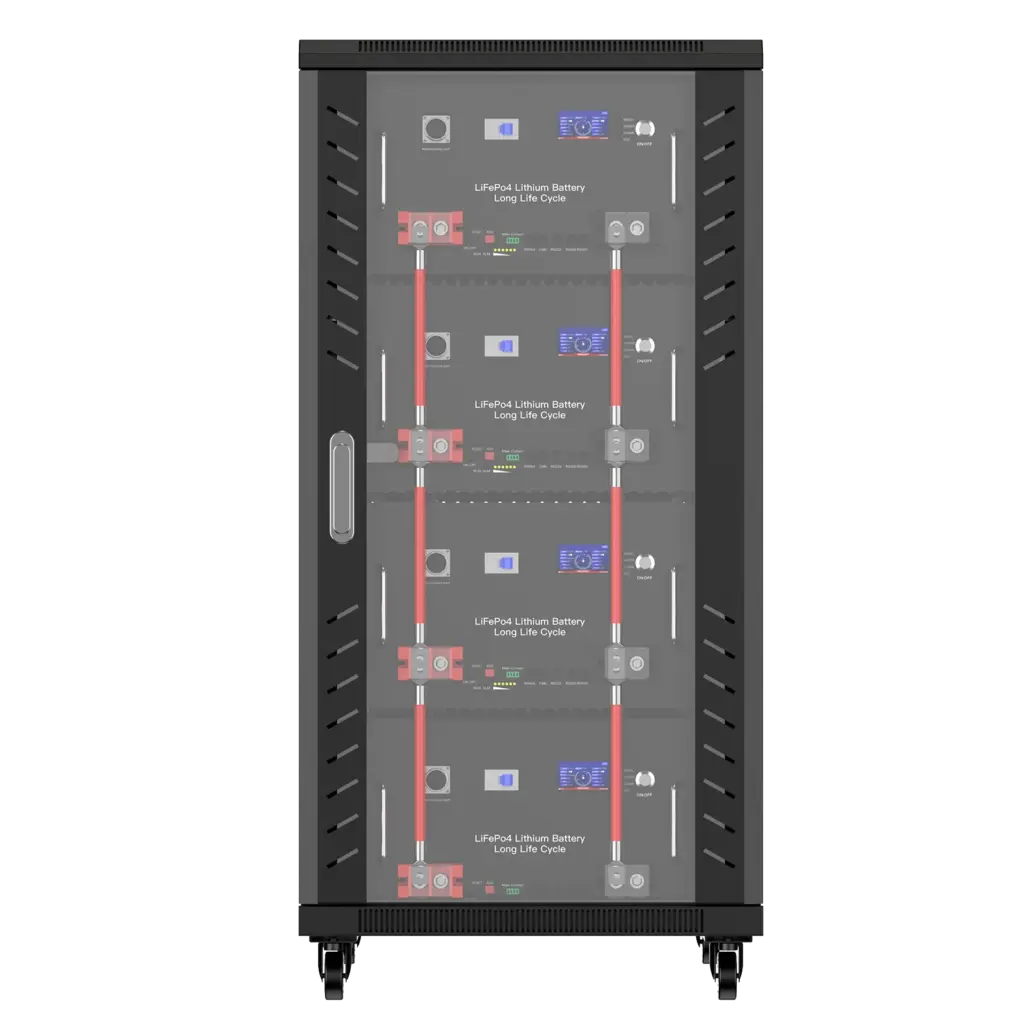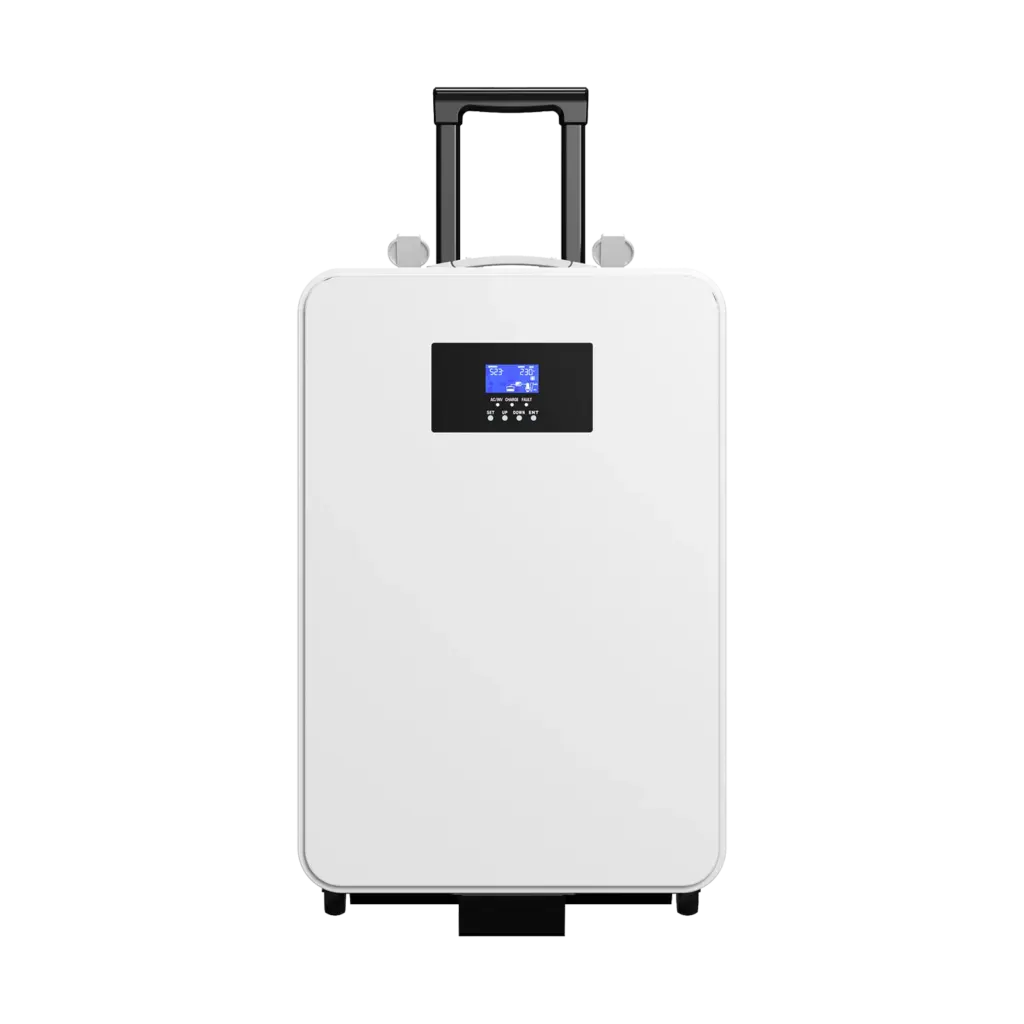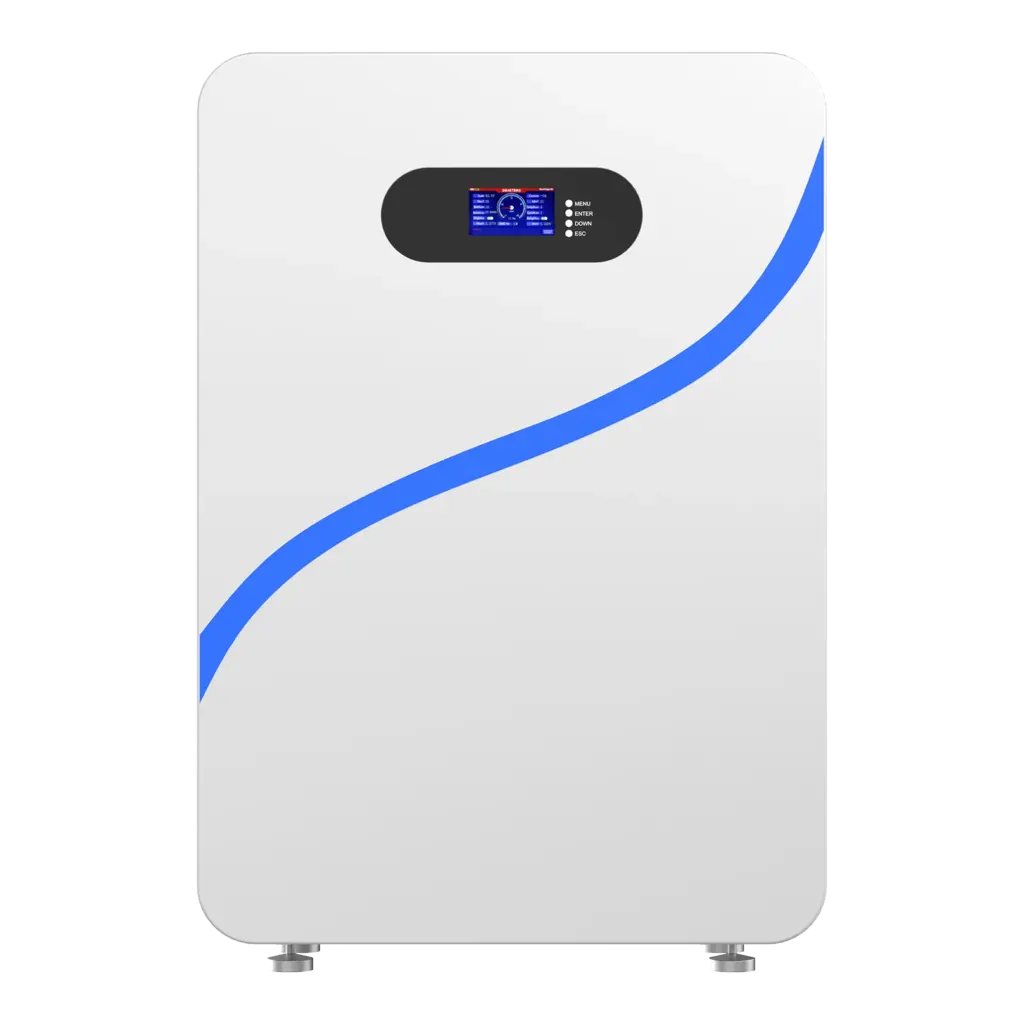

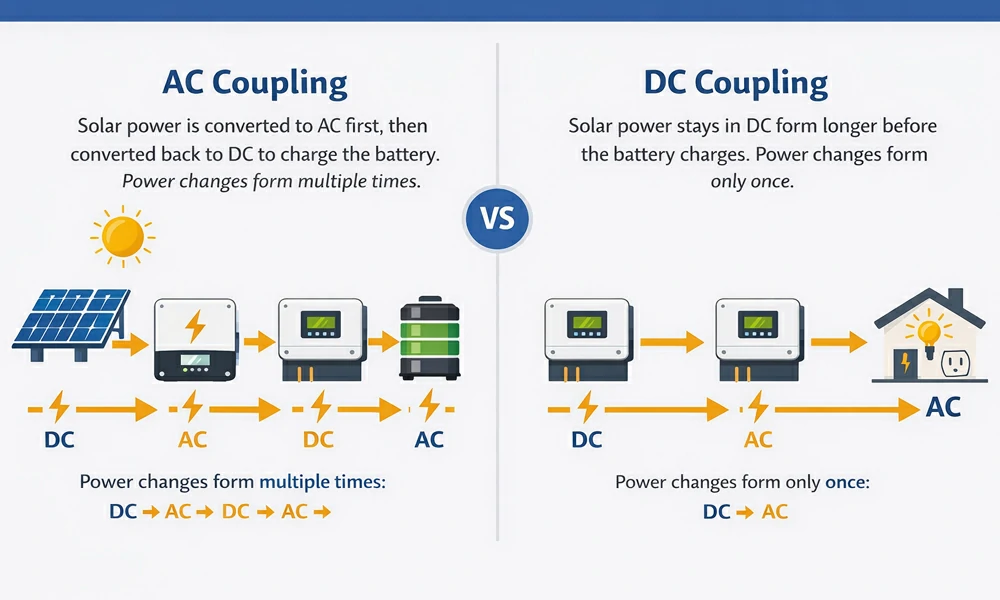
Solar energy systems often include battery storage so that homes and businesses can use electricity even when the sun is not shining. When designing a solar system with batteries, installers must decide how the solar panels will connect to the battery energy storage system (BESS). The two most common options are AC coupling and DC coupling.
This article explains how AC-coupled and DC-coupled solar systems work, compares their advantages and limitations, and helps you understand which approach may be better for different solar energy projects.
Understanding Power Flow in Solar Energy Systems
Before discussing coupling architectures, it is helpful to understand how electricity moves through a solar power system.
Solar panels produce DC electricity when sunlight hits photovoltaic cells. The solar inverter converts this DC electricity into AC electricity so that household appliances can use it. A battery storage system captures excess solar power and releases it later when energy demand increases or when solar production drops.
Therefore, should solar energy be converted into AC power before entering the battery, or should it remain as DC until after it is stored? This determines whether the system uses AC coupling or DC coupling.
What Is an AC-Coupled Solar Battery System?
An AC-coupled solar system connects solar panels and battery storage on the AC side of the electrical system. In this architecture, the solar panels and battery each use their own inverter.
A typical AC-coupled configuration includes the following components:
- Solar panels
- Solar inverter (PV inverter)
- Battery inverter or charger
- Battery storage system
- Grid connection
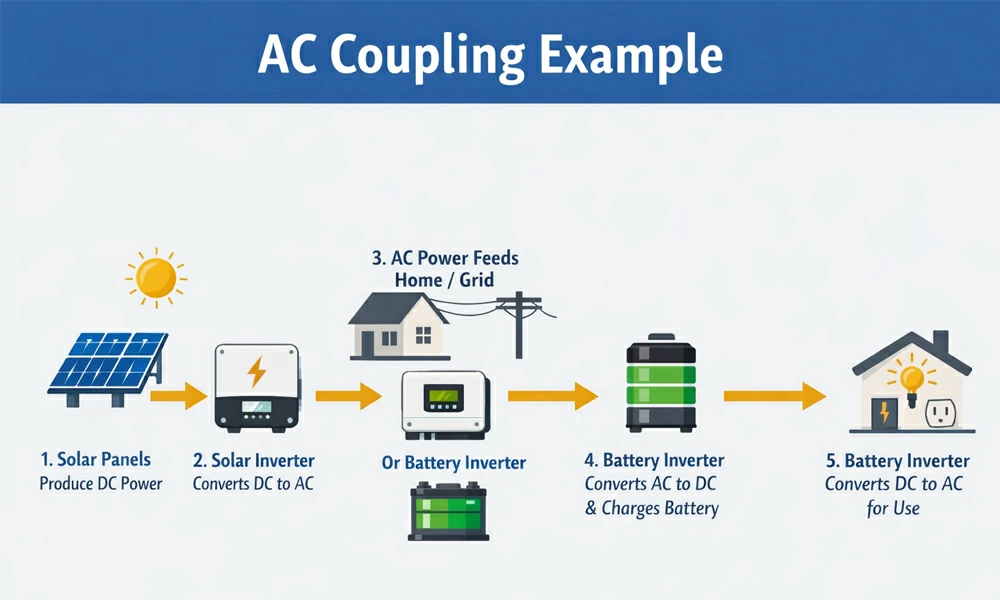
In this setup, solar panels first send DC electricity to the solar inverter. The solar inverter converts the electricity into AC power. The home can use this power immediately, or the system can send excess energy to the battery inverter. The battery inverter converts the AC electricity back into DC electricity so the battery can store it.
When the home later uses the stored electricity, the battery inverter converts the DC electricity back into AC electricity.
Because of this process, electricity undergoes three conversions in an AC-coupled system:
- DC (solar panel) → AC (solar inverter)
- AC → DC (battery inverter to charge battery)
- DC → AC (battery inverter to supply power to home)
Despite these conversions, AC coupling remains popular because it offers flexibility and simple installation.
Main Characteristics of AC-Coupled Systems
AC-coupled battery systems often appear in grid-connected solar installations, especially when homeowners add storage to an existing solar system.
Key characteristics include:
1. Independent Operation of Solar and Battery Systems
The solar system and the battery storage system operate independently because each component uses its own inverter. This design allows both systems to operate simultaneously or separately.
2. Easy System Expansion
Many homeowners install solar panels first and add battery storage later. AC coupling makes this process easier because the installer does not need to redesign the original solar array.
3. Compatibility with Existing Solar Systems
AC coupling works well when a building already has a solar inverter installed. The installer simply adds a battery inverter and storage unit to the existing AC electrical network.
What Is a DC-Coupled Solar Battery System?
A DC-coupled solar system connects solar panels and battery storage directly on the DC side of the system. In this architecture, the solar array and the battery share one hybrid inverter.
A DC-coupled configuration usually includes:
- Solar panels
- Charge controller or DC optimizer
- Battery storage system
- Hybrid inverter
- Grid connection
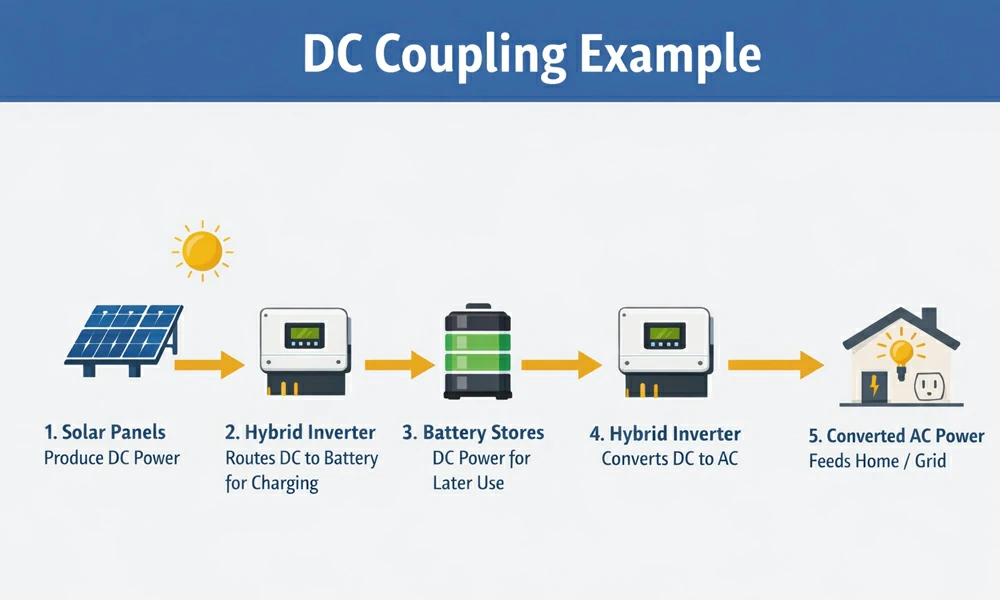
In this design, solar panels send DC electricity directly to the battery through a charge controller. The battery stores the electricity without first converting it into AC.
When the home needs electricity, the hybrid inverter converts the DC electricity into AC power for household use.
This architecture therefore requires only one major conversion:
DC → AC (when electricity leaves the battery for use).
Because the system avoids extra conversions, DC coupling often delivers higher efficiency.
Main Characteristics of DC-Coupled Systems
DC-coupled solar systems usually appear in new solar installations where the designer plans the battery storage from the beginning.
Key characteristics include:
1. Single Hybrid Inverter
A hybrid inverter manages both solar generation and battery storage. This integration simplifies the electrical design.
2. Direct Energy Storage
Solar energy flows directly from the panels to the battery without intermediate AC conversion.
3. Optimized Solar Charging
The system controller manages both solar production and battery charging, which improves energy optimization.
What is the Difference Between AC and DC?
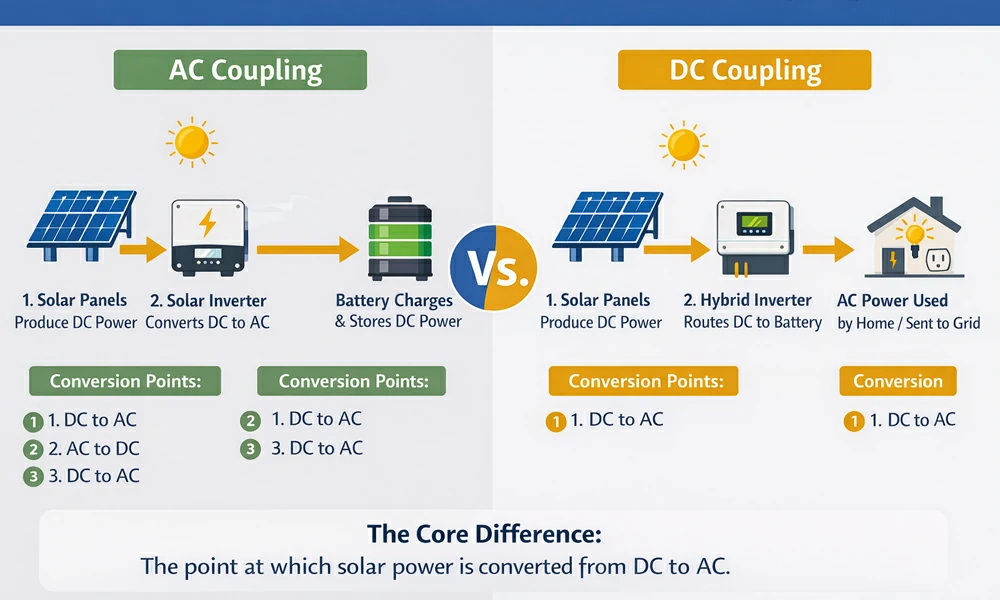
The main difference between AC coupling and DC coupling is simple: the power changes form at different points in the system.
In an AC-coupled setup, solar energy usually follows this path when it charges the battery and later powers a home:
Solar panel DC → solar inverter AC → battery inverter DC → battery storage → battery inverter AC → home loads
In a DC-coupled setup, solar energy usually follows this path:
Solar panel DC → battery storage DC → hybrid inverter AC → home loads
That difference means a DC-coupled system usually needs fewer conversion steps. Fewer conversion steps often mean less energy loss.
The following table summarizes the main differences between AC-coupled and DC-coupled solar battery systems.
| Feature | DC Coupling | AC Coupling |
|---|---|---|
| Typical Efficiency | Up to 98% | 90–94% |
| Number of Power Conversions | 1 (DC → AC) | 3 (DC → AC → DC → AC) |
| Best Use Case | New solar installations | Adding storage to existing systems |
| Hardware | Hybrid inverter, charge controller | Solar inverter + battery inverter |
| Installation Complexity | Higher for retrofits | Easier for upgrades |
| System Flexibility | Moderate | High |
| Grid Dependency | Cannot rely on grid charging | Can use grid for battery charging |
Choosing Between AC Coupling and DC Coupling
You should lean toward AC coupling if you already have solar installed, you want a cleaner retrofit path, you want more freedom to upgrade PV and storage separately, or you prefer a modular system structure. NREL, Tesla, and Enphase all support the idea that AC coupling is commonly used and often easier when storage is added to an existing solar site.
You should lean toward DC coupling if you are building a new solar-plus-storage system, you want the most direct solar-to-battery path, you want to reduce conversion losses, or you want to capture solar energy that might otherwise be clipped.
Advantages of AC Coupling
AC coupling offers several important advantages, especially in retrofit solar projects.
1. Easy Integration with Existing Solar Systems
Many homes already have solar panel systems installed with solar inverters. AC coupling allows installers to add battery storage without replacing the existing inverter. This approach reduces installation complexity and avoids large modifications to the current system.
2. Flexible System Operation
In AC-coupled systems, solar panels and batteries operate somewhat independently. Each component can run at full capacity and can function separately when needed. This flexibility makes AC coupling attractive for large systems or complex energy management scenarios.
3. Grid Charging Capability
Many AC-coupled battery systems support charging not only from solar energy but also from the utility grid. Homeowners can charge the battery during off-peak periods when electricity prices are lower, typically at night.
4. Scalability
Because the system components are connected on the AC side, installers can often expand the system without major redesign or rewiring.
If homeowners decide to increase their solar generation capacity in the future, additional solar panels and inverters can usually be added without affecting the battery system. Similarly, more battery capacity can be installed to increase energy storage without replacing the existing solar equipment.
Limitations of AC Coupling
Although AC-coupled systems provide strong flexibility and are often easier to install—especially for retrofit projects—they also have several technical and economic limitations.
1. Lower Energy Efficiency
AC-coupled systems experience additional energy conversions during the charging and discharging process. Each time electricity is converted between direct current (DC) and alternating current (AC), a small amount of energy is lost. These extra conversion steps can result in measurable cumulative losses over time. This means that a small portion of the solar energy generated is lost during storage, reducing the total usable energy delivered to the home.
2. Higher Hardware Requirements
Compared with many DC-coupled designs, AC-coupled systems require more power electronics. Specifically, the system must include two separate inverters: a solar inverter and a battery inverter (or battery inverter/charger), which manages the charging and discharging of the battery system.
Advantages of DC Coupling
DC coupling provides several advantages, especially for newly designed solar-plus-storage systems.
1. Higher System Efficiency
In a DC-coupled system, electricity from the solar panels flows directly to the battery in DC form and is then converted to AC only when it needs to power household loads. This means the energy undergoes fewer conversion steps compared with AC-coupled systems, where power typically converts multiple times between DC and AC.
2. Lower Equipment Cost
DC-coupled systems generally require fewer power electronics, which can reduce both upfront costs and system complexity. Typically, a hybrid inverter manages both solar power conversion and battery charging/discharging. This eliminates the need for a separate battery inverter, which is usually required in AC-coupled systems.
3. Optimized Solar Charging
In DC-coupled systems, solar energy reaches the battery directly in DC form. This direct path allows the battery to charge more efficiently during periods of high solar generation. Unlike AC-coupled systems, where solar energy may first be converted to AC before being stored, DC coupling minimizes conversion losses and maximizes the utilization of available solar power.
4. Better Performance During Power Outages
DC-coupled systems often provide faster and more efficient backup power during outages. Because solar energy can flow directly to the battery and then to the home loads, the system can deliver stored power quickly without additional conversion steps.
5. Simplified Energy Management
With DC coupling, energy management between the solar panels and the battery is often simpler and more effective. The hybrid inverter can directly regulate battery charging, solar utilization, and household energy supply.
6. Ideal for New Installations
DC-coupled systems are particularly suitable for new solar installations because they can be designed from the ground up to maximize efficiency, minimize costs, and integrate seamlessly with battery storage.
Limitations of DC Coupling
DC coupling also has certain disadvantages.
1. Difficult Retrofits
If a building already has a solar inverter installed, converting the system to DC coupling may require significant rewiring. The installer may need to replace the existing inverter with a hybrid inverter. This process can increase installation time and cost.
2. Less Operational Flexibility
DC-coupled systems operate more tightly around a single inverter platform. Because the solar and battery systems share one device, independent operation becomes more limited compared with AC-coupled systems.
Understanding Battery Efficiency
Battery efficiency measures how much energy sent into the battery can be recovered for later use. This is often referred to as round-trip efficiency.
For example: If you store 30 kWh in a battery and can extract 27 kWh for use, the round-trip efficiency is 90%.
Each DC-to-AC or AC-to-DC conversion causes a small energy loss. DC-coupled systems, with fewer conversions, typically achieve efficiencies of up to 98%, while AC-coupled systems average 90–94%. Over time, this difference can lead to significant energy savings, especially for larger systems.
Inverters and Battery Integration
Inverters are the heart of any solar-plus-storage system. They convert DC electricity to AC for use in your home and manage how batteries charge and discharge.
- DC-Coupled Systems: Use hybrid inverters that handle solar and battery energy together.
- AC-Coupled Systems: Use separate inverters for solar and battery, which may simplify maintenance but increases system complexity.
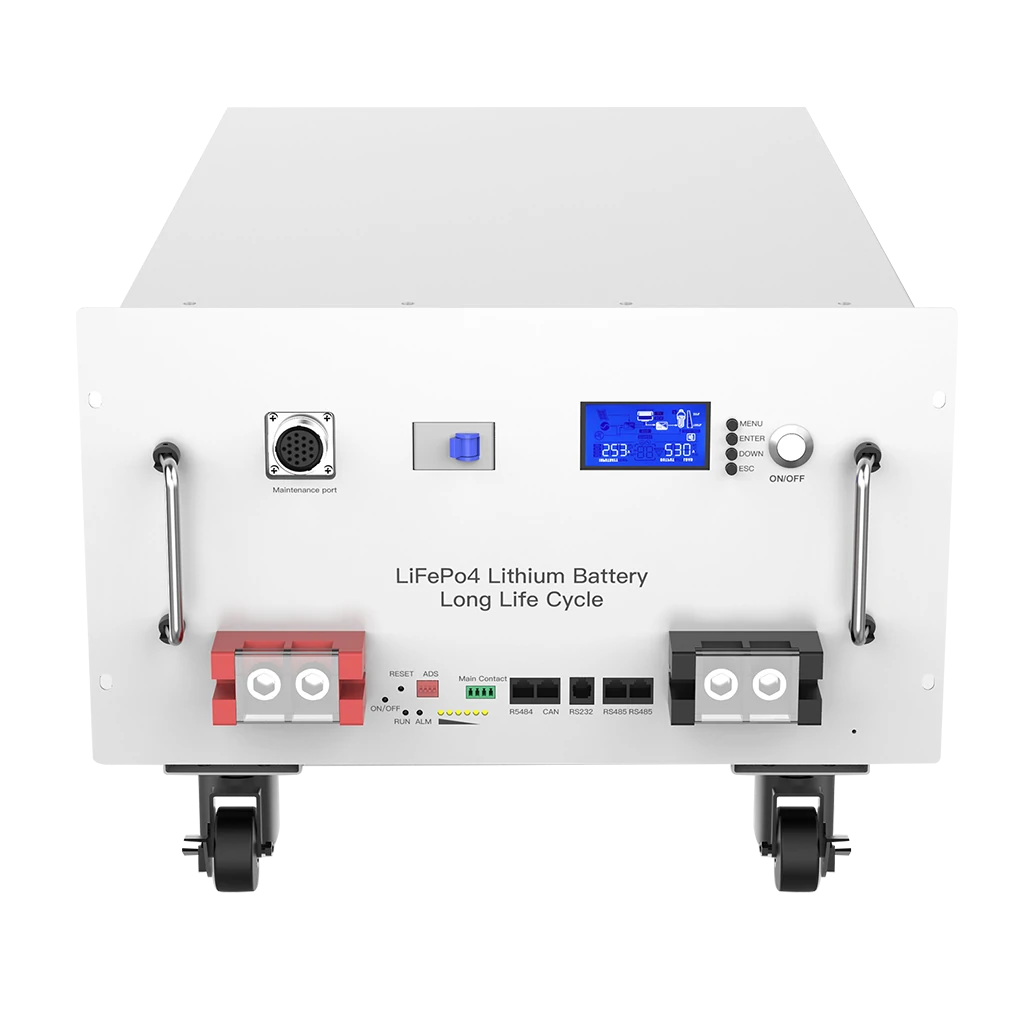
Modern lithium-ion batteries, particularly LiFePO4 models, are compatible with both AC and DC coupling. They offer high efficiency, long lifespans, and deep discharge capability, making them ideal for residential and commercial energy storage.
Battery Technology and System Compatibility
Modern lithium battery technology works well in both AC-coupled and DC-coupled systems, but LiFePO4 batteries are especially well suited to solar storage applications.
LiFePO4 chemistry offers strong thermal stability, long cycle life, high usable depth of discharge, and dependable daily cycling performance. These traits make it suitable for residential backup, commercial peak shaving, self-consumption storage, and off-grid power systems.
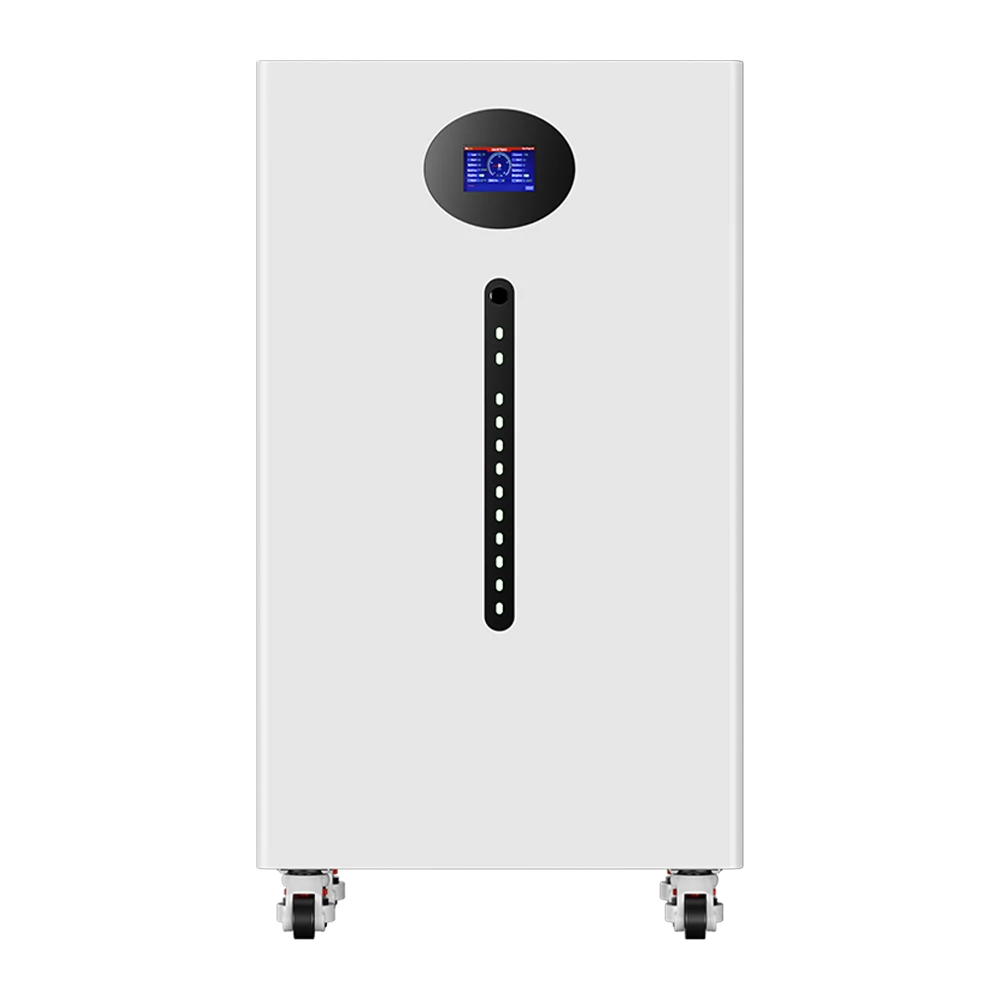
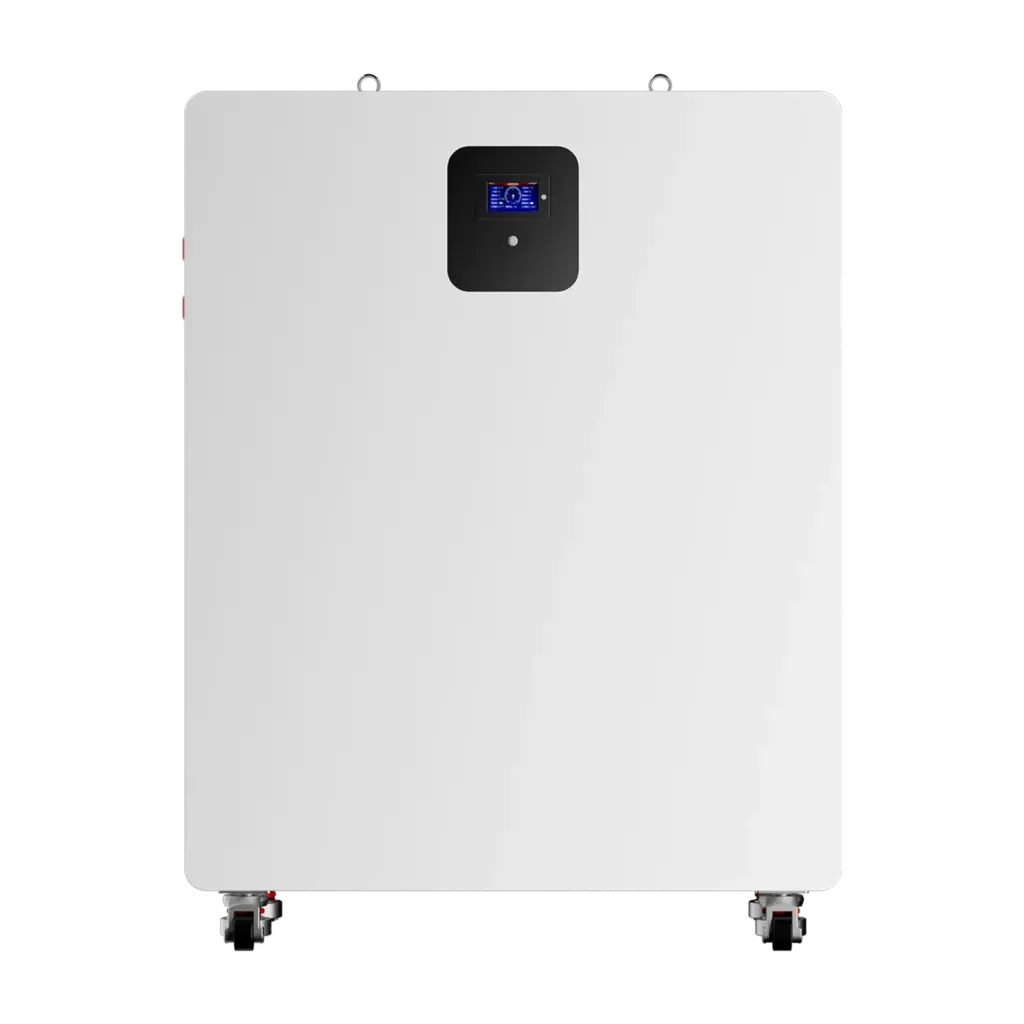
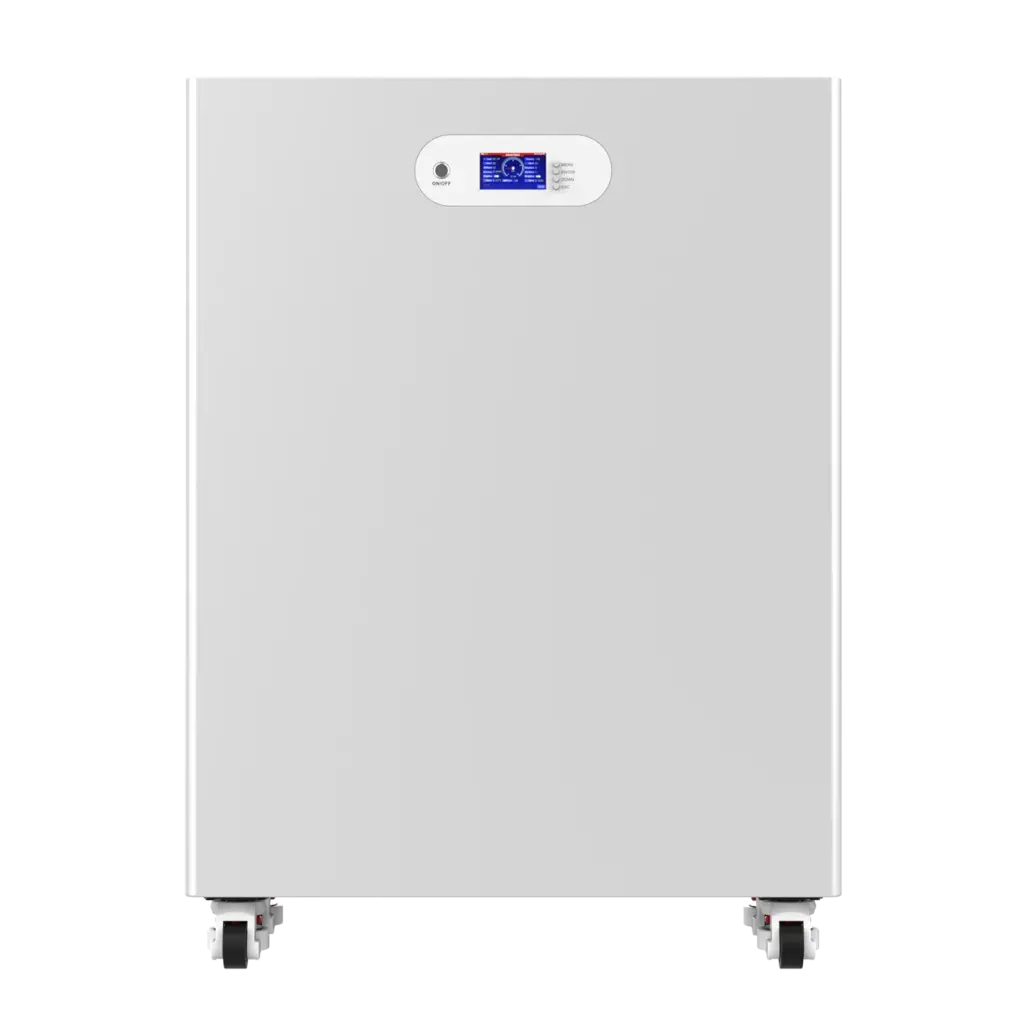
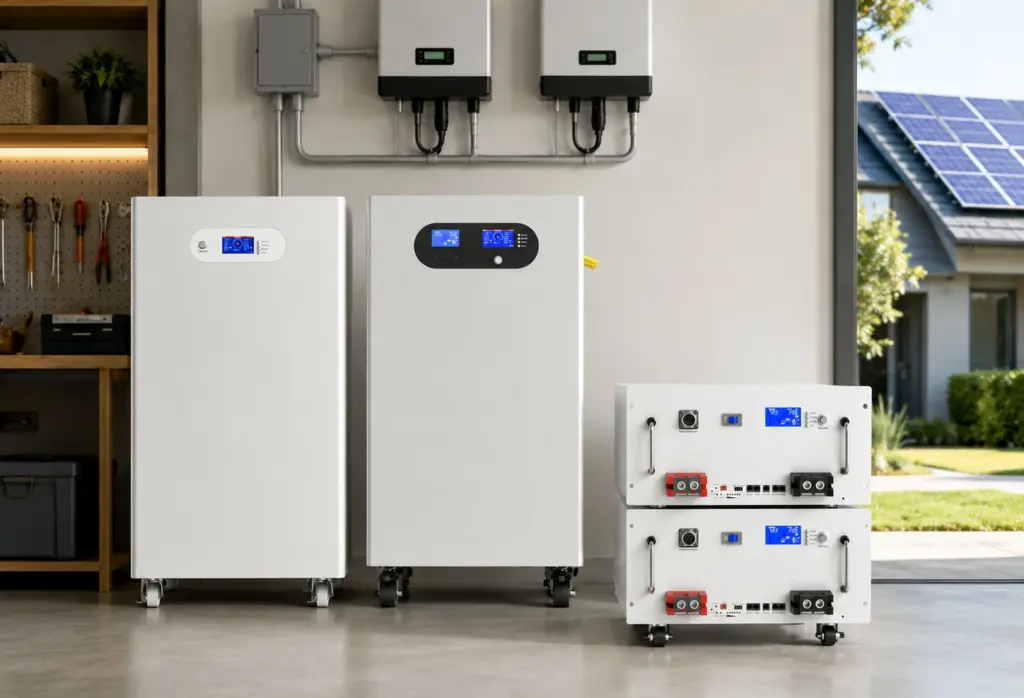
At Avepower, we focus on reliable LiFePO4 solar battery solutions for home energy storage. Our systems support flexible design paths for different solar architectures, including projects that need retrofit battery expansion and projects that need integrated new-build storage systems. In real-world energy projects, the battery should not force the system into a poor design choice. The battery should support a smart design choice.
Conclusion
AC coupling and DC coupling represent two different approaches to connecting solar panels with battery storage systems.
AC-coupled systems use separate inverters and offer greater flexibility, making them ideal for upgrading existing solar installations. DC-coupled systems provide higher efficiency and simpler energy flow, which makes them well suited for new solar projects.
Neither system design is universally better than the other. The best choice depends on installation conditions, system goals, and budget.
If you are comparing solar battery solutions for residential, commercial, or custom energy storage projects, Avepower can help you match the right battery system with the right inverter architecture, so you choose a solution that works well not only on paper, but also in real operation over the long term.
Take Control of Your Energy with Avepower!
Reliable home solar battery solutions with OEM/ODM customization and in-house manufacturing, tailored to the needs of distributors, installers, and energy partners.
FAQ
AC coupling uses separate inverters for solar panels and batteries, converting power multiple times between DC and AC. DC coupling connects solar panels and batteries through a single hybrid inverter, converting power only once.
DC-coupled systems use a hybrid inverter that manages both solar and battery power, reducing hardware costs and simplifying system design.
In AC coupling, electricity typically converts three times: DC → AC → DC → AC. In DC coupling, electricity only converts once: DC → AC when used in the home.
AC coupling may increase hardware costs due to the need for two inverters, but installation is simpler for existing systems. DC coupling reduces hardware costs but can be more expensive to install in retrofit projects.
If you already have solar panels installed, AC coupling is generally easier and more cost-effective. DC coupling is better suited for completely new installations or systems designed with integrated storage.
Large-scale or utility systems often prefer AC coupling for easier expansion and flexibility. Smaller residential or off-grid systems benefit from DC coupling due to higher efficiency and simpler hardware integration.