
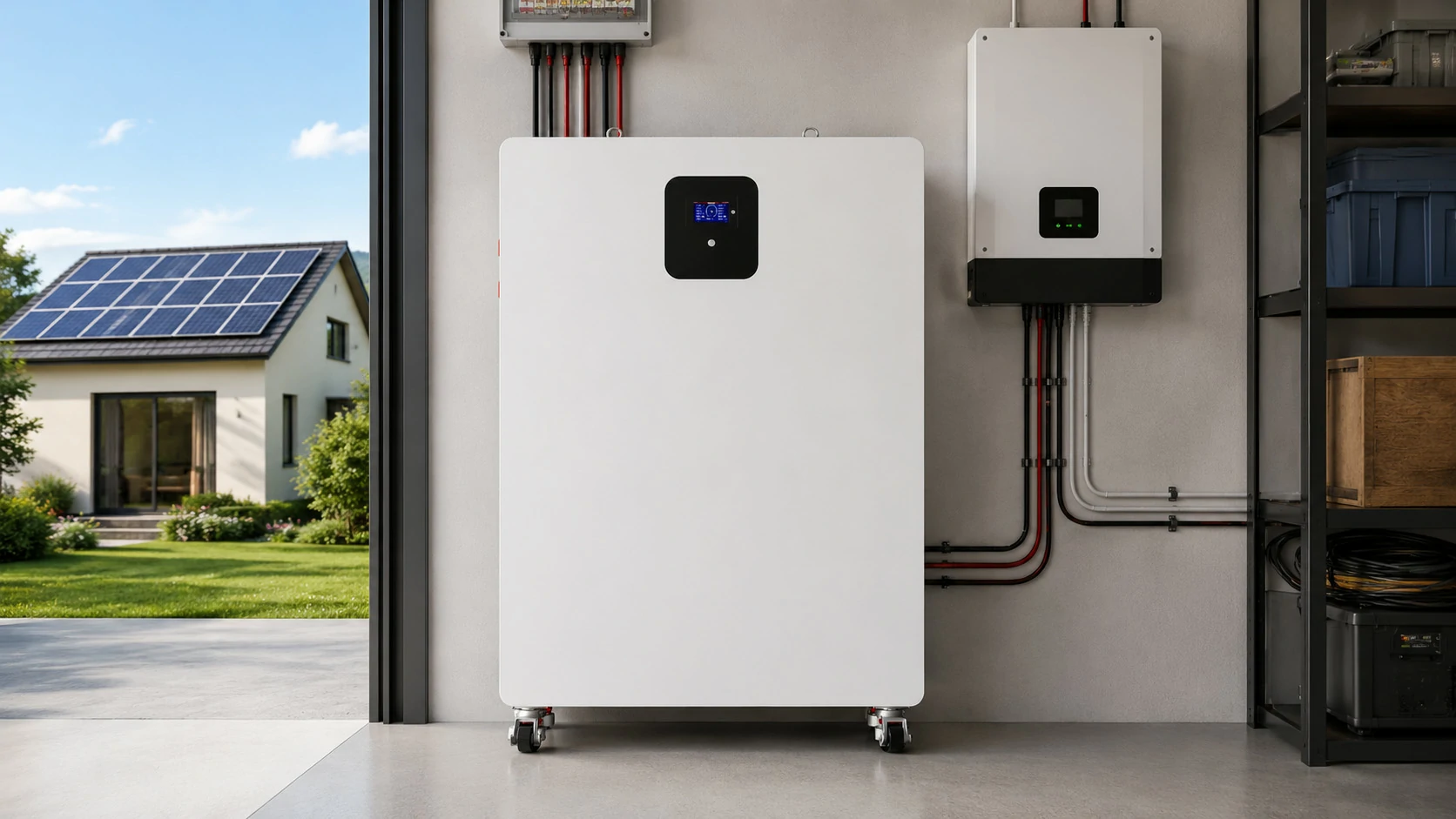
A 10 kW off grid solar system can power a home, remote property, farm building, workshop or small business without relying on the utility grid. But the system only works well when it is designed around real energy use, not just the size of the solar panels.
A well-designed off-grid system usually includes solar panels, an off-grid or hybrid inverter, a LiFePO4 battery bank, protection devices, monitoring, communication cables and sometimes a backup generator. The battery and inverter are just as important as the panels because they decide whether the system can deliver stable power after sunset and during poor weather.
This guide explains how a 10 kW off-grid solar system works, how many panels and batteries you may need, what it can realistically run, how much it may cost and how to avoid the common sizing mistakes that lead to power shortages.
What Does a 10 kW Off Grid Solar System Mean?
A 10 kW off-grid solar system means the solar panel array has a rated capacity of about 10 kilowatts under standard test conditions. In real life, output changes with sunlight, temperature, shading, roof direction, panel tilt, season and system losses.
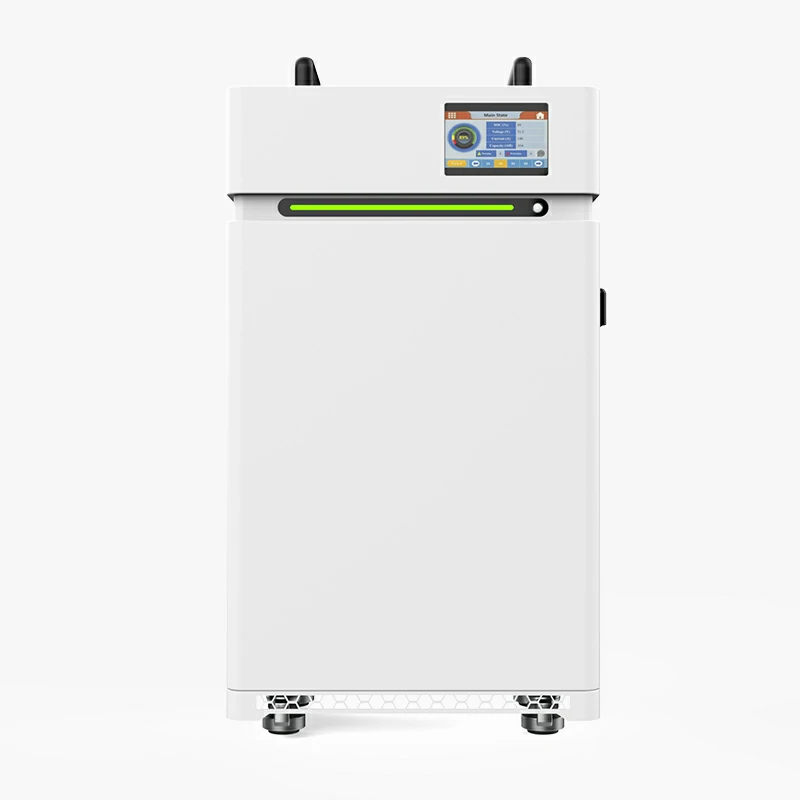
A complete system normally includes solar panels, an inverter, a battery bank and power management equipment. For users who are comparing battery storage options, Avepower’s LiFePO4 battery storage solutions can be configured for different off-grid projects, from compact residential backup to larger storage systems for installers and distributors.
Solar Panels
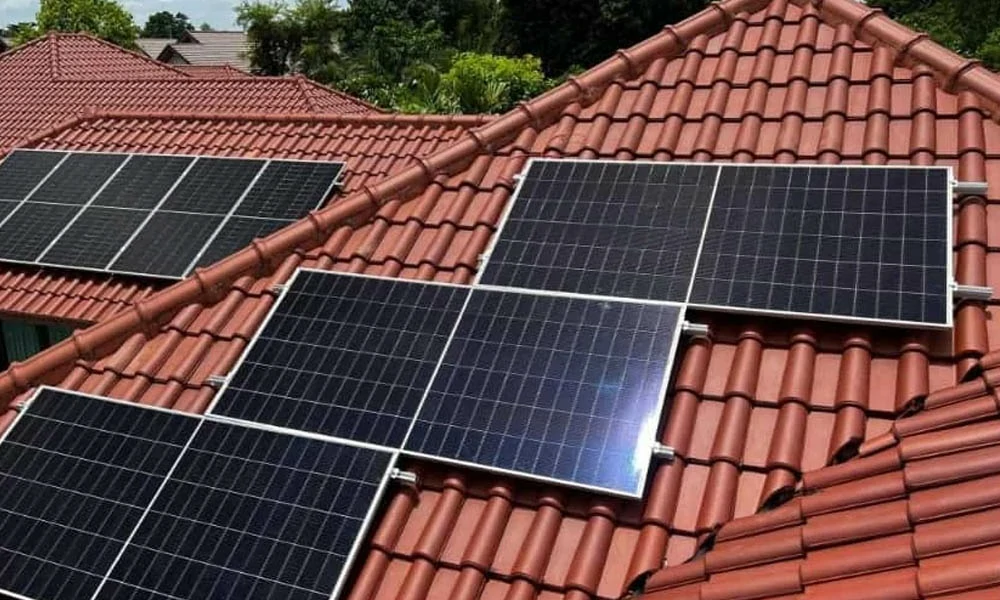
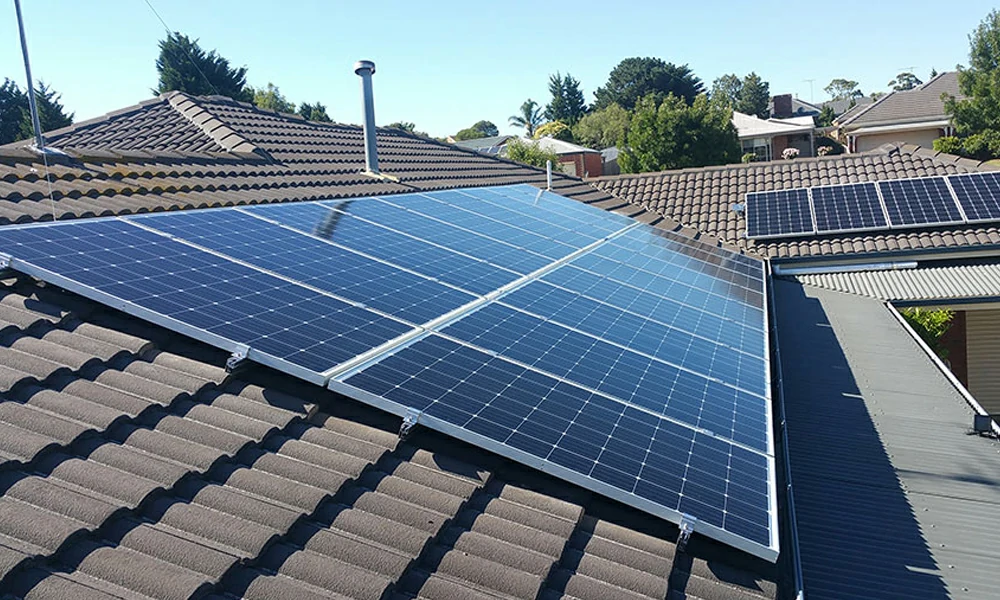
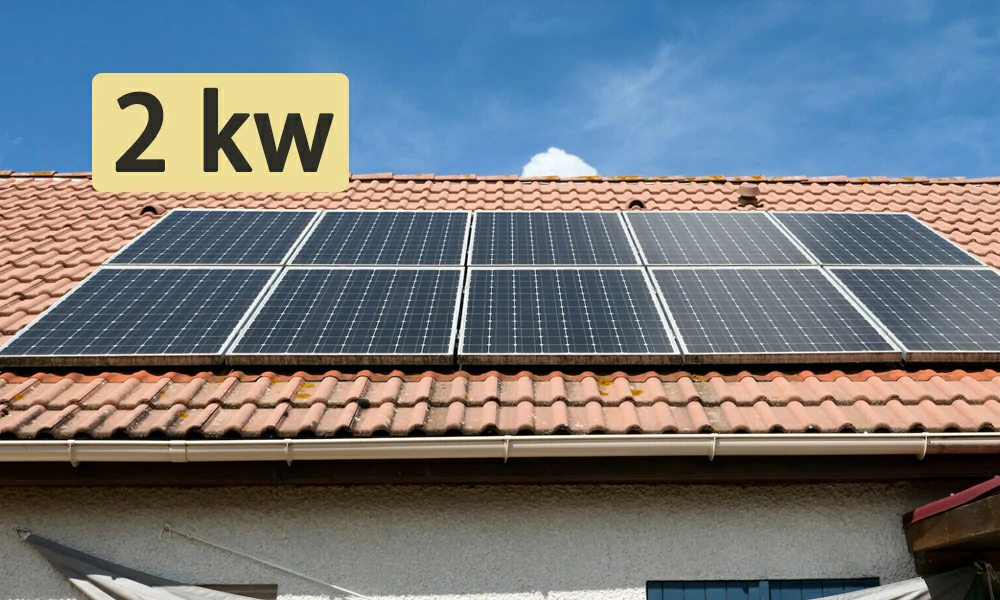
The solar panels generate DC electricity from sunlight. A 10 kW array may use different numbers of panels depending on the panel wattage.
| Panel Wattage | Approx Panel Count | Array Size |
|---|---|---|
| 400W | 25 panels | 10.0 kW |
| 440W | 23 panels | 10.12 kW |
| 500W | 20 panels | 10.0 kW |
| 550W | 19 panels | 10.45 kW |
Modern high-wattage panels reduce the number of modules needed, but the final layout still depends on roof space, shading, mounting structure and installation rules. SolarQuotes notes that a 10 kW solar system may need about 23 modern 440W panels and roughly 48 square metres of roof space, depending on the final module selection and layout. You can compare this with their 10 kW solar system guide when checking roof space and panel count.
Off Grid or Hybrid Inverter
The inverter converts DC electricity into AC electricity for household appliances. In an off-grid system, the inverter also manages battery charging, discharging, surge loads and sometimes generator input.
This is where many systems are undersized. A 10 kW solar array does not automatically mean a 10 kW inverter is enough for every home. The right inverter depends on peak load, motor starting surge, phase requirement and whether heavy appliances need to run at the same time.
Battery Bank
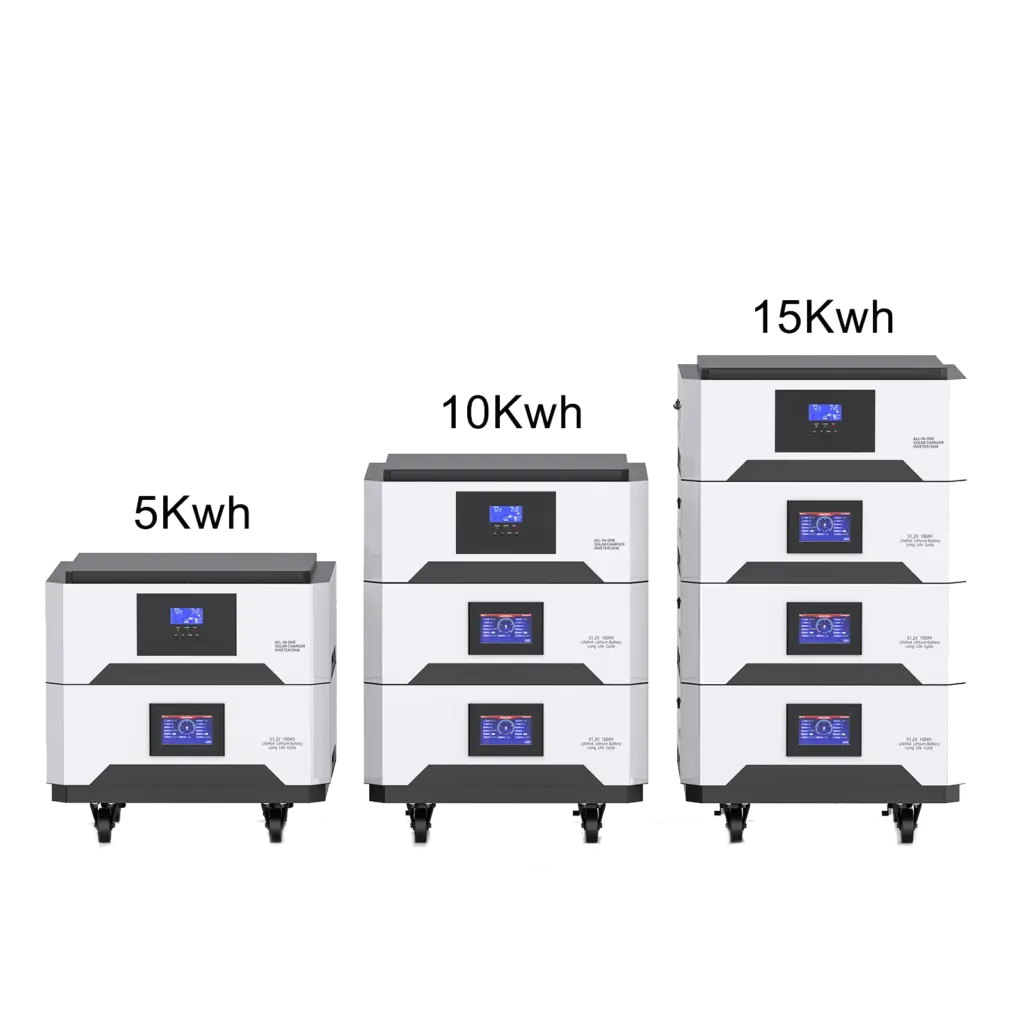
The battery bank stores solar energy for night use and cloudy periods. For a 10 kW off grid solar system, a small battery may technically work, but it may not provide comfortable daily living.
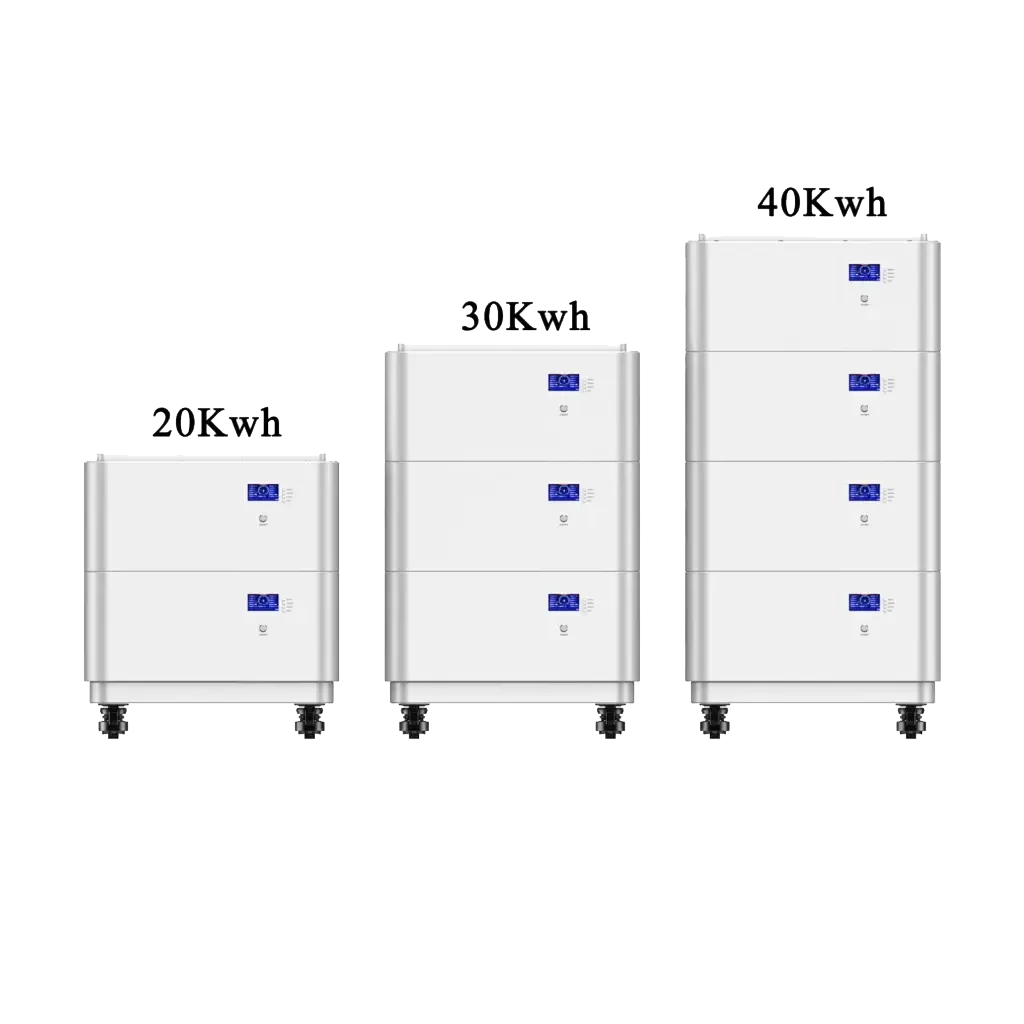
Many off-grid homes need at least 20 kWh of battery storage. Larger homes, air-conditioning loads, water pumps, freezers, workshops or multi-day autonomy often require 30 kWh, 40 kWh, 50 kWh or more.
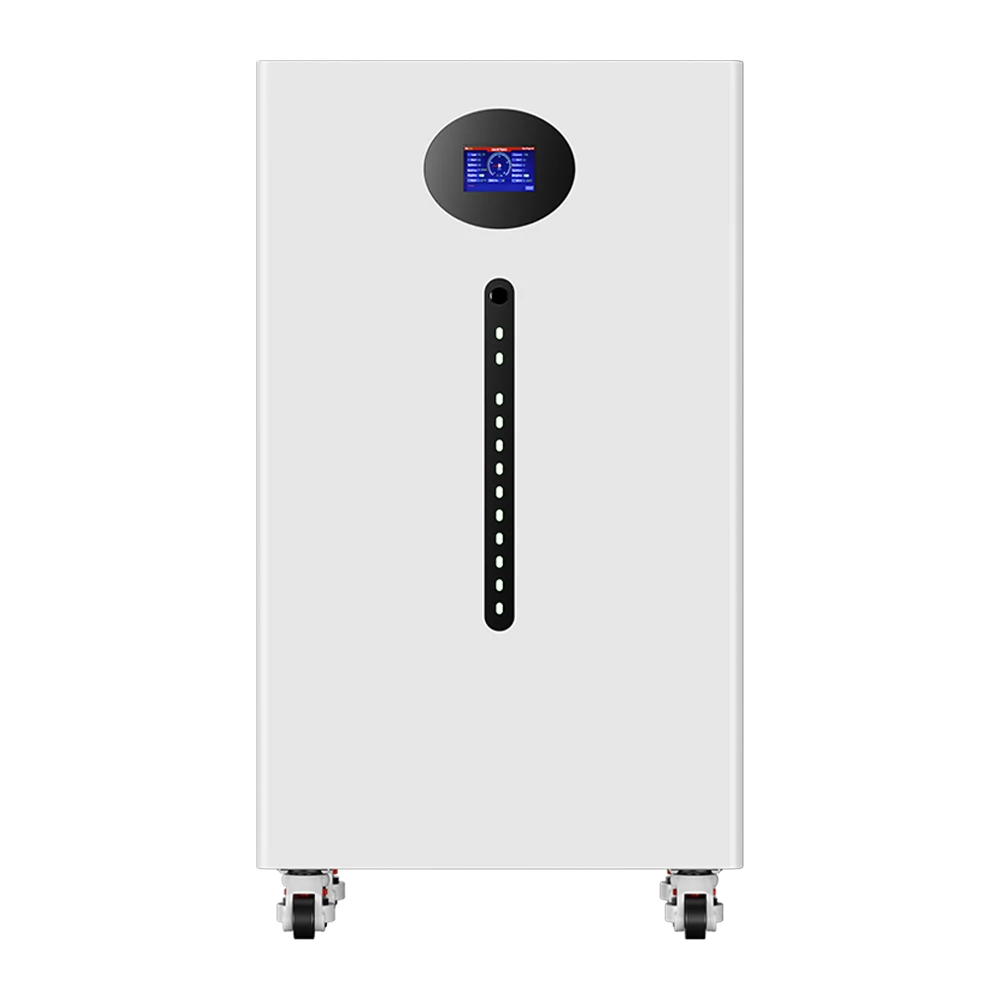
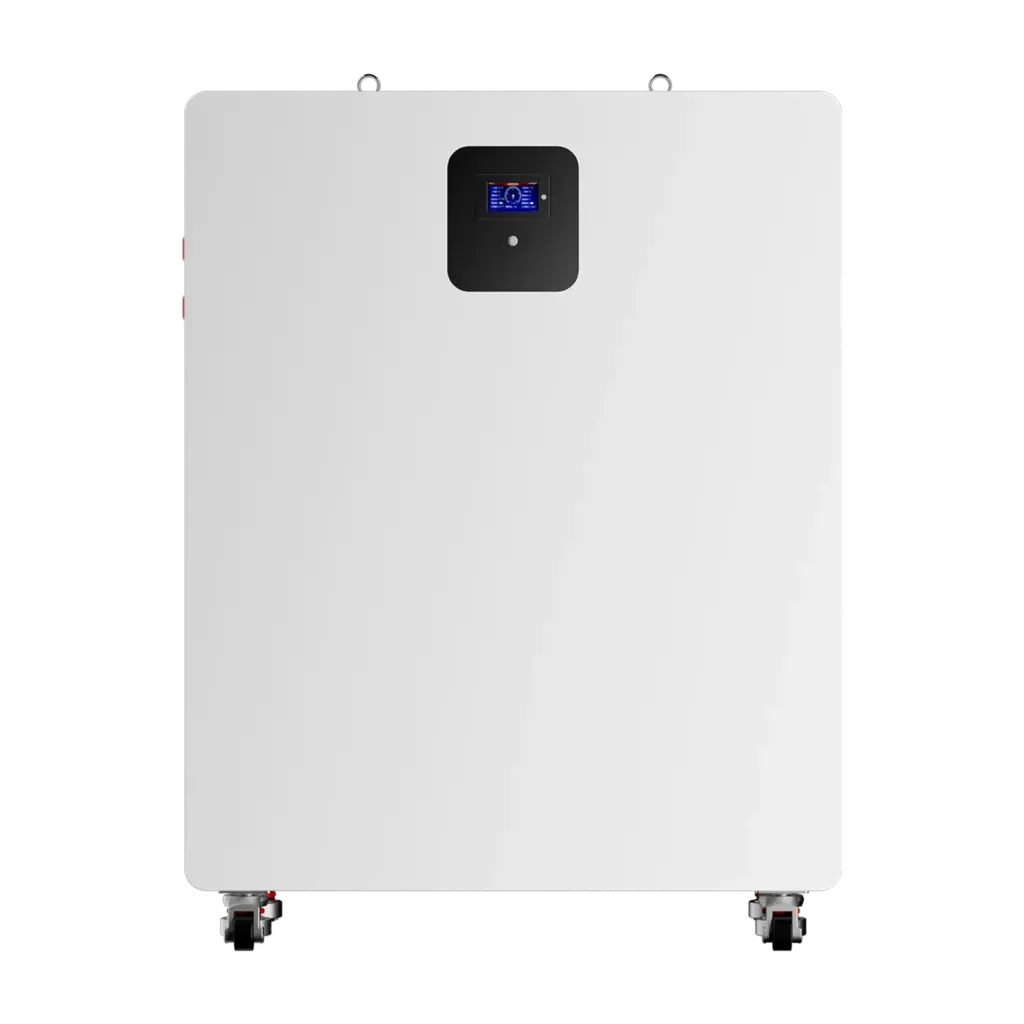
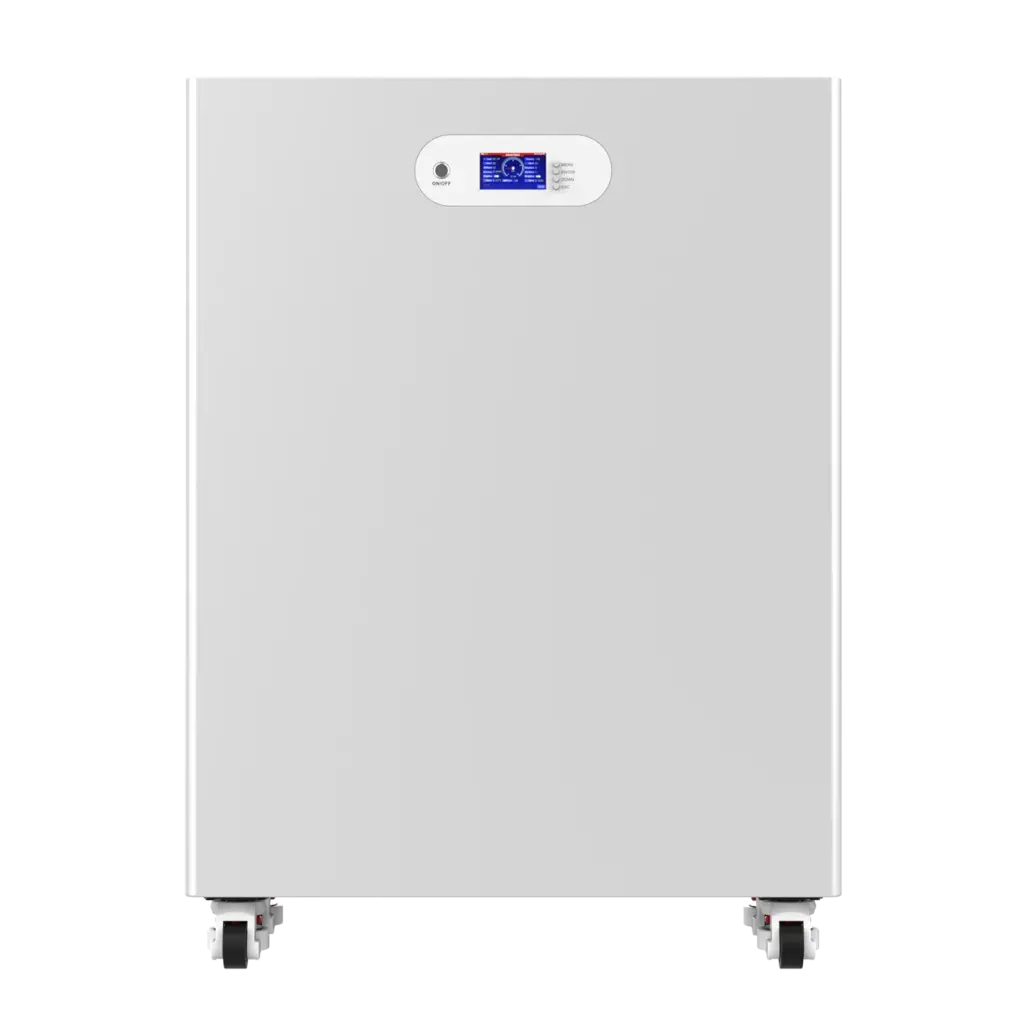
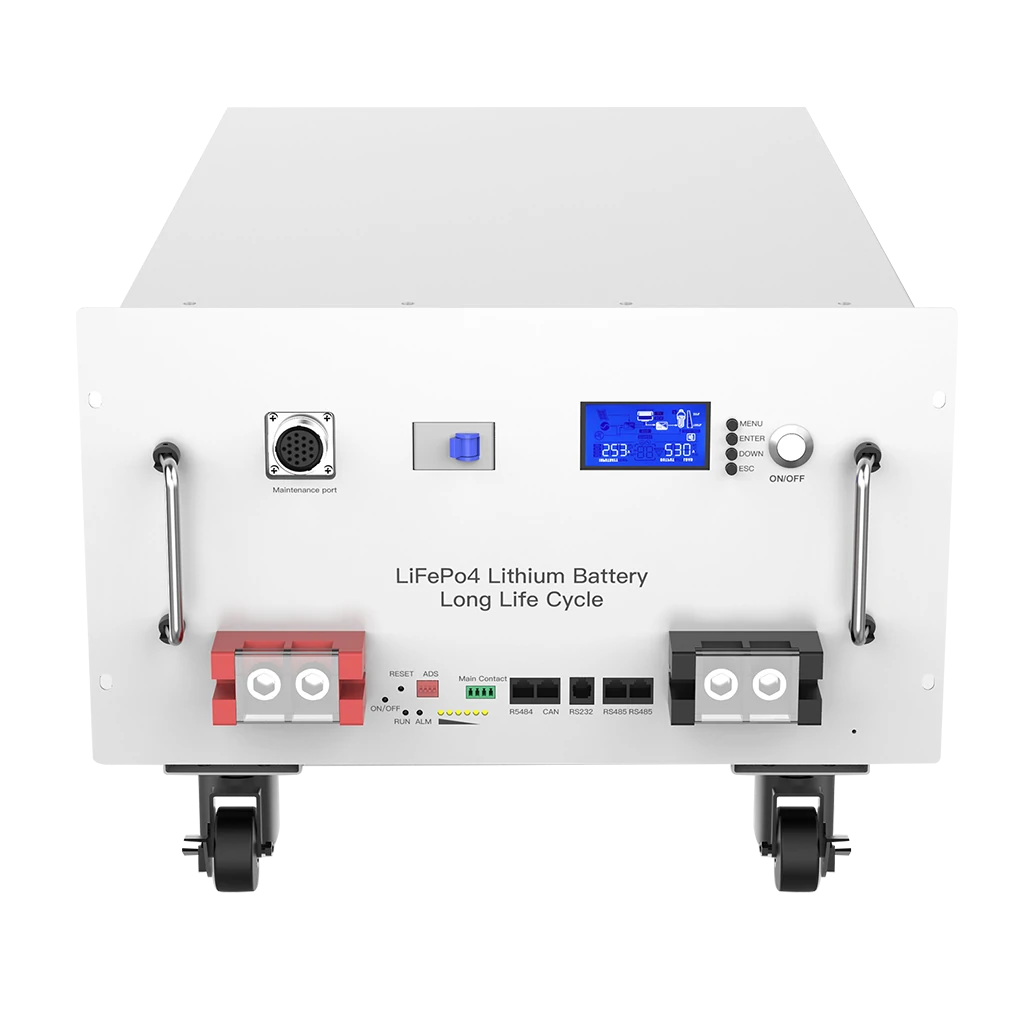
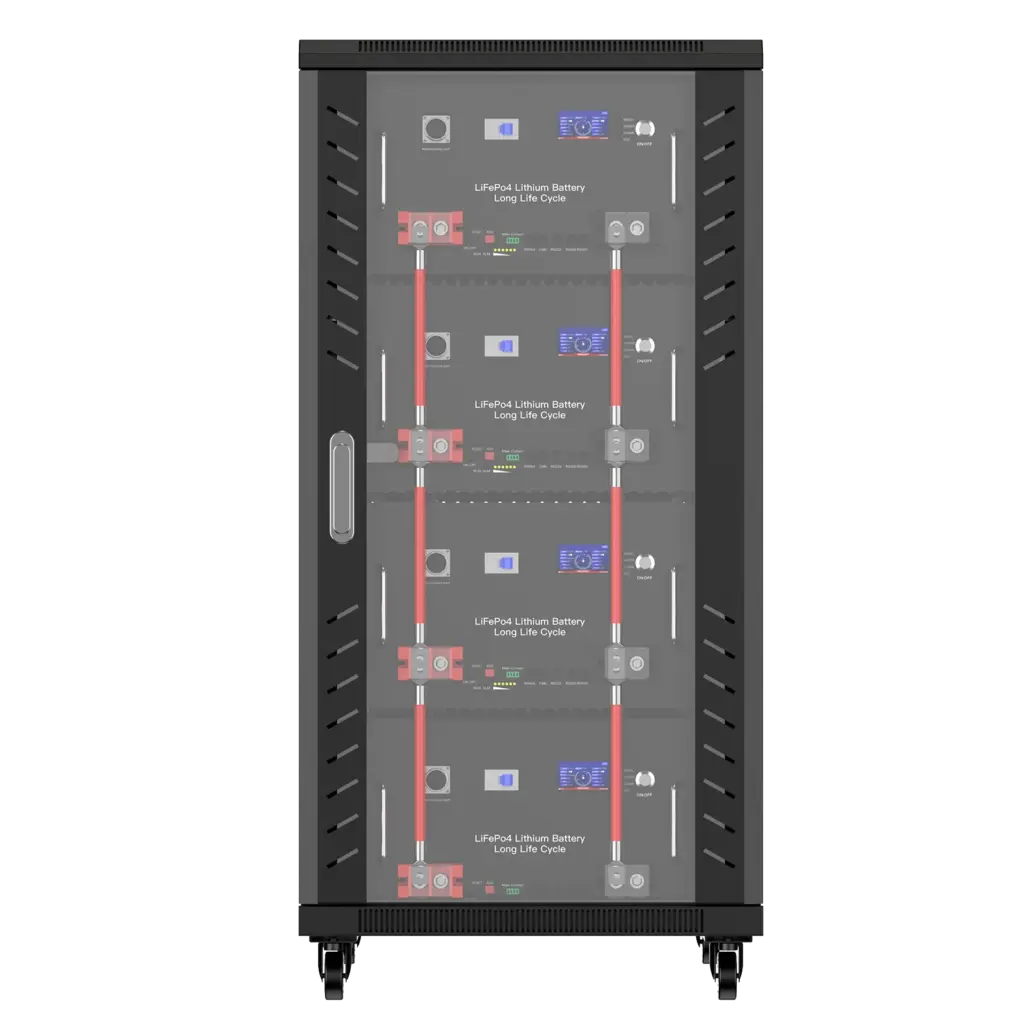
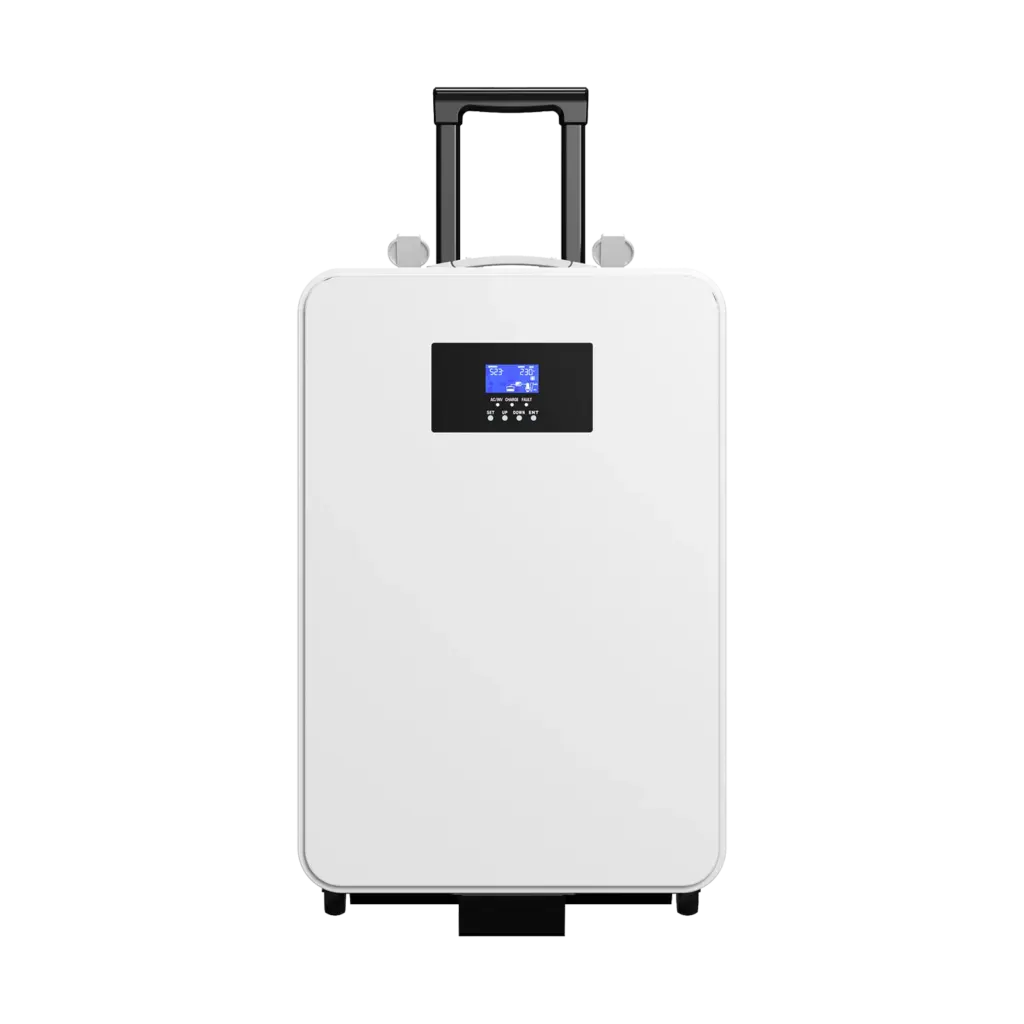
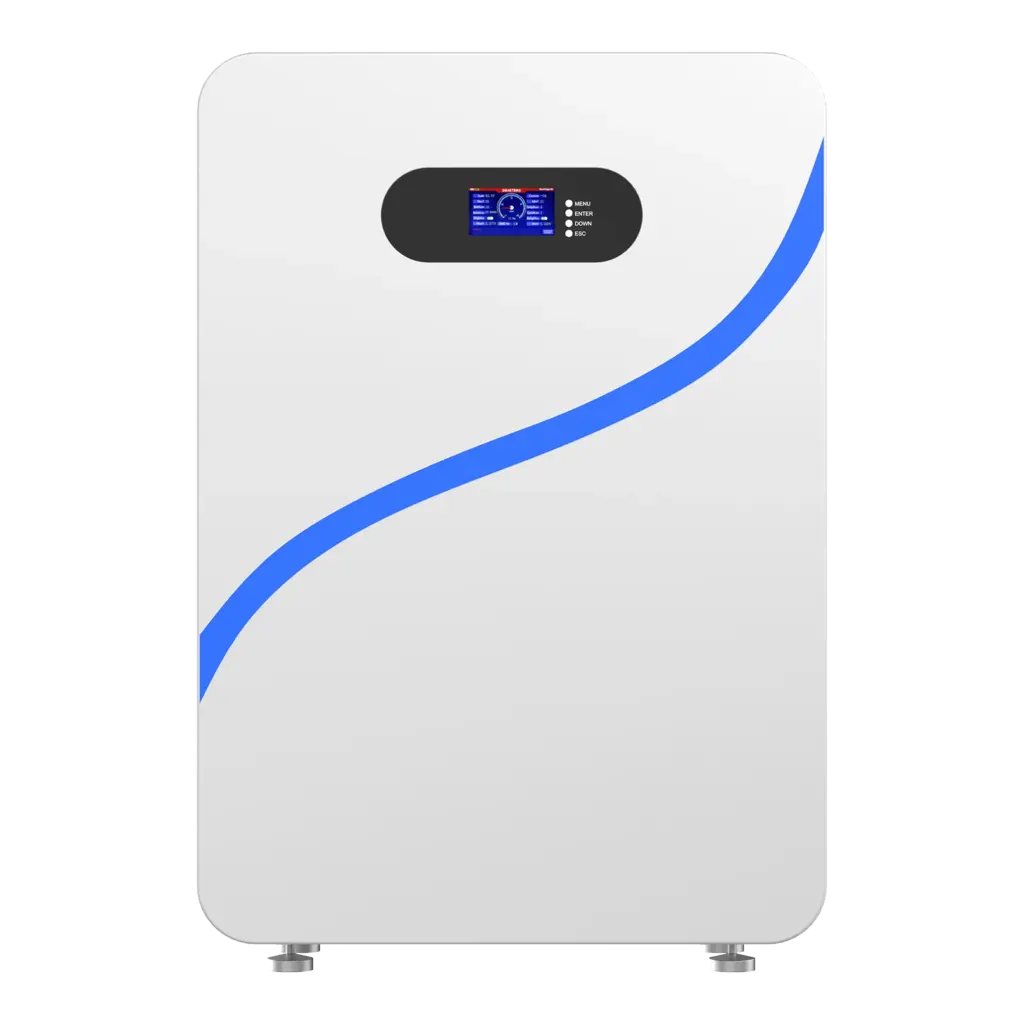
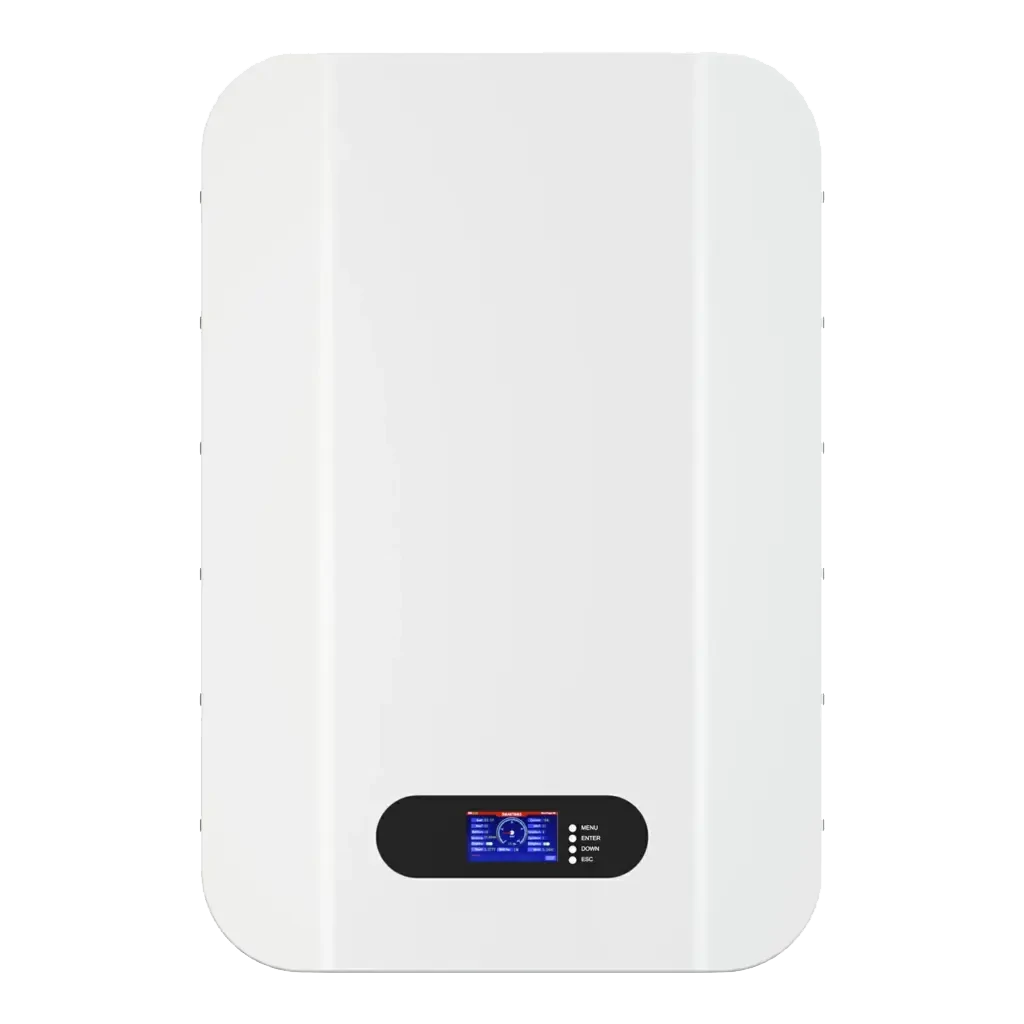
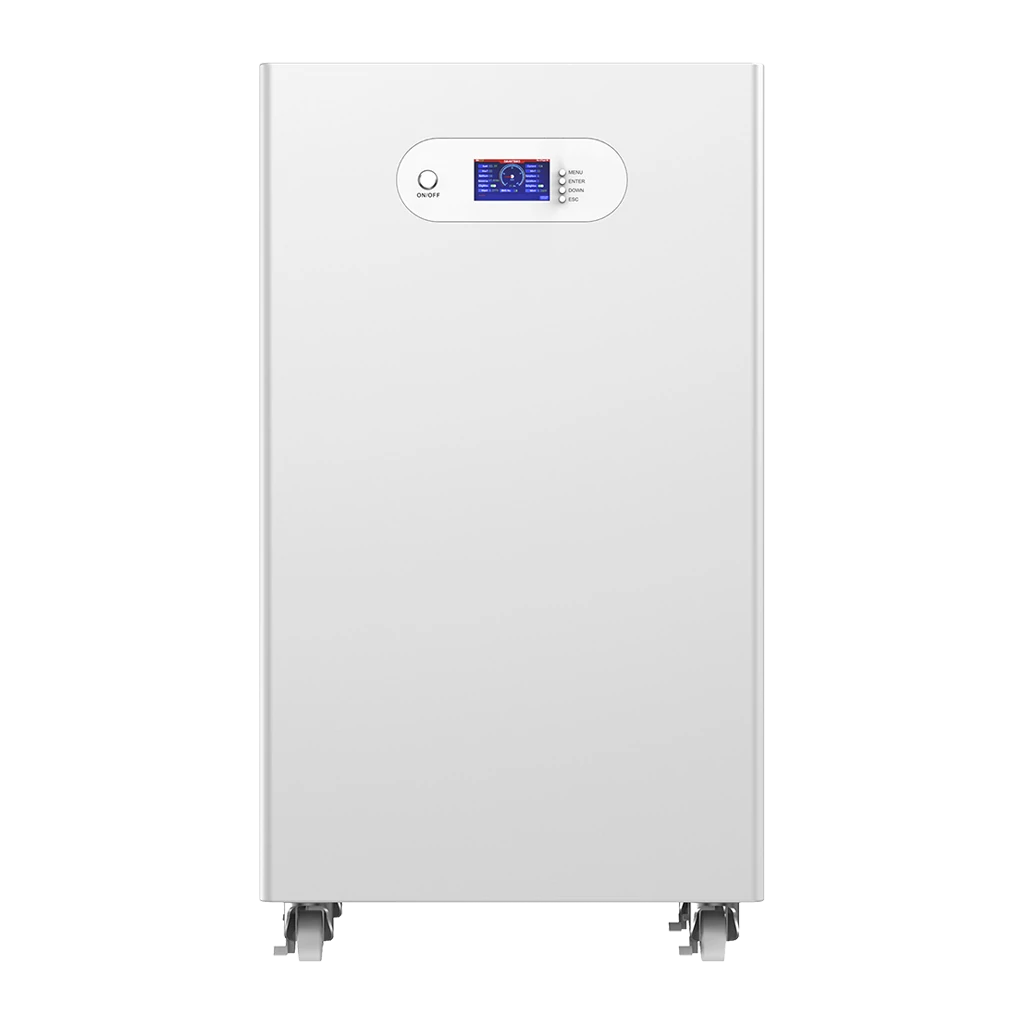
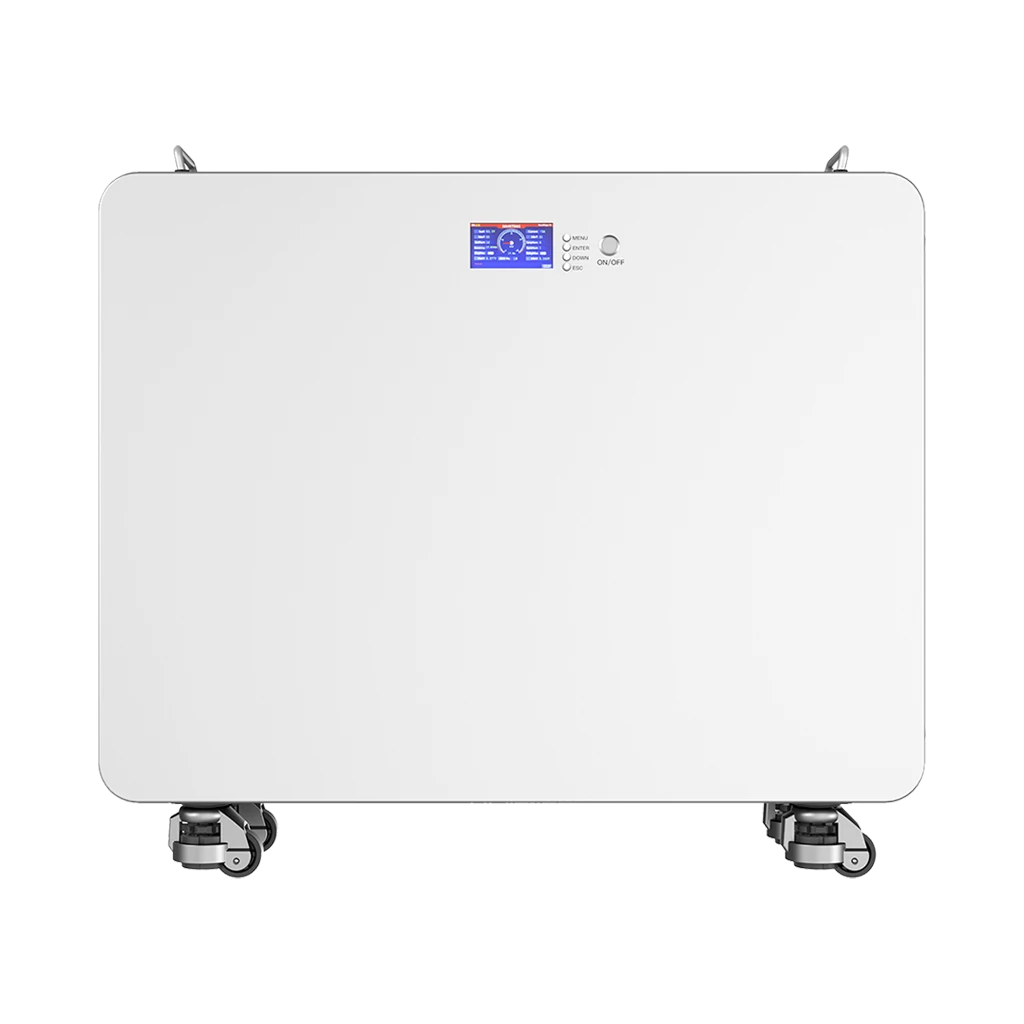
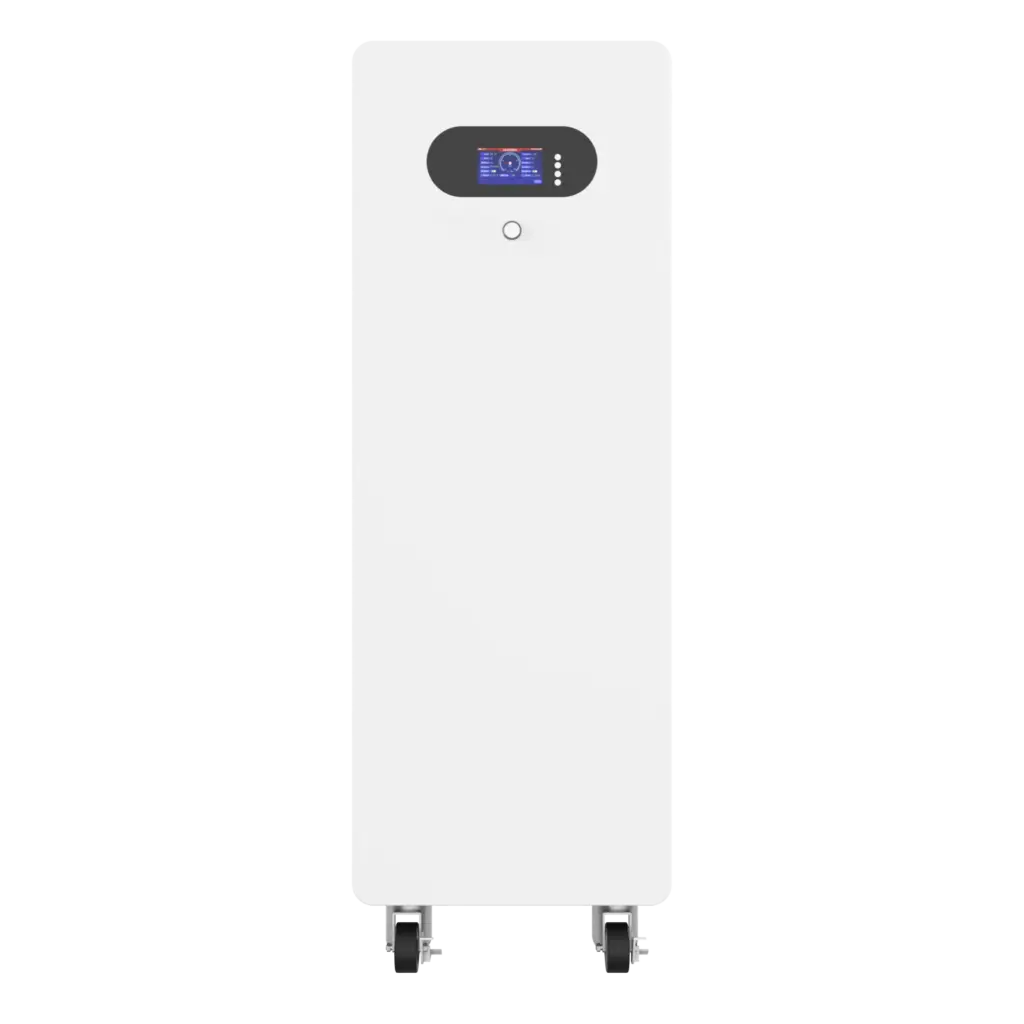
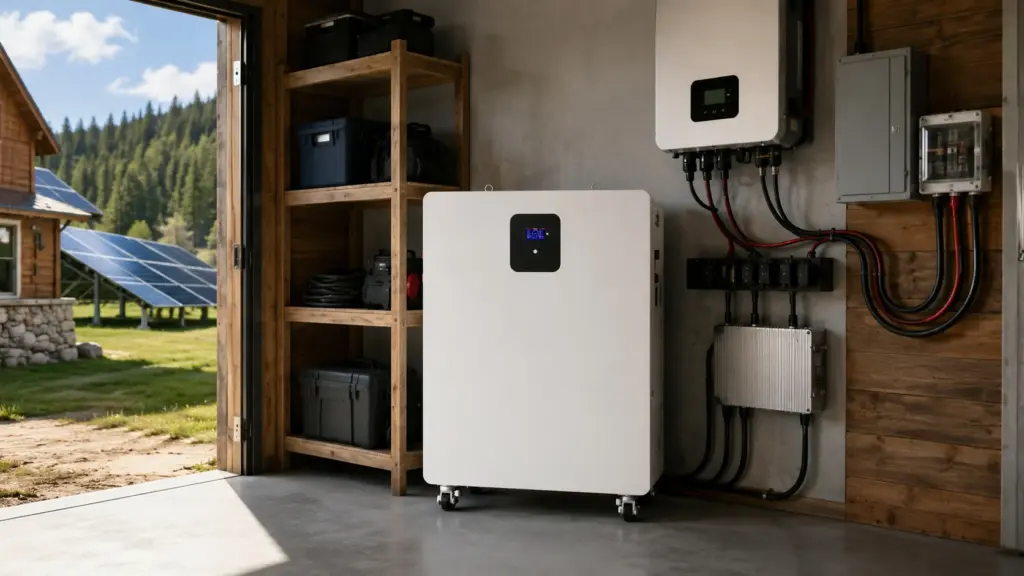
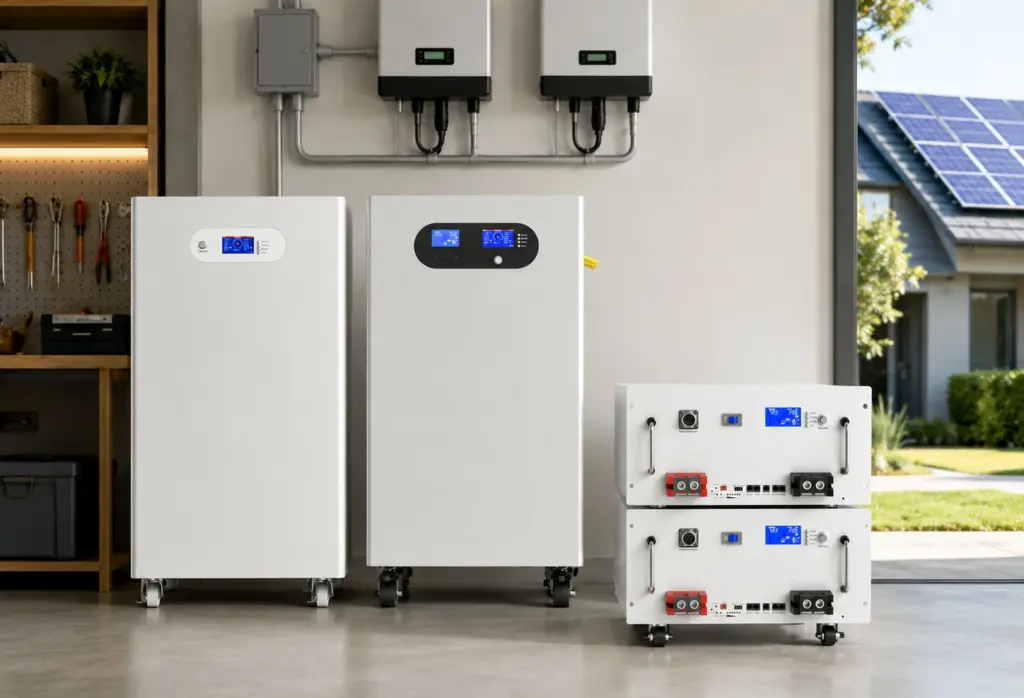
Avepower’s modular battery systems, including stackable solar batteries, rack mount batteries and wall mounted batteries, can be matched to different installation spaces and capacity requirements.
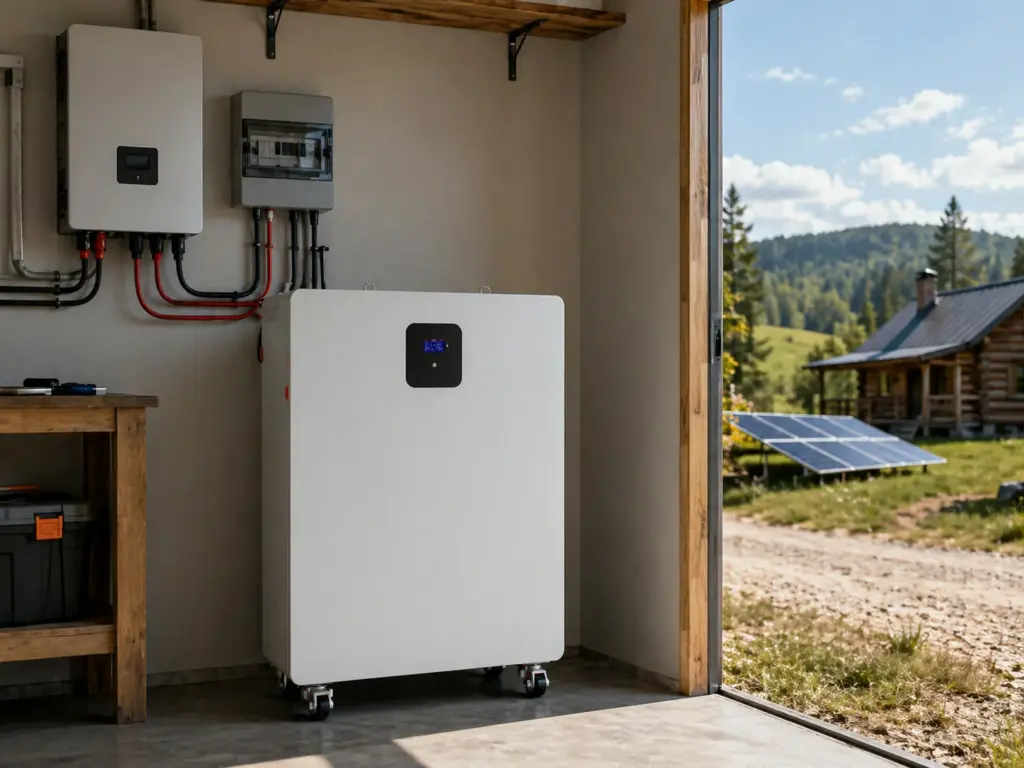
Request a 10 kW Off Grid Battery Configuration
Share your daily kWh use, peak load, inverter brand and installation country. Avepower will help you match the right battery capacity and system configuration.
How Much Electricity Can a 10 kW Off Grid Solar System Produce?
A 10 kW system does not produce 10 kWh per day. It produces electricity based on effective sun hours and system efficiency.
A simple estimate is:
Daily energy output = solar array size × peak sun hours × system efficiency
For example:
| Peak Sun Hours Per Day | Estimated Daily Output at 80% Efficiency |
|---|---|
| 3 hours | about 24 kWh/day |
| 4 hours | about 32 kWh/day |
| 5 hours | about 40 kWh/day |
| 6 hours | about 48 kWh/day |
This is why location matters. In sunny regions, a 10 kW system may produce enough energy for a high-use home. In cloudy or winter-heavy regions, the same system may require a larger battery, more panels or generator backup.
Solar Choice’s 10 kW solar system output data shows how production changes by city. Their estimates show that a 10 kW system may produce around 31–46 kWh per day depending on the location and assumptions.
For a more accurate estimate, users can also check the NREL PVWatts Calculator, which helps estimate solar production based on location, system size, tilt and system losses.
For off-grid design, the key point is simple: do not size the system only from annual average output. Size it for the weakest practical season.
Will a 10 kW Off Grid Solar System Run a House?
Yes, a 10 kW off-grid solar system can run many homes, but only if the load profile is suitable and the battery is sized correctly.
A normal home might use 15–35 kWh per day. A larger all-electric home with air conditioning, electric water heating, pool pumps, induction cooking or EV charging can use much more.
The better question is not “Can 10 kW run a house?” The better question is:
How many kWh does the home use each day, and what is the highest power demand at one time?
| Home Type | Typical Daily Use | 10 kW Off Grid Suitability |
|---|---|---|
| Small efficient home or cabin | 8–15 kWh/day | Usually suitable |
| Standard family home | 18–30 kWh/day | Suitable with correct battery sizing |
| Large home with AC | 30–50 kWh/day | Needs careful design |
| High-load property or workshop | 50 kWh+/day | May need larger PV and battery |
| Home with regular EV charging | Varies widely | Needs separate load planning |
A 10 kW array may generate enough energy across the day, but the battery must carry the home through the evening, night and early morning. If the home uses most of its electricity after sunset, battery capacity becomes the main design factor.
For growing homes, modular storage is often more practical than a fixed-size battery. For example, Avepower’s stackable battery systems can support capacity expansion as electricity demand increases.
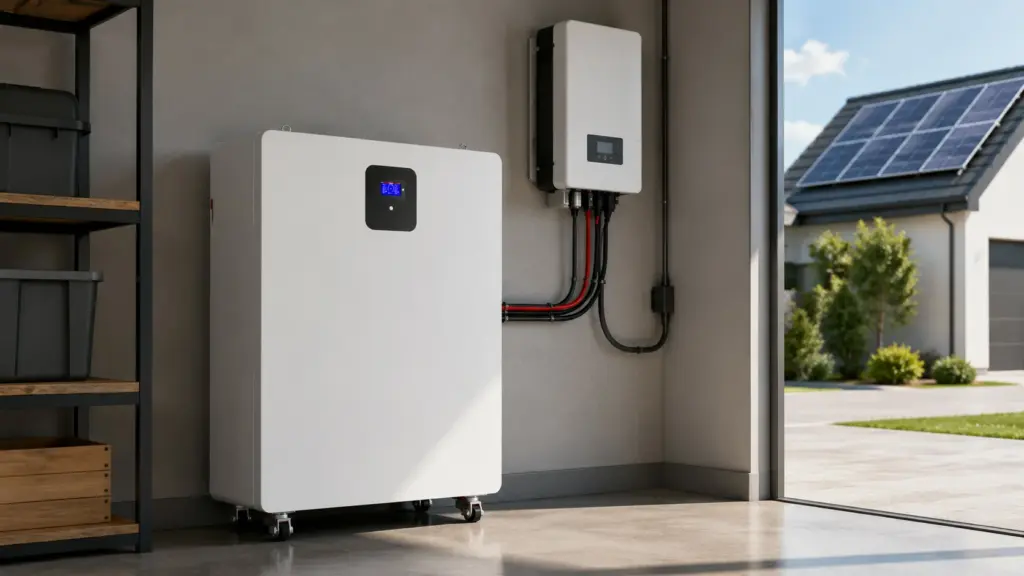
10 kW Off Grid System Load Worksheet
Before choosing solar panels, batteries or an inverter, create a simple load worksheet. This is one of the most useful steps in off-grid design because it shows how much electricity the property really needs.
Clean Energy Reviews also recommends starting off-grid system design with load assessment because daily consumption, surge loads and maximum demand affect the solar array, battery bank and inverter size. Their off-grid solar system design guide is a useful reference for understanding this process.
Use the worksheet below as a practical starting point.
| Load | Rated Power | Hours Per Day | Daily Energy |
|---|---|---|---|
| Refrigerator | 150W average | 24 | 3.6 kWh |
| LED lighting | 300W | 5 | 1.5 kWh |
| WiFi and electronics | 200W | 10 | 2.0 kWh |
| Water pump | 800W | 1 | 0.8 kWh |
| Air conditioner | 3.5 kW | 5 | 17.5 kWh |
| Cooking and small appliances | 2 kW | 1 | 2.0 kWh |
| Washing machine | 800W | 1 | 0.8 kWh |
| Workshop tools | 2 kW | 2 | 4.0 kWh |
In this example, the home may use more than 32 kWh per day. If most of this energy is used during the evening or night, a small battery bank will not be enough.
A worksheet should also include peak load. For example, if an air conditioner, water pump, fridge and kitchen appliance start at the same time, the inverter must handle both running power and surge power.
For installer-led projects, this load worksheet should be collected before product selection. It helps avoid the common mistake of selling a 10 kW solar array with a battery bank that is too small for real off-grid use.
How Many Batteries Do You Need for a 10 kW Off Grid Solar System?
Battery sizing depends on four things:
- Daily energy consumption
- Night-time energy consumption
- Desired backup days
- Usable battery depth of discharge and system efficiency
A practical sizing formula is:
Required nominal battery capacity = daily kWh use × backup days ÷ usable battery percentage ÷ system efficiency
Example:
If a home uses 25 kWh per day and wants one day of battery autonomy:
25 kWh ÷ 0.8 ÷ 0.9 = about 34.7 kWh nominal battery capacity
That means a 20 kWh battery may be too small for this household if the goal is comfortable off-grid operation. A 30–40 kWh battery bank would be more realistic.
Practical Battery Capacity Guide
| Battery Size | Best Fit |
|---|---|
| 10–15 kWh | Small cabins, light loads, partial backup |
| 20 kWh | Efficient homes with careful energy management |
| 30 kWh | Standard off-grid homes with moderate night use |
| 40–50 kWh | Larger homes, AC loads, water pumps or longer backup |
| 60 kWh+ | High-demand homes, farms, workshops or multi-day autonomy |
For off-grid homes, LiFePO4 batteries are widely used because they offer strong cycle life, stable chemistry and good safety performance when paired with a quality BMS. Users who need more structured battery storage can consider Avepower’s 20 kWh solar battery cabinet or modular vertical LiFePO4 battery systems for higher-capacity layouts.
The Australian Government’s solar PV and batteries guide also provides useful general information for homeowners who want to understand how solar batteries work with household energy use.
What Size Inverter Do You Need?
The inverter should be sized by peak load, not only by solar panel capacity.
A home may only use 25 kWh per day but still need a larger inverter if several appliances run at the same time. Air conditioners, water pumps, fridges, compressors and power tools can draw high start-up current for a short period.
| Inverter Size | Suitable Use |
|---|---|
| 5 kW | Essential loads, small off-grid homes, careful load control |
| 8 kW | Medium homes with moderate appliances |
| 10 kW | Larger homes, multiple circuits, stronger comfort margin |
| 12 kW+ | Heavy AC loads, pumps, workshops or larger properties |
| Three-phase system | Farms, commercial sites, machinery or large motors |
For example, a central air conditioner may run at 3–5 kW. Add a water pump, fridge, lights, electronics and kitchen appliances, and the system can quickly approach the inverter limit. If the inverter cannot handle surge loads, the system may trip even when the battery still has stored energy.
Battery and inverter communication should also be checked before purchase. Avepower provides inverter compatibility support to help installers and system designers confirm communication options such as CAN and RS485, battery voltage range and charge/discharge current requirements.
How Much Does a 10 kW Off Grid Solar System Cost?
A 10 kW off-grid solar system costs much more than a basic grid-tied 10 kW solar system because it includes batteries, off-grid inverter equipment, protection devices, installation work and sometimes backup generation.
SolarQuotes states that a good-quality professionally installed grid-connected 10 kW solar system may cost around AU$8,000–13,000 after STCs, depending on equipment and installation conditions. You can review their 10 kW solar system cost guide for a grid-tied cost reference.
The final price depends on:
- Battery capacity
- Inverter brand and power rating
- Single-phase or three-phase output
- Solar mounting type
- Cable distance
- Protection devices
- Monitoring and communication
- Generator integration
- Labour and local electrical rules
- Site access and installation difficulty
A cheap quote may look attractive, but off-grid power failure is expensive. If the system is too small, the owner may need to pay again later for extra batteries, rewiring, inverter upgrades or generator runtime.
For B2B buyers, distributors and installers, Avepower can help match battery capacity and enclosure style to different project requirements. For larger purchasing needs, the home solar battery wholesale page gives a better starting point for trade-focused cooperation.
Avepower Sizing Note for Installers
For installer-led projects, Avepower recommends confirming daily kWh use, maximum simultaneous load, inverter brand, battery communication protocol and installation environment before selecting the final battery capacity.
A 10 kW off-grid solar system for a small cabin may use a very different battery configuration from a 10 kW system for a family home, farm building or commercial workshop. The solar array size may be similar, but the battery reserve, inverter output and surge capacity can be completely different.
Before final product selection, installers should confirm:
- Daily energy use in kWh
- Night-time energy demand
- Maximum simultaneous load
- Largest motor or compressor load
- Required backup days
- Inverter brand and model
- Battery communication method
- Installation space and ventilation
- Indoor or outdoor installation requirements
- Future expansion plan
Avepower supports installers, distributors, EPCs and project developers with modular LiFePO4 battery systems, BMS protection, communication options and OEM/ODM customization. Installers can also review Avepower’s solutions for installers to understand how battery selection, compatibility support and project cooperation can be structured.
Is a 10 kW Off Grid Solar System Worth It?
A 10 kW off-grid solar system is worth it when the property has no reliable grid connection, faces high grid connection costs, needs energy independence or requires backup power for essential operations.
It is not always the lowest-cost energy option. However, for remote homes, farms, islands, rural businesses, telecom sites and backup-focused properties, the value is in reliability and independence.
The best system is not always the biggest system. It is the one designed around the actual load profile, local sunlight, battery reserve and future expansion plan.
For most buyers, the smartest approach is to start with these numbers:
- Daily kWh consumption
- Peak power demand
- Night-time kWh use
- Largest motor or compressor load
- Required backup days
- Installation location
- Preferred inverter brand
- Expansion plan
With this information, Avepower can help match the right battery capacity, BMS communication, inverter compatibility and installation format for a 10 kW off-grid solar system.
Build Your 10 kW Off Grid Solar System With Avepower
If you are planning a 10 kW off-grid solar system for a home, installer project, distributor program or custom energy storage solution, Avepower can help you configure a LiFePO4 battery system around your real power needs.
Avepower supports:
- Wall mounted, rack mount, vertical and stackable battery systems
- 20 kWh, 30 kWh, 40 kWh, 50 kWh and larger storage configurations
- CAN and RS485 communication options
- Inverter compatibility support
- BMS protection and system design guidance
- OEM/ODM customization for appearance, capacity, label, packaging and function
- Support for installers, distributors, EPCs and project developers
Take Control of Your Energy with Avepower!
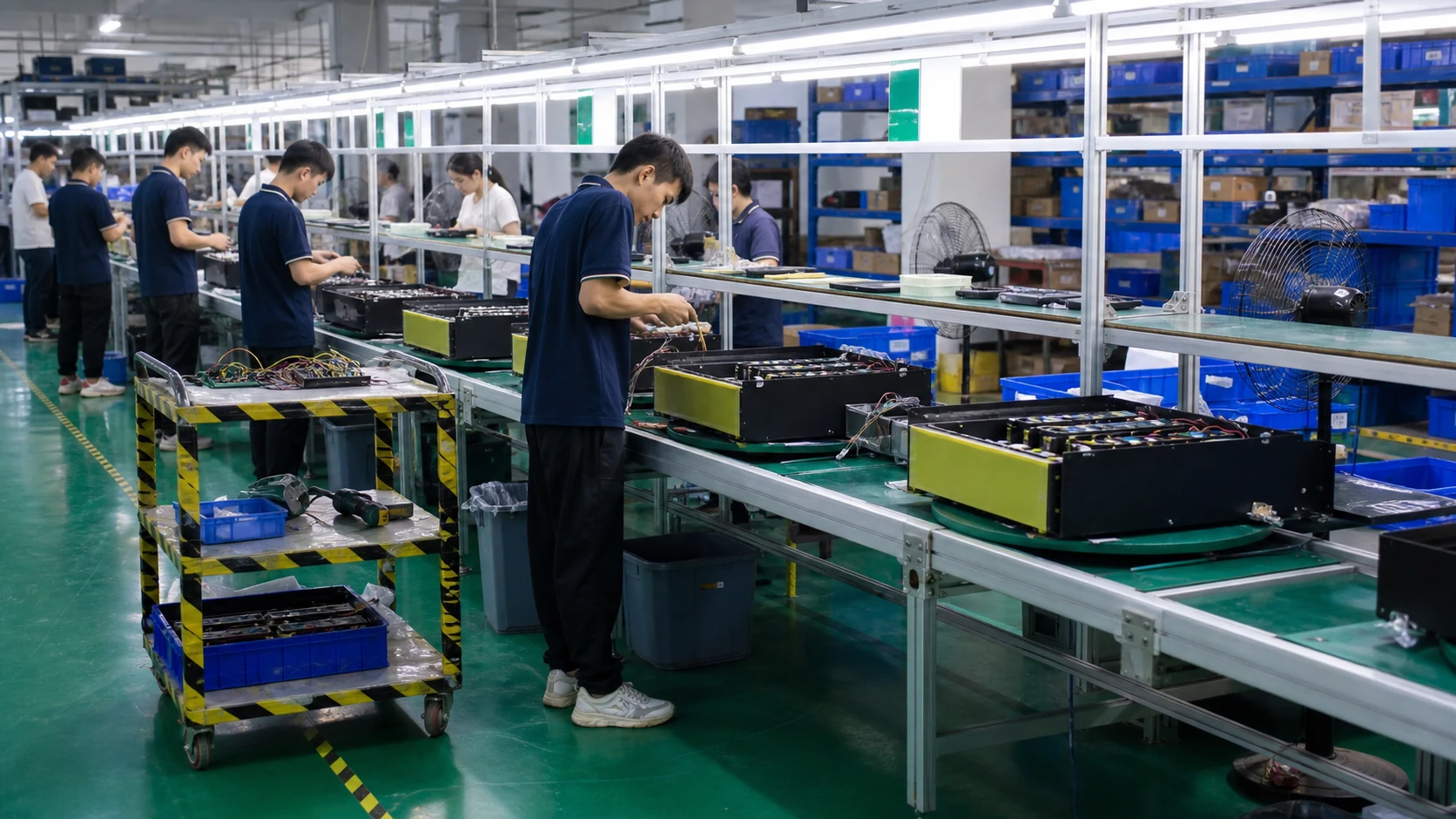
Reliable home solar battery solutions with OEM/ODM customization and in-house manufacturing, tailored to the needs of distributors, installers, and energy partners.
FAQ
You usually need about 19 to 25 modern solar panels, depending on panel wattage. For example, 25 panels rated at 400W create a 10 kW array, while 19 panels rated at 550W create about 10.45 kW.
Yes, 10 kW can run many homes if the daily energy use, inverter size and battery capacity are designed correctly. Heavy air conditioning, pumps, electric heating, workshops and EV charging may require a larger battery or larger solar array.
Many homes need 20–40 kWh of battery storage for a 10 kW off-grid system. Efficient homes may use around 20 kWh, while larger homes or homes with air conditioning often need 30 kWh or more.
Many homes use an 8–10 kW inverter, but the right size depends on peak demand and surge loads. Homes with pumps, compressors, central AC or workshops may need 12 kW or more.