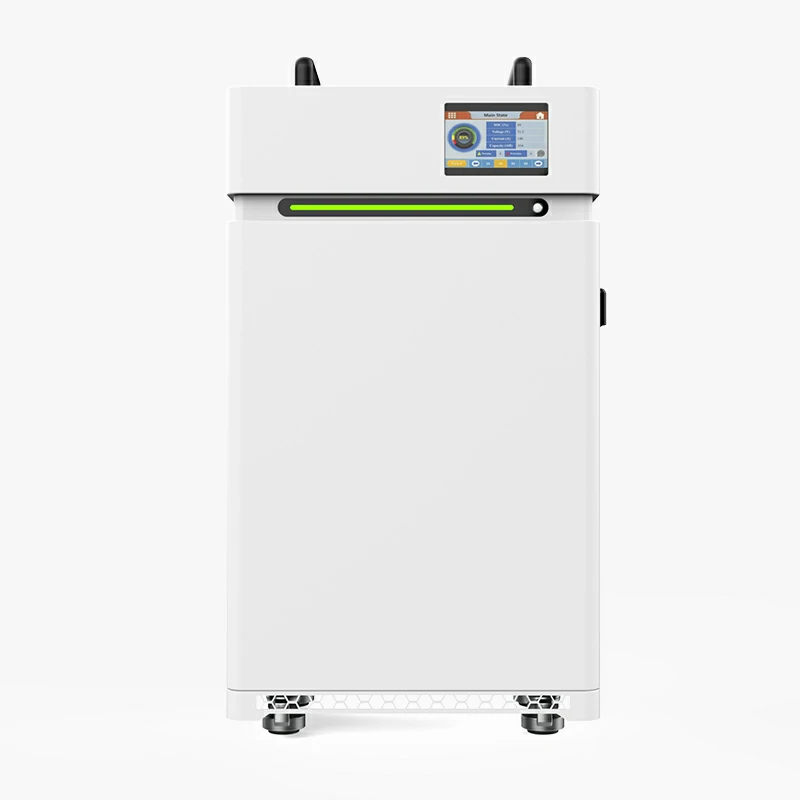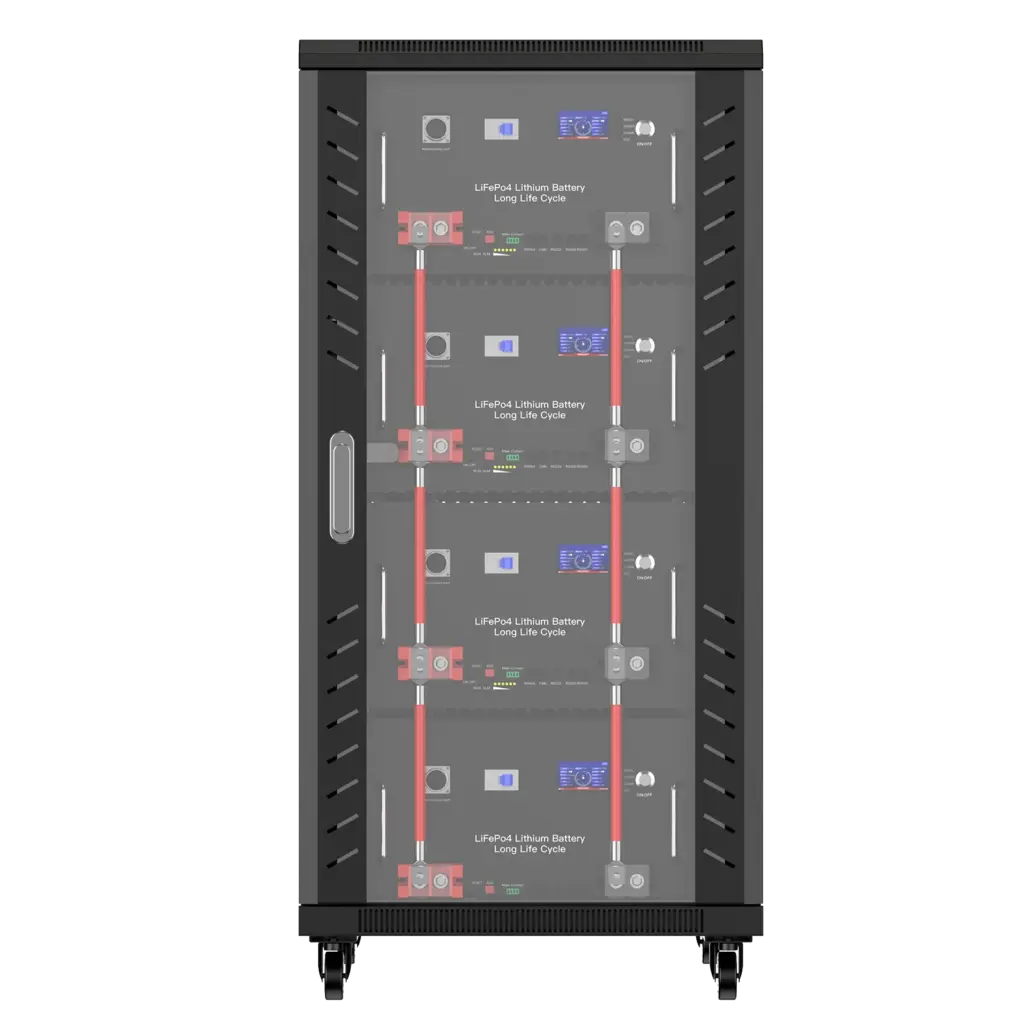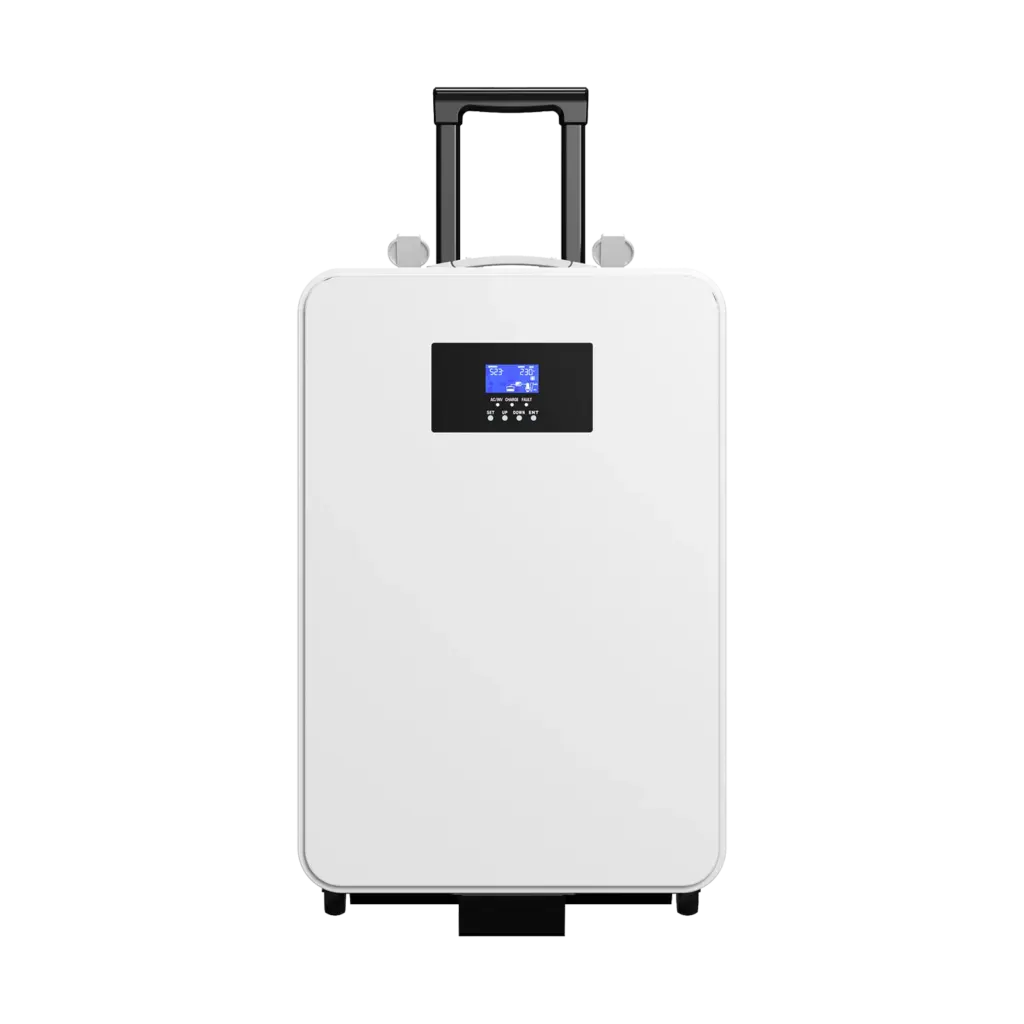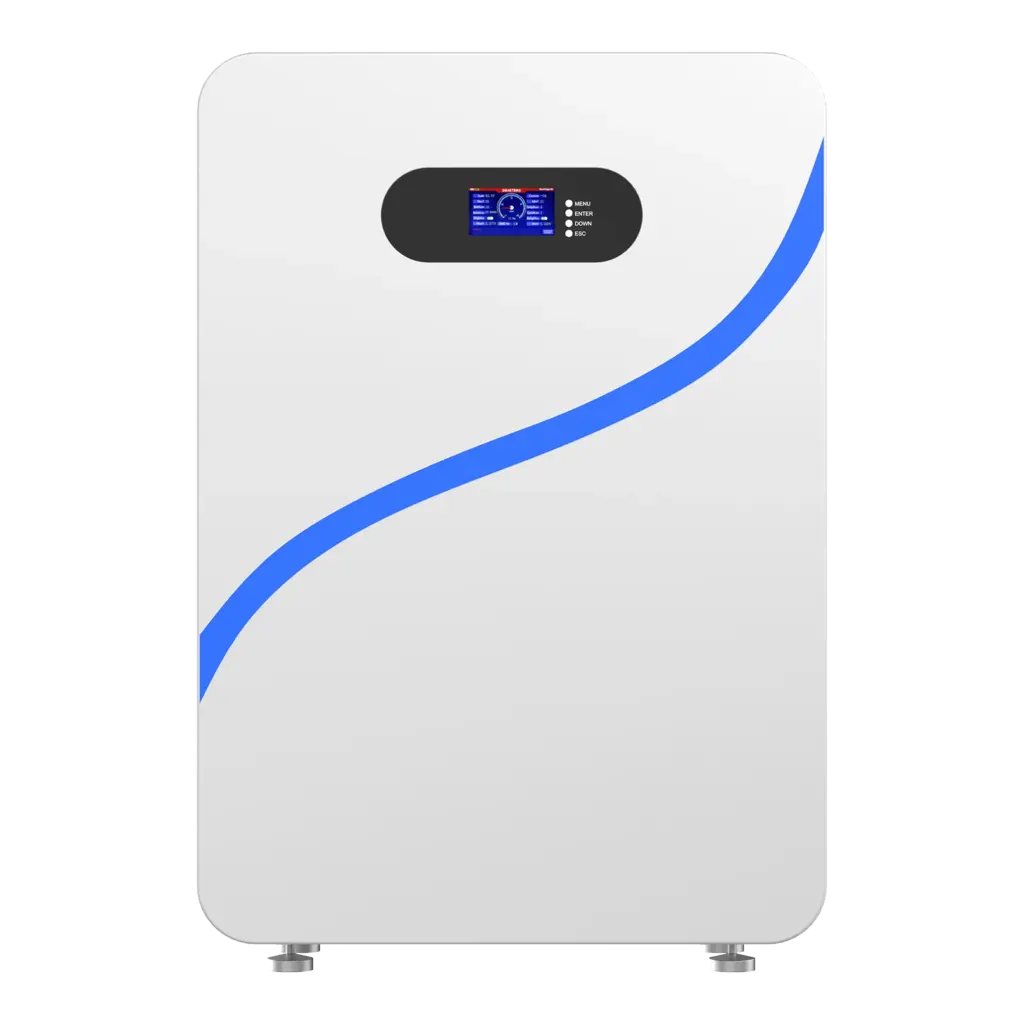


A 50kW solar system can offset a large share of your daytime electricity use, reduce demand charges, and set you up for future backup power or load shifting. By adding batteries to a 50kW solar system, you can store excess energy during the day and use it at night—so your savings and energy independence don’t stop when the sun goes down.
In this guide, we will cover the typical cost of a 50kW solar system, expected energy production, the number of panels required, and when it makes sense to add battery storage.
How Much Does a 50 kW Solar System Cost?
The price of a 50 kW solar system depends on your country/region, the type of installation, any required electrical upgrades, and local grid-connection requirements.
A typical 50 kW PV system may include 125 × 400 W solar panels (50,000W total) and a 50 kW inverter. Based on this standard configuration, the total cost is around $50,480 (actual pricing can vary by market and project scope).
If you are pricing a 50 kW solar system in Australia, typical installed costs (by city/region) may look like this:
- Hobart, Tasmania: $46,440
- Melbourne, Victoria: $50,510
- Brisbane, Queensland: $49,860
- Perth, Western Australia: $51,700
- Canberra, ACT: $48,860
- Sydney, New South Wales: $46,820
- Adelaide, South Australia: $52,660
In addition, under Australia’s Small-scale Renewable Energy Scheme (SRES), systems under 100 kW may be eligible for Small-scale Technology Certificates (STCs). Eligibility depends on how the “system/equipment” is defined and other program rules, but a 50 kW system may qualify.
How Much Electricity Can a 50kW Solar System Produce?
A typical 50kW solar system (often around 125 solar panels) can generate roughly 150 to 215 kWh per day, depending on local conditions. Your actual output will vary based on location, panel orientation, tilt angle, temperature, and shading.
A simple way to estimate production is:
Daily Energy (kWh/day) ≈ System Size (kW) × Peak Sun Hours × (1 − Losses)
Because peak sun hours change by city and season, the numbers below provide a practical reference for Australia.
- Sydney: about 175 kWh per day, around 63,875 kWh per year.
- Melbourne: about 160 kWh per day, around 58,400 kWh per year.
- Brisbane: about 200 kWh per day, around 73,000 kWh per year.
- Darwin: about 215 kWh per day, around 78,475 kWh per year.
- Hobart: about 150 kWh per day, around 54,750 kWh per year.
- Adelaide: about 185 kWh per day, around 67,525 kWh per year.
- Perth: about 205 kWh per day, around 74,825 kWh per year.
- Canberra: about 185 kWh per day, around 67,525 kWh per year.
These values were calculated using PVsyst, assuming 14% default total system losses as a typical benchmark, north-facing panels, a 5° tilt angle, and a conservative system efficiency (performance ratio) of 78%.
How Many Solar Panels do You Need for a 50kW Solar System?
The total number of panels depends on the wattage of each module. Since many modern solar panels now deliver 500W or more, the panel count for a 50kW system can vary significantly. In most practical designs and quotes, a 50kW solar system typically uses around 90 to 125 panels.
- If you choose 400W panels, you will need roughly 125 panels to reach 50kW.
- If you choose 500W panels, you will need roughly 100 panels.
- If you choose 550W panels, you will need roughly 91 panels.
How Much Roof Space Do You Need?
Most commercial solar panels measure approximately 1 meter × 2 meters. After allowing for edge setbacks, shading clearance, and safe access for maintenance, a 50kW installation usually requires about 4,000 square feet of usable roof space.
Related articles: Solar System Cost for a 2,000 Sq Ft Home
How Much Does a 50kW Off-grid Solar System Cost?
An off-grid system must meet much higher reliability requirements than a standard grid-tied setup. It needs to handle nighttime loads, extended cloudy or stormy weather, and often backup power for critical equipment. Because of that, the biggest cost drivers are usually battery storage, power electronics, and redundancy in system design—not just the solar panels themselves.
As a general reference, residential-scale off-grid solar systems typically cost around $45,000 to $65,000, with the battery system alone commonly ranging from $10,000 to $30,000. Off-grid systems are more expensive than grid-connected systems because they require additional components and much more precise capacity planning to ensure dependable power in all conditions.
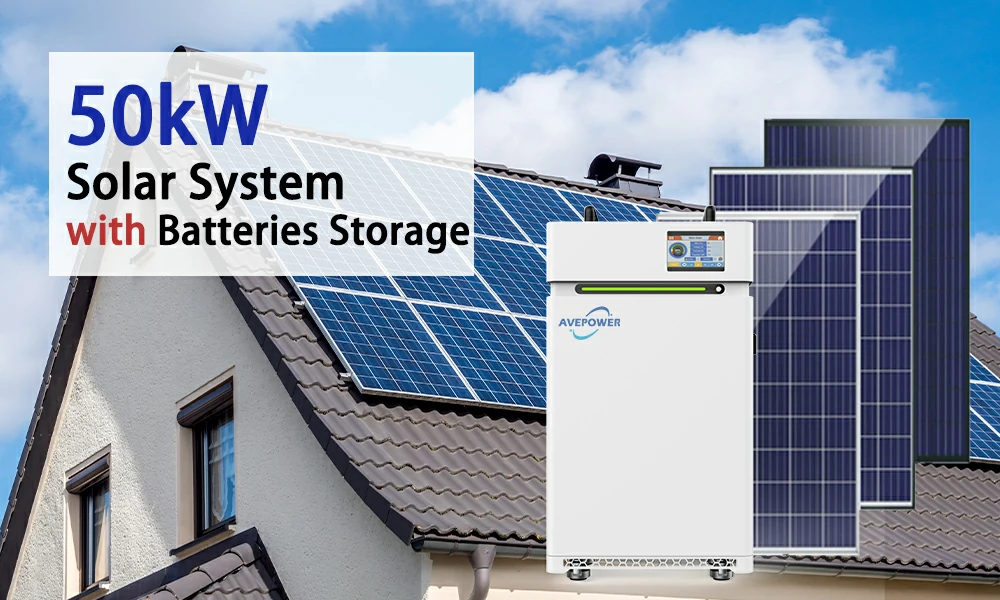
50kW Solar System with Batteries Storage
A 50kW solar system with batteries combines solar panels, an inverter, and battery storage into one integrated power solution. It can deliver strong backup power and, in some cases, true off-grid capability. By storing excess solar energy during the day and using it at night—or during outages—this setup can support energy independence for large homes, commercial sites, and remote properties.
Key Components in a 50kW Solar + Battery System
A typical configuration includes the following building blocks:
- Solar panels: usually around 90–125 panels, depending on the panel wattage.
- Inverter: a 50kW hybrid inverter or an off-grid inverter, depending on your design goals.
- Battery storage: commonly 100kWh battery or more, especially when backup and load shifting are priorities.
- Installation and wiring: mounting structures, cables, protection devices, and safety equipment.
Cost
A 50kW solar system with batteries can range from about $25,000 to over $100,000. The final cost depends mainly on the battery capacity, battery chemistry, inverter type, and the overall system design.
What Battery Size Pairs Best with a 50kW Solar System?
The “best” battery size depends on what you want the system to do.
- If you mainly want short backup coverage or simple load shifting, a 50–100 kWh battery is often a practical starting range.
- If you want longer backup duration, deeper time-of-use shifting, or stronger energy arbitrage, you can consider 200 kWh, 500 kWh, or even larger storage capacities.
In Australia, the installed cost per kWh typically drops as battery capacity increases, but battery storage is still one of the biggest line items in the total budget.
Even for a very energy-efficient home, a battery may not last as long as people expect once you include real daily usage. For example, a home with a 50 kWh battery may still have less than five days of runtime, depending on the loads you choose to support and the weather during that period.
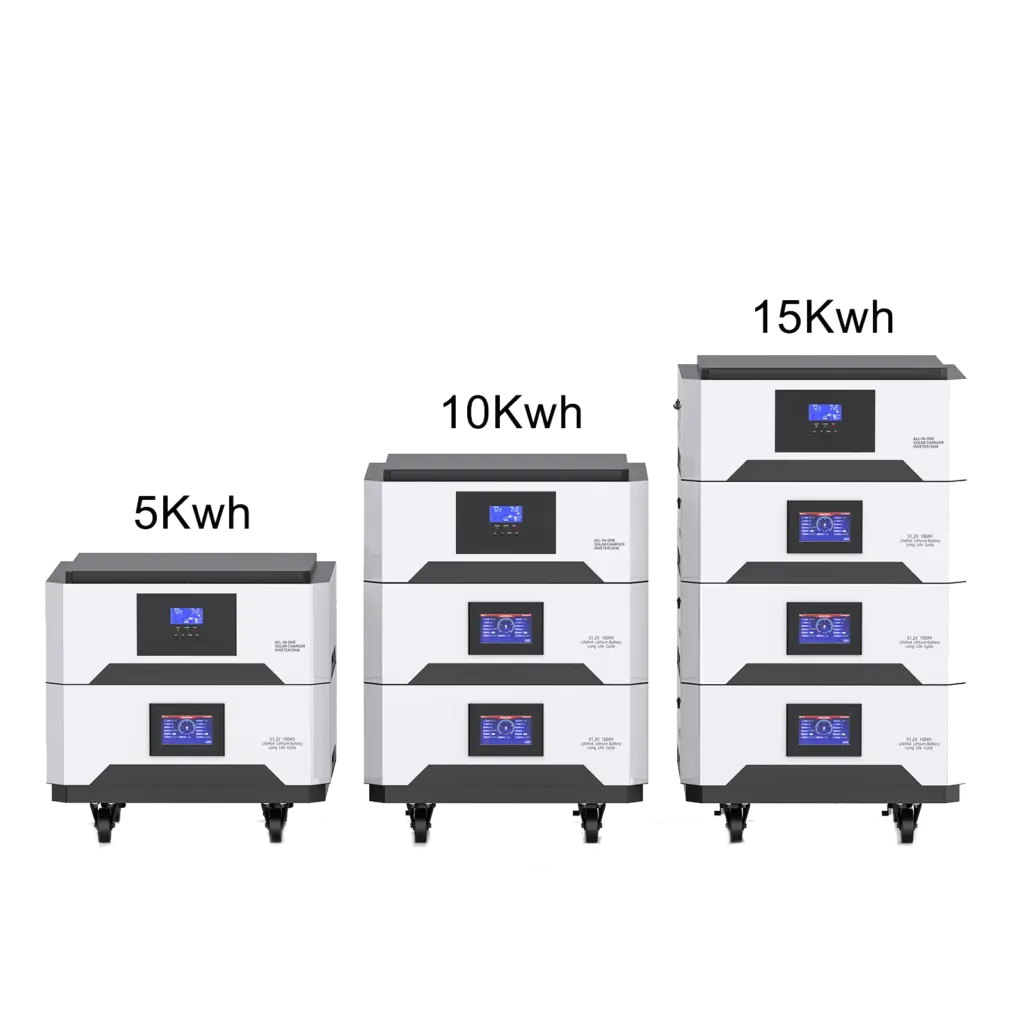
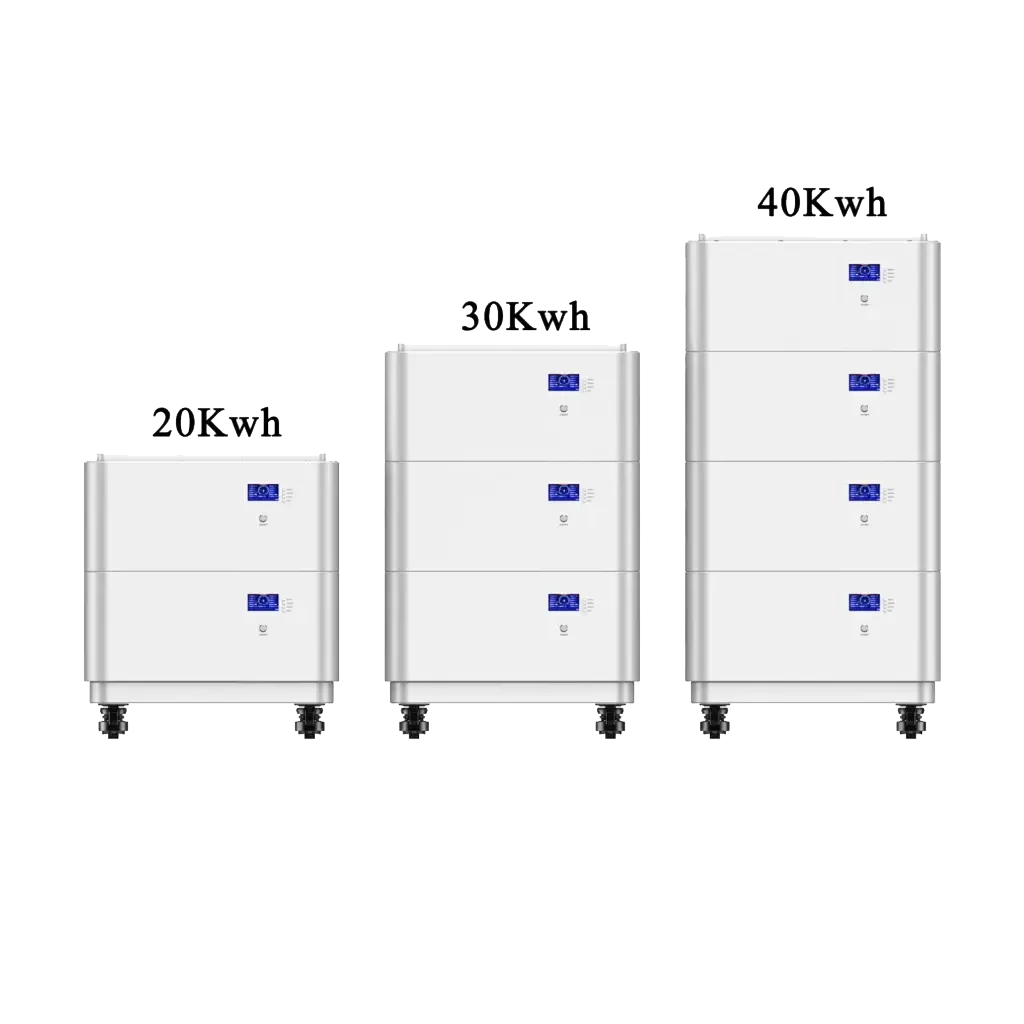
Strong Scalable Energy Storage
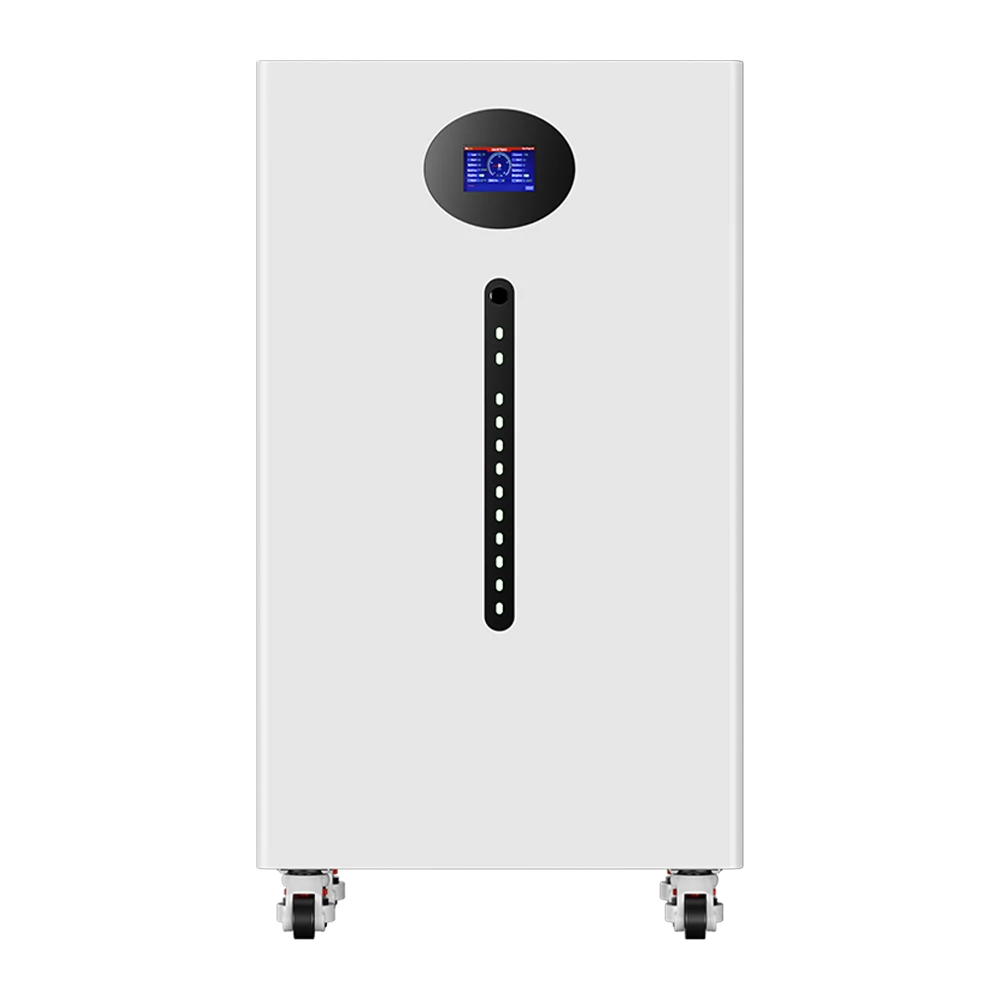
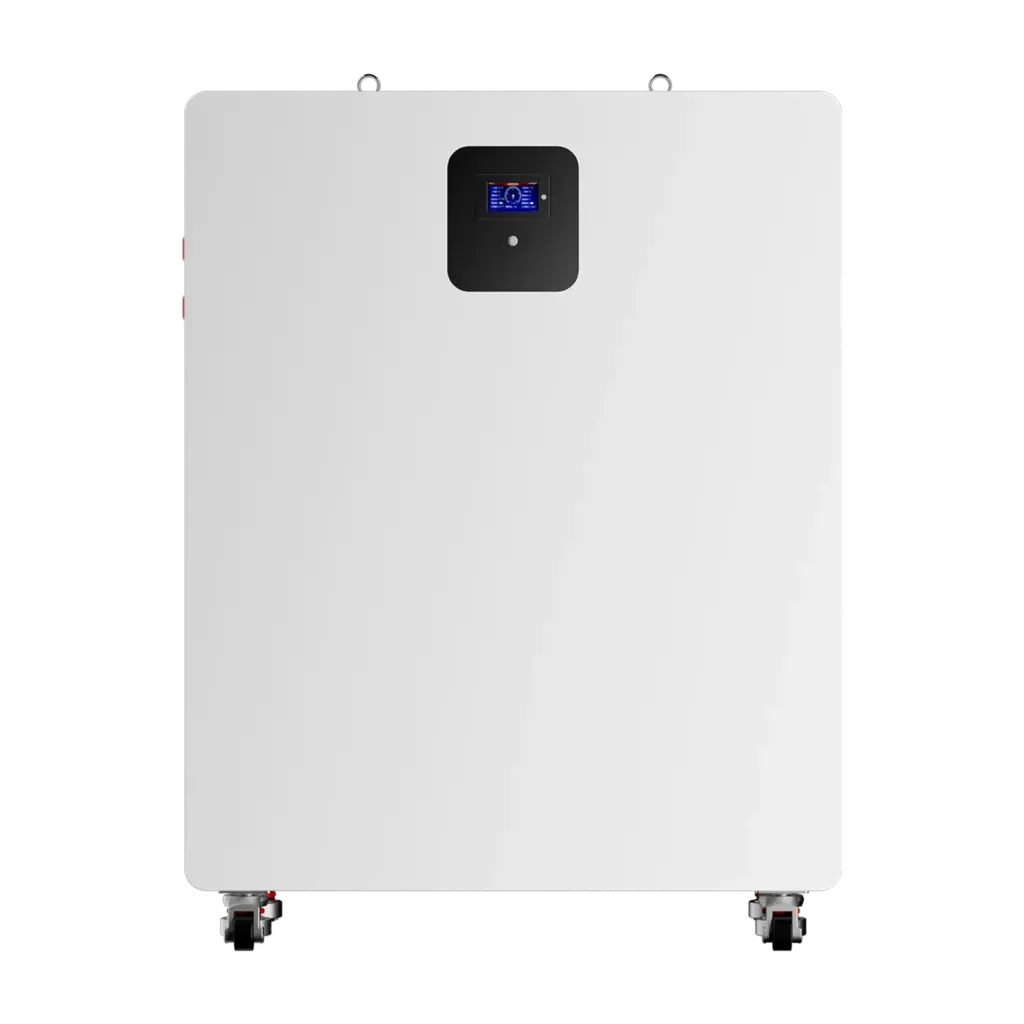
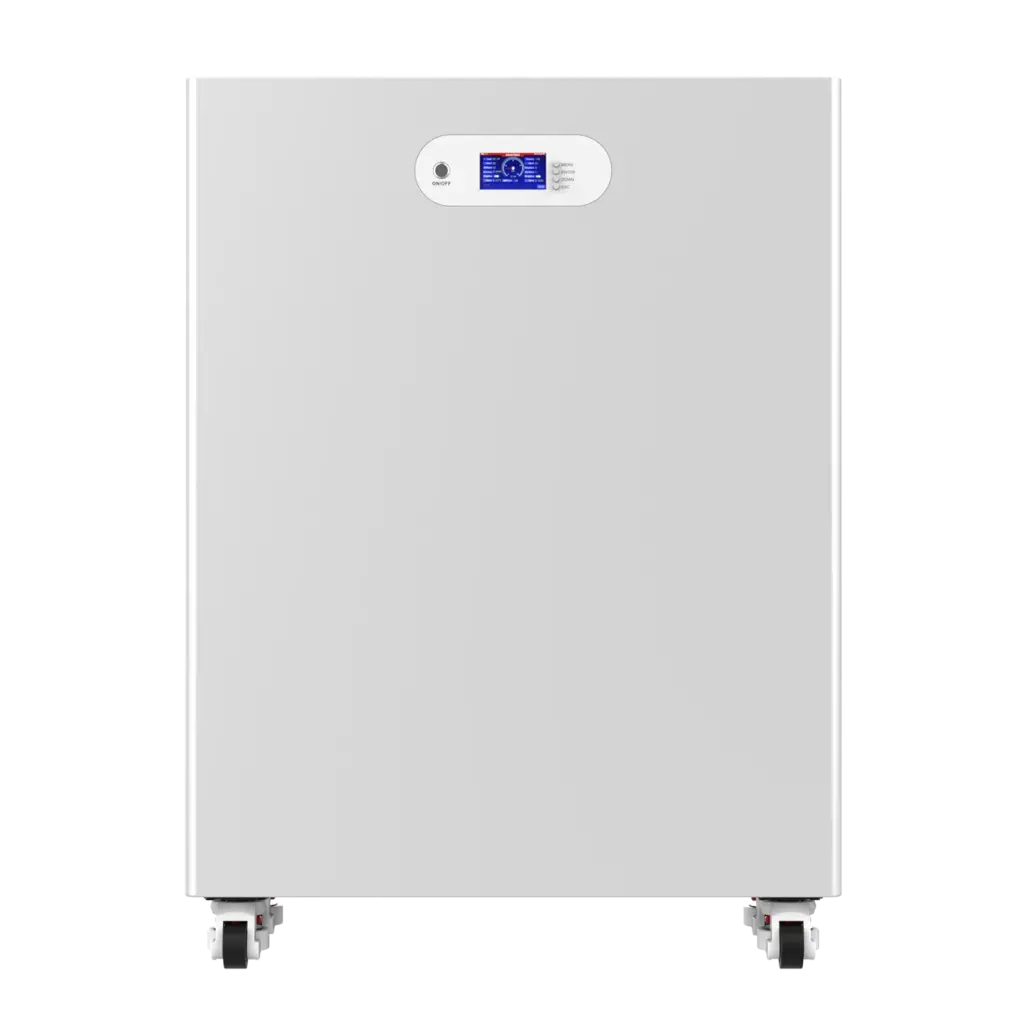
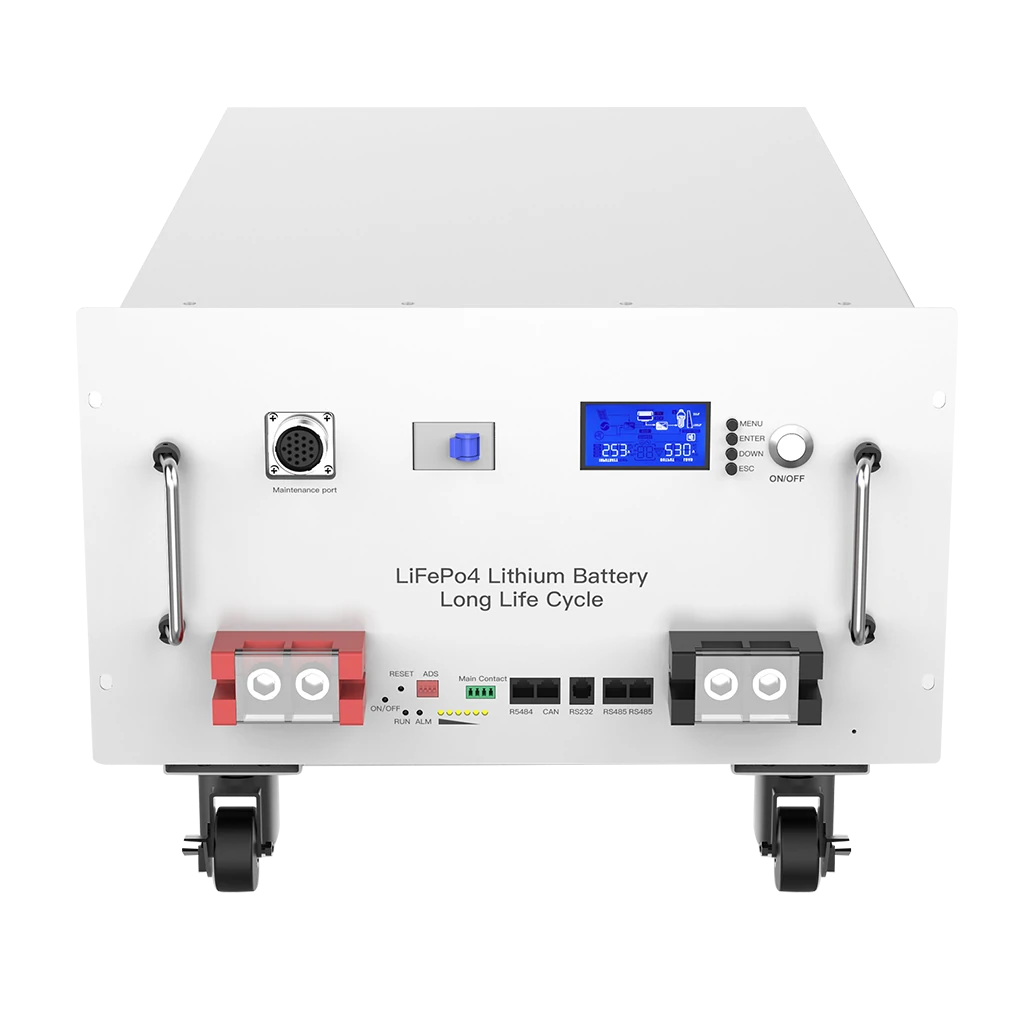
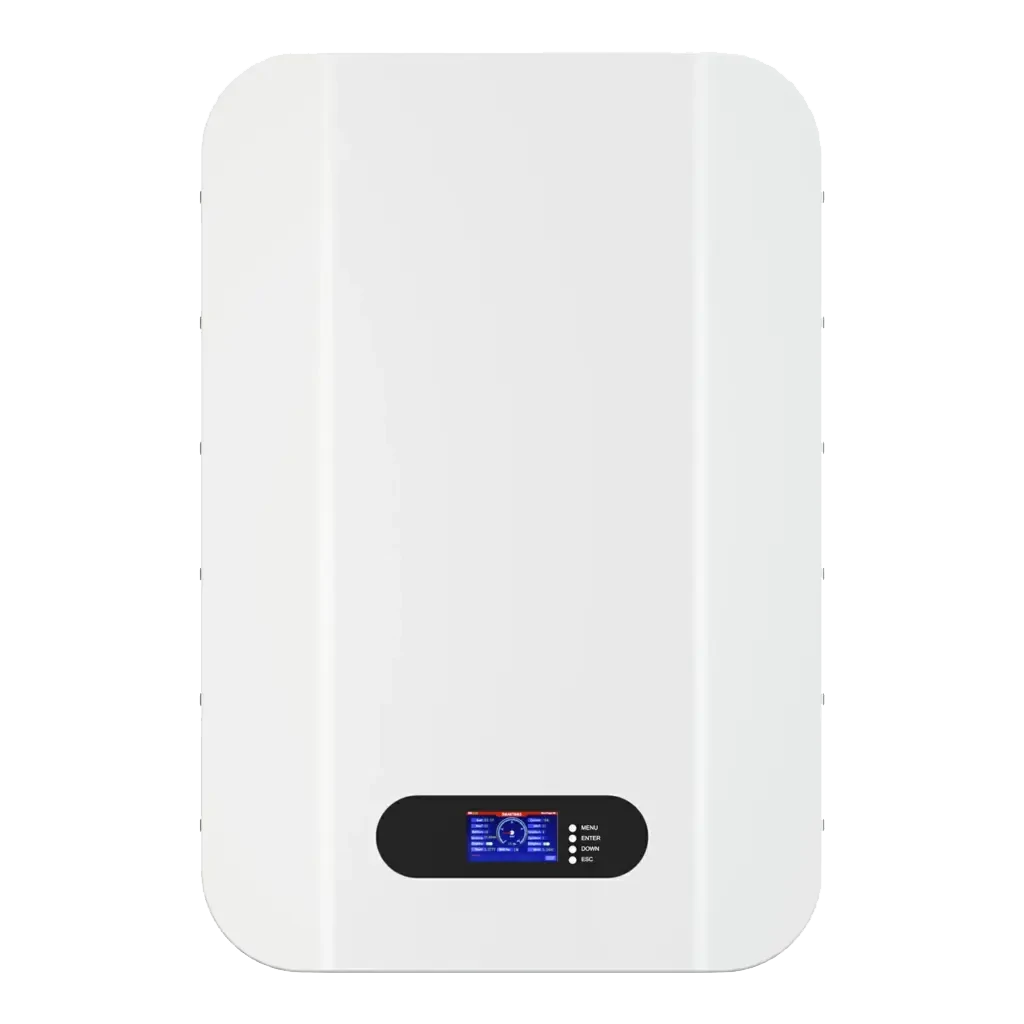
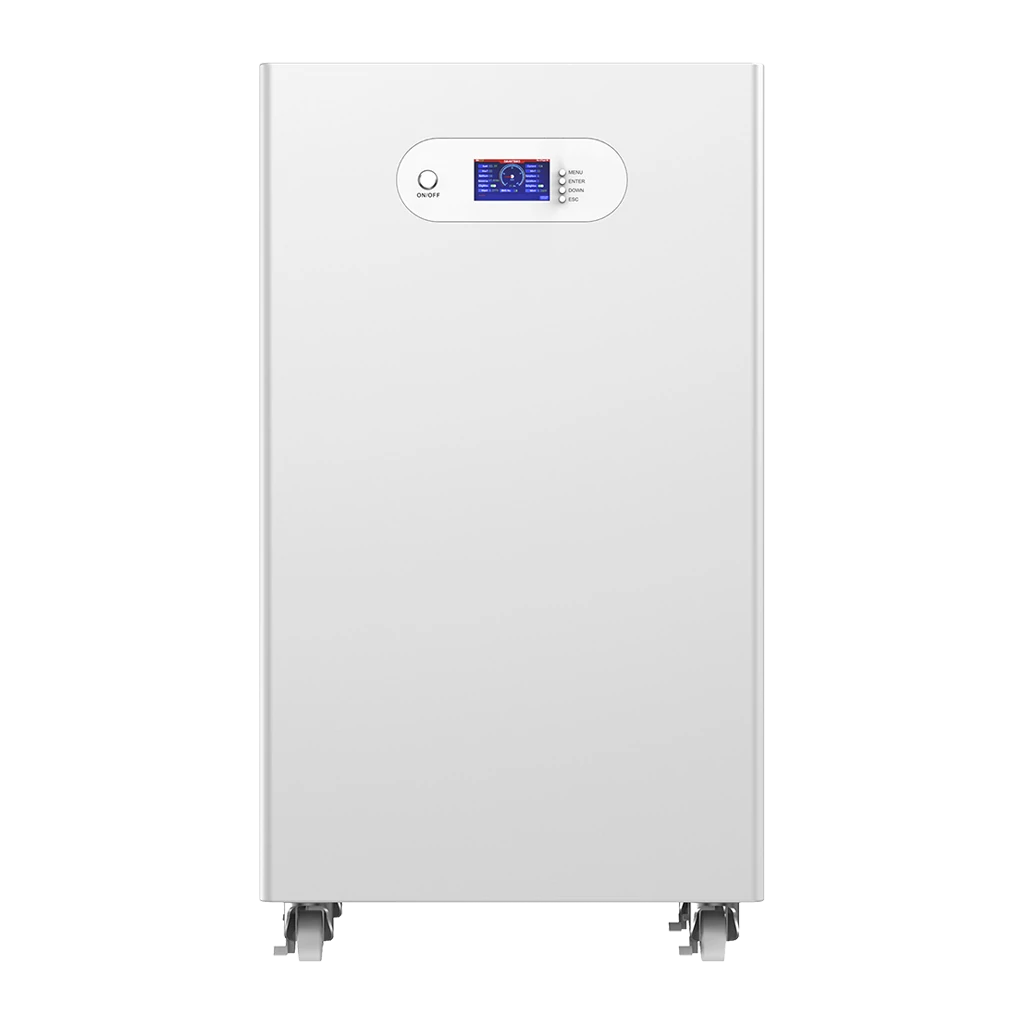
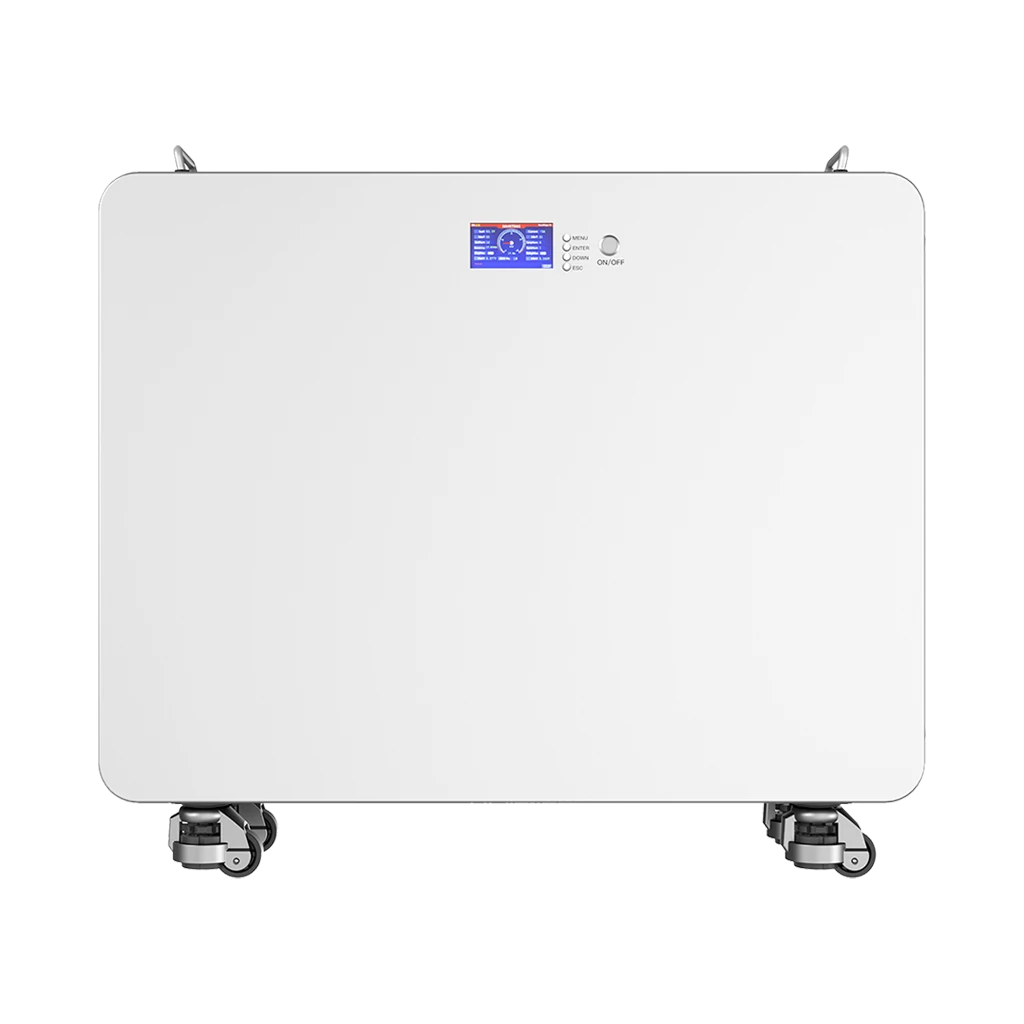
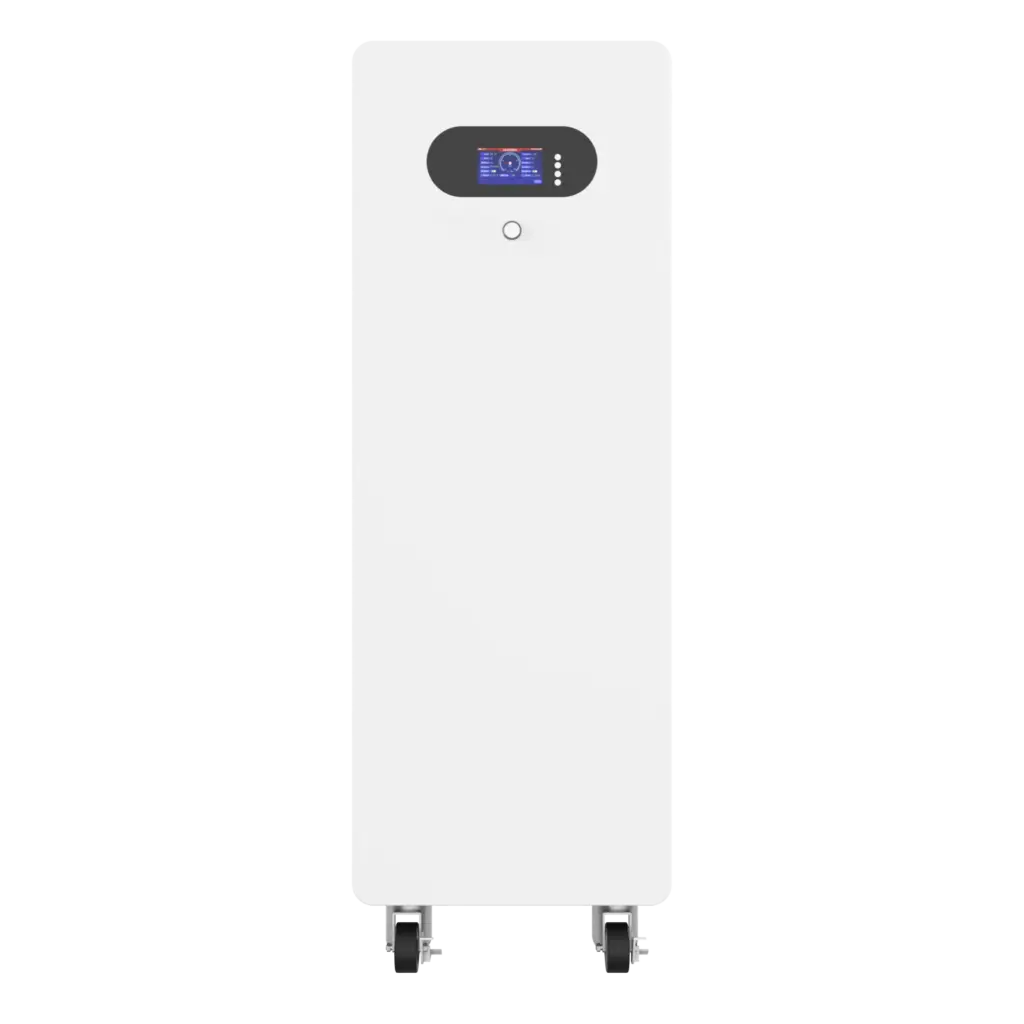
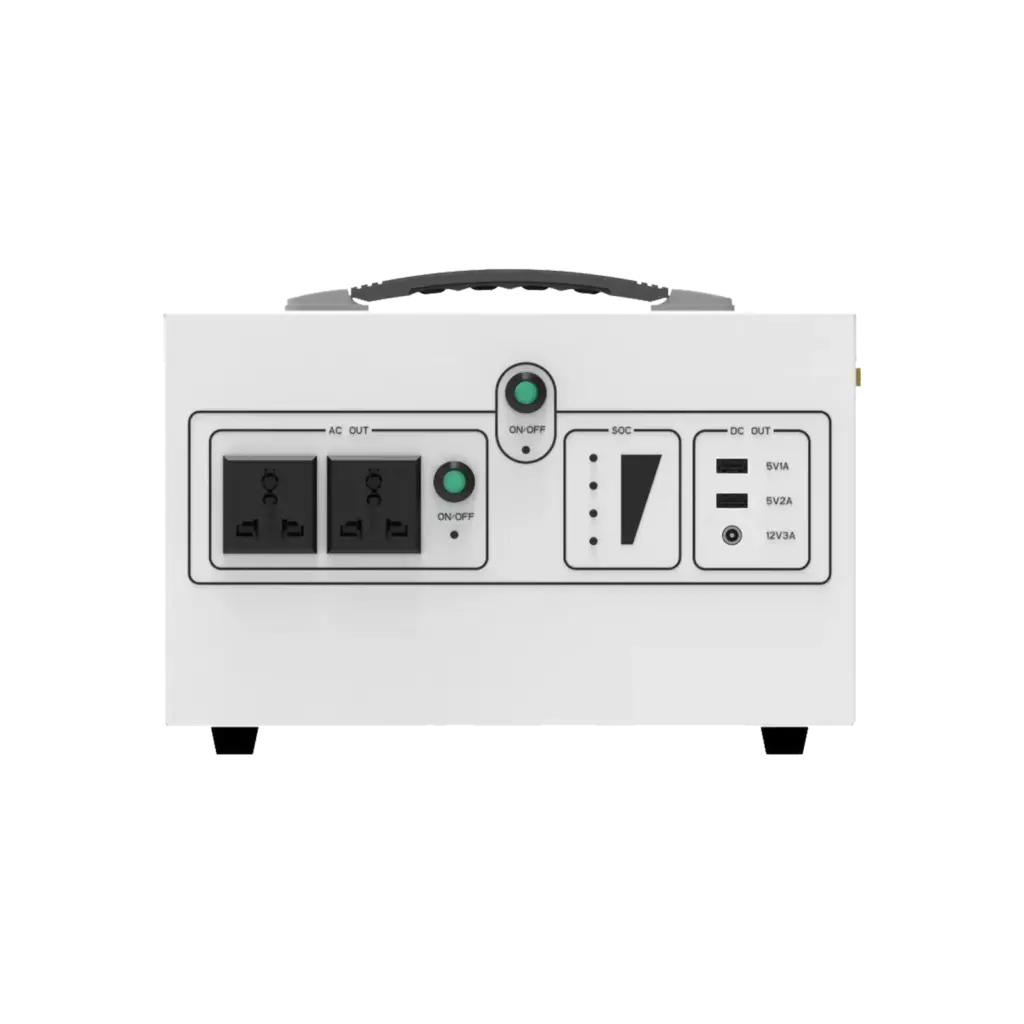
Avepower delivers a powerful, scalable energy storage solution built around a modular battery architecture, so you can expand capacity anytime as your power demand grows. With up to 515kWh of expandable storage, LiFePO4 chemistry, a smart BMS, and 8000+ cycles (25°C, 80% DOD), the system is designed for long-life safety and stable performance. It also supports flexible integration via CAN, RS485, and RS232 for smooth communication with mainstream inverters and energy management systems.
Talk to Avepower today to design your scalable storage system and get a tailored OEM/ODM solution that fits your site and your load.
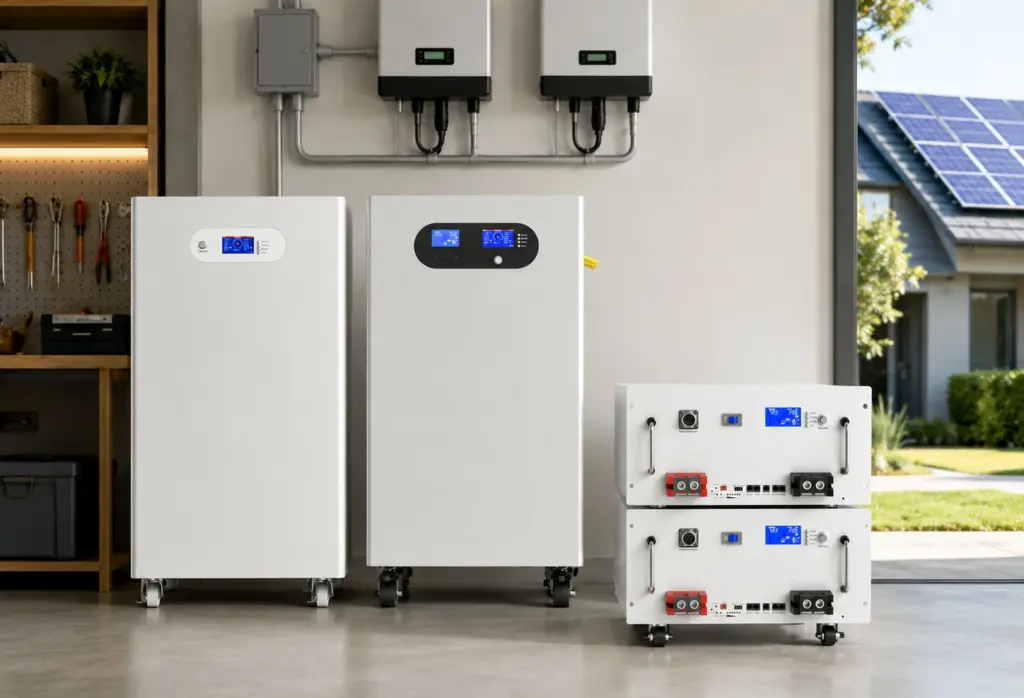
Take Control of Your Energy with Avepower!
Reliable home solar battery solutions with OEM/ODM customization and in-house manufacturing, tailored to the needs of distributors, installers, and energy partners.
FAQ
A 50kW system can often produce roughly 200–300 kWh per day on average, but real output depends on sun hours, weather, tilt, shading, and system losses.
Many commercial designs pair a 50kW solar array with an inverter capacity that is close to 50kW.
Many sites start by sizing storage to cover a portion of evening load, such as 100–300 kWh, while backup-focused sites size to critical loads and outage duration.
Panel count depends on panel wattage. A 50kW system typically uses about 90–125 panels.