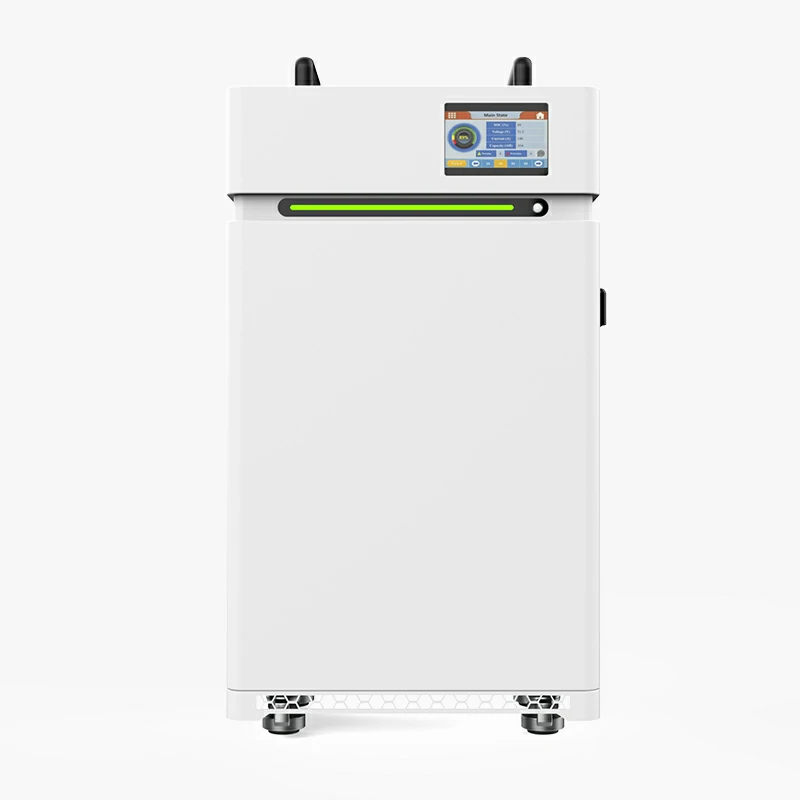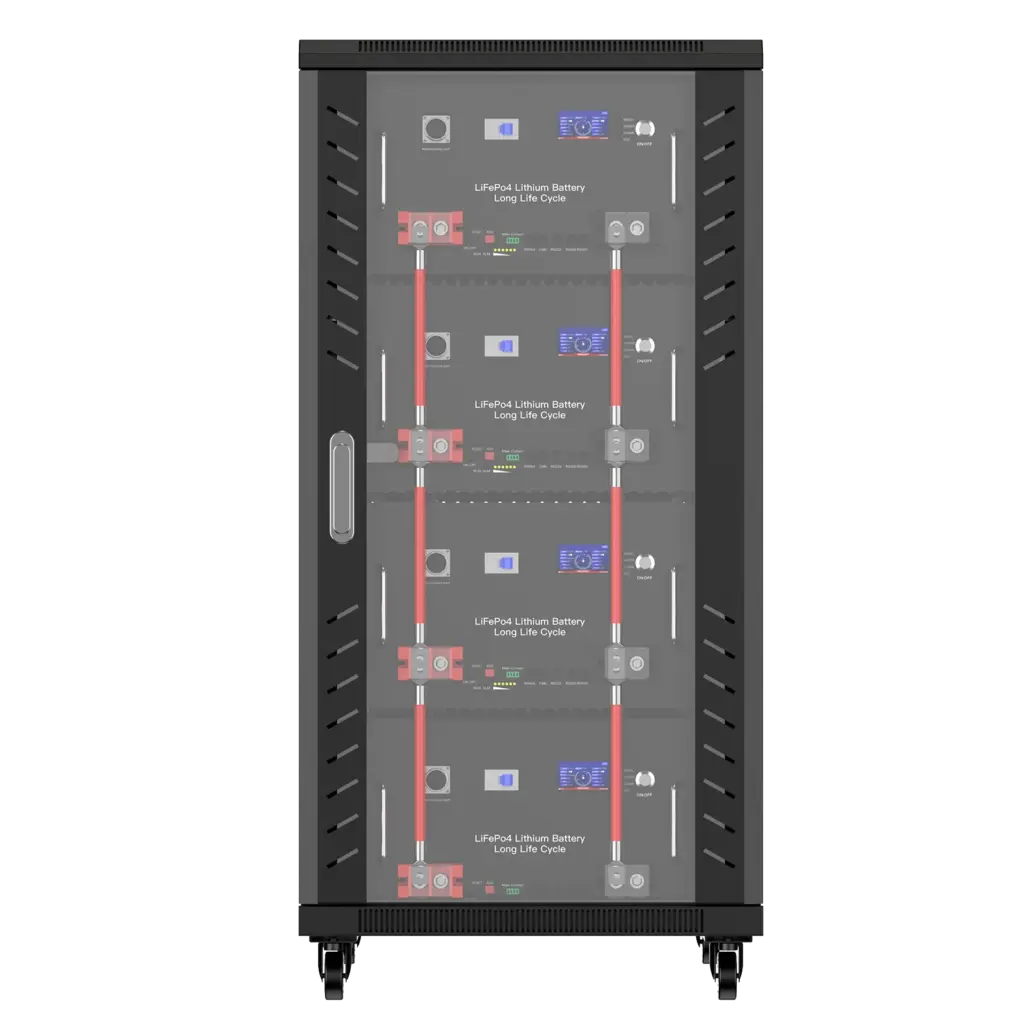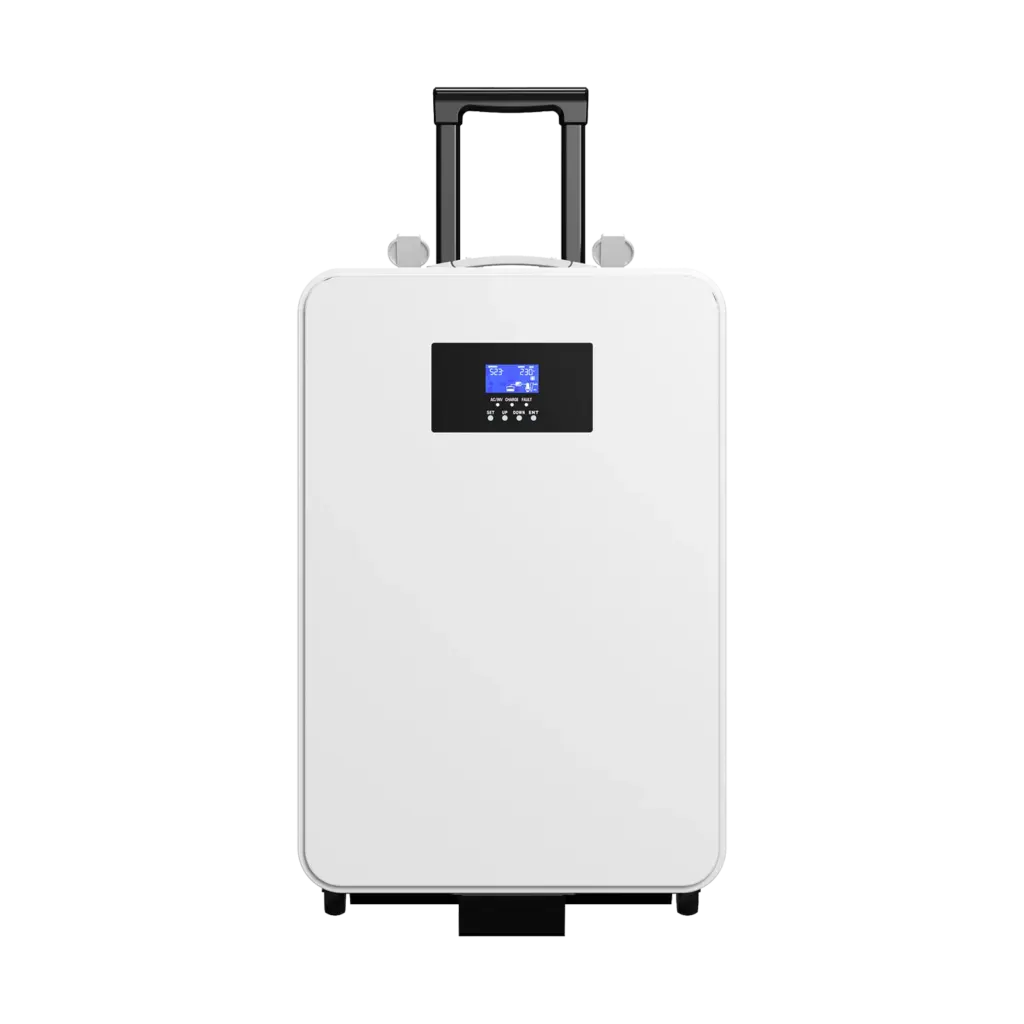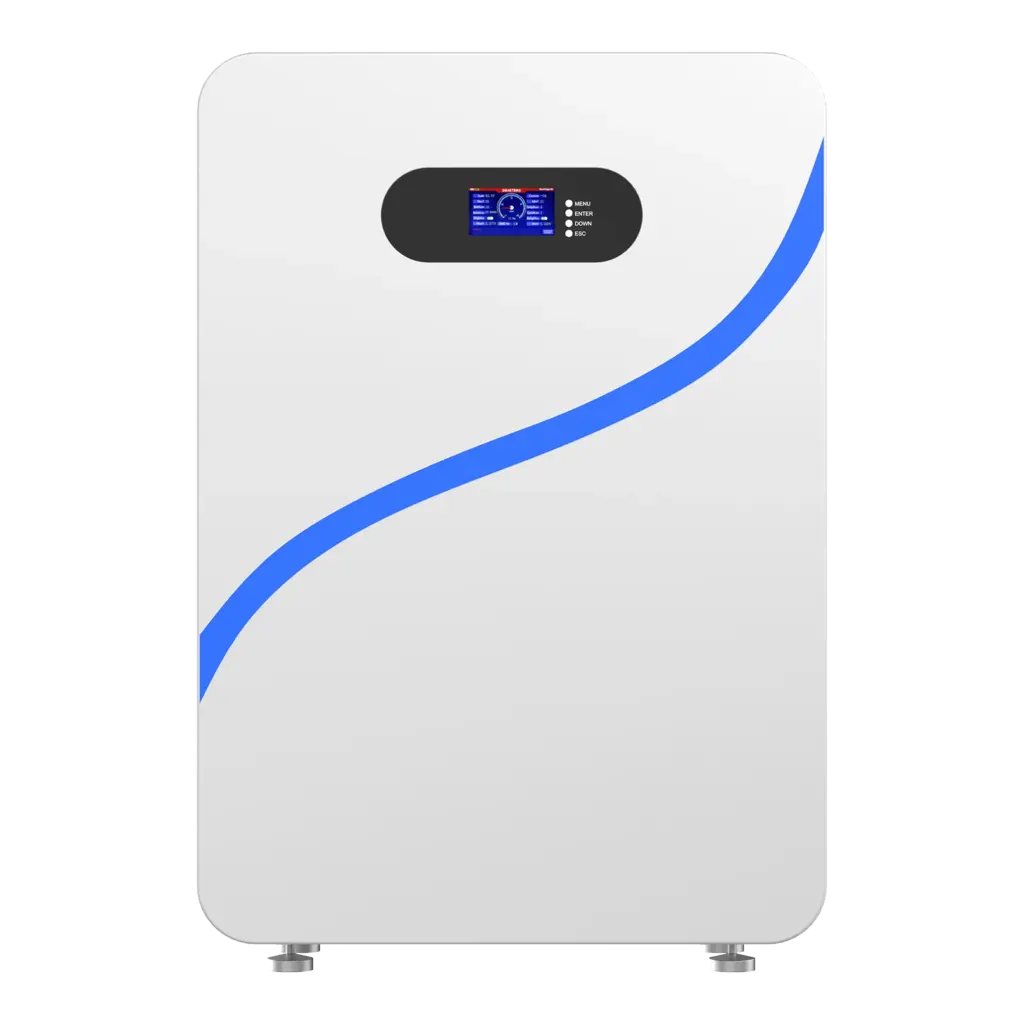

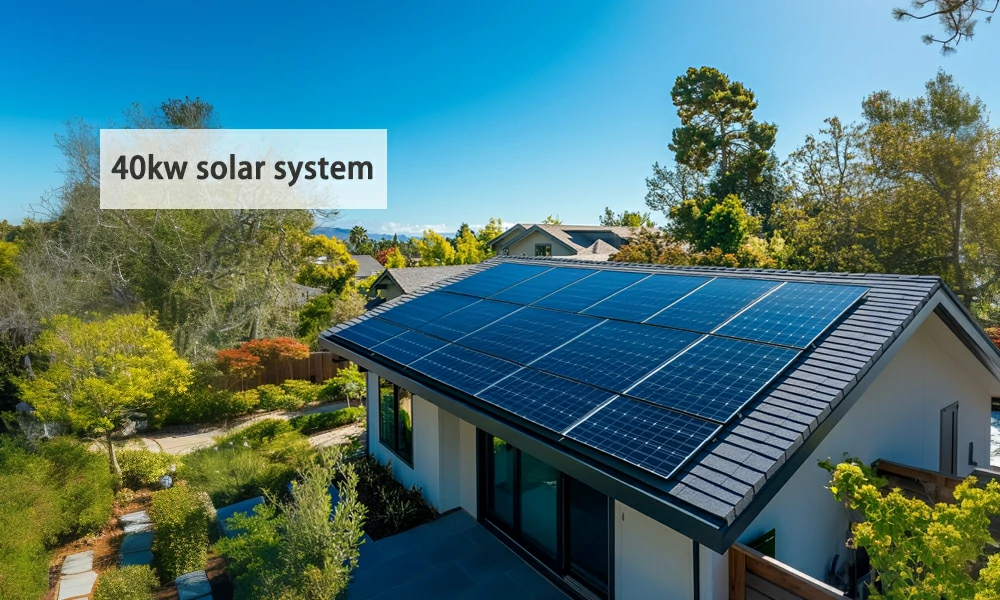
A 40kW solar system is a strong fit for small commercial sites, large homes or multi-dwelling properties, and farms. Its capacity can offset a significant share of daytime electricity use, and it pairs well with battery storage for peak shaving and load shifting, backup power, and—depending on your location and system design—off-grid operation.
In this guide, we’ll break down a 40kW solar system’s price, daily energy production, panel count, and space requirements, and we’ll explain why your electricity bill can still be high even after going solar.
What’s Included in a 40kW Solar System?
A 40kW solar system usually refers to the DC-rated capacity of the PV array (kWdc). In many designs, the solar inverter AC rating (kWac) may be lower to boost annual energy yield and reduce inverter cost—so it’s common to see a DC/AC ratio greater than 1.
Key components typically include:
- PV modules (the panels)
- One or more inverters (string inverters or optimizers + inverters)
- Racking/mounting (roof or ground)
- Electrical BOS (wiring, combiner, protection, disconnects)
- Monitoring and controls
- Engineering + permitting + interconnection
When you add battery storage, you also add:
- Battery cabinets/containers
- Battery inverter/PCS (power conversion system) or hybrid inverter
- Energy management system (EMS) controls
- Additional electrical protection and (often) site work
40kW Solar System Price: What Does it Usually Cost?
Pricing varies widely by country/region, roof type, grid-connection complexity, and equipment selection (panel brand, inverter type, monitoring, and protection hardware).
United States
In the United States, 40 kW solar projects are commonly priced on a cost-per-watt ($/W) basis. For solar kit–only packages that include equipment but exclude permitting, engineering, and full installation labor, prices typically range from $1.15 to $1.90 per watt. This places the equipment-only cost for a 40 kW system at approximately $46,000 to $76,000.
For turnkey commercial or more complex installations—especially those that include battery energy storage systems (BESS) and additional electrical work—the total project cost can rise to $100,000 or more. However, eligible projects may significantly reduce their upfront investment through the 30% Federal Investment Tax Credit (ITC), helping improve overall project economics.
Australia
In Australia, a 40kW solar system is often priced as a turnkey commercial installation, and is around $35,000 including GST and the STC rebate, though final pricing still depends on site conditions and equipment selection. STCs are designed to reduce the upfront cost of eligible renewable energy systems, which is why they’re frequently included in advertised “after-rebate” pricing.
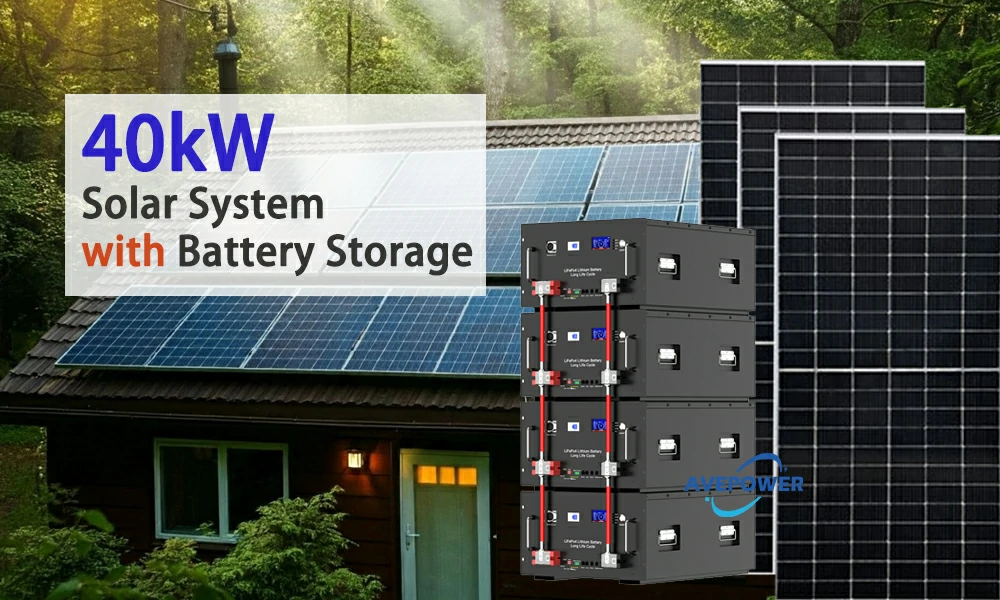
Adding Batteries: What Does 40kW Solar System with Batteries Cost?
A battery budget depends on what you want the battery to do:
- Self-consumption / bill reduction (load shifting)
- Backup power for outages
- Demand management (common for businesses)
- Off-grid autonomy (the most expensive path)
Key System Components
- Solar Panels: Approximately 73 panels of 550W each, requiring 2,010 square feet of space.
- Inverters: Multiple 10kW or 15kW hybrid inverters.
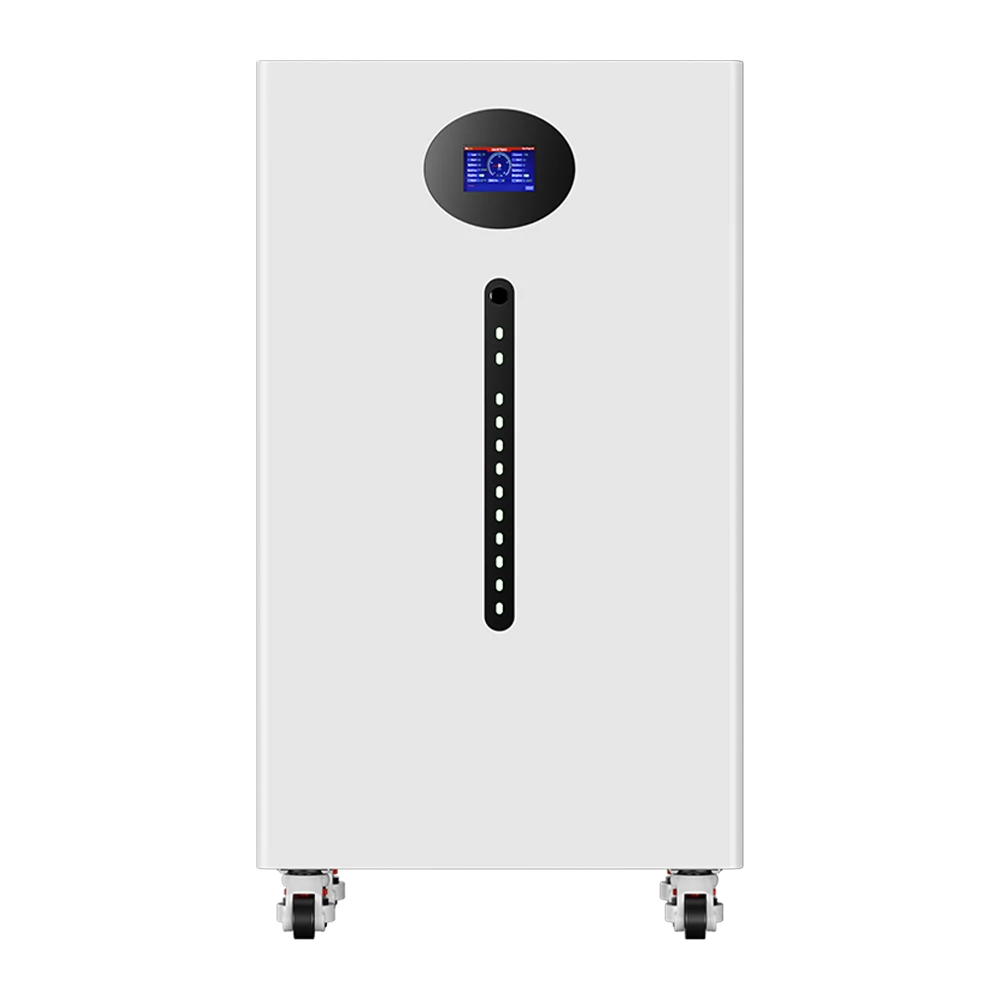
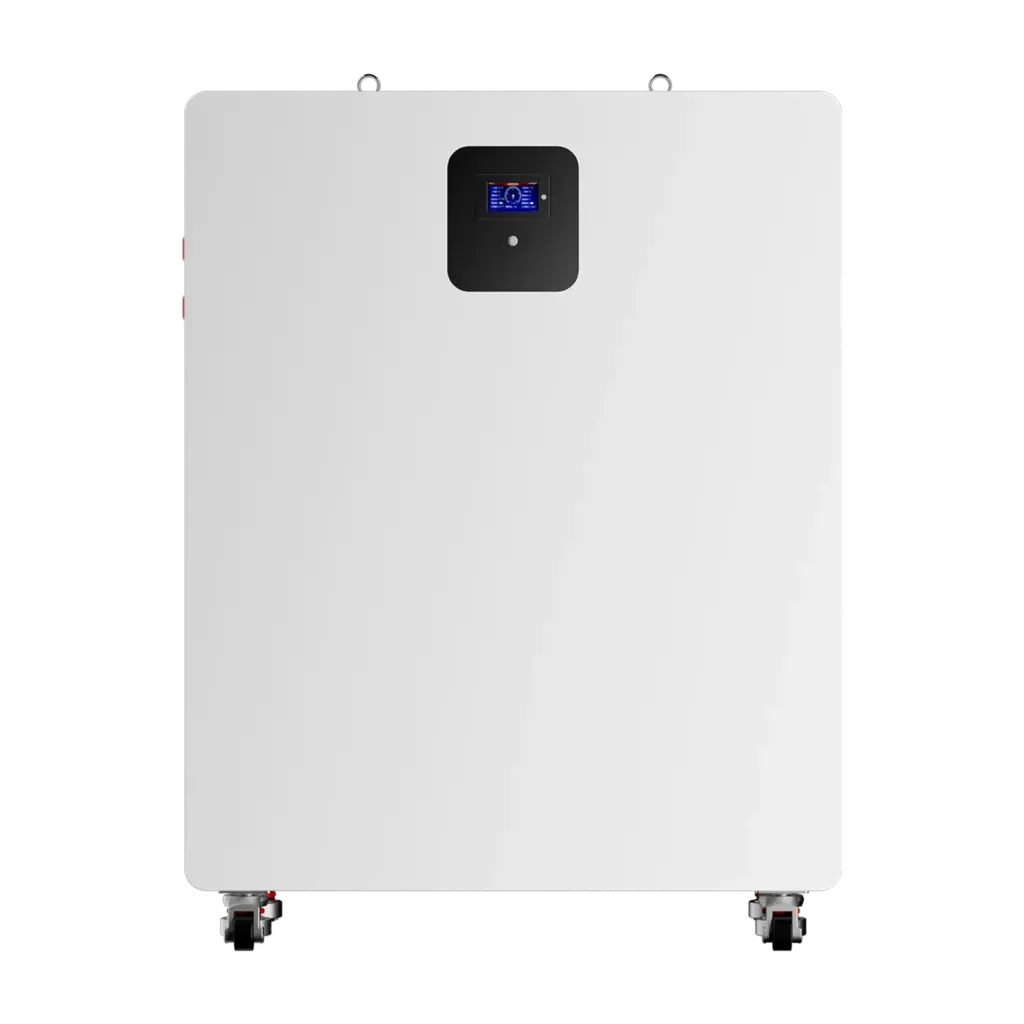
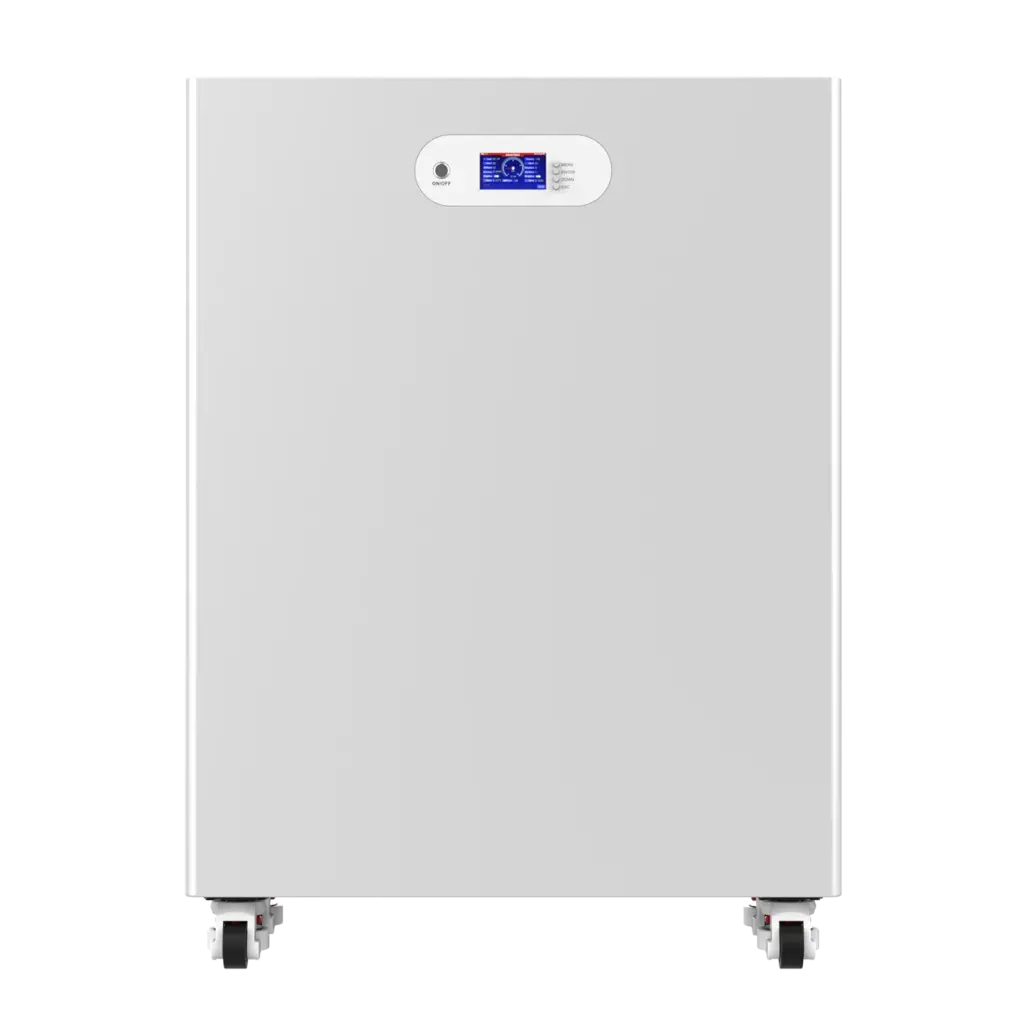
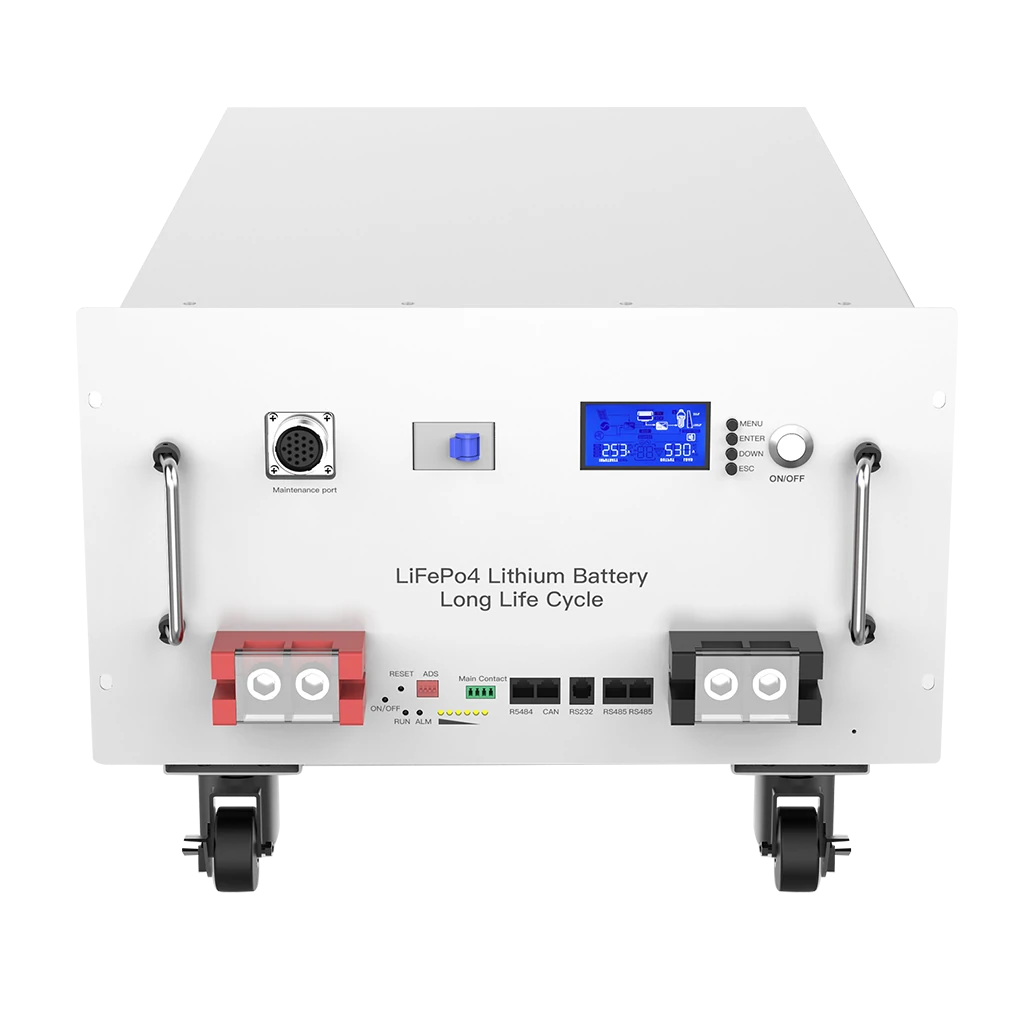
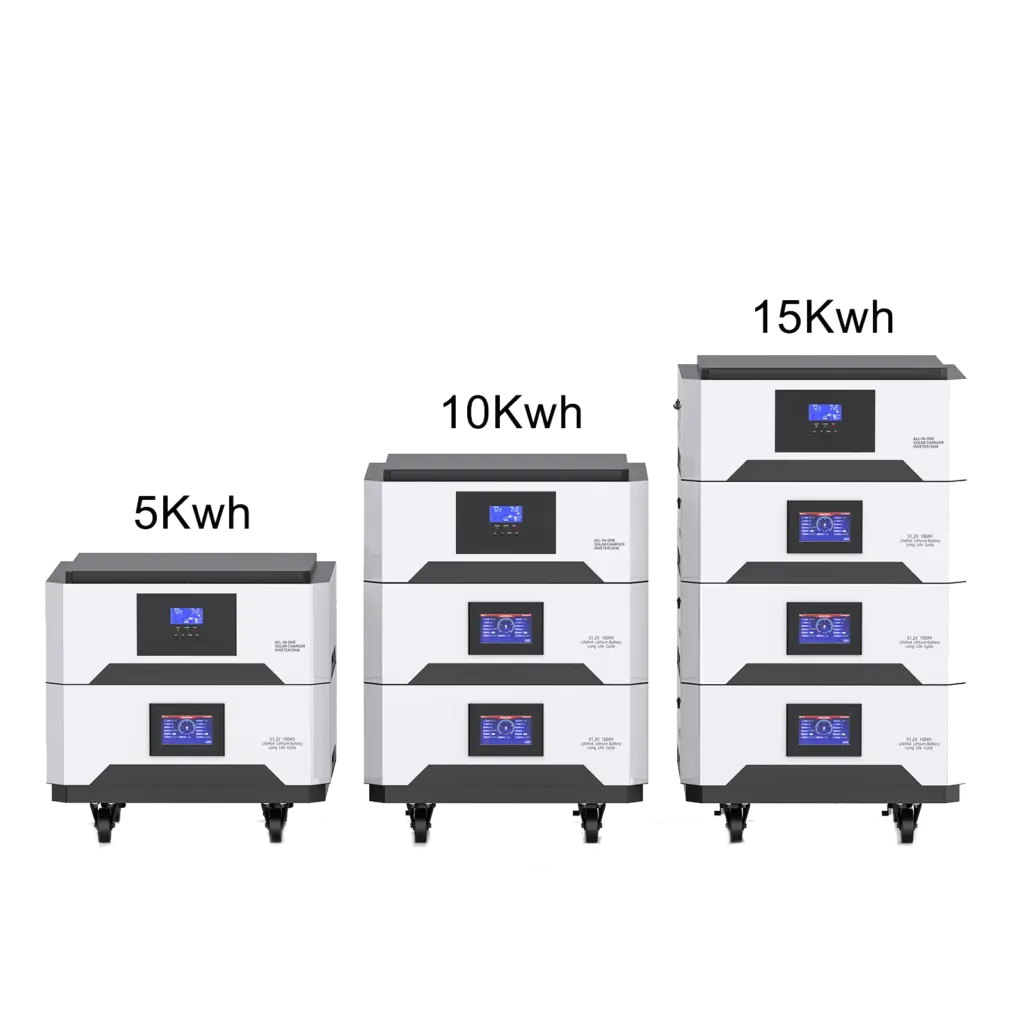
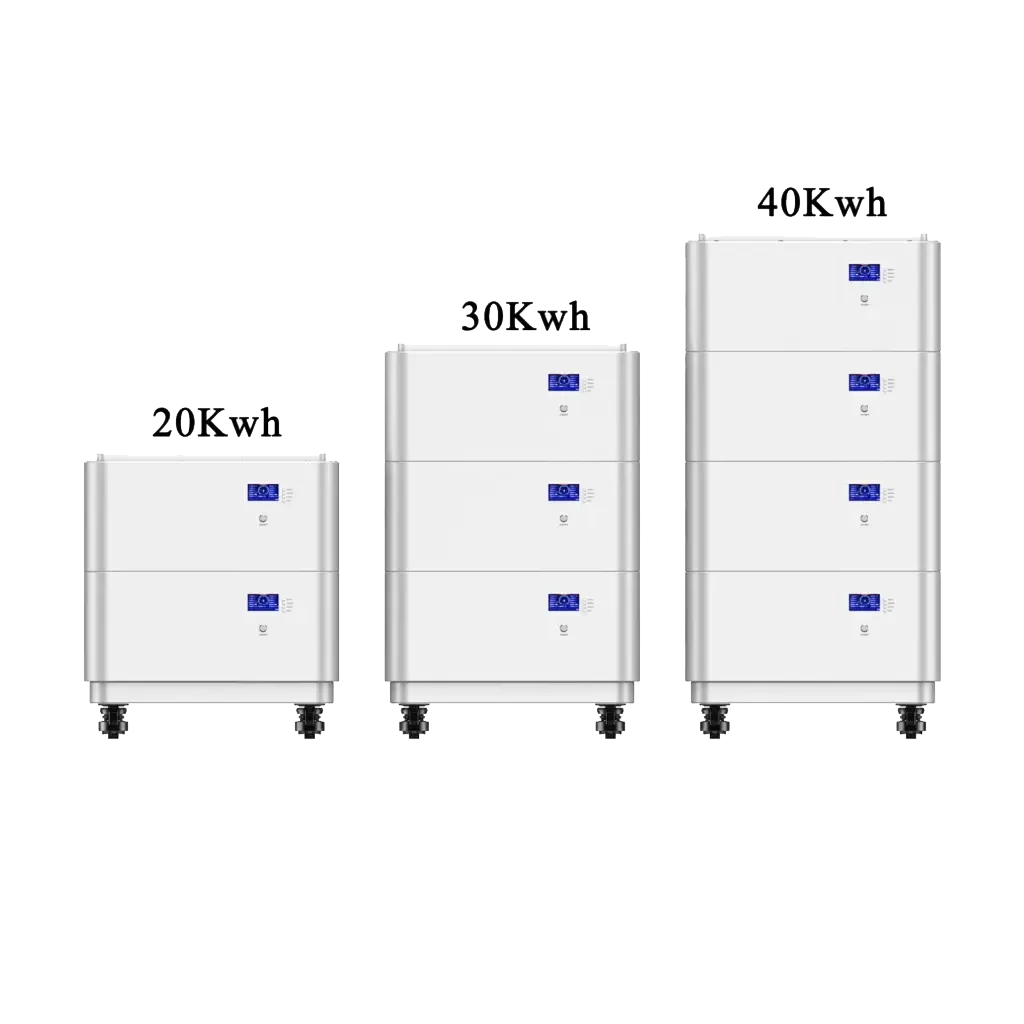
- Batteries: Storage capacity typically ranges from 40 kWh battery to 150 kWh battery or more.
- Mounting: Ground- or roof-mounted racking systems for solar panels.
Battery Storage Cost Estimates
Battery storage prices typically range from $700 to $1,000 per installed kWh, varying by brand, size, and location. For a 40 kWh to 150 kWh battery, total installed costs usually fall between $28,000 and over $100,000.
If you are in Australia, the federal government’s “Cheaper Home Batteries” scheme can help reduce upfront costs by approximately 30%, usually covering nominal battery capacities between 5 kWh and 100 kWh.
Benefits of a 40kW Solar System with Battery Storage
A 40kW solar system with batteries is popular because it can deliver multiple benefits at once:
It can reduce daytime grid imports. It can store solar for evening use. It can provide backup power for critical circuits. It can stabilize energy costs when tariffs change. It can also improve site resilience, which matters for farms and small businesses that cannot afford downtime.
In markets with strong incentives or supportive programs, batteries can also become much more financially attractive (for example, Australia’s federal discount program is explicitly designed to lower upfront costs over time).
How to Size the Battery for a 40kW Solar System
1. Electricity Bill Savings (TOU Shifting & Peak Shaving)
For commercial or large residential users aiming to reduce electricity bills through time-of-use (TOU) optimization and peak demand shaving, battery systems typically range from 40 to 150 kWh. This size is generally sufficient to store excess solar energy and discharge it during high-tariff periods.
2. Backup Power (Critical Loads)
For backup power applications covering essential circuits, battery capacity usually falls between 60 kWh and 200+ kWh, depending on:
- The number of circuits supported
- Power demand during outages
- Desired backup duration
Larger systems provide longer runtime and greater operational flexibility during grid failures.
3. Off-Grid Operation (40 kW Off-Grid Solar System)
For fully off-grid systems, battery sizing must be based on daily energy consumption and required autonomy.
If your daily electricity usage is 150 kWh, and you want 2 days of battery autonomy, with a usable depth of discharge (DoD) of 80%, the required battery capacity would be approximately 375 kWh of storage
Most serious off-grid designs also incorporate a backup generator to handle extended cloudy periods, seasonal variations, and maintenance downtime, ensuring long-term system reliability.
Avepower has developed a free calculator that lets you enter your home’s real-world loads and estimate the battery capacity that best fits your household.
Solar Battery Storage Size Calculator — How Many kWh do I Need?
How Much Electricity Does a 40kW Solar System Produce Per Day?
A 40kW solar system can produce about 140-180 kWh per day on average under typical conditions. Over a full year, that’s roughly 51,100 kWh-65700kWh (× 365), not including unusual weather, shading, equipment faults, or planned/unplanned downtime.
Average Daily Production in Australia (by city)
Actual daily generation will be higher in summer (longer, clearer days) and lower in winter or during extended cloudy periods.
| City | Avg. kWh per day (40kW system) |
|---|---|
| Adelaide | 154 kWh/day |
| Brisbane | 160 kWh/day |
| Canberra | 154 kWh/day |
| Darwin | 176 kWh/day |
| Hobart | 124 kWh/day |
| Melbourne | 134 kWh/day |
| Perth | 168 kWh/day |
| Sydney | 144 kWh/day |
How Many Solar Panels Does a 40kW Solar System Require?
The number of solar panels depends on the power rating of each panel. For panels rated between 400W and 550W, you would need approximately 73 to 100 panels to build a 40kW system.
How Much Space Is Needed to Install a 40kW Solar System?
A typical 550W solar panel measures approximately 2256 mm by 1133 mm, which equals about 27.6 square feet per panel. For a 40kW system using around 73 panels, the total panel surface area is roughly 2,010 square feet.
For ground-mounted installations, panels need to be spaced apart to minimize shading on each other. As a result, the actual land area required can be 1.5 to 2 times larger than the combined panel surface area. Therefore, a ground-mounted 40kW system may need between 3,015 and 4,020 square feet of land.
40kW Off Grid Solar System: What Changes?
A 40kW off grid solar system is a different kind of engineering problem than grid-tied solar.
Off-grid design must cover the worst solar weeks, not the average week. That usually means:
- More PV (sometimes significantly more than 40kW, depending on winter sun and loads)
- A larger battery bank (often measured in days of autonomy)
- A backup generator (many well-designed off-grid systems include one)
- More advanced load management and staged backup circuits
- Careful planning for surge loads (pumps, compressors, refrigeration, workshop tools)
If you truly need off-grid reliability (not just “backup”), ask your designer to model production and load profiles for the worst solar month, not the annual average.
Why Is My Electric Bill So High If I Have Solar Panels?
This is one of the most common questions—and it usually has a logical explanation. Here are the top causes:
| Reason | Fix / Solution |
|---|---|
| Your usage happens when solar is not producing | Shift loads to daytime where possible, or add battery storage to cover non-solar hours. |
| Your export credit is low, or export is capped | Use batteries, shift loads, or design systems to maximize self-consumption instead of export. |
| Time-of-use rates and demand charges are driving costs | Use battery peak shaving, optimize tariffs, and control peak loads to reduce charges. |
| Your system is underperforming | Monitor system data, compare actual vs expected output, inspect shading, and schedule maintenance. |
| Your electricity use increased after going solar | Track monthly total usage and consider energy efficiency upgrades. |
| Fixed charges and fees still apply | Understand solar reduces energy charges but doesn’t eliminate fixed fees entirely. |
Upgrade to Avepower Scalable Battery Storage
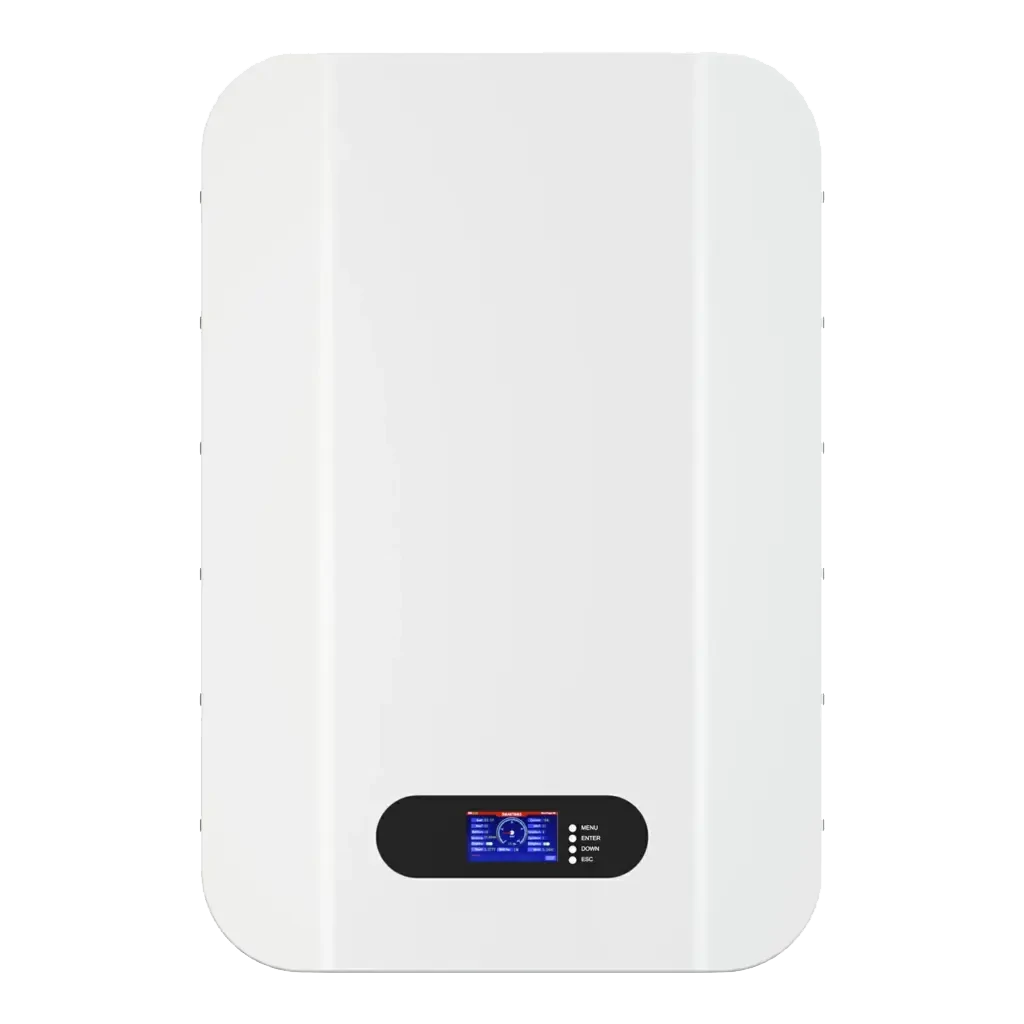
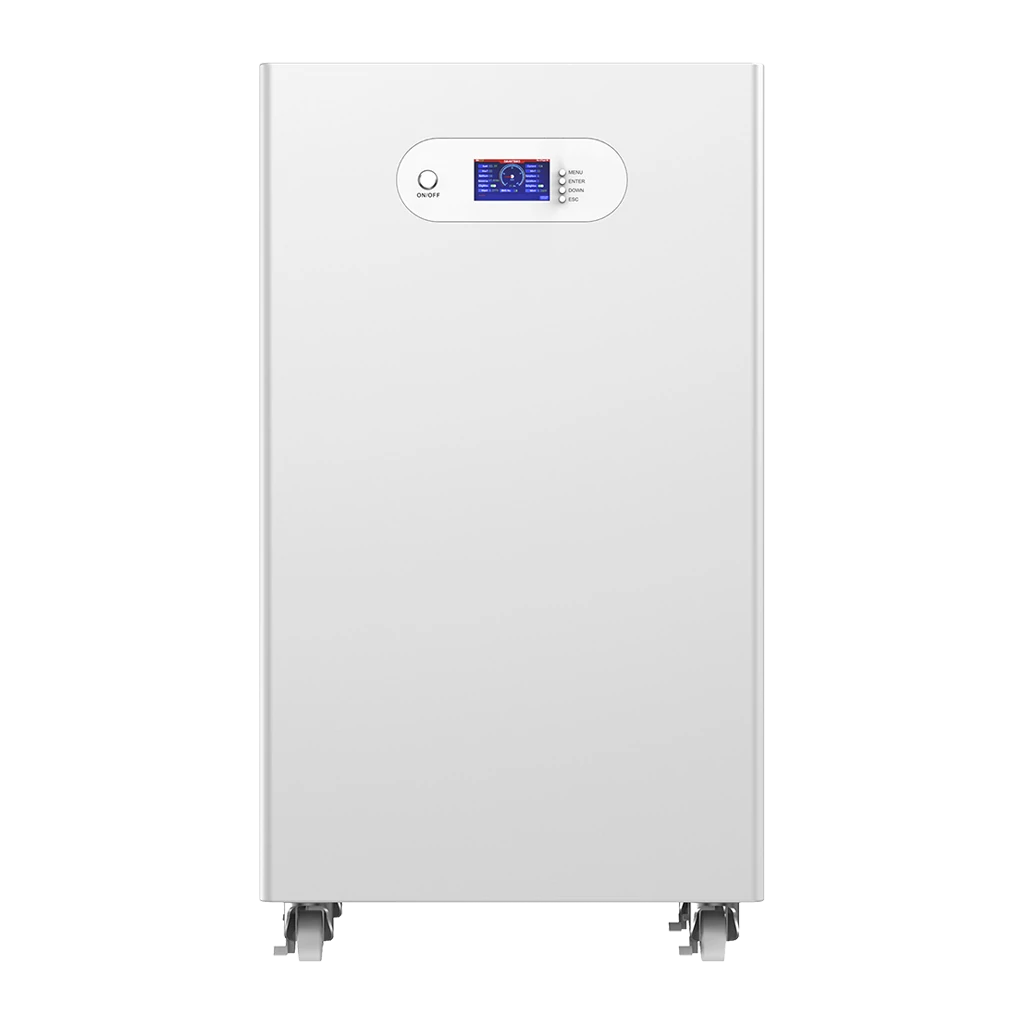
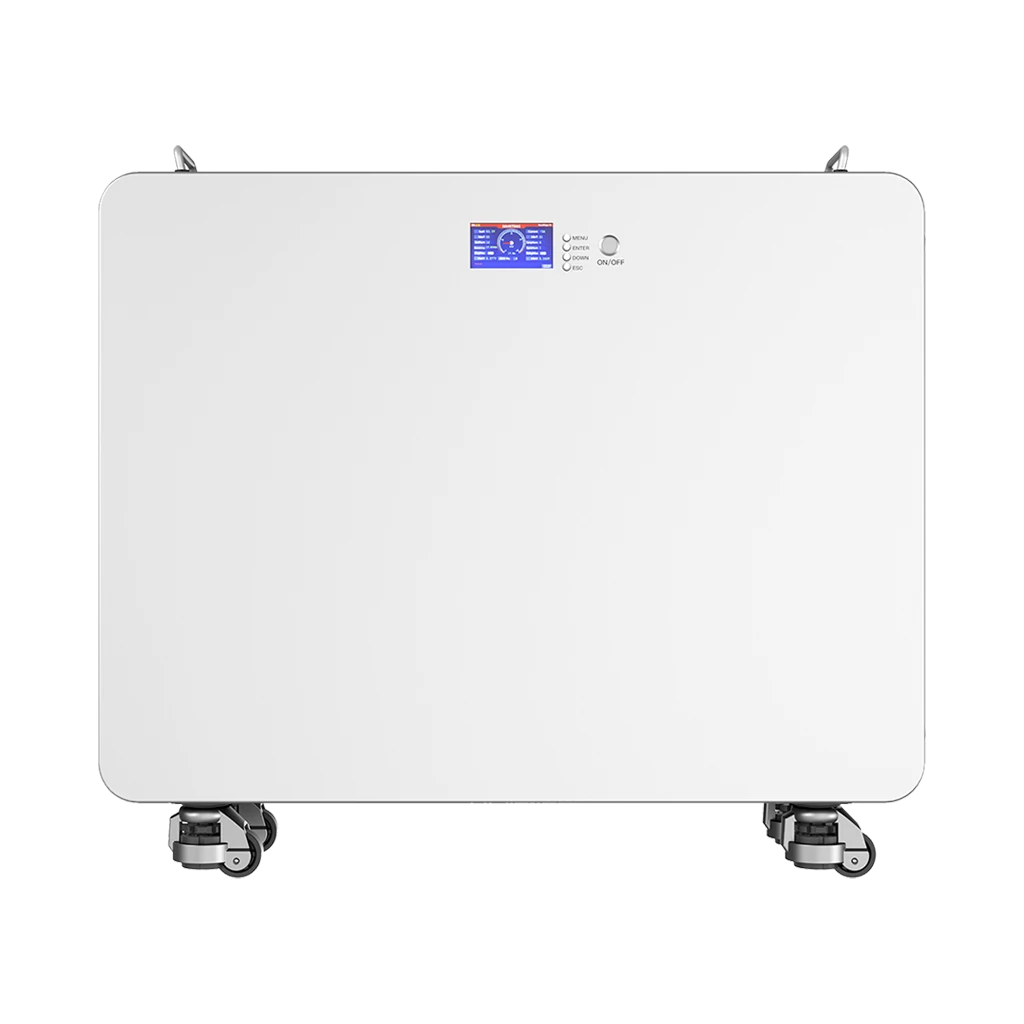
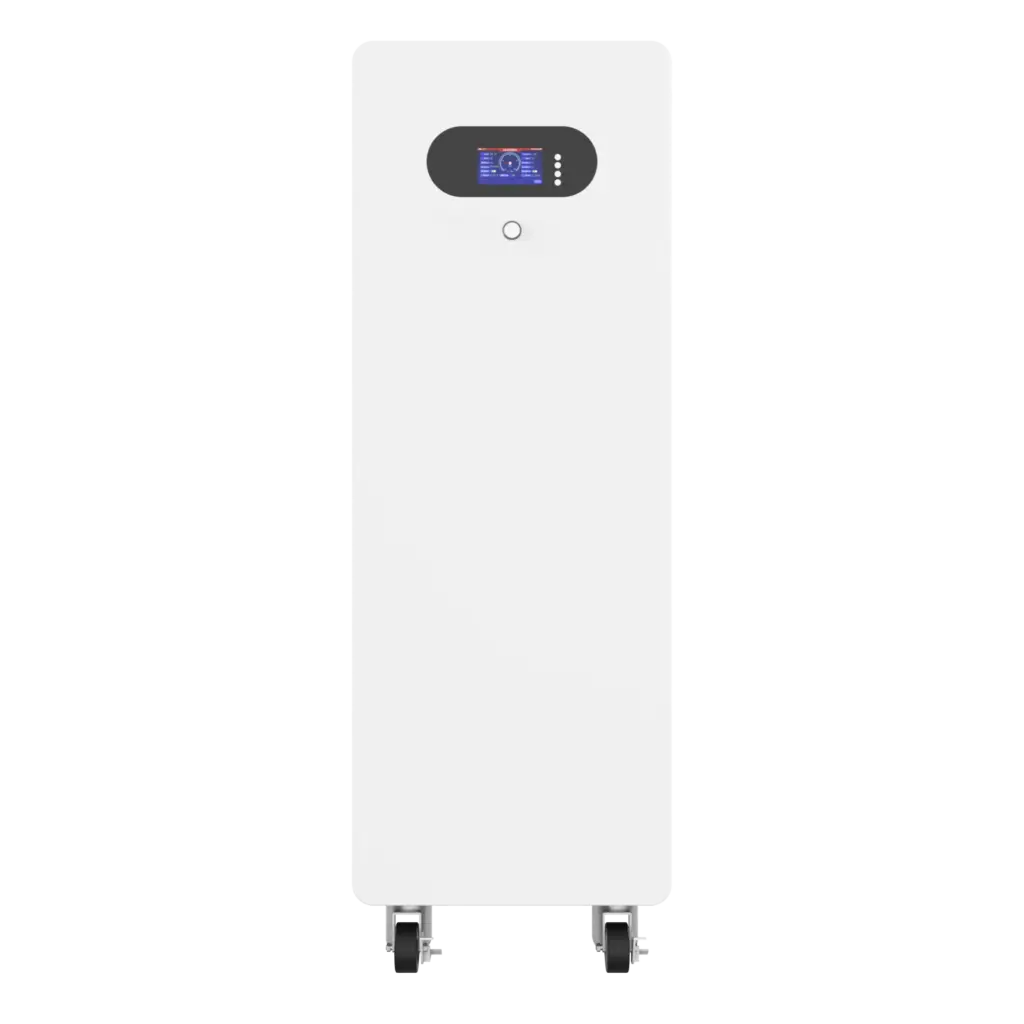
Upgrade to an Avepower Battery Energy Storage System and get a scalable solution that grows with your needs. Our modular platform starts from 40kWh and can expand up to 550kWh, so you can add capacity anytime based on your actual power consumption and future load plans.
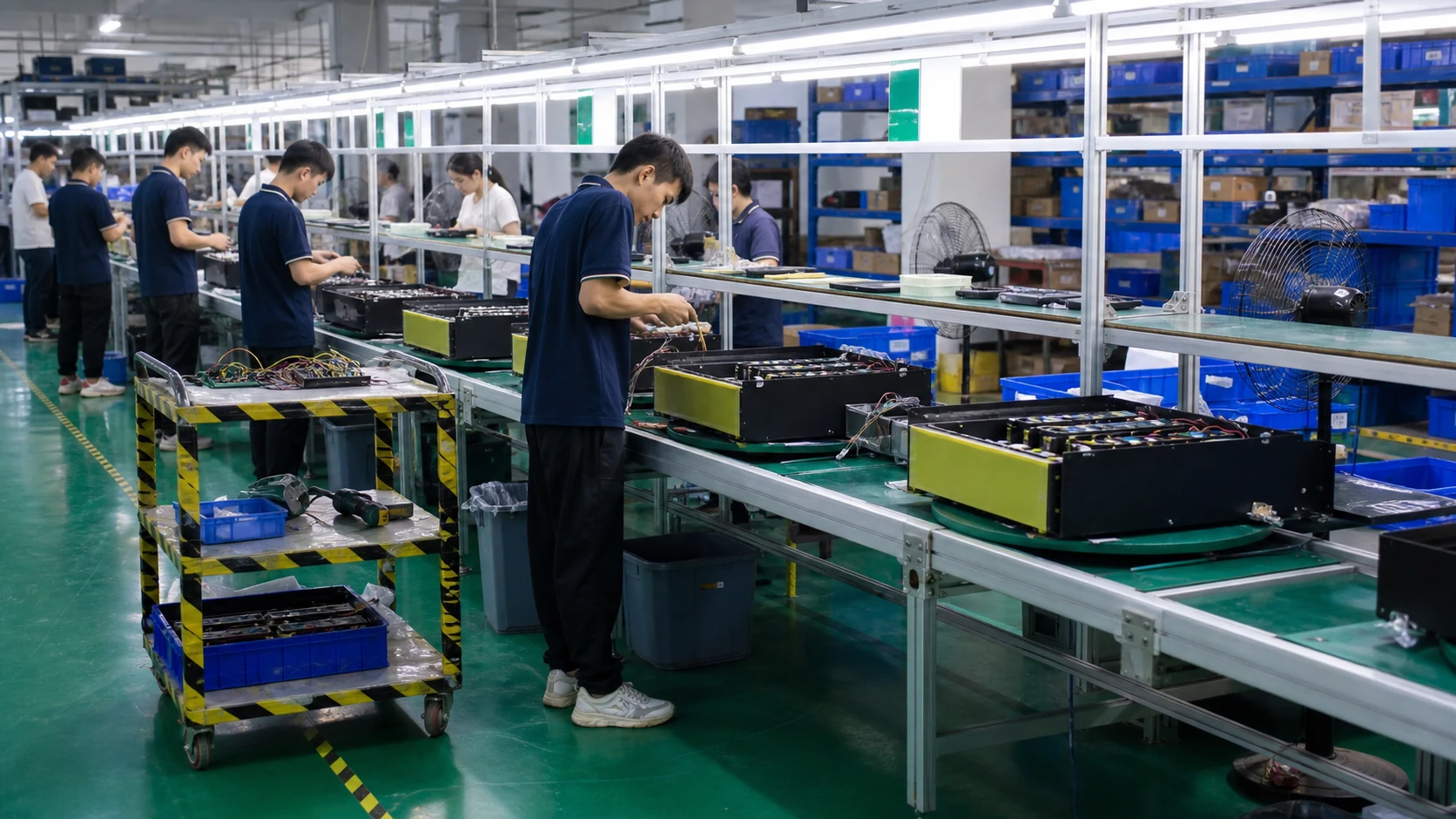
As a dedicated battery manufacturer with 50+ R&D engineers, Avepower delivers the technical strength and production capability you need for reliable long-term performance. If you are looking for a trusted supplier for an off-grid solar system, Avepower is the partner you can count on. We provide a one-stop energy storage solution from system design to manufacturing and delivery, helping you deploy faster with less risk.
Contact us today for a tailored design and a one-stop home battery energy storage solution from factory to delivery.
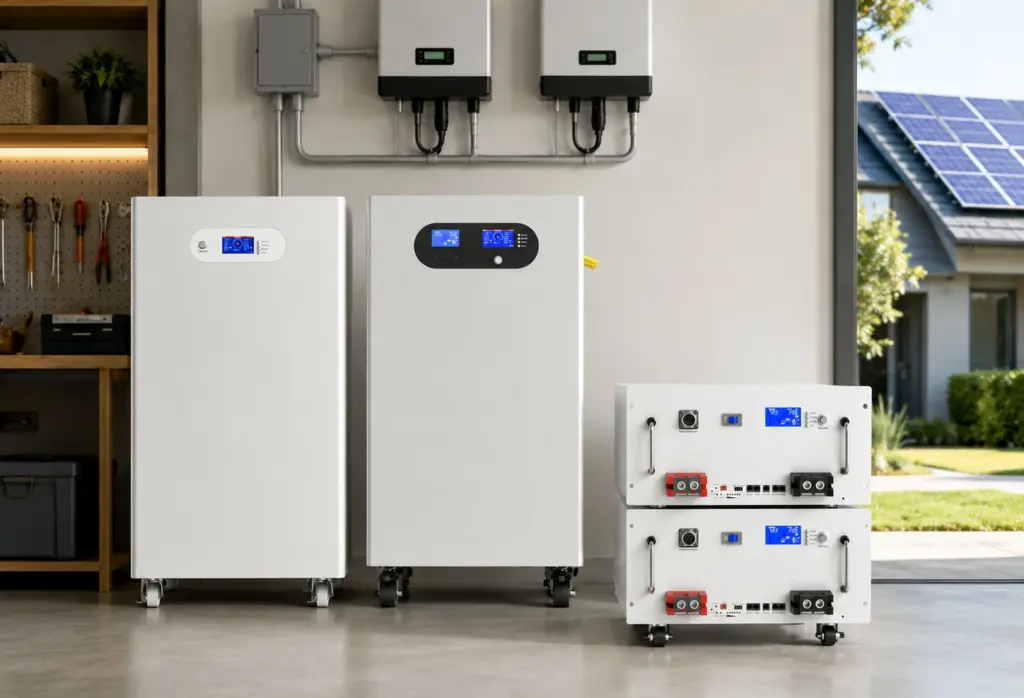
Take Control of Your Energy with Avepower!
Reliable home solar battery solutions with OEM/ODM customization and in-house manufacturing, tailored to the needs of distributors, installers, and energy partners.
FAQ
A 40kW system often generates about 140–180 kWh per day, depending on sunlight hours, season, panel orientation, shading, and system efficiency.
It depends on panel wattage. You typically need about 70–100 panels (for example, ~100 panels at 400W each, or ~73 panels at 550W each).
Common reasons include high evening usage, low export credits, demand charges, higher usage after installing solar, fixed daily supply charges, or system underperformance.
Roof mount can be cheaper and space-efficient, but ground mount can offer better orientation, easier cleaning, and simpler expansion—site conditions determine the best choice.
A solar-only 40kW system often falls around $35,000–$76,000, depending on equipment quality, roof complexity, permitting, and labor costs.
Many lithium batteries are designed for 10+ years and thousands of cycles. Actual lifespan depends on temperature, depth of discharge, and daily usage patterns.