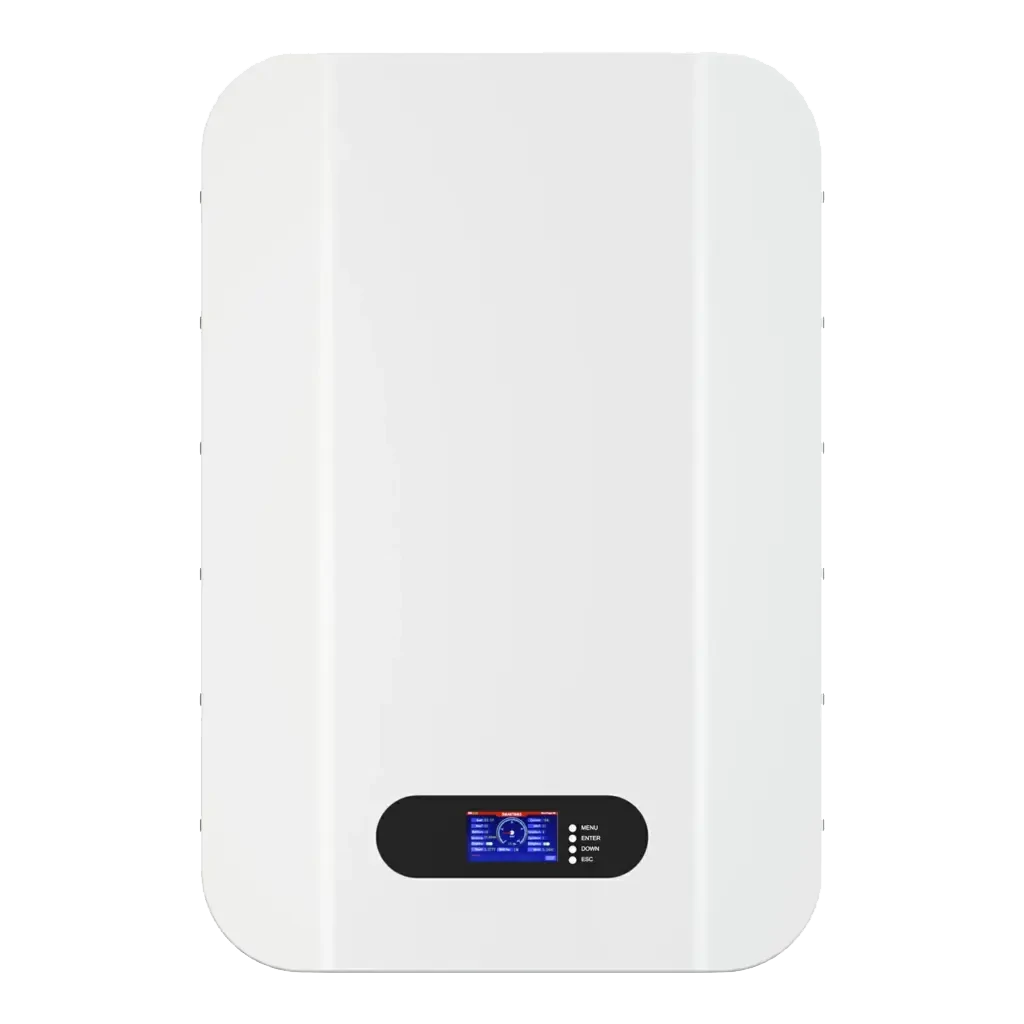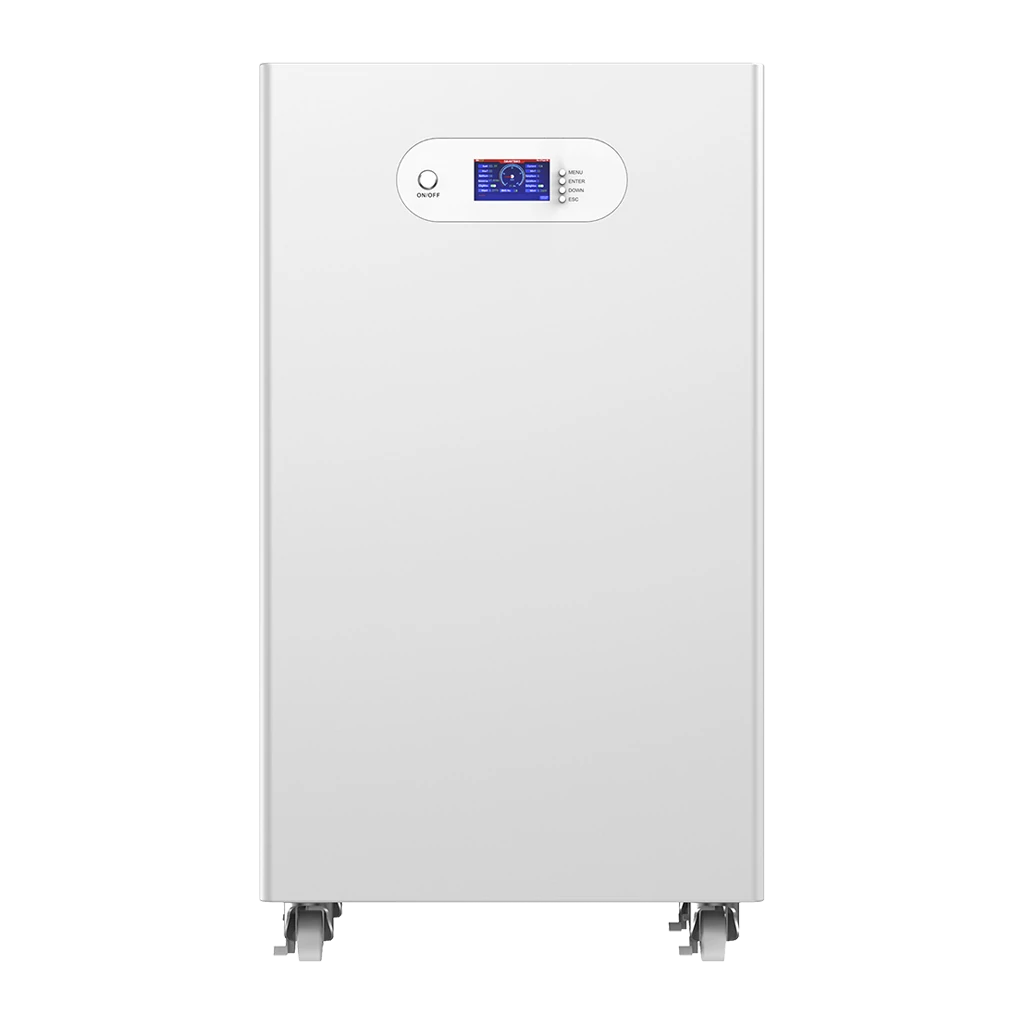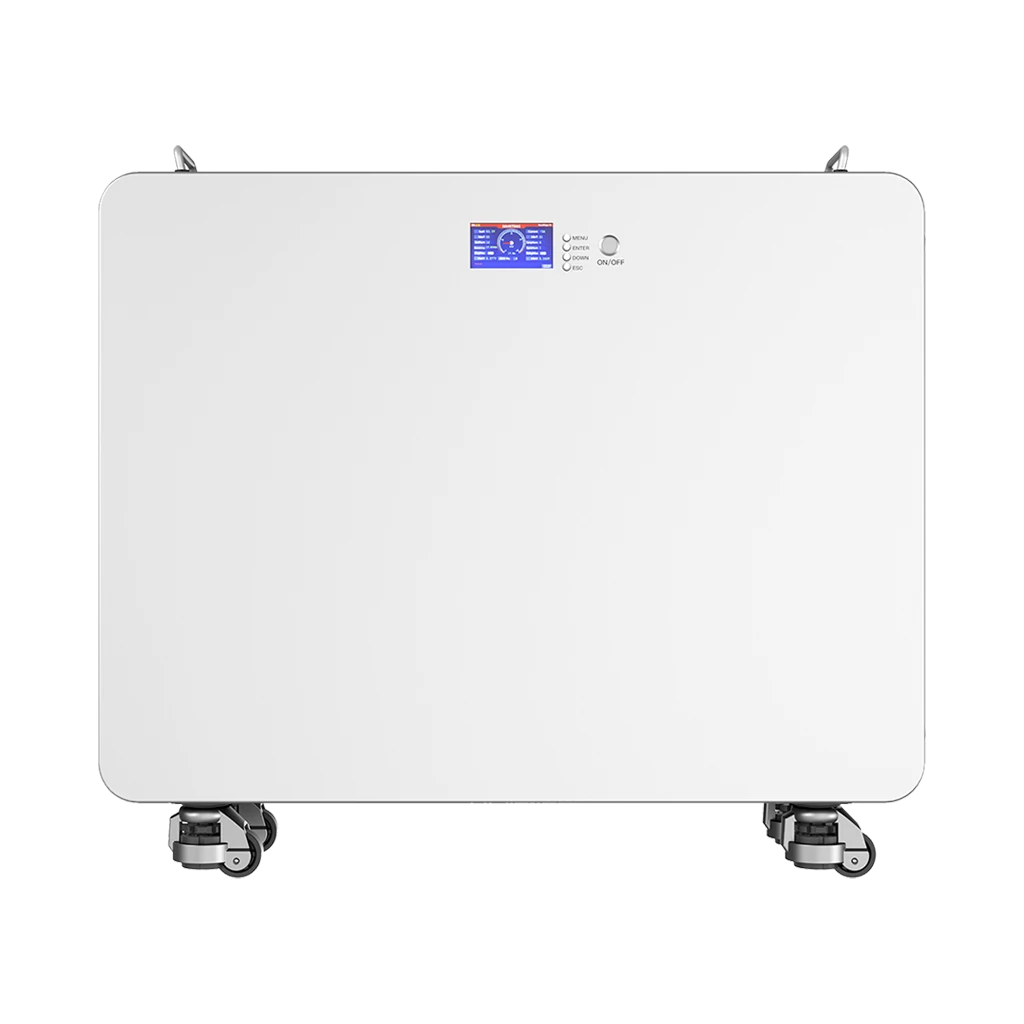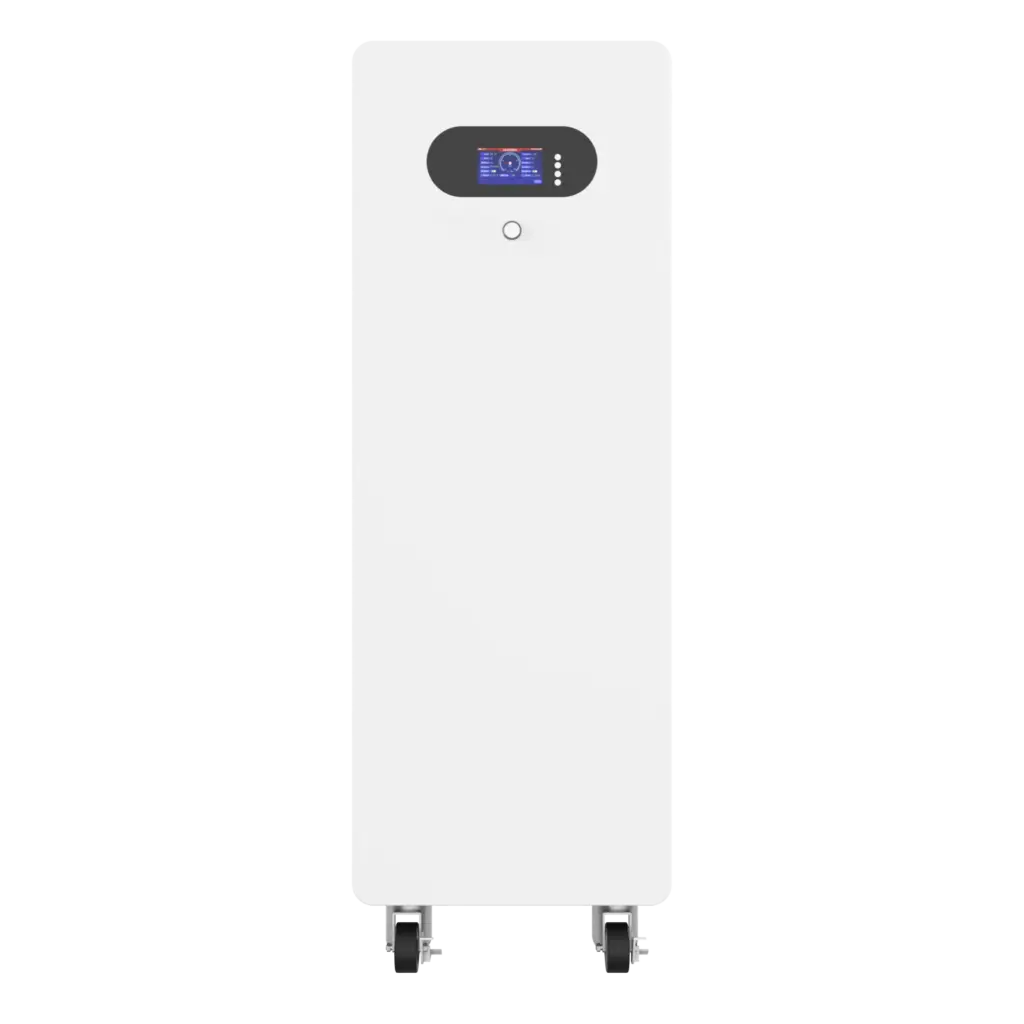

As home energy needs grow and renewable energy adoption becomes increasingly common, many homeowners are exploring larger capacity battery storage systems. A 40 kWh home battery stands out as a robust option for those seeking significant backup power or aiming to maximize self-consumption from solar panels.
This article will comprehensively cover the price, lifespan, installation considerations, and practical applications of a 40 kWh battery system. If you’re searching for a reliable energy storage solution, this guide will help you understand whether a 40 kWh battery is right for your home and budget.
What Is a 40 kWh Home Battery System?
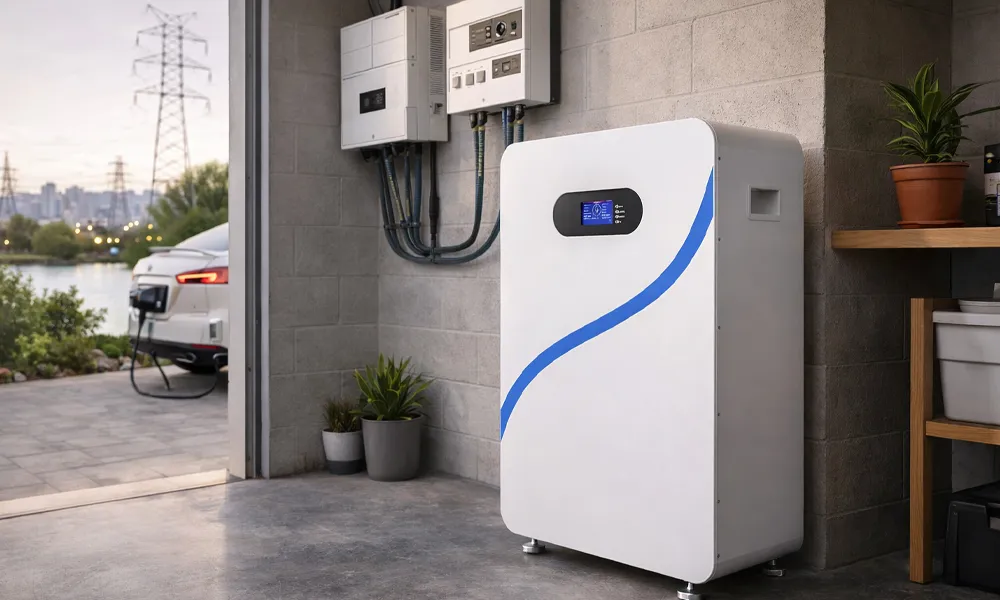
A 40 kilowatt-hour (kWh) home battery system is a residential energy storage solution capable of storing and delivering approximately 40 kWh of usable electricity. For reference, an average household typically consumes 25–35 kWh per day, meaning a 40 kWh battery system can power most homes for one full day or even multiple days with proper load management.
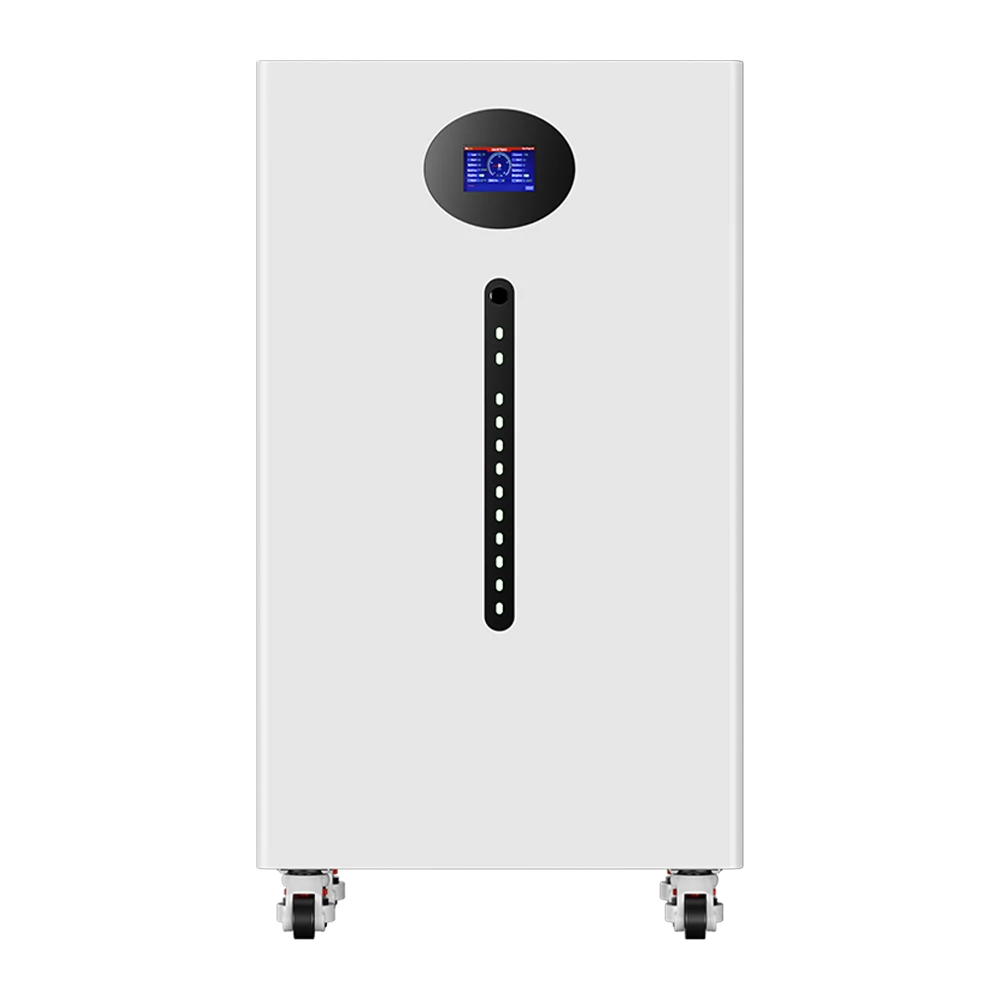
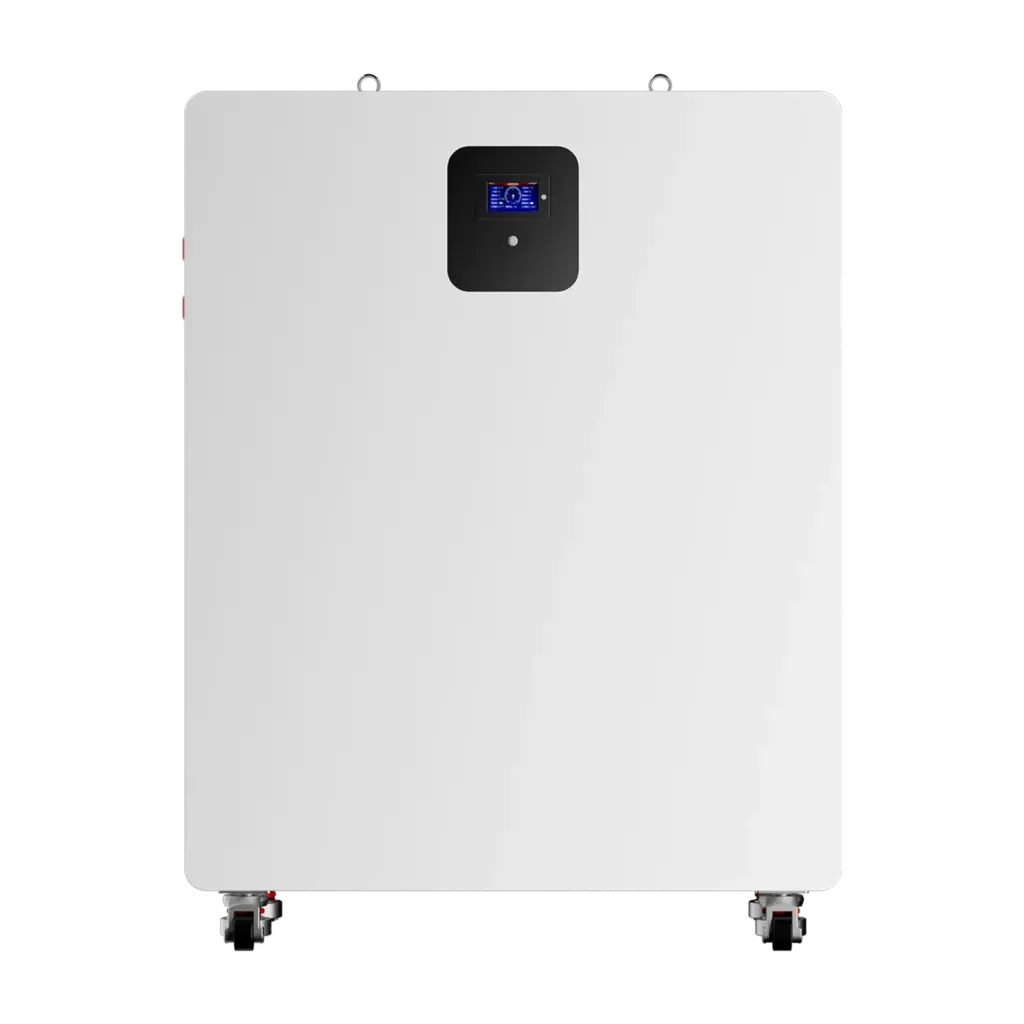
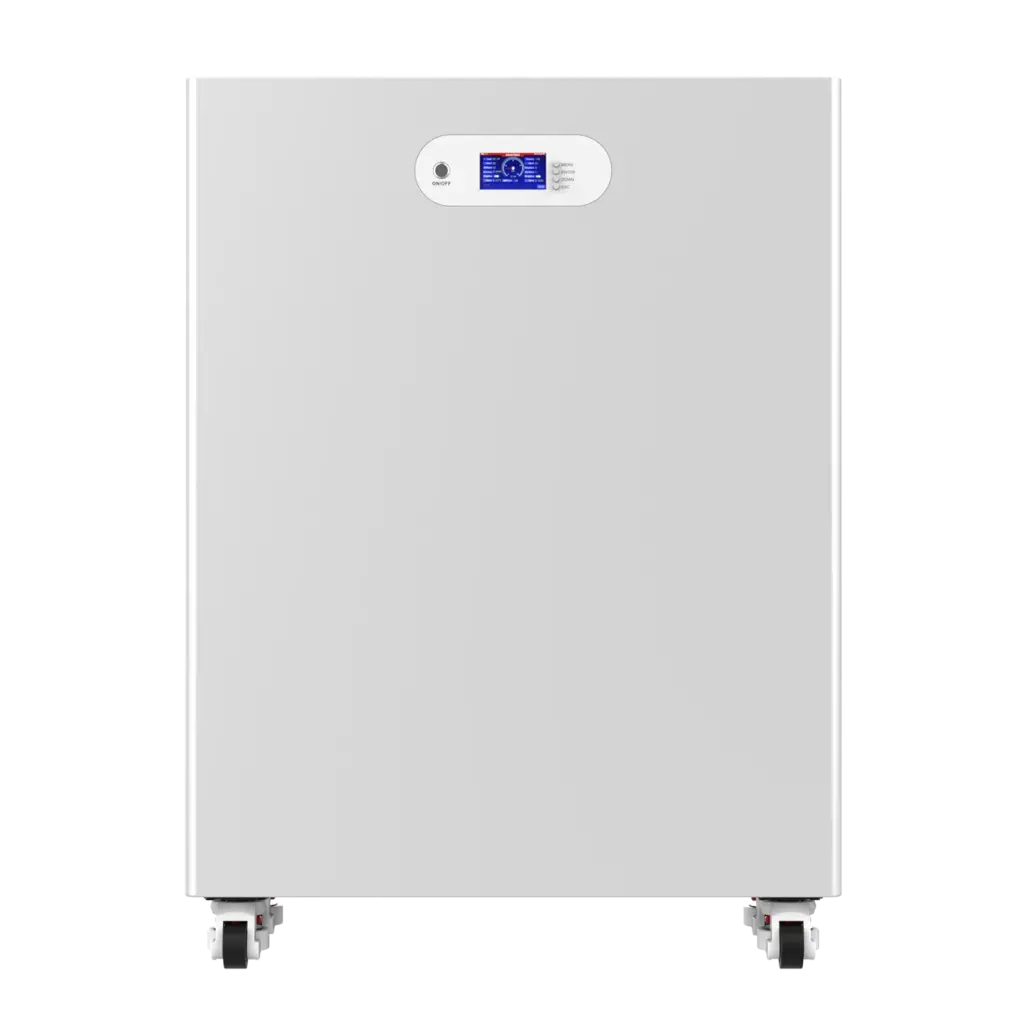
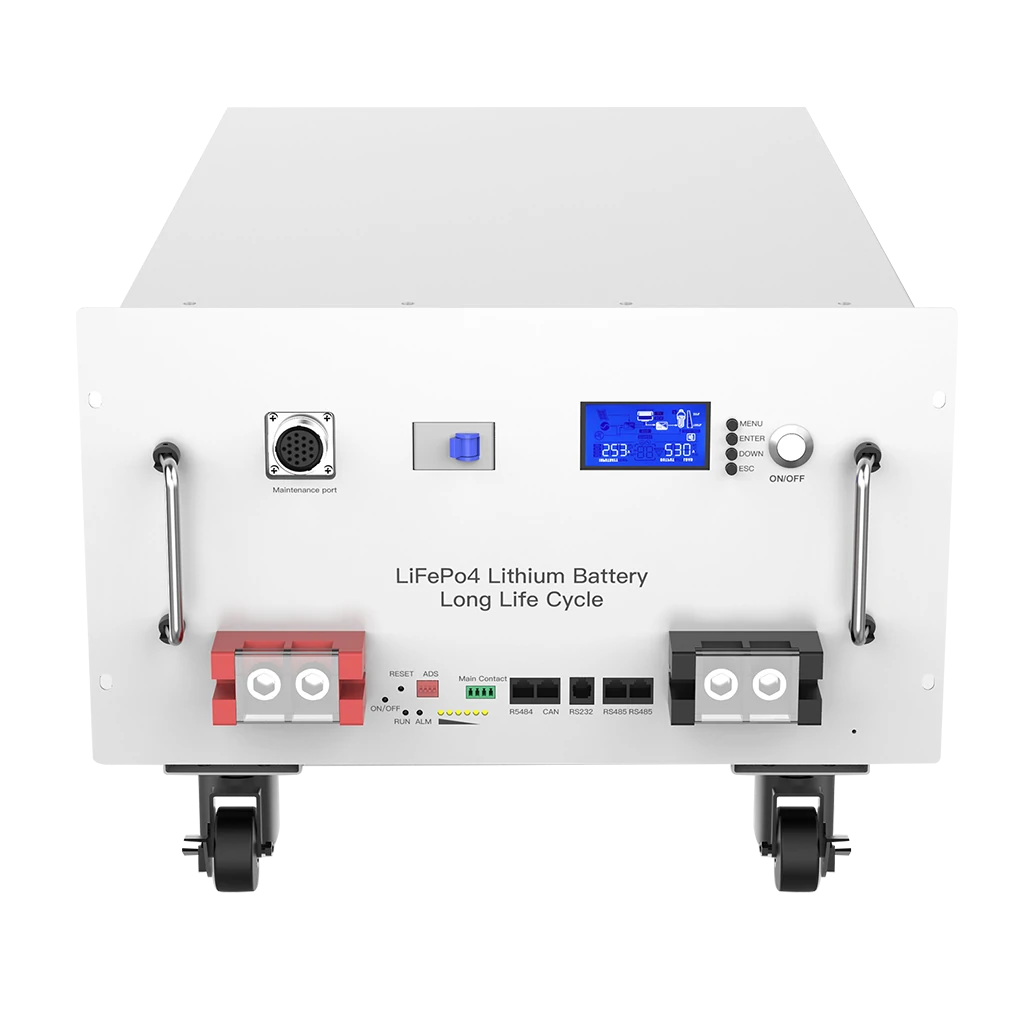
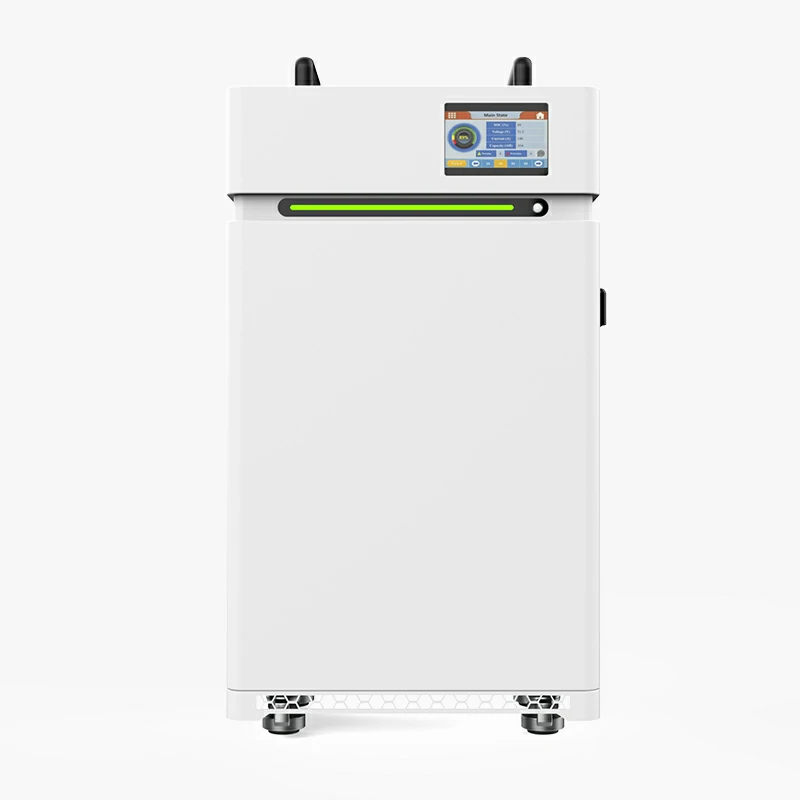
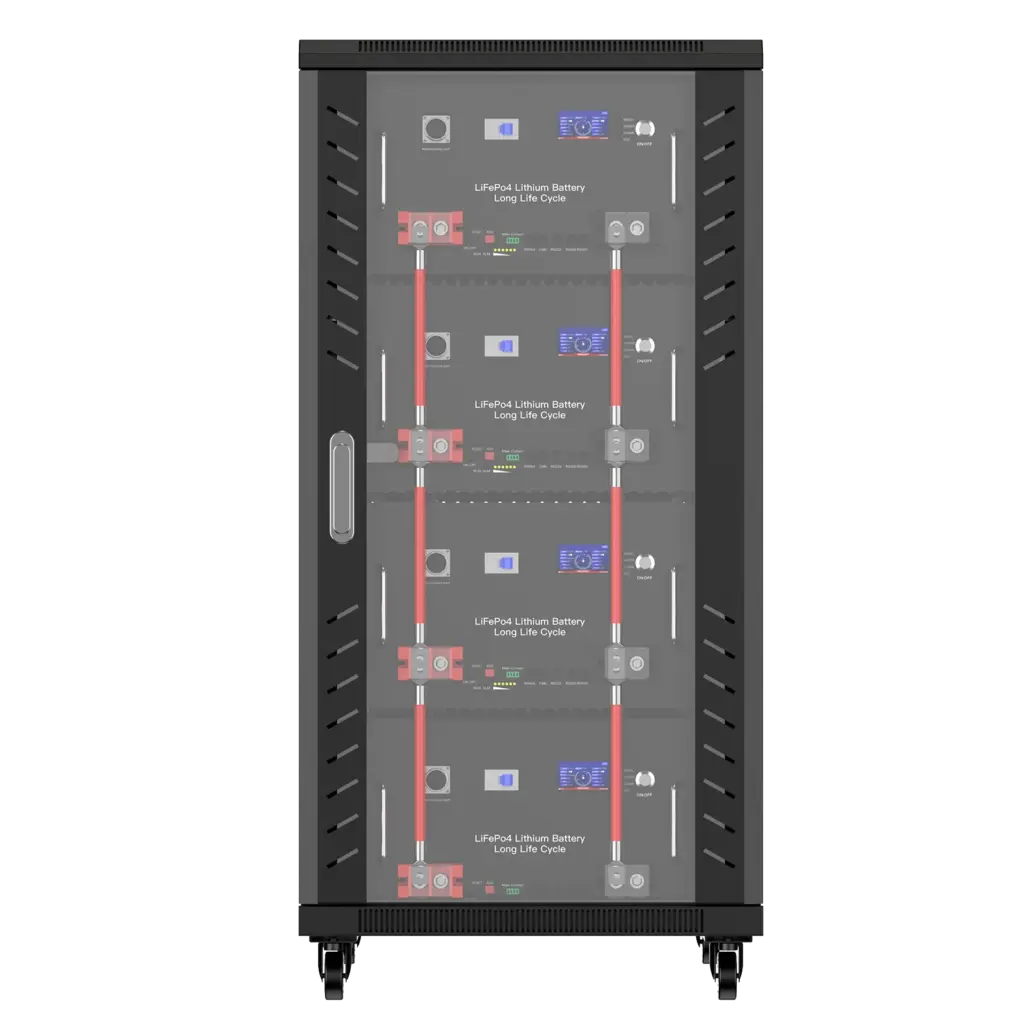
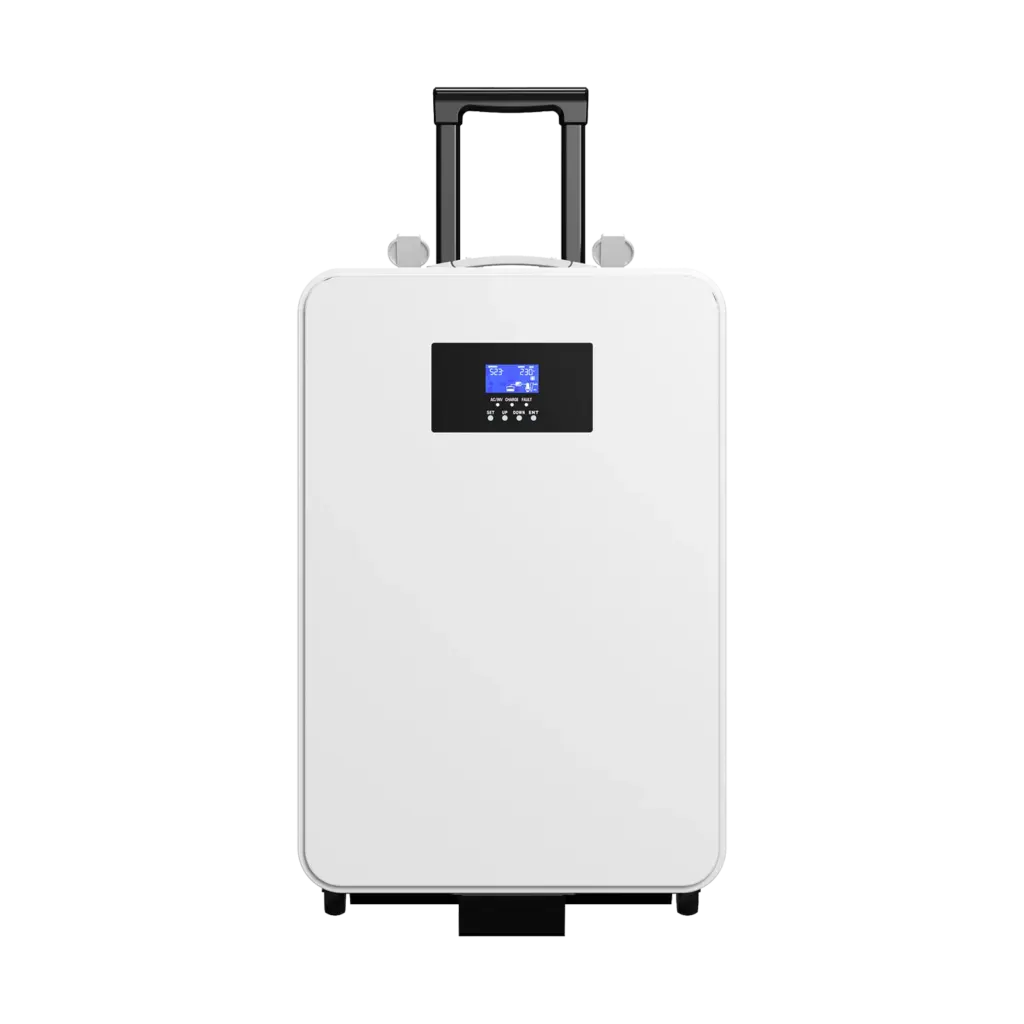
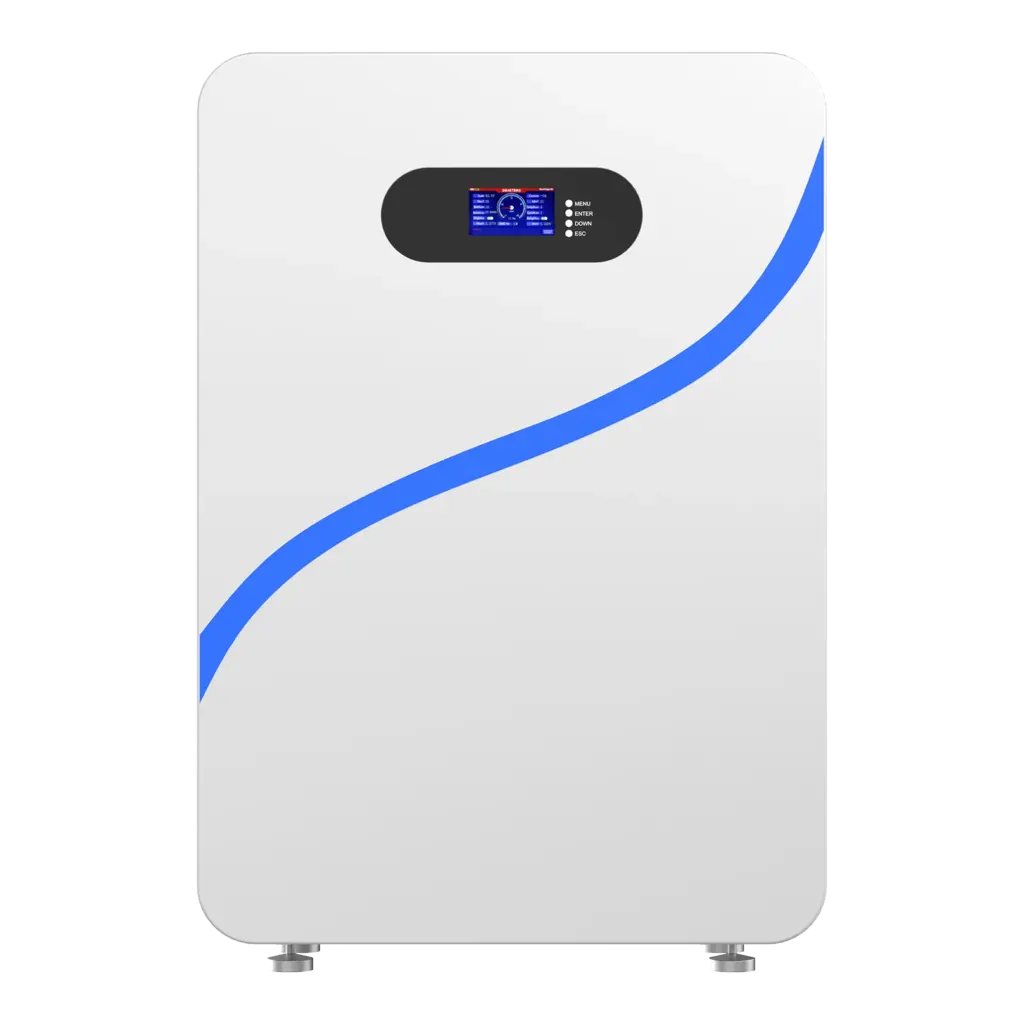
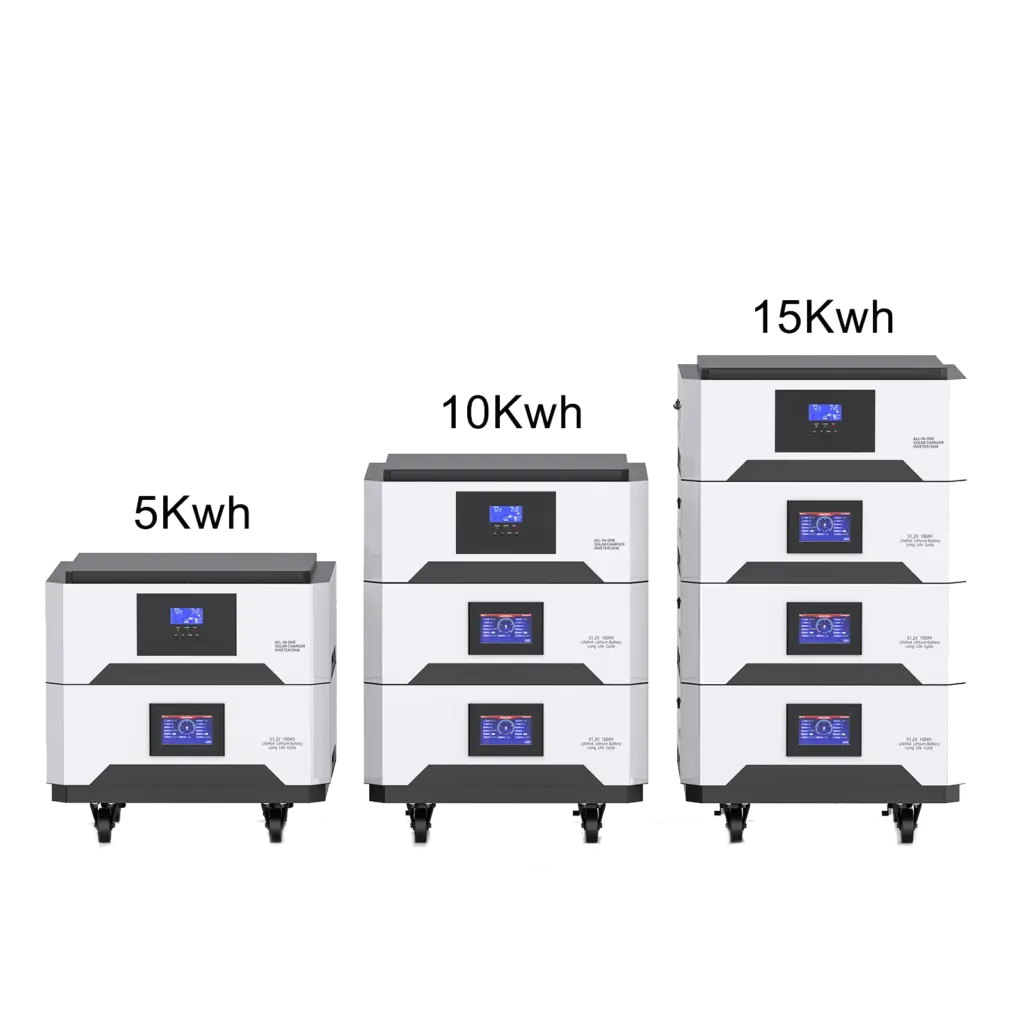
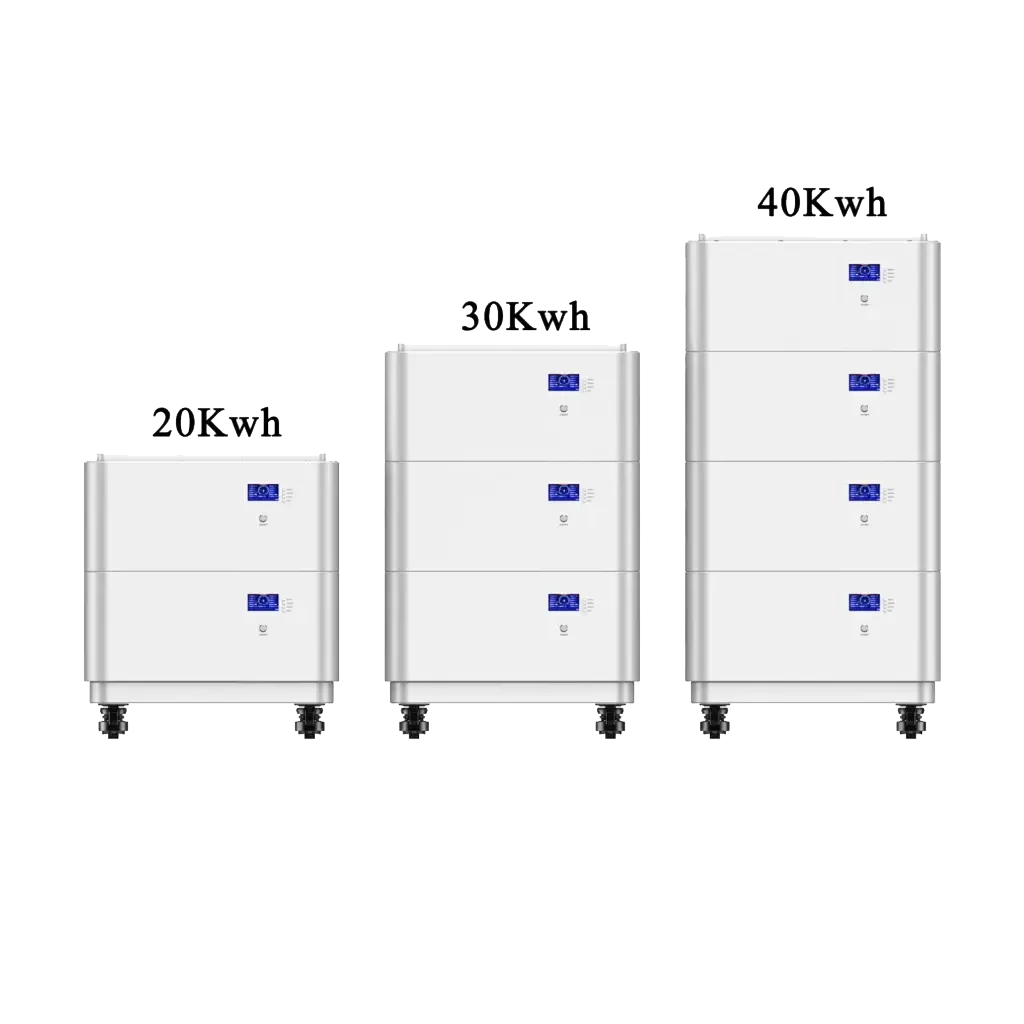
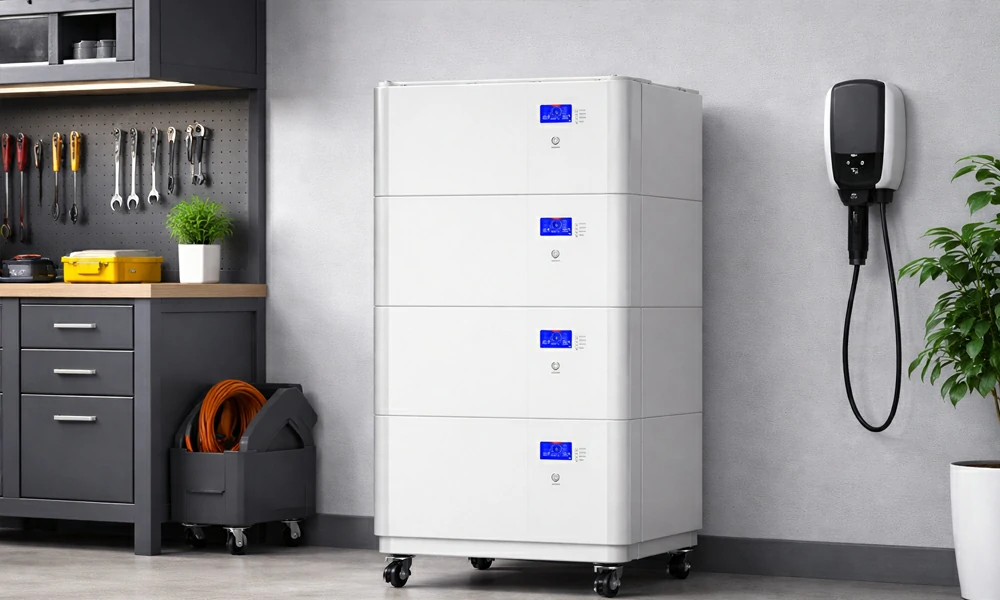
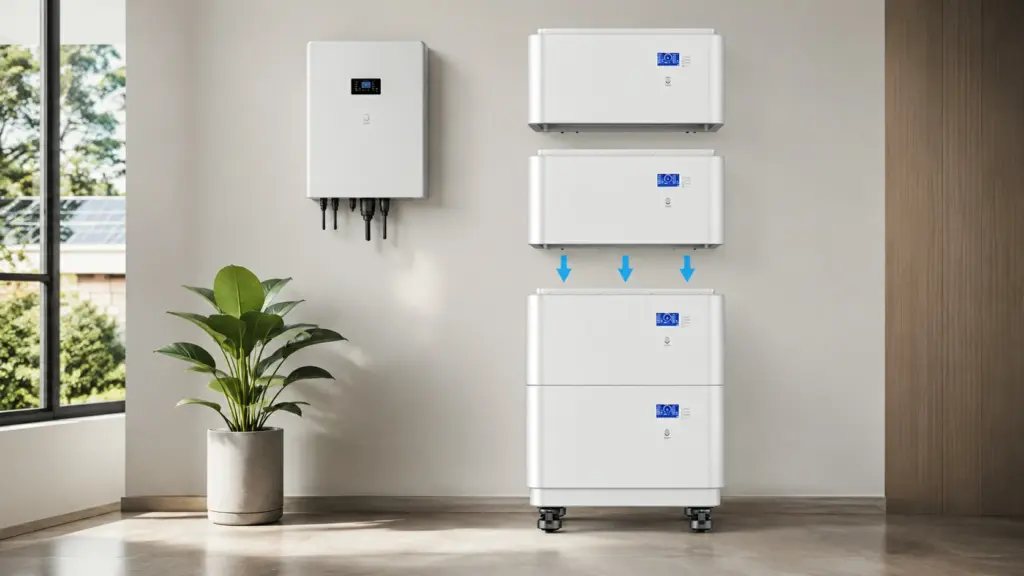
A 40 kWh home energy storage system is usually built with a modular design, combining multiple smaller battery units, such as:
- 4 × 10 kWh battery modules, or
- 8 × 5 kWh battery modules
To ensure high safety, long cycle life, and thermal stability, most modern 40 kWh systems use lithium iron phosphate (LiFePO4 / LFP) battery technology. LFP batteries typically offer 6,000–8,000+ charge cycles, making them ideal for long-term residential use.
Need Help Choosing the Right 40kWh Battery Configuration?
A 40kWh system may be built with different battery modules, inverter ratings and installation layouts. Share your solar system size, daily electricity use and backup load requirements, and Avepower can help match a suitable battery solution for your project.
Typical Applications of a 40 kWh Home Battery
Compared to smaller batteries designed only for critical loads, a 40 kWh system is better suited for homes with higher energy demand and is commonly used for:
- Whole-home backup power
- Solar + storage optimization to increase self-consumption
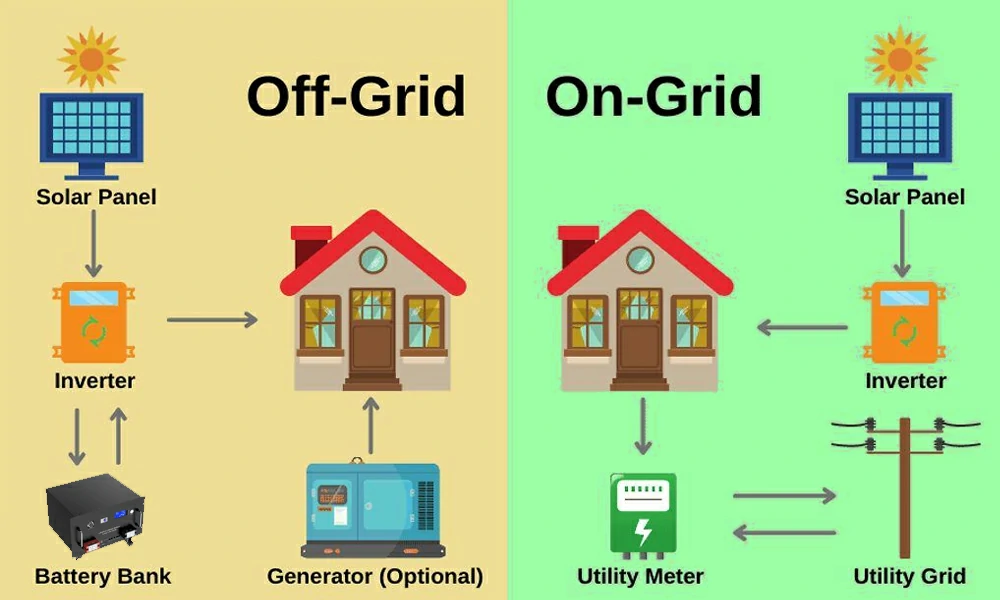
- Off-grid or hybrid (grid-tied + backup) systems
- Homes with EV chargers, central HVAC, or other high-power appliances
Who Is a 40 kWh Home Battery Best For?
A 40 kWh home battery system is particularly suitable for:
- Households with high daily electricity consumption
- Areas with frequent power outages or time-of-use electricity pricing
- Homeowners looking to maximize solar energy utilization
- Families planning to add electric vehicles or large electrical loads in the future
Avepower provides flexible home energy storage solutions tailored to real household needs. Based on your load profile, solar system size, and backup power requirements, we design customized 40 kWh home battery configurations to ensure reliable, efficient, and scalable energy storage for your home.
How Much Does a 40 kWh Battery Cost?
The price of a 40 kWh home battery system varies depending on configuration and brand. Purchasing the battery modules alone typically costs between $27,500 and $28,500, which covers only the battery itself and is suitable for users who already own an inverter or other system components.
For a complete energy storage solution that includes both the battery and the inverter, the total price generally ranges from $31,500 to $33,000. The inverter is a critical component that converts direct current (DC) from the battery into alternating current (AC) for household use, and its inclusion naturally increases the overall system cost.
Installation and Additional Costs
Beyond equipment costs, installation involves labor, permits, possible electrical panel upgrades, and safety inspections, which can add $3,000 to $7,000 depending on location and system complexity.
How Long Does a 40 kWh Battery Last?
A 40 kWh battery’s duration depends on your household’s energy consumption and how many appliances you run during an outage or off-grid operation.
- Moderate Use: A typical household might consume 3-4 kWh per hour (lights, fridge, fans, electronics).
40 kWh ÷ 4 kWh = 10 hours of backup power. - Energy Efficient Use: If only essential loads (fridge, lights, router) run, perhaps 1-2 kWh per hour.
40 kWh ÷ 2 kWh = 20 hours or more. - Heavy Use: With HVAC systems or electric vehicle chargers running, usage could spike above 5-6 kWh per hour, reducing backup time to under 8 hours.
Planning a 40kWh Battery Storage System?
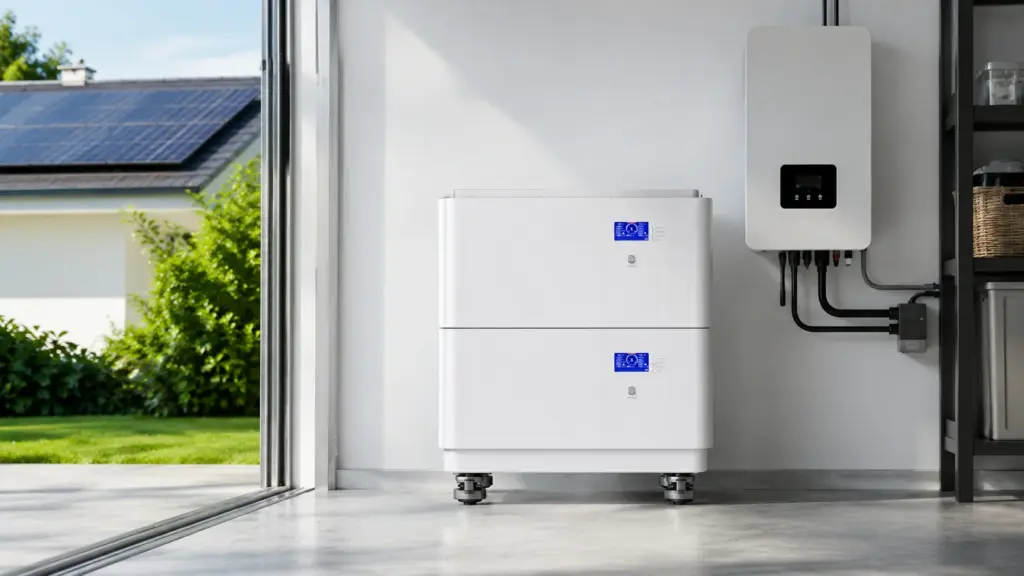
A 40kWh battery can provide stronger energy storage capacity for large homes, villas, small businesses and solar backup projects. Avepower offers LiFePO4 battery solutions designed for long cycle life, stable power output and flexible system expansion.
What Devices Can a 40 kWh Battery Support?
A 40 kWh battery can power a wide range of home appliances and systems, including but not limited to:
| Device | Typical Power (Watts) | Approximate Runtime on 40 kWh Battery (Hours) |
|---|---|---|
| LED Lighting | 10–20 | 200–400 |
| Refrigerator | 100–150 | 267–400 |
| TV | 100–200 | 200–400 |
| Desktop Computer | 150–300 | 133–267 |
| Laptop | 50–100 | 400–800 |
| Wi-Fi Router | 10–20 | 200–400 |
| Small Air Conditioner | 1000–1500 | 26–40 |
| Washing Machine | 500–2000 | 10–80 |
| Electric Water Heater | 3000–4500 | 8–13 |
| EV Charger (Level 1) | 3000–7000 | 5.7–13 |
| Microwave Oven | 800–1200 | 33–50 |
| Freezer | 150–250 | 160–267 |
| Vacuum Cleaner | 500–1000 | 40–80 |
| Electric Fan | 40–75 | 533–1000 |
| Rice Cooker | 400–700 | 57–100 |
How Long Does It Take to Charge a 40 kWh Battery?
The charging time depends on the power source and charging equipment:
- From the grid: Using a typical 7 kW home charger, it takes about 5.7 hours to fully charge the battery.
- From solar panels: The charging time varies based on the size of the solar array and sunlight conditions. A properly sized solar system (for example, a 6.6 kW solar system or larger system) can fully charge a 40 kWh battery within one to two days under good sunlight.
- Fast chargers: Dedicated high-power chargers (such as 10–15 kW) can reduce the charging time to 3–4 hours, but these chargers are less common in residential installations.
How Much Does It Cost to Charge a 40 kWh Battery?
The charging cost depends on electricity rates.
If charging solely from the grid, assuming an average electricity price of $0.12 per kWh, fully charging a 40 kWh battery would cost approximately $4.80.
Using solar energy, the charging cost can be nearly zero since the battery stores free solar power generated during the day. Additionally, using the battery to shift energy consumption from peak to off-peak hours can further save money.
How Many Batteries Make Up 40 kWh?
The number of battery modules or units depends on the individual battery capacity. For example:
- If each battery unit is 10 kWh, you would need 4 units to reach 40 kWh.
- Some companies like Avepower offer modular systems where you can combine multiple 5 kWh or 10 kWh batteries to customize capacity.
This modular approach allows homeowners to start smaller and expand as energy needs grow or budget allows.
Is a 40 kWh Battery Worth Buying?
The value of investing in a 40 kWh battery depends on:
- Your energy consumption and critical loads during outages.
- The cost savings from time-of-use rate arbitrage and solar self-consumption.
- Electricity reliability in your area (frequent outages increase backup value).
- Environmental priorities, such as reducing carbon footprint with solar + storage integration.
For many households, a 40 kWh battery strikes a balance between capacity and cost, providing enough backup power to maintain essential appliances and comfort for several days. When paired with solar systems, it maximizes renewable energy utilization.
40 kWh Battery and Solar System Solutions
Ready to take control of your energy future? Discover how our 40 kWh battery combined with a solar power system can provide reliable backup power, reduce your electricity bills, and maximize your home’s energy independence. Contact Avepower today for a customized solution tailored to your needs and start saving with clean, sustainable energy!
Take Control of Your Energy with Avepower!
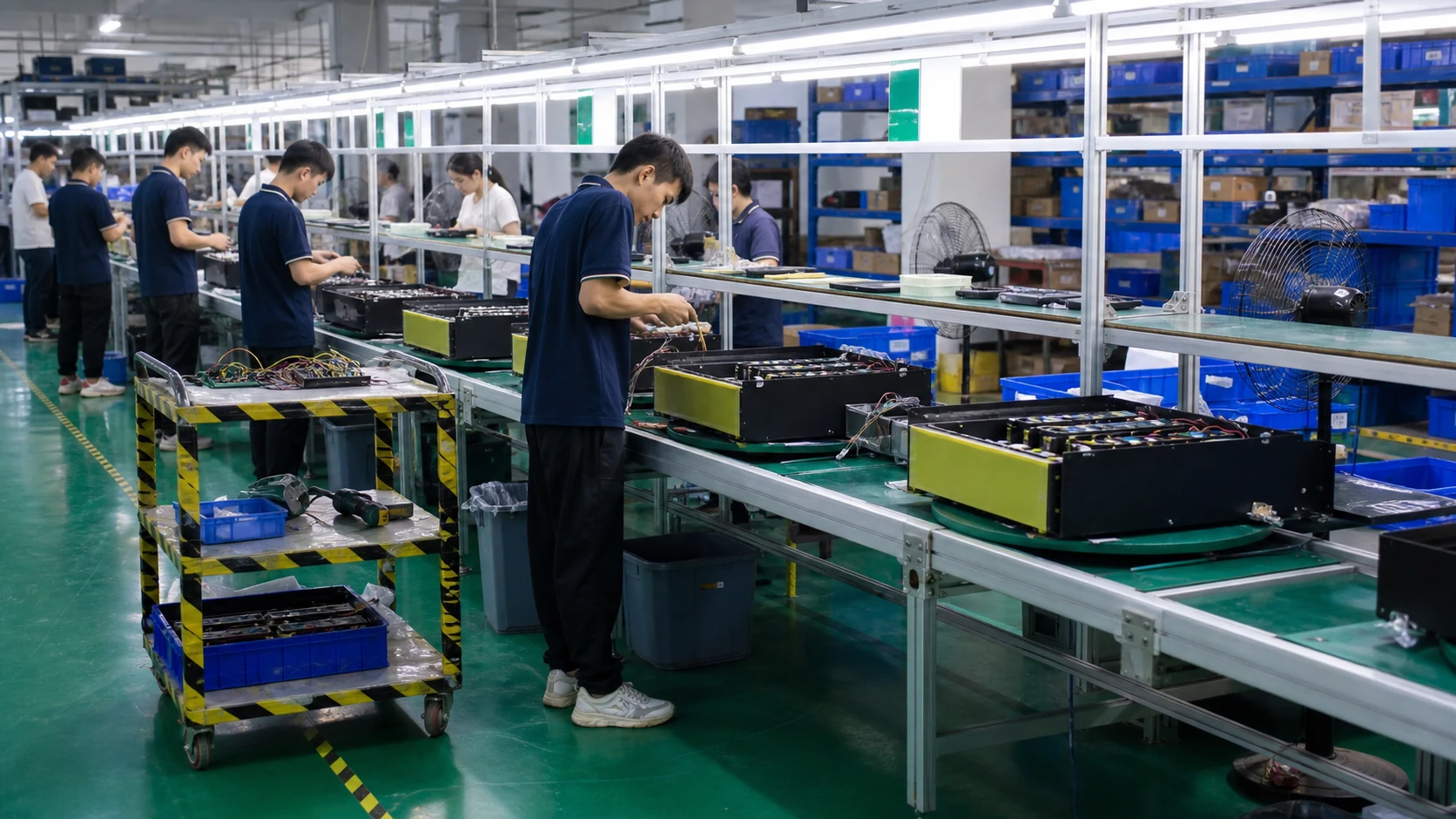
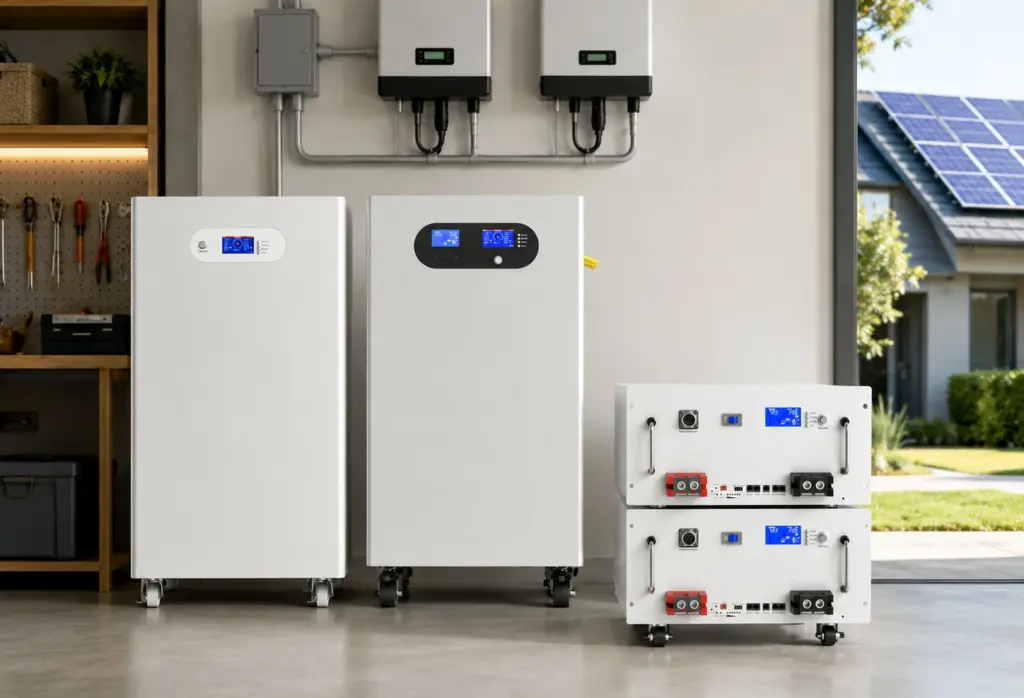
Reliable home solar battery solutions with OEM/ODM customization and in-house manufacturing, tailored to the needs of distributors, installers, and energy partners.
Conclusion
A 40 kWh battery is a powerful, flexible energy storage option suitable for households with higher power demands, solar energy systems, or a need for extended backup power. With prices ranging from $27,500 for the battery alone to over $33,000 with inverter, the investment is significant but offers long-term benefits in energy security and savings.
Charging costs are relatively low, especially when paired with solar, and lifespan is typically 10 years or more with proper care. If you want to reduce electricity bills, improve resilience, and integrate renewable energy effectively, a 40 kWh battery system is worth considering. For tailored advice and reliable products, exploring Avepower’s home battery solutions could be a valuable next step.
FAQ
Module count depends on the module size, and common builds include 8×5 kWh, 4×10 kWh, 2×20 kWh, or 3×15 kWh with some reserve.
The battery alone typically costs between $27,500 and $28,500. A complete system with an inverter ranges from $31,500 to $33,000.
Charging time varies: about 5.7 hours from a 7 kW grid charger, 1–2 days from solar panels, or 3–4 hours with a fast charger.
Typically, these batteries last 10 years or more, with 6,000 to 8,000+ charge cycles under normal conditions.