
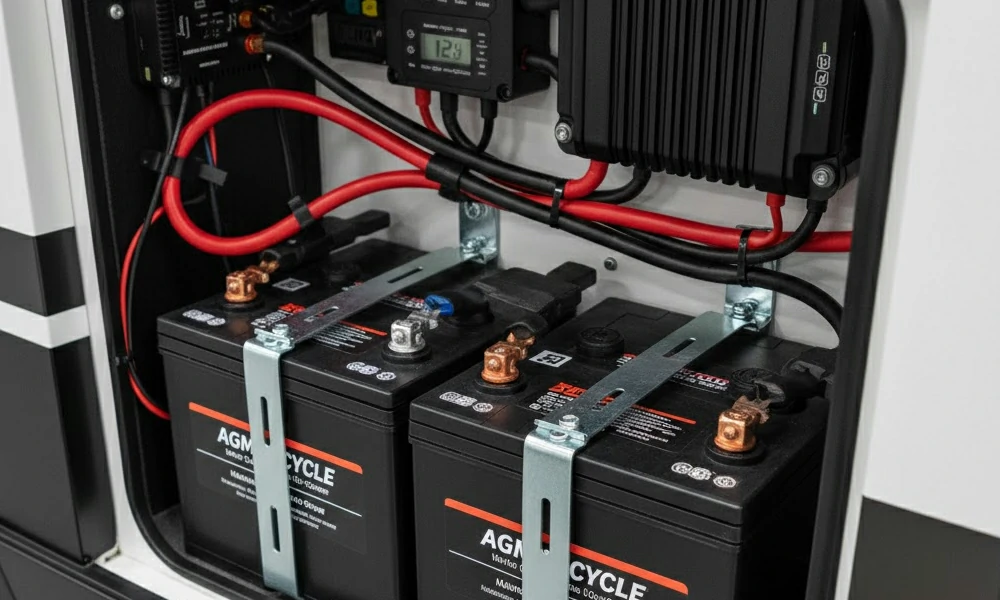
Many people choose batteries for cars, boats, solar systems, or backup power. Consumers usually want a battery that charges fast, lasts several years, and needs little maintenance. AGM batteries meet many of these needs.
An AGM battery is a sealed lead-acid battery that uses an Absorbent Glass Mat (a thin fiberglass sheet) to hold the electrolyte in place. Because the liquid is absorbed into the mat, the battery stays spill-proof, the internal resistance stays low, and the battery accepts charge faster than a standard “flooded” lead-acid battery. An AGM battery usually needs no topping up with water, and a safety valve controls pressure inside the case.
This article will break down everything you need to know about AGM batteries—from what the acronym means and how the technology works to the key benefits, drawbacks, and common uses. By the end, you’ll have a clear understanding of AGM batteries and whether they fit your power needs.
What Is an AGM Battery?
An AGM battery is a valve-regulated, sealed lead-acid battery that traps the liquid electrolyte inside a fiberglass mat. The mat sits tightly between the positive and negative plates. The design keeps the electrolyte from sloshing, keeps the cells under light compression, and helps the battery deliver strong bursts of current while resisting vibration. A pressure-relief valve manages gas if pressure rises.
Key Characteristics:
- Design: The glass mat absorbs the electrolyte and holds it against the plates.
- Maintenance: The sealed case and gas-recombination design mean the battery usually needs no water added.
- Performance: The low internal resistance supports higher cranking current and quicker charge acceptance than many flooded batteries.
- Safety & placement: The spill-proof design allows flexible mounting (upright, on the side, or in tight spaces), as long as the terminals stay protected and ventilation is reasonable.
AGM battery works well for start/stop cars, modern vehicles with many electronics, RVs, boats, motorcycles, ATVs, UPS systems, and general backup power.
AGM Battery Structure and Design
Inside an AGM battery, the glass mat separator plays a critical role. It holds the electrolyte firmly against the plates, ensuring optimal contact and minimizing free liquid inside the battery. This reduces acid stratification and limits the chance of leaks.
Compared to traditional flooded batteries, AGM batteries use less electrolyte yet deliver the same power output. The compact design makes AGM batteries more robust and better able to handle vibrations — a key advantage for off-road vehicles, boats, and RVs.
Because the electrolyte is immobilized, AGM batteries can be mounted in various orientations, including sideways, without risk of spilling acid. This flexibility simplifies installation in tight or awkward spaces.
How an AGM Battery Works
Every lead-acid battery uses the same basic chemistry:
- The positive plate uses lead dioxide.
- The negative plate uses spongy lead.
- The electrolyte carries ions between plates.
- The reaction converts chemical energy to electrical energy while discharging, and it reverses during charging.
The AGM design changes how the electrolyte sits in the battery. In a flooded battery, the liquid moves freely. In an AGM battery, the glass mat holds the electrolyte against the plates. This change brings three big effects you will notice in real life:
- Spill-proof construction: The glass mat locks up the liquid, and the sealed case prevents leakage.
- Lower internal resistance: The plates and mat fit tightly together, which improves current flow.
- Better gas management: The VRLA design recombines gases internally, which reduces water loss and routine maintenance.
Because internal resistance stays low, an AGM battery typically cranks engines better, charges faster, and runs accessories more steadily. The tight construction also resists vibration, which helps in boats, ATVs, motorcycles, and off-road vehicles.
Types of AGM Batteries and Where They Fit
Not every AGM battery targets the same job. You will see three broad types in the market:
- Starting AGM batteries: A starting AGM battery focuses on high cold-cranking amps (CCA) to crank engines. The plates are designed for short, strong bursts of current and frequent top-ups from an alternator.
- Deep-cycle AGM batteries: A deep-cycle AGM battery focuses on repeated discharge and recharge. The plates favor cycle life over extreme cranking power. RV “house” banks, small off-grid systems, and marine “house” loads make good use of deep-cycle AGM.
- Dual-purpose AGM batteries: A dual-purpose AGM battery tries to split the difference. The battery delivers decent cranking current and tolerates moderate cycling, which suits small boats, weekend campers, and powersports gear that need both functions.
Stop-start vehicles often require AGM. Modern stop-start systems cycle the battery hundreds or thousands of times. A standard flooded battery usually cannot handle that duty. Many car makers specify AGM (or EFB) for this reason.
Are All AGM Batteries Deep Cycle?
Not all AGM batteries are designed for deep cycling. Many AGM batteries are intended as starting batteries, providing high bursts of power to start engines.
However, some AGM batteries are built to handle deep discharge cycles up to 80% depth of discharge, compared to roughly 50% for standard flooded batteries. This makes them suitable for applications like RV battery, house batteries, solar power storage, and marine use where sustained power is needed.
Advantages of AGM Batteries
An AGM battery gives you several clear benefits that you will notice in daily use:
- Sealed Design: The sealed construction and the absorption of the electrolyte into the glass mat eliminate the need to check or top up the fluid levels.
- Spill-Proof: Since the acid is absorbed into the glass mats, the battery is completely leak-proof and can be installed in various positions (though not typically upside down) without the risk of spillage.
- Vibration and Shock Resistance: The tightly packed components and the fixed electrolyte make AGM batteries highly resistant to damage from vibration and shock.
- Faster Recharging: The low internal resistance allows AGM batteries to accept a charge up to five times faster than traditional flooded batteries when using the same power source.
- High Power Output: They can deliver more power when needed, which is ideal for modern vehicles equipped with many electronic devices.
- Better Cold Weather Performance: While cold weather negatively affects all batteries, AGM batteries generally perform better in low temperatures, providing more reliable engine starting and capacity retention.
- Low Self-Discharge Rate: AGM batteries hold their charge very well when not in use, losing only about 1% of their charge per month (compared to 3% to 20% for a standard battery).
- Enhanced Cycling Capability: AGM batteries are designed to handle repeated charging and discharging (deep cycling) better than traditional batteries. They can typically withstand deeper discharges—down to about 80% of their capacity, compared to only 50% for standard batteries.
- Extended Lifespan: With proper care, an AGM battery can last between four and seven years, often significantly longer than a standard flooded battery.
Because AGM batteries lose very little charge when stored and don’t require topping off water, they are excellent for seasonal or backup use.
Drawbacks of AGM Batteries
AGM batteries are not perfect for every use. Buyers should consider these drawbacks:
- Higher upfront cost: The battery costs more than a standard flooded lead-acid battery.
- Weight: The battery tends to be heavier than a comparable lithium battery.
- Cycle life: The battery usually survives fewer full deep cycles than lithium batteries.
- Sensitivity to overcharging: The battery can suffer damage if a charger keeps the voltage too high. Owners must use compatible chargers.
- Temperature limits: The battery can age faster if it repeatedly runs in very high heat.
How to Identify If Your Battery Is AGM
Here are three ways to check if your battery is AGM:
- Check the Label: Manufacturers usually print “AGM,” “Absorbent Glass Mat,” “VRLA,” or “Sealed Lead Acid” on the battery label.
- Look at the Battery Design: AGM batteries often have flat, sealed tops with protruding terminal posts.
- Shake Test (With Caution): Gently shaking the battery. If you feel liquid sloshing inside, it is likely a flooded battery. AGM batteries feel solid inside.
AGM vs. Gel: Which Sealed Lead-Acid Type Suits Your Job?
Both AGM and gel belong to the VRLA family and both are sealed. A gel battery uses a jelly-like electrolyte instead of a soaked mat. The gel design can handle slow, deep discharge very well, and the gel design often dislikes high charge rates and high starting currents.
An AGM design usually handles higher charge rates and higher discharge bursts without stress. If you need a battery for start-stop cars, winches, windlasses, or other short heavy loads, you will usually choose AGM. If you need a slow and gentle discharge for instrumentation or special standby roles and your charger has a gel profile, you may choose gel.
- Gel batteries generally perform better in deep discharge and high temperature environments.
- AGM batteries excel in high current output and cold weather performance.
- Gel batteries have slower charge acceptance than AGM batteries.
| Feature | AGM | Gel |
|---|---|---|
| Electrolyte State | Absorbed in mat | Thick gel |
| Current Delivery | Higher (better for cranking/high loads) | Lower (better for steady, gentle discharge) |
| Charge Rate | Higher | Lower (easier to over-voltage damage) |
| Low-Temperature Behavior | Generally better | Capacity drops faster in cold |
| Niche Strength | Mixed use: cranking + cycling | Long, slow discharges in stable environments |
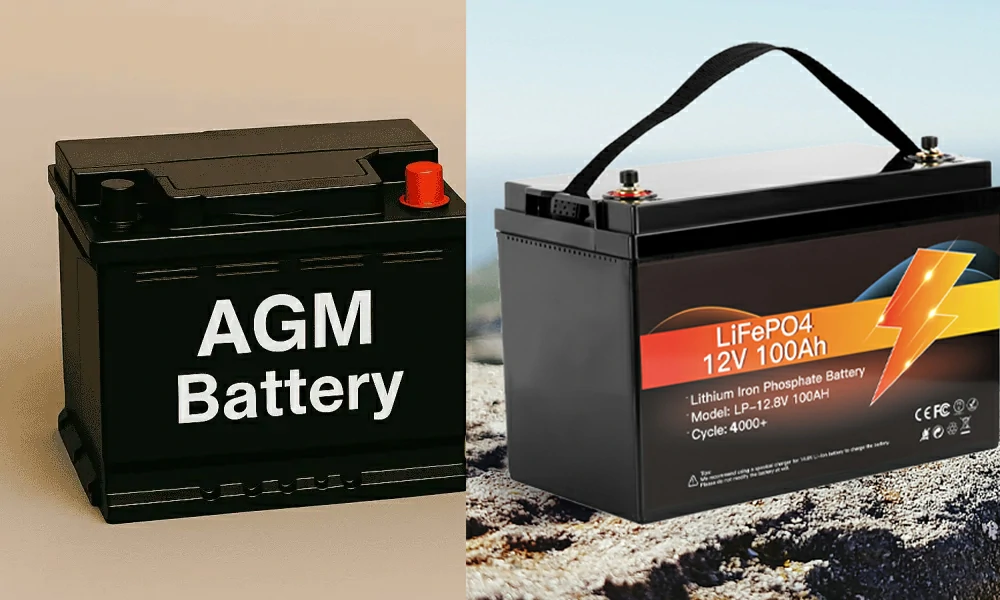
AGM vs. LiFePO4: When Should You Step Up?
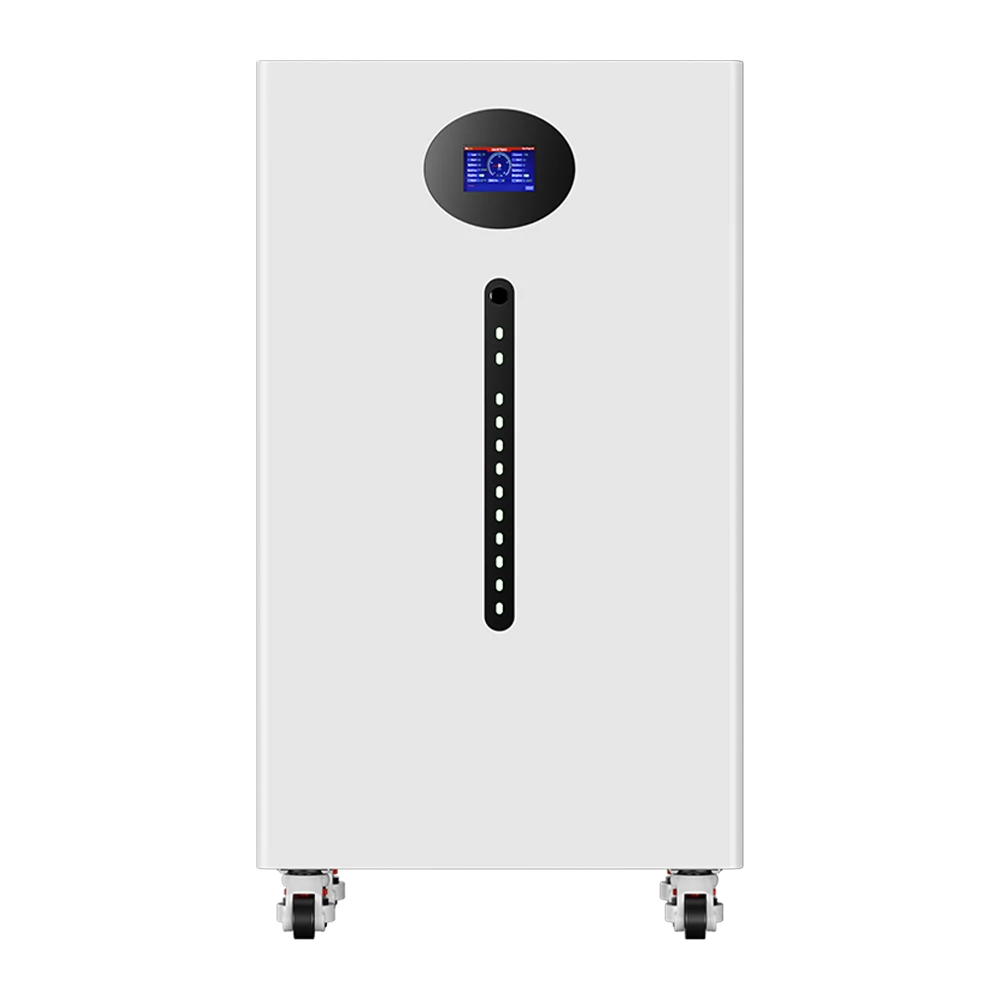
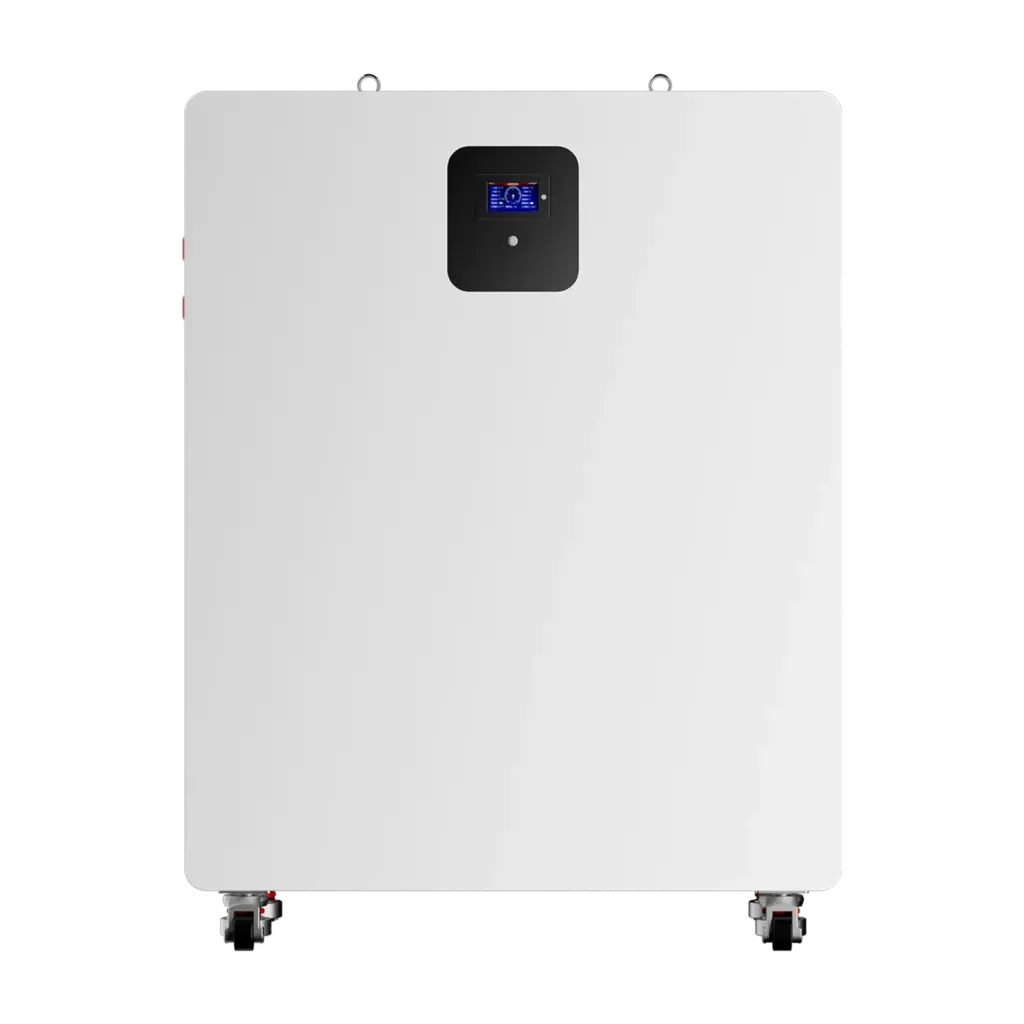
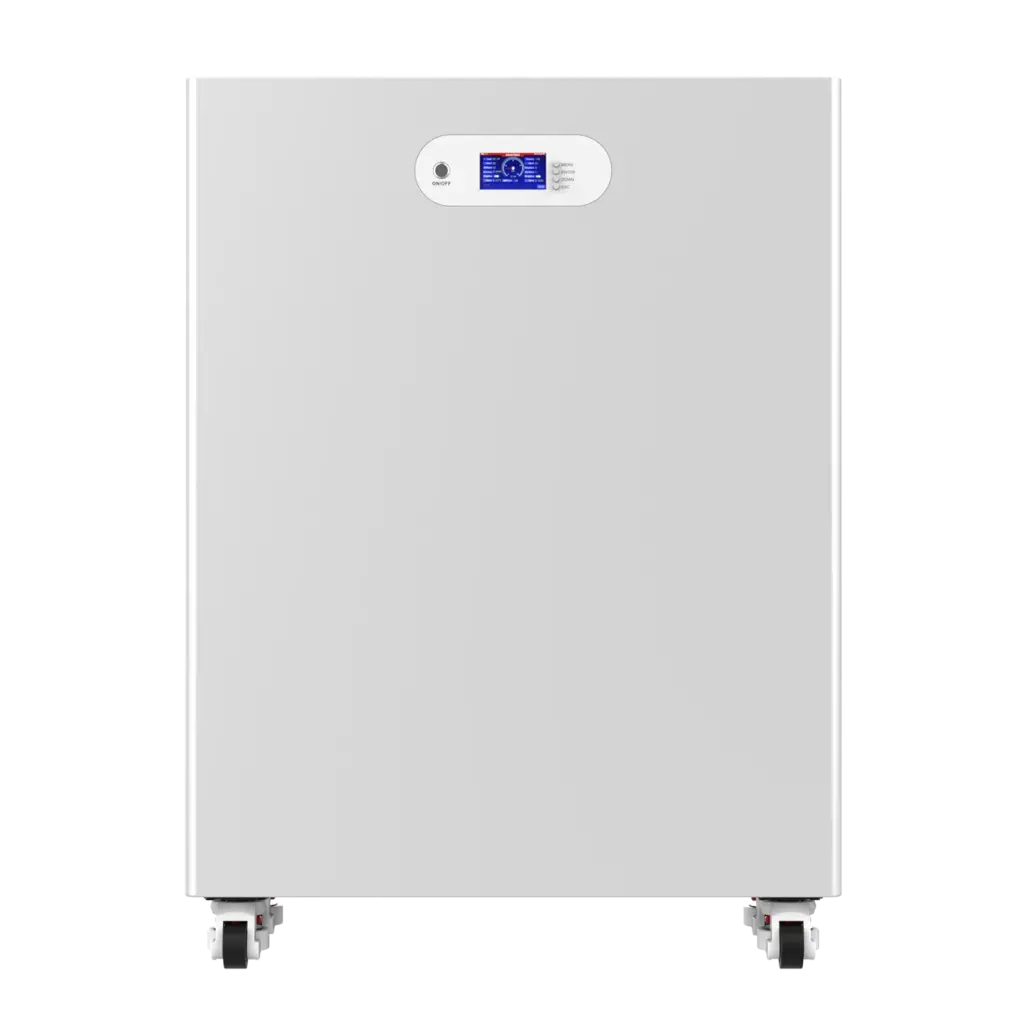
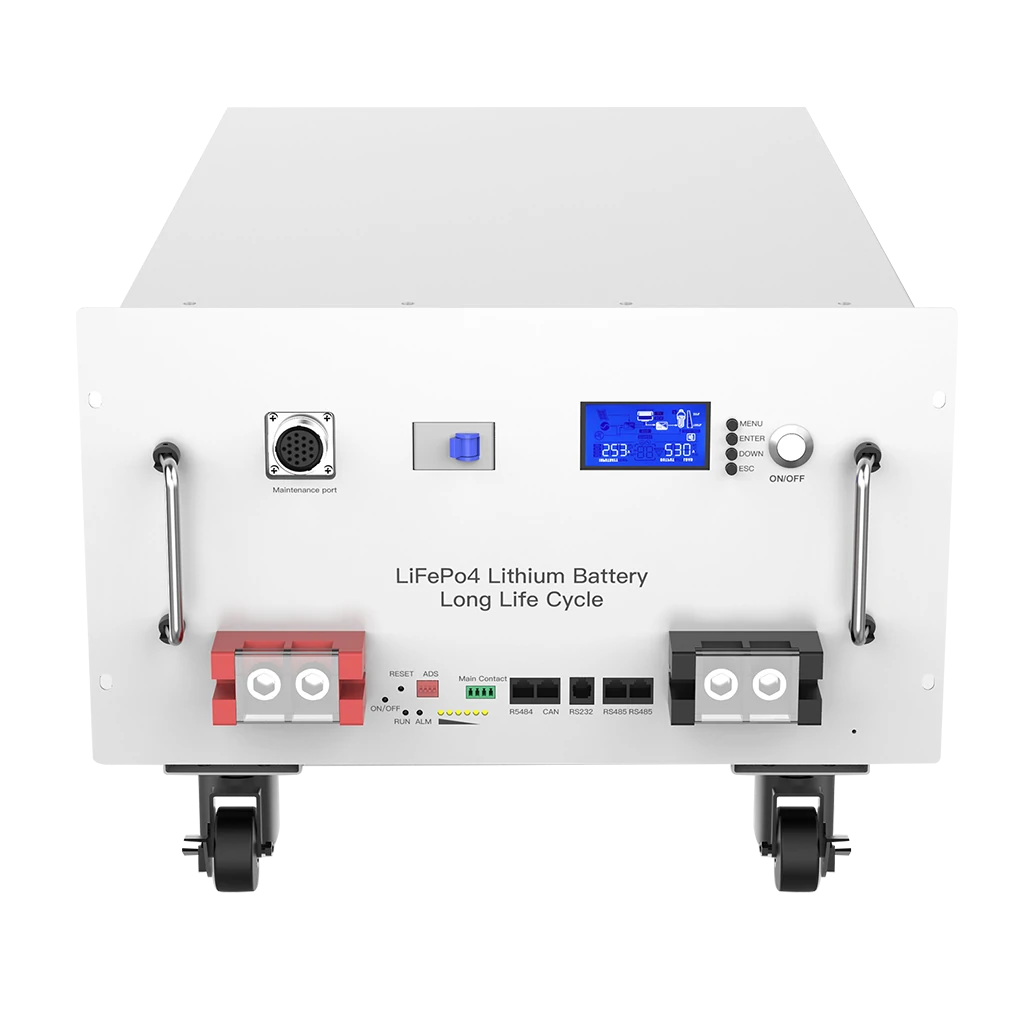
You will see that LiFePO4 batteries lead on weight, usable capacity, cycle life, and charge acceptance. You will also see that lithium asks for a higher purchase price and a compatible charging system that does not exceed strict voltage limits. If you want the longest service life, the lightest weight, and the deepest usable capacity per charge, a LiFePO4 pack will serve you extremely well. If you want a rugged, affordable, drop-in sealed battery that works with most legacy lead-acid charging systems, an AGM battery remains a smart and simple choice.
- Lithium batteries are lighter and more energy-dense.
- They support deeper discharges without damage.
- Lithium batteries have a much longer lifespan, often exceeding 10 years.
- They require specialized chargers and battery management systems.
- The upfront cost of lithium batteries is considerably higher than AGM.
For applications requiring long life, lightweight power sources, or extensive cycling, lithium batteries may be preferable. Avepower batteries utilize advanced lithium iron phosphate (LiFePO4) technology, delivering a daily use lifespan of up to 10 years and over 4,000 charge cycles. They also support faster solar and AC charging for enhanced performance and reliability.
If you consider a future upgrade, you should plan your charger and wiring with that future in mind. You can choose cabling and protection that will suit both AGM today and LiFePO₄ tomorrow. If you build a solar system, you can use a programmable charge controller so you can change profiles later.
| Feature | AGM | LiFePO4 |
|---|---|---|
| Weight | Heavy | Much lighter |
| Energy per kg | Lower | Higher |
| Cycle Life | Moderate | Much longer (4000+ cycles with the right BMS and profile) |
| Depth of Discharge | Moderate | Deeper usable capacity without heavy wear |
| Cold-Weather Charging | More tolerant | Charging below freezing is restricted (BMS often blocks it) |
| Upfront Cost | Lower | Higher |
| Drop-In Compatibility | Often direct for lead-acid systems | Needs BMS-compatible chargers/regulators and attention to low-temp policies |
Related articles: AGM Battery vs Lithium: Which Is Best for Your Solar System
What Makes AGM Different From a Standard Flooded Battery
A standard flooded battery holds free-flowing liquid acid. A flooded battery gives you solid starting power at a low price, but the free liquid can spill, and the case must vent gas to the air. A flooded battery often needs you to add distilled water during its life. A flooded battery dislikes vibration, and a deep discharge can shorten its life quickly.
An AGM battery holds the acid in the glass mat. The sealed case reduces mess and smells, and the battery tolerates vibration and shock far better than a flooded battery. The lower internal resistance improves starting current and charging speed, and the tighter build resists plate shedding. Many AGM designs also accept deeper discharge better than comparable flooded designs. You still need to recharge the battery correctly and avoid abuse, but the sealed build and the mat give you a wider operating window.
Here is a direct comparison:
| Feature | AGM Battery | Standard Flooded Battery |
|---|---|---|
| Electrolyte | Absorbed in glass mat | Free-flowing liquid |
| Spill Risk | Virtually none | High if tipped or cracked |
| Maintenance | Maintenance-free | Requires periodic watering |
| Charging Speed | Faster charging | Slower charging |
| Vibration Resistance | High | Lower, more prone to damage |
| Installation Flexibility | Can be mounted any position | Must remain upright |
| Cold Weather Performance | Performs well | Performance drops significantly |
| Cycle Life | Longer, better for frequent cycling | Shorter, less suited for deep cycling |
| Initial Cost | Higher upfront cost | Lower upfront cost |
Despite the higher initial cost, AGM batteries often prove more cost-effective over time due to their durability and reduced maintenance.
Can You Swap Flooded for AGM?
Many vehicles and systems accept AGM as a drop-in replacement so long as the charging system is within AGM voltage limits. However, some older alternators or external regulators may overcharge an AGM if they were tuned
- The regulator or alternator output profile.
- The charger or solar controller settings.
- The space and venting constraints for your compartment.
If your car left the factory with AGM (common in start-stop systems), you should replace with AGM to keep the system healthy.
Common Uses for AGM Batteries
AGM technology shows up wherever you need a rugged, low-maintenance lead-acid solution:
- Modern vehicles with start-stop: Many cars and SUVs use AGM because the battery must restart the engine many times per trip and support heavy accessory loads at lights.
- RVs and travel trailers: Many owners use deep-cycle AGM for lights, fans, pumps, and inverters because AGM handles vibration and sits safely inside living space when installed correctly.
- Marine starting and house banks: Many boats choose AGM for engine starting, bow thrusters, winches, and house loads because AGM resists vibration and does not spill in rough water.
- Motorcycles, ATVs, and powersports: Many riders choose AGM for strong starting in small packages and for resistance to bumps and shakes.
- Backup power and UPS: Many data rooms, home offices, and medical devices use AGM because the batteries are sealed, predictable, and easy to swap.
- Small solar storage: Many cabins and sheds use AGM when they want a simple, sealed battery that can sit on float for long periods and deliver power during outages.
Many popular car models from 2018 onward come with AGM batteries as standard equipment, including Ford F-150, Jeep Grand Cherokee, Nissan Altima, Toyota Corolla, and more.
Correct Charging for AGM Batteries
You should use a smart charger or charger/inverter that supports AGM mode. This point matters because the wrong voltage or constant overcharge can dry out an AGM over time. For a typical 12-volt AGM at around 25 °C (77 °F), common target ranges look like this (always check your brand’s data sheet):
- Bulk/absorption voltage: about 14.4–14.7 V
- Float voltage: about 13.2–13.6 V
- Temperature compensation: about −3 mV/°C per cell (roughly −18 mV/°C for a 12-V battery) as a ballpark value
Important tips:
- Avoid equalization unless your manufacturer explicitly allows a gentle, controlled procedure designed for AGM. Traditional high-voltage equalize cycles for flooded batteries can damage AGM.
- Mind alternator behavior. Many modern alternators and regulators work fine with AGM. Some older systems hold voltage too low for full charging or too high for long periods. If your vehicle came with an AGM from the factory, you can assume the charge profile matches. If your vehicle did not, you should verify the regulator set-points.
- Store it at full charge. If you store the battery for months, you should fully charge it first and top it off every few months.
- Use the right cable size and tight, clean lugs. Poor connections waste energy as heat and confuse smart chargers.
Related resources: agm battery charger
Picking the Right AGM: Capacity, CCA, and Fit
You should size an AGM battery for both starting needs and house loads.
For starting, you need Cold Cranking Amps (CCA) that meet or exceed the manufacturer’s spec. More CCA can help in cold weather, but chasing extreme CCA beyond your actual need gives you little benefit.
AGM Battery Capacity Calculator
AGM tip: plan around 50% DoD (usable capacity) to protect cycle life.
Required Wh = Daily Wh × Days ÷ (DoD × η) × (1 + margin) ; Ah = Required Wh ÷ Voltage
For house loads, you should size amp-hours (Ah) to match your daily energy use. A simple estimate uses:
Watt-hours (Wh) = Volts × Amp-hours
Runtime (hours) = Usable Wh ÷ Load (W)
You can size a deep-cycle AGM battery for an RV or boat with a simple method:
- You should list your daily loads in watts and hours. For example, you might run a 40-watt fridge for 12 hours (480 Wh), a 10-watt light for 5 hours (50 Wh), and a 60-watt fan for 3 hours (180 Wh). The total would be 710 Wh per day.
- You should convert watt-hours to amp-hours at your system voltage. At 12 V, 710 Wh ÷ 12 V ≈ 59 Ah per day.
- You should set a target depth of discharge. If you plan to use about 50% of capacity on a regular basis, you would need around 118 Ah of nominal capacity to cover 59 Ah of daily use.
- You should add margin for weather and aging. A 150–200 Ah bank gives more headroom for cloudy days and long weekends.
If you want long life from AGM, you should design for shallower daily discharge. For example, if your system needs about 600 Wh per day at 12 V, that equals 50 Ah of energy. If you want to use only about 50% depth of discharge for better life, you should pick at least 100 Ah of nominal capacity, or more if you want headroom for heat, inverter losses, and cloudy days (in solar systems).
You must also check group size, terminal layout, and mounting space so the battery fits safely.
How Long an AGM Battery Lasts
An AGM battery can last about 3–7 years in typical automotive or marine use. Some well-treated packs last longer. Four main factors control lifespan:
- Depth of discharge: Shallow cycles increase life. Deep cycles reduce life.
- Temperature: Heat speeds up wear. Cool storage extends life.
- Charge profile: Correct voltages and temperature-compensated charging protect the plates and electrolyte.
- Build quality: Thicker plates and good materials usually last longer.
If you keep your battery cool, charge it with the right voltage, and avoid frequent deep discharges, you increase the odds of a long service life.
Maintenance Tips for AGM Batteries
While AGM batteries are low-maintenance, some care helps them last longer:
- Use a charger compatible with AGM batteries.
- Avoid letting the battery discharge completely; recharge when it falls below 50%.
- Store in a cool, dry place if unused for long periods and recharge every few months.
- Keep terminals clean and free from corrosion.
- Replace batteries in matched pairs if using multiple in one system.
Common Problems and Troubleshooting
Like any battery, AGM batteries can face issues such as:
- Low voltage: May indicate the battery needs recharging or replacement.
- Reduced capacity: Aging batteries lose capacity and may need replacement.
- Overheating: Can damage the battery; ensure proper ventilation and avoid high temperatures.
- Sulfation: Build-up of lead sulfate crystals; proper charging helps prevent this.
Using chargers with battery repair or desulfation modes can sometimes revive older batteries.
Care and Storage Tips
- Charge before storage. A full AGM stores better and resists sulfation.
- Store in a cool, dry place. Heat speeds up aging; cold slows it down.
- Top up during long storage. If the battery will sit for months, put it on a maintenance charger or top it up every few months.
- Keep terminals clean and tight. Light corrosion increases resistance and heat.
- Replace in matched sets. If you run batteries in series or parallel, replace all at once to keep the bank balanced.
Conclusion
An AGM battery is a modern, sealed lead-acid battery using absorbent glass mat technology to immobilize the electrolyte. This design makes AGM batteries faster charging, spill-proof, maintenance-free, and better able to deliver high power with longer life.
They have become a popular choice in automotive, marine, RV, and backup power systems due to their durability and performance advantages over traditional flooded batteries.
While AGM batteries cost more upfront, their ease of use and longer lifespan can provide better value for demanding applications. If you need a reliable, low-maintenance power source that can handle frequent cycling and rough conditions, an AGM battery is an excellent option.
For users seeking even lighter weight, longer life, and deeper cycling capabilities, lithium batteries may be worth considering. Which offer up to 10+ years of reliable use, lighter weight, and excellent deep cycling performance, especially for solar or off-grid power systems.
FAQ
Yes, AGM batteries are recyclable. Over 98% of lead-acid batteries, including AGM types, are recycled worldwide. This high recycling rate helps recover lead, plastic, and acid, minimizing environmental impact.
An AGM can tolerate deeper discharges than a basic flooded battery, but if you want long life, you should design your system for shallower daily cycles—often 30–50% depth of discharge—and hold deeper discharges for rare events.
After resting, a healthy 12-V AGM usually sits around 12.8–12.9 V at room temperature. A resting voltage near 12.2 V signals roughly half charge, and 12.0 V or less signals a deeply discharged battery.
You should top off every 2–3 months with a smart maintainer, or keep it on a float setting that matches AGM specs.