
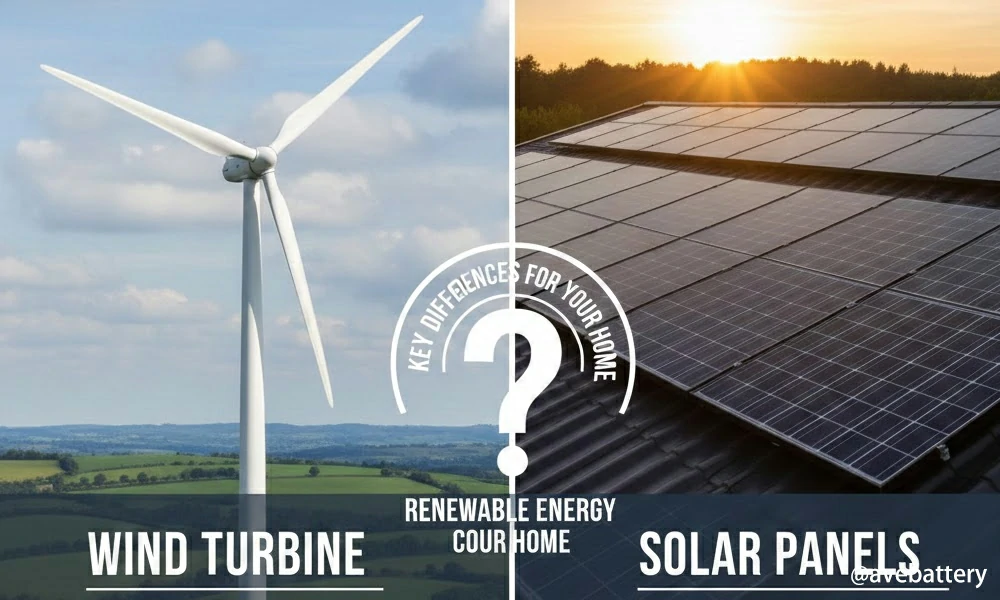
Installing your own renewable energy system is one of the most direct ways to cut your power bills and reduce your carbon footprint. Many homeowners quickly discover that the real decision is not “renewables or not” but “wind turbine vs solar” – or sometimes both. This guide walks you through the key differences between home wind turbines and solar panels, with a focus on what actually works on a normal residential property.
How A Residential Solar PV System Works
Residential solar systems use photovoltaic (PV) panels that sit on your roof or on a ground frame. Each panel contains many small cells that absorb sunlight and turn it into direct current (DC) electricity. An inverter then turns this DC electricity into alternating current (AC) electricity that your home can actually use.
A home solar energy system has several main parts:
- Solar panels (photovoltaic, or PV modules)
- A solar inverter
- Mounting hardware (roof or ground mount)
- Optional home battery (such as an Avepower home backup battery)
- Monitoring and safety devices
How Much Power Can Solar Panels Make?
A common system size for a modern family home is around 6–10 kW of panels. In United States, a typical 6.6 kW system might need 25–32 m² of sunny roof space, depending on panel wattage and layout. In the United States alone, there are now tens of gigawatts of residential solar capacity and millions of homes with rooftop systems.
Installed rooftop solar systems usually run at a capacity factor of about 15%–30%, which means they produce 15%–30% of the power they could make if the sun shone at full strength all day. That may sound low, but it is normal for solar and other renewables. The key point is this: rooftop solar produces the most when power prices are often highest (daytime) and it scales well for homes.
How A Small Home Wind Turbine Works
A small wind turbine uses moving air instead of sunlight. The blades spin when the wind blows. The spinning shaft turns a generator, which makes electricity. That electricity usually passes through a controller and inverter before it powers your home.
The main parts are:
- Wind turbine (blades plus generator)
- Tower (often 18–37 metres tall for proper wind exposure)
- Inverter and controller
- Optional battery storage
- Electrical safety and grid connection hardware
Many home turbines are rated from 1–10 kW. A well-sited 5 kW turbine in a very windy area (around 12 mph or 5.4 m/s average wind speed) can make roughly 8,000 kWh per year, enough to cover a large share of a typical home’s demand.
However, small wind turbines are very sensitive to site conditions. Government and research guides emphasise that a system only works well if:
- The site has strong, steady wind
- The tower is tall and clear of trees and buildings
- Local planning rules allow tall towers
- The property has enough space (often an acre or more)
Small wind turbines usually have lower efficiency and higher costs than large wind farms, and that real-world performance can be hard to predict.
Wind Vs Solar: Quick Comparison For Homeowners
| Factor | Solar | Wind Turbine |
|---|---|---|
| Typical Home System Size | 3–10 kW rooftop; sometimes larger | 5–20 kW turbine for meaningful output |
| Main “fuel” | Sunlight (daytime only) | Wind (day and night when wind blows) |
| Upfront Cost (Example) | ~US$2.86 per watt in the US; 10 kW ≈ US$27,000 before incentives | 10 kW turbine often US$30,000+, can be higher |
| Roof / Land Needs | Most homes with solid, unshaded roof or some yard space | Large open area, tall tower, minimal nearby obstacles, often rural only |
| Noise And Visual Impact | Very low noise; low profile on roof | Audible noise; moving blades; tall tower visible from a distance |
| Output Predictability | Sun path is very regular; daily and seasonal patterns are easy to model | Wind is more variable and turbulent near buildings |
| Maintenance | Few moving parts; periodic cleaning and checks | Moving parts and gearbox (in many models); more regular maintenance needed |
| Policy / Permitting | Often simple; standard grid-connect rules | Planning approval for tower; neighbours may object |
| Best Use Case | Roof-top or small ground space; most suburbs and towns | Large rural block with good measured wind speeds and relaxed height limits |
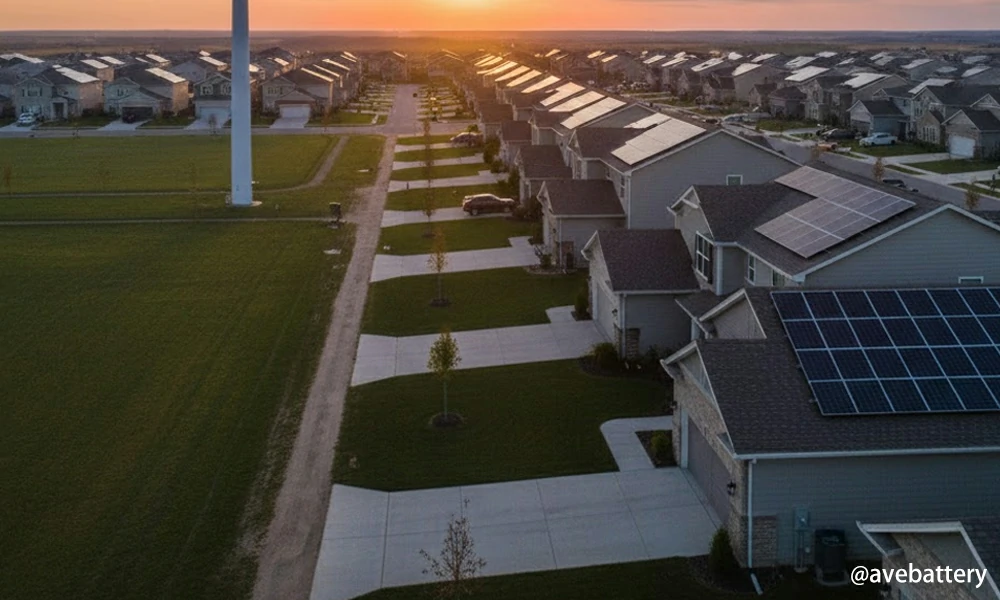
In short, solar is usually the better fit for standard homes, while wind can work for a small slice of rural properties with excellent wind resources.
Cost Comparison: Wind Turbine Vs Solar For Homes
Upfront Cost
- Many homeowners pay around US$1,000 per kilowatt for decent quality rooftop solar systems after standard incentives, depending on country and currency.
- Small wind turbine installations under 100 kW can cost roughly US$7,850 per kilowatt on average, with a very wide range depending on turbine model and site.
These figures vary by region, but the pattern is clear. Solar usually delivers more installed capacity per dollar.
Ongoing Cost And Payback
Solar systems have low upkeep and predictable output. In many markets, typical payback periods for rooftop solar range between 5 and 10 years. The exact number depends on electricity prices, local incentives, and system size.
Small wind systems often face:
- Higher maintenance costs over time.
- Greater performance risk if the local wind resource is weaker than expected.
- Longer payback periods, especially on sites with average rather than excellent wind.
For these reasons, most independent consumer guides now suggest that homeowners should pursue solar first. Homeowners should only consider small wind if a strong, well-measured wind resource and a suitable site are both present.
Manufacturers such as Avepower design home storage batteries specifically for:
- Storing extra solar power in the middle of the day.
- Providing backup power during blackouts.
- Helping homeowners join virtual power plant (VPP) programs where available.
If you choose solar, a battery can help you use more of your own generation rather than sending cheap power to the grid and buying back expensive power at night. If you choose wind, a battery can catch night-time wind surges and spread that energy across the day.
You do not need to add a battery on day one. Many households start with solar only and add a battery later as prices fall or new rebates appear. However, you get the best long-term result when you choose an inverter and system layout that will work smoothly with a future battery from the start.
Advantages Of Solar Over Wind Turbine For Homes
1. Easier Site Requirements
Solar works on:
- Most pitched roofs with reasonable structure
- Many flat roofs with tilt frames
- Small ground-mount arrays in a yard
You need:
- Enough sun (most cities and towns have this)
- Minimal shading from trees or tall buildings
You do not need:
- A tall tower
- A large open block
- Special wind measurements
These simple needs are a big reason why rooftop solar has spread faster than small wind.
2. Lower Cost Per Watt For Most Homeowners
One recent comparison showed average U.S. solar installation costs around US$2.86 per watt, while a 10 kW small wind turbine often costs US$30,000 or more.
For many homeowners, this means:
- Solar gives more total power per dollar of upfront cost
- Solar has a clearer payback path, especially with government rebates and tax credits
Global cost data from IRENA also shows that both solar and wind are now cheaper than new fossil fuel plants, but solar has seen the largest percentage cost decline in recent years.
3. Simpler Approvals And Neighbour Relations
Most solar systems:
- Stay under local height limits
- Do not create noise
- Do not cast large moving shadows
Wind turbines, in contrast, bring:
- Noise concerns
- Shadow flicker from rotating blades
- Visual change that may upset neighbours
Because of this, planning processes for residential wind are often longer and more complex.
4. Lower Maintenance And Fewer Moving Parts
A solar panel is solid-state. It has no moving parts. Most maintenance involves:
- Cleaning in dusty conditions
- Checking cabling and mounting over time
A wind turbine has many moving parts, including:
- Rotating blades
- Bearings
- Gearbox (in many models)
These parts wear out and need periodic service, especially in harsh wind conditions. That extra maintenance adds cost over the life of the system.
5. Easier Integration With Home Battery Storage
Solar and home batteries work together very well. A typical setup is:
- Solar panels make power during the day.
- Your home uses some power right away.
- Extra power charges a battery.
- The battery runs your key loads at night or during blackouts.
This pattern fits the way most families use energy. Evening and early-morning loads are high, and a battery can cover those peaks with stored solar energy.
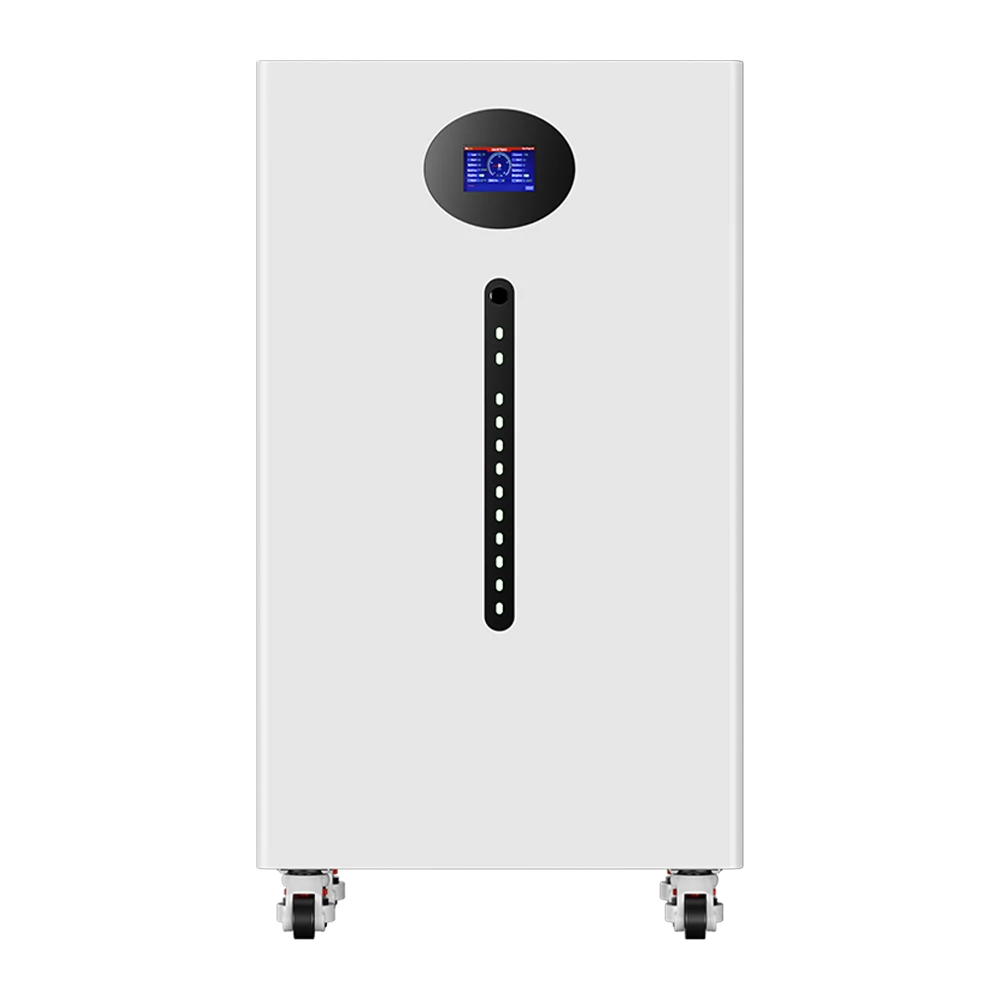
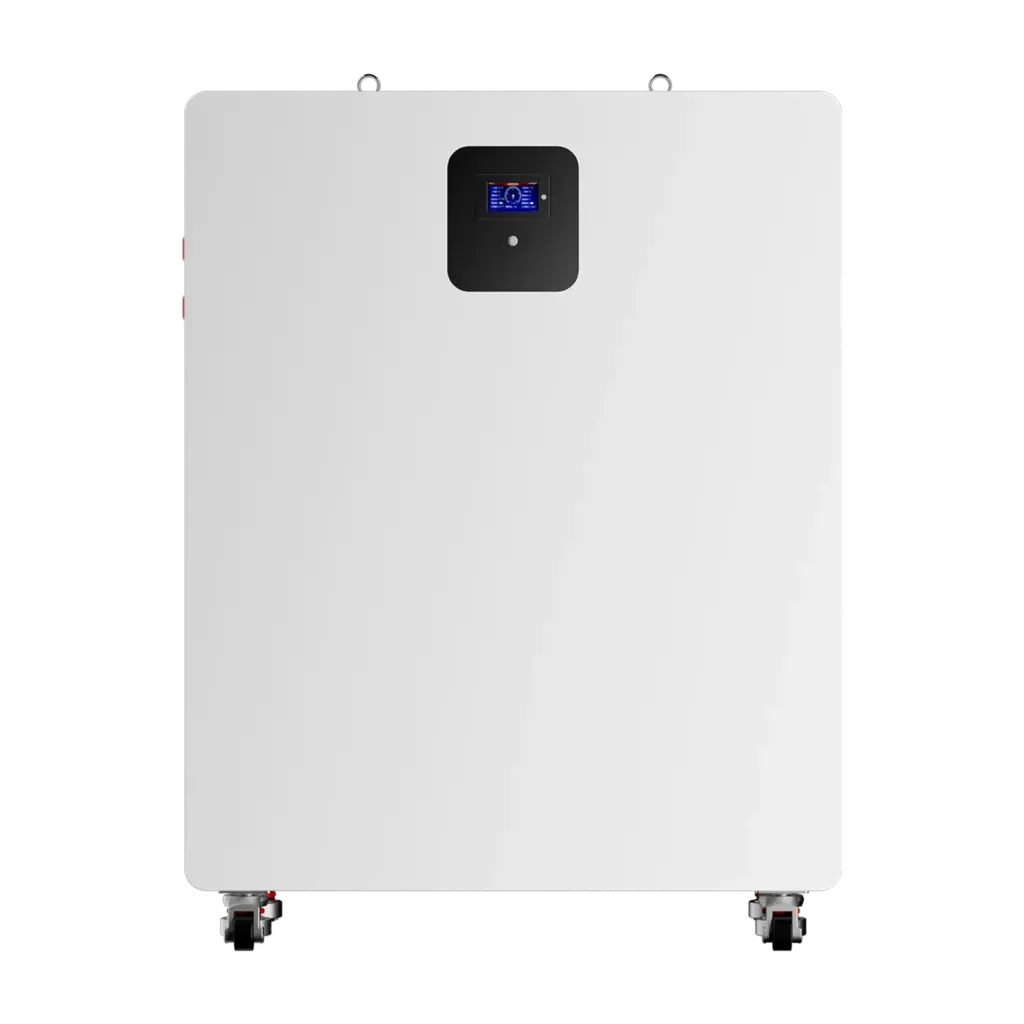
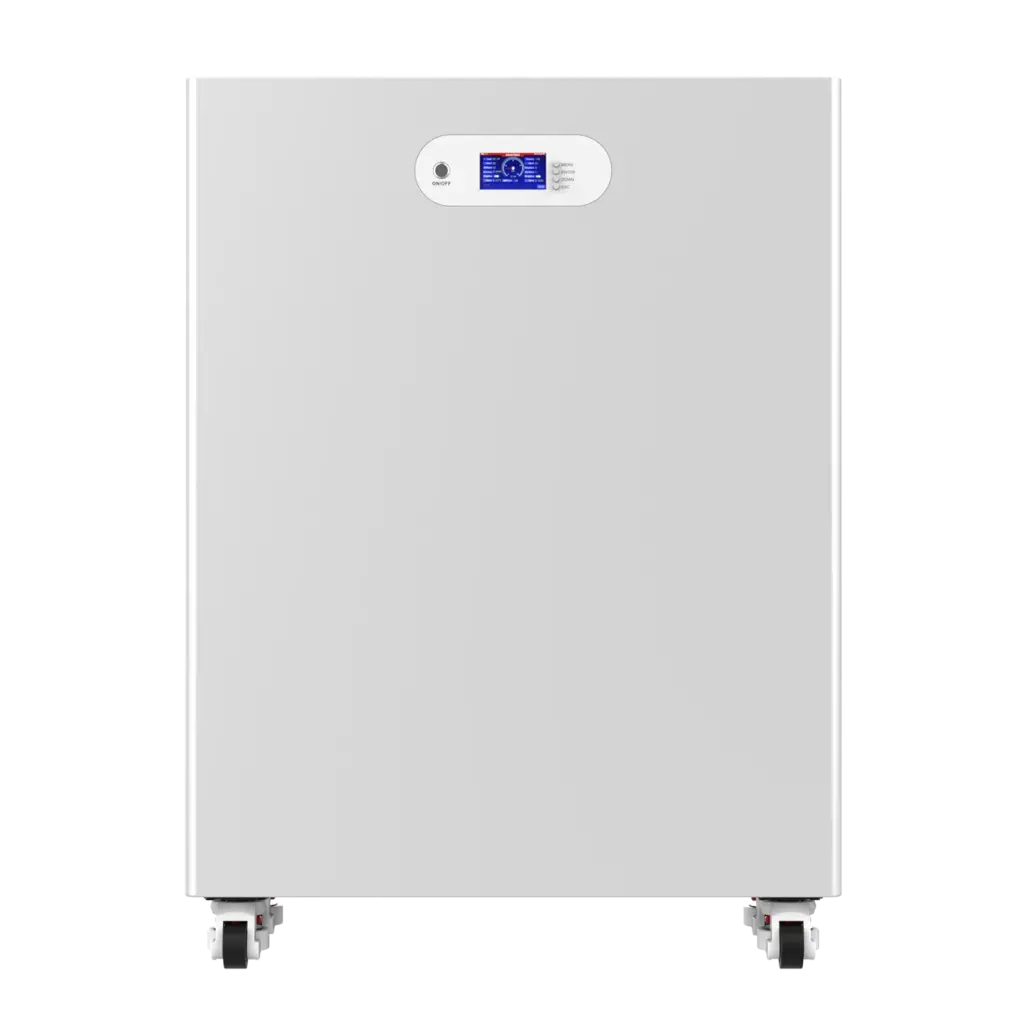
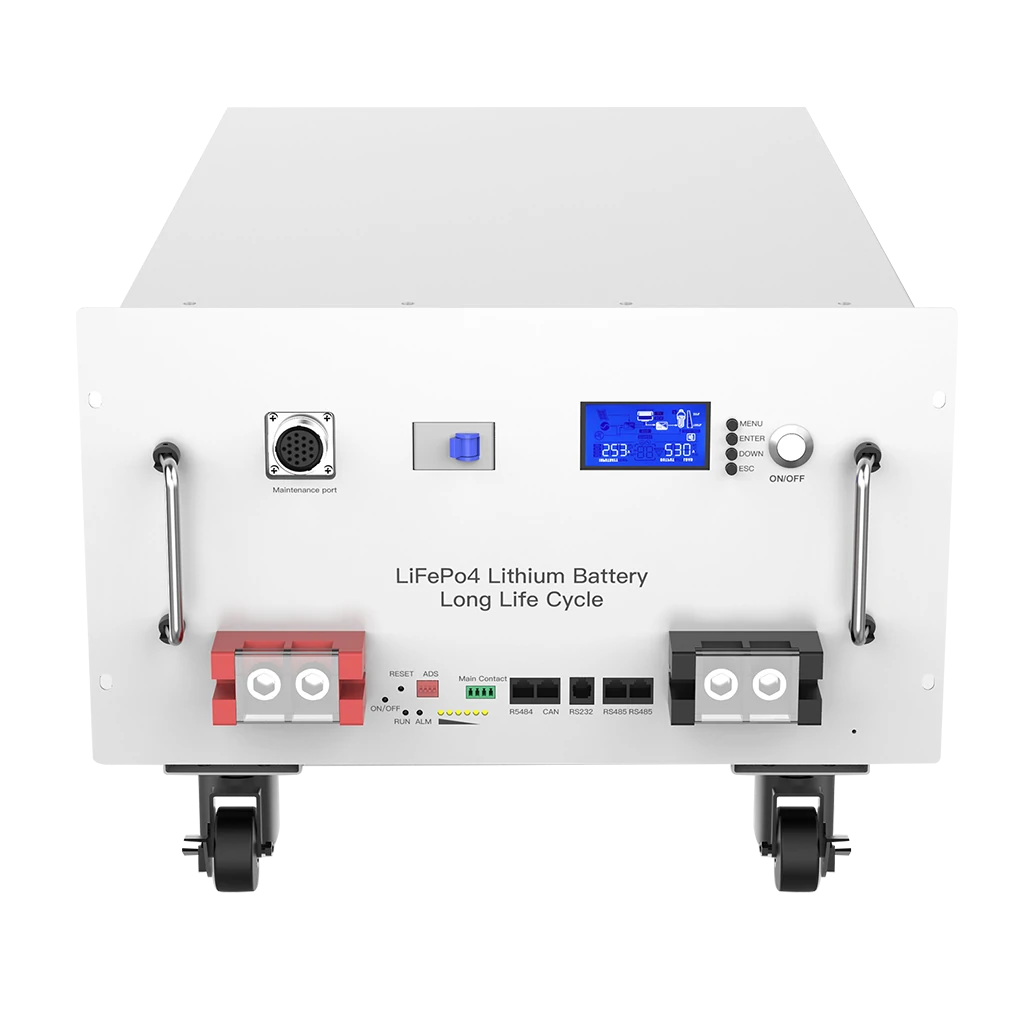
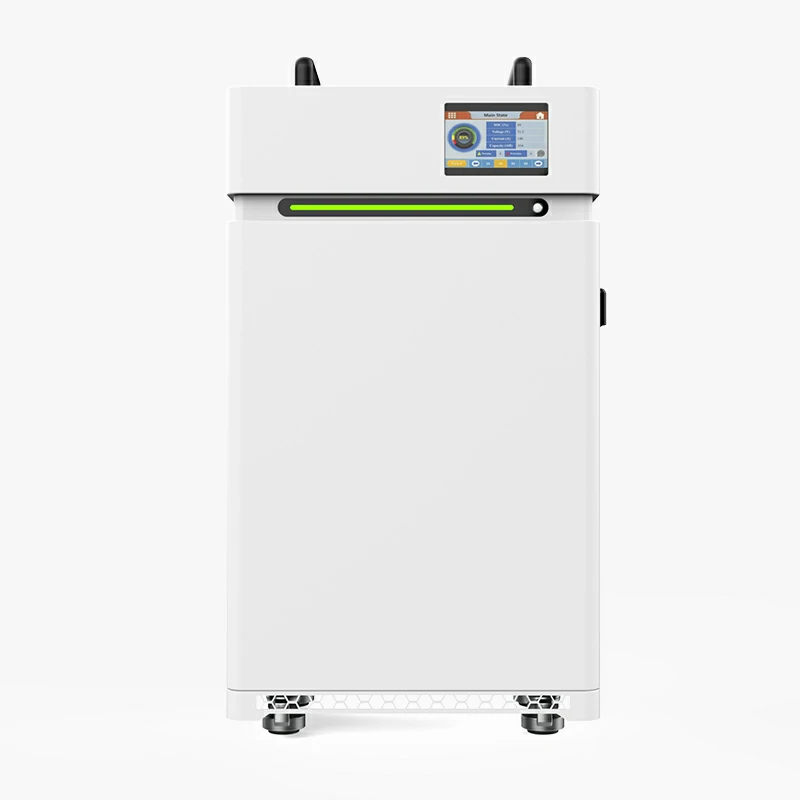
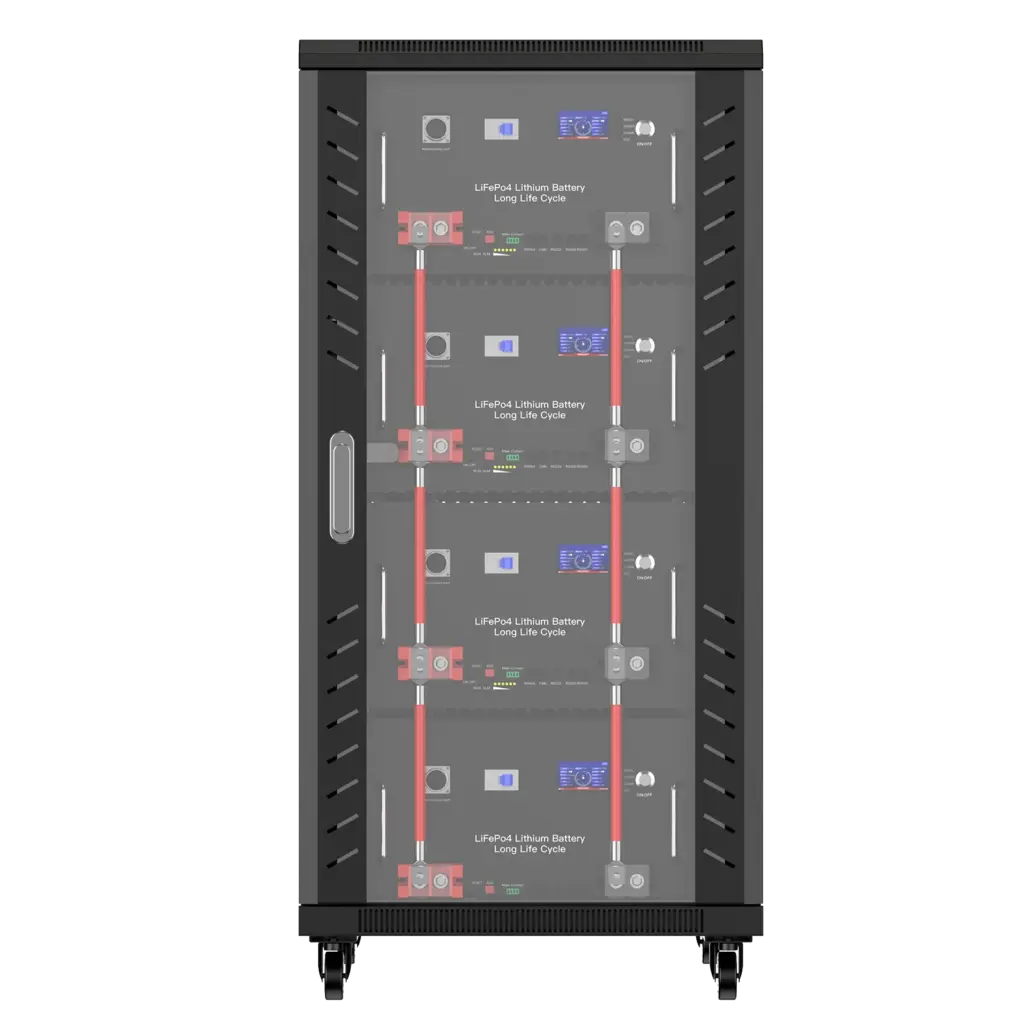
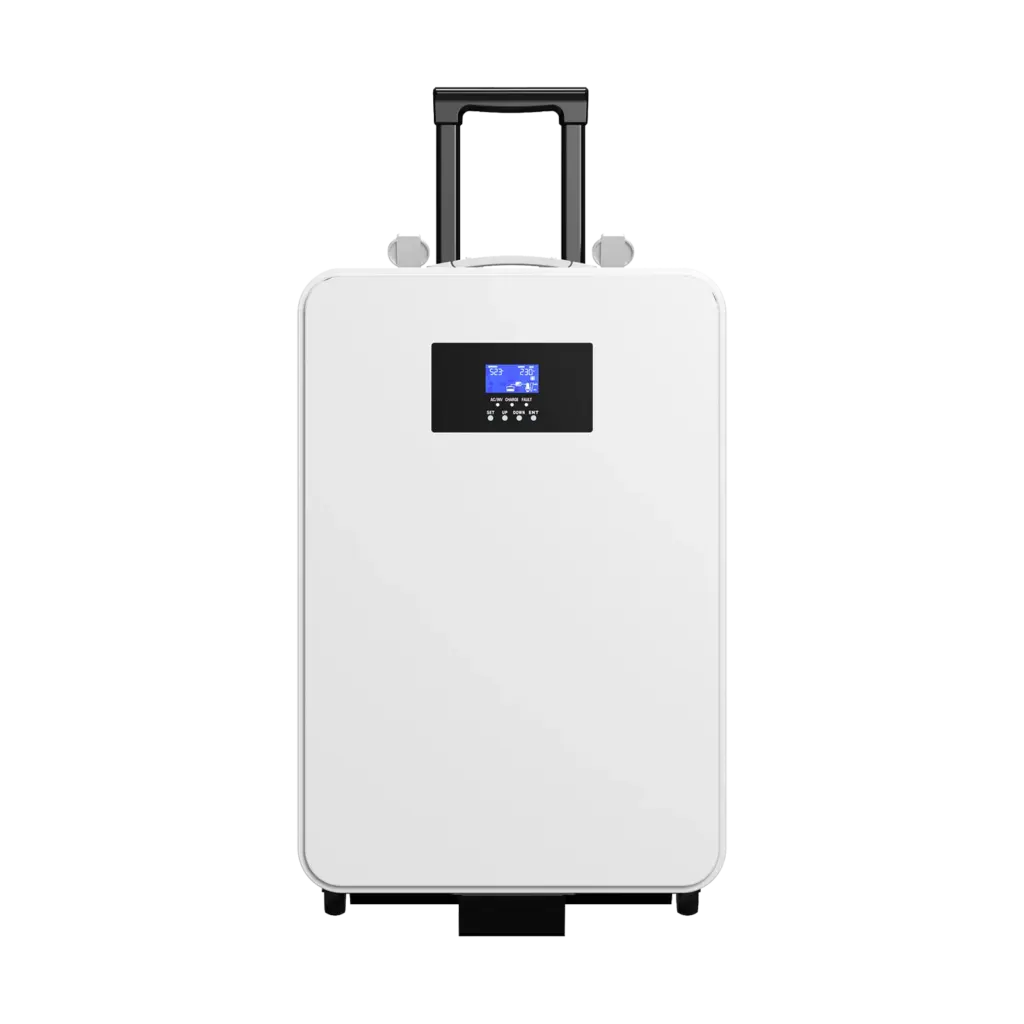
Avepower’s home backup batteries are designed exactly for this role.
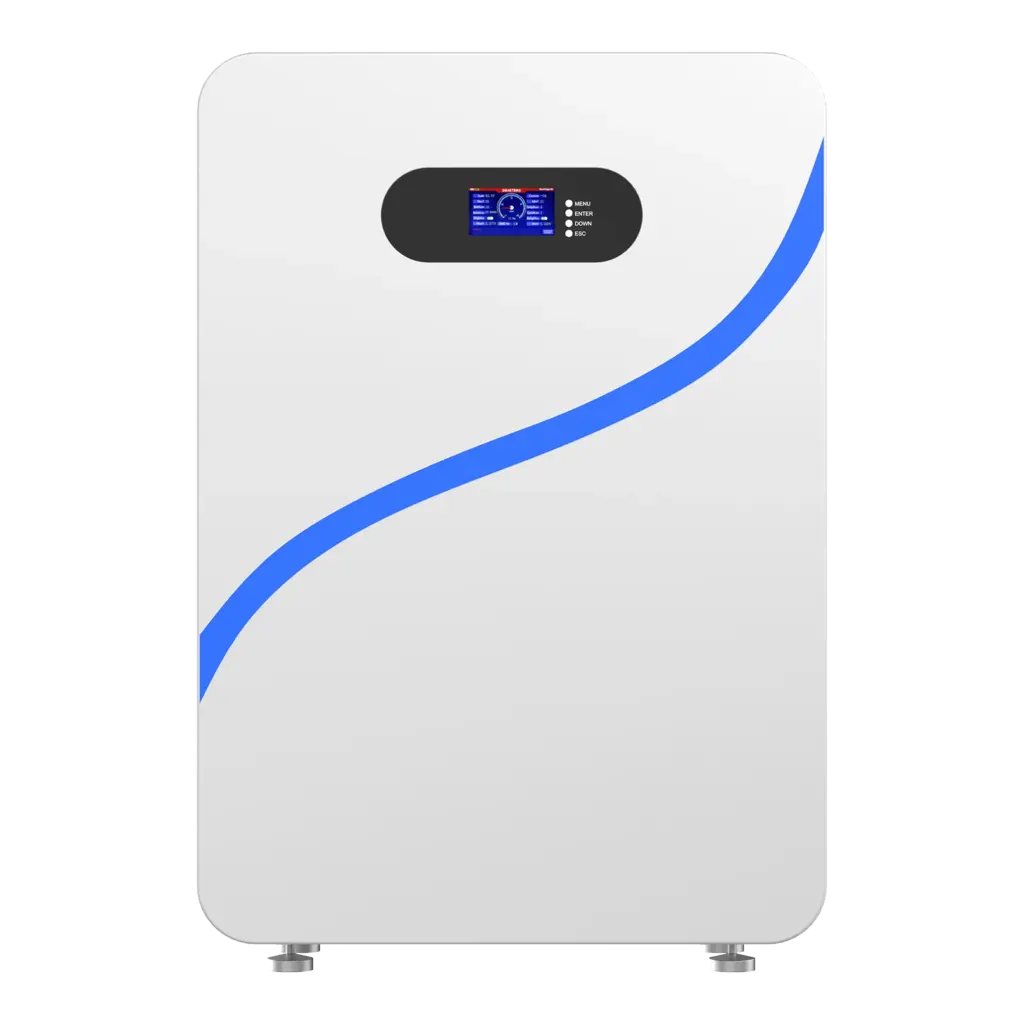
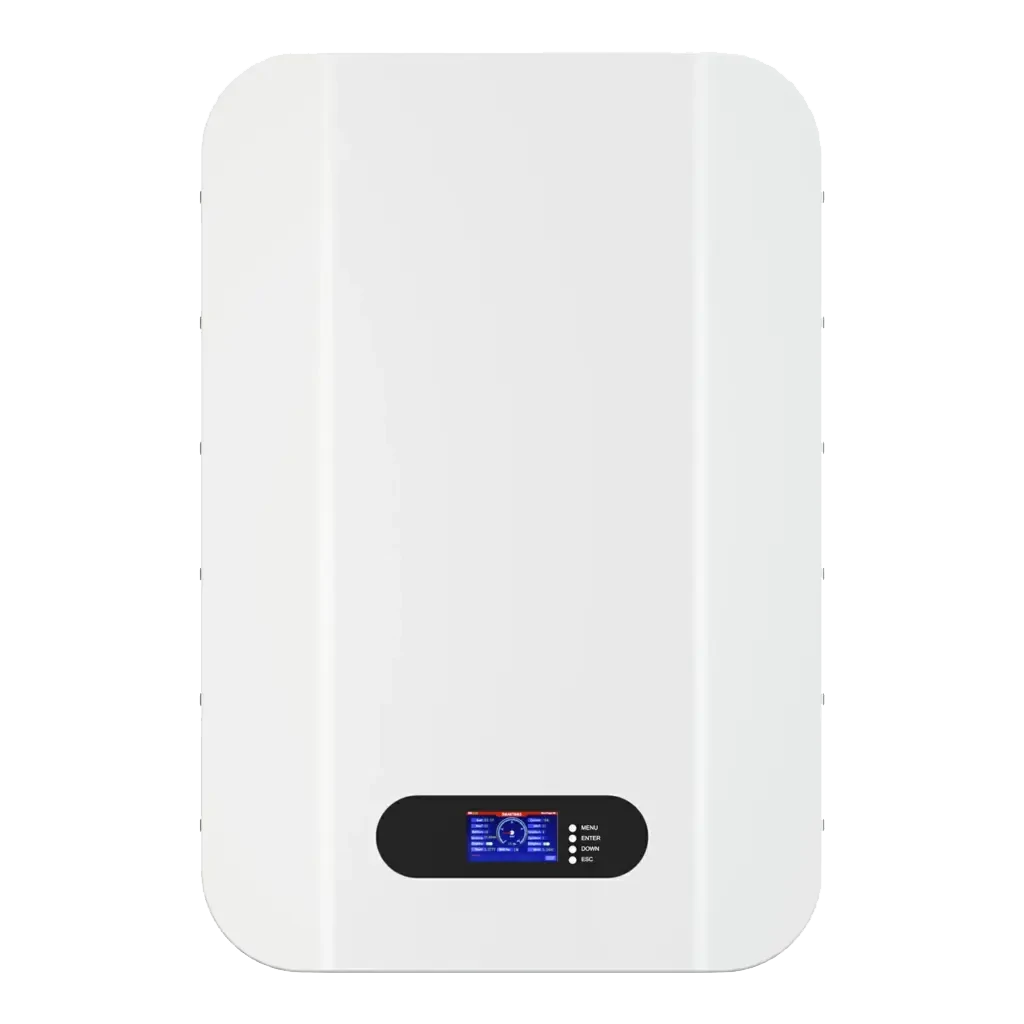
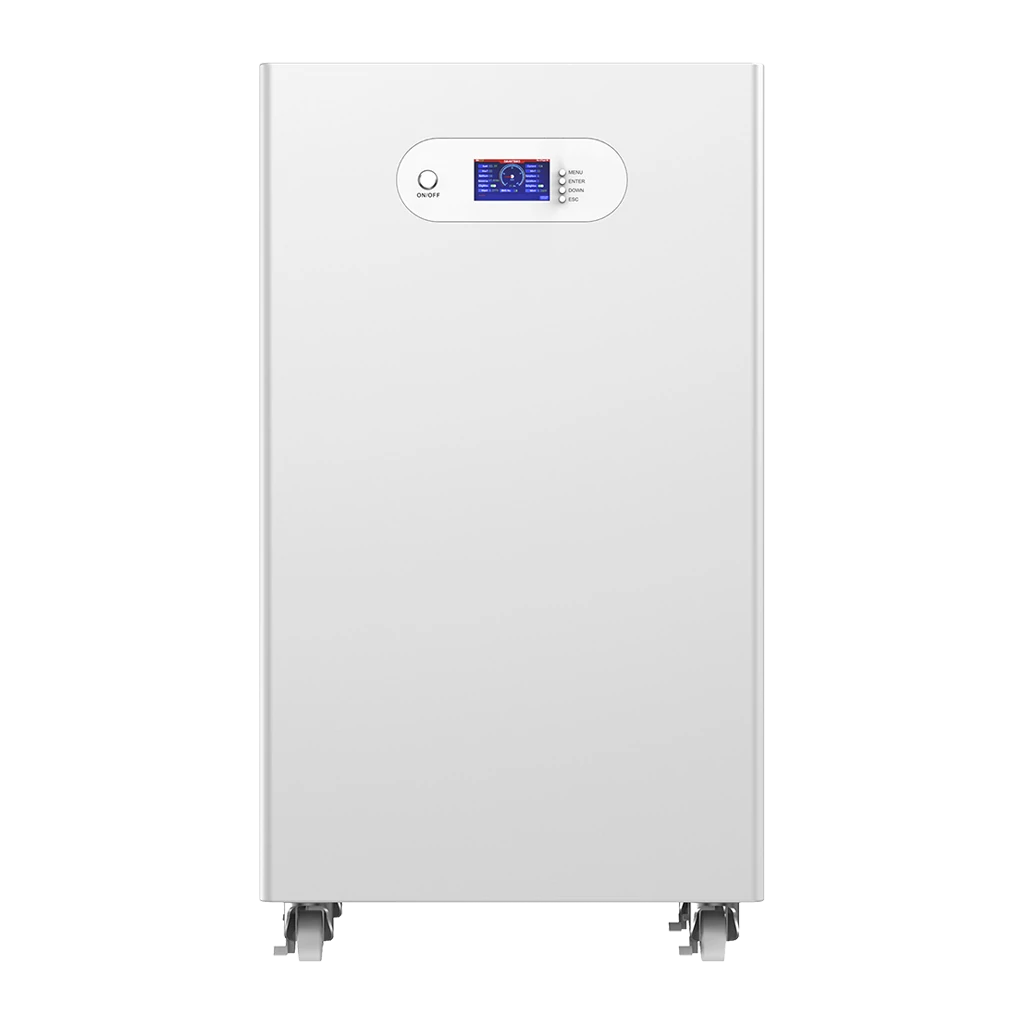
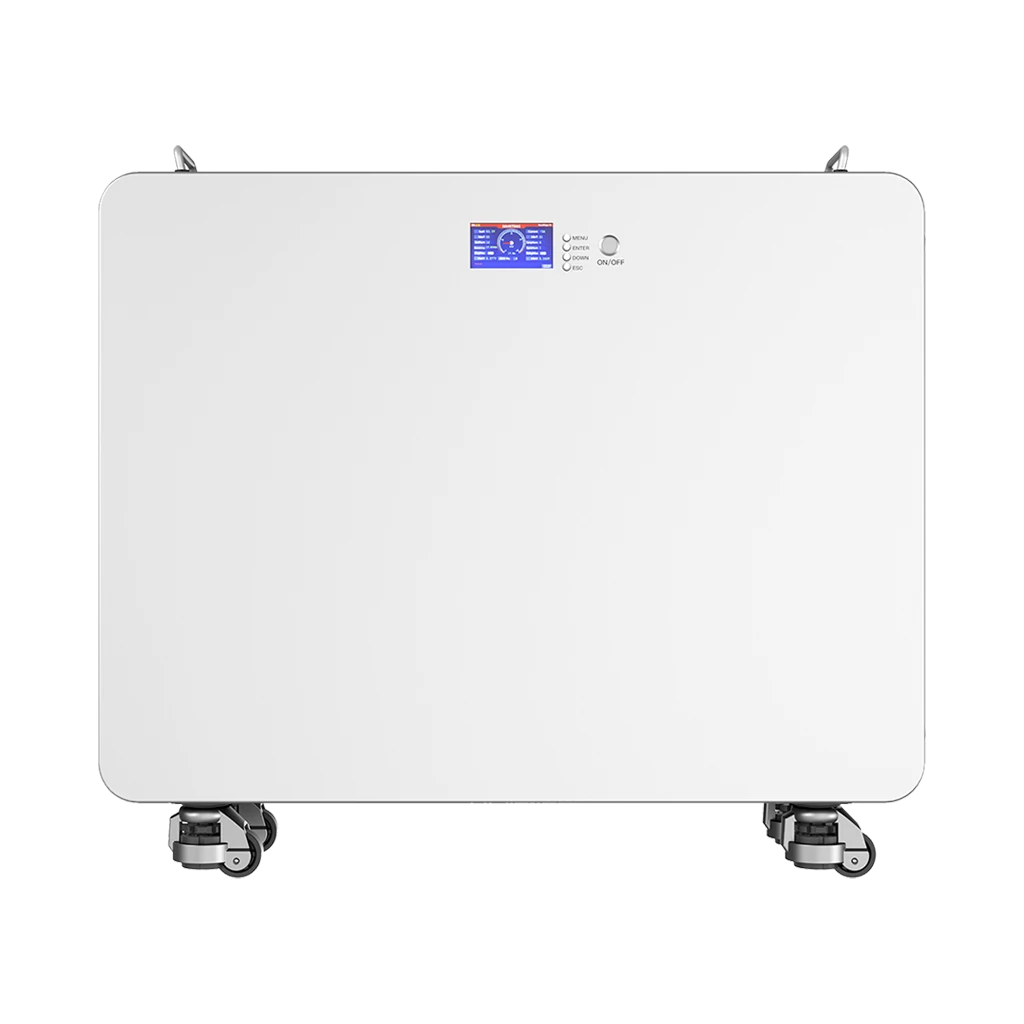
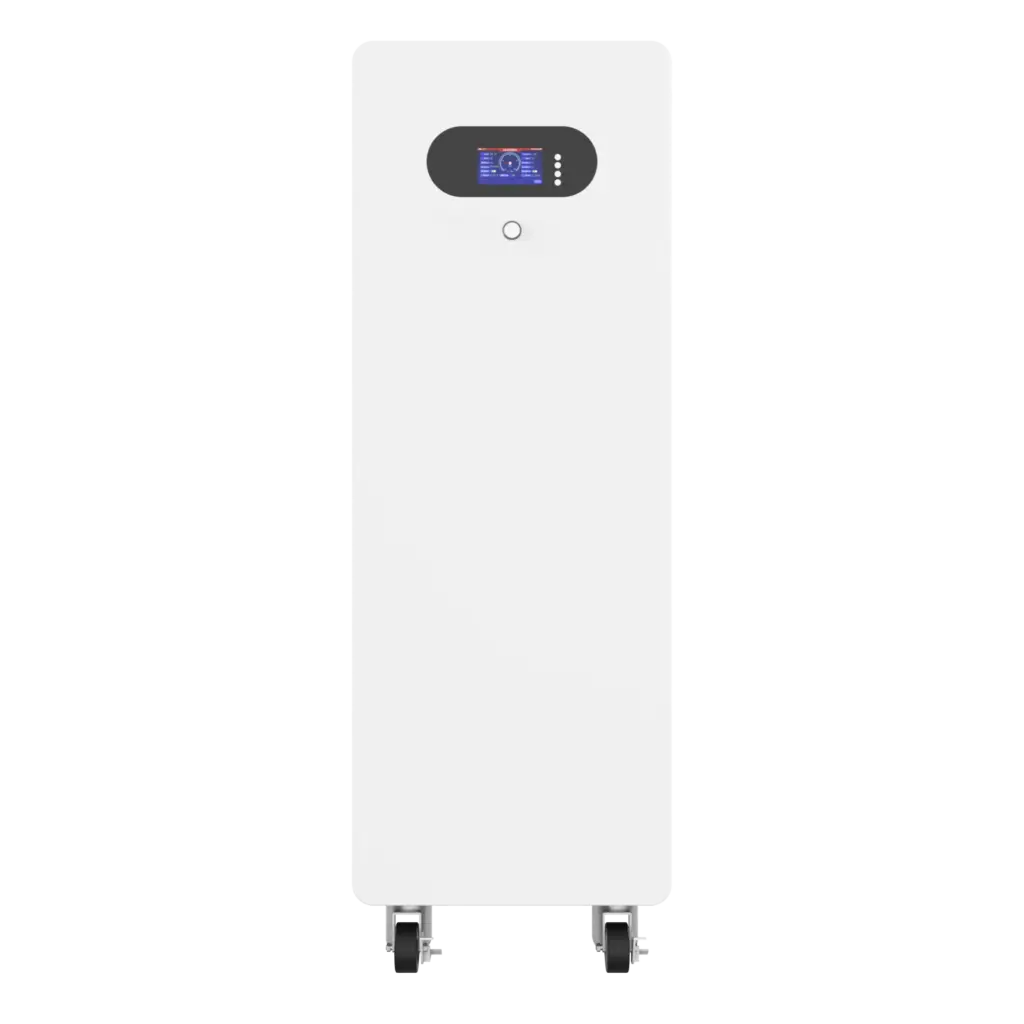
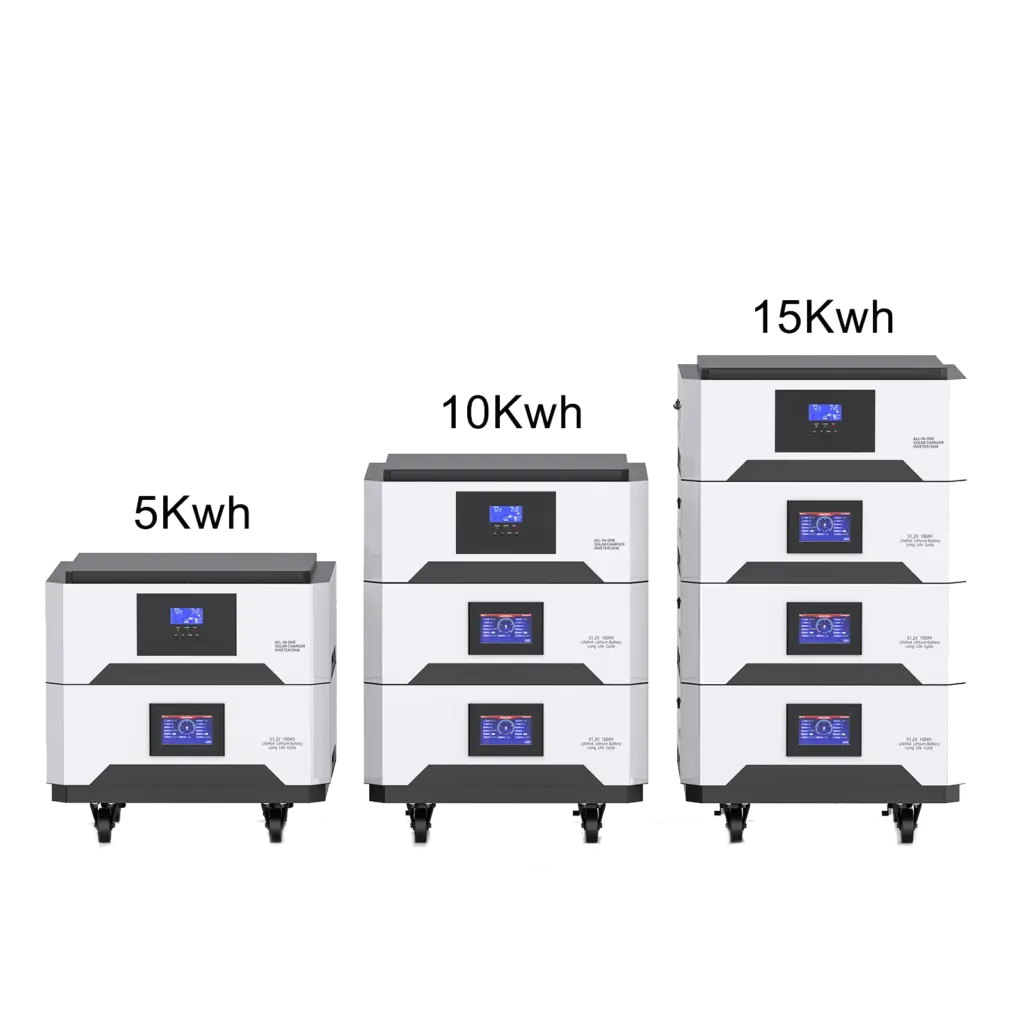
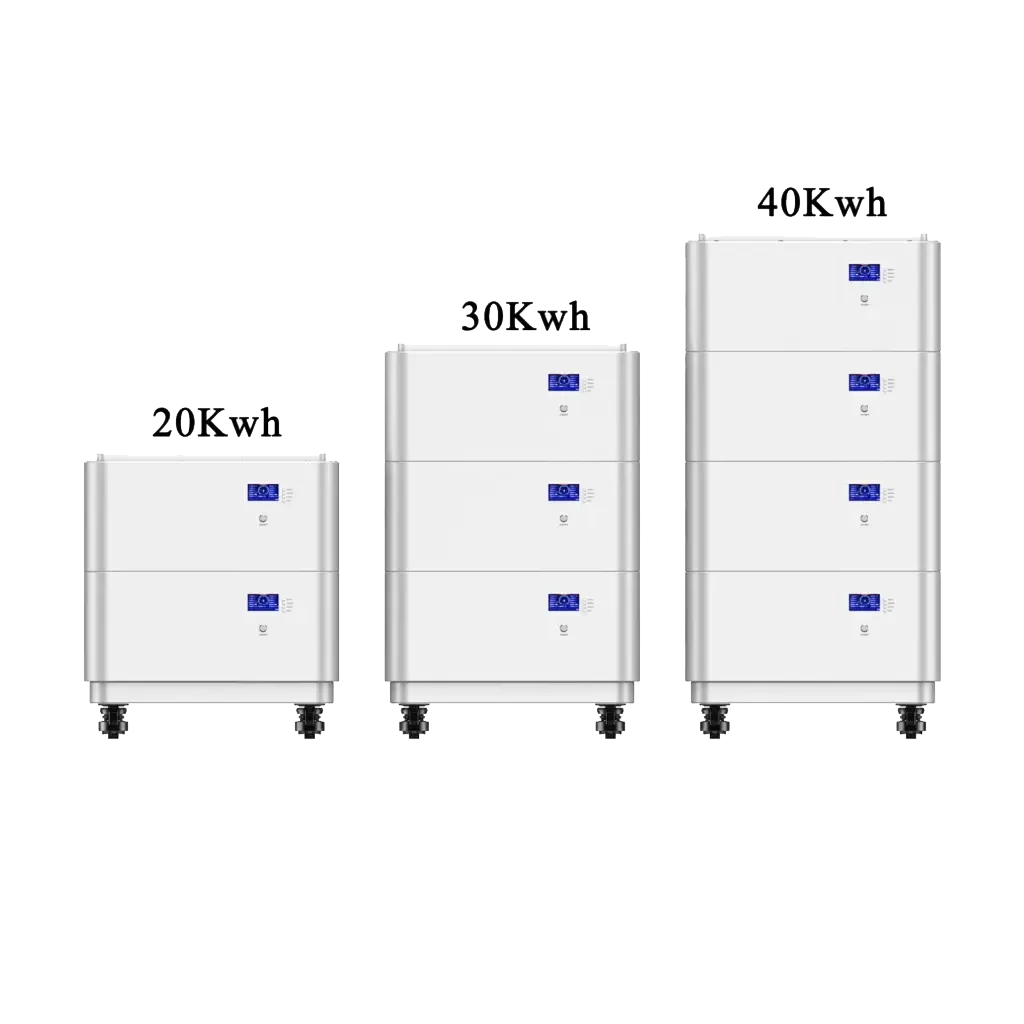
- Energy storage: 15 kWh rated capacity per unit
- Battery chemistry: LiFePO₄ with >8,000 cycles at 80% DOD, designed life 10+ years
- Scalability: Up to 16 units in parallel, for a total of up to 260 kWh storage
- Electrical specs: 48 V nominal, 300 Ah, CAN/RS485/RS232 communication, built-in 200 A BMS
- Weight: 133 kg per unit
- Temperature range: Charge 0–55°C, discharge −20–55°C
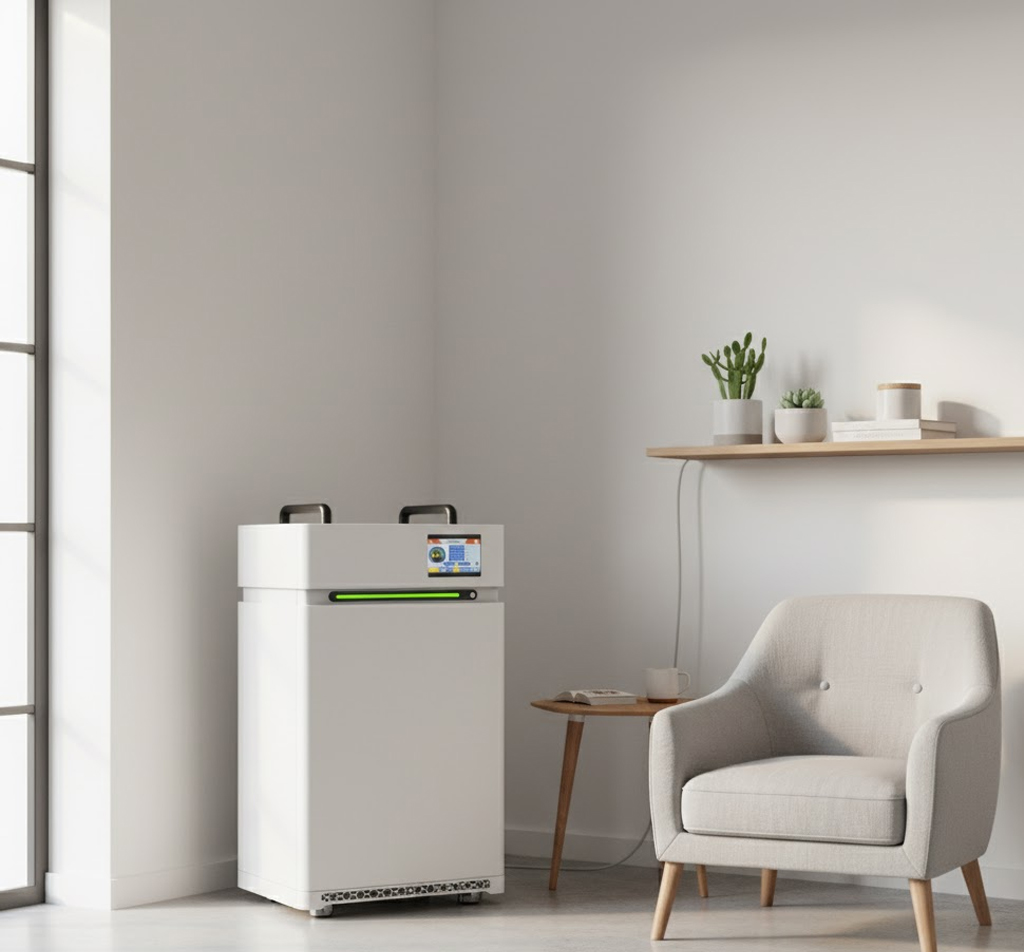
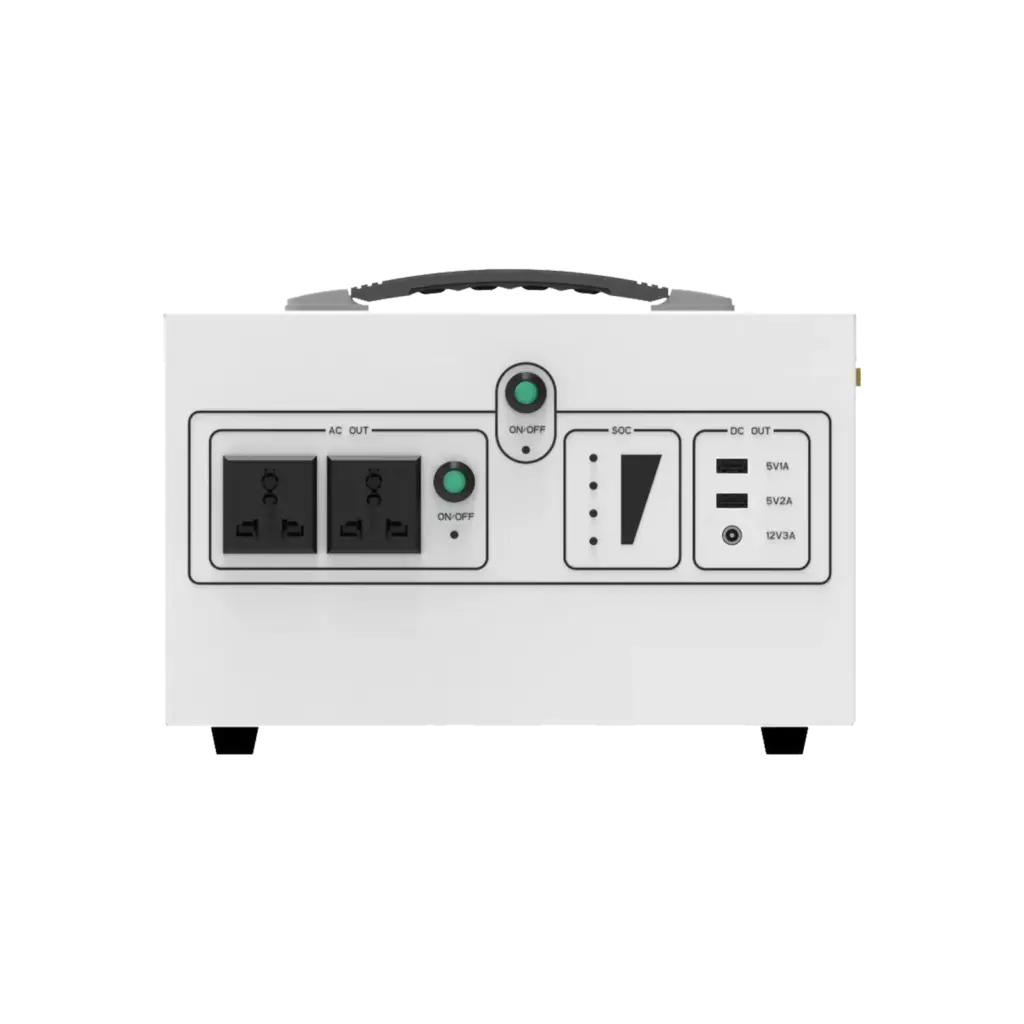
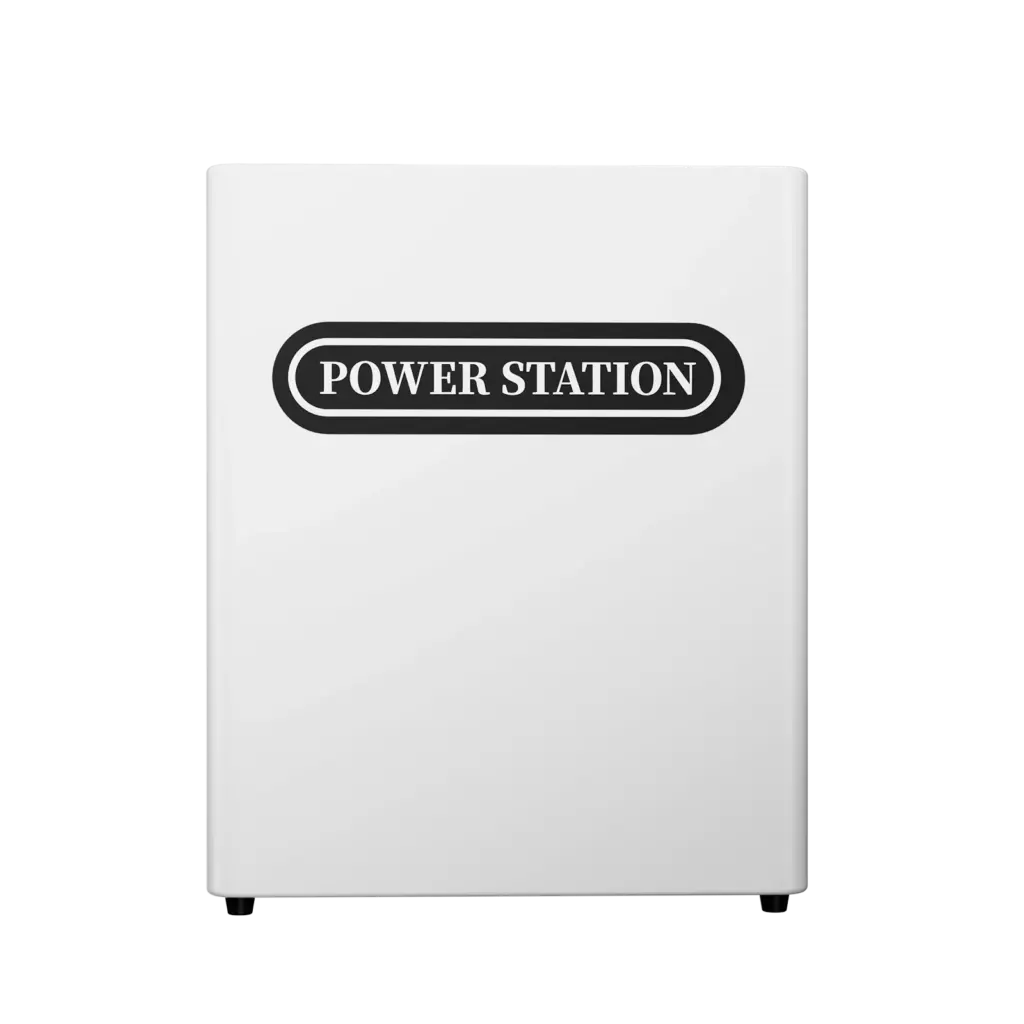
Avepower 48V 15kwh Vertical Home Battery
This battery can work with a solar PV system or operate on its own, and it is suitable for both grid-tied and off-grid setups. Its 15 kWh capacity is enough to keep essential loads—such as lighting, refrigeration, communications, and basic appliances—running reliably during long or overnight power outages.
Limitations And Drawbacks Of Solar Panels
No technology is perfect. Solar power has its own limits:
- Dependence on sunlight: Solar panels produce little or no power at night and less on very cloudy days.
- Need for roof area: Homes with very small or heavily shaded roofs may struggle to fit enough panels.
- Midday surplus: In regions with high solar uptake, midday export tariffs can be low. That situation may reduce the value of exporting excess solar to the grid.
A home battery helps with the last point by storing surplus solar to use later in the day. Clean Energy Council analysis shows that Australian households with rooftop solar already save billions of dollars each year and could almost double those savings with batteries that increase self-consumption.
Advantages Of Wind Turbine Over Solar In The Right Situations
Despite its limits at household scale, small wind can offer real advantages in the right location.
1. Wind Can Produce More Power In Windy, Cloudy, Or High-Latitude Locations
A well-sited small wind turbine on a tall tower can keep producing power during:
- Cloudy and stormy days when solar output is low.
- Short winter days at high latitudes.
- Night-time, when your solar system is idle.
If your property sits on an exposed ridge with strong, consistent winds, a turbine can produce substantial energy, especially in seasons when solar output is weakest.
2. Wind Does Not Depend On Roof Space
Some homes have:
- Complex roof shapes.
- Heavy shading from tall trees.
- Heritage or architectural constraints that limit rooftop installations.
In these cases, a ground-mounted solar system or a small wind turbine might be more suitable. A wind turbine can use open land instead of roof space, although it will still need clear airflow and suitable setbacks from property lines.
3. Wind May Align Better With Some Off-Grid Needs
On an off-grid rural property, owners often combine:
- A solar array that performs well in summer.
- A wind turbine that provides more energy in winter storms or at night.
- A robust battery bank to smooth out both sources.
If you already have a battery system from a manufacturer like Avepower and you live on a very windy site, adding a turbine can give you another source of charge, especially in winter.
Limitations And Drawbacks Of Small Wind Turbines
Small wind faces several serious challenges for most homeowners:
- Complex siting: Turbines must be tall and free of obstacles. Many typical blocks cannot provide the clearance and tower height needed for good performance.
- Noise and visual impact: Turbines create audible noise and strong visual impact. Local rules often require careful noise modelling and neighbour consultation.
- Higher cost per kW: As noted earlier, installed costs per kilowatt are usually much higher than rooftop solar.
- Mechanical wear: Moving parts increase maintenance needs over the life of the system.
Because of these issues, many national energy agencies treat small wind for individual homes as a niche option rather than a mainstream solution.
Why Solar Plus Battery Is The Practical Choice For Most Homes
Across many countries, rooftop solar is now the default renewable choice for households. In Australia, for example:
- Rooftop solar already sits on more than 4 million homes, making the country a world leader in household solar uptake.
- The Cheaper Home Batteries Program now offers an upfront discount of around 30% on eligible batteries from 2025 to 2030, with the discount linked to battery capacity.
When you combine those facts with the lower cost per kW of solar, the most practical path for most homeowners looks like this:
- Install rooftop solar sized to your daily use and future needs.
- Add a home battery (for example, a system from Avepower) to store extra solar and improve backup power.
- Join a Virtual Power Plant (VPP) if available, so your battery earns extra income by helping the grid.
This solar-plus-battery path gives a clear, evidence-backed way to cut bills, reduce emissions, and build resilience without the extra risk and planning work that a home wind turbine often brings.
If you’d like to understand how a solar + storage system would actually perform in your home, you can contact Avepower. We can simulate your electricity bill based on your household usage. With just a simple consultation, we’ll turn rough estimates into a clear, personalized plan that helps you lower your energy costs and switch to cleaner power.
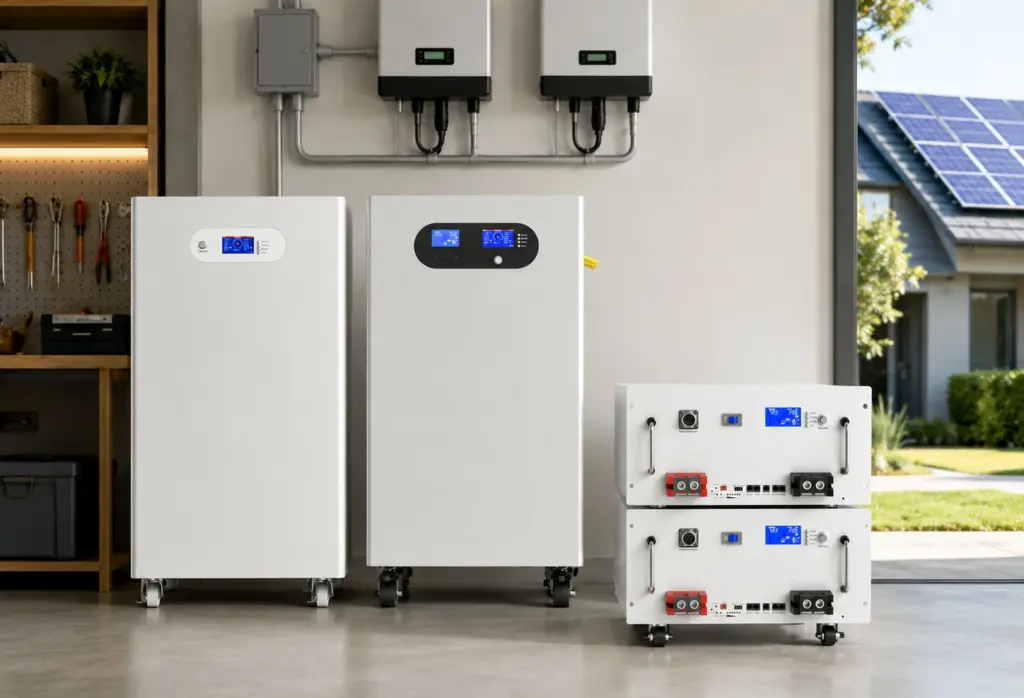
Take Control of Your Energy with Avepower!
Reliable home solar battery solutions with OEM/ODM customization and in-house manufacturing, tailored to the needs of distributors, installers, and energy partners.
Other Renewable Options Besides Wind Turbine And Solar
You do not have to choose only between wind and solar. Homeowners often combine several clean technologies.
Solar Hot Water (Solar Thermal)
Solar hot water systems use roof collectors to pre-heat water for showers, washing machines, and dishwashers.
- Solar hot water reduces gas or electricity used for water heating.
- The system works well alongside solar PV and a battery because it cuts one of the biggest loads in many homes.
Heat Pumps For Heating And Cooling
Modern reverse-cycle air conditioners and heat-pump hot water systems use electricity very efficiently to move heat instead of making it.
- Heat pumps can deliver three or more units of heat for each unit of electricity they use.
- When you pair them with solar panels and a battery, you can heat and cool your home with mostly renewable power.
Energy Efficiency
Basic upgrades such as LED lighting, better insulation, and smart controls reduce your total demand. That lower demand:
- Makes a smaller solar system possible.
- Makes a smaller battery viable.
- Reduces the need for extra generation from wind or other sources.
For many households, the best value path is “efficiency first, solar second, battery third, wind last”.
Conclusion
Solar is usually the best first choice for most homeowners because solar works with ordinary roofs, has low maintenance, and offers strong financial returns in many markets. Small wind can work well only on large, windy, open sites with tall towers and supportive planning rules.
When you compare wind and solar, you should think beyond “panel vs turbine” and plan your whole energy system: generation plus storage plus control. A well-designed battery from a trusted manufacturer such as Avepower can help you get more value from whichever generation source you choose, because the battery lets you use more of your own clean power when you actually need it.
You do not have to commit to a full design today. However, you will make a stronger long-term decision if you:
- Ask potential installers how their proposed system will integrate with a home battery, either now or later.
- Check that the inverter is compatible with reputable battery brands.
- Consider how your daily energy pattern might change over the next 10–15 years.
FAQ
For most suburban and urban homes, a rooftop solar system is usually the better choice. Solar panels work well on standard roofs, have low maintenance needs, and often deliver more energy per dollar than small wind turbines.
Most experts do not recommend roof-mounted wind turbines. Roofs in built-up areas usually sit in turbulent, low-speed wind, which means very poor energy production. Turbines can also cause vibration, noise, and structural stress on the roof.
You do not need a battery for a grid-connected system, but a battery can greatly improve how you use your renewable energy. With solar or wind alone, you must use energy as it is generated or export it to the grid.
Utility-scale turbines often have design lives in the 20–25 year range, after which owners may repower (replace the nacelle and blades) or decommission.