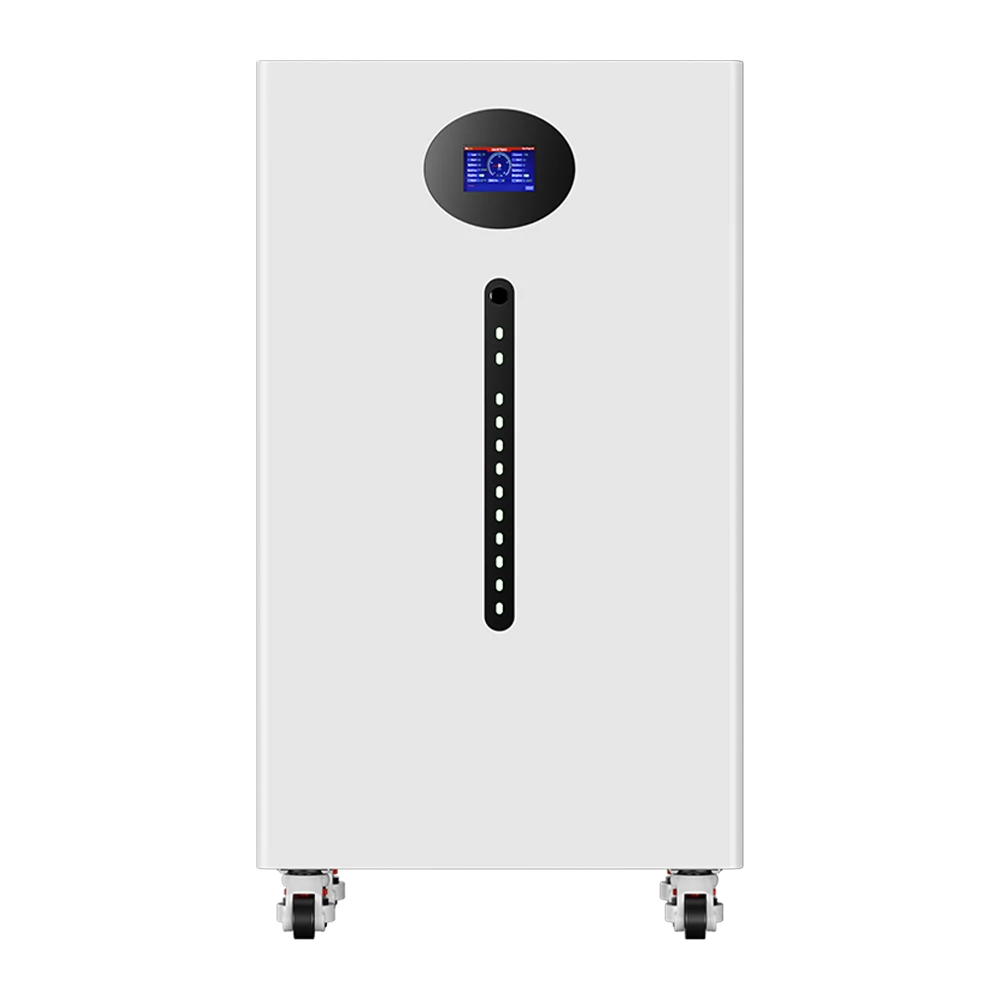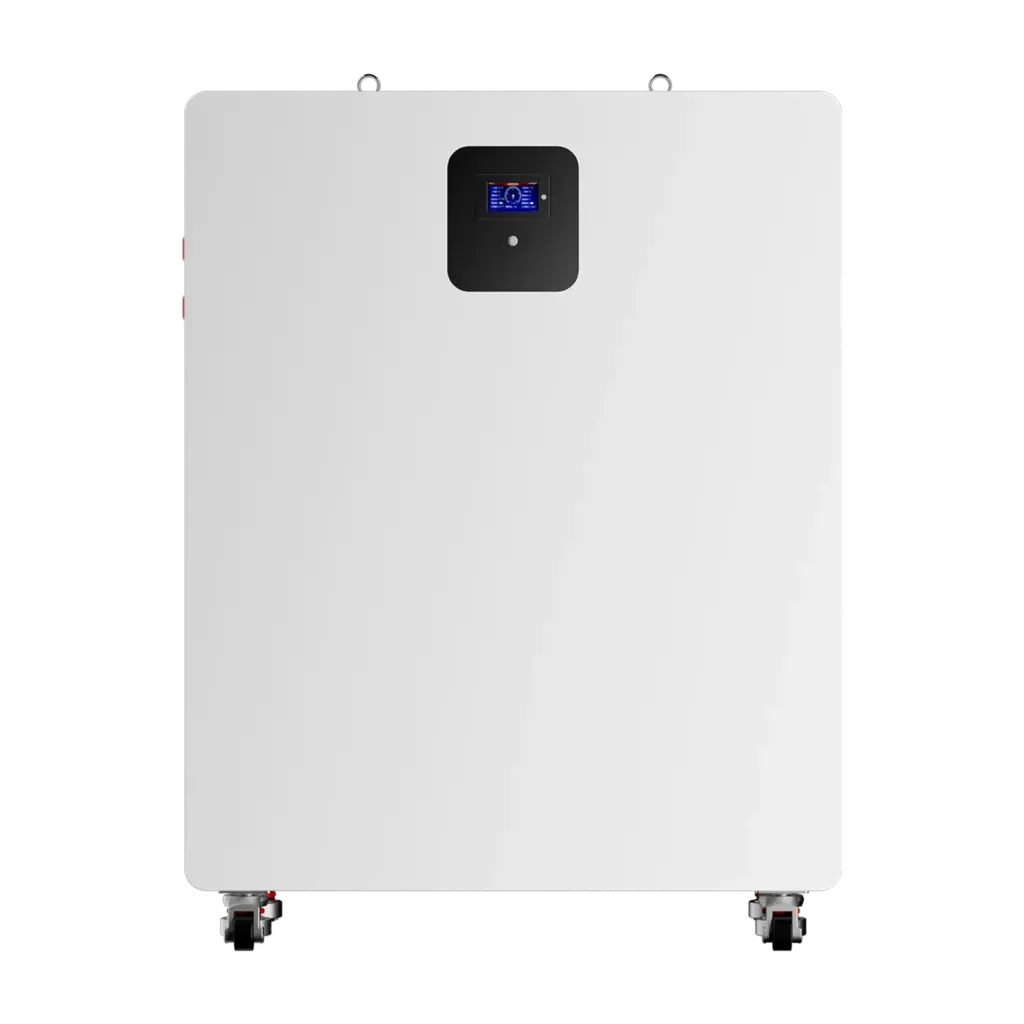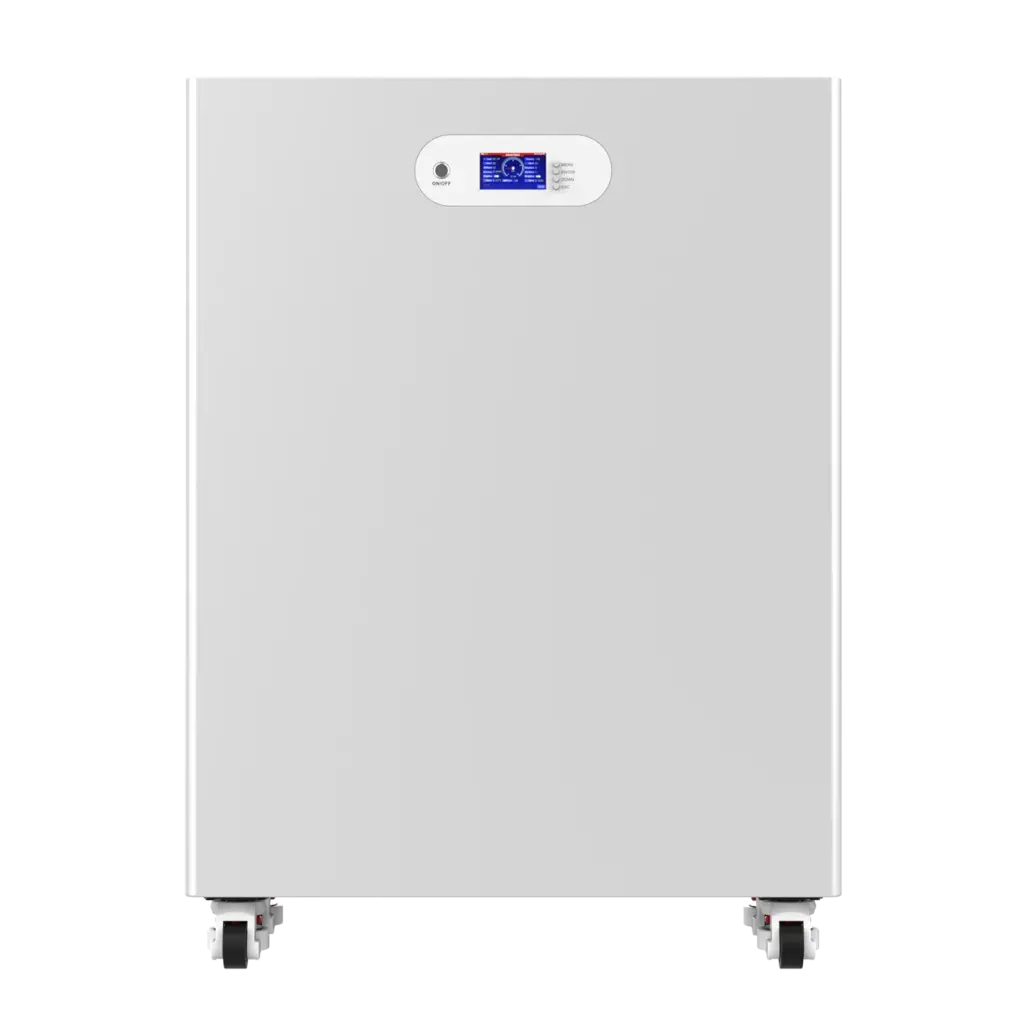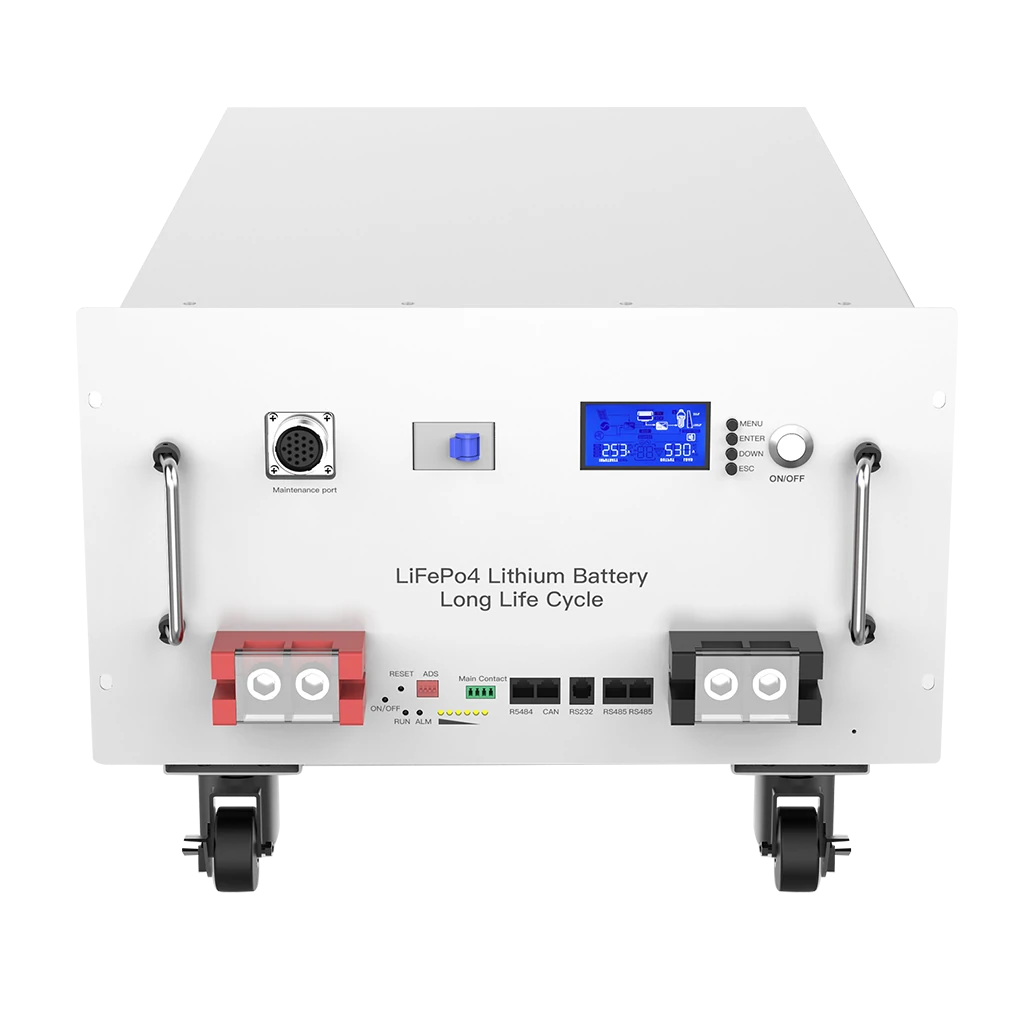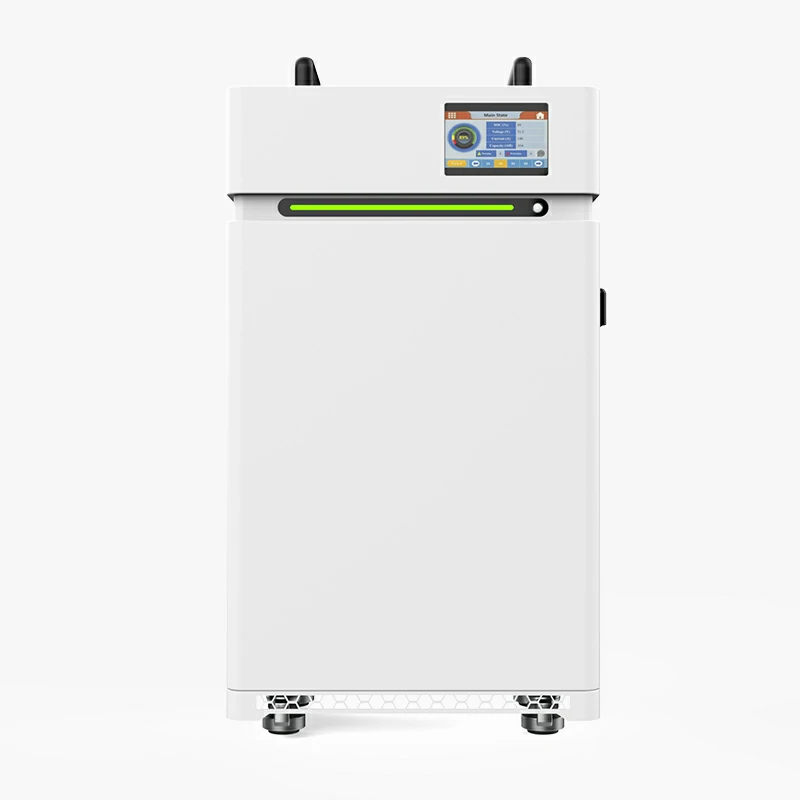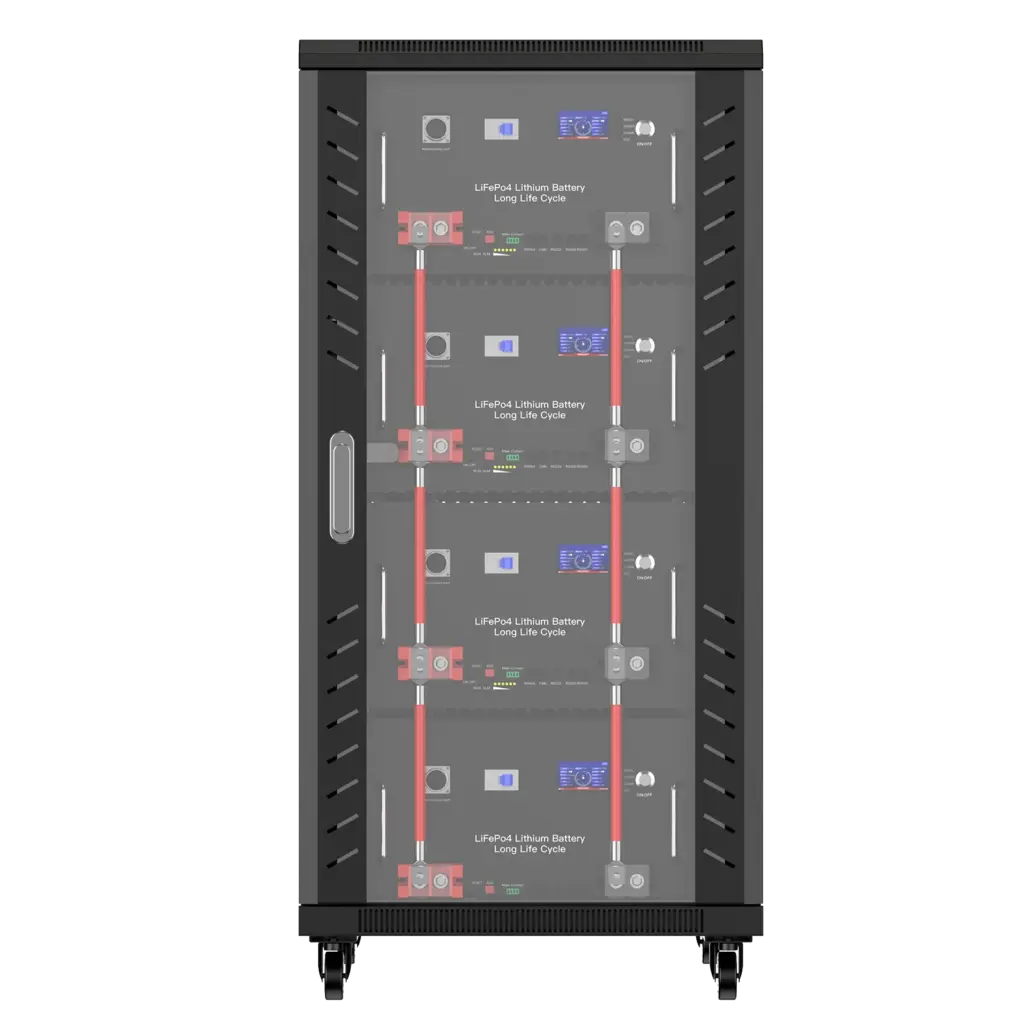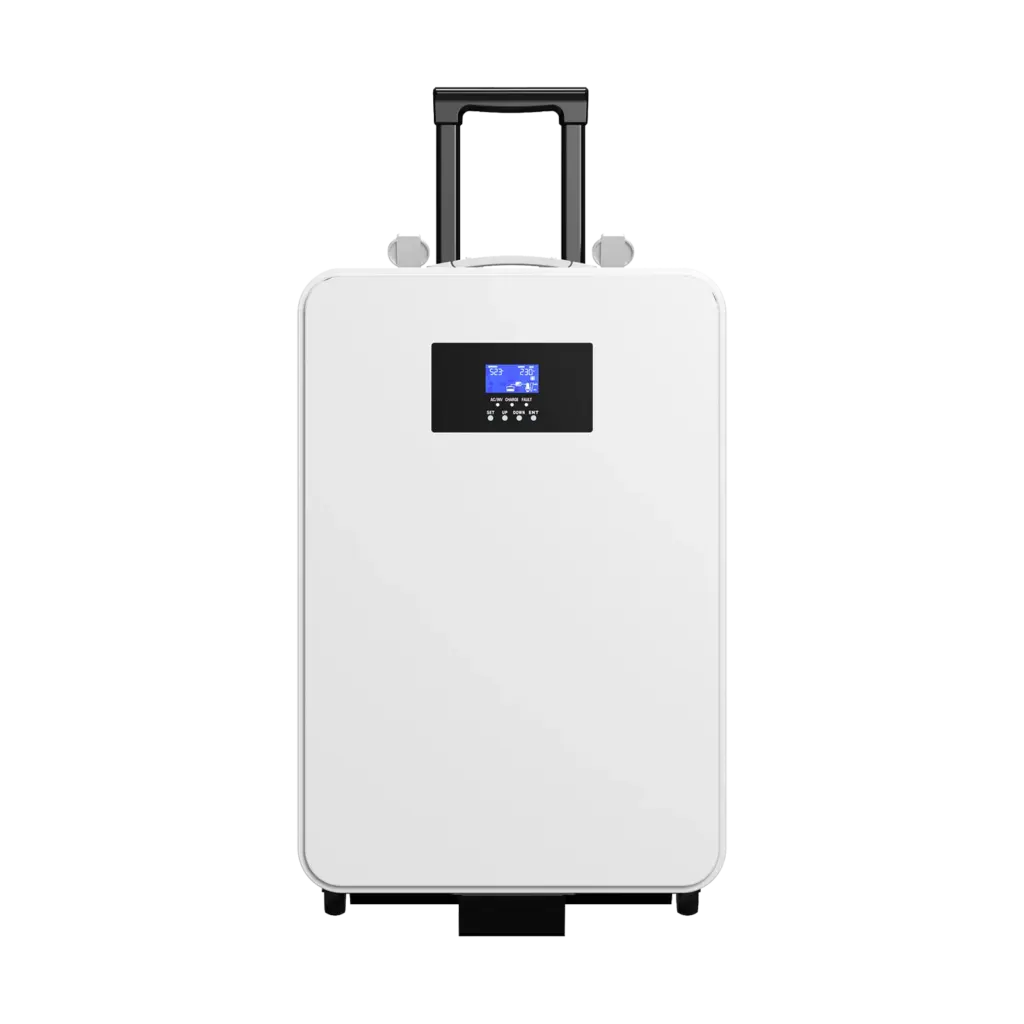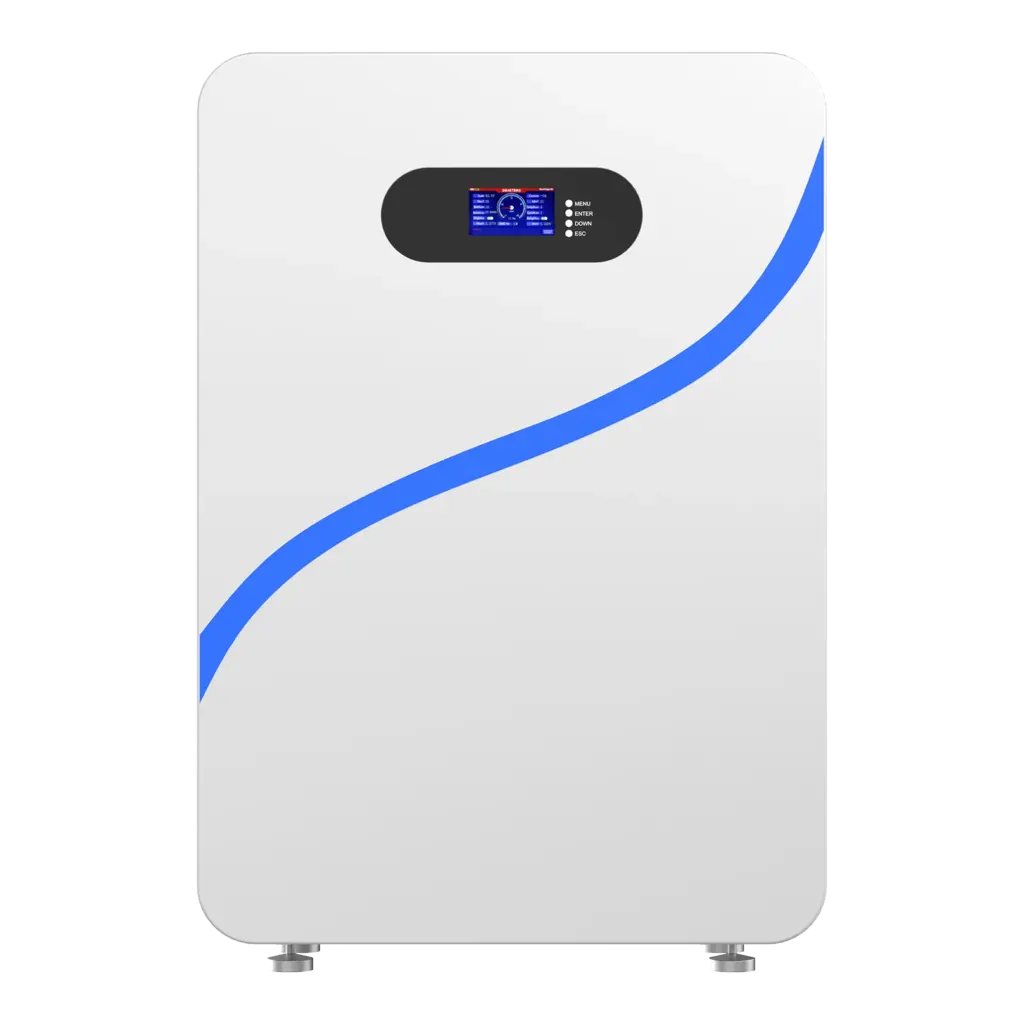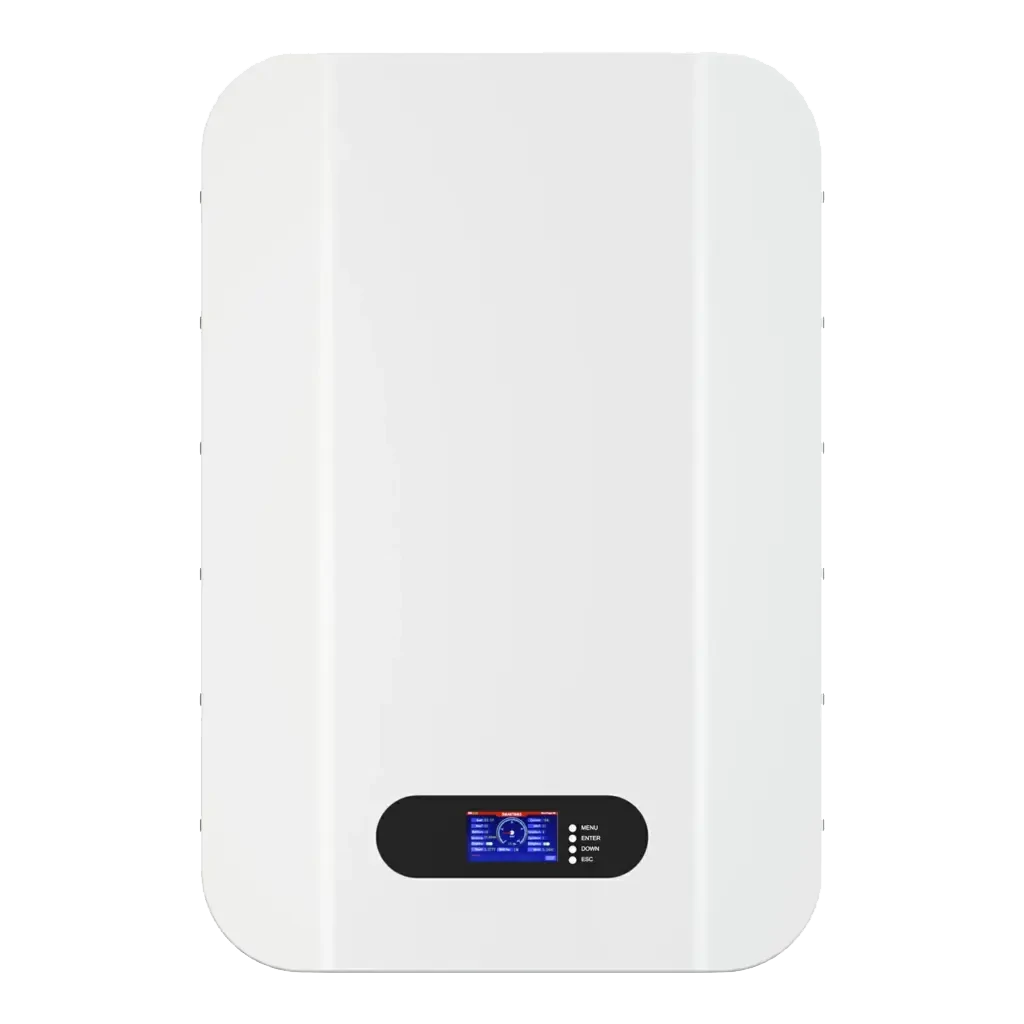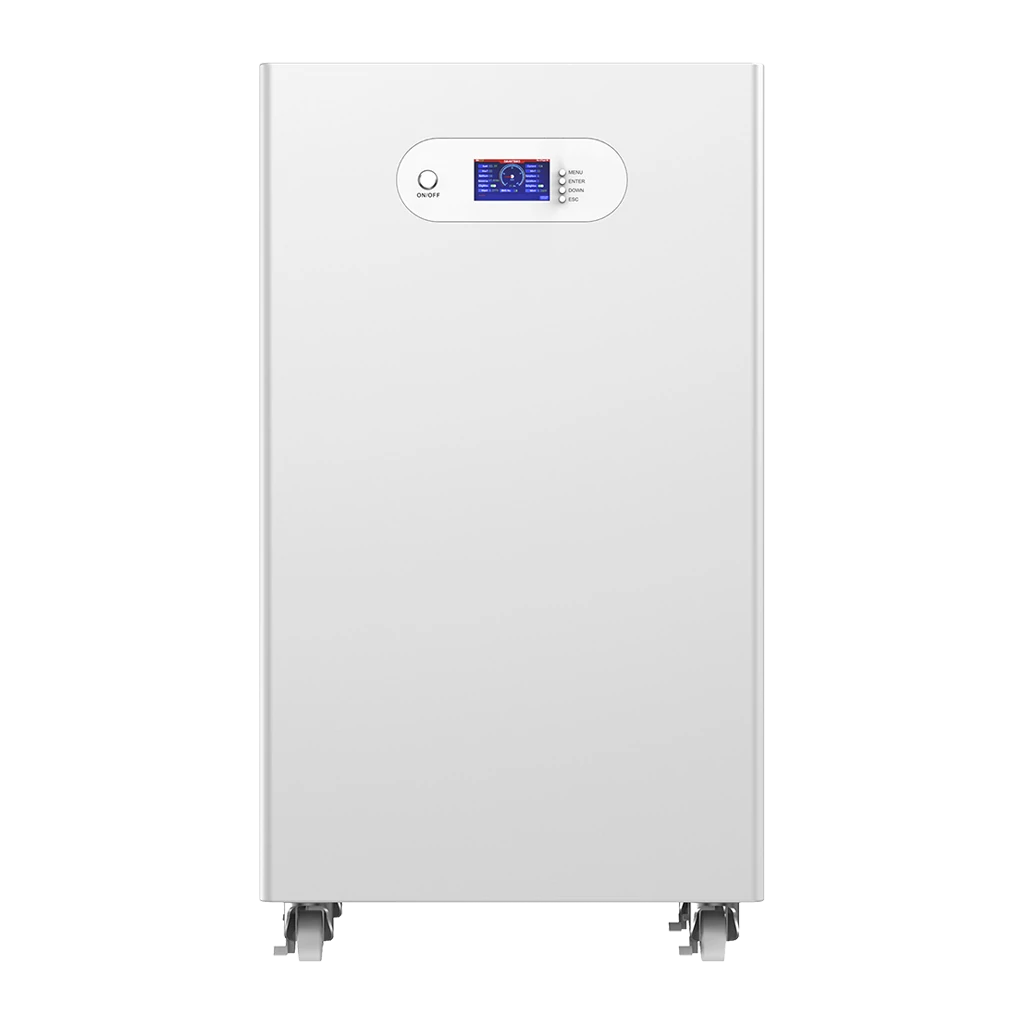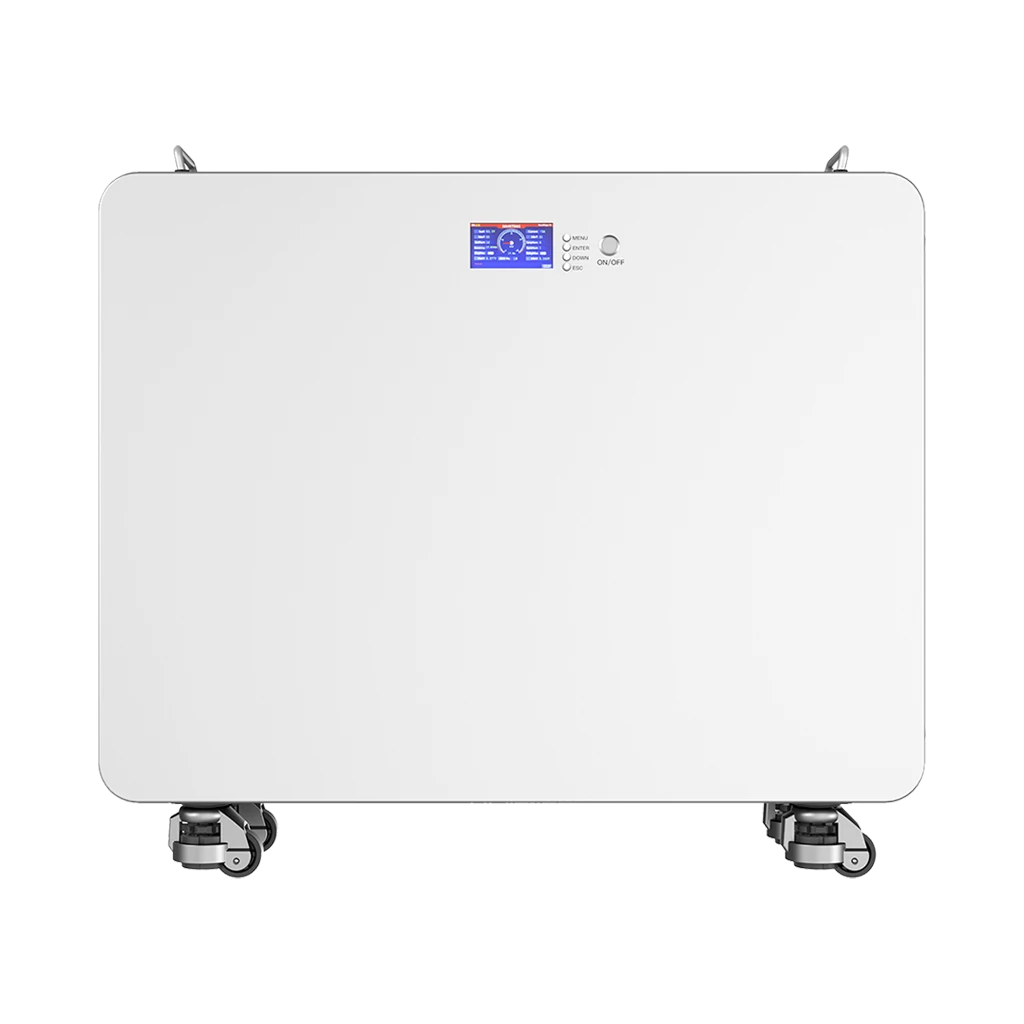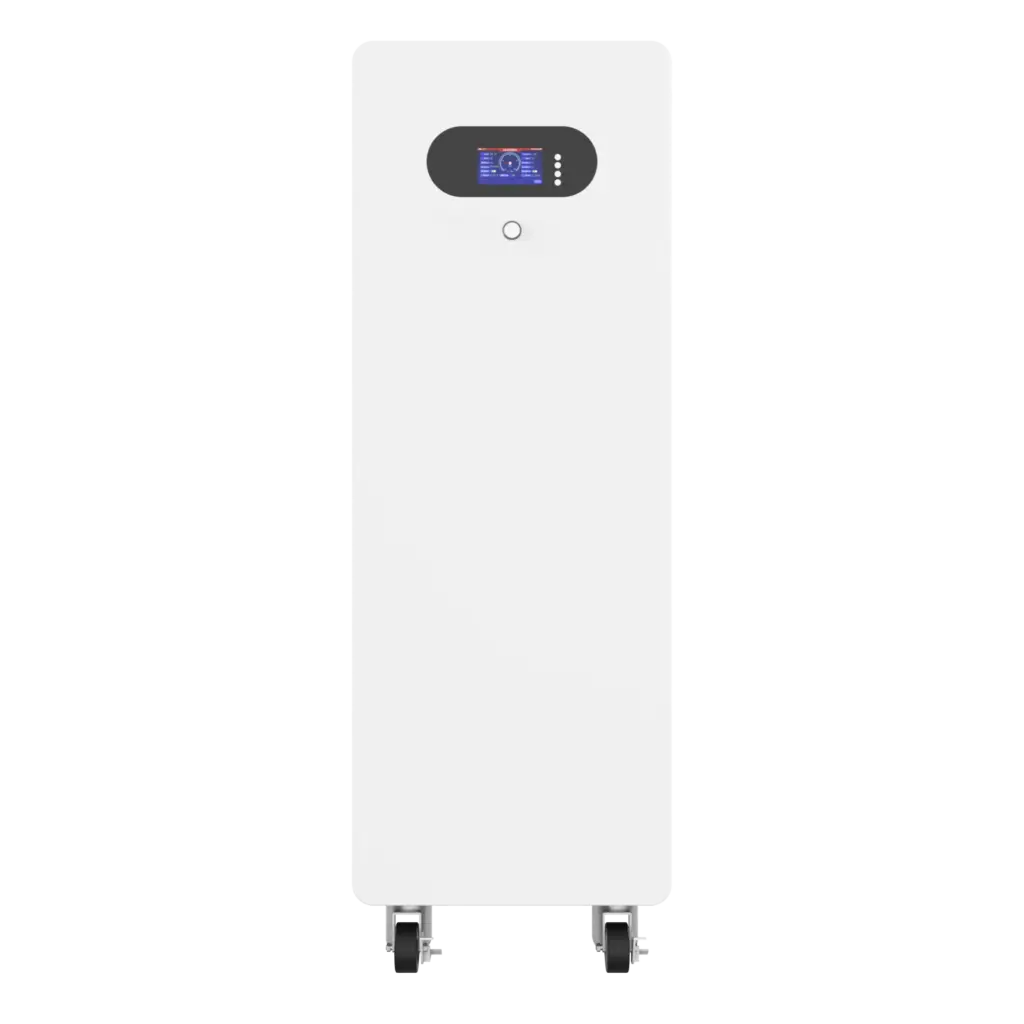

The best home battery storage company in 2026 depends on your goal. Tesla is strong for mainstream whole-home backup, Enphase is ideal for modular AC-coupled solar systems, FranklinWH is attractive for high-power backup, BYD is strong for scalable LFP storage, and Avepower is a practical choice for installers, distributors and OEM buyers who need factory-direct LiFePO4 battery systems. For most homes, a 10–15 kWh battery is a common starting point. Larger homes, heat pumps, EV charging or long outage protection may need 20–30 kWh or more.
Need a factory-direct LiFePO4 battery system for residential solar projects? Explore Avepower home energy storage batteries or request wholesale solar battery pricing for installer, distributor and project orders.
Quick Answer: Which Home Battery Company Should You Choose?
| Buyer Need | Good Match | Why It Fits |
|---|---|---|
| Wholesale, installer and OEM projects | Avepower | Factory-direct LiFePO4 systems with cust |
| Mainstream whole-home backup | Tesla Powerwall 3 | Strong brand recognition, integrated inverter, high output |
| Modular AC-coupled solar storage | Enphase IQ Battery | Good match for Enphase microinverter systems |
| High-power backup loads | FranklinWH aPower 2 | Large single-unit capacity and strong output |
| Scalable LFP battery system | BYD Battery-Box | Modular high-voltage and low-voltage options |
| SolarEdge inverter users | SolarEdge Home Battery | Designed for SolarEdge ecosystem |
| Smart energy community and VPP use | sonnen | Strong software, grid-service and smart control focus |
| Brand-backed home battery system | Panasonic EverVolt | Established electronics and battery brand |
| Compact home battery options | LG Energy Solution | Long battery manufacturing background |
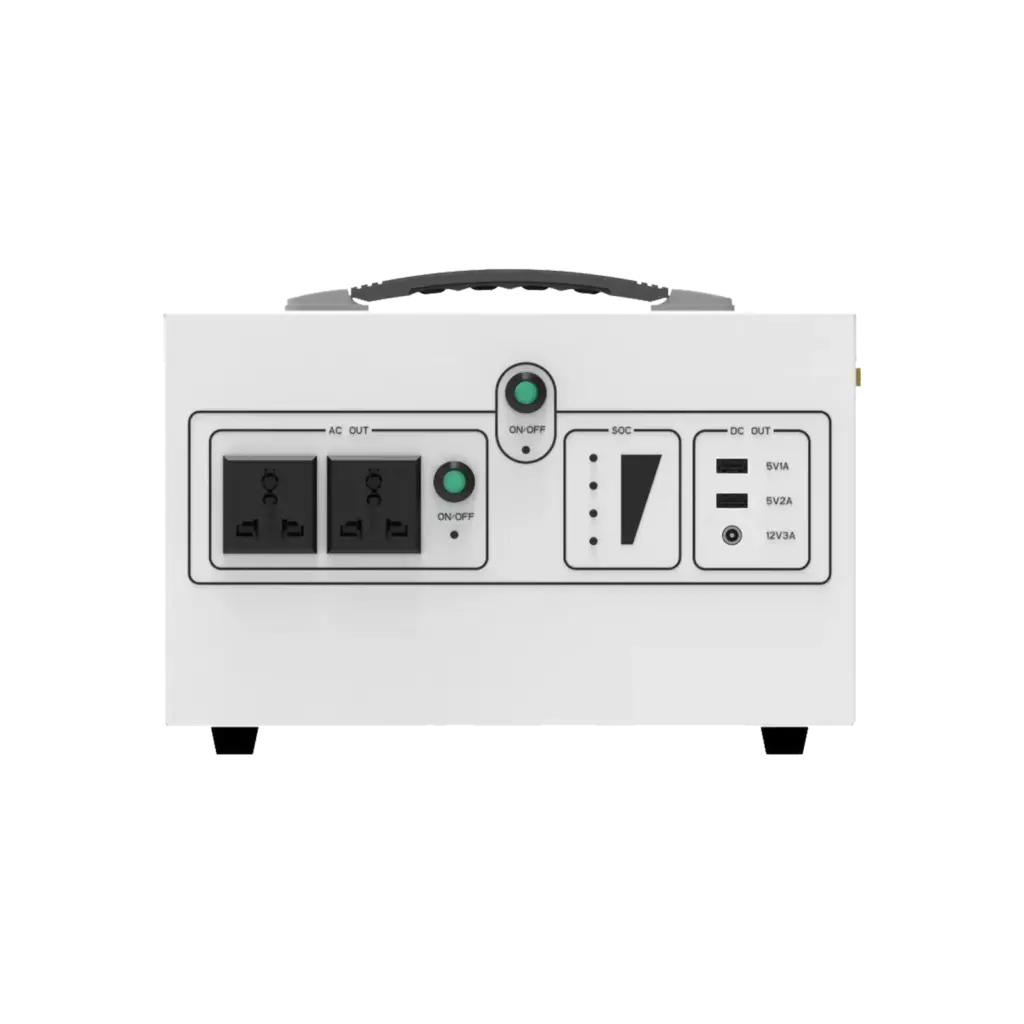
| Portable or semi-portable backup | EcoFlow | Good for smaller backup and flexible use cases |
2026 Home Battery Price Guide
Battery prices vary by country, installer, inverter type, local incentives, labor cost, backup panel requirements and shipping. The table below gives a practical planning range for residential projects. Always request a project-specific quote before final selection.
| Battery Size | Typical Use | Estimated Installed Cost Range | Best Fit |
|---|---|---|---|
| 5 kWh | Essential backup only | USD $4,000–$8,500 | Wi-Fi, lights, fridge, small evening loads |
| 10 kWh | Daily solar storage | USD $8,000–$15,000 | Typical solar self-consumption and backup |
| 13.5–15 kWh | Whole-home essential backup | USD $12,000–$20,000 | Larger homes, longer evening use, stronger backup |
| 20 kWh | Larger backup system | USD $16,000–$28,000 | Heat pump, larger load groups, longer outages |
| 30 kWh+ | Large home or small commercial | Project-based quote | Villas, farms, off-grid homes, installer-led projects |
For B2B buyers, retail installed prices are not the best reference. Distributors, wholesalers and solar installers should compare factory price, MOQ, certification documents, warranty terms, spare parts policy, inverter communication support and packaging cost.
Top 10 Home Battery Storage Companies in 2026
You want energy you can trust. You also want smart technology and green solutions. These brands bring new ideas and strong products. They have good performance you can count on. Pick the company that fits your needs. This will help you feel safe and calm.
Check out the top 10 companies for home battery storage in 2026:
- Avepower
- Tesla
- Enphase
- LG Energy Solution
- Panasonic
- Sonnen
- BYD
- FranklinWH
- SolarEdge
- EcoFlow
1. Avepower
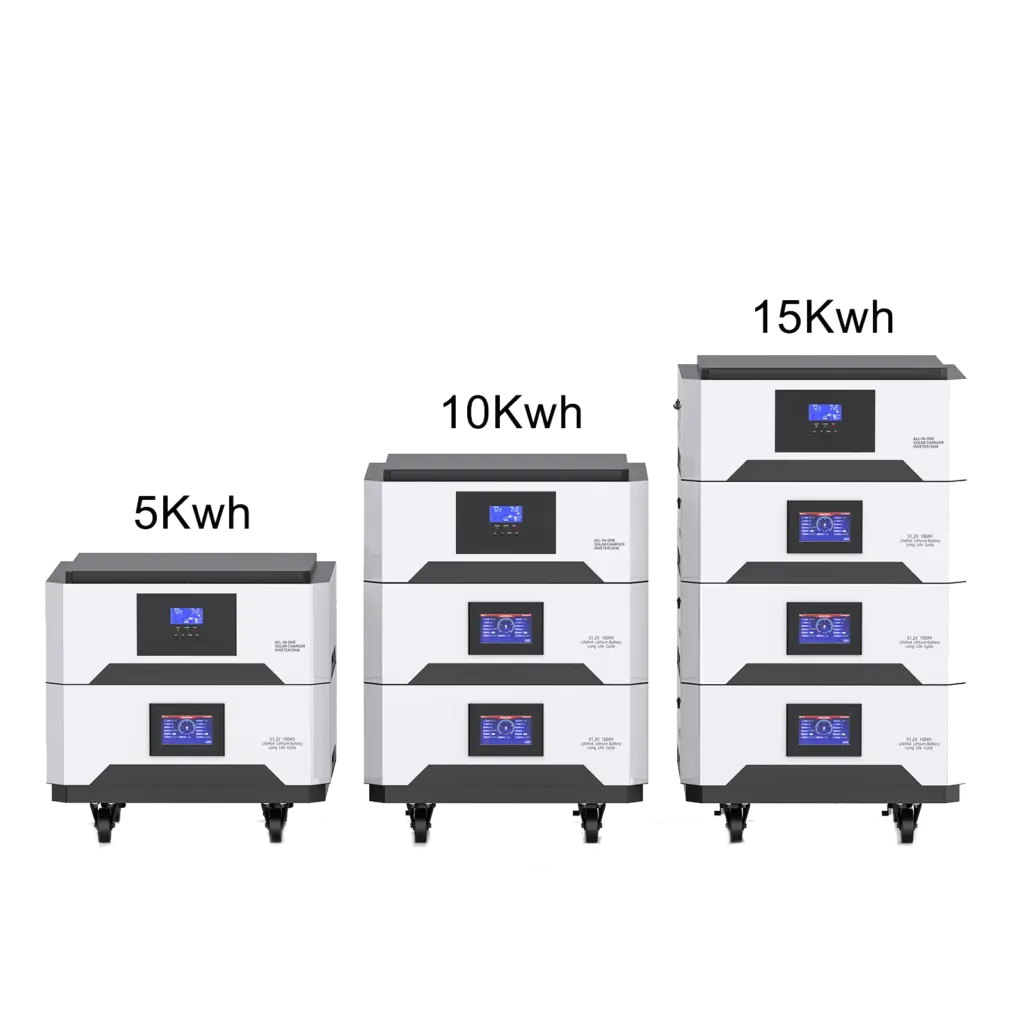
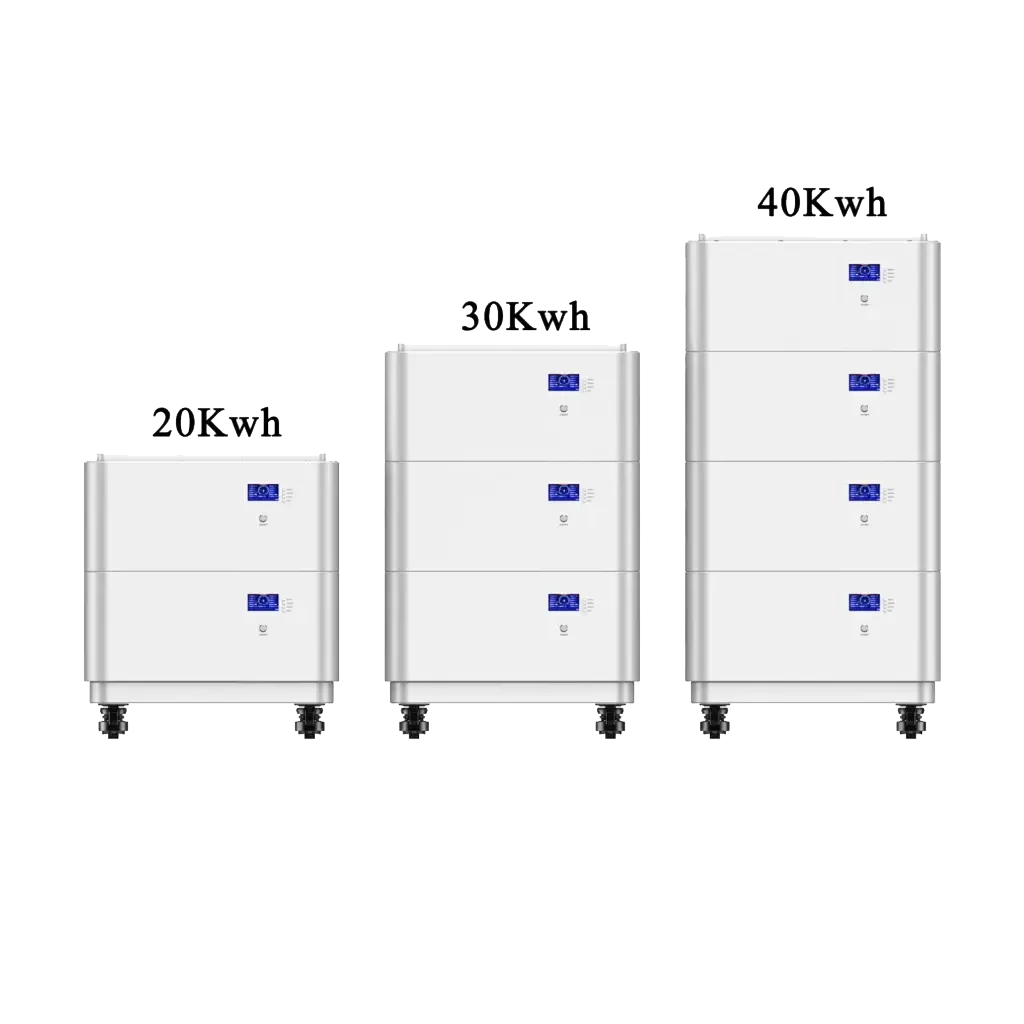
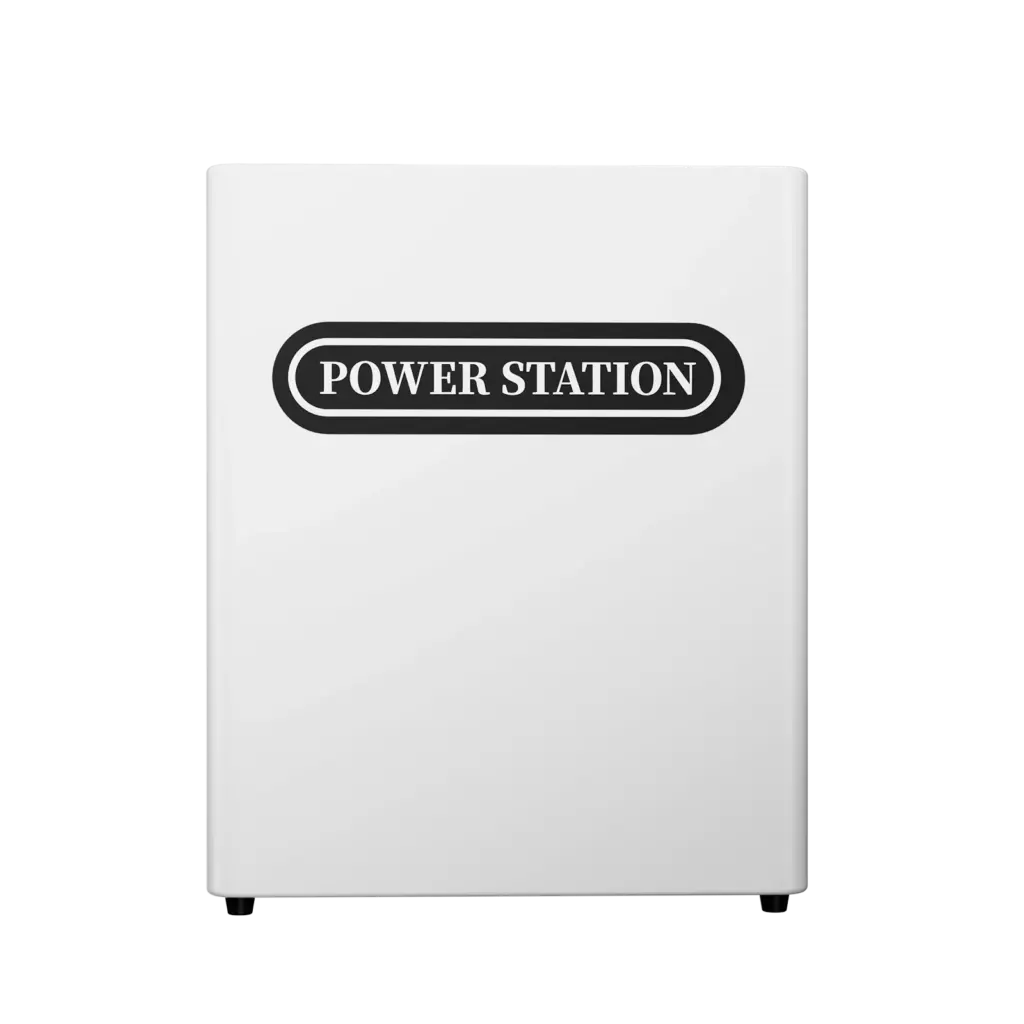
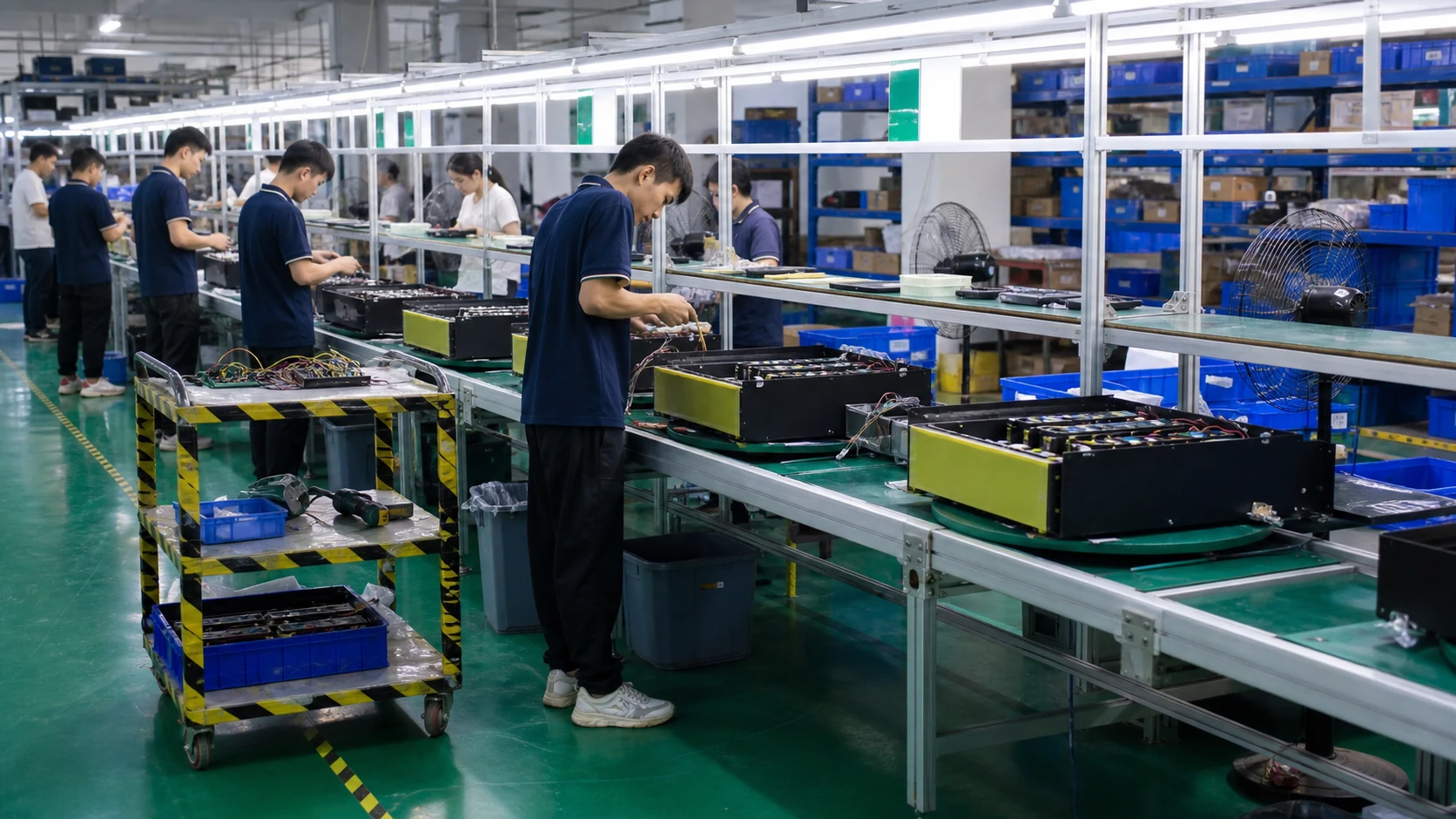
Avepower is a specialist battery manufacturer with more than 10 years of experience in home battery R&D, design, and production, a 20,000 m² factory, and a dedicated engineering team. Its home storage products are built around LiFePO4 cells, advanced BMS protection, and typically support international certifications such as CE, RoHS, UN 38.3 and ISO 9001, with options for UL-listed components depending on the project.
Customization Options
Avepower lets you pick what works for you. You can choose the battery’s size, shape, and look. You decide how much power you want. Avepower makes batteries for homes, RVs, and boats. You can ask for special features or your own brand. This way, your battery matches your style and needs. The Avepower team helps you from start to finish. You get a battery that fits your life just right.
Ask Avepower about custom designs. You can make your battery storage special.
Whole-Home Solution
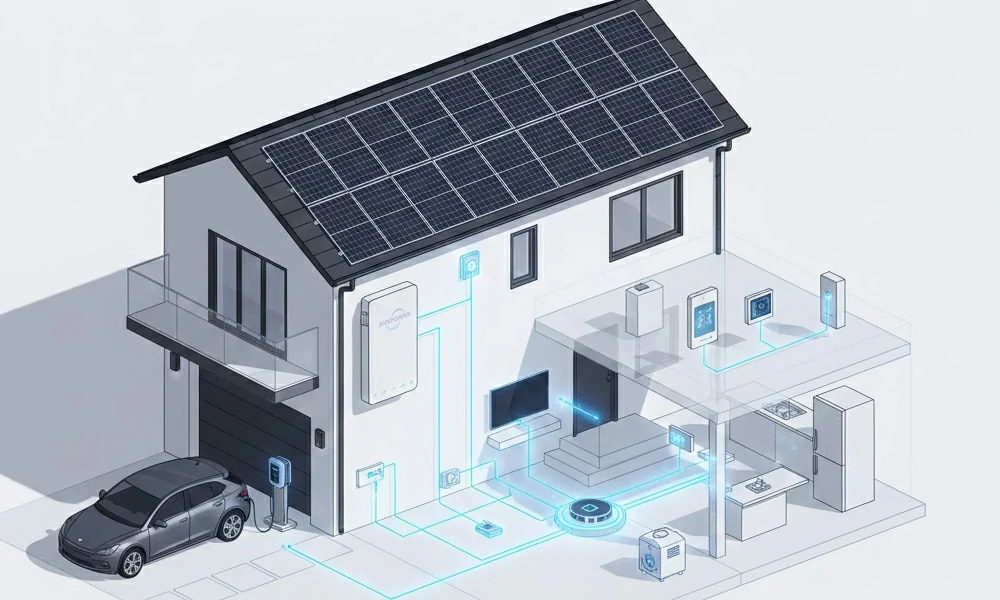
Avepower gives you more than a battery. You get a full energy system. Their all-in-one system has solar panels, battery storage, and EV charging. You can power your house and car with clean energy. Avepower helps you save money and care for the earth. You get backup when the power goes out and lower bills every month. Pick Avepower if you want a smart and green home.
2. Tesla
Tesla is one of the most recognized home battery storage companies, especially for homeowners who want a branded whole-home backup system. Powerwall 3 combines battery storage, solar inverter functionality and smart app control in one ecosystem. It is a strong fit for homes that want simple monitoring, high backup power and a widely known product.
Tesla is often a good option for homeowners who want a complete branded solution and have access to experienced local installers. The main thing to check is whether the system design, solar inverter setup, backup circuits and local grid requirements match the Powerwall configuration.
Best for: mainstream homeowners, whole-home backup, strong app ecosystem.
Check before buying: installed cost, installer availability, compatibility with existing solar system.
3. Enphase
Enphase is a strong choice for homes that already use Enphase microinverters or want an AC-coupled modular battery system. The IQ Battery design allows installers to size the system according to the homeowner’s backup needs and expand capacity later.
The biggest advantage of Enphase is system-level integration. Solar production, storage, backup and monitoring can be managed through one platform. This makes it easier for installers and homeowners to understand energy flow and battery performance.
Best for: Enphase solar homes, modular expansion, AC-coupled systems.
Check before buying: total installed cost when multiple modules are required.
4. LG Energy Solution
LG Energy Solution has a long background in lithium battery manufacturing and offers residential battery products in many markets. LG batteries are often compact and suitable for homes where space matters.
Because some older battery products in the industry have had safety recalls, buyers should always verify the exact model, production batch, certification status and installer guidance before purchase.
Best for: compact battery storage and established battery manufacturing background.
Check before buying: exact model, recall status, certification and installer support.
5. Panasonic
Panasonic is a long-established electronics and battery company with home battery solutions such as EverVolt in selected markets. For homeowners who prefer a well-known brand and professional installer network, Panasonic can be worth considering.
Its products are usually positioned for residential solar storage and backup. Availability, model specifications and local support should be checked because product lineup varies by region.
Best for: brand-backed home storage and professional installation.
Check before buying: local product availability and warranty support.
6. Sonnen
sonnen focuses strongly on intelligent energy management, safety and grid-connected services. It is known in Europe, Australia and other markets for smart battery control and virtual power plant participation.
sonnen can be a good option for homeowners who want more than a basic backup battery. It is especially relevant where energy tariffs, grid programs or community energy models reward smart battery operation.
Best for: smart energy homes, VPP programs, premium storage users.
Check before buying: local VPP availability, price and installer coverage.
7. BYD
BYD has deep battery manufacturing experience and offers modular Battery-Box systems for different regions and inverter combinations. BYD is especially strong where installers are familiar with high-voltage LFP battery systems and approved inverter pairings.
Its modular design makes it attractive for homeowners who want to start with a practical capacity and expand later. For larger homes, BYD’s scalable design can also support more flexible project sizing.
Best for: modular LFP storage, inverter-compatible solar systems, scalable capacity.
Check before buying: exact inverter compatibility and country-specific approvals.
8. FranklinWH
FranklinWH is becoming more visible in the home battery market because of its high-capacity and high-output system design. The aPower 2 is built for stronger backup applications and can be attractive for homeowners who want to keep more appliances running during outages.
This type of system can be useful for homes with larger loads, air conditioning or stronger backup expectations. It should still be sized carefully by an installer because backup performance depends on the whole system, not only the battery.
Best for: high-power backup, large homes, stronger essential-load panels.
Check before buying: local installer experience and final installed cost.
9. SolarEdge
SolarEdge Home Battery is a natural choice for homes using SolarEdge inverters. It is designed for the SolarEdge ecosystem and supports energy optimization through the SolarEdge platform.
For homeowners who already have SolarEdge solar, choosing a SolarEdge battery can simplify system integration. For homes using other inverter brands, however, it may not be the most flexible option.
Best for: SolarEdge inverter users, DC-coupled storage, solar self-consumption.
Check before buying: whether your existing inverter and backup interface support the battery.
10. EcoFlow
EcoFlow is best known for portable power stations and flexible backup solutions. It may be suitable for smaller home backup needs, renters, mobile use, temporary backup or users who do not want a fully installed battery system.
For whole-home solar storage, EcoFlow may not always replace a permanently installed battery cabinet. But for flexible backup and smaller loads, it can be practical.
Best for: portable backup, small loads, flexible use.
Check before buying: whether it supports your required solar input, backup load and installation type.
Home Battery Capacity Comparison
| Company | Common Home Battery Capacity | Chemistry / System Type | Main Strength | Main Limitation |
|---|---|---|---|---|
| Avepower | 5 kWh, 10 kWh, 15 kWh, 16 kWh, 30 kWh and customized systems | LiFePO4 with BMS, CAN/RS485/RS232 options | Good for wholesale, installer and OEM energy storage projects | Project configuration should be matched with inverter and local certification requirements |
| Tesla | 13.5 kWh per Powerwall 3 | Lithium battery with integrated inverter | Strong output and simple ecosystem | Best value often depends on Tesla-compatible system design |
| Enphase | 5 kWh modules, expandable | LFP, AC-coupled | Modular and good for microinverter homes | More modules may increase total cost |
| FranklinWH | 15 kWh per aPower 2 | LFP | High single-unit capacity and strong backup power | Less global brand awareness than Tesla or Enphase |
| BYD | About 5–22 kWh depending on series | LFP, modular | Strong global LFP battery experience | Requires compatible inverter selection |
| SolarEdge | 9.7 kWh per battery | DC-coupled system | Good for SolarEdge inverter users | Less flexible outside SolarEdge ecosystem |
| sonnen | Around 10 kWh depending on model | LFP, smart AC system | Smart energy management and VPP use | Premium positioning in many markets |
| Panasonic | Around 9–18 kWh depending on system | LFP in newer systems | Established brand and warranty support | Availability varies by region |
| LG Energy Solution | Around 10–16 kWh depending on model | Lithium battery storage | Compact design and mature battery background | Some older models had recall history, so model verification matters |
| EcoFlow | Small to mid-size backup systems | Portable and home backup solutions | Flexible backup for small loads | Not always ideal for large whole-home backup |
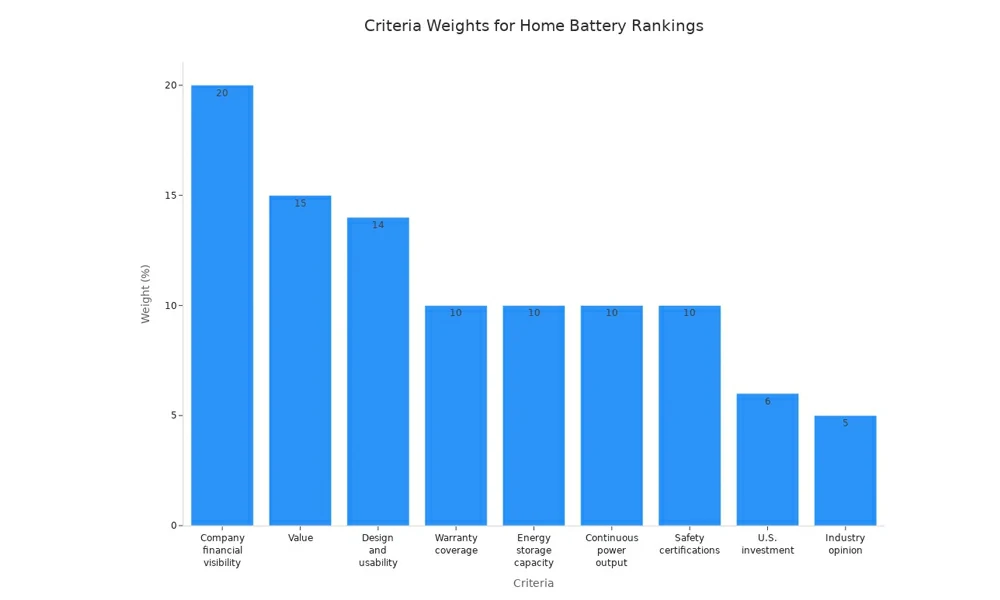
How We Compared These Home Battery Storage Companies
A good home battery company should not be selected only by brand name. For a real solar storage project, compare the following points:
- Battery capacity and usable energy. A 5 kWh battery and a 15 kWh battery solve very different problems. Small batteries are better for essential backup. Larger batteries are better for evening solar use, long outages and homes with higher electricity use.
- Power output. Capacity tells you how long the battery can run. Output tells you what it can run at the same time. For backup, check continuous output, peak output and motor-start ability.
- Battery chemistry. Many modern home storage systems use LiFePO4 because it is stable, long-life and widely used for stationary solar storage.
- Inverter compatibility. The battery must communicate correctly with the inverter. Check CAN, RS485, RS232, voltage range, charge and discharge current limits, firmware support and approved inverter lists.
- Safety and certification. For home installation, ask for relevant certification documents, transport documents and test reports. Requirements vary by country, so the exact model should be checked against local regulations.
- Scalability. If your customer may add EV charging, heat pumps or more solar later, choose a modular battery system that can expand.
- After-sales support. For installers and distributors, after-sales response, spare parts, technical documents and stable supply are as important as the battery price.
FAQ
There is no single best company for every home. Tesla is strong for mainstream whole-home backup, Enphase is strong for modular AC-coupled systems, FranklinWH is strong for high-power backup, BYD is strong for scalable LFP storage, and Avepower is a practical choice for B2B buyers who need factory-direct LiFePO4 battery systems.
A typical installed residential battery system can range from several thousand dollars for a small backup system to more than USD $20,000 for larger whole-home backup. The final cost depends on battery size, inverter type, installation labor, local incentives, backup panel work and certification requirements.
A 10 kWh battery may be enough for daily solar self-consumption and essential backup loads. It may not be enough for long outages, large homes, heat pumps, air conditioning or EV charging. For stronger backup, many homes consider 13.5–20 kWh or more.
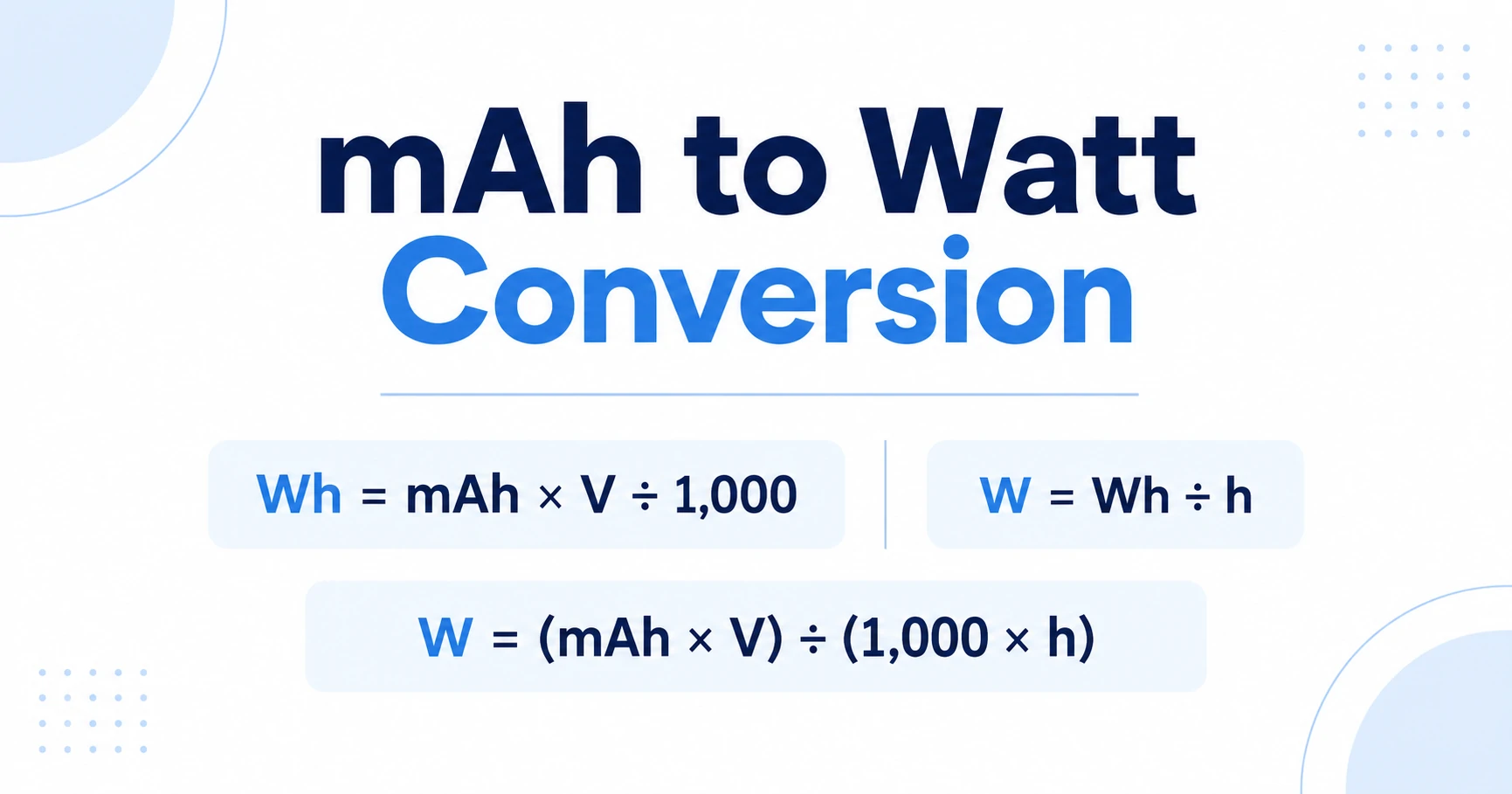
A 15 kWh battery may run a 0.5 kW essential load for about 27 hours, a 1.5 kW mixed load for about 9 hours, or a 3 kW heavy load for about 4.5 hours, assuming about 90% system efficiency. Real runtime depends on the load profile and system design.
Yes. LiFePO4 batteries are widely used in stationary solar storage because they offer good thermal stability, long cycle life and strong safety characteristics compared with many older battery chemistries.
Homeowners usually buy through local installers and retail brands. Installers, wholesalers, distributors and OEM brands may benefit from working with a factory supplier because they can discuss customization, bulk pricing, product lineup planning, packaging and technical documentation.
Certification needs vary by country. Common documents may include CE, CB, RoHS, UN38.3, IEC or UL-related reports depending on the target market and product type. Always confirm the exact model certification before importing or installing a home battery.
Many modern home battery systems are modular. However, expansion depends on the battery model, inverter compatibility, firmware, wiring, breaker selection and installation rules. Always plan expansion before purchase.
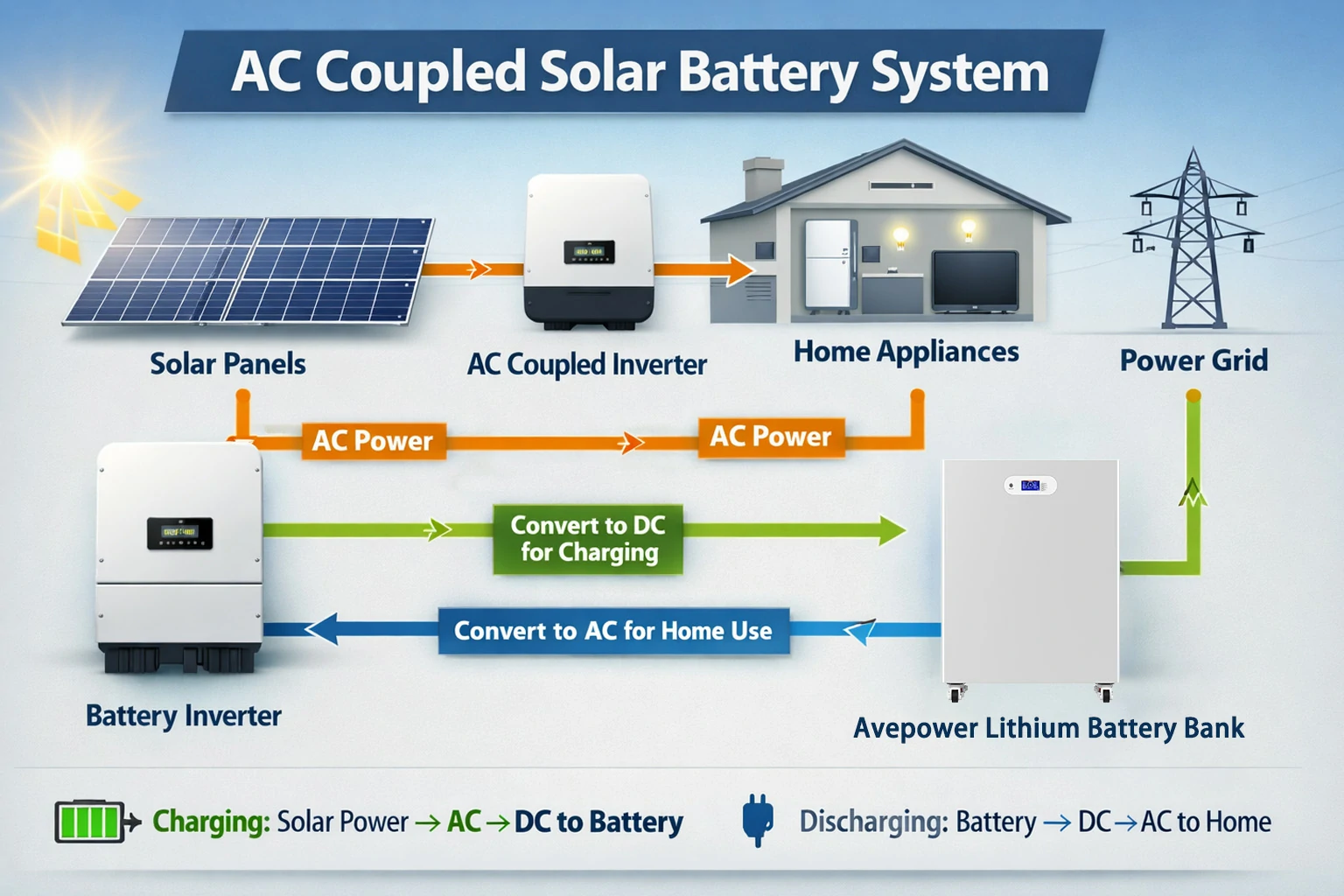
AC-coupled batteries are often easier to retrofit to existing solar systems. DC-coupled systems can be efficient for new solar installations when designed with a compatible hybrid inverter. The better option depends on your existing solar setup and backup requirements.
Installers, distributors and project buyers can request factory-direct supply from Avepower’s home solar battery wholesale page. OEM buyers can also request private-label battery customization through Avepower’s OEM ODM service.