
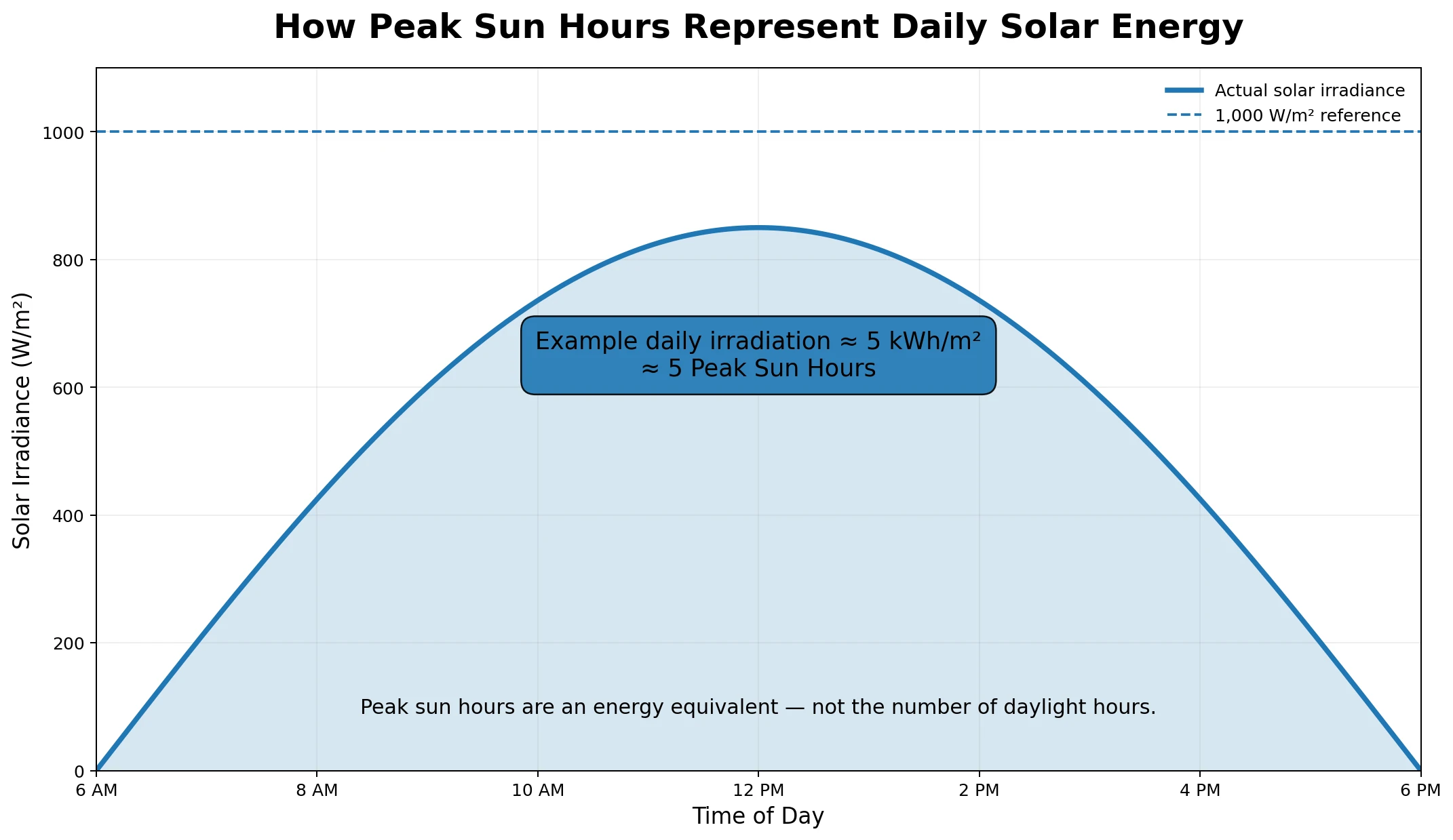
Peak sun hours measure the total solar energy a location receives during a day by converting changing sunlight into an equivalent number of hours at 1,000 watts per square meter. If a location receives 5 kWh/m² of solar irradiation in one day, that is approximately 5 peak sun hours.
Peak sun hours—or PSH—provide a much more useful measurement than daylight duration because they help estimate how much electricity a solar array can actually generate.
What Are Peak Sun Hours?
One peak sun hour represents 1 kWh of solar energy received per square meter at the standard reference irradiance of 1 kW/m². It does not mean the sun must remain at exactly 1,000 W/m² for a continuous hour; weaker and stronger sunlight throughout the day are added together.
For example:
500 W/m² for 2 hours produces the same solar-energy total as:
1,000 W/m² for 1 hour.
Both represent approximately 1 peak sun hour.
The relationship can be expressed as:
1 Peak Sun Hour = 1 kWh/m² of daily solar irradiation
Therefore:
| Daily Solar Irradiation | Equivalent Peak Sun Hours |
|---|---|
| 2 kWh/m²/day | 2 PSH |
| 3.5 kWh/m²/day | 3.5 PSH |
| 4 kWh/m²/day | 4 PSH |
| 5 kWh/m²/day | 5 PSH |
| 6.5 kWh/m²/day | 6.5 PSH |
Are Peak Sun Hours the Same as Daylight Hours?
No. Daylight hours measure how long the sun remains above the horizon, while peak sun hours measure the total solar energy received during that period. A location may have 12 or 14 hours of daylight but accumulate only 4–6 equivalent peak sun hours.
| Time Period | Average Irradiance | Duration | Equivalent PSH |
|---|---|---|---|
| Early morning | 250 W/m² | 2 h | 0.5 |
| Late morning | 700 W/m² | 2 h | 1.4 |
| Midday | 1,000 W/m² | 2 h | 2.0 |
| Afternoon | 700 W/m² | 2 h | 1.4 |
| Evening | 250 W/m² | 2 h | 0.5 |
| Total | — | 10 h daylight | 5.8 PSH |
The panels received sunlight for ten hours, but the day’s total energy equals only about 5.8 hours at full reference irradiance.
How Are Peak Sun Hours Calculated?
Peak sun hours are calculated from the total daily solar irradiation received per square meter. Because the reference irradiance is 1 kW/m², the numerical value of daily solar irradiation in kWh/m²/day corresponds approximately to the number of peak sun hours.
The basic relationship is:
Peak Sun Hours = Daily Solar Irradiation (kWh/m²/day) ÷ 1 kW/m²
For example, suppose a location receives:
5.2 kWh/m²/day
Then:
5.2 ÷ 1 = 5.2 peak sun hours
How Can You Find Peak Sun Hours for Your Location?
For rough planning, a state or regional peak-sun-hours table is adequate; for an actual solar system, use location-specific solar-resource data. Roof orientation, tilt, local weather and shading can make one property perform differently from another property in the same state.
For a U.S. project, one of the most reliable free starting points is PVWatts, which uses long-term solar-resource and weather information to estimate PV production for a specific location.
For early-stage system sizing, you can also use an annual PSH estimate. But before purchasing equipment, check the site’s actual location and monthly performance.
What Are the Average Peak Sun Hours by State?
| State | PSH/day | State | PSH/day | State | PSH/day |
|---|---|---|---|---|---|
| Arizona | 6.5 | New Mexico | 6.5 | Nevada | 6.4 |
| Hawaii | 5.8 | California | 5.6 | Colorado | 5.5 |
| Utah | 5.5 | Florida | 5.3 | Texas | 5.3 |
| Wyoming | 5.2 | Oklahoma | 5.1 | Kansas | 5.0 |
| Idaho | 4.9 | Georgia | 4.8 | Nebraska | 4.8 |
| South Carolina | 4.8 | Louisiana | 4.7 | Montana | 4.7 |
| North Carolina | 4.7 | South Dakota | 4.7 | Alabama | 4.6 |
| Mississippi | 4.6 | Missouri | 4.6 | Arkansas | 4.5 |
| North Dakota | 4.5 | Virginia | 4.5 | Delaware | 4.4 |
| Washington, DC | 4.4 | Iowa | 4.4 | Maryland | 4.4 |
| Tennessee | 4.4 | Illinois | 4.3 | Kentucky | 4.3 |
| Minnesota | 4.3 | New Jersey | 4.3 | Connecticut | 4.2 |
| Indiana | 4.2 | Maine | 4.2 | Massachusetts | 4.2 |
| New Hampshire | 4.2 | Oregon | 4.2 | Rhode Island | 4.2 |
| Wisconsin | 4.2 | Ohio | 4.1 | Pennsylvania | 4.1 |
| West Virginia | 4.1 | Michigan | 4.0 | New York | 4.0 |
| Vermont | 4.0 | Washington | 3.8 | Alaska | 3.0 |
What Factors Reduce Real Solar Production Even With Good Peak Sun Hours?
High peak sun hours do not guarantee equally high electrical output because PSH measures available solar resource, not complete PV-system performance. Temperature, shading, dirt, wiring, inverter conversion, module mismatch, equipment downtime and battery charging limits can all reduce how much solar energy ultimately becomes usable electricity.
The most important factors include:
- Panel temperature — PV modules normally produce less power as cell temperature rises above rated test conditions.
- Shading — trees, buildings, roof structures or adjacent rows can reduce production.
- Soiling — dust, pollen and debris reduce available irradiance.
- Orientation — a poorly oriented array receives less useful irradiation.
- Wiring loss — electrical resistance reduces delivered energy.
- Inverter efficiency — DC-to-AC conversion is not 100% efficient.
- Battery losses — some energy is lost during charging and discharging.
- Daytime loads — solar electricity used immediately is unavailable for battery charging.
For storage projects, distinguish PV-system efficiency from battery round-trip efficiency. Avepower’s battery efficiency guide explains the different efficiency boundaries and why they should not be treated as one percentage.
How Many Peak Sun Hours Do Solar Panels Need?
Consider a household needing 20 kWh/day, using an 80% system factor:
| Peak Sun Hours | Approx. Solar Array Required |
|---|---|
| 3 PSH | 8.33 kW |
| 4 PSH | 6.25 kW |
| 5 PSH | 5.00 kW |
| 6 PSH | 4.17 kW |
Formula:
Required PV kW = Daily kWh ÷ (PSH × System Efficiency)
Common Peak Sun Hours Mistakes
Most PSH errors come from using daylight hours instead of irradiation data, relying on statewide averages for a specific roof, ignoring seasonal variation, or assuming panel wattage multiplied by PSH equals guaranteed usable electricity. Correcting these four mistakes dramatically improves early-stage solar and battery sizing.
Avoid:
- Using sunrise-to-sunset hours as PSH
- Treating 1 PSH as a literal one-hour “peak period”
- Using state averages for final design
- Ignoring panel tilt and azimuth
- Using annual PSH for winter off-grid sizing
- Assuming rated PV watts are always achieved
- Ignoring shading and temperature
- Ignoring daytime electrical loads
- Assuming all PV output reaches the battery
- Oversizing batteries without checking whether the PV system can recharge them
A balanced solar and storage design needs PV generation, load demand and usable battery capacity to work together.
Use Peak Sun Hours to Build a Better Solar + Battery System
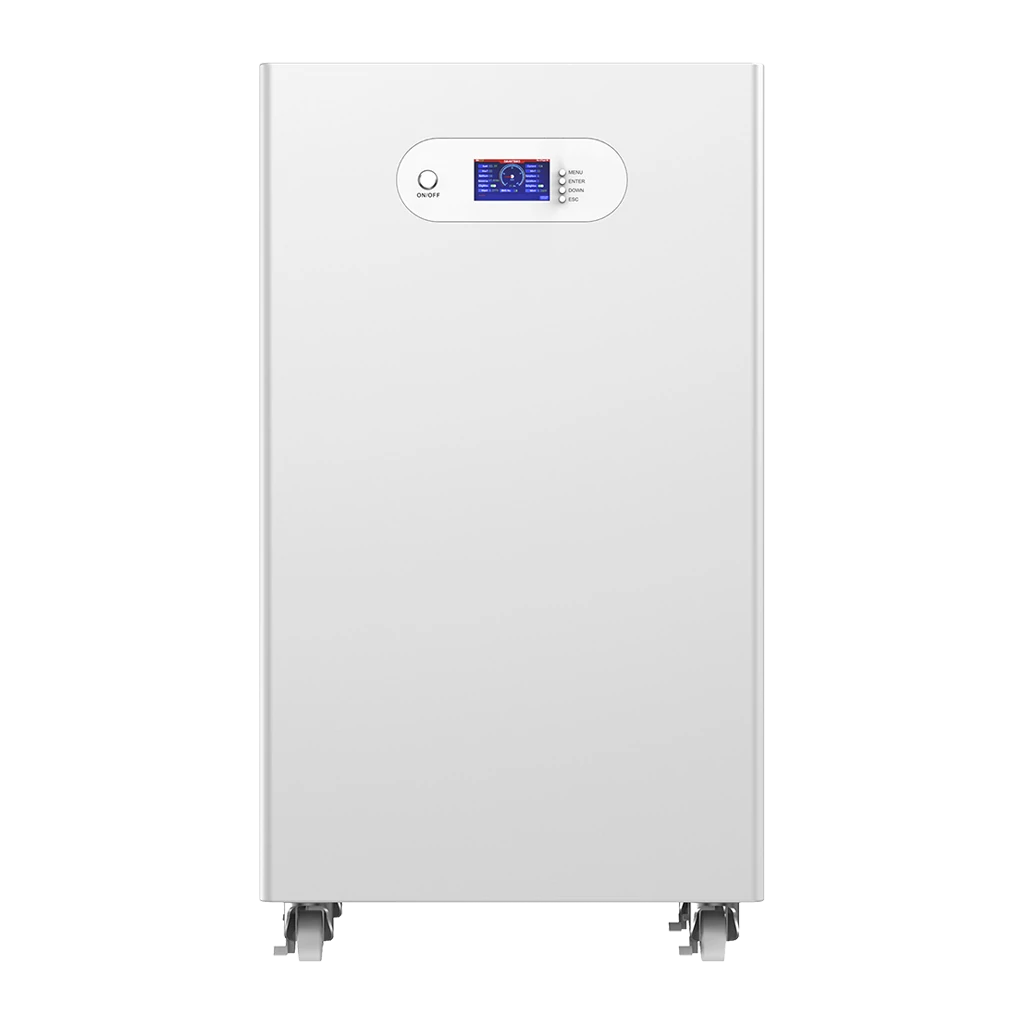
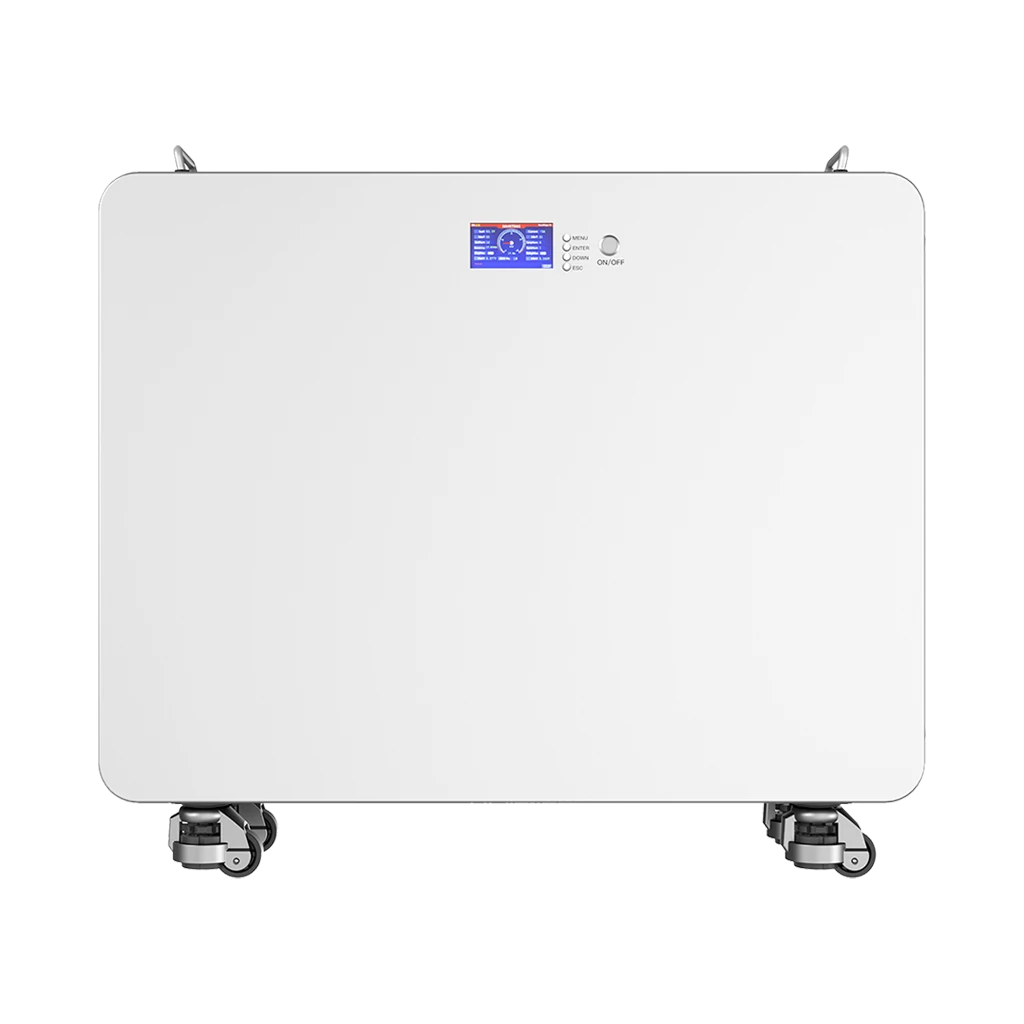
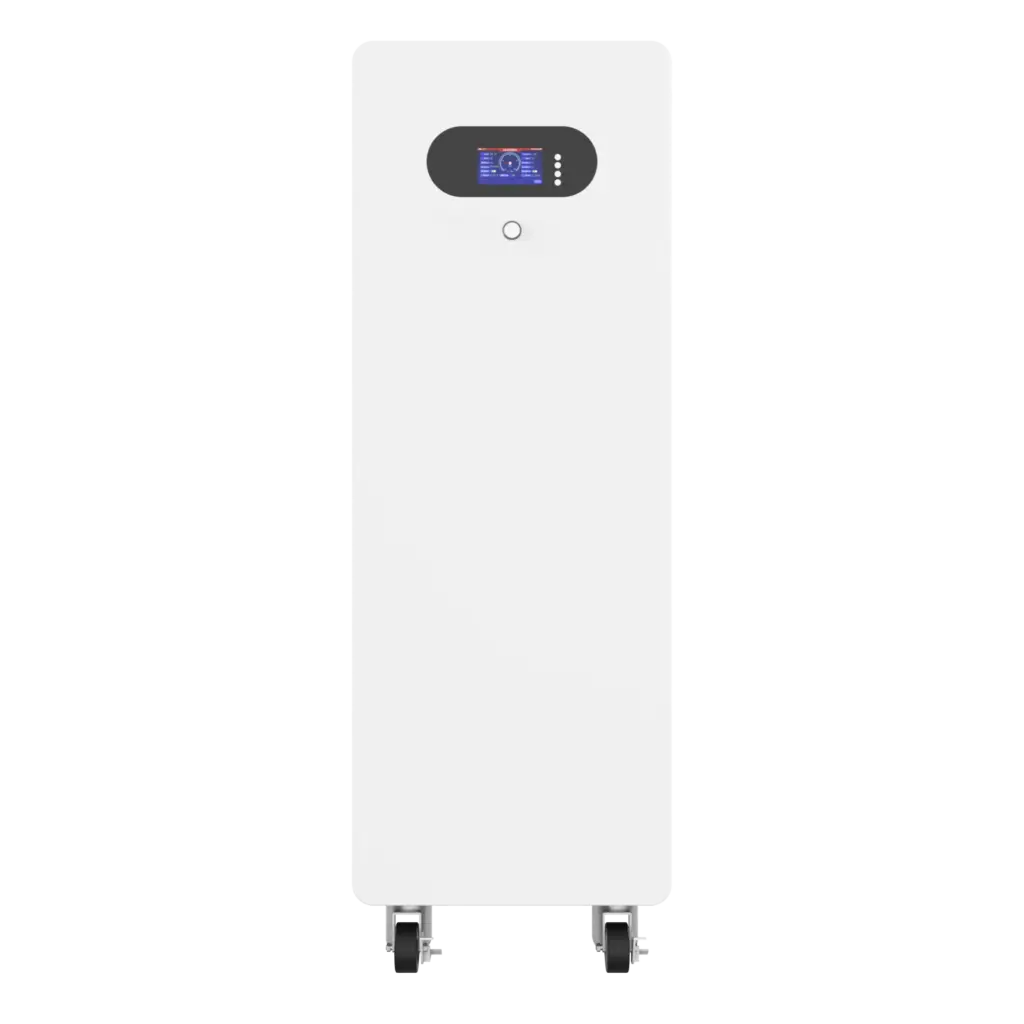
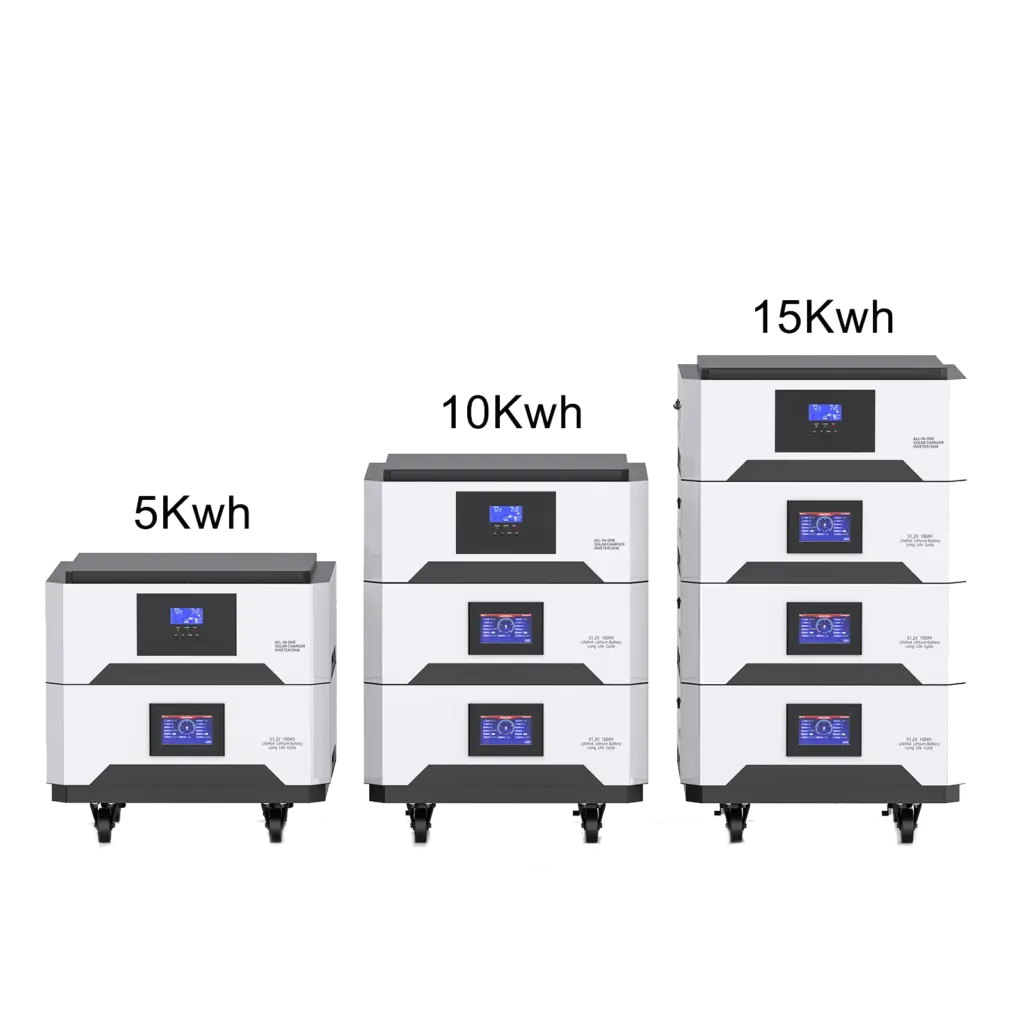
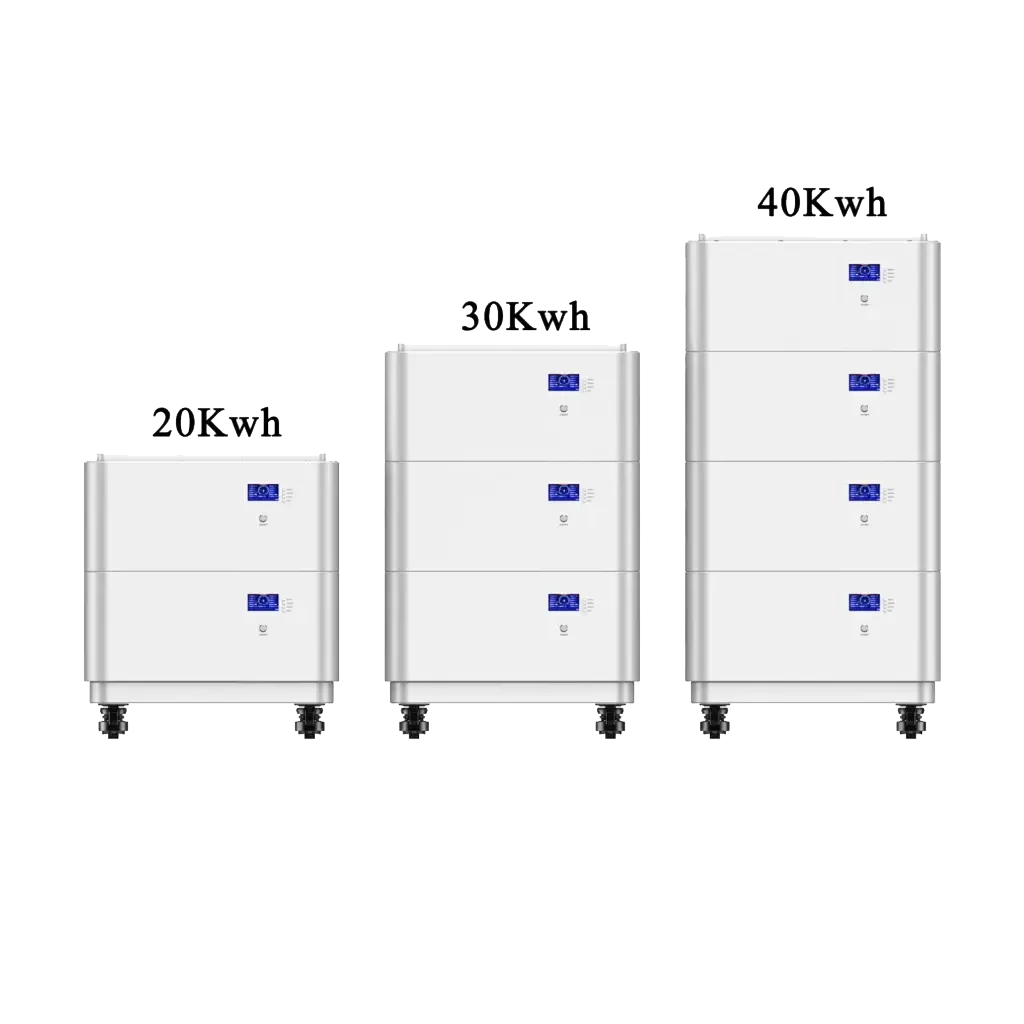
Avepower supplies residential and commercial LiFePO4 storage systems ranging from modular home batteries to larger project-based ESS solutions. Its current residential portfolio includes 5kWh, 10kWh, 15kWh and larger systems, while its project portfolio includes real residential and commercial installations in Europe, North America, Asia and other markets.
Avepower reports more than 10 years of battery manufacturing experience, a 20,000 m² manufacturing base, 50+ R&D engineers and customers/projects across 100+ countries. Its installer program also provides inverter-compatibility support, project configuration and LiFePO4 battery options from small 12V systems through modular residential and C&I storage.
If you already know your daily energy consumption and local peak sun hours, the next step is to match those numbers to the correct solar-array, inverter and battery configuration.
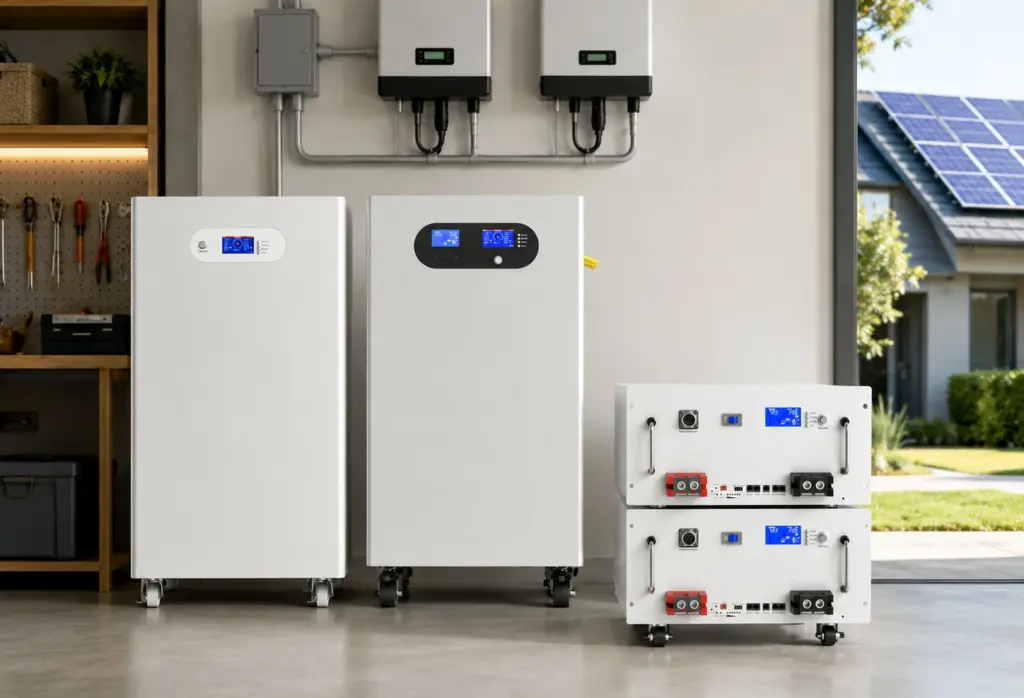
Take Control of Your Energy with Avepower!
Reliable home solar battery solutions with OEM/ODM customization and in-house manufacturing, tailored to the needs of distributors, installers, and energy partners.
FAQ
No. Five PSH means the total day’s solar irradiation is equivalent to five hours at 1,000 W/m². Actual daylight may last much longer.
No. A peak sun hour is an energy-equivalent unit based on 1,000 W/m² of solar irradiance. One hour at 500 W/m² counts as approximately half a peak sun hour, while ten hours of daylight can collectively equal only four or five peak sun hours.
Peak sun hours are not a fixed period such as 10 a.m. to 2 p.m. Solar irradiance normally reaches its daily maximum around solar noon, but PSH represents the accumulated solar energy across the entire day converted into equivalent full-strength hours.
Divide your daily energy requirement by peak sun hours and then adjust for system efficiency. If a household needs 20kWh daily, receives 5 PSH and assumes 80% overall PV efficiency, the preliminary solar-array requirement is approximately 5kW.
An off-grid system should normally be checked against the lowest realistic monthly solar resource because its battery must continue supporting loads when winter or poor-weather generation falls below the annual average.
Around 4–6 peak sun hours per day is a strong solar resource for many residential projects, but there is no fixed minimum. Lower-PSH locations can still use solar successfully by installing more PV capacity.
Four PSH represents approximately 4 kWh/m² of daily solar irradiation on the specified surface.