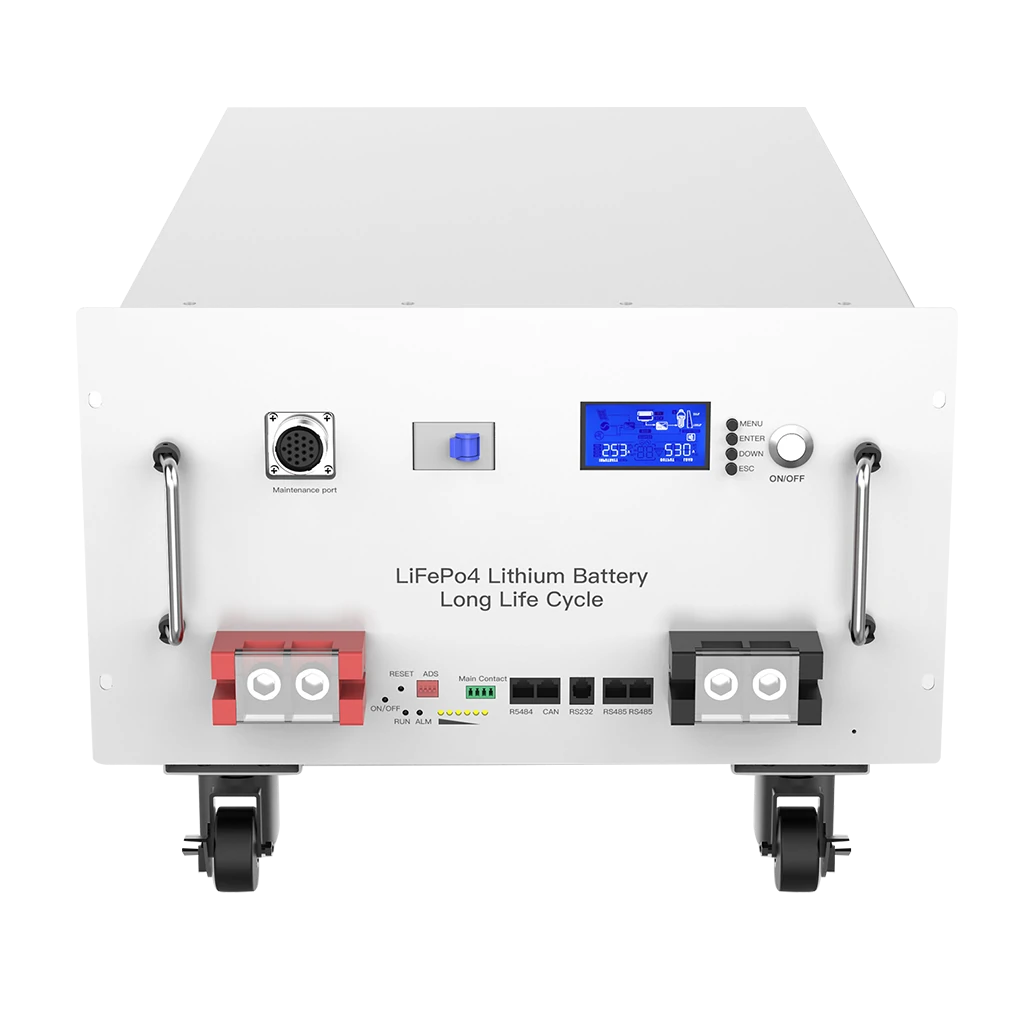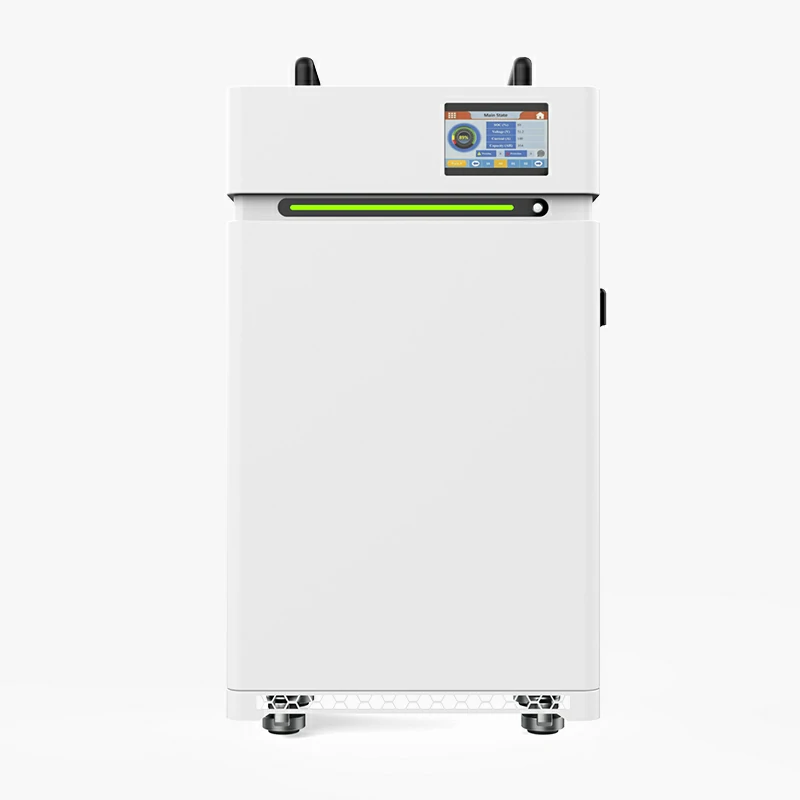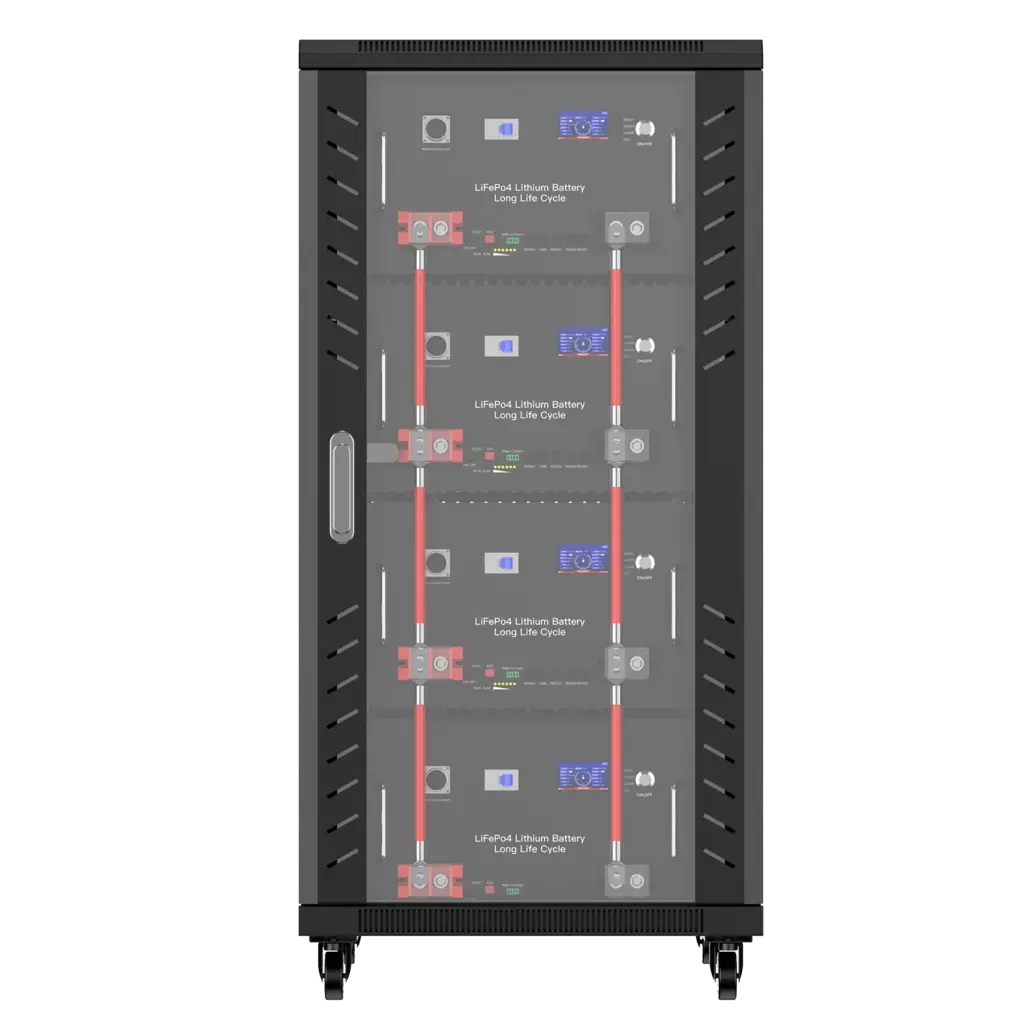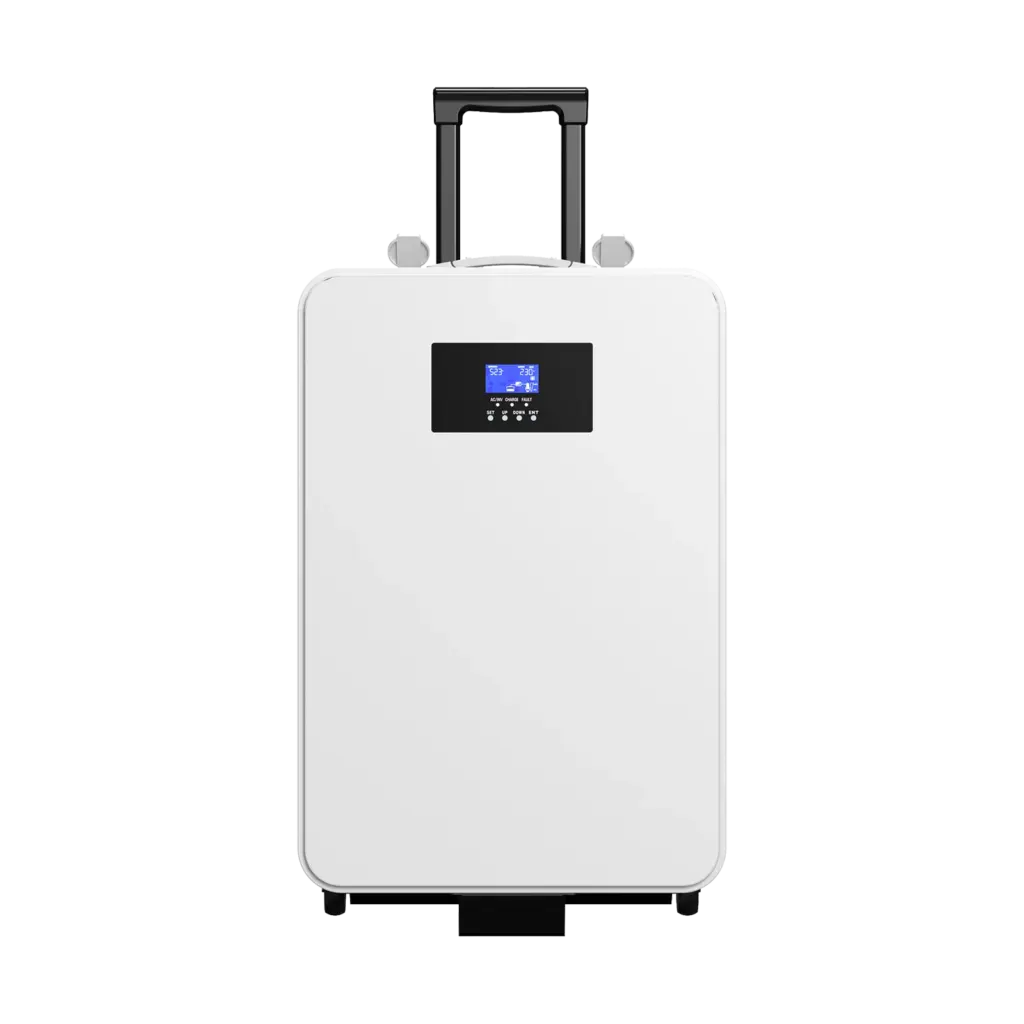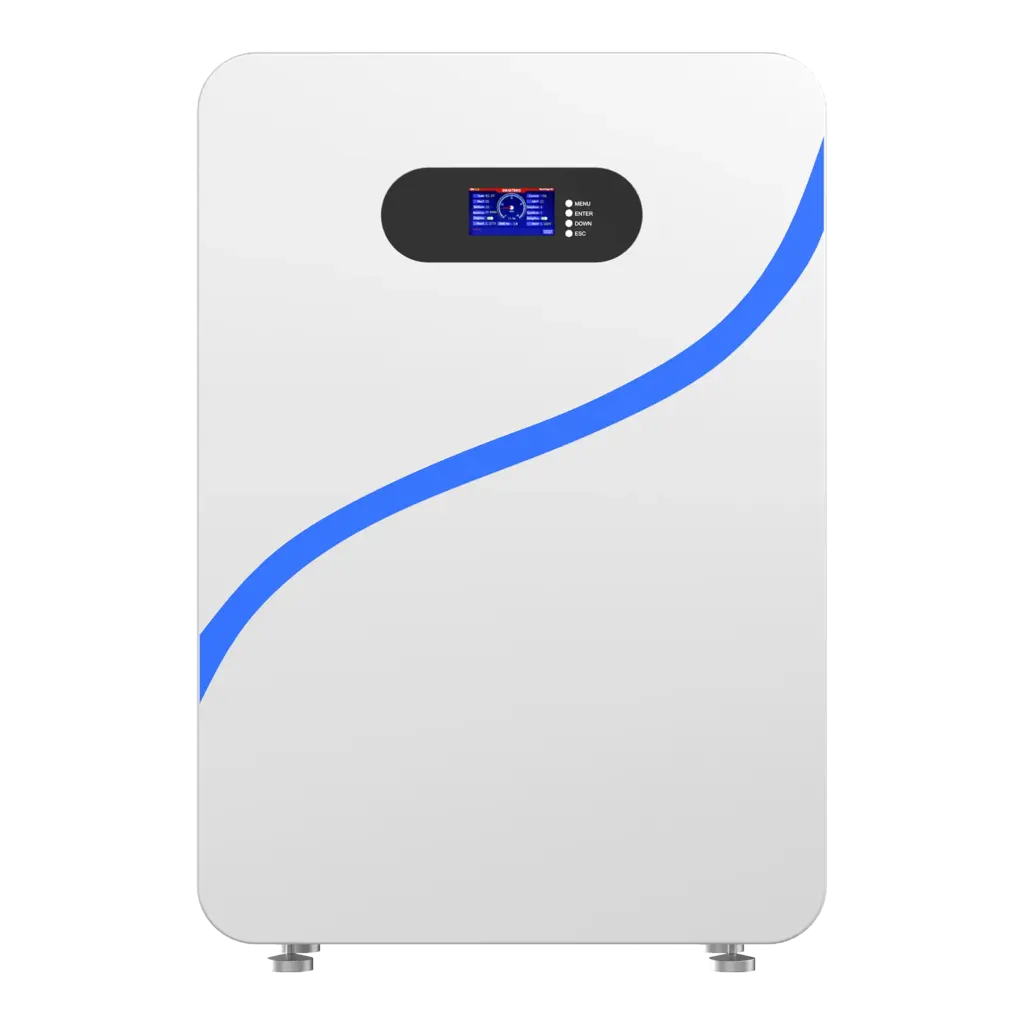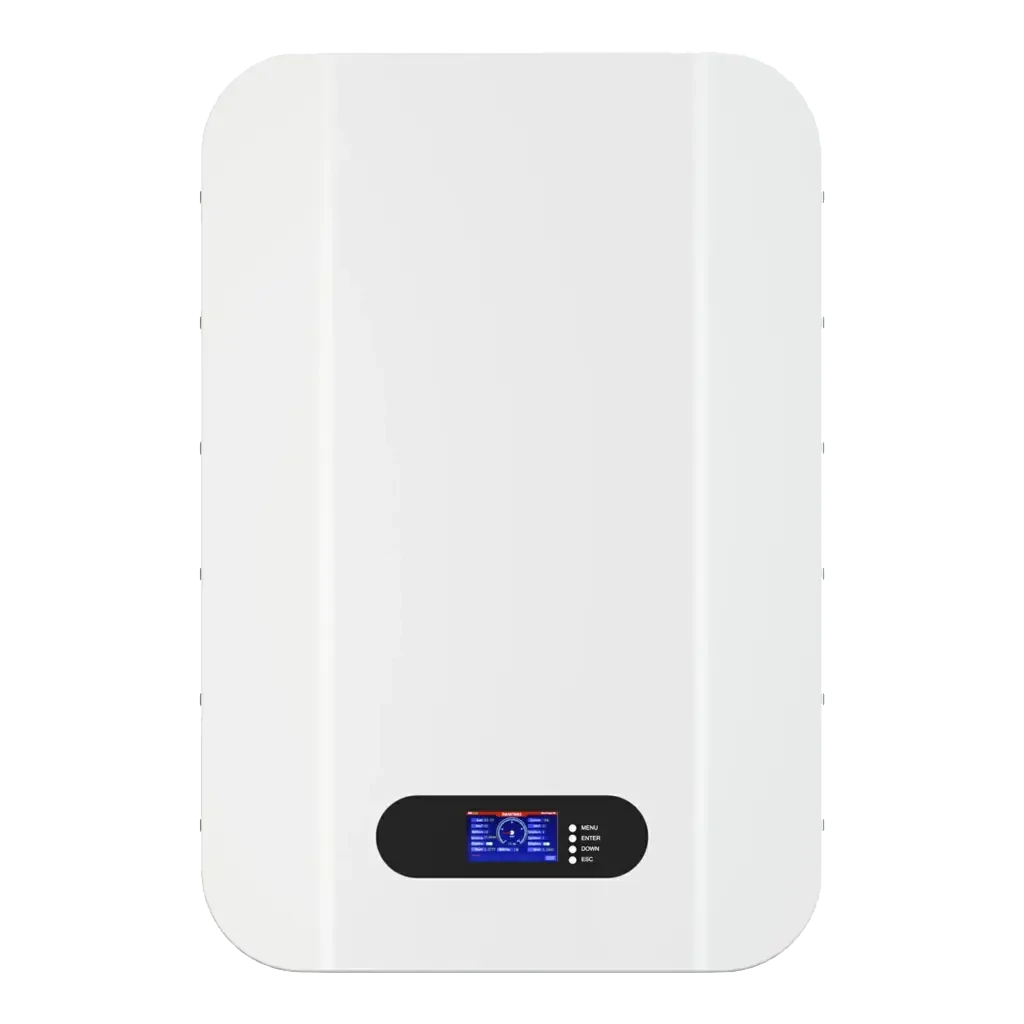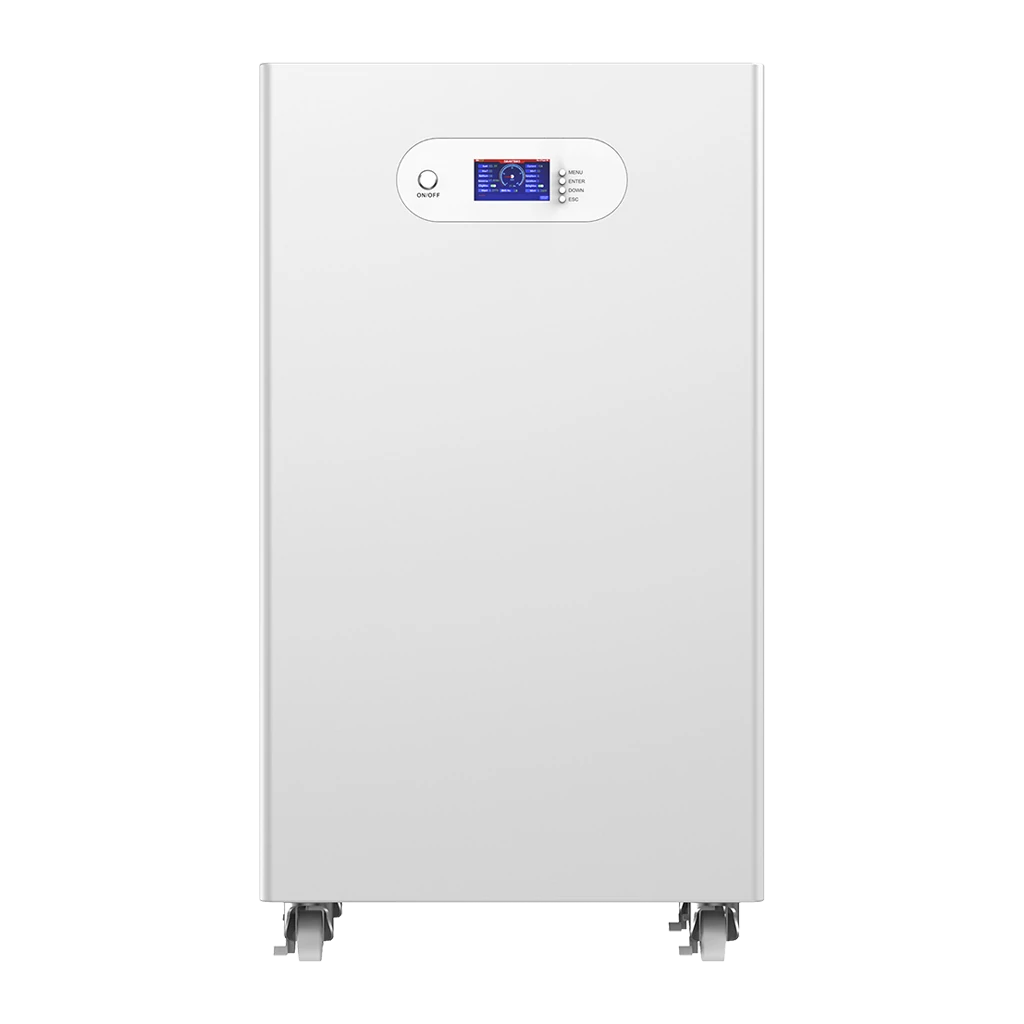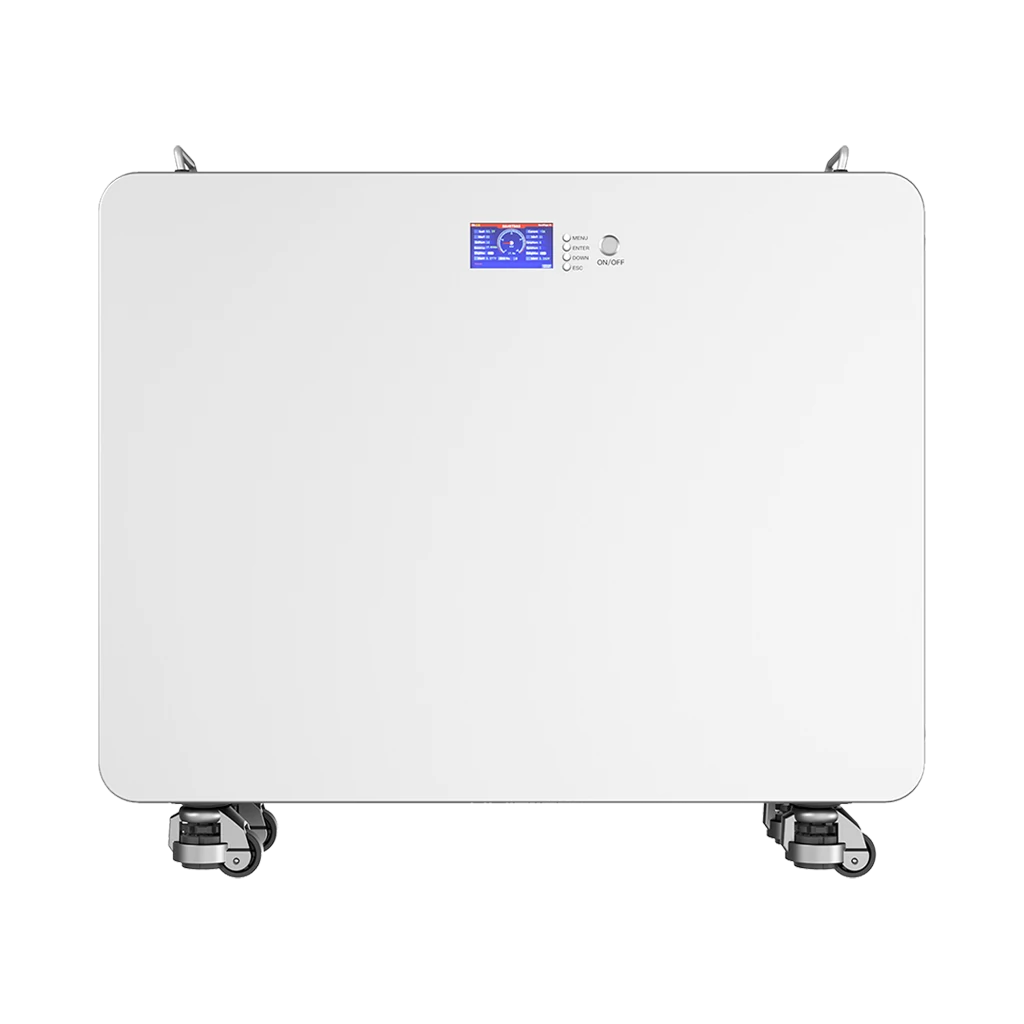
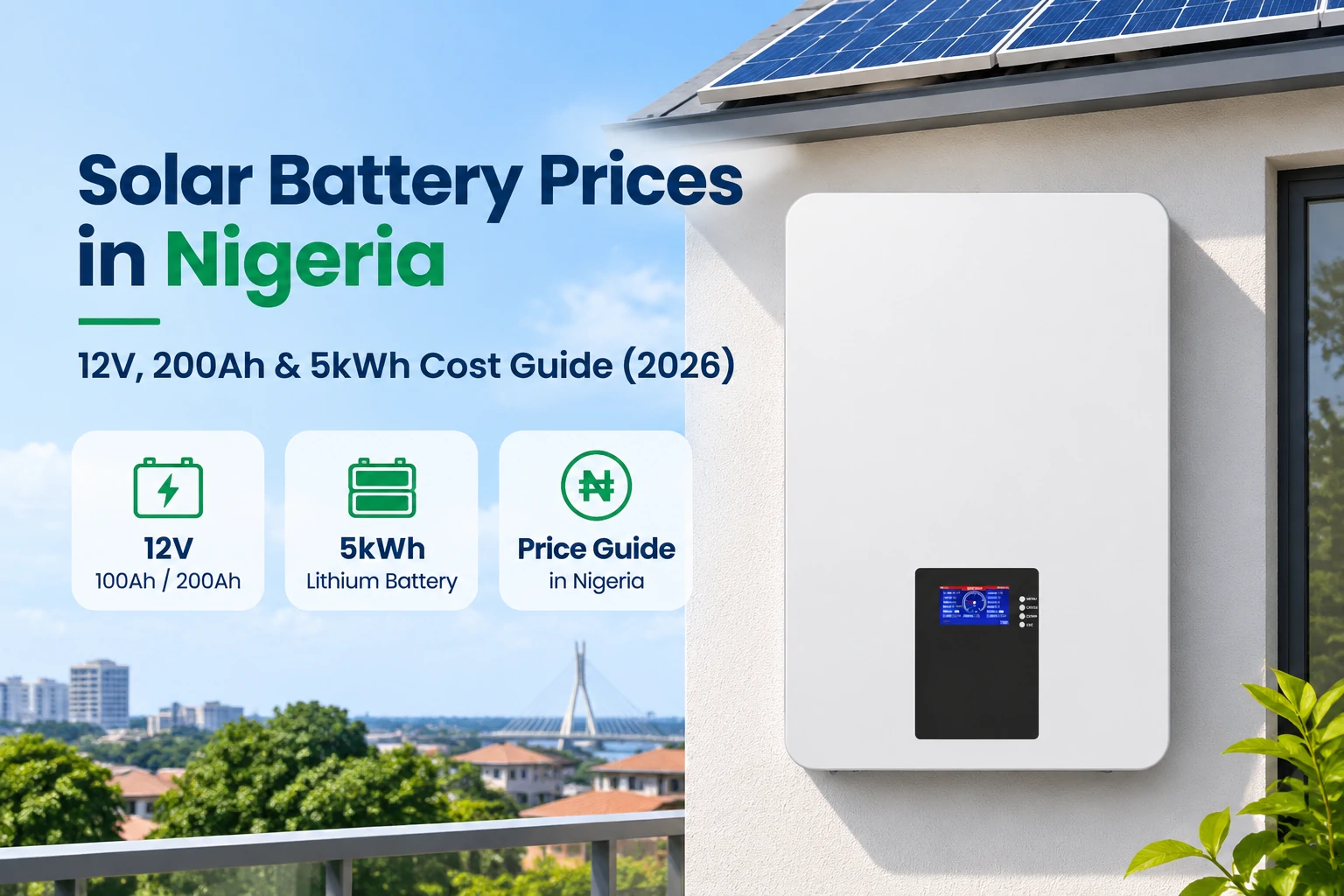
Solar battery prices in Nigeria in 2026 vary significantly by battery chemistry, voltage, capacity, and brand. 12V 100Ah LiFePO4 batteries priced around ₦236,000–₦420,000, 12V 200Ah lithium batteries around ₦372,000–₦657,000, and 5kWh-class lithium batteries around ₦932,000–₦1,560,000. Larger 10kWh lithium batteries can exceed ₦3 million.
Solar Battery Prices in Nigeria
Solar batteries in Nigeria range from lower-cost tubular and gel batteries to larger lithium iron phosphate (LiFePO4) storage systems. A 12V 200Ah lead-acid battery usually costs less upfront than a lithium battery of similar nominal capacity, but it may provide less usable energy per discharge.
Solar Battery Price Comparison Table
| Battery type | Capacity | Nominal energy | Price (NGN) |
|---|---|---|---|
| LiFePO4 lithium | 12.8V 100Ah | 1.28kWh | ₦236,000–₦420,000 |
| Gel / lead-acid | 12V 200Ah | 2.40kWh | ₦285,000–₦325,000 |
| Tubular lead-acid | 12V 220Ah | 2.64kWh | ₦265,000–₦285,000 |
| LiFePO4 lithium | 12.8V 200Ah | 2.56kWh | ₦372,000–₦657,000 |
| LiFePO4 lithium | 25.6V 200Ah | 5.12kWh | ₦955,000–₦1,420,000 |
| LiFePO4 lithium | 51.2V 100Ah | 5.12kWh | ₦932,000–₦1,560,000 |
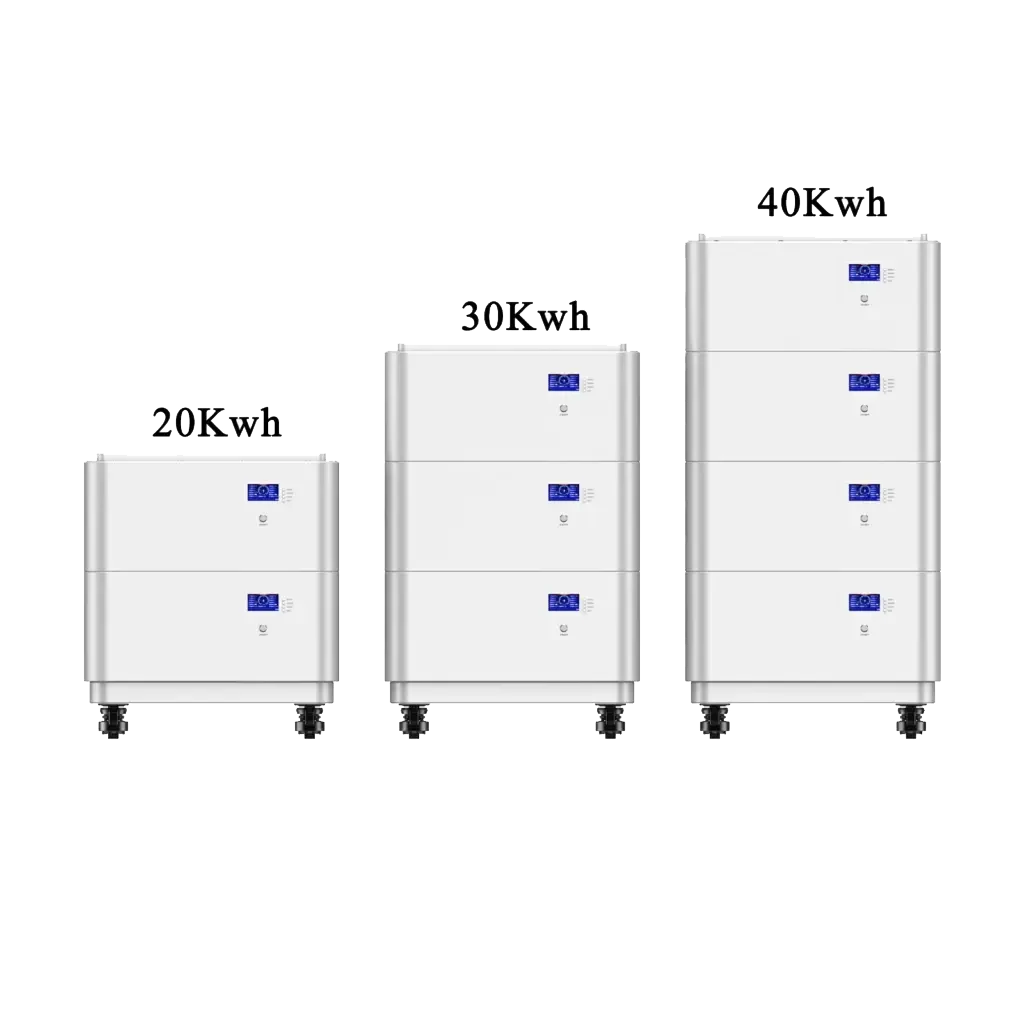
| LiFePO4 lithium | 51.2V 200Ah | 10.24kWh | ₦1,840,000–₦3,298,000 |
12V Solar Battery Price in Nigeria: 100Ah and 200Ah Options
The 12V solar battery price in Nigeria depends primarily on capacity and chemistry. Lower-cost lead-acid batteries remain available for basic backup systems, while 12.8V LiFePO4 batteries provide an alternative for repeated charging and discharging. A 12V-class battery should only be selected when the inverter or connected DC system supports its operating voltage and current requirements.
12V 100Ah Solar Battery Price in Nigeria
The 12V 100Ah solar battery price in Nigeria is approximately ₦236,000–₦420,000. A 1.28kWh-class battery was at ₦236,000, while a 12.8V 100Ah lithium battery was at ₦420,000.
A standard 12.8V 100Ah LiFePO4 battery contains:
12.8V × 100Ah ÷ 1,000 = 1.28kWh
This capacity can support basic backup requirements such as lighting, a router, a television, and other relatively low-power devices, provided their combined demand and required operating time remain within the system’s limits.
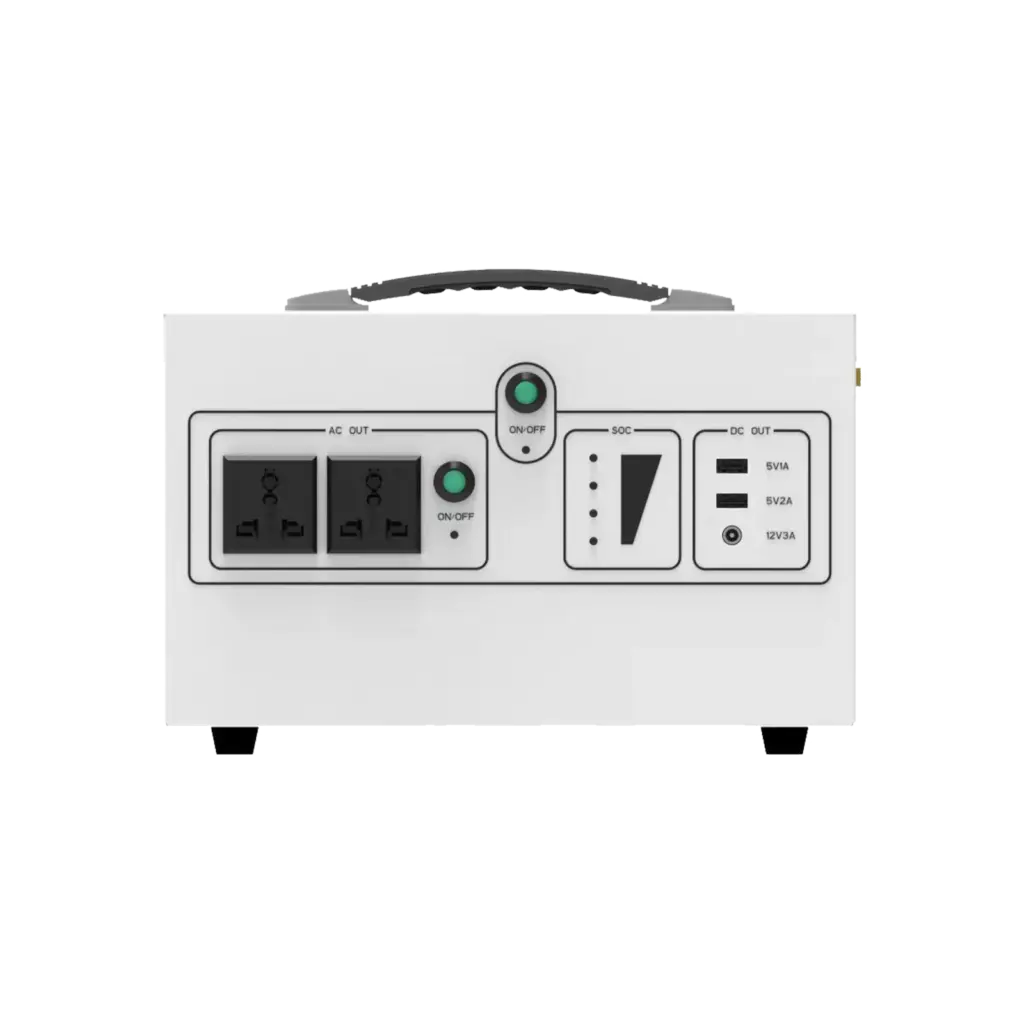
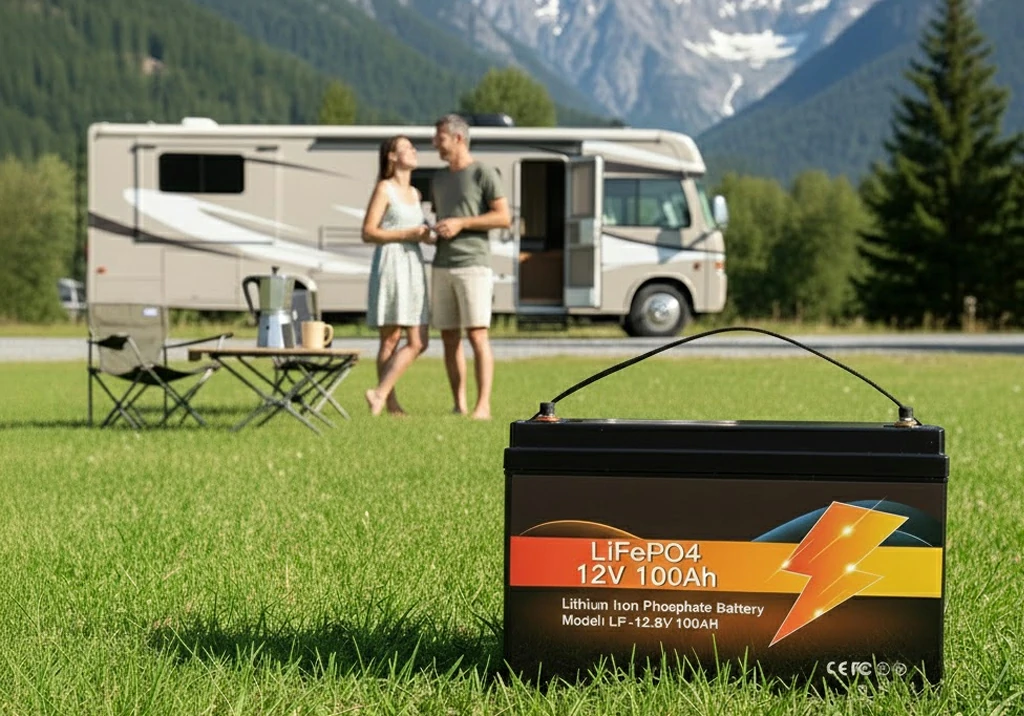
The Avepower 12V 100Ah LiFePO4 Battery combines 1.28kWh nominal capacity with a 100A battery management system, making it relevant to small solar and inverter backup configurations where space, weight, and repeated cycling matter. Its charging settings and continuous discharge capability must match the connected equipment.
Power That Lasts
If you want a battery you can just install and forget, go with an Avepower LiFePO4.
You get 4000+ cycles, around 10 years of use, a built-in BMS, and capacity you can expand later as your needs grow—just talk to Avepower for easy sizing advice and a no-pressure quote.
How Much Does a 12V 200Ah Solar Battery Cost?
A 12V 200Ah lithium solar battery in Nigeria can cost approximately ₦372,000–₦657,000. Gel battery alternatives with the same amp-hour rating were advertised around ₦285,000–₦325,000. The lower upfront price of gel does not necessarily mean a lower cost per usable kilowatt-hour.
For a typical 12.8V 200Ah lithium configuration:
12.8V × 200Ah ÷ 1,000 = 2.56kWh
This is twice the nominal energy of a 12.8V 100Ah battery.
The Avepower 12V 200Ah LiFePO4 Battery is designed for applications requiring greater energy storage in a 12V-class system. Its published 12.8V/204Ah specification corresponds to approximately 2.61kWh nominal energy, alongside integrated BMS protection against overcharge, overdischarge, excessive current, and abnormal temperatures.
Solar Battery 200Ah Price in Nigeria
The solar battery 200Ah price in Nigeria cannot be accurately compared without specifying battery voltage. A 12.8V 200Ah lithium battery stores 2.56kWh, while a 25.6V 200Ah battery stores 5.12kWh. A 51.2V 200Ah battery stores 10.24kWh. Although each battery is rated at 200Ah, the amount of stored energy differs substantially.
200Ah Battery Capacity Comparison
| Configuration | Nominal storage | Typical application |
|---|---|---|
| 12.8V 200Ah LiFePO4 | 2.56kWh | Compatible 12V backup systems |
| 25.6V 200Ah LiFePO4 | 5.12kWh | Medium-size 24V inverter systems |
| 51.2V 200Ah LiFePO4 | 10.24kWh | Larger 48V-class residential systems |
The price of the 25.6V 200Ah lithium battery ranges from ₦955,000to ₦1,420,000. While the price of the 10kWh level 51.2V 200Ah battery is approximately between ₦1,840,000 and ₦3,298,000.
These configurations are not interchangeable. The inverter must support the selected battery voltage, and its charge/discharge limits must be compatible with the battery management system.
5kWh Lithium Battery Price in Nigeria: Which Models Offer Better Value?
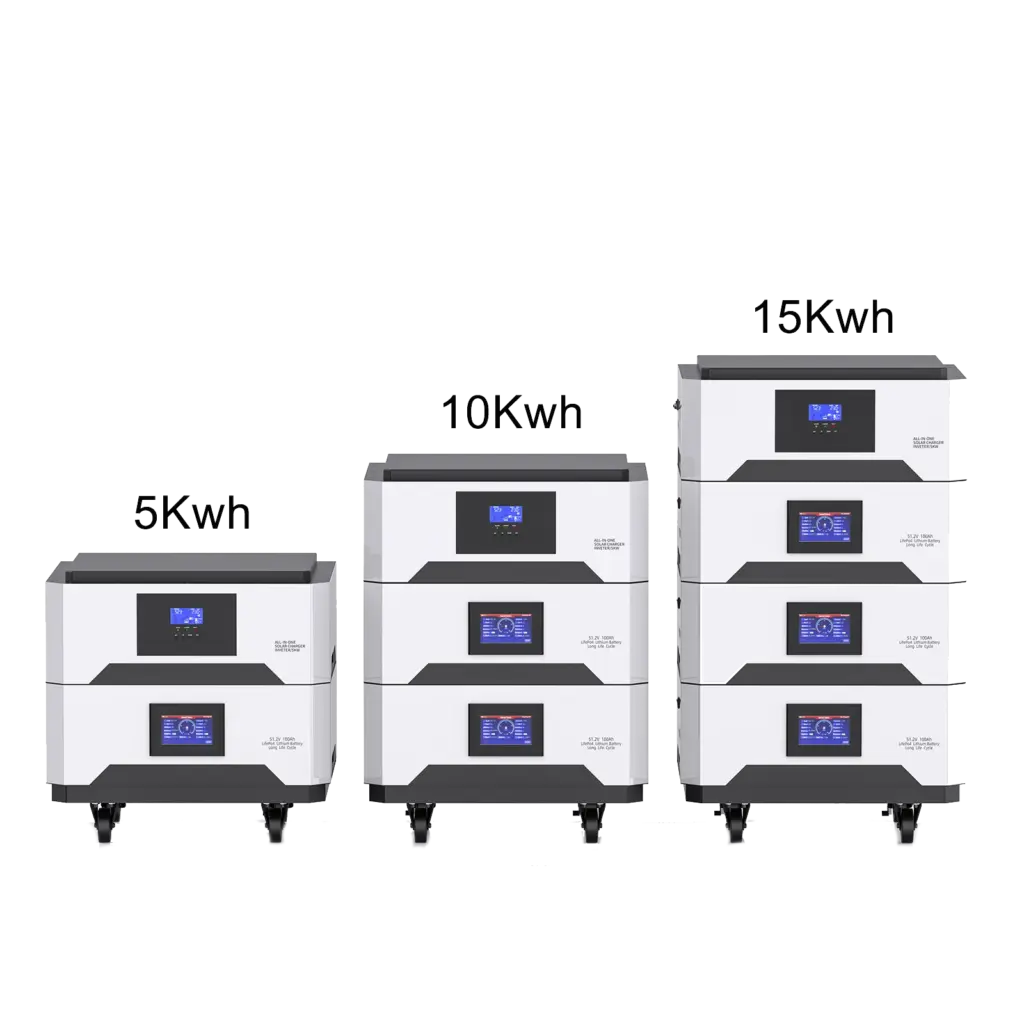
The price of the 51.2V 100Ah 5kWh battery in Nigeria ranges from ₦932,000 to ₦1,560,000.
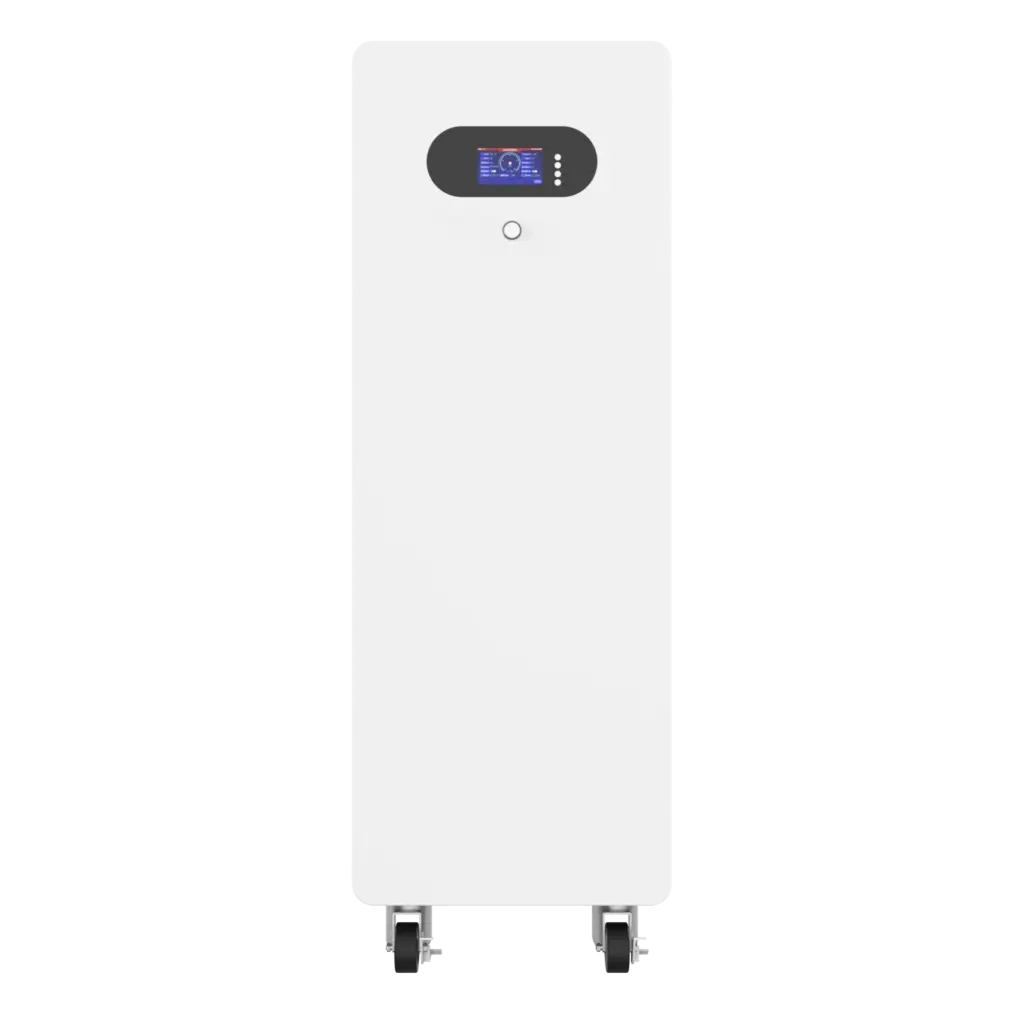
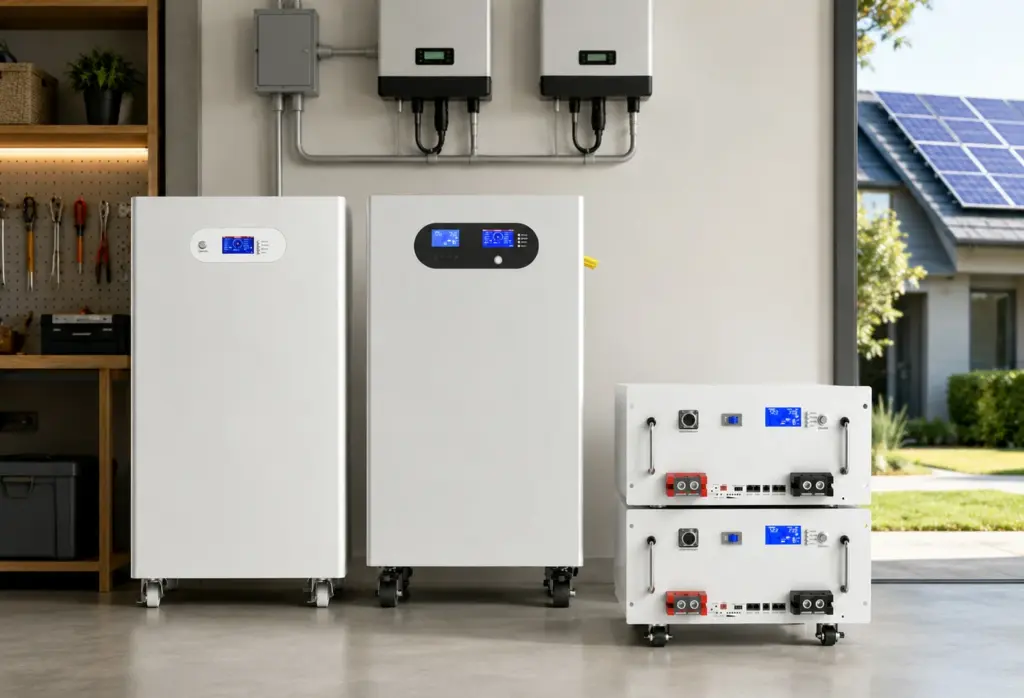
For residential systems using a compatible 48V-class inverter, the Avepower 51.2V 100Ah 5kWh Solar Battery provides approximately 5.12kWh nominal storage in a wall-mounted format. Its 100A BMS current rating, CAN/RS485/RS232 communication options, and monitoring capabilities make inverter matching and installation requirements central considerations.
Take Control of Your Energy with Avepower!
Reliable home solar battery solutions with OEM/ODM customization and in-house manufacturing, tailored to the needs of distributors, installers, and energy partners.
Is a 5kWh Battery Enough for a 5kVA Inverter?
A 5kWh battery can work with certain 5kVA inverter systems, but it does not automatically support the inverter’s full continuous output. Battery capacity determines how much energy can be stored, while the BMS current limit and inverter specifications determine how much power can be delivered safely.
How Long Can a 5kWh Lithium Battery Power a Nigerian Home?
A 5.12kWh lithium battery can theoretically supply a constant 600W household load for approximately 6.9 hours under the 90% depth-of-discharge and 90% inverter-efficiency assumptions.
Consider this illustrative backup load:
| Appliance | Assumed average power |
|---|---|
| LED lighting | 60W |
| Two fans | 120W |
| Television | 100W |
| Internet router | 15W |
| Refrigerator, averaged over time | 105W |
| Other small appliances | 200W |
| Total | 600W |
Lithium vs Gel Solar Batteries: Which Is More Cost-Effective?
Lithium iron phosphate batteries generally offer greater usable capacity per cycle and are designed for repeated deep cycling, while gel batteries often require less initial investment.
Comparing the Cost per Usable kWh
- A 12V 200Ah gel battery listed at ₦285,000.
- A 12.8V 200Ah LiFePO4 battery listed at ₦372,000.
The comparison below uses illustrative operating assumptions of 50% depth of discharge for gel, 90% for LiFePO4, and 90% inverter discharge efficiency for both.
| Metric | Gel battery | LiFePO4 battery |
|---|---|---|
| Advertised purchase price | ₦285,000 | ₦372,000 |
| Nominal energy | 2.40kWh | 2.56kWh |
| Assumed permitted DoD | 50% | 90% |
| Estimated usable AC energy | 1.08kWh | 2.07kWh |
| Price per usable AC kWh | ₦263,889 | ₦179,398 |
Under these assumptions, the lithium battery costs approximately 32% less per unit of estimated usable AC storage capacity, despite being more expensive to purchase.
Which Battery Should You Buy?
A gel or tubular battery can be a reasonable choice when initial cost is the overriding constraint and backup use is infrequent. LiFePO4 battery becomes more attractive when the system operates regularly, requires deeper usable storage, or needs reduced maintenance.
What Is Included in the Total Solar Battery Installation Cost in Nigeria?
The battery price usually covers the battery itself, but may not include the other equipment required for a functioning solar or inverter system. Final installation costs depend on whether the buyer already owns a compatible inverter, the distance between components, electrical protection requirements, delivery location, and installation complexity.
An itemised quotation should identify:
- Battery cost: Exact model, chemistry, capacity, BMS rating, and warranty.
- Inverter: Existing equipment compatibility or the cost of a suitable replacement.
- Electrical protection: DC breakers or fuses, isolation equipment, correctly sized cables, and connectors.
- Installation: Mounting, wiring, system configuration, commissioning, and testing.
- Delivery and support: Transport, technical support, replacement procedures, and any applicable charges.
Costs may differ between Lagos, Abuja, Port Harcourt, Kano, and other locations because delivery, labour, and access conditions vary.
For imported batteries, a factory quotation should be distinguished from the landed cost in Nigeria. International freight, customs clearance, applicable duties and taxes, local transport, and warranty service can materially change the final amount.
The best value comes from matching usable storage, inverter compatibility, system performance, and long-term ownership costs to the actual application.
For distributors, solar installers, and project buyers seeking LiFePO4 batteries for the Nigerian market, contact Avepower to discuss compatible battery configurations, OEM/ODM requirements, and project-specific quotations.
FAQ
A 12V 100Ah lithium battery costs approximately ₦236,000–₦420,000 in Nigeria as of November 2026. A standard 12.8V 100Ah LiFePO4 battery provides 1.28kWh of nominal energy, making it suitable for small solar systems, lighting, routers, and essential household appliances.
A 12V 200Ah gel solar battery costs approximately ₦285,000–₦325,000, while a 12.8V 200Ah lithium battery costs around ₦372,000–₦657,000 in Nigeria.
A 5kWh lithium battery costs approximately ₦932,000–₦1,560,000 in Nigeria as of November 2026. Most 51.2V 100Ah LiFePO4 batteries provide 5.12kWh of nominal storage, making them suitable for compatible residential solar systems and household backup power.
Yes, a 5kWh lithium battery can power a refrigerator overnight, depending on its electricity consumption and other connected appliances. A 5.12kWh battery provides approximately 4.15kWh of usable AC energy when assuming 90% depth of discharge and 90% inverter efficiency.
Yes, two 12V 200Ah batteries connected in series can create a 24V 200Ah battery bank. However, both batteries must have matching specifications, and their manufacturer must support series connections.
Check the battery’s voltage, capacity, chemistry, usable energy, BMS protection, inverter compatibility, and warranty. Confirm the total price, including delivery, installation, and necessary accessories. Choose a battery that meets your household’s electricity consumption and required backup duration.