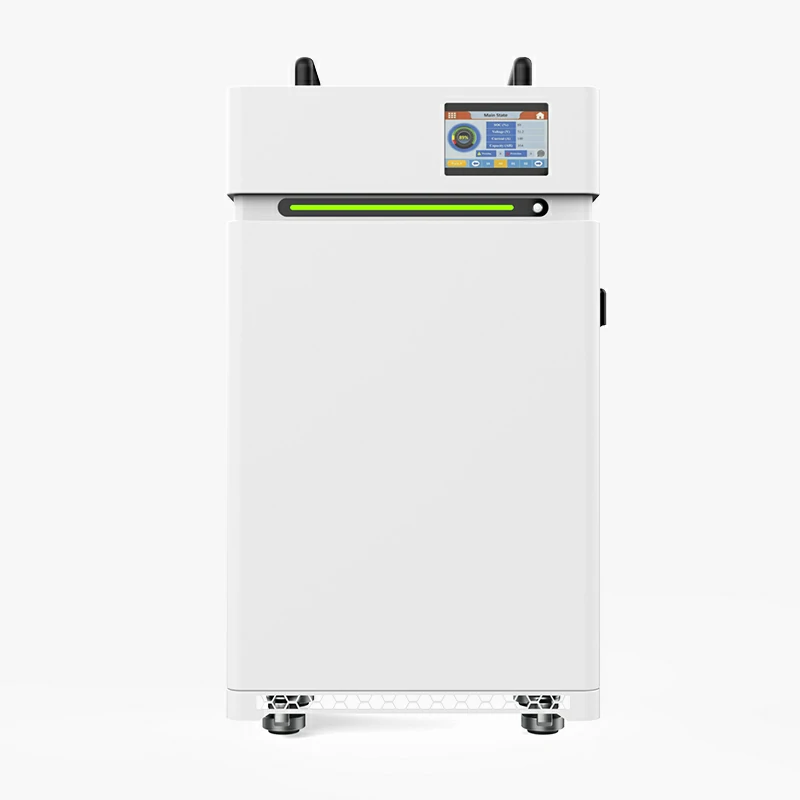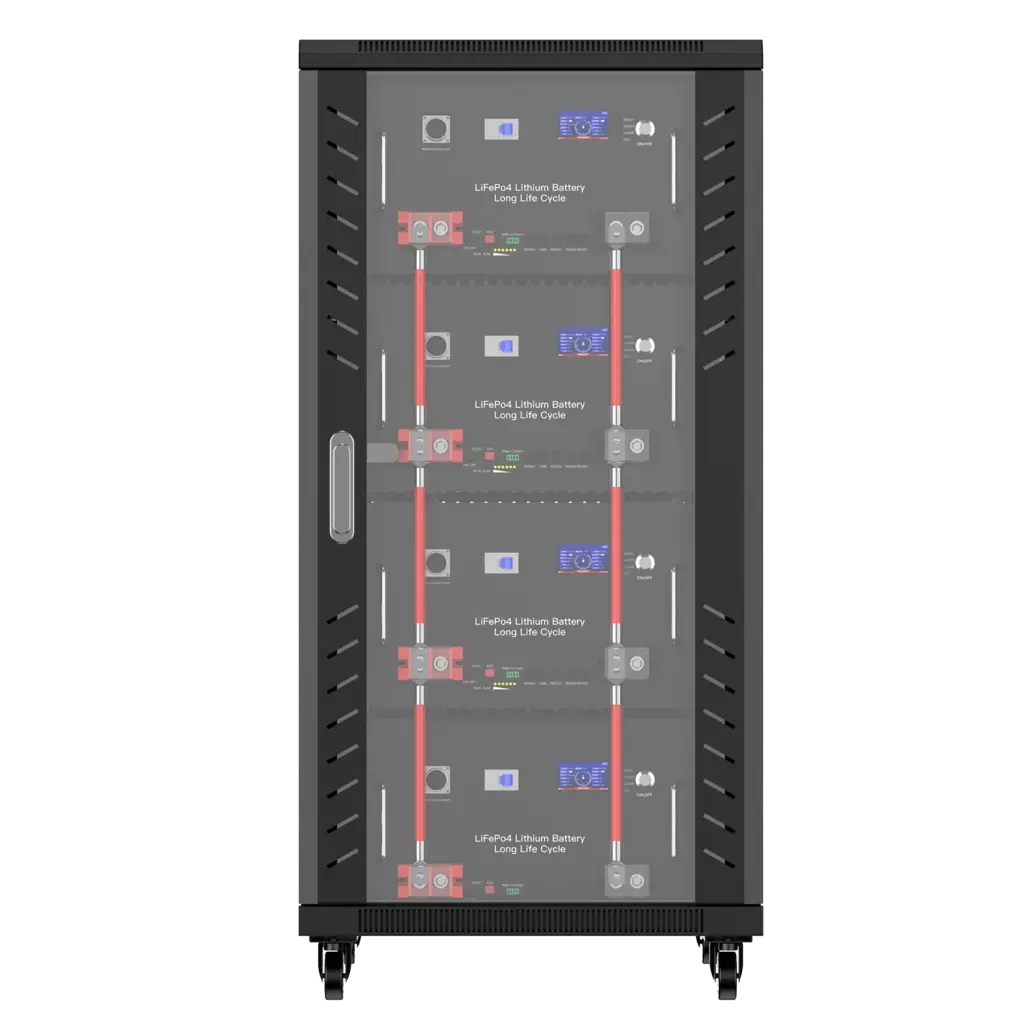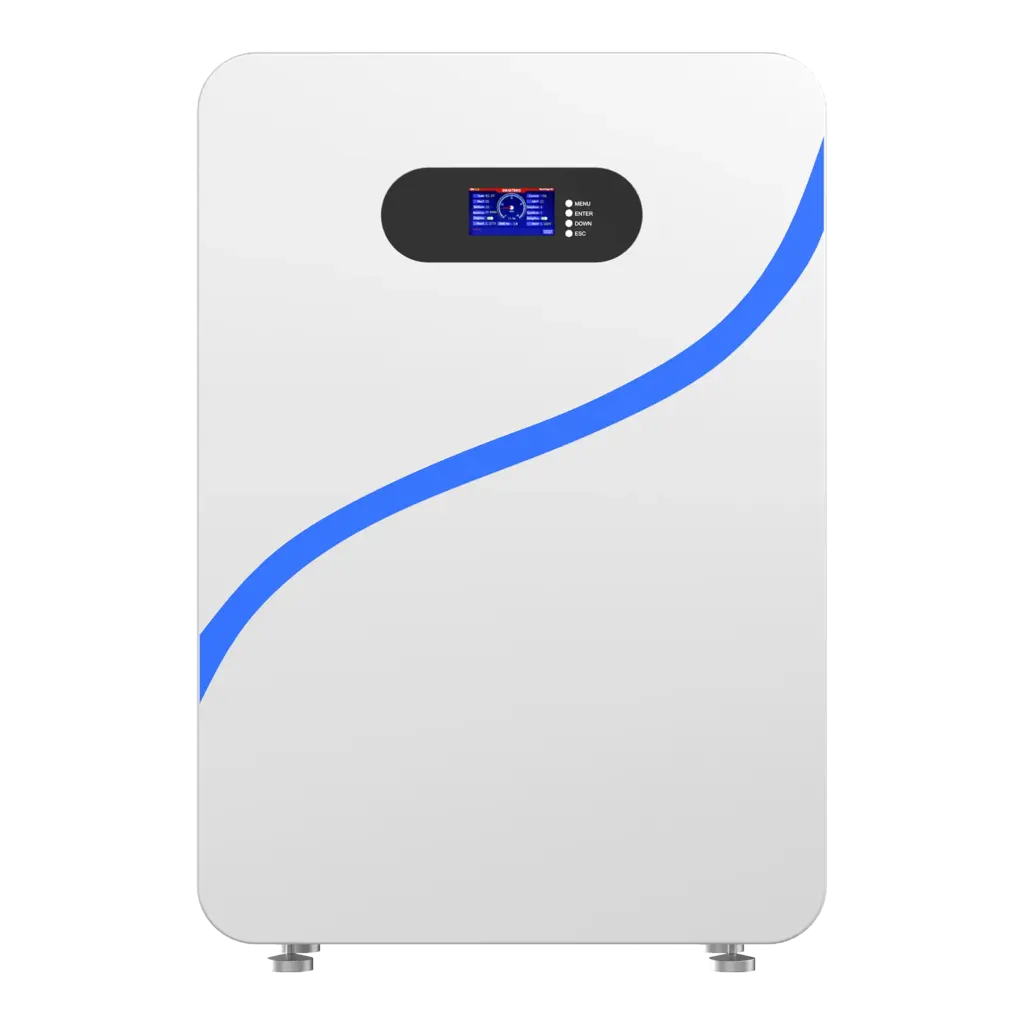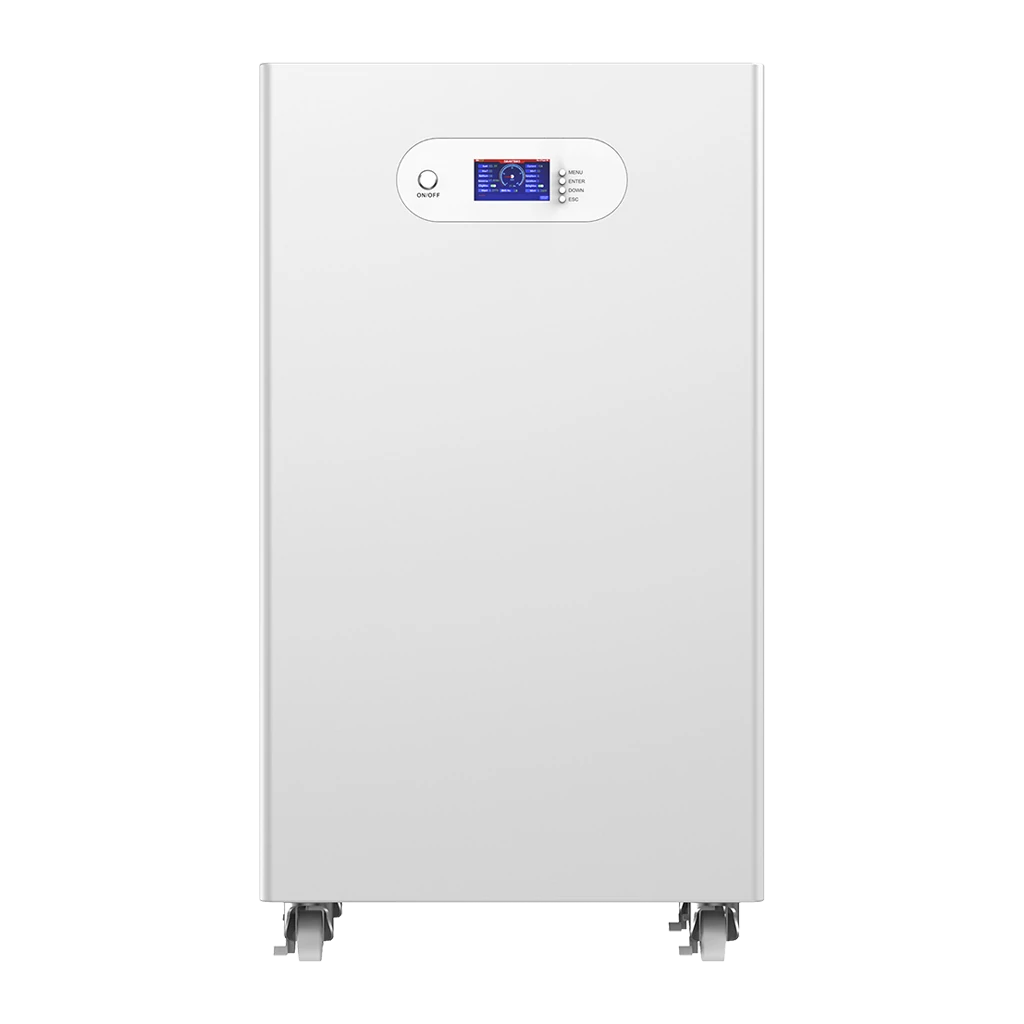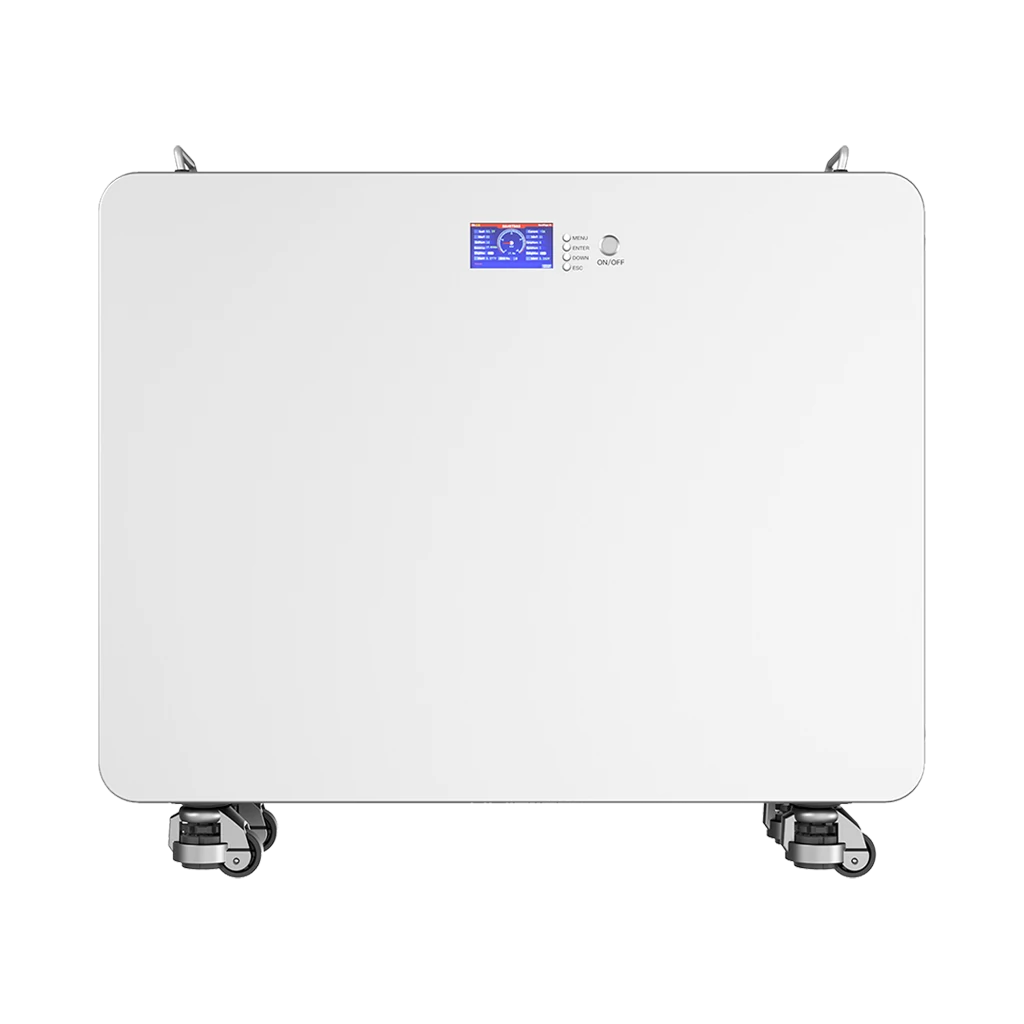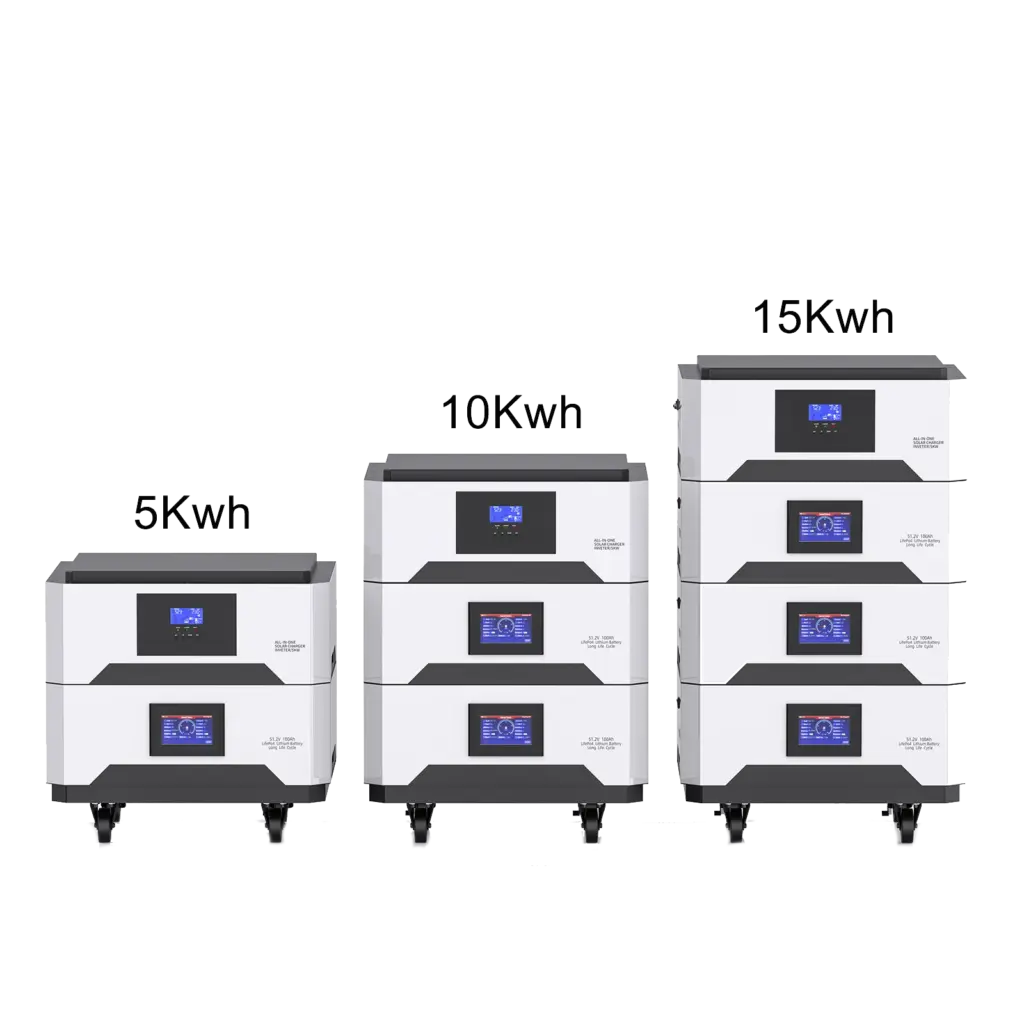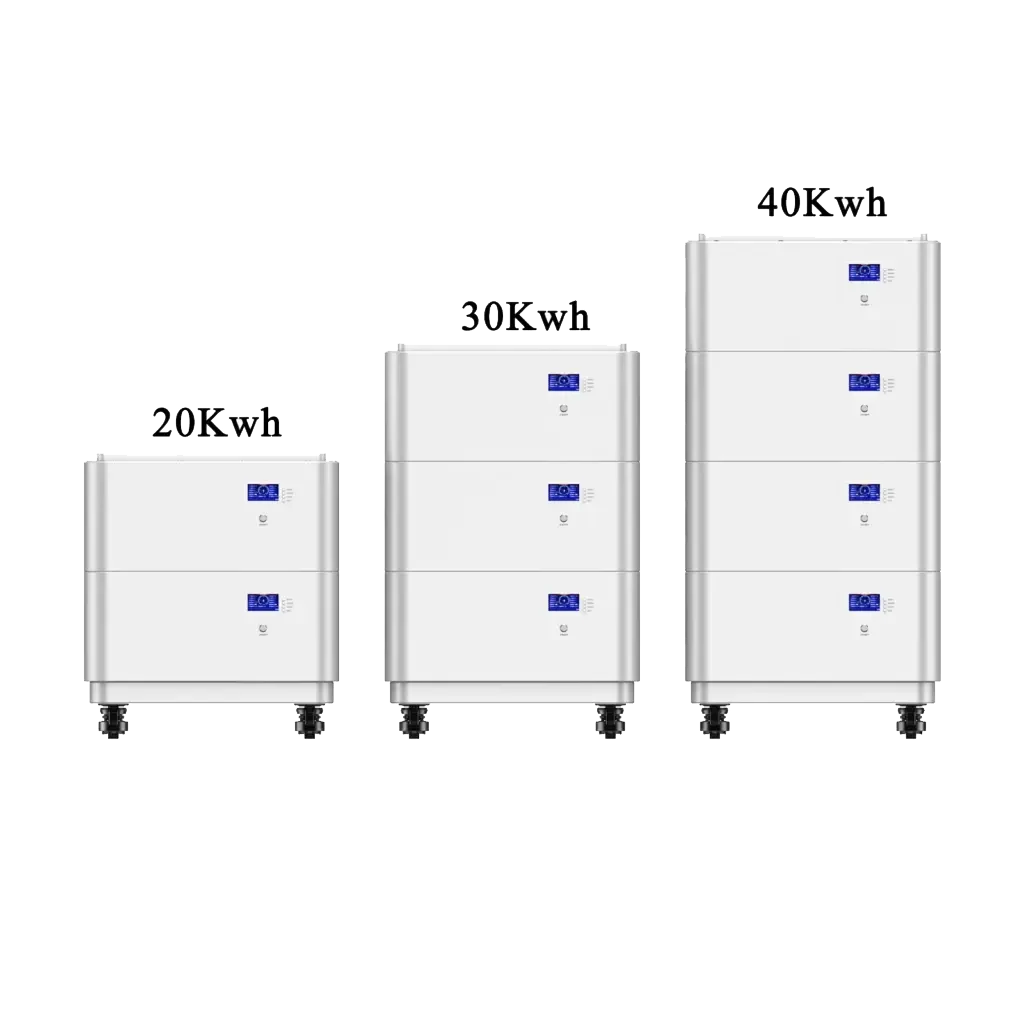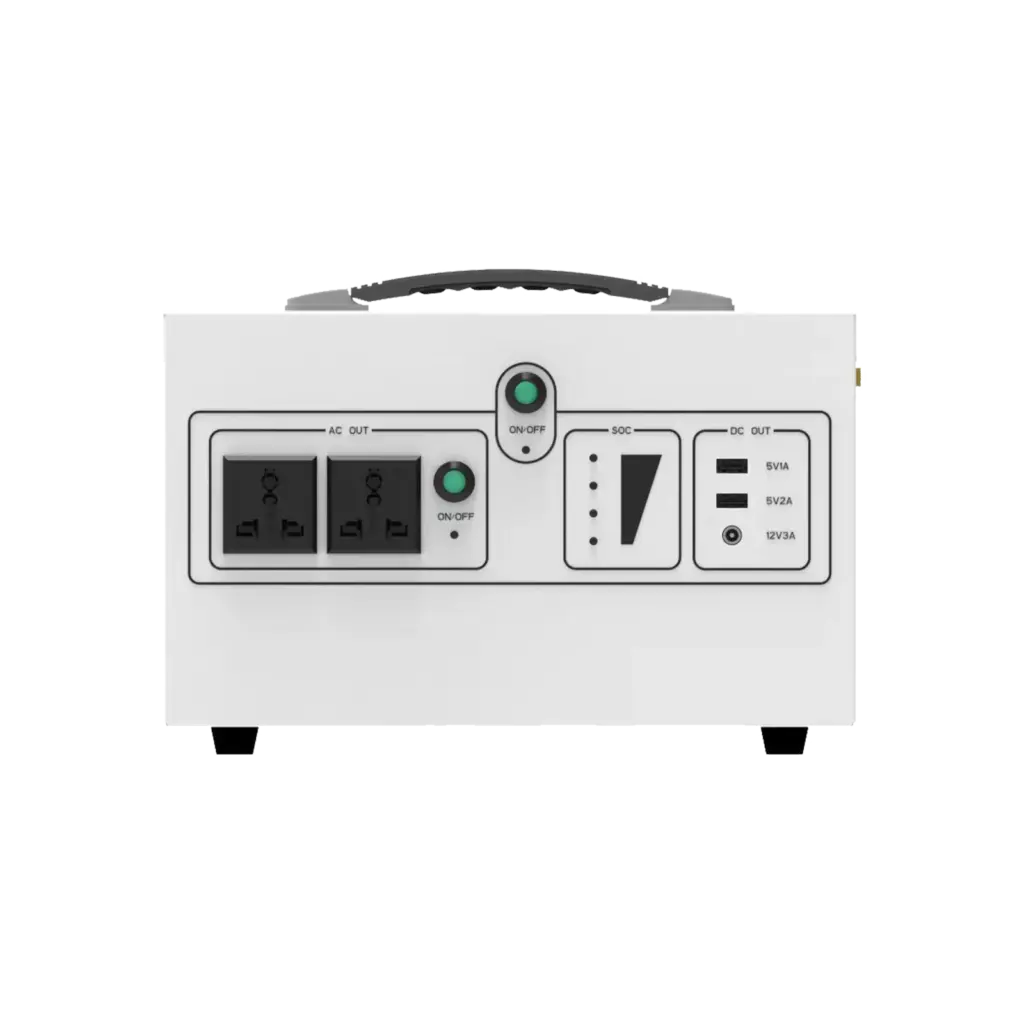

A solar energy storage battery for EV charging can store surplus photovoltaic electricity and release it when an electric vehicle needs to charge, helping shift solar energy into evening charging hours, reduce grid peak demand and support charging at sites with limited electrical capacity. However, adding a battery is not automatically the best solution for every EV charging project.
For a home with one Level 2 charger, this may mean a 10–30kWh solar battery combined with a properly sized inverter. For a commercial charging site or fleet depot, the requirement may increase to hundreds of kWh or several MWh, with a PCS capable of handling substantial simultaneous charging loads.
What Is a Solar Energy Storage Battery for EV Charging?
A solar energy storage battery for EV charging stores electricity from a photovoltaic system and makes that energy available when an EV needs to charge, including periods when solar generation is low or unavailable.
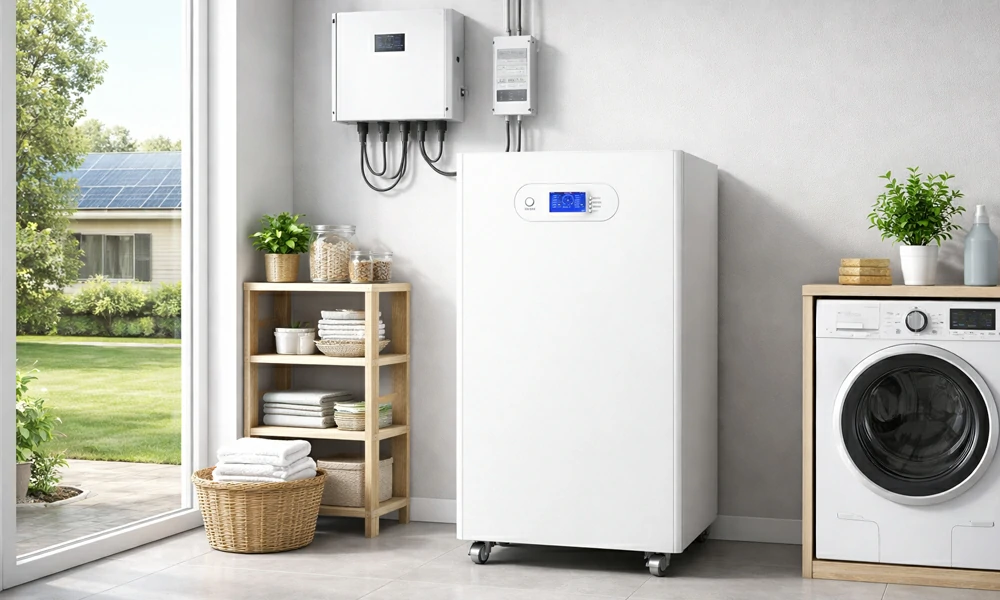
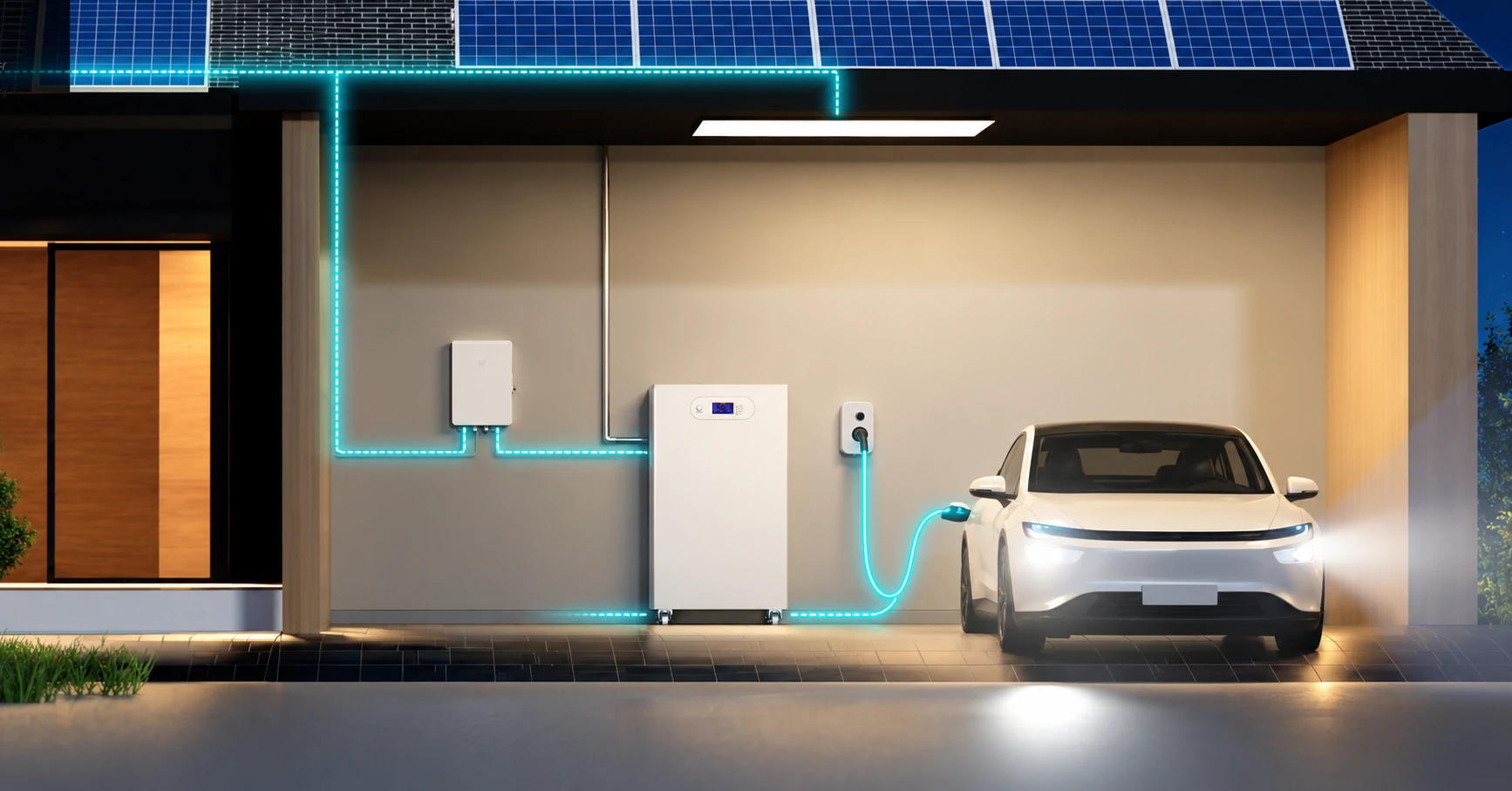
The battery itself does not normally connect directly to the EV. A complete system typically includes solar PV, battery storage, an inverter or PCS, an energy management system, electrical protection, metering and EV supply equipment.
A simplified energy flow is:
Solar PV → inverter/PCS → battery or site electrical system → EV charger → vehicle battery
Depending on the system architecture, electricity may also move between the grid, battery, building loads and EV charging equipment.
Do You Need Battery Storage to Charge an EV With Solar?
No. A grid-connected solar system can charge an EV without battery storage whenever sufficient solar power is available and the vehicle is connected at the right time.
Battery storage becomes more useful when solar production and EV charging demand occur at different times.
Battery storage becomes more attractive when:
- vehicles charge mainly after solar production falls;
- grid import capacity is lower than the desired charging power;
- the utility applies expensive demand charges;
- electricity prices vary significantly by time of use;
- solar export compensation is substantially lower than the retail electricity price;
- the site wants higher solar self-consumption;
- charging must remain available during selected grid outages;
- multiple EV chargers create large coincident peaks.
How Does Solar Battery Storage Work With an EV Charger?
Solar battery storage works by coordinating four changing variables: solar generation, building demand, EV charging demand and battery state of charge.
When solar generation exceeds immediate building and EV loads, the surplus can charge the stationary battery. When EV charging demand later exceeds solar output, the battery can discharge through a compatible inverter or PCS.
A typical control priority might be:
Solar → building loads → EV charging → battery charging → grid export
or, for a backup-focused system:
Solar → critical loads → battery reserve → EV charging → export
There is no universally correct priority. It depends on tariff structure, backup requirements, charging deadlines and available solar energy.
Tesla’s current solar-plus-storage charging implementation provides a useful real-world example. Its energy management system can coordinate solar production, battery storage and EV charging, while its Charge on Solar functionality adjusts charging according to available excess solar. Tesla notes that EV charging may wait until sufficient stable excess solar power is available. Tesla Charge on Solar documentation
How Much Power Does an EV Charger Need?
| Charging Application | Approximate Power Range | Storage Design Implication |
|---|---|---|
| Slow residential charging | 1–3kW | Small inverter/storage may be sufficient |
| Typical home Level 2 | 7–11kW | Battery and inverter power become important |
| High-power AC Level 2 | 11–19.2kW | Larger inverter/service capacity may be needed |
| Commercial DC fast charging | 50–150kW+ | Usually requires C&I-scale power electronics |
| High-power charging hub | 150–350kW per charger | Often requires grid reinforcement, BESS, load management or a combination |
How Long Can a Battery Run an EV Charger?
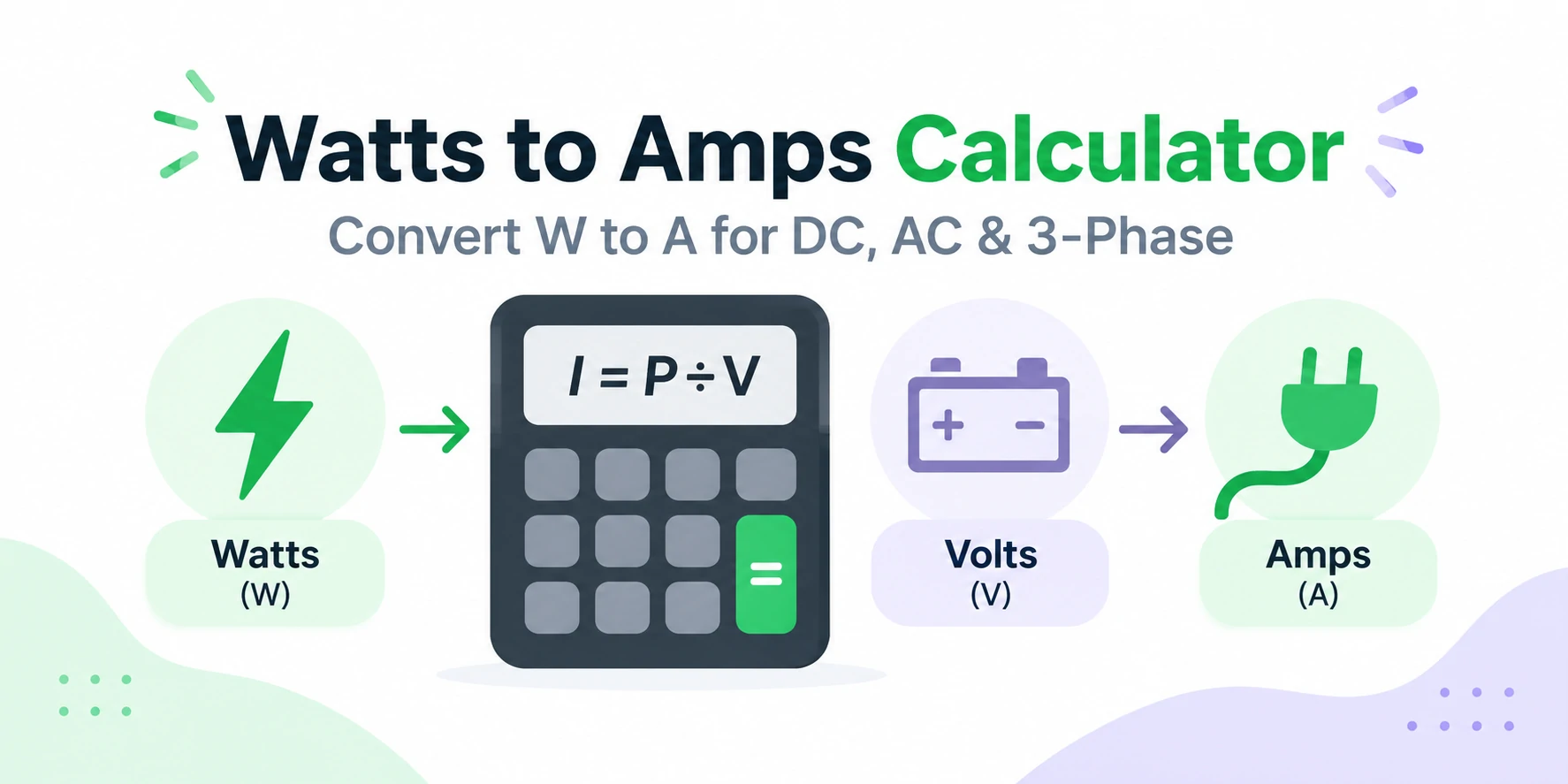
Approximate runtime can be estimated by dividing usable battery energy by charging power.
For example, assume a battery provides 20kWh of usable AC energy and the EV charges continuously at 7.2kW:
20kWh ÷ 7.2kW ≈ 2.8 hours
The theoretical energy delivered would be approximately 20kWh.
Can a 16kWh Solar Battery Charge an EV?
Yes, a properly integrated 16kWh stationary battery can contribute meaningful energy to EV charging, but it should generally be viewed as a partial charging or energy-shifting resource rather than an automatic full-charge solution.
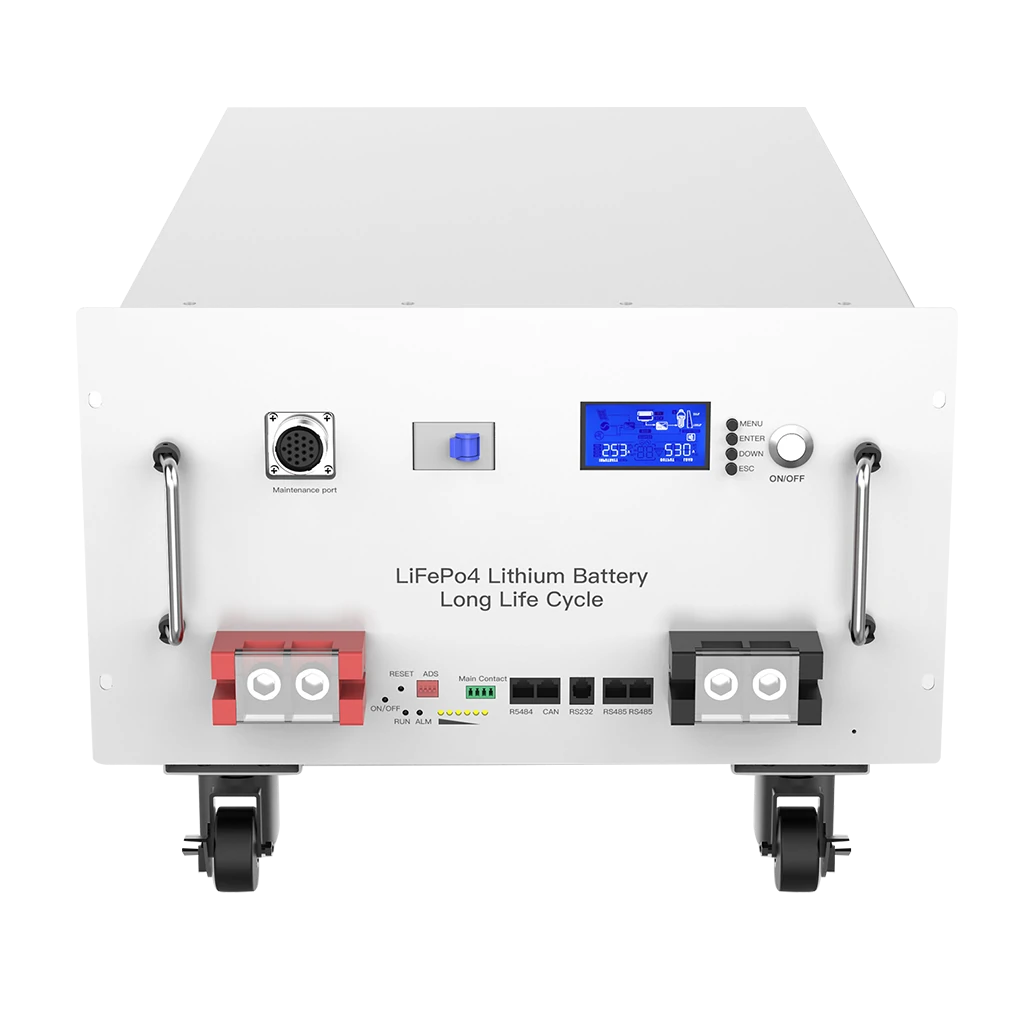
For example, Avepower’s 51.2V 314Ah 16kWh LiFePO4 battery is specified at approximately 16kWh nominal energy, 314Ah, 51.2V, and 10.24kW DC output, with CAN, RS485 and RS232 communication and support for parallel expansion.
The nominal energy can be independently checked:
51.2V × 314Ah = 16,076.8Wh ≈ 16.08kWh
For an illustrative EV-charging calculation, if a 16.08kWh battery were operated around 80% usable depth of discharge and the downstream conversion path delivered approximately 90% efficiency:
16.08 × 0.80 × 0.90 ≈ 11.6kWh
That would represent roughly 11–12kWh of AC energy available for charging in this simplified example.
Residential Battery vs C&I Battery for EV Charging
| Design Factor | Residential EV Charging | Commercial / Fleet EV Charging |
|---|---|---|
| Typical storage scale | 10–50kWh+ | 100kWh to multi-MWh |
| Charging load | Usually one or two Level 2 chargers | Multiple AC or DC fast chargers |
| Primary purpose | Solar shifting, TOU savings, backup | Peak shaving, grid constraint management, fleet charging |
| Battery architecture | Often low-voltage or residential HV | Usually high-voltage C&I BESS |
| Power electronics | Hybrid inverter | Commercial PCS / inverter |
| Controls | Home EMS | Site EMS + charger management |
| Cooling | Passive/air depending on system | Air or liquid cooling depending on scale |
| Grid coordination | Residential interconnection | Detailed commercial interconnection study |
| Demand charges | Usually less important | Often a major economic factor |
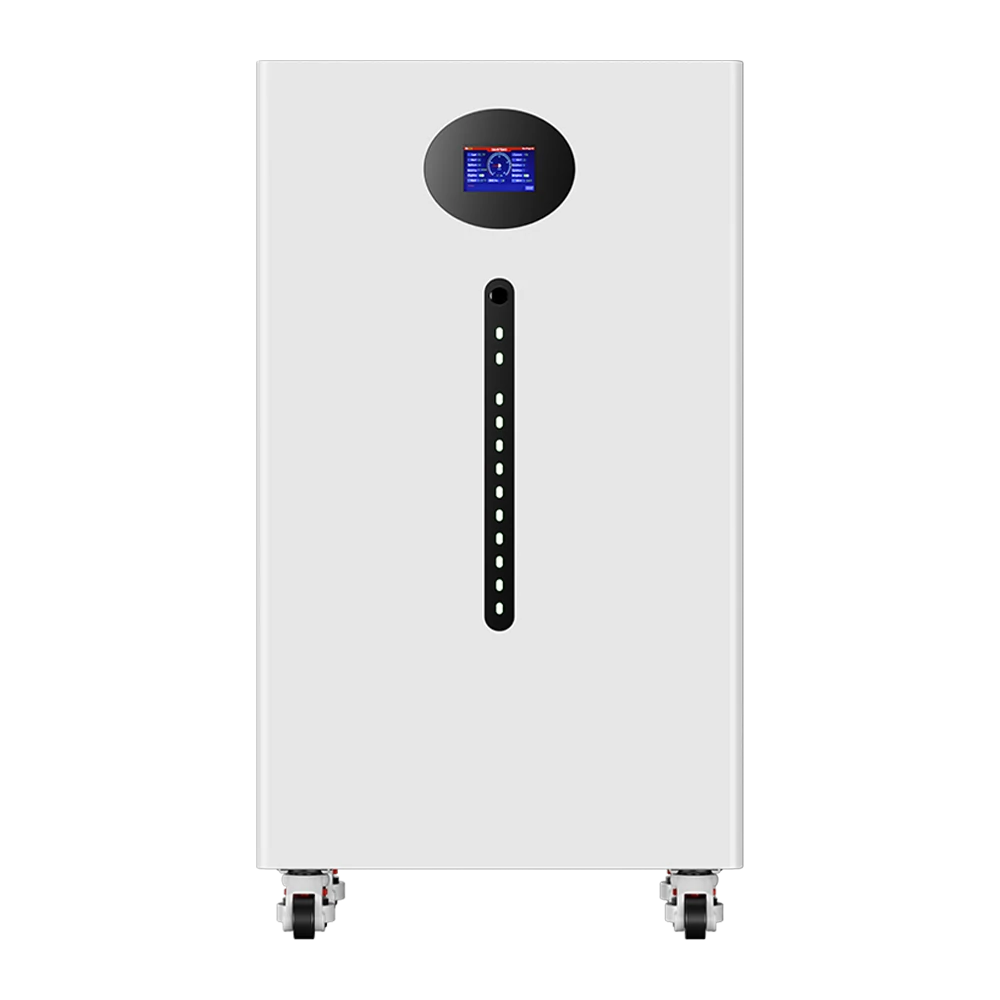
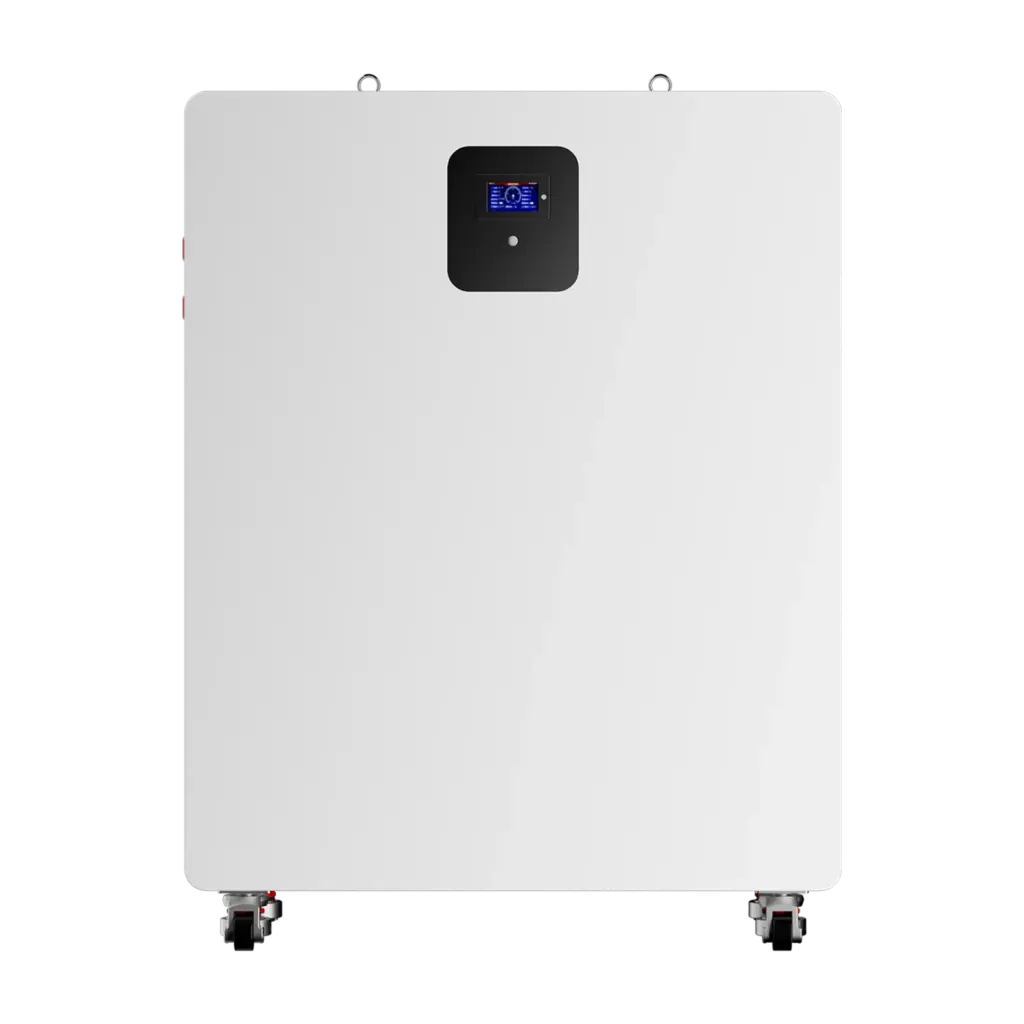
Avepower separates these applications into dedicated residential battery energy storage solutions and commercial battery energy storage solutions rather than treating one battery format as suitable for every EV charging application.
What Does a Complete Solar + Storage + EV Charging System Need?
A reliable system requires substantially more than solar panels and battery modules.
Solar PV
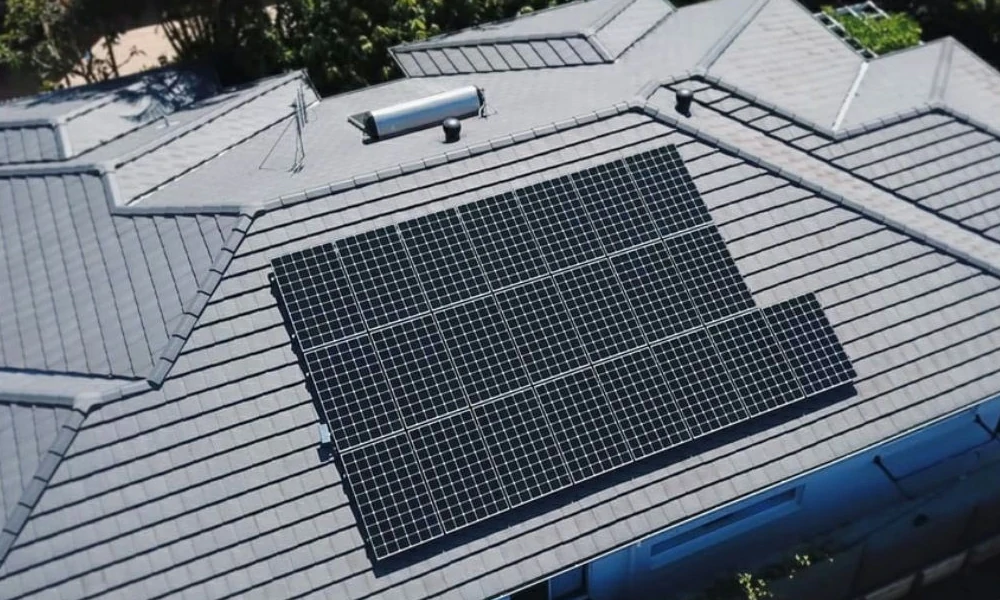
Solar panels provide on-site generation. Their annual and hourly production profile should be modeled using location, orientation, shading and seasonal conditions.
Battery Storage
The battery determines how much energy can be shifted from one period to another.
BMS
The battery management system monitors cells and controls battery operating limits, including voltage, current, temperature and state of charge.
PCS or Hybrid Inverter
The PCS converts power between the battery and the AC electrical system and establishes the actual charging and discharging power available to the site.
Avepower’s PCS guide explains why a PCS should not be treated as simply another name for the battery.
EMS
The energy management system decides when the battery charges or discharges and how solar, grid power, building demand and EV chargers should be prioritized.
EVSE
EV supply equipment communicates with the vehicle and controls the charging connection.
Metering and CT Sensors
The system needs accurate measurements of grid import/export, PV production, site load and charger consumption.
Electrical Protection
Breakers, disconnects, overcurrent protection, isolation, grounding and other required protection must be designed for the jurisdiction and system topology.
Backup or Islanding Equipment
If EV charging must continue during a blackout, the site needs an approved architecture capable of isolating itself from the utility grid and establishing a stable local electrical system.
What Is the Difference Between Battery-Buffered Charging and Normal Solar EV Charging?
Normal solar EV charging tries to align vehicle charging with available solar generation.
Battery-buffered charging uses stationary storage to decouple charger output from the instantaneous grid or solar power available.
For example:
A site may have only 50kW of available grid power but want to deliver 150kW to an EV for a short period.
The grid can recharge the stationary battery gradually between charging events, while the battery and grid combine to supply the higher EV charging power.
Build the Battery Around the Charging Profile
A solar-plus-storage EV charging project should start with the vehicle schedule and electrical load—not with a battery catalog.
Avepower provides residential and commercial LiFePO4 energy storage systems ranging from modular low-voltage batteries to high-voltage C&I storage platforms, with project-based capacity, voltage, BMS communication and system configuration support.
For an EV charging project, provide the number of vehicles, charger power, daily charging energy, solar capacity, grid limit, country and required backup duration. Avepower’s engineering team can then evaluate the battery kWh, discharge power, voltage architecture and compatible PCS configuration rather than simply recommending a larger battery.
Explore Avepower energy storage solutions or review real Avepower energy storage projects before planning your configuration.
FAQ
Yes. A stationary battery can store surplus solar electricity generated during the day and release it through a compatible inverter and EV charger at night. The available EV charging energy depends on usable battery capacity, conversion losses, backup reserve and other building loads.
No. If the EV is connected while sufficient solar energy is available, it can use solar electricity without stationary battery storage. A battery is mainly useful when solar production and charging times do not coincide or when the site needs peak shaving, backup power or grid-capacity support.
Yes, but it will usually provide only part of a typical EV battery charge. The actual energy reaching the vehicle is lower than nominal battery capacity because of reserve settings and system losses.
Yes. A 16kWh stationary battery can provide useful EV charging energy when connected through a suitable inverter and EVSE. It is generally more appropriate for partial charging or daily energy shifting than for repeatedly charging a large EV battery from empty to full.
They solve different problems. A larger charger increases potential charging power, while more battery capacity increases stored energy. Both must still stay within battery power, PCS, service-panel and grid limits.