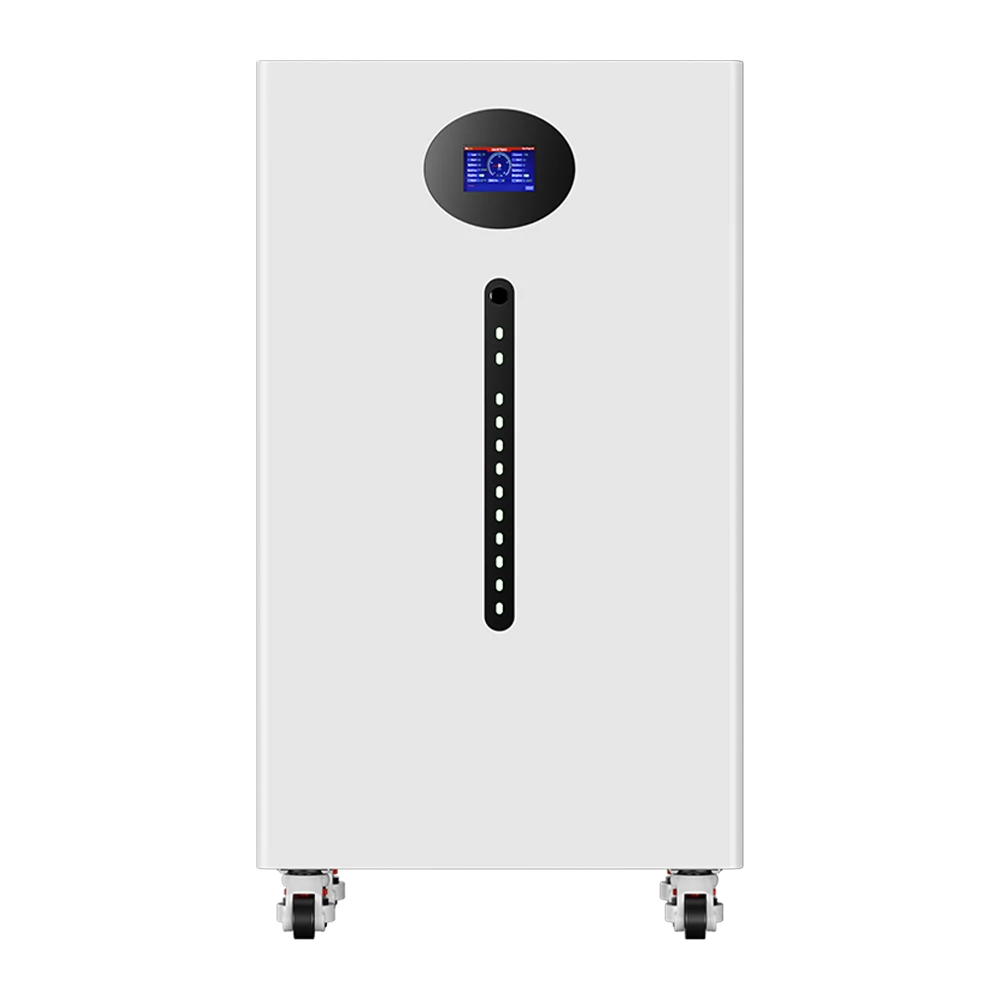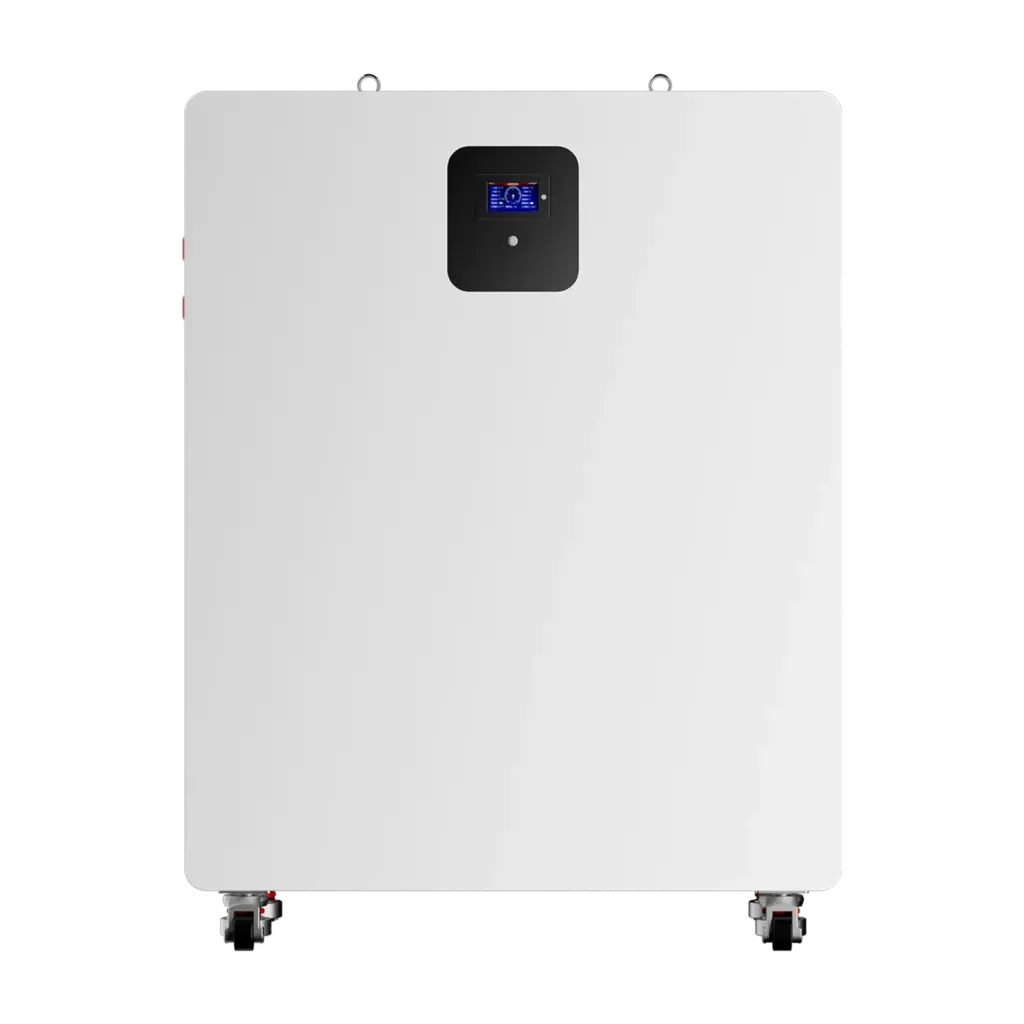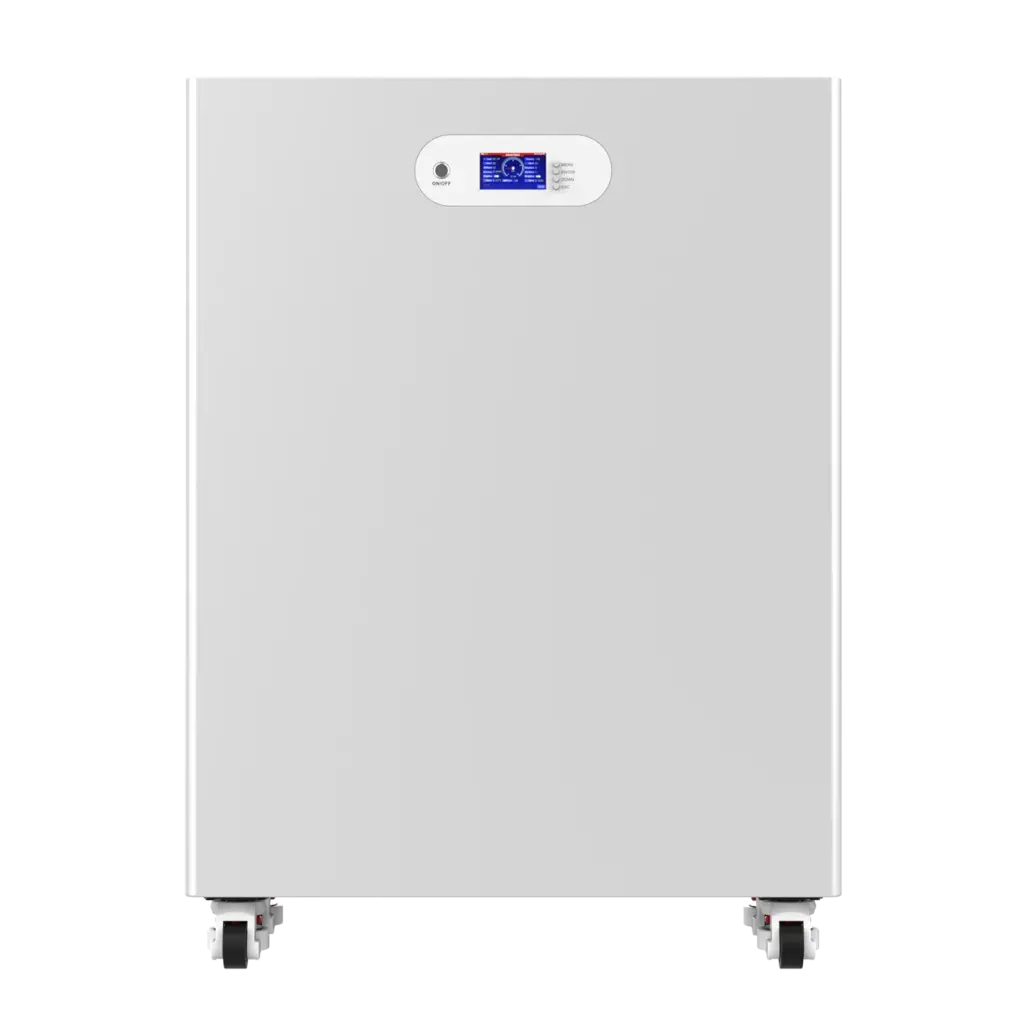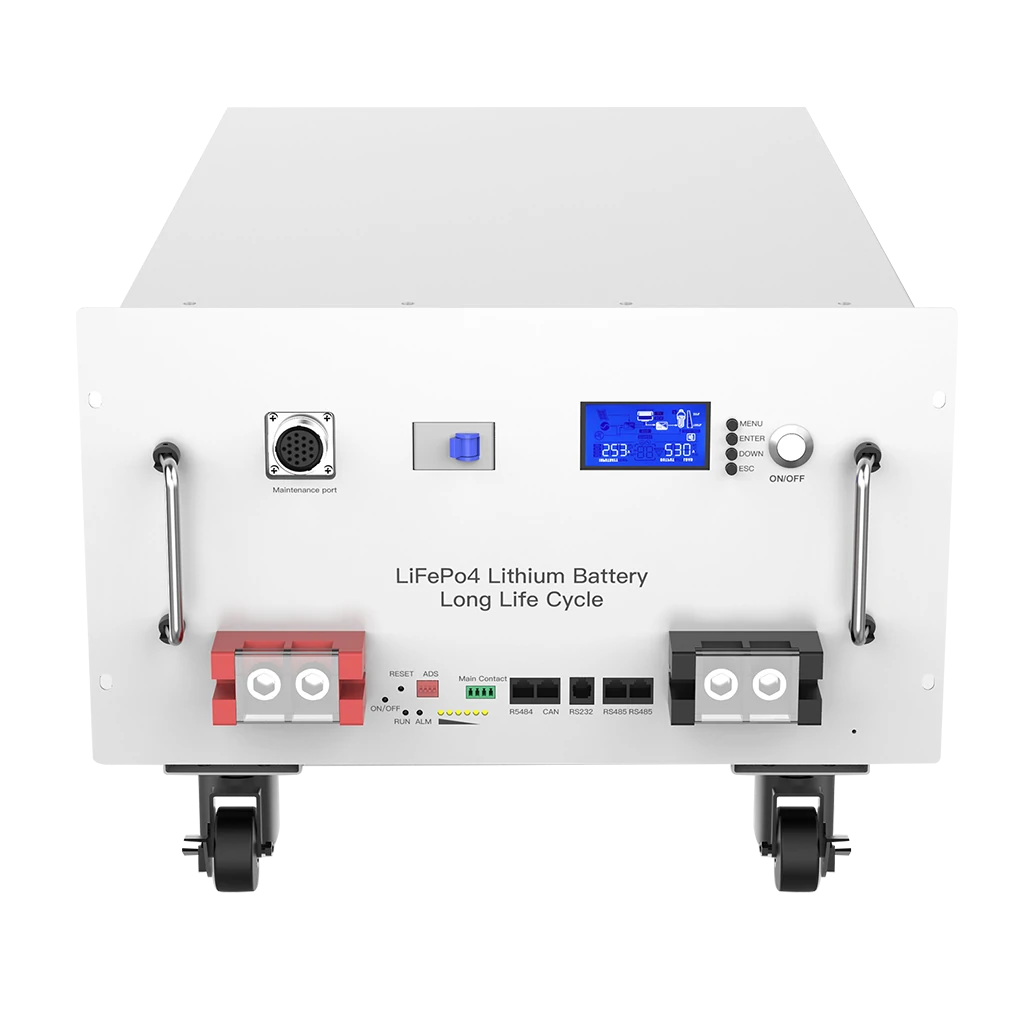

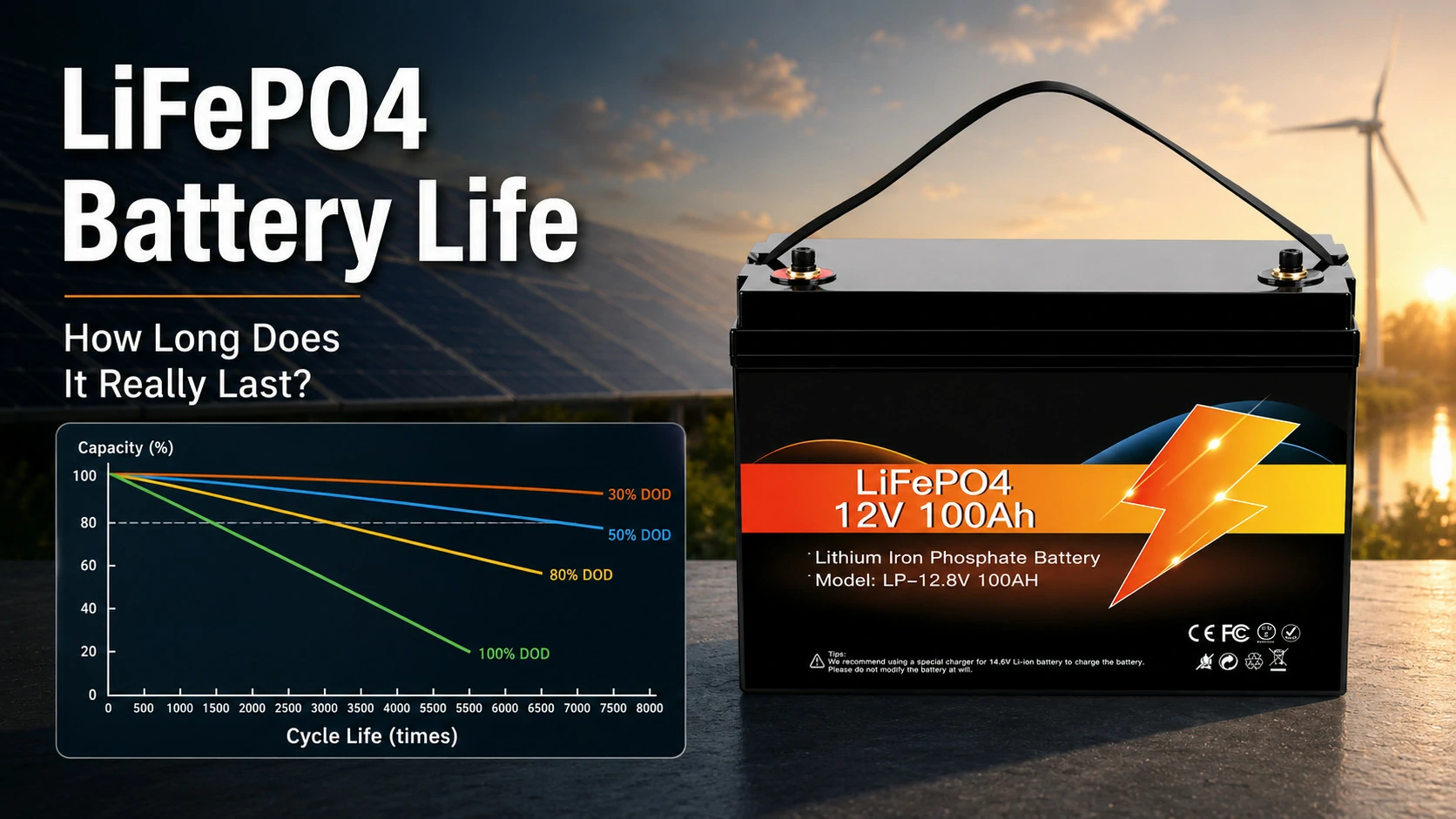
A good LiFePO4 battery usually lasts 10 to 15 years in solar storage, backup power, RV, marine, and off-grid applications. In cycle terms, many quality LiFePO4 batteries are rated for about 3,000 to 6,000+ charge cycles, often measured until the battery falls to around 70% to 80% of its original capacity.
Some batteries may last longer under light use, moderate temperature, shallow cycling, and proper charging settings. However, daily deep discharging, high heat, poor BMS design, wrong chargers, and long-term storage at full or empty charge can shorten real-world life.
For homeowners, installers, RV users, and energy storage buyers, the important point is this: LiFePO4 battery life is not only about the number printed on the datasheet. It depends on how the battery is sized, installed, charged, cooled, protected, and maintained over years of use.
How Many Cycles Can a LiFePO4 Battery Last?
Most good LiFePO4 batteries are commonly rated between 3,000 and 6,000+ cycles, depending on cell quality, depth of discharge, test temperature, charge/discharge rate, and end-of-life definition. Some brands publish higher cycle numbers, but buyers should always check the test condition behind the claim.
A cycle rating without test conditions is not very useful. A battery rated for 6,000 cycles at 80% DoD cannot be compared directly with another battery rated for 4,000 cycles at 100% DoD.
| Usage Pattern | Typical DoD | Possible Cycle Range | Practical Meaning |
|---|---|---|---|
| Heavy daily cycling | 90%–100% DoD | Around 3,000–4,000 cycles | Good for high-use systems, but aging is faster |
| Normal solar storage use | Around 70%–80% DoD | Around 4,000–6,000 cycles | Balanced lifespan and usable capacity |
| Conservative use | Around 40%–60% DoD | Often higher than full-depth cycling | Longer life, but requires larger battery capacity |
| Long standby backup use | Low cycling | Calendar life becomes more important | Battery may age more by time than cycles |
LiFePO4 batteries are often rated around 3,000 to 6,000 cycles before falling to about 80% capacity, and cycle life improves when depth of discharge is reduced.
A simple way to estimate service life is:
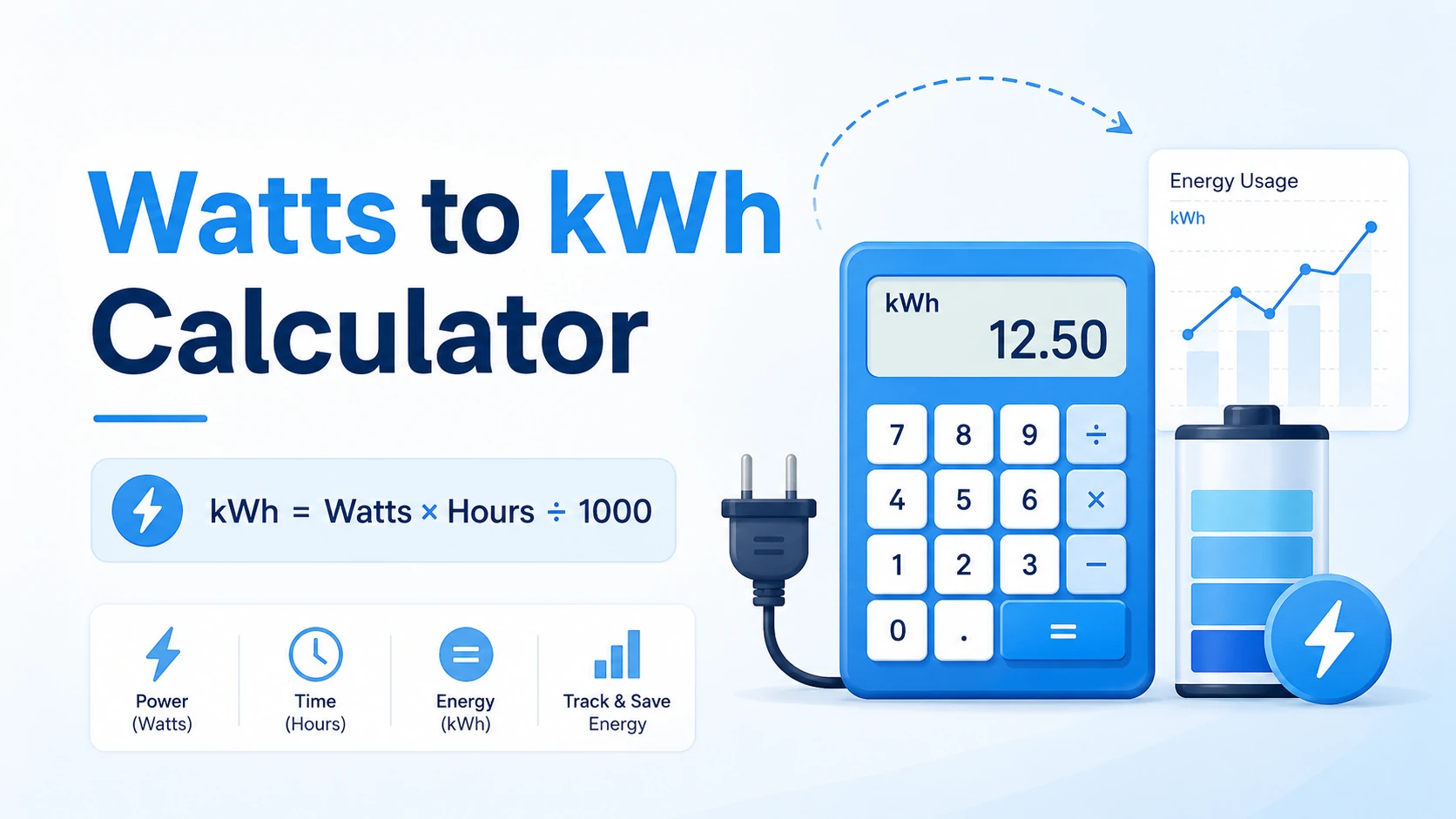
Cycle life ÷ annual cycles = estimated cycling years
For example:
- 4,000 cycles ÷ 365 cycles per year = about 11 years
- 6,000 cycles ÷ 365 cycles per year = about 16 years
This is only a rough estimate. Real-world life can be shorter or longer because calendar aging, heat, charging settings, battery quality, and system design also matter.
Typical LiFePO4 Battery Life by Application
LiFePO4 batteries are used in many systems, but each application creates a different aging pattern.
| Use Case | Typical Battery Life | Common Cycle Expectation |
|---|---|---|
| Home solar storage | 10 to 15 years | 3,000 to 6,000+ cycles |
| RV or caravan use | 8 to 12+ years | 3,000 to 5,000+ cycles |
| Marine use | 8 to 12+ years | 3,000 to 5,000+ cycles |
| Backup power only | 10 to 15+ years | Fewer cycles but more calendar aging |
| Heavy commercial use | 8 to 12+ years | Depends on daily cycling rate |
A residential solar battery often has a longer service life than an off-grid battery because it may not be deeply discharged every day. A remote off-grid battery bank works harder because it may support daily loads through cloudy weather, night use and high inverter demand.
For this reason, system sizing is part of battery life. A small battery that is pushed to 90–100% depth of discharge every day will age faster than a larger battery that usually cycles between 20% and 80% state of charge.
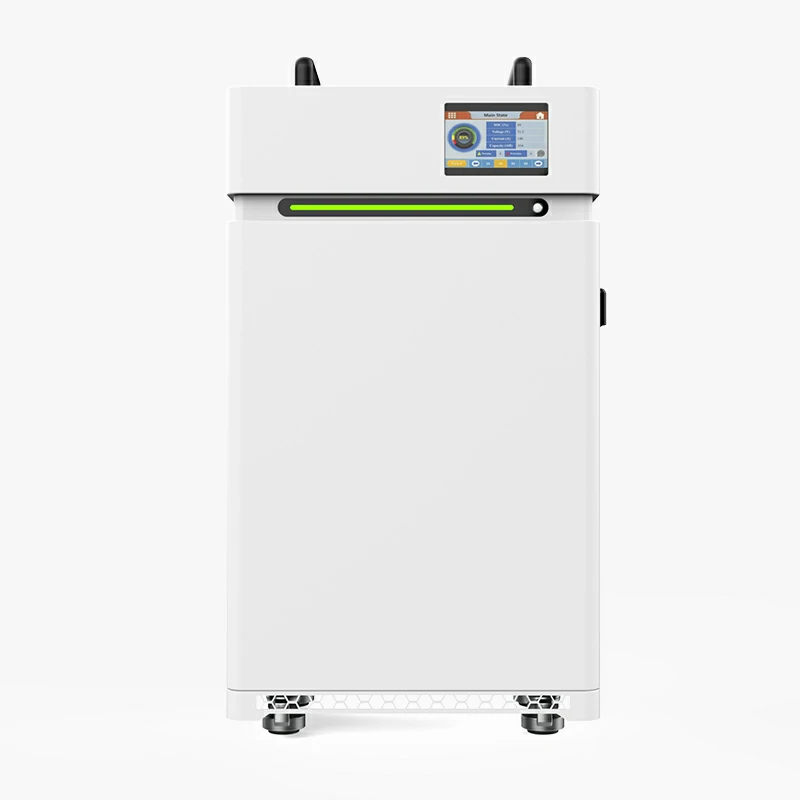
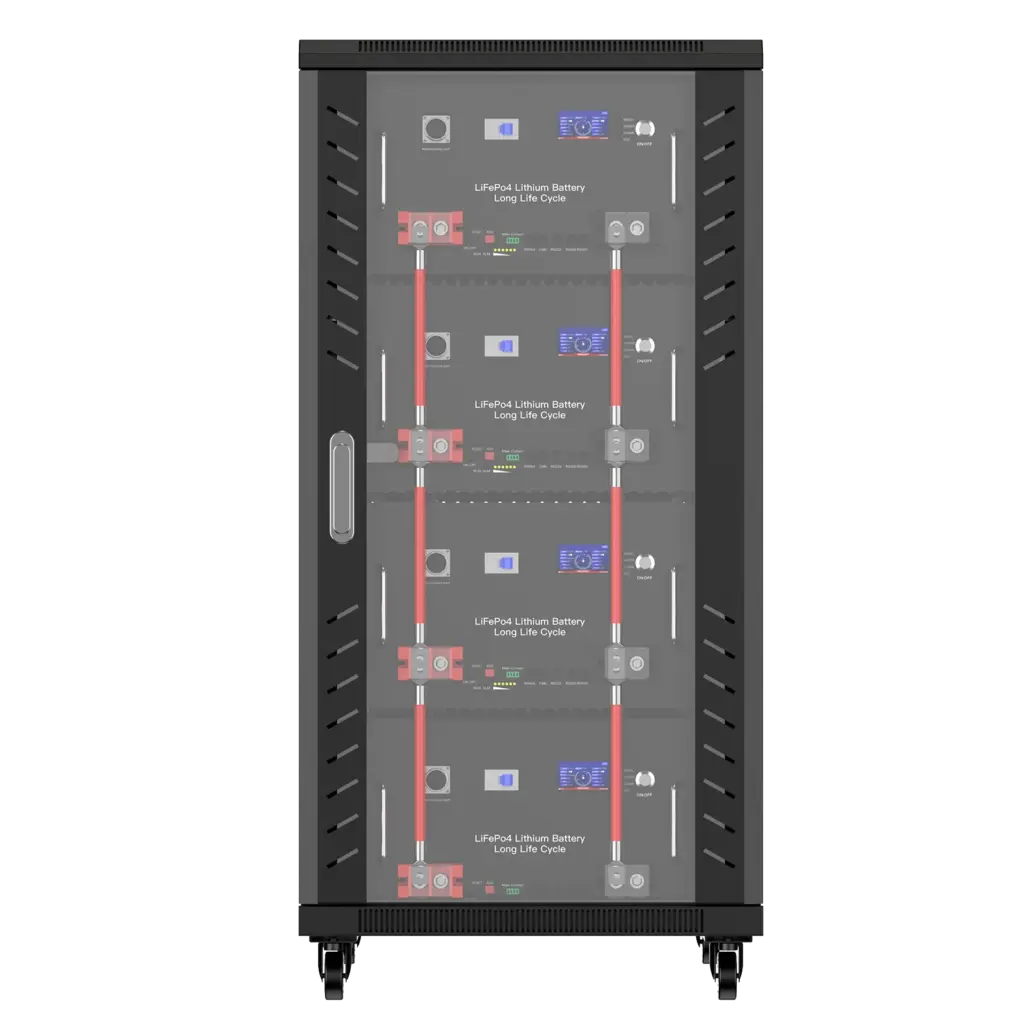
Avepower often recommends matching battery capacity to the real load profile instead of selecting a battery only by price. A properly sized stackable battery or rack mount battery can reduce stress on each module and make future expansion easier.
Need a Long-Life LiFePO4 Battery System?
Share your project load, required capacity, and installation country. Avepower will help you choose a suitable LiFePO4 battery solution.
Does a LiFePO4 Battery Really Last 20 Years?
A LiFePO4 battery can sometimes remain usable for close to 20 years under light cycling, good temperature control, and conservative charging. But for daily solar storage or off-grid use, 10 to 15 years is a more realistic planning range.
This is especially true for home energy storage systems, where batteries may cycle every day. A well-designed system may still have useful capacity after 10 years, but it will not perform exactly like a new battery.
A better way to think about LiFePO4 battery life is not “Will it die after 10 years?” but “How much usable capacity will it still have after 10 years?”
Many batteries reach end-of-life when they retain around 70% to 80% of original capacity. That means the battery can still work, but runtime is reduced.
LiFePO4 Battery Life vs Lead-Acid Battery Life
LiFePO4 batteries cost more upfront than lead-acid batteries, but their longer life often makes them cheaper over the full ownership period.
| Factor | LiFePO4 Battery | Lead-Acid Battery |
|---|---|---|
| Typical useful life | 10–15 years | 2–5 years |
| Cycle life | Often 3,000–6,000+ cycles | Often a few hundred to around 1,000 cycles |
| Usable capacity | High usable capacity | Often limited to about 50% DoD for longer life |
| Maintenance | Low maintenance | May need more maintenance depending on type |
| Weight | Lighter | Heavier |
| Charging speed | Faster | Slower |
| Long-term value | Better for frequent cycling | Lower upfront cost |
For RV, marine, and off-grid users, the difference is easy to feel. A lead-acid battery may look cheaper at purchase, but repeated replacement, lower usable capacity, heavier weight, and voltage sag can make it less attractive over time.
For home solar systems, the value is even clearer. A battery that cycles every evening needs a chemistry built for repeated charge and discharge. This is one reason many modern home solar battery storage systems use LiFePO4 chemistry.
Five Major Factors That Affect LiFePO4 Battery Lifespan
1. Depth of Discharge
Depth of Discharge (DoD) refers to how much battery capacity is used before recharging.
- A 10 kWh battery discharged by 8 kWh reaches an 80% DoD.
- A 10 kWh battery discharged by 5 kWh reaches a 50% DoD.
LiFePO4 batteries tolerate deep discharge better than lead-acid batteries, but repeated full discharges can still increase wear over time. For daily solar energy storage, a practical operating range is commonly between 20% and 90%, or even 20% to 80% when maximizing battery lifespan is more important than maximizing usable energy.
2. Temperature
High temperatures accelerate chemical aging inside the battery. Extremely low temperatures increase internal resistance and may reduce charging performance. Long-term exposure to heat is especially harmful because it can age the battery even when it is not cycling.
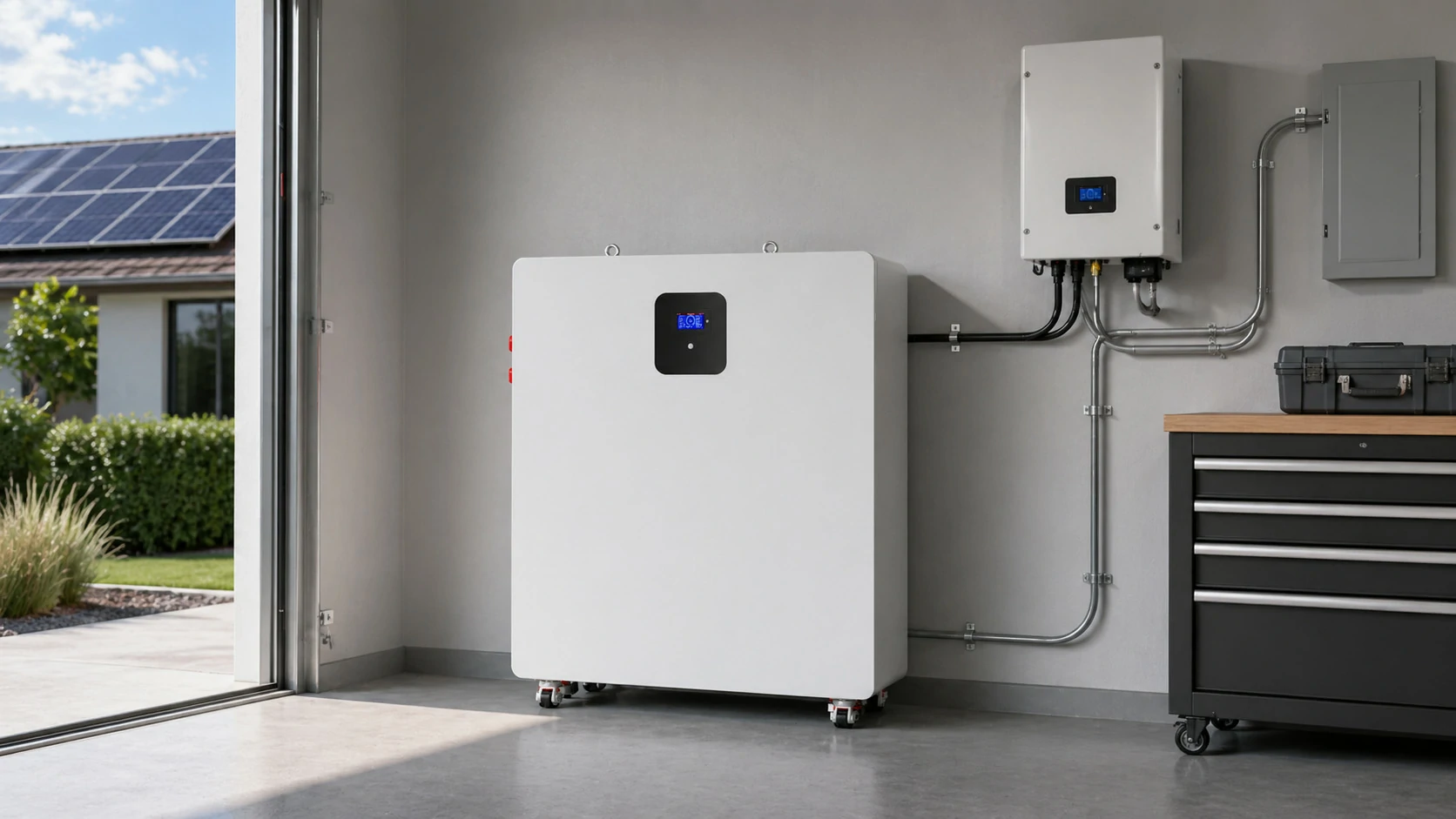
The best installation location for a home battery is usually a cool, ventilated, and dry area. Garages, utility rooms, or sheltered outdoor spaces may also be suitable if allowed by the battery enclosure rating and local electrical regulations.
Avoid installing batteries in direct sunlight, near heating equipment, inside sealed unventilated enclosures, or in locations that frequently exceed the manufacturer’s recommended operating temperature range.
3. Charging Voltage and Charger Compatibility
LiFePO4 batteries need a charging profile designed for lithium iron phosphate chemistry. A charger built for lead-acid batteries may not stop at the right voltage or may use charging stages that are not suitable for LFP packs.
Incorrect charging can cause overvoltage, heat buildup, cell imbalance or BMS shutdown. Over time, this can reduce usable capacity and shorten service life.
If the battery is used in a solar system, the inverter, charge controller and battery BMS must communicate correctly. This is why Avepower provides an inverter compatibility list for installers and project buyers who need to confirm CAN, RS485 or other communication settings before installation.
4. Charge and Discharge Current
A battery may be rated for high discharge current, but continuously operating near its maximum current limit is not ideal for long-term lifespan.
High current generates more heat and places greater stress on battery cells, busbars, terminals, and the BMS. This is especially important in off-grid systems, inverter applications, motor loads, marine systems, and commercial backup power setups where surge demand can be high.
A good system design keeps normal operating current well below the maximum rated current. This provides greater thermal margin and reduces the risk of voltage drop, BMS protection triggers, or premature aging.
5. Cell Quality and BMS Protection
The Battery Management System (BMS) is the protective control layer of the battery pack. It monitors cell voltage, current, temperature, and safety limits. A quality BMS helps prevent overcharging, over-discharging, overcurrent, short circuits, and overheating.
However, a BMS cannot compensate for poor-quality battery cells. Long battery lifespan still depends on well-matched cells, stable internal resistance, proper pack assembly, effective thermal management, and strong manufacturing quality control.
How to Extend LiFePO4 Battery Life
Keep Daily Operation Within a Healthy SOC Range
For normal daily use, avoid keeping the battery full or empty for long periods. A practical target is to let the system operate mostly between 20% and 80–90% state of charge.
This does not need to be perfect. A battery is a working tool, not a museum object. The goal is to avoid unnecessary extremes, especially if the battery cycles every day.
Install the Battery in a Stable Environment
Choose a location with shade, airflow and protection from moisture. Avoid direct sunlight, rain exposure, sealed cabinets without ventilation and areas near heat sources.
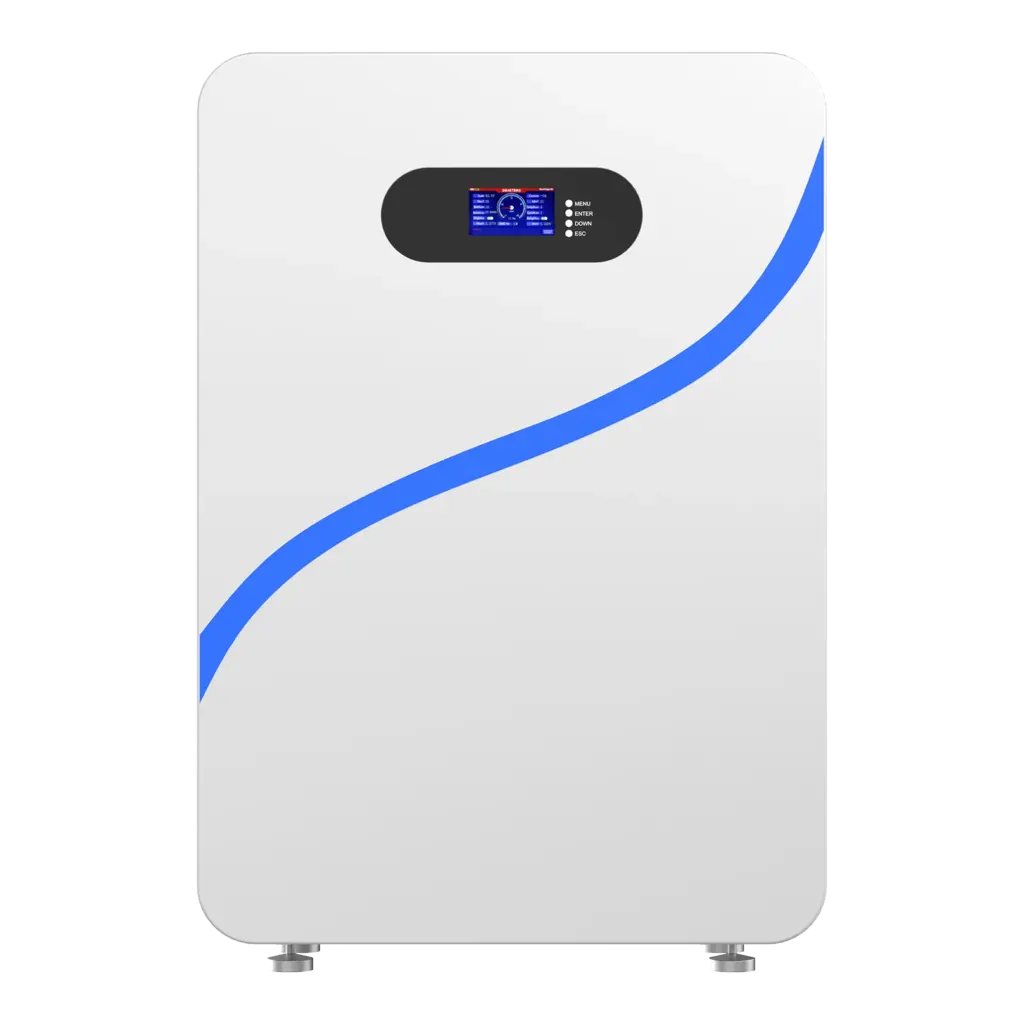
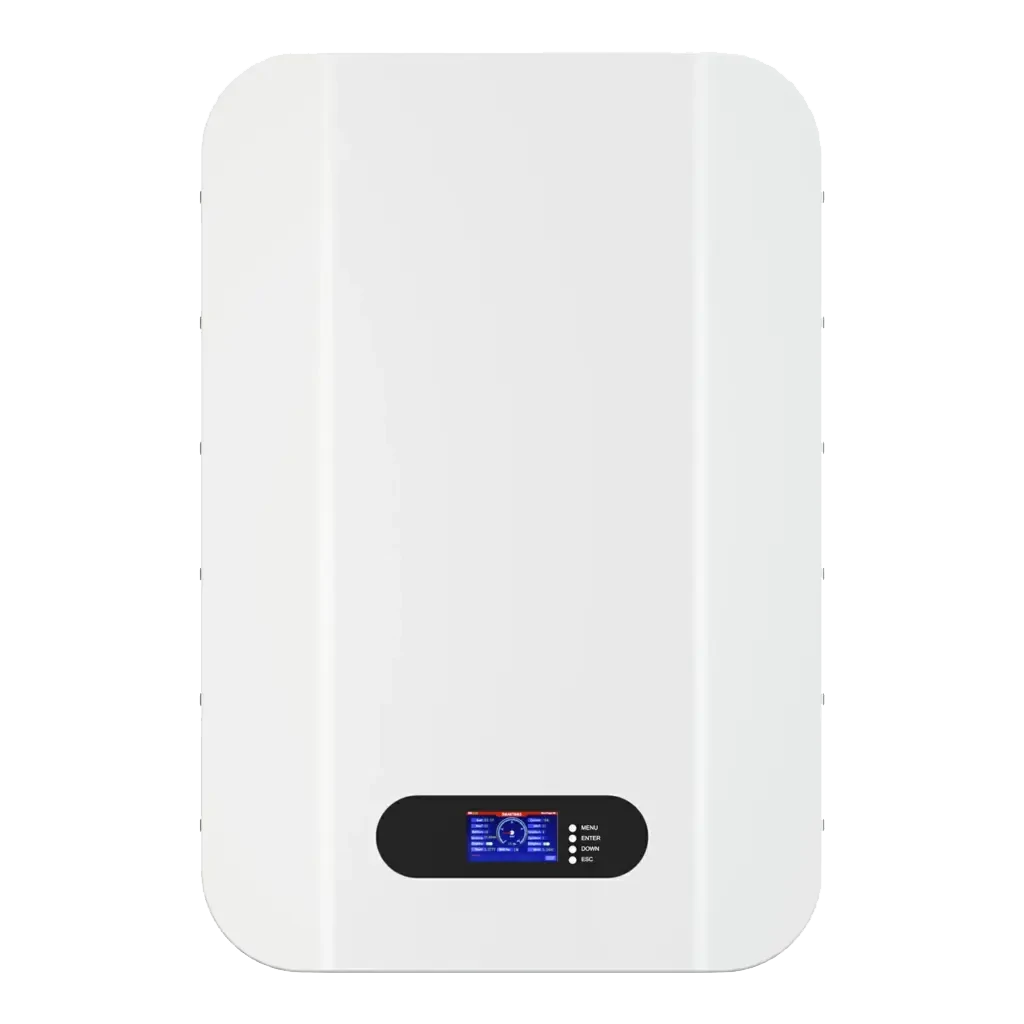
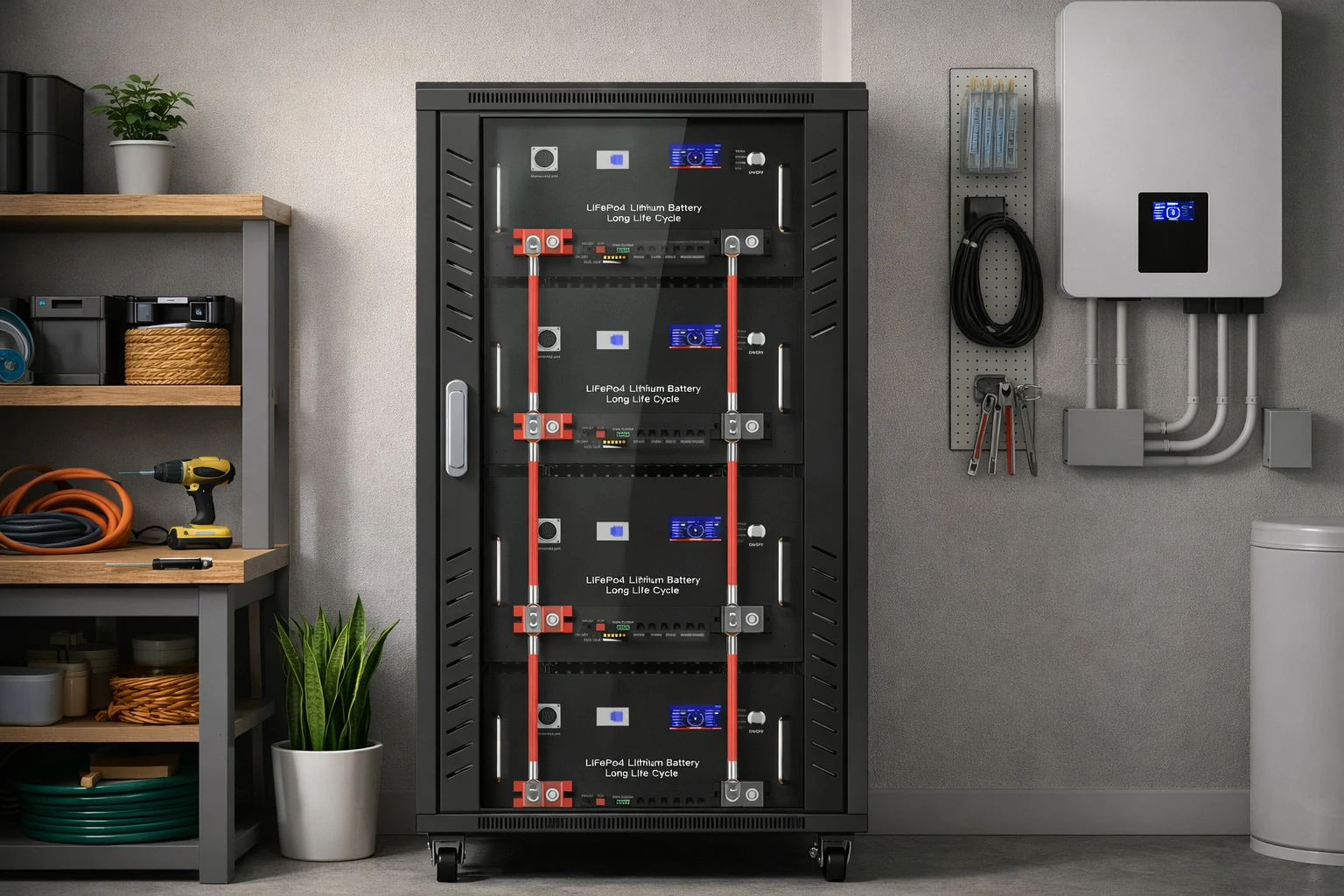
For wall-mounted systems, a wall mounted battery can save floor space. For utility rooms or structured equipment areas, a rack design may be easier to inspect, expand and service.
Use Compatible Inverters and Charge Controllers
A battery can only perform well when the whole system is matched. The inverter, BMS, communication protocol and protection settings must work together.
Before installation, confirm voltage range, maximum charge current, discharge current, communication protocol, parallel limits and firmware compatibility. This step is especially important for installers who manage different inverter brands across multiple projects.
Avoid Long-Term Storage at 100% or 0%
If a LiFePO4 battery will be stored for months, it should not be stored completely full or completely empty. A mid-level state of charge is usually better for storage.
The exact storage SOC should follow the manufacturer’s manual, but many lithium battery guidelines recommend partial charge storage in a cool, dry environment. Battery University also notes that both high temperature and high state of charge can accelerate capacity loss in lithium-based batteries.
Do Regular System Checks
LiFePO4 batteries are low maintenance, but they are not “ignore forever” products.
A simple inspection every few months can help identify problems early. Check for warning codes, abnormal heat, loose cables, corrosion around terminals, communication errors, unusual capacity drop or repeated BMS protection events.
For larger systems, system logs are valuable. They help installers understand whether capacity loss is normal aging or the result of high temperature, deep cycling, overload, incorrect settings or inverter communication problems.
Signs That a LiFePO4 Battery Is Aging
LiFePO4 battery aging is usually gradual. The battery may still work, but its performance becomes less strong than before.
Common signs include:
- The system needs more frequent resets or service checks
- Shorter runtime under the same load
- Lower usable capacity after a full charge
- Faster voltage drop under load
- More frequent low-voltage alarms
- Slower charging or earlier charge cutoff
- Higher operating temperature than normal
- BMS imbalance warnings
- Reduced backup duration during outages
- Inconsistent state of charge readings
A battery that shows one symptom occasionally may not be failing. The issue could come from inverter settings, cable resistance, poor connections, firmware, temperature, or load changes. But if several symptoms appear together, the battery should be checked by a qualified technician.
Is LiFePO4 Worth It for Solar Storage
LiFePO4 is often worth it for solar storage because the lifetime cost can be lower than cheaper battery types.
The main reason is simple: a solar battery is a working asset. It may charge and discharge every day. A battery with a short cycle life may need replacement before the solar system itself reaches midlife. A long-cycle LiFePO4 battery can stay useful for many more years, which spreads the upfront cost across more cycles.
Simple Cost Per Cycle Example
Assume Battery A costs less but lasts 500 cycles. Battery B costs more but lasts 4,000 cycles.
If Battery B costs three times as much but lasts eight times longer, Battery B may have a lower cost per cycle. It may also reduce replacement labor, downtime, disposal, and support issues.
This is especially important for:
- Homes with daily solar self-consumption
- Off grid systems
- Installer-led residential projects
- Distributor product portfolios
- Commercial backup systems
- Remote power systems
Avepower Perspective for Home and Commercial Storage
Choosing the right battery is not only about capacity. It is also about cycle life, inverter compatibility, BMS protection, warranty support, and long-term project reliability.
Avepower provides LiFePO4 battery storage solutions for homes, installers, distributors, OEM partners, and commercial projects. If you need a battery system for solar self-consumption, backup power, or scalable storage, you can explore Avepower’s residential battery energy storage systems or contact the team for a project-based recommendation.
You can also review Avepower case studies to see how battery systems are applied in real project environments.
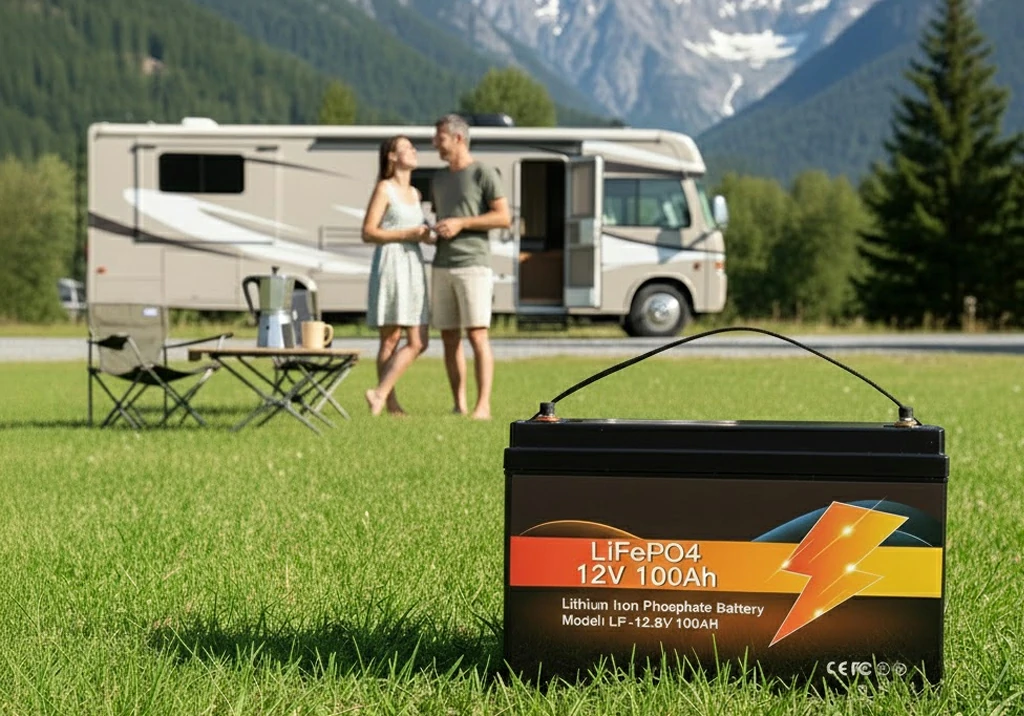
Power That Lasts
If you want a battery you can just install and forget, go with an Avepower LiFePO4.
You get 4000+ cycles, around 10 years of use, a built-in BMS, and capacity you can expand later as your needs grow—just talk to Avepower for easy sizing advice and a no-pressure quote.
Conclusion
LiFePO4 battery life is one of the main reasons this chemistry has become so popular for solar storage, RVs, marine systems, backup power, and commercial energy storage. A good LiFePO4 battery can often last 10 to 15 years, with thousands of charge and discharge cycles before capacity drops significantly.
However, battery life is not decided by chemistry alone. Depth of discharge, temperature, current, charge settings, installation quality, BMS protection, and product build quality all affect the final result.
For daily solar storage, the best approach is simple: choose a properly sized battery, keep it away from heat, avoid unnecessary full discharge, use compatible charging equipment, and select a product with strong BMS protection and reliable support.
FAQ
A quality LiFePO4 battery usually lasts 10 to 15 years in normal use. In cycle terms, many are rated for about 3,000 to 6,000+ cycles, depending on DoD, temperature, current rate, and battery quality.
Cycle life is the number of charge and discharge cycles a battery can complete before its capacity drops to a defined level, often 80% of original capacity. Many LiFePO4 batteries are rated for thousands of cycles.
It is possible in light-use or well-controlled conditions, but 10 to 15 years is a more realistic planning range for daily solar storage, RV, marine, and off-grid use.
High heat, deep daily discharge, wrong chargers, high current loads, poor BMS quality, cell imbalance, moisture, poor installation, and long-term storage at 0% or 100% charge can shorten battery life.
For long life, many users operate within a partial SOC range such as 10% to 90% or 20% to 80%. The best setting depends on your backup needs and system design.
They need much less maintenance than lead-acid batteries. However, users should still check terminals, wiring, SOC, temperature, alarms, and physical condition periodically.
Common signs include shorter runtime, faster voltage drop, slower charging, reduced usable capacity, frequent BMS shutdowns, cell imbalance, or abnormal heating. End of life usually means reduced capacity, not sudden failure.