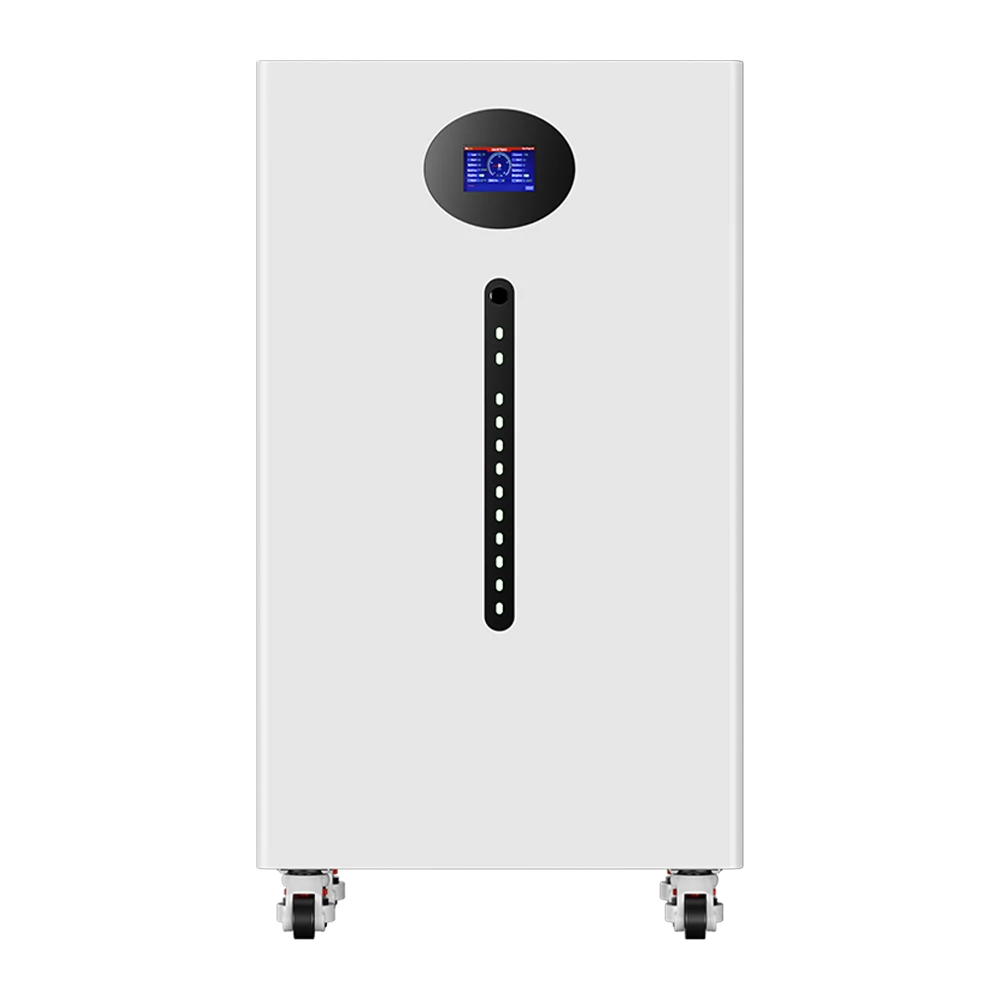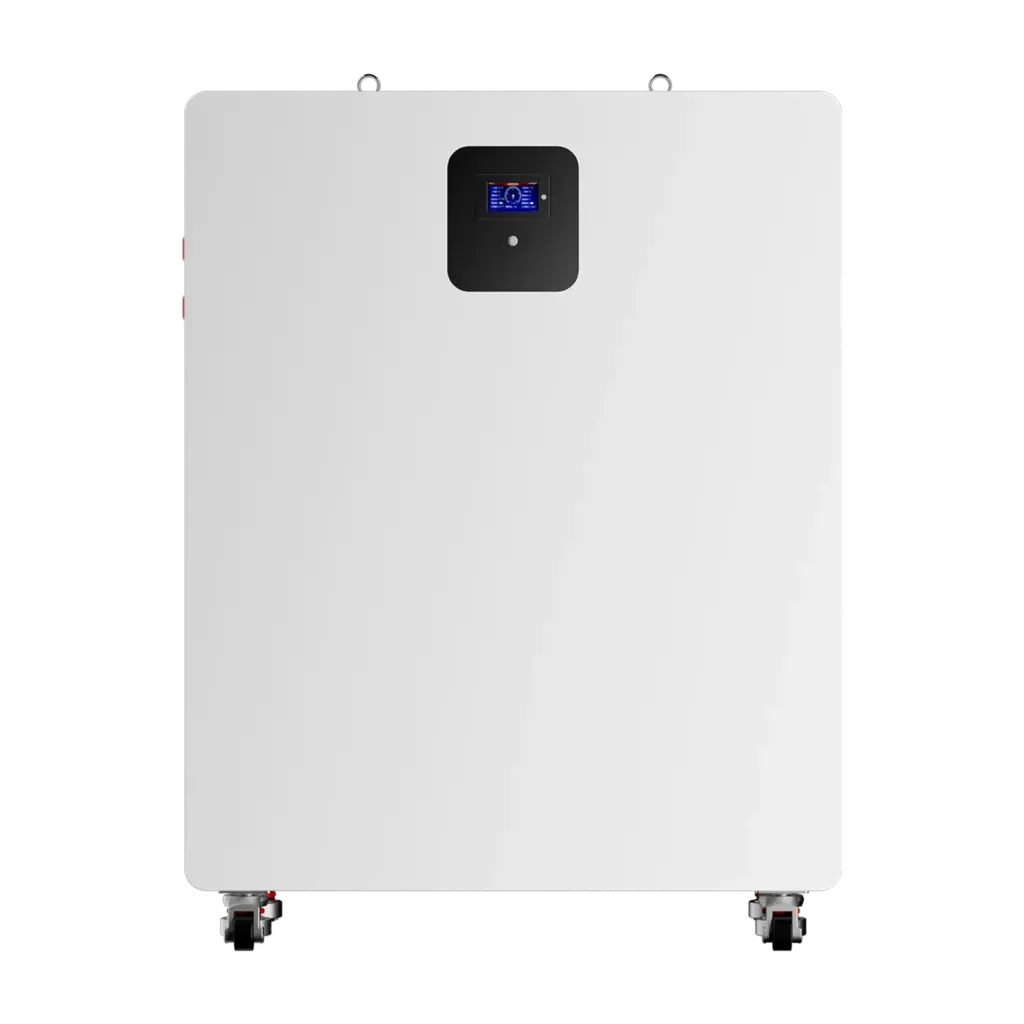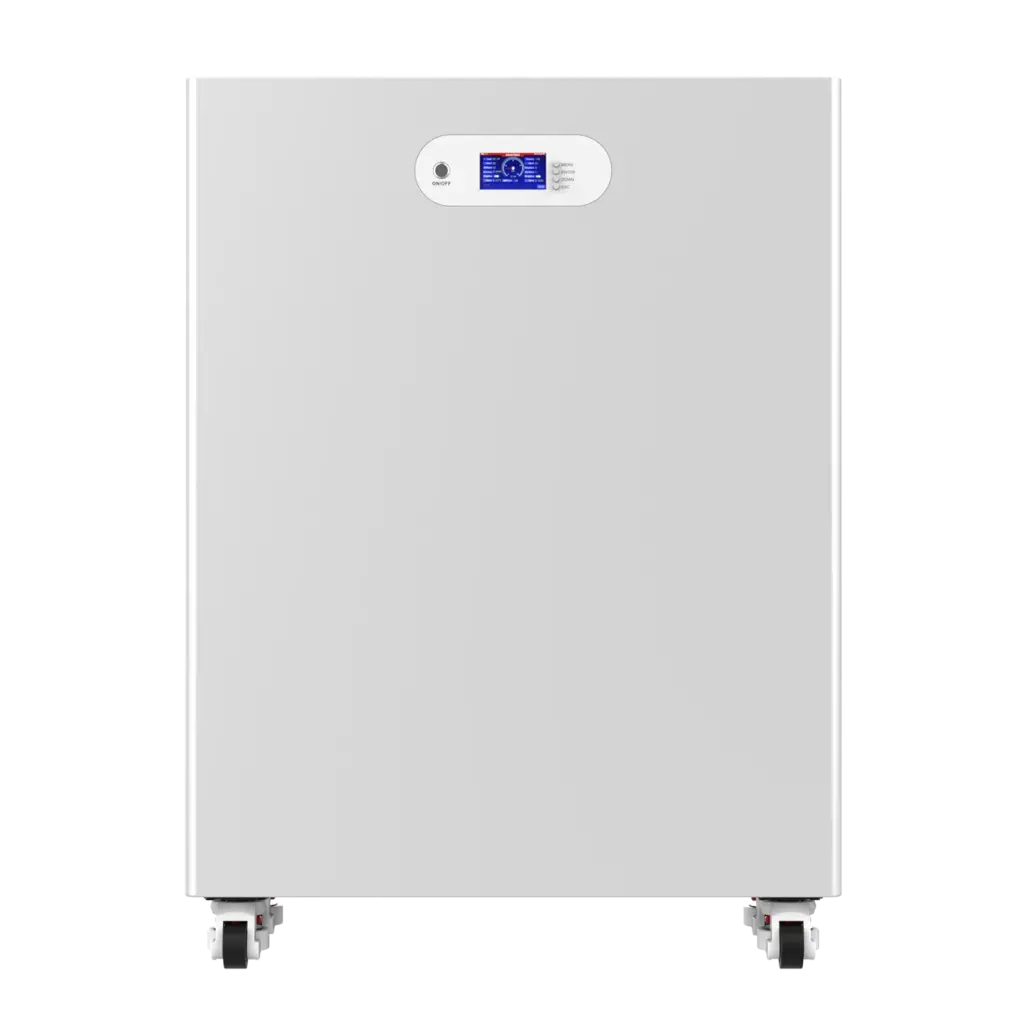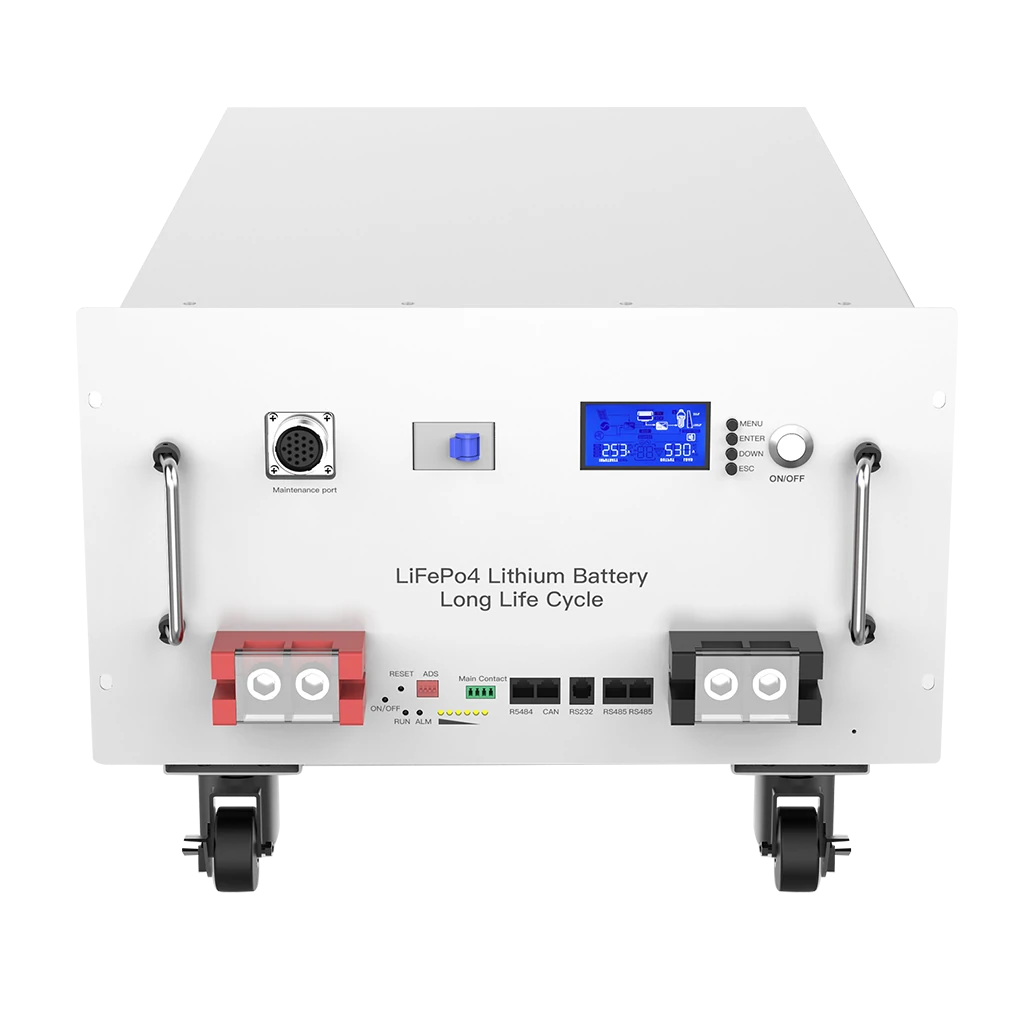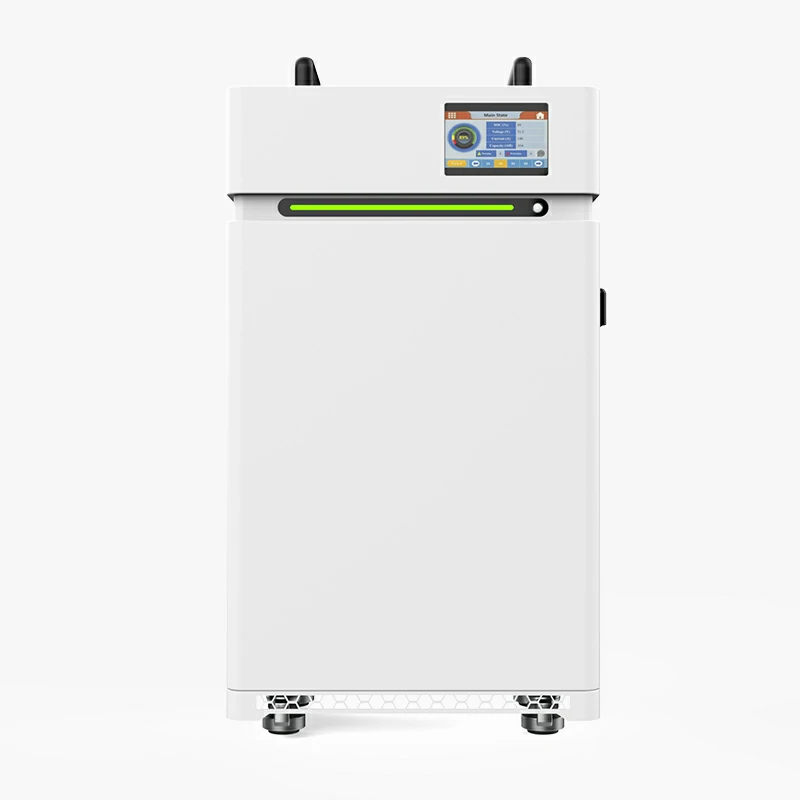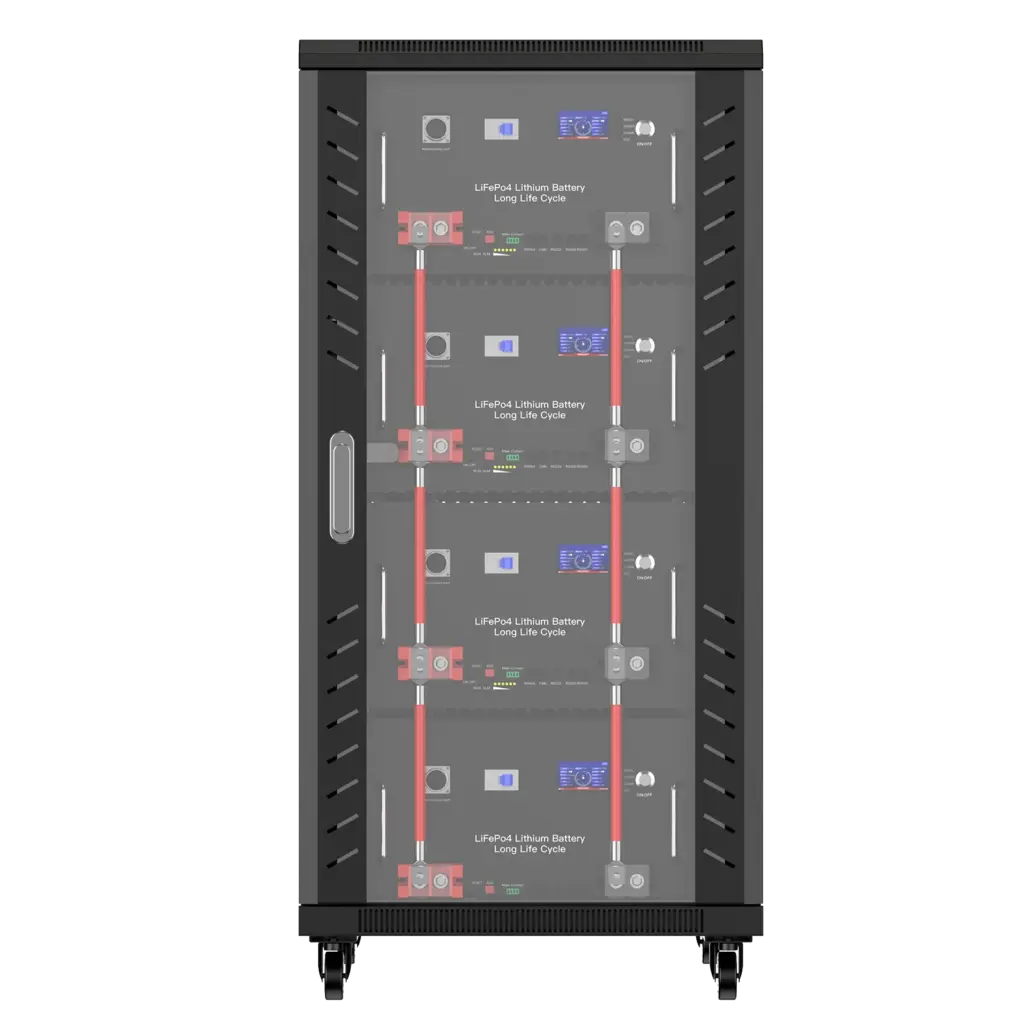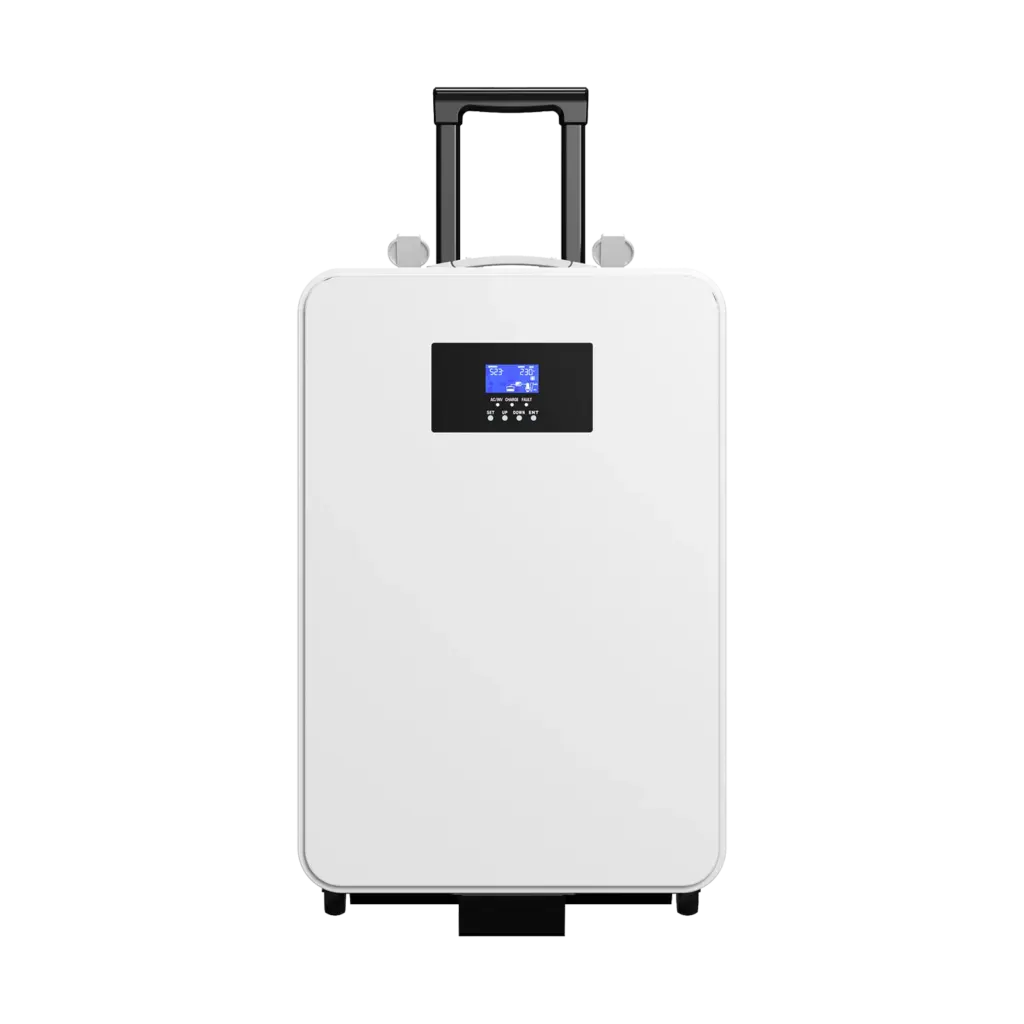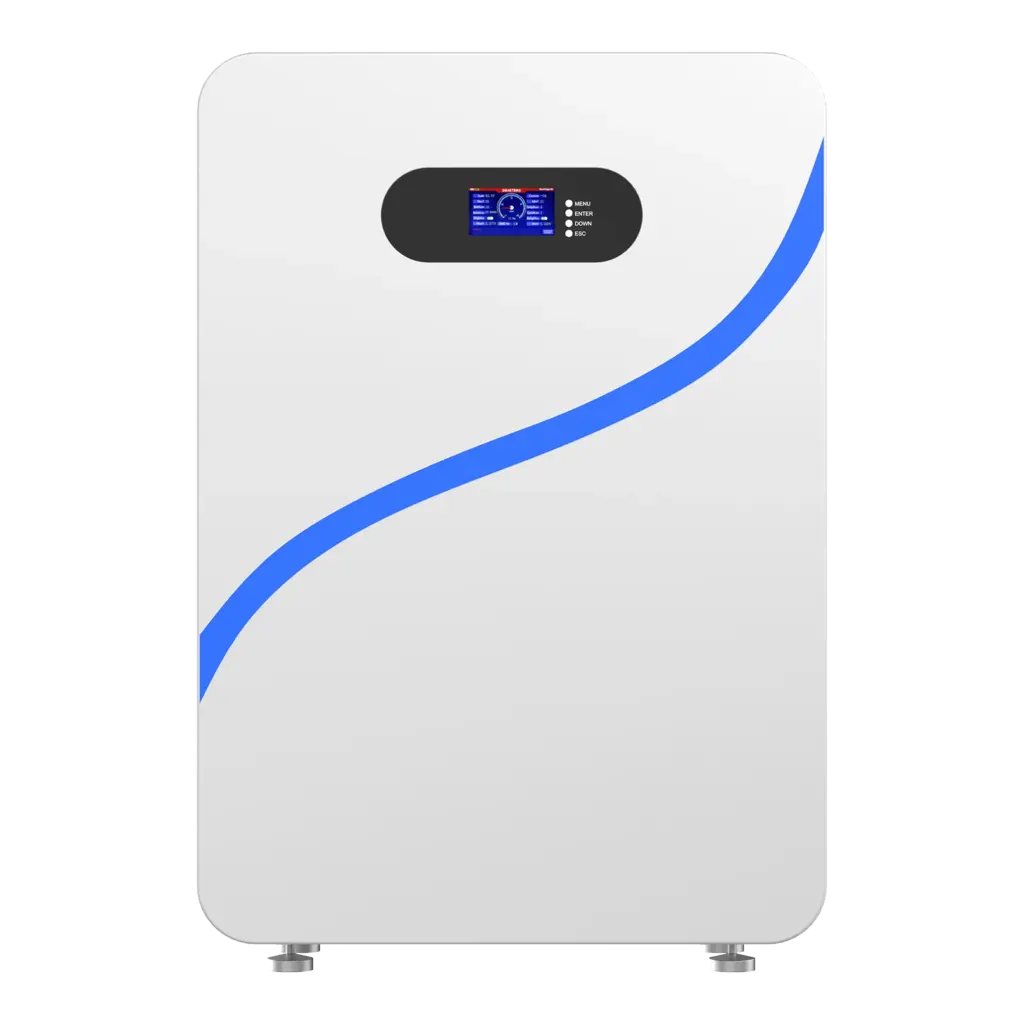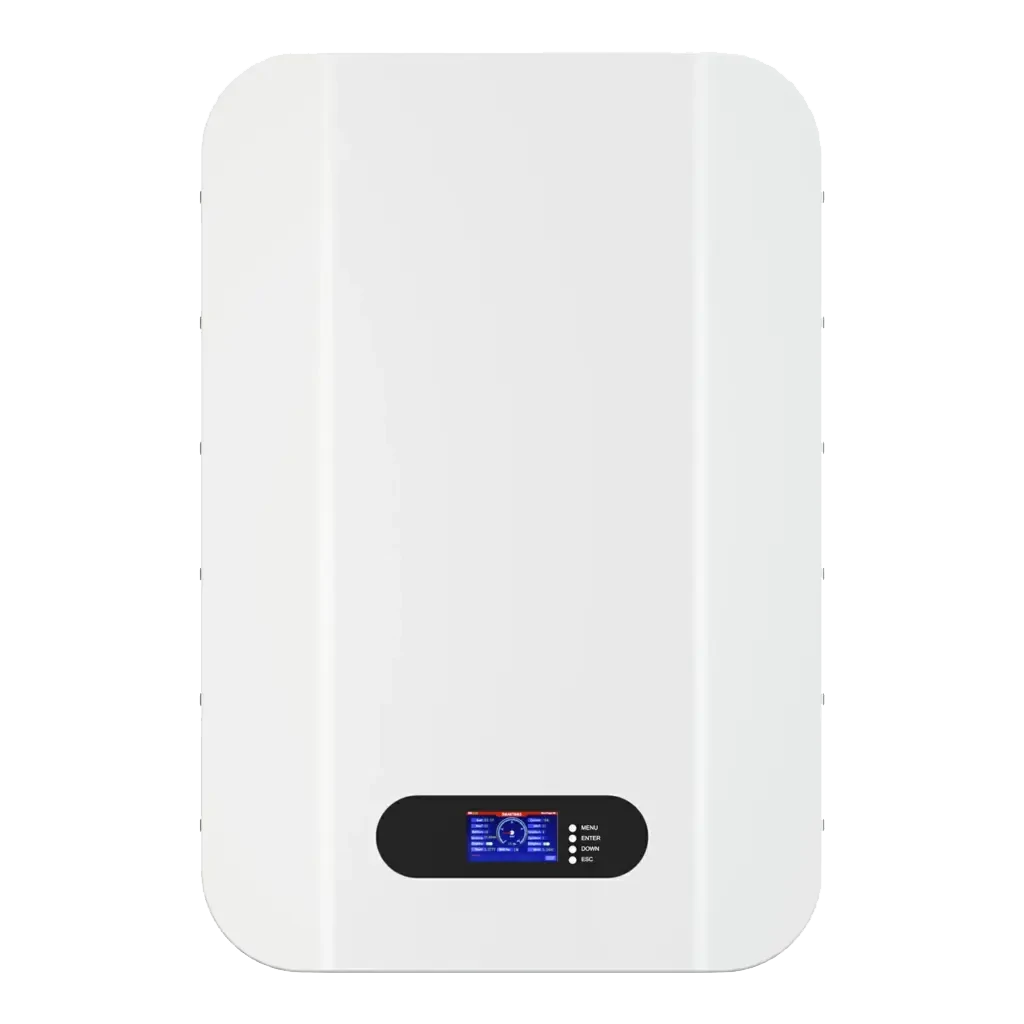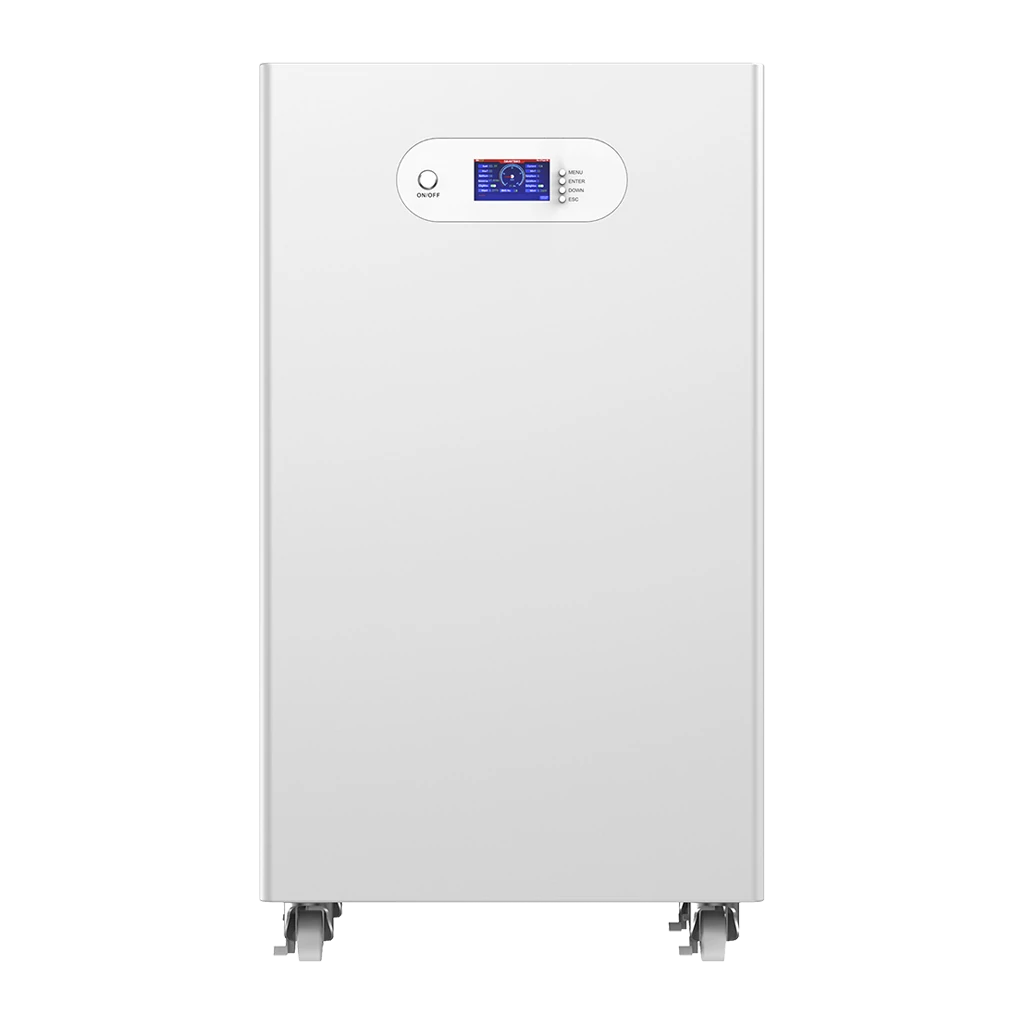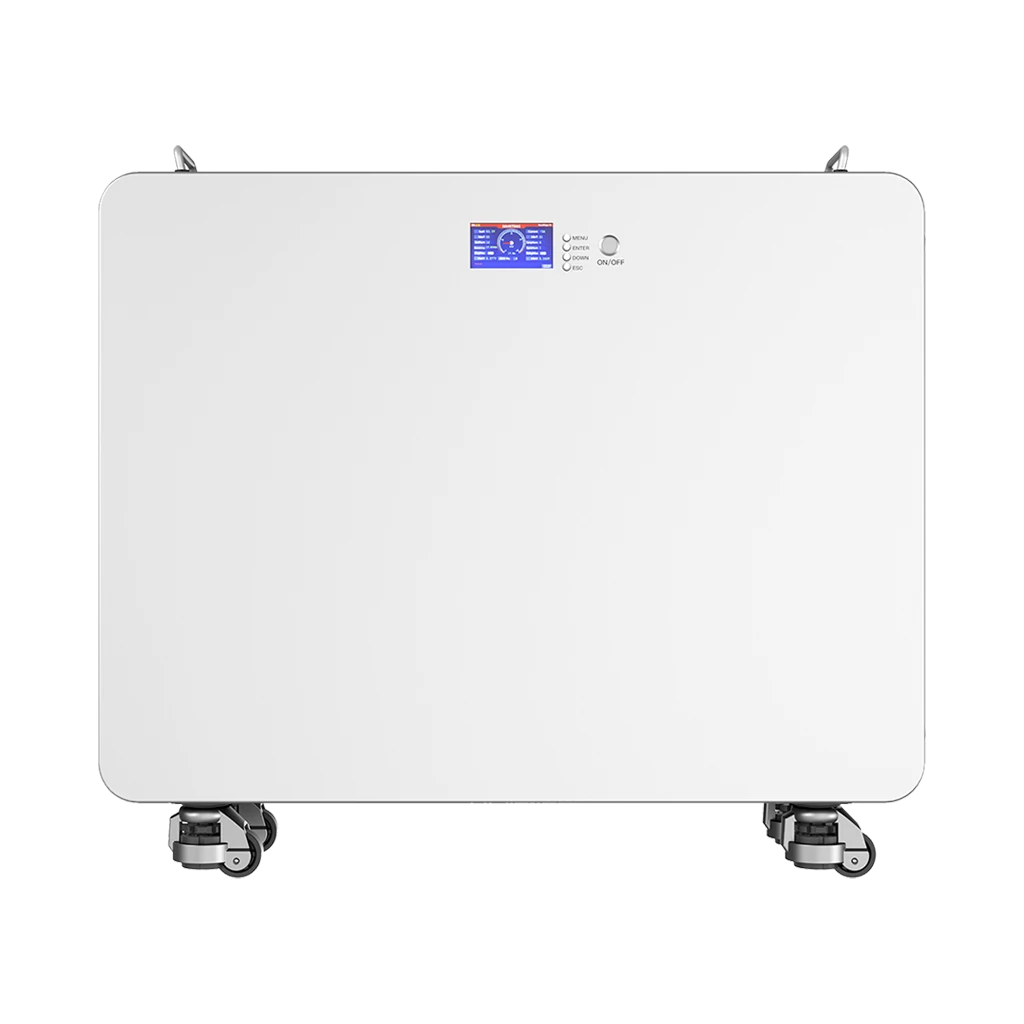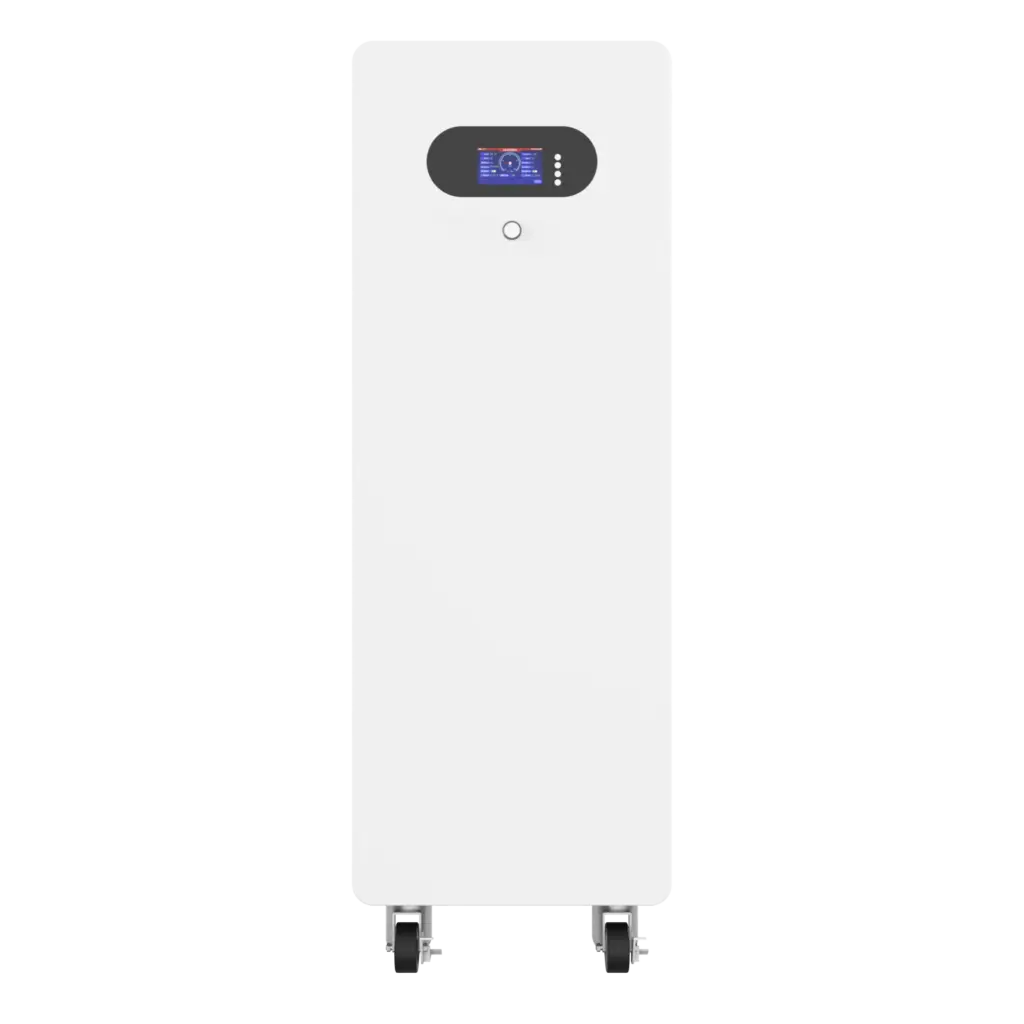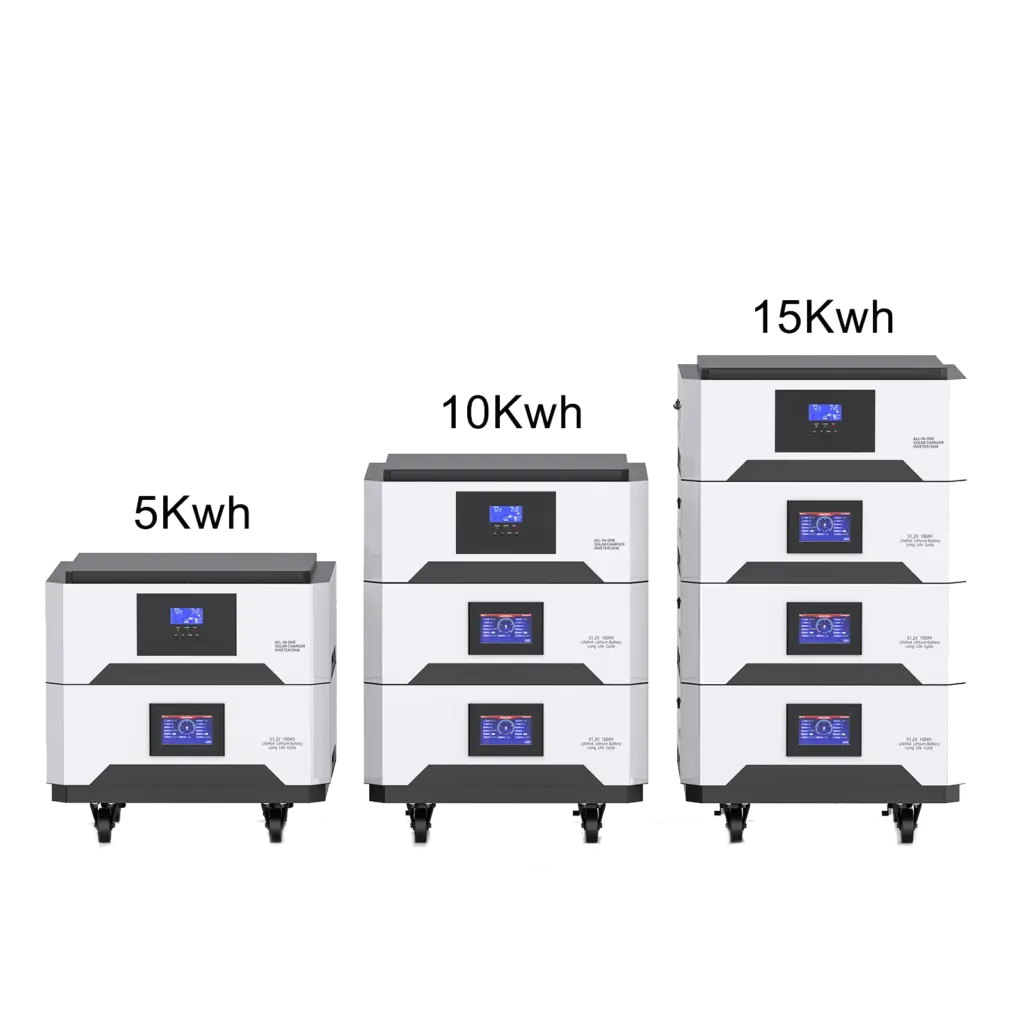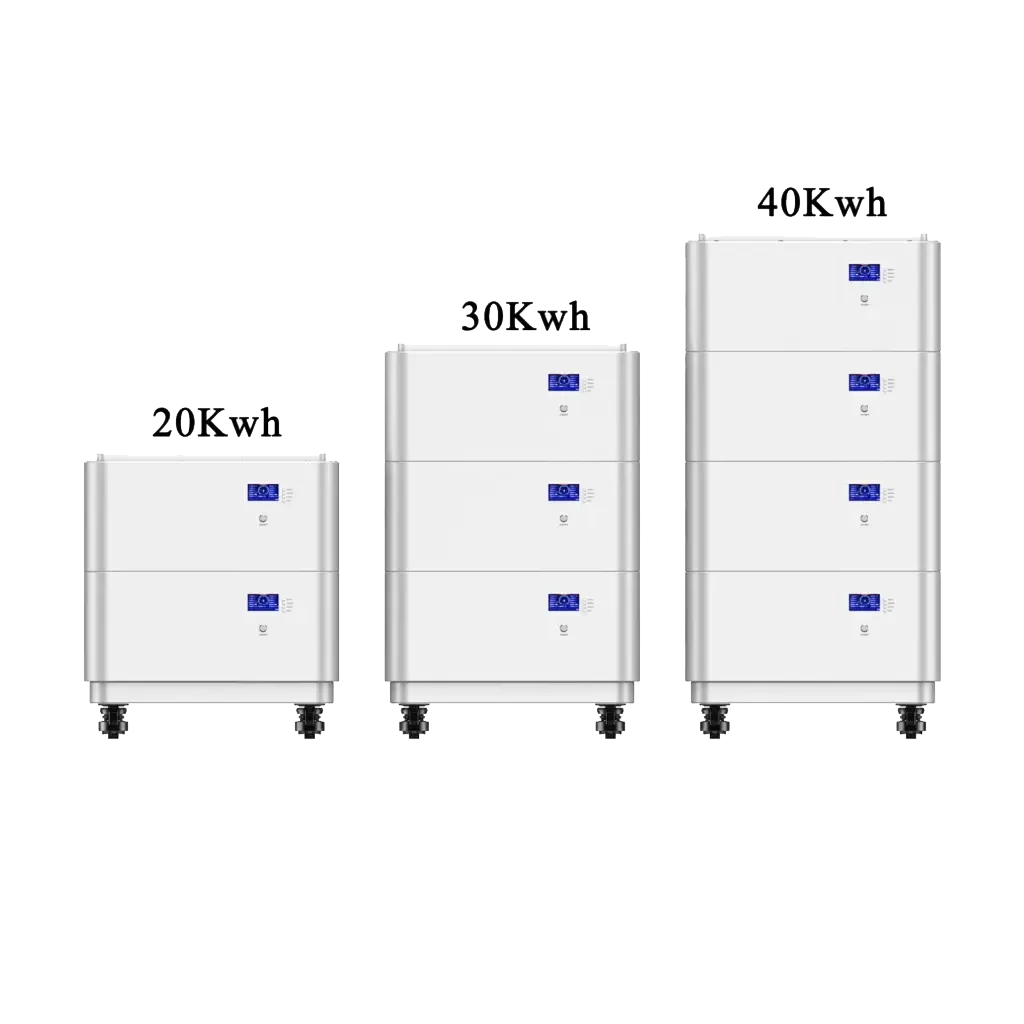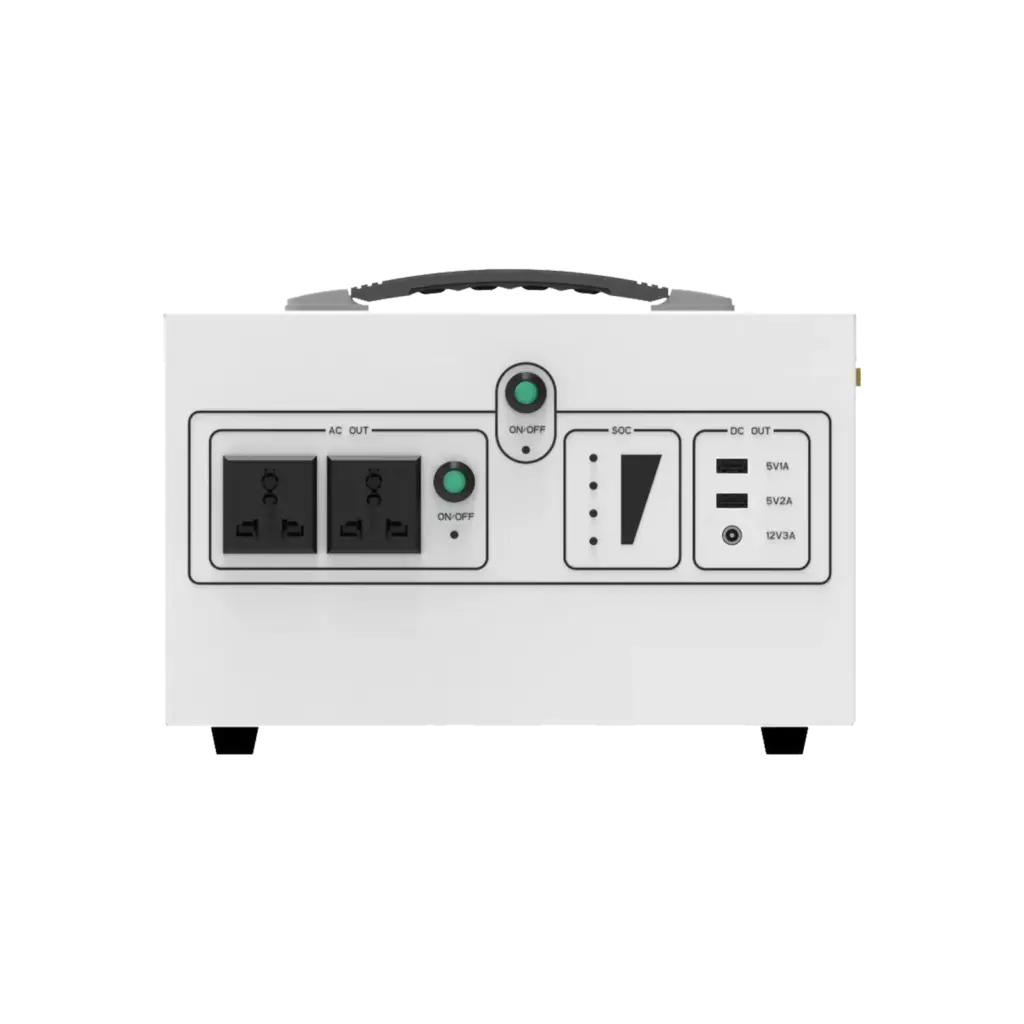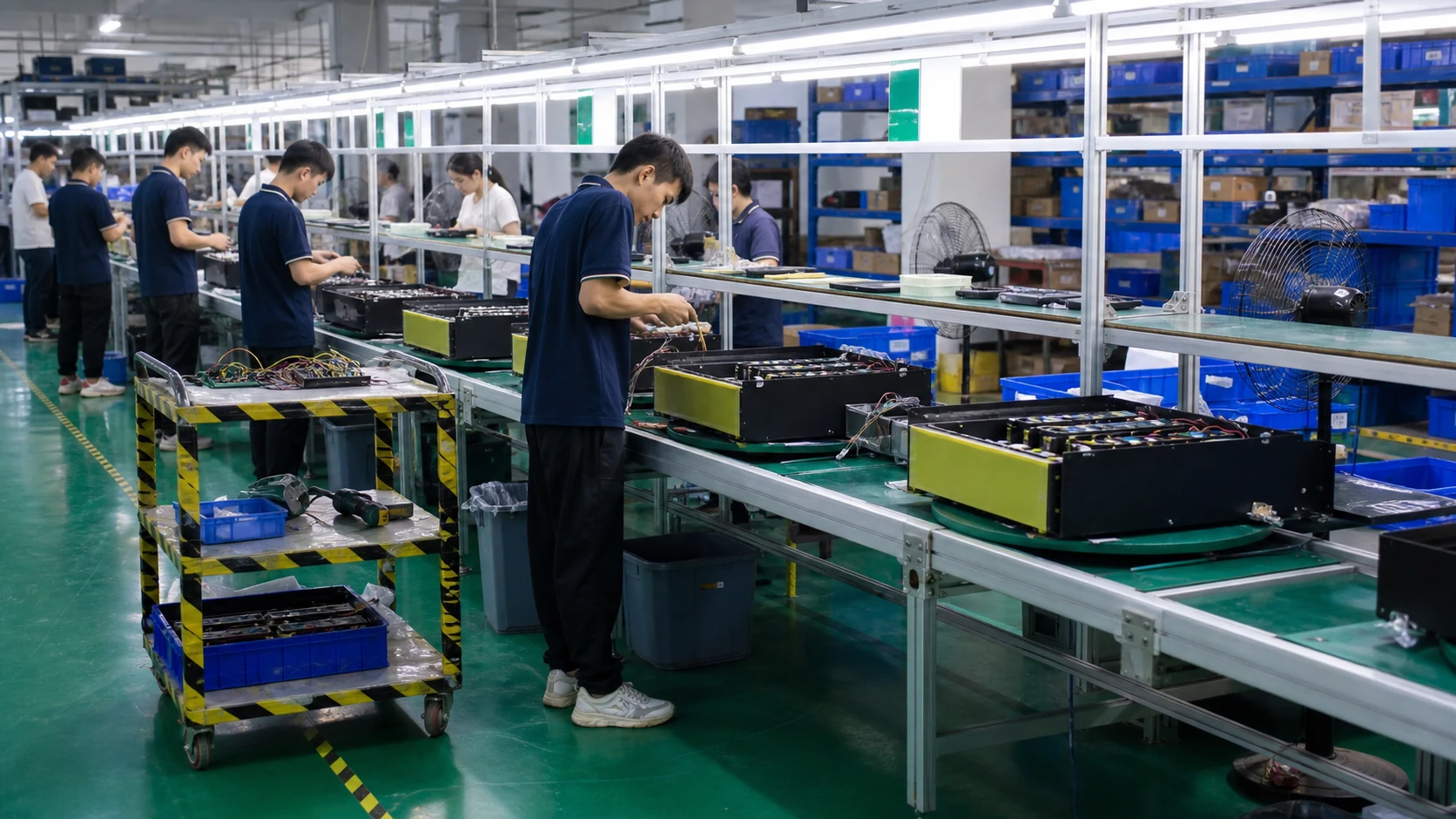

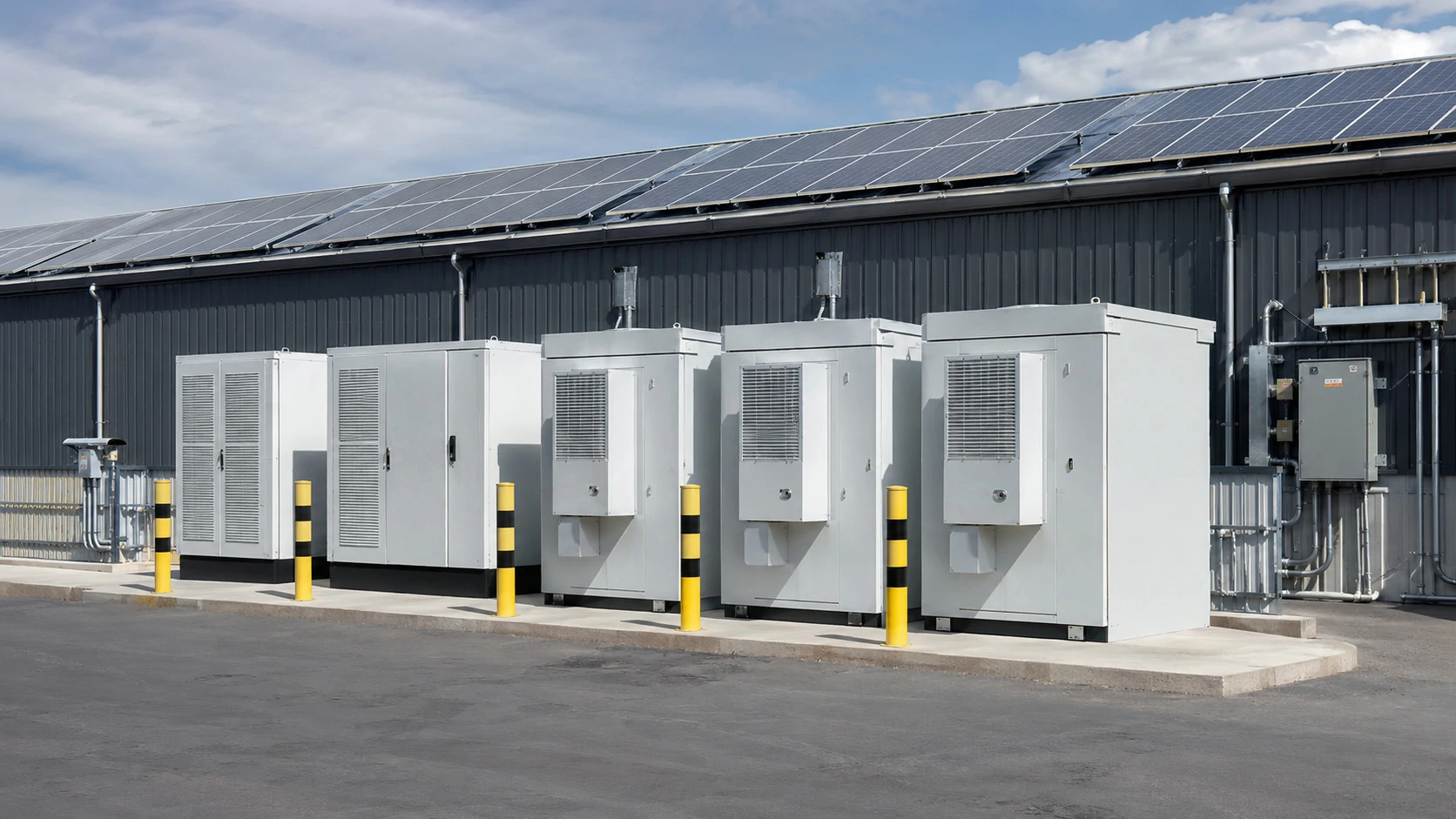
ESS stands for Energy Storage System. It is a system that stores energy for later use, usually by charging from solar panels, the grid, wind power, or another electricity source, then discharging that stored energy when power is needed. In practical terms, an ESS helps homes, businesses, and grid operators use electricity more flexibly: store surplus energy, reduce peak-time electricity costs, provide backup power, and improve renewable energy utilization.
For most residential and commercial solar projects today, ESS usually refers to a battery-based energy storage system, often using lithium-ion or LiFePO4 battery technology. Energy storage systems for electricity generation can include pumped hydro, batteries, solar thermal storage, compressed air storage, and flywheels.
What Does ESS Mean?
ESS means Energy Storage System. It describes a complete set of technologies and equipment designed to capture energy, store it, and release it later at the right time, power level, and quality.
A simple way to understand ESS is this:
Energy source → Power conversion → Battery or storage medium → Energy management → Loads or grid
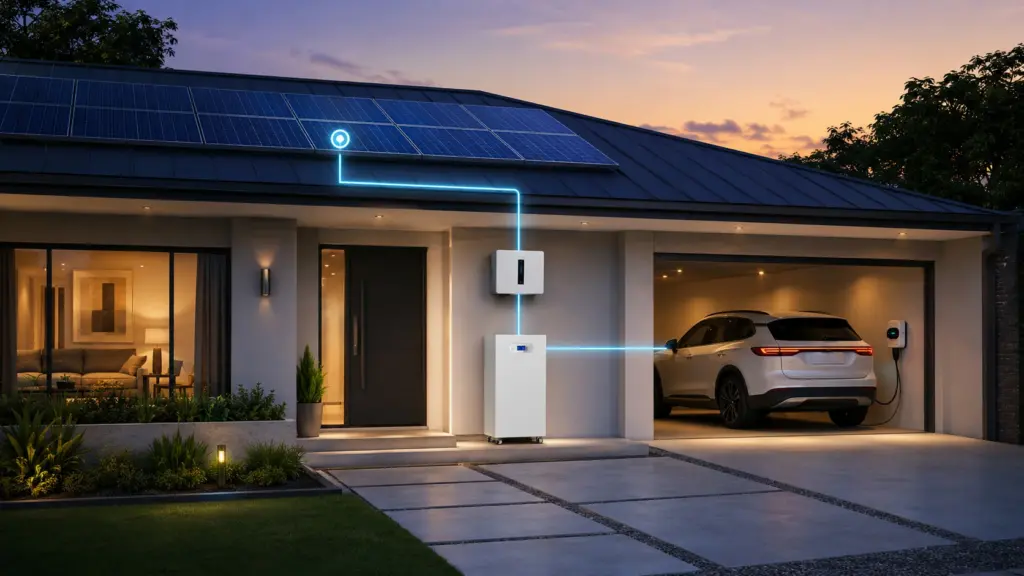
In the solar industry, ESS is most often used to describe battery-based energy storage. For example, a home with rooftop solar panels may generate more electricity at noon than the household can use. Instead of sending all excess power to the grid, a residential battery energy storage system can store that surplus solar energy and discharge it in the evening.
In commercial and industrial projects, ESS is used to manage energy costs, support backup power, reduce peak demand charges, and improve the use of renewable energy. Avepower positions its commercial and industrial energy storage solutions around applications such as solar-storage integration, backup power, peak shaving, and remote monitoring.
ESS vs BESS: Are They the Same?
ESS is the broader category. BESS is one type of ESS.
ESS means Energy Storage System. It is the broader term. It can refer to different storage technologies, including batteries, pumped hydro, compressed air, thermal storage, flywheels, hydrogen storage, and other systems.
BESS means Battery Energy Storage System. It is one specific type of ESS that stores energy using batteries. In the solar and backup power market, many people say “ESS” when they are actually referring to a battery-based system.
| Term | Meaning | What It Includes | Example |
|---|---|---|---|
| ESS | Energy Storage System | Any system that stores energy for later use | Battery storage, pumped hydro, flywheel, thermal storage |
| BESS | Battery Energy Storage System | A type of ESS that uses batteries | LiFePO4 battery cabinet, home solar battery, utility battery system |
How Does an ESS Work?
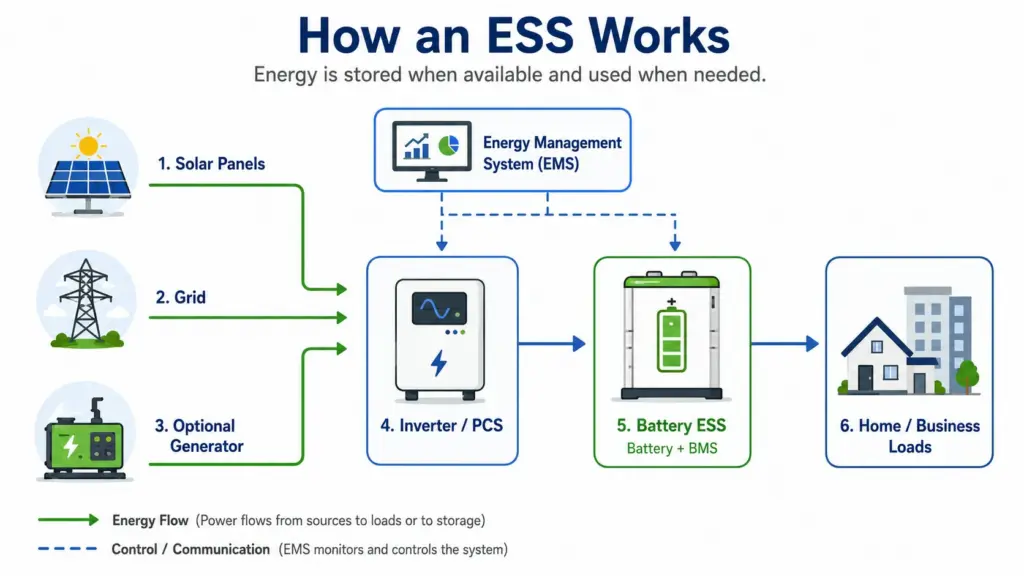
An ESS works by moving electricity through three basic stages: charge, store, and discharge.
1. Charging
The system receives electricity from a source. This may be solar panels, the grid, a generator, wind power, or a hybrid energy system. In a solar ESS, solar panels generate DC electricity during the day. Depending on system design, that energy may pass through a solar inverter, hybrid inverter, MPPT controller, or PCS before being stored.
2. Storing
The energy is stored in a battery or another storage medium. In battery ESS systems, electrical energy is converted into chemical energy inside battery cells. For home and commercial battery storage, lithium iron phosphate, also known as LiFePO4 or LFP, is widely used because of its safety profile, long cycle life, and suitability for stationary energy storage.
3. Discharging
When electricity is needed, the stored energy is converted back into usable power. The ESS may supply home loads, commercial equipment, critical circuits, EV chargers, or even export electricity to the grid where permitted.
4. Managing Energy Flow
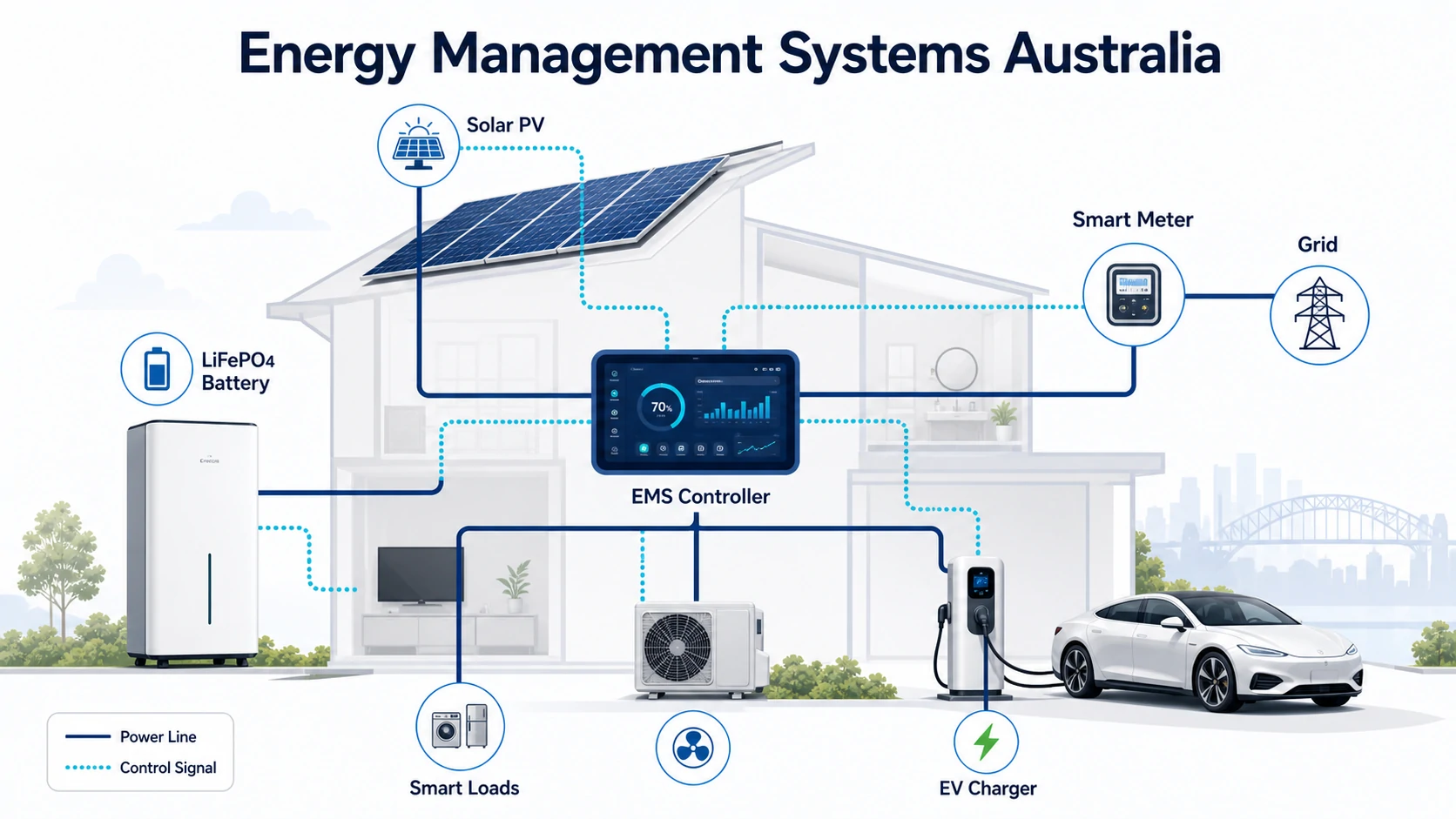
A modern ESS is not just a battery. It also includes control hardware and software. The Battery Management System, inverter, PCS, EMS, sensors, and communication modules work together to decide when to charge, when to discharge, how much power to deliver, and how to protect the system.
A simple home solar ESS energy flow looks like this:
Solar panels → Inverter → Battery storage → Home loads → Grid
For a commercial or industrial site, the flow may look more complex:
Solar PV / grid / generator → PCS → Battery cabinet → EMS → Building loads / EV chargers / grid connection
Main Components of an ESS
A reliable energy storage system is more than just a battery box. It is an integrated energy system. The main components typically include the following parts.
Battery Cells and Battery Modules
The battery is the core energy storage unit. Its capacity is measured in kilowatt-hours (kWh). Capacity determines how much energy the system can store. For example, a 10 kWh battery can theoretically provide 1 kW of power for about 10 hours, although actual runtime depends on system losses and usable depth of discharge.
In battery-based ESS systems, cells are grouped into modules, and modules are assembled into battery packs, racks, or cabinets. Avepower custom high-voltage lithium battery storage systems use modular cabinet designs suitable for commercial and industrial storage, solar-plus-storage systems, backup power, UPS applications, and custom project integration.
Battery Management System
The Battery Management System (BMS) monitors and protects the battery. It tracks voltage, temperature, current, state of charge, and battery health. A reliable BMS helps prevent overcharging, over-discharging, overheating, overcurrent, and other unsafe operating conditions.
For large high-voltage systems, a BMU and BCU architecture may be used. Functions can include single-cell voltage detection, temperature sampling, cell balancing, CAN communication, overcharge protection, over-discharge protection, overcurrent protection, and multi-level alarms.
PCS or Inverter
The Power Conversion System (PCS) handles the conversion between DC and AC power. Batteries store DC electricity, while homes, commercial buildings, and utility grids typically use AC electricity. In residential systems, this function is usually handled by a hybrid inverter. In commercial systems, the PCS may be a standalone cabinet or integrated into an all-in-one system.
Energy Management System
The Energy Management System (EMS) acts as the control center of the ESS. It determines when energy should be charged, discharged, exported, imported, or reserved. In commercial applications, the EMS can optimize operation based on time-of-use electricity pricing, peak demand charges, load forecasting, solar generation, or backup power requirements.
Thermal Management
Battery performance and safety are strongly affected by temperature. Residential systems may use natural ventilation or forced-air cooling. Large commercial and industrial cabinets may use air conditioning, forced-air cooling, or liquid cooling.
For example, the Avepower commercial battery storage systems feature liquid cooling systems designed to regulate battery temperatures under high-load conditions and improve operational stability.
Protection and Safety Systems
A complete ESS should include electrical protection, short-circuit protection, grounding, isolation, fuses or circuit breakers, fire detection, thermal sensors, communication alarms, and emergency shutdown design. For large-scale systems, fire protection and emergency response planning are especially important.
Types of Energy Storage Systems
ESS can be divided into several major technology categories.
| ESS Type | How It Stores Energy | Common Use Case |
|---|---|---|
| Battery ESS | Stores electricity chemically in batteries | Homes, businesses, solar projects, grid support |
| Pumped hydro storage | Pumps water uphill and releases it through turbines | Utility-scale long-duration storage |
| Thermal storage | Stores heat or cold for later use | Industrial processes, buildings, solar thermal plants |
| Compressed air storage | Compresses air and releases it to generate electricity | Grid-scale storage |
| Flywheel storage | Stores kinetic energy in a spinning rotor | Frequency regulation, power quality |
| Hydrogen storage | Uses electricity to produce hydrogen for later energy use | Long-duration and industrial energy applications |
Pumped-storage hydroelectric systems as among the oldest and largest utility-scale storage technologies in the United States, while battery systems and flywheels can provide rapid response to short-term demand fluctuations.
For homeowners and most commercial solar projects, battery ESS is usually the most practical option because it is modular, fast to install, scalable, and compatible with solar PV systems.
Residential ESS: What It Means for Homes
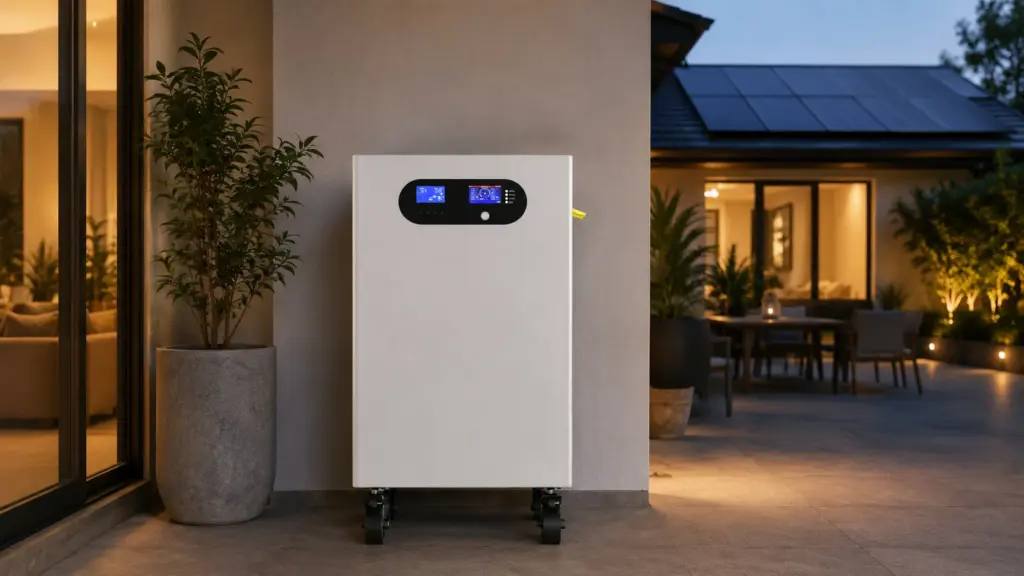
For homeowners, ESS usually means a home battery system connected to solar panels, the grid, or both.
A residential ESS can:
- Store excess solar power during the day.
- Power essential loads at night.
- Provide backup power during outages.
- Reduce electricity bills under time-of-use tariffs.
- Increase solar self-consumption.
- Support smart home energy management.
A modern home ESS is more than a simple battery. Residential ESS can store electricity from solar panels or the grid and use it at night, during outages, or when electricity rates are high. It also highlights the role of home energy management systems in reducing grid reliance and improving energy control.
For homeowners, useful selection factors include battery capacity, inverter compatibility, backup load design, installation location, certification, monitoring, warranty, and expandability. Avepower’s home battery energy storage page describes residential applications such as outage protection, energy bill savings, solar storage, and expandable capacity from smaller systems to larger home storage needs.
Need the Right ESS for Your Residential Project?
Avepower provides scalable residential battery solutions with BMS protection, inverter compatibility support, and OEM/ODM
Commercial and Industrial ESS: What It Means for Businesses
For commercial and industrial users, ESS is usually installed to solve business energy problems rather than only household backup needs.
Common C&I ESS applications include:
- Peak shaving
- Demand charge management
- Solar self-consumption
- Backup power for critical loads
- EV charging support
- Microgrid operation
- Energy cost optimization
- Power quality support
- Renewable energy integration
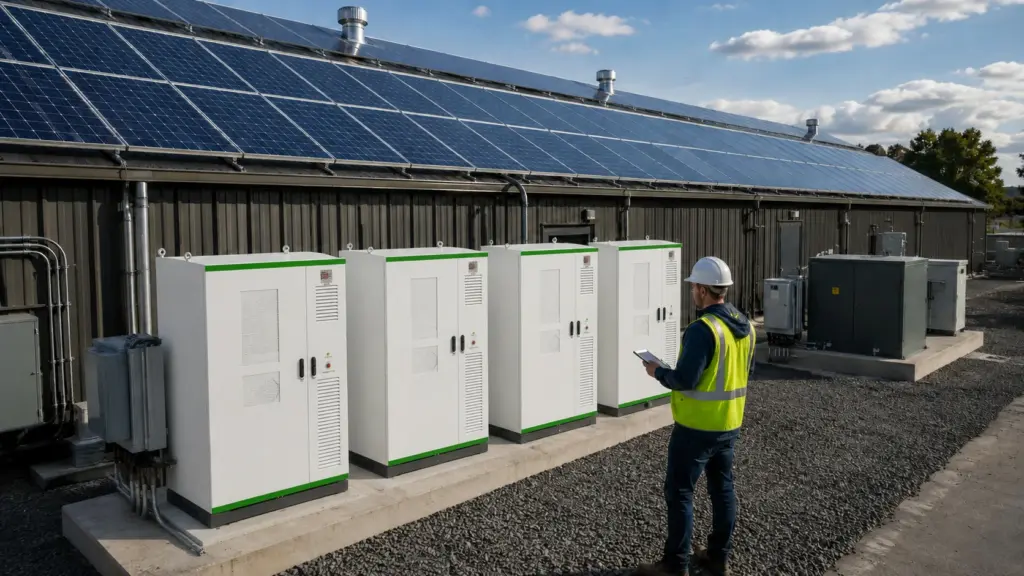
For example, a factory may experience short load spikes that increase its monthly demand charge. A commercial ESS can discharge during those spikes and reduce the maximum power drawn from the grid. A warehouse with rooftop solar may store surplus daytime solar energy and use it during evening operations. A hotel or data center may use ESS as part of a backup power strategy.
Avepower’s commercial and industrial energy storage solutions are positioned for energy cost optimization, uninterrupted critical operations, solar-storage integration, and scalable C&I energy management.
For C&I projects, the most important design questions are different from a small home battery. Project teams need to evaluate load profile, peak demand, available installation space, local grid rules, fire protection requirements, inverter/PCS sizing, communications, monitoring, and return on investment.
Build a Smarter Energy Storage System with Avepower
Whether you need commercial ESS, or a customized high-voltage solution, Avepower helps installers, distributors, and project developers match the right battery system to real project needs.
ESS for Solar: Why Solar Plus Storage Is Growing
Solar panels generate electricity only when sunlight is available. Without storage, excess solar power must be used immediately, exported to the grid, or curtailed. With ESS, solar energy becomes more flexible.
A solar ESS can:
- Store daytime solar power for nighttime use.
- Reduce dependence on grid electricity.
- Provide backup power when the grid fails.
- Increase self-consumption of solar energy.
- Reduce export limitations in areas with weak grids.
- Support off-grid or hybrid power systems.
For installers and EPC teams, solar-plus-storage design also requires careful inverter matching, communication protocol confirmation, battery voltage matching, and backup load planning. Avepower provides home battery systems for solar installers and EPC teams as part of its installer-focused solutions, including inverter compatibility and tailored battery solutions.
ESS Safety: What Buyers Should Know
Energy storage is safe when properly designed, manufactured, installed, and maintained. However, ESS contains stored energy, so safety cannot be treated as an afterthought.
Key safety considerations include:
- Battery chemistry
- BMS protection
- Thermal management
- Short-circuit protection
- Fire detection
- Installation clearance
- Ventilation
- Water and dust protection
- Local code compliance
- Certified components
- Emergency response planning
EPRI’s residential ESS safety guidance recommends using equipment from reputable manufacturers, checking certifications such as UL 9540 and UL 1741, ensuring compatibility among ESS components, and following manufacturer instructions and local codes.
For larger BESS projects, the EPA emphasizes that lithium battery fires can be difficult to extinguish and may create emissions and cleanup challenges, so communities and operators should plan installation, monitoring, emergency response, and incident management carefully.
In the United States, NFPA 855 is one of the key standards for stationary energy storage system installation. The EPA identifies NFPA 855 as a standard focused on mitigating hazards associated with energy storage systems, alongside UL 9540 and UL 9540A for energy storage systems and equipment.
For international projects, buyers should also check whether the ESS supplier can provide relevant certification documents. Avepower lists certifications such as CE, UL, RoHS, UN38.3, and ISO 9001 on its Avepower certifications page.
Benefits of ESS
- Lower Electricity Costs: Store energy when electricity is cheap or abundant and use it during peak-price periods.
- Better Solar Self-Consumption: Store excess solar energy instead of exporting it to the grid at low rates.
- Backup Power: Keep essential appliances and systems running during power outages.
- Grid Support: Help stabilize voltage, frequency, and demand fluctuations in larger-scale applications.
- Lower Carbon Footprint: Increase renewable energy usage and reduce reliance on fossil fuels.
- Scalability: Suitable for homes, commercial buildings, industrial parks, and utility-scale projects.
Challenges of ESS
- Upfront Cost: Requires investment in batteries, inverters, protection systems, installation, and commissioning.
- Design Complexity: Incorrect system sizing or integration can reduce performance and efficiency.
- Safety Requirements: Proper installation, ventilation, electrical protection, and fire safety measures are essential.
- Battery Degradation: Battery capacity gradually decreases over time due to cycling, temperature, and usage conditions.
- Permitting and Grid Rules: Some regions require permits, inspections, utility approval, or fire safety review before installation.
Where Is ESS Used?
ESS can be used across residential, commercial, industrial, and utility-scale applications.
Residential ESS
A residential ESS stores solar energy or off-peak grid electricity for later use. It can help homeowners reduce grid dependence, increase solar self-consumption, and provide backup power for essential loads.
Typical residential ESS applications include:
- Using solar energy at night
- Backup power during outages
- Reducing peak-hour electricity purchases
- Supporting off-grid cabins or rural homes
- Increasing self-consumption from rooftop PV
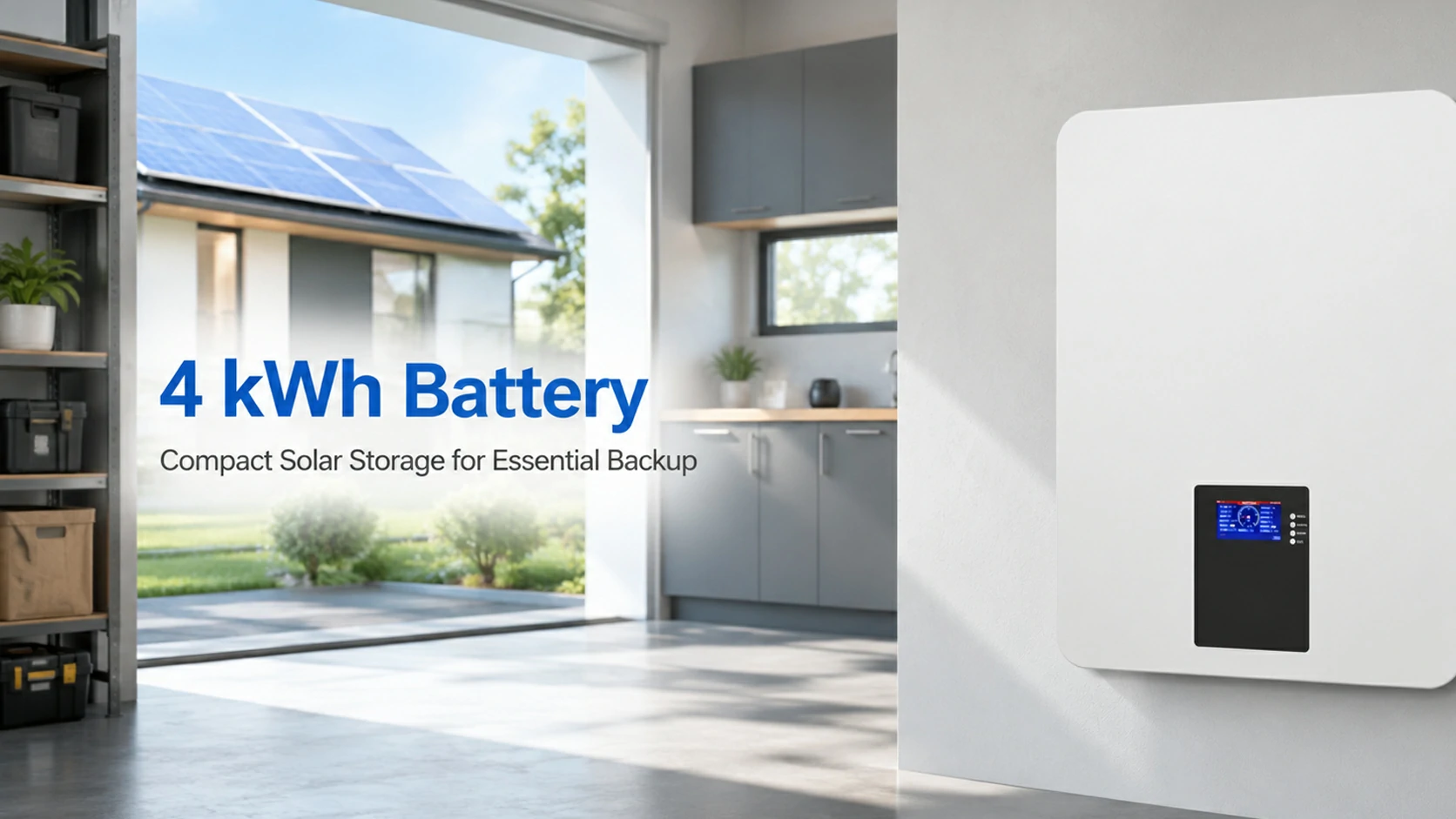
For homes, a compact wall-mounted battery may fit limited spaces, while a stackable battery may be better when future capacity expansion is required.
Commercial ESS
Commercial ESS is used by offices, retail buildings, warehouses, hotels, schools, and small factories to reduce energy costs and improve power reliability.
Common commercial use cases include:
- Peak shaving
- Demand charge management
- Backup for critical loads
- Solar self-consumption
- Power quality support
- EV charging support
- Energy cost optimization
For businesses, system design should be based on load profiles, tariff structure, site capacity, backup requirements, and expected return on investment.
Industrial ESS
Industrial facilities often have larger loads, higher demand charges, and stricter uptime requirements. ESS can help reduce peak demand, support equipment operation, and provide backup during grid instability.
Industrial ESS is often designed as cabinet-based, containerized, or high-voltage battery systems.
Avepower’s commercial and industrial energy storage solutions integrate batteries, BMS, PCS, EMS, thermal management, and safety systems into standardized cabinet designs for applications such as peak shaving, backup power, PV self-consumption, and intelligent energy control.
Utility-Scale ESS
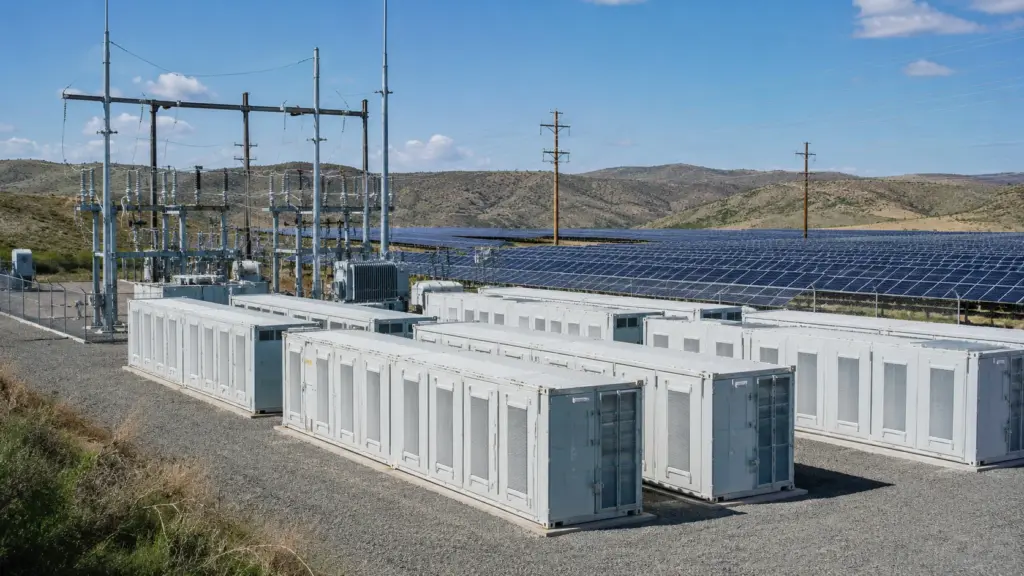
Utility-scale ESS supports the power grid. It may provide frequency regulation, renewable energy smoothing, capacity support, transmission and distribution deferral, and grid resilience.
ESS can support electric power grids in multiple ways, including balancing supply and demand, improving reliability, and supporting renewable energy resources.
Microgrid ESS
A microgrid is a local energy system that can operate connected to or independent from the main grid. ESS plays a key role in microgrids because it stabilizes energy flow between solar panels, generators, loads, and grid connections.
Microgrid ESS is often used in:
- Islands
- Remote communities
- Farms
- Mining sites
- Military facilities
- Hotels
- Hospitals
- Industrial parks
Matching ESS to Real Projects
For installers, distributors, wholesalers, OEM/ODM partners, and project developers, ESS selection is not only about battery capacity. It is about matching the right system to the right market, site condition, inverter platform, compliance requirement, and business model.
Avepower provides battery energy storage system manufacturer support across residential, commercial, industrial, and customized ESS applications. Its product range includes home LiFePO4 batteries, rack-mounted batteries, wall-mounted batteries, stackable batteries, all-in-one battery systems, liquid-cooled C&I cabinets, and high-voltage battery storage systems.
For residential solar projects, Avepower’s home energy storage system options can support backup power, self-consumption, and modular expansion.
For business and project applications, Avepower’s commercial and industrial energy storage solutions can support peak shaving, backup power, PV self-consumption, and intelligent remote monitoring.
For advanced EPC, system integration, or OEM/ODM projects, Avepower’s custom high-voltage battery storage system can be configured around voltage platform, cabinet layout, BMU/BCU control, communication protocols, and inverter matching.
Contact the team to discuss battery capacity, inverter compatibility, certifications, OEM/ODM customization, and project-based system configuration.
Partner with an ESS Battery Manufacturer
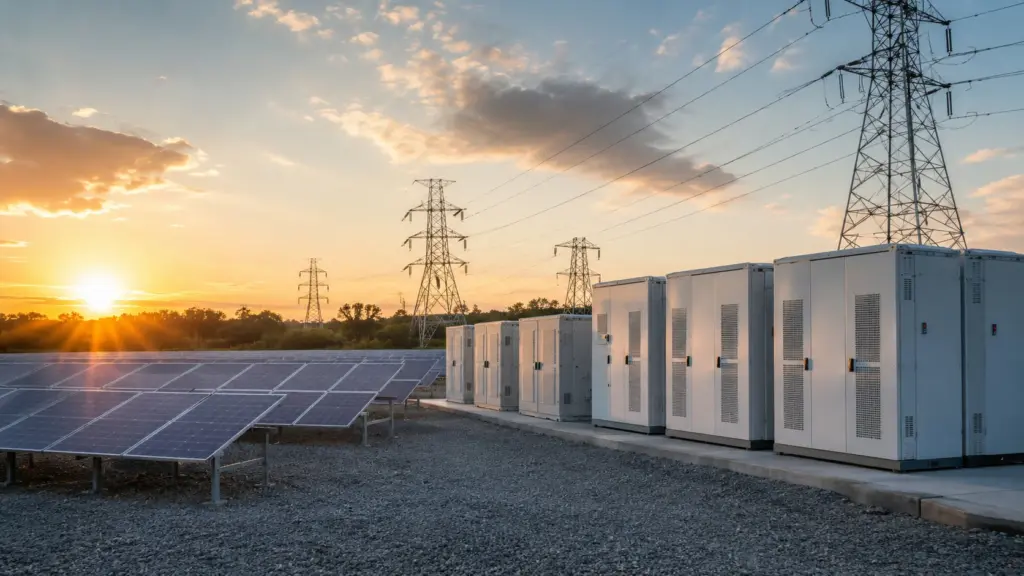
Avepower supports global energy storage partners with certified LiFePO4 battery systems, flexible capacity options, project-based engineering support, and reliable manufacturing capability.
Conclusion: What Is ESS in Simple Terms?
ESS means Energy Storage System. It is a system that stores energy and releases it when needed.
For homeowners, ESS usually means a solar battery system that stores daytime solar power for night use or backup. For businesses, ESS can reduce peak demand, support backup power, and improve solar energy utilization. For utilities, ESS supports grid stability and renewable energy integration.
The most important thing to remember is that ESS is not just a battery. A complete ESS includes energy storage, power conversion, battery management, energy management, monitoring, protection, and safety design.
For solar installers, distributors, EPC teams, and project developers looking for scalable battery solutions, Avepower provides residential and commercial ESS options, including residential battery energy storage systems, commercial battery energy storage, and custom high voltage lithium battery storage systems for more complex project requirements.
FAQ
ESS stands for Energy Storage System. It stores electricity or another form of energy and releases it later when needed. In solar and battery applications, ESS usually refers to a battery-based system with batteries, inverter, BMS, EMS, and safety protection.
In solar energy, ESS usually means a battery storage system that stores excess solar power during the day and supplies it at night, during outages, or during high electricity price periods.
ESS is the general term for all energy storage systems, including batteries, pumped hydro, flywheels, thermal storage, compressed air, and hydrogen. BESS means Battery Energy Storage System, which is one type of ESS.
A typical battery ESS includes battery cells, battery modules, BMS, inverter or PCS, EMS, thermal management, protection devices, monitoring, and communication systems.
Start with your application. Then calculate required kWh capacity, kW power output, backup duration, inverter compatibility, installation environment, safety requirements, certifications, monitoring needs, and future expansion plans.
EMS stands for Energy Management System. It controls when the ESS charges, discharges, stores reserve power, exports energy, or supports loads based on energy goals and operating conditions.
Yes. Avepower provides residential, commercial, industrial, and customized LiFePO4 battery energy storage systems, including home batteries, all-in-one batteries, C&I cabinets, and custom high-voltage ESS platforms.