
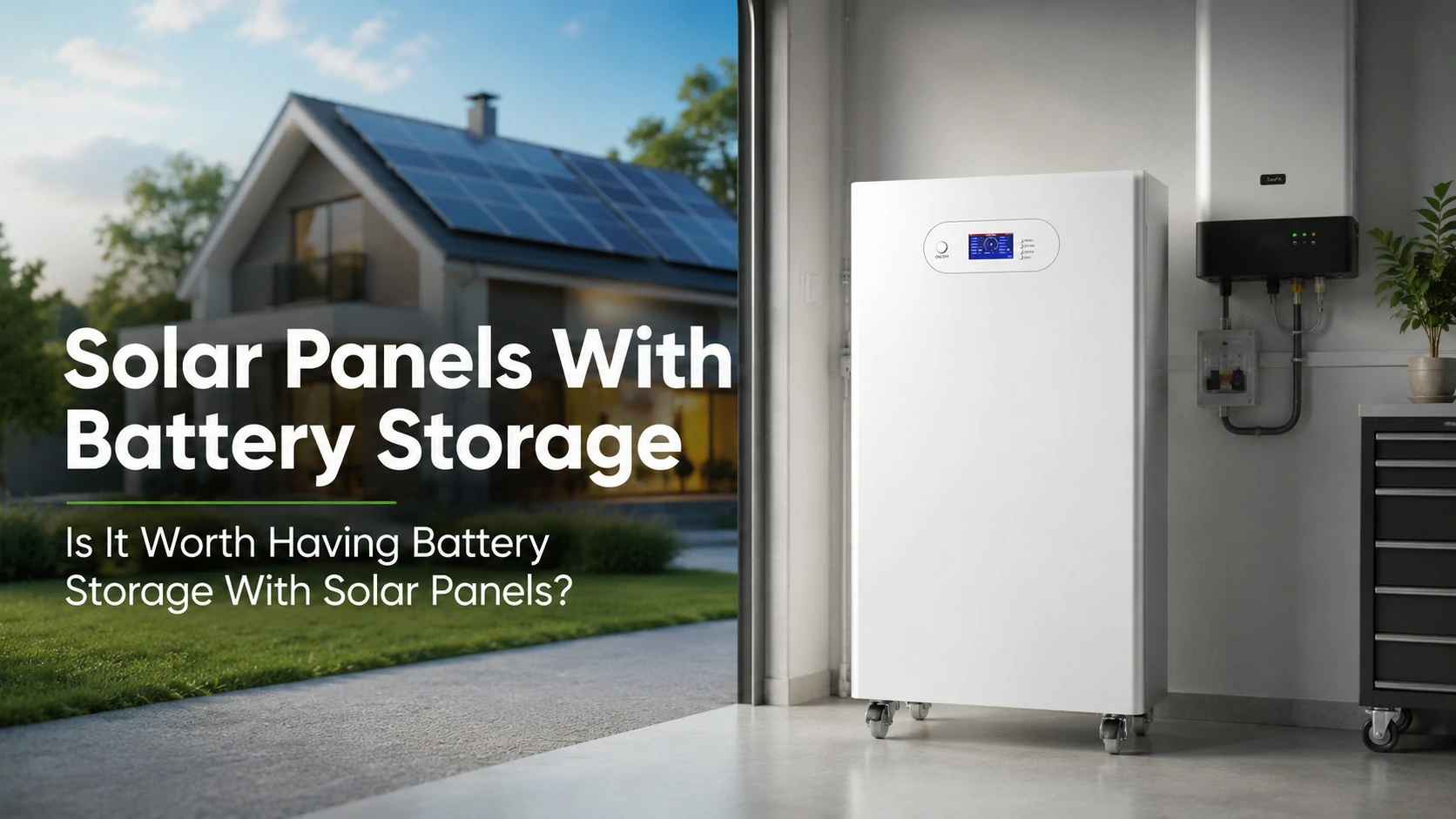
Yes, solar panels with battery storage can be worth it if your home or business generates excess solar power during the day and uses a meaningful amount of electricity in the evening, overnight, during peak tariff periods, or during outages.
A solar-only system can reduce daytime electricity costs, but without a battery, unused solar energy is usually exported to the grid. A battery stores that surplus energy so you can use it later, helping you buy less electricity from the grid when prices are higher. This is why battery storage becomes more attractive when feed-in tariffs are low, retail electricity rates are high, and government incentives reduce the upfront cost.
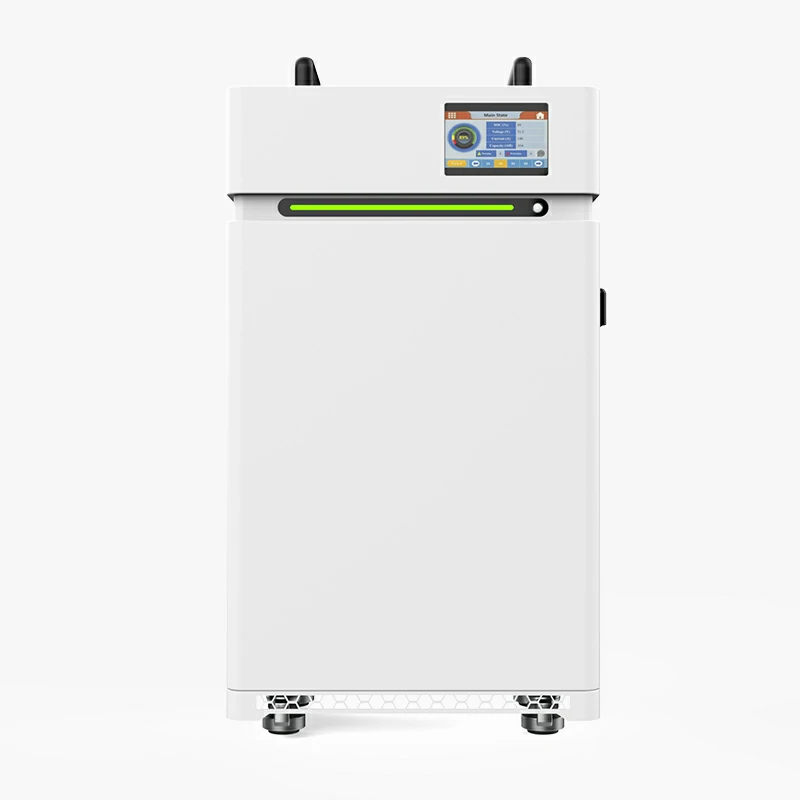
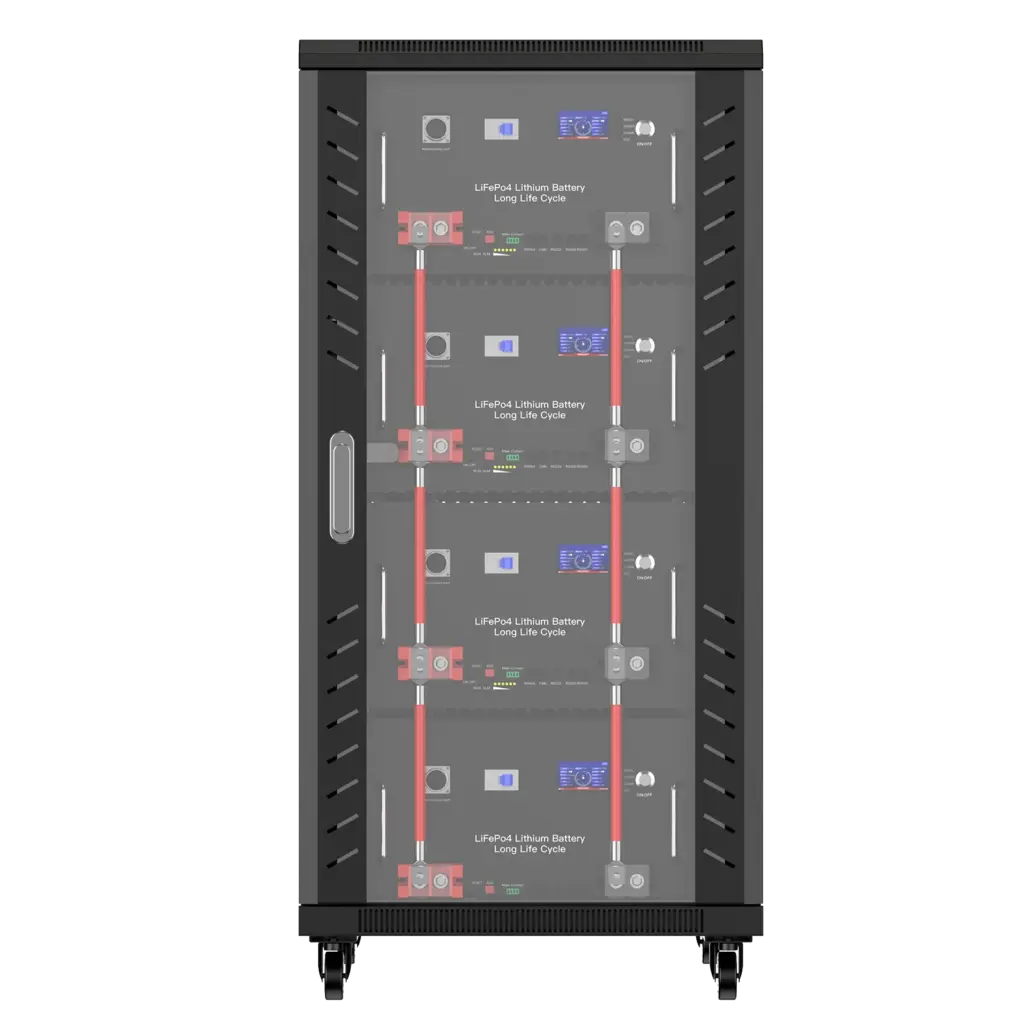
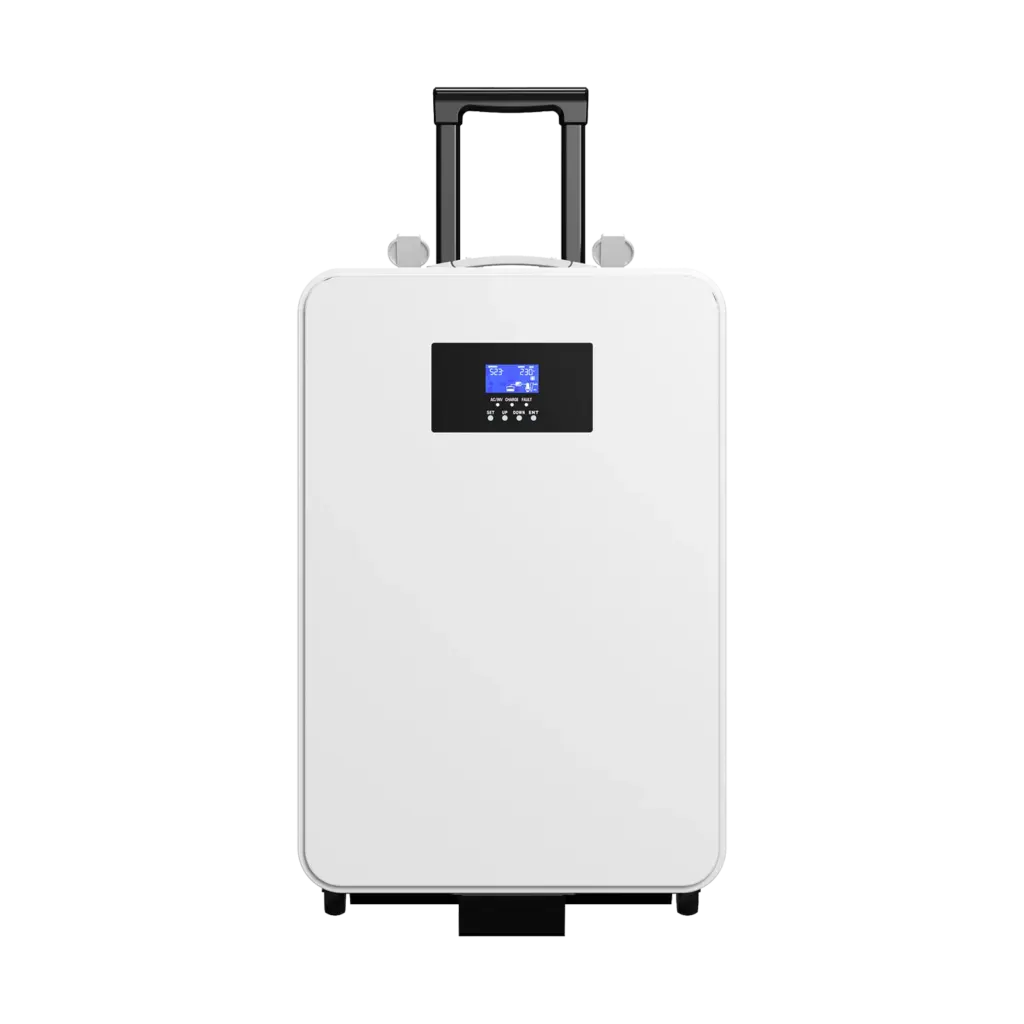
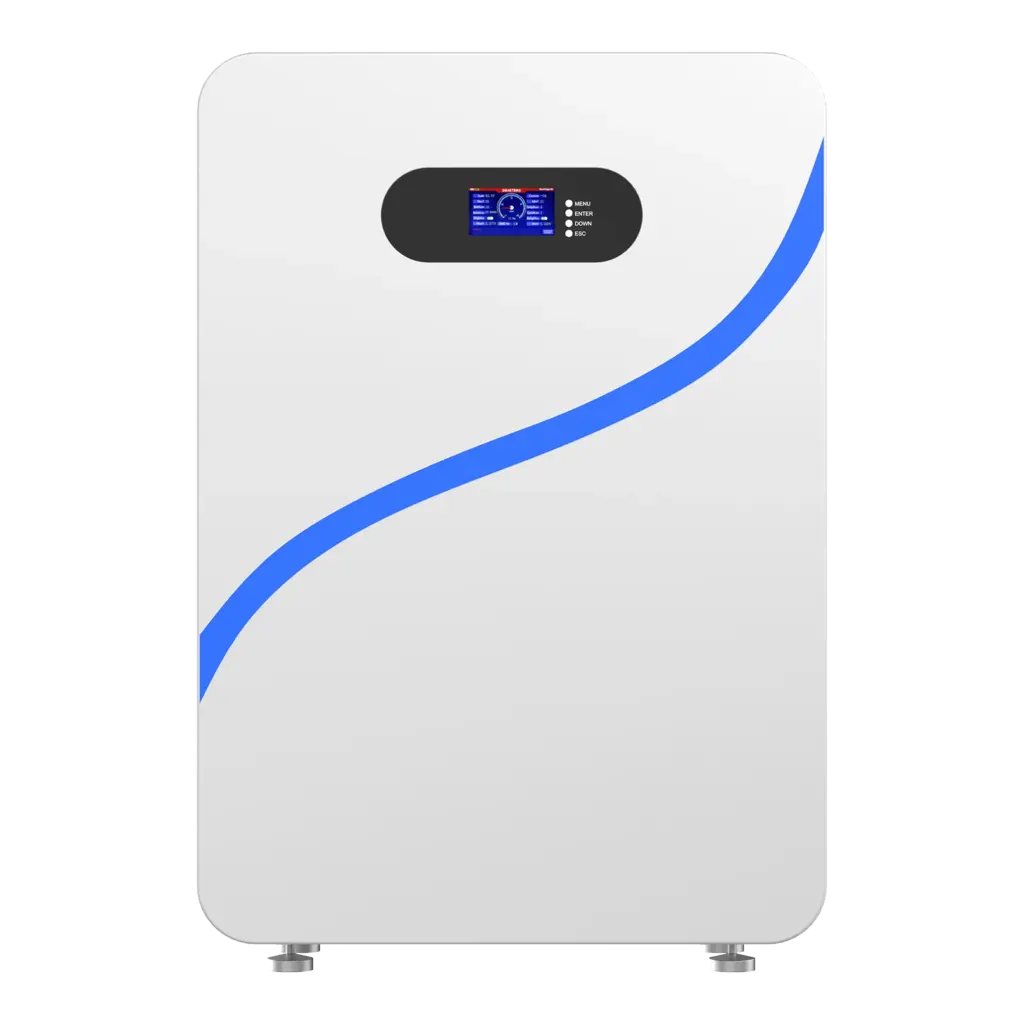
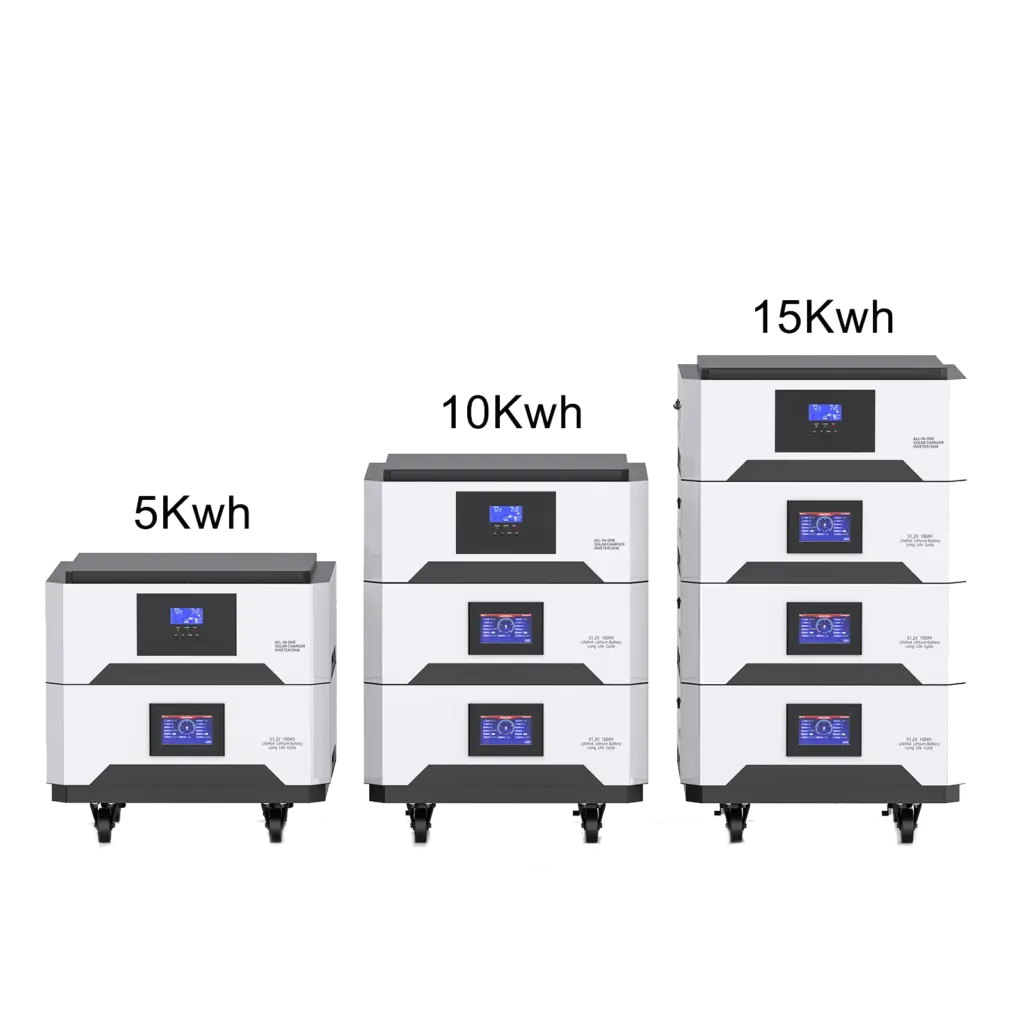
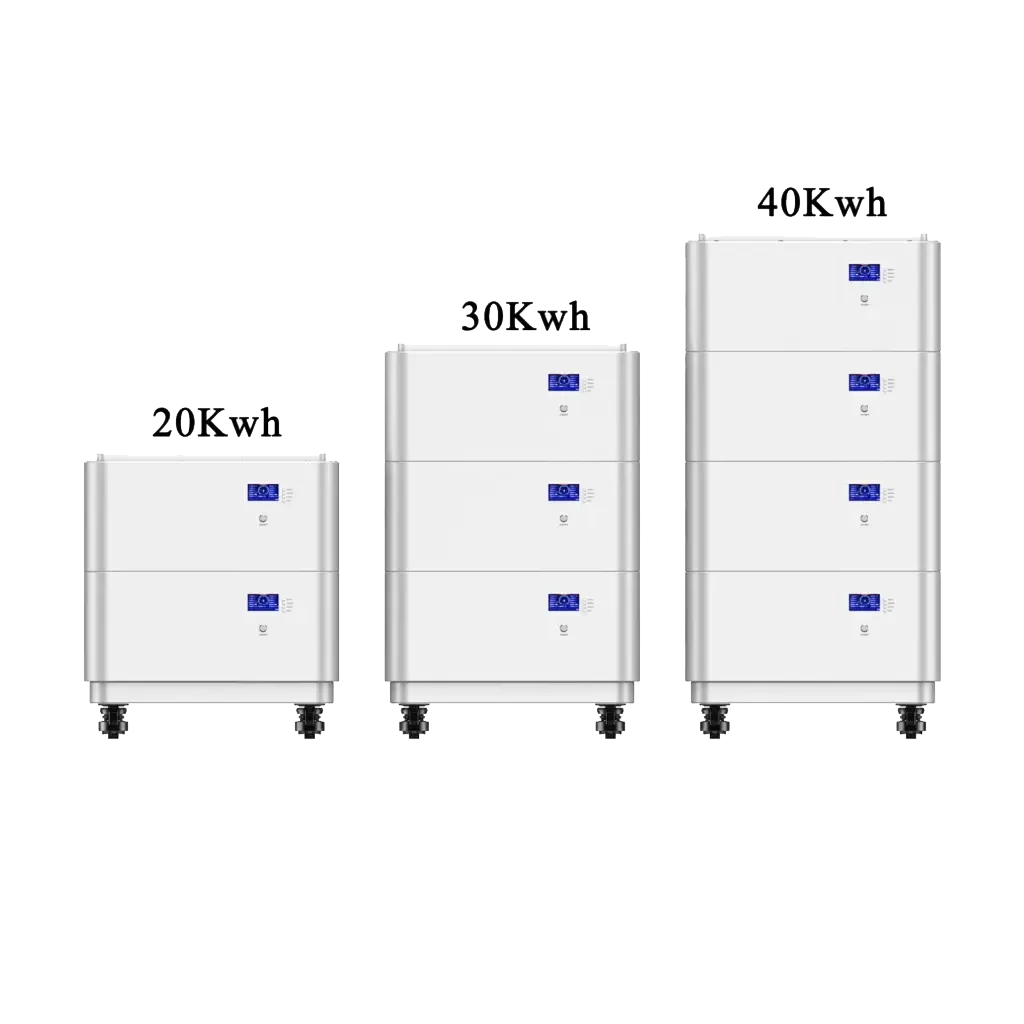
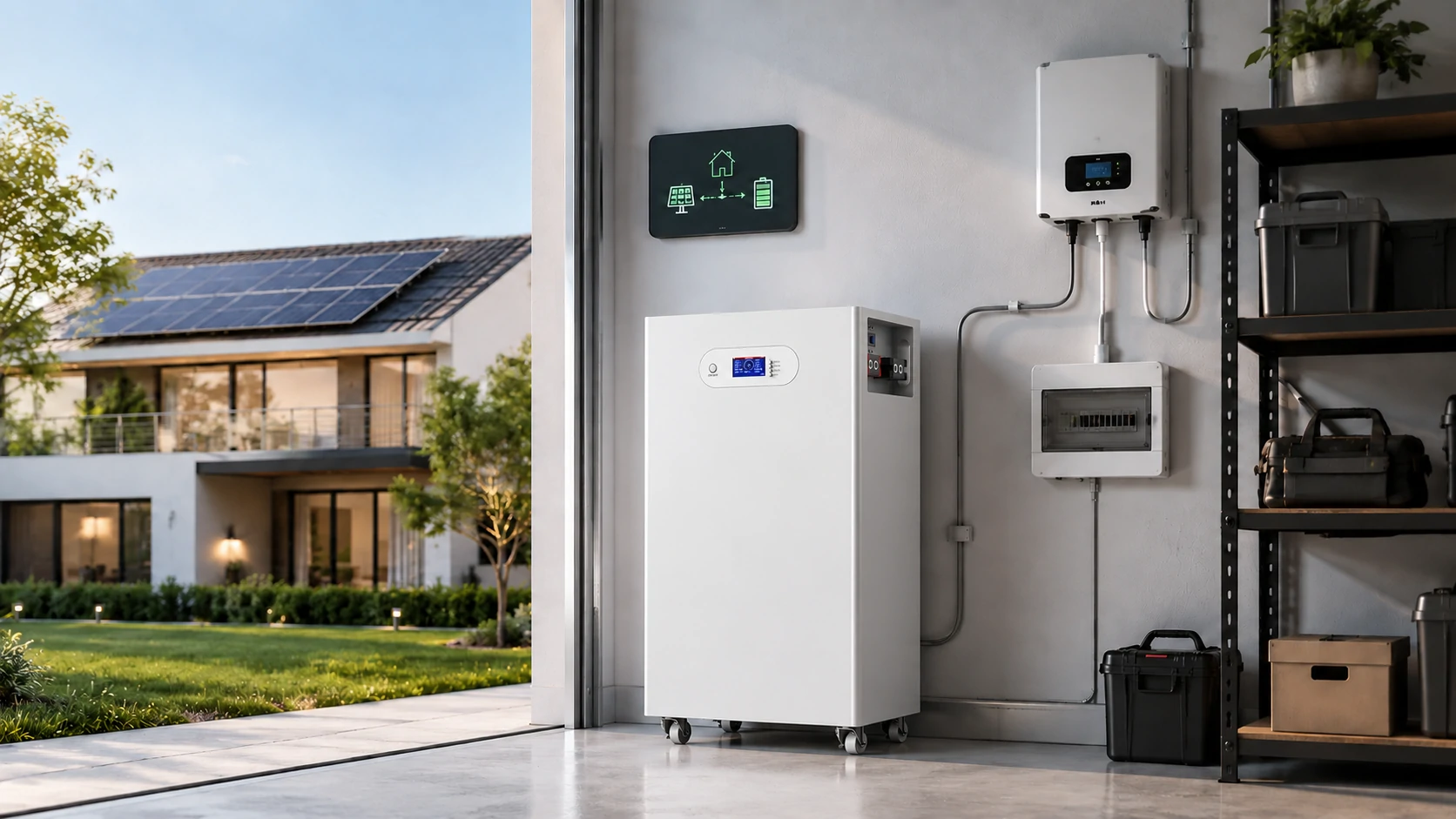
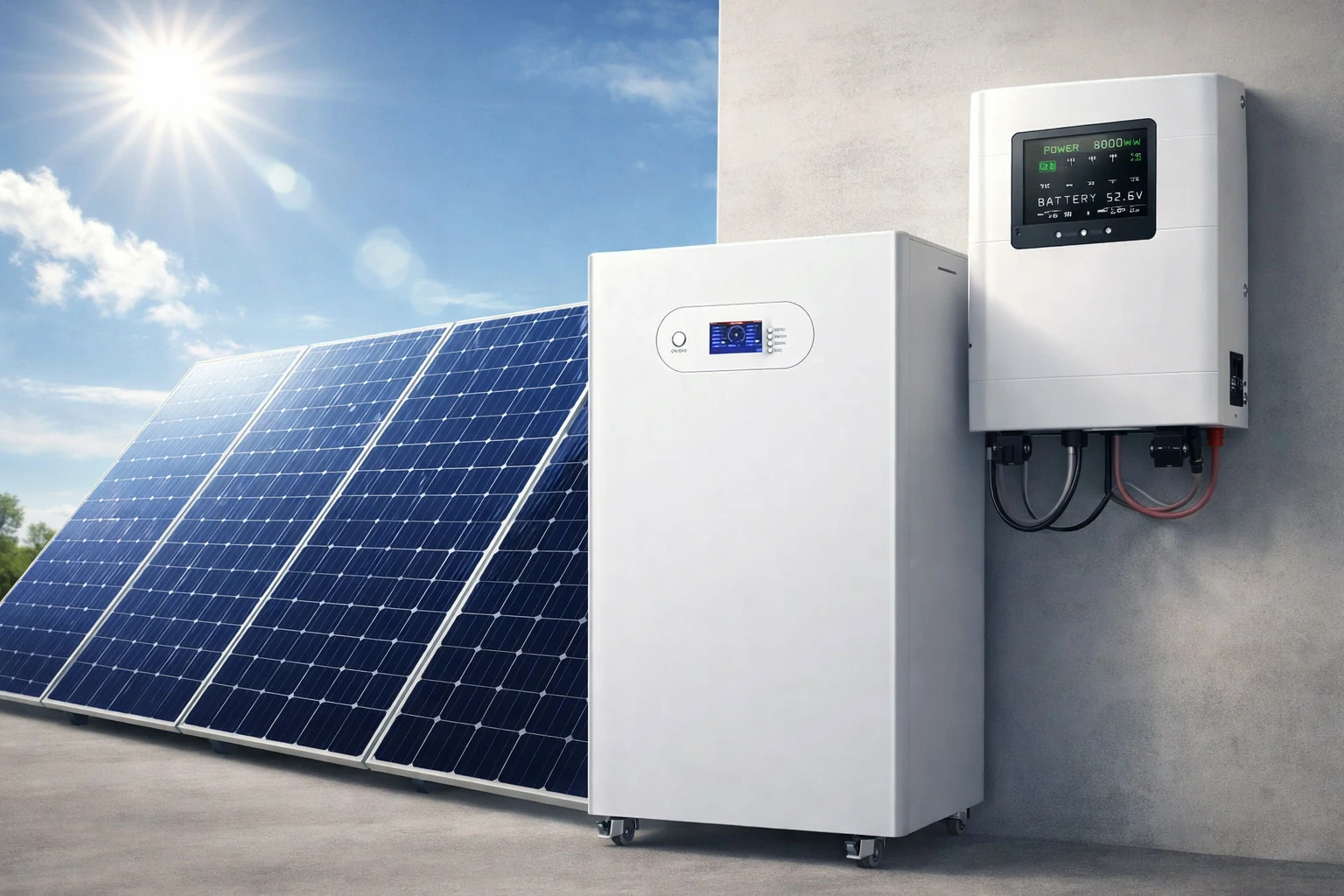
For installers, distributors, and project buyers comparing solar battery options, Avepower residential battery energy storage systems provide modular LiFePO4 storage solutions designed for solar self-consumption, backup power, and long-term system expansion.
Solar Panels Only vs Solar Panels With Battery Storage
| Feature | Solar Panels Only | Solar Panels With Battery Storage |
|---|---|---|
| Daytime bill reduction | Strong | Strong |
| Night-time solar use | Limited | Strong |
| Grid dependence | Medium | Lower |
| Backup power potential | Usually no | Possible if designed for backup |
| Upfront cost | Lower | Higher |
| Payback period | Usually shorter | Depends on usage, tariffs, rebates |
| Best for | Daytime energy users | Evening users, backup needs, low feed-in tariffs |
A typical residential solar system without a battery may cover about 30%–50% of household electricity consumption, while adding a battery can increase self-supply significantly depending on system size and usage pattern.
When a Battery May Not Be Worth It
Battery storage may not be the best investment if:
- Your solar system is too small to charge the battery.
- You already use most solar power during the day.
- Your electricity tariff is flat and low.
- Your feed-in tariff is relatively high.
- You do not need backup power.
- You may move house soon.
- The installation cost is too high.
- The battery is oversized for your real consumption.
- The inverter or wiring upgrade cost makes the project expensive.
How to Calculate Whether Battery Storage Is Worth It
Use this practical framework.
Step 1: Check Your Solar Export
Look at your inverter app or electricity bill. If you export a lot of electricity during the day, you may have useful energy available for storage.
Step 2: Check Your Evening Grid Import
If you buy a lot of electricity from the grid after sunset, a battery may reduce your bills.
Step 3: Compare Import Price vs Export Price
The bigger the gap between your grid import price and solar feed-in tariff, the more value battery storage can create.
Step 4: Estimate Daily Battery Savings
A simple estimate:
Daily savings = battery energy used × difference between grid import rate and feed-in tariff
Example:
- Battery used per day: 8 kWh
- Grid import price: $0.35/kWh
- Feed-in tariff: $0.05/kWh
- Value difference: $0.30/kWh
8 kWh × $0.30 = $2.40 per day
$2.40 × 365 = $876 per year
This does not include degradation, efficiency losses, VPP income, backup value, or tariff changes, but it gives a useful starting point.
Step 5: Compare Annual Savings With Net Installed Cost
If a battery costs $8,000 after rebates and saves around $1,000 per year, the simple payback is about 8 years.
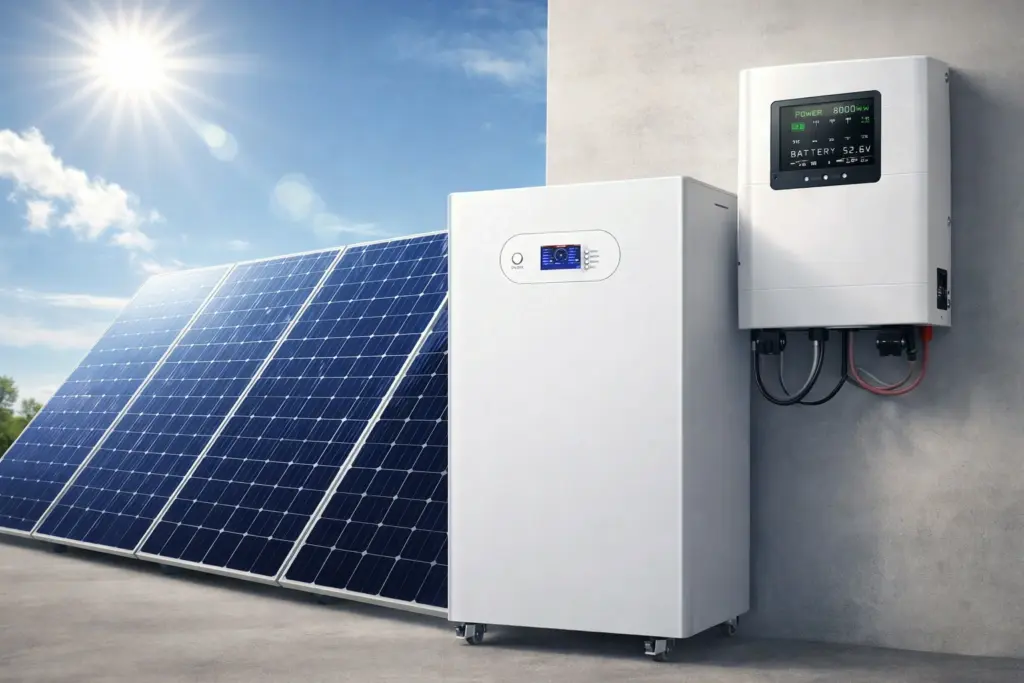
Ready to Plan a Smarter Solar Battery Storage System?
If you are an installer, distributor, wholesaler, or energy storage project buyer, Avepower can help you compare flexible LiFePO4 battery options for residential and light commercial solar storage projects.
How Much Does Solar Battery Storage Cost?
Battery costs vary by country, brand, usable capacity, inverter requirements, backup capability, installation complexity, switchboard upgrades, and whether the battery is installed with new solar or retrofitted later.
In Australia, homeowners typically pay around $1,000 to $1,200 per kWh of installed battery storage, with a 5 kWh battery roughly costing $5,000 to $6,000, although prices are gradually falling.
In the UK, battery prices can start around £2,500 and exceed £10,000, with an average of about £900 per kWh of storage.
The most important point is not just the purchase price. You should compare:
- Installed cost per usable kWh
- Battery warranty
- Cycle life
- Usable capacity
- Round-trip efficiency
- Backup capability
- Inverter compatibility
- Monitoring features
- Safety certification
- Installer quality
- Future expansion options
A low-cost battery that is poorly matched with the inverter, lacks proper communication, or has limited after-sales support can become more expensive over time.
Battery Rebates and Incentives Can Change the Payback
Incentives can significantly change whether battery storage is worth it.
In Australia, the Cheaper Home Batteries Program supports eligible systems. The program was expanded from an original estimate of $2.3 billion to an estimated $7.2 billion over four years, with the aim of supporting more than 2 million Australians to install a battery by 2030.
Eligible battery systems generally need to be between 5 kWh and 100 kWh nominal capacity, with support applying to the first 50 kWh of new or added usable capacity. Stackable systems may qualify if the final configuration meets program and approved product requirements.
What Type of Battery Is Best for Solar Panels?
Most modern home batteries use lithium-based chemistry. For residential and commercial solar storage, LiFePO4 battery technology is widely used because it offers strong thermal stability, long cycle life, good safety characteristics, and durable performance.
For solar installers, distributors, and OEM/ODM buyers, LiFePO4 is often preferred because long-term safety, cycle life, BMS protection, and inverter communication are critical to system performance.
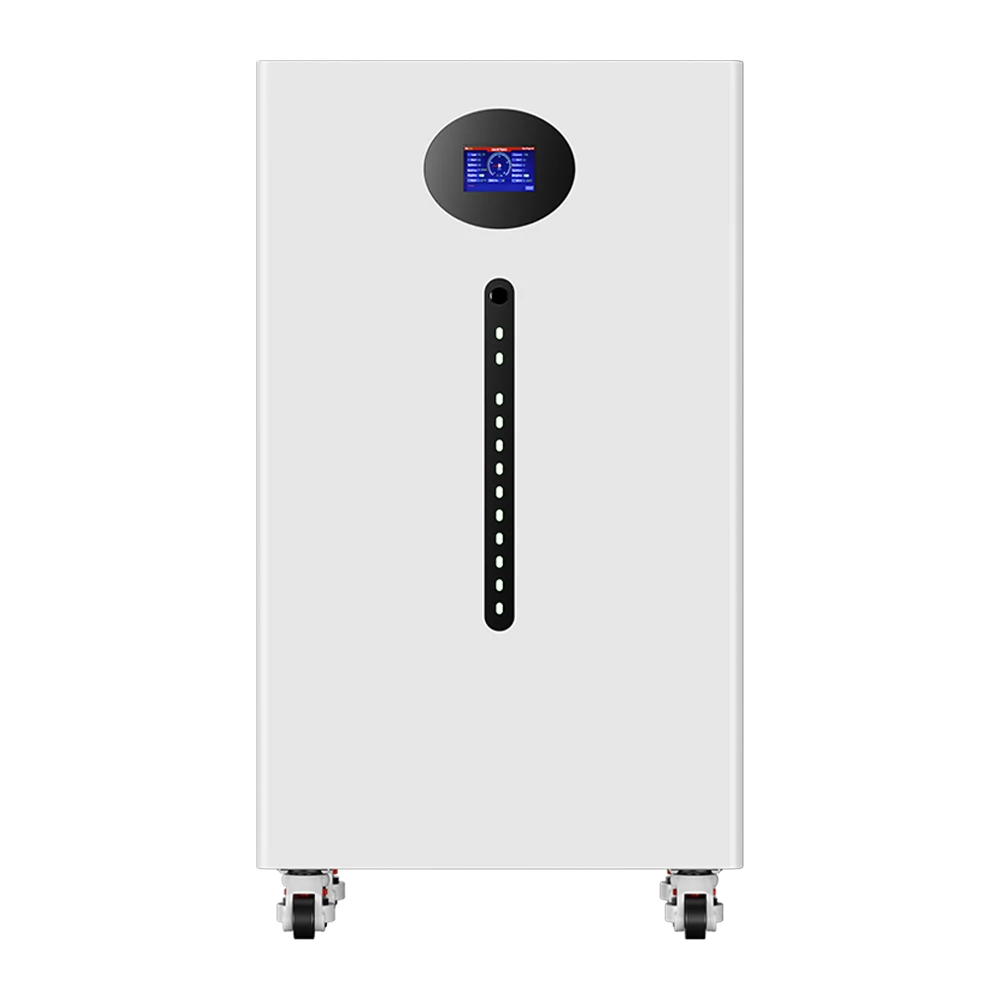
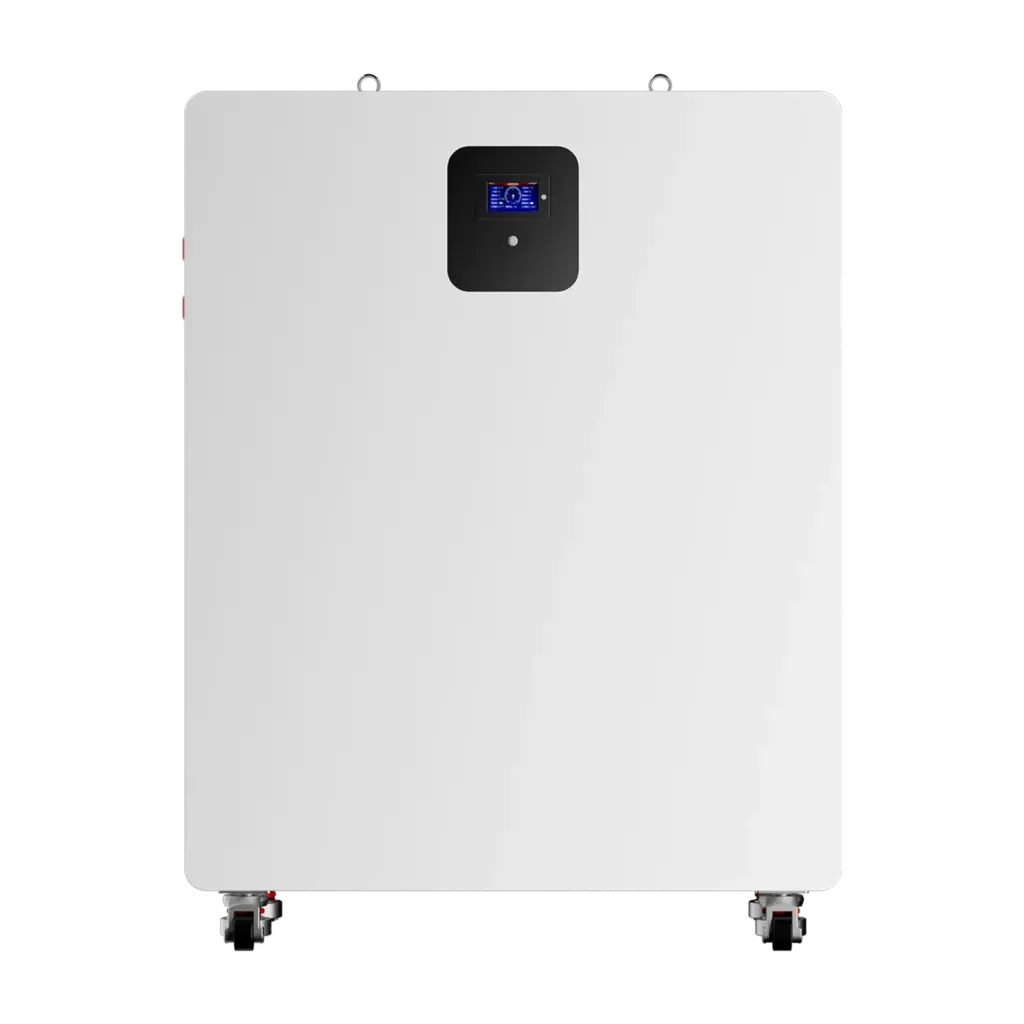
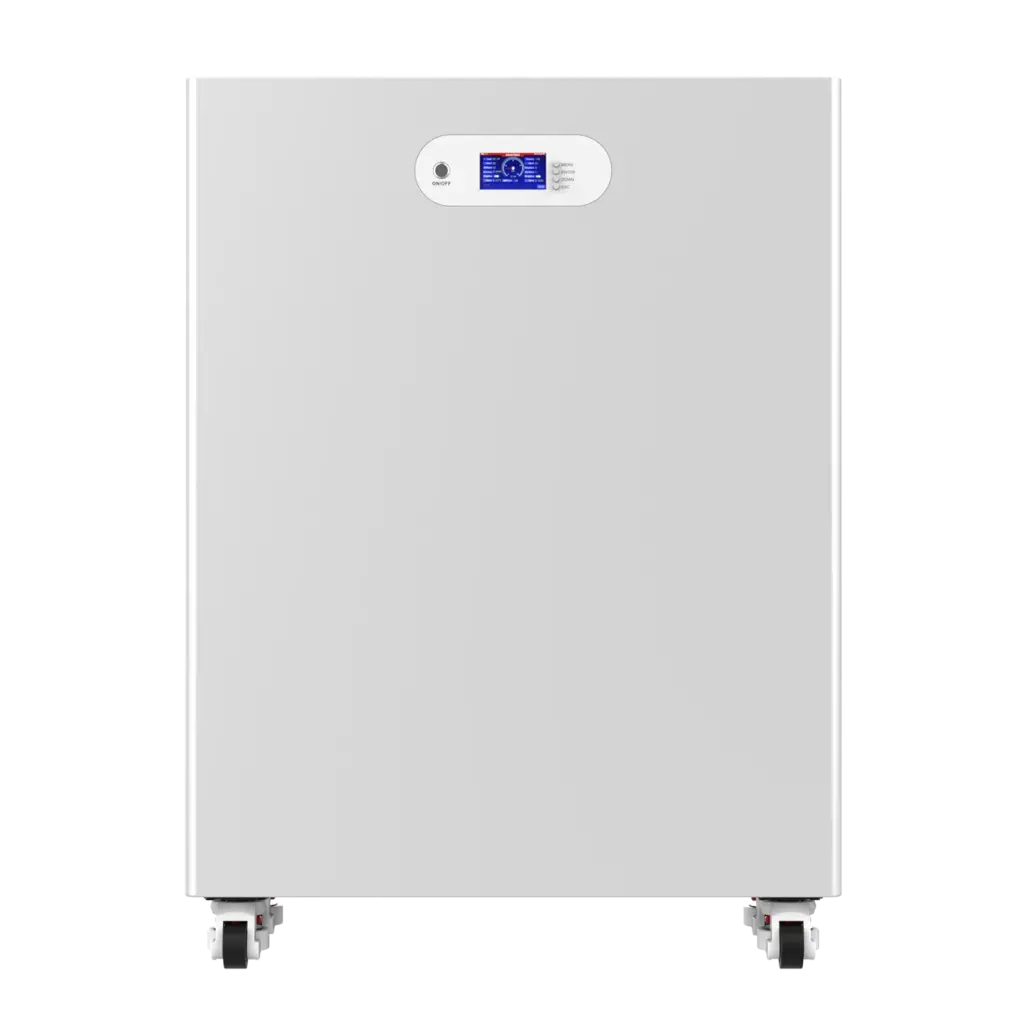
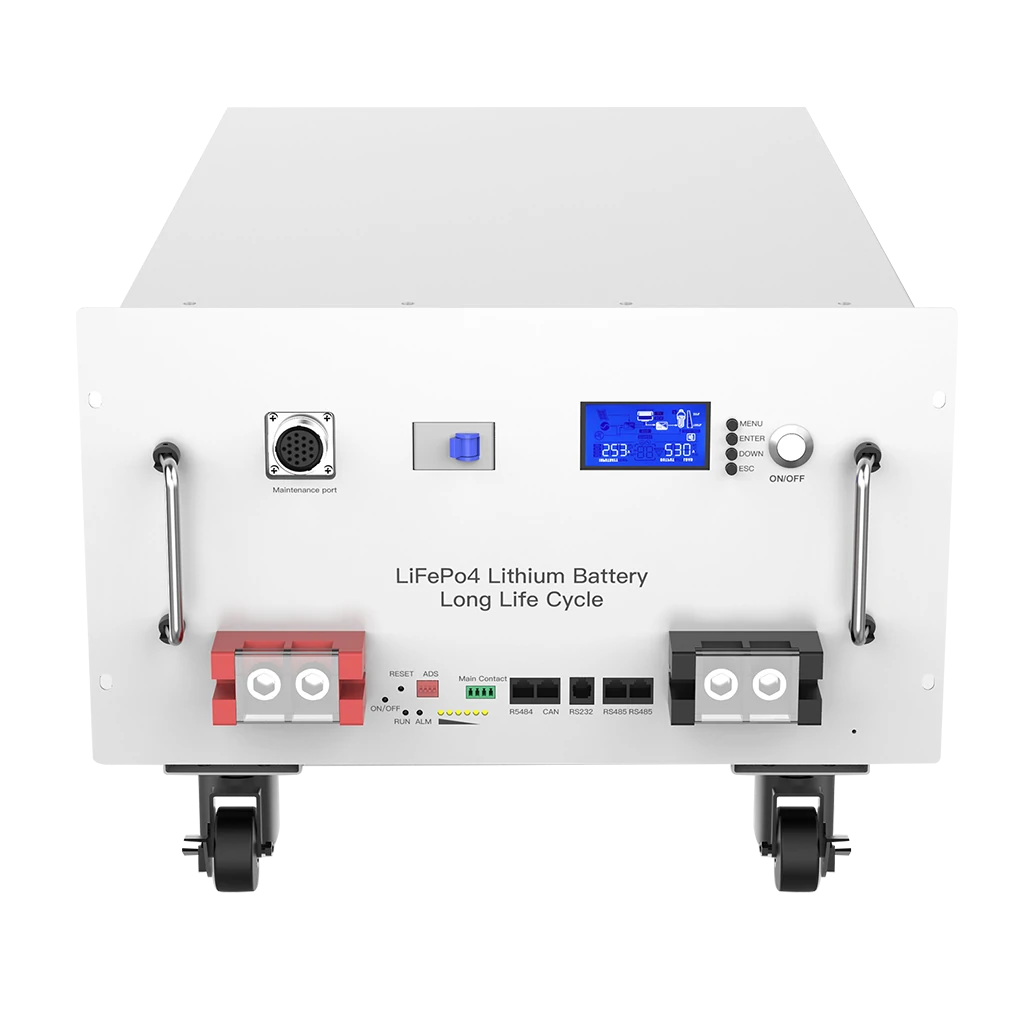
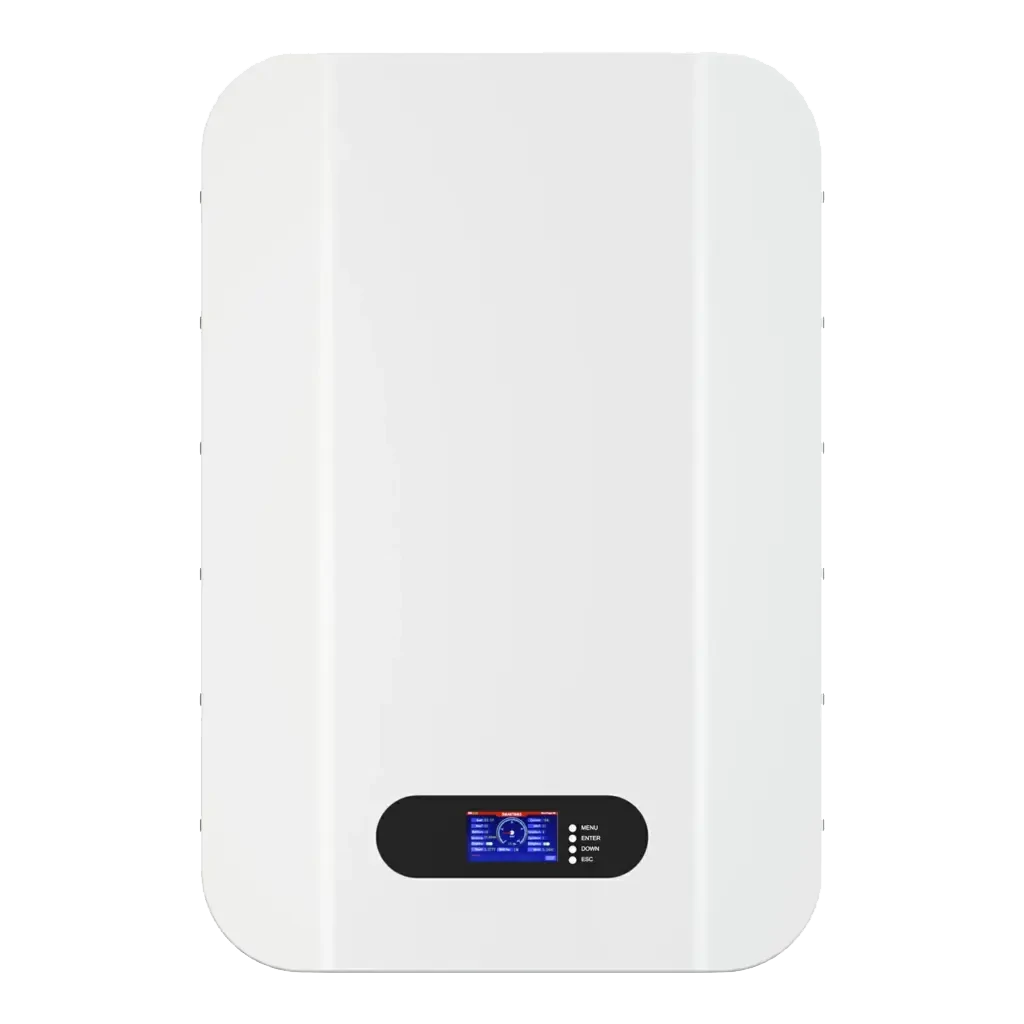
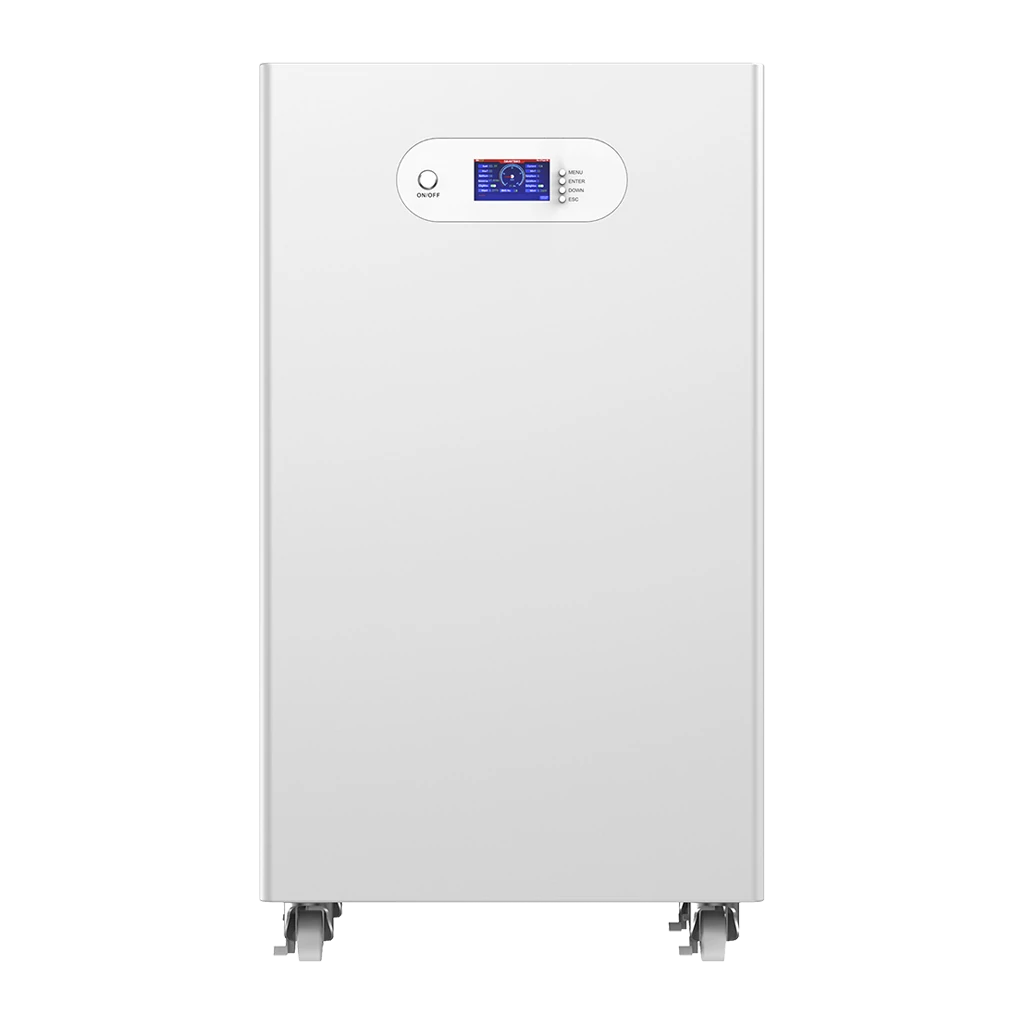
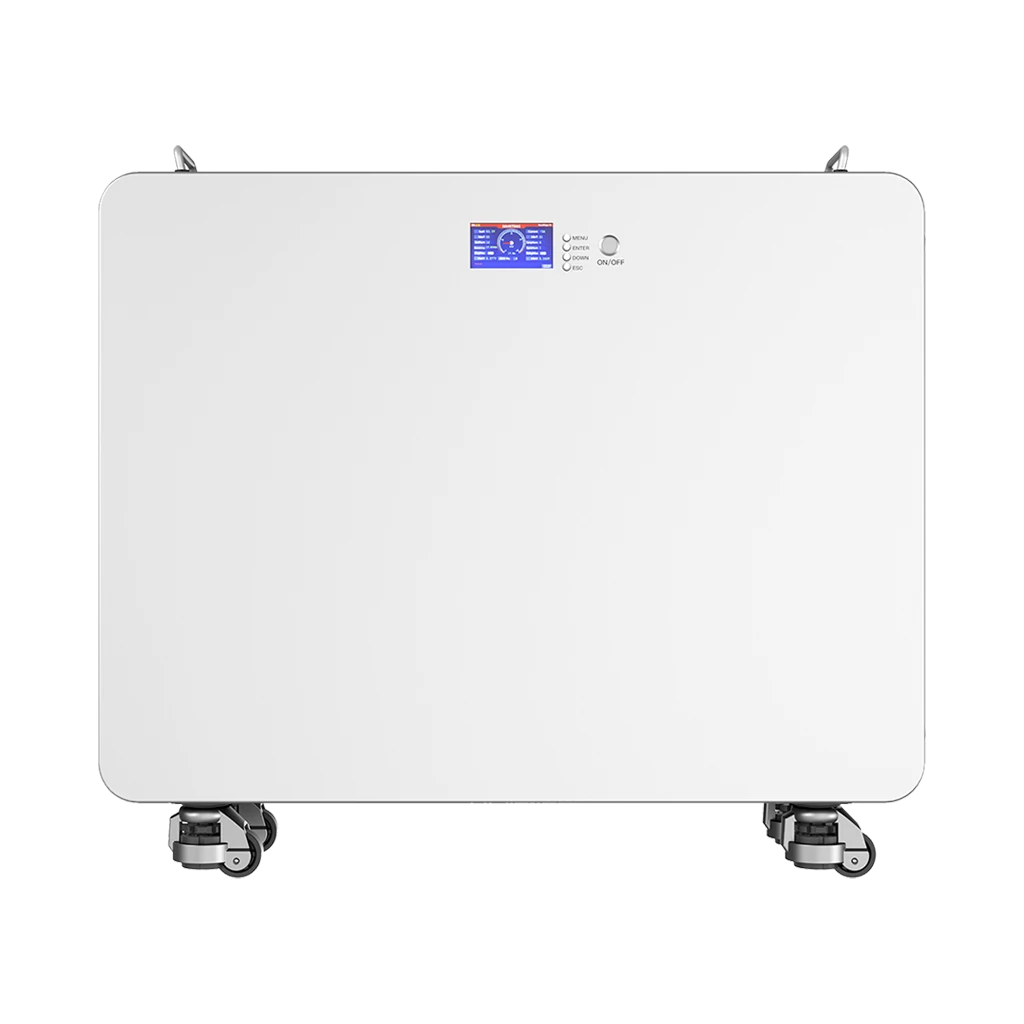
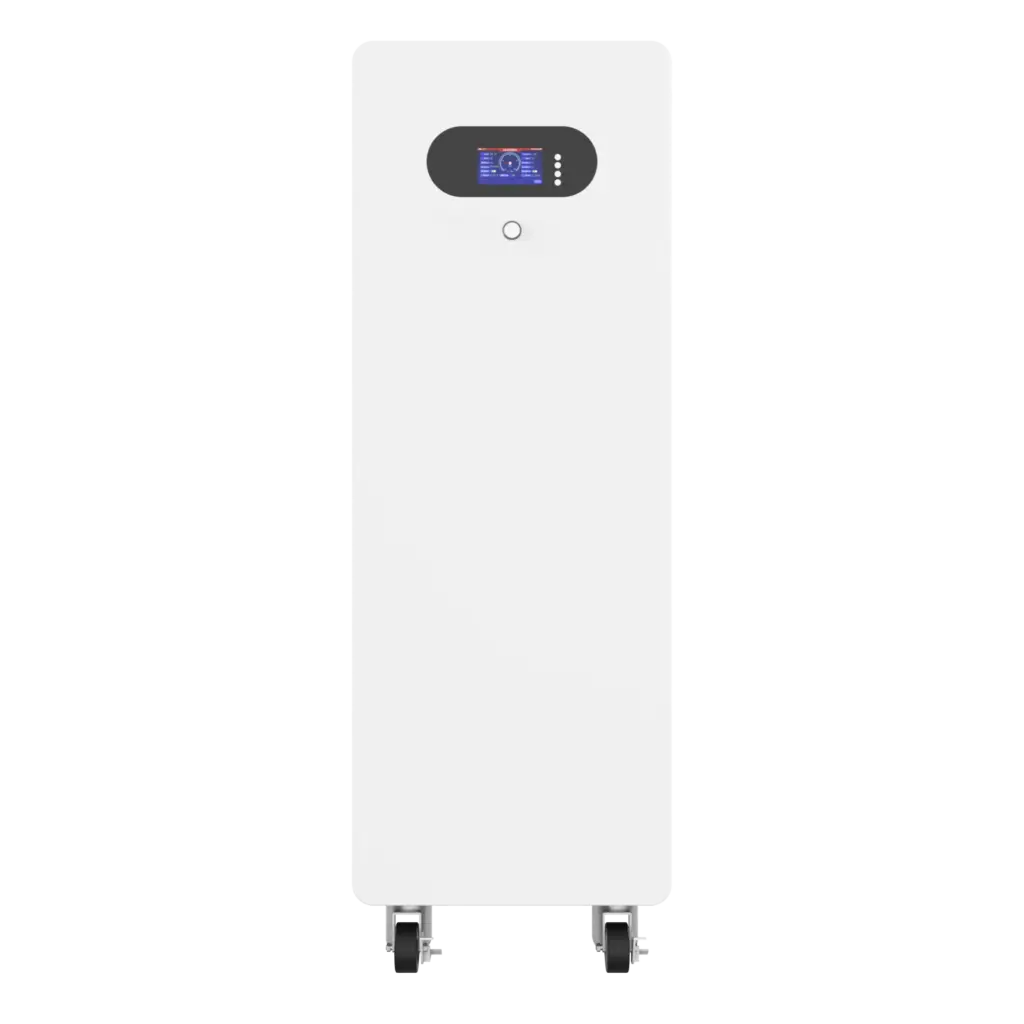
Avepower focuses on LiFePO4 home energy storage batteries with smart BMS protection, inverter compatibility, scalable product formats, and options for wall-mounted, rack-mounted, stackable, vertical, and all-in-one systems.
Retrofit Battery or Install Solar and Battery Together?
You can add a battery to an existing solar panel system, but it is often easier and cleaner to design the solar and battery system together from the beginning.
Installing Solar and Battery Together
This can be better when:
- the inverter can be selected for battery compatibility
- the switchboard and backup circuits can be planned together
- monitoring can be integrated from day one
- installation labour may be more efficient
- the system can be sized as one complete energy solution
Retrofitting a Battery Later
This can work well when:
- you already have a good solar system
- your inverter is battery-compatible or can be adapted
- you have clear data showing high solar exports
- you want to improve evening self-consumption
- you need backup power added to an existing home
Before retrofitting, check inverter compatibility carefully. Avepower provides an inverter compatibility reference for installers and project buyers who need to match batteries with brands such as Deye, GoodWe, Growatt, SMA, Solis, SOFAR, and other common inverter platforms.
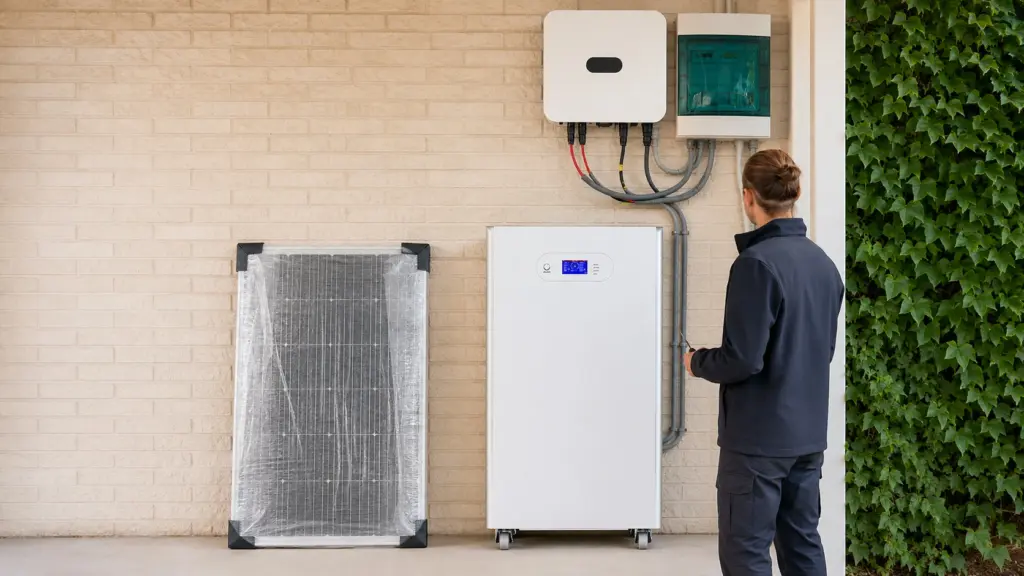
Build a Solar Battery Storage System That Matches Real Energy Use
Contact Avepower to request battery specifications, inverter compatibility support, and project-based pricing for your next solar panels with battery storage project.
Why Solar Batteries Are Becoming More Attractive
The value of battery storage has improved because the energy market has changed.
1. Feed-In Tariffs Are Lower
In many regions, households are paid only a small amount for exported solar energy. In Australia, grid electricity can cost around 30–45 cents per kWh while many solar feed-in tariffs may pay only 2–8 cents per kWh.
That gap changes the economics. If you export solar for a few cents and buy electricity later for much more, storing your own energy can be more valuable than selling it cheaply.
2. Evening Electricity Demand Is Often Higher
Solar panels work best during the day. Many households use more power in the evening. A battery helps shift daytime solar production into evening consumption.
3. Rebates and Tax Incentives Reduce Upfront Cost
In Australia, the Cheaper Home Batteries Program is designed to reduce the cost of eligible small-scale battery systems connected to new or existing rooftop solar. The Eligible batteries must generally be between 5 kWh and 100 kWh nominal capacity, with only on the first 50 kWh of usable capacity.
In the UK, From 1 February 2024, electrical storage batteries installed in residential accommodation can qualify for the temporary zero rate, including retrofitted solar batteries and standalone grid-charged batteries.
4. Backup Power Is More Important
Extreme weather, grid congestion, local outages, and rising reliance on electric appliances have made backup power more valuable. A battery with proper backup configuration can keep selected loads running during a blackout.
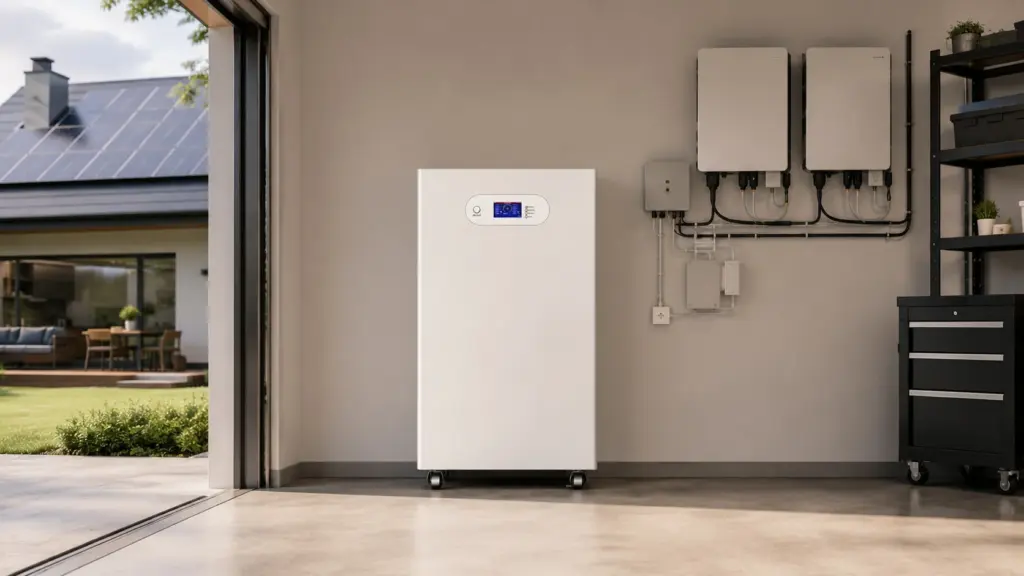
Solar Panels With Battery Storage for Businesses
Battery storage can also be valuable for small businesses, farms, commercial buildings, and energy-intensive sites.
Common commercial benefits include:
- Peak shaving
- Load shifting
- Backup power
- Solar self-consumption
- Reduced demand charges
- Better use of large rooftop solar systems
- Improved energy resilience
- Potential VPP participation
Businesses with daytime solar generation and evening or early morning loads may see stronger returns. However, commercial battery sizing requires more detailed load analysis than residential systems because demand charges, phase requirements, peak loads, and operational risk are more complex.
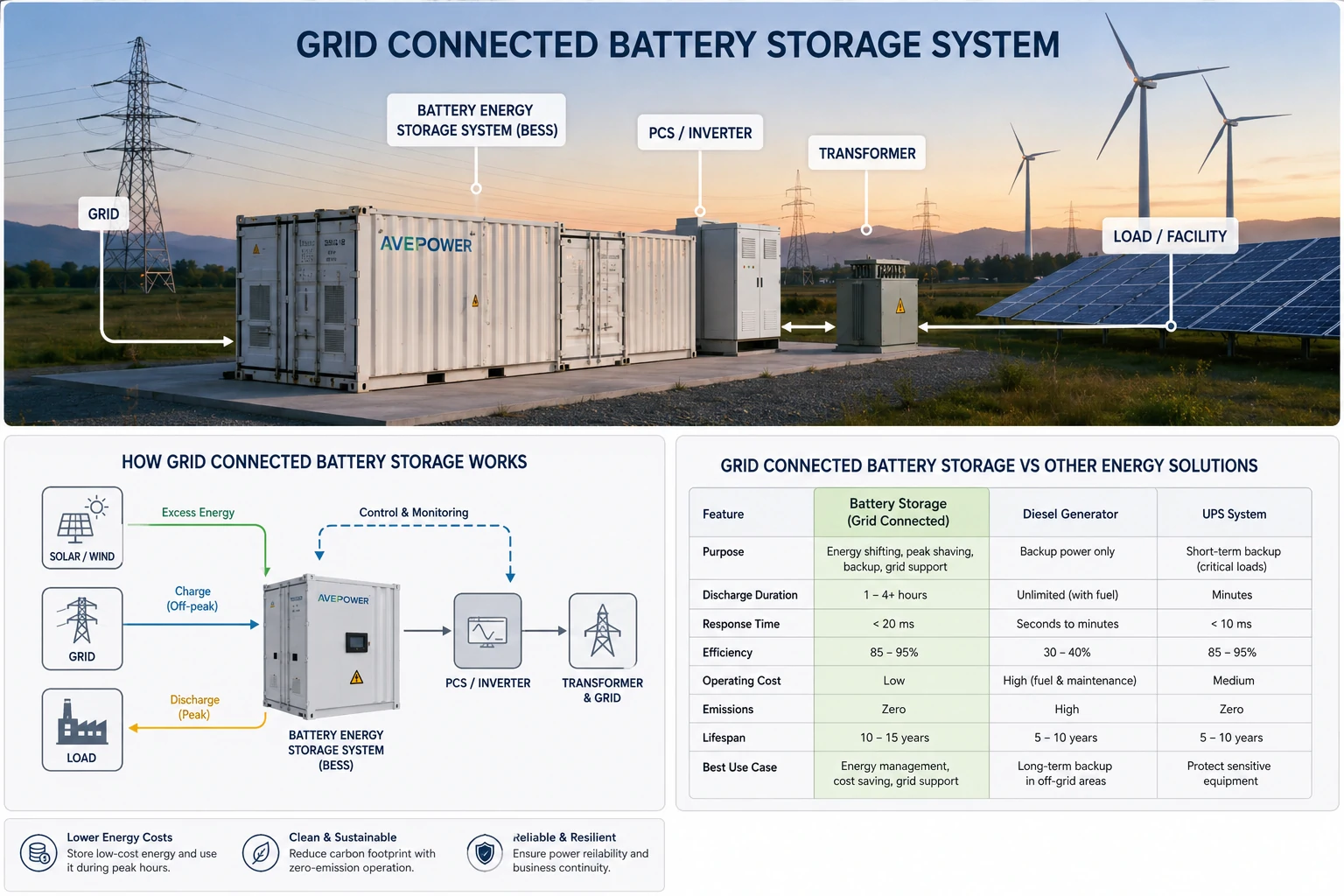
Avepower’s broader battery energy storage system solutions include residential, commercial, and industrial storage options, with the company describing its focus on clean energy storage, LiFePO4 battery systems, and scalable energy storage applications.
Pros and Cons of Solar Panels With Battery Storage
| Pros | Cons |
|---|---|
| Increases solar self-consumption | Higher upfront cost |
| Reduces grid electricity purchases | Payback varies by usage and tariff |
| Helps avoid peak electricity rates | Battery capacity degrades over time |
| Can provide blackout protection | Backup may require extra equipment |
| Reduces reliance on feed-in tariffs | Needs suitable installation space |
| Supports energy independence | Inverter compatibility must be checked |
| Can improve solar ROI in the right home | Oversizing can reduce financial return |
| May qualify for rebates or tax incentives | Installation must meet safety standards |
Avepower Solar Battery Options for Installers and Energy Storage Projects
For homeowners, the right battery decision should always be based on local installer advice, electrical safety requirements, and actual energy usage. For installers, distributors, wholesalers, and OEM/ODM energy storage buyers, product flexibility and technical compatibility are also important.
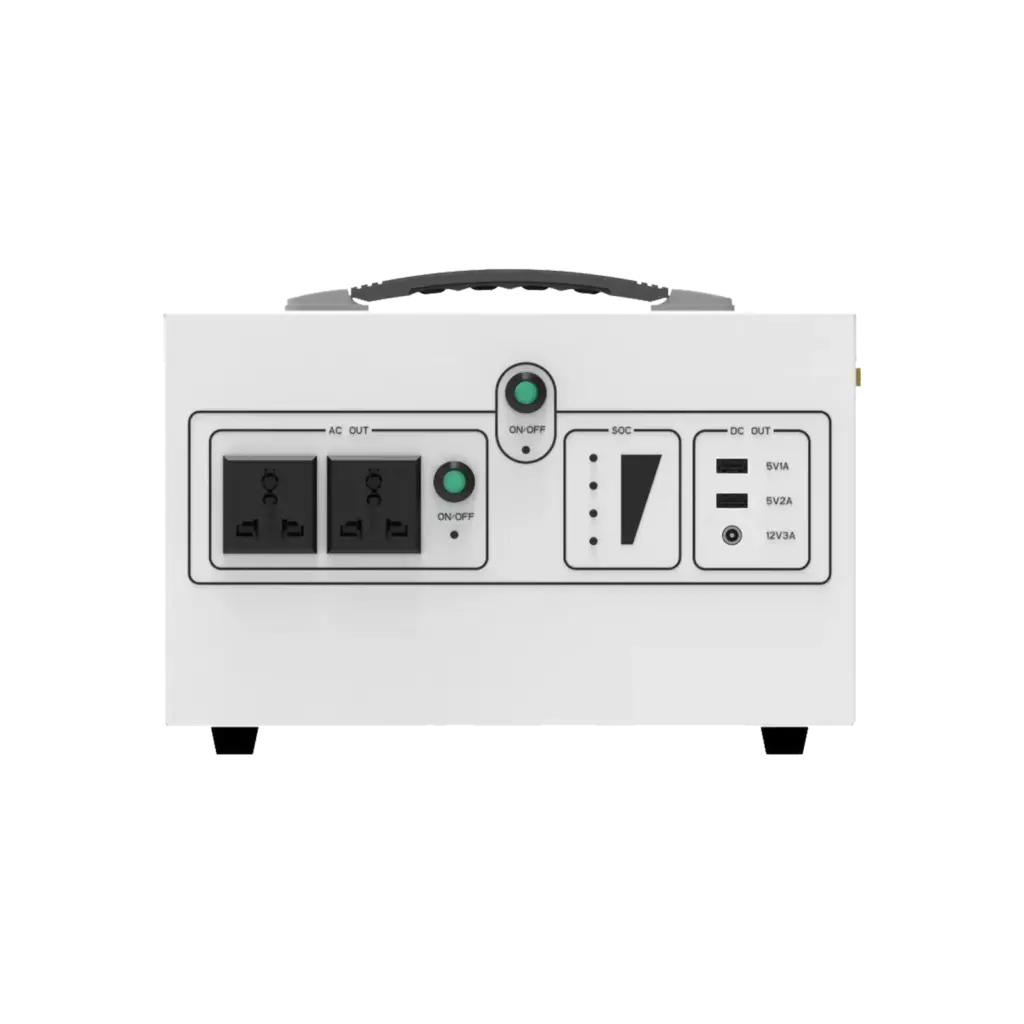
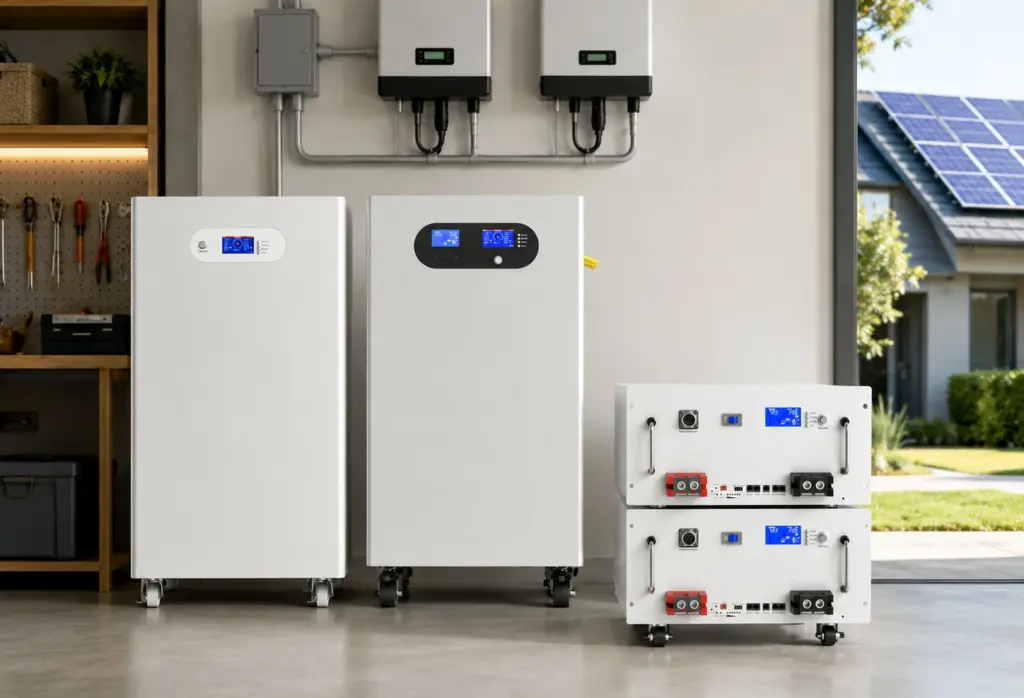
Avepower is a battery energy storage system manufacturer offering home energy storage battery solutions for residential and small commercial applications. Its product range includes wall-mounted batteries, rack-mounted batteries, vertical batteries, stackable batteries, and all-in-one battery systems.
Take Control of Your Energy with Avepower!
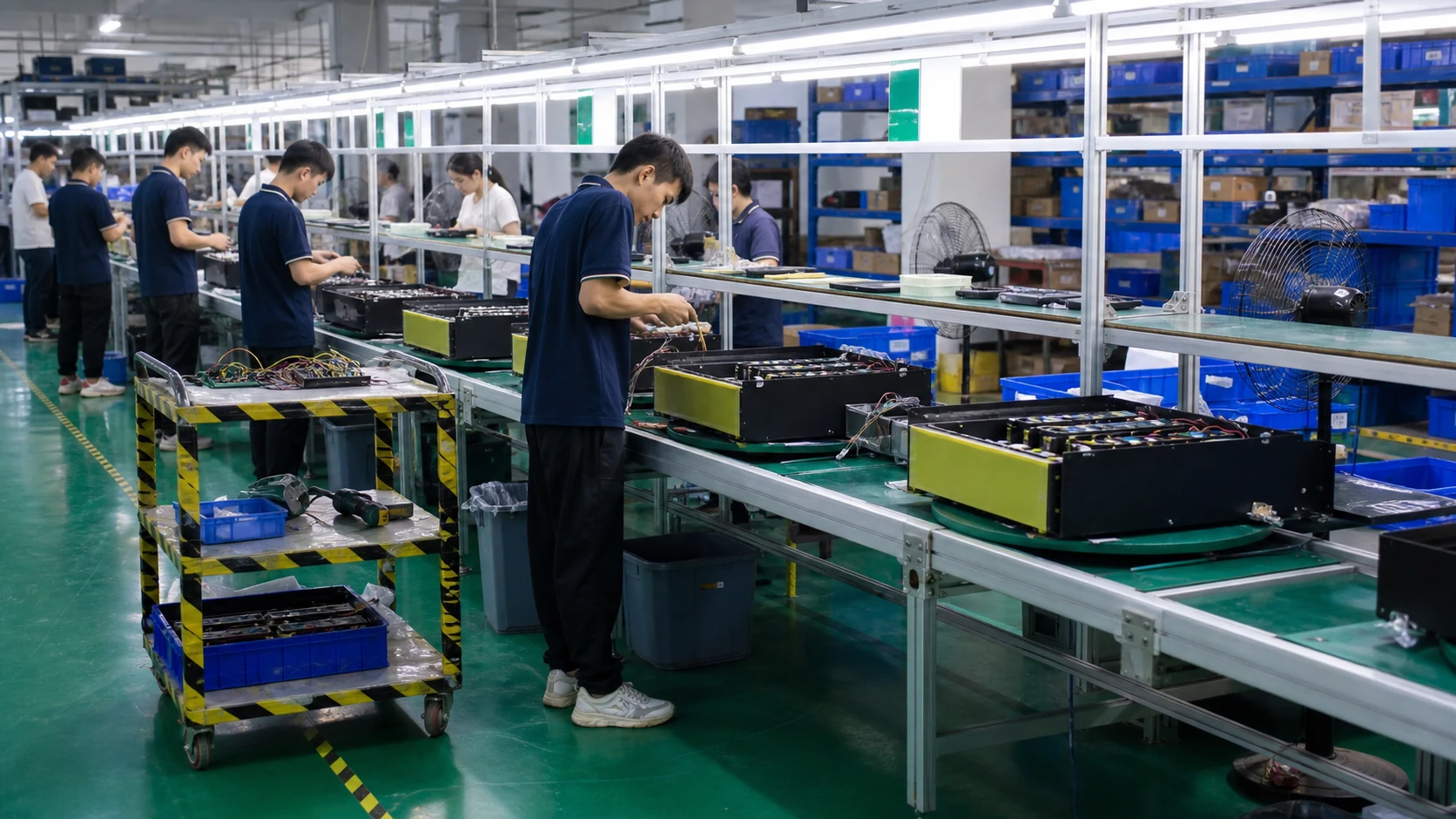
Reliable home solar battery solutions with OEM/ODM customization and in-house manufacturing, tailored to the needs of distributors, installers, and energy partners.
Final Verdict: Are Solar Panels with Battery Storage Worth It?
Solar panels with battery storage are worth it when the battery is used often, correctly sized, eligible for relevant incentives, and matched to a household’s real energy pattern.
A battery is most valuable when it solves a clear problem:
- too much solar export during the day
- high evening electricity costs
- low feed-in tariffs
- outage concerns
- peak pricing
- future EV or electric appliance loads
- desire for more energy independence
A battery is less attractive when it is oversized, poorly matched to solar generation, installed without backup when backup is expected, or sold without a clear savings calculation.
The best approach is to start with your data: your solar production, grid imports, grid exports, evening usage, tariff, feed-in rate, and backup needs. Then choose a battery size and system design that fits the numbers.
FAQ
Yes, it can be worth it if you export surplus solar during the day and buy grid electricity in the evening. Battery storage is also valuable if you want backup power, use time-of-use tariffs, or have low feed-in tariffs.
Solar batteries can save money by reducing the amount of electricity you buy from the grid. Savings depend on your electricity price, feed-in tariff, solar export volume, battery size, and how often the battery cycles.
Many modern lithium batteries last around 10–15 years, depending on chemistry, operating temperature, depth of discharge, cycle life, and usage pattern. Warranty terms often sit around 10 years for residential battery systems.
The best solar battery system is the one that matches your usage, solar system size, inverter setup, backup needs, budget, and local compliance requirements. For installers and project buyers, Avepower offers LiFePO4 home battery storage solutions across wall-mounted, stackable, rack-mounted, vertical, and all-in-one formats.
Businesses can use battery storage for peak shaving, load shifting, backup power, and better use of large solar systems. The financial case depends on demand charges, operating hours, load profile, and battery size.
Installing both together can reduce design complexity and may lower installation costs compared with retrofitting a battery later. However, adding a battery to an existing solar system can still be worthwhile if the system is compatible.