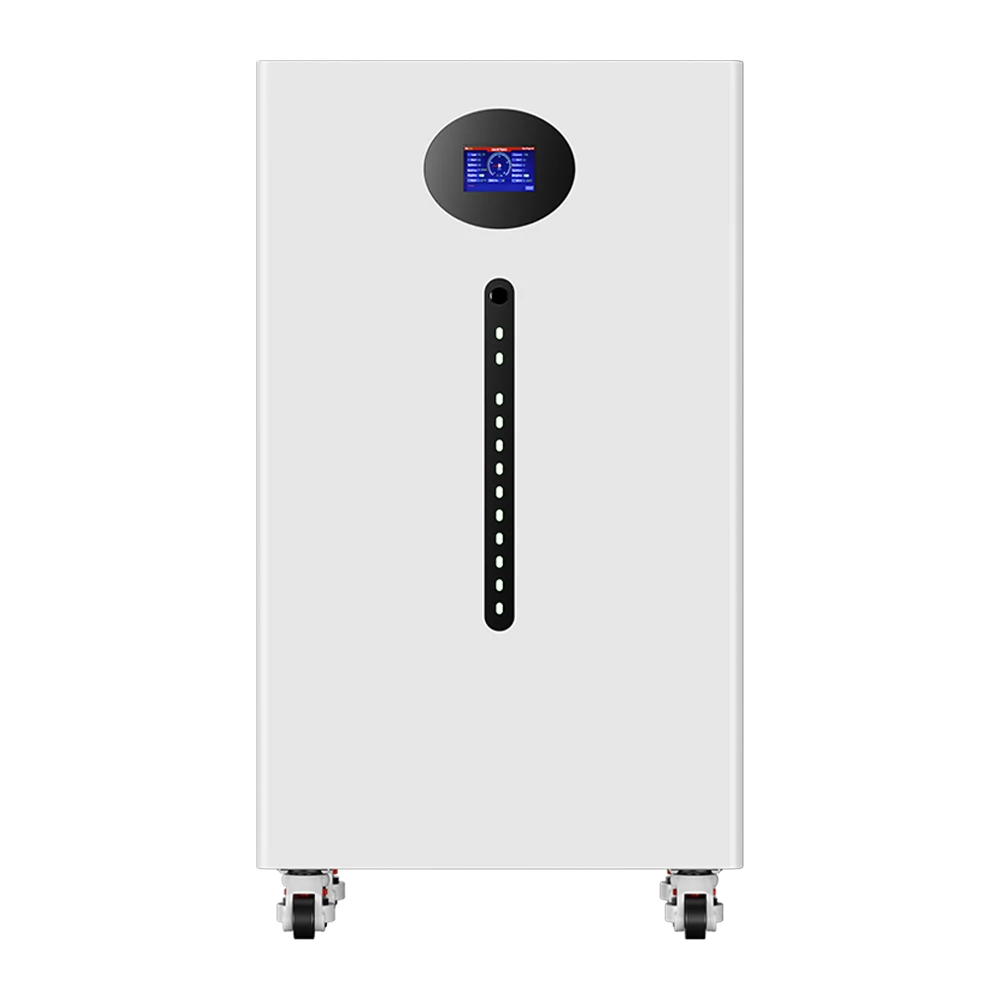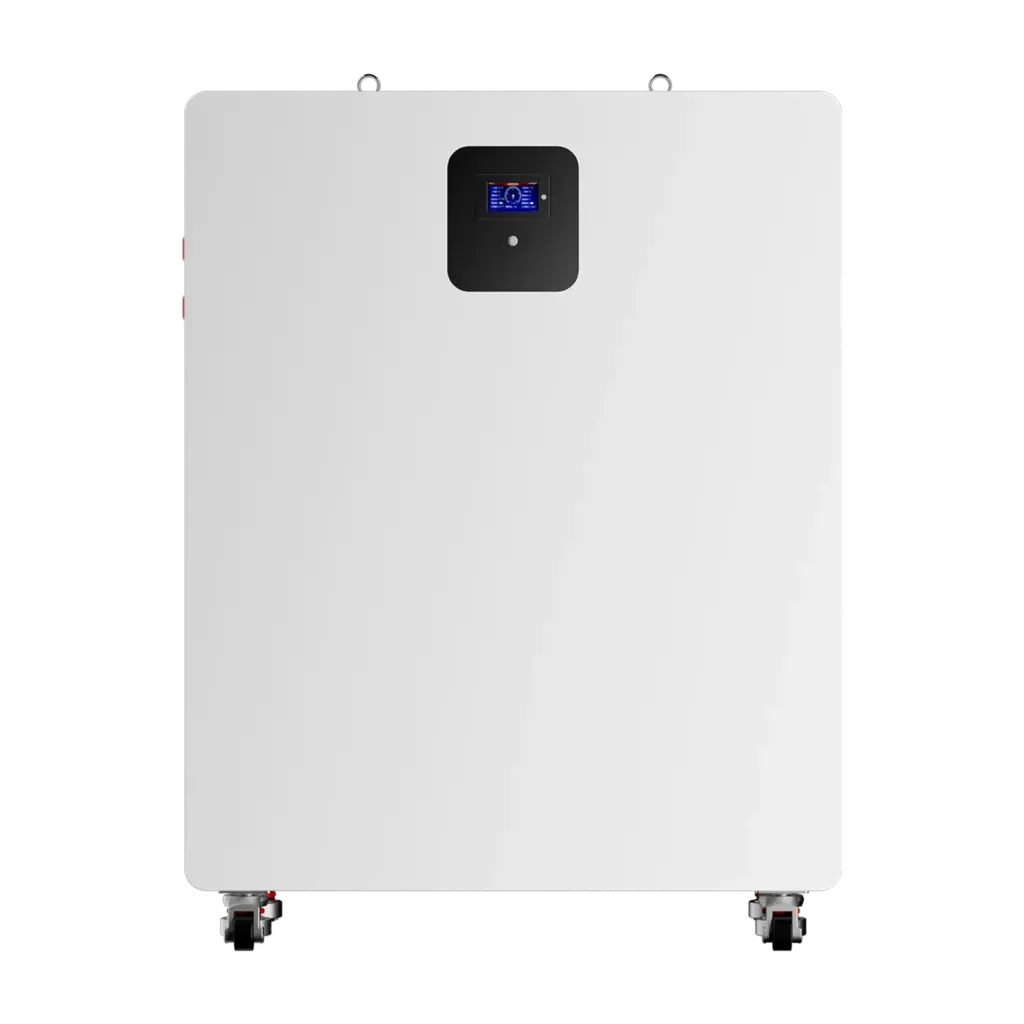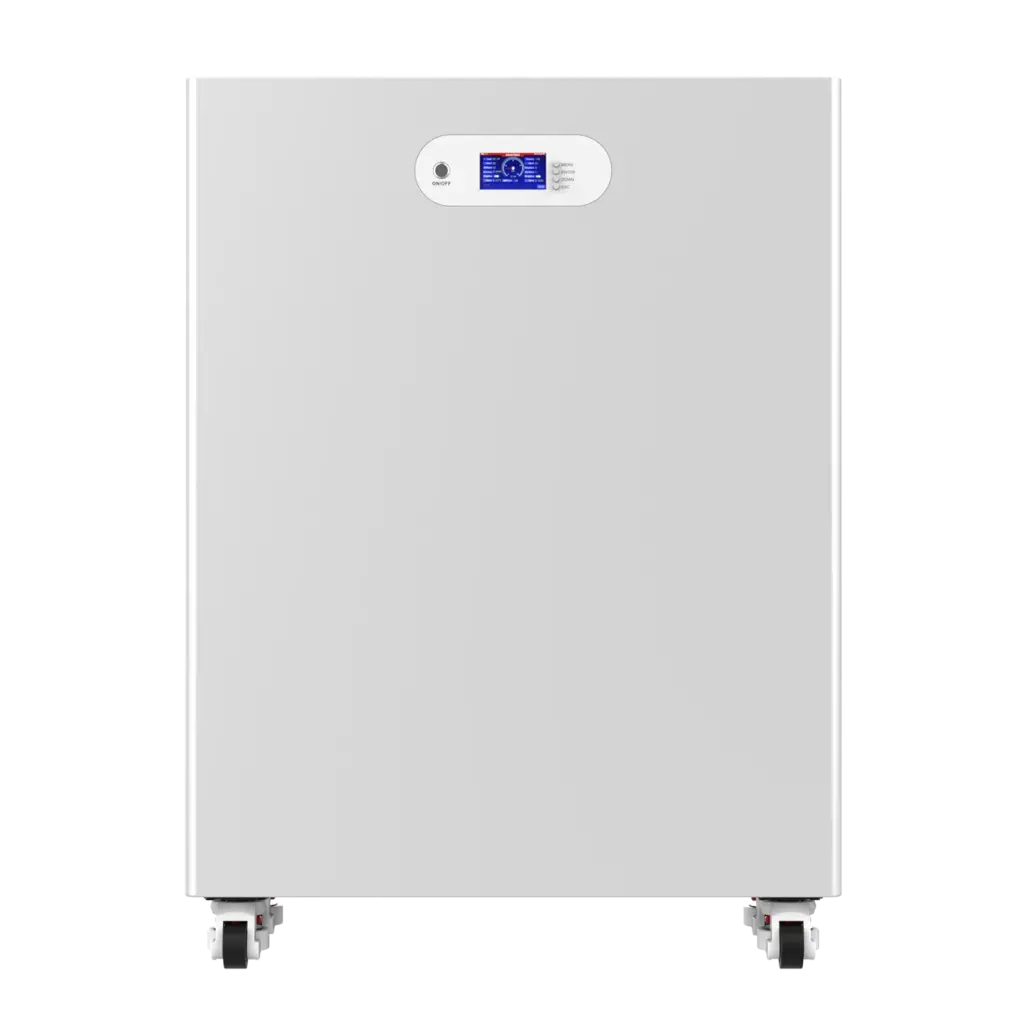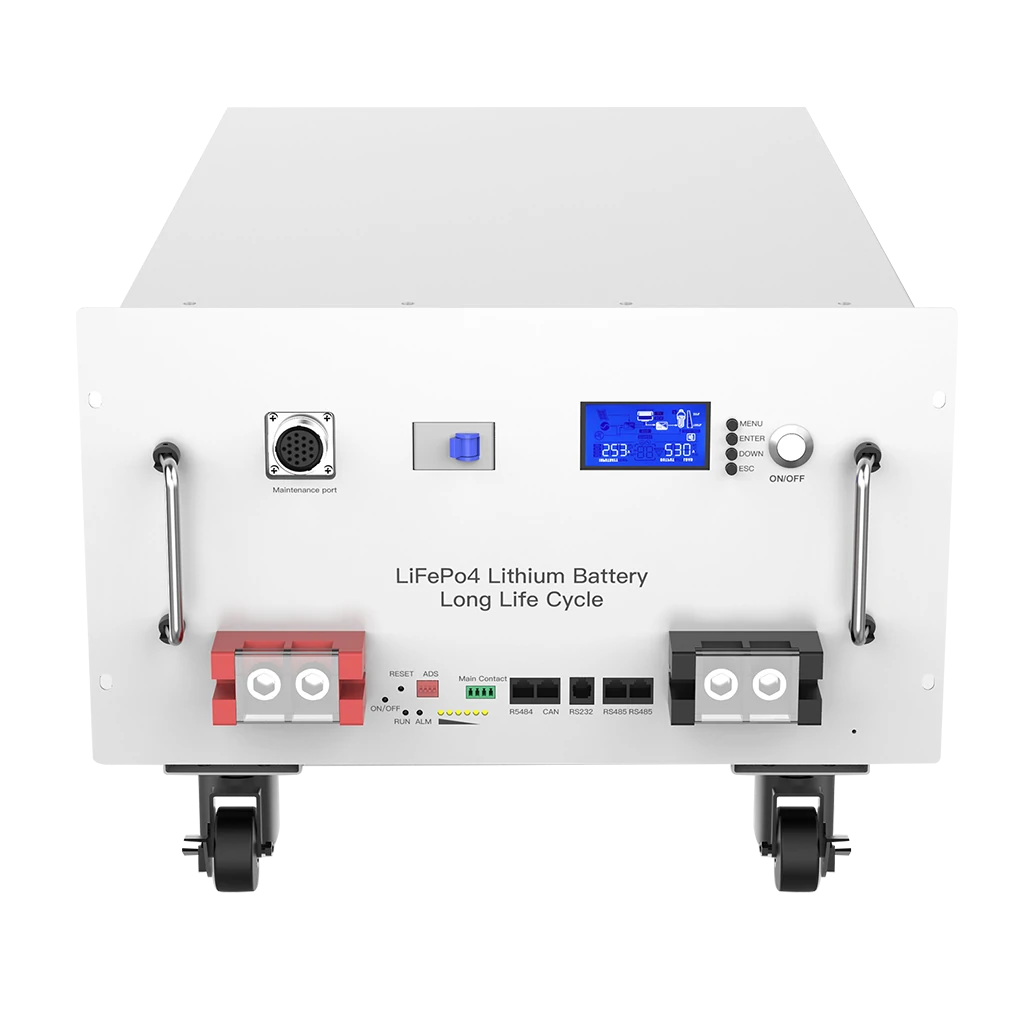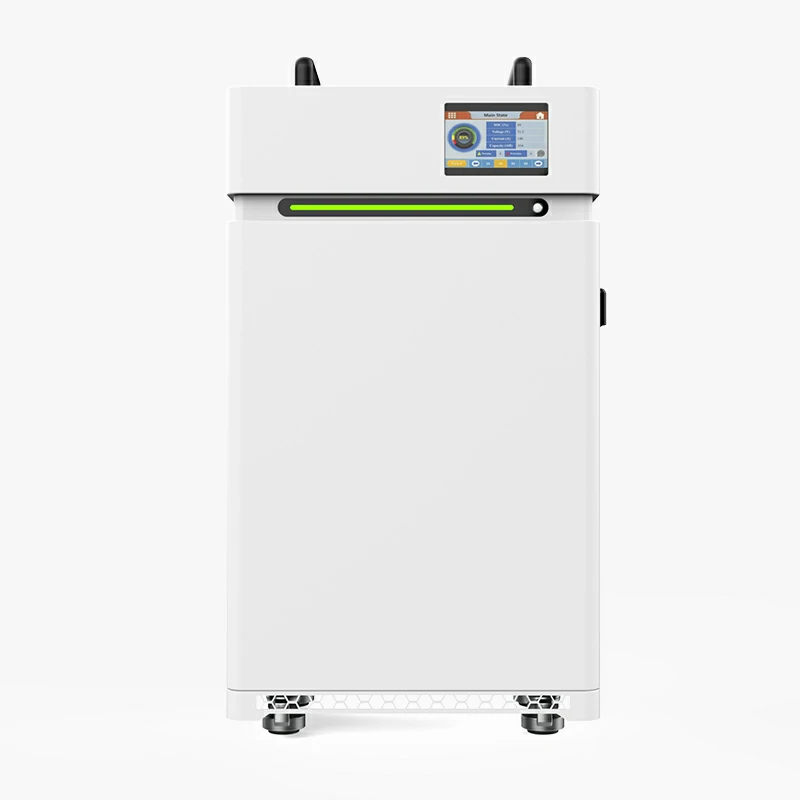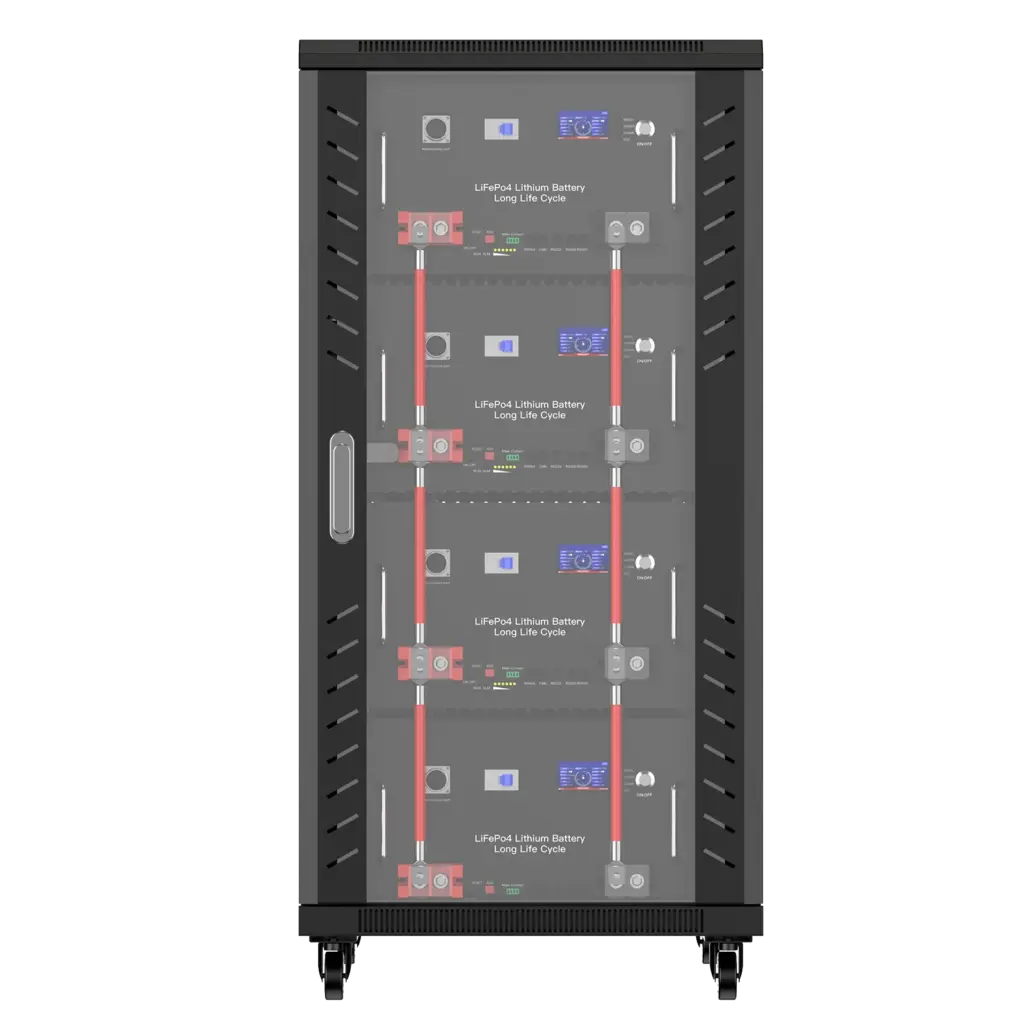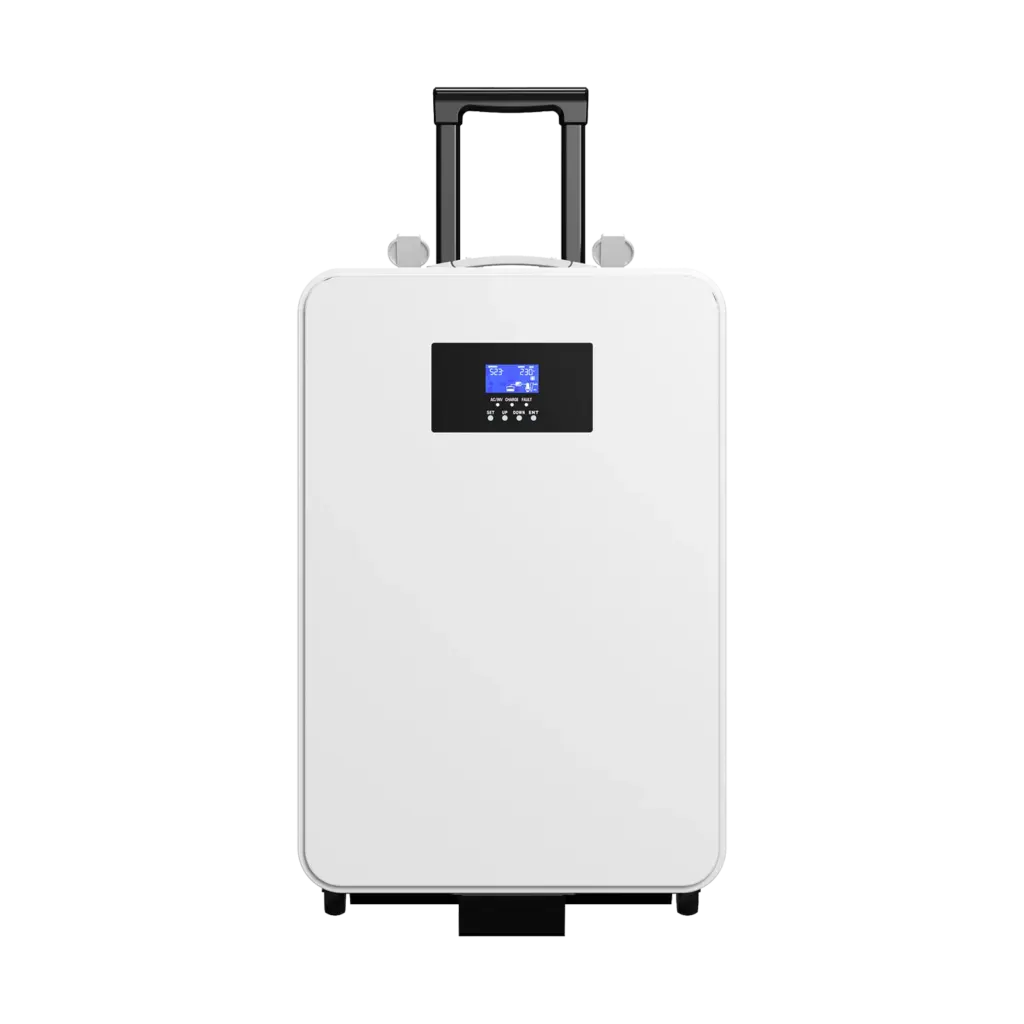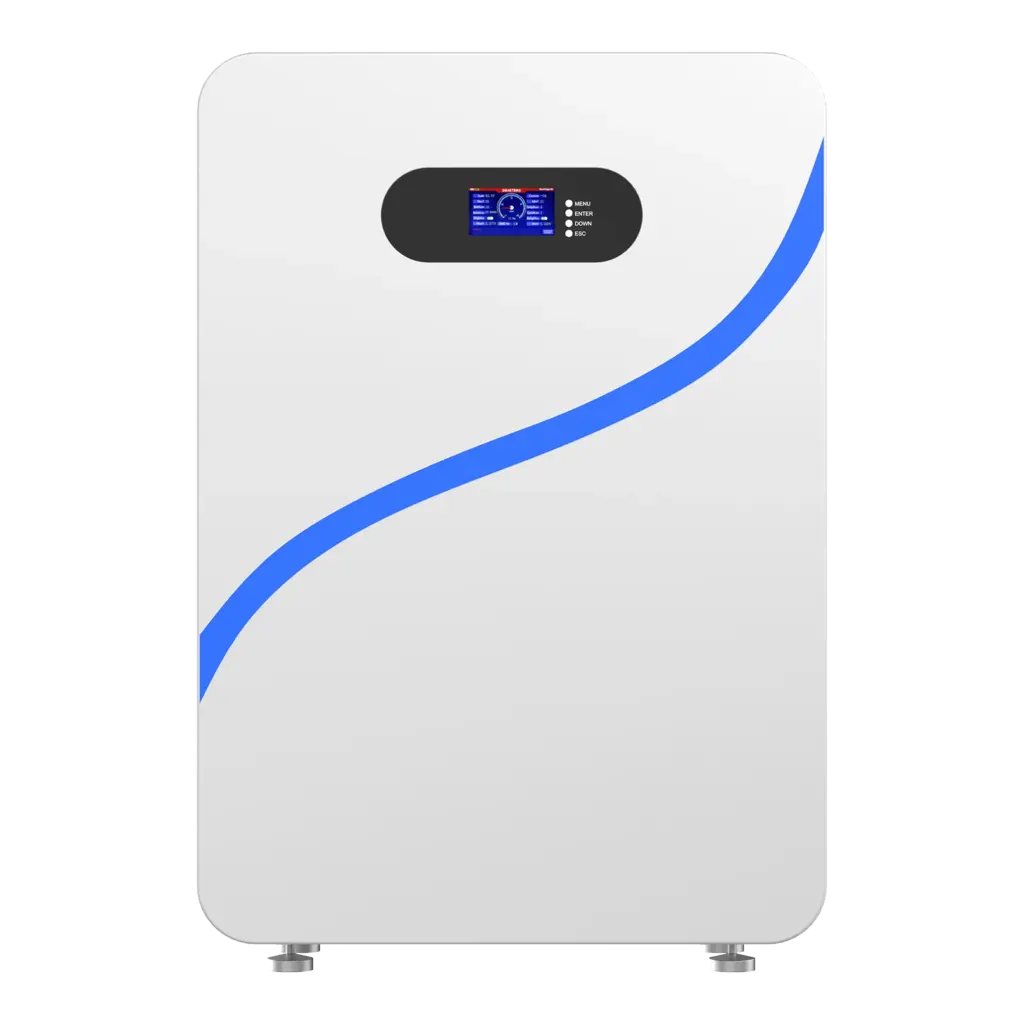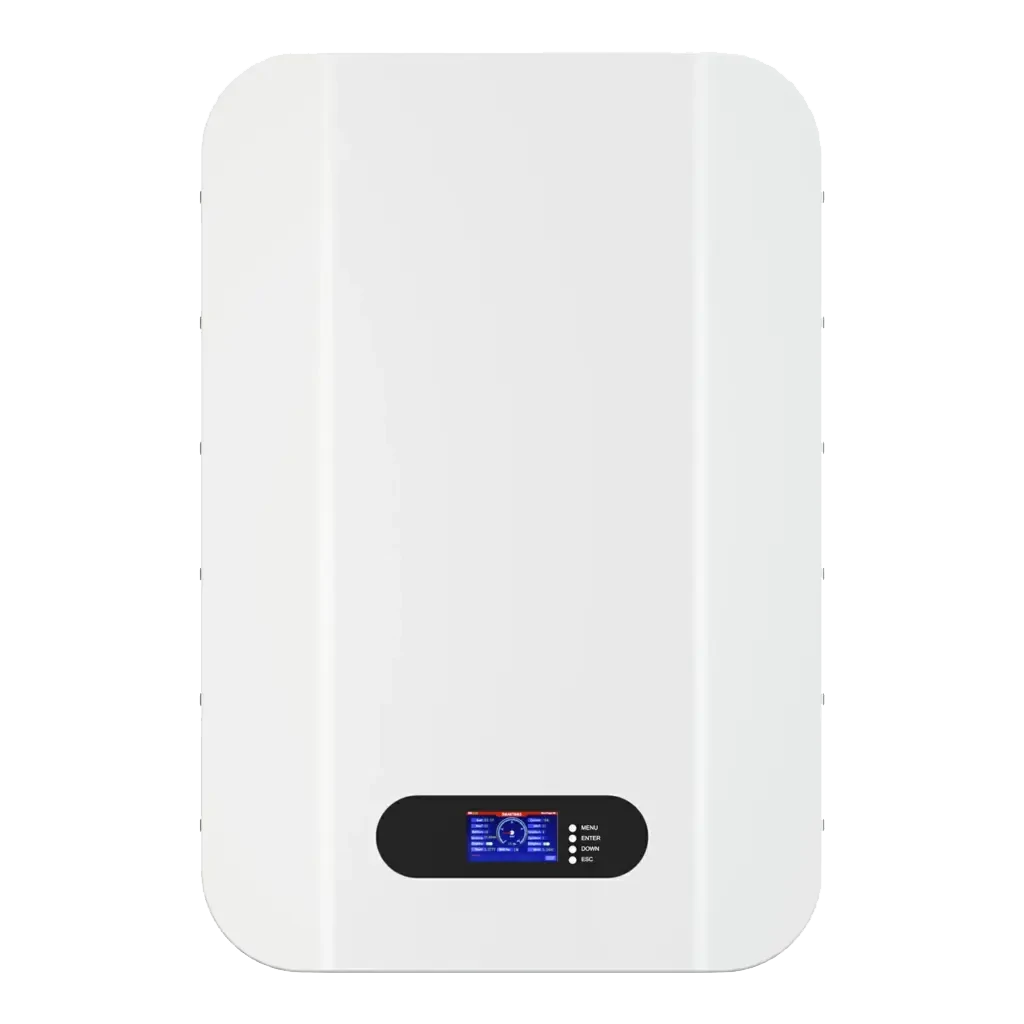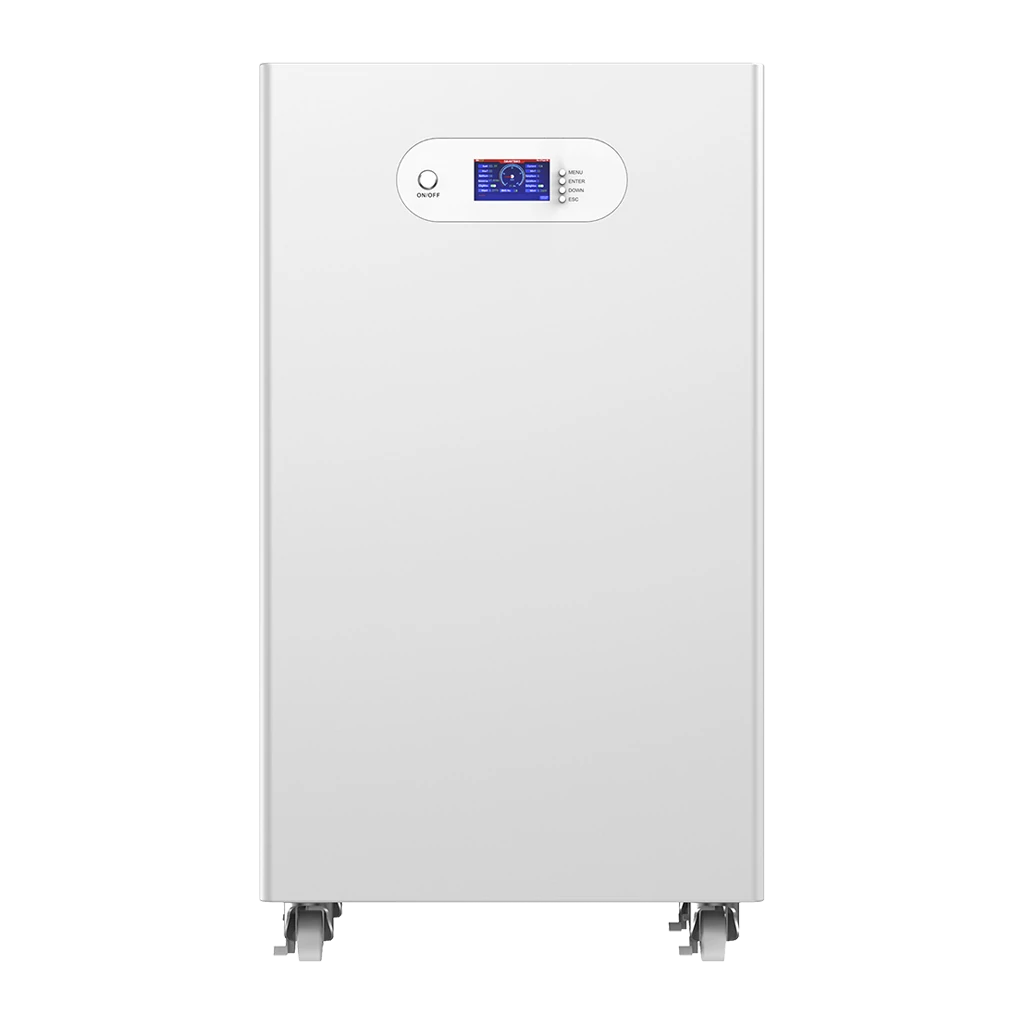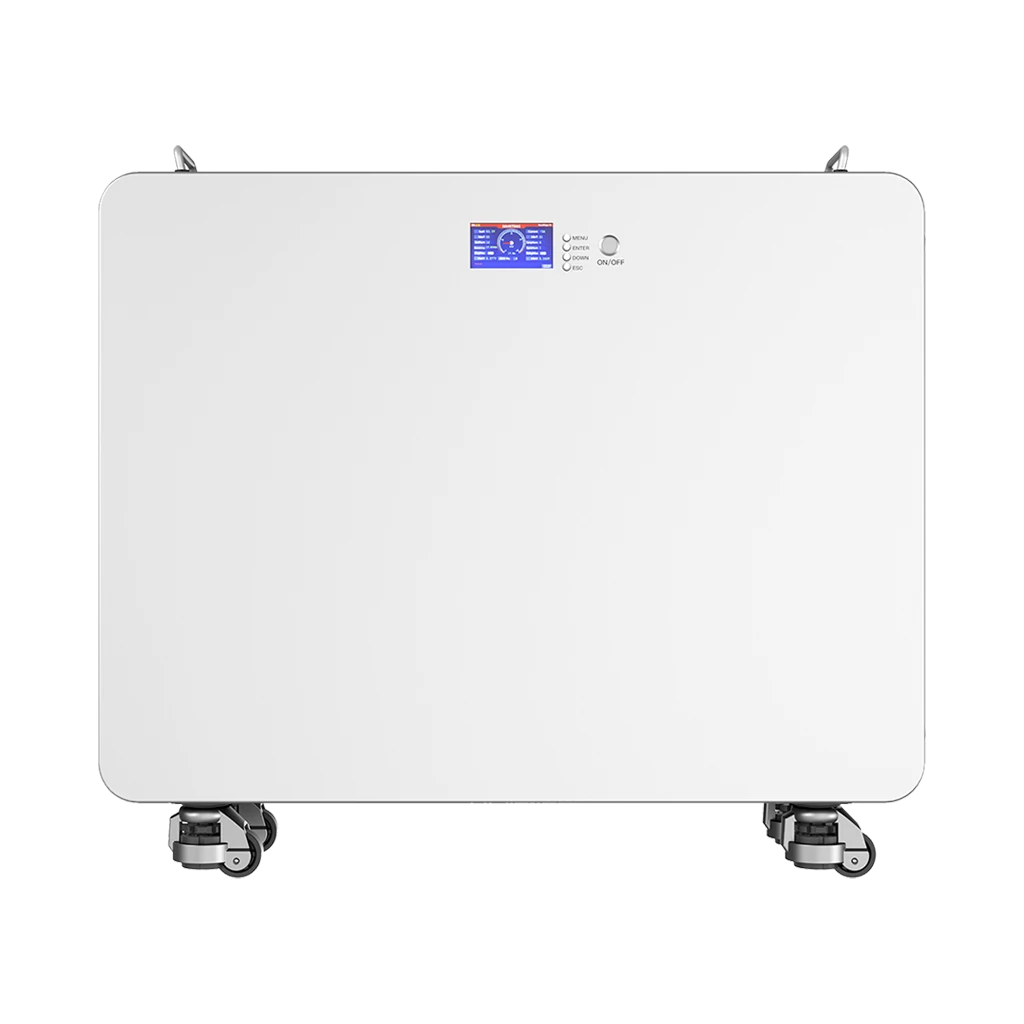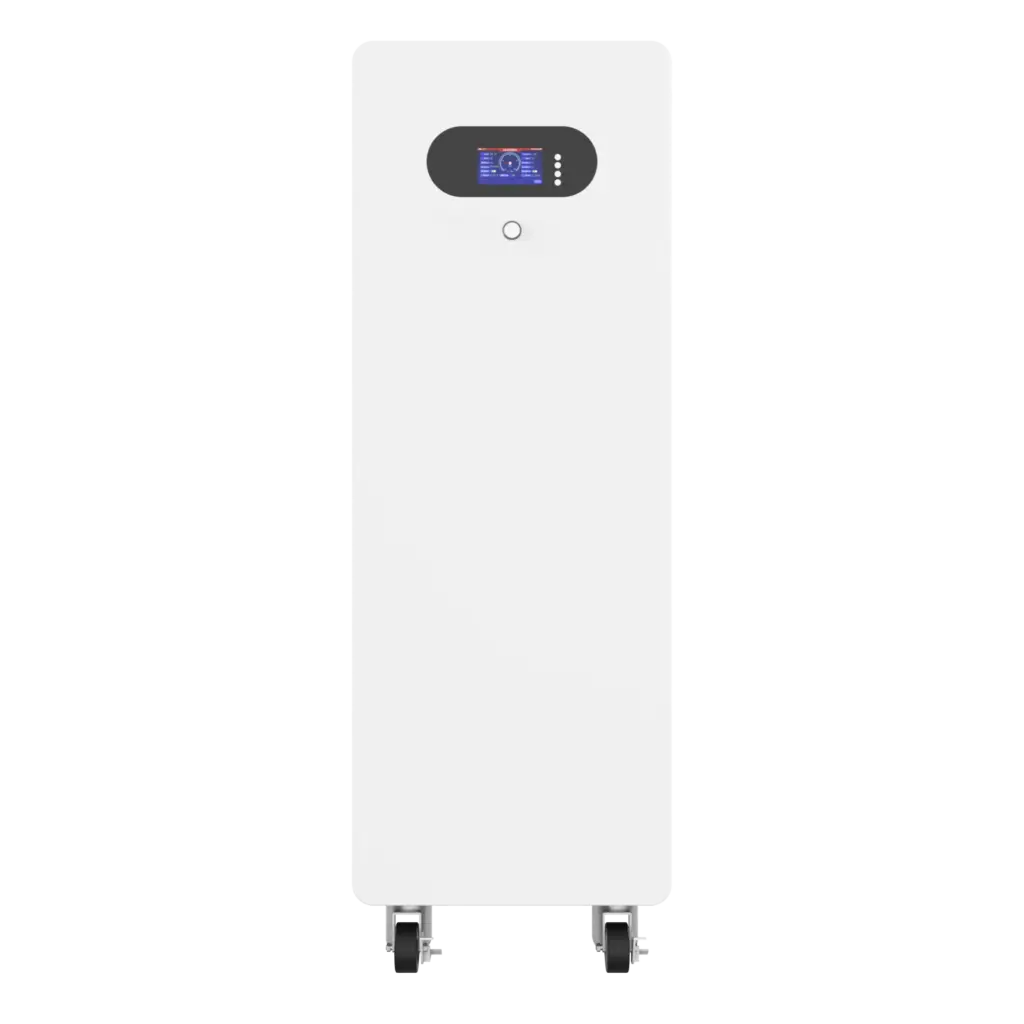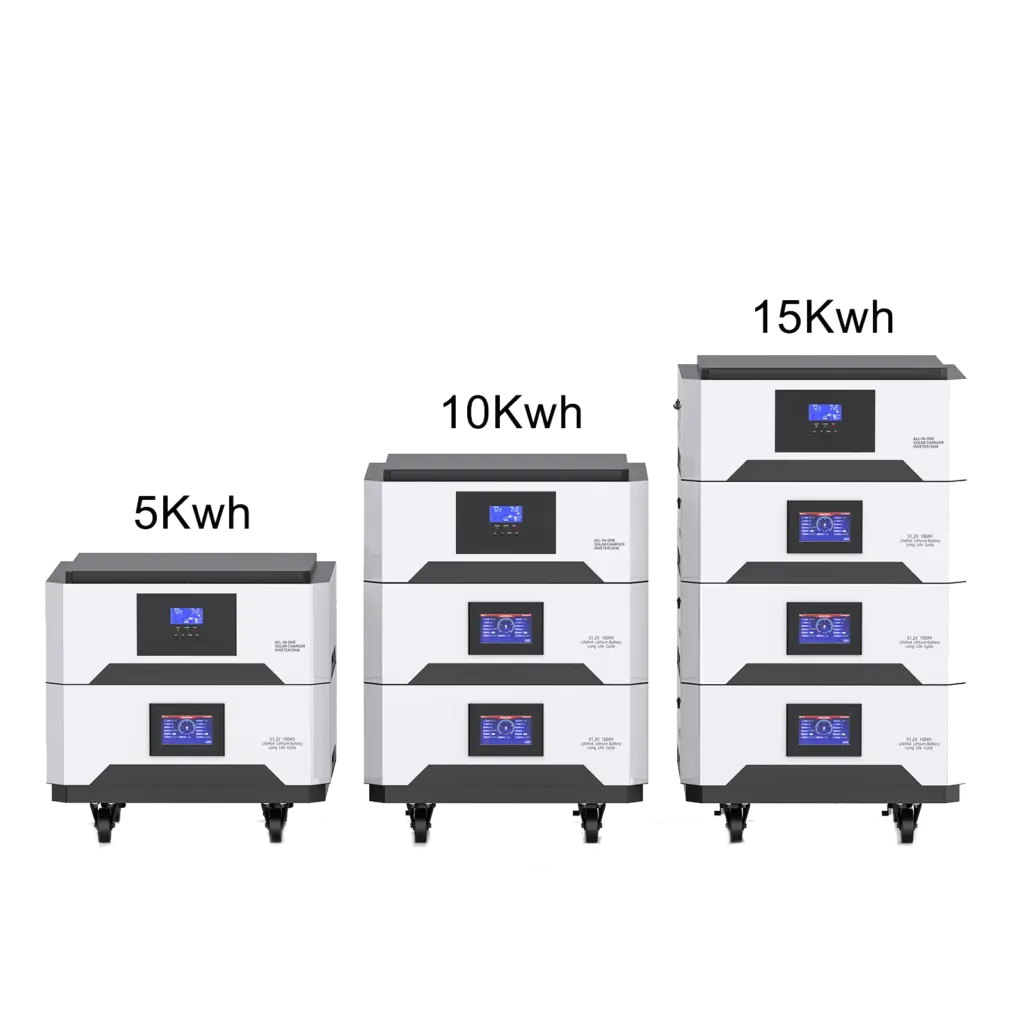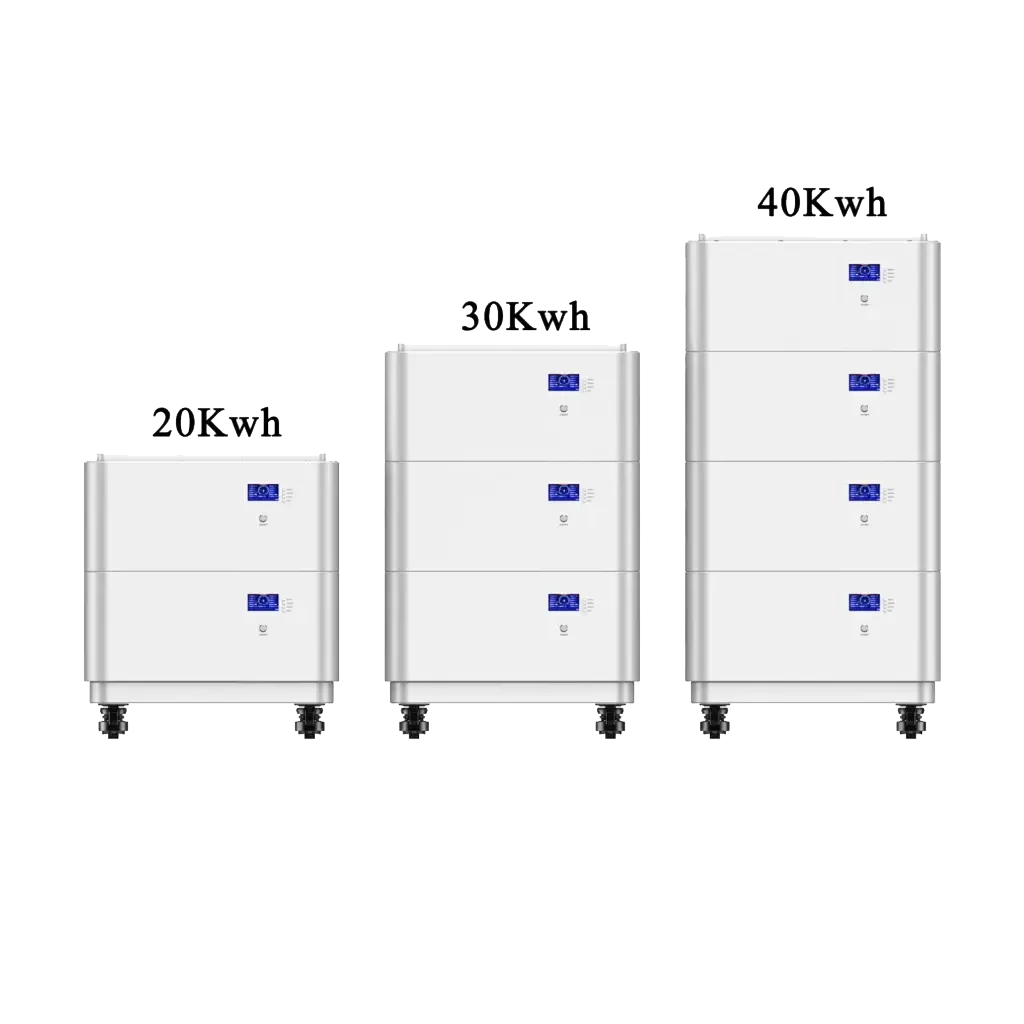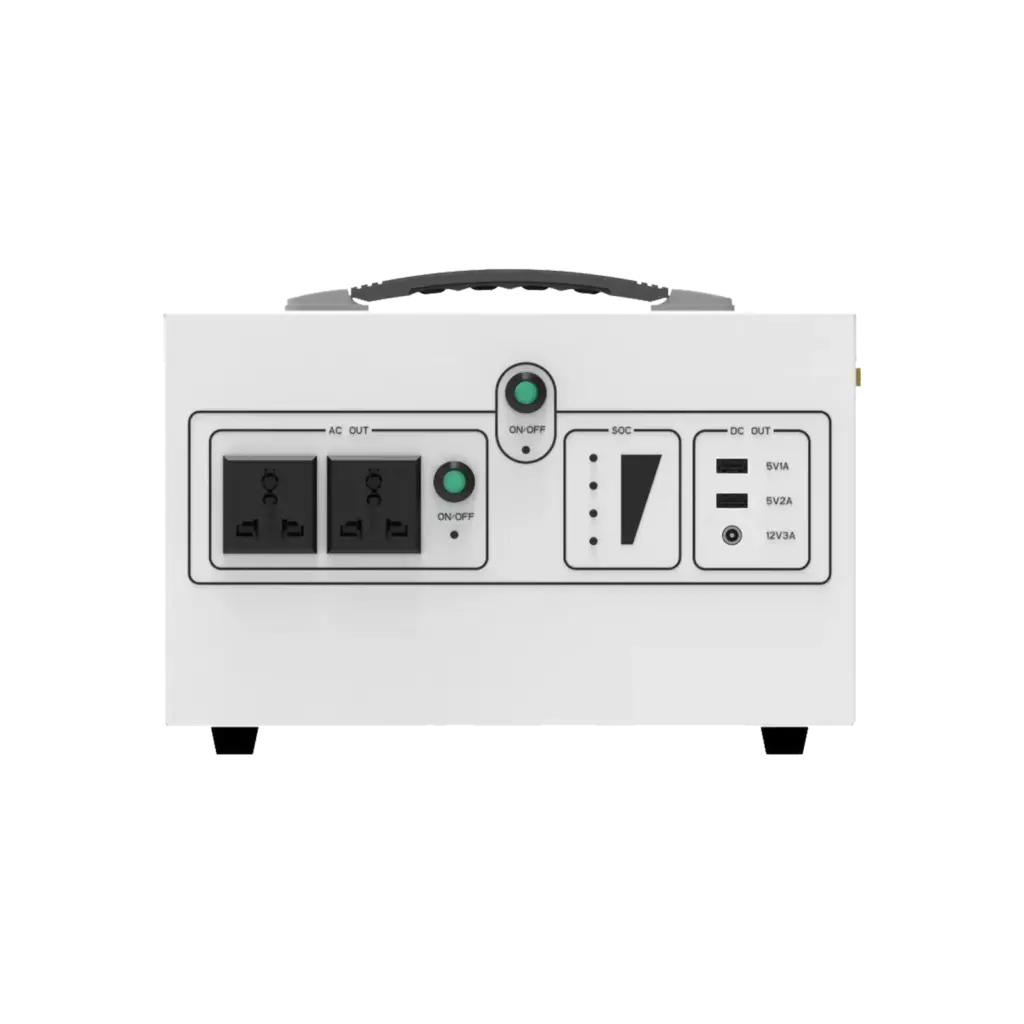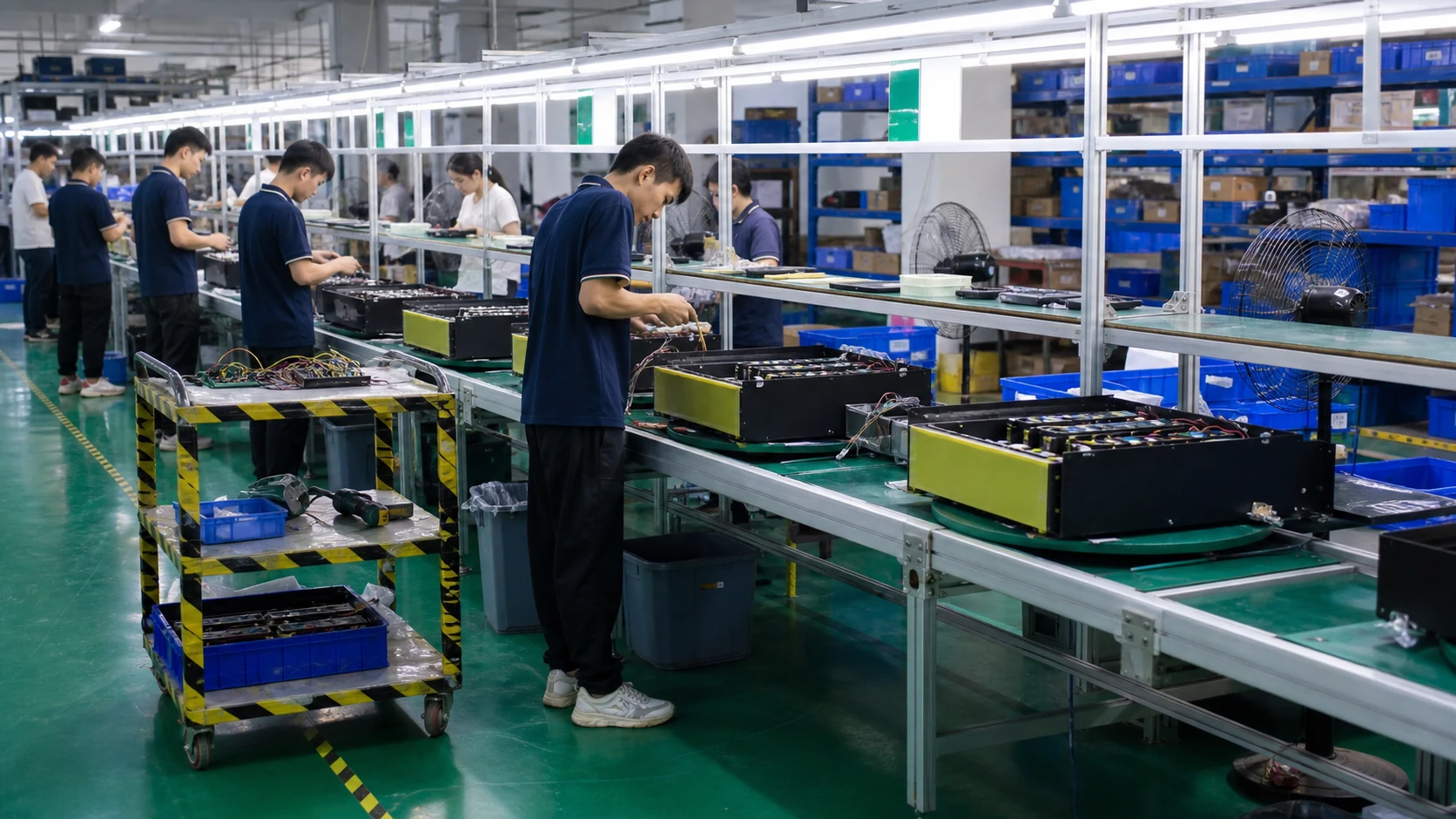

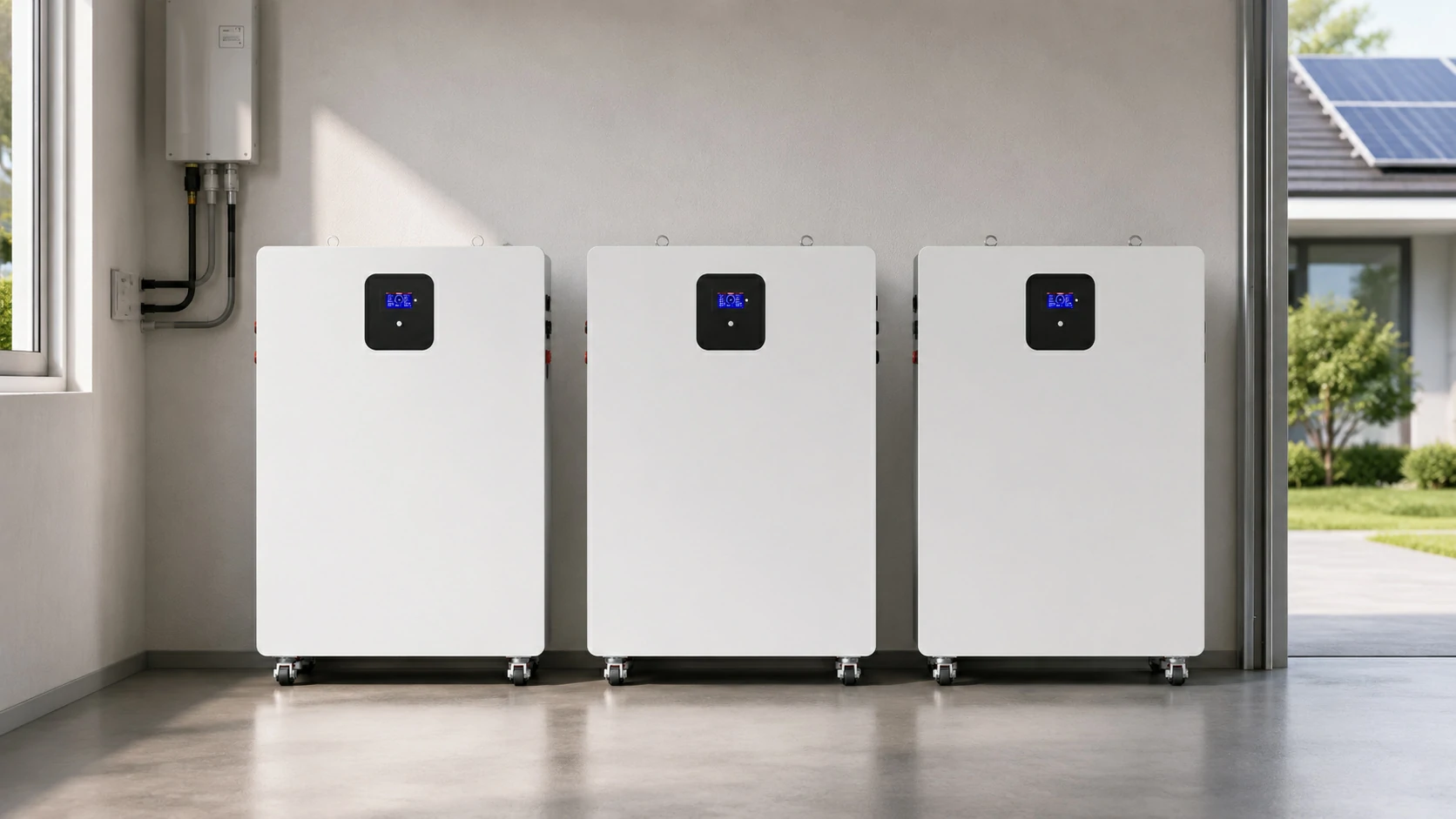
150kwh battery is a high-capacity energy storage system designed for users who need longer backup time, higher daily energy shifting, or more reliable solar energy storage than standard 5 kWh, 10 kWh, or 15 kWh systems can provide.
For many homes, a 10–20 kWh battery may be enough for essential backup. But for larger homes, villas, farms, multi-building properties, workshops, clinics, small factories, retail stores, and off-grid sites, 150 kWh can become a practical storage size. It can support solar self-consumption, peak shaving, time-of-use savings, backup power, and partial off-grid operation.
This guide explains what a 150 kWh battery means, how long it can last, when it makes sense, how to size the inverter and solar array, and what buyers should check before choosing a system.
Quick Answer: What Is a 150 kWh Battery?
A 150 kWh battery is an solar energy storage system that can store approximately 150 kilowatt-hours of electricity. In simple terms, it can theoretically deliver:
| Average Load | Approximate Runtime Before System Losses |
|---|---|
| 5 kW | 30 hours |
| 10 kW | 15 hours |
| 15 kW | 10 hours |
| 20 kW | 7.5 hours |
| 30 kW | 5 hours |
| 50 kW | 3 hours |
In real projects, usable runtime is usually lower because of depth of discharge limits, inverter losses, battery efficiency, HVAC loads, startup surges, temperature, and system design. For planning, many installers estimate 120–135 kWh of practical usable energy from a 150 kWh battery, depending on the allowed depth of discharge and inverter efficiency.
A 150 kWh system is best suited for:
- Large homes with high daily energy consumption
- Villas and luxury residential properties
- Farms and rural properties
- Small commercial buildings
- Restaurants, clinics, offices, shops, and warehouses
- Off-grid solar systems
- Backup power for critical loads
- Solar self-consumption and peak shaving
For smaller homes, a modular battery approach may be more cost-effective. Avepower, for example, offers scalable home energy storage batteries and higher-capacity options such as the 50 kWh solar battery, which can be configured for larger residential and light commercial applications. Avepower’s 50 kWh model is designed for high-capacity home storage, off-grid backup, villas, farms, and light commercial projects.
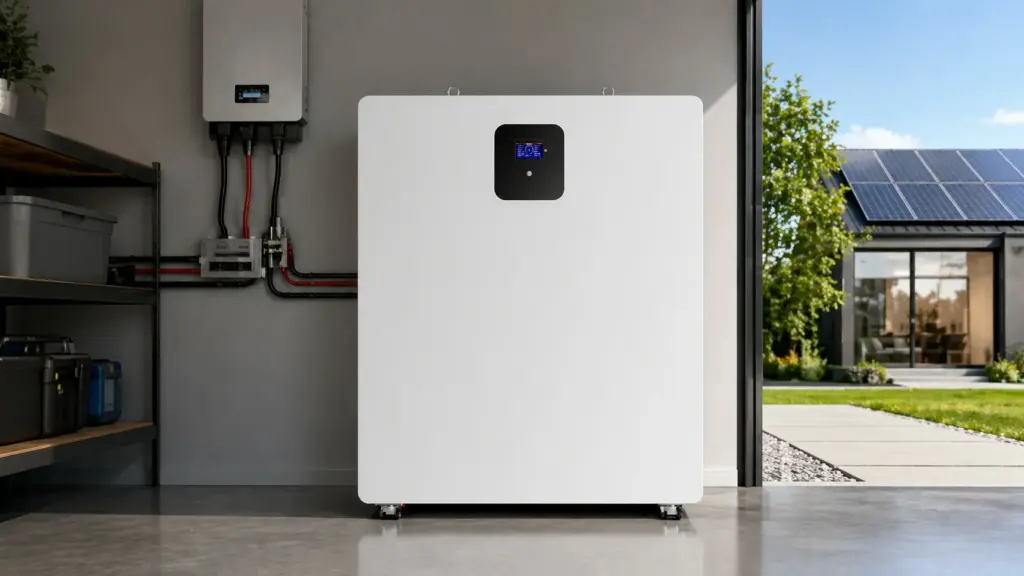
Scalable LiFePO4 Battery Storage for Large Loads
From modular home batteries to custom high-voltage ESS, Avepower supports flexible battery storage solutions for residential and light commercial energy needs.
Is a 150 kWh Battery Suitable for Home Use?
A 150 kWh battery can be used for residential projects, but it is usually not necessary for a typical household. It makes more sense for large homes, villas, estates, farms, off-grid homes, or properties with heavy electrical loads.
A normal household may use 10–30 kWh per day depending on climate, appliances, heating or cooling, EV charging, and lifestyle. For that type of home, a 10–30 kWh battery may be enough for nighttime solar use and essential backup. A 150 kWh battery is closer to a small commercial or premium residential backup system.
A 150 kWh battery may be reasonable for a home when the property has:
- Multiple air conditioners or heat pumps
- Electric heating or large HVAC loads
- A swimming pool pump
- EV charging
- Well pumps or irrigation pumps
- Guest houses or multiple buildings
- Long grid outages
- Off-grid solar requirements
- High time-of-use electricity rates
- A large solar PV system
For a large property that wants whole-home backup for one or more days, 150 kWh can be practical. But the system must be designed around real load data, not just a simple capacity target.
If the project is closer to a large residence or light commercial site, scalable products such as Avepower’s rack-mounted LiFePO4 battery systems or vertical LiFePO4 battery series may offer more flexible capacity planning.
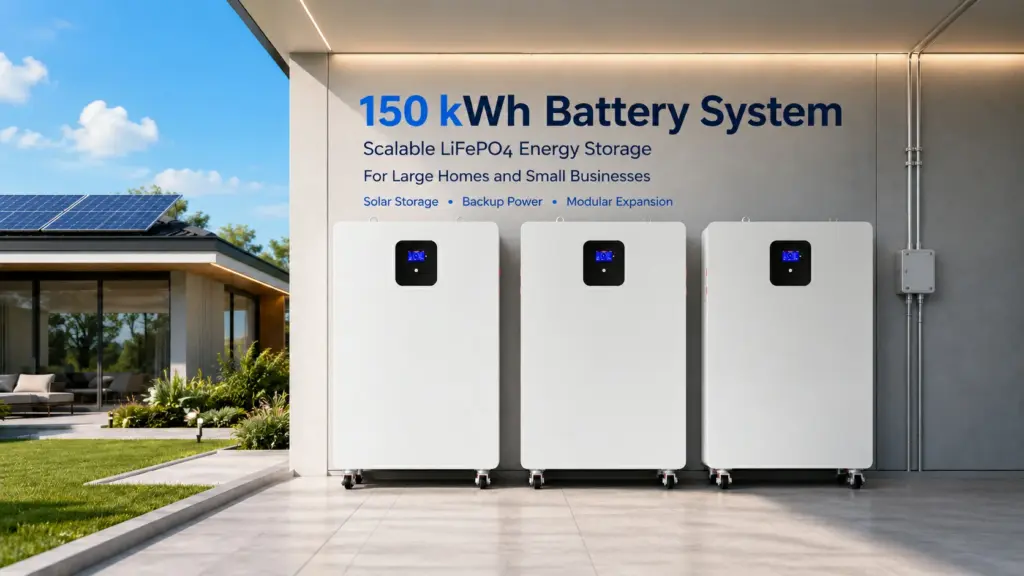
150 kWh Battery Runtime: How Long Will It Last?
The simplest runtime formula is:
Runtime = Battery Capacity ÷ Average Load
So if a site uses an average of 15 kW, a 150 kWh battery can theoretically run it for about 10 hours.
But real battery planning should include:
- Inverter efficiency
- Depth of discharge limit
- Battery age
- Temperature
- Startup surge loads
- Whether HVAC is included
- Whether EV charging is backed up
- Whether the system supports whole-site or critical-load backup
A practical planning method is to assume 80–90% usable energy unless the manufacturer and installer confirm a different value.
Practical Runtime Example
If the system allows 90% usable energy:
150 kWh × 90% = 135 kWh usable
Then:
| Average Load | Estimated Runtime Using 135 kWh |
|---|---|
| 5 kW | 27 hours |
| 10 kW | 13.5 hours |
| 15 kW | 9 hours |
| 20 kW | 6.75 hours |
| 30 kW | 4.5 hours |
| 45 kW | 3 hours |
For a home, average load may be much lower at night if HVAC and EV charging are managed. For a business, daytime loads may be higher, so runtime can be shorter.
What Can a 150 kWh Battery Power?
A 150 kWh battery can support a wide range of loads, but the exact answer depends on the inverter or PCS power rating.
For Large Homes
A 150 kWh system may support:
- Refrigerators and freezers
- Lighting
- Wi-Fi and home office equipment
- Water pumps
- Security systems
- Air conditioning or heat pumps
- Kitchen appliances
- Laundry equipment
- Pool pumps
- EV charging, if designed for it
However, backing up every load at the same time requires careful panel design and inverter sizing. In many homes, the installer separates loads into essential circuits and non-essential circuits to make the battery last longer.
For Small Businesses
A 150 kWh system may support:
- Lighting
- POS systems
- Computers and office equipment
- Refrigeration
- Security systems
- Small machinery
- Network equipment
- Selected HVAC zones
- Pumps or motors
- Emergency circuits
For businesses with motors, compressors, pumps, or refrigeration, surge power is important. The battery capacity may be sufficient, but the PCS must handle startup current.
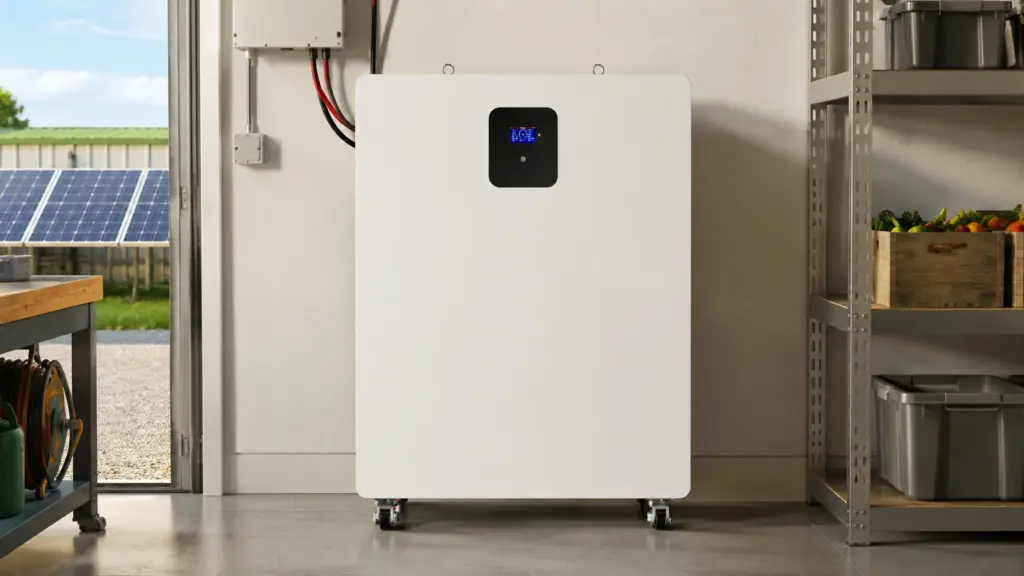
Build Reliable Backup Power with Avepower
Get a 150 kWh-class battery system designed for long backup time, stable performance and safer daily operation for large homes, farms and small commercial sites.
How Much Solar Is Needed to Charge a 150 kWh Battery?
A 150 kWh battery is often paired with solar PV, but the required solar array depends on daily energy use, local sunlight, seasonal weather, and how quickly the battery needs to recharge.
As a rough planning guide:
| Solar PV Size | Daily Production Estimate at 4 Peak Sun Hours |
|---|---|
| 30 kW | ~120 kWh/day |
| 40 kW | ~160 kWh/day |
| 50 kW | ~200 kWh/day |
| 75 kW | ~300 kWh/day |
| 100 kW | ~400 kWh/day |
These are simplified estimates before system losses. Real output depends on location, roof angle, shading, module orientation, inverter efficiency, and temperature.
For a large home, 30–50 kW of solar may be considered if roof or ground space is available. For small commercial sites, 50–150 kW may be more common depending on the load profile and tariff structure.
Low-Voltage Modular vs High-Voltage 150 kWh Battery Systems
A 150 kWh battery can be built in different ways. The two common approaches are:
- Low-voltage modular battery bank
- High-voltage cabinet or commercial ESS
Each has advantages.
Low-Voltage Modular Battery Bank
A low-voltage modular system may be built from several 48V battery units. For example:
- 10 × 15 kWh batteries = 150 kWh
- 5 × 30 kWh batteries = 150 kWh
- 3 × 50 kWh batteries = 150 kWh
This approach can be useful for large homes, villas, installer-led residential projects, and light commercial systems. It allows the owner to start smaller and expand later.
Avepower’s 30 kWh solar battery is designed for high-capacity home storage, off-grid backup, and small commercial peak shaving, with LiFePO4 chemistry, CAN/RS485/RS232 communication, Bluetooth/WiFi monitoring, and parallel expansion support.
High-Voltage Battery Cabinet
A high-voltage system is often better for commercial projects, three-phase sites, higher power output, and more integrated energy management. HV systems can reduce current at the same power level, which may improve efficiency and reduce cable complexity when properly engineered.
Avepower’s custom high-voltage lithium battery storage system is designed for scalable ESS projects with configurable voltage platform, cabinet layout, communication solution, BMU/BCU management, CAN/RS485 support, and commercial or industrial storage applications.
Which One Should You Choose?
| Project Type | Better Fit |
|---|---|
| Large home | Modular 48V or hybrid system |
| Villa or estate | Modular 48V or custom HV, depending on load |
| Farm | Modular or HV, depending on pumps and equipment |
| Sma | HV or commercial ESS |
| Three-phase commercial site | HV cabinet system |
| Installer-led residential expansion | Modular battery bank |
| High-power peak shaving | HV ESS with suitable PCS |
| Off-grid project | Depends on inverter, PV size, and backup generator strategy |
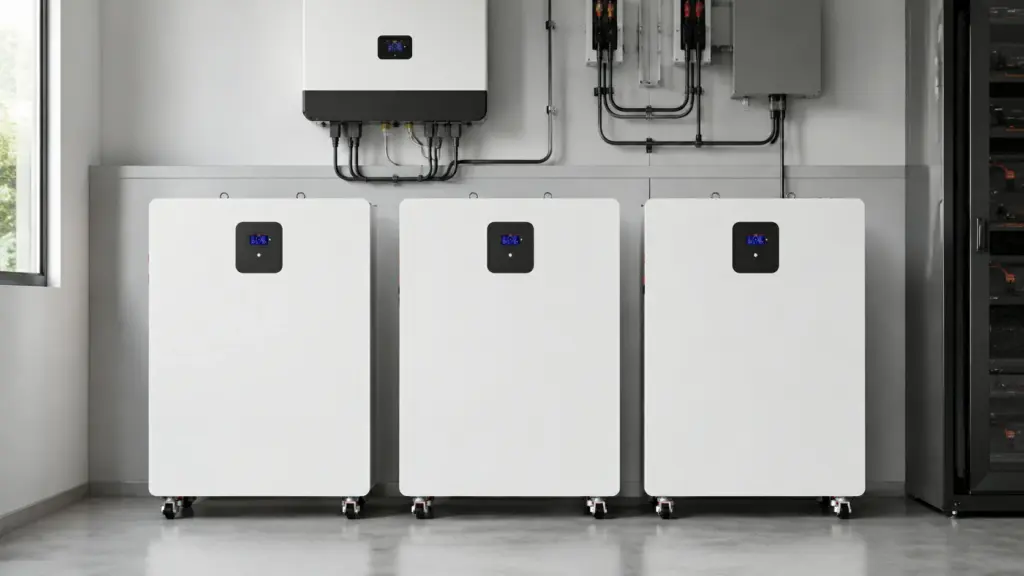
How to Choose the Right Inverter or PCS Size
A 150 kWh battery tells you how much energy is stored. The inverter or PCS tells you how much power can be delivered at one time.
For example:
- 150 kWh battery + 30 kW inverter = longer runtime, lower peak output
- 150 kWh battery + 50 kW PCS = balanced backup and small commercial use
- 150 kWh battery + 80 kW PCS = stronger commercial output
- 150 kWh battery + 100 kW PCS = higher peak power but shorter runtime at full load
Some ranking 150 kWh product pages pair the battery with an 80 kW PCS, showing that the market often positions this size for commercial rather than basic home backup.
For homes, the inverter should be sized around critical circuits, HVAC plans, surge loads, and whether the system is single-phase or three-phase. For businesses, the PCS should be sized using load monitoring data, peak demand history, motor startup requirements, and tariff goals.
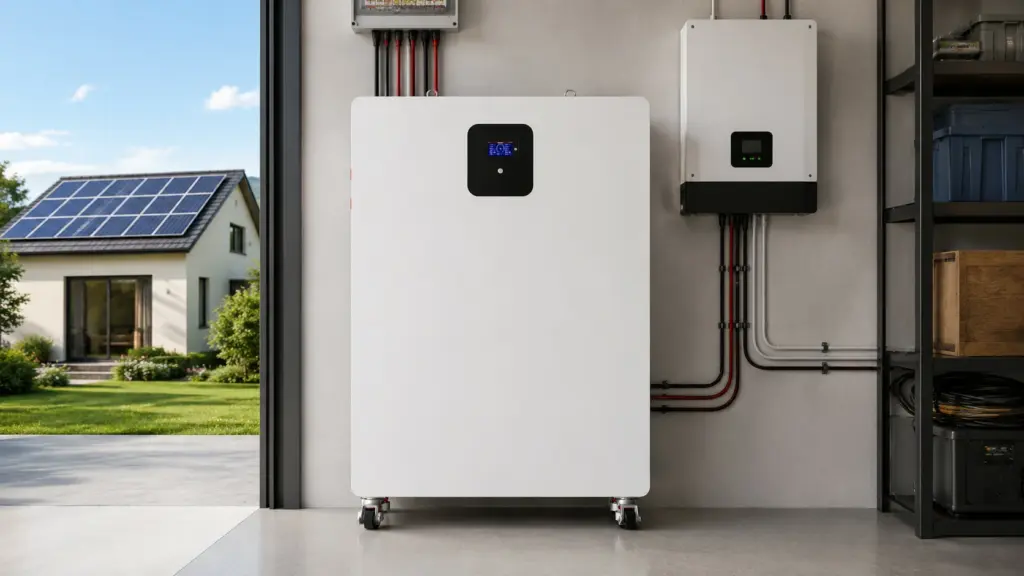
Need a 150 kWh Battery Solution for Your Project?
Avepower helps EPC teams, and project owners configure scalable LiFePO4 battery systems for large homes and small commercial sites. Share your load profile, solar system size, and backup requirements to get a tailored battery storage recommendation.
150 kWh Battery Cost: What Affects the Final Price?
The cost of a 150 kWh battery depends heavily on whether you are buying only the battery modules, a complete battery cabinet, or a fully installed energy storage system with inverter, PCS, BMS, EMS, protection devices, wiring, installation, and commissioning.
| Cost Level | Estimated Price Range | What It Usually Includes |
|---|---|---|
| Battery pack only | $10,500–$30,000 | Cells or battery modules only, usually excluding inverter, cabinet, EMS, installation, shipping, and protection devices |
| Battery cabinet / equipment level | $30,000–$60,000 | Battery cabinet, BMS, basic protection, communication, sometimes integrated DC cabinet |
| Complete installed system | $60,000–$150,000+ | Battery, inverter or PCS, EMS, wiring, breakers, installation, commissioning, permits, and site-specific electrical work |
A 150 kWh battery used for a large home backup system may cost differently from a 150 kWh commercial energy storage system designed for three-phase power, peak shaving, solar self-consumption, and backup operation.
A simple way to understand the cost structure is:
150 kWh battery system cost = battery capacity cost + inverter/PCS cost + BOS cost + installation cost + project-specific costs
For example, a 150 kWh battery paired with a 30 kW inverter for a large home will usually cost less than a 150 kWh battery paired with a 80 kW PCS for a small commercial building. The battery capacity is the same, but the power output, electrical design, control system, and installation requirements are different.
Main Factors That Affect 150 kWh Battery Cost
The final cost of a 150 kWh battery is influenced by several factors:
- Battery chemistry: LiFePO4 batteries are commonly used in home and commercial energy storage because they offer good safety, long cycle life, and stable performance.
- Nominal capacity vs usable capacity: A 150 kWh nominal battery may not provide 150 kWh of usable energy. The usable capacity depends on depth of discharge, battery management settings, inverter losses, and system design.
- Inverter or PCS size: A 30 kW, 50 kW, 80 kW, or 100 kW power conversion system will significantly change the total project cost.
- Low-voltage or high-voltage design: Large homes may use multiple modular 48V batteries, while small commercial projects often prefer high-voltage battery cabinets for better efficiency and higher power output.
- Indoor or outdoor installation: Outdoor cabinets, IP-rated enclosures, air cooling, liquid cooling, fire protection, and weatherproof design can increase cost.
- Installation complexity: Long cable runs, panel upgrades, three-phase connection, backup load panels, permits, and local code requirements can raise the installed price.
- Monitoring and control system: EMS, remote monitoring, smart load control, solar integration, and generator integration add value but also increase system cost.
Cost Example for a Large Home
For a large home, villa, farm, or estate, a 150 kWh battery may be built from modular home storage batteries. For example:
- 10 × 15 kWh batteries = 150 kWh
- 5 × 30 kWh batteries = 150 kWh
- 3 × 50 kWh batteries = 150 kWh
This type of design is often more flexible because the owner can start with a smaller system and expand later. Avepower offers modular options such as 15 kWh vertical LiFePO4 batteries, 30 kWh solar batteries, and 50 kWh solar batteries for large residential and light commercial energy storage projects.
When a 150 kWh Battery Is a Good Investment
A 150 kWh battery may be worth considering when:
- Power outages cause financial loss
- The site has high evening or night electricity usage
- Solar export value is low
- Electricity tariffs include peak demand charges
- The business needs backup for refrigeration, security, or operations
- The property is off-grid or weak-grid
- The owner wants longer backup than standard home batteries provide
- The project needs scalable storage for future load growth
For small businesses, the value is often not just lower electricity bills. It may also include avoided downtime, protected inventory, better power reliability, and improved use of on-site solar generation.
Avepower 150 kWh Battery Solution Options
Avepower can support different 150 kWh-class project approaches depending on the site.
For residential and light commercial users, a modular system may be the most practical path. For three-phase commercial projects or higher-power applications, a high-voltage cabinet system may be more suitable.
Avepower also supports installers with compatibility assistance, communication protocols, and project-based battery selection. Its wall-mounted battery page highlights solution architecture for solar PV, hybrid inverter, battery, and monitoring app, while also noting applications such as backup power, self-consumption, and time-of-use bill reduction.
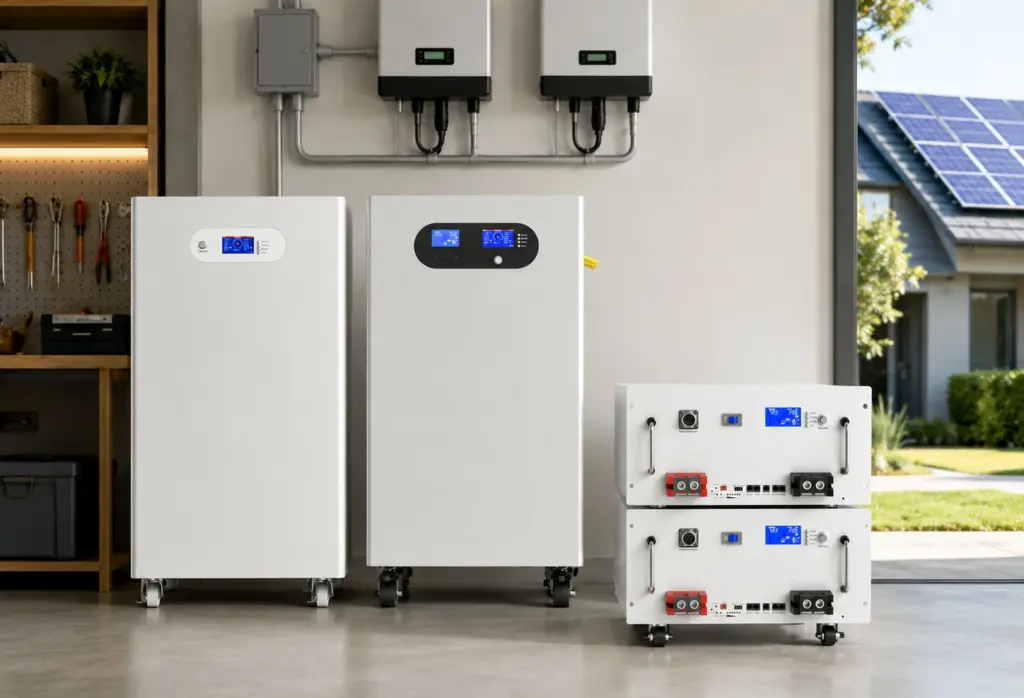
Take Control of Your Energy with Avepower!
Reliable home solar battery solutions with OEM/ODM customization and in-house manufacturing, tailored to the needs of distributors, installers, and energy partners.
Conclusion
A 150 kWh battery is a serious energy storage system for large homes, villas, off-grid properties, farms, and small commercial buildings. It can provide long backup time, improve solar self-consumption, support peak-load management, and protect critical loads during outages.
However, the battery capacity alone does not define the system. A successful 150 kWh project must also consider inverter power, usable capacity, solar recharge rate, BMS protection, communication protocol, safety standards, installation environment, monitoring, and long-term support.
FAQ
A 150 kWh battery can store about 150 kilowatt-hours of electricity. It describes energy capacity, not instant power output. The inverter or PCS determines how much power the battery can deliver at one time.
It depends on the load. A 150 kWh battery can theoretically run a 10 kW average load for about 15 hours before system losses. In real use, runtime is lower after depth of discharge limits and inverter losses.
Yes, but it is usually more than a typical home needs. It makes sense for large homes, villas, farms, off-grid homes, or properties with high energy consumption and long backup requirements.
Many projects pair a 150 kWh battery with 40–150 kW of solar PV, depending on daily energy use, sunlight hours, and recharge goals. The exact size should be calculated from load data and local solar production.
Common inverter or PCS sizes may range from 30 kW to 100 kW. Homes may use lower power ratings, while small commercial sites may require 50–80 kW or higher depending on peak loads.
Many projects pair a 150 kWh battery with 40–150 kW of solar PV, depending on daily energy use, sunlight hours, and recharge goals. The exact size should be calculated from load data and local solar production.