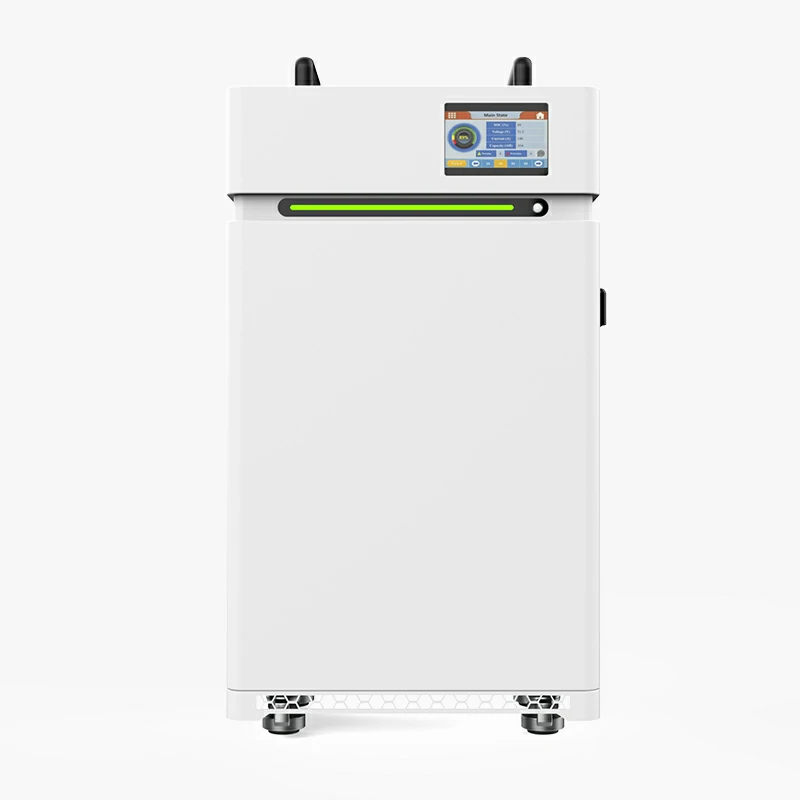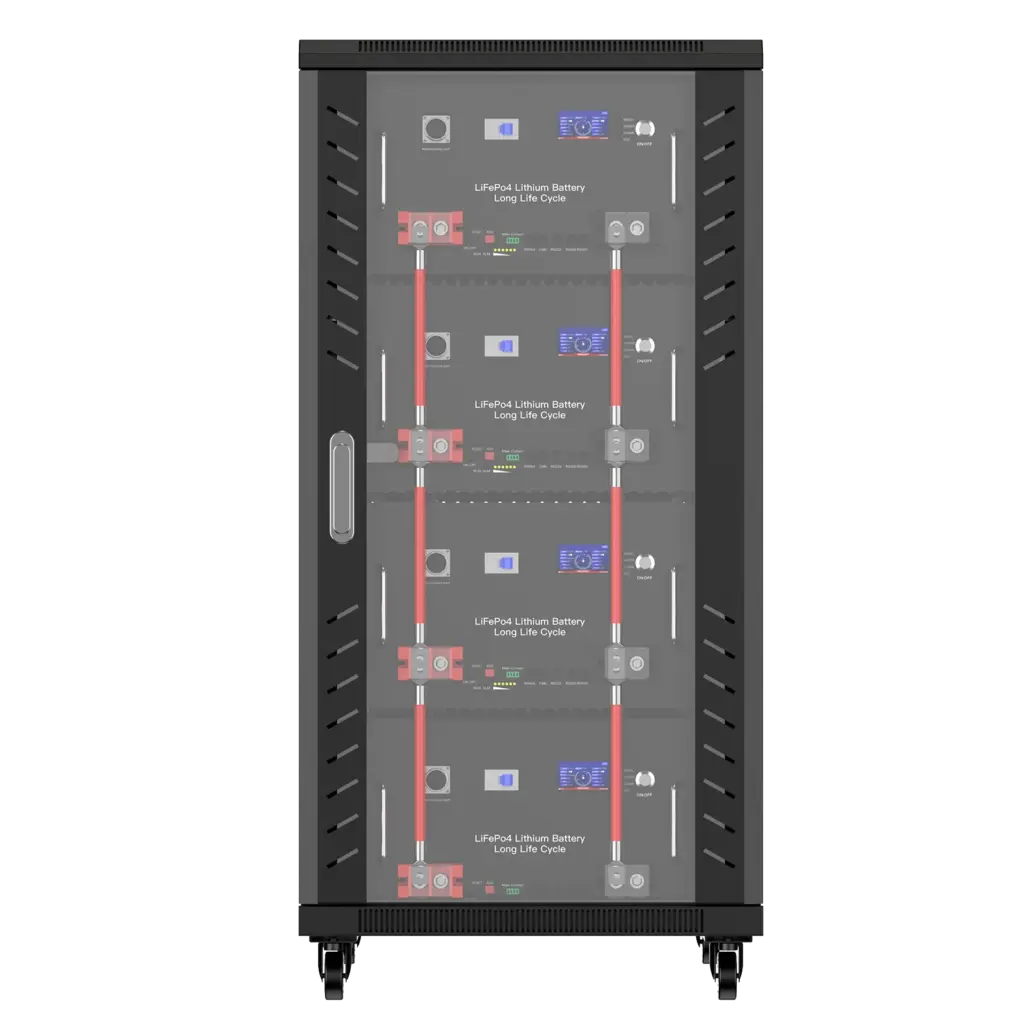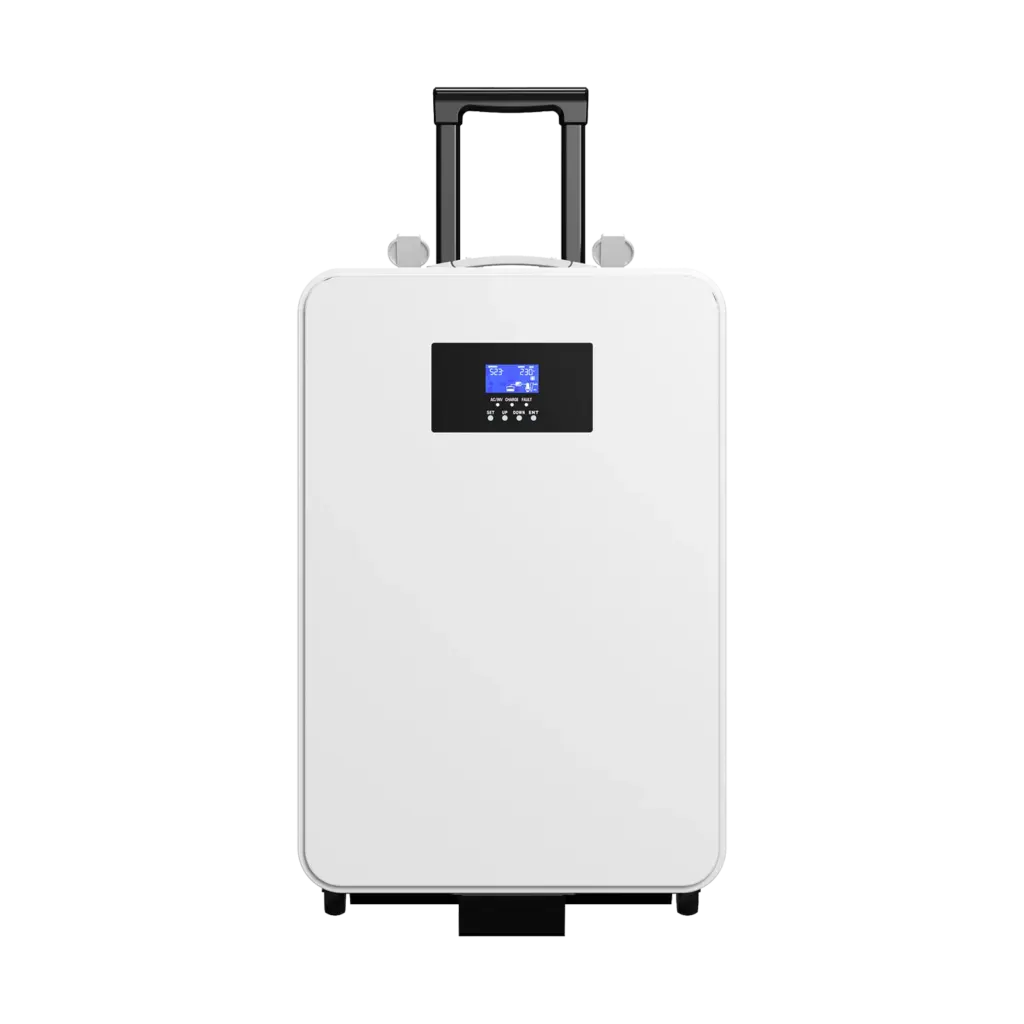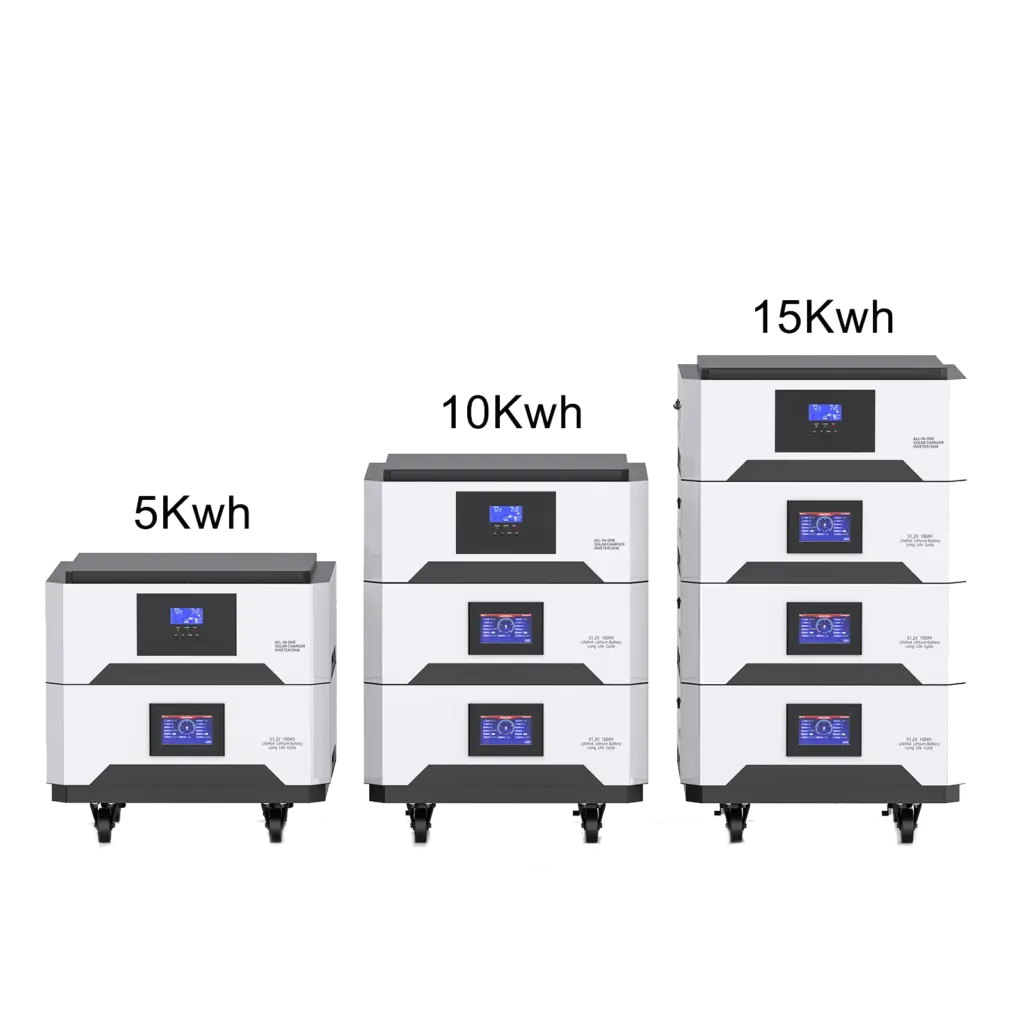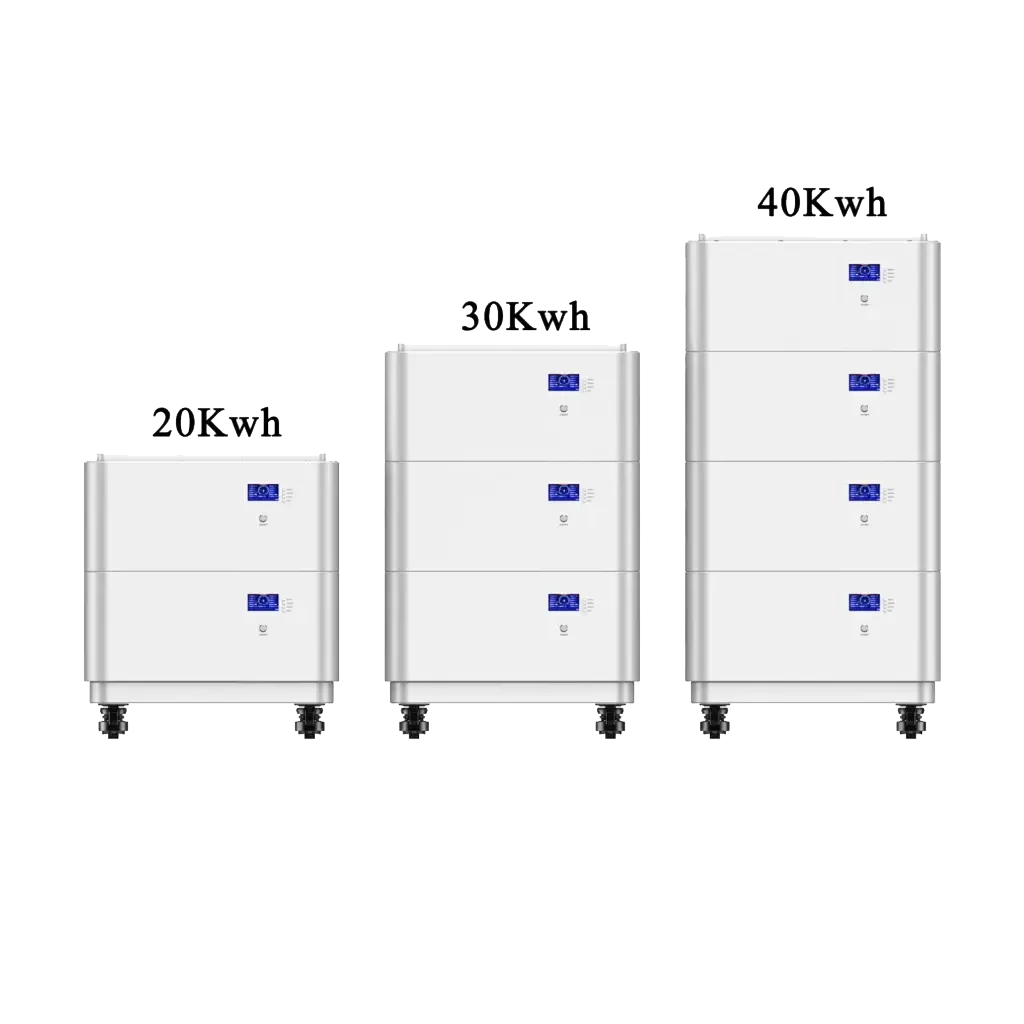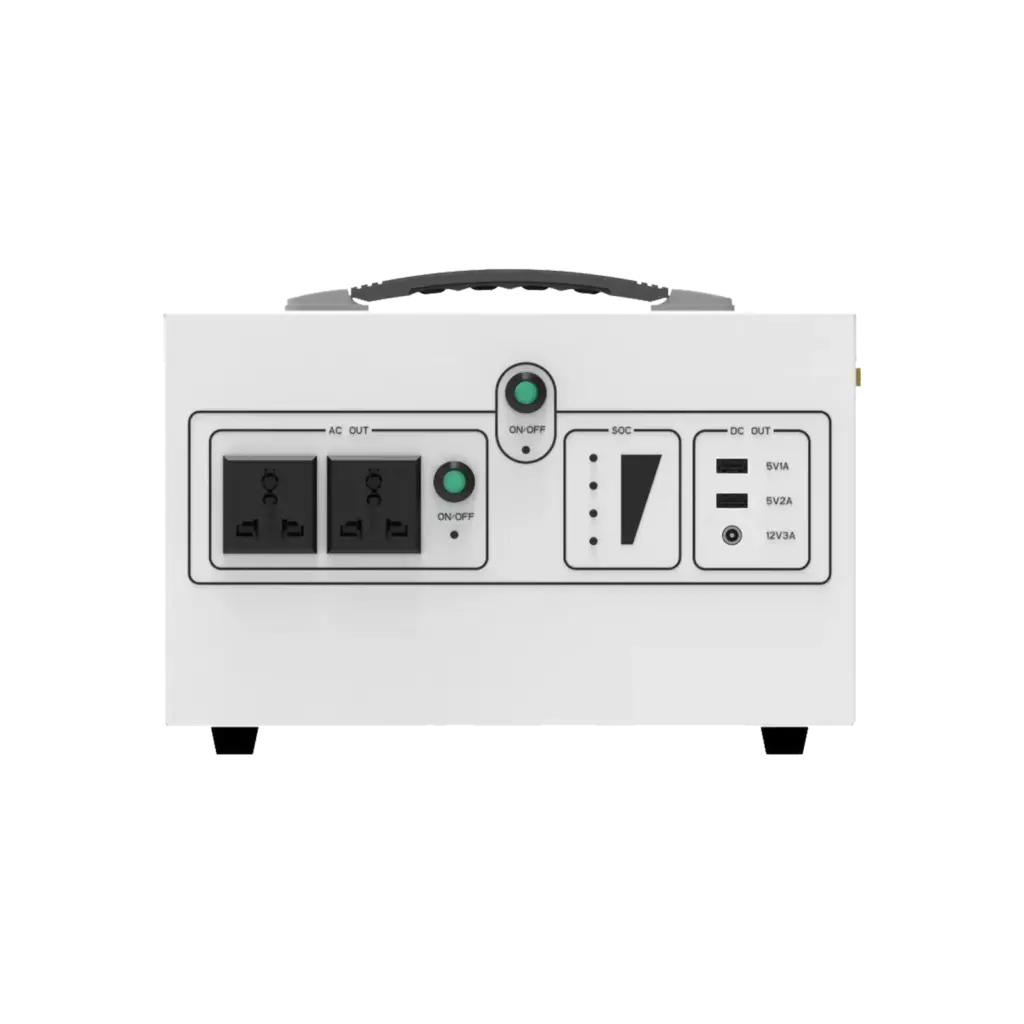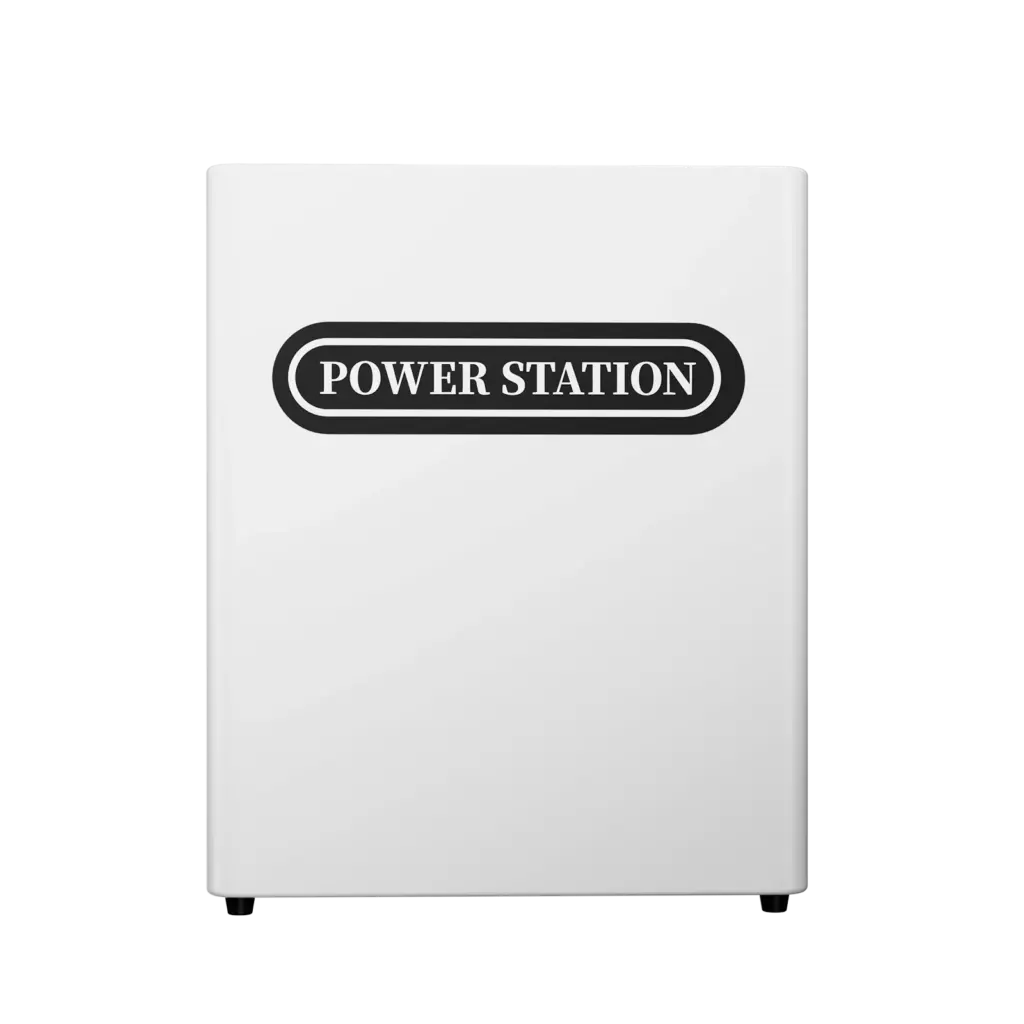

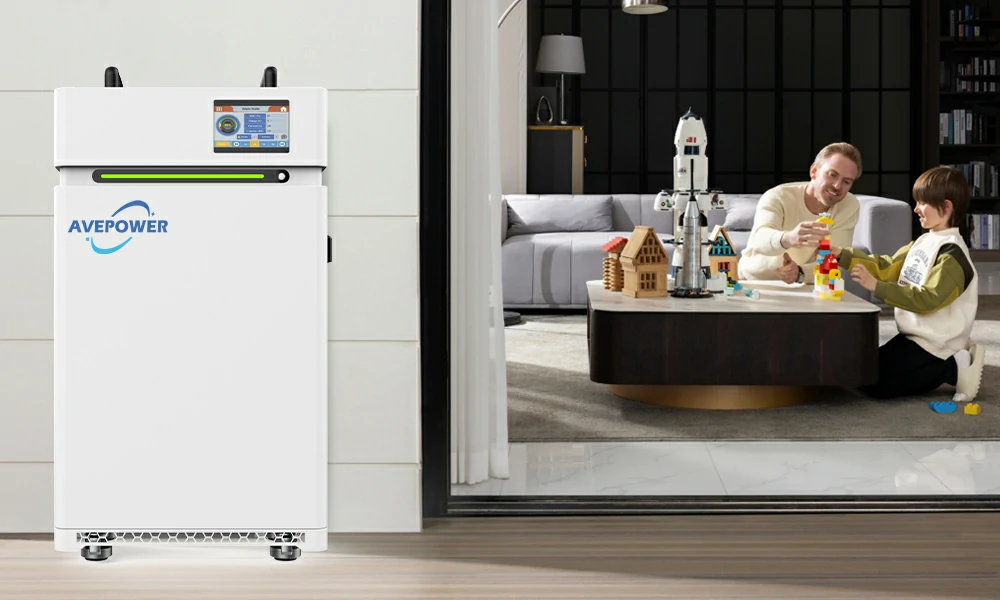
A 15 kWh battery stores a total of 15 kilowatt-hours of electrical energy. This means the battery can supply 15 kilowatts of power continuously for one hour before it is fully drained. However, the actual time a 15 kWh battery lasts depends heavily on how much electricity is being used at any given moment. The less power you draw from it, the longer the battery will last.
In this article, we will explore practical examples and calculations to help you understand how long a 15 kWh battery can power your home or devices.
Why a 15 kWh Battery Never Delivers the Full 15 kWh
Every battery system loses a small amount of energy during charging, discharging, and power conversion. These losses come from:
- Inverter efficiency
- Battery management systems
- Heat generation
- Safety reserve settings
Most modern lithium battery systems offer 90% to 95% usable capacity. This means a 15 kWh battery typically provides 13.5 to 14.25 kWh of usable energy.
A Real Example of a 15 kWh Home Battery
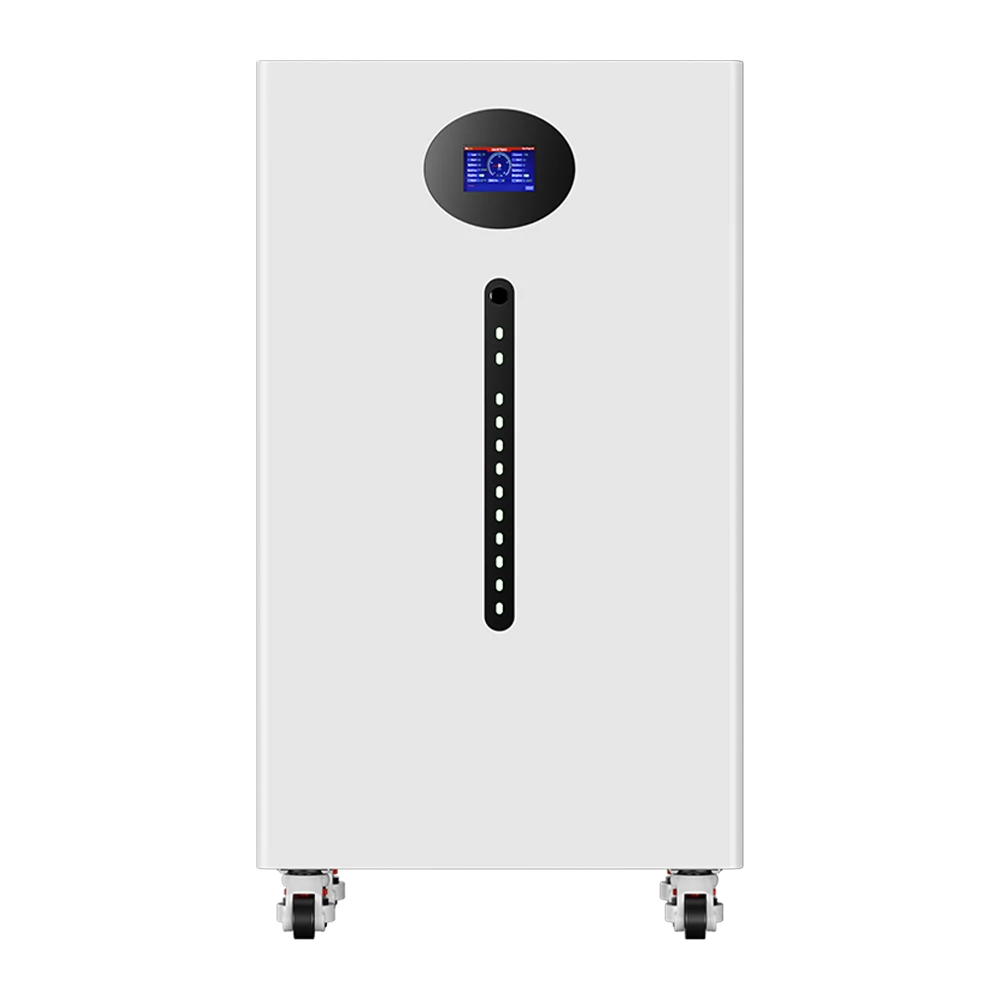
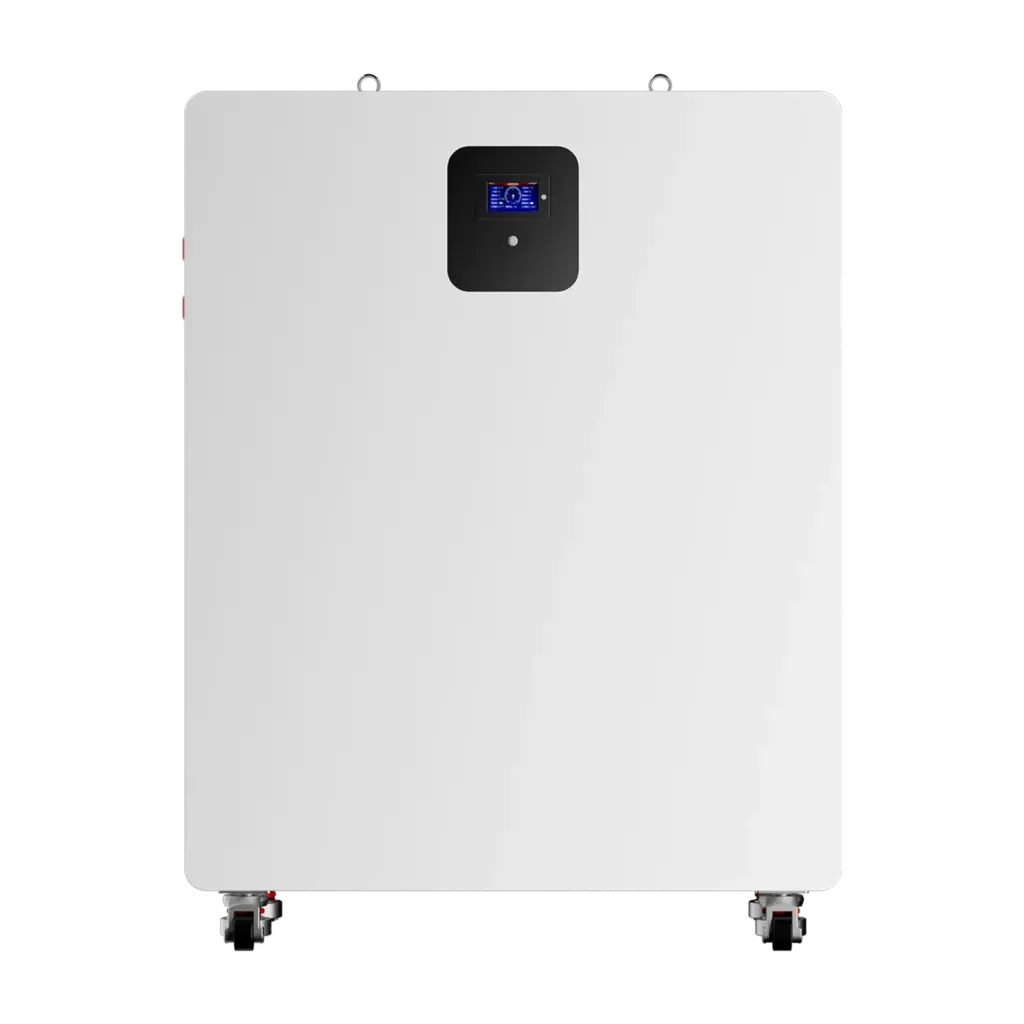
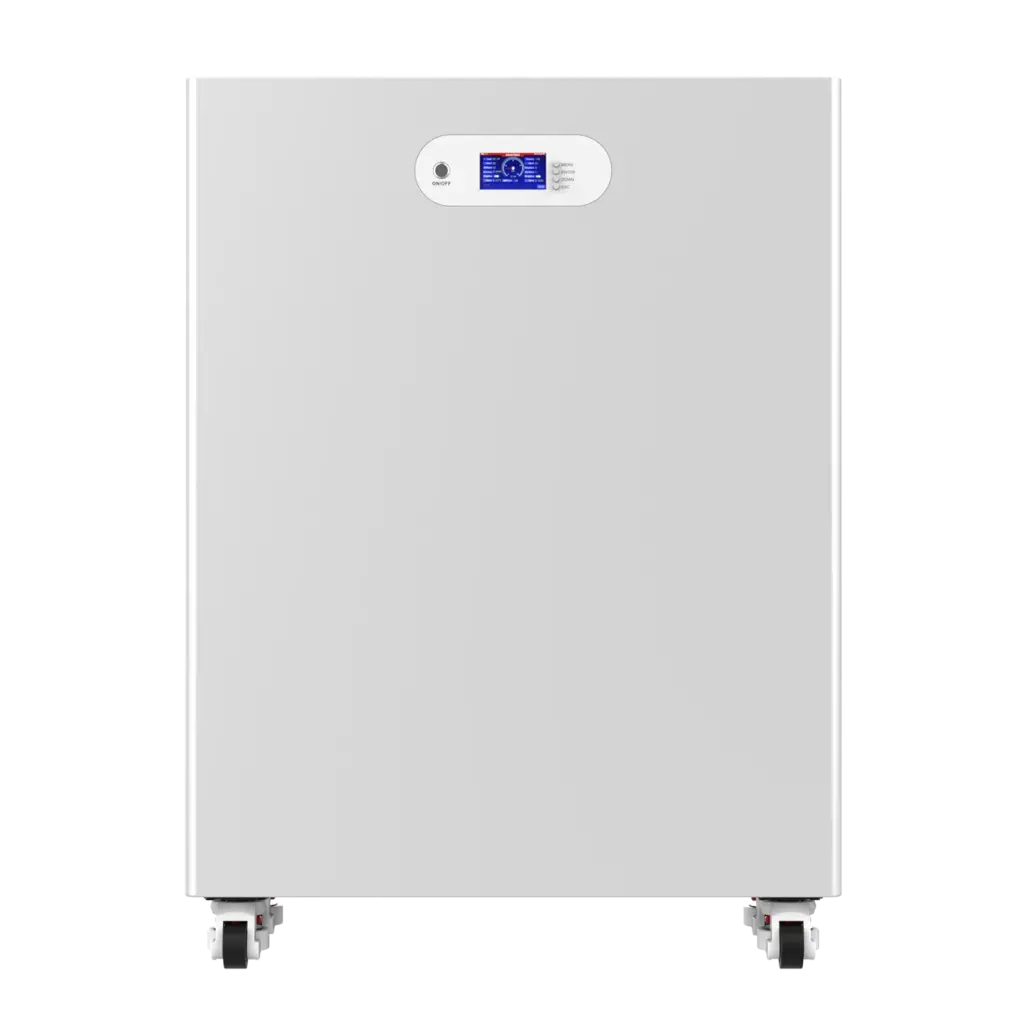
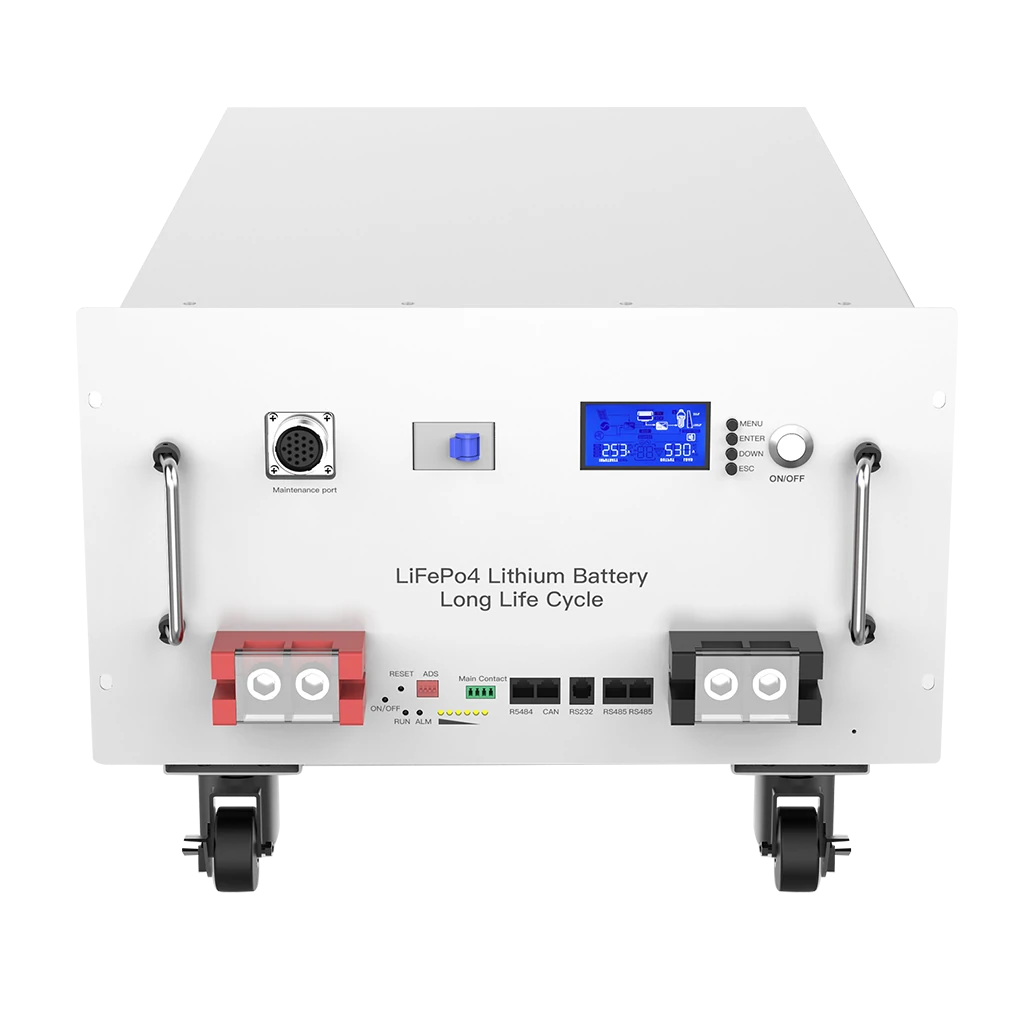
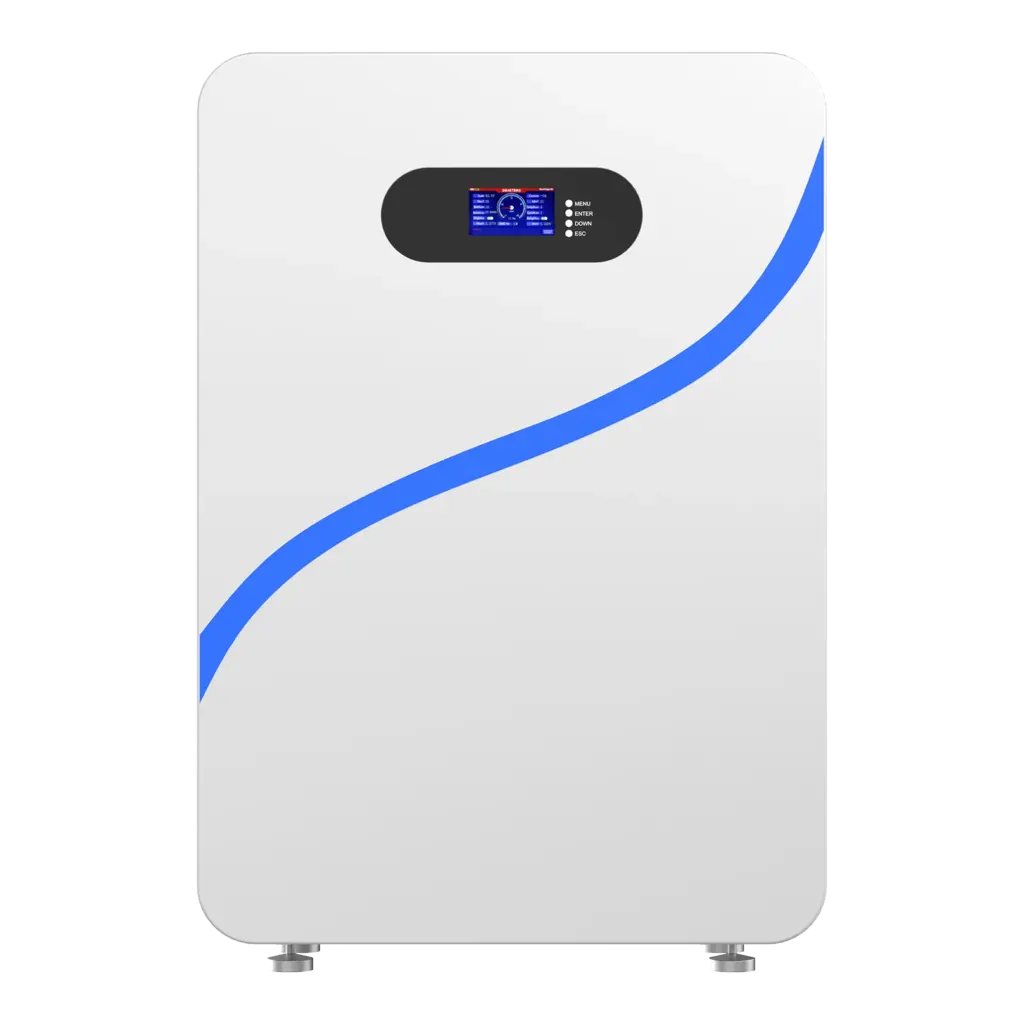
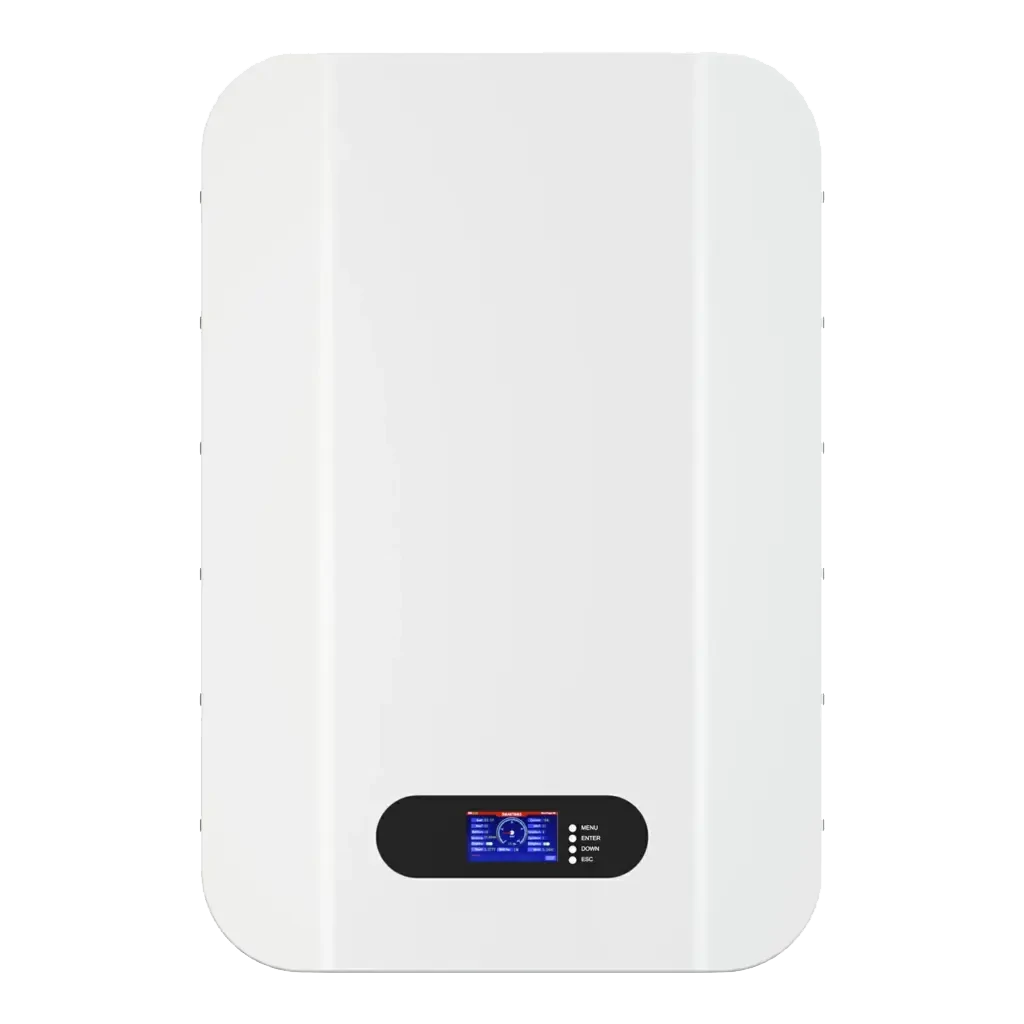
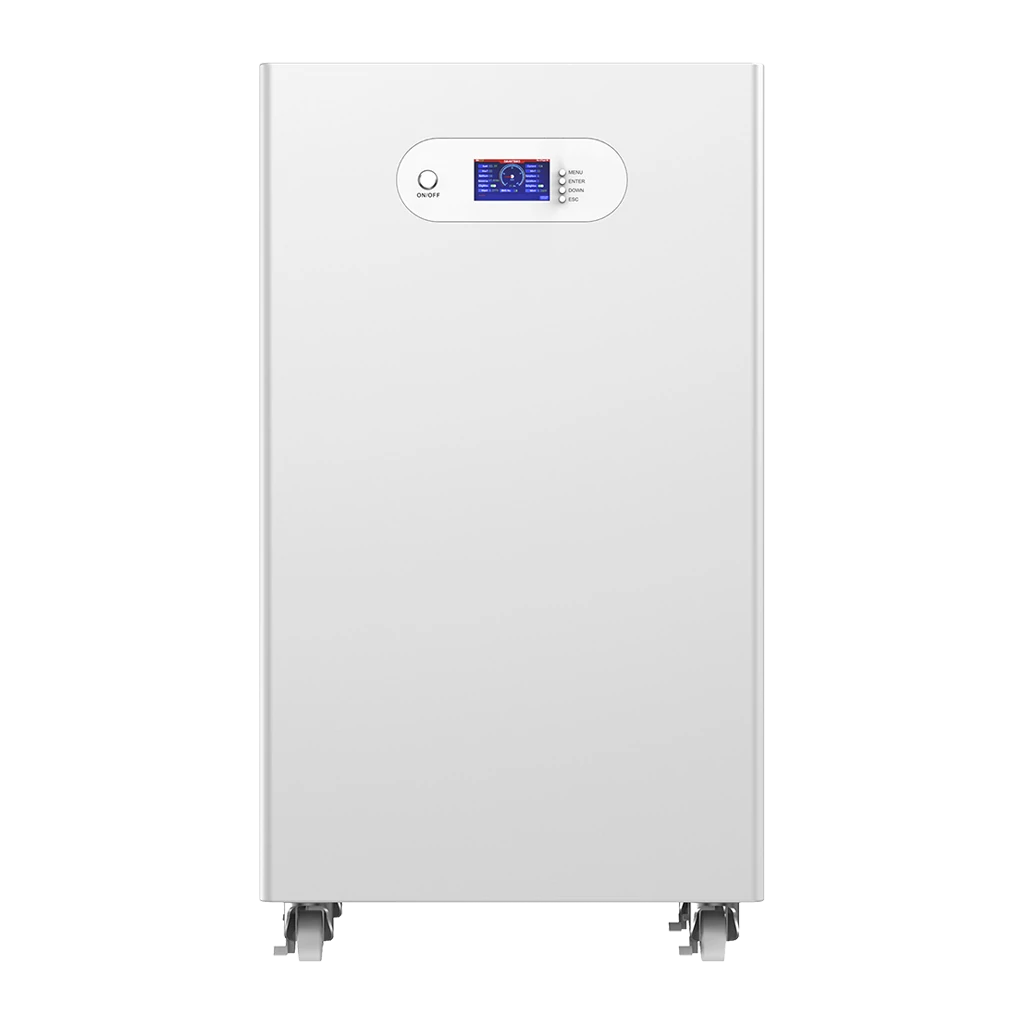
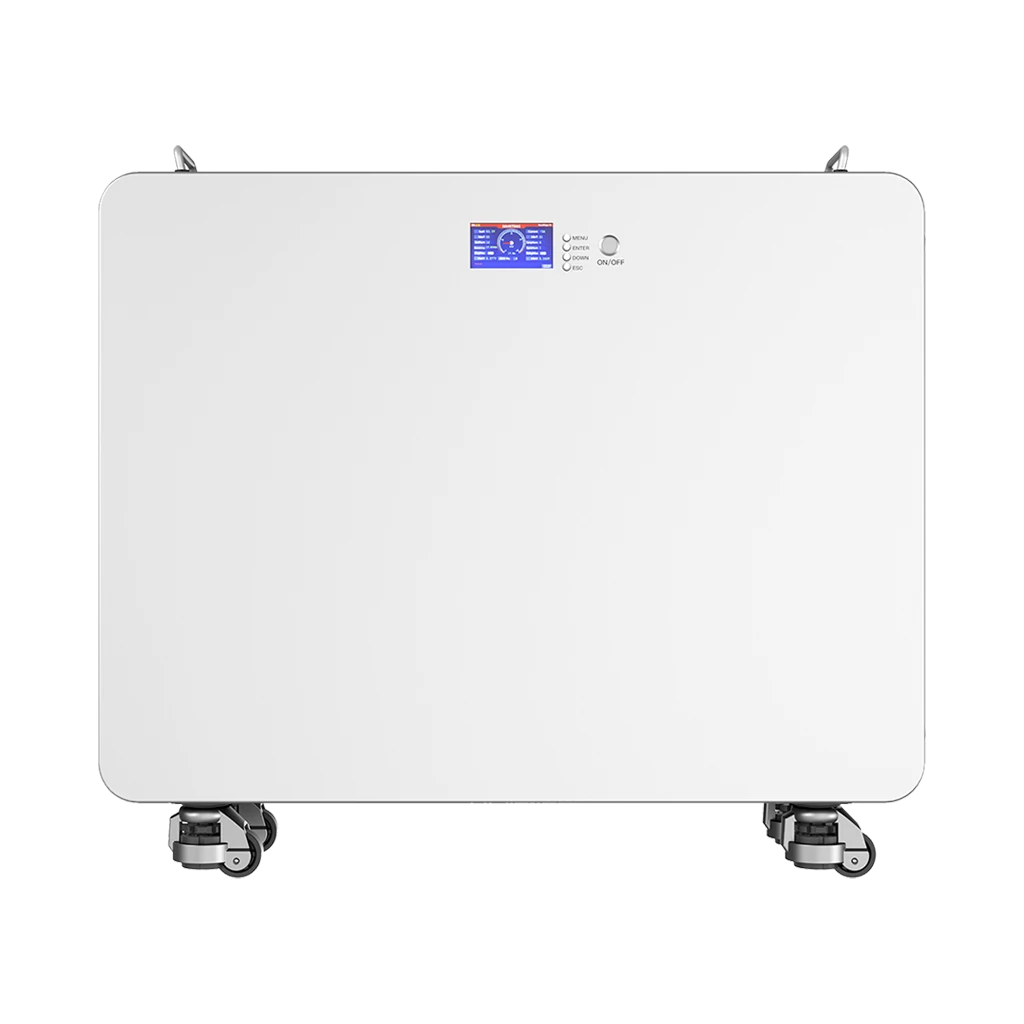
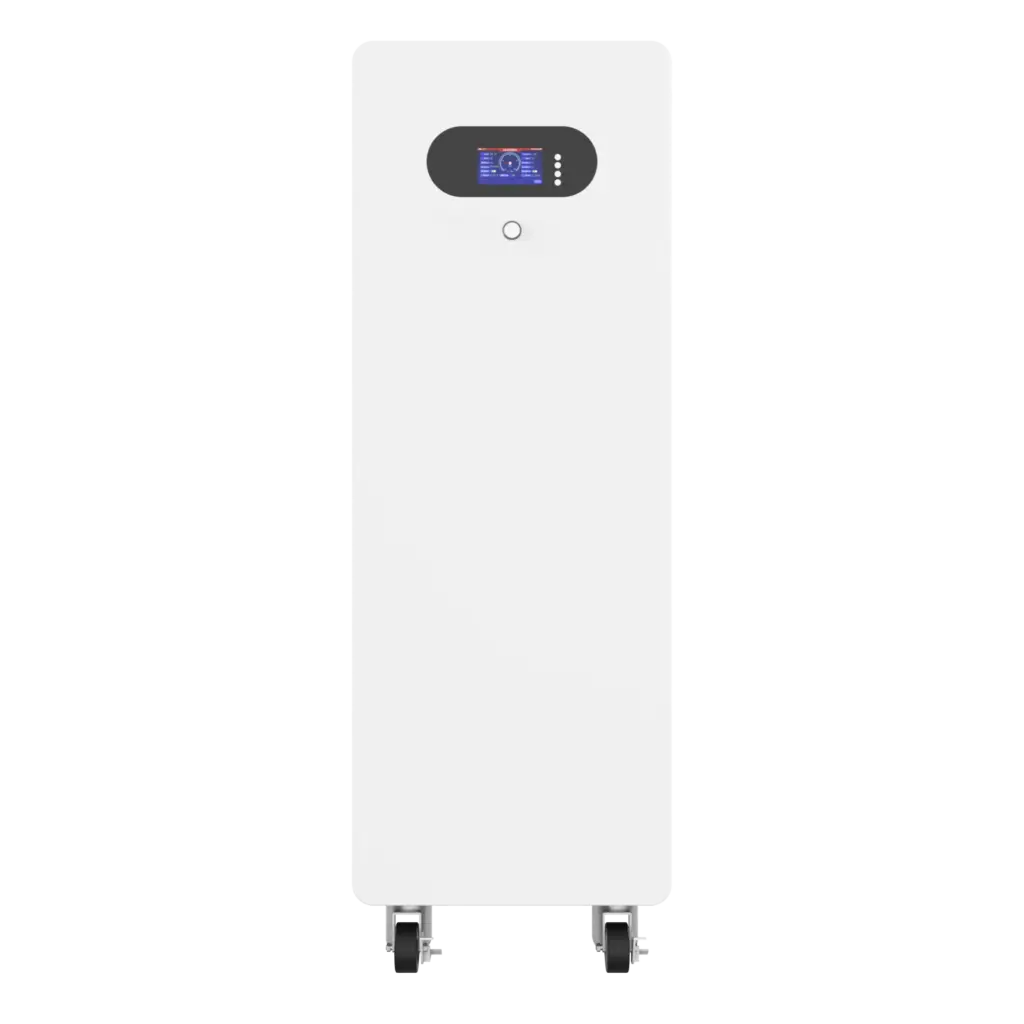
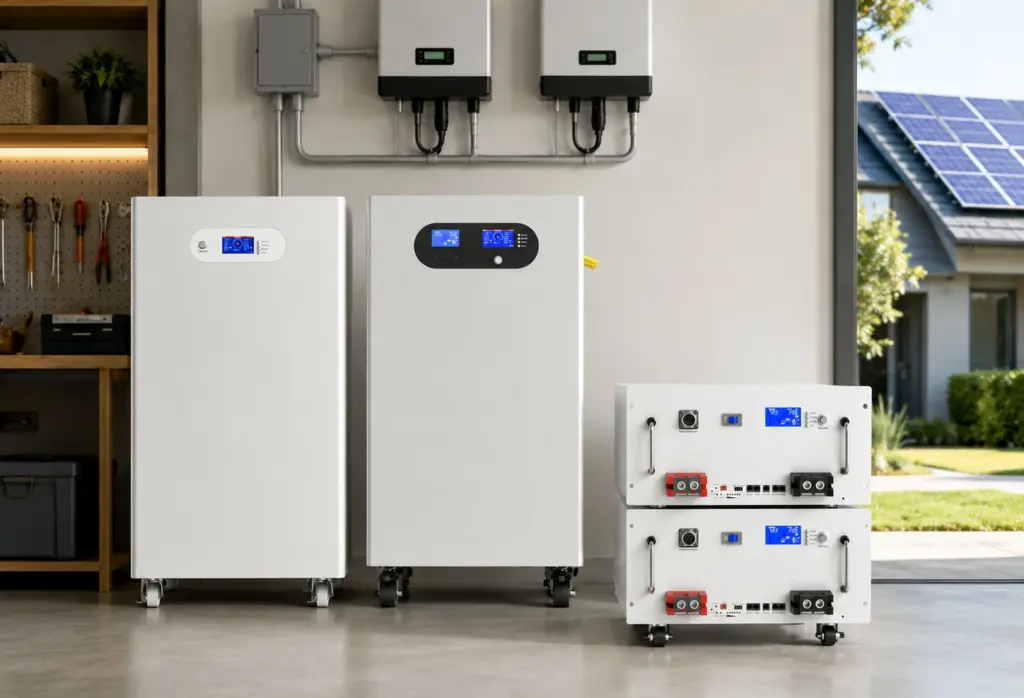
To make this easier to picture, a real 15 kWh battery on the market is the Avepower 15kwh Battery. It is built on a 48V platform with a 300Ah capacity, giving a nominal energy storage of 15 kWh. The system uses LiFePO4 chemistry, supports CAN, RS485, and RS232 communication, and is designed for more than 8,000 cycles at 80% depth of discharge.
For homeowners who want a balance between backup power, daily solar self-consumption, and long-term reliability, this kind of configuration represents a practical and well-matched 15 kWh battery solution.
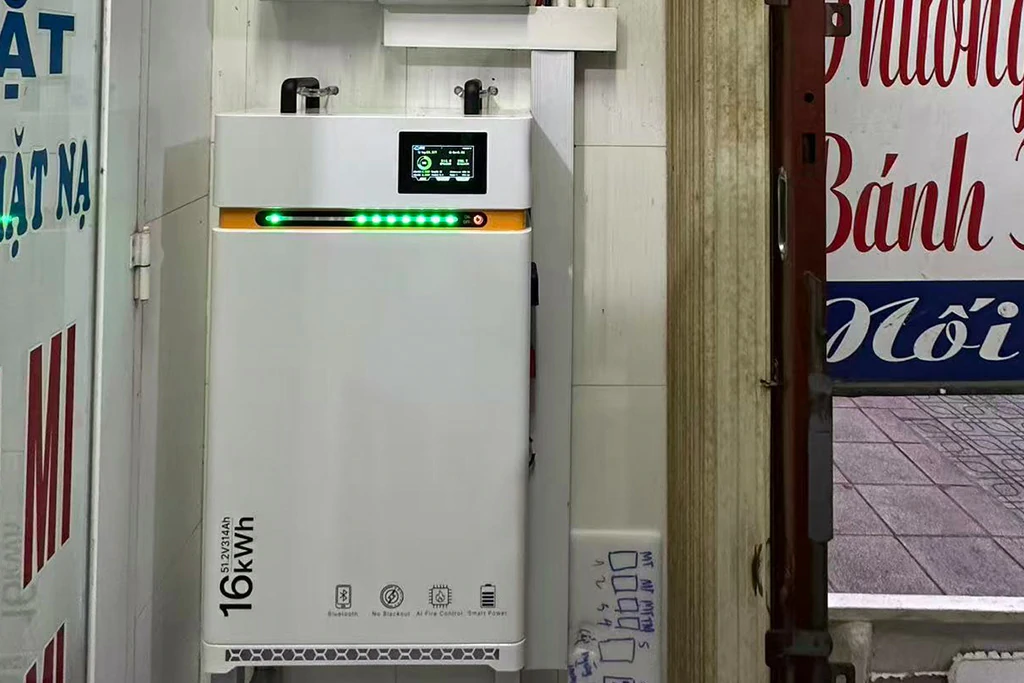
Avepower 15 kWh Home Battery
Avepower 48V 300Ah 15kWh Vertical LiFePO4 Battery, which combines long cycle life, intelligent BMS protection, inverter communication support, and parallel expansion for residential solar storage and backup applications.
How Long a 15 kWh Battery Lasts During a Power Outage
Backup power is one of the most common reasons people install batteries. The runtime during an outage depends on whether the system supports essential loads only or the whole house.
Essential Loads Only
Essential loads usually include:
- Refrigerator
- Lighting
- Wi-Fi router
- Phone charging
- Television
- Gas furnace fan or small heat pump
Typical essential load power: 0.8–1.5 kW
With a 15 kWh battery:
- At 1 kW → about 15 hours
- At 1.2 kW → about 12 hours
With careful energy management, a 15 kWh battery can support essential loads for 12 to 24 hours, especially when some appliances cycle on and off.
Whole-Home Backup
Whole-home backup includes:
- HVAC systems
- Electric cooking
- Washing machines
- Water heaters
- Multiple electronics running at once
Typical whole-home power draw: 3–6 kW
With a 15 kWh battery:
- At 3 kW → about 5 hours
- At 5 kW → about 3 hours
For whole-home backup, a single 15 kWh battery usually provides short-term protection rather than multi-day coverage. If full-home backup is a priority, many homeowners choose a modular system that can expand over time. For example, Avepower’s 15kwh battery supports up to 16 units in parallel, allowing the storage system to grow with future energy needs.
Daily Use Without Solar Panels
A 15 kWh battery can still provide value even without solar energy. Some households use batteries for:
- Time-of-use electricity savings
- Peak shaving
- Backup power only
Time-of-Use Optimization
Many electricity plans charge higher rates during peak hours. A battery can store energy when rates are low and supply power when rates are high.
Example:
- Evening load: 3 kW
- Peak period: 4 hours
- Total energy needed: 12 kWh
A 15 kWh battery can easily cover this peak window, reducing electricity bills without running fully empty.
Daily Use With Solar Panels
When paired with solar panels, a 48v 15 kWh battery becomes much more useful because it can capture daytime excess generation and shift that energy into the evening. For many homes with a 6 kW to 8 kW solar system, daily excess production often falls into the same range that a 15 kWh battery can store, which makes this size especially practical for increasing self-consumption and reducing grid reliance.
A good example is the Avepower 15kwh Battery, which provides 15 kWh of nominal storage in a compact vertical format. Its LiFePO4 chemistry supports high safety and long cycle life, while CAN, RS485, and RS232 communication make integration easier in modern home energy storage systems.
For homeowners planning to use solar energy during the evening peak or keep critical loads running overnight, this type of 15 kWh battery offers a strong balance of usable capacity, system compatibility, and long-term value.
What Can a 15 kWh Battery Power?
| Appliance | Typical Power (W) | Estimated Runtime |
|---|---|---|
| Energy-efficient refrigerator | 150–300 W | 2–4 days |
| Whole-home LED lighting | 100–300 W | 45–140 hours |
| Wi-Fi router | 20–40 W | 14–28 days |
| LED TV | 100–200 W | 70–140 hours |
| Laptop computer | 50–100 W | 140–280 hours |
| Desktop computer | 200–400 W | 35–70 hours |
| Mobile phone charging | 10–15 W | 900+ charges |
| Microwave oven | 1,000–1,500 W | 9–14 hours |
| Rice cooker / small cooker | 800–1,200 W | 11–17 hours |
| Washing machine (cold wash) | 500–800 W | 17–28 hours |
| Dishwasher | 1,200–1,800 W | 7–11 hours |
| Room air conditioner | 1,500–2,000 W | 6–9 hours |
| Central air conditioning | 3,000–5,000 W | 2–4 hours |
| Hot water circulation pump | 60–100 W | 140–230 hours |
| Gas furnace blower | 400–600 W | 23–35 hours |
| Small water pump | 750–1,000 W | 14–18 hours |
| EV emergency charging | ~3,000 W | 4–5 hours |
In real projects, battery performance is not only about capacity on paper. The battery’s chemistry, discharge capability, communication protocol, and protection logic also affect how reliably it can support home loads. For example, Avepower’s 15kWh battery uses high-safety LiFePO4 cells and supports CAN, RS485, and RS232 communication, making it easier to integrate with mainstream hybrid inverter systems in residential energy storage applications.
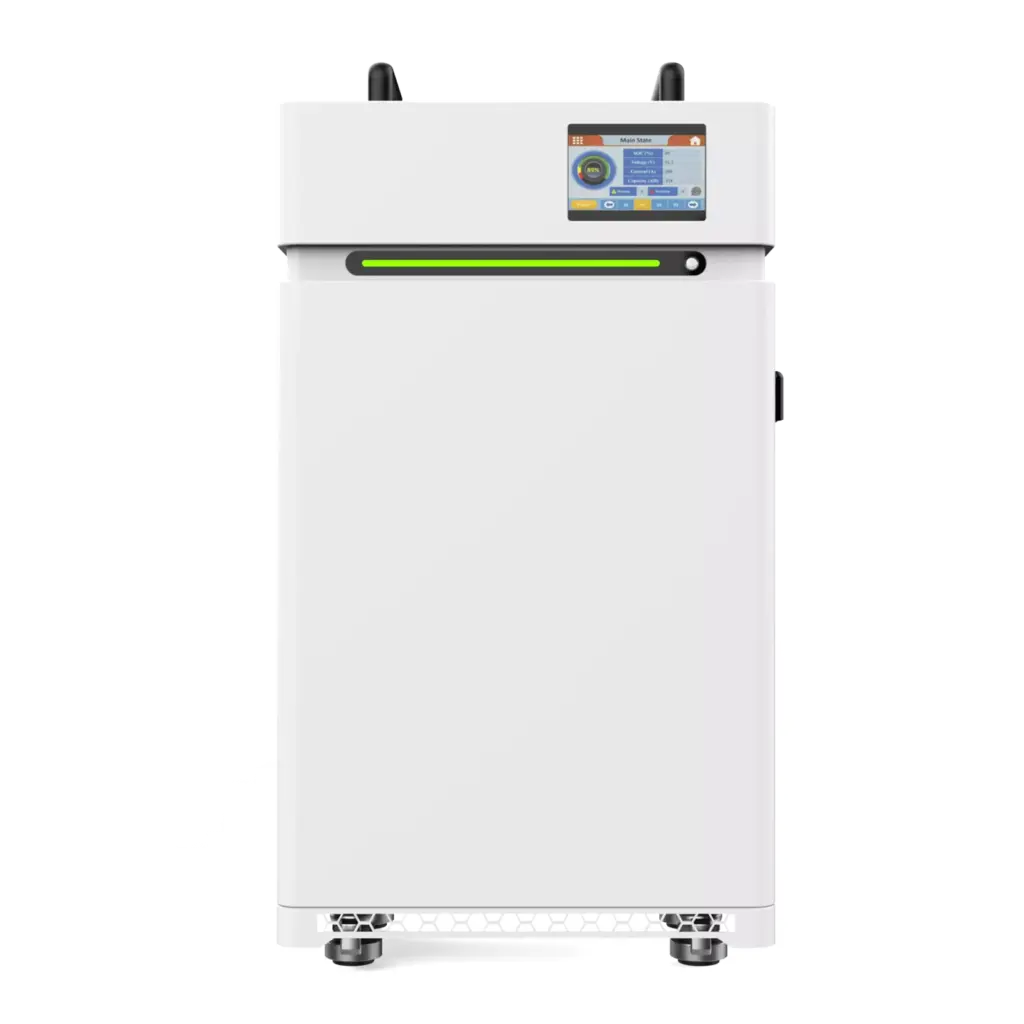
Avepower 15 kWh Battery
- Uses high-safety LiFePO4 (lithium iron phosphate) cells
- Cycle life up to 8,000 cycles (@ 80% DOD)
- RS485 / CAN communication interfaces
- Compatible with mainstream hybrid inverter brands and models
- Modular, scalable design for future capacity expansion
- Suitable for both solar and non-solar applications
Key Factors That Affect the Actual Runtime of a 15 kWh Battery
While the simple calculations we shared earlier provide a rough estimate of how long a 15 kWh battery can last, real-life conditions often cause the runtime to differ. Several important factors influence how much usable energy you can actually get from your battery system:
1. Inverter and System Losses
Most home appliances run on alternating current (AC), but batteries store energy as direct current (DC). The battery’s power must pass through an inverter to convert DC to AC before it reaches your devices. This conversion process isn’t 100% efficient — the inverter itself consumes some energy. Because of this, the system loses a small portion of stored power, which reduces the total runtime you can expect. More complex systems that convert power multiple times can see even greater losses.
2. Battery Efficiency and Depth of Discharge
Batteries are not 100% efficient. Some energy is lost during charging and discharging due to internal resistance and chemical processes. For lithium-ion batteries, efficiency is often around 90-95%.
Another key factor is the “Depth of Discharge” (DoD), which indicates how much of the battery’s capacity can be safely used. For example, if a battery has a recommended DoD of 80%, you should only use 80% of its total 15 kWh capacity to prolong its life. This reduces usable energy to 12 kWh (15 × 0.8).
3. Battery Age and Temperature Effects
Over time, batteries naturally lose some of their capacity. An older battery may not deliver the full 15 kWh it once could. Additionally, batteries perform best at moderate temperatures. If the battery is stored or operated in a cold environment—such as an unheated garage in winter—it may provide less usable energy temporarily. This means you might notice shorter runtimes during colder months.
4. High Surge Power Requirements
Some appliances, especially those with motors or compressors like refrigerators, air conditioners, and pumps, require a brief surge of power when they start up. Even if your battery has enough stored energy in kWh, it may fail to start these appliances if it cannot supply the high momentary power (measured in kW) needed. Ensuring your battery system and inverter can handle these surges is essential for reliable operation.
5. “Hidden Loads” and Standby Power
Many devices in a home draw power constantly, even when not actively used. Examples include Wi-Fi routers, cable boxes, security systems, and phone chargers. These “hidden loads” can add up to a significant amount of energy consumption over time. When planning battery usage, it’s wise to include a buffer to cover these always-on devices, as they will shorten your overall runtime more than you might expect.
How Long Does It Take to Charge a 15 kWh Battery?
If you need to replenish 12.4 kWh of usable energy and your charger provides 5 kW of power: Ideal charging time = 12.4 ÷ 5 = 2.48 hours
The actual charging time may be between 2.7 and 3.2 hours because charging speed slows down as it approaches full capacity, and there are energy losses.
If solar panels provide a net power of 3 kW to the battery at midday: Charging time ≈ 12.4 ÷ 3 = 4.1 hours (under sunny conditions)
You should keep in mind that solar power generation varies every hour. Usually, the best approach is to pair the battery with enough solar panels to meet both your home’s electricity demand and battery charging needs during the day.
How Much Does It Cost to Charge a 15 kWh Battery from the Grid?
If the battery needs to deliver 12.4 kWh of energy to your load, due to losses, the battery will likely need to draw more than 12.4 kWh from the grid.
Assuming the system has a round-trip efficiency of 90%, the required grid energy is: Grid energy ≈ 12.4 ÷ 0.90 = 13.78 kWh
If the electricity price is $0.25 per kWh: Cost ≈ 13.78 × 0.25 = $3.445
So, you can roughly estimate that this recharge will cost about $3.45.
For a more accurate figure, you should use your local electricity rates and currency exchange.
Why Choose a 15 kWh Battery for Your Home?
A 15 kWh battery strikes a good balance between capacity, cost, and usability for many households. Here are some reasons why:
- It covers most daily evening loads for small to medium homes.
- It supports moderate backup power during outages.
- It pairs well with typical residential solar systems (e.g., 5 solar systems–10 kW solar systems).
- It’s easier to install and manage compared to very large battery banks.
- It helps reduce peak grid demand, saving on electricity bills.
When planning for a 15 kWh battery system, keep in mind:
- Working with certified installers ensures safe and compliant setup.
- Proper sizing of your inverter is crucial for efficient power delivery.
- Battery placement should be in a cool, dry, and ventilated area.
- Regular system monitoring helps maintain optimal performance.
How to Maximize the Life and Usage of a 15 kWh Battery
To get the most from your battery investment, consider the following tips:
- Manage Loads Efficiently: Use energy-efficient appliances and avoid running multiple high-power devices simultaneously.
- Prioritize Critical Loads: During outages, power essential equipment only.
- Use Smart Energy Management: Some systems, including those offered by Avepower, come with intelligent software to optimize battery charging, discharging, and load balancing.
- Monitor Battery Health: Keep an eye on the battery’s state of charge, temperature, and cycle counts.
- Combine with Solar: Pairing a 15 kWh battery with solar panels maximizes self-consumption and increases savings.
Why Choose Avepower for Your 15 kWh Battery Needs?
Avepower specializes in providing energy storage solutions tailored to meet different household needs. Their 15 kWh battery packs come with advanced management systems that maximize usable capacity and protect battery health over time.
Key benefits of Avepower batteries include:
- High cycle life: More than 8,000 cycles, meaning the battery lasts many years under normal use.
- Flexible capacity: Modular design allows easy expansion from 5 kWh to larger capacities.
- Smart energy management: Optimizes charging and discharging to improve efficiency.
- Compatibility with solar: Seamlessly integrates with solar panels to store excess energy for later use.
With Avepower, homeowners can customize their energy storage setup based on their actual energy usage patterns, ensuring they get reliable backup power and maximize savings from solar energy.
Take Control of Your Energy with Avepower!
Reliable home solar battery solutions with OEM/ODM customization and in-house manufacturing, tailored to the needs of distributors, installers, and energy partners.
FAQ
A 15 kWh rating tells energy capacity, not power output. The system power output depends on the inverter and battery design. Many systems cannot deliver 15 kW continuously, even if they store 15 kWh.
Many homes can hold essentials near 0.3–1.0 kW average if they avoid HVAC and electric heating. A monitoring meter gives the best answer for your home.
Battery age can reduce capacity. A system that delivered 12.4 kWh when new might deliver less after years of use. The exact change depends on temperature, cycle habits, and battery type.
Solar can extend runtime by feeding loads during the day and by recharging the battery. A battery plus solar can often cover much longer outages than a battery alone, especially in sunny seasons.