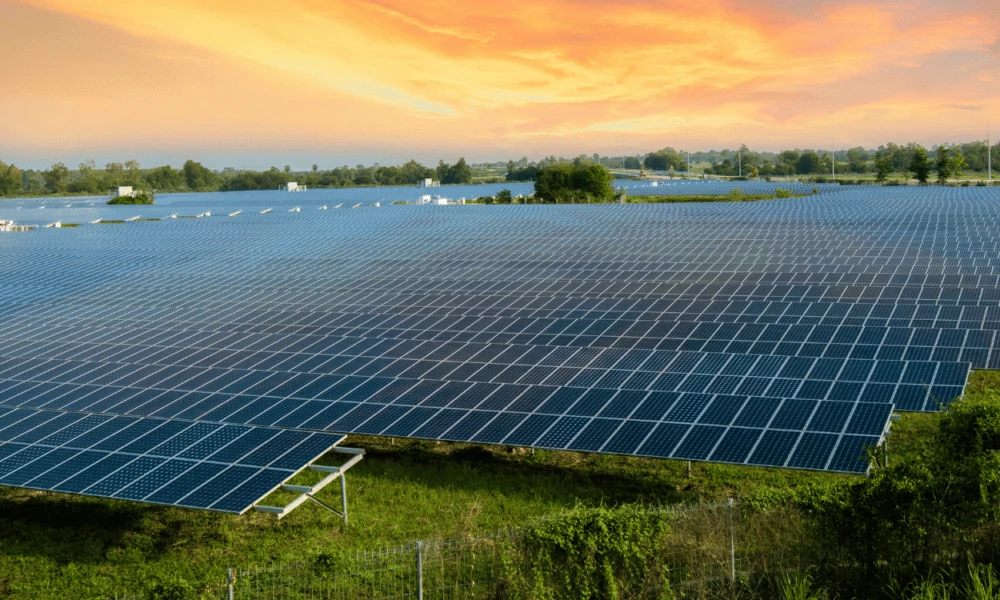

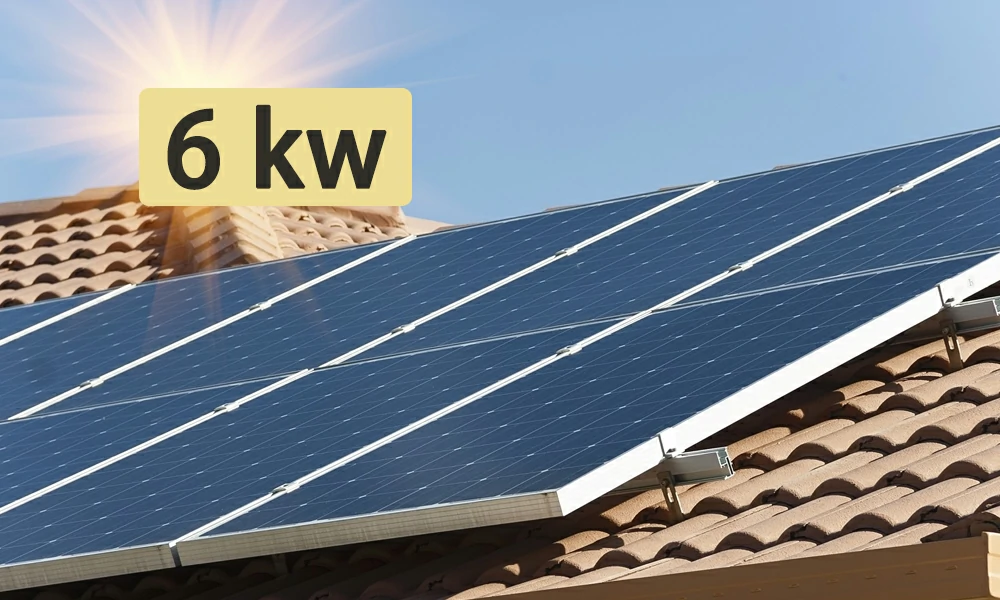
A 6kW solar system is a practical option for homes with moderate electricity consumption, particularly those using around 18–25 kWh of electricity per day. Depending on location, sunlight, and system losses, a typical 6 kW solar array can generate approximately 18–30 kWh per day, or around 6,500–11,000 kWh annually.
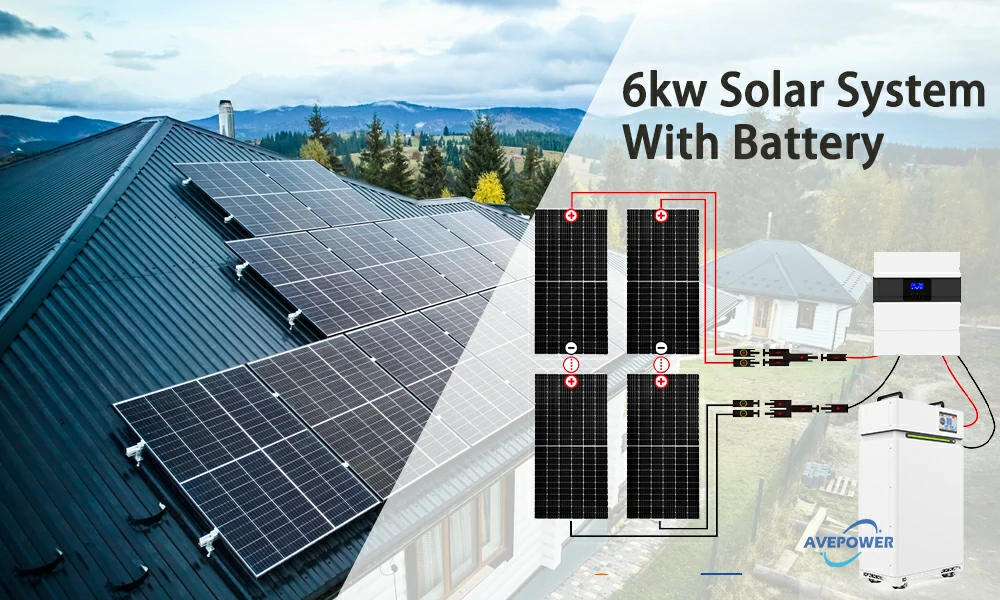
Most modern 6kW solar panel systems require approximately 12–15 panels rated between 400W and 500W, along with a compatible inverter and sufficient unshaded roof space. For households seeking nighttime solar use or backup power, an optional 10–13.5 kWh battery may be suitable, depending on energy consumption and backup requirements.
Is a 6kW solar system enough for your home? It can cover a substantial share of electricity use in smaller or energy-efficient homes, but households with high air-conditioning loads, electric vehicles, or heavy nighttime consumption may need a larger solar array or additional battery storage. The best choice depends on annual electricity consumption, roof conditions, and local installation costs.
6kW Solar System: Key Specifications at a Glance
A 6kW solar system typically uses 12–15 modern solar panels and can generate around 18–30 kWh of electricity per day in suitable conditions. The actual configuration depends on panel wattage, roof space, inverter sizing, and whether battery storage is required.
| Specification | Typical 6kW Solar System |
|---|---|
| Rated Solar Capacity | 6 kW (6,000 W DC) |
| Daily Energy Production | Approx. 18–30 kWh |
| Annual Energy Production | Approx. 6,500–11,000 kWh |
| Solar Panel Wattage | 400–500W |
| Number of Solar Panels | Approximately 12–15 |
| Solar Panel Area | Roughly 25–35 m², depending on module dimensions |
| Inverter | Grid-tied or hybrid, sized for the PV array and local rules |
| Optional Battery Storage | Around 10–13.5 kWh for some household needs |
| Typical Applications | Residential electricity, daytime appliances, self-consumption |
| Grid Connection | Grid-tied, hybrid, or off-grid with appropriate system design |
| Installation Cost | Varies by country, equipment, and incentives |
Is a 6kW Solar System Right for Your Home?
A 6kW solar system is often suitable for smaller or energy-efficient homes with moderate electricity needs. It can generate a substantial portion of household electricity, but whether it covers annual consumption depends on local solar conditions and how much electricity the home actually uses.
A 6kW system may be a good fit if:
- Your household uses approximately 18–25 kWh of electricity per day.
- Your roof offers sufficient unshaded space for the required solar panels.
- You want to reduce daytime grid electricity consumption.
- You can shift some appliance usage to daylight hours.
- Your budget and local electricity tariffs support a reasonable payback period.
Consider a larger system if your home uses significant electricity for EV charging, swimming pool heating, electric heating, or air conditioning, especially when annual electricity use exceeds the expected solar output of a 6kW array.
What Can a 6 kW System Power?
A 6 kW solar array can comfortably power most essential household appliances, including:
| Appliance | Power (W) | Daily Usage (hrs) | Energy (Wh) |
|---|---|---|---|
| Lighting (LED, 10 bulbs) | 70 | 10 | 700 |
| Refrigerator | 150 | 24 | 3600 |
| Air Conditioner | 3200 | 4 | 12800 |
| Dishwasher | 1800 | 1 | 1800 |
| Washing Machine | 500 | 1 | 500 |
| Microwave | 1500 | 0.5 | 750 |
| Laptop (x2) | 200 | 8 | 1600 |
| Television (x2) | 120 | 4 | 480 |
How Much Electricity Does a 6kW Solar System Produce per Day?
A 6kW solar system typically produces about 18–30 kWh of electricity per day, depending on sunlight, location, roof orientation, shading, and system efficiency. This is approximately 540–900 kWh per 30-day month or 6,570–10,950 kWh annually, although actual output may fall outside this range.
Daily energy production is different from the system’s 6kW rated power. The 6kW rating refers to the solar array’s DC capacity under standard test conditions, while actual electricity generation varies throughout the day and across seasons.
For a location-specific estimate, use NREL’s PVWatts Calculator with your system size, roof orientation, and local weather conditions.
6 kW Solar System Output by Location in the United States
| City | Avg. Daily Production (kWh) | Avg. Annual Production (kWh) |
|---|---|---|
| Miami, FL | 25.5 | 9,314 |
| Boston, MA | 21.5 | 7,858 |
| Phoenix, AZ | 29.0 | 10,587 |
| Seattle, WA | 18.0 | 6,562 |
| Austin, TX | 24.3 | 8,867 |
| Cleveland, OH | 20.9 | 7,633 |
| Philadelphia, PA | 22.3 | 8,147 |
| Denver, CO | 26.3 | 9,588 |
| New York City, NY | 21.2 | 7,742 |
| Hartford, CT | 20.7 | 7,568 |
| Los Angeles, CA | 27.7 | 10,108 |
| Las Vegas, NV | 28.9 | 10,556 |
6 kW Solar Energy Production in Australia
| Capital City | Avg. Daily Production (kWh) | Avg. Annual Production (kWh) |
|---|---|---|
| Darwin | 28–30 | 10,220–10,950 |
| Brisbane | 25–27 | 9,125–9,855 |
| Adelaide | 24–26 | 8,760–9,490 |
| Hobart | 19–22 | 6,935–8,030 |
| Perth | 26–28 | 9,490–10,220 |
| Canberra | 24–27 | 8,760–9,855 |
| Melbourne | 21–24 | 7,665–8,760 |
| Sydney | 22–25 | 8,030–9,125 |
In many parts of Australia, a well-installed 6 kW system can comfortably generate over 10,000 kWh per year, making it highly effective for household energy savings.
How Much Does a 6 kW Solar System Cost?
The price of a 6 kW solar system can vary widely depending on the country, region, subsidy policies, and choice of equipment.
United States
Important tax credit update: The federal Residential Clean Energy Credit under Section 25D generally does not apply to qualifying expenditures made after December 31, 2025. Homeowners planning a new installation in 2026 should not assume the previously available 30% federal credit applies.
Average 6kW Solar System Costs by State (2026)
| State | Average Installed Cost (USD, Before Incentives) |
|---|---|
| Arizona | $13,695 |
| California | $14,709 |
| Colorado | $16,099 |
| Florida | $12,713 |
| Massachusetts | $17,816 |
| Maryland | $16,658 |
| New Jersey | $15,319 |
| New York | $16,586 |
| Texas | $12,234 |
| Washington | $15,597 |
Australia
In Australia, where solar adoption is among the highest in the world, a 6 kW solar system typically costs between $4,650 and $9,320 after government incentives. Prices vary slightly by state, largely due to labor costs and local rebates under the Small-scale Technology Certificate (STC) scheme.
Average 6 kW Solar System Costs by Capital City
| City / State | Average Price |
|---|---|
| Melbourne, VIC | $5,670 |
| Darwin, NT | $9,320 |
| Perth, WA | $4,650 |
| Sydney, NSW | $5,200 |
| Hobart, TAS | $6,910 |
| Brisbane, QLD | $5,300 |
| Adelaide, SA | $5,000 |
| Canberra, ACT | $5,100 |
A 6.0 kW solar system is usually slightly cheaper than a 6.6 kW solar system, but the primary cost drivers remain equipment quality, system design, and installer margins, rather than system size alone.
Why STCs Reduce Upfront Costs
Solar system owners can create Small-scale Technology Certificates (STCs) or assign the right to create them to a registered agent. When this right is transferred, installers typically apply the value of the STCs as an upfront discount, significantly reducing the initial purchase price of the system.
What Factors Affect the Total Cost of a 6 kW Solar System?
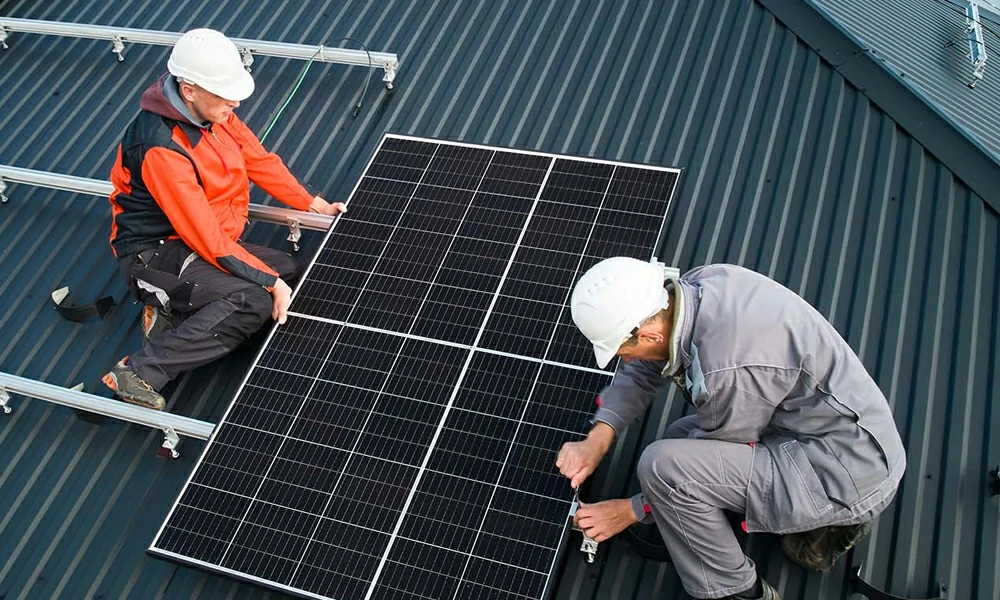
The price of a 6 kW solar system typically covers the entire project scope, including system design, compliance, installation, and after-sales support. Several key factors usually have the greatest impact on the overall cost:
1. Equipment Quality and Brand Selection
Homeowners often pay more for higher-efficiency solar panels, better thermal performance, longer warranties, and premium inverter brands. It’s also important to consider long-term after-sales support—only reputable brands and certified installers can truly honor warranty commitments, ensuring peace of mind throughout the system’s lifetime.
2. Roof Complexity and Installation Site Conditions
Simple, easily accessible roofs with straightforward structures generally cost less to install. Conversely, steeply pitched roofs, multi-faceted rooftops, fragile tile surfaces, or hard-to-access locations increase labor difficulty and project costs. Ground-mounted solar installations typically add further expenses due to the need for additional framing, foundations, and trenching.
3. Permitting, Inspections, and Grid Connection
Most solar projects require various administrative approvals such as permits, safety inspections, and utility company authorization. Regions with more extensive paperwork or stringent regulatory requirements usually incur higher overall costs.
4. Local Labor Costs
Labor market conditions in your area affect installation quotes, as solar setup requires skilled electricians and trained construction teams. Prioritizing quality workmanship is essential since poor installation can cause safety risks and reduce system efficiency.
5. Incentives and Rebates
Government incentives and utility rebates can significantly reduce your net system cost, but these programs often change over time. Before applying, verify eligibility criteria and the timing of subsidy availability to maximize your savings.
How Many Solar Panels Do You Need for a 6kW Solar System?
A 6kW solar system generally requires 12–15 modern solar panels, depending on each panel’s wattage. Higher-wattage solar modules reduce the number of panels needed, but the overall installation must still fit your roof layout and the electrical specifications of the inverter.
Solar panel calculation:
Number of panels = 6,000W ÷ Individual panel wattage
| Solar Panel Wattage | Number of Panels | Total Array Capacity |
|---|---|---|
| 400W | 15 | 6,000W |
| 430W | 14 | 6,020W |
| 460W | 13 | 5,980W |
| 500W | 12 | 6,000W |
The final solar array may be slightly above or below 6,000W because panels are supplied in fixed wattage ratings. Your installer should also check inverter capacity, electrical limits, shading, and roof orientation before finalizing the design.
How Much Roof Space Does a 6 kW Solar System Need?
A modern 6kW solar system typically occupies approximately 25–35 m² (270–377 sq ft) of panel area, depending on module dimensions and the number of panels used.
However, total usable roof space requirements may be greater because of fire-code setbacks, roof edges, vents, skylights, shading, and installation access. The exact layout should be verified by a qualified solar installer.
What Battery Size Is Best for a 6kW Solar System?
Battery capacity should align with your energy goals, not just the size of your solar panel system. Homeowners typically invest in battery storage for one or more of the following reasons:
- To maximize solar energy use during nighttime hours.
- To ensure backup power during outages.
- To reduce grid electricity consumption during peak time-of-use (TOU) pricing periods.
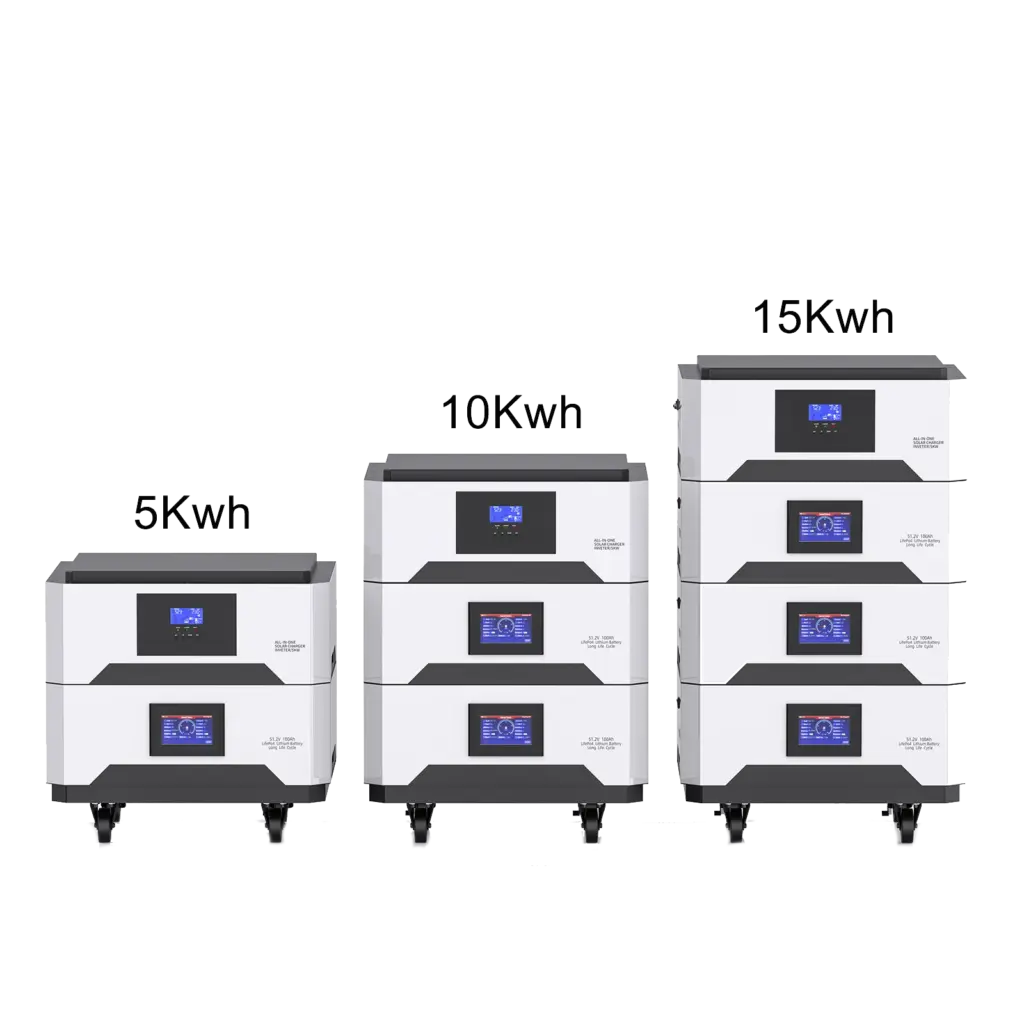
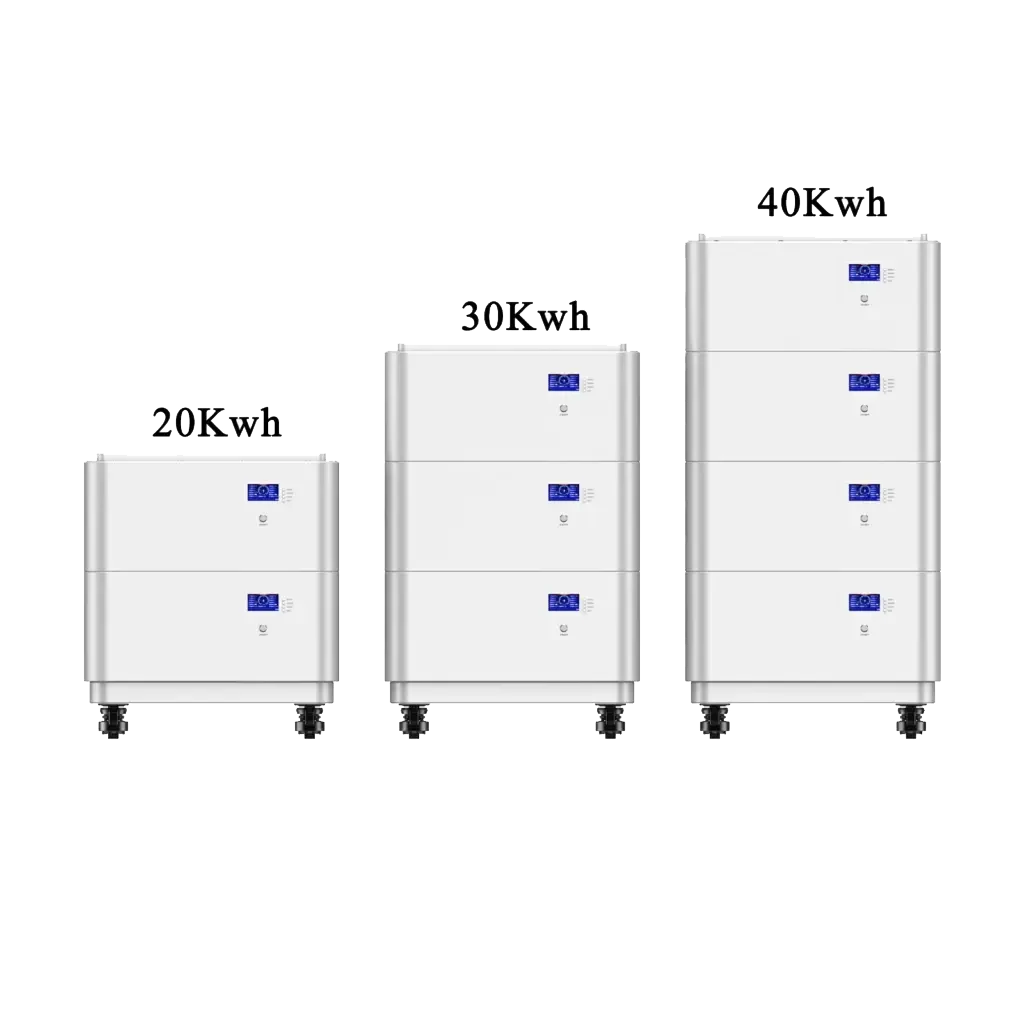
For some homes with moderate evening electricity use, a 10–13.5 kWh battery can be a practical starting point for a 6kW solar system. However, battery capacity should be determined by nighttime energy demand, available surplus solar generation, usable battery capacity, and desired backup duration—not solar panel capacity alone.
If you want whole-home backup power for extended outages, you will generally need a battery capacity larger than 10 kWh–13.5 kWh. In these cases, it’s best to consult your installer, who can help determine the appropriate battery size based on your critical loads and desired backup duration.

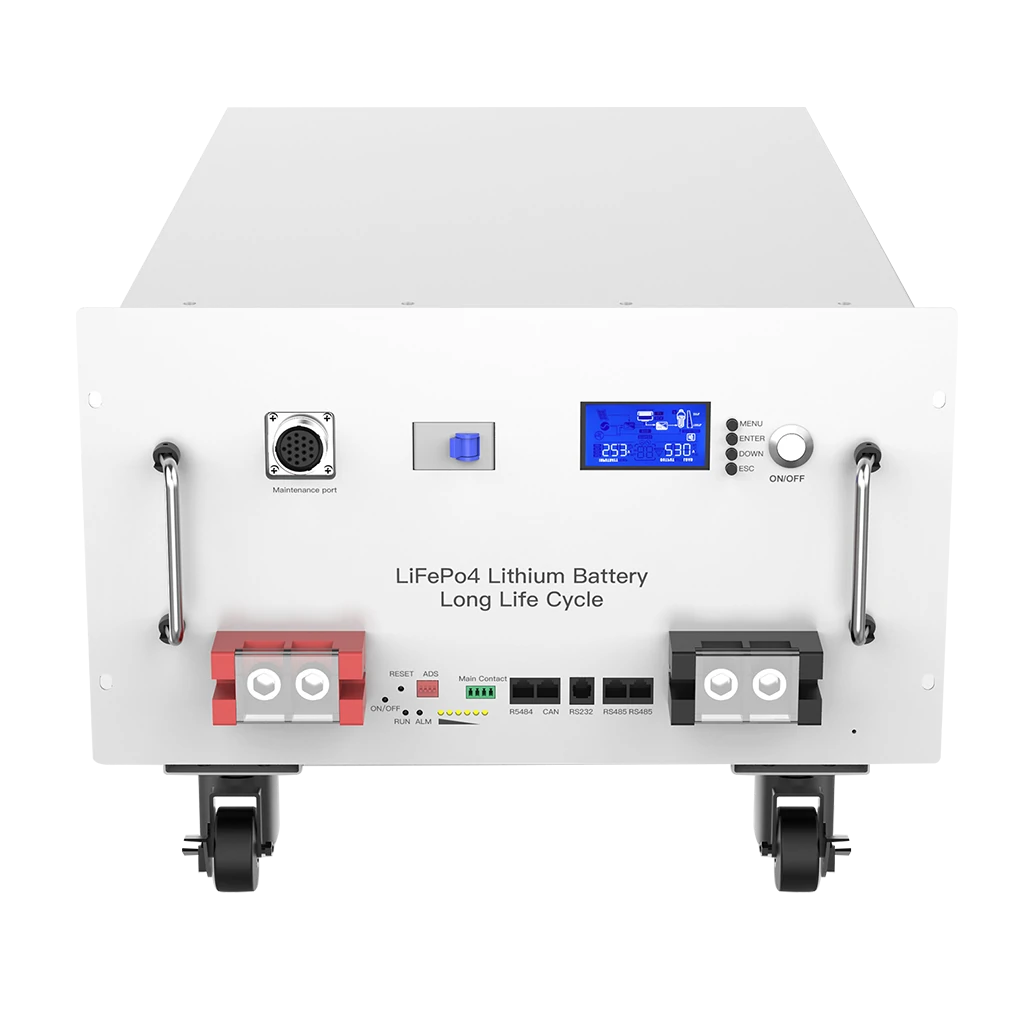
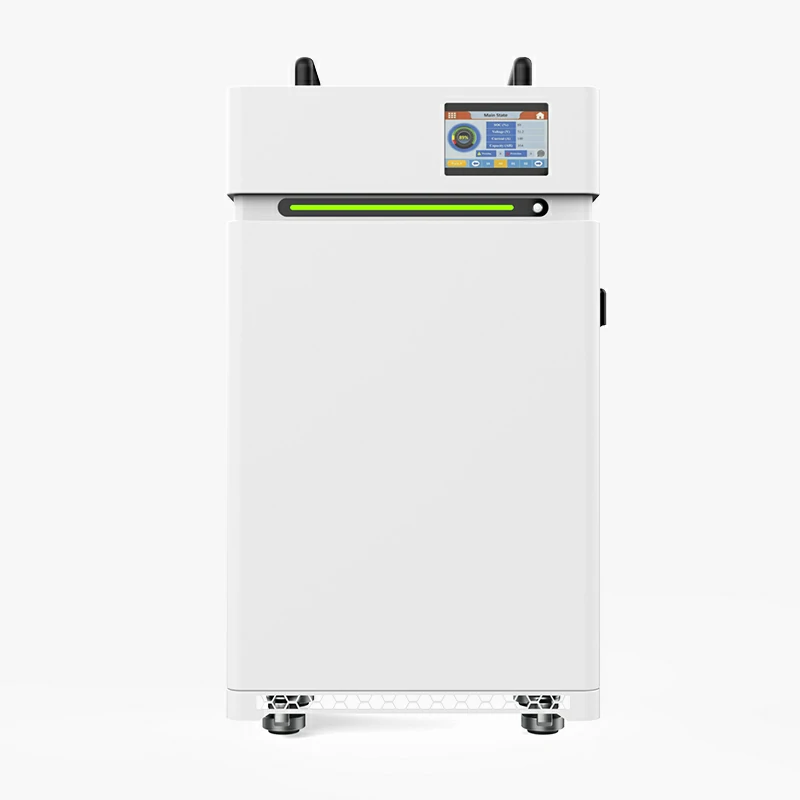
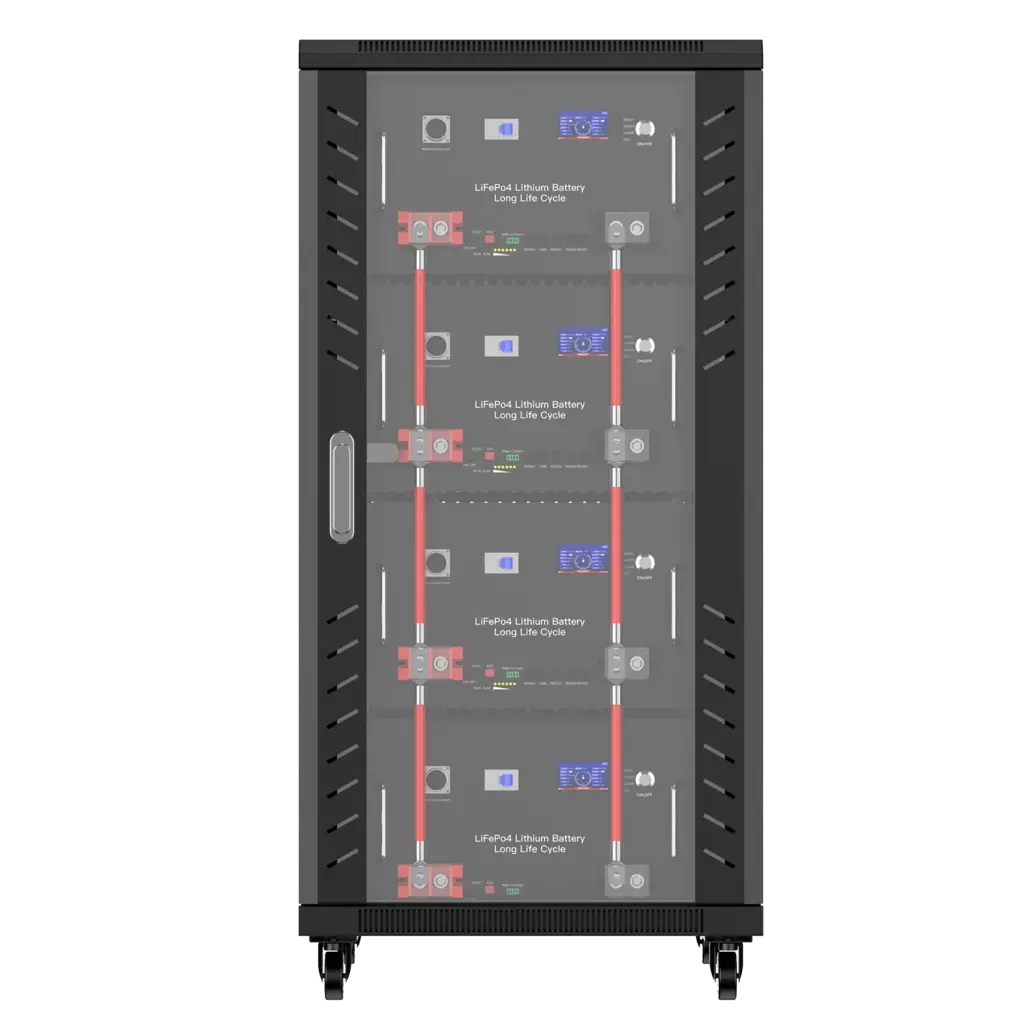
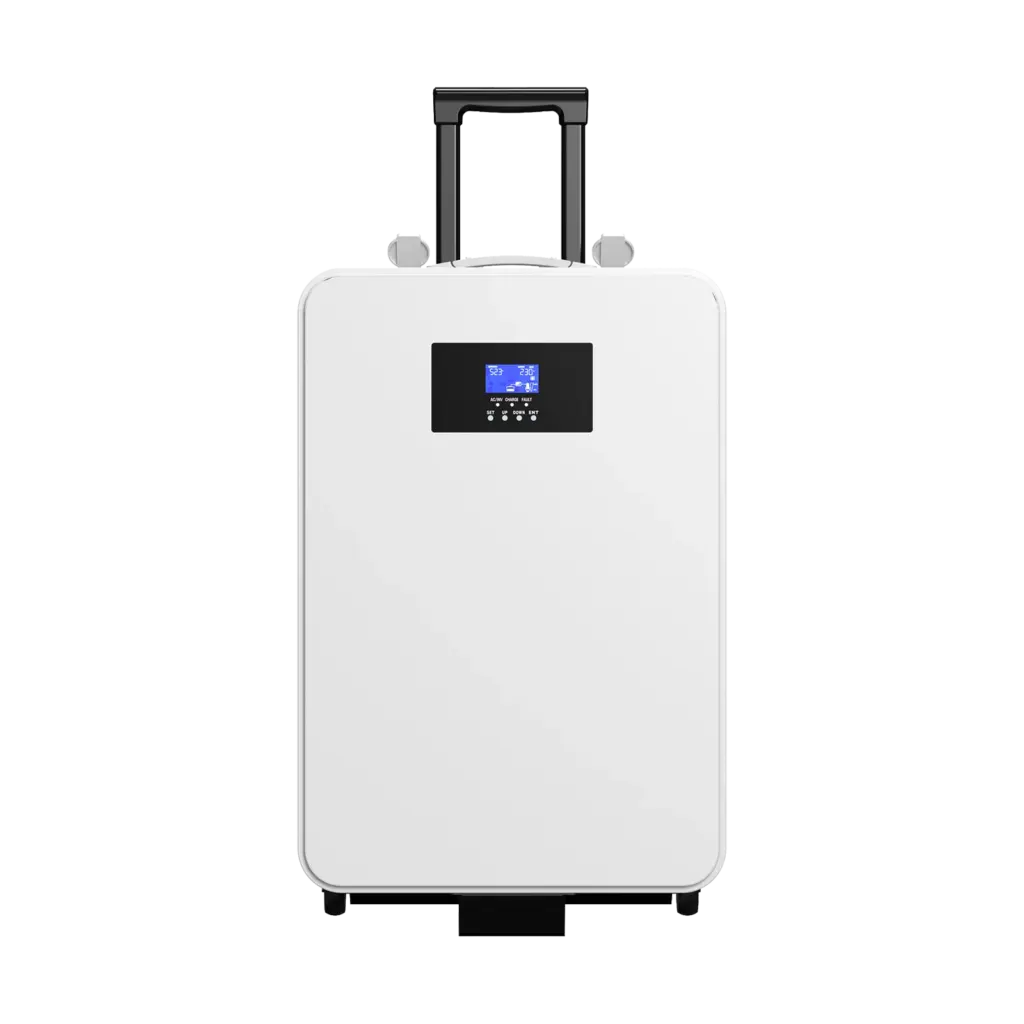
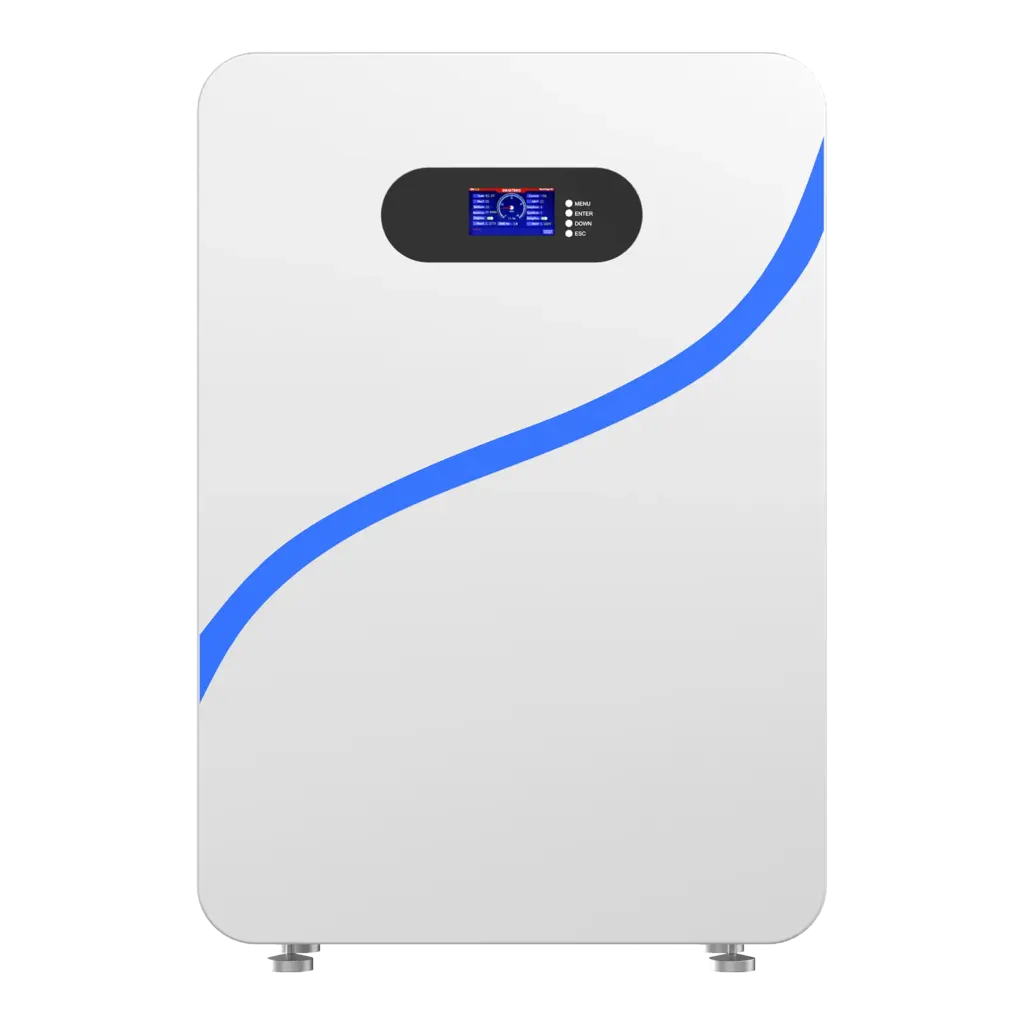
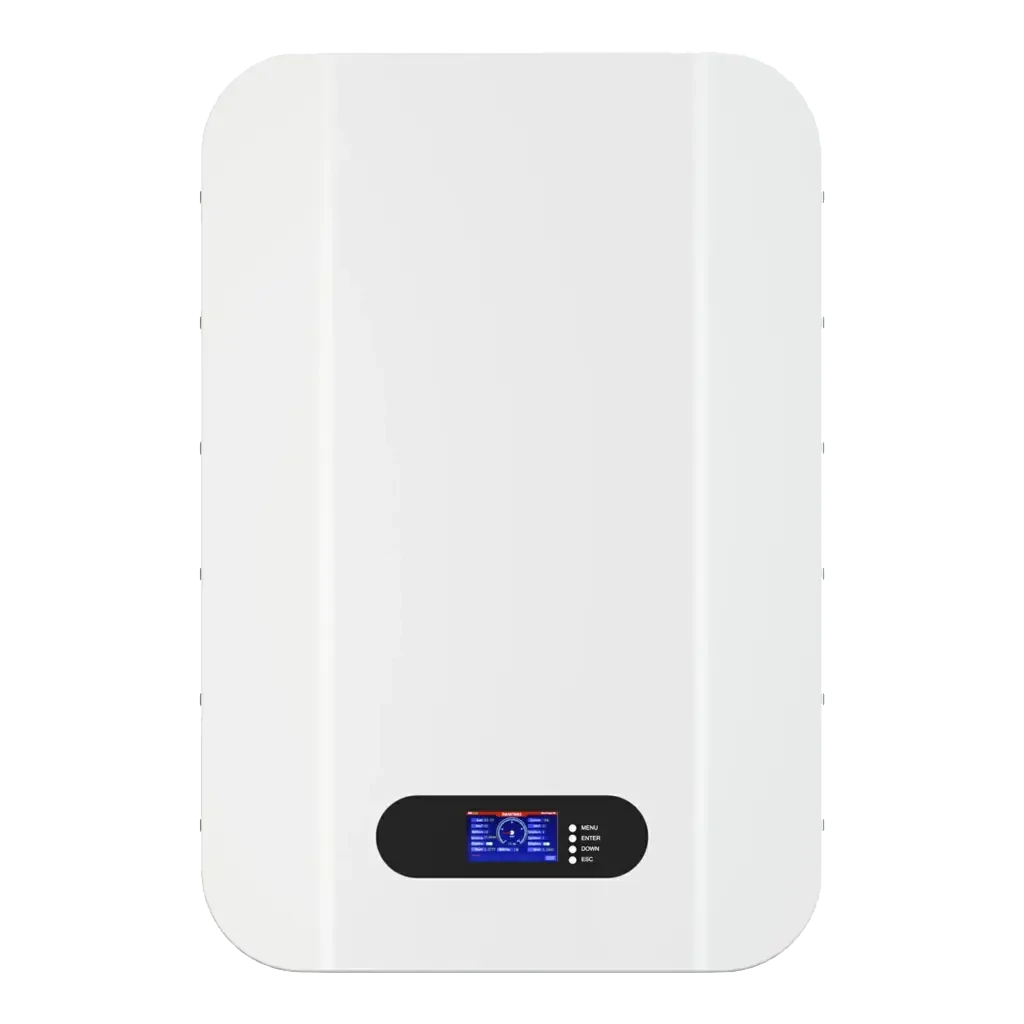
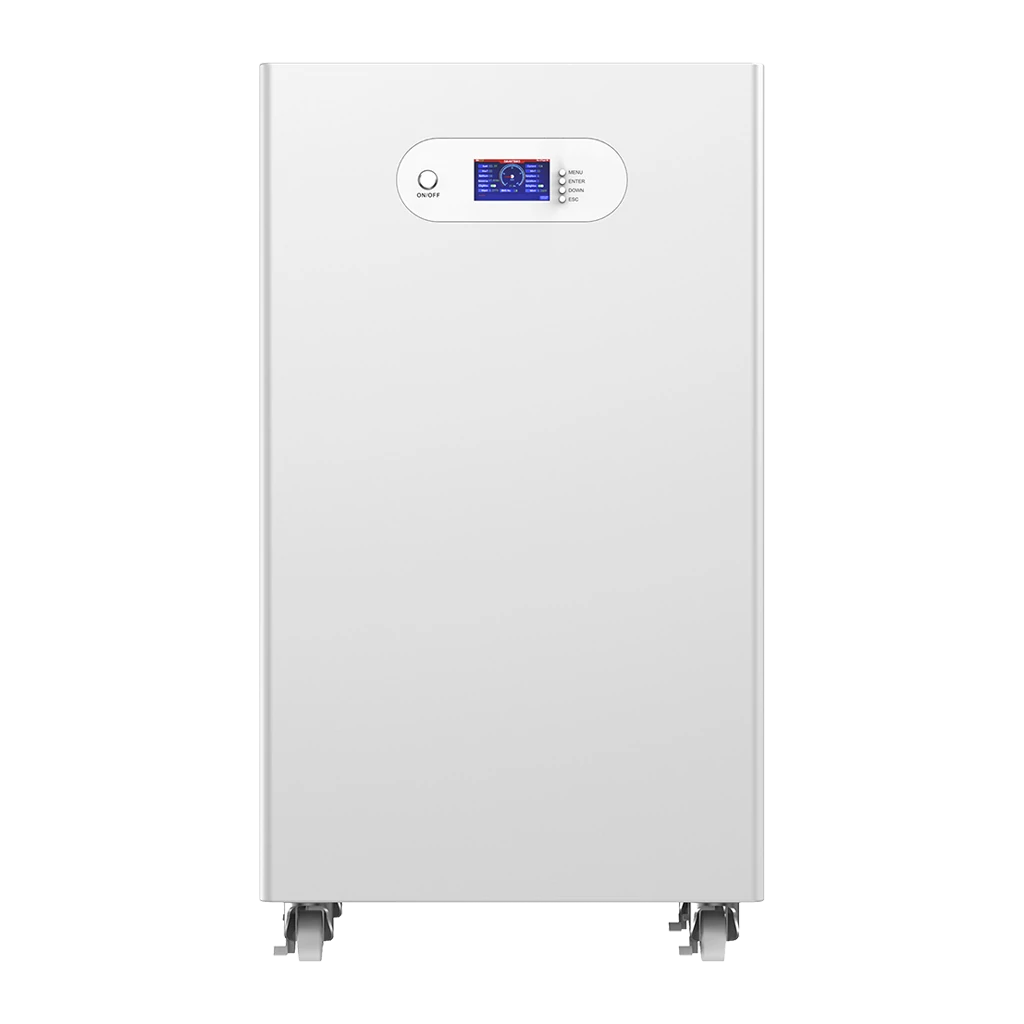
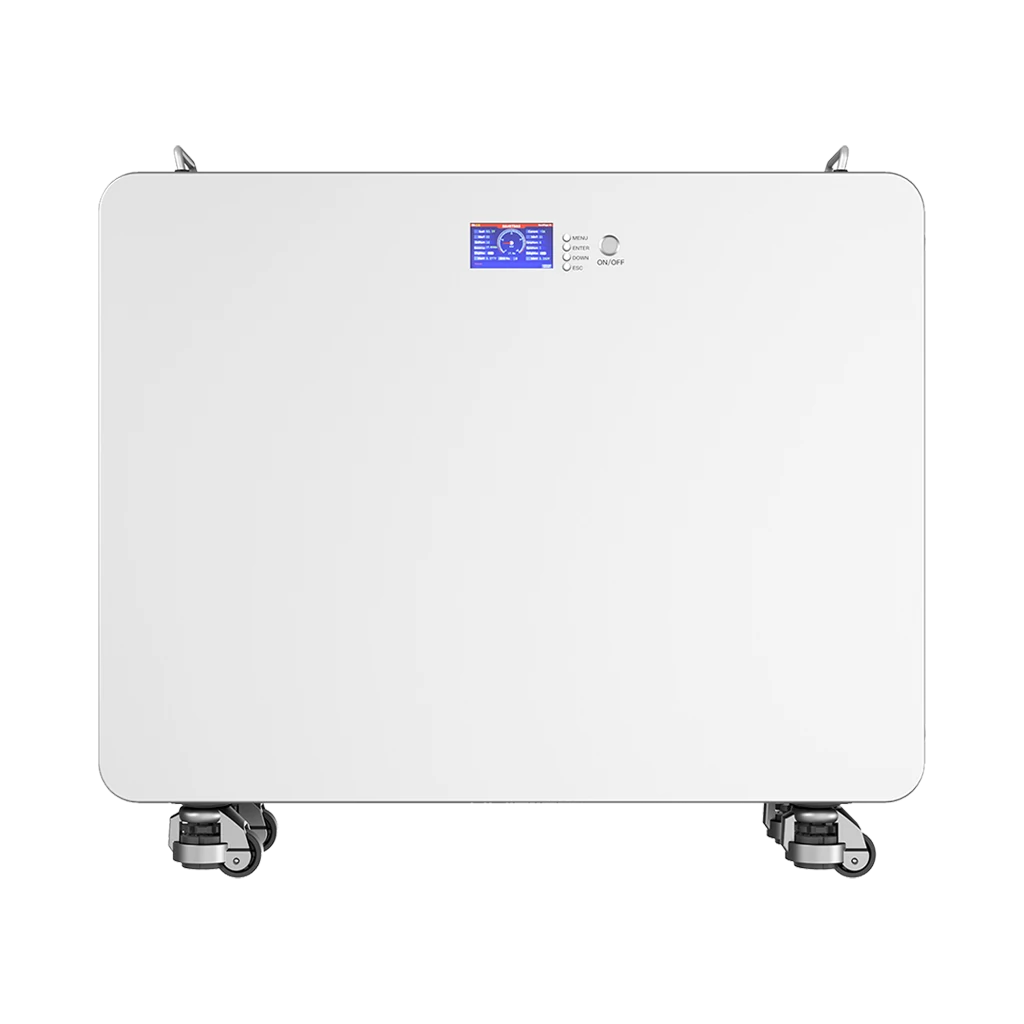
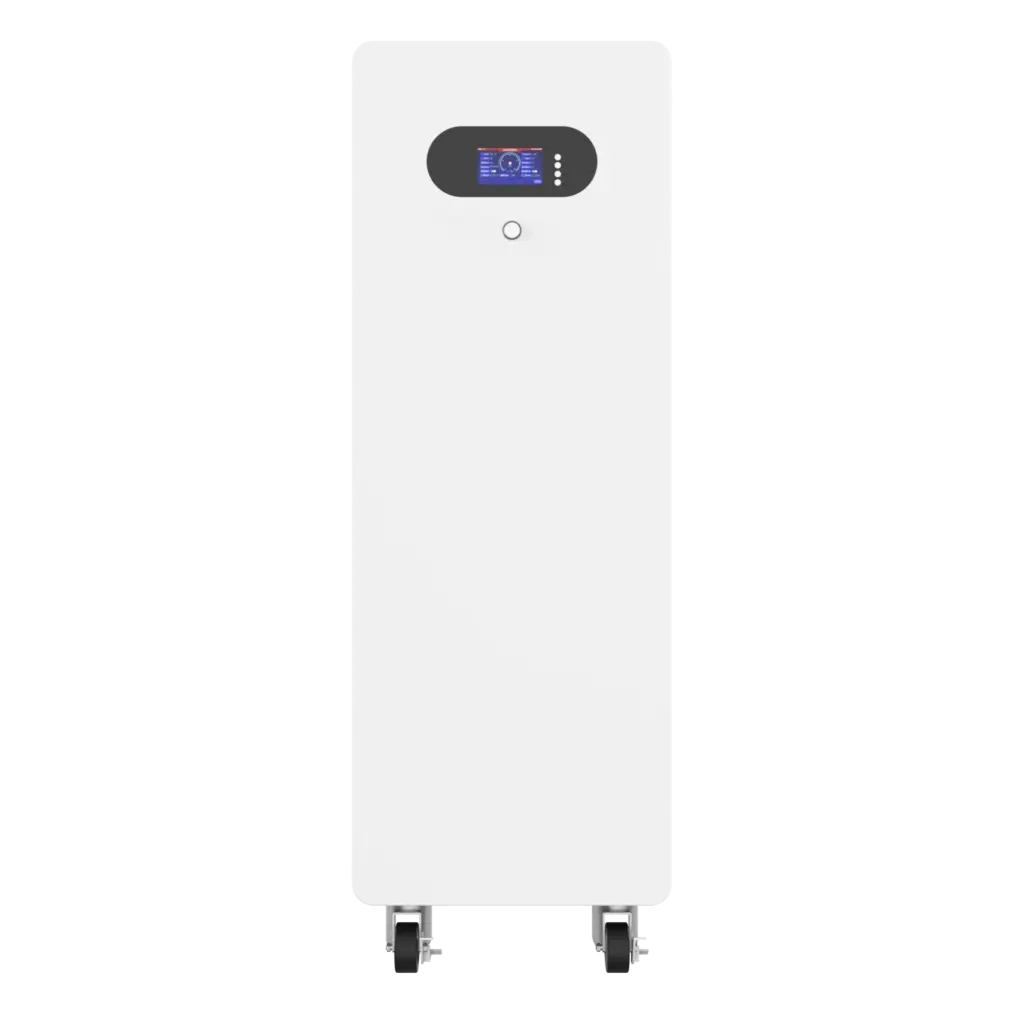
Avepower 10kWh Battery
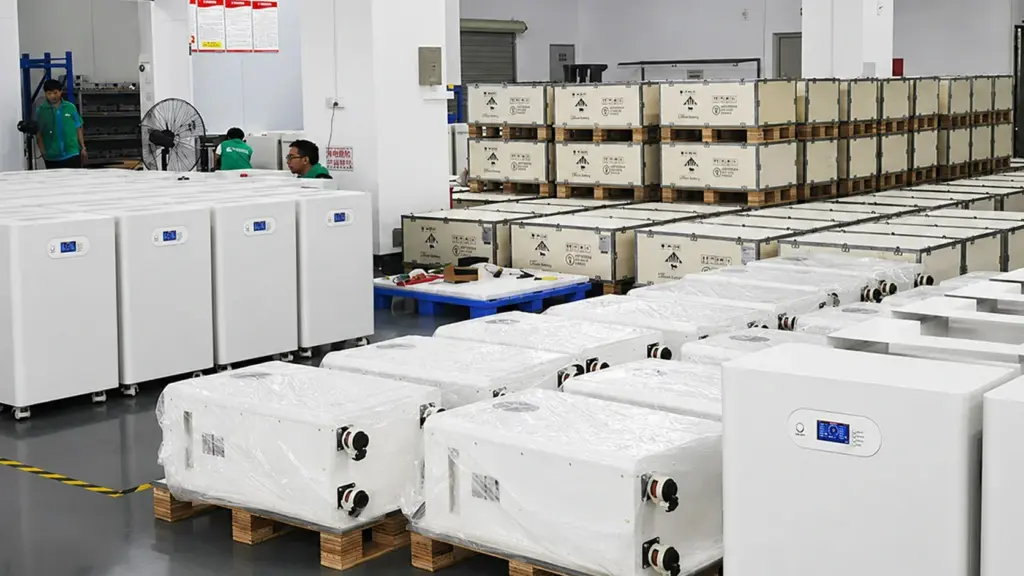
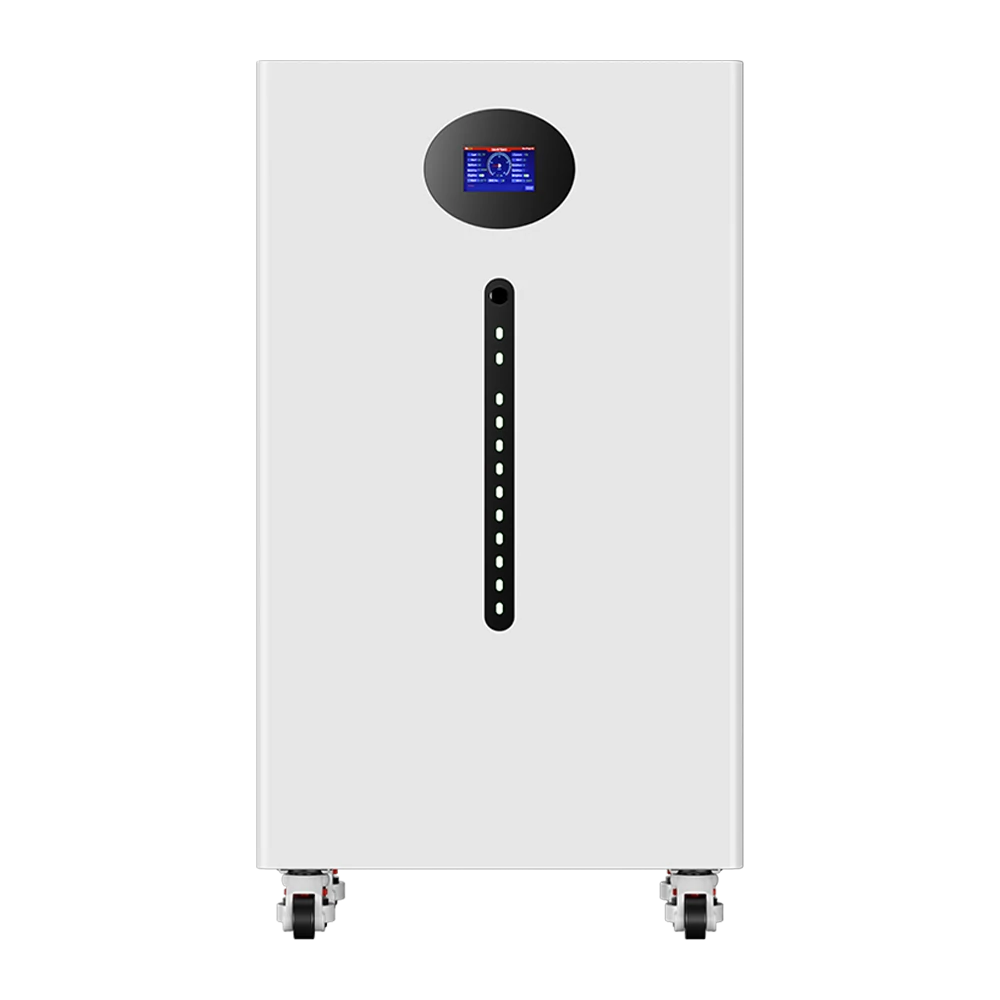
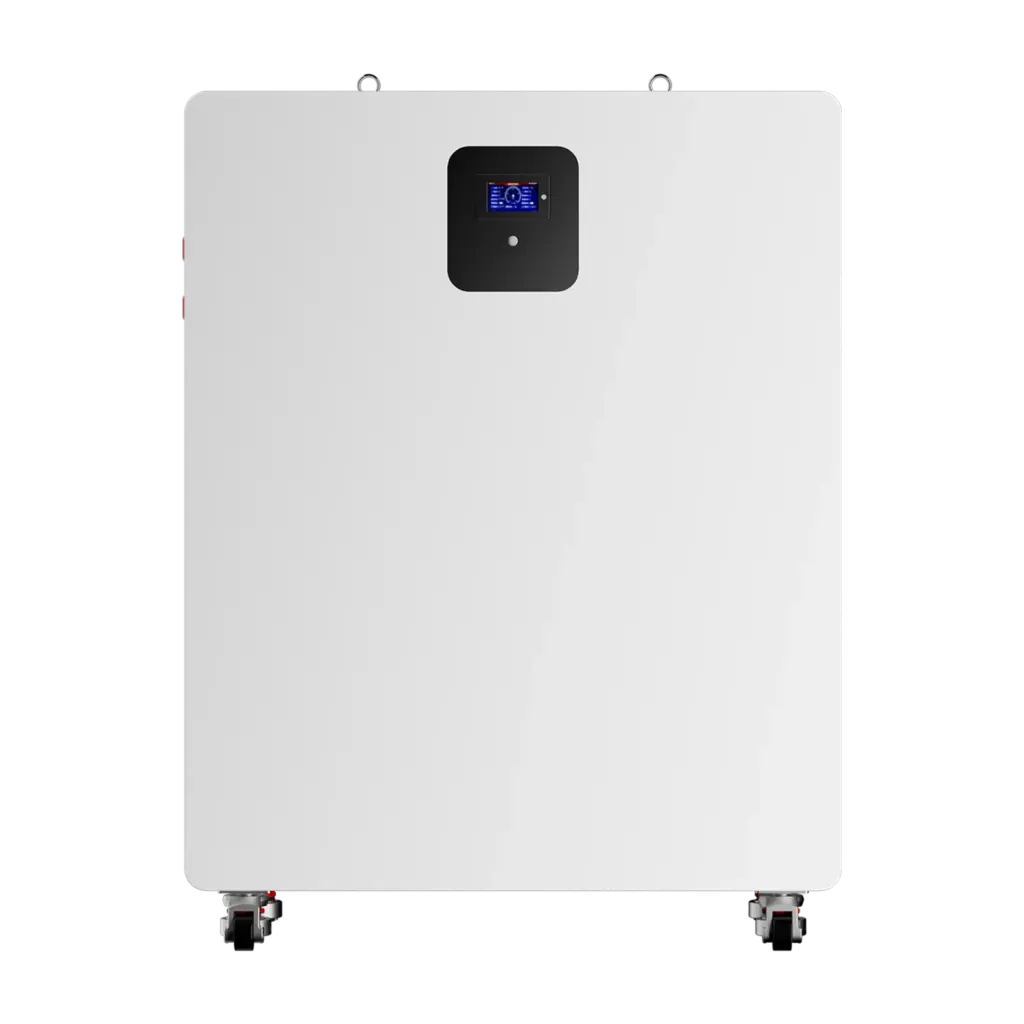
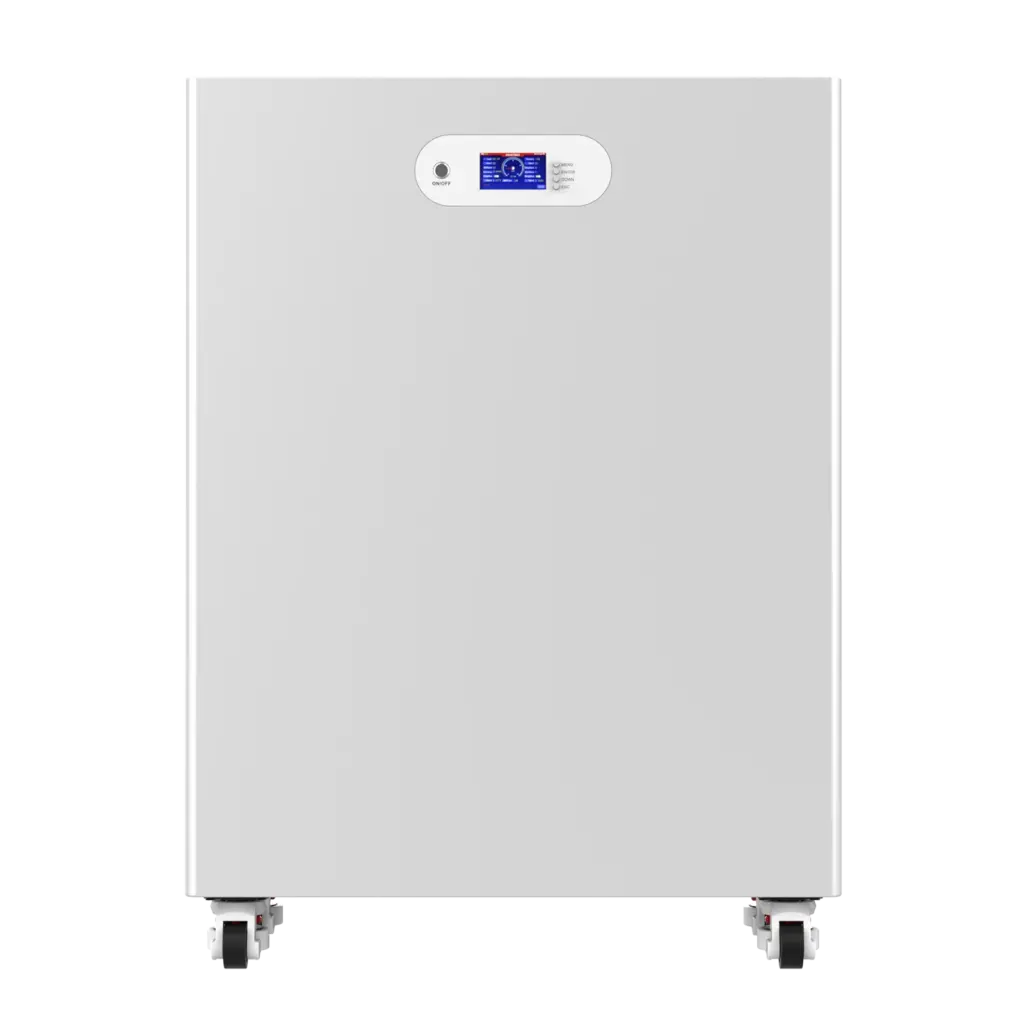
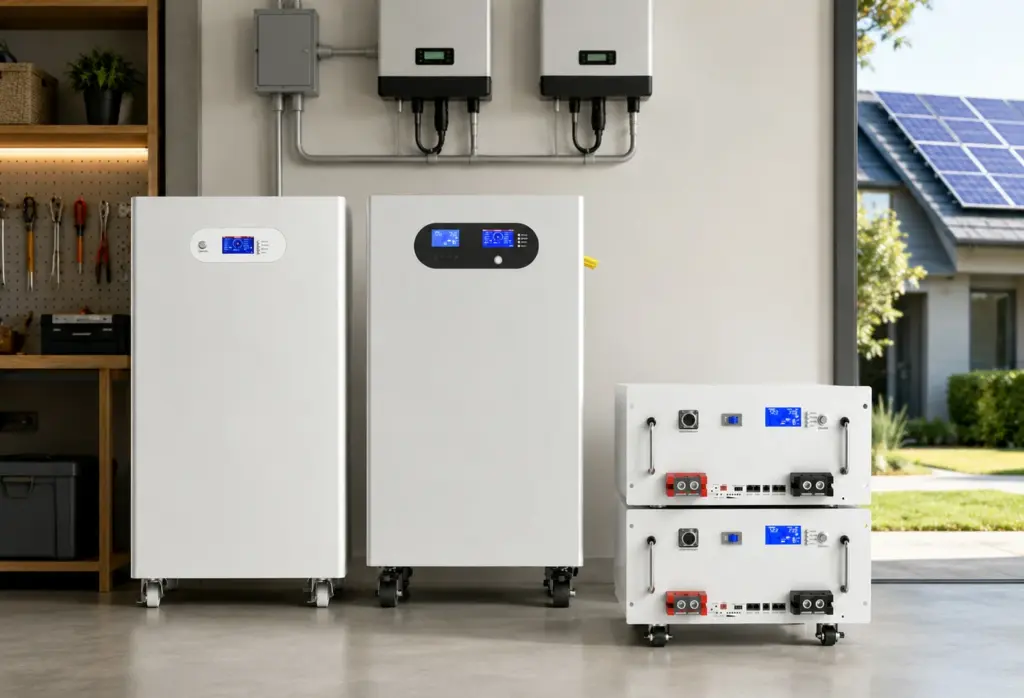
Avepower 10 kWh battery offers 8000+ cycles, a 200 A BMS, and over 10 years of lifespan, making it a strong fit for 6 kW solar arrays.
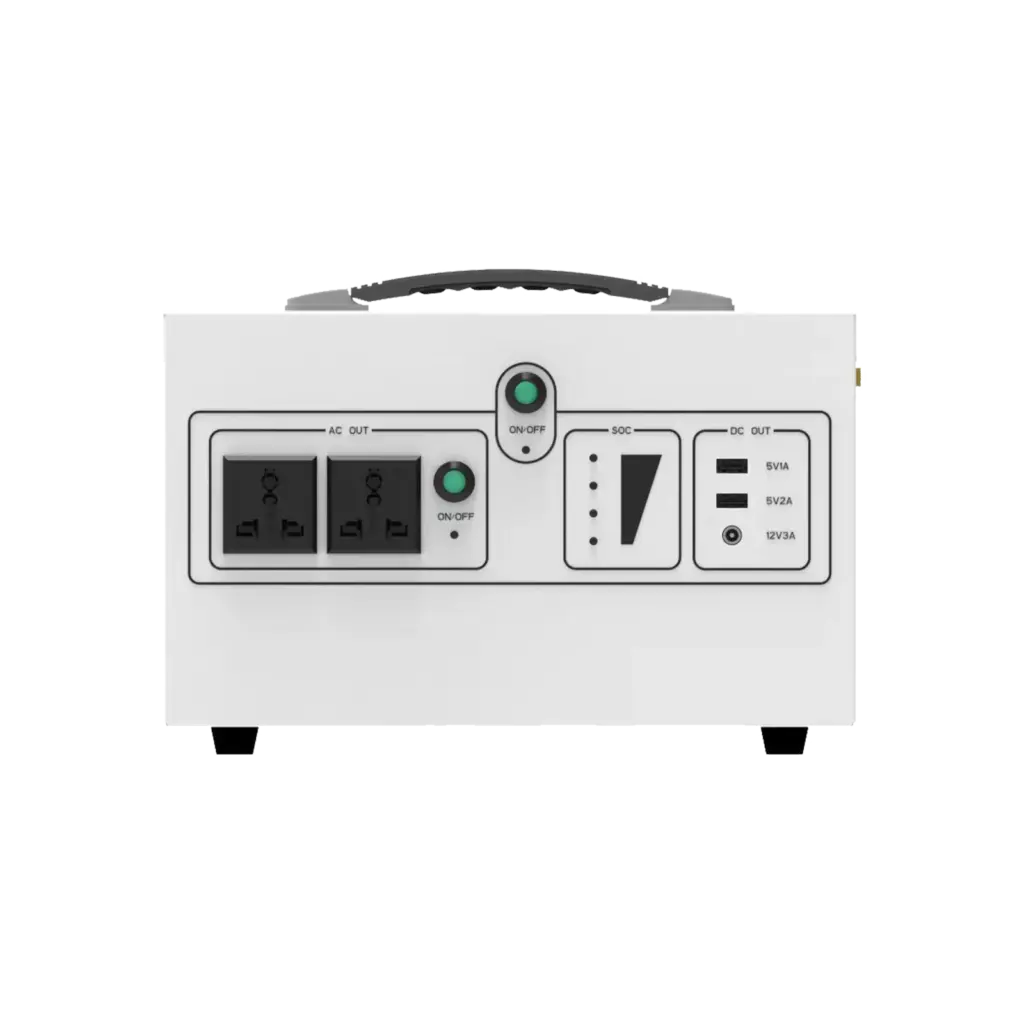
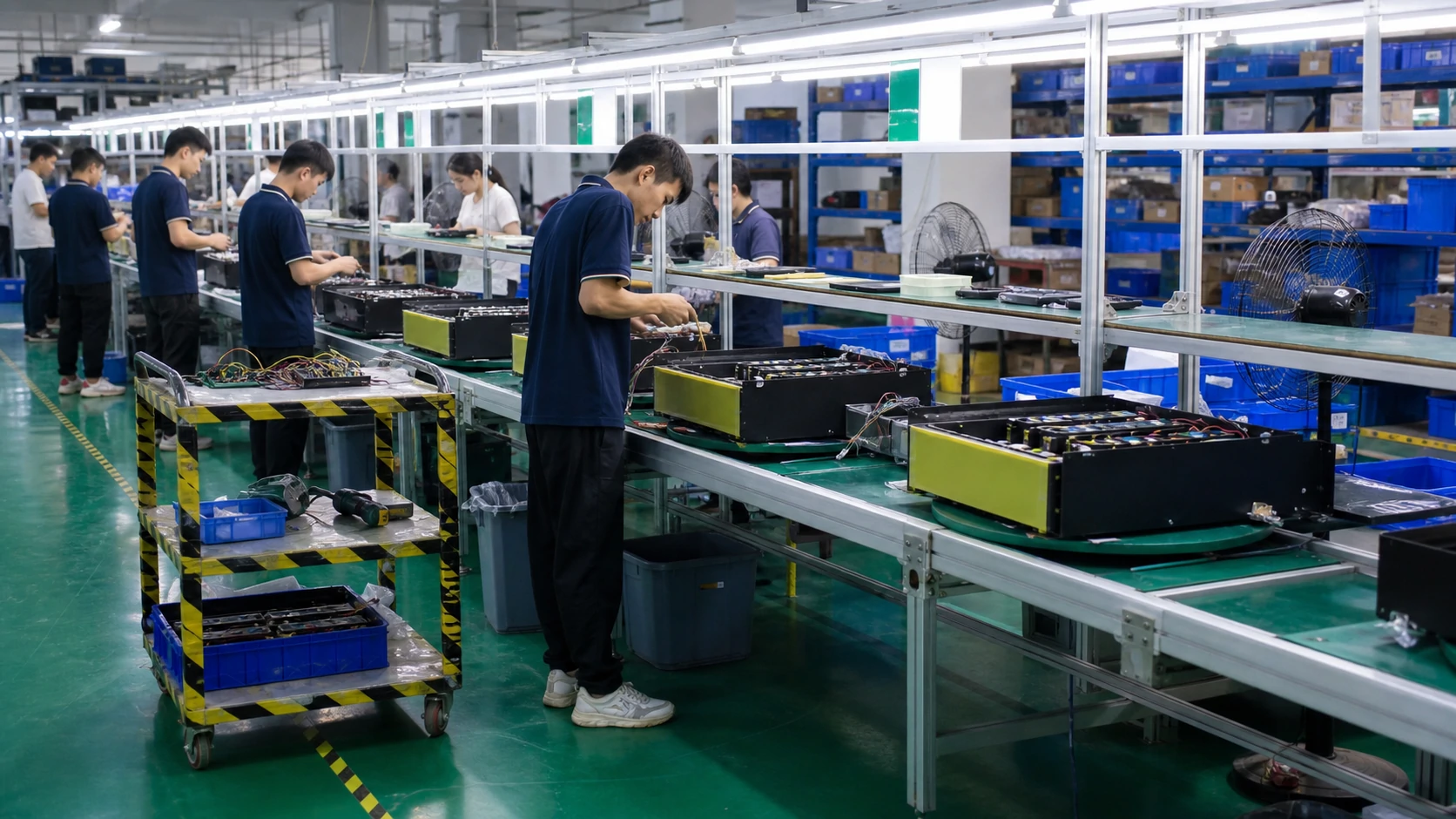
If you want a one-stop 6 kW solar plus battery solution, Avepower can supply complete packages that include solar panels, inverters, and LiFePO4 battery storage with BMS protection and internationally recognized certifications. Your project can also use OEM/ODM customization for capacity and system design when you want a system that fits your market and your installation needs.
Inverter and Battery Compatibility for a 6kW Solar System
A 6kW solar system does not always require a 6kW inverter. The appropriate inverter size depends on the PV array’s DC capacity, the inverter’s supported DC-to-AC ratio, local grid regulations, and expected operating conditions.
If battery storage is required, a compatible hybrid inverter or an appropriately designed AC-coupled battery system may be needed. Before installation, confirm the following:
- Inverter capacity: Suitable for the solar array and expected AC loads.
- PV input compatibility: Correct voltage, current, and MPPT operating range.
- Battery compatibility: Supported battery voltage, BMS communication, and charging limits.
- Backup requirements: Appropriate backup output capacity and isolation equipment.
- Grid compliance: Meets local electrical and utility connection requirements.
A 10kWh battery provides energy storage capacity, while its maximum charging and discharging power depends on the battery, BMS, and inverter specifications.
How Much Can You Save with a 6 kW System?
Savings vary by electricity rate, usage pattern, and local feed-in tariffs. On average:
- U.S. homeowners save $1,000–$1,400 per year on electricity.
- Australian households save $1,200–$1,900 per year, depending on state feed-in rates and consumption habits.
Feed-in tariffs allow you to sell excess power back to the grid, either at the retail electricity rate or a slightly reduced export rate. The more solar energy you consume directly (self-consumption), the faster your system pays for itself.
Payback Period and ROI
The average payback period for a 6 kW solar system is typically 4–6 years, depending on your energy usage and local electricity price. Once the system has paid for itself, the remaining The payback period of a 6kW solar system depends on installation cost, local electricity rates, available incentives, solar self-consumption, and export tariffs. There is no single payback period that applies to every household.
Simple Payback Period = Net Installation Cost ÷ Estimated Annual Net Savings
For example, if a solar system costs $16,080 and reduces annual electricity expenses by $1,600 after recurring costs, the simple payback period is approximately 10 years. This is an illustrative calculation, not a national average.
In locations with lower installation costs or higher electricity savings, payback may be shorter. Adding battery storage can improve energy independence and self-consumption, but it also increases upfront costs and does not automatically shorten the payback period.
What Maintenance Does a 6kW Solar System Need?
A 6kW solar system generally requires limited routine maintenance, but regular performance monitoring helps identify potential problems early.
Homeowners should monitor energy production, check for unusual output drops, and arrange professional inspections when needed. Solar panels may require cleaning if dirt, leaves, or other buildup significantly reduces performance, while inverters and electrical components should be maintained according to manufacturer recommendations.
If the system includes battery storage, follow the battery manufacturer’s operating temperature, maintenance, and warranty requirements.
Take Control of Your Energy Future
Let Avepower help you design the perfect 6 kW solar system for your home—complete with battery storage, inverter integration, and long-term warranty protection. Generate your own clean energy, cut your electricity bills, and enjoy true energy independence today.
Our systems are certified under CE, UL, RoHS, and ISO 9001 and backed by 10 years of R&D experience.
Take Control of Your Energy with Avepower!
Reliable home solar battery solutions with OEM/ODM customization and in-house manufacturing, tailored to the needs of distributors, installers, and energy partners.
FAQ
A 6kW solar system typically produces 18–30 kWh of electricity per day, depending on location, sunlight hours, roof orientation, shading, and system efficiency. In areas with limited sunlight or unfavorable conditions, daily output may drop to around 13 kWh or lower.
Many households save $1,000–$1,900 per year, but your savings depend on electricity price, solar self-use, and export rates. Your savings usually rise when you shift more usage to daytime hours, because you use more of your solar power directly.
A 6kW solar system typically requires 12–15 modern solar panels. For example, 15 panels rated at 400W provide 6,000W of total capacity, while 12 panels rated at 500W provide the same capacity.
Yes, some 6kW DC solar arrays can operate with a 5kW inverter if the inverter supports the DC-to-AC sizing ratio and the installation meets local electrical and grid requirements. The inverter may limit peak AC output to 5kW.