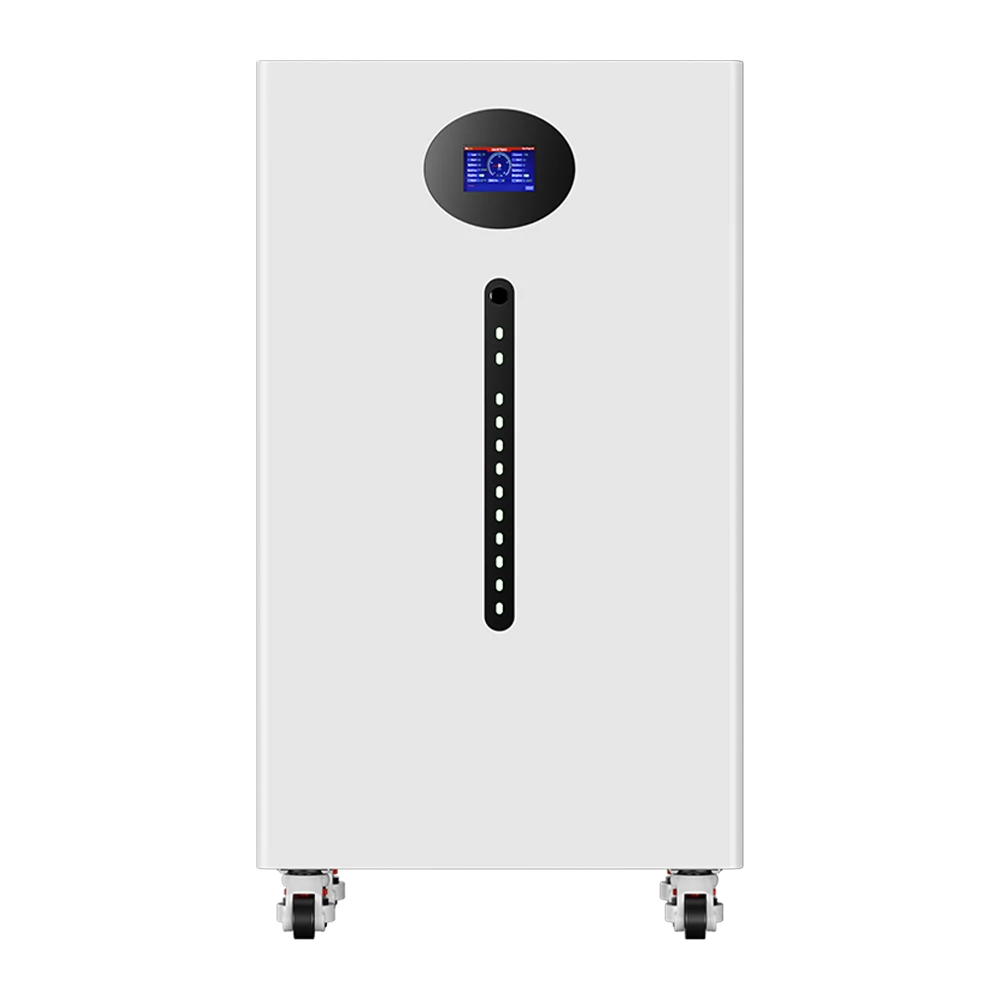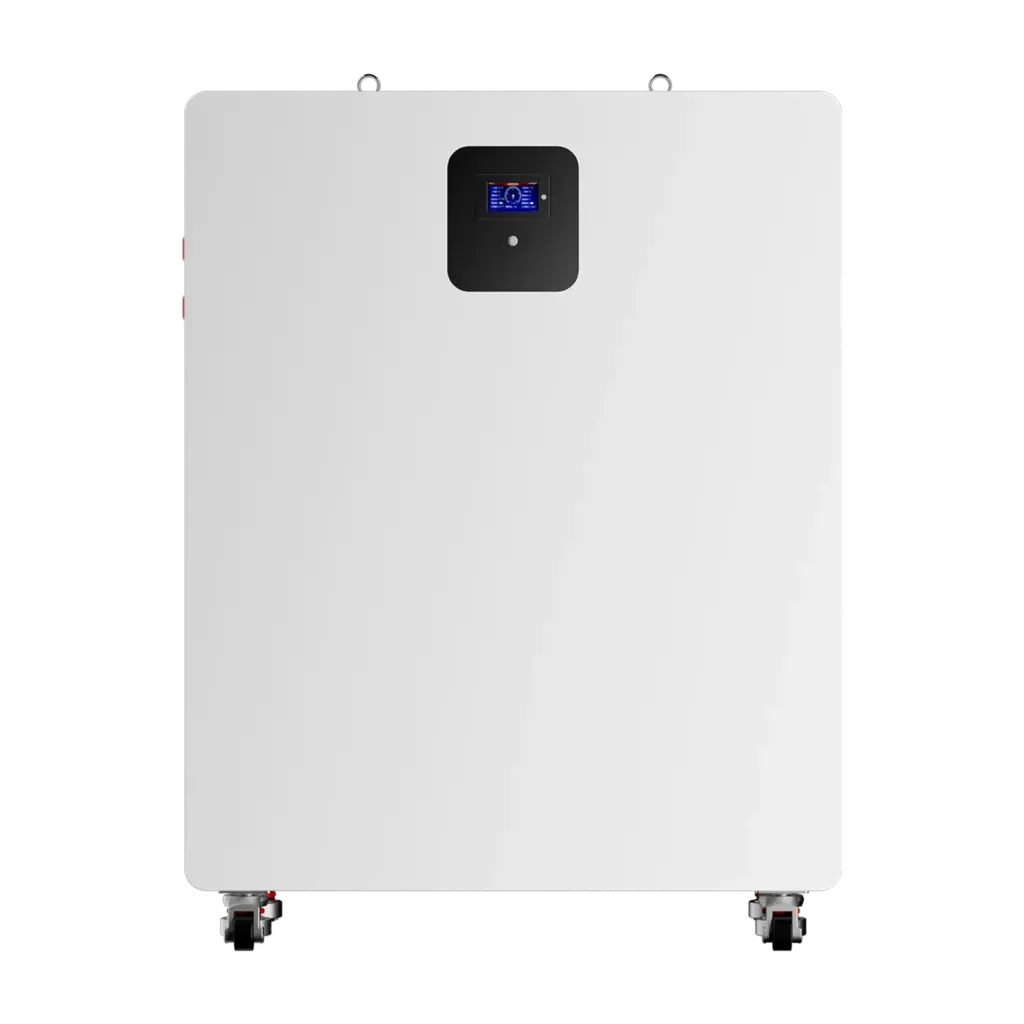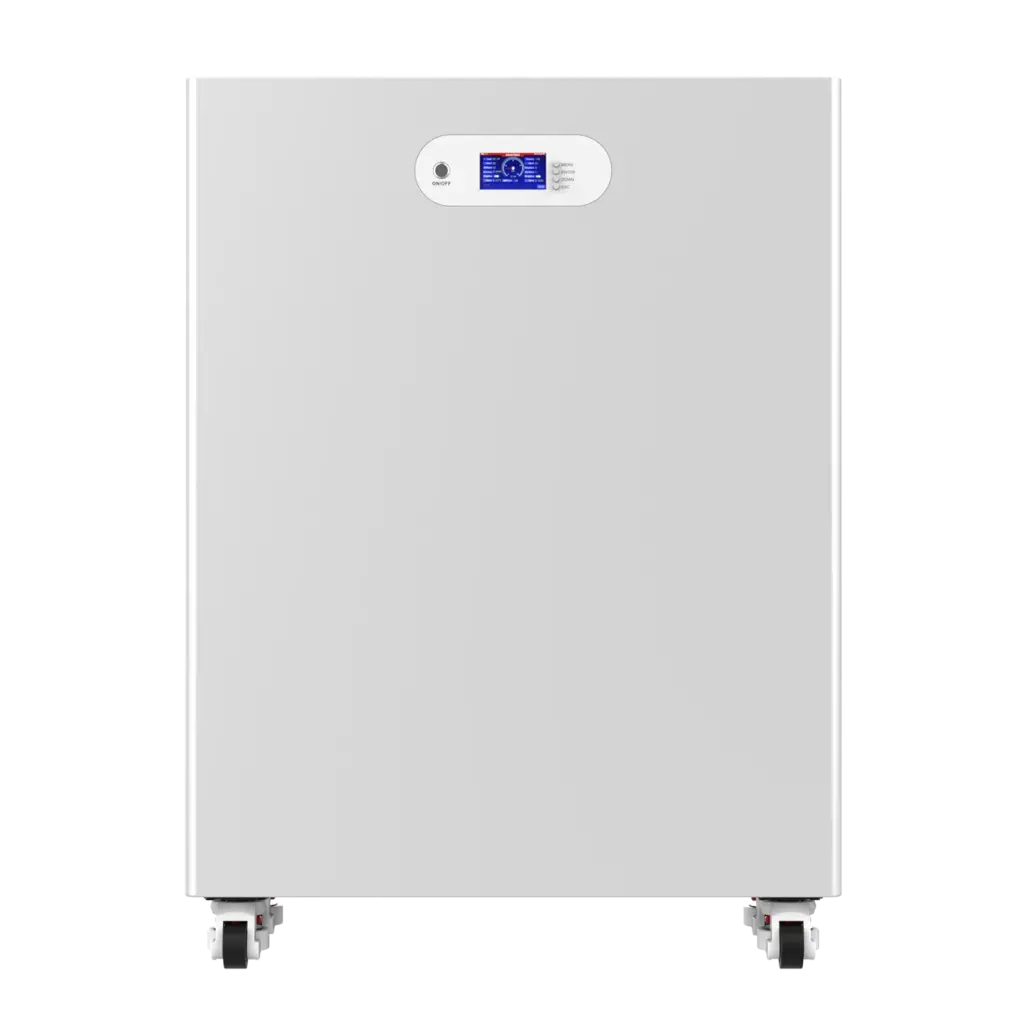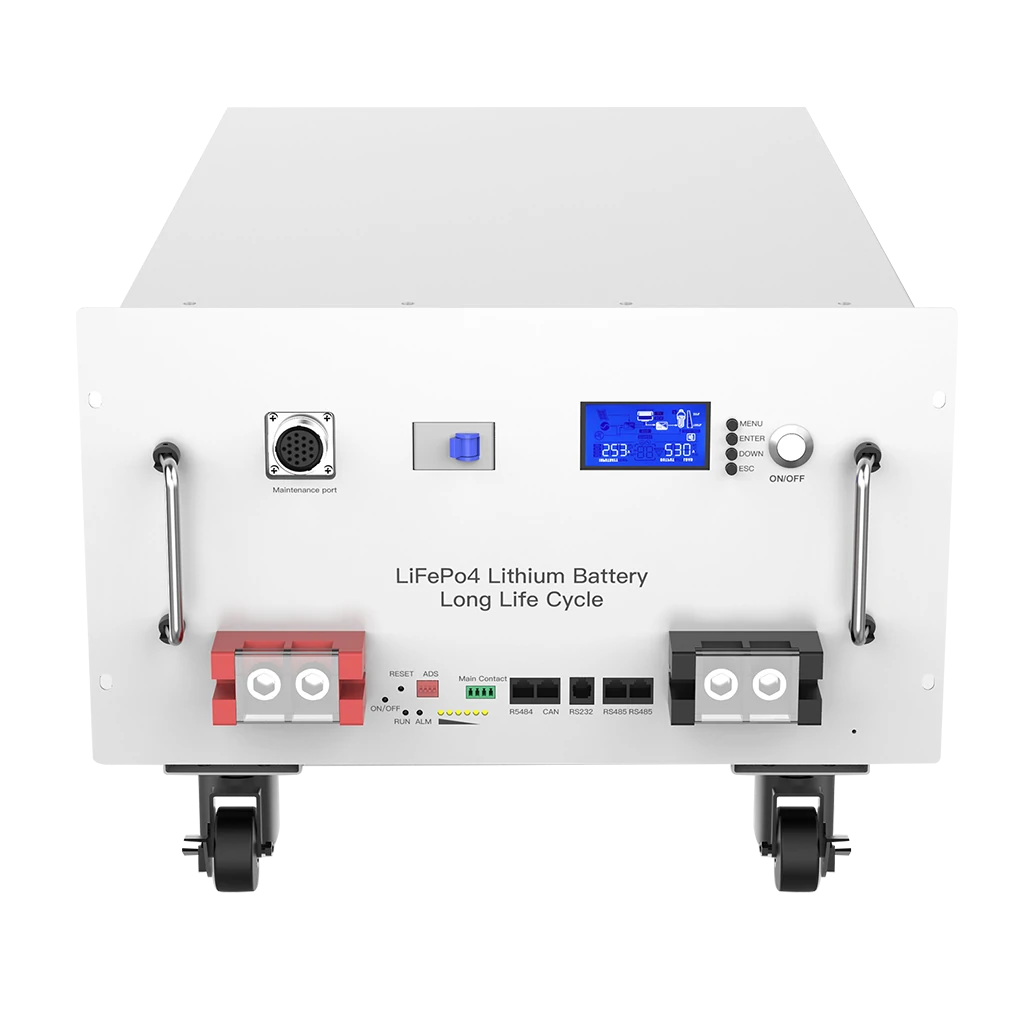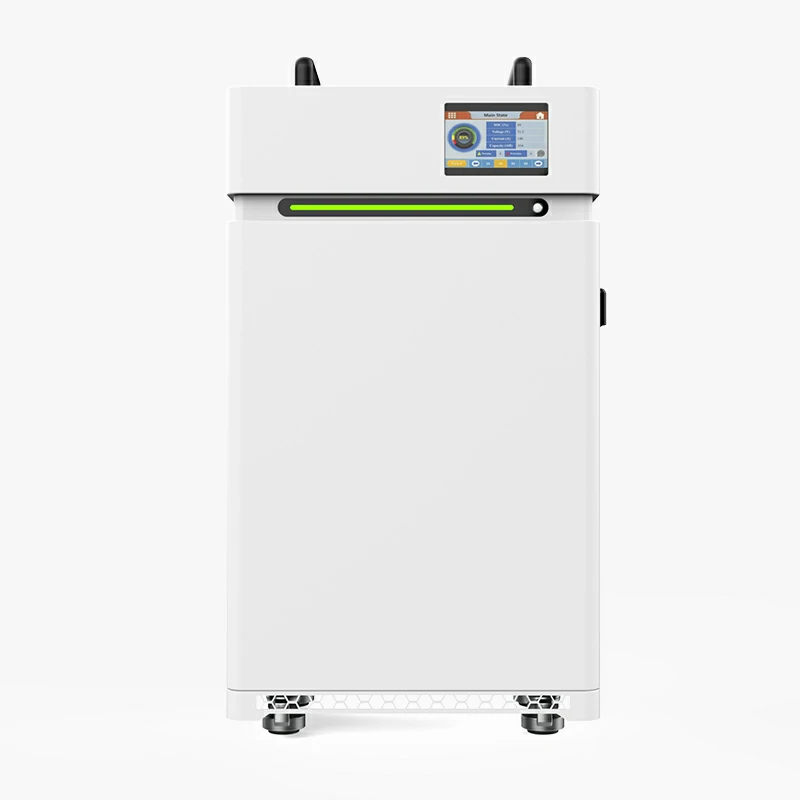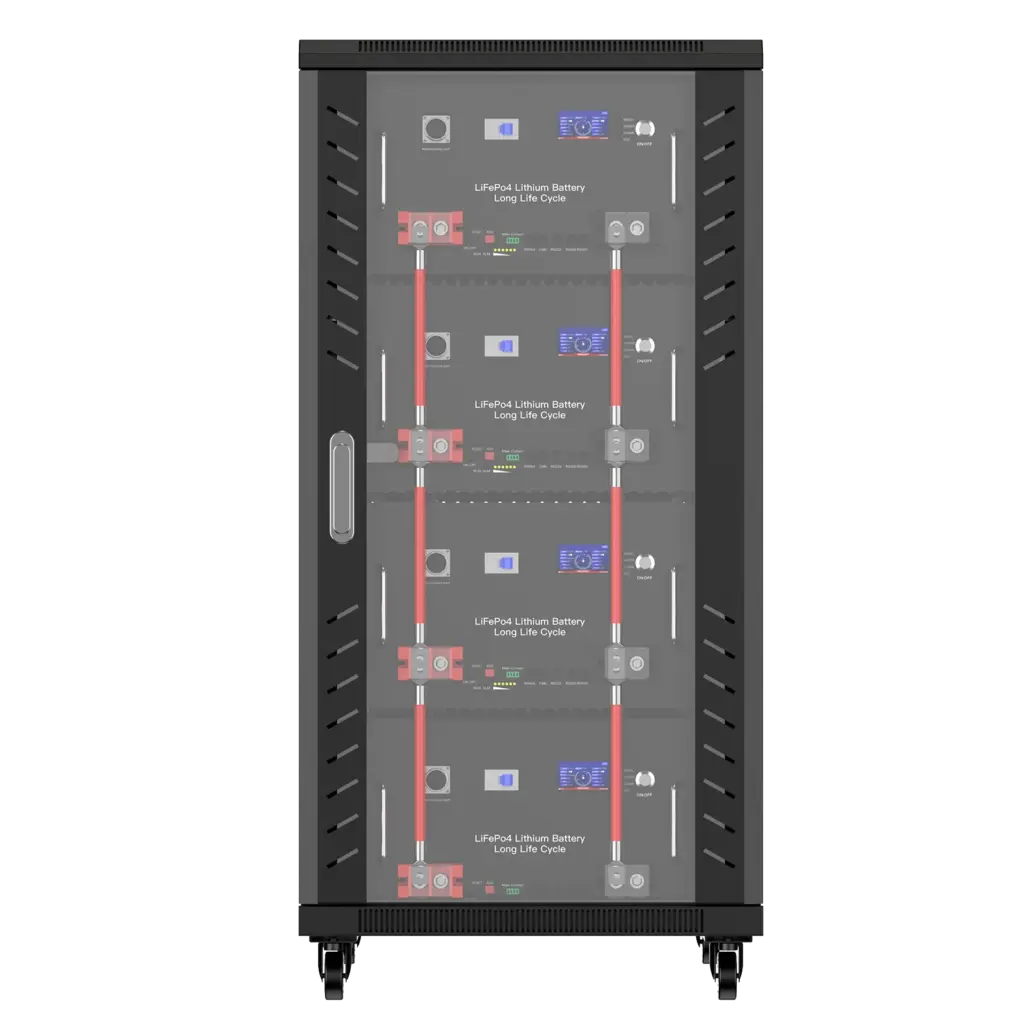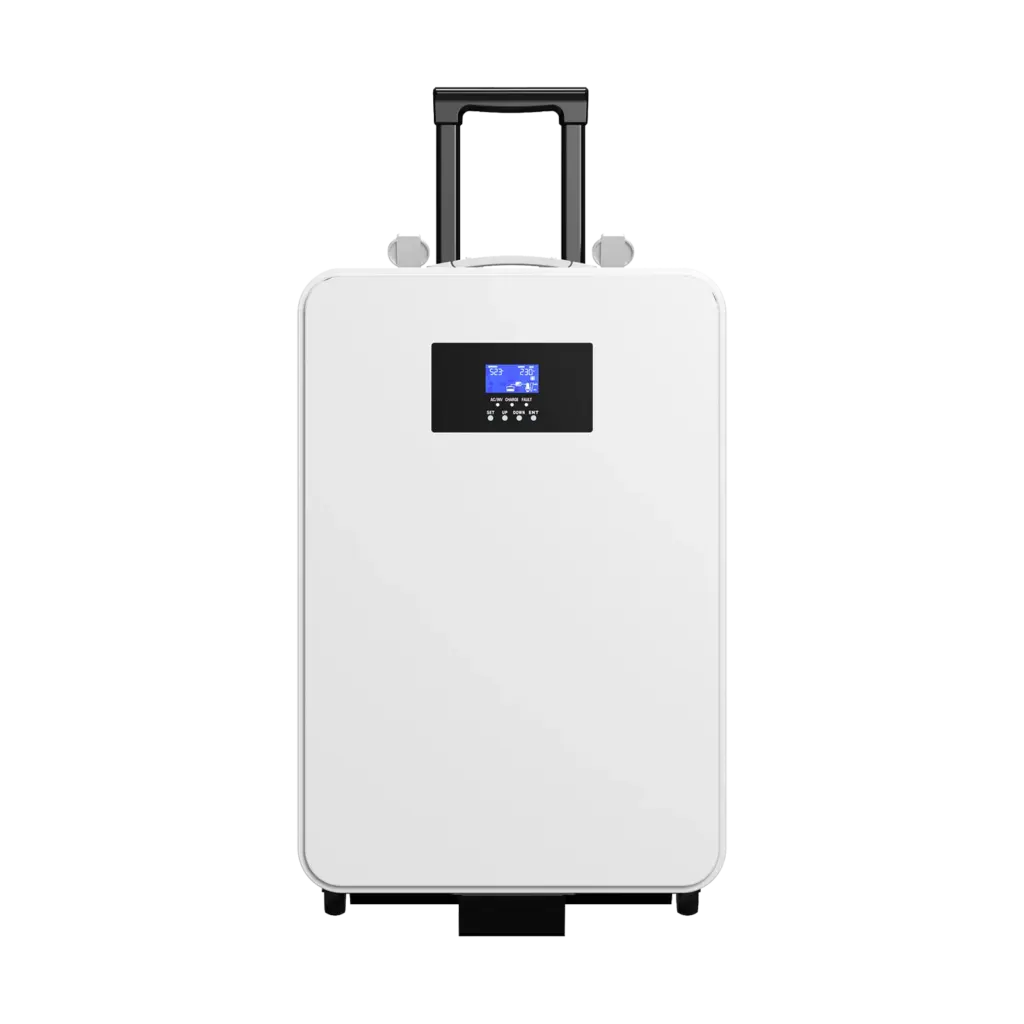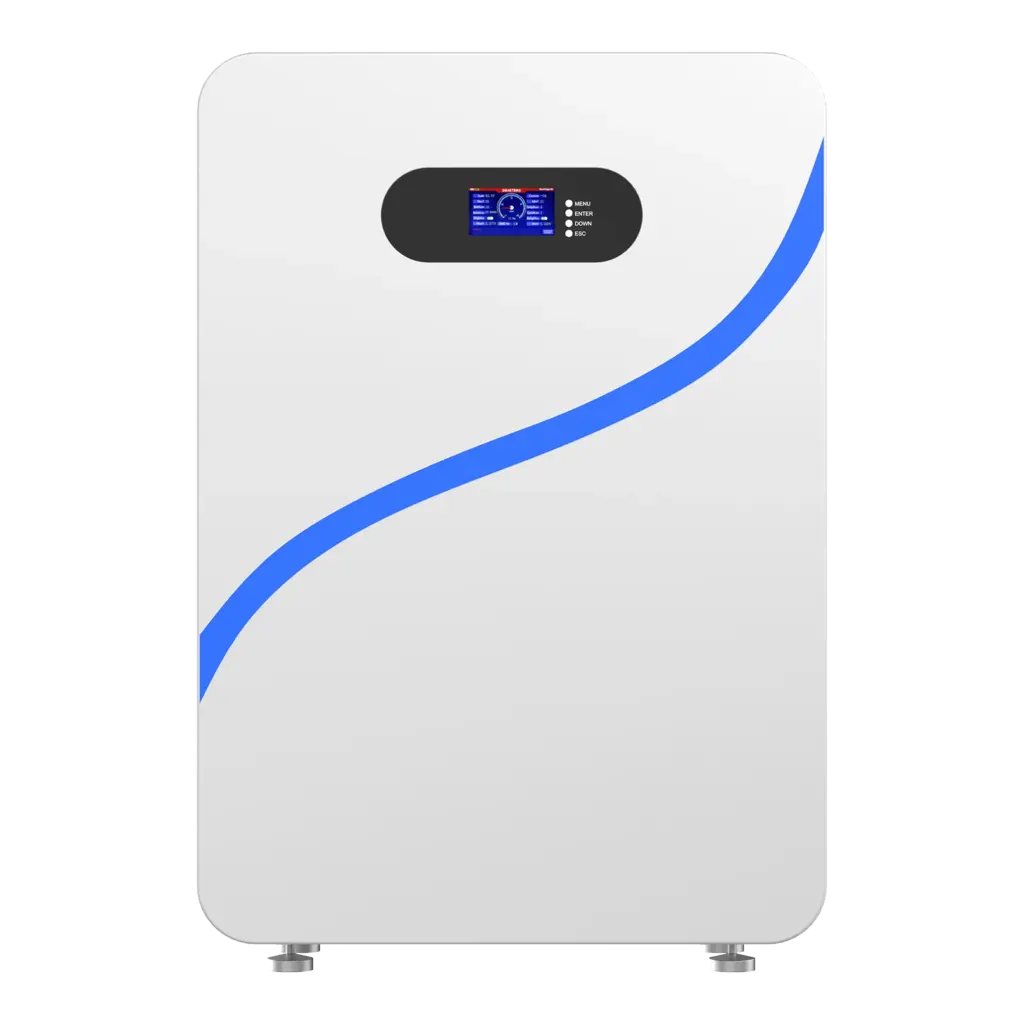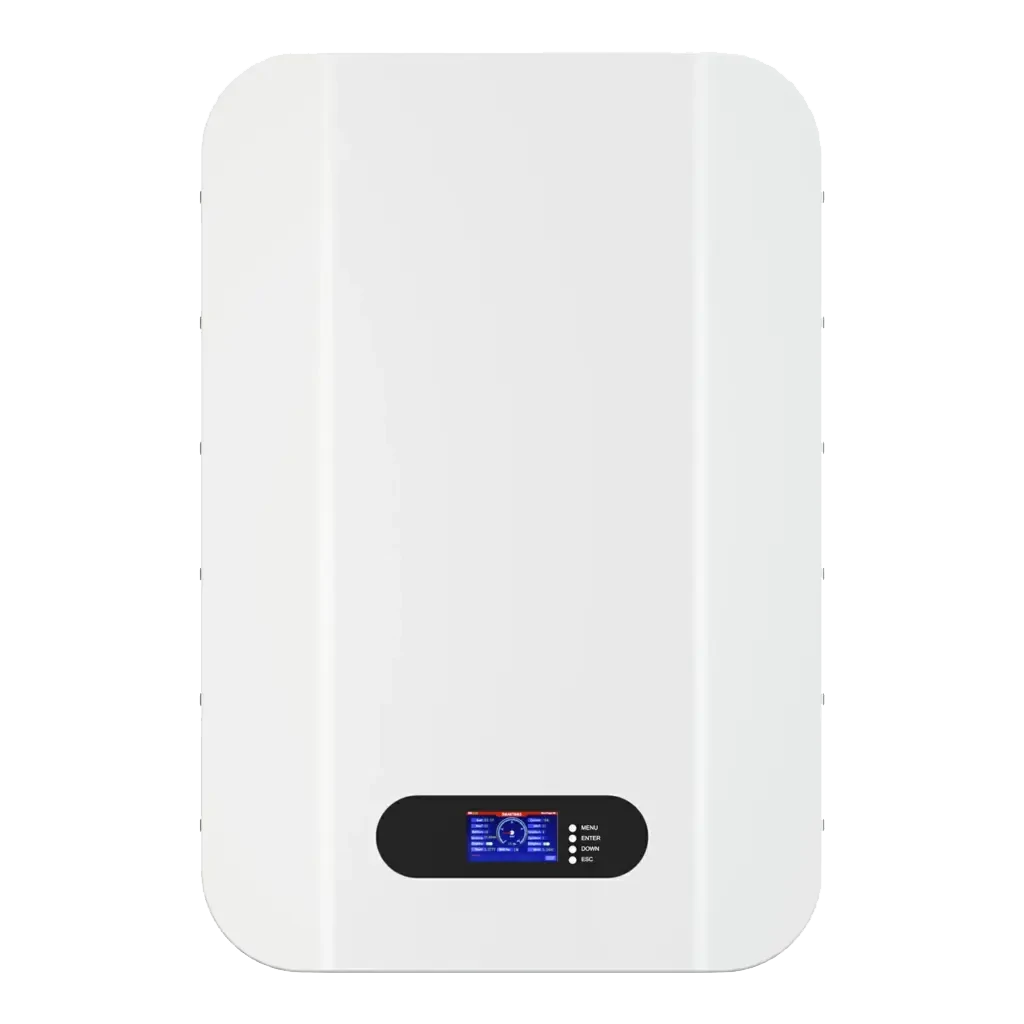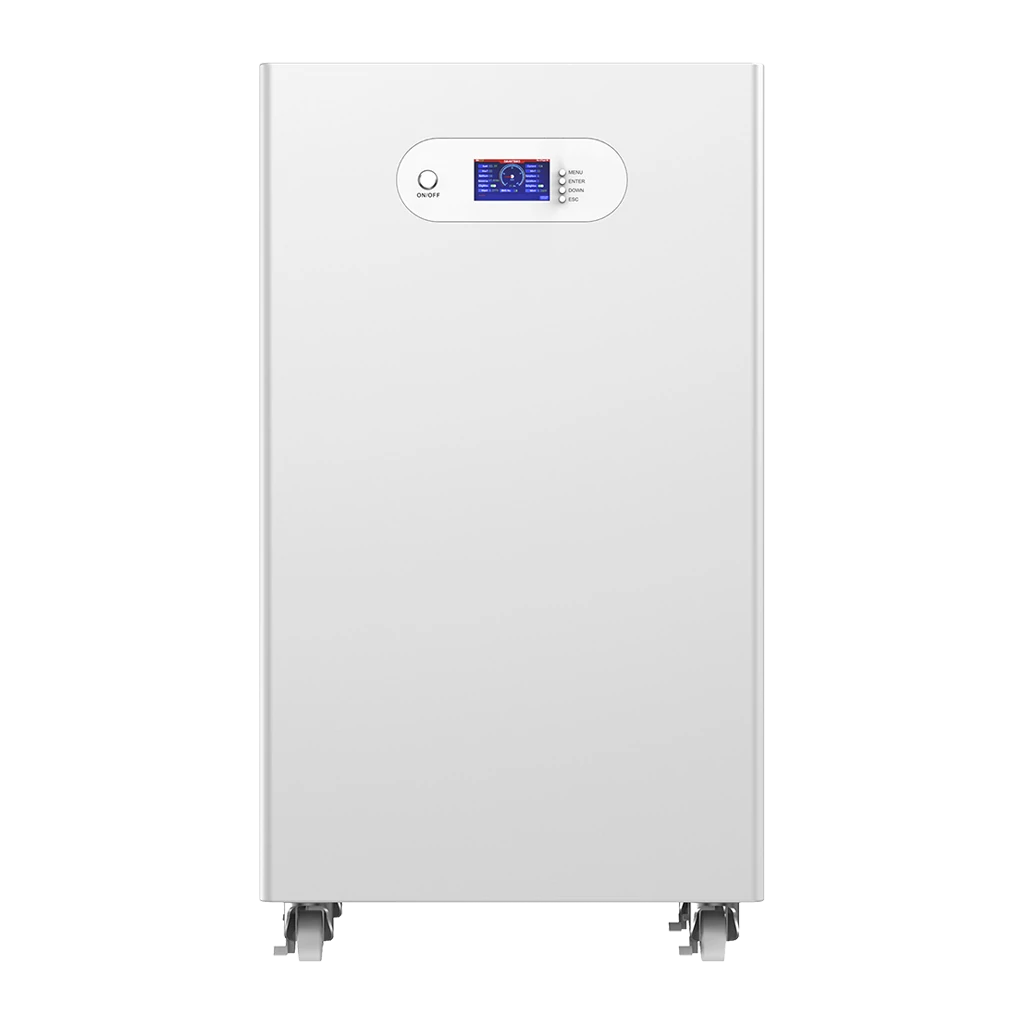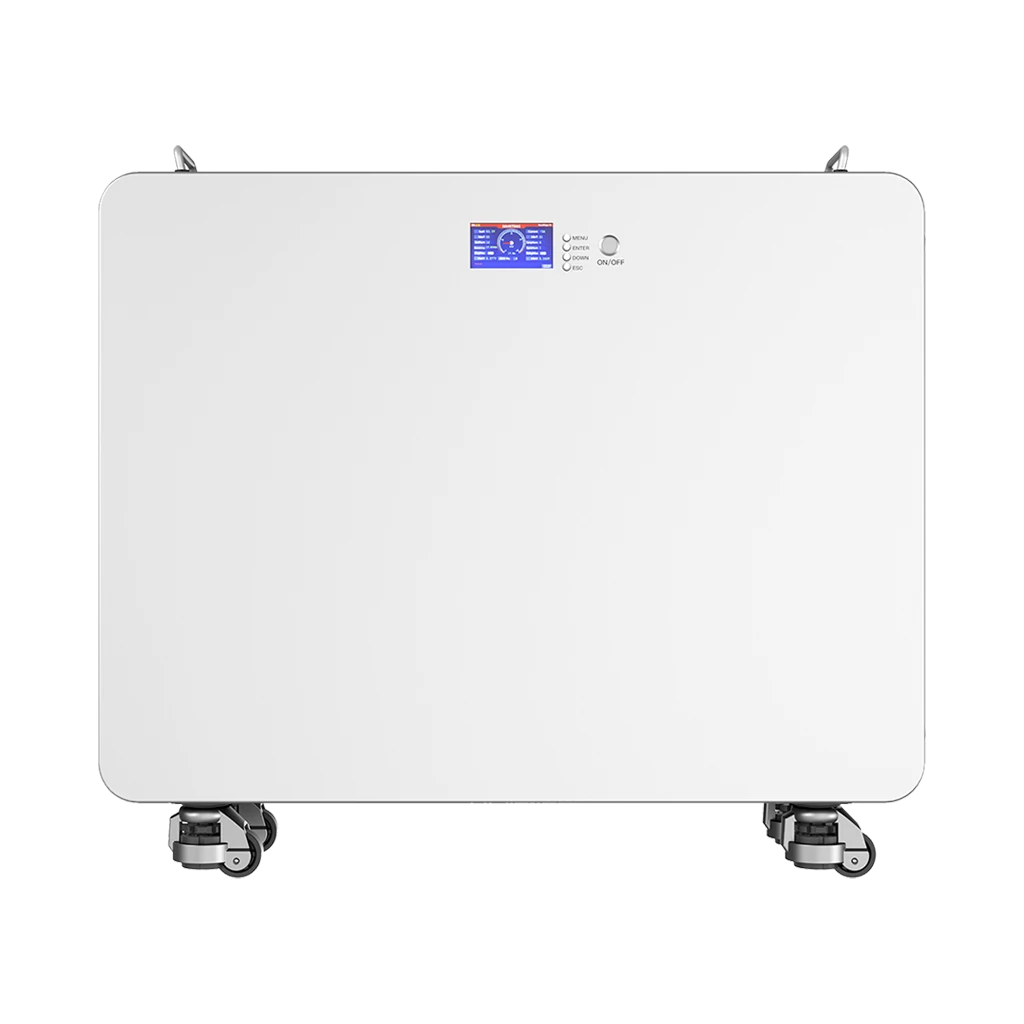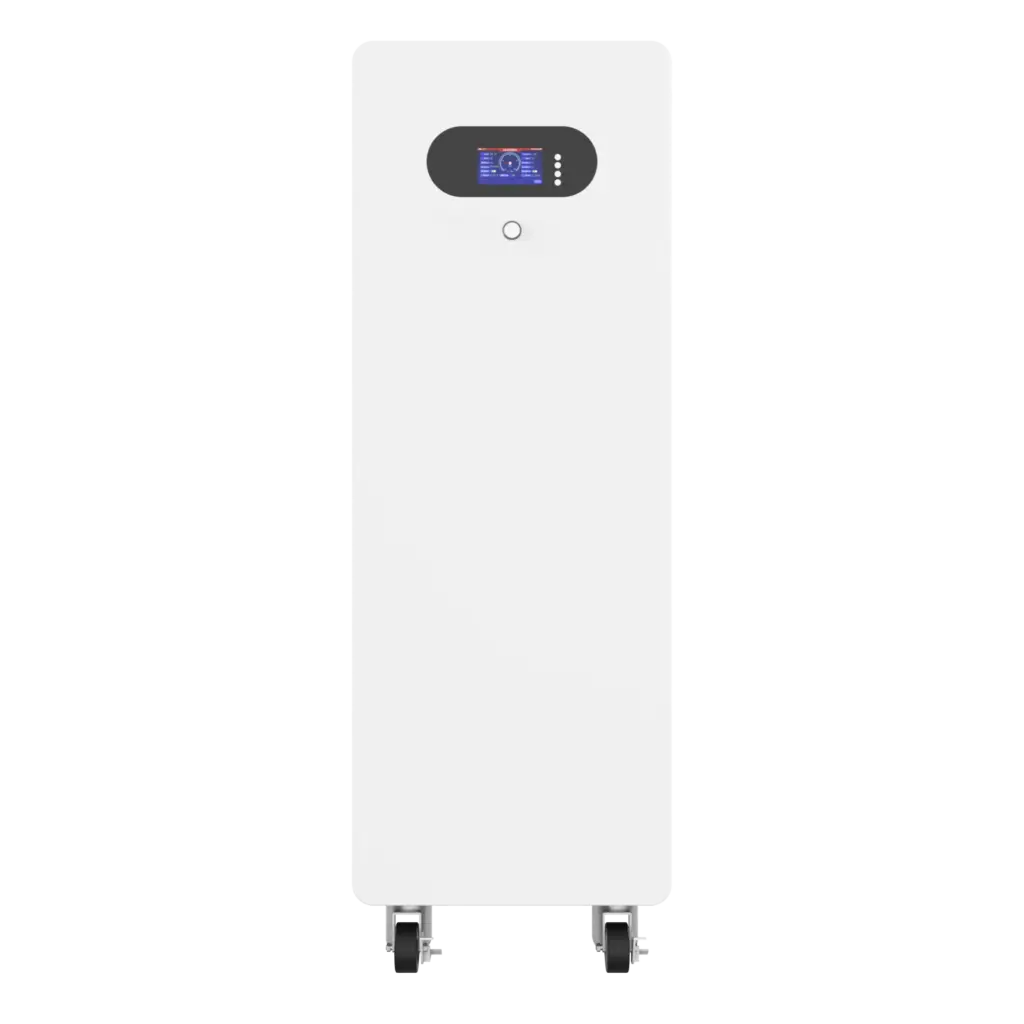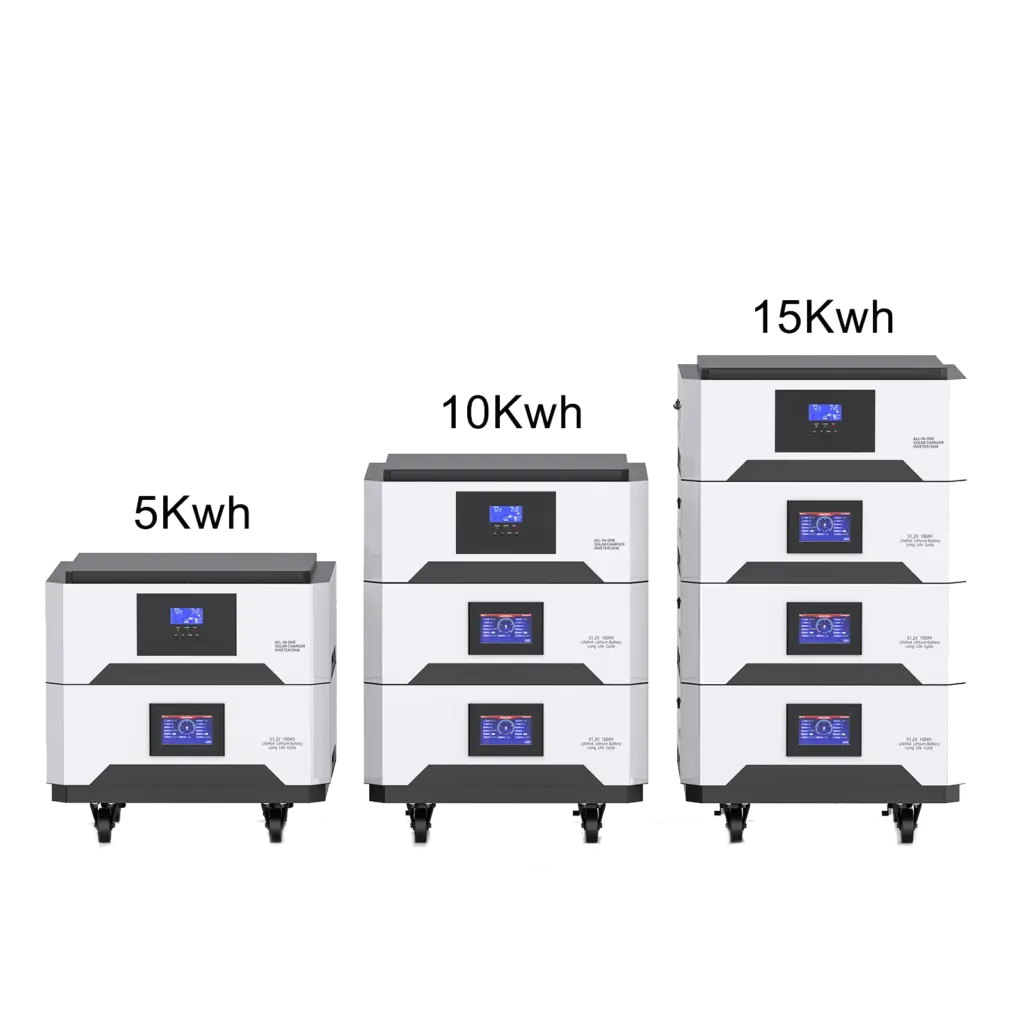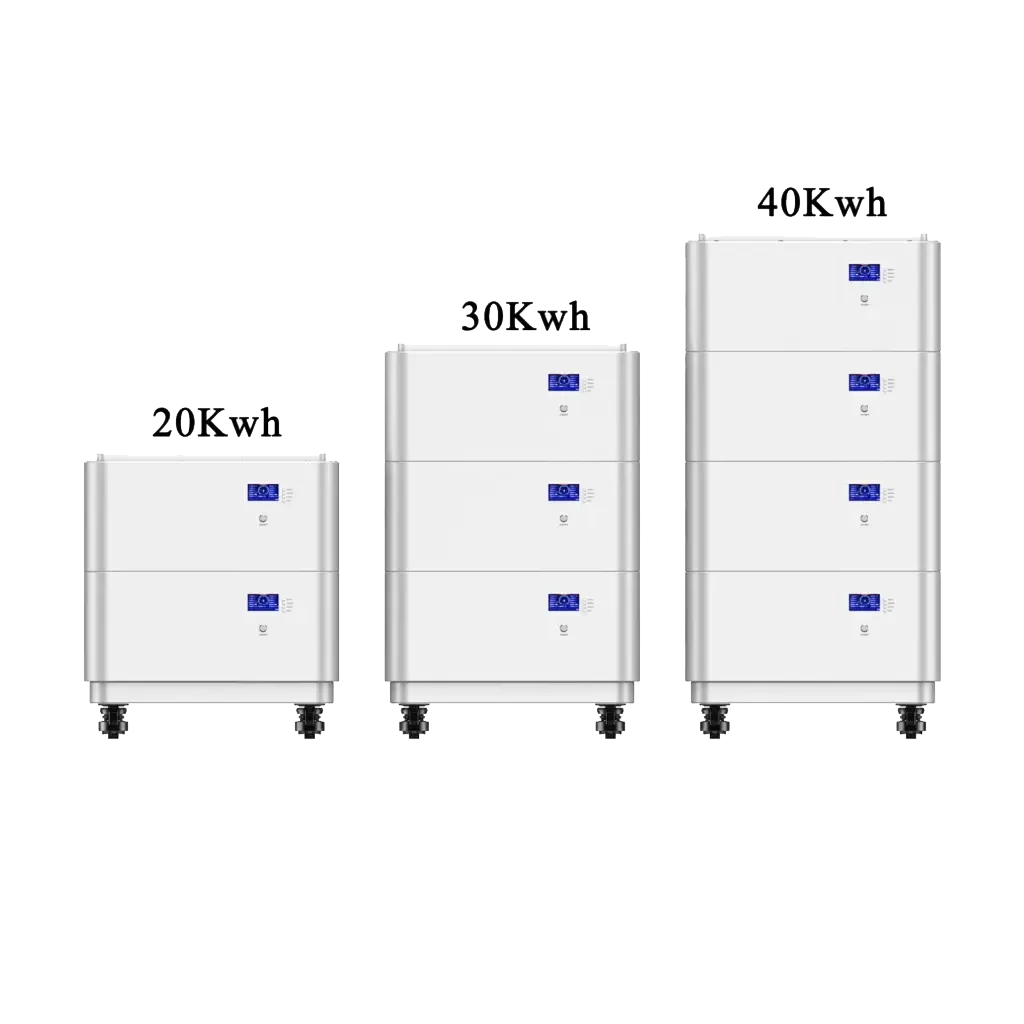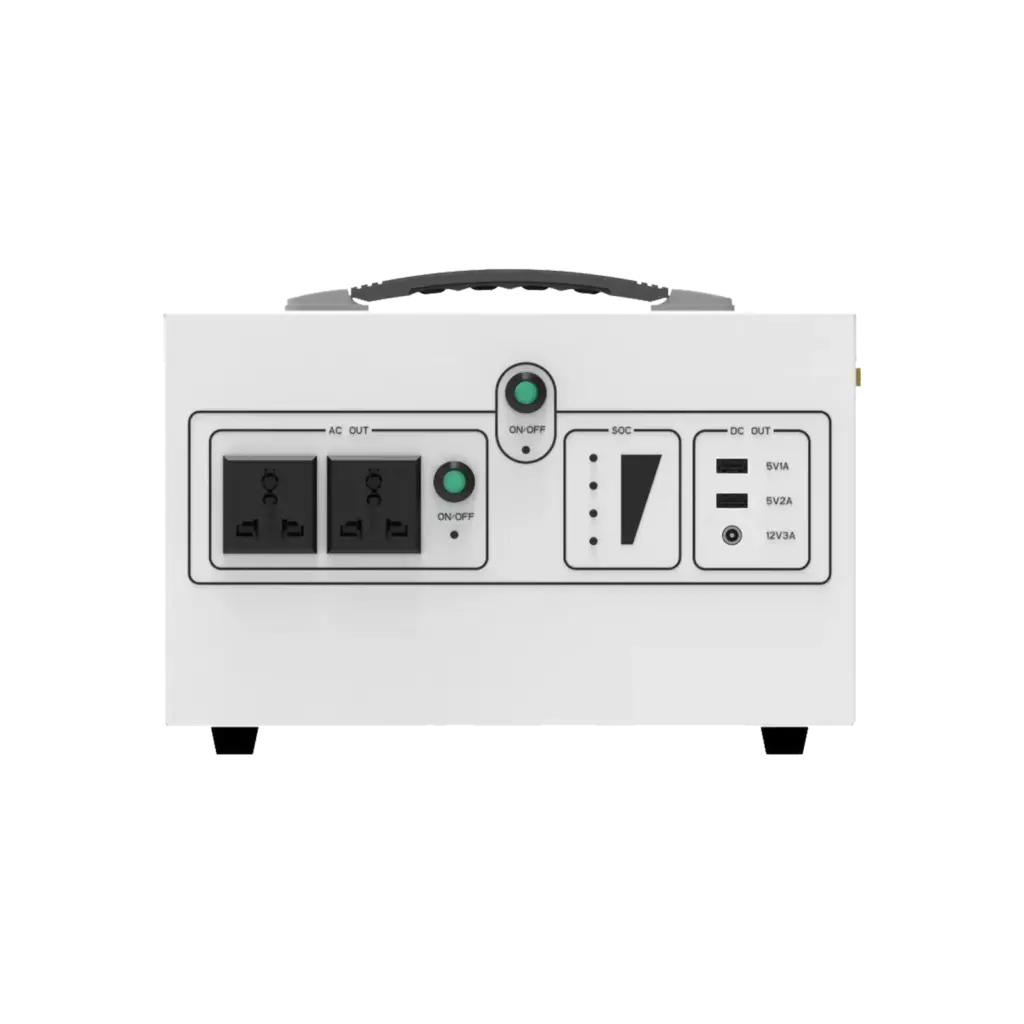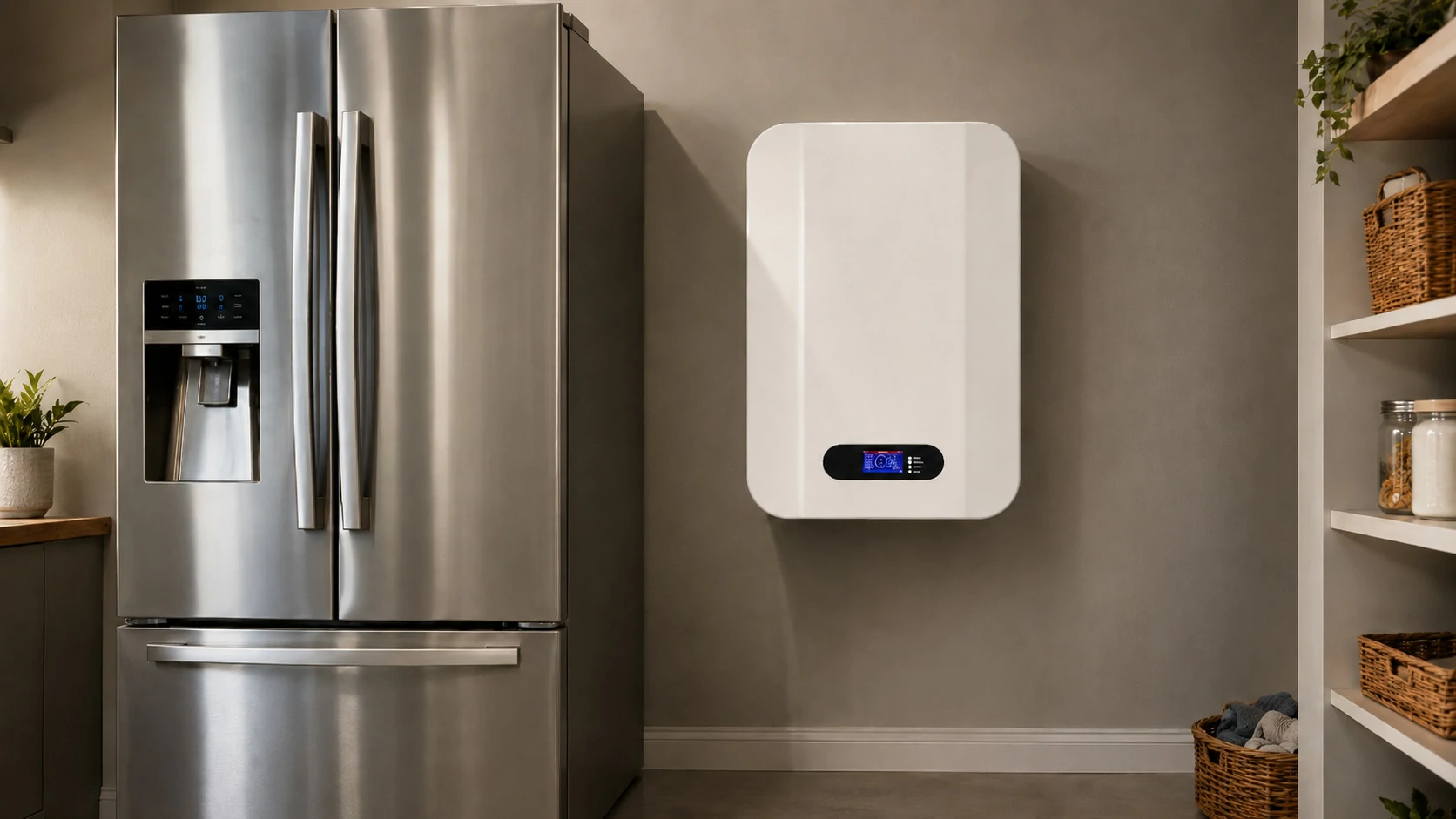

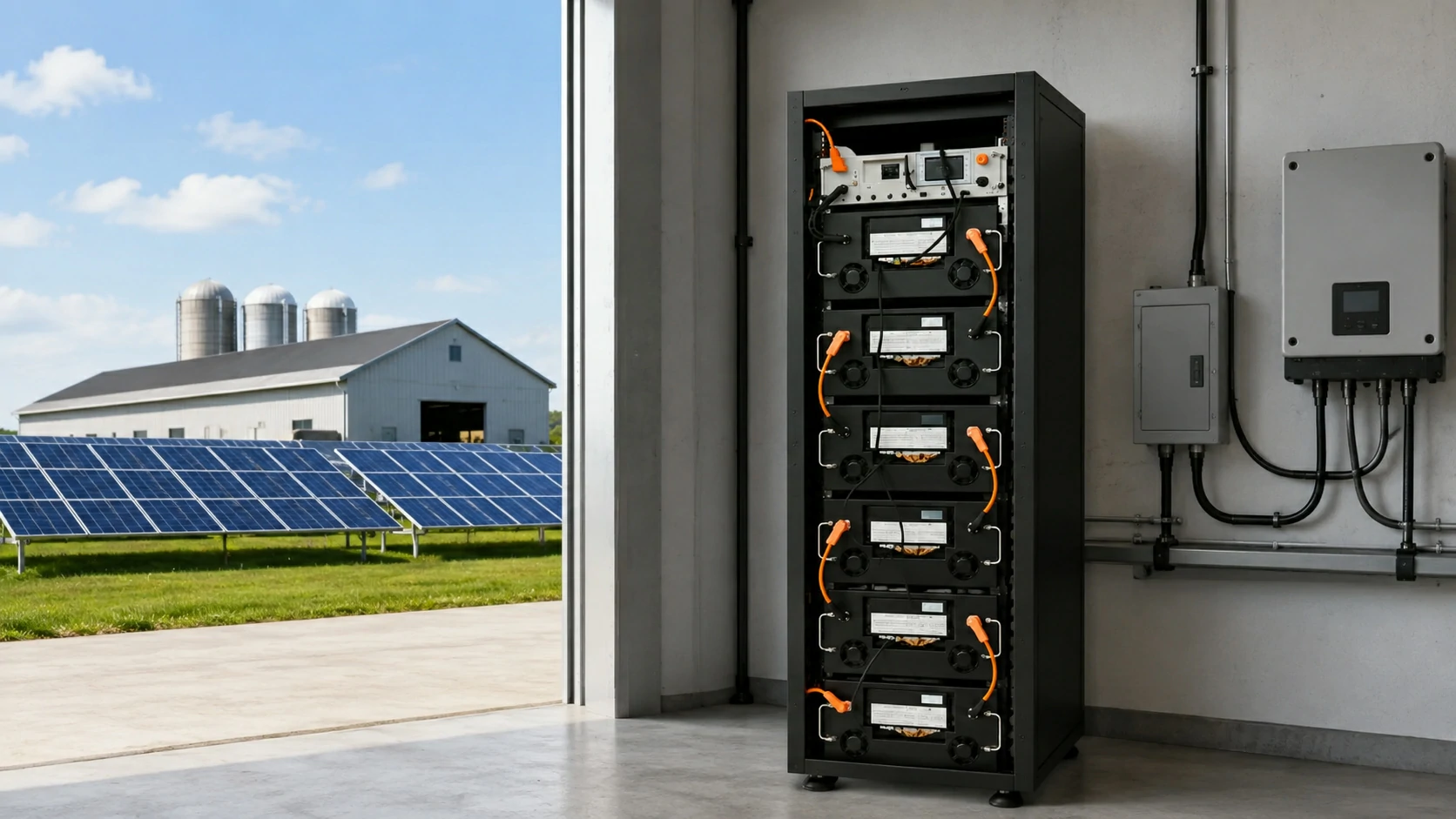
A 125 kWh battery is a medium-scale energy storage system designed for larger homes, farms, small commercial buildings, telecom sites, workshops, EV charging support, solar self-consumption, and backup power applications.
For many users, 125 kWh is the point where battery storage becomes more than simple backup. It can support daily solar shifting, peak-load reduction, off-grid operation, diesel generator optimization, and critical-load protection.
What Is a 125 kWh Battery?
A 125 kWh battery is an energy storage system with a nominal storage capacity of 125 kilowatt-hours. In simple terms, it can theoretically deliver 125 kW for 1 hour, 62.5 kW for 2 hours, 25 kW for 5 hours, or 12.5 kW for 10 hours before reaching full discharge.
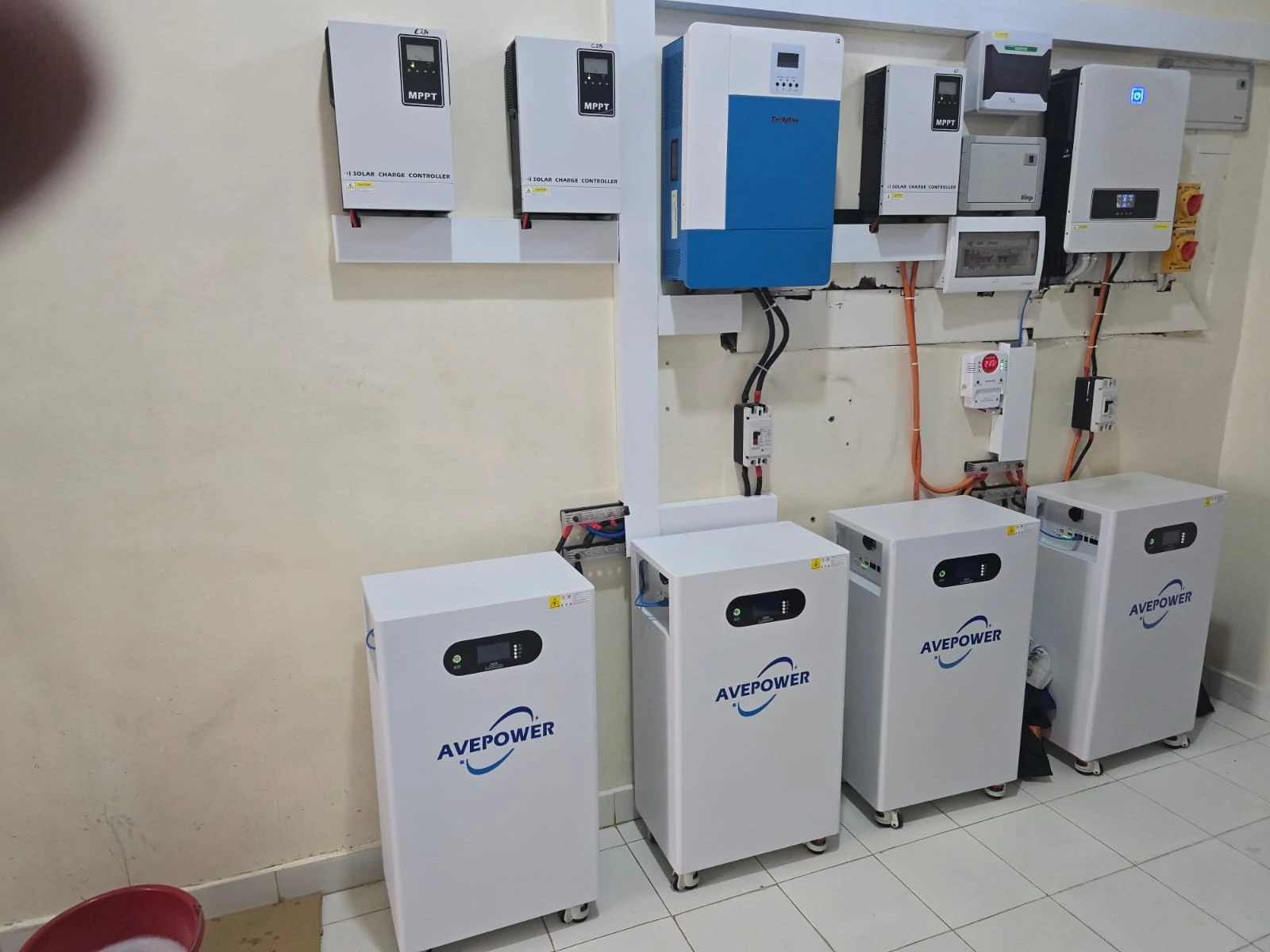
A complete 125 kWh battery system usually includes battery modules, a battery management system, a power conversion system or inverter, protection devices, communication interfaces, thermal management, monitoring software, and installation hardware. For commercial or industrial systems, it may also include EMS control, fire protection, outdoor cabinet protection, and grid-interconnection equipment.
If you are new to energy storage system structure, Avepower’s guide to what an ESS is explains how batteries, BMS, PCS, EMS, and safety systems work together in a complete storage platform.
How Much Power Can a 125 kWh Battery Provide?
A 125 kWh battery does not automatically mean it can run a 125 kW load for one hour. The actual power output depends on the inverter or PCS rating and the discharge rate of the battery.
A typical configuration may look like this:
| Battery Capacity | PCS/Inverter Rating | Approximate Full-Power Runtime |
|---|---|---|
| 125 kWh | 30 kW | About 4 hours |
| 125 kWh | 50 kW | About 2.5 hours |
| 125 kWh | 60 kW | About 2 hours |
| 125 kWh | 100 kW | About 1.25 hours |
| 125 kWh | 125 kW | About 1 hour |
In real commercial projects, engineers usually size the system using interval load data, utility tariff structure, solar production profile, and critical load requirements. A BESS sizing framework typically considers 12–24 months of 15-minute interval load data, tariff details, time-of-use rates, and backup load requirements. Avepower provides customized battery storage services for capacity, enclosure, communication protocol, voltage platform, and project documentation, which is useful for distributors, EPCs, installers, and OEM/ODM buyers.
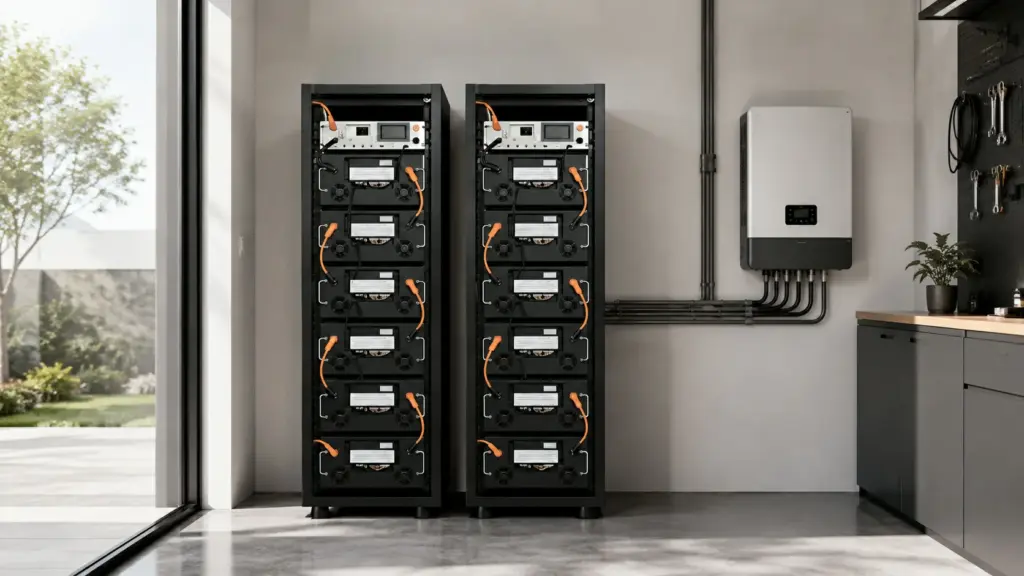
Need a 125 kWh Battery for Your Project?
Not sure whether a 125 kWh battery is the right size for your site? Avepower can help you evaluate your load profile, backup time, solar storage needs and system configuration before you choose a solution.
125 kWh Battery Voltage: Low Voltage or High Voltage?
A 125 kWh battery can be designed as either a low-voltage system or a high-voltage system.
Low-voltage systems, usually around 48V or 51.2V, are common for homes, telecom backup, small off-grid systems, and modular expansion. They are easier to configure with residential and light-commercial inverters, but current becomes high as power increases. Higher current requires larger cables, careful protection design, and proper parallel battery management.
High-voltage systems are more common in commercial and industrial storage. They reduce current for the same power level, improve efficiency at higher power, and match better with three-phase PCS platforms. They also require stricter design, professional installation, and more advanced protection.
For small homes or farms, a modular low-voltage system may be practical. For commercial projects with higher power output, three-phase loads, or future expansion, a high-voltage ESS may be the better option.
Avepower’s custom high voltage lithium battery storage system can be configured by voltage platform, cabinet layout, communication solution, and application requirement, which is useful for projects that need a tailored commercial ESS rather than a standard home battery bank.
Air Cooling vs Liquid Cooling
For a 125 kWh battery, both air cooling and liquid cooling can work depending on the power rating, installation environment, and duty cycle.
Air cooling is simpler and may be more cost-effective for moderate loads and indoor or controlled environments. It can be suitable for backup systems, light cycling, and lower C-rate operation.
Liquid cooling provides better temperature uniformity and is often used in commercial outdoor cabinets, higher power systems, and applications with frequent cycling. Many current C&I storage products above 200 kWh emphasize liquid cooling because stable cell temperature can support safety, consistency, and long-term performance under higher-load conditions.
For a 125 kWh project, the best cooling method depends on local climate, expected daily cycling, charge/discharge rate, enclosure location, and maintenance capability.
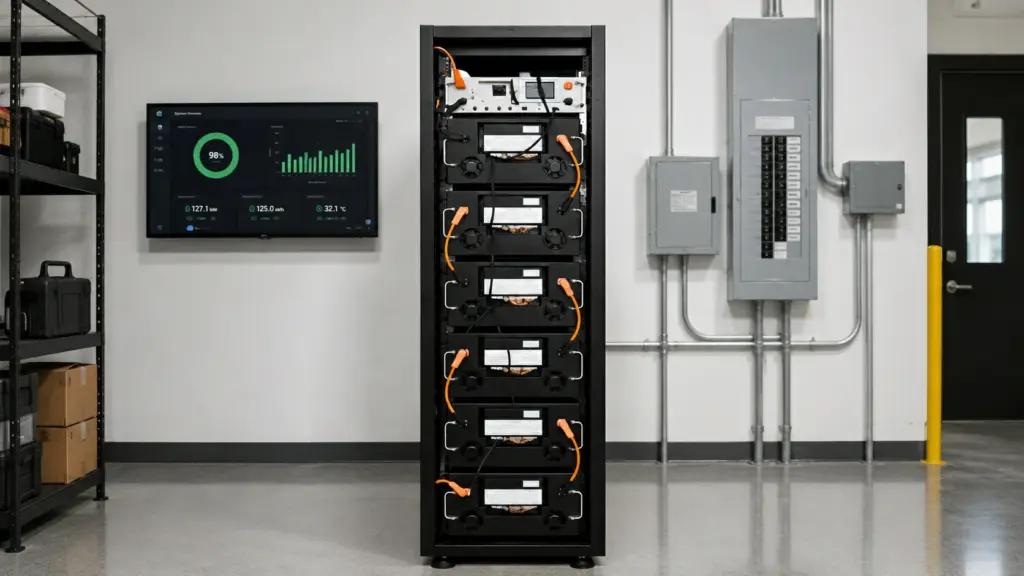
125 kWh Battery Cost: What Affects the Price?
The cost of a 125 kWh battery depends on system design, battery chemistry, PCS capacity, enclosure type, cooling method, certification requirements, installation complexity, and local labor costs. A battery-only price is very different from a fully installed commercial energy storage system.
For a 125 kWh commercial battery system, a practical budget range is usually about $25,000 to $70,000+, depending on system configuration and site conditions.
| Cost Scope | Typical Cost Range | Estimated Cost for 125 kWh |
|---|---|---|
| Battery cabinet or battery system hardware | $180–$300/kWh | $22,500–$37,500 |
| Integrated C&I ESS with BMS, PCS, EMS, cabinet and cooling | $250–$450/kWh | $31,250–$56,250 |
| Fully installed commercial battery system | $350–$580/kWh | $43,750–$72,500+ |
Key cost factors include:
- Battery cell quality and chemistry
- Usable capacity versus nominal capacity
- PCS or hybrid inverter power rating
- Indoor or outdoor cabinet design
- Air cooling or liquid cooling
- BMS, EMS, and communication features
- Fire protection and safety system
- Certification and compliance documentation
- Shipping, taxes, installation, and commissioning
- Electrical panel upgrades or transformer requirements
- Monitoring platform and after-sales support
A low-cost battery without proper engineering support can become expensive if it causes inverter mismatch, overheating, poor communication, limited warranty coverage, or difficult permitting. For commercial systems, total lifecycle value is more important than the lowest purchase price.
Building a 125 kWh Battery with Modular LiFePO4 Batteries
One practical way to create a 125 kWh system is to connect multiple LiFePO4 battery modules in parallel. For example:
| Battery Module Size | Approximate Quantity for 125 kWh |
|---|---|
| 5 kWh | 25 units |
| 10 kWh | 13 units |
| 15 kWh | 8–9 units |
| 20 kWh | 6–7 units |
| 30 kWh | 4–5 units |
| 50 kWh | 3 units |
This modular approach is useful when the project needs flexible installation, phased expansion, simple maintenance, or easier transportation. However, the system must be designed carefully. Battery modules should be matched by voltage, chemistry, BMS logic, firmware, communication protocol, and inverter compatibility.
Avepower’s 48V 280Ah 15kWh vertical LiFePO4 battery supports parallel expansion and includes CAN, RS485, RS232, Bluetooth, WiFi, a display screen, and smart BMS protection, making it suitable for residential solar storage, small
For rack-based systems, Avepower also offers rack mount LiFePO4 battery solutions for projects that need organized cabinet installation, telecom-style layouts, or server-room backup power.
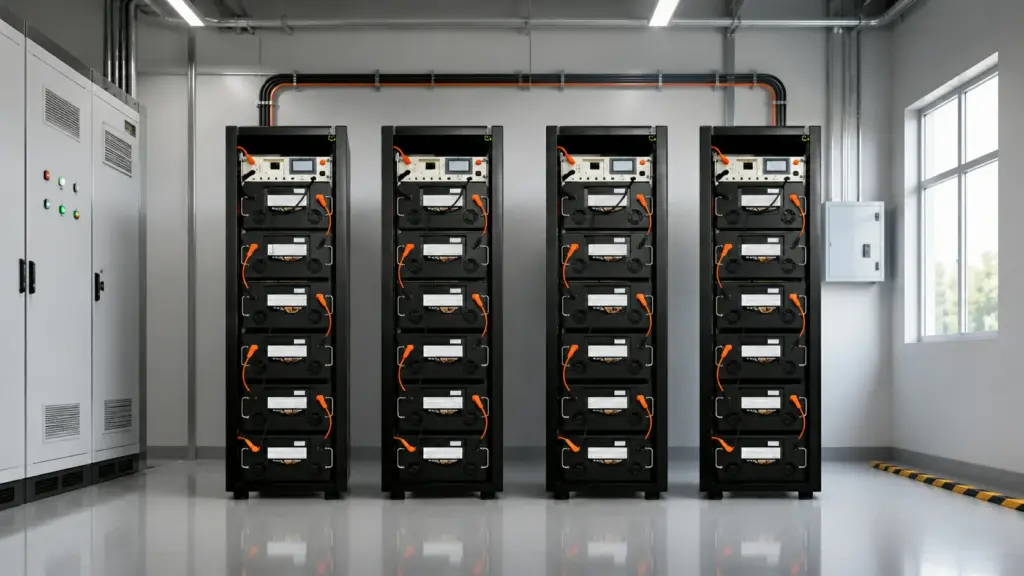
Build a Safer Commercial Energy Storage System
For commercial solar storage, peak shaving or backup power projects, the battery capacity is only one part of the system. Avepower supports customized LiFePO4 battery systems with BMS protection, PCS integration, communication support and scalable cabinet design.
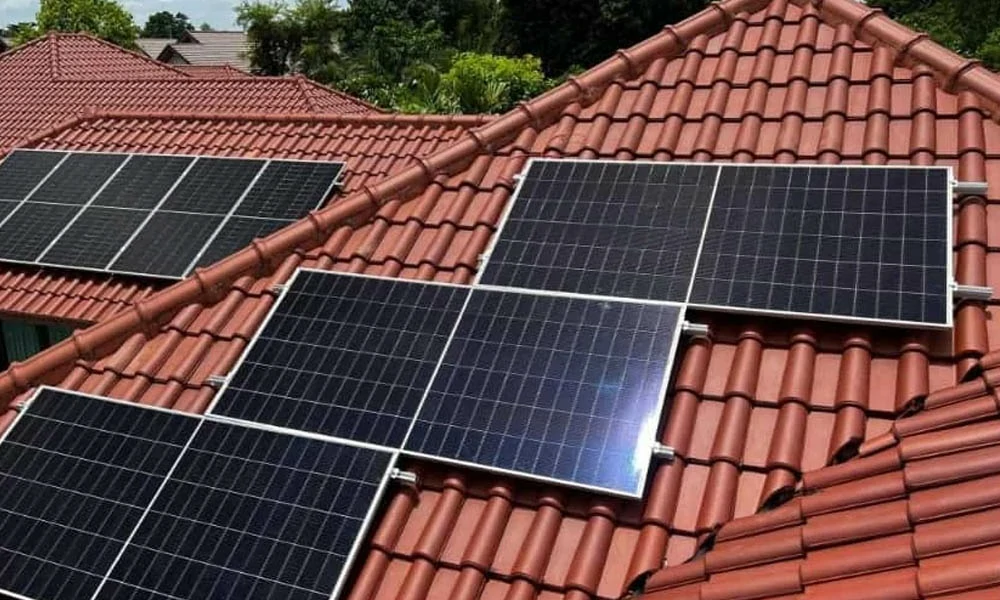
How Many Solar Panels Do You Need for a 125 kWh Battery?
The number of solar panels needed depends on how quickly you want to recharge the battery, local solar hours, system losses, and whether the battery is used daily or only for backup.
A simple formula is:
Required PV size = Battery energy to recharge ÷ Peak sun hours ÷ System efficiency
If you want to recharge 100 kWh of usable energy in one day, and your site receives 4.5 peak sun hours, with 80% total system efficiency, the calculation is:
100 kWh ÷ 4.5 ÷ 0.8 = 27.8 kW of solar
In practice, a 125 kWh battery may be paired with around 30 kW to 80 kW of solar depending on the project. A smaller solar array can still work, but it will take longer to recharge the battery. A larger array may be better for commercial sites with daily cycling, high daytime loads, and evening energy demand.
Where a 125 kWh Battery Makes Sense
1. Commercial Peak Shaving
Many commercial users pay not only for total electricity consumption but also for peak demand. A battery can discharge during short high-load periods to reduce grid demand. For businesses with predictable daily peaks, a 125 kWh battery can help reduce demand charges when paired with a properly sized PCS and energy management strategy.
This is especially useful for small factories, warehouses, restaurants, supermarkets, hotels, farms and workshops where short demand peaks are caused by motors, HVAC, compressors, pumps or EV chargers.
2. Solar Self-Consumption
A 125 kWh solar battery can store excess daytime PV generation and discharge it during evening hours or peak tariff periods. This is useful where exported solar power has low value or where the site wants to consume more of its own renewable energy.
For example, if a commercial site produces surplus solar energy from 10 a.m. to 3 p.m., a battery can store that energy and use it later when electricity prices are higher. This helps improve the value of the solar system and reduce dependence on the grid.
3. Backup Power for Critical Loads
A 125 kWh battery is practical for backing up selected circuits rather than every load on a large property. Critical loads may include lighting, refrigeration, internet, security systems, control equipment, water pumps, medical equipment, office systems or selected production lines.
For reliable backup design, the battery should be sized together with the inverter, transfer switch, protection devices and load panel. Large inductive loads such as pumps, motors and compressors may require extra surge capacity.
4. Farms and Rural Sites
Farms often have large open roof space for solar panels, but they may also face weak grid connections, long feeder lines or unstable power quality. A 125 kWh battery can support irrigation controls, cold storage, poultry equipment, monitoring systems, lighting, pumps and backup loads.
For off-grid or weak-grid sites, the battery can also work with solar and diesel generators to reduce fuel runtime. The battery handles low-load periods more efficiently, while the generator can recharge the battery or support heavy loads when needed.
5. EV Charging Support
A 125 kWh battery can help buffer EV charging demand. Instead of drawing high power directly from the grid during every charging session, the battery can charge slowly from solar or off-peak electricity and discharge when vehicles need power.
This is useful for small commercial EV charging sites, fleet depots, workshops or buildings where the grid connection is limited.
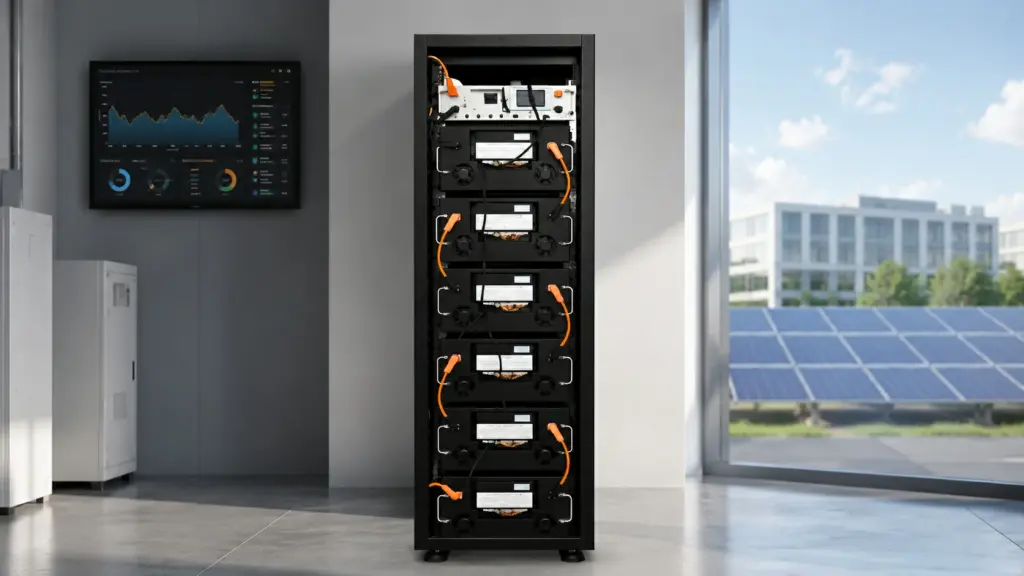
125 kWh vs 100 kWh vs 150 kWh vs 200 kWh
A 125 kWh battery sits between smaller commercial backup systems and larger C&I energy storage cabinets.
| Battery Size | Typical Use |
|---|---|
| 50 kWh | Larger home, villa, small backup system |
| 100 kWh | Small commercial backup, farms, essential-load storage |
| 125 kWh | Commercial peak shaving, solar storage, backup for larger critical loads |
| 150 kWh | Longer runtime or higher reserve for small C&I sites |
| 200 kWh+ | More serious commercial and industrial storage |
| 261 kWh | Common size for all-in-one C&I liquid-cooled cabinets |
If the site only needs short backup for essential loads, 100 kWh battery may be enough. If the site has growing loads or wants more reserve capacity, 125 kWh battery or 150 kWh battery may be more practical. If the project involves larger commercial peak shaving, EV charging or industrial loads, a 200 kWh battery or 261 kWh battery system may be more cost-effective per kWh.
When a 125 kWh Battery Makes the Most Sense
A 125 kWh battery makes sense when the site has enough energy demand to use the battery regularly, but not so much demand that a much larger system is required.
It is a strong fit when:
- The site has 10–60 kW of important loads
- Backup time of several hours is needed
- Solar export is limited or low value
- Peak demand charges are significant
- Grid outages affect business operations
- A generator is expensive or noisy to operate
- The buyer wants a modular system that can expand later
- The project needs professional BMS, EMS, and inverter integration
It may not be the right choice when:
- The site only needs a small home backup battery
- The load is very high and backup time must be long
- The site has little solar surplus and no demand charges
- The installation location cannot meet safety or clearance rules
- The buyer has not yet reviewed load data or tariff structure
What to Check Before Buying a 125 kWh Battery
Before purchasing a 125 kWh battery system, buyers should request a detailed technical proposal rather than only a product price.
Important questions include:
- What is the nominal capacity and usable capacity?
- What depth of discharge is recommended?
- What is the PCS or inverter power rating?
- Is the system low-voltage or high-voltage?
- What battery chemistry is used?
- What certifications are available?
- Does the system support CAN, RS485 or other communication protocols?
- Is the inverter compatible with the battery BMS?
- Does the system include EMS monitoring?
- Is it suitable for indoor or outdoor installation?
- What fire safety design is included?
- Can the system be expanded later?
- What warranty and after-sales support are provided?
- Are installation drawings and commissioning documents available?
- Does the quote include shipping, installation or only battery equipment?
For distributors, installers, EPCs and OEM/ODM buyers, these details are more important than headline capacity alone.
Avepower Solutions for 125 kWh Battery Projects
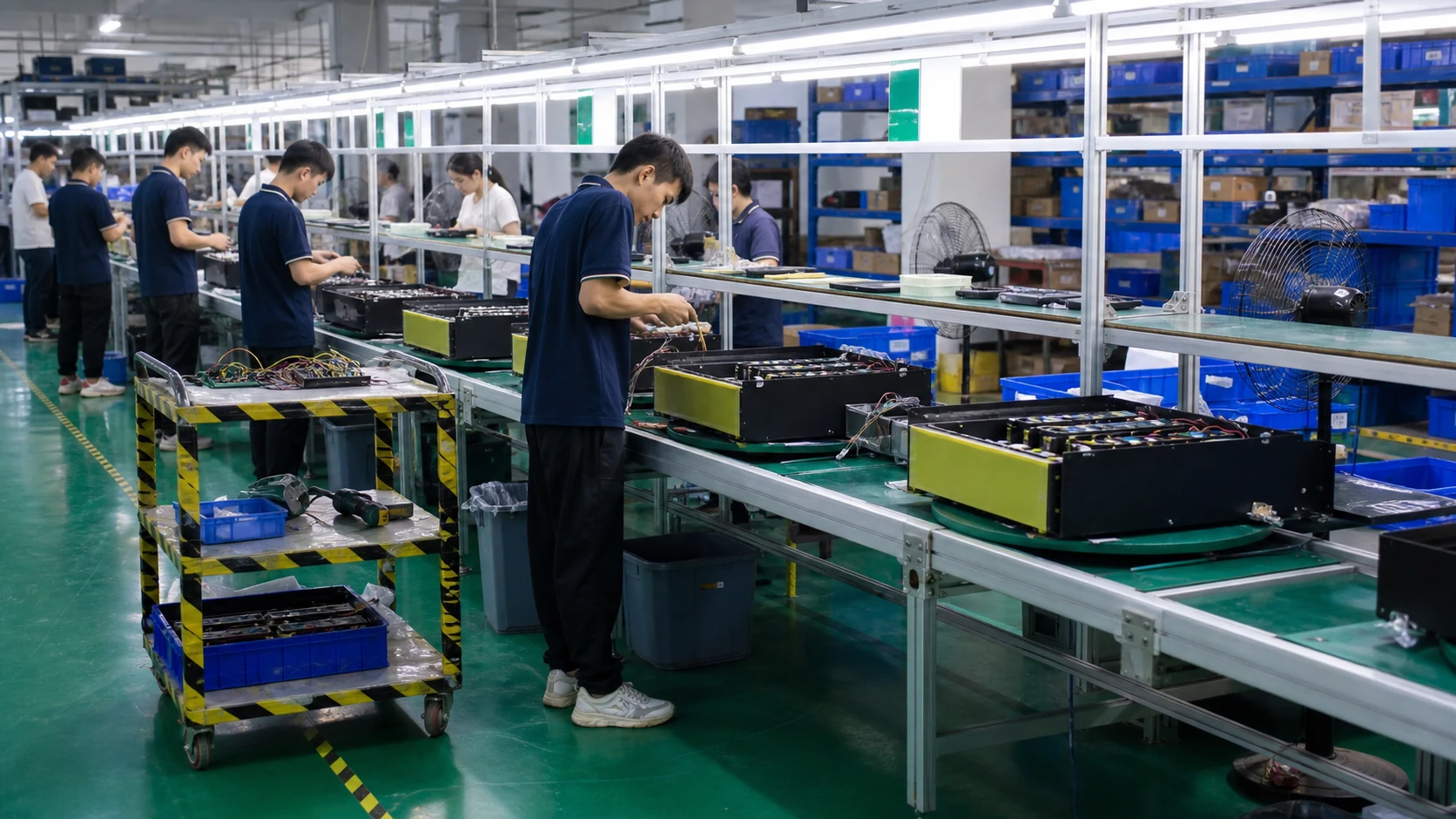
Avepower supports residential, light-commercial, and C&I energy storage projects with LiFePO4 battery systems, custom voltage platforms, inverter communication support, smart BMS protection, and OEM/ODM customization.
For projects around 125 kWh, Avepower can help evaluate whether the better approach is a modular low-voltage battery bank, a rack-mounted battery cabinet, a vertical LiFePO4 battery cluster, or a custom high-voltage ESS. The system can be designed around solar self-consumption, backup power, off-grid operation, peak shaving, telecom backup, EV charging support, or commercial energy management.
Relevant Avepower solutions include:
- Commercial and industrial energy storage solutions for businesses, EPCs, project developers, and energy-intensive users.
- Custom high voltage lithium battery storage system for projects requiring tailored voltage, cabinet layout, and communication configuration.
- 48V 280Ah 15kWh vertical LiFePO4 battery for modular solar storage and backup applications.
- Rack mount LiFePO4 battery solutions for organized cabinet-based installation.
Avepower can help buyers choose between modular low-voltage batteries, high-capacity residential cabinets or customized high-voltage energy storage systems depending on the application.
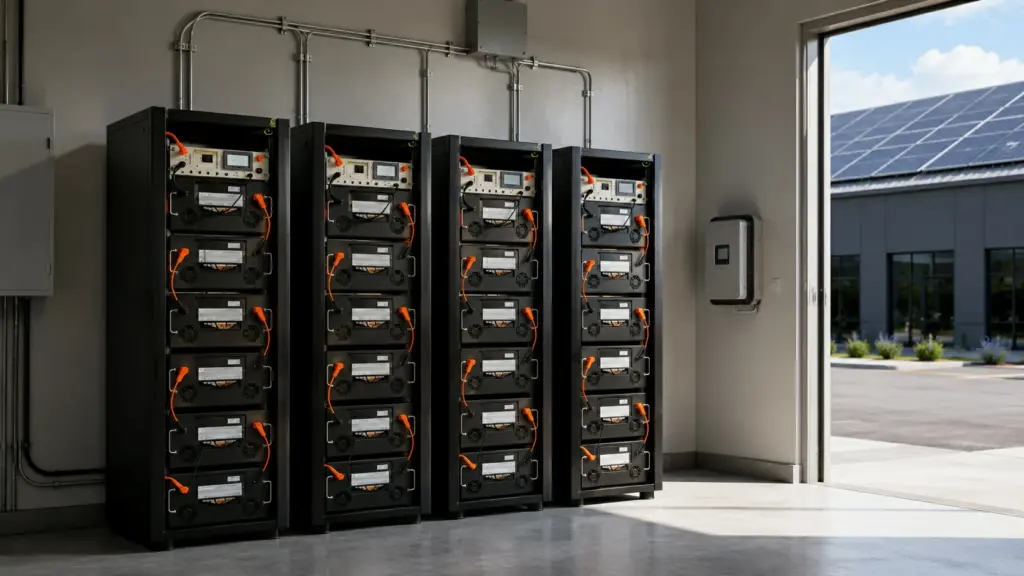
Request a 125 kWh Battery Configuration from Avepower
If you are planning a commercial, industrial, farm, EV charging or solar-plus-storage project, Avepower can provide a project-based battery storage solution based on your voltage platform, capacity target, inverter compatibility and installation requirements.
Conclusion
A 125 kWh battery is a practical middle-ground energy storage size for users who need more than standard home backup but do not necessarily need a large containerized BESS. It can support solar self-consumption, backup power, peak shaving, off-grid energy, EV charging support, telecom backup, and small commercial energy management.
The best system design depends on load profile, inverter size, usable capacity, solar input, voltage platform, installation environment, safety requirements, and future expansion plans. Buyers should avoid choosing a battery only by nominal kWh.
For installers, distributors, EPCs, OEM/ODM buyers, and project developers, Avepower can support customized 125 kWh-class energy storage solutions with LiFePO4 battery technology, smart BMS design, inverter communication support, commercial ESS integration, and scalable configuration options.
FAQ
You would need about 9 units of 15 kWh batteries to reach 135 kWh nominal capacity. If exactly 125 kWh is required, the final design may use different module sizes or a custom configuration.
The inverter size depends on the required power output, not only the battery capacity. A 125 kWh battery may use a 30 kW, 50 kW, 60 kW, or 100 kW inverter or PCS depending on the application.
A 125 kWh battery stores 125 kilowatt-hours of nominal energy. Usable energy may be lower depending on depth of discharge, inverter efficiency and system settings.
Yes. A battery can work with solar, grid power and generators in a hybrid system. The battery can reduce generator runtime, handle low-load periods and provide quiet backup power.