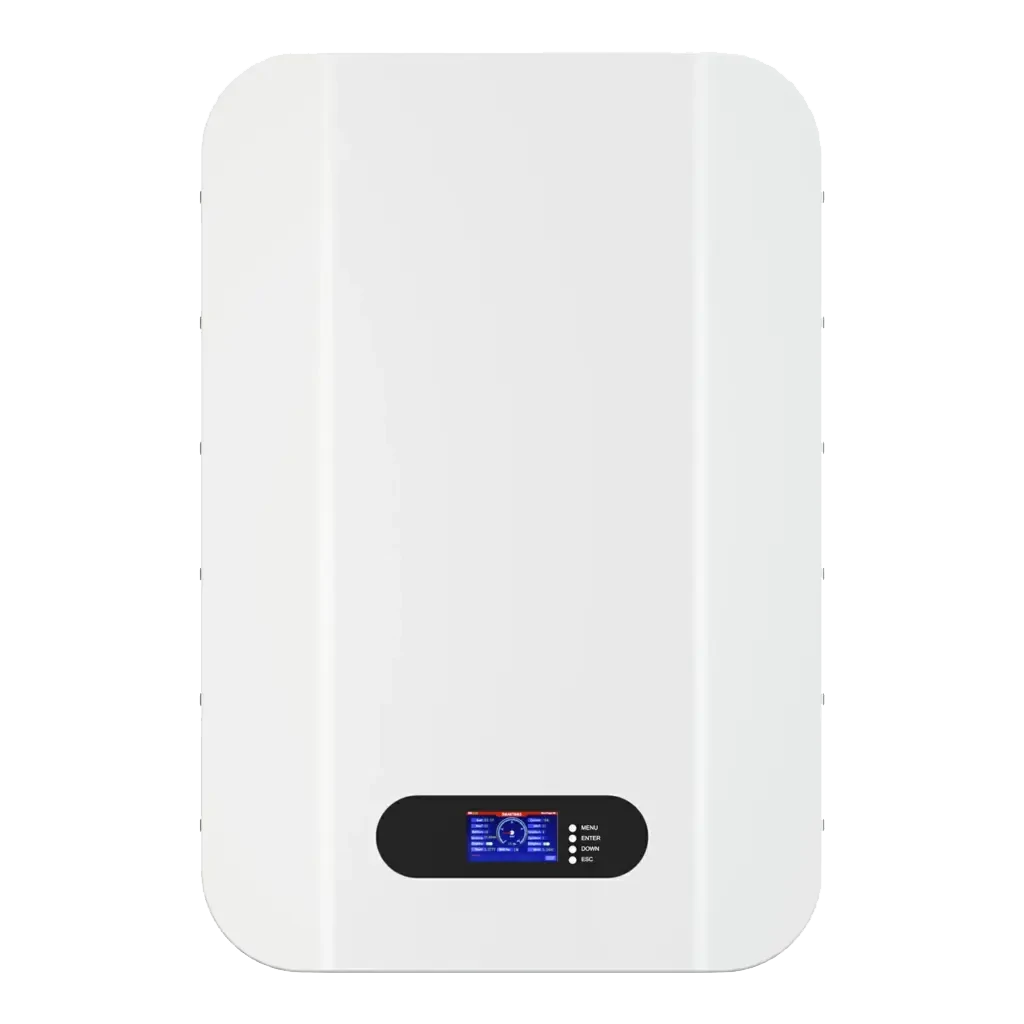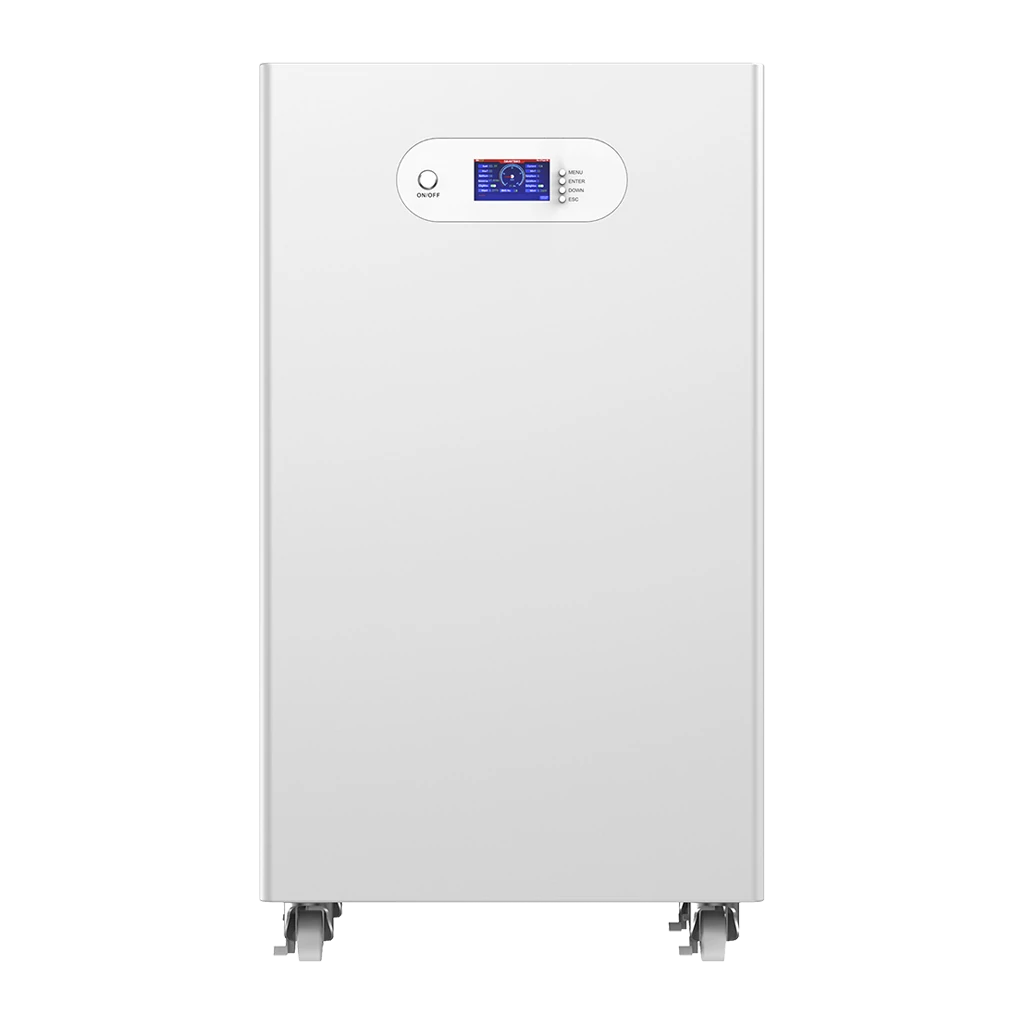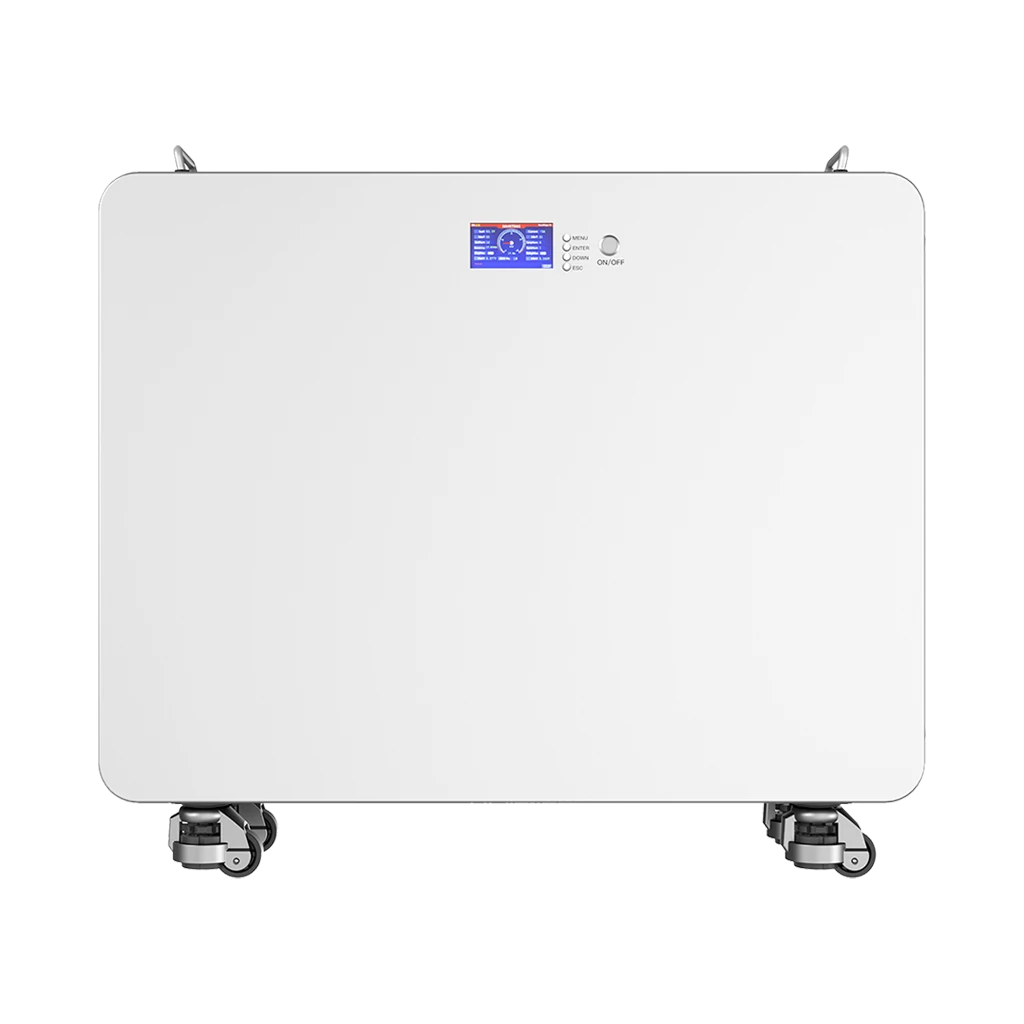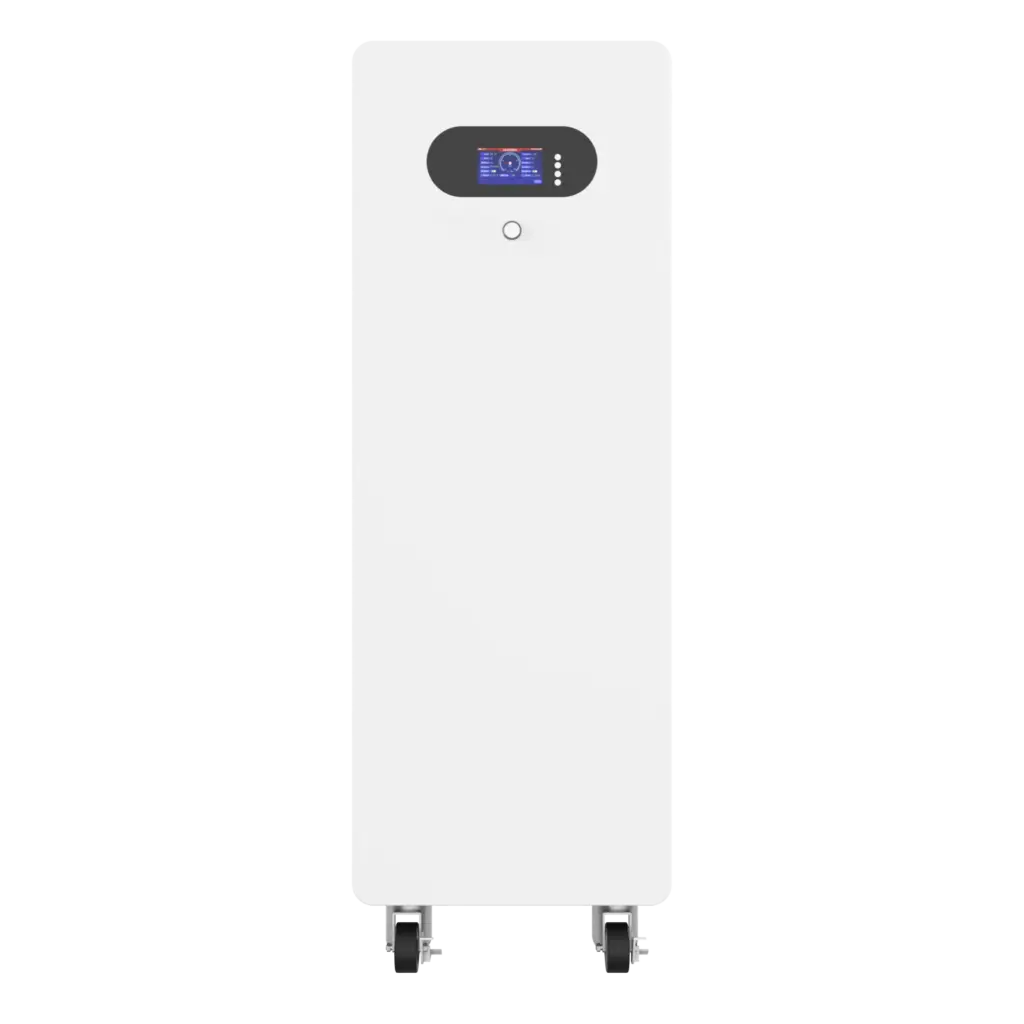

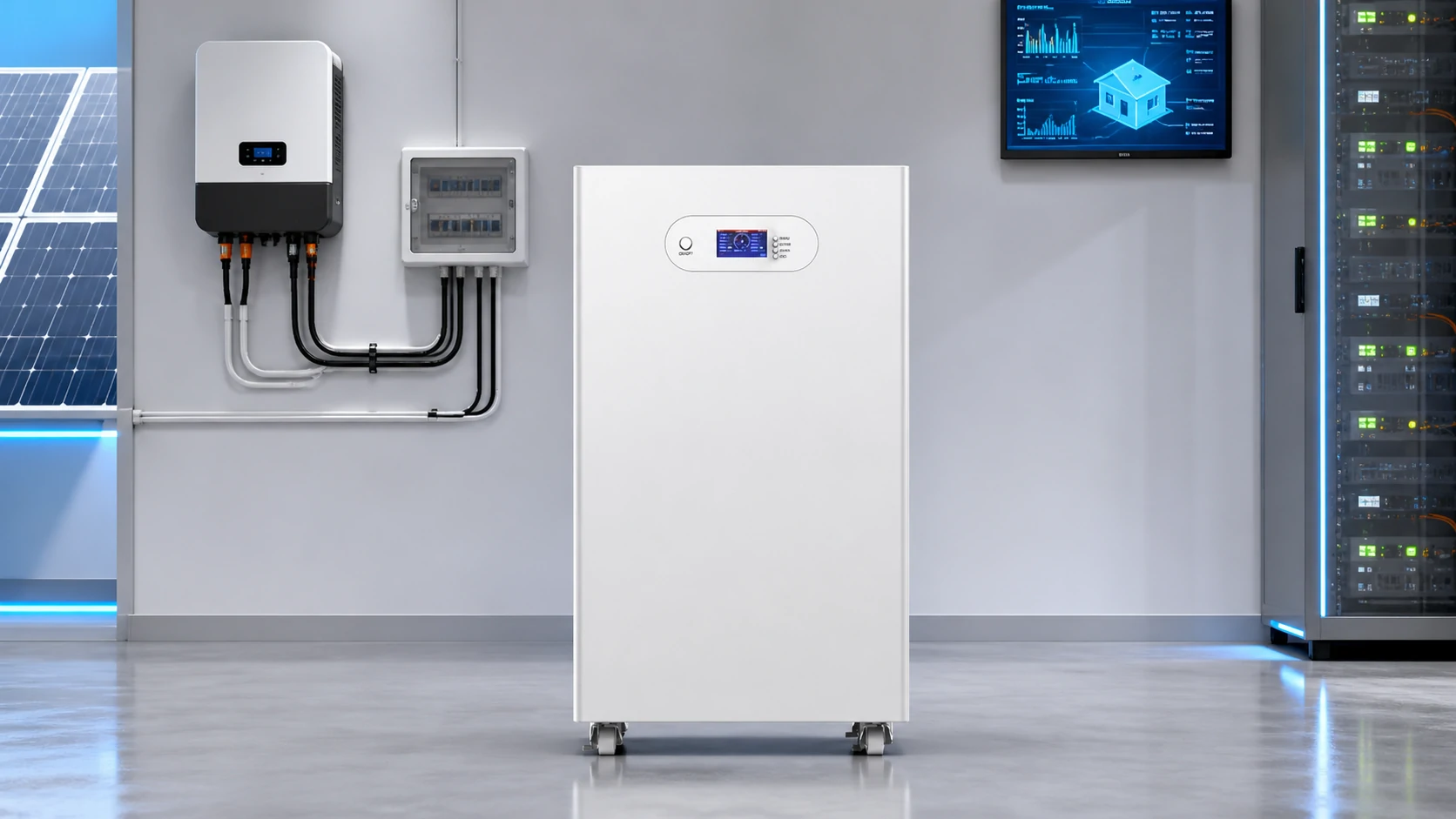
Lithium battery storage means using rechargeable lithium-based batteries to store electricity and release it when power is needed. In solar energy systems, lithium battery storage stores excess solar power during the day so it can be used at night, during peak electricity pricing periods, or during grid outages. For most modern home, off-grid and light commercial energy storage projects, lithium iron phosphate batteries, also called LiFePO4 or LFP batteries, are widely used because they offer long cycle life, strong safety performance, high usable capacity and low maintenance.
If you are planning a solar storage project, the most important things to compare are battery chemistry, usable capacity, output power, BMS protection, inverter compatibility, certifications, installation environment and long-term supplier support.
What Is Lithium Battery Storage?
Lithium battery storage is an energy storage solution built around lithium-ion battery cells. The system charges from solar panels, the grid, a generator or another power source, then stores that electricity as chemical energy inside the battery. When power is needed, the battery discharges electricity through an inverter so it can run household appliances, business loads or essential backup circuits.
A complete lithium battery storage system usually includes:
- Lithium battery pack
- BMS
- Inverter or hybrid inverter
- Solar charge control or inverter control
- Monitoring system
- Protection devices
For solar users, lithium battery storage solves a basic problem: solar panels generate the most energy when the sun is available, but homes and businesses often need energy in the evening, at night or during unstable grid conditions. A battery helps move solar power from the time it is produced to the time it is actually needed.
For a deeper solar-specific explanation, you can also read Avepower’s guide to li ion battery for solar energy storage.
Build a Safer Home Energy Storage System
Avepower LiFePO4 batteries support long cycle life, smart BMS protection and flexible capacity expansion for residential projects.
Why Lithium Batteries Are Used for Energy Storage
Lithium batteries have become the mainstream option for many energy storage systems because they offer a practical balance of energy density, efficiency, lifespan and system flexibility.
Compared with traditional lead-acid batteries, lithium batteries usually provide:
| Feature | Lithium Battery Storage | Lead-Acid Battery Storage |
|---|---|---|
| Usable capacity | Higher usable depth of discharge | Lower usable depth of discharge |
| Cycle life | Longer, especially with LiFePO4 | Shorter |
| Maintenance | Low maintenance | More maintenance, depending on type |
| Charging speed | Faster charging capability | Slower charging |
| Space use | Compact and energy dense | Larger and heavier |
| Lifetime cost | Often lower over long-term use | Lower upfront cost but more replacement risk |
Lithium batteries are especially useful when the battery will cycle frequently, such as daily solar self-consumption, time-of-use energy management, off-grid living or backup systems that must stay ready for outages.
Lithium-Ion vs LiFePO4: What Is the Difference?
“Lithium-ion” is a broad category. LiFePO4 is one type of lithium-ion chemistry. For stationary battery storage, LiFePO4 is often preferred because it is stable, long-lasting and well suited to repeated charge and discharge cycles.
Common lithium chemistries include:
| Chemistry | Common Use | Main Strength | Main Concern |
|---|---|---|---|
| LiFePO4 / LFP | Solar storage, home batteries, ESS | Safety, long cycle life, stable performance | Slightly lower energy density than some lithium types |
| NMC | EVs, portable power, some ESS | High energy density | More sensitive to thermal management |
| LCO | Consumer electronics | Compact size | Not ideal for large stationary storage |
| LTO | High-power industrial use | Very long cycle life, fast charge | Higher cost |
For residential and light commercial solar storage, LiFePO4 is usually the most practical choice. It is not only about storing energy; it is about doing it safely and repeatedly over many years.
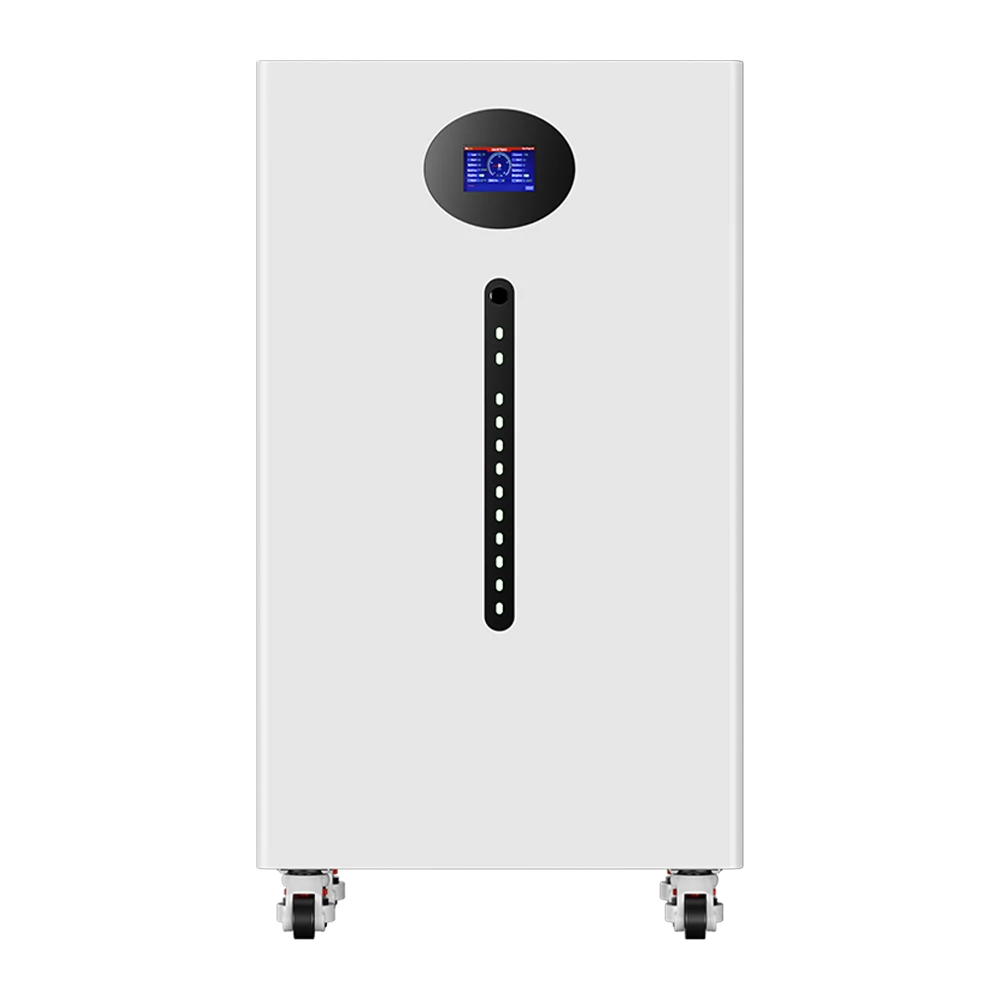
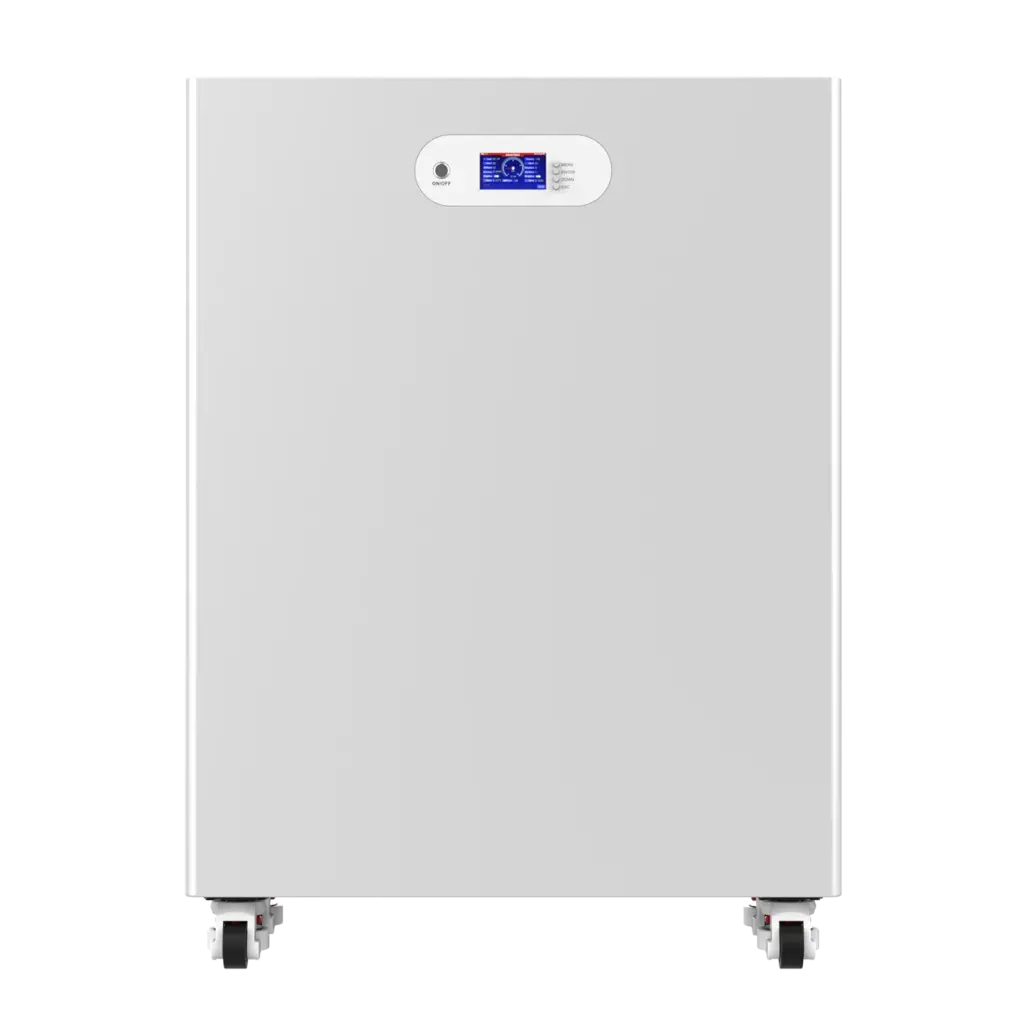
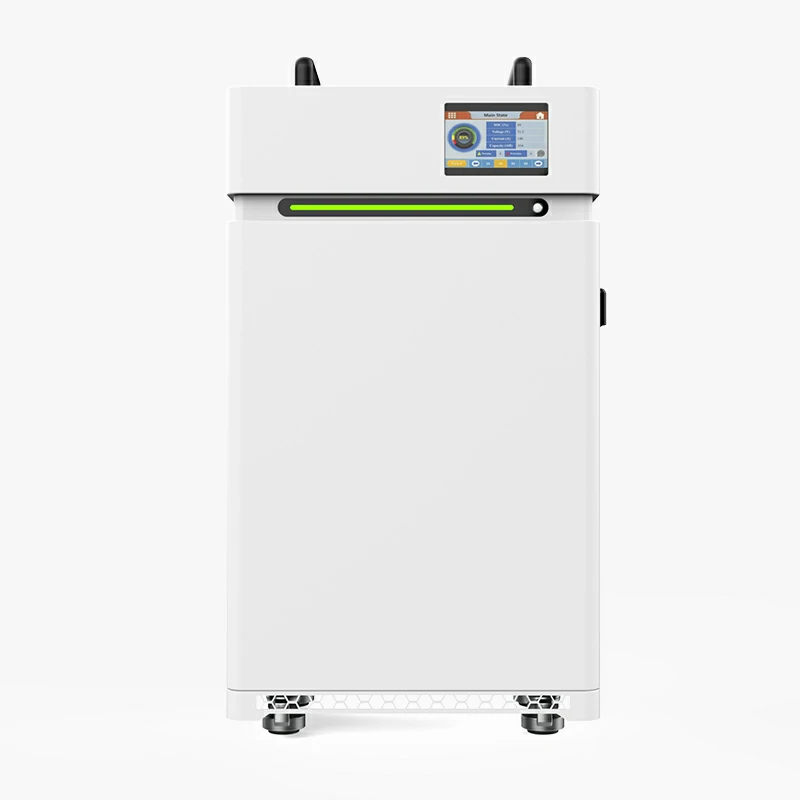
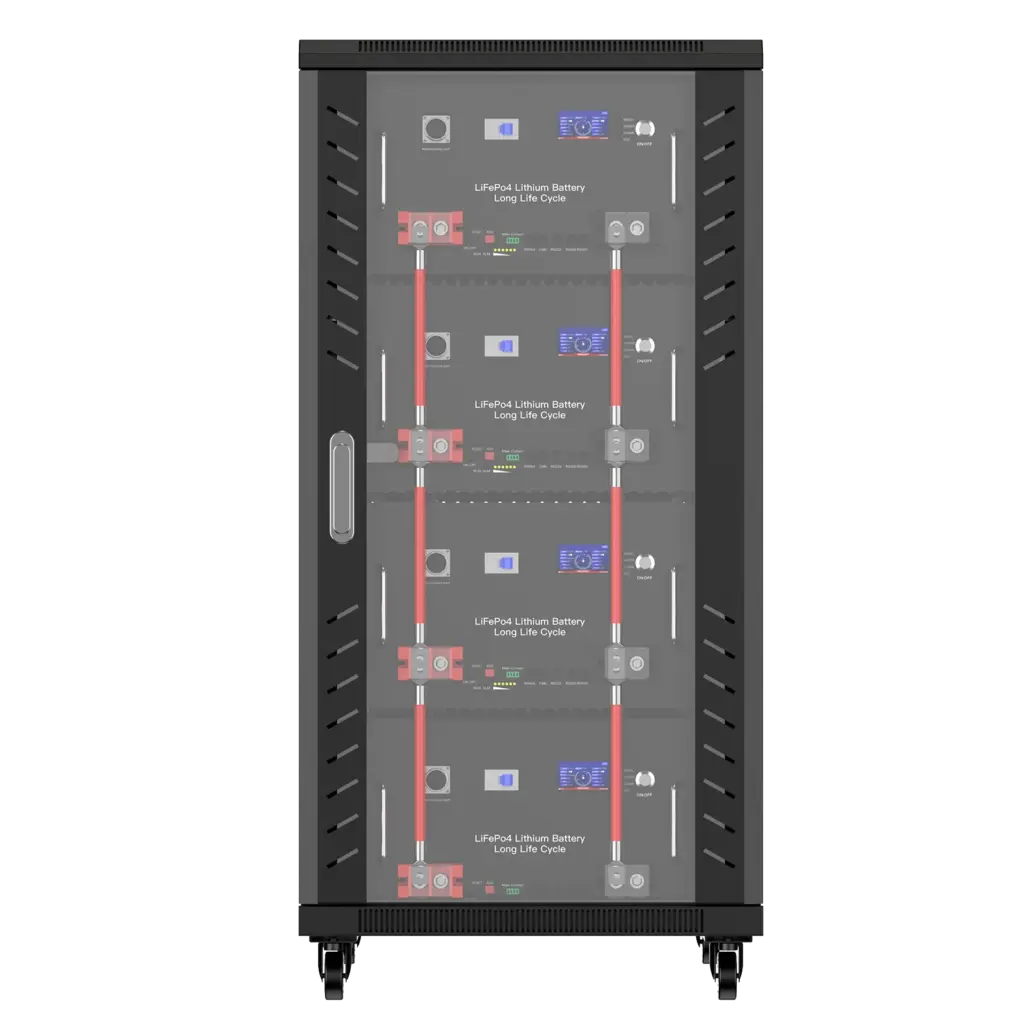
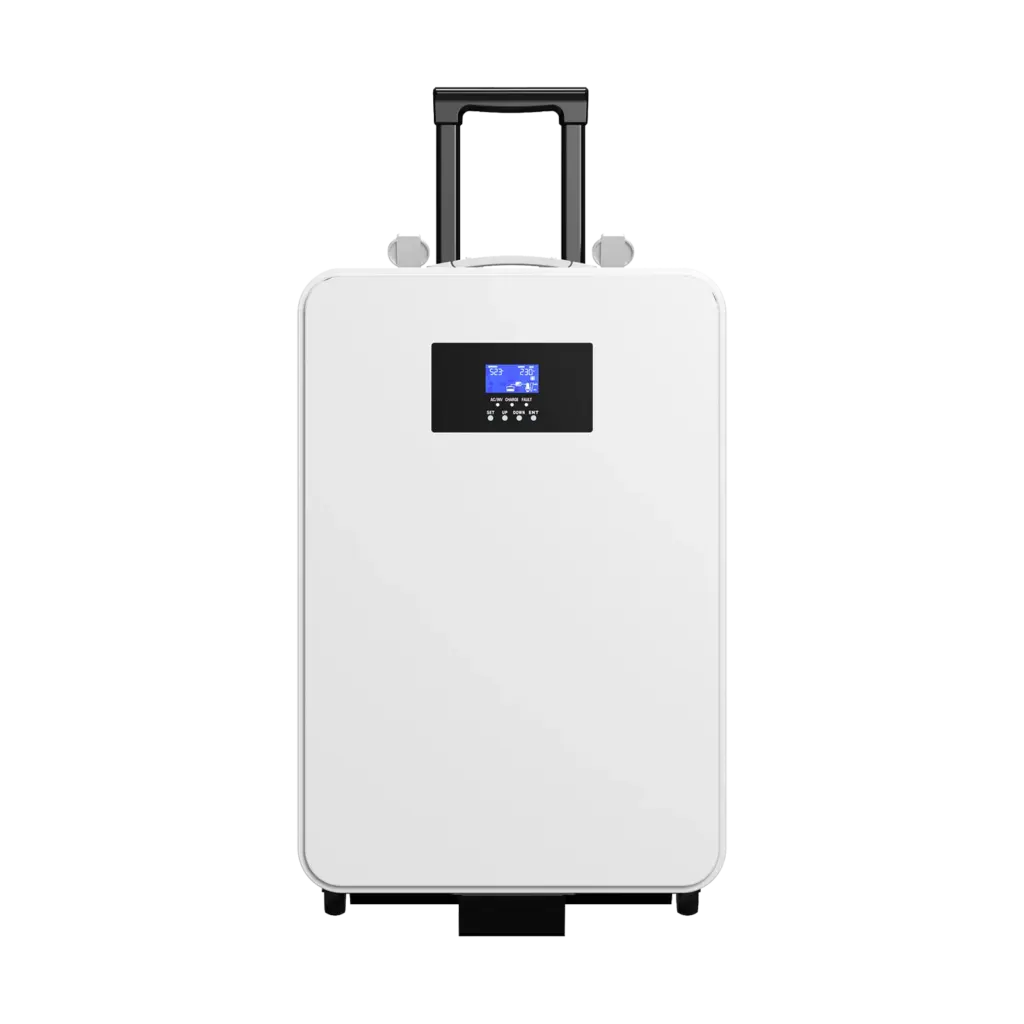
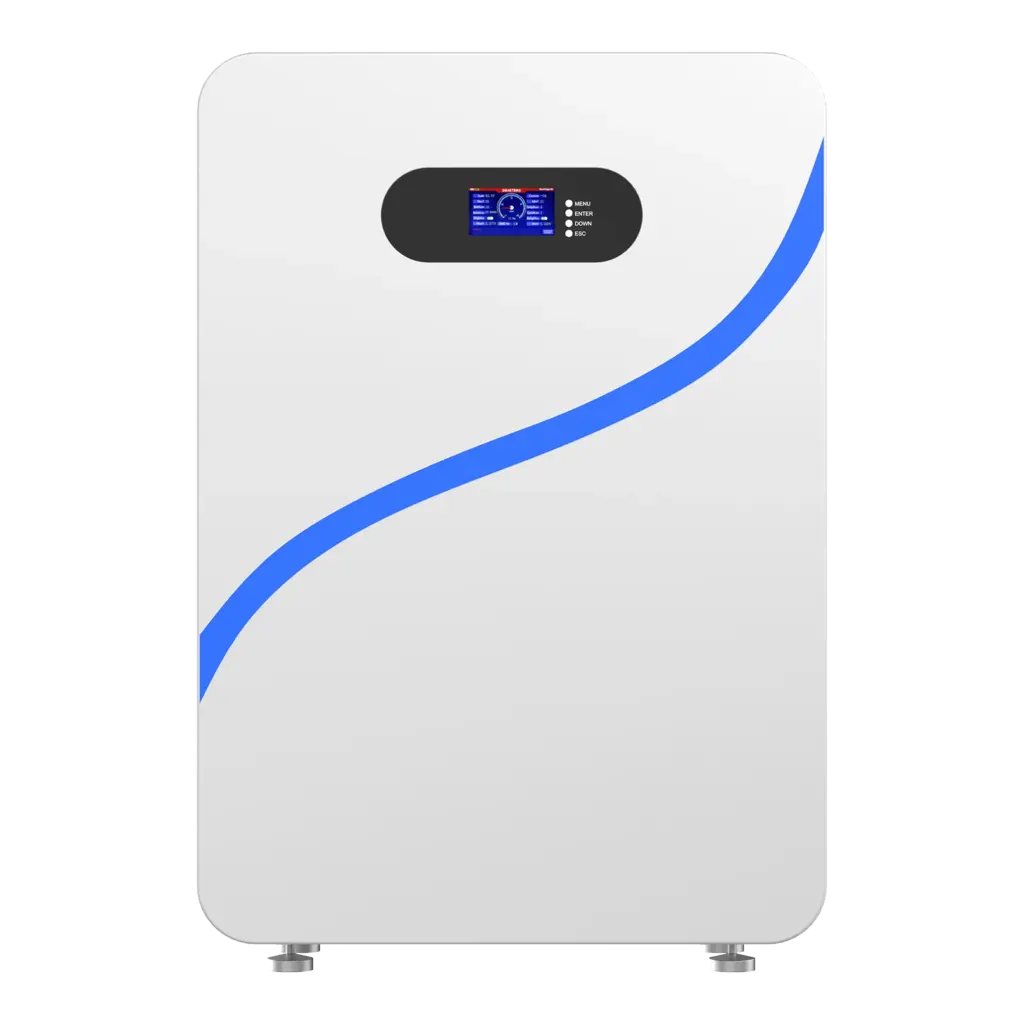
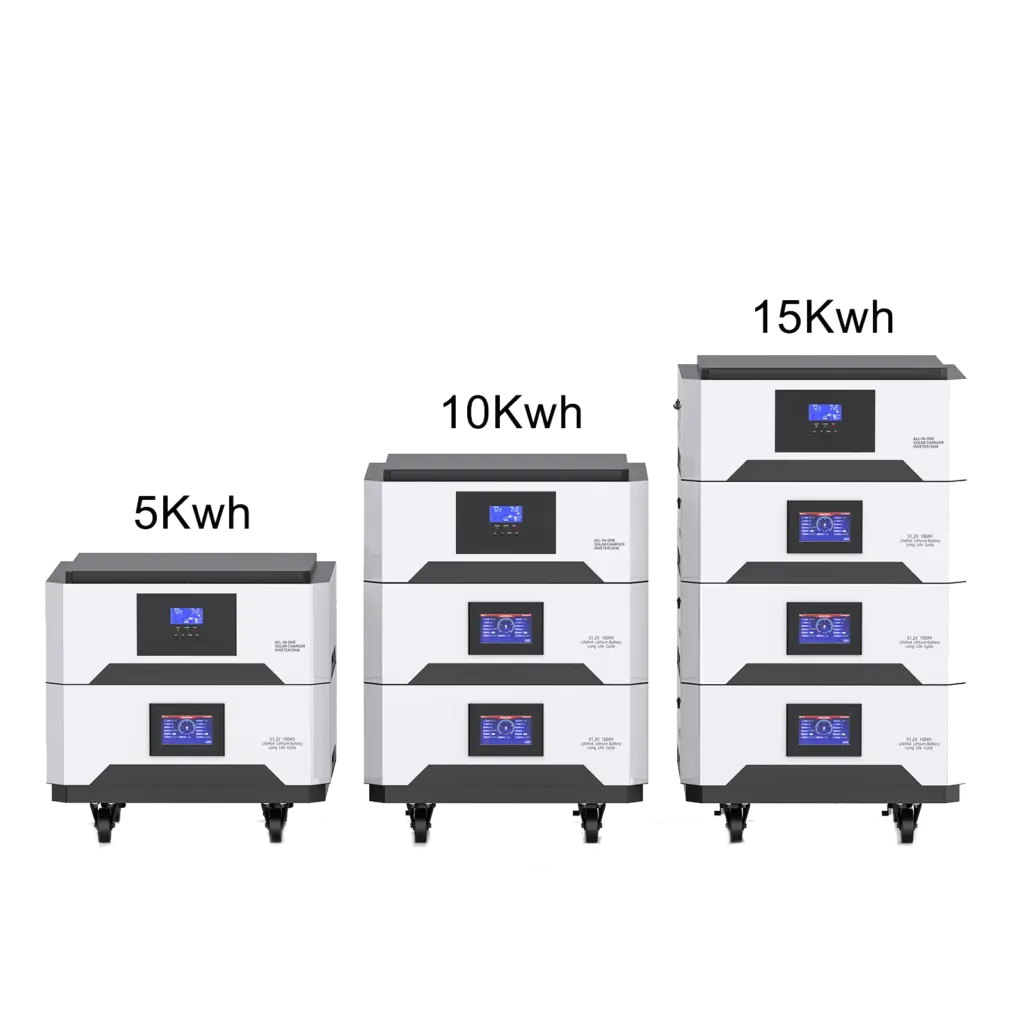
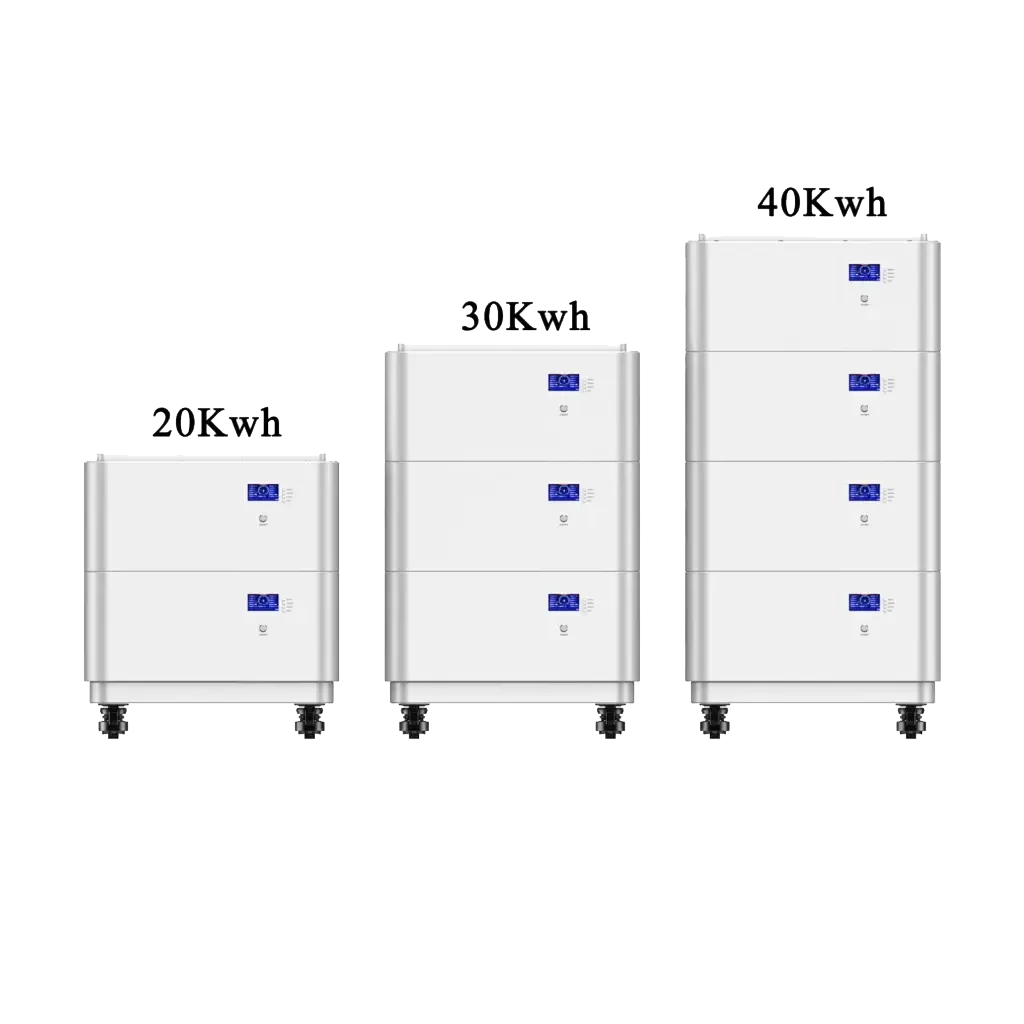
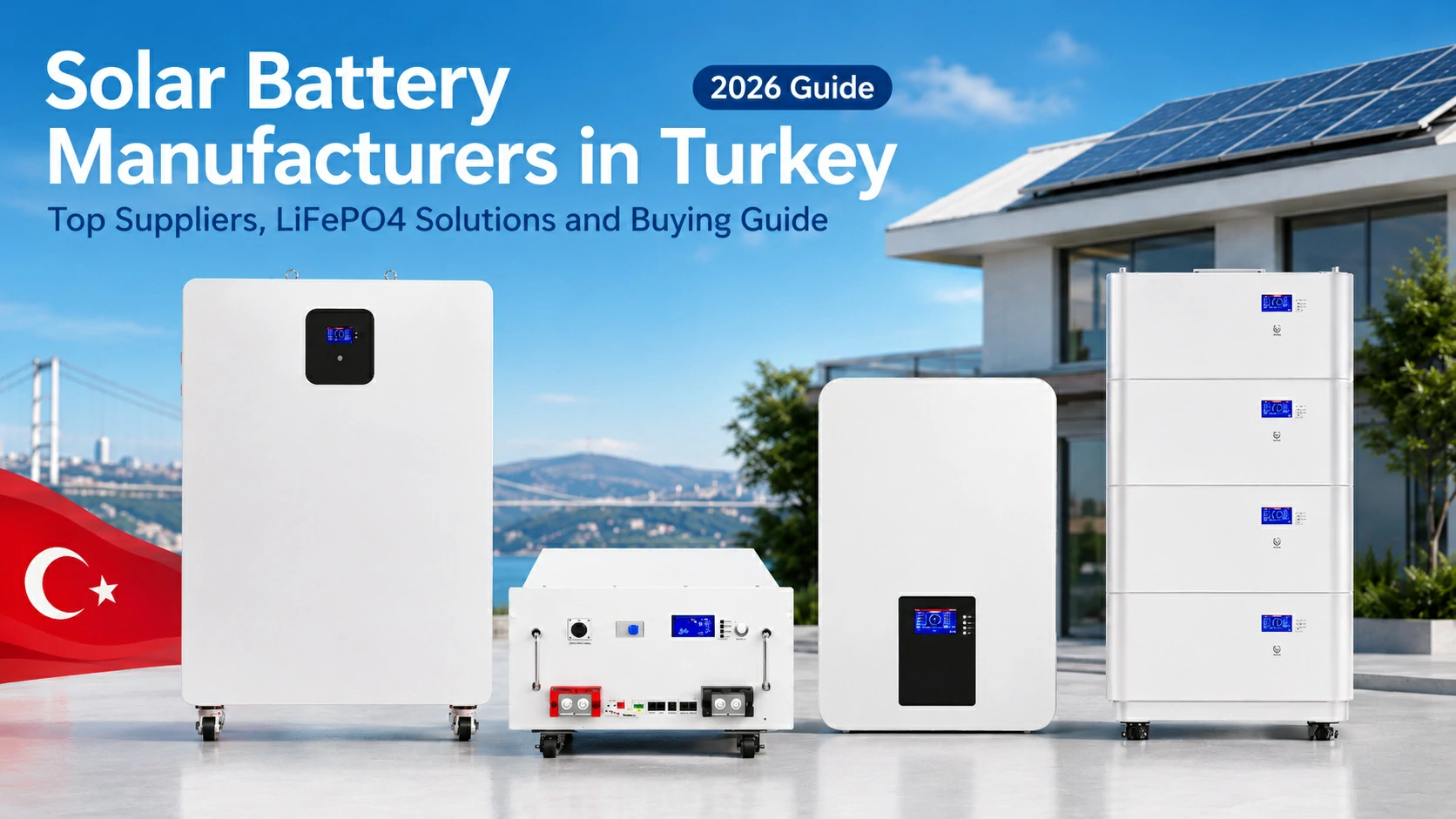
Avepower focuses on LiFePO4 battery energy storage solutions, including wall mounted batteries, stackable battery systems, vertical LiFePO4 batteries, rack mount batteries and all-in-one battery systems.
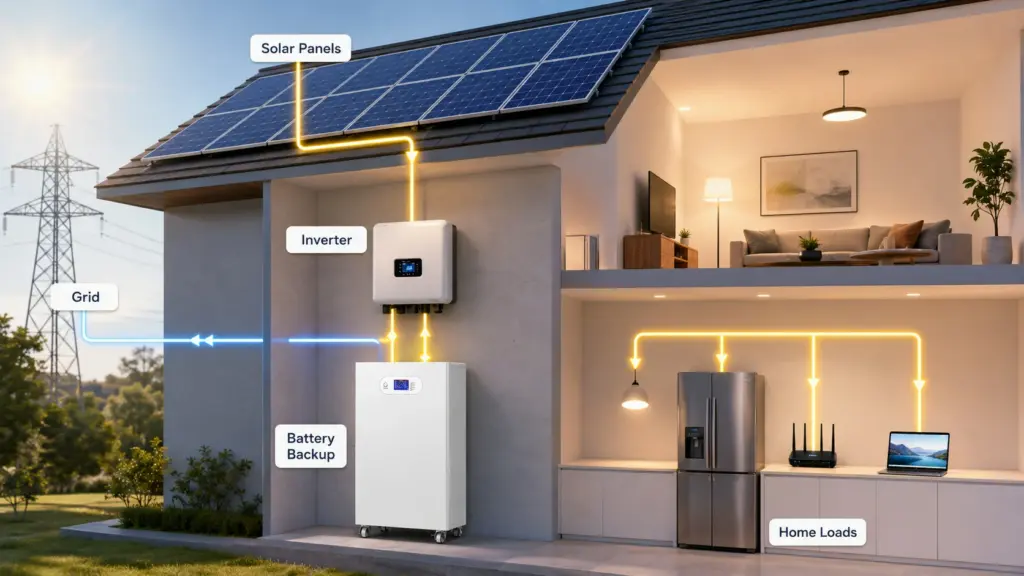
How Does a Lithium Battery Storage System Work?
A lithium battery storage system works through four main steps.
First, the system receives electricity. In a solar project, solar panels generate DC electricity during the day. Depending on the system design, this power may go through a hybrid inverter, charge controller or AC-coupled battery inverter.
Second, the battery charges. The BMS monitors cell voltage, pack voltage, temperature and current to keep charging within safe limits.
Third, the system stores energy. The battery keeps energy available until the home, business or project load needs it.
Fourth, the battery discharges. When solar production drops, electricity prices increase, or the grid goes down, the battery sends DC power to the inverter. The inverter converts it into AC electricity for appliances, equipment or backup loads.
A typical home solar battery storage architecture looks like this:
Solar PV + Hybrid Inverter + Lithium Battery + Monitoring App + Home Loads
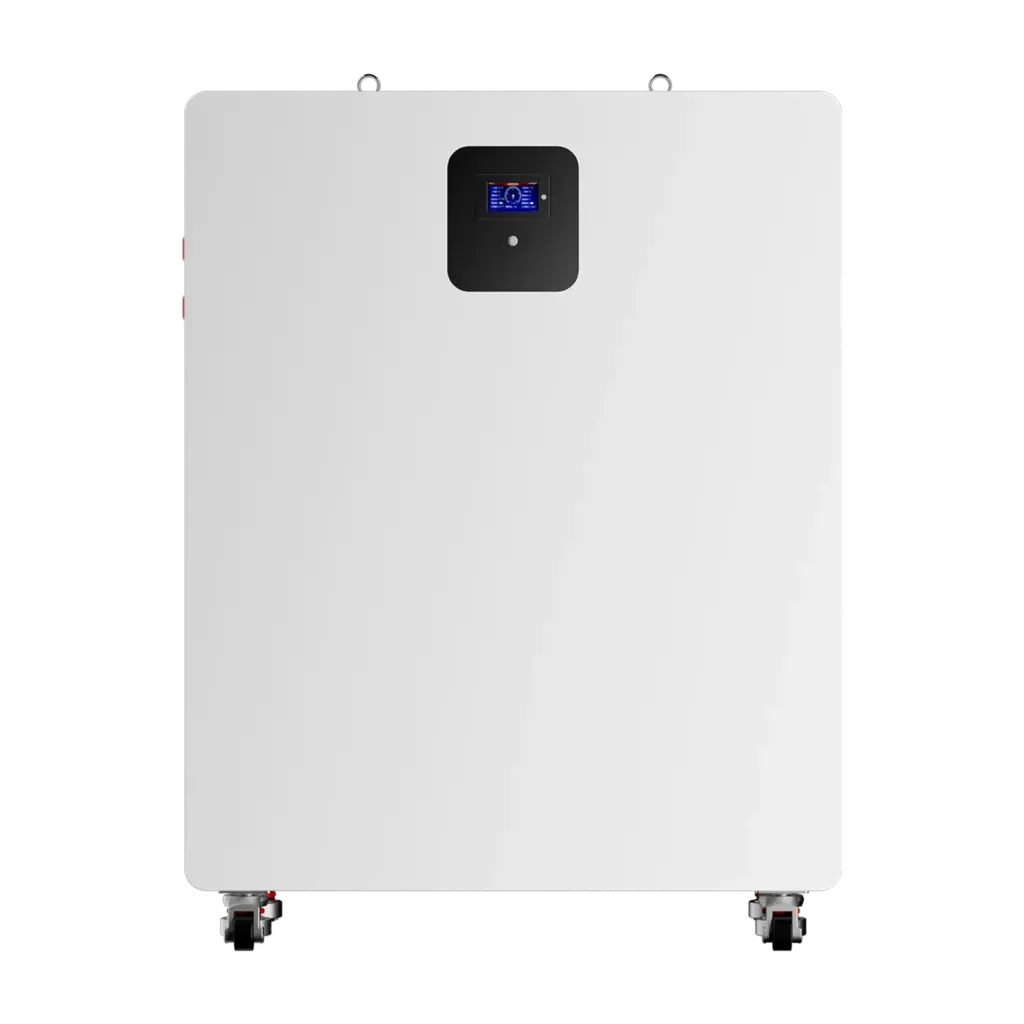
Avepower’s wall mounted battery series follows this type of architecture for residential solar storage, backup power, self-consumption and time-of-use electricity optimization.
Main Applications of Lithium Battery Storage
Lithium battery storage is used in many energy scenarios. The right system design depends on the load, runtime target, grid condition and installation environment.
- Home solar energy storage: Stores excess solar power during the day and supplies electricity at night or during cloudy periods. This helps homeowners use more of their own solar energy and reduce grid dependence.
- Backup power during outages: Keeps essential loads running when the grid fails, such as lights, refrigerators, WiFi, security systems, medical devices and basic household appliances.
- Time-of-use electricity savings: Charges the battery when electricity prices are low and discharges when prices are high. This is useful in markets with peak and off-peak electricity rates.
- Off-grid power systems: Provides stable electricity for cabins, farms, remote homes, telecom stations and areas without reliable grid access.
- Commercial and light industrial storage: Supports shops, offices, warehouses, workshops and small factories by reducing peak demand, improving energy stability and storing solar power for later use.
- Peak shaving: Discharges during short high-demand periods to reduce demand charges for commercial users.
- Telecom and equipment room backup: Provides reliable backup power for communication equipment, data systems, security systems and critical devices.
- EV charging support: Stores solar or off-peak electricity and helps reduce peak grid demand when charging electric vehicles.
- Microgrids and community energy systems: Helps balance renewable energy, improve local power reliability and support distributed energy projects.
- Commercial and industrial ESS projects: High-capacity lithium battery storage systems can support factories, hotels, schools, hospitals, farms, industrial parks and renewable energy projects.
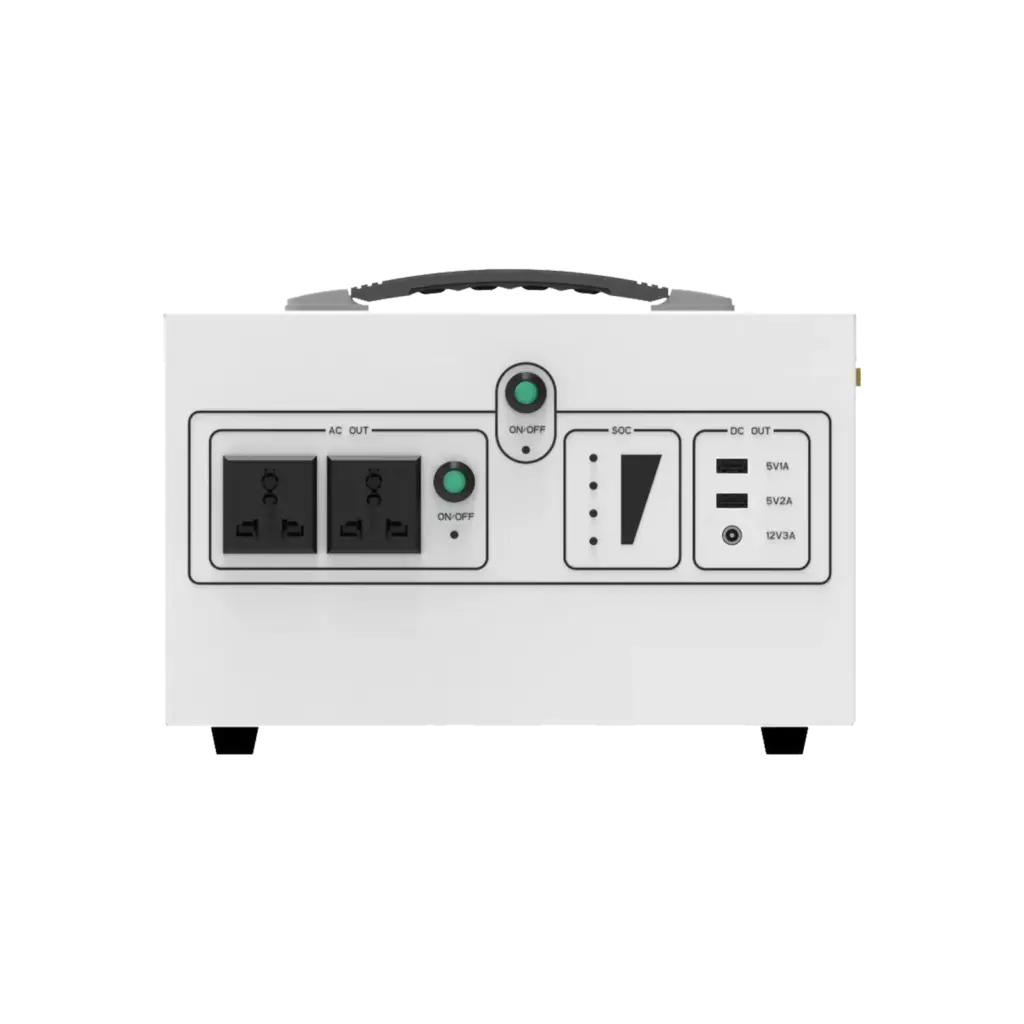
For homeowners, a compact 5 kWh to 20 kWh lithium battery system may be enough for essential loads or partial home backup. For installers and distributors, scalable low-voltage systems can support many common residential projects. For commercial and industrial users, a higher-voltage system may be more suitable because it can support larger power requirements and more efficient system architecture.
Avepower’s custom high voltage lithium battery storage system is designed for customers who need scalable ESS platforms, cabinet layout customization, communication matching and project-based configuration.
Need Lithium Battery Storage for Your Projects?
Avepower supports installers, distributors and OEM/ODM partners with LiFePO4 battery systems. Get inverter compatibility support, certification documents and project-based battery selection.
Lithium Battery Storage Cost: What Affects the Price?
Lithium battery storage cost depends on capacity, battery chemistry, usable energy, inverter type, installation complexity, certification requirements and local labor costs. In 2026, residential lithium battery storage systems in the U.S. commonly cost about $700 to $1,300 per usable kWh installed, while complete home battery systems often fall between $5,000 and $22,000 before incentives, depending on battery size and installation scope.
| Battery Size | Typical Installed Cost Before Incentives | Common Use Case |
|---|---|---|
| 5kWh | $5,000-$7,000 | Essential backup loads, small solar storage |
| 10kWh | $9,000-$13,000 | Home solar self-consumption, partial backup |
| 13.5kWh | $12,000-$16,000 | Larger home backup, Powerwall-size systems |
| 20kWh | $16,000-$22,000 | Longer backup runtime, larger homes |
Key factors that affect lithium battery storage cost include:
- Battery capacity: Larger kWh systems cost more upfront, but the cost per kWh may decrease in larger projects.
- Battery chemistry: LiFePO4 batteries usually cost more than lead-acid upfront, but offer longer cycle life and lower maintenance.
- Cell quality: Grade A cells with better consistency and safety testing increase reliability and cost.
- BMS specification: Higher current rating, temperature protection and communication functions add value.
- Inverter and PCS: Hybrid inverters, battery inverters or PCS equipment can significantly affect system price.
- Installation labor: Electrical work, mounting, wiring, commissioning and inspection vary by region.
- Certifications: CE, CB, RoHS, UN38.3, FCC and UL-related documents affect market access and project approval.
- Monitoring and communication: Bluetooth, WiFi, CAN, RS485 or RS232 support can increase cost but reduce installation risk.
- OEM/ODM customization: Custom branding, packaging, enclosure design and protocol matching may add cost.
How to Choose the Right Lithium Battery Storage Capacity
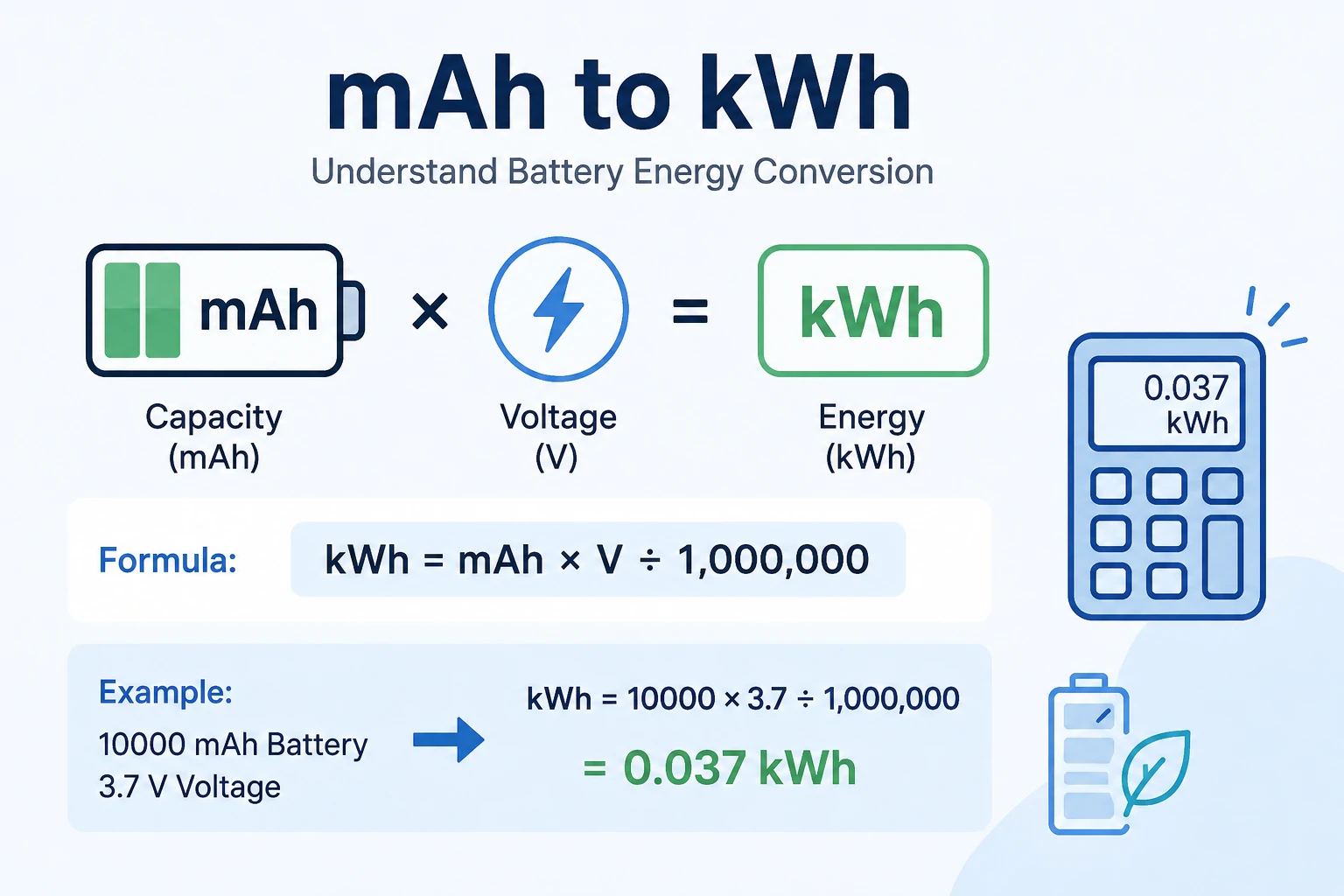
Battery capacity is usually measured in kilowatt-hours, or kWh. This tells you how much energy the battery can store. Output power is measured in kW. This tells you how much power the battery can deliver at one time.
Do not confuse capacity with power:
| Term | Meaning | Example |
|---|---|---|
| kWh | Total stored energy | A 10 kWh battery can store about 10 kWh of energy |
| kW | Instant output power | A 5 kW output can support up to 5 kW of load at one time |
| DoD | Usable depth of discharge | 90% DoD means 9 kWh usable from a 10 kWh battery |
| SOC | State of charge | Battery charge level at a given time |
| SOH | State of health | Battery condition compared with new capacity |
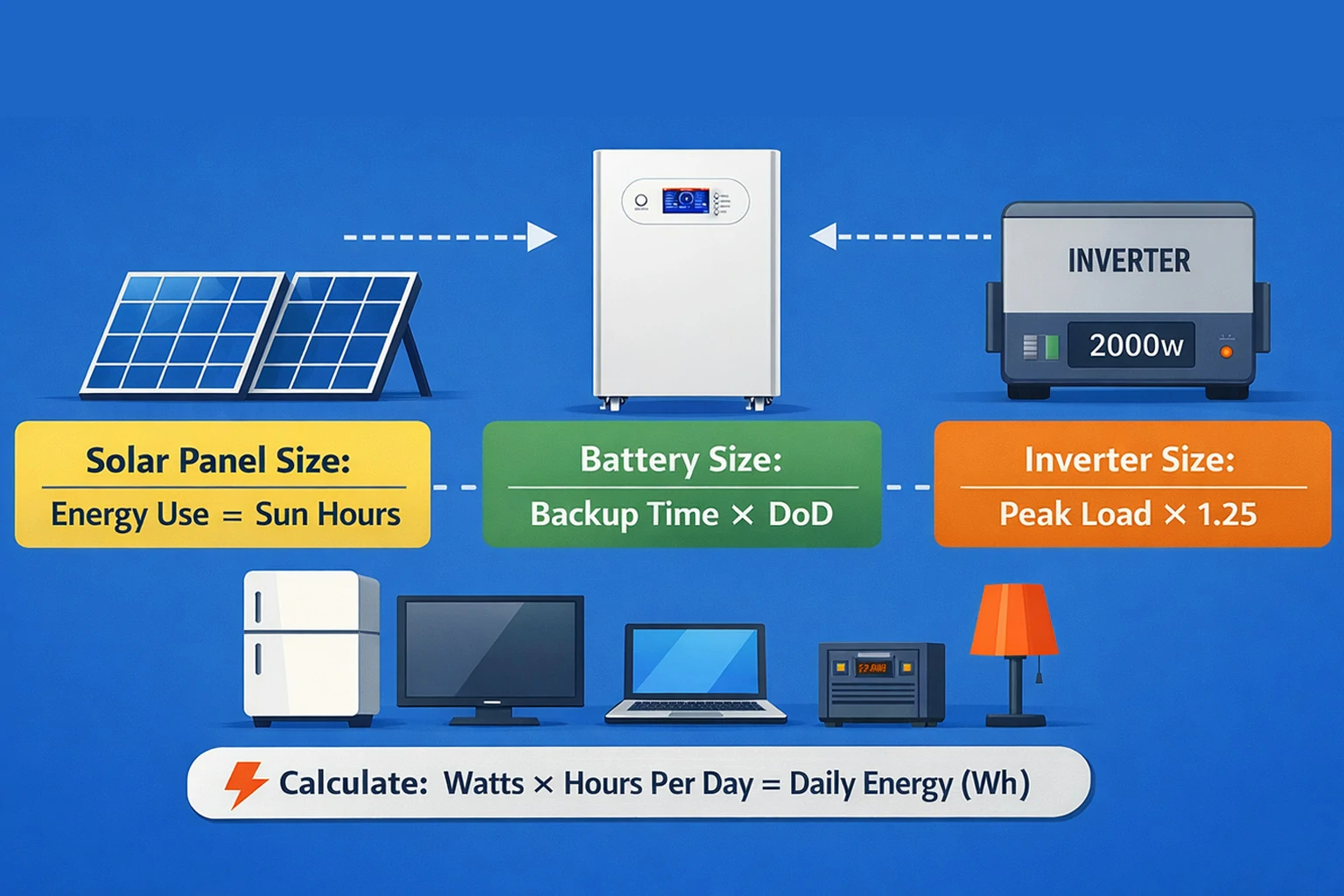
A simple sizing method:
- List the appliances or loads you want to support.
- Calculate their total power demand in watts.
- Estimate how many hours each load must run.
- Convert this into daily kWh usage.
- Add efficiency loss and backup margin.
- Choose a battery system with enough usable capacity and output power.
Example:
| Load | Power | Runtime | Energy Use |
|---|---|---|---|
| Refrigerator | 150 W | 10 h | 1.5 kWh |
| Lights | 100 W | 5 h | 0.5 kWh |
| WiFi/router | 20 W | 10 h | 0.2 kWh |
| TV | 120 W | 3 h | 0.36 kWh |
| Small appliances | 500 W | 1 h | 0.5 kWh |
| Total | 3.06 kWh |
If you want backup for these essential loads, a 5 kWh lithium battery may be suitable. If you want longer runtime, air conditioning, pumps or heavier home loads, you may need 10 kWh, 15 kWh, 20 kWh or a modular system that can expand later.
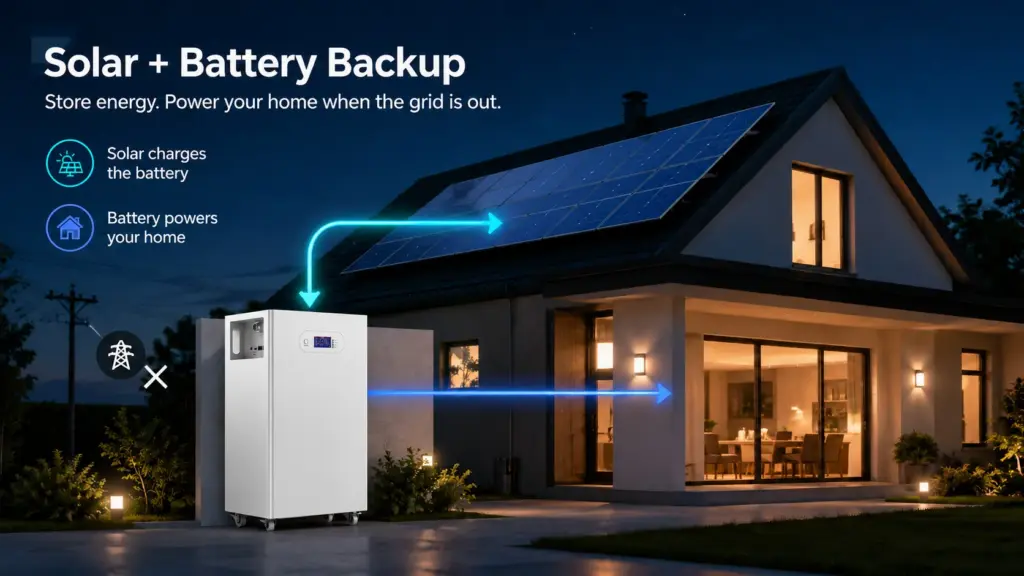
Avepower’s 48V 100Ah 5.12kWh wall mounted battery is suitable for compact home solar storage, backup power and small energy storage systems. For higher capacity home backup, the 48V 200Ah 10kWh Powerwall battery provides a larger storage base and can be expanded for different household energy needs.
Customize Your Lithium Battery Storage System
For larger energy storage projects, Avepower can provide custom lithium battery storage solutions with scalable cabinet design, CAN/RS485 communication and flexible ESS configuration.
Low-Voltage vs High-Voltage Lithium Battery Storage
Lithium battery storage systems are often divided into low-voltage and high-voltage platforms.
Low-voltage systems, such as 24V, 48V or 51.2V batteries, are common in residential and small off-grid applications. They are flexible, widely compatible and easier to configure for many home solar projects.
High-voltage systems are more common in larger residential, commercial and industrial storage projects. They can support higher power output and more efficient energy transfer when matched with the right inverter and system design.
| Comparison | Low-Voltage Lithium Battery Storage | High-Voltage Lithium Battery Storage |
|---|---|---|
| Common voltage | 24V, 48V, 51.2V | 100V to 800V+ depending on system design |
| Best for | Homes, villas, off-grid systems, small projects | Large homes, C&I storage, project-based ESS |
| Installation | Easier and more flexible | Requires more professional system design |
| Inverter compatibility | Wide compatibility with many LV inverters | Must match HV inverter requirements |
| Expansion | Often supports parallel expansion | Usually uses modular cabinet or rack design |
| Efficiency | Good for small and medium systems | Better for larger power applications |
| Cost | Usually lower system entry cost | Higher initial cost but better for large projects |
| Typical buyers | Homeowners, installers, distributors | EPCs, project developers, C&I users |
For installers and distributors, low-voltage modular batteries can be easier to stock and deploy across different residential projects. For project developers and OEM customers, high-voltage systems may offer better customization potential.
Key Features to Check Before Buying Lithium Battery Storage
When comparing lithium battery storage products, do not only look at capacity. A reliable system depends on electrical design, safety protection, compatibility and documentation.
Use this checklist:
- Battery chemistry: Choose LiFePO4 / LFP for better safety, long cycle life and stable daily solar storage performance.
- Usable capacity: Check usable kWh, not only nominal capacity, because this determines how much energy the system can actually deliver.
- Output power: Compare continuous power and peak power to make sure the battery can support appliances, pumps, motors or backup loads.
- BMS protection: Look for over-voltage, over-current, short-circuit, over-temperature and low-temperature protection.
- Cycle life: Review cycle rating, depth of discharge, test temperature and warranty conditions.
- Inverter compatibility: Confirm CAN, RS485 or RS232 communication support before installation.
- Expansion ability: Check whether the battery supports parallel connection or modular expansion for future capacity growth.
- Monitoring function: Bluetooth, WiFi, app or remote monitoring helps users track SOC, alarms and battery status.
- Certifications: CE, UL-related documents, CB, RoHS, UN38.3 and FCC may be important for safety, shipping and market access.
- Installation design: Choose wall-mounted, rack-mounted, stackable, vertical or cabinet-style batteries based on project space.
- Warranty and supplier support: A reliable supplier should provide datasheets, manuals, compatibility support, certification files and after-sales service.
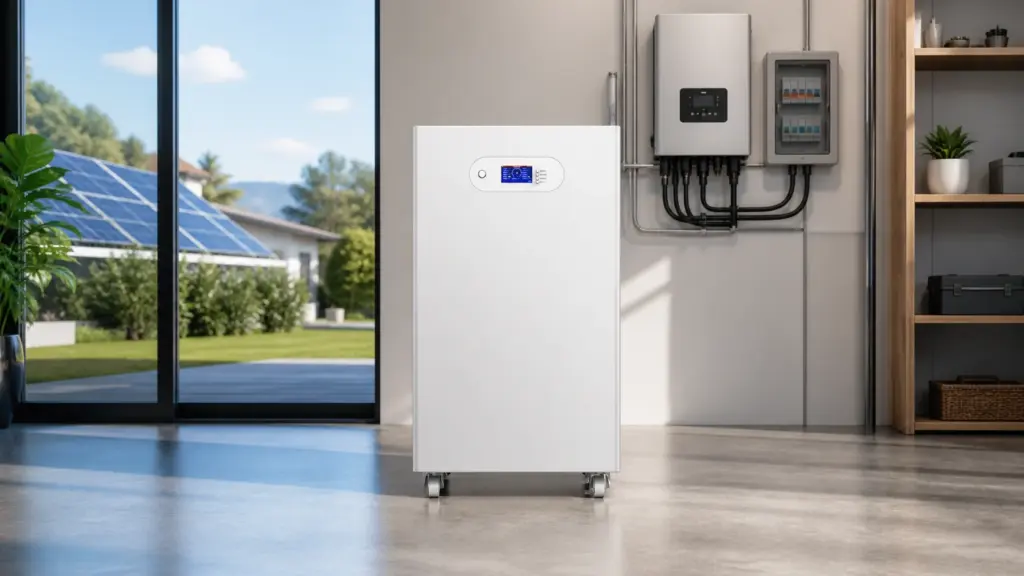
Avepower batteries support common communication options such as CAN, RS485 and RS232, and Avepower provides battery selection support, inverter compatibility confirmation and certification document packages for installers, distributors and OEM/ODM partners.
Lithium Battery Storage Safety: What Matters Most?
Lithium battery storage is safe when the system is properly designed, certified, installed and maintained. However, batteries are electrical and chemical energy devices, so safety should be part of the design from the beginning.
Important safety points include:
- Use a battery with a reliable BMS.
- Follow the manufacturer’s installation instructions.
- Install the battery in a dry, clean and ventilated location.
- Avoid direct sunlight, water exposure, heat sources and physical impact.
- Do not bypass protection devices.
- Do not mix incompatible battery models or brands.
- Confirm inverter communication before commissioning.
- Keep damaged, swollen, leaking or overheated batteries out of service.
- Use qualified installers for grid-connected systems.
- Follow local electrical and fire codes.
UL Solutions recommends storing batteries in a cool, dry, well-ventilated area and following manufacturer charging instructions. EPA guidance also notes that BESS installations require careful planning because lithium battery incidents can create fire suppression, emissions and cleanup challenges. That does not mean lithium storage should be avoided; it means product quality, installation quality and emergency planning matter.
For residential energy storage systems, UL notes that codes and standards may require ESS certification to UL 9540 and may specify limits for individual electrochemical ESS units. Always check the requirements in your target market before installation.
Long-Term Storage and Battery Life
Proper storage conditions can make a big difference to lithium battery life. Even when a battery is not being used, it still ages slowly over time. High temperature, full-charge storage, deep discharge and moisture can speed up capacity loss and reduce long-term performance.
For long-term storage, keep lithium batteries in a cool, dry and well-ventilated environment. Avoid direct sunlight, water, high humidity, heavy pressure, mechanical impact and heat sources. If the battery will remain unused for months, store it at a partial state of charge instead of fully charged or completely empty.
- Storage temperature: Keep the battery in a cool, stable environment and avoid extreme heat or freezing conditions.
- State of charge: For long-term storage, keep the battery at a partial charge, commonly around 40% to 60%, unless the manufacturer gives different instructions.
- Environment: Store the battery in a dry, clean and ventilated place away from direct sunlight, water and flammable materials.
- Periodic inspection: Check for swelling, leakage, corrosion, abnormal smell, physical damage or warning alarms.
- Recharge schedule: Recharge the battery periodically according to the supplier’s storage guidance to prevent over-discharge.
- Avoid full-load storage: Do not leave connected loads running while the battery is stored, as this can slowly drain the battery.
- Follow manufacturer guidance: Always follow the battery datasheet and user manual for storage SOC, temperature range and maintenance intervals.
A high-quality LiFePO4 battery can often support years of reliable service when it is used and stored correctly. For solar battery storage projects, battery life also depends on daily cycle depth, operating temperature, charge/discharge current, BMS protection and inverter settings.
For more detail on aging and storage SOC, see Avepower’s guide on lithium-ion battery life.
Avepower Lithium Battery Storage Solutions
Avepower provides LiFePO4 lithium battery storage solutions for residential solar storage, backup power, off-grid systems, light commercial projects and customized energy storage applications. The product range is designed for homeowners, installers, distributors, wholesalers and OEM/ODM partners who need safe, scalable and reliable battery systems.
- Wall-mounted lithium battery storage: Suitable for home solar storage, backup power and space-saving installations in garages, utility rooms and residential energy systems.
- Stackable LiFePO4 battery systems: Designed for flexible capacity expansion. Users can start with a smaller battery system and add more modules as energy demand grows.
- Vertical home storage batteries: A practical choice for higher-capacity residential and small project applications where clean installation and larger storage capacity are required.
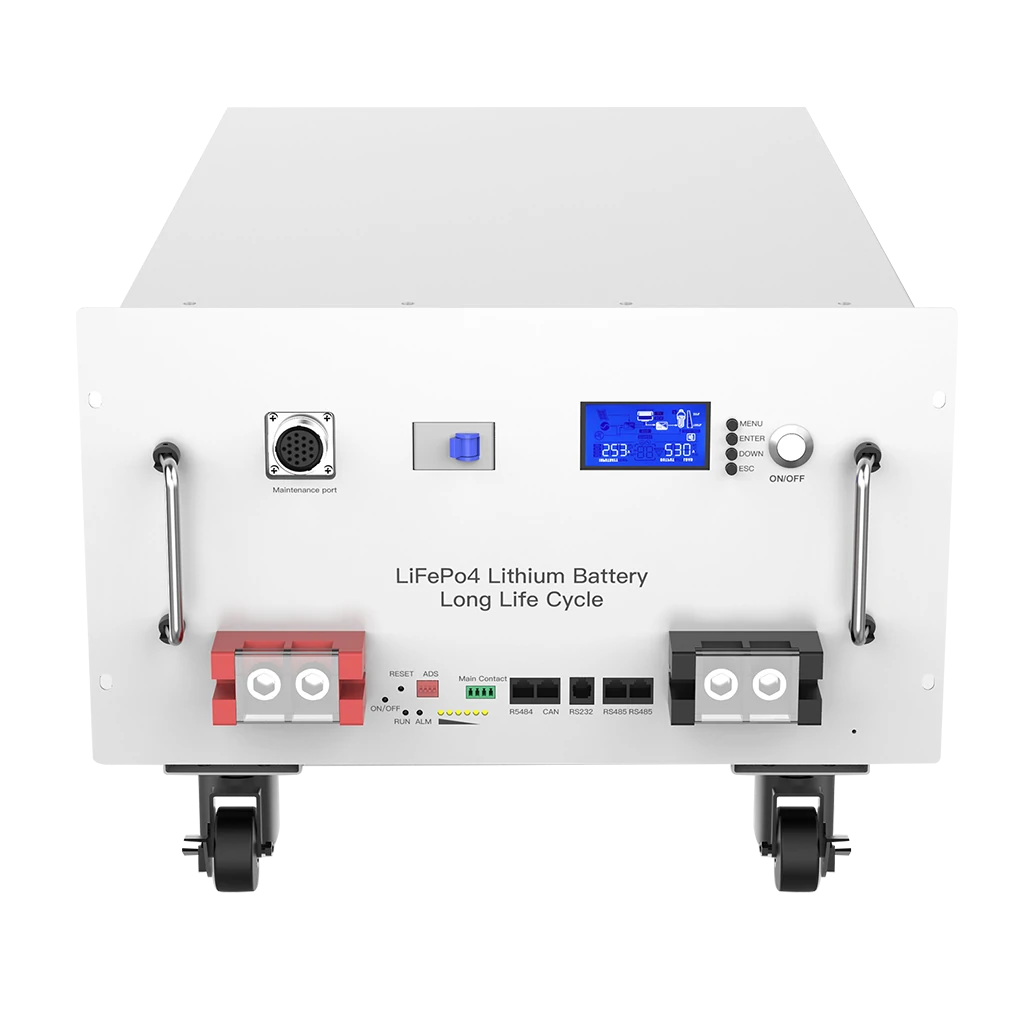
- Rack-mounted lithium batteries: Suitable for equipment rooms, telecom backup, cabinet systems and installer-led energy storage projects.
- All-in-one battery systems: Combine battery storage and inverter functions in a more integrated structure, helping simplify system planning and installation.
- High-voltage lithium battery storage systems: Designed for larger residential, commercial and industrial ESS projects that require scalable capacity, higher system voltage and customized cabinet configuration.
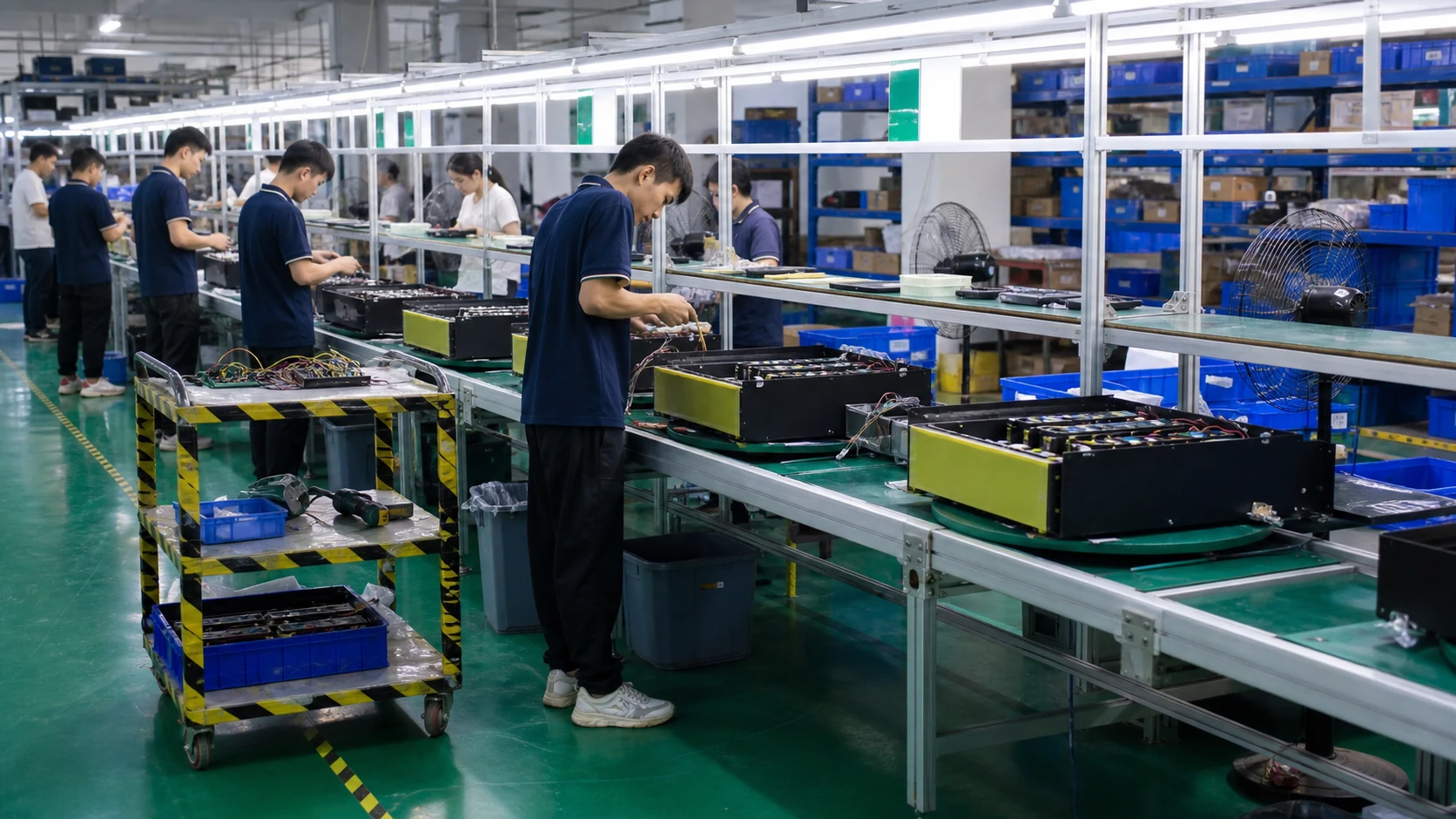
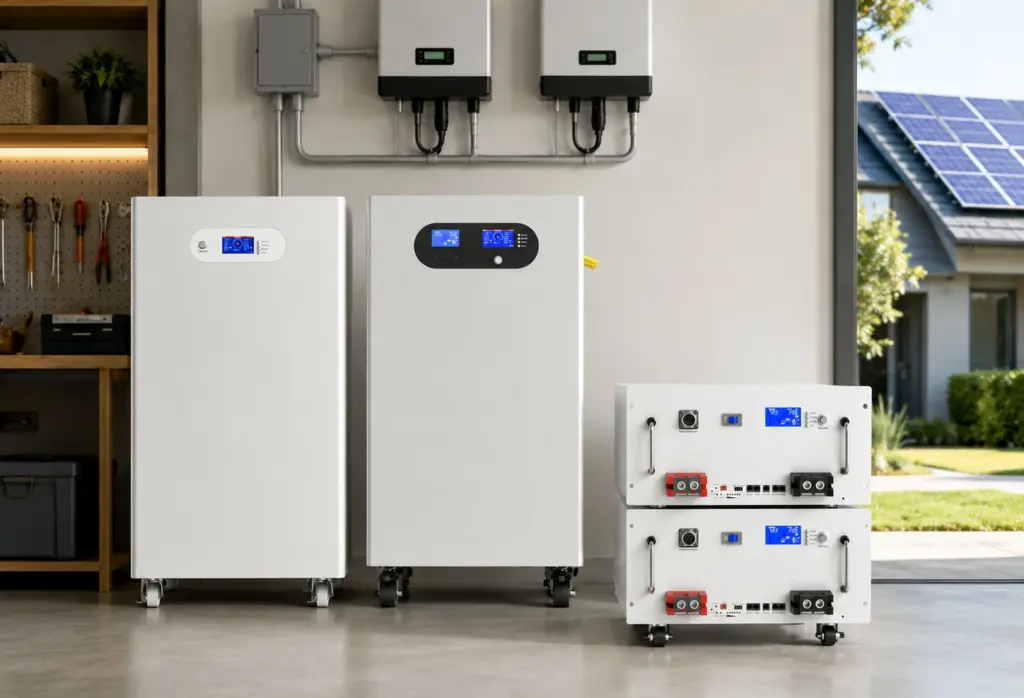
Avepower lithium battery storage systems use LiFePO4 chemistry, smart BMS protection, long cycle-life design and flexible communication options such as CAN, RS485 and RS232. Depending on the project, Avepower can also support OEM/ODM customization, inverter compatibility matching, certification documents, packaging customization and technical support for distributors and installers.
Take Control of Your Energy with Avepower!
Reliable home solar battery solutions with OEM/ODM customization and in-house manufacturing, tailored to the needs of distributors, installers, and energy partners.
For Installers, Distributors and OEM Buyers: What to Ask Before Ordering
If you are buying lithium battery storage for resale, installation or project deployment, your evaluation should go beyond the battery price.
Ask these questions before ordering:
- Which inverter brands and protocols are supported?
- Can the supplier provide CAN, RS485 or RS232 communication matching?
- What certifications and shipping documents are available?
- What is the real cycle-life test condition?
- What is the recommended charge and discharge current?
- Can the battery be expanded in parallel?
- What is the maximum supported system capacity?
- Does the supplier provide OEM label, enclosure and packaging customization?
- Are installation manuals and technical files available?
- What after-sales support is provided for installers and distributors?
For B2B buyers, a good lithium battery storage supplier should help reduce project risk. That means stable product quality, clear technical documentation, protocol support, certification files and practical system selection advice.
Conclusion
Lithium battery storage is one of the most practical ways to make solar energy more useful, flexible and reliable. It stores excess electricity for later use, supports backup power during outages, helps reduce peak electricity costs and enables greater energy independence.
For most residential and light commercial storage projects, LiFePO4 battery storage offers a strong balance of safety, lifespan, efficiency and low maintenance. The best system is not simply the largest battery. It is the system that matches your load, inverter, installation environment, safety requirements, expansion plan and long-term business needs.
If you are an installer, distributor, wholesaler or OEM buyer, Avepower can support lithium battery storage projects with wall mounted, rack mount, stackable, vertical, all-in-one and high-voltage LiFePO4 battery solutions. You can explore Avepower’s full range of battery energy storage solutions or contact the team for project-based battery selection and OEM/ODM support.
FAQ
Lithium battery storage is a system that stores electricity in rechargeable lithium-based batteries and releases it when needed. It is commonly used for solar storage, backup power, off-grid systems, time-of-use savings and commercial energy management.
Yes. Lithium battery storage is one of the best options for solar because it offers high usable capacity, long cycle life, fast charging, compact size and low maintenance. LiFePO4 batteries are especially suitable for daily solar charging and discharging.
For most home energy storage systems, LiFePO4 is usually the best lithium battery chemistry because it offers strong safety performance, long lifespan and stable cycling.
Yes, but the system must be sized correctly. You need enough kWh capacity for runtime and enough kW output power for simultaneous loads. Heavy loads such as air conditioners, pumps and electric heating require careful design.
Lithium battery storage is safe when designed, certified, installed and used correctly. Choose LiFePO4 chemistry, a reliable BMS, proper installation location, compatible inverter settings and certified products.
Common locations include garages, utility rooms, equipment rooms, basements or sheltered outdoor areas where permitted. The area should be dry, ventilated, protected from direct sunlight, away from heat sources and compliant with local codes.
High-quality LiFePO4 storage batteries can often last 10 years or more depending on cycle life, depth of discharge, temperature, charge/discharge rate and maintenance. Always check the manufacturer’s warranty and cycle-life test conditions.
They should check battery chemistry, BMS functions, certifications, inverter compatibility, communication protocols, parallel expansion, warranty, technical documentation, OEM/ODM options and supplier support.