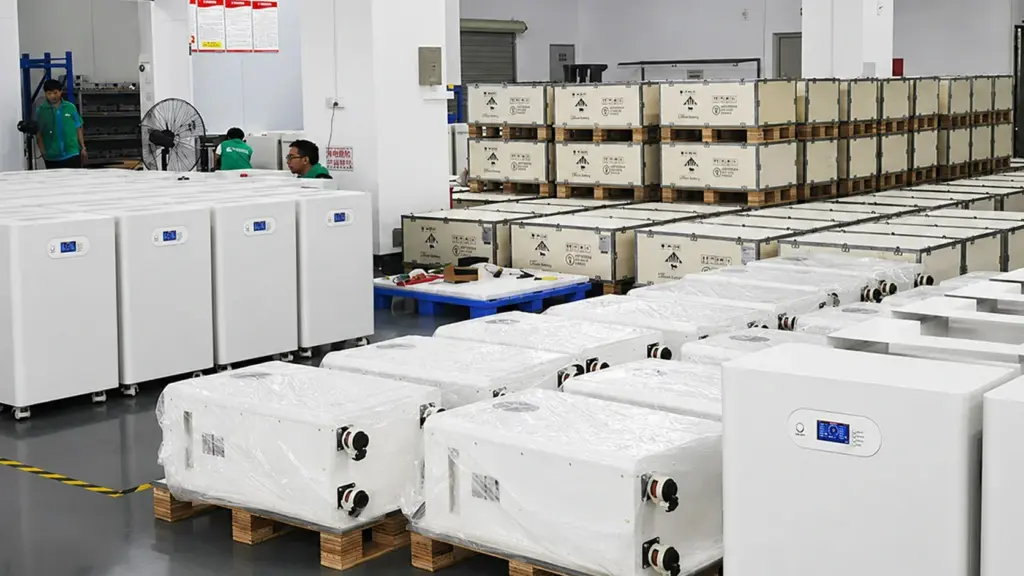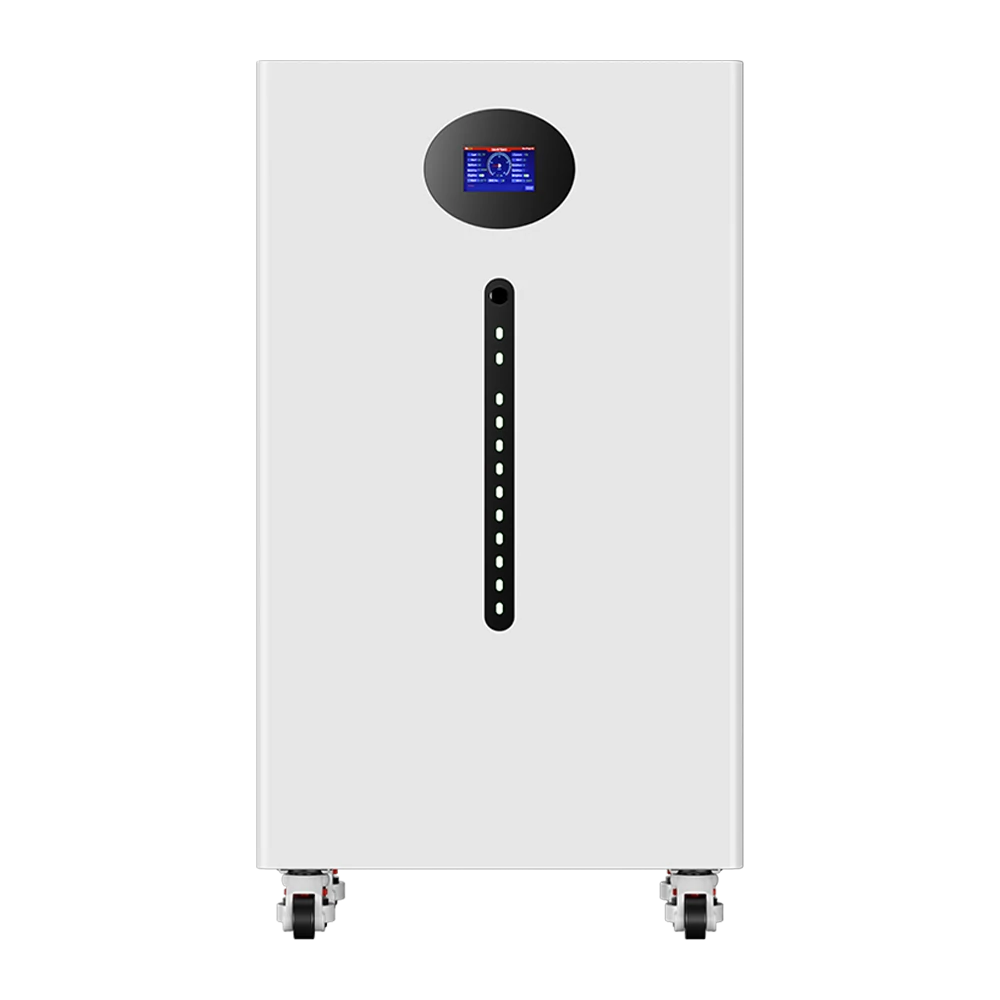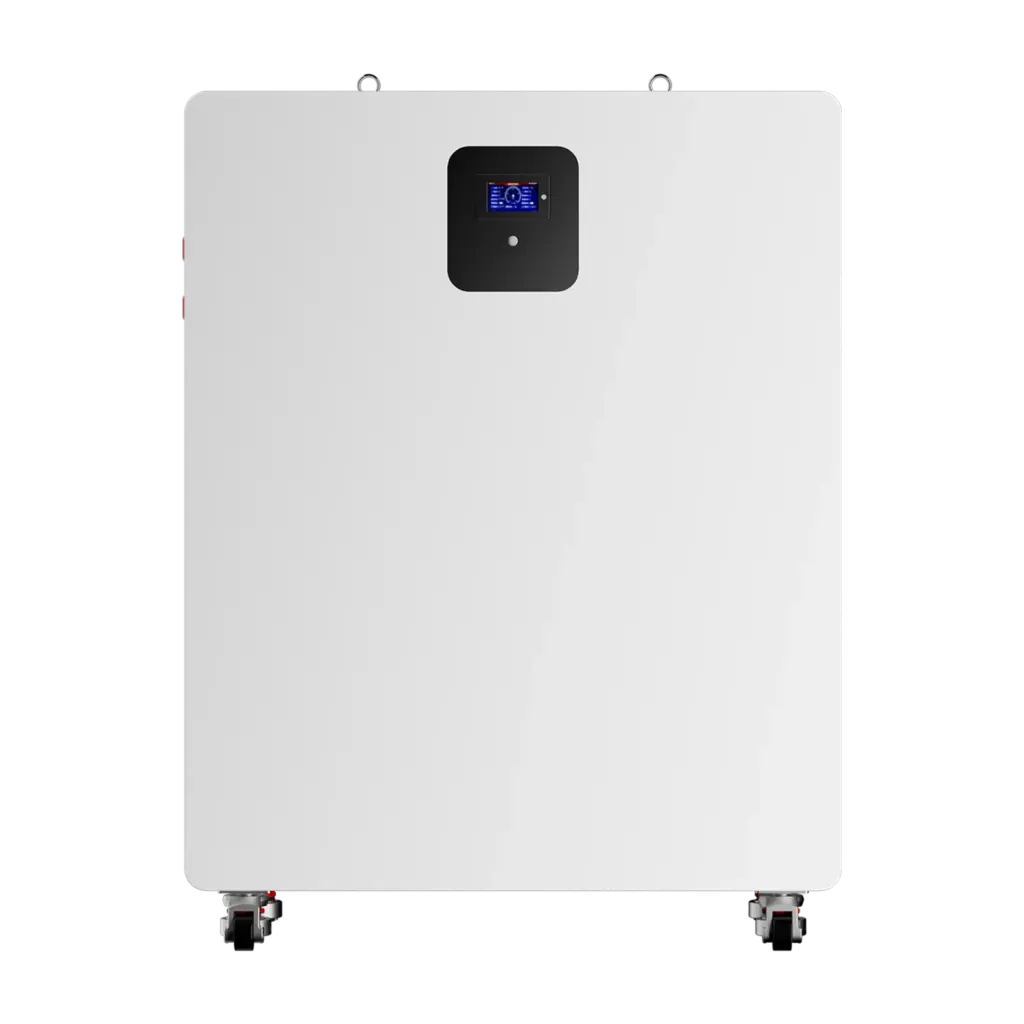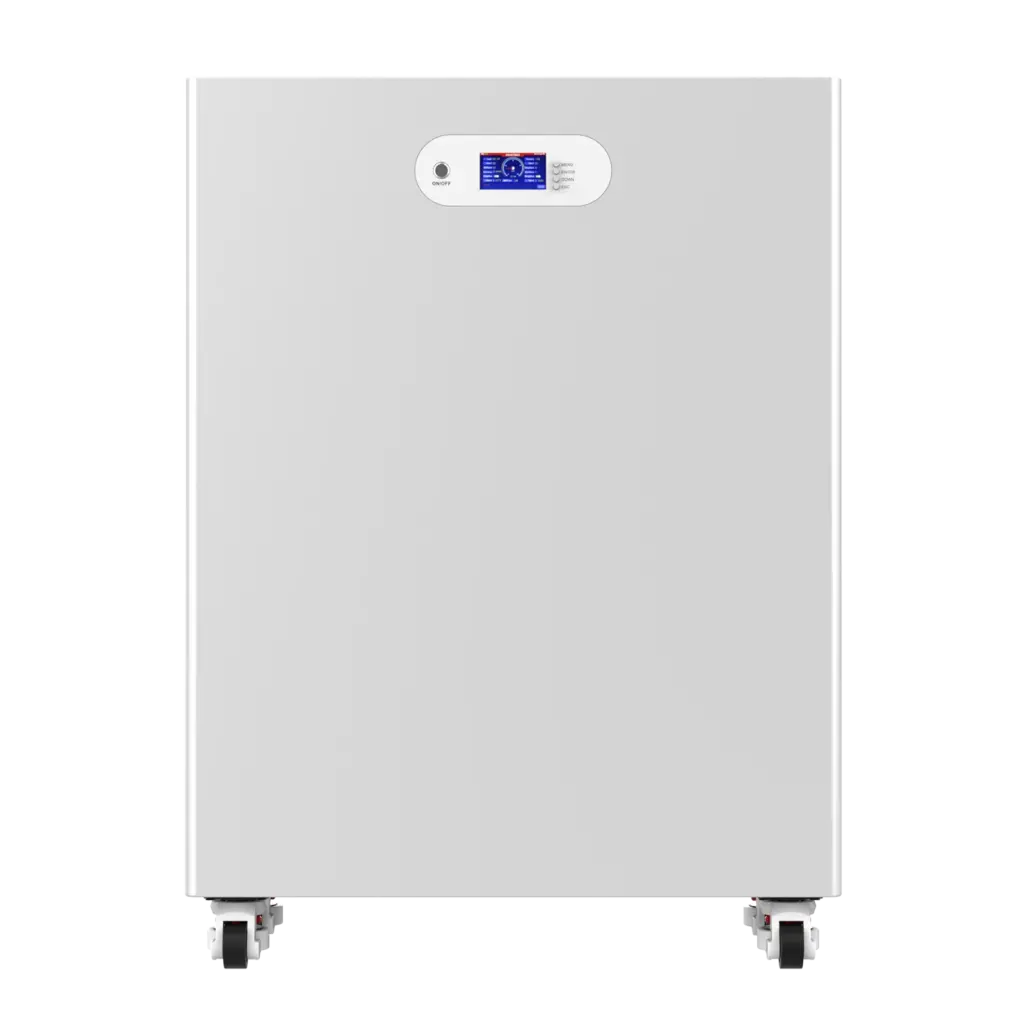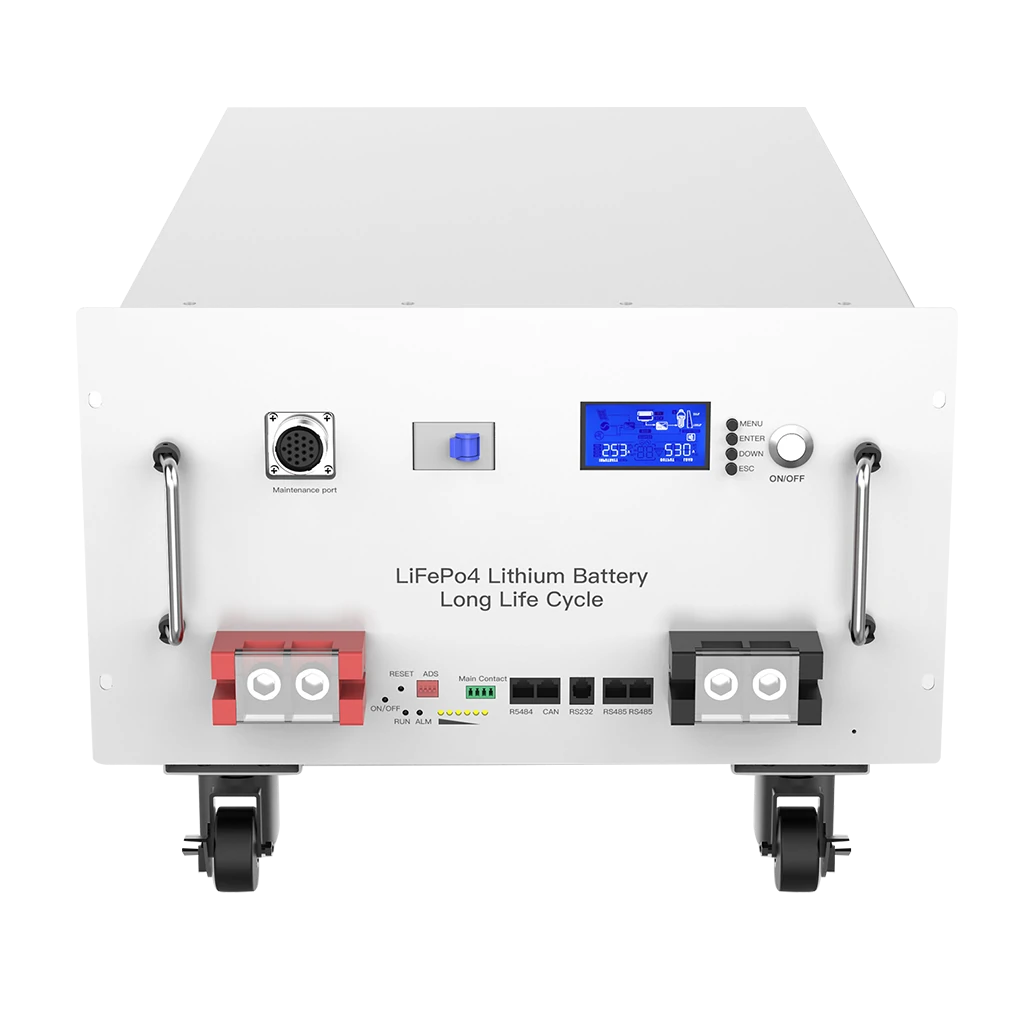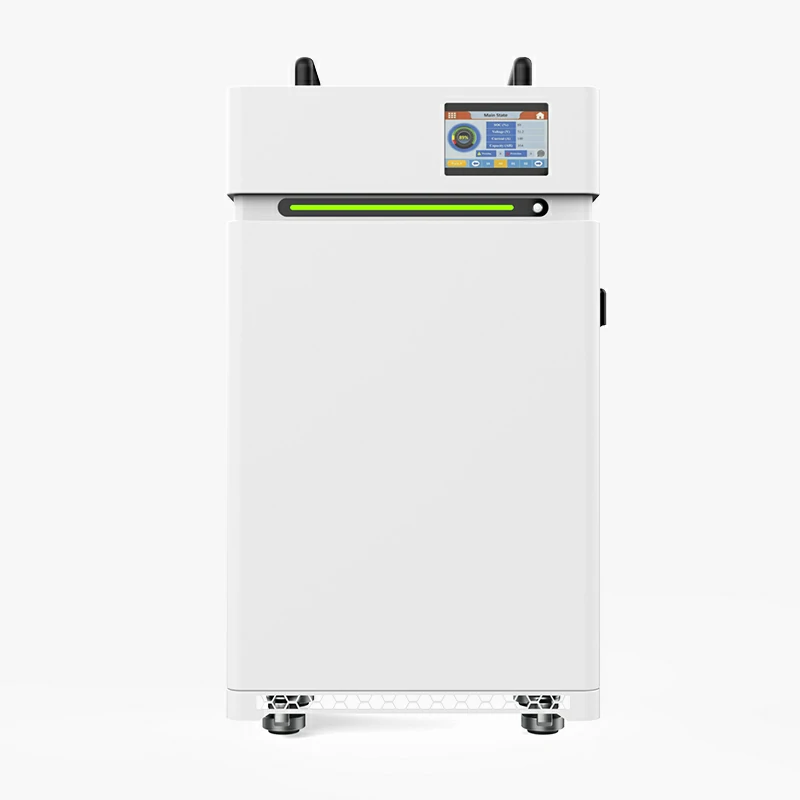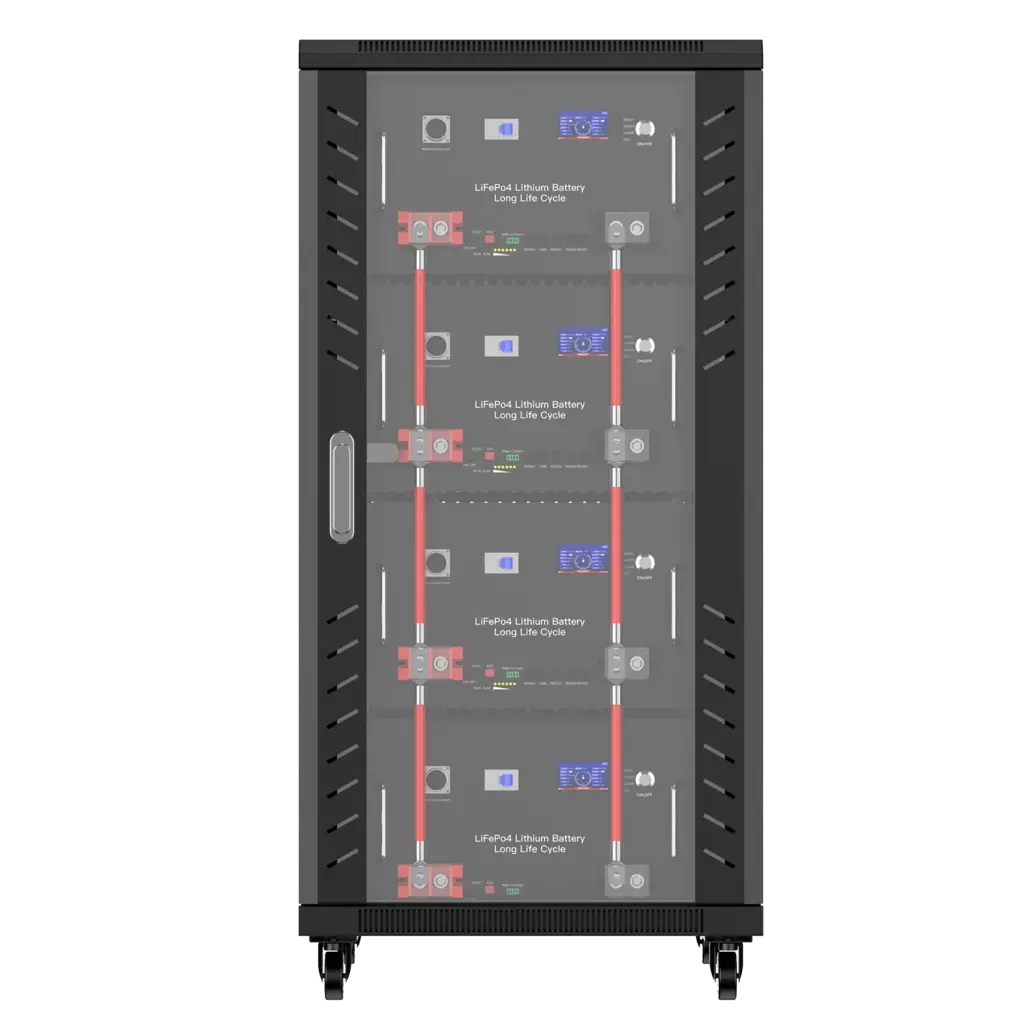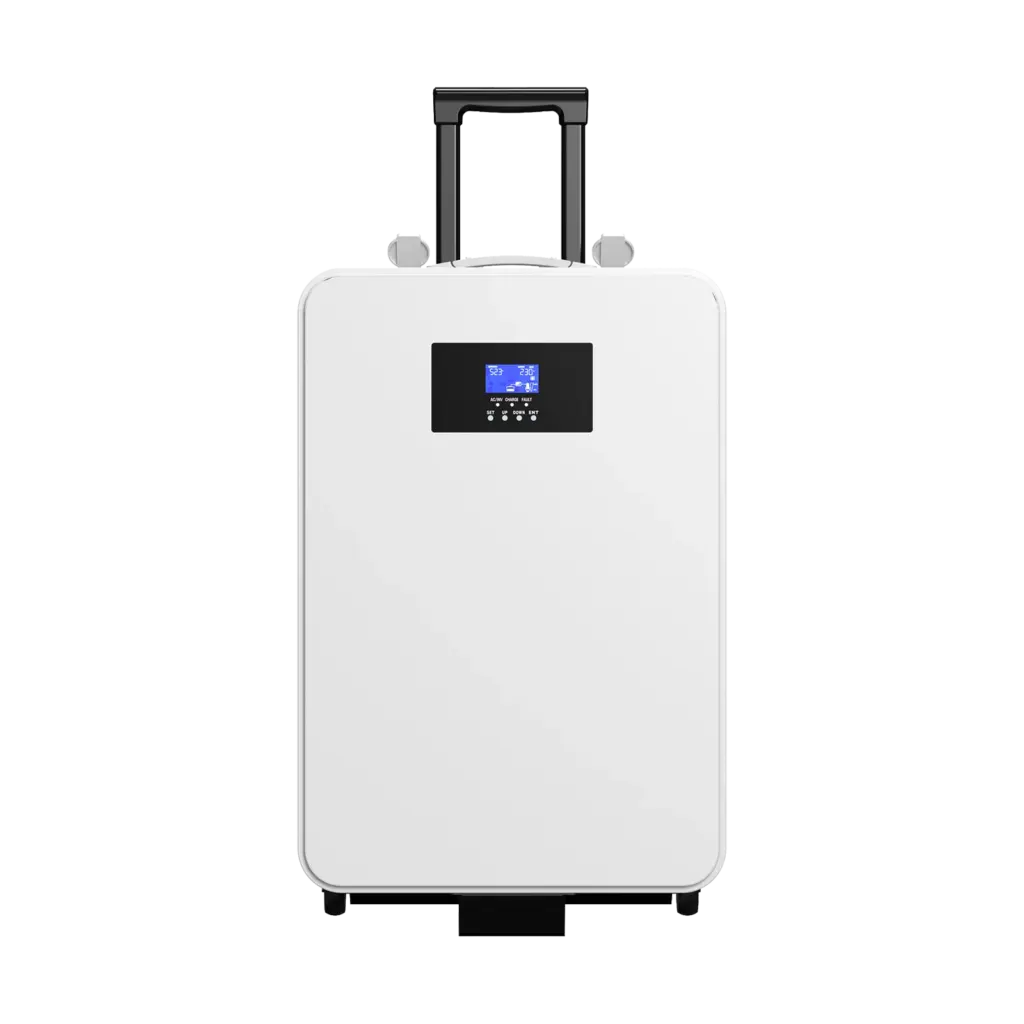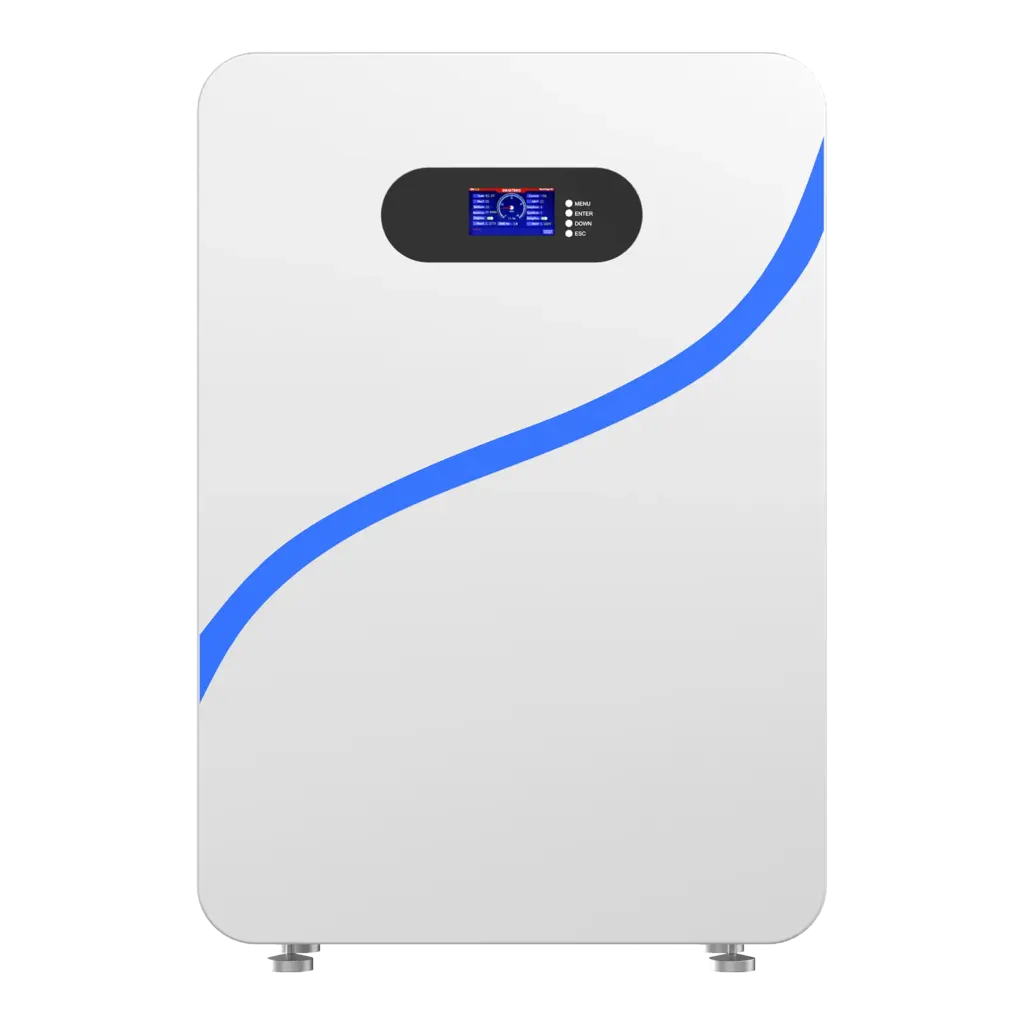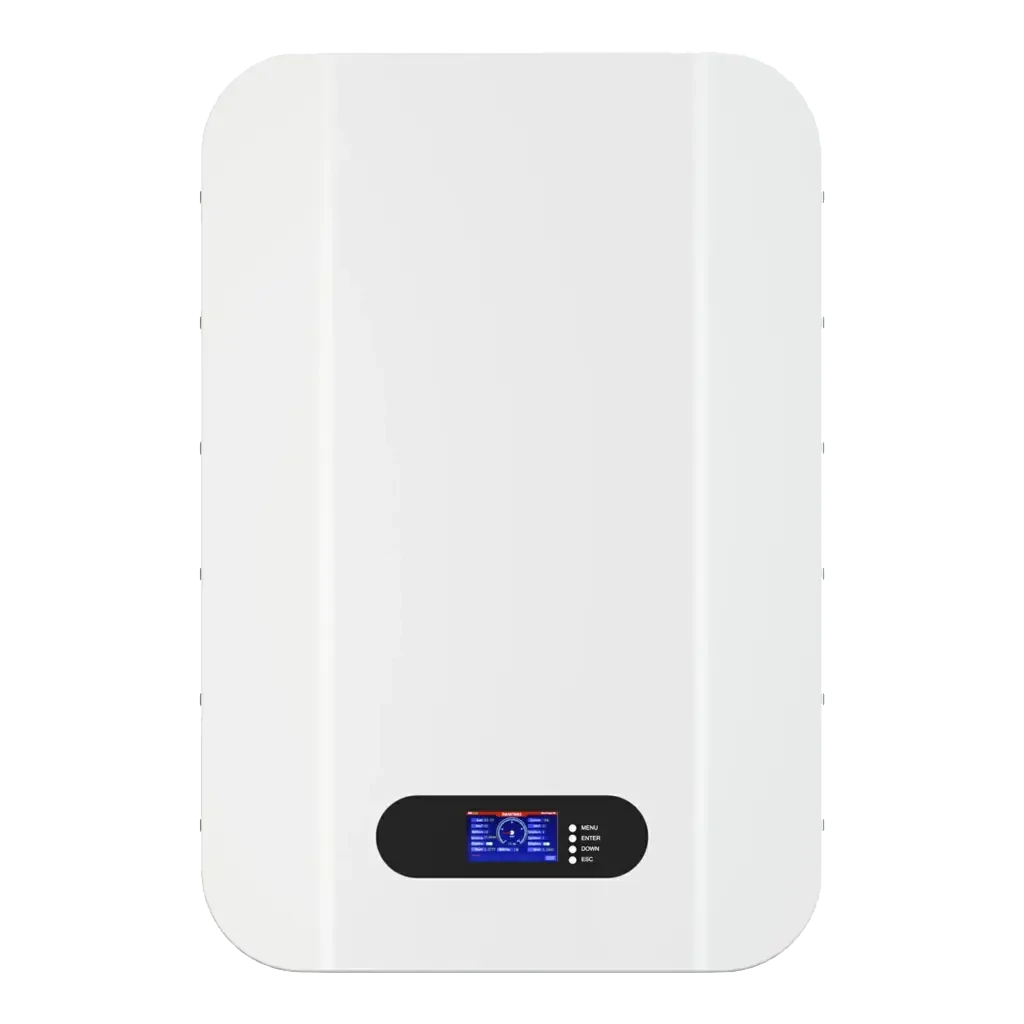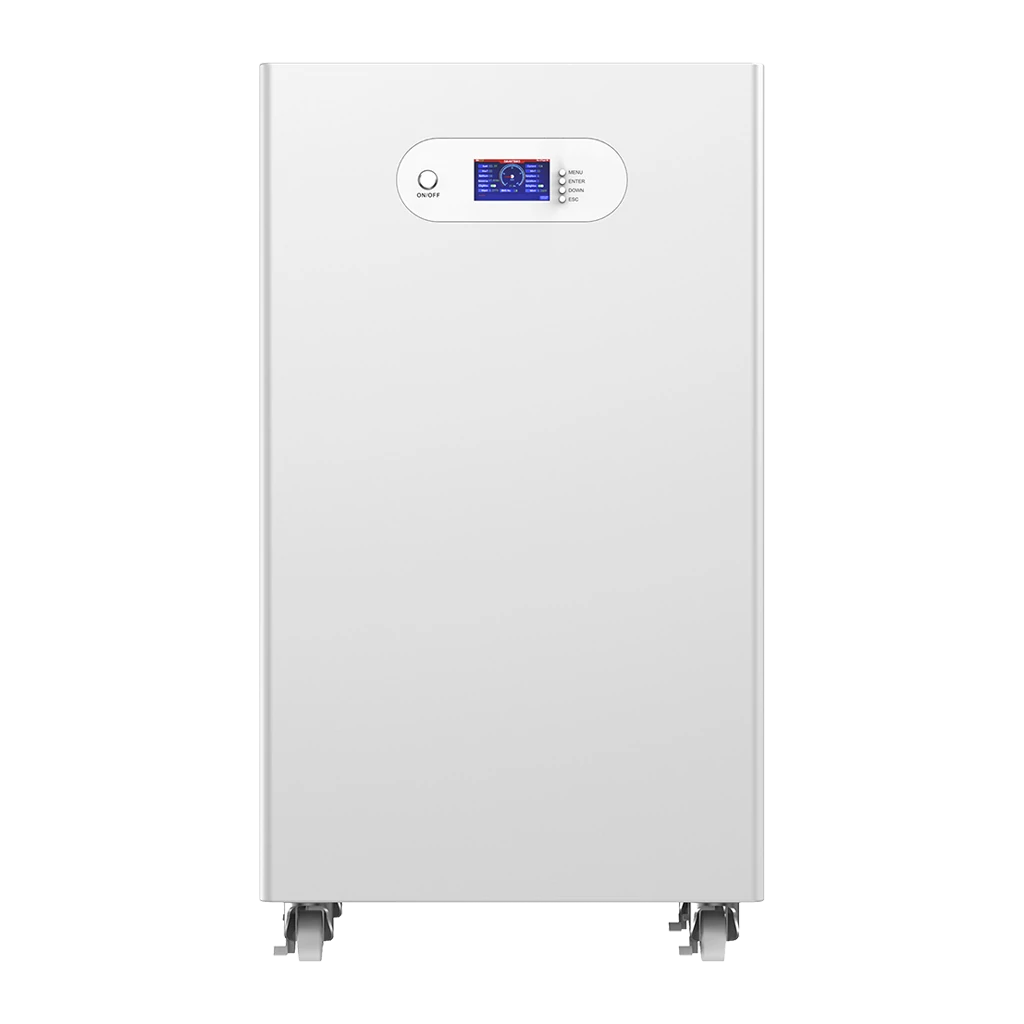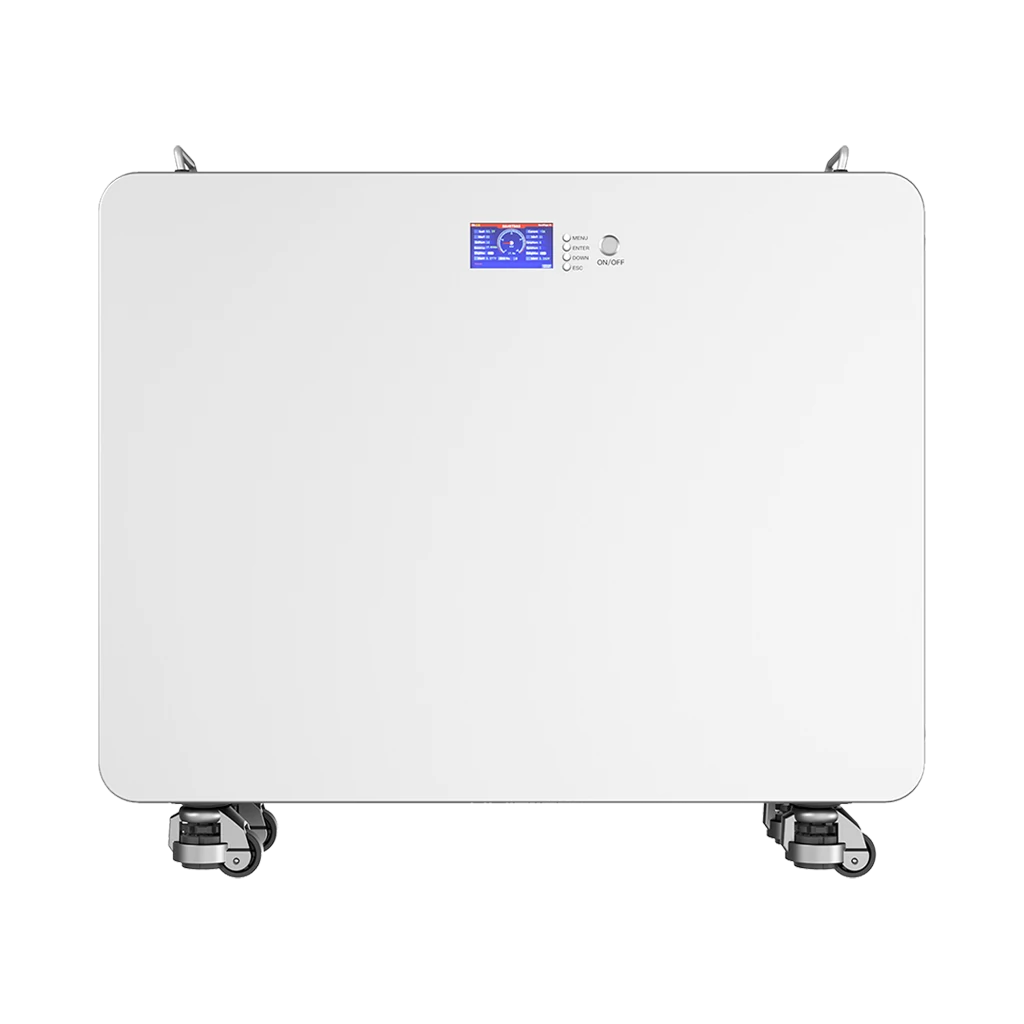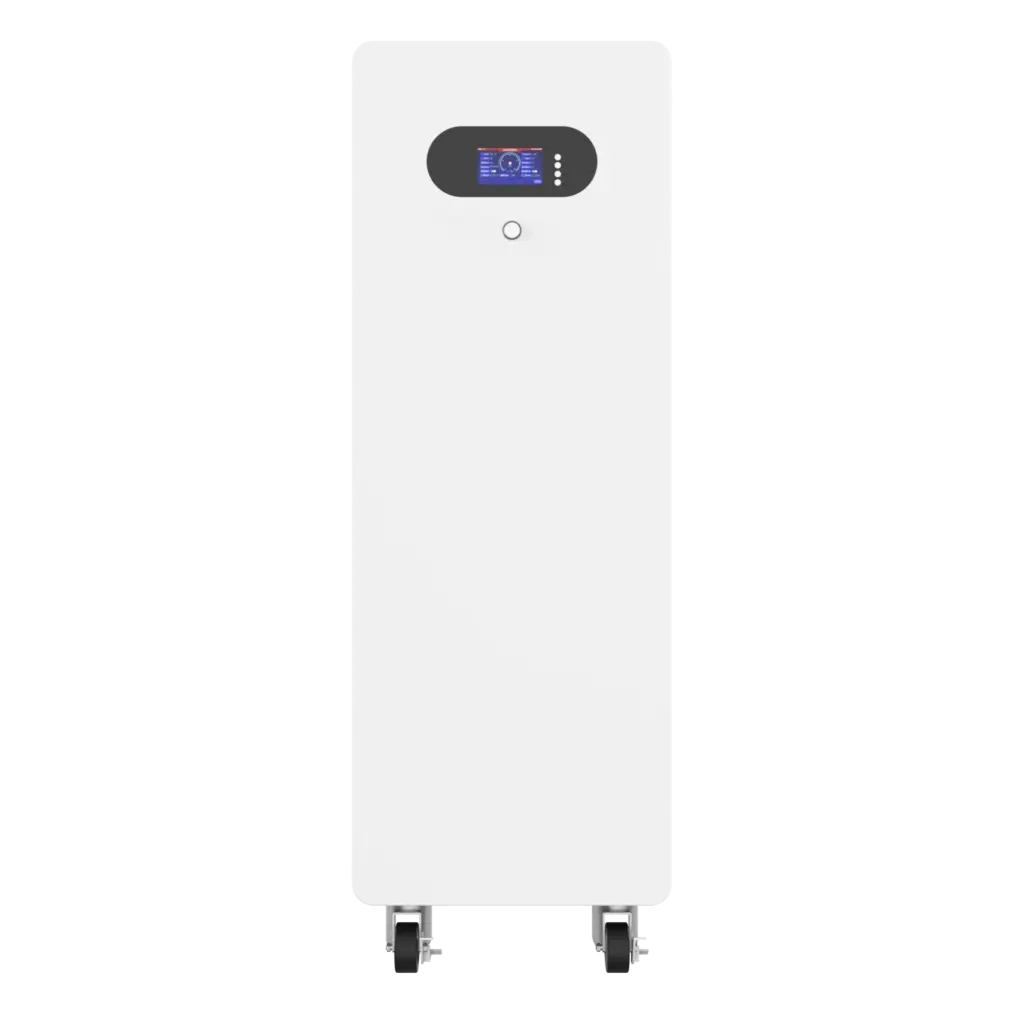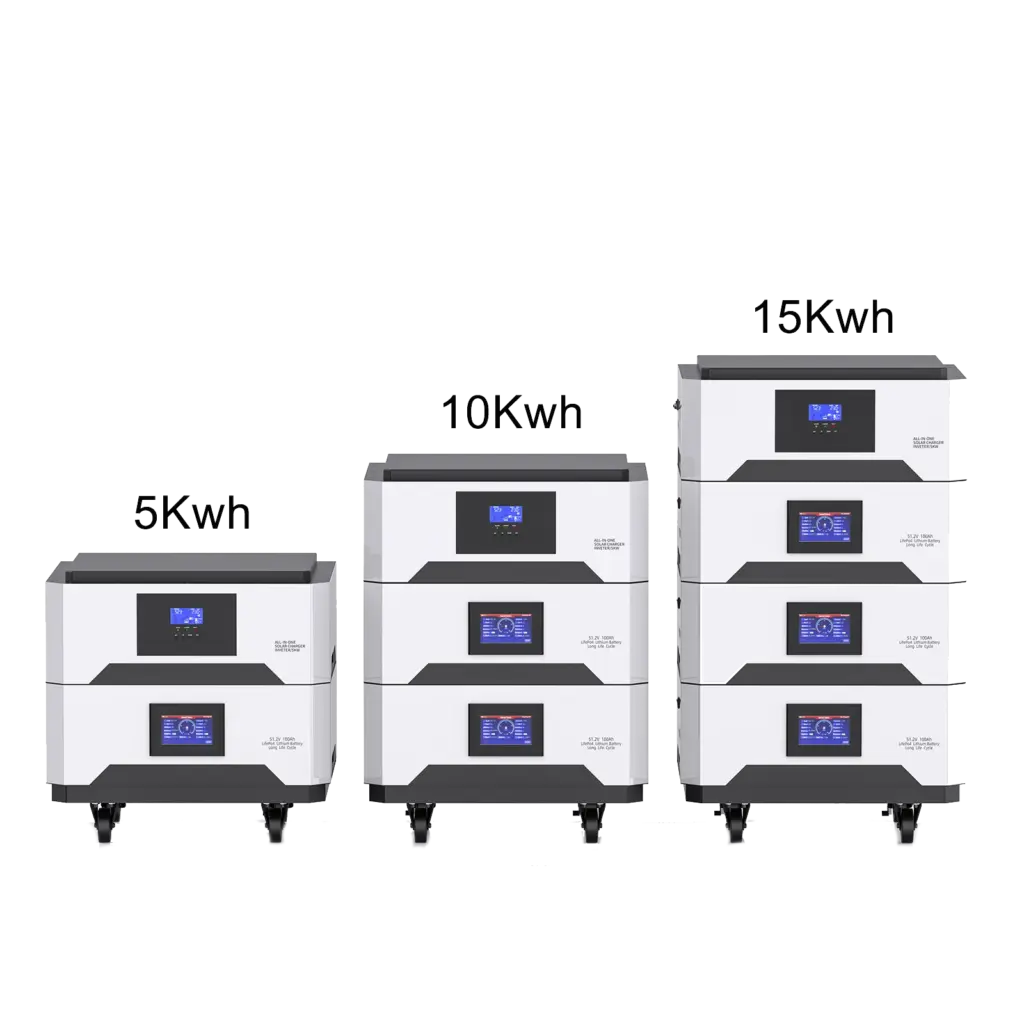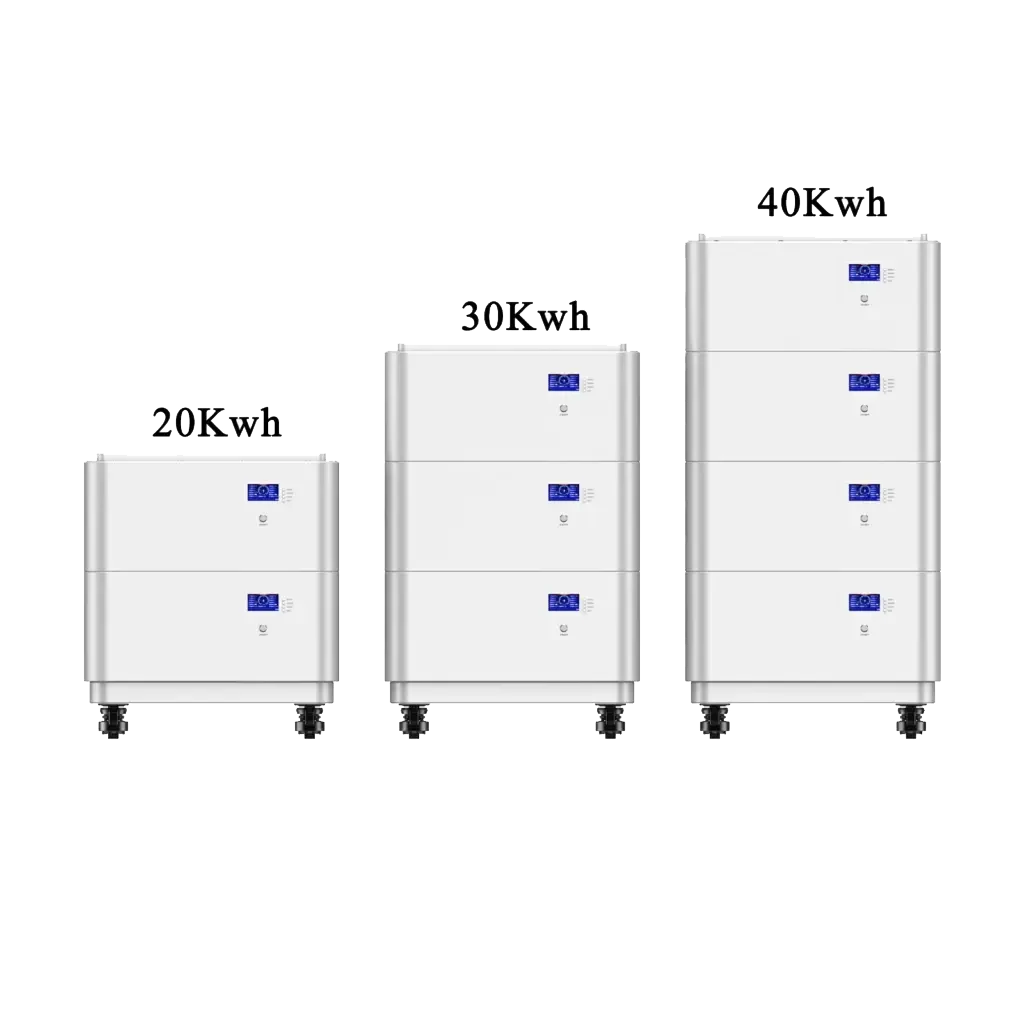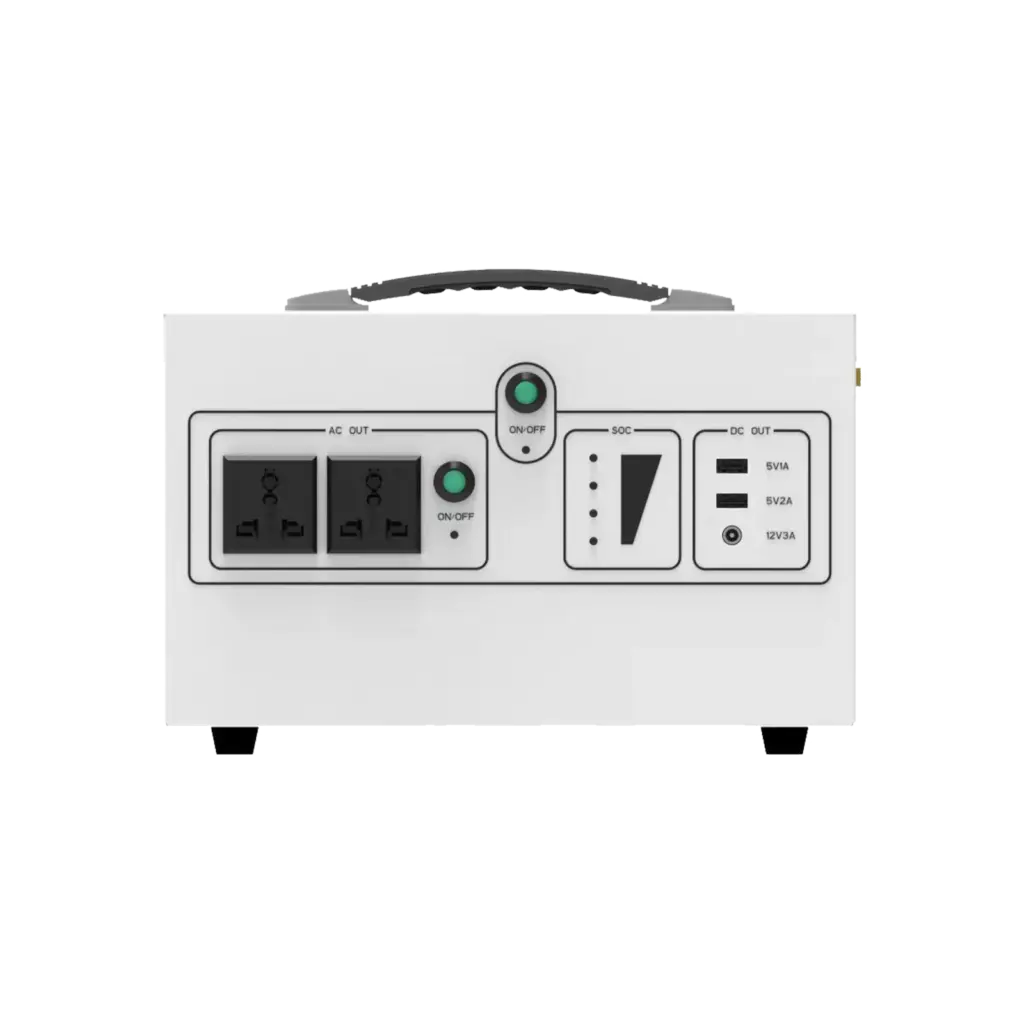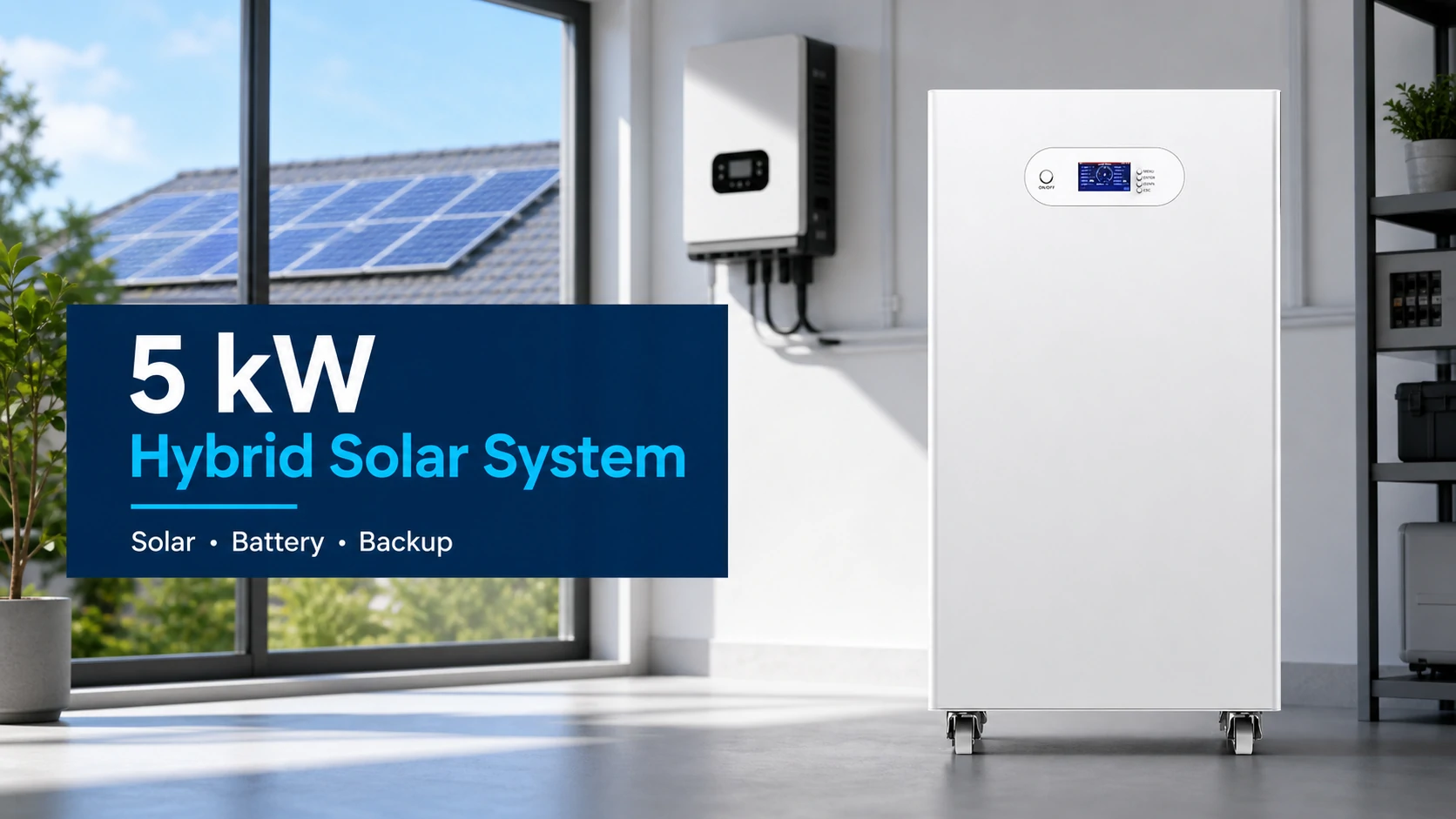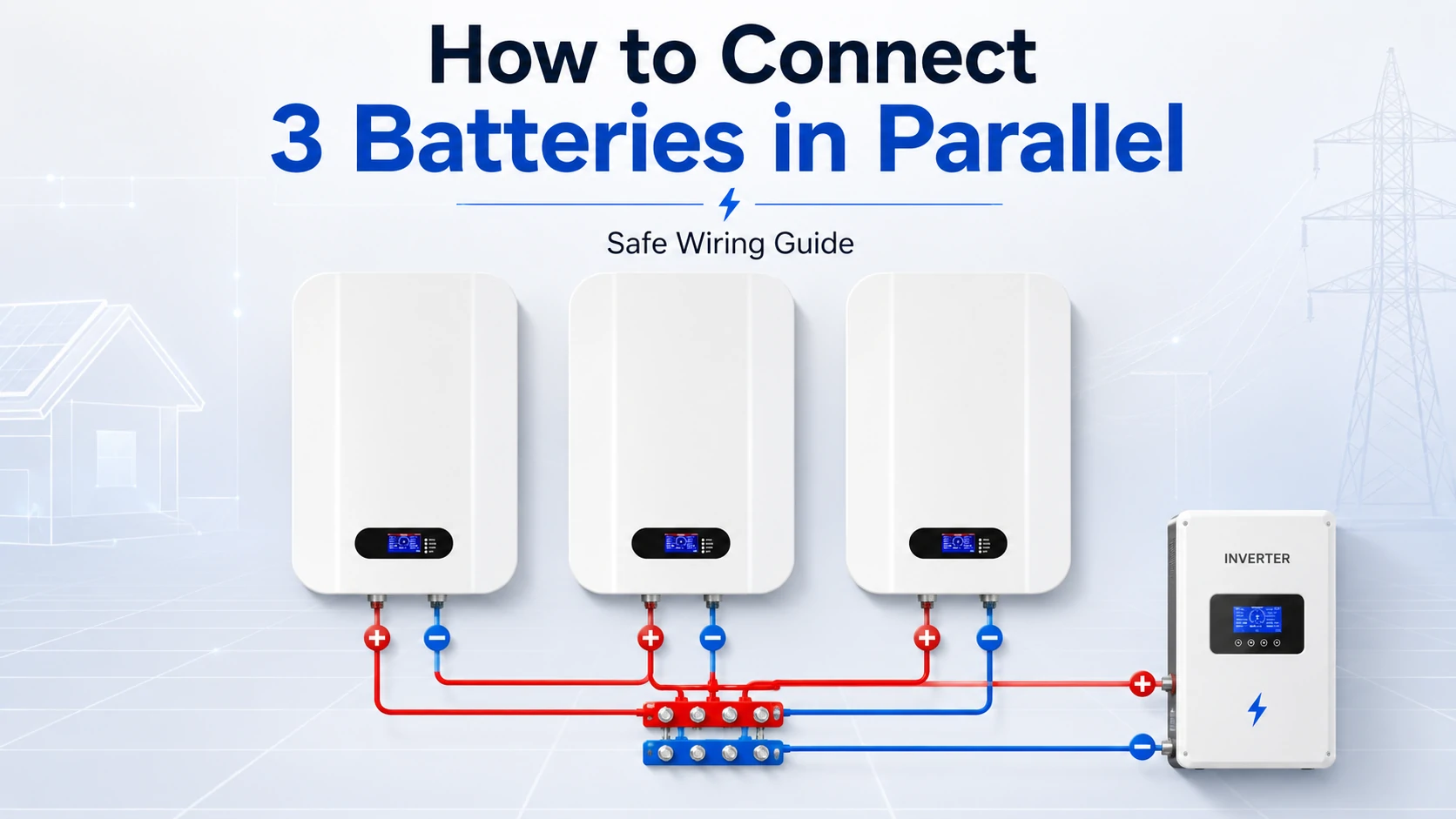
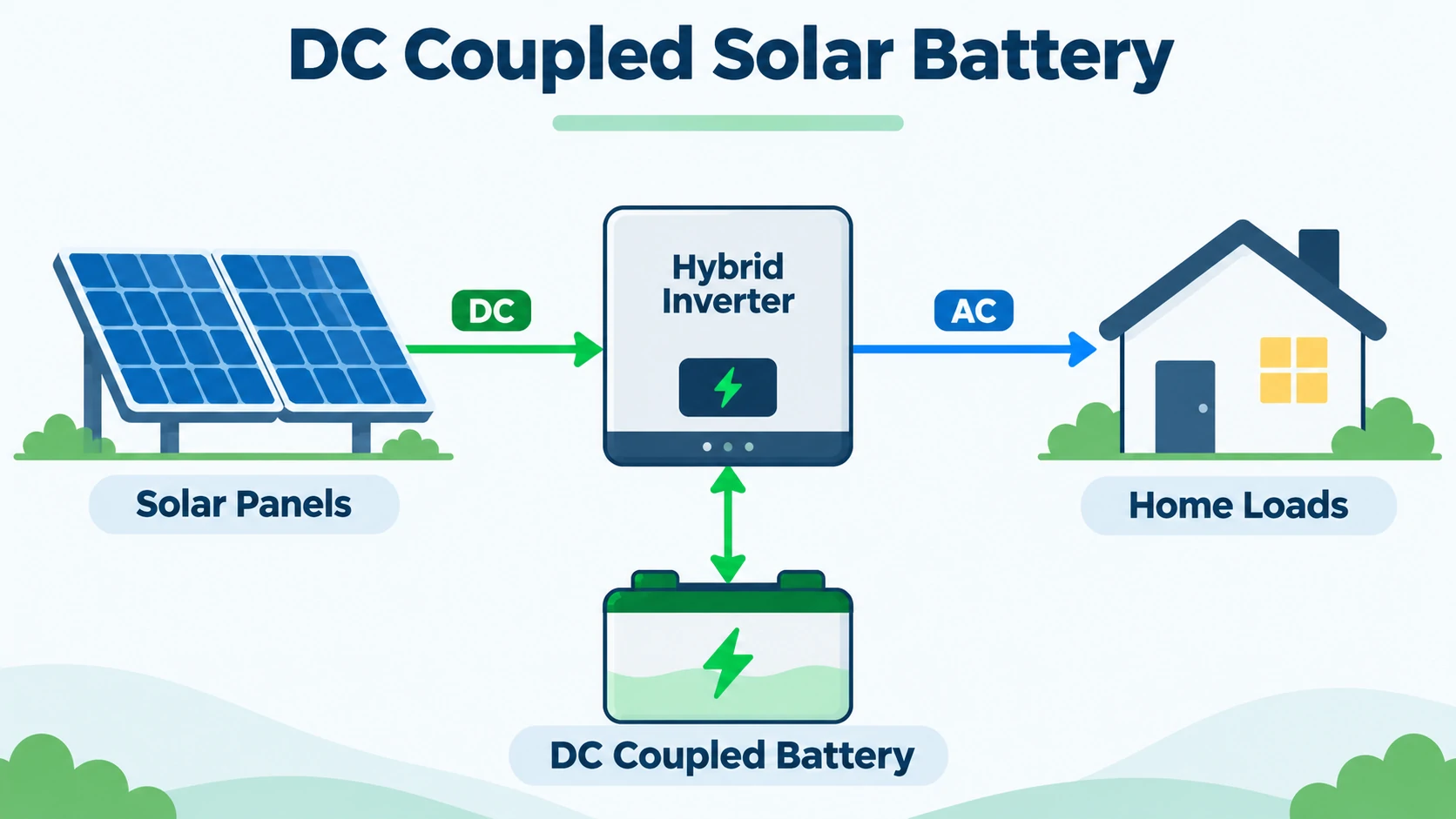
A DC coupled solar battery is a battery storage system connected to the solar panels on the DC side, before electricity is converted to AC for household or grid use. This allows solar energy to charge the battery with fewer conversion steps than an AC-coupled system, which can reduce conversion losses.
When Does a DC Coupled Solar Battery Make the Most Sense?
DC coupling deserves serious consideration when solar and storage are installed together, when the existing inverter already needs replacement, or when an oversized PV array creates recoverable clipping. It is especially attractive when the designer can optimize the PV strings, battery, DC/DC stage and bidirectional inverter as one coordinated system.
Typical situations include:
- A new residential solar-plus-storage installation.
- A new commercial or industrial PV-plus-BESS project.
- An existing PV project where the solar inverter is already being replaced.
- A system with measurable inverter clipping and enough battery charging headroom to capture part of it.
- A project where one integrated power-control architecture simplifies the intended operating strategy.
Is a DC Coupled Solar Battery More Efficient?
For solar energy that is charged into a battery and later delivered as AC power, DC coupling can be more efficient because it avoids some DC-to-AC-to-DC conversion. The size of the advantage is not universal. Compare the same complete energy path, because battery-only, DC round-trip and AC round-trip efficiency ratings are not interchangeable.
DC-coupled systems can achieve higher round-trip efficiency by avoiding the additional DC-to-AC-to-DC conversion required in an AC-coupled charging path, while also noting that the efficiency gap is becoming smaller as power electronics improve.
Can a DC Coupled Battery Recover Solar Inverter Clipping?
Yes. A DC-coupled battery can capture some solar energy that would otherwise be lost to inverter clipping by sending excess PV power to the battery before the shared inverter limit is reached. This only works when the battery has available capacity and the DC/DC charging path can accept the excess power.
Can a DC Coupled Solar Battery Charge From the Grid?
Yes. A DC coupled solar battery can charge from the grid if the system uses a compatible bidirectional inverter or another supported AC-to-DC charging path. Grid charging is not determined by DC coupling alone; it depends on the inverter design, system controls, and local grid regulations.
Does DC Coupling Automatically Provide Backup During an Outage?
No. A DC coupled solar battery only describes the electrical coupling architecture. Backup operation additionally requires equipment that can disconnect safely from the utility grid, establish a stable local AC supply and manage PV, battery state of charge and load demand while operating as an island.
A backup design should therefore confirm:
- Backup or EPS output power
- Continuous battery discharge power
- Short-duration surge or motor-start capability
- Transfer or gateway arrangement
- Black-start behavior
- PV operation while islanded
- Maximum supported backup PV
- Critical-load versus whole-building configuration
How We Check DC Coupled Solar Battery Compatibility
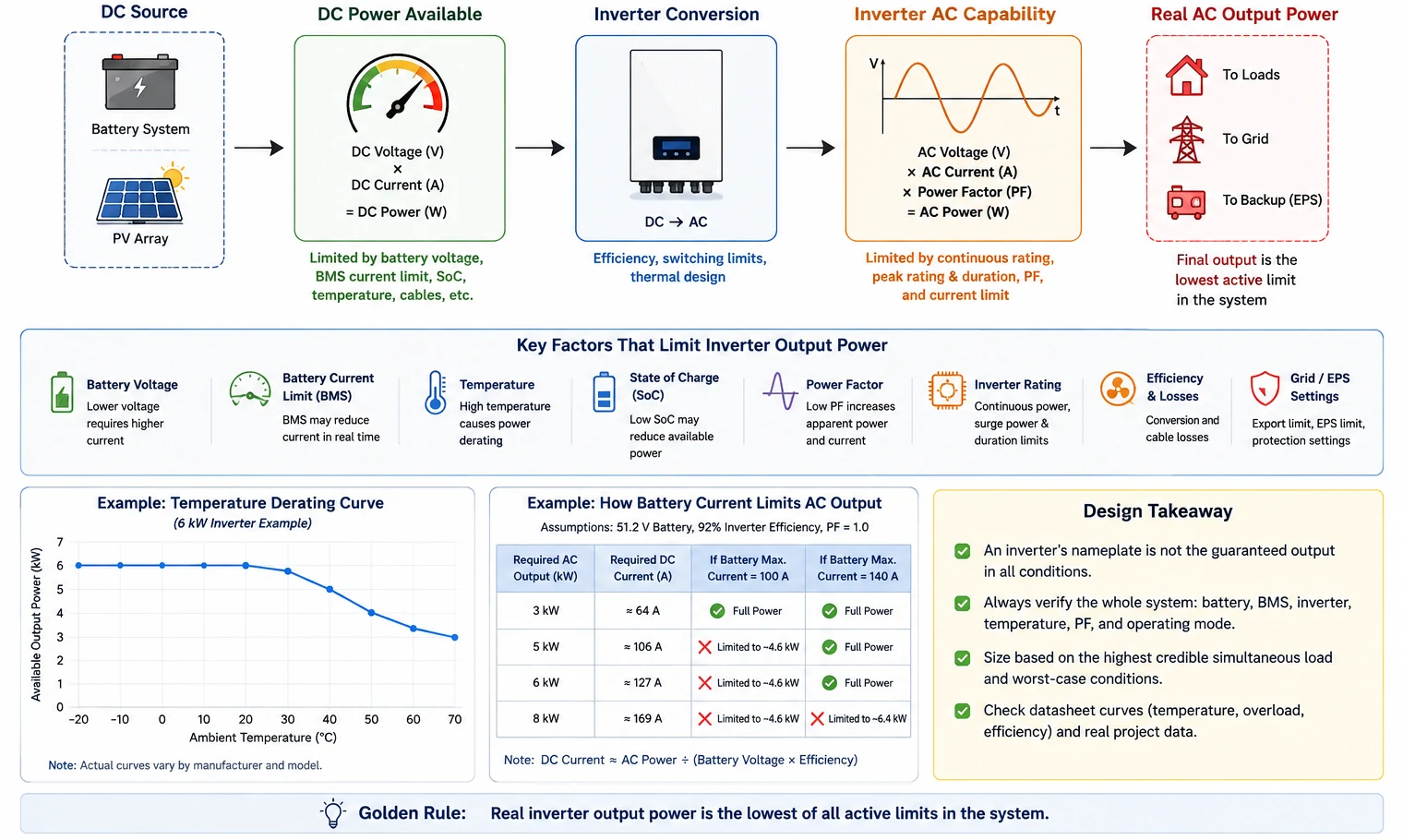
When we evaluate a DC coupled solar battery system, we start with the electrical limits rather than product labels or battery capacity alone. Before recommending a configuration, we check the maximum PV input power, MPPT voltage range, PV input current, battery voltage, charging current, AC output and the exact inverter-battery communication requirements.
For example, one of our current 15 kWh all-in-one systems is specified with a 6200 W maximum PV input, 120–500 VDC MPPT range, 18 A maximum PV input and up to 100 A PV charging current, together with separate AC charging specifications.
Avepower maintains an inverter compatibility reference covering supported communication approaches and provides a model-specific compatibility check when the exact inverter is not listed.
Conclusion
Choose DC coupling because its architecture solves a specific project requirement, not simply because it has fewer conversion stages. It is often a strong choice for a new solar-plus-storage installation, an inverter replacement project or a design where recoverable PV clipping has measurable value. AC coupling often remains the lower-disruption option for adding storage to a healthy existing solar installation.
Before ordering equipment, compare four things together:
electrical compatibility + usable energy + required power + complete installed cost
For project-based systems, Avepower can support battery sizing, inverter compatibility review and OEM/ODM configuration for installers and energy-storage partners. See the Avepower inverter compatibility list or the solar battery support page for installers.
For a more specific recommendation, submit the country/region, PV capacity and string data, inverter brand and model, required battery kWh and kW, backup loads, grid-charging requirement, communication protocol and required project documentation. Avepower can then evaluate the battery and inverter combination against the actual project requirements rather than recommending a system from capacity alone.
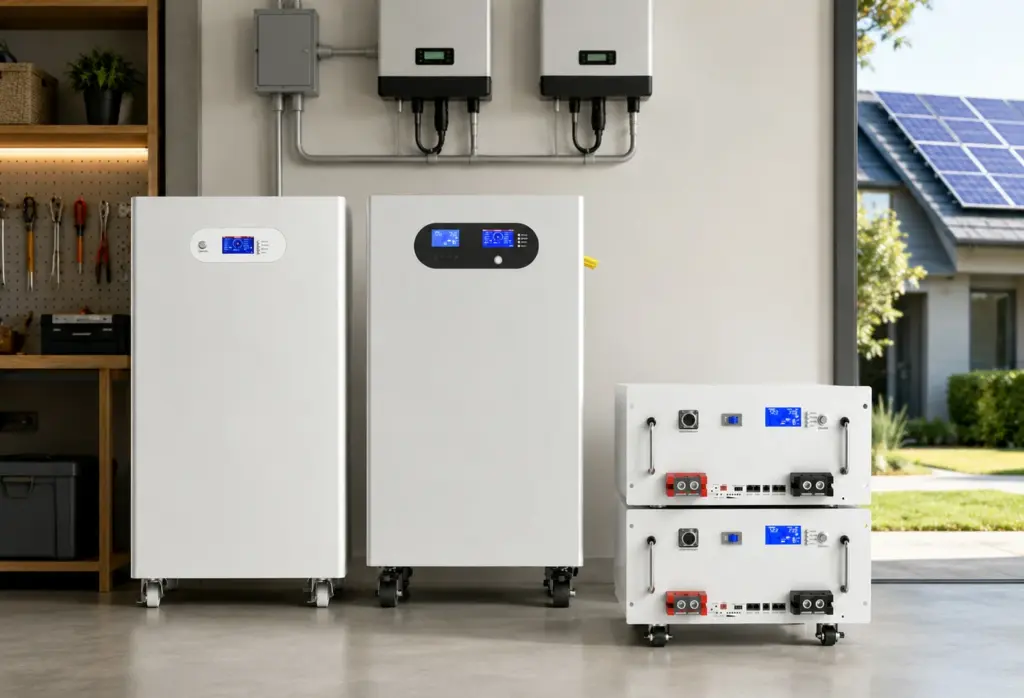
Take Control of Your Energy with Avepower!
Reliable home solar battery solutions with OEM/ODM customization and in-house manufacturing, tailored to the needs of distributors, installers, and energy partners.
FAQ
No. DC coupling often has an advantage for a new integrated solar-plus-storage system, but AC coupling can be the better retrofit when an existing PV inverter is healthy.
Many residential DC-coupled systems use a hybrid inverter or integrated architecture that manages both PV and battery power. Utility-scale systems may instead use separate DC/DC converters connected to a shared DC bus and grid inverter. The required equipment depends on the system topology.
Provide your country or region, PV array size, module model, string configuration, Voc/Vmp/Isc/Imp where available, inverter brand and exact model, desired battery capacity, required charge/discharge power, backup loads, required backup duration, grid-charging requirement, communication protocol and any market-specific certification requirements.