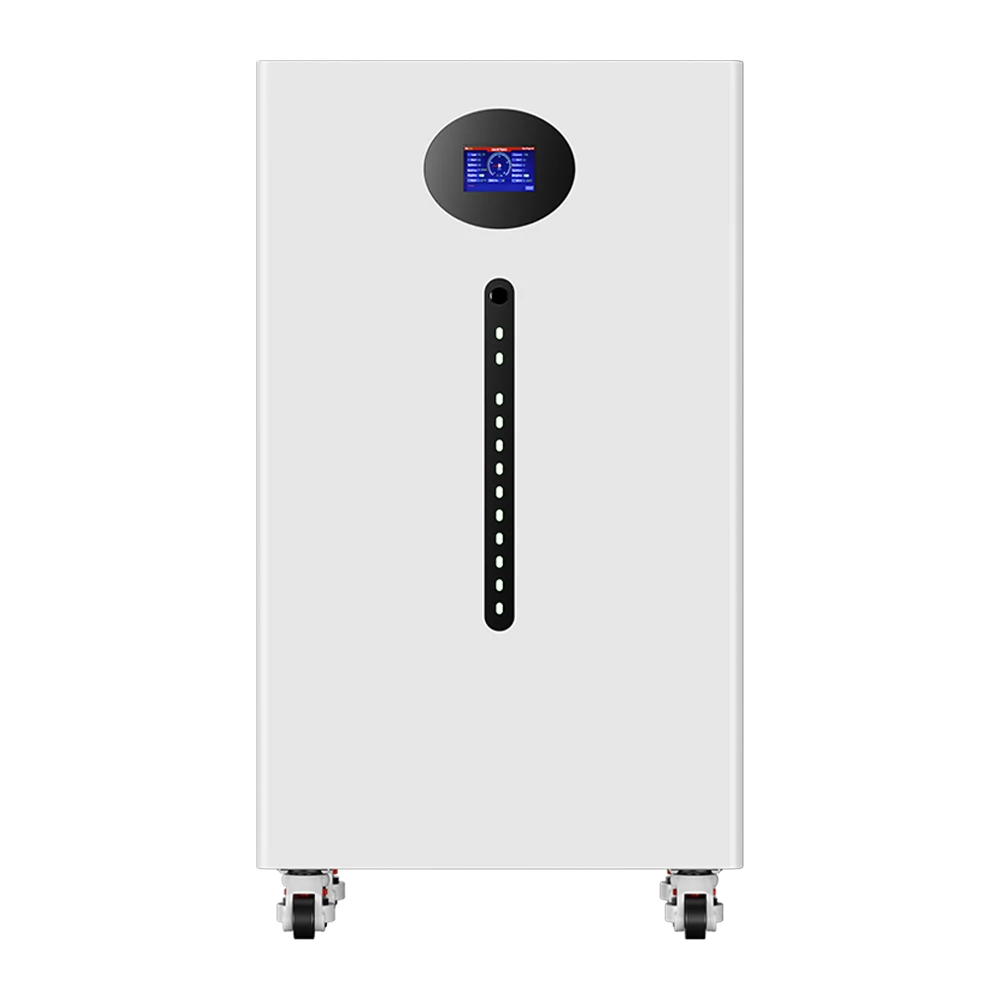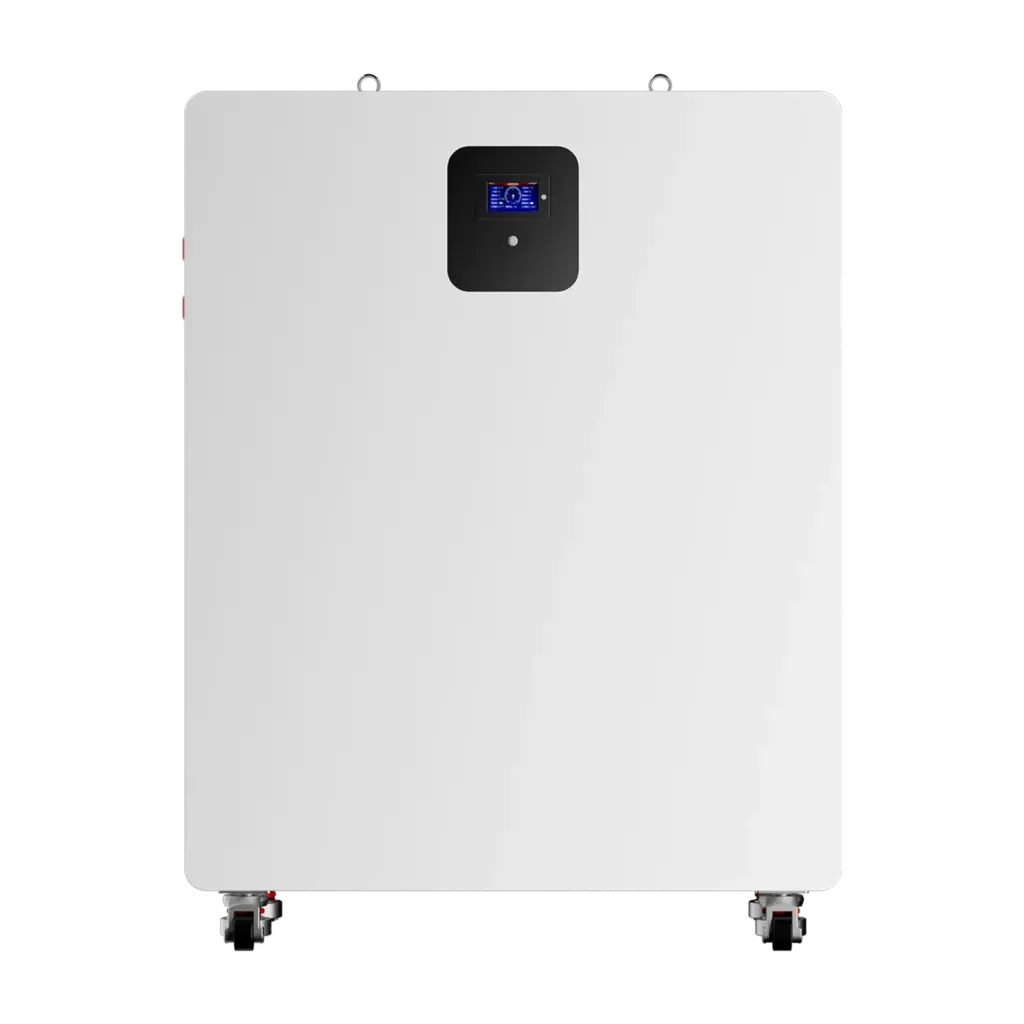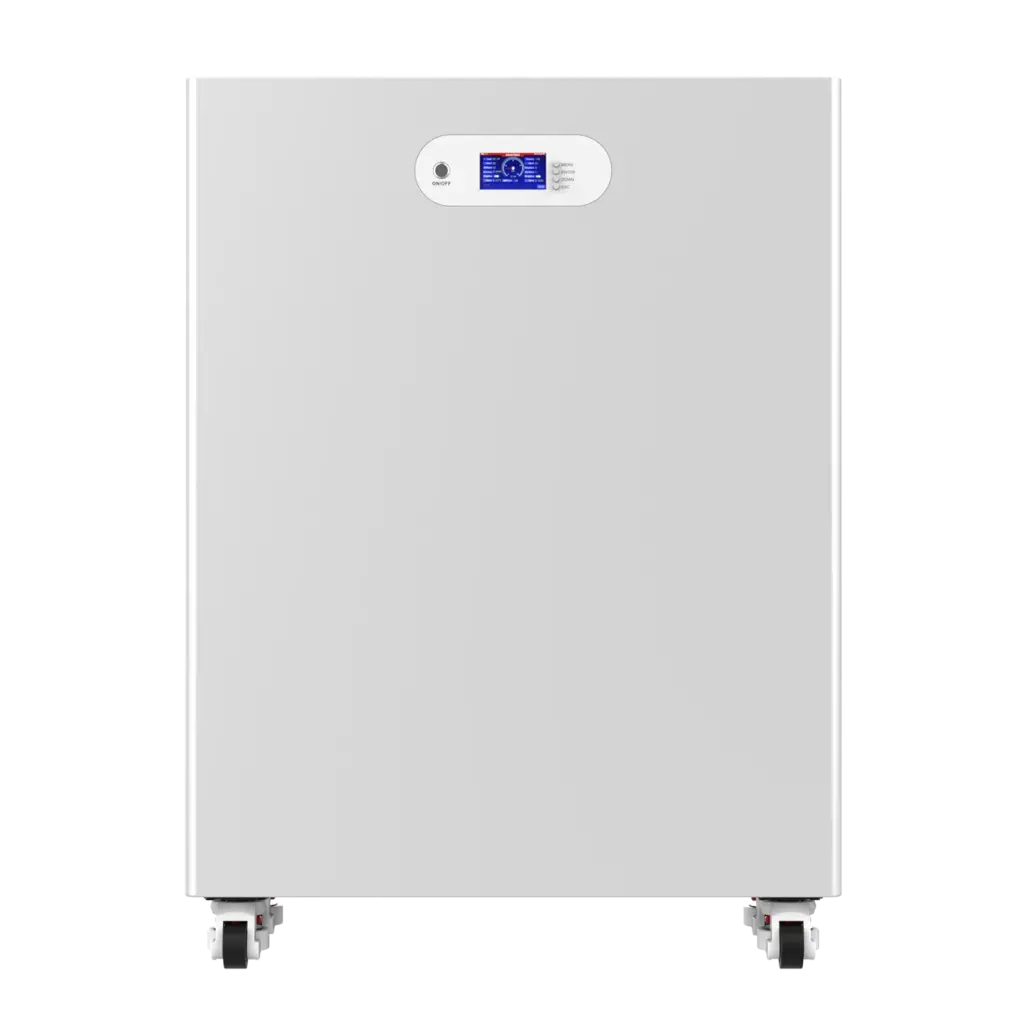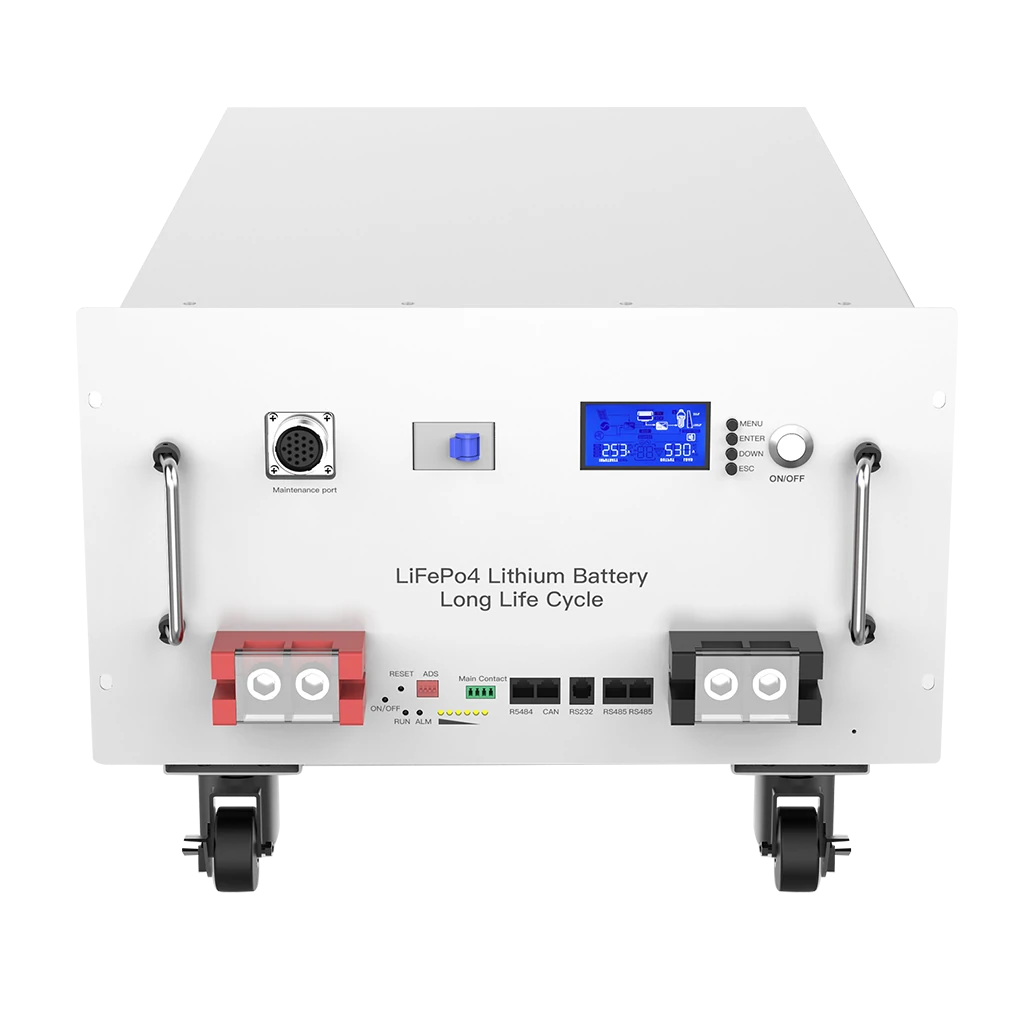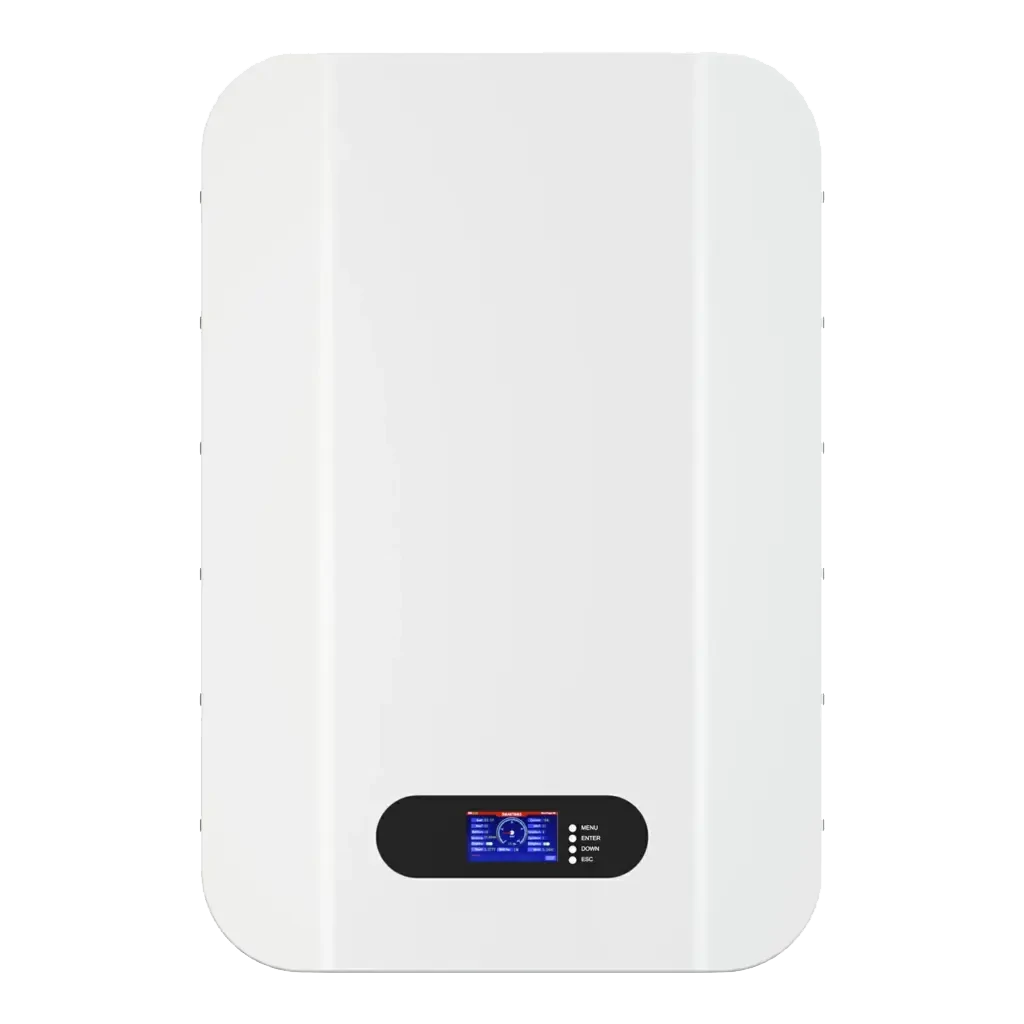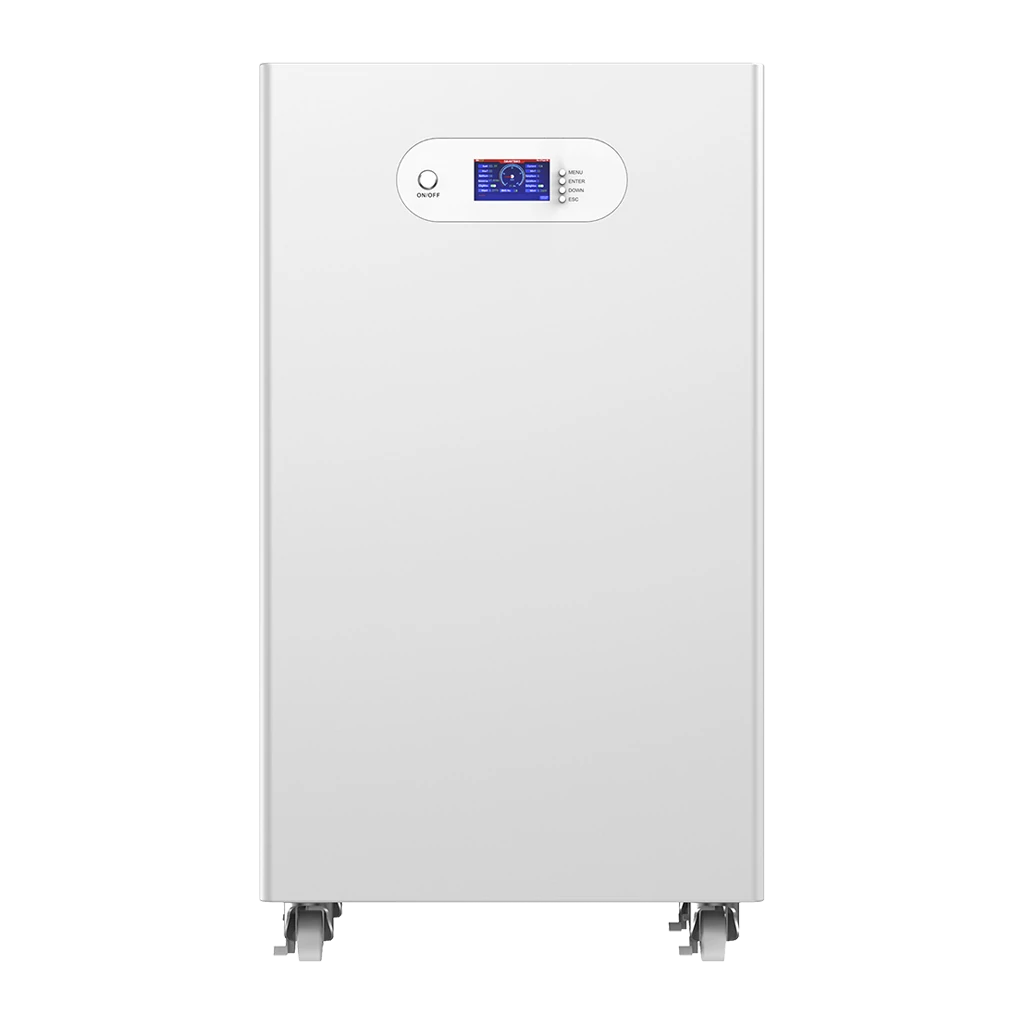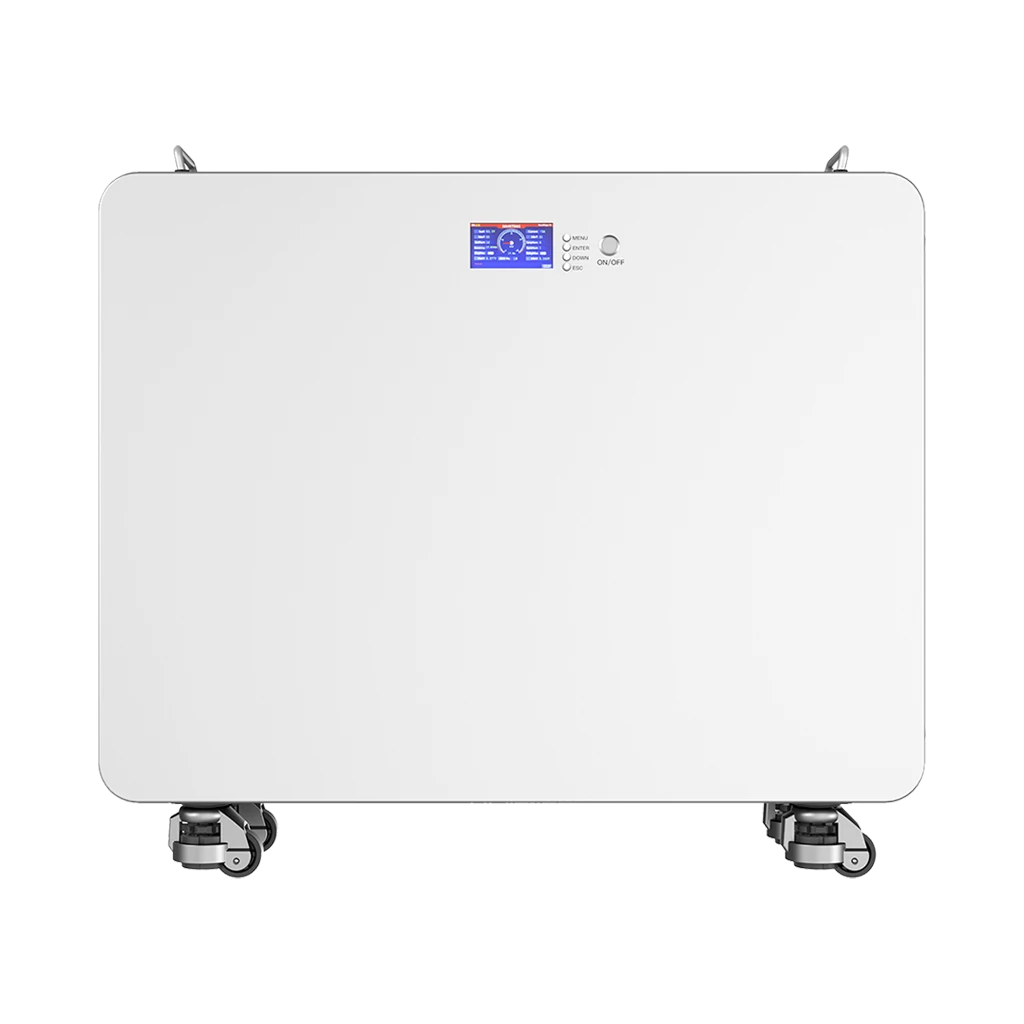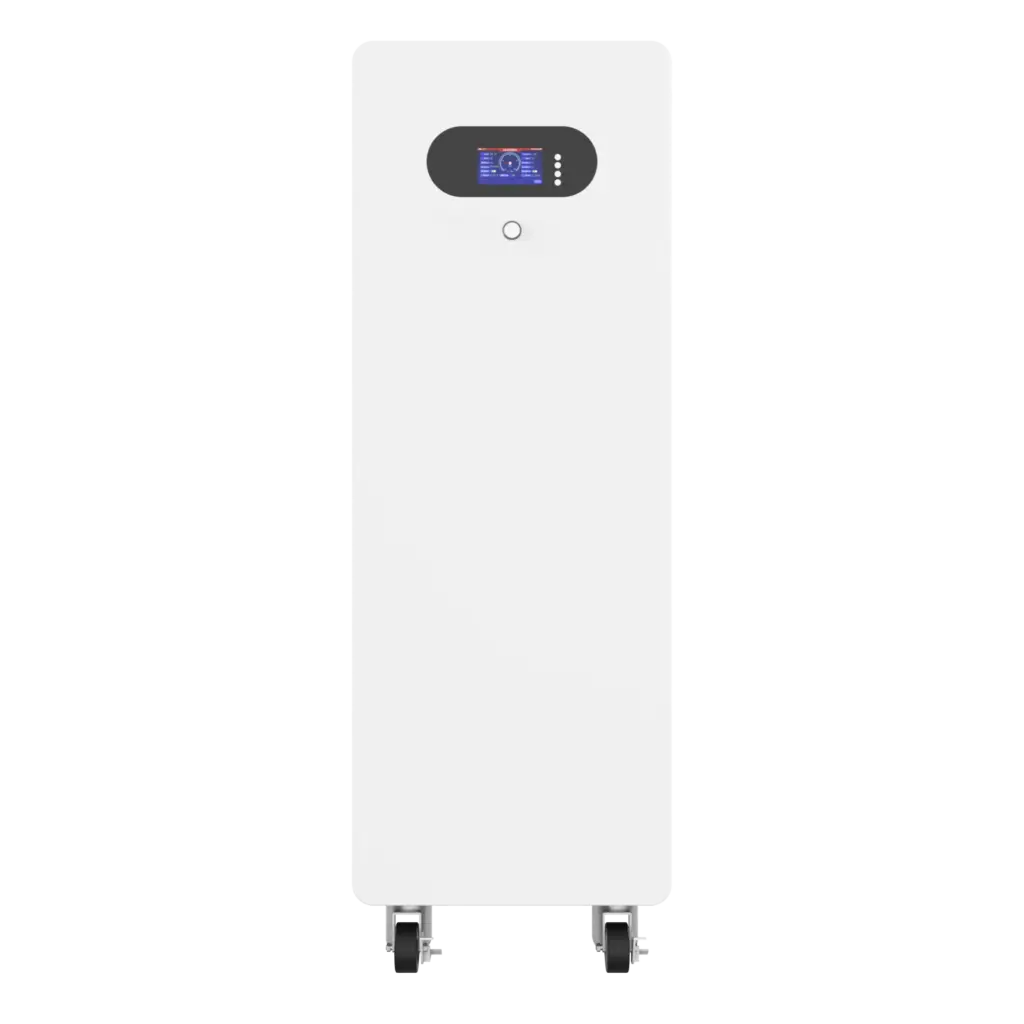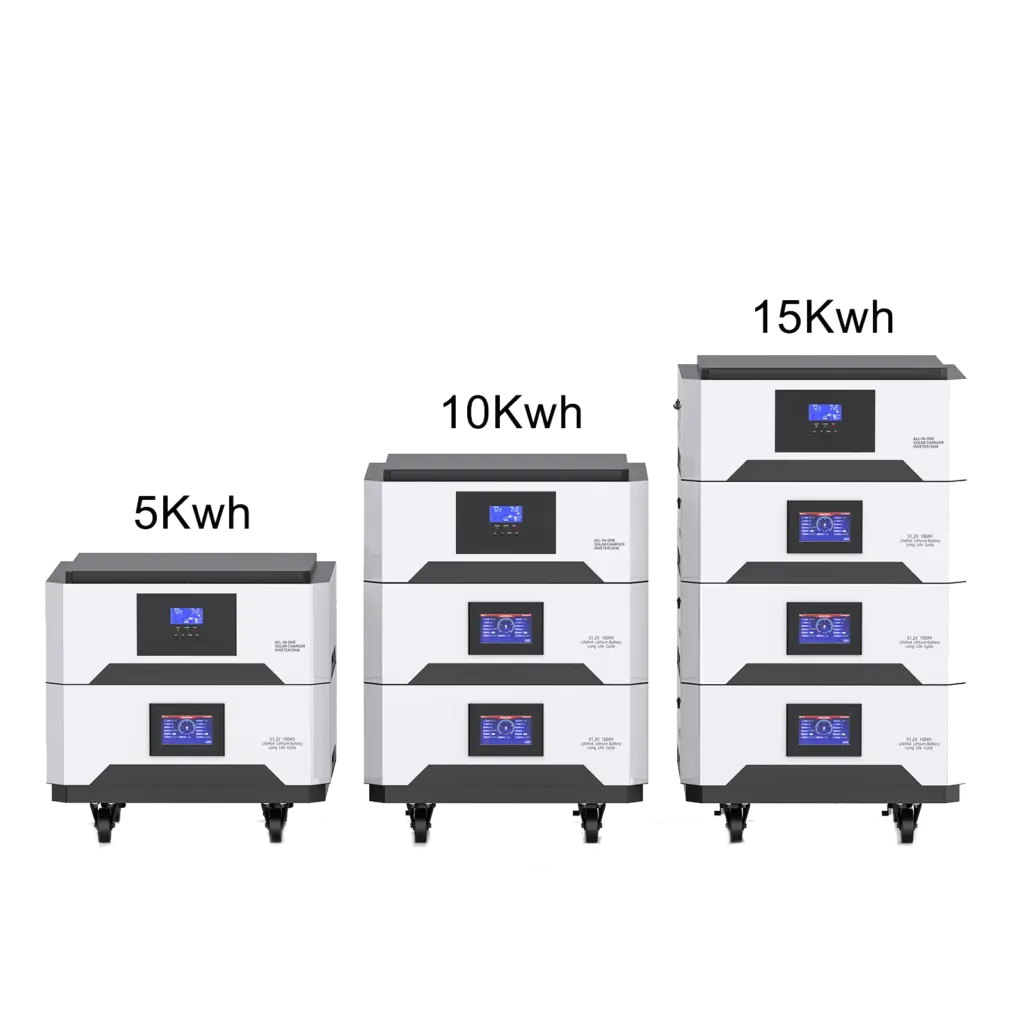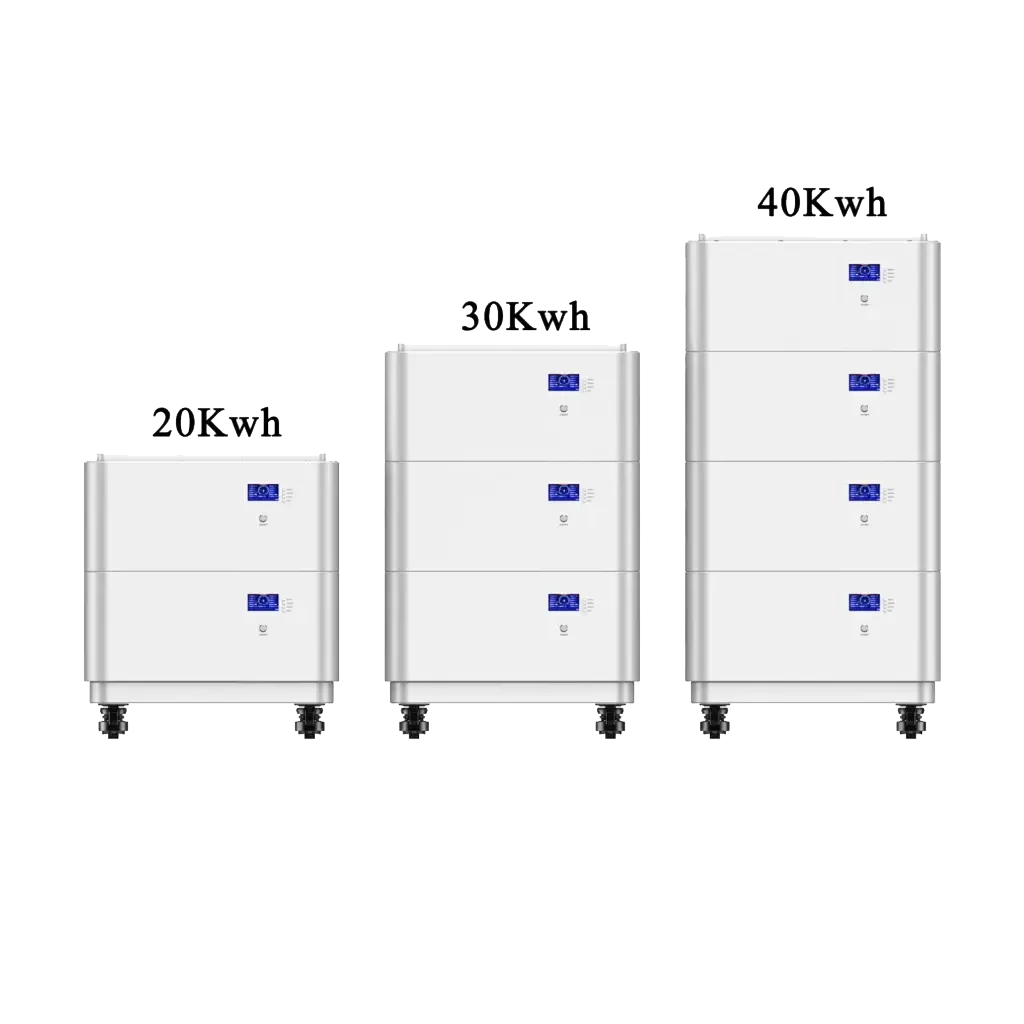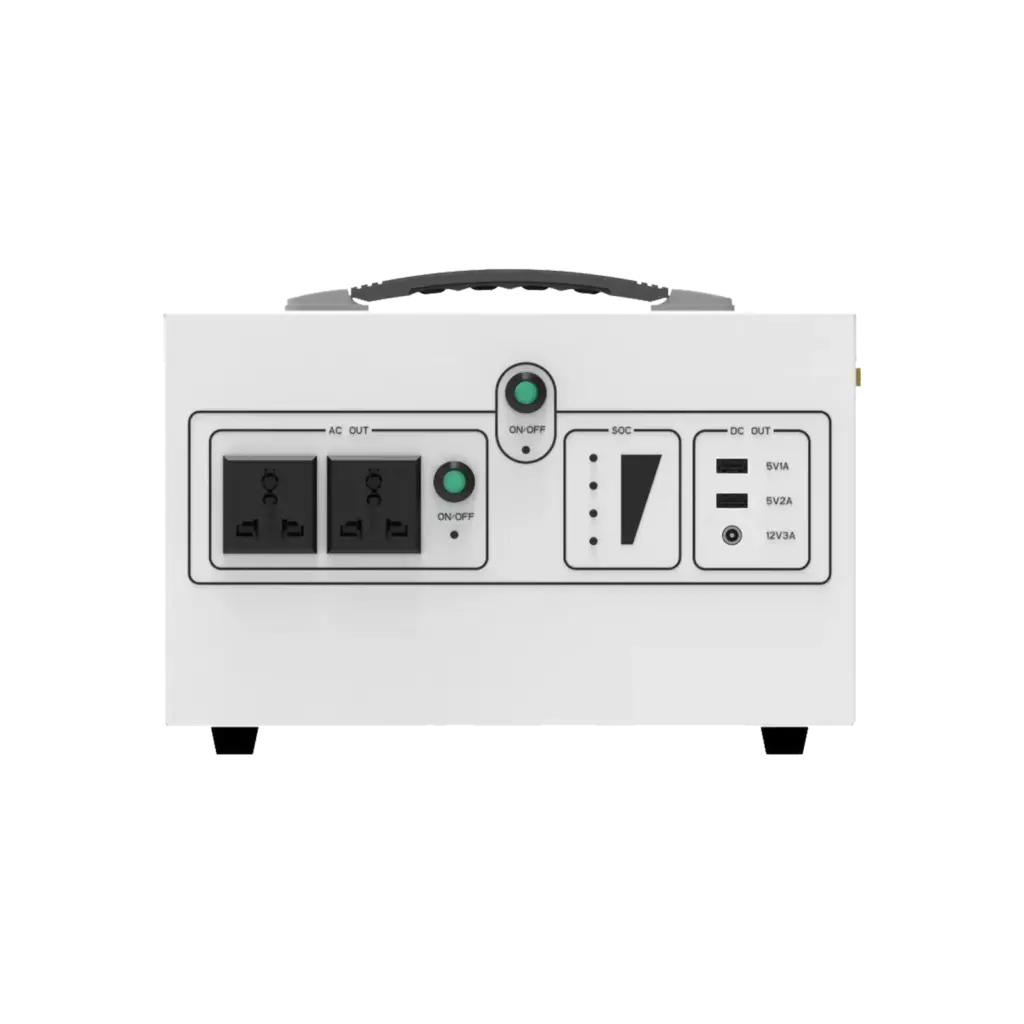

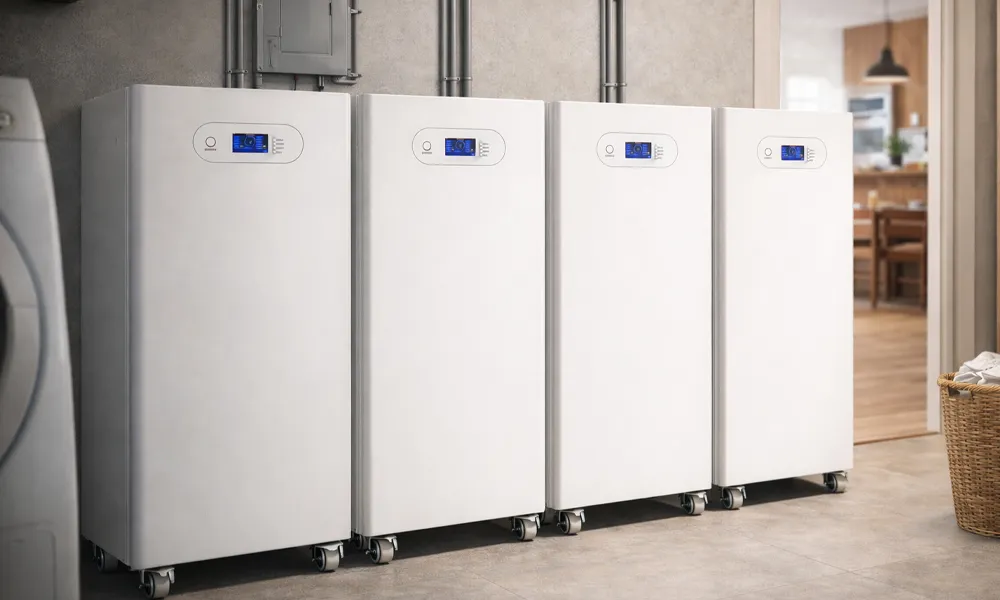
A whole home battery backup system typically costs about $15,000–$45,000+ installed in 2026, while large all-electric homes can exceed $60,000. For meaningful whole-home coverage, many properties require roughly 20–40kWh or more of battery storage, together with enough inverter output to run HVAC, pumps and other high-power appliances.
The important point is that battery capacity alone does not determine whether a system can back up an entire house. A properly designed whole home backup system must match four things: usable battery capacity, inverter power, appliance surge loads and required backup duration.
This guide explains how whole home battery systems work, how much they cost, how to calculate the correct capacity, whether solar is required, what installation and inverter compatibility issues matter, and how to choose the right residential battery storage system.
What Is a Whole Home Battery Backup System?
A whole home battery backup is a residential energy storage system designed to supply electricity to most or all of a home’s electrical circuits when utility power fails.
Unlike a small UPS or essential-load battery, a whole-home system may support:
- Refrigerators and freezers
- Lighting and outlets
- Wi-Fi and security systems
- Home offices
- Well or sump pumps
- Kitchen appliances
- Air conditioning
- Heating equipment
- Other 120V or 240V household circuits
However, “whole home” does not always mean every appliance can operate simultaneously without limits.
Many modern home battery systems use intelligent load management to temporarily disconnect high-demand loads such as EV chargers, electric water heaters or dryers when battery output approaches its maximum limit.
That means there are really three different levels of backup.
| Backup Level | Typical Battery Capacity | Typical Use |
|---|---|---|
| Essential loads | 5–15kWh | Refrigerator, lights, Wi-Fi, basic outlets |
| Expanded / partial home | 15–25kWh | Essentials plus pumps, appliances and limited HVAC |
| Whole home backup | 25–40kWh+ | Most household circuits, including higher-power loads |
| Large all-electric home | 40–60kWh+ | HVAC, electric cooking, pumps and heavier daily consumption |
A true house battery backup system therefore needs to be designed around the home’s actual load profile rather than floor area alone.
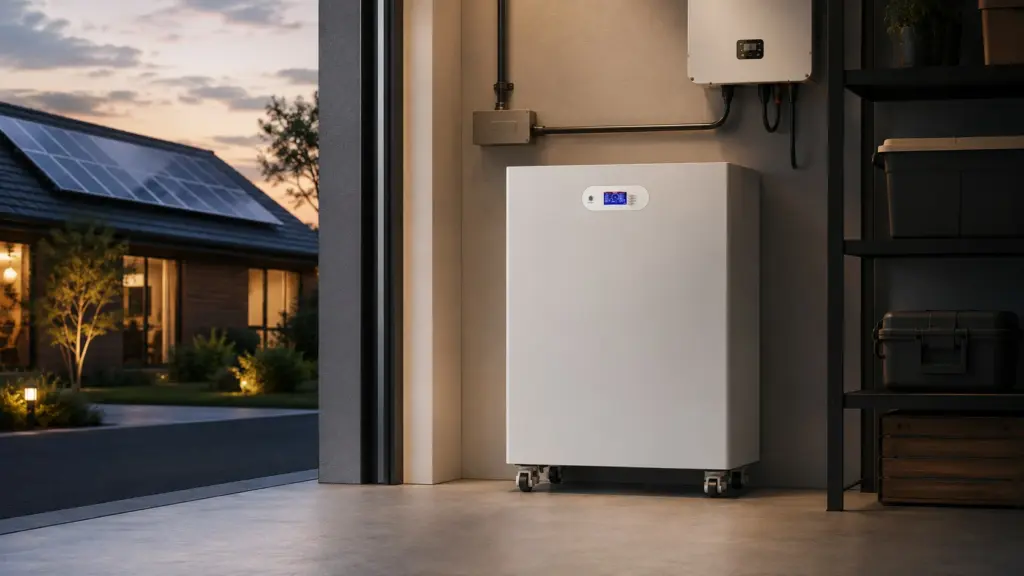
Planning a Whole Home Battery Backup System?
Avepower 30kWh solar battery features 600Ah capacity, 200A charge/discharge, CAN/RS485/RS232 communication, up to 480kWh expansion, and 8,000+ cycles.
How Much Does Whole Home Battery Backup Cost in 2026?
A professionally installed whole home battery backup system generally costs about $15,000–$45,000, while larger 40kWh+ systems can reach $40,000–$70,000 or more.
Current market data shows installed residential storage commonly falls around $800–$1,500 per kWh, although larger multi-battery projects may achieve a lower cost per kWh because some installation costs are shared across the complete system.
Whole Home Battery Backup Cost by System Size
| System Type | Typical Storage | Inverter Target | Estimated Installed Cost |
|---|---|---|---|
| Essential backup | 10–15kWh | 5–8kW | $12,000–$20,000 |
| Expanded home backup | 15–25kWh | 8–12kW | $18,000–$30,000 |
| Whole-home moderate | 25–40kWh | 10–15kW+ | $25,000–$45,000 |
| Large / all-electric home | 40–60kWh+ | 15–25kW+ | $40,000–$70,000+ |
What Is Included in the Cost of a Whole Home Battery System?
The battery itself is only one part of the final cost.
A complete whole home battery installation may include:
battery modules + inverter/charger + backup gateway or transfer equipment + BMS + breakers and protection + wiring + monitoring + installation labor + permitting + commissioning.
Additional costs may appear when an older home requires a service-panel upgrade, new backup panel, longer cable runs or changes to the existing solar system.
This is why battery-cell or battery-pack pricing should not be compared directly with a fully installed residential battery quotation.
How Much Battery Capacity Do You Need for Whole Home Backup?
Most homes should calculate battery size from actual energy consumption and required outage duration, not simply purchase the largest battery available.
U.S. residential customers used an average of about 865kWh per month in 2024, equivalent to roughly 28.8kWh per day of grid-delivered electricity. Actual consumption varies dramatically by climate, heating type, air-conditioning use and household size.
That does not mean every home automatically needs a 30kWh battery.
During an outage, homeowners can significantly reduce consumption by turning off optional loads.
Step 1: Calculate the Loads You Want to Back Up
Use:
Energy Required (kWh) = Appliance Power (kW) × Operating Hours
For example:
| Load | Approx. Energy During Outage |
|---|---|
| Refrigerator / freezer | 2.0kWh |
| Lighting | 1.0kWh |
| Wi-Fi + electronics | 1.0kWh |
| TV / home office | 1.5kWh |
| Pumps | 2.0kWh |
| HVAC | 8.0kWh |
| Kitchen / other appliances | 2.5kWh |
| Total | 18kWh |
Step 2: Account for Usable Capacity and Conversion Losses
If 18kWh of AC energy is required, the nominal battery needs to be larger.
A simple planning formula is:
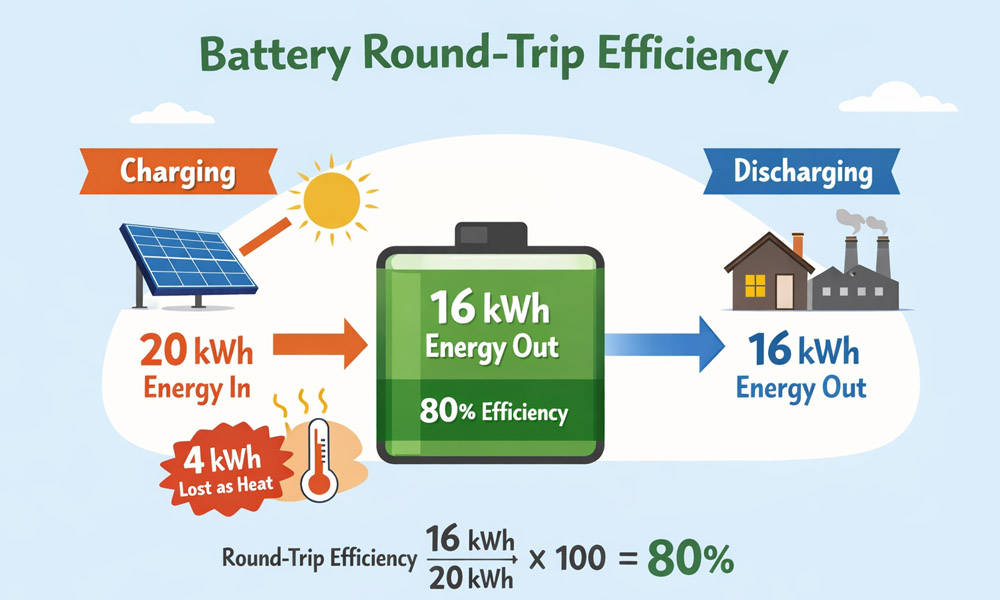
Required Battery Capacity = Required AC Energy ÷ DoD ÷ Inverter Efficiency
Assume:
90% usable depth of discharge
92% battery-to-AC efficiency
Then:
18 ÷ 0.90 ÷ 0.92 ≈ 21.7kWh
A system around 22–25kWh nominal capacity would therefore provide a more realistic design margin.
How Long Will a Whole Home Battery Backup Last?
Battery runtime depends on usable battery energy divided by the home’s average load.
The basic formula is:
Backup Runtime = Usable Battery Capacity ÷ Average Load
For example:
30kWh usable battery ÷ 3kW average load = approximately 10 hours
But:
30kWh ÷ 1kW = approximately 30 hours
This explains why the same whole home backup battery can last overnight in one house but only a few hours in another.
| Usable Battery Capacity | 0.5kW Essential Load | 1.5kW Moderate Load | 3kW Heavy Home Load |
|---|---|---|---|
| 10kWh | 20 hr | 6.7 hr | 3.3 hr |
| 20kWh | 40 hr | 13.3 hr | 6.7 hr |
| 30kWh | 60 hr | 20 hr | 10 hr |
| 40kWh | 80 hr | 26.7 hr | 13.3 hr |
Real runtime changes continuously as appliances cycle on and off.
Central AC, electric resistance heating, water heaters, dryers, EV charging and electric cooking are among the loads that can shorten battery runtime fastest.
Can a Battery Backup Run an Entire House?
Yes, but the battery bank and inverter must both be large enough.
A single 10–15kWh battery may technically energize a home’s electrical panel, but that does not necessarily make it a practical 24-hour whole home backup system.
For homes wanting normal operation during outages, 25–40kWh or more is often more realistic.
Large all-electric properties may require 40–60kWh+ depending on:
daily electricity use, HVAC demand, desired outage duration, well pumps, electric heating, cooking loads, EV charging and available solar recharge.
For many homeowners, load-managed whole-home backup provides better value than trying to operate every high-power appliance simultaneously.
How Many Batteries Do You Need for 24 Hours of Backup?
The number of batteries depends on usable capacity per unit and how much electricity the home consumes during the outage.
If the home needs 30kWh for one day and each battery provides 15kWh usable:
30kWh ÷ 15kWh = 2 batteries
If the home consumes 45kWh:
45 ÷ 15 = 3 batteries
Do not size the system from battery quantity alone. Different batteries have different usable capacity and power output.
A better comparison is:
usable kWh + continuous kW + peak/surge power + scalability.
Whole Home Battery Backup With Solar vs Without Solar
A whole home battery backup can work with or without solar panels.
Battery + Solar
Solar panels can recharge the battery during daylight hours when the system is correctly designed for outage operation.
This is especially useful for multi-day outages because the battery does not need to store all required electricity at the beginning of the outage.
However, ordinary grid-tied solar panels do not automatically continue operating when the grid fails. Backup operation normally requires compatible inverter and isolation equipment.
Battery Without Solar
A standalone battery can charge from the utility grid and discharge when:
the grid fails, electricity prices are high or the homeowner wants to shift consumption away from expensive tariff periods.
The advantage is a simpler project when rooftop solar is not possible.
The disadvantage is that once stored energy is depleted during an extended outage, the battery cannot recharge until another compatible power source becomes available.
Whole Home Battery Backup Advantages and Disadvantages
Advantages
A properly sized whole home backup battery can provide automatic outage protection without the noise and regular fuel handling associated with traditional generators.
It can also increase solar self-consumption, reduce grid dependence and support time-of-use electricity management where tariff structures make energy shifting valuable.
Modern modular solar battery can also be expanded when household energy demand increases.
Disadvantages
The main disadvantage is cost.
A true whole-home system can require several batteries, a higher-power inverter and additional electrical equipment.
Battery runtime is also finite. Heavy HVAC or electric heating loads can consume stored energy quickly unless enough solar generation is available to recharge the system.
Finally, inverter compatibility, permitting and electrical design make permanent whole-home storage more complex than simply purchasing a battery.
Whole Home Battery vs Generator: Which Is Better?
Neither solution is universally better.
A battery is attractive when homeowners prioritize quiet operation, solar integration, low routine maintenance and automatic energy management.
A standby generator may remain more economical for properties that require very high continuous power for several days and have reliable access to fuel.
For severe-outage locations, some systems combine solar, batteries and generator backup.
The battery handles normal daily operation and short outages, while the generator becomes a secondary energy source during unusually long interruptions.
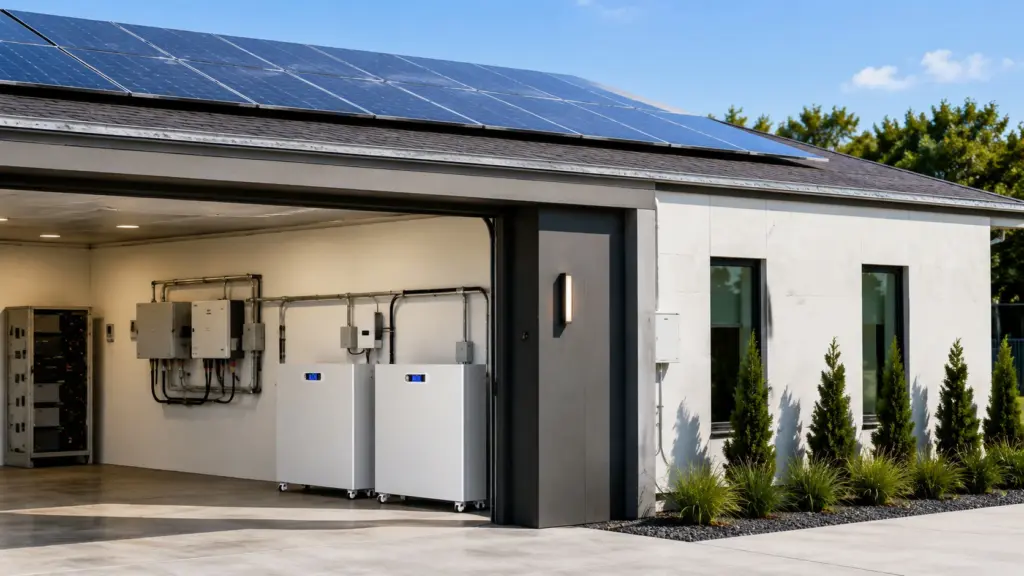
Real Residential Battery Storage Case: 32kWh Home System in the United States
A real Avepower residential installation in the United States demonstrates how a larger home battery bank can be configured.
The project uses:
| Project Detail | Configuration |
|---|---|
| Location | United States |
| Battery Capacity | 32kWh |
| Battery Quantity | 2 units |
| Capacity per Battery | 16kWh |
| Chemistry | LiFePO4 |
| Design | Floor-standing |
| Application | Residential solar storage |
| Main Functions | Solar storage, self-consumption and backup |
| Battery Management | Integrated BMS |
The homeowner required more storage capacity than a single residential battery could provide. Two 16kWh units were therefore combined into a 32kWh residential battery storage system to store surplus daytime solar electricity, support evening and overnight consumption and maintain backup energy for selected household loads.
The system was integrated with the home’s existing inverter, solar control equipment, electrical protection and distribution system.
This case also illustrates an important sizing principle:
32kWh of battery capacity does not automatically define which appliances will remain online.
Actual backup capability still depends on inverter power, household load, battery reserve settings and system configuration.
Build a Reliable Whole Home Backup System with Avepower
Whether you need backup power with solar panels or a battery system for grid outage protection, Avepower offers scalable LiFePO4 battery storage solutions with BMS protection, communication support and OEM/ODM customization for residential projects.
What Size Whole Home Battery Should You Choose?
For early planning, these ranges are useful.
| Household Goal | Suggested Starting Range |
|---|---|
| Refrigerator, lights, Wi-Fi and essentials | 5–10kWh |
| Essential circuits overnight | 10–15kWh |
| Comfortable partial-home backup | 15–25kWh |
| Whole-home backup for moderate loads | 25–40kWh |
| Large / all-electric home | 40–60kWh+ |
These are starting points only.
The final system should be calculated using actual load data, required runtime and inverter power.
Are Whole Home Battery Backup Systems Worth It?
A whole home battery backup is most valuable when outage protection, energy resilience and solar self-consumption matter more than achieving the shortest possible financial payback.
It may make particularly good sense for homes with:
frequent outages, rooftop solar, expensive peak electricity, remote or weak-grid connections, home offices, critical electrical equipment or high requirements for power continuity.
For households that experience few outages and have low electricity prices, an essential-load system may deliver better value than full whole-home backup.
2026 Incentive Note
Battery incentives depend heavily on location and installation date.
In the United States, homeowners should be careful with older online guides that still assume a 30% federal Residential Clean Energy Credit for new 2026 installations.
Current IRS guidance states that the Section 25D Residential Clean Energy Credit applies to qualifying expenditures through December 31, 2025 and is not available for new expenditures made after that date.
State, local and utility programs may still be available.
In other markets, incentives change frequently. For example, Australia’s Cheaper Home Batteries Program continues in 2026 but was adjusted from May 1, including changes to STC factors and support by battery size.
Always verify current local programs before calculating final project economics.
Whole Home Battery Solutions for Installers and Energy Partners
Whole-home storage projects require more than simply selecting battery capacity.
Avepower supports installers, distributors, EPC contractors and OEM/ODM partners with LiFePO4 residential battery systems covering wall-mounted, rack-mounted, vertical and stackable configurations.
Project support can include:
battery capacity planning, inverter compatibility review, CAN/RS485 communication matching, BMS configuration, scalable parallel systems and customized residential energy storage solutions.
For a new project, provide the inverter model, expected household load, required backup duration, solar capacity and target battery capacity so the complete system can be matched before installation.
Need Help Sizing a Whole Home Battery System?
Send us your inverter model, load requirements and required backup time. Our engineering team can help determine the appropriate battery capacity and system configuration.
Take Control of Your Energy with Avepower!
Reliable home solar battery solutions with OEM/ODM customization and in-house manufacturing, tailored to the needs of distributors, installers, and energy partners.
FAQ
A whole home battery backup typically costs around $15,000–$45,000+ installed, while larger 40–60kWh systems can exceed $60,000 depending on equipment and installation complexity.
About 25–40kWh is a useful starting range for many whole-home applications, but some homes need less with load management and large all-electric homes may require 40–60kWh or more.
Yes. A sufficiently large battery system and inverter can run an entire house. The inverter must provide enough continuous and surge power for loads such as HVAC, pumps and major appliances.
Divide your expected 24-hour energy requirement by the usable capacity of each battery. A home requiring 24kWh and using 12kWh usable battery modules would need approximately two units.
Yes. A battery can charge from the grid without solar panels and provide outage backup or time-of-use energy shifting. Solar becomes particularly valuable for recharging the battery during longer outages.
Batteries are quieter, require less routine maintenance and integrate well with solar. Generators can provide longer-duration high-power backup when fuel is continuously available. Some properties benefit from combining both technologies.
Check usable capacity, inverter continuous and surge power, battery voltage, BMS communication, solar compatibility, expandability, installation environment, warranty and local electrical requirements.