
Adding a battery to an existing solar system is no longer a niche upgrade. For many homes and small projects, a retrofit solar battery can turn a basic grid-tied PV system into a more useful energy storage system that supports higher solar self-consumption, evening power use, backup protection, and better control over exported energy.
But a solar battery retrofit is not simply “adding a box next to the inverter.” The right solution depends on your existing inverter, solar array size, utility rules, backup requirements, installation space, electrical panel, and long-term energy plan.
This guide explains how solar battery retrofits work, when they make sense, how AC-coupled and DC-coupled systems compare, and what homeowners, installers, distributors, and project buyers should check before choosing a battery.
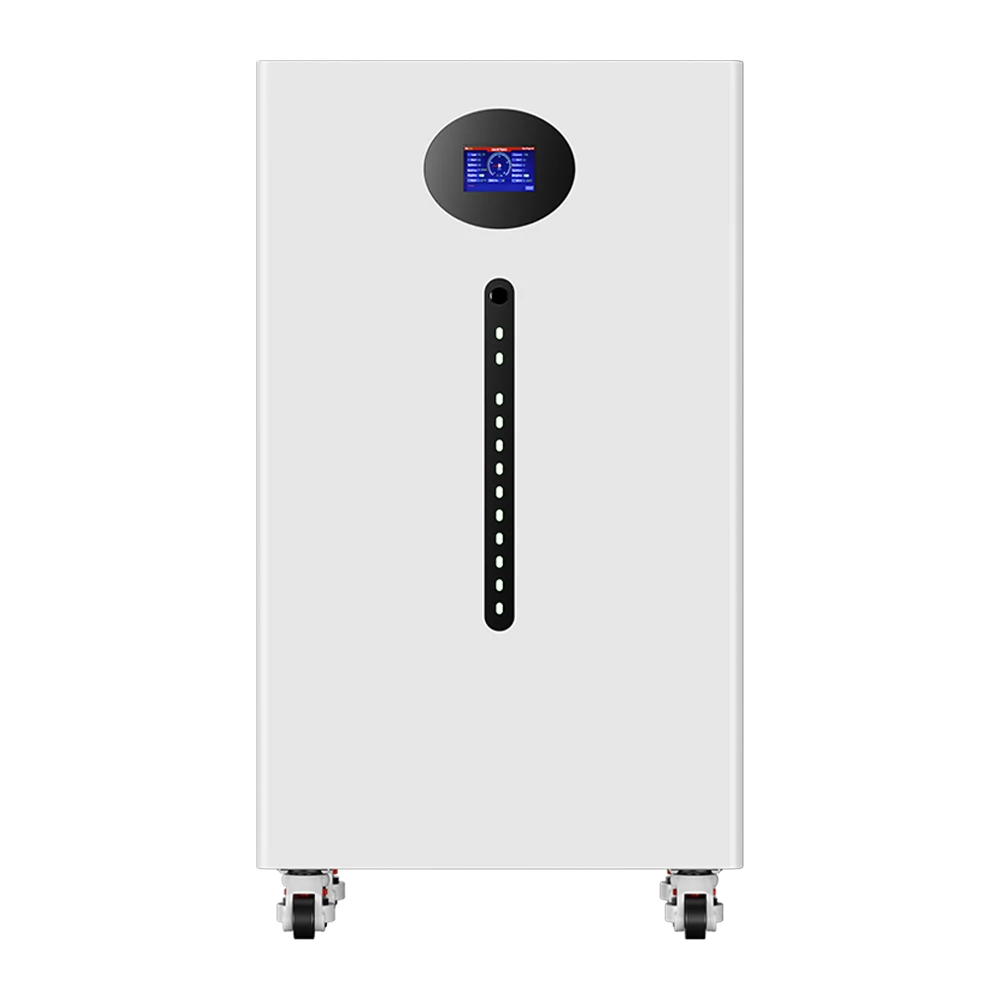
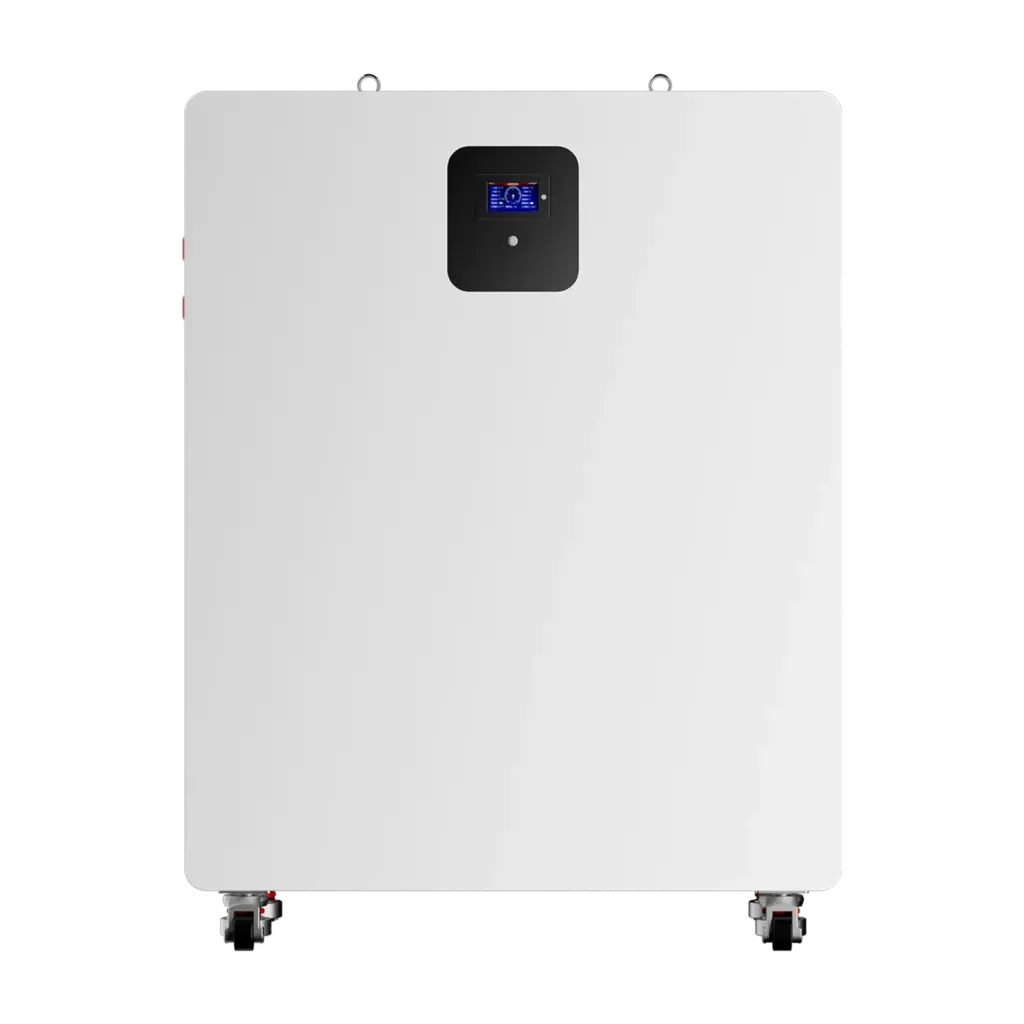
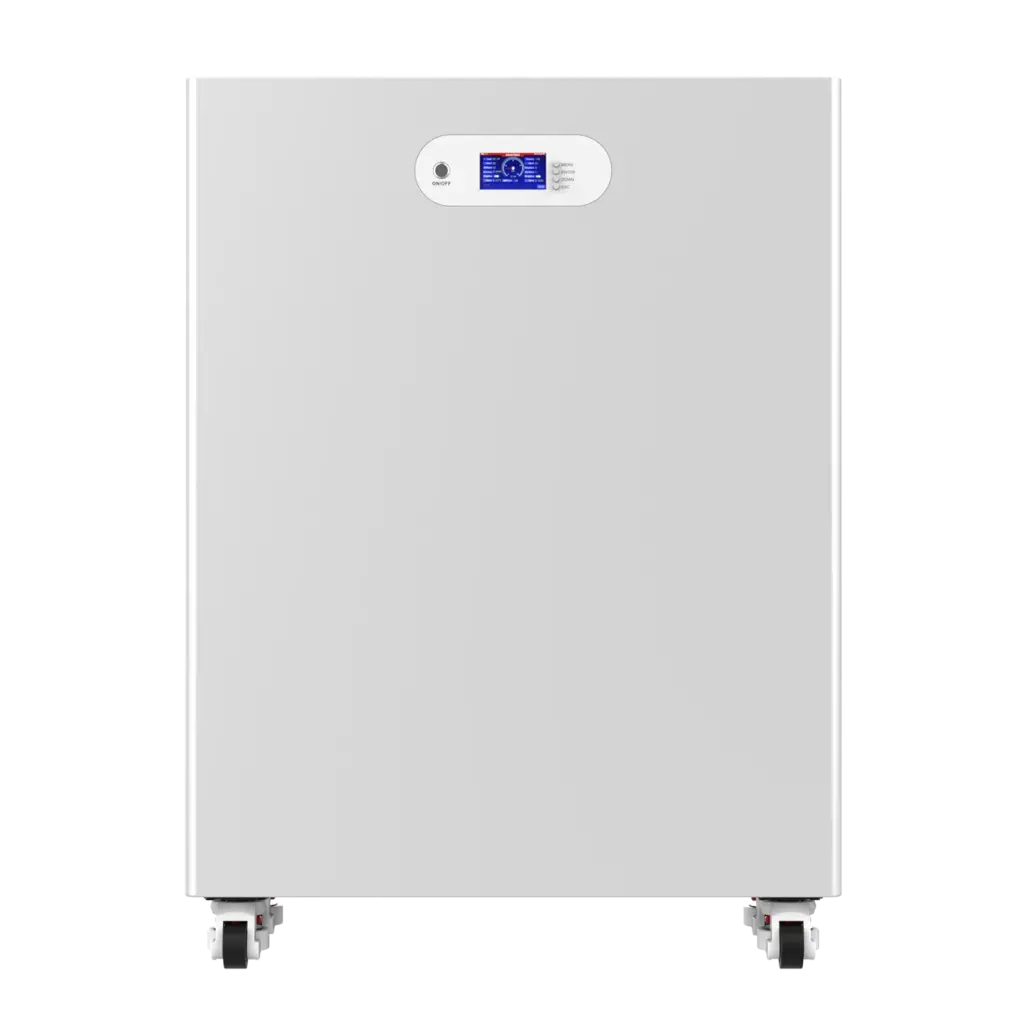
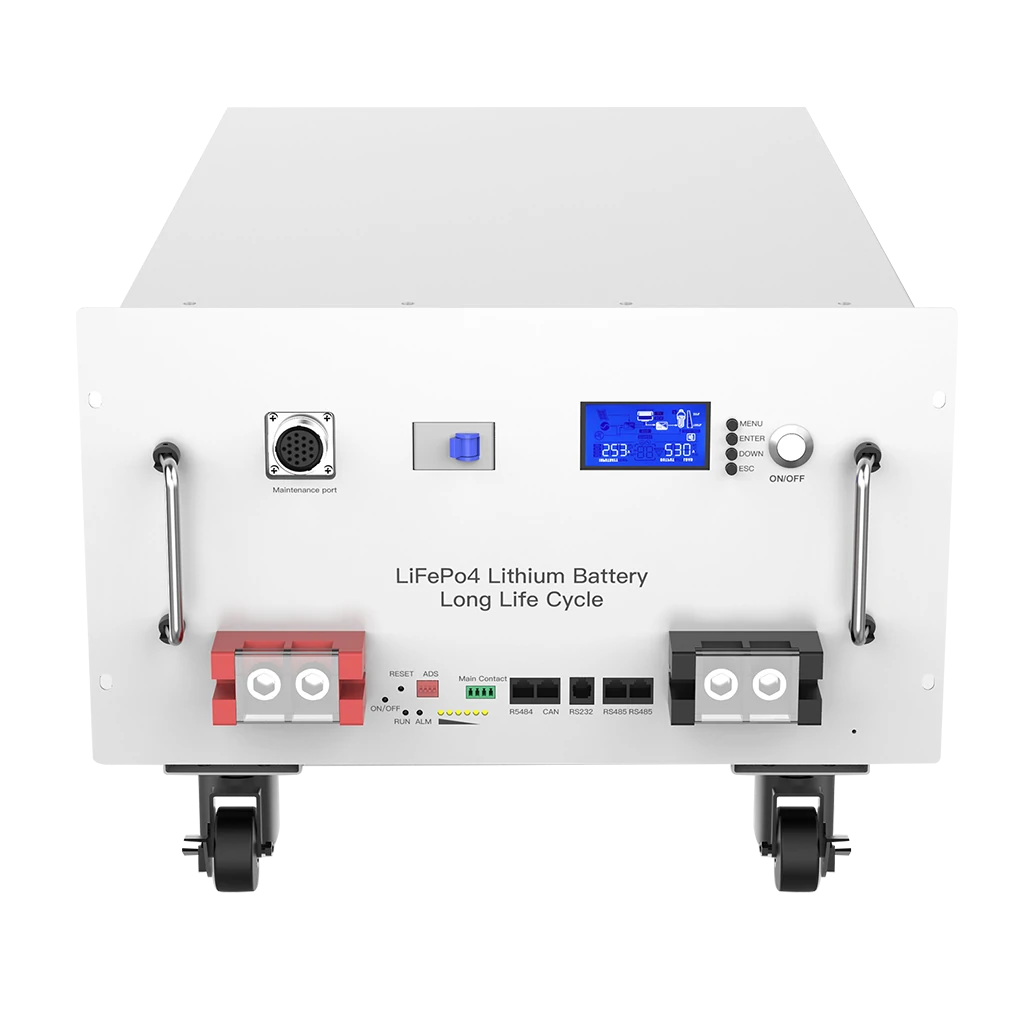
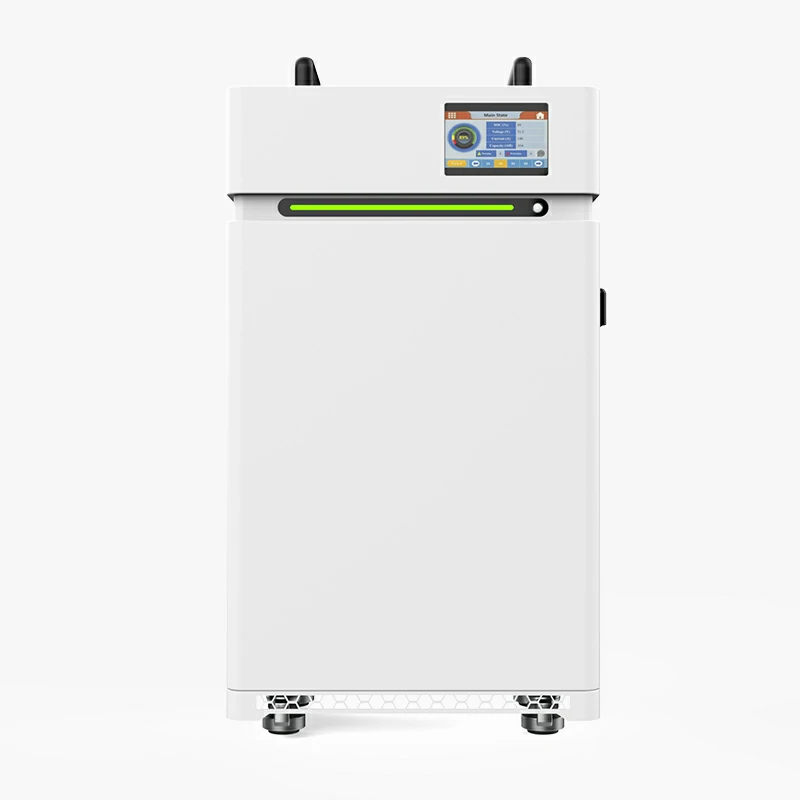
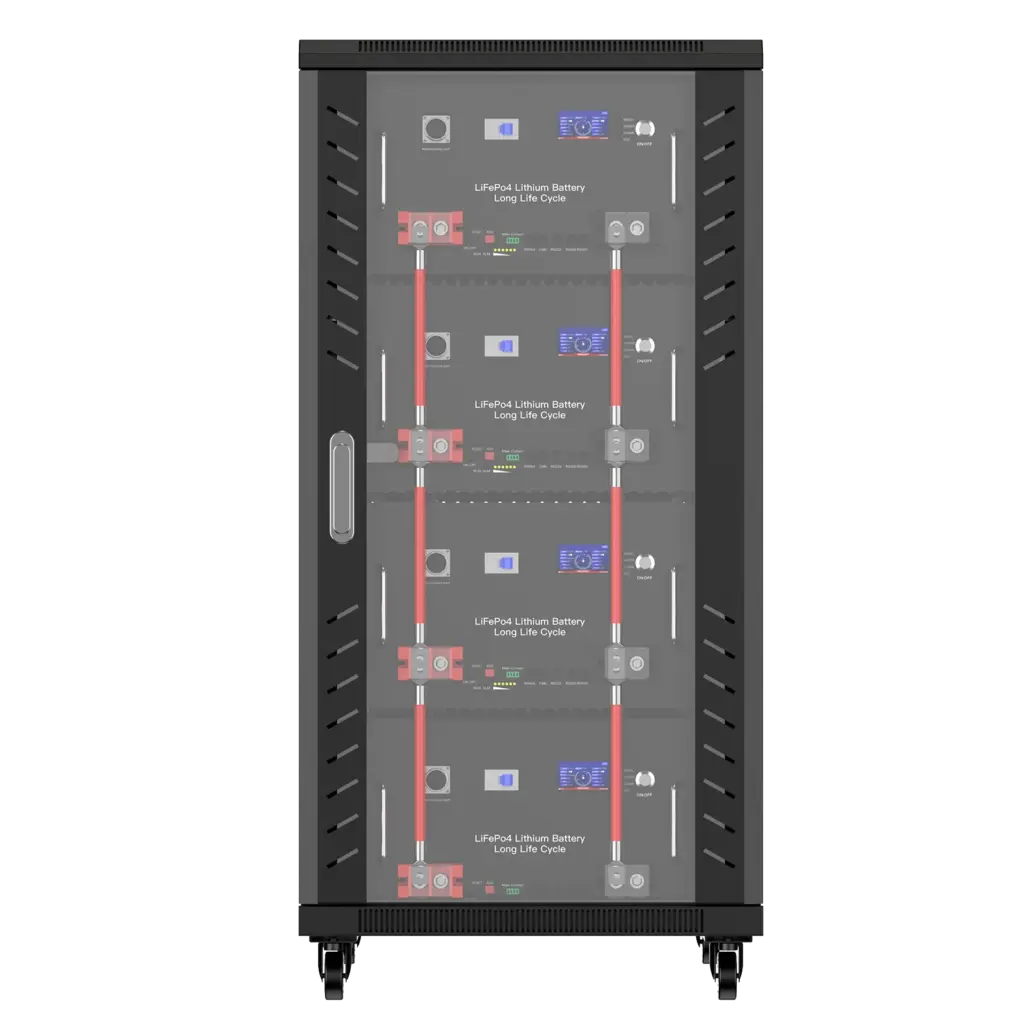
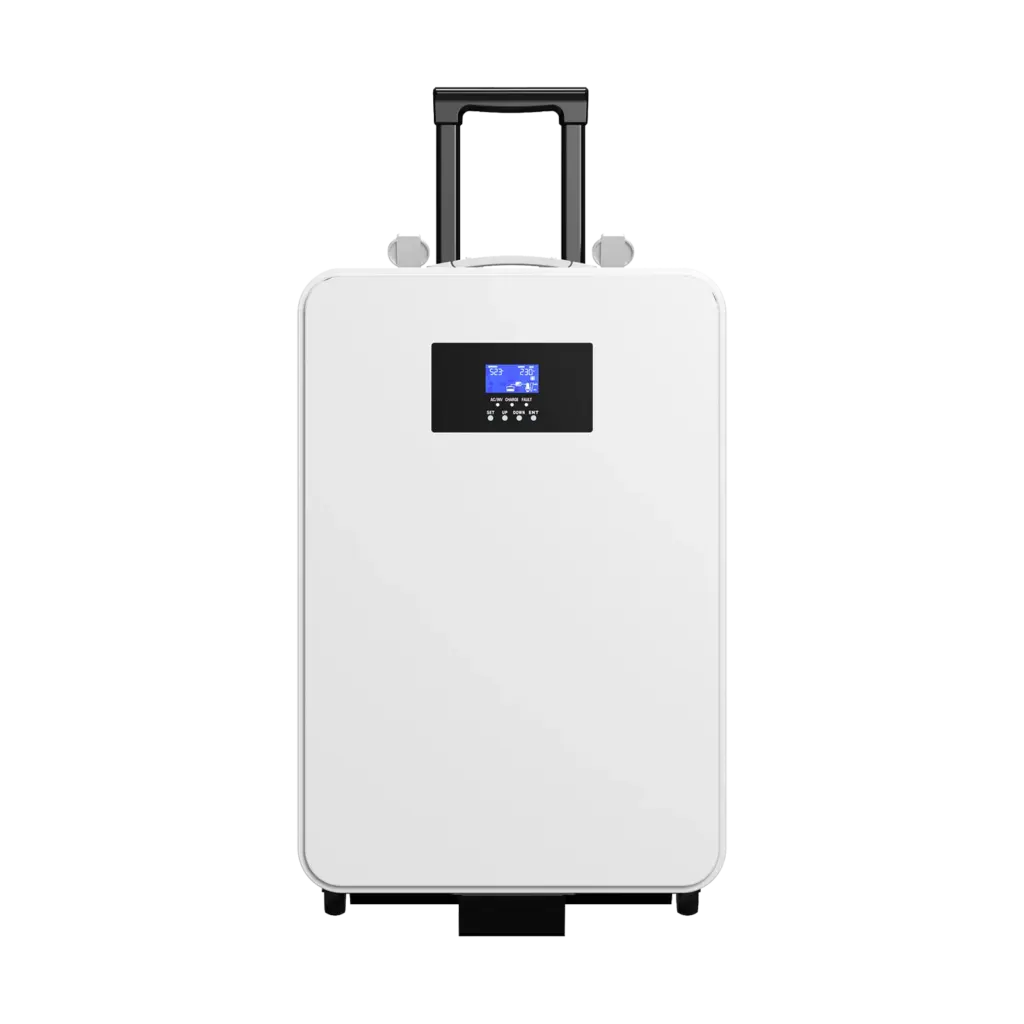
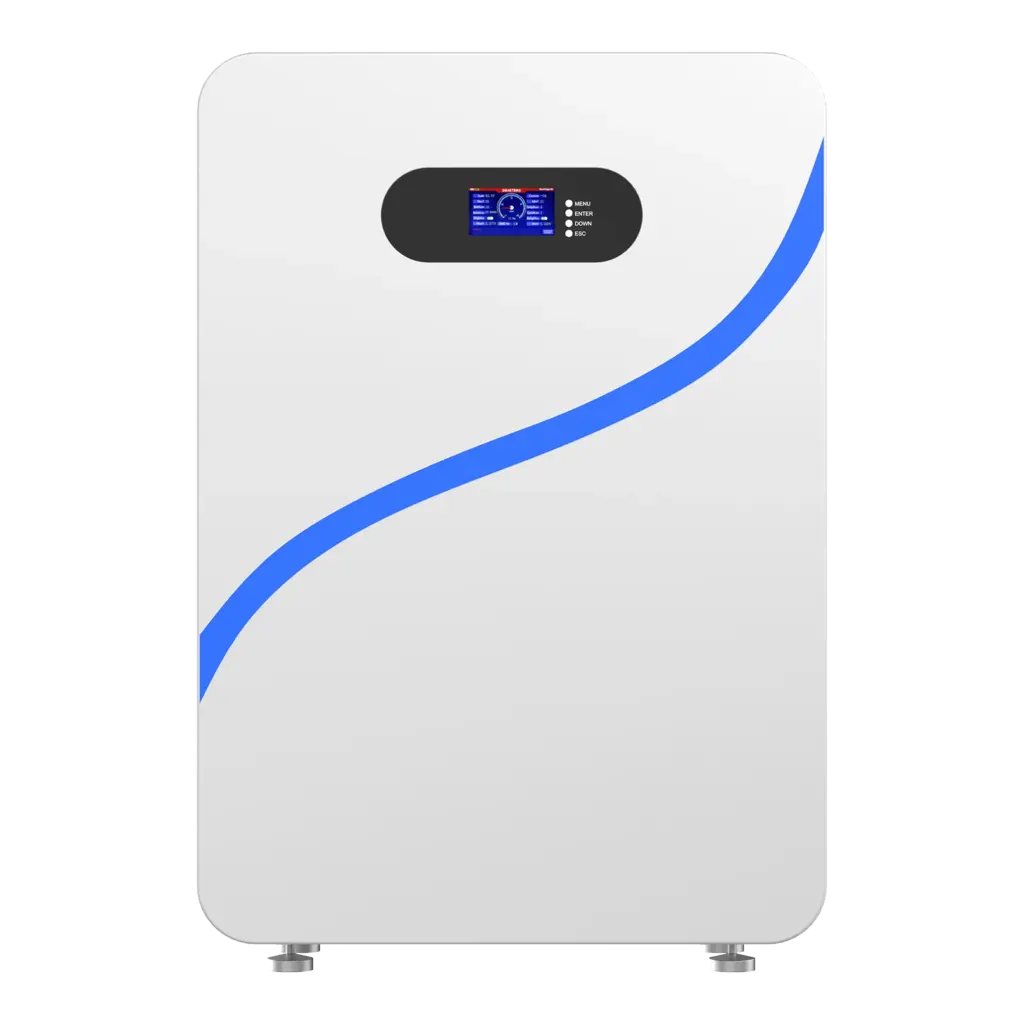
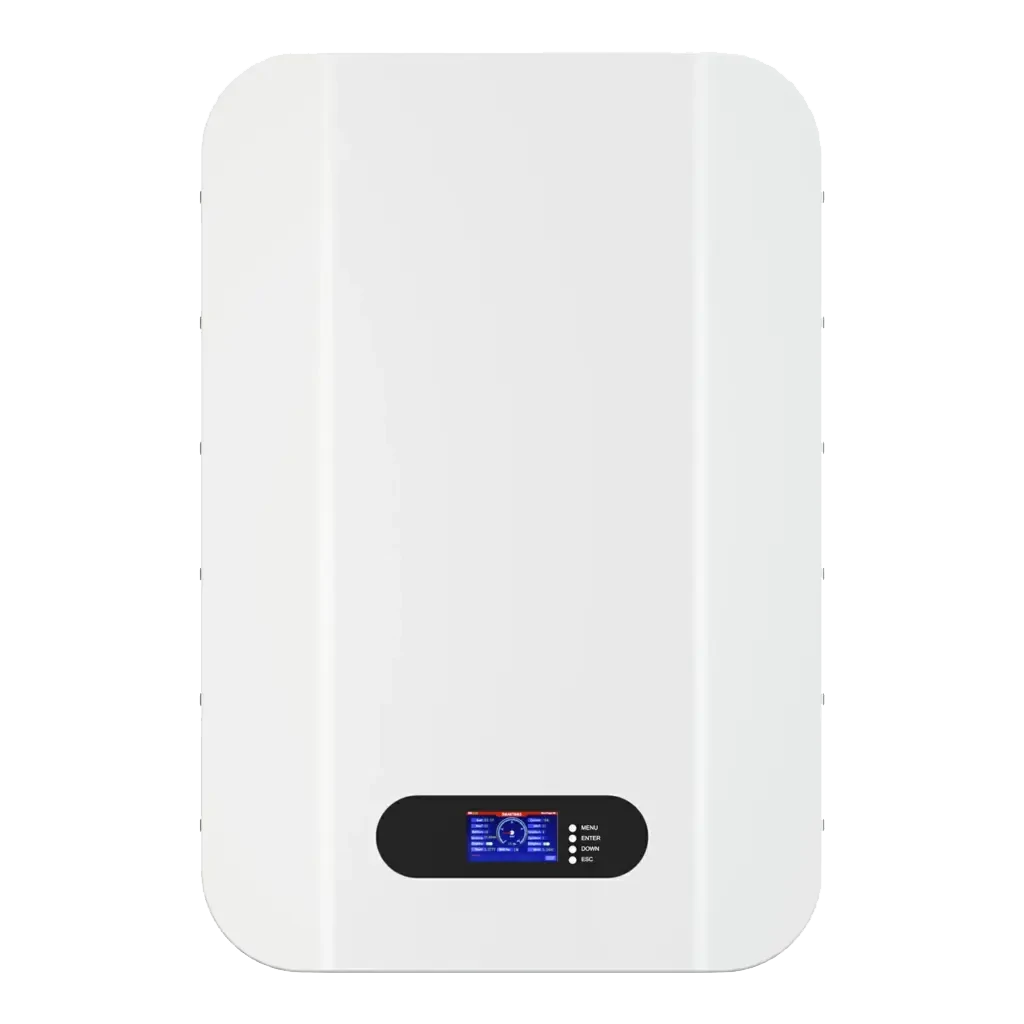
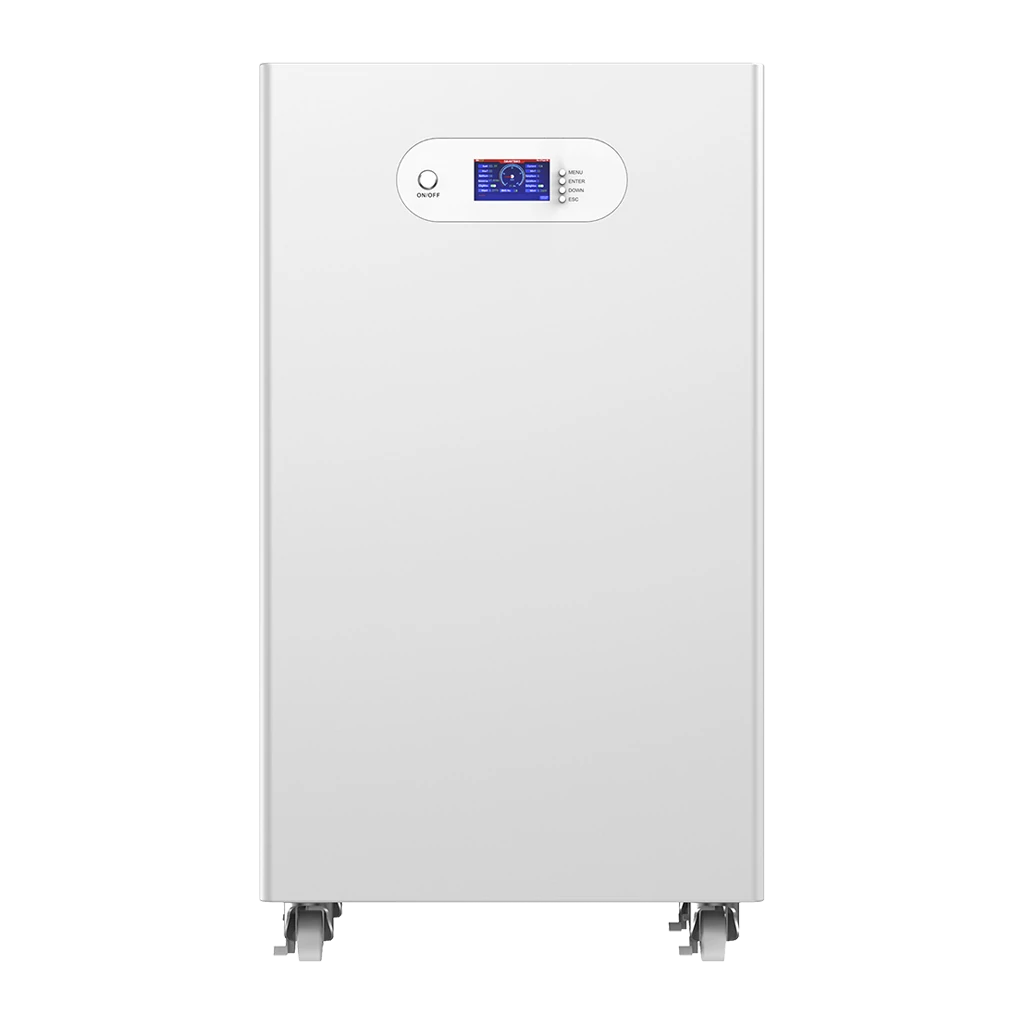
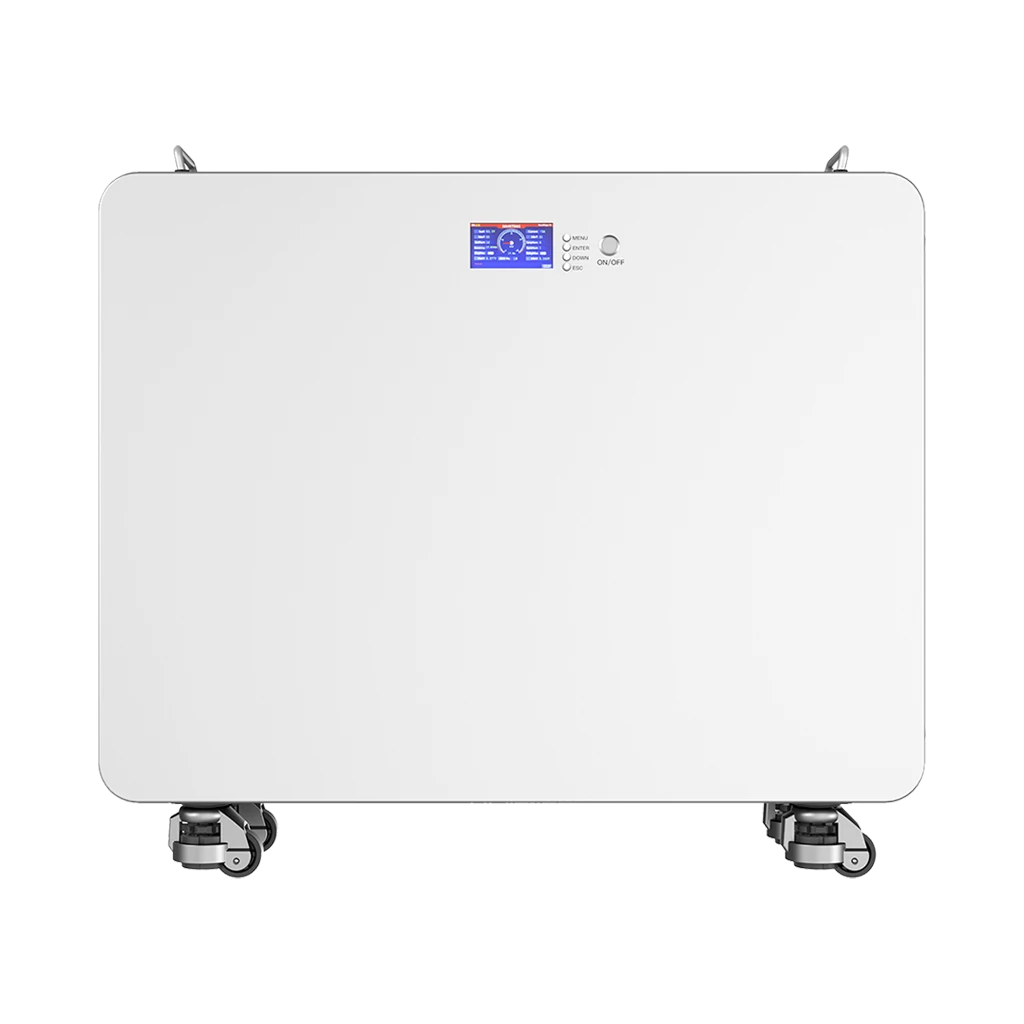
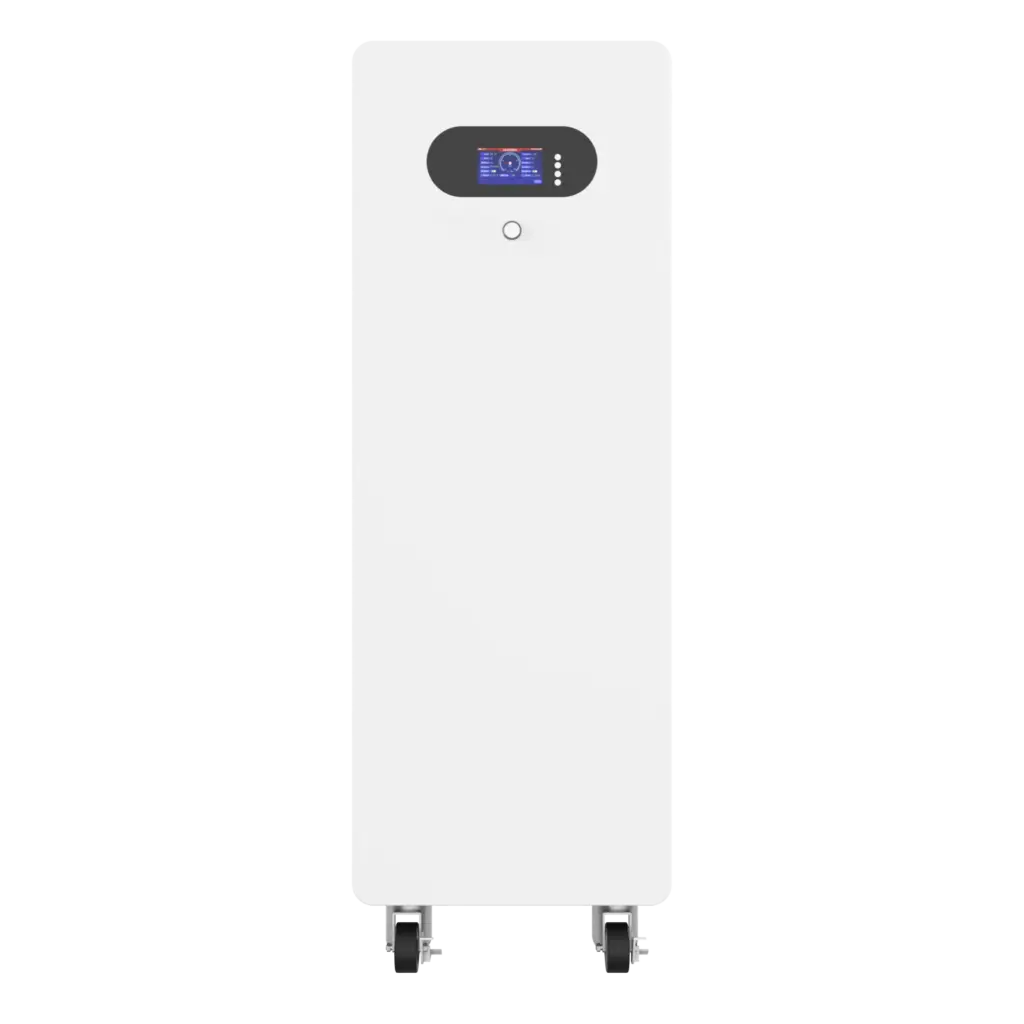
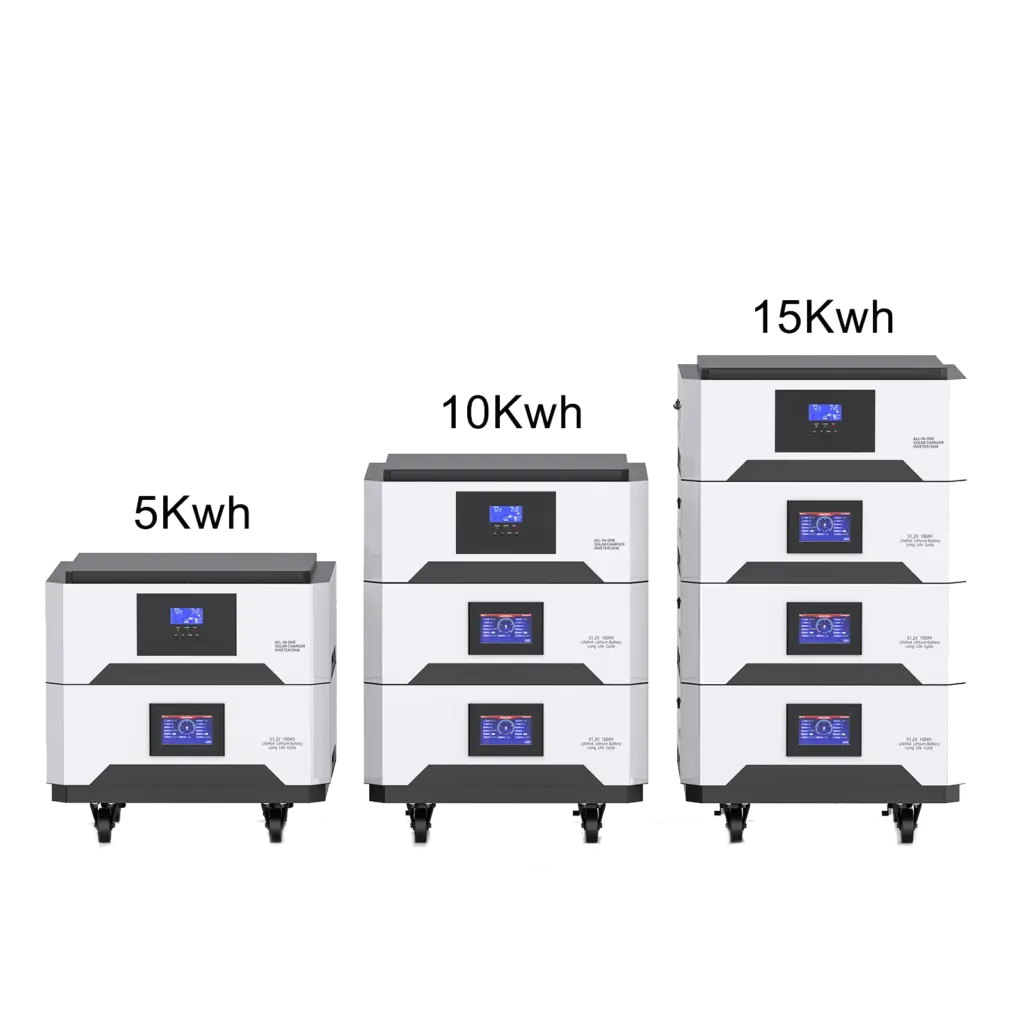
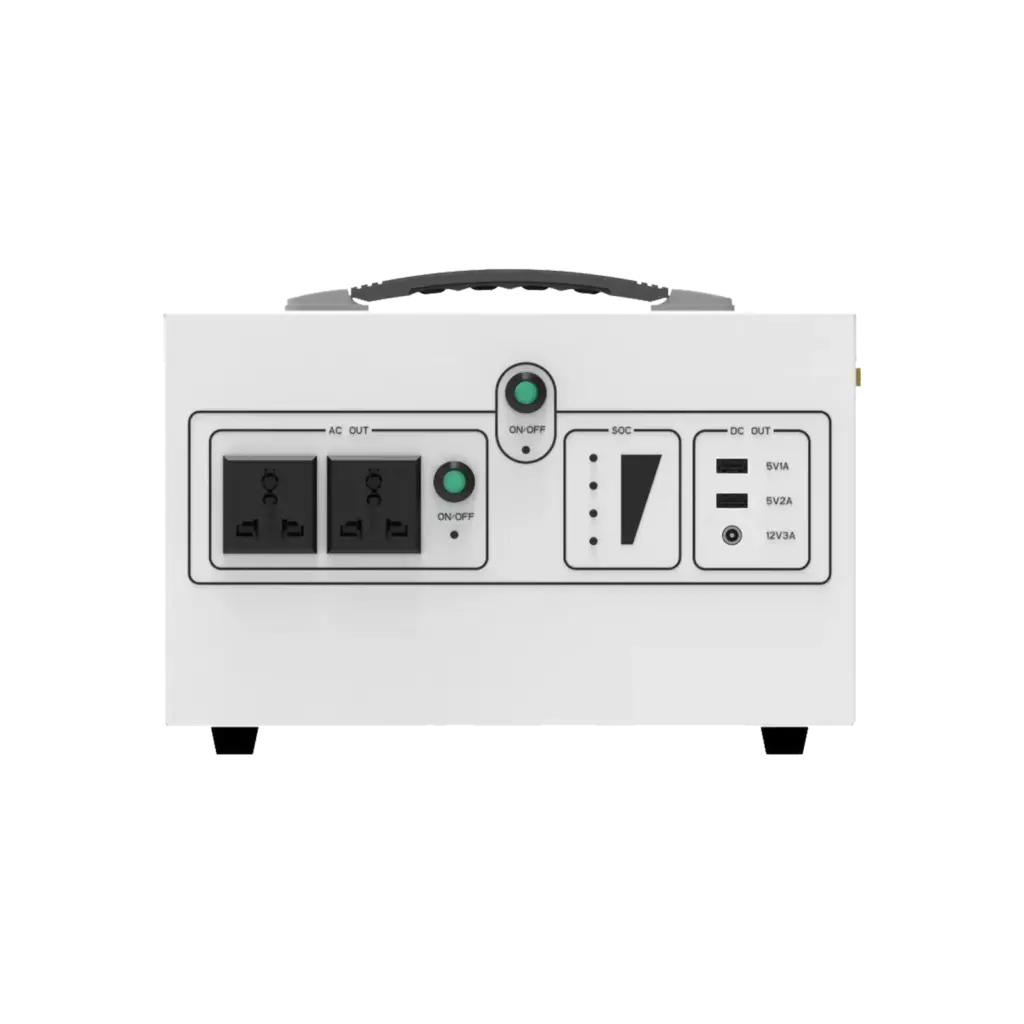
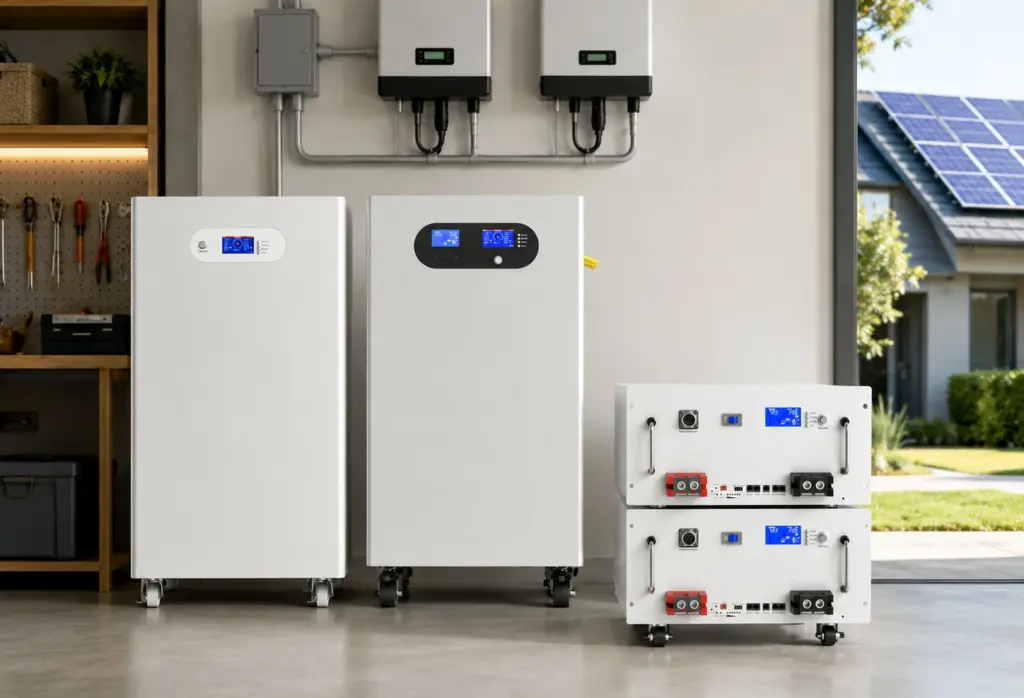
For projects that need scalable LiFePO4 battery storage, Avepower provides home energy storage battery systems including vertical batteries, rack-mounted batteries, stackable batteries, and all-in-one battery systems for installer-led solar storage projects.
What Is a Retrofit Solar Battery?
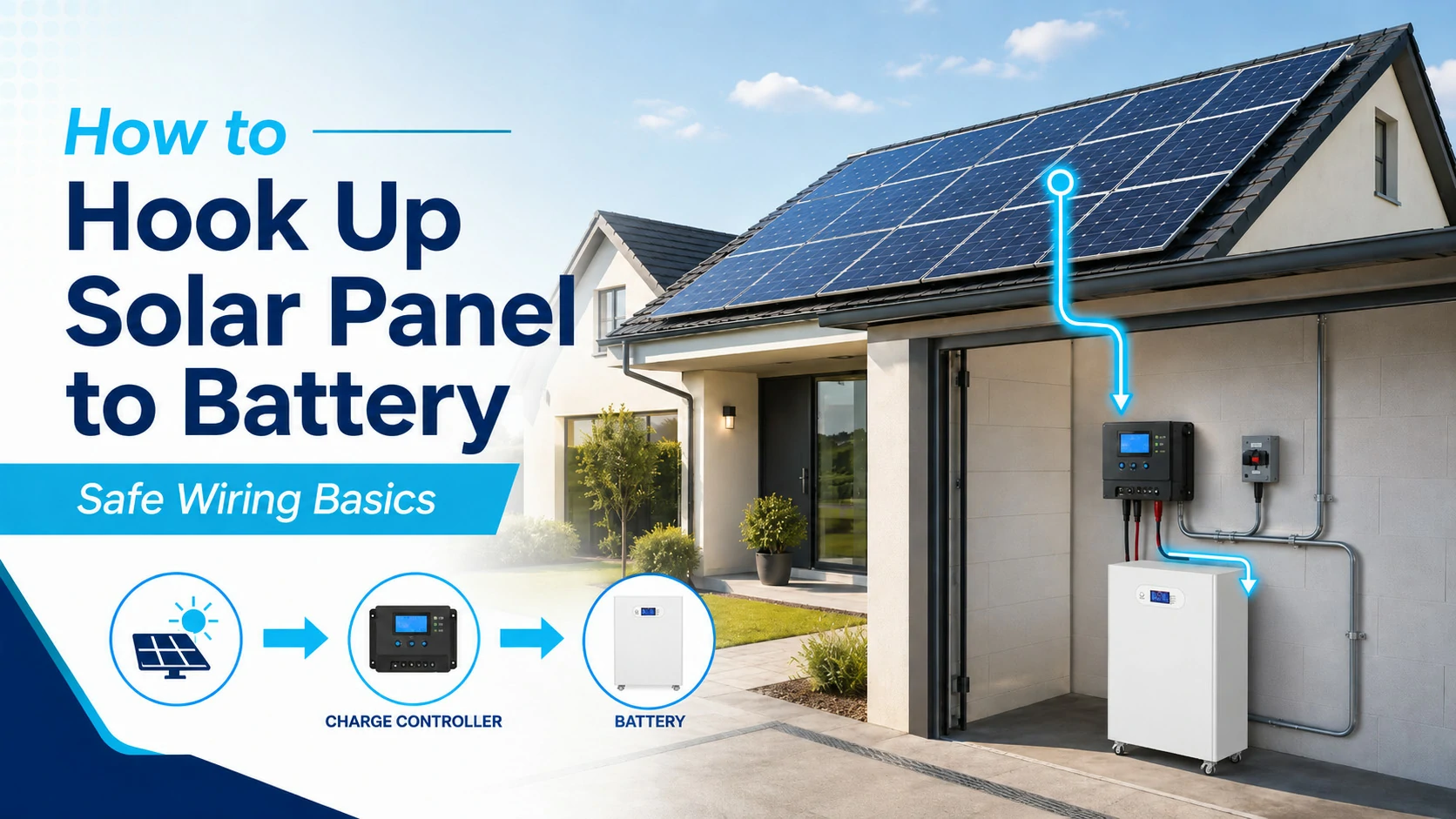
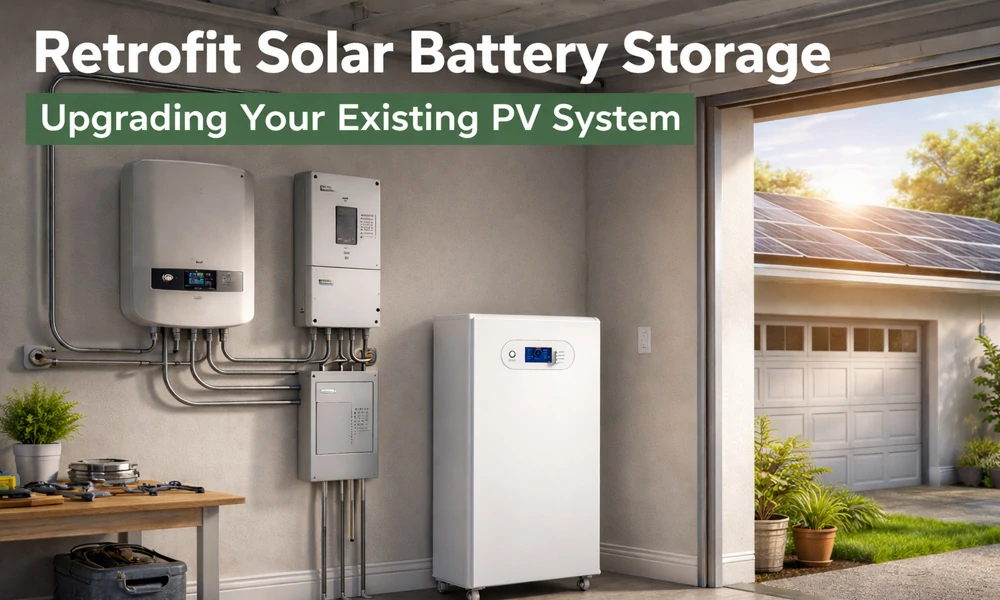
A retrofit solar battery is a battery storage system added to an existing solar PV system after the solar panels and inverter have already been installed. Instead of replacing the whole solar system, the installer connects battery storage to the current electrical setup through a suitable inverter, battery inverter, hybrid inverter, or all-in-one energy storage system.
In a standard grid-tied solar system without storage, solar panels produce electricity during the day. The home uses part of that power immediately, and the excess is exported to the grid. With a battery, some of that surplus solar power can be stored and used later, usually in the evening, during peak tariff periods, or during a power outage if backup wiring is included.
Can You Add a Battery to an Existing Solar System?
Yes, in most cases you can add a battery to an existing solar system. The better question is: how should the battery be added?
Some solar systems are already battery-ready because they use a hybrid inverter with battery connection capability. In that case, the retrofit can be relatively straightforward if the battery is compatible with the inverter. Other systems use a standard string inverter that was never designed for battery storage. These systems can still be upgraded, but they may need an AC-coupled battery, a separate battery inverter, or a hybrid inverter replacement.
Before choosing a retrofit solar battery, check these points first:
- A hybrid inverter gives you more direct battery options. A standard grid-tied inverter usually points toward AC-coupled storage or inverter replacement.
- A small 3 kW or 4 kW solar array may not produce enough excess energy to charge a large battery every day. In that case, adding more solar panels may be more important than buying a bigger battery.
- A home that uses most solar power during the day may get less value from a battery than a home with heavy evening loads, time-of-use tariffs, or frequent outages.
- Backup for a refrigerator, lights, router, and a few outlets is very different from whole-home backup with air conditioning, pumps, or EV charging.
- Some homes need a critical loads panel, main panel upgrade, transfer switch, or updated protection devices before the battery can be safely integrated.
The Australian Government’s energy guidance notes that home and business batteries should be installed by registered or licensed installers with battery accreditation, and that installation location rules can include restrictions around wall materials, habitable rooms, doors, and windows. You can read more from energy.gov.au battery guidance.
The practical takeaway is simple: do not buy a battery based only on capacity and price. A retrofit project should begin with compatibility and site assessment.
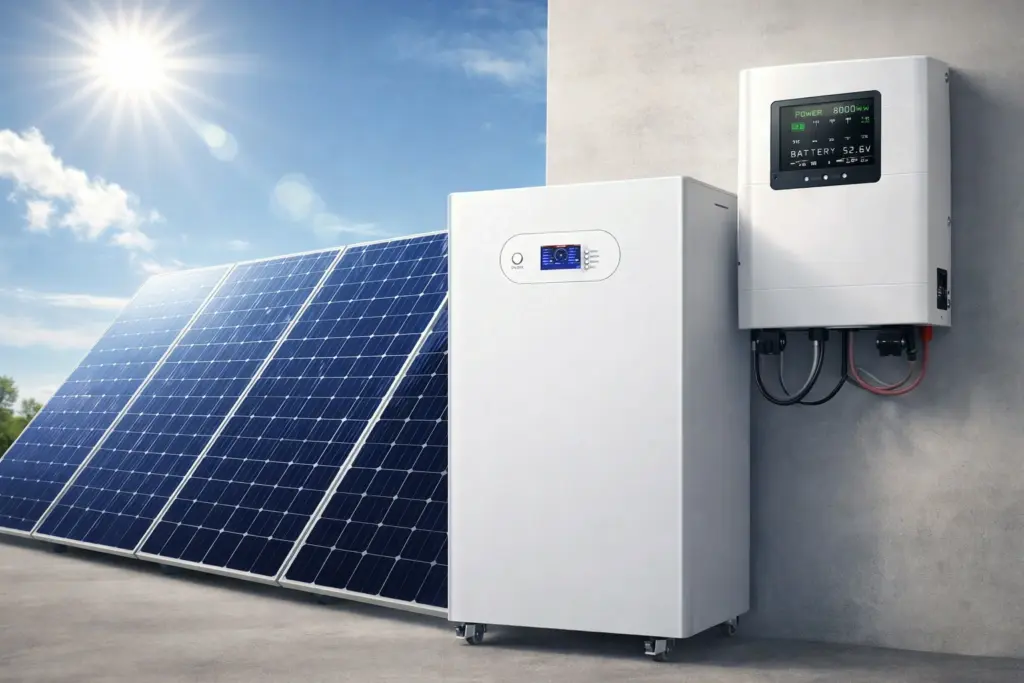
Planning a Retrofit Solar Battery Project?
If you already have a solar system and want to add battery storage, Avepower can help you evaluate battery capacity, inverter compatibility, backup needs and system expansion options before choosing a solution.
Why Add a Battery to an Existing Solar System?
The strongest reason to install a retrofit solar battery is not simply “energy independence.” The real value depends on how your home or project uses electricity.
If your system exports a lot of solar power at midday but imports expensive grid electricity in the evening, a battery can increase self-consumption. Instead of selling excess solar at a low feed-in tariff, you store more of it for your own use.
For homes on time-of-use tariffs, a battery can also support load shifting. It stores energy when solar generation is high or electricity is cheaper, then discharges when grid electricity is more expensive.
Backup power is another reason, but it needs to be understood correctly. Not every battery installation provides blackout protection by default. A battery may need backup circuits, a gateway, transfer equipment, or a critical loads panel to power selected appliances safely during a grid outage. This is why backup requirements should be discussed before the system is designed, not after installation.
A retrofit solar battery is especially useful when you want to:
- Reduce evening grid imports;
- Increase solar self-consumption;
- Protect essential loads during outages;
- Prepare for future EV charging or heat pump loads;
- Improve energy control in areas with unstable grids;
- Make better use of an existing PV investment.
For B2B projects, a retrofit battery can also help installers and distributors offer upgrade packages to customers who already have solar panels but are not ready to replace the full system.
AC Coupling vs DC Coupling: Choosing the Right Retrofit Method
For most homeowners with existing systems, the choice comes down to two main retrofit approaches: AC coupling and DC coupling. Each has its own advantages, limitations, and ideal use cases.
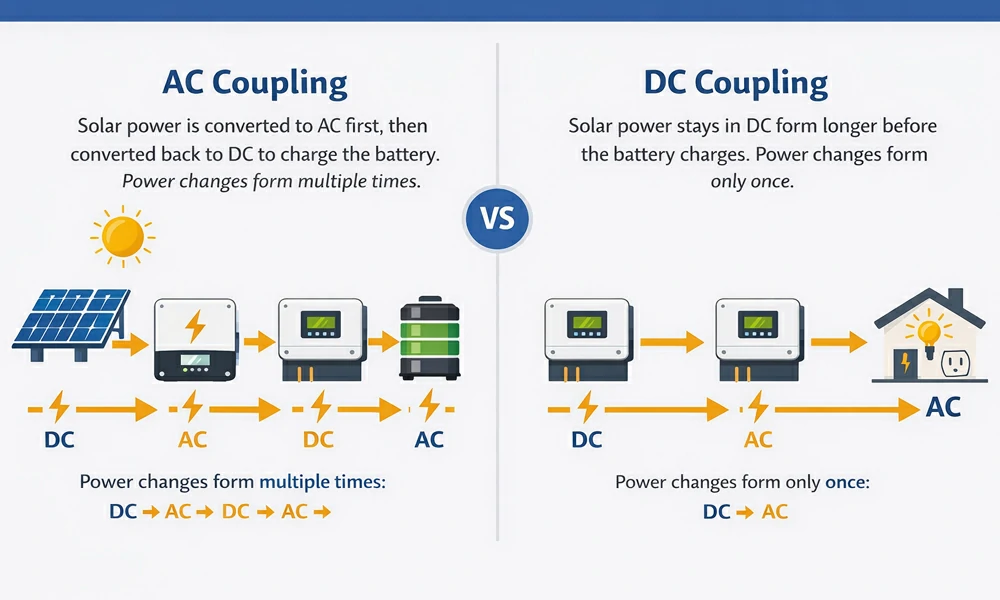
AC-Coupled Battery Systems: The Simplest Upgrade Path
AC coupling is often the preferred method for retrofitting battery storage into existing solar systems—especially when the current inverter is not battery-compatible.
In an AC-coupled system:
- Solar panels feed electricity into the existing inverter (DC → AC)
- The battery system includes its own inverter/charger (AC → DC → AC)
- The battery operates independently of the solar inverter
Advantages:
- No need to replace the existing inverter
- Lower upfront cost and installation complexity
- Faster installation with minimal system disruption
- Suitable for nearly all existing grid-tied solar systems
Considerations:
- Additional energy conversions result in slightly lower efficiency
- More components may increase system complexity over time
Despite the minor efficiency losses, AC coupling remains a practical and cost-effective retrofit solution for most homes. To better understand AC and DC, please read our article on “AC vs DC Coupling: Key Differences in Solar Energy Systems”
DC-Coupled Battery Systems: Higher Efficiency, More Integration
DC coupling involves connecting the battery directly to the solar array through a shared hybrid inverter.
In this setup:
- Solar panels charge the battery directly (DC → DC)
- A single hybrid inverter manages both solar generation and battery usage
- Fewer conversion steps improve overall efficiency
Advantages:
- Higher round-trip efficiency due to fewer conversions
- Better performance in maximizing solar energy utilization
- More streamlined system architecture
Challenges:
- Often requires replacing the existing inverter
- Higher upfront investment
- More complex installation and wiring modifications
DC coupling is typically recommended when:
- You are installing a new solar system
- Your current inverter is nearing end-of-life
- You want maximum long-term efficiency
AC vs DC Retrofit Battery Comparison
| Retrofit Option | Best For | Main Advantage | Main Limitation |
|---|---|---|---|
| AC-coupled battery | Existing solar systems with a working inverter | Easier retrofit with less disruption | Slightly lower efficiency due to extra conversions |
| DC-coupled battery | New systems or inverter replacement projects | Higher efficiency and cleaner energy flow | More complex retrofit work |
| Hybrid inverter replacement | Older systems needing a full upgrade | Better long-term integration | Higher upfront cost |
| All-in-one battery with inverter | Projects needing simplified integration | Battery and inverter in one platform | Must match project voltage, loads, and compliance needs |
| Modular battery system | Homes expecting future expansion | Flexible capacity growth | Requires expansion planning and compatibility checks |
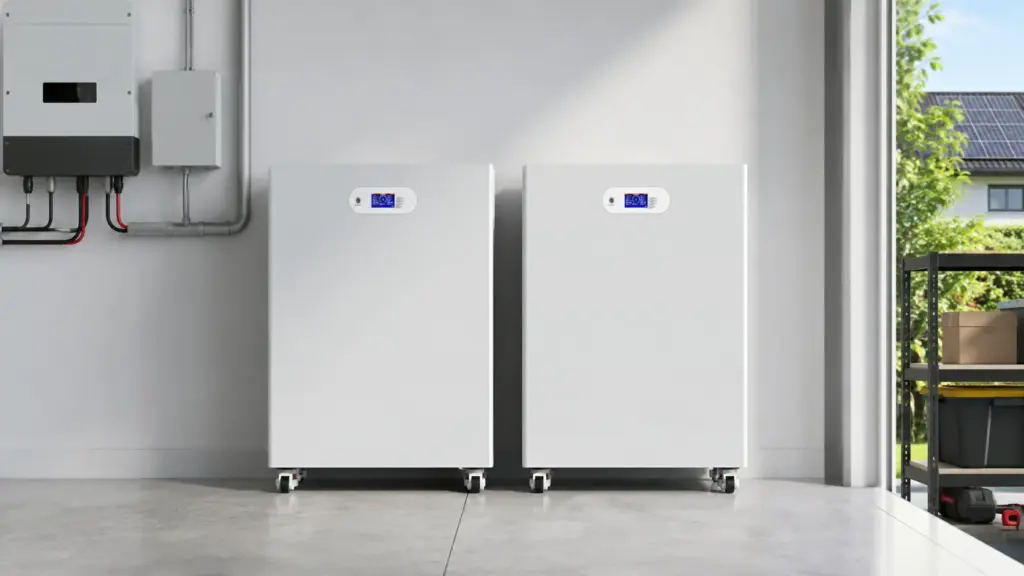
Need a Battery That Works with Your Existing Solar System?
Avepower provides LiFePO4 solar batteries for residential retrofit projects, including stackable, wall-mounted, rack-mounted and all-in-one battery options for different inverter and installation requirements.
When an All-in-One Battery Makes More Sense
Not every retrofit needs to be pieced together from separate battery and inverter components. In some cases, an all-in-one battery can simplify the upgrade.
An all-in-one solution integrates the battery and inverter into one coordinated platform. This can reduce compatibility concerns, streamline installation, and create a cleaner user experience. For retrofit projects where inverter compatibility is a major obstacle, this kind of solution may be especially attractive.
Avepower’s all-in-one battery solutions are designed to be easier to add to many existing energy systems because they include a built-in solar inverter architecture. That means the installer does not have to rely as heavily on compatibility with the old inverter platform in the same way a conventional add-on battery might.
For some homeowners, this becomes a practical middle path: not a full custom redesign, but not a patchwork solution either. It can reduce installation uncertainty while still delivering storage, backup, and smarter energy control.
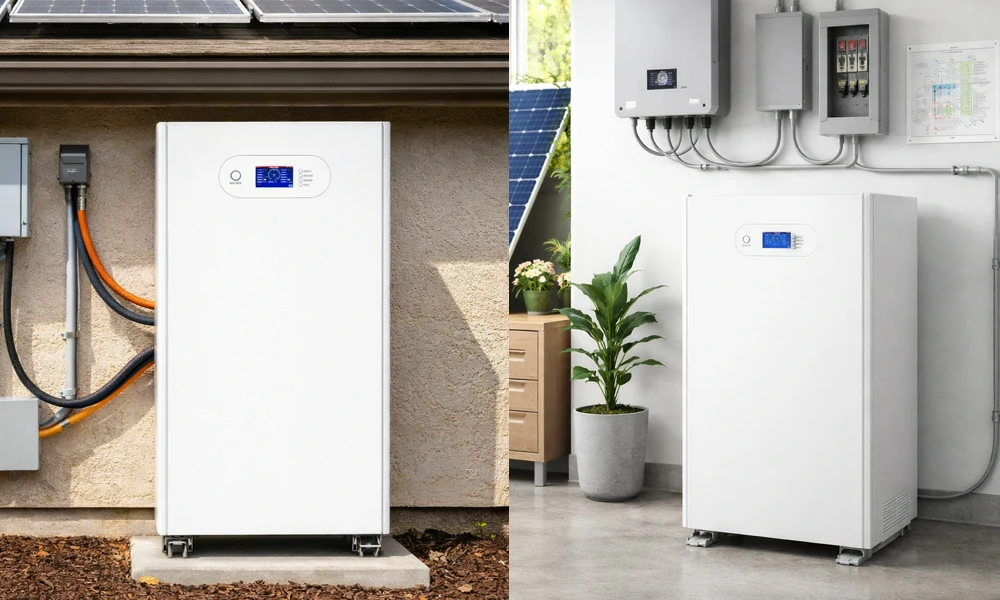
How to Size a Retrofit Solar Battery
Battery sizing is where many projects go wrong. A larger battery is not always better. The right size depends on how much surplus solar energy is available, how much electricity is used after sunset, and whether the battery is intended for backup only or daily cycling.
A useful starting point is to review:
- Daily household electricity consumption;
- Solar export data;
- Evening and overnight load;
- Peak load requirements;
- Backup load list;
- Future appliances such as EV chargers, heat pumps, or air conditioning;
- Usable battery capacity, not only nominal capacity.
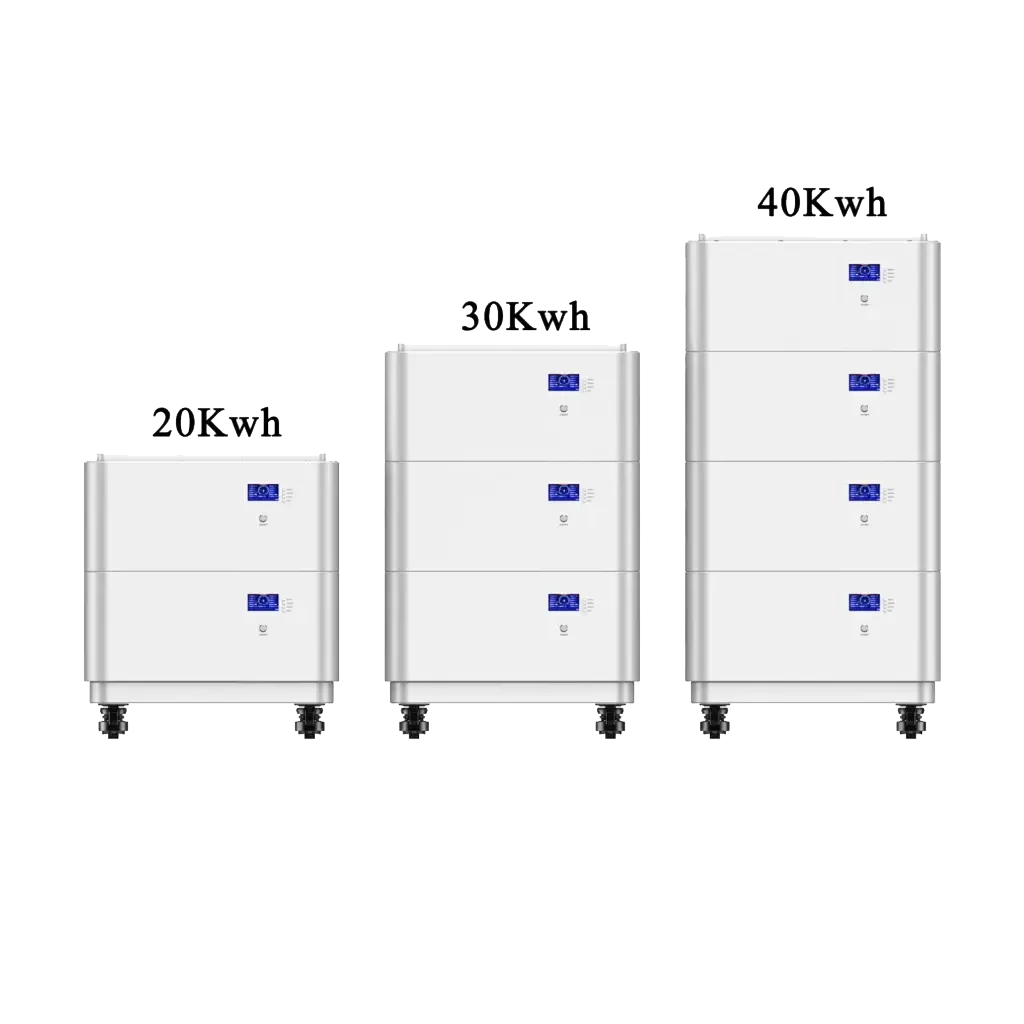
For many homes, a 5–15 kWh battery is enough for essential evening use or selected backup loads. Larger homes, villas, farms, off-grid properties, and small commercial sites may need 20 kWh, 30 kWh, 50 kWh, or more.
A battery used mainly for self-consumption should be sized around real surplus solar generation. If your solar system only exports 4–6 kWh on an average day, installing a very large battery may not deliver the expected savings unless it can also charge from the grid during low-price periods.
A battery used for backup should be sized differently. The first step is to define which loads must keep running. A refrigerator, router, lighting, security system, and small electronics require far less power than whole-home air conditioning, electric cooking, pumps, or EV charging.
For expandable projects, a modular design can reduce the risk of oversizing. Avepower’s stackable LiFePO4 battery systems are designed for scalable home energy storage, making them suitable when a user wants to start with a smaller system and expand later as load demand grows.
Can Every Existing PV System Be Retrofitted?
Almost every existing solar system can be paired with storage in some form, but not every system can be upgraded in exactly the same way.
The practical limits usually come from equipment compatibility and electrical infrastructure rather than from the solar panels themselves. For example, you may have enough roof solar capacity, but the inverter may be incompatible with storage. Or the inverter may be suitable, but your electrical panel may need modification to support backup loads and interconnection requirements.
That is why homeowners should not assume that battery retrofit is either universally easy or universally difficult. It is a design exercise. Some projects are almost plug-and-play. Others require a more comprehensive upgrade plan.
A professional assessment is essential because it can reveal whether you need:
- An AC-coupled battery,
- A hybrid inverter replacement,
- A critical loads subpanel,
- Main panel upgrades,
- Updated grid approval and permitting,
- Future-ready battery expansion planning.
Permits, Standards, and Approved Equipment
Battery storage is regulated because it affects electrical safety, fire safety, grid interaction, and system protection. Requirements vary by country and region, but most projects involve some combination of electrical permits, grid approval, inspection, product certification, and qualified installation.
In Australia, the Clean Energy Council maintains lists of approved solar PV modules, inverters, power conversion equipment, and lithium-based batteries that meet relevant standards for system design and installation. Installers and project owners can review the Clean Energy Council products program and approved batteries list.
Solar Accreditation Australia also explains that accreditation covers different technology classes, including grid-connected PV, grid-connected battery storage, and stand-alone power systems. You can review the details through Solar Accreditation Australia.
For Australian homeowners and small businesses, the Cheaper Home Batteries Program may also be relevant when assessing project economics, product eligibility, and installer requirements.
For New Zealand users, EECA provides best-practice guidance for residential solar PV and battery storage systems through its solar PV and battery storage guidance.
The safest approach is to treat a retrofit solar battery as a professionally designed system, not a plug-in accessory.

Start Your Retrofit Solar Battery Upgrade with Avepower
Avepower can support your retrofit solar battery project with battery selection, inverter matching, OEM/ODM customization and technical project support.
Important Compatibility Checks Before Installation
A retrofit solar battery is not just a battery purchase. It is an electrical system upgrade. The details matter.
1. Inverter Compatibility
The battery and inverter must communicate correctly. Modern lithium batteries rely on the BMS to exchange data with the inverter, including state of charge, charge current limits, discharge current limits, alarms, and protection status.
If communication is poor, the system may still turn on but may not operate safely or efficiently. It may also affect warranty support.
For Avepower projects, installers can use the Avepower inverter compatibility list as an early screening tool before confirming final settings with the technical team.
2. Battery Voltage Range
The battery voltage range must match the inverter or battery inverter requirements. Many residential low-voltage systems use 48V or 51.2V battery platforms, while some larger systems use high-voltage battery stacks.
A mismatch here is not a minor problem. It can prevent commissioning or create unsafe operating conditions.
3. Charge and Discharge Current
The battery’s maximum charge and discharge current must suit the inverter rating, cable size, breaker selection, and expected loads.
For example, a battery with a high discharge current may be useful for stronger backup capability, but only if the rest of the system is designed to handle that current safely.
4. Switchboard and Protection Devices
Some older homes need switchboard upgrades before battery installation. This is especially common when adding backup circuits, new protection devices, metering, or gateway equipment.
5. Monitoring and Metering
A good retrofit should include proper monitoring. Current transformers, meters, or smart monitoring devices help the system detect export, charge the battery from surplus solar, and discharge at the right time.
Without accurate metering, a battery may charge or discharge at the wrong moments, reducing savings.
What Installers Should Check Before Quoting a Retrofit Battery
For installers and solar EPC teams, a site survey should come before the product recommendation.
A good retrofit assessment should include:
- Existing inverter brand, model, age, and firmware
- Solar array size and string configuration
- Current export limit or grid connection agreement
- Main switchboard condition
- Available installation space
- WiFi or communication signal quality
- Customer load profile
- Backup load expectations
- Existing monitoring data
- Future plans such as EV charger, heat pump, or extra solar panels
For professional retrofit projects, Avepower’s home battery systems for solar installers can support installers with battery selection, project matching, documentation, and technical communication.
Avepower Recommendation for Retrofit Solar Battery Projects
For retrofit solar battery projects, Avepower recommends starting with system matching rather than battery size alone.
If the site has a working solar-only inverter, an AC-coupled or all-in-one route may reduce disruption. If the inverter is outdated, a hybrid inverter and compatible battery may deliver a cleaner long-term design. If the user expects growing loads, a modular battery platform may be better than a fixed-size unit.
Avepower provides several battery formats for different retrofit scenarios:
- Vertical LiFePO4 batteries for compact floor-standing home storage;
- Stackable battery systems for modular capacity expansion;
- All-in-one battery systems for integrated battery and inverter design;
- 15kWh home battery storage for residential solar self-consumption and backup projects;
For B2B customers, Avepower can support inverter communication matching, battery configuration, OEM/ODM customization, cabinet appearance, label design, capacity planning, and project documentation. This is especially useful for distributors, installers, wholesalers, and EPC teams building retrofit storage packages for different markets.
If you are planning a retrofit solar battery project, the best first step is to collect the inverter model, solar system size, daily energy usage, export data, backup requirements, and installation location. With those details, Avepower can help recommend a practical storage route rather than a one-size-fits-all battery.
Take Control of Your Energy with Avepower!
Reliable home solar battery solutions with OEM/ODM customization and in-house manufacturing, tailored to the needs of distributors, installers, and energy partners.
Conclusion
A retrofit solar battery is one of the most practical ways to get more value from an existing solar system. It can improve self-consumption, reduce grid imports, support backup power, and prepare a home or small business for smarter energy use.
But the best retrofit is not simply the biggest battery. It is the system that matches the existing inverter, solar generation, electrical infrastructure, daily load profile, backup needs, and future expansion plan.
For most existing solar systems, AC coupling is often the simplest upgrade path. For systems with aging inverters or major redesign plans, DC coupling with a hybrid inverter may be a better long-term option. For customers who want a cleaner packaged solution, all-in-one and modular LiFePO4 systems can reduce complexity.
Avepower supports retrofit solar battery projects with scalable LiFePO4 battery systems, inverter compatibility support, BMS protection, communication options, and OEM/ODM customization for installers, distributors, and project customers.
A well-designed retrofit does more than add a battery. It turns an existing solar system into a more flexible, resilient, and future-ready energy storage solution.
FAQ
Yes, most existing solar systems can add battery storage. The best method depends on your inverter type, system age, switchboard condition, battery compatibility, and whether you need backup power.
AC coupling is often better for retrofit projects because it can work alongside an existing solar inverter. DC coupling can be more efficient but usually requires a hybrid inverter, which may mean replacing the existing inverter.
Not always. If you choose an AC-coupled battery or certain all-in-one solutions, the existing solar inverter may stay in place. If you want a DC-coupled battery, you may need to replace the solar inverter with a hybrid inverter.
Only if the system is designed for backup. Many batteries need additional backup equipment, a gateway, or a critical loads panel to operate safely during grid outages.
Battery size should be based on your solar export, evening energy use, backup needs, and future loads. Many homes use 5–15 kWh batteries, while larger homes, farms, villas, or small commercial sites may need 20–50 kWh or more.
LiFePO4 is widely used for home solar storage because it offers strong thermal stability, long cycle life, and reliable performance when paired with a suitable BMS and inverter communication.
Yes, if you choose a modular battery platform. Avepower stackable and vertical battery systems can support scalable designs depending on configuration, inverter compatibility, and project requirements.
Installers should check inverter model, solar array size, grid approval, switchboard condition, backup loads, cable routes, installation space, communication protocol, and battery certification before recommending a system.