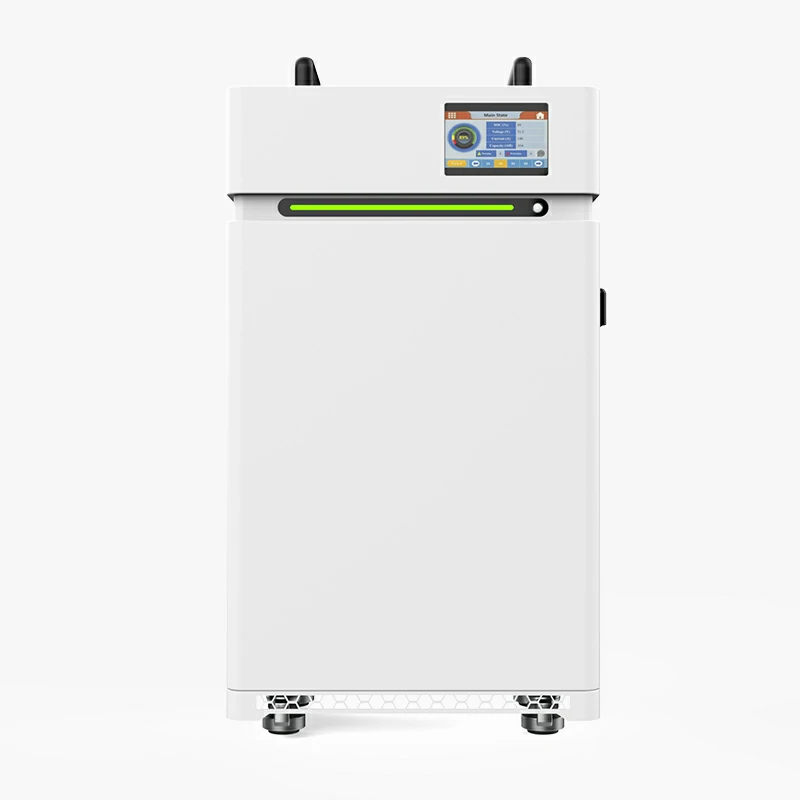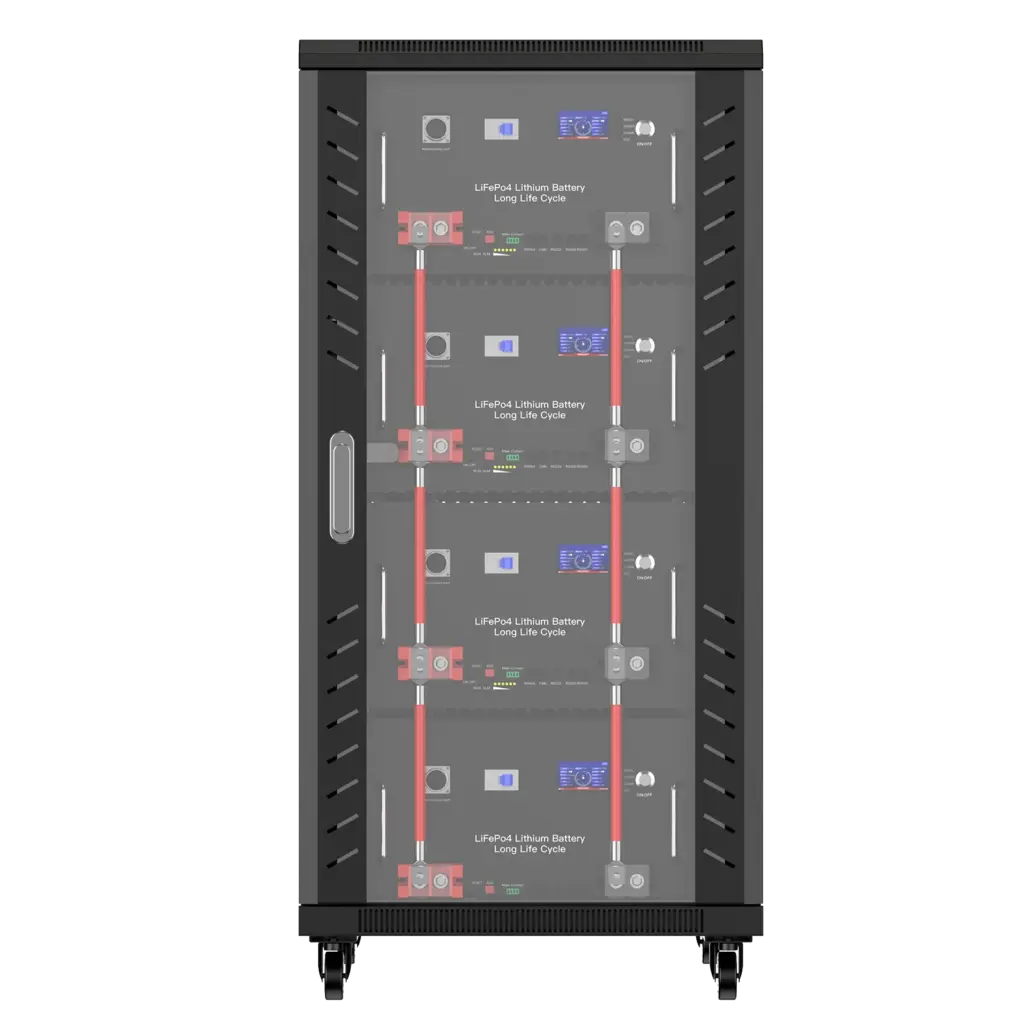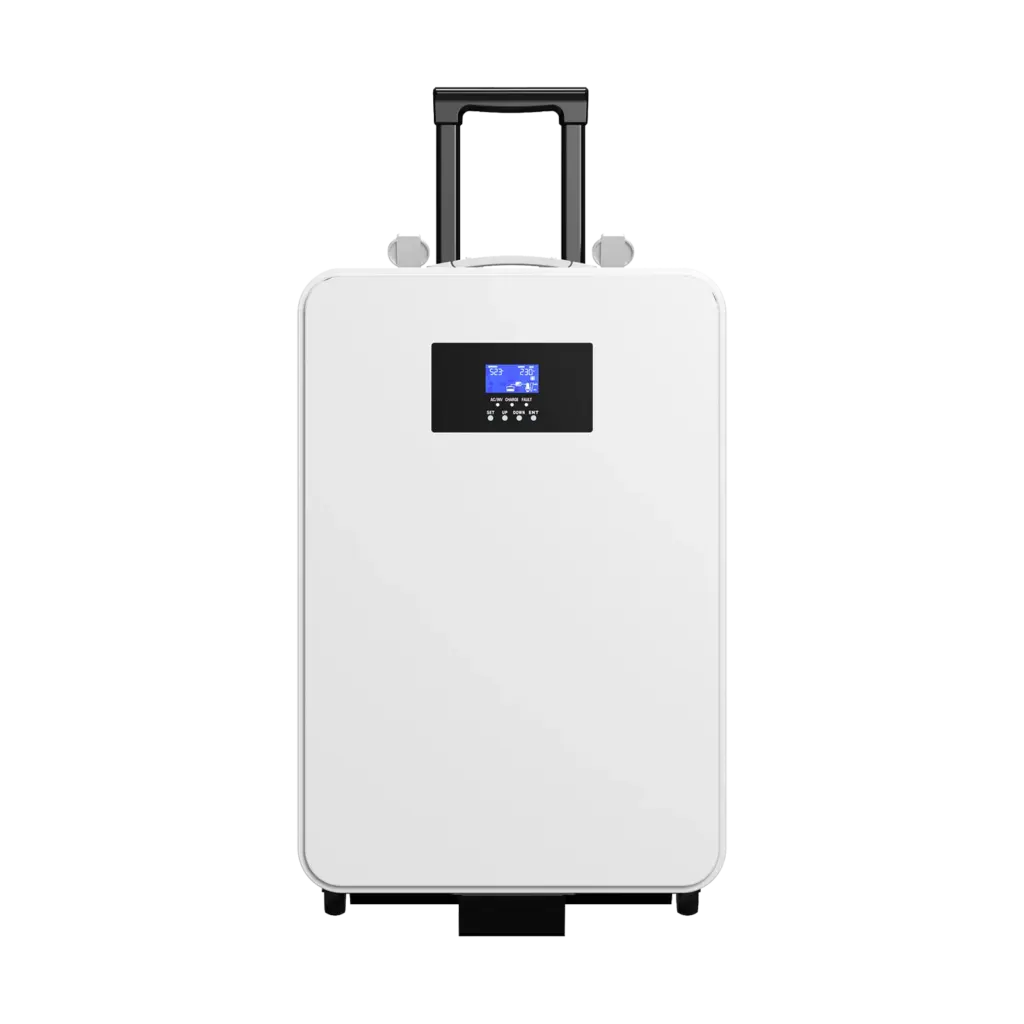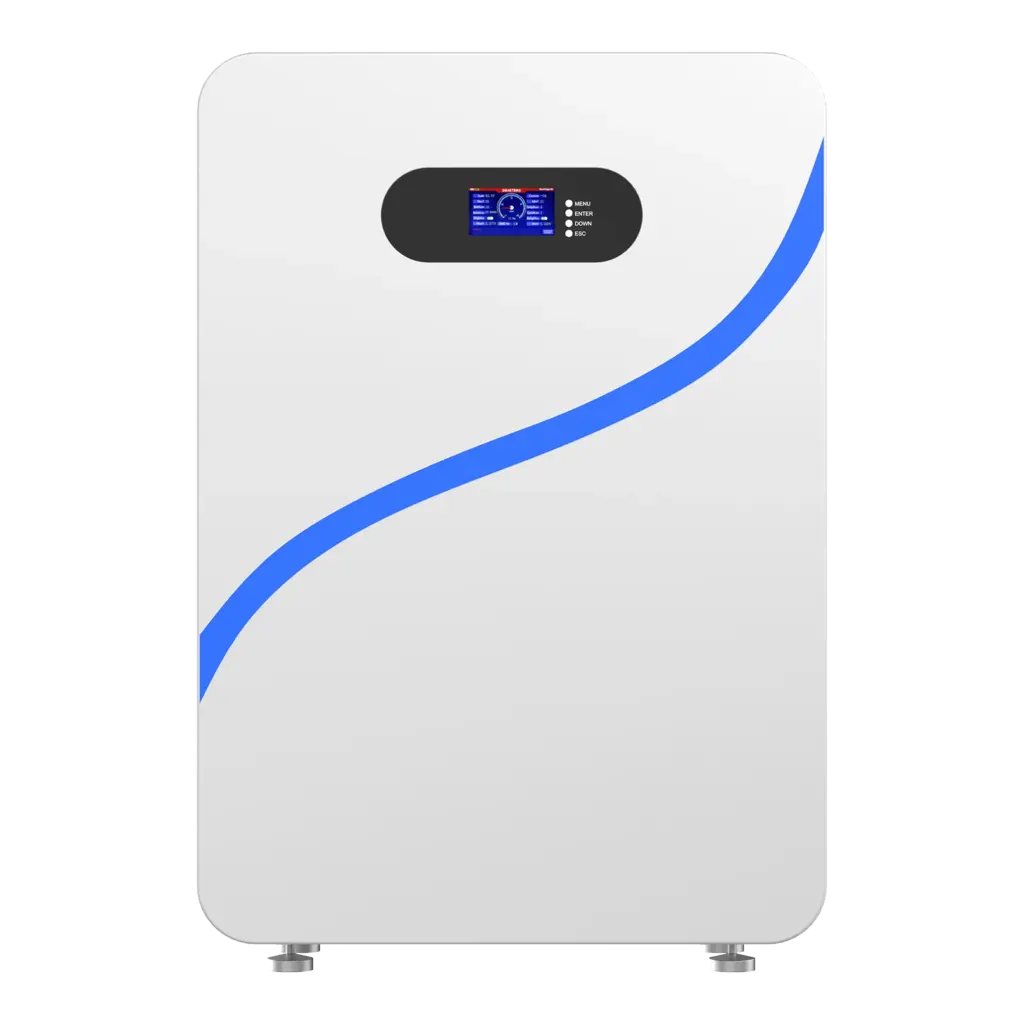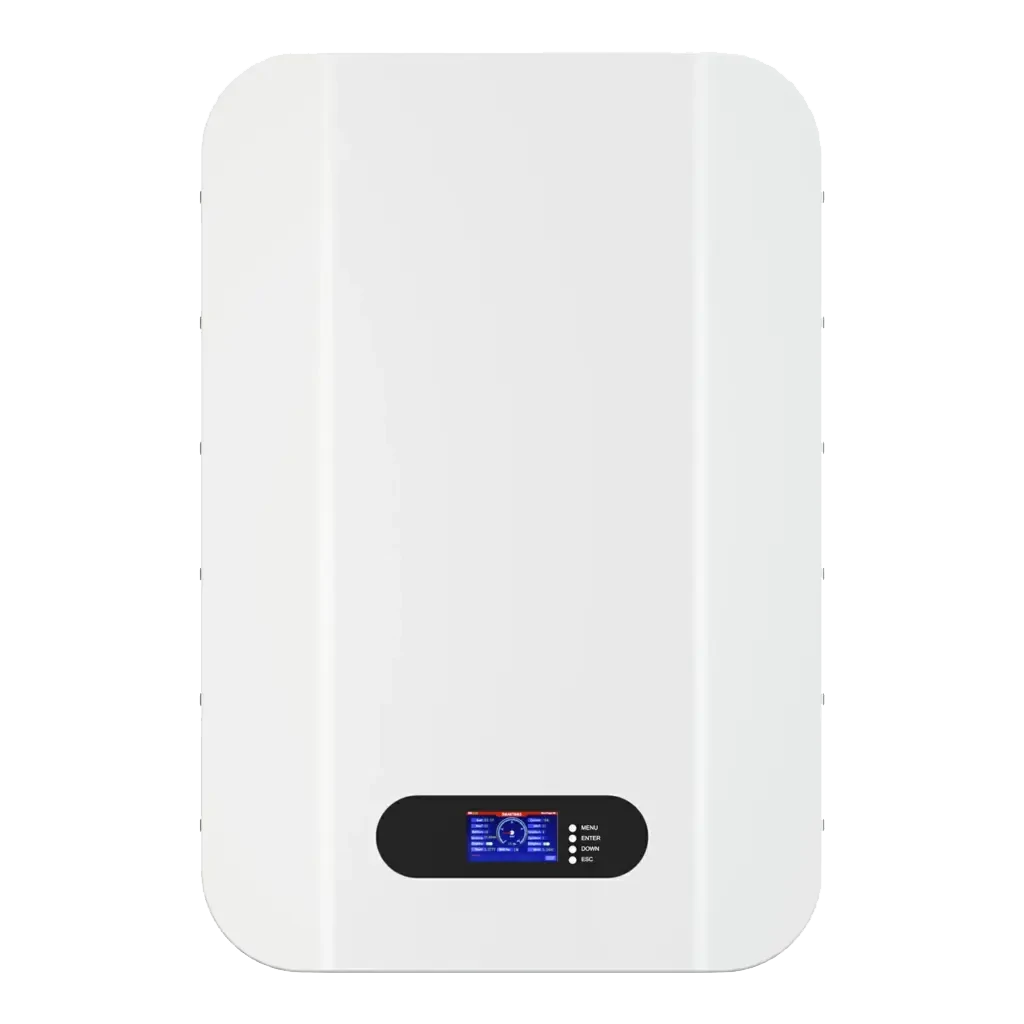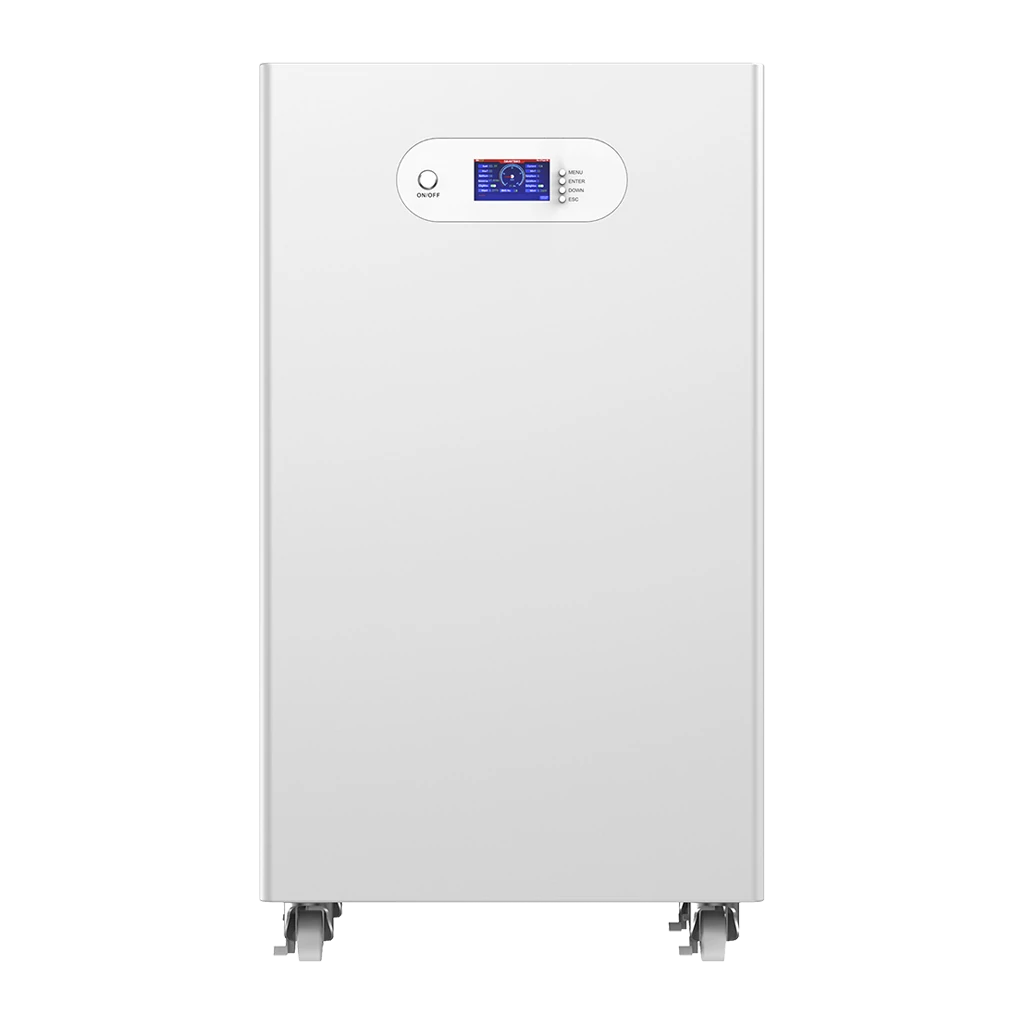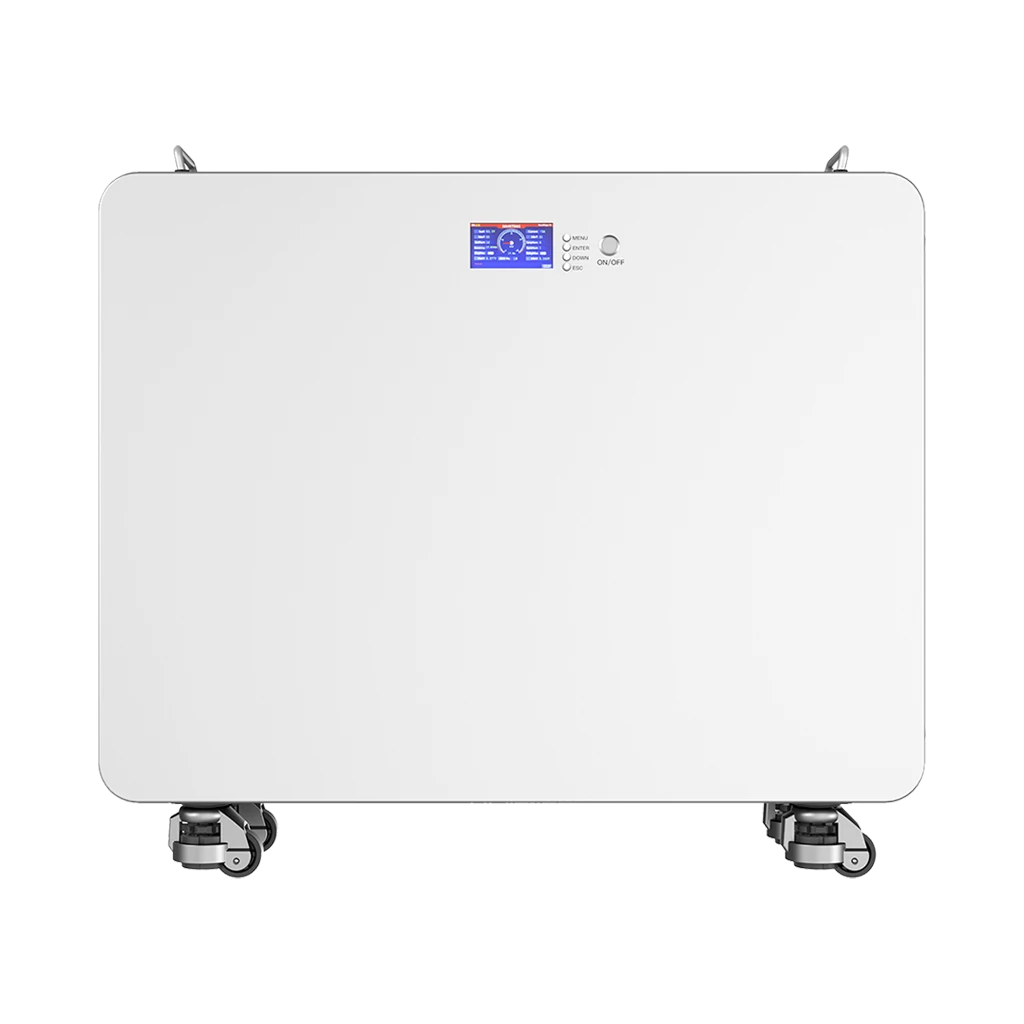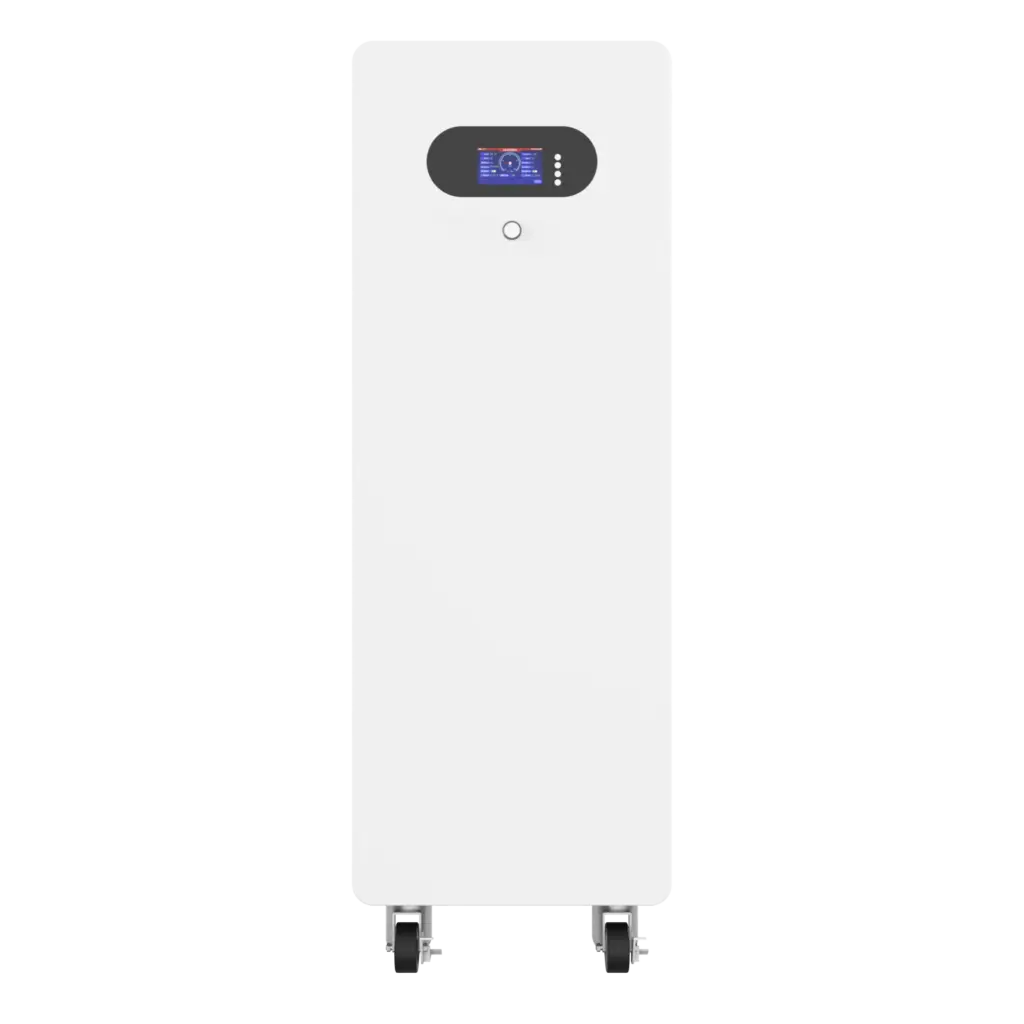

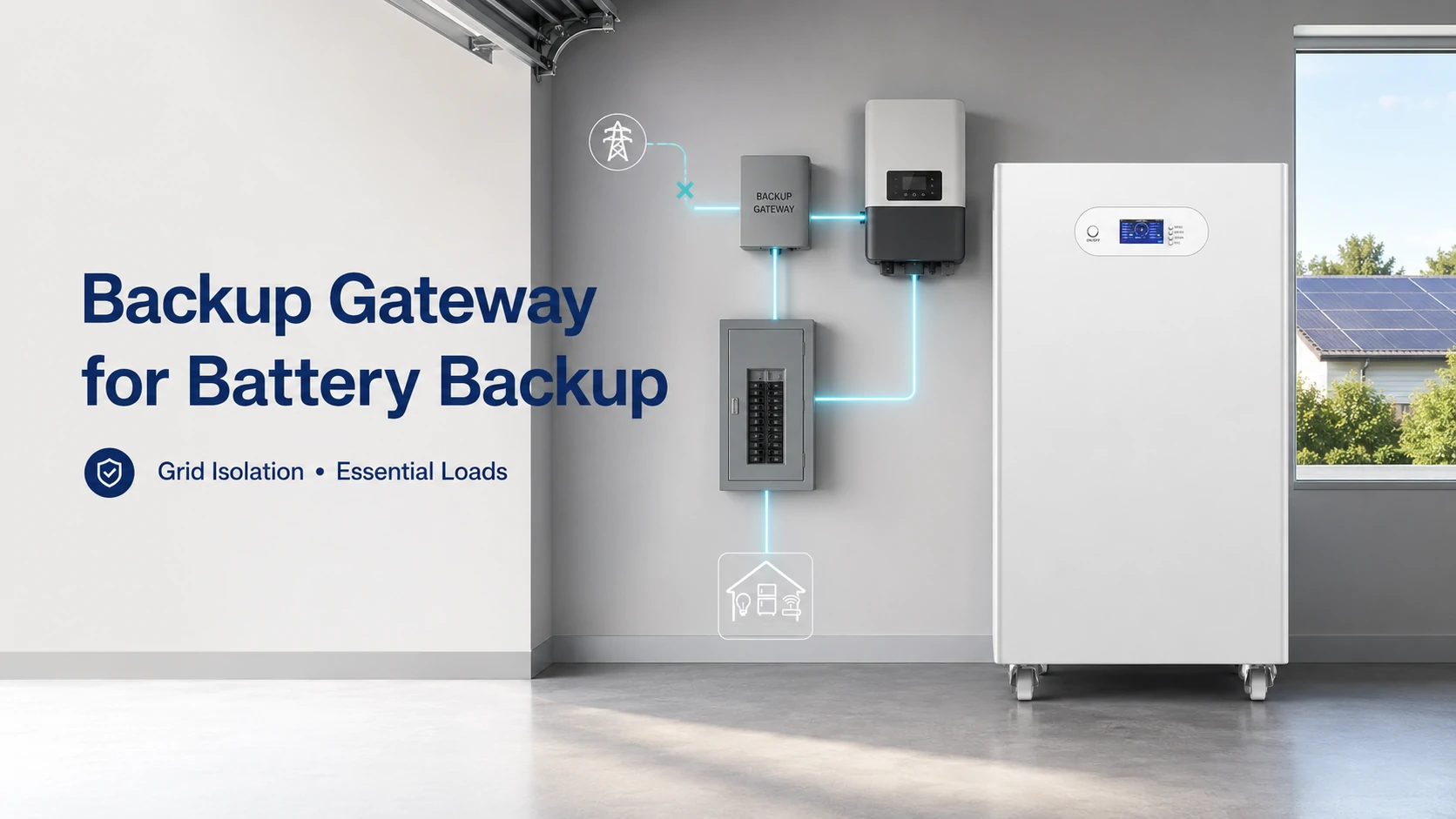
Backup gateway is the control and isolation device that lets a solar battery system safely power selected loads or the whole home during a grid outage, while preventing electricity from feeding back into the utility grid.
In a home battery system, the backup gateway usually performs three jobs: it detects grid failure, isolates the home from the grid, and coordinates battery or inverter output for backup power.
A backup gateway is not just a “box on the wall.” It is part of the electrical safety architecture. Without proper isolation, a battery or solar inverter could backfeed power into utility lines, creating serious safety risk for line workers and equipment.
Do You Need a Backup Gateway for a Solar Battery?
Backup gateway is needed when you want blackout protection, but it may not be required if the battery is only used for self-consumption or time-of-use savings.
Many solar battery systems can store energy during normal grid operation. However, not all of them can power your home when the grid fails. For outage backup, the system must support safe islanding, which means the home is separated from the utility grid before the battery supplies power.
| System Type | Can Store Energy? | Works During Outage? | Backup Gateway Needed? |
|---|---|---|---|
| Solar only | No battery storage | Usually no | No |
| Solar + battery without backup function | Yes | Usually no | Usually no |
| Solar + battery with backup function | Yes | Yes | Yes or equivalent device |
| Off-grid battery system | Yes | Yes | Not always called gateway |
| Generator backup | No battery required | Yes | Usually ATS/MTS instead |
For Avepower projects, this distinction matters because a battery alone does not guarantee blackout protection. A system using Avepower home energy storage solutions should be matched with a compatible hybrid inverter, proper backup output, and local-code-compliant isolation design.
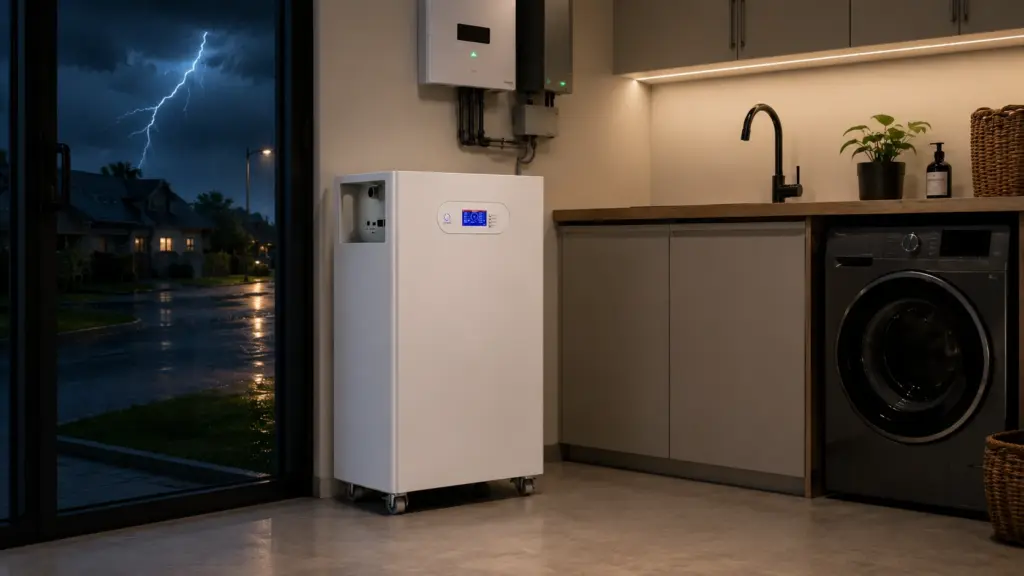
Need a Backup-Ready Battery System?
A backup gateway only works well when the battery, inverter, BMS communication and backup circuits are designed together. Avepower can help match the right LiFePO4 battery solution for your project.
How Does a Backup Gateway Work During a Power Outage?
Backup gateway detects grid failure, opens the grid connection, lets the inverter form a local power network, and then supplies backed-up circuits from the battery and solar system when conditions allow.
In normal operation, the home uses solar, battery, or grid power depending on load and system settings. When the grid fails, the gateway or equivalent device disconnects the property from the utility supply. The inverter then provides a stable voltage and frequency reference for the backup loads.
A simplified sequence looks like this:
- Grid voltage or frequency goes outside the allowed range.
- Gateway detects the outage.
- Grid contactor opens to prevent backfeed.
- Battery inverter enters backup or island mode.
- Backup loads receive power from the battery.
- If solar is connected and compatible, solar may recharge the battery.
- When grid returns, the system verifies stability and reconnects.
Backup Gateway vs Transfer Switch vs ATS vs EPS Box
Backup gateway is usually smarter than a basic transfer switch because it can combine isolation, metering, communication, monitoring, and battery control.
Different brands use different names. Tesla uses Backup Gateway and Backup Switch. Other manufacturers may use EPS box, backup box, gateway, smart panel, or automatic transfer equipment.
| Device | Main Function | Typical System |
|---|---|---|
| Backup gateway | Isolation, metering, backup control, battery coordination | Solar battery backup |
| Backup switch | Grid isolation, often meter-socket based | Whole-home backup |
| ATS | Automatic source transfer | Generator or hybrid backup |
| MTS | Manual transfer | Generator backup |
| EPS box | Emergency power switching | Hybrid inverter backup output |
| Critical loads panel | Separates backed-up circuits | Partial home backup |
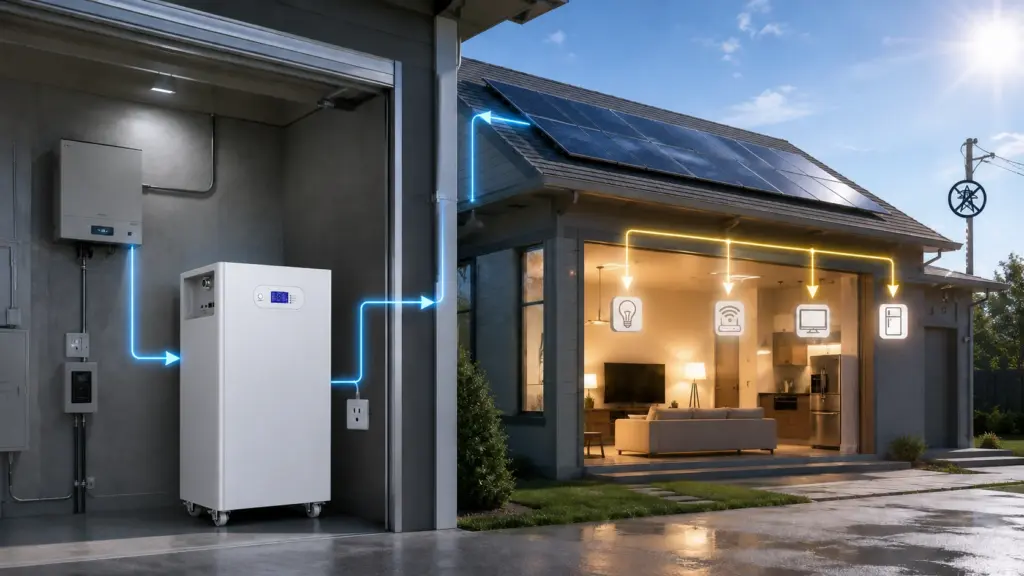
Whole-Home Backup or Partial Backup: Which Is Better?
Backup gateway can support whole-home or partial backup, but partial backup is often more practical when the goal is longer runtime and lower overload risk.
Whole-home backup is more convenient because more circuits stay available. But it requires enough inverter power and battery capacity. Large loads such as EV chargers, electric ovens, electric heating, pumps, and large air conditioners can drain batteries quickly.
Partial backup powers only essential loads. This is often the better design for homes that mainly need refrigeration, lighting, Wi-Fi, security, garage doors, medical equipment, and selected outlets.
| Backup Design | Best For | Advantages | Limitations |
|---|---|---|---|
| Partial backup | Essential loads | Longer runtime, lower cost, lower overload risk | Not every circuit works |
| Whole-home backup | Larger homes, rural homes, premium projects | More convenience | Needs larger inverter and battery |
| Commercial critical-load backup | Shops, clinics, telecom rooms | Protects business-critical loads | Needs load study and project design |
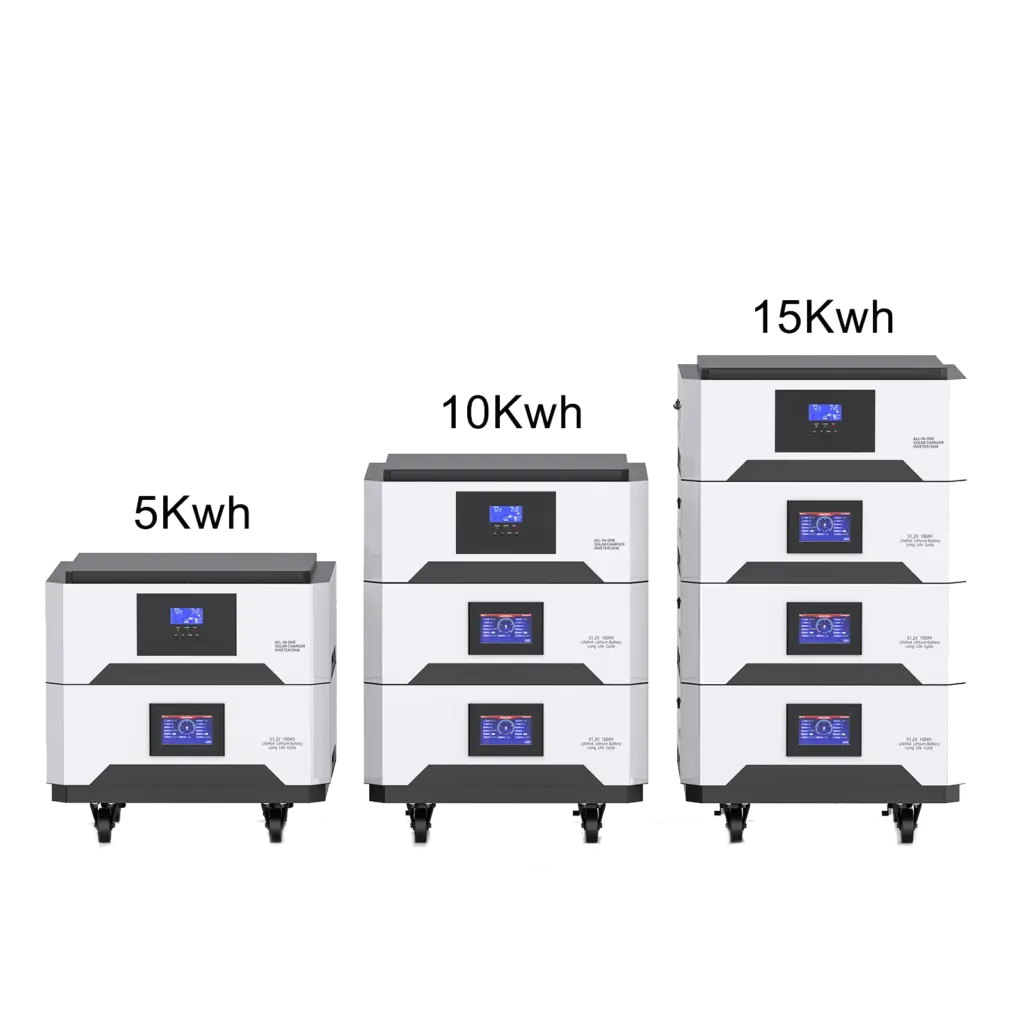
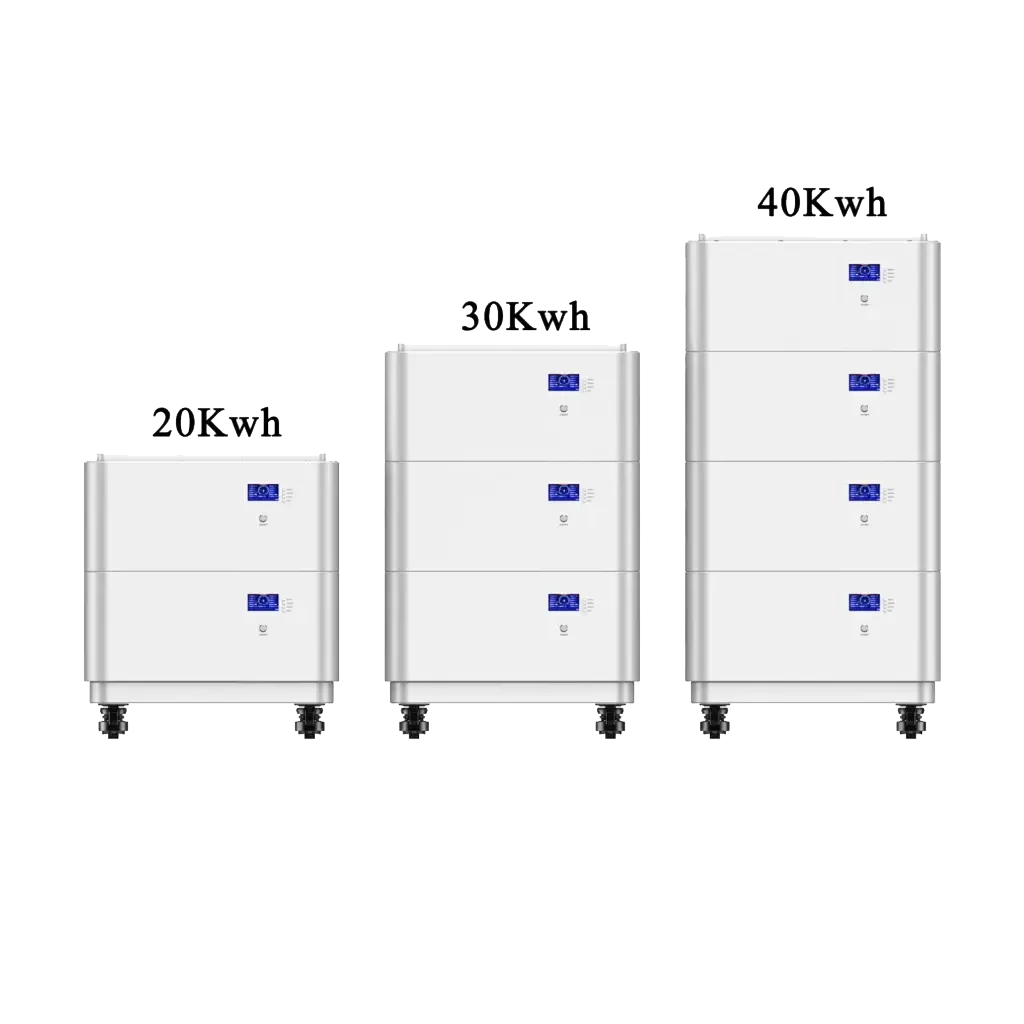
For larger residential or light commercial projects, Avepower’s 30kWh solar battery or 50kWh solar battery may be more suitable than a small wall-mounted battery when backup runtime and load support are priorities.
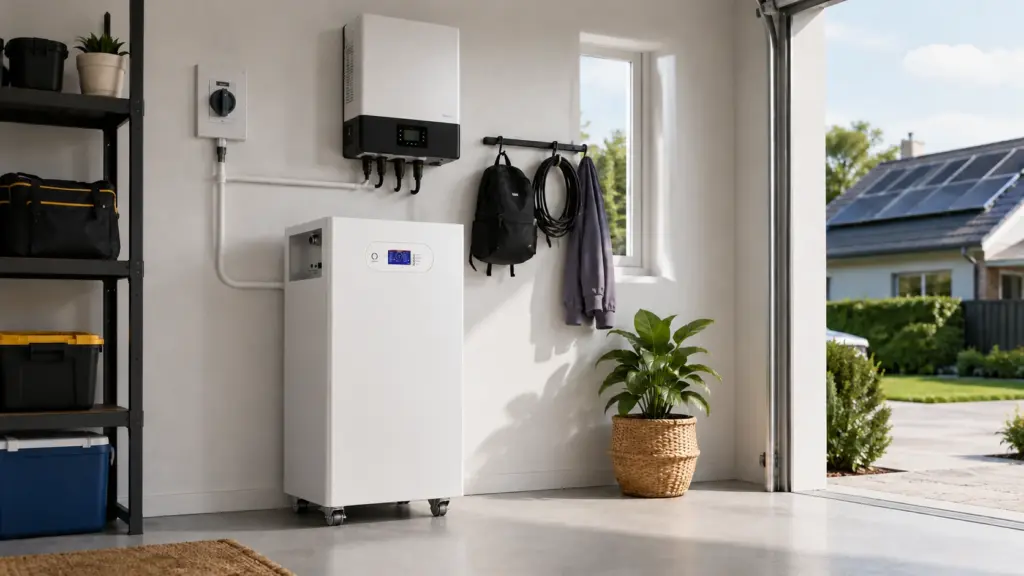
Match Your Battery to Real Backup Loads
Planning essential-load or whole-home backup? Compare 5kWh, 10kWh, 16kWh, 30kWh and larger Avepower battery options based on runtime, inverter output and installation needs.
What Size Battery Do You Need With a Backup Gateway?
Backup gateway does not determine runtime by itself; backup runtime depends mainly on usable battery capacity, inverter output, selected loads, depth of discharge, and whether solar can recharge during the outage.
A simple sizing formula is:
Required battery capacity = backup load per day ÷ usable DoD ÷ inverter efficiency
Example calculation:
| Item | Value |
|---|---|
| Refrigerator | 1.5 kWh/day |
| Wi-Fi, router, security | 0.5 kWh/day |
| LED lighting | 1.0 kWh/day |
| Laptop/phone charging | 0.5 kWh/day |
| Small kitchen loads | 1.5 kWh/day |
| Total essential load | 5.0 kWh/day |
| Assumed usable DoD | 90% |
| Inverter efficiency | 95% |
| Battery capacity needed | 5 ÷ 0.90 ÷ 0.95 = 5.85 kWh |
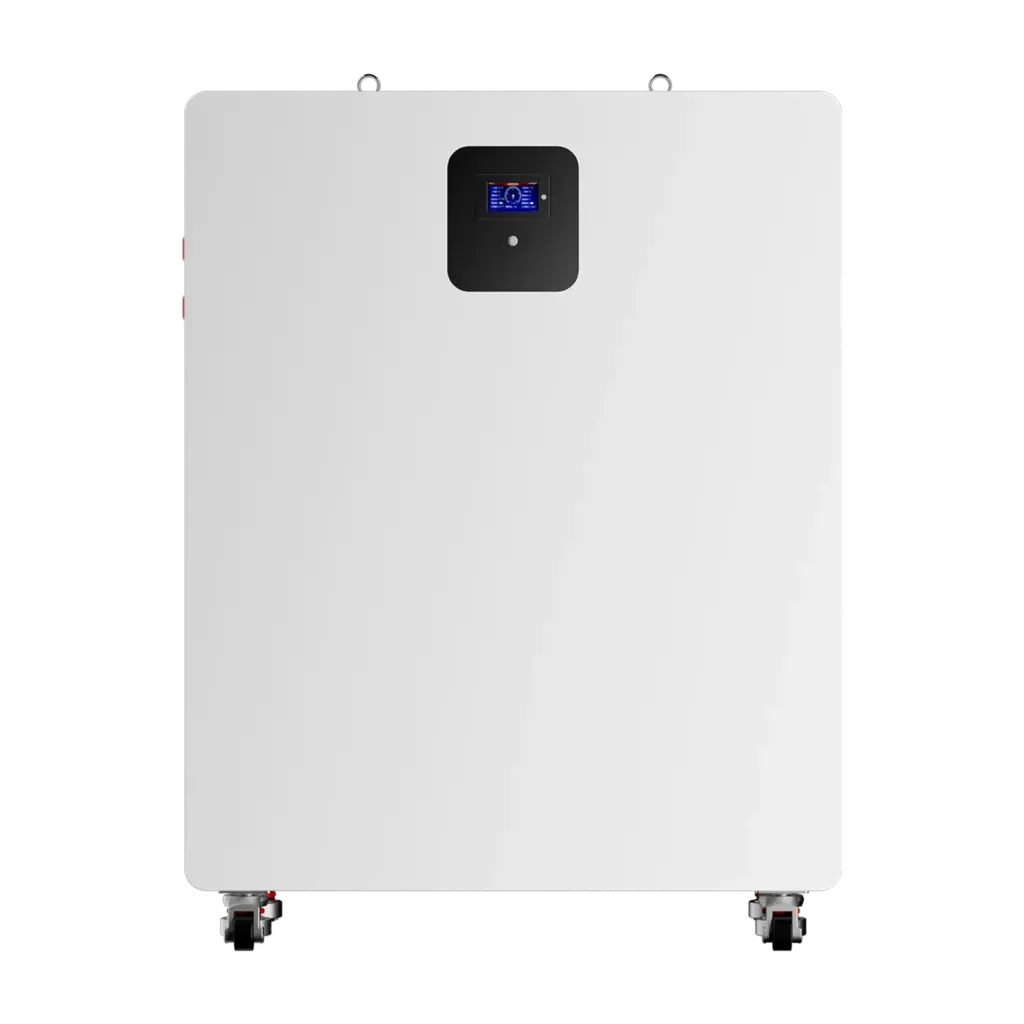
In this case, a 5kWh battery may be tight, while a 10kWh battery gives more practical reserve. A system using the Avepower 10kWh wall mounted LiFePO4 battery would be more comfortable for one day of essential-load backup, assuming the inverter and gateway are properly matched.
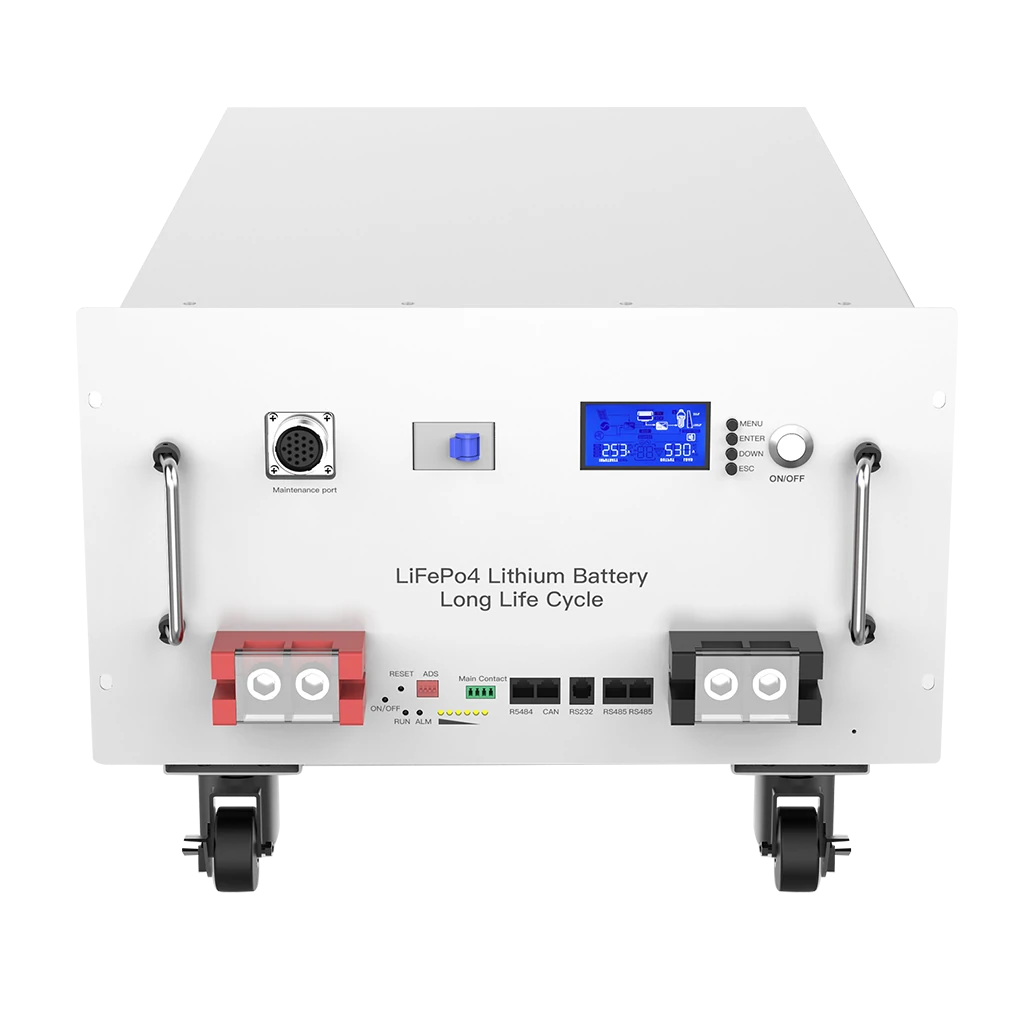
For longer outages, a 15kWh or 16kWh system is more realistic. Avepower’s 15kWh vertical LiFePO4 battery and 16kWh vertical home battery backup both support CAN/RS485/RS232 communication and scalable parallel connection, which helps installers build larger backup systems.
What Components Must Match the Backup Gateway?
Backup gateway must match the inverter, battery BMS, electrical panel, metering method, load design, and local grid requirements.
A battery backup system should be designed as a complete system, not as separate parts. If the battery and inverter cannot communicate correctly, the inverter may not read SOC, current limits, voltage alarms, or protection status accurately.
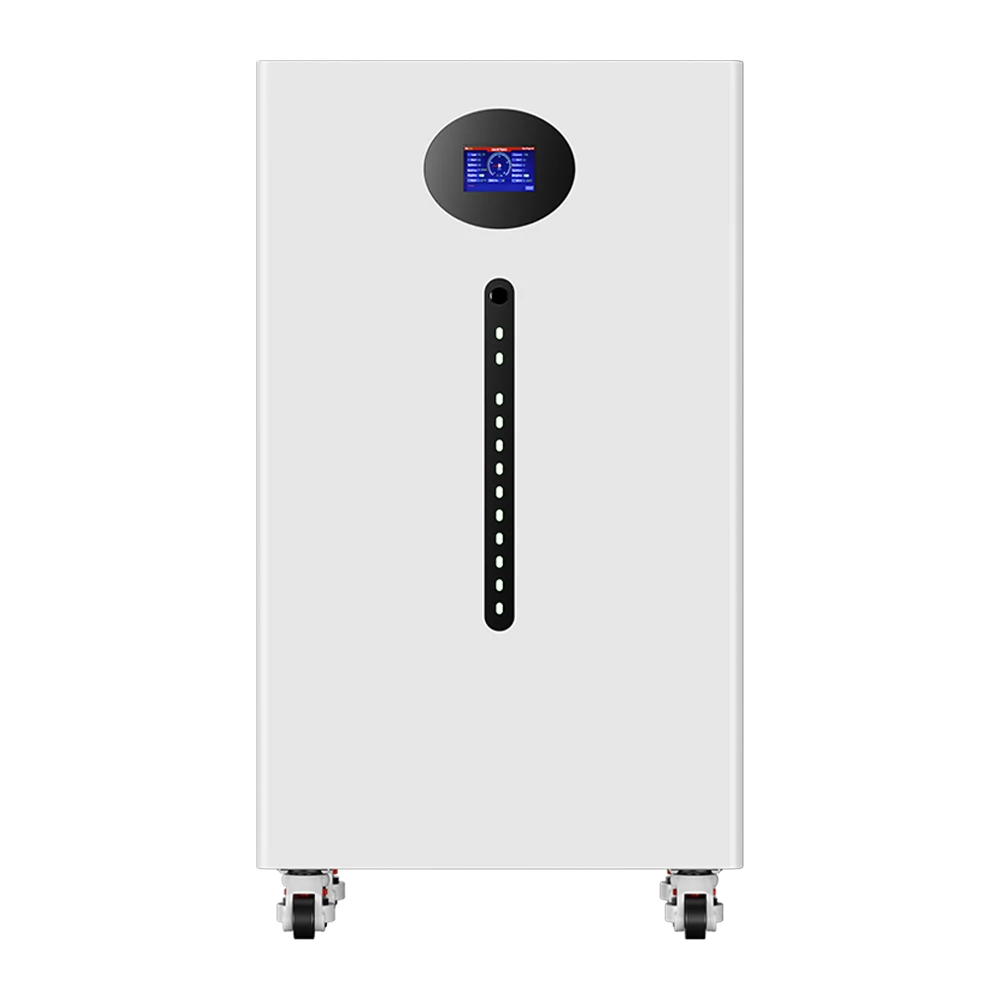
Avepower batteries often support CAN, RS485, and RS232 communication, which helps installers match the battery with compatible hybrid inverters. For integrated projects, the Avepower all-in-one 15kWh battery with 6kW inverter can simplify system architecture because the battery, inverter, MPPT charging, display, and monitoring are integrated in one cabinet.
Safety and Code: What Should You Check Before Installation?
Backup gateway installation should be handled by qualified professionals because it touches grid isolation, grounding, overcurrent protection, metering, battery safety, and local electrical code compliance.
Battery storage systems improve resilience, but they are still electrical energy systems that must be designed safely.
Key checks before installation:
- Is the gateway approved for the inverter and battery?
- Does the system support true islanding or only self-consumption?
- Are backup circuits separated correctly?
- Is the battery chemistry suitable for stationary storage?
- Does the BMS protect against overcharge, overdischarge, overcurrent, short circuit, and temperature faults?
- Are local fire, spacing, ventilation, and access rules followed?
- Is the installer qualified for grid-connected battery work?
- Is the system documented for service and inspection?
Avepower LiFePO4 systems are positioned for residential solar storage, backup power, off-grid systems, installer projects, and OEM/ODM programs. Models such as the Avepower all-in-one 15kWh battery with 6kW inverter are useful when buyers want integrated battery, inverter, MPPT charging, monitoring, and simpler system architecture.
Real Project Example: Essential Backup for a Family Home
Backup gateway is most valuable when the project defines the exact circuits to protect, because backup design should start from loads rather than from battery capacity alone.
Example: A family home wants outage protection for fridge, lighting, internet, security, garage door, and a few outlets. The estimated essential load is 5–6kWh per day. The homeowner also wants one evening of reserve if solar production is poor.
A practical design could use:
| Design Item | Example Choice |
|---|---|
| Backup type | Partial backup |
| Battery size | 10–15kWh nominal |
| Inverter output | 5–6kW class, depending on surge loads |
| Gateway/switching | Backup gateway or approved EPS/transfer device |
| Backup circuits | Fridge, lights, Wi-Fi, security, selected outlets |
| Heavy loads excluded | EV charger, oven, large AC, electric heater |
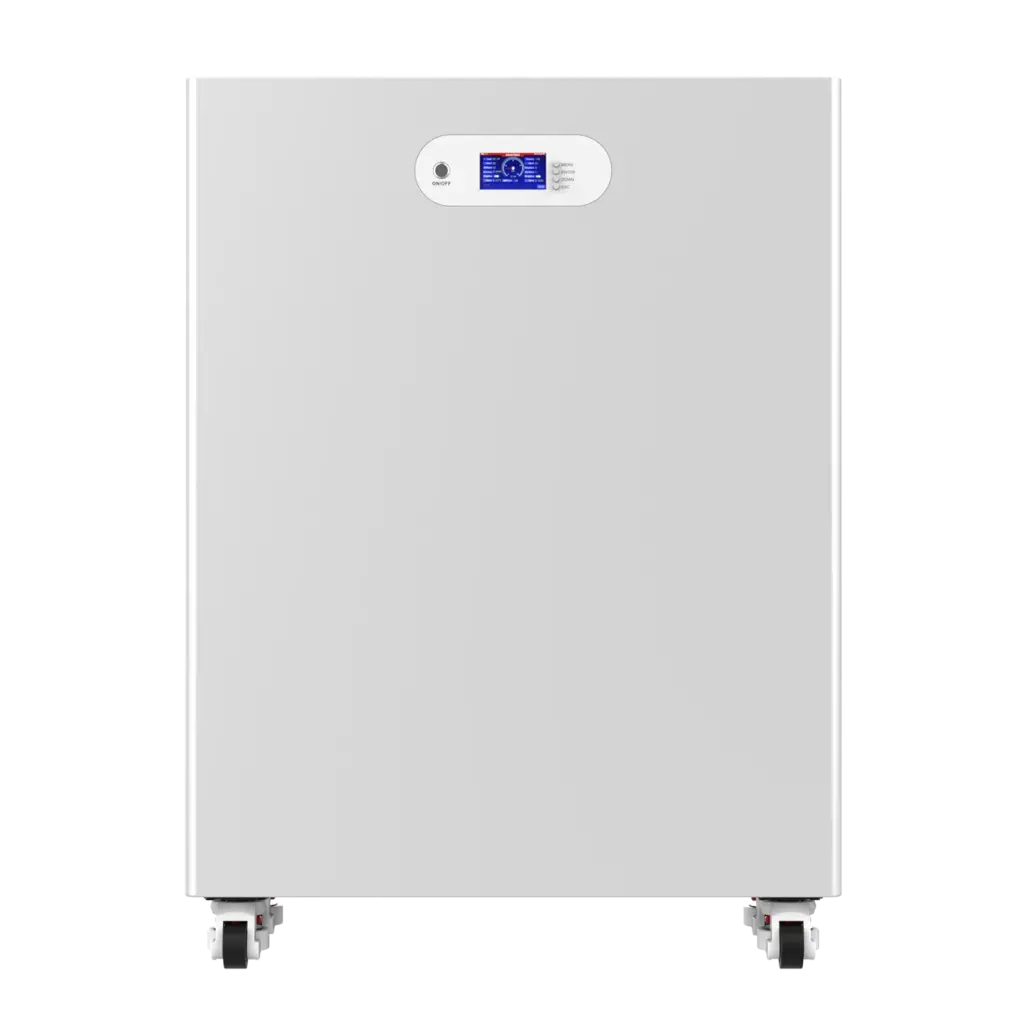
If the project uses the Avepower 15kWh battery storage system, the extra capacity can provide a stronger buffer than a small essential-load battery. If the installer wants a more compact integrated setup, the all-in-one 15kWh system may reduce separate component complexity.
When Is a Backup Gateway Worth It?
Backup gateway is worth it when outage protection matters more than only reducing electricity bills.
If your goal is only solar self-consumption, a backup gateway may not be necessary. If your goal is to keep the refrigerator, router, lights, security system, pumps, or business-critical loads running during an outage, backup functionality becomes much more valuable.
A backup gateway is usually worth considering when:
- Your area has frequent grid outages.
- You have essential loads that cannot lose power.
- You already plan to install a solar battery.
- You want partial or whole-home backup.
- You are an installer designing repeatable backup packages.
- You serve villas, farms, telecom rooms, small shops, or clinics.
It may not be worth it when outages are rare, budget is limited, or the battery is only used for off-peak charging and peak-rate discharge.
Common Mistakes When Choosing a Backup Gateway
Backup gateway projects fail most often when buyers assume every battery provides blackout power, ignore heavy loads, or choose components before confirming inverter and wiring compatibility.
Avoid these mistakes:
- Buying a battery without checking backup mode.
- Assuming solar panels work during blackouts without islanding support.
- Backing up the whole home with too little inverter output.
- Leaving EV chargers, ovens, or large HVAC on backup circuits.
- Ignoring CT placement and site metering.
- Choosing battery capacity without calculating daily backup load.
- Mixing brands without checking communication protocol.
- Treating backup gateway installation as a DIY accessory.
For background reading, Avepower’s guide on whether solar batteries work in a blackout is a useful internal support article because it explains why backup functionality depends on inverter, isolation, and circuit design.
Conclusion
A backup gateway is the difference between “having a battery” and “having a real backup power system.” It safely disconnects the home from the grid, enables islanded operation, supports metering, and helps the inverter and battery deliver power where it is needed.
For homeowners, the best choice starts with essential loads and outage duration. For installers, distributors, and project buyers, the best backup system is one where battery capacity, inverter output, gateway design, communication protocol, and safety compliance are planned together.
Avepower provides LiFePO4 battery storage solutions for residential backup, solar self-consumption, off-grid systems, and scalable installer-led projects. To build a reliable backup gateway system, choose the battery size around real loads, confirm inverter compatibility, and design the backup circuits before installation.
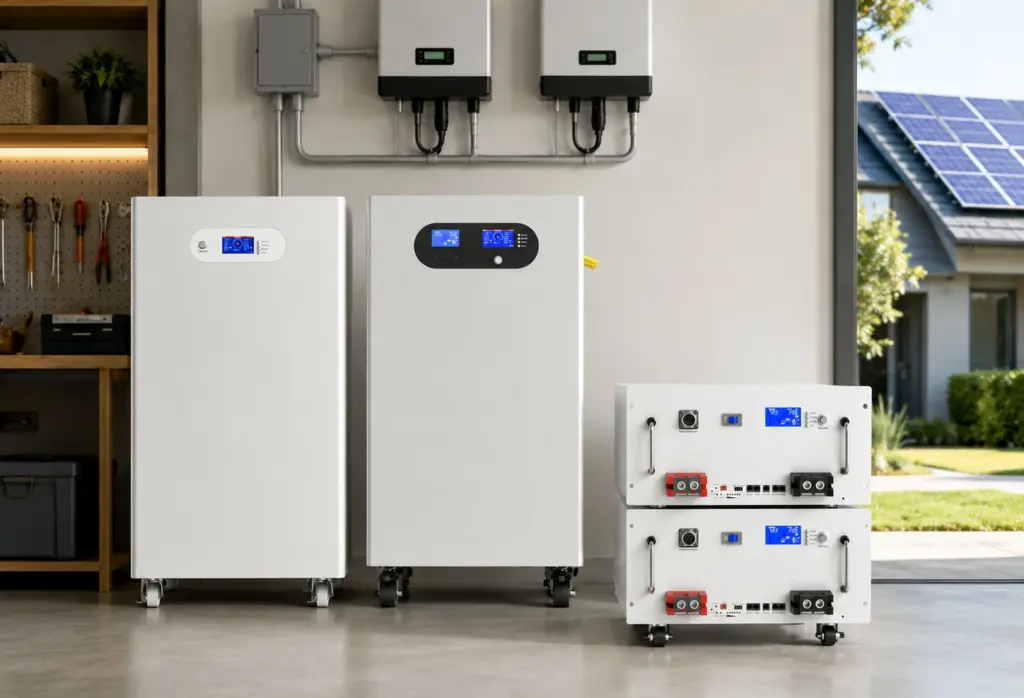
Take Control of Your Energy with Avepower!
Reliable home solar battery solutions with OEM/ODM customization and in-house manufacturing, tailored to the needs of distributors, installers, and energy partners.
FAQ
No. A battery inverter converts DC battery power into AC power, while a backup gateway isolates the home from the grid and coordinates backup operation. Some systems integrate these functions, but they are not always the same device.
Yes, but usually only for grid-connected self-consumption or time-of-use savings. If you want blackout backup, the system needs a backup gateway, backup switch, EPS box, transfer switch, or equivalent approved isolation method.
Yes, if the battery, inverter, gateway, wiring, and load profile are sized for whole-home backup. Many homes are better served by partial backup because it protects essential loads for longer.
Sometimes. Solar can recharge the battery during outage mode only if the inverter, gateway, solar design, and battery controls support islanded solar operation.
It is worth it if outages are frequent, critical loads matter, or the customer expects the battery to work during blackouts. It may not be worth the extra cost if the battery is only for bill savings and the grid is highly reliable.