
Smart home energy management is becoming more important as homes become more electric. Solar panels, home batteries, EV chargers, heat pumps, smart appliances and time-of-use tariffs can all help reduce energy costs, but they only deliver their full value when they work together.
A smart home energy management system, often called a HEMS, acts as the control layer between your energy sources, storage system, household loads and the grid. Instead of simply showing how much electricity you use, it helps decide when to use solar power, when to store energy, when to charge a battery, when to run major appliances and when to avoid expensive grid electricity.
What Is Smart Home Energy Management?
Smart home energy management is the process of monitoring, controlling and optimizing how a home produces, stores and uses energy. A full home energy management system can connect solar panels, home batteries, grid power, EV chargers, HVAC systems, smart plugs, lighting, appliances and energy meters through one platform.
In simple terms, smart home energy management answers five questions:
- How much electricity is the home using right now?
- How much solar power is being generated?
- Should surplus solar energy be used, stored or exported?
- When should the battery charge or discharge?
- Which appliances should run now, later or only during low-cost periods?
A basic smart plug can turn one appliance on or off. A smart home energy management system looks at the whole home and makes better decisions based on real energy flow.
How Does a Smart Home Energy Management System Work?
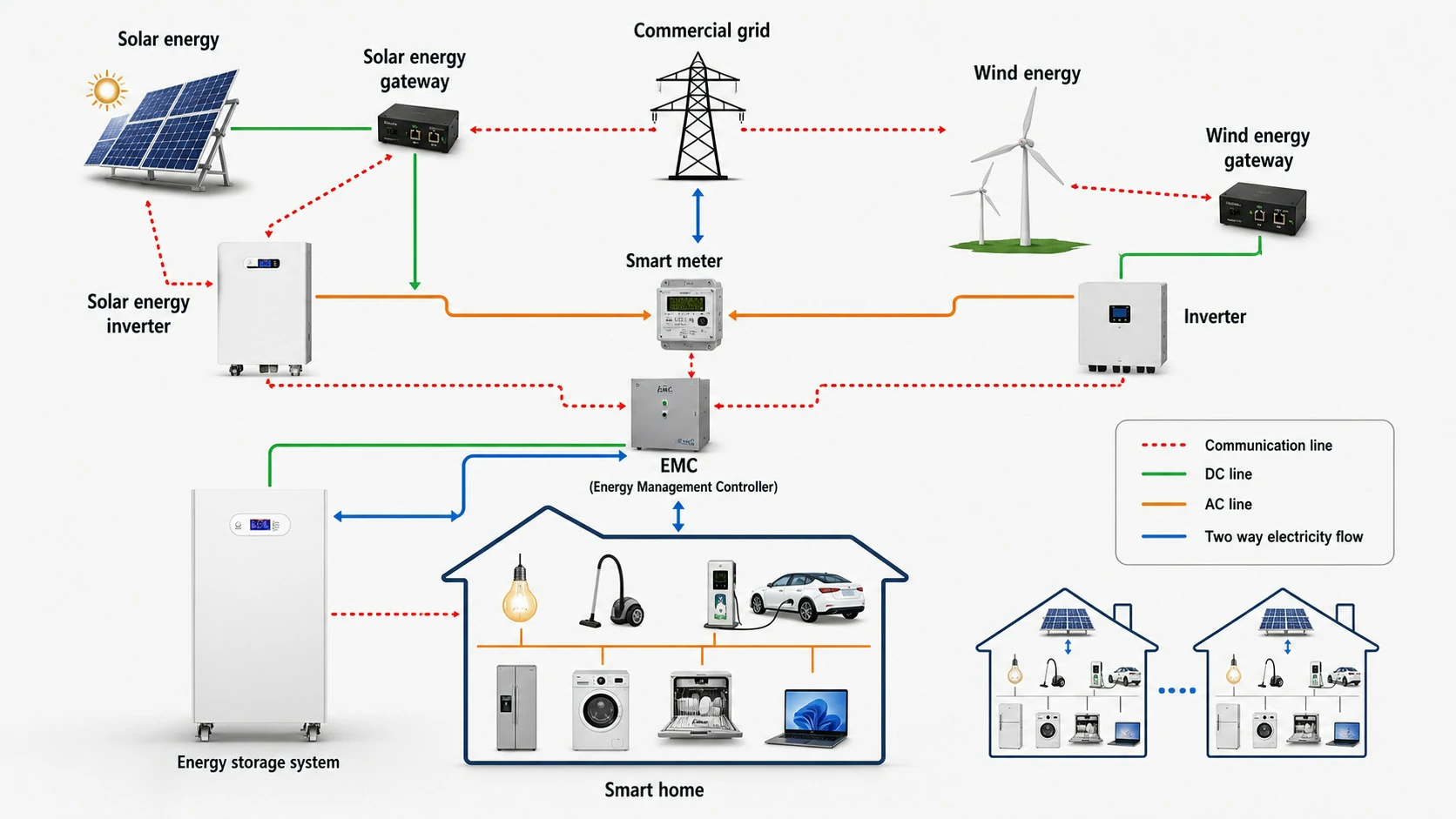
A smart home energy management system works by collecting real-time energy data, analyzing household demand, then controlling connected devices according to user preferences, electricity prices, solar generation and battery status.
A typical energy flow looks like this:
Solar panels → Inverter → Smart meter or energy gateway → Battery storage → Home loads → Grid
Smart Home Energy Management vs Smart Home Automation
Smart home automation and smart home energy management are related, but they are not the same.
A smart plug can turn a lamp off at 10 p.m. A smart thermostat can adjust room temperature when no one is home. These are useful automations, but they usually operate device by device.
Smart home energy management looks at the whole energy picture. It considers solar production, battery storage, grid pricing, appliance demand, weather patterns and household comfort together.
| Feature | Smart Home Automation | Smart Home Energy Management |
|---|---|---|
| Main focus | Convenience and device control | Energy cost, efficiency and storage control |
| Typical devices | Lights, plugs, sensors, thermostats | Solar, batteries, inverters, meters, EV chargers, major loads |
| Decision level | Individual device rules | Whole-home energy strategy |
| Energy data | Limited or device-specific | Real-time production, consumption and storage data |
| Best use case | Comfort and convenience | Lower bills, higher solar self-consumption and backup planning |
A good smart home energy management system does not replace smart home automation. It improves it by making automation energy-aware.
Key Components of a Smart Home Energy Management System
A complete smart home energy management system usually includes several connected parts.
1. Solar Panels
Solar panels generate electricity during the day. Without intelligent management, some of that energy may be exported to the grid at a low feed-in rate or wasted if the system cannot use it efficiently.
With smart energy management, solar power can be prioritized for immediate home loads, battery charging, EV charging or high-consumption appliances.
2. Solar Inverter
The inverter converts solar DC power into usable AC power for the home. In a smart energy system, the inverter also provides important production data. Many modern inverters can communicate with monitoring platforms through interfaces such as WiFi, Ethernet, RS485, CAN, Modbus or cloud APIs.
3. Home Battery Storage
A home battery stores surplus solar energy for later use. This is one of the most important parts of smart home energy management.
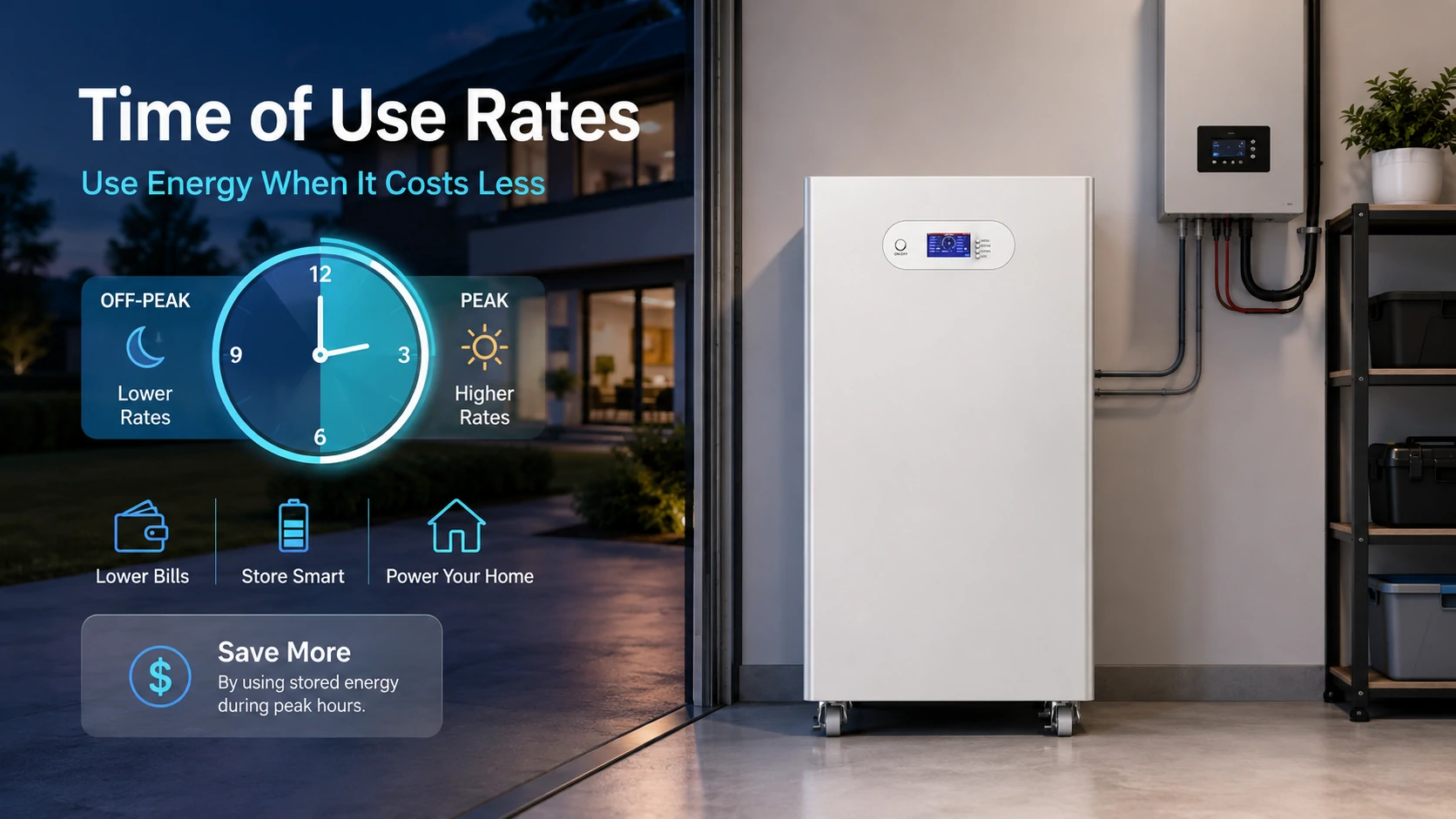
Instead of exporting all unused solar power during the day, a battery can store that energy and release it in the evening, during peak-price periods or during grid outages. Energy Saving Trust notes that home batteries can also be combined with smart time-of-use tariffs, allowing the battery to charge when electricity is cheapest and store excess solar generated during the day.
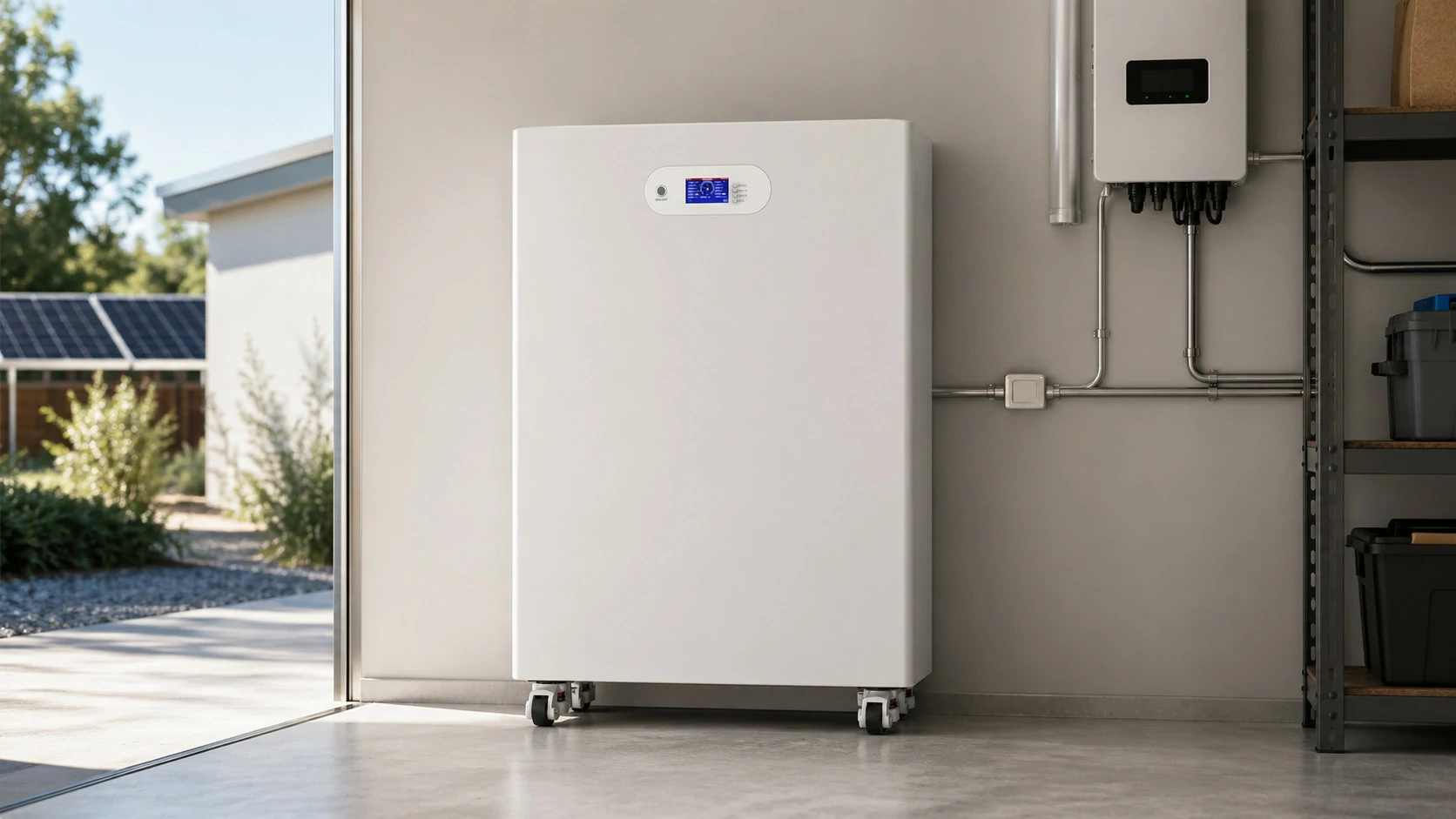
For homes using Avepower LiFePO4 battery systems, the battery is not just a storage box. Intelligent BMS protection, communication interfaces and app or EMS monitoring help the system track voltage, current, temperature, state of charge and operating status.
4. Smart Meter or Energy Monitor
A smart meter or energy monitor measures real-time energy use. It can track grid imports, exports, total home consumption and sometimes individual circuit-level loads.
5. Home Energy Management Platform
This is the control brain of the system. It may be a physical gateway, a cloud platform, an app, a local controller or an integrated inverter-battery management platform. The platform collects data, displays energy flows and can automate actions based on rules or AI logic.
6. Smart Loads and Appliances
Smart loads include devices that can be scheduled or controlled, such as:
- EV chargers
- Heat pumps
- Water heaters
- Air conditioning
- Washing machines
- Dishwashers
- Pool pumps
- Smart plugs
- Smart thermostats
- Lighting systems
These devices create flexibility. If they can run at different times without affecting comfort, the energy management system can shift them to cheaper, cleaner or solar-rich periods.
Smart Home Energy Management and Solar Batteries
Solar batteries are central to smart home energy management because they turn solar power from a daytime-only resource into a flexible energy asset.
Without a battery, surplus solar energy usually flows back to the grid. With a battery, that energy can be stored and used later. With smart energy management, the system can decide the best use for that stored energy.
A simple example:
- Morning: The home uses grid power or stored battery power.
- Midday: Solar panels power the home and charge the battery.
- Afternoon: Surplus solar may charge the EV or water heater.
- Evening: The battery discharges to power lights, appliances and electronics.
- Night: The battery may stay reserved for backup or charge from low-cost grid electricity if the tariff allows it.
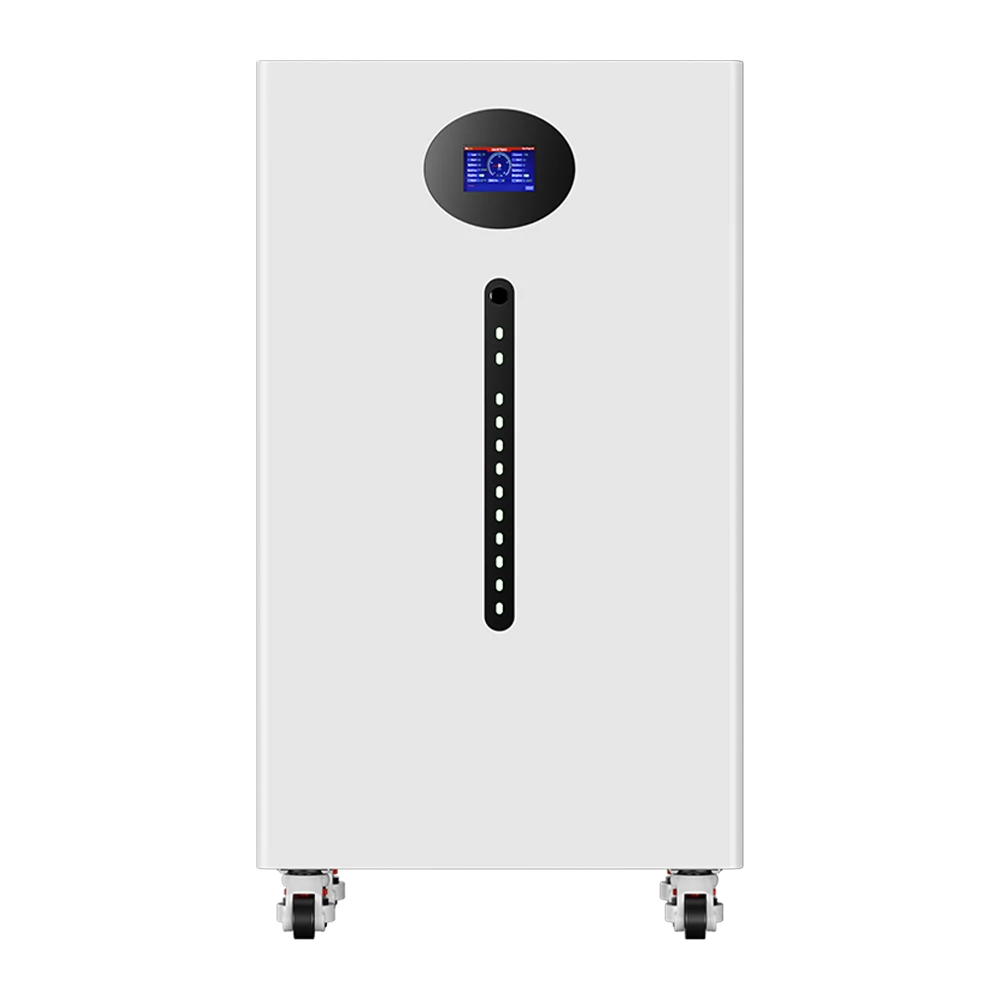
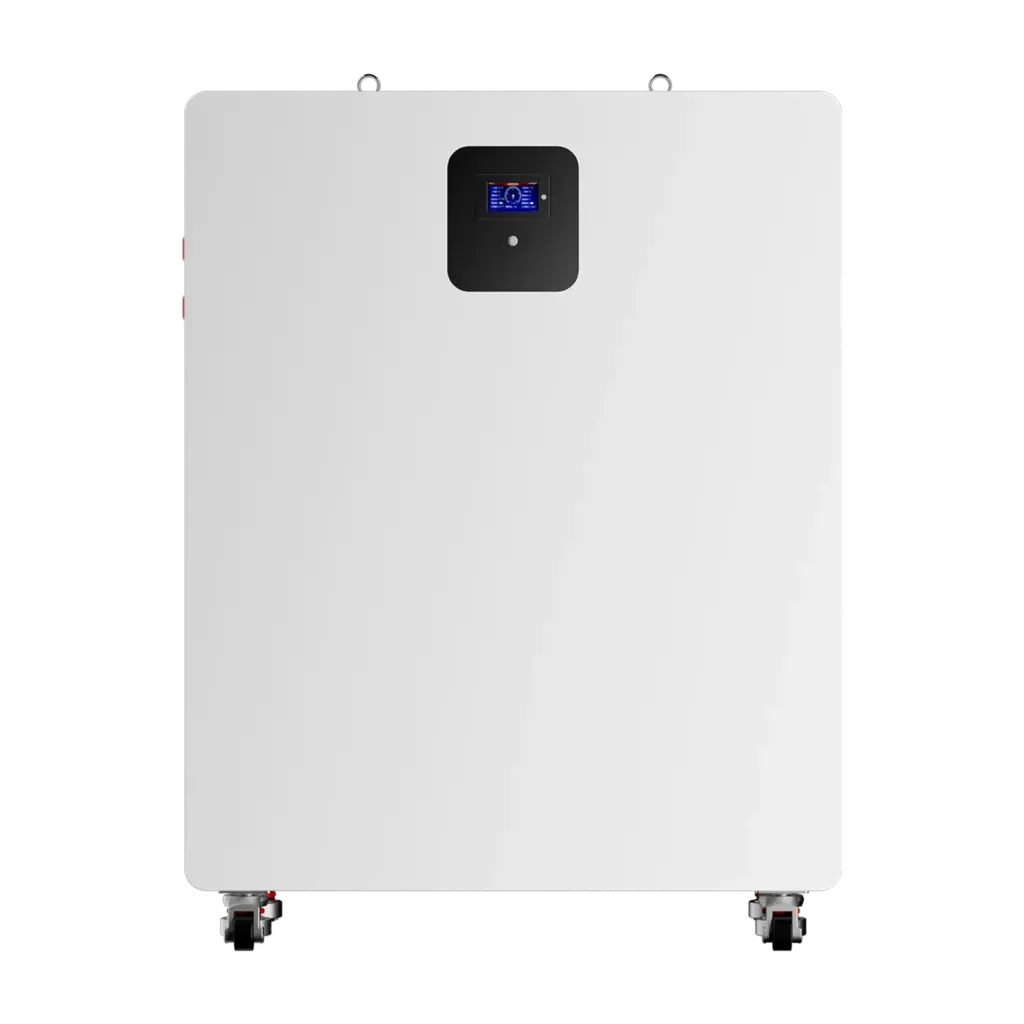
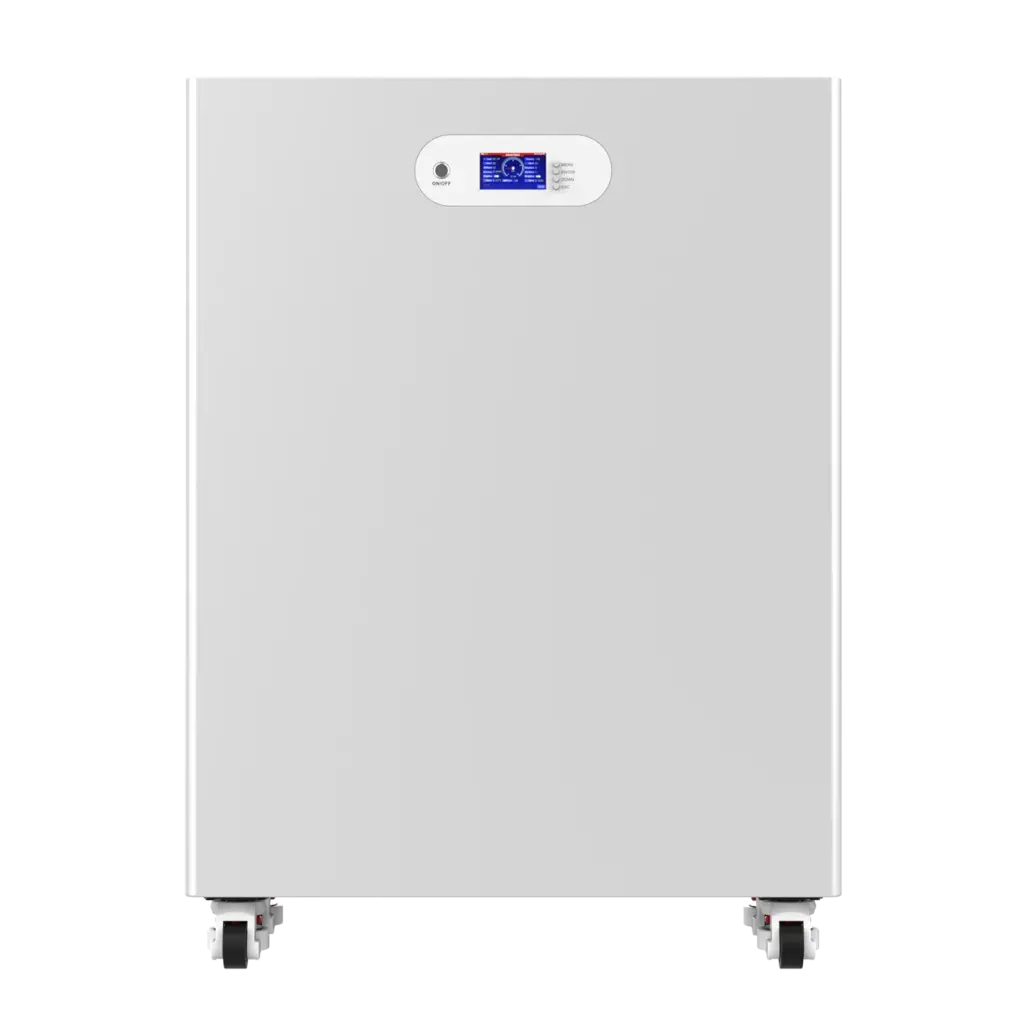
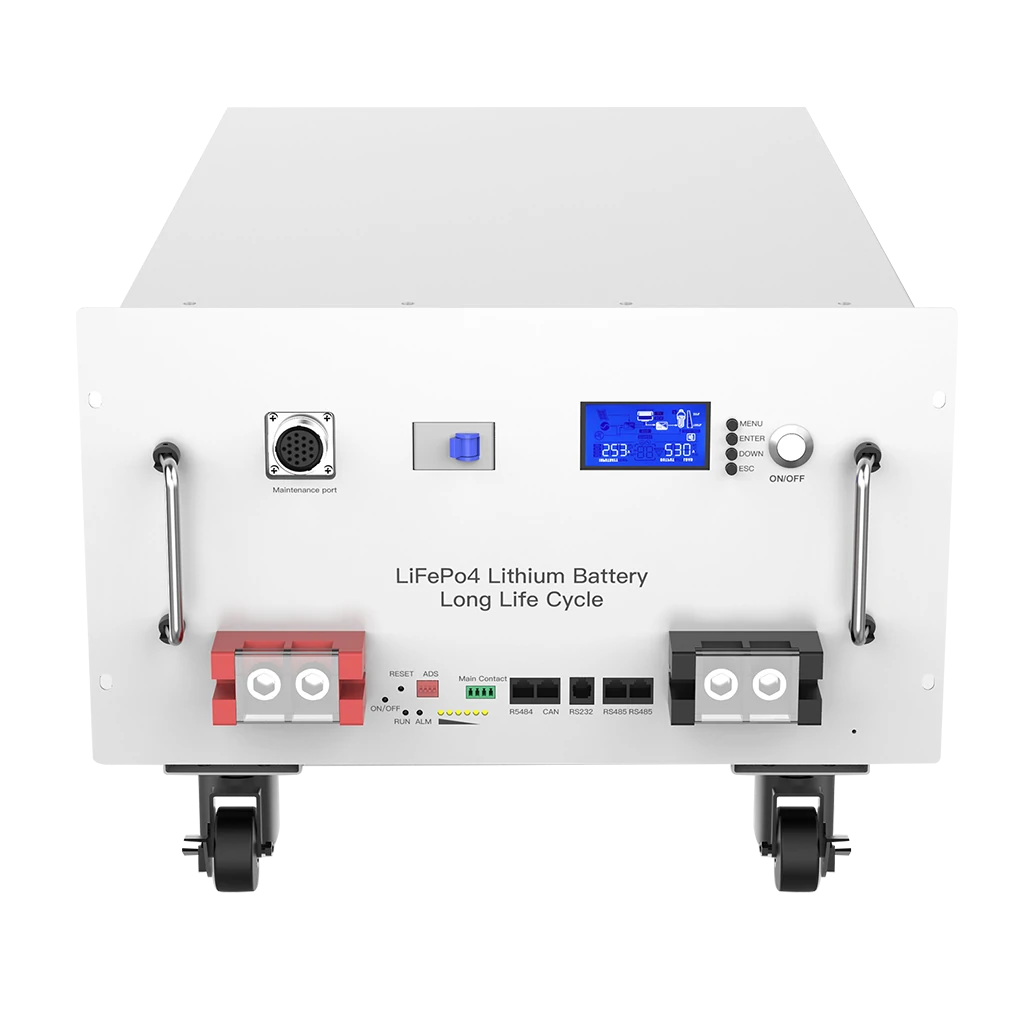
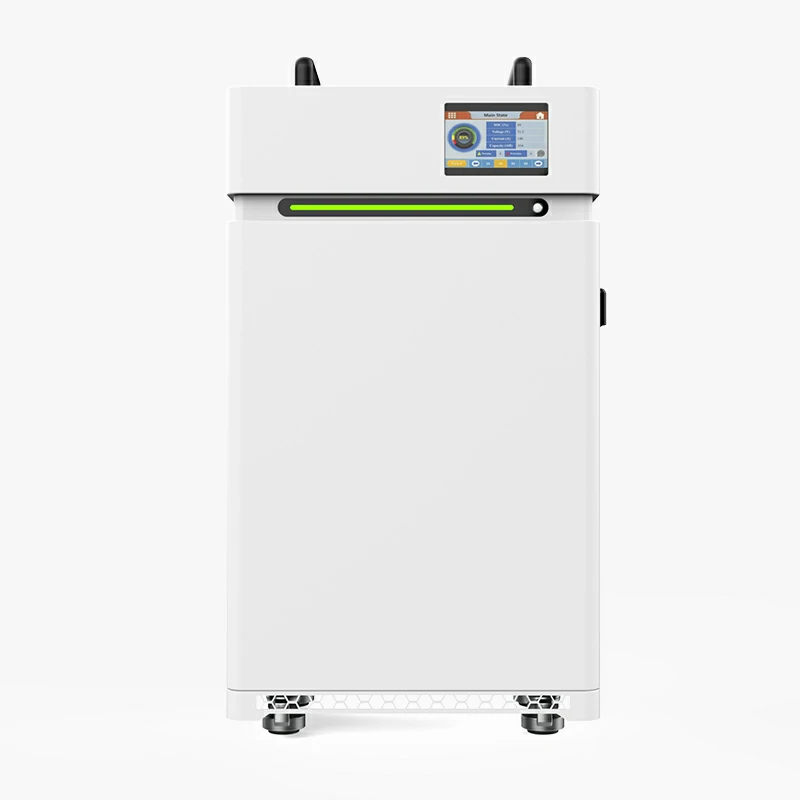
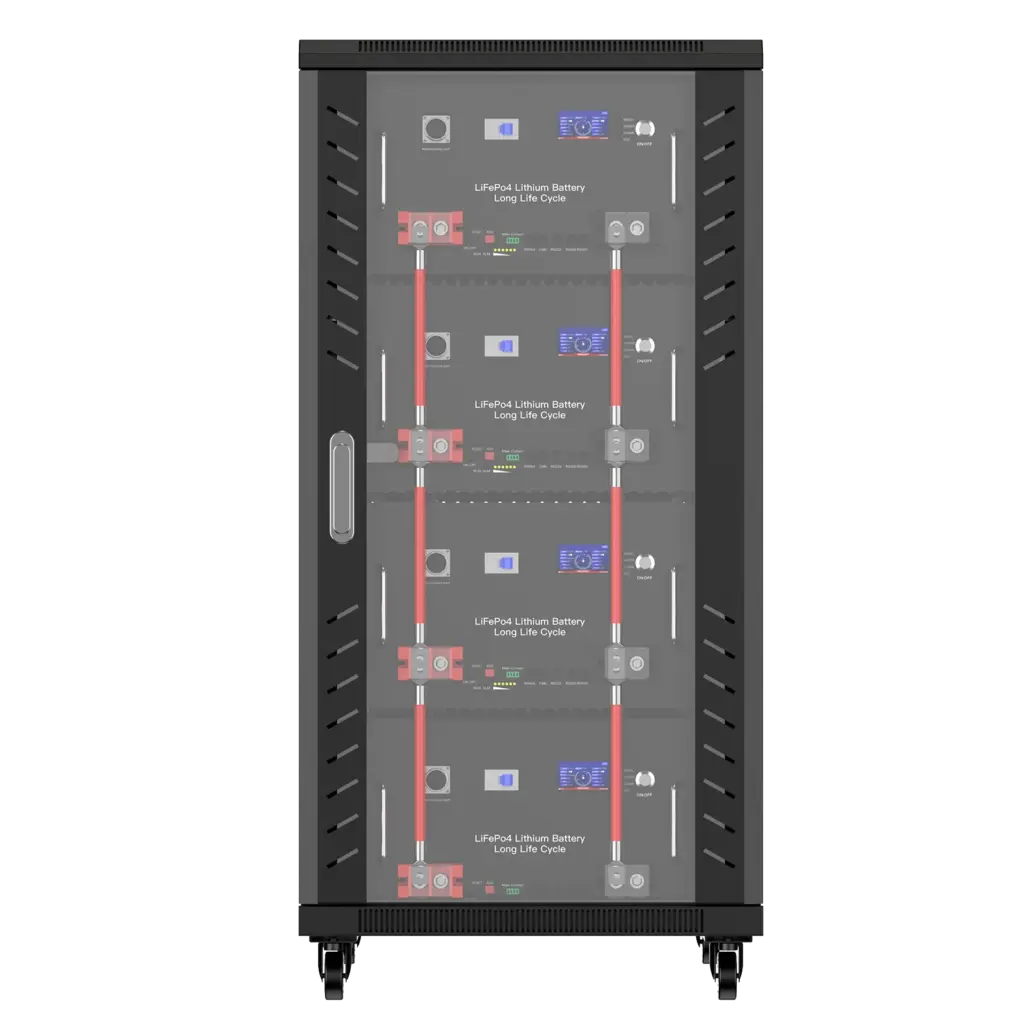
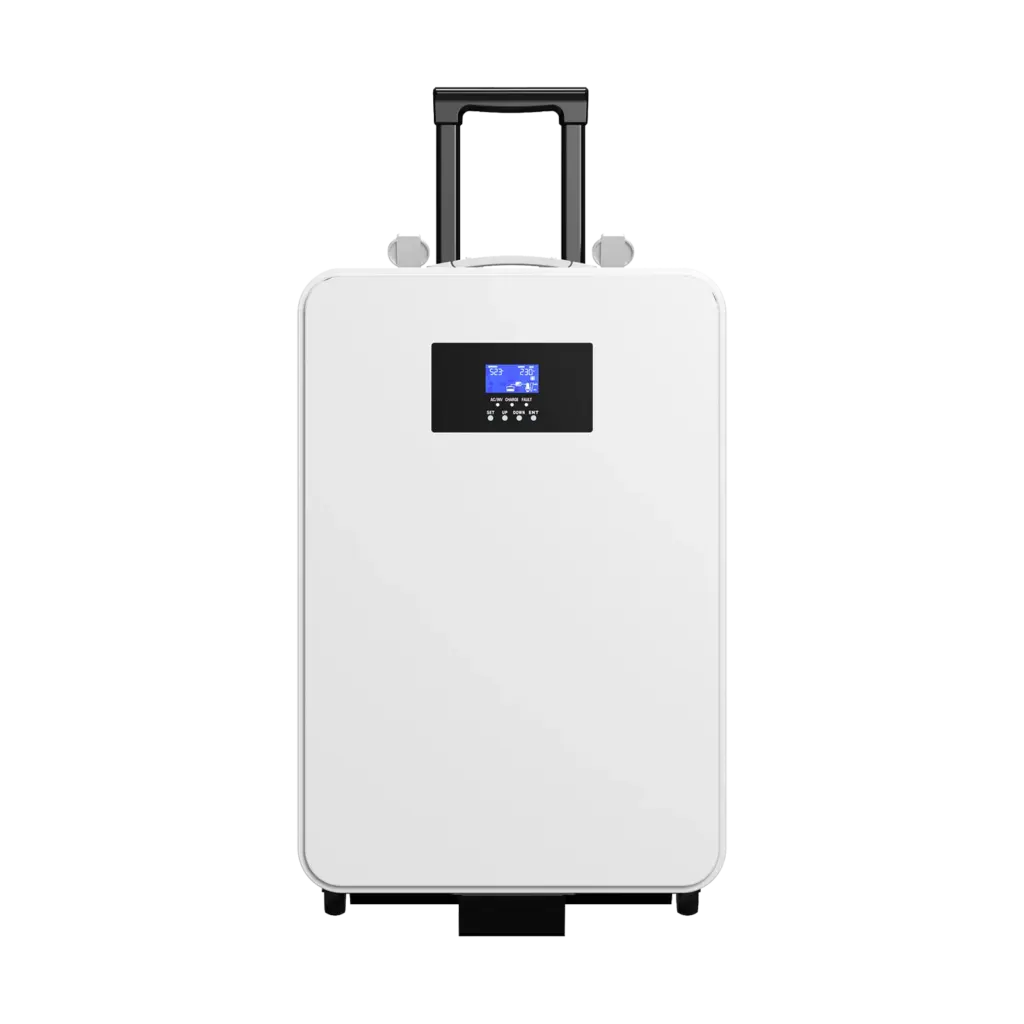
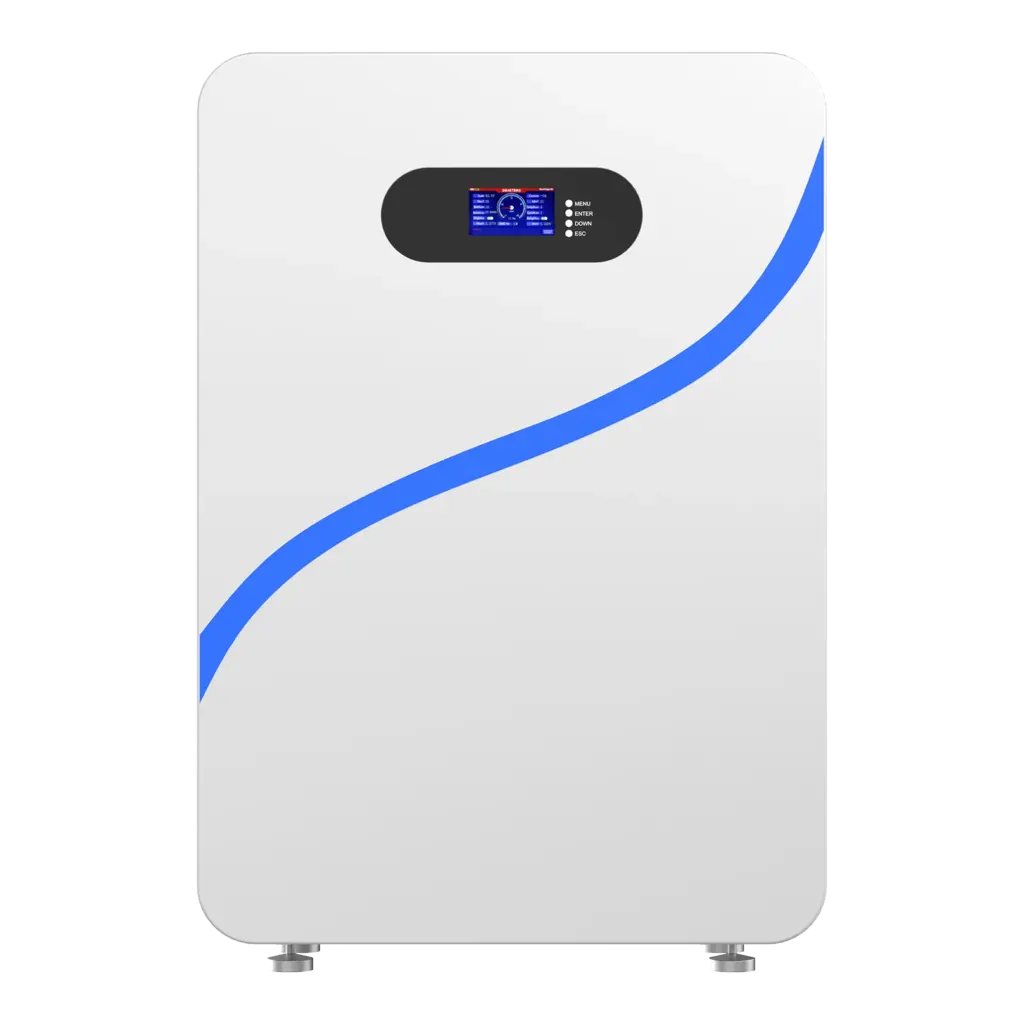
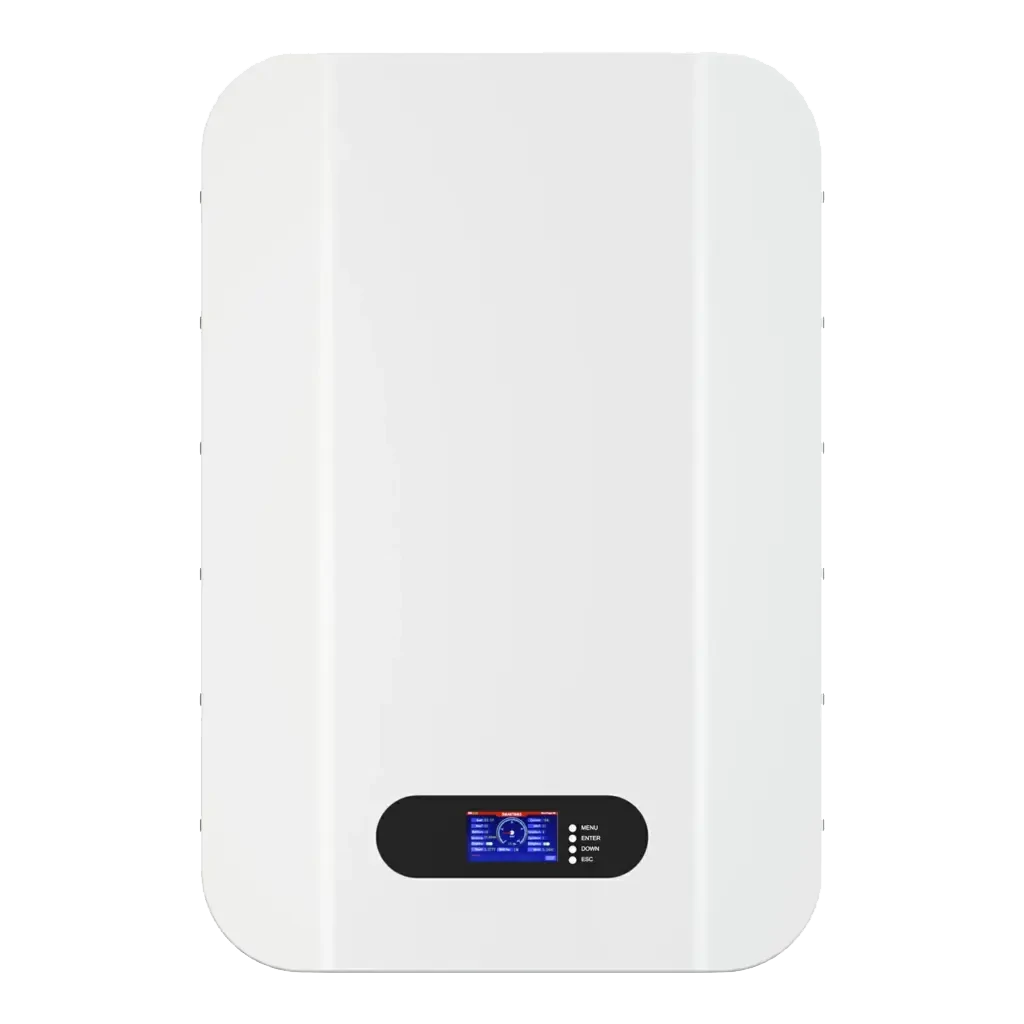
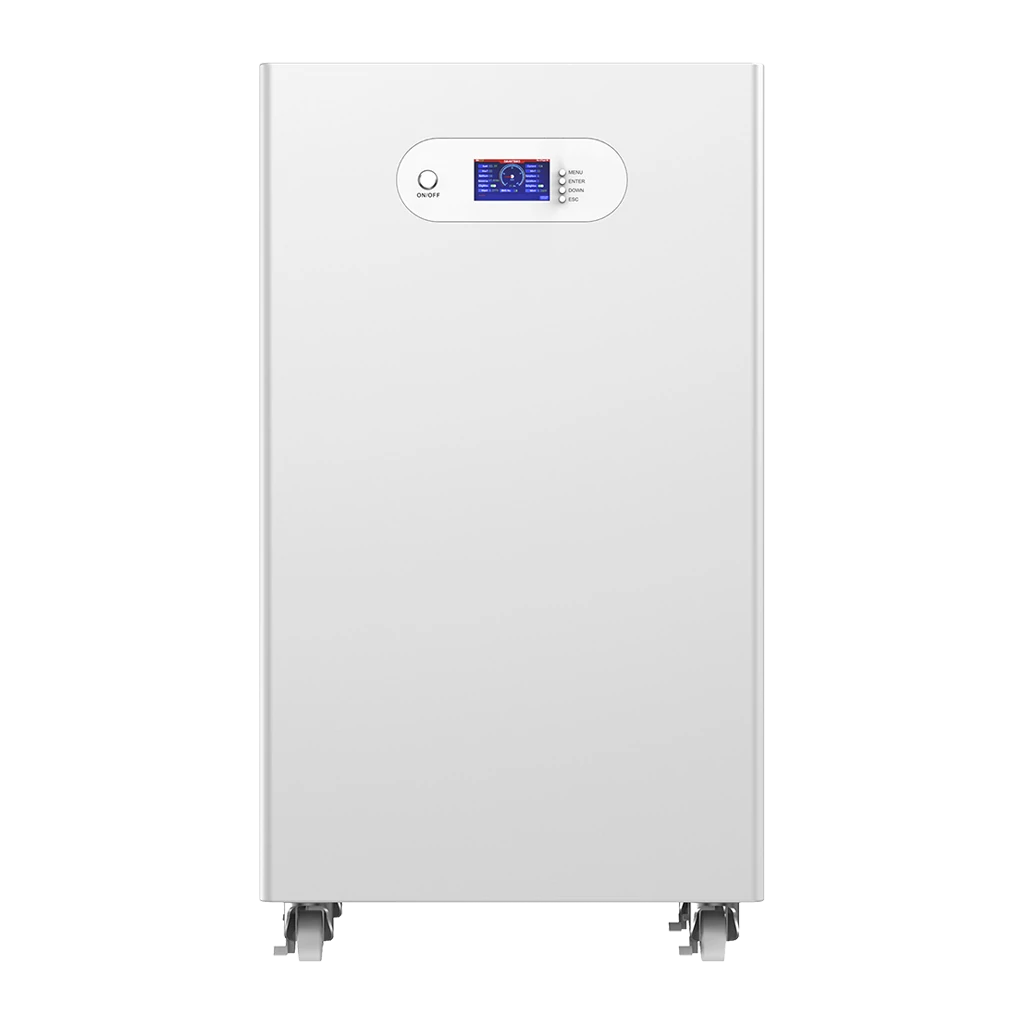
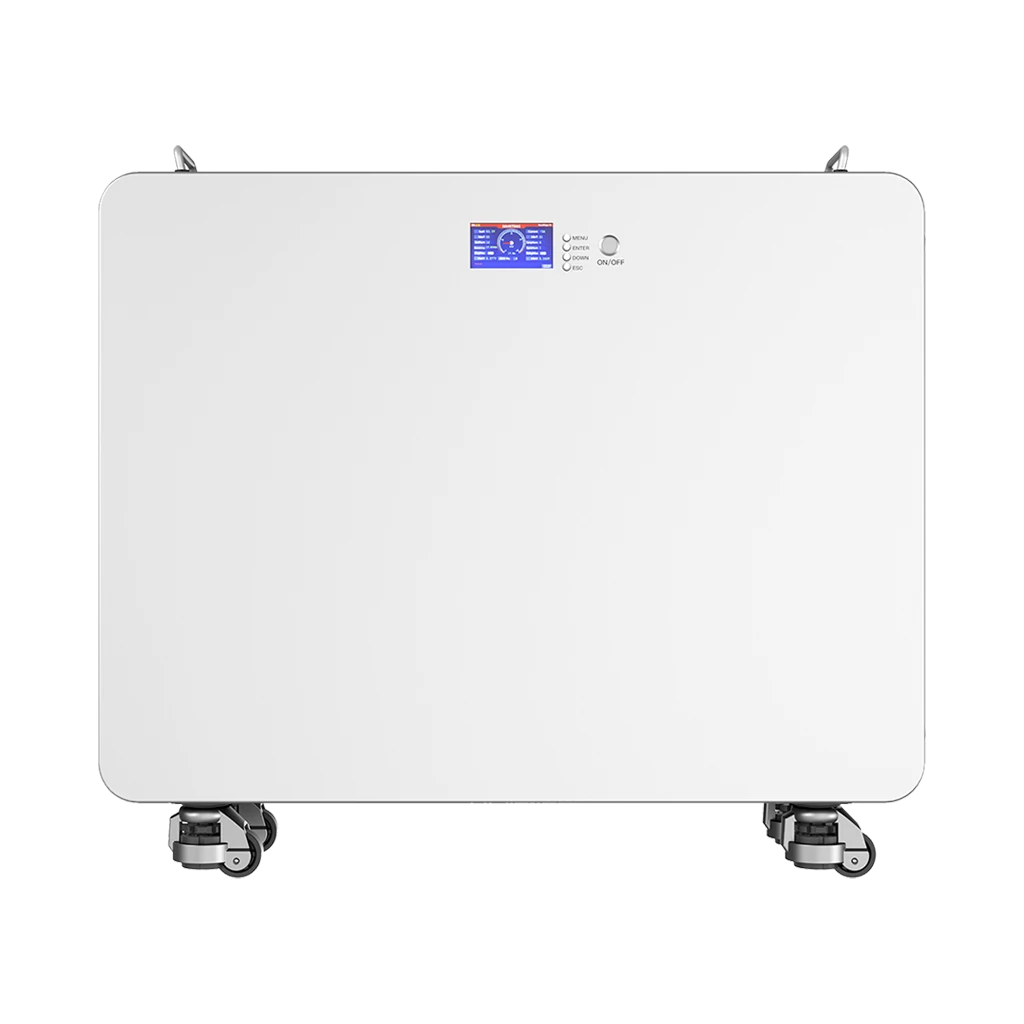
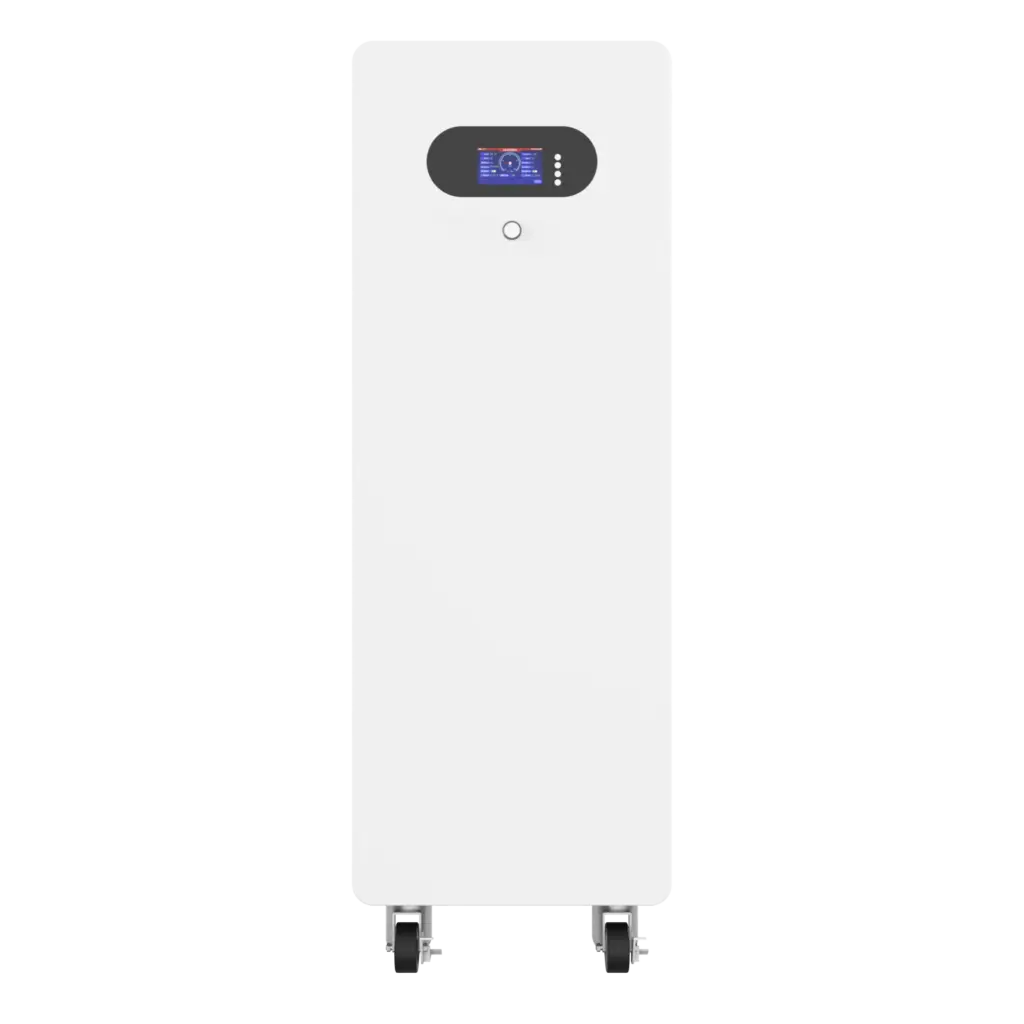
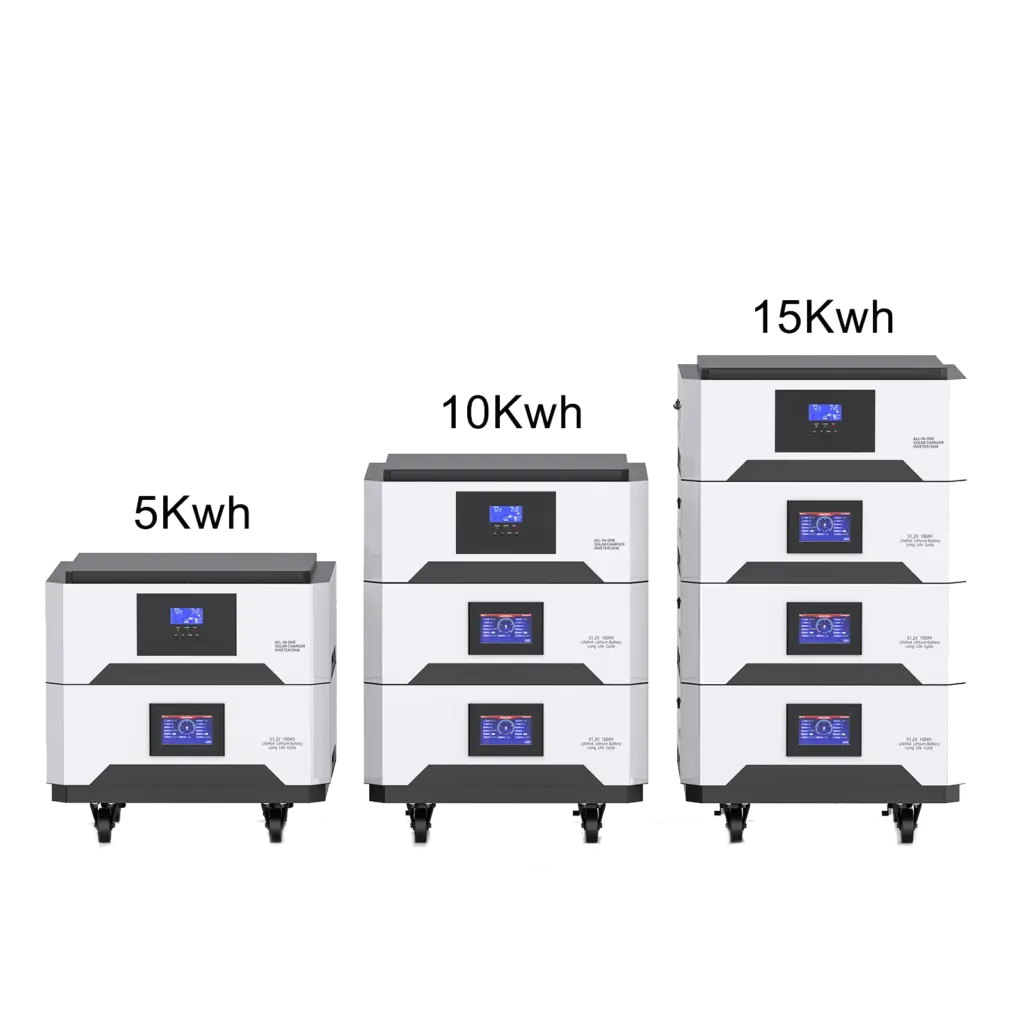
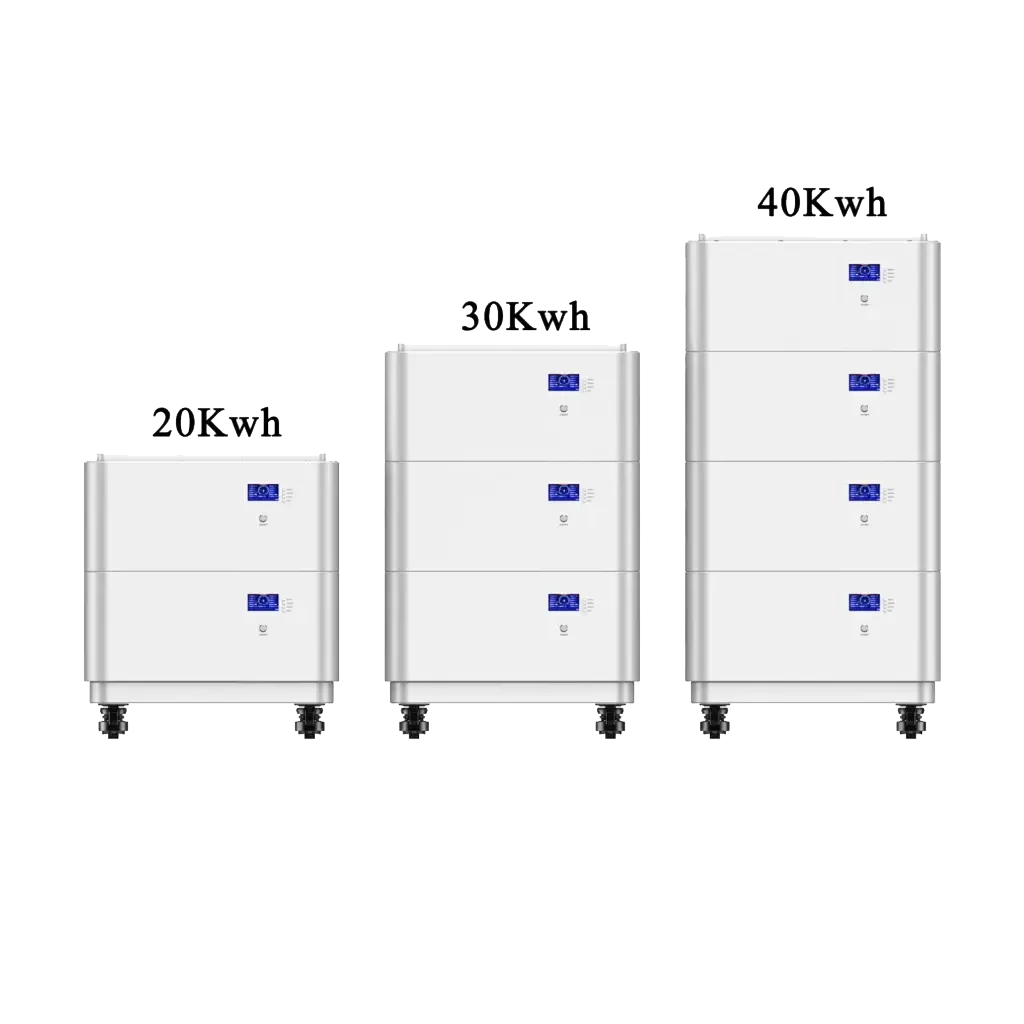
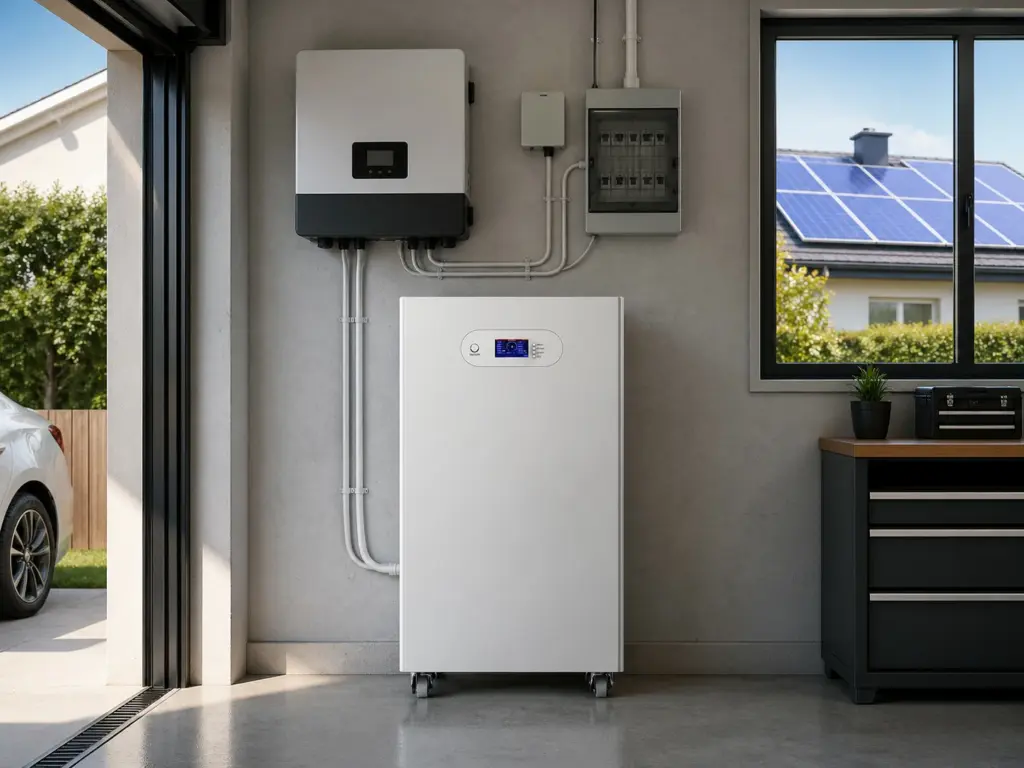
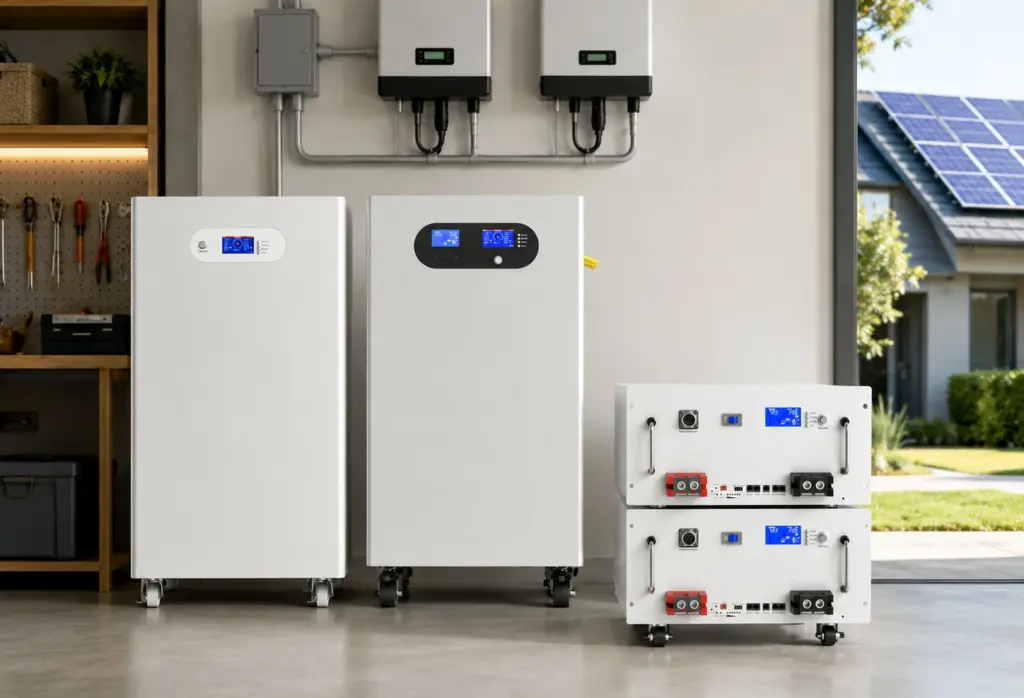
This is where Avepower home energy storage systems can fit naturally. For residential solar-plus-storage projects, installers can choose wall-mounted batteries for limited spaces, rack-mounted batteries for structured energy rooms, stackable batteries for scalable capacity, vertical LiFePO4 batteries for compact installations and all-in-one batteries for integrated solar storage designs.
Build a Smarter Solar Battery System With Avepower
Avepower provides LiFePO4 home battery storage systems for installers, distributors, EPCs, and energy storage partners. Our solutions support solar self-consumption, backup power, off-grid systems, and customized smart energy storage applications.
The Role of Home Batteries
A home battery is one of the most important parts of smart home energy management. Solar power is not always available when the home needs it most. A battery stores surplus energy during the day and releases it later in the evening, during peak-price periods or during an outage.
A smart battery system can support several operating modes:
Solar Self-Consumption Mode
The battery charges from surplus solar and discharges when solar production drops. This helps the home use more of its own solar power instead of exporting it.
Time-of-Use Optimization Mode
The battery charges when electricity is cheaper and discharges when electricity is more expensive. This is useful in markets with peak and off-peak pricing.
Backup Reserve Mode
The battery keeps a set percentage of energy available for outages. Essential loads such as lights, WiFi, refrigeration and selected outlets can stay powered.
Load Shifting Mode
The system shifts high-power loads such as EV charging, water heating, laundry or HVAC to periods when solar energy or lower-cost electricity is available.
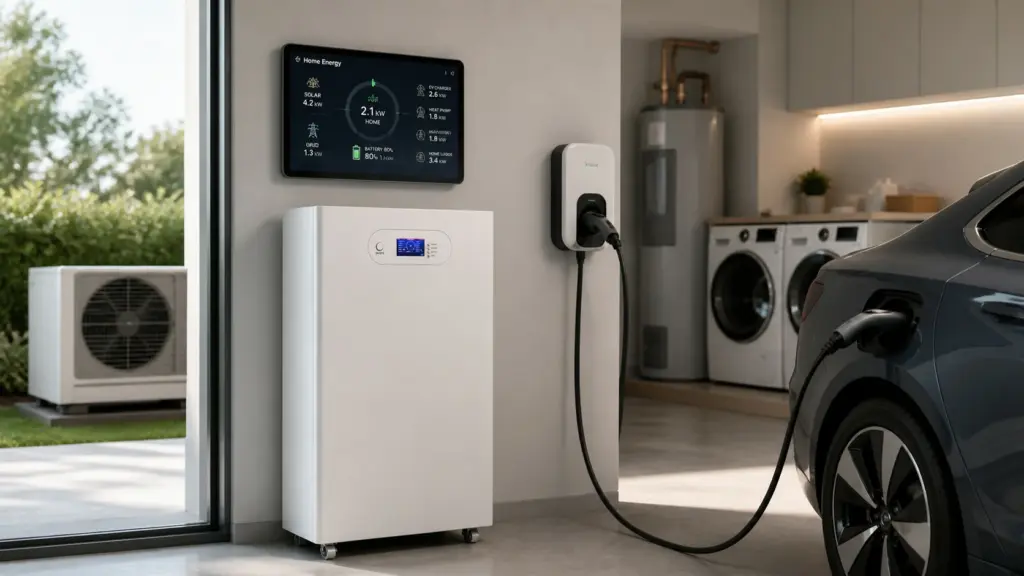
The Role of EV Chargers, Heat Pumps and High-Power Loads
Smart home energy management becomes even more valuable when the home has high-power loads.
Common high-power loads include:
- EV chargers
- Heat pumps
- Air conditioners
- Electric water heaters
- Induction cooking
- Pool pumps
- Washing machines
- Dryers
- Dishwashers
These loads can strongly affect electricity bills. However, many of them are flexible. An EV does not always need to charge immediately. A dishwasher can often run later. A home can be pre-cooled or pre-heated when solar energy is available.
Key Benefits of Smart Home Energy Management
1. Lower Electricity Bills
The most direct benefit is cost reduction. Smart home energy management can reduce unnecessary consumption, increase solar self-use and shift flexible loads away from expensive periods.
2. Better Solar Self-Consumption
Without storage or scheduling, a home may export solar energy during the day and import electricity at night. Smart energy management improves the match between solar production and household demand.
3. More Useful Battery Storage
A battery becomes more powerful when it is connected to real-time data. Instead of simply charging and discharging, it can respond to solar generation, load demand, electricity tariffs and backup requirements.
4. Real-Time Energy Visibility
A smart system helps users see where energy is going. This makes hidden energy waste easier to find, such as appliances running unexpectedly or standby loads using power all day.
5. Improved Comfort
Energy management should not mean sacrificing comfort. A good system can heat, cool, charge and run appliances at better times while still meeting household needs.
6. Better Backup Planning
With a battery system, the homeowner can reserve power for essential loads. This is useful in areas with unreliable grids, storm risk or frequent outages.
7. Future-Ready Home Energy Design
A home may start with solar panels and later add batteries, EV charging, heat pumps or smart appliances. A flexible smart energy management setup makes future expansion easier.
What Features Should a Good Smart Home Energy Management System Have?
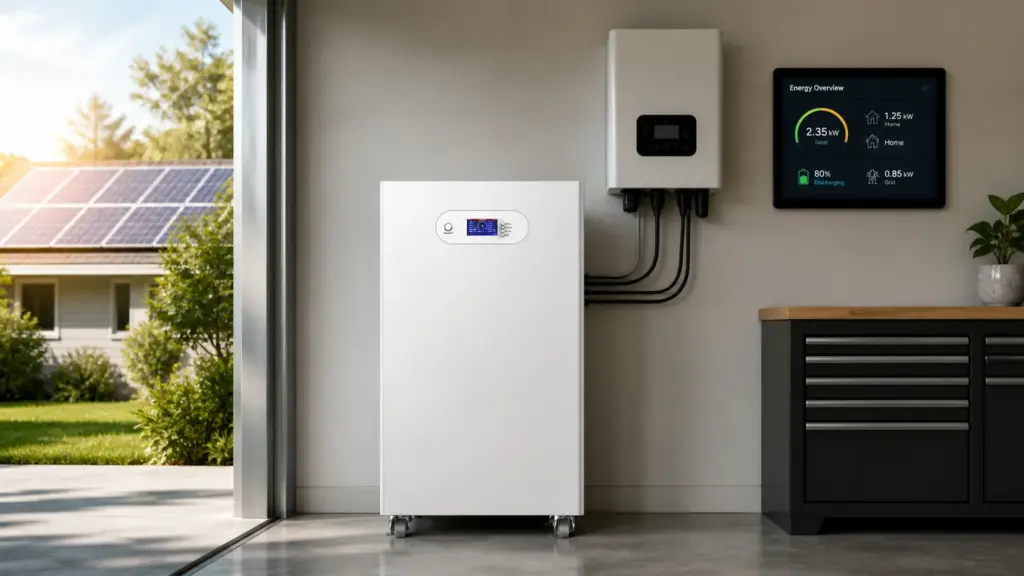
A good smart home energy management system should be practical, compatible and easy to use. It should not only look advanced on a dashboard. It should solve real energy problems.
Real-Time Monitoring
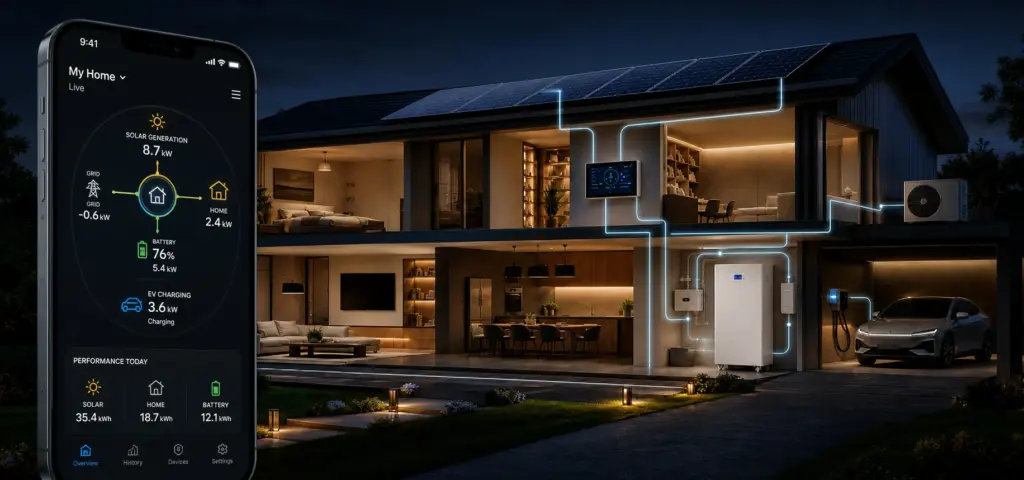
The system should show solar generation, home consumption, battery state of charge, grid import and grid export.
Battery Control
It should support battery charging, discharging, backup reserve and operating modes based on solar or tariff conditions.
Inverter and Battery Communication
Compatibility matters. The system should communicate reliably with inverters, batteries, meters and controllers. Common communication methods include CAN, RS485, Modbus, WiFi, Ethernet and MQTT.
Load Priority Setting
Users should be able to define which loads are essential and which can be shifted. For example, refrigeration and lighting may be essential, while EV charging and laundry may be flexible.
Solar Forecast and Weather Awareness
More advanced systems can use weather forecasts to plan battery charging. If tomorrow is expected to be cloudy, the system may reserve more energy. If strong solar production is expected, it may leave more battery capacity available.
Time-of-Use Tariff Optimization
Where electricity prices change throughout the day, the system should support peak and off-peak strategies.
User-Friendly App
The homeowner should be able to understand energy flow without technical training. The app should show clear data, alerts and simple control options.
How Smart Home Energy Management Works With Avepower Batteries
Avepower’s residential energy storage solutions can support smart home energy management by providing safe, scalable and communication-ready battery storage for residential solar systems.
Avepower battery advantages include:
- Grade-A LiFePO4 battery cells
- Intelligent BMS protection
- Long cycle life design
- CAN and RS485 communication options
- Wall-mounted, rack-mounted, vertical, stackable and all-in-one battery choices
- OEM/ODM customization for appearance, capacity and functions
- Support for residential and light commercial solar storage projects
- International certifications such as CE, UL, RoHS and ISO9001
- 10 years of battery R&D, design and production experience
- 20,000 m² manufacturing facility
For a smart home energy management project, battery selection should not only focus on kWh capacity. Installers and distributors should also consider BMS quality, communication compatibility, inverter matching, installation method, scalability and after-sales support.
Avepower’s stackable battery series, for example, can be suitable for homes that want flexible capacity expansion. Wall-mounted batteries fit space-limited homes. Rack-mounted batteries are practical for structured equipment rooms. All-in-one systems simplify installation by integrating key functions into one solution.
Take Control of Your Energy with Avepower!
Reliable home solar battery solutions with OEM/ODM customization and in-house manufacturing, tailored to the needs of distributors, installers, and energy partners.
Practical Example: Solar Battery Home With Smart Energy Management
Here is a simple example of how a smart home energy management system can work during a normal day.
Morning
The home starts using electricity for lighting, cooking, HVAC and appliances. Solar production is still low, so the system may use a mix of grid power and battery power, depending on the battery reserve setting.
Midday
Solar production rises. The home uses solar power first. Surplus solar charges the battery. If the battery is nearly full, the system may start flexible loads such as laundry, water heating or EV charging.
Afternoon
The system checks solar output, battery state of charge and expected evening demand. It may stop non-essential loads or reserve battery power for peak hours.
Evening
Solar production drops. The battery discharges to support household loads. The home reduces grid imports during expensive evening hours.
Night
If off-peak electricity is available, the system may charge the battery or EV at a lower cost. If backup reserve is enabled, the battery keeps enough energy for essential loads.
This is the real purpose of smart home energy management: making energy decisions automatically, based on the full picture.
Is Smart Home Energy Management Worth It?
Smart home energy management is worth considering when the home has solar panels, battery storage, time-of-use pricing, EV charging, heat pumps or high electricity consumption.
It may provide the most value for:
- Homes with rooftop solar
- Homes with battery storage
- Homes with high evening electricity use
- Homes with EV charging
- Homes in areas with peak/off-peak tariffs
- Homes needing backup power
- Installers designing solar-plus-storage systems
- Distributors selling complete home energy solutions
ENERGY STAR says certified smart thermostats save approximately 8% of heating and cooling bills on average, while the U.S. Department of Energy says homeowners can save as much as 10% per year on heating and cooling by setting thermostats back 7–10°F for 8 hours a day. These are thermostat-specific figures, not full HEMS guarantees, but they show how automated control can reduce waste when applied correctly.
For full solar-plus-storage homes, the value depends on local electricity prices, solar production, export rates, battery size and household behavior.
Conclusion
Smart home energy management is not just about making a home “smart.” It is about making energy use more visible, flexible and efficient.
A strong system connects solar panels, batteries, inverters, smart meters, EV chargers and household loads into one coordinated platform. It helps the home use solar power first, store surplus energy, reduce peak grid imports, schedule flexible loads and maintain backup power when needed.
For homeowners, this means better control, lower energy waste and more value from solar and battery investment. For installers, distributors and energy storage partners, it creates a stronger complete solution rather than selling batteries as standalone equipment.
Avepower provides LiFePO4 home battery storage solutions designed for solar energy systems, with intelligent BMS protection, scalable product options and customization support for global residential and commercial energy storage projects. Whether the project needs a wall-mounted battery, rack-mounted battery, stackable battery, vertical battery or all-in-one solar battery system, Avepower can support smart home energy storage applications with flexible OEM/ODM capability.
Smarter Solar Energy Solution With Avepower
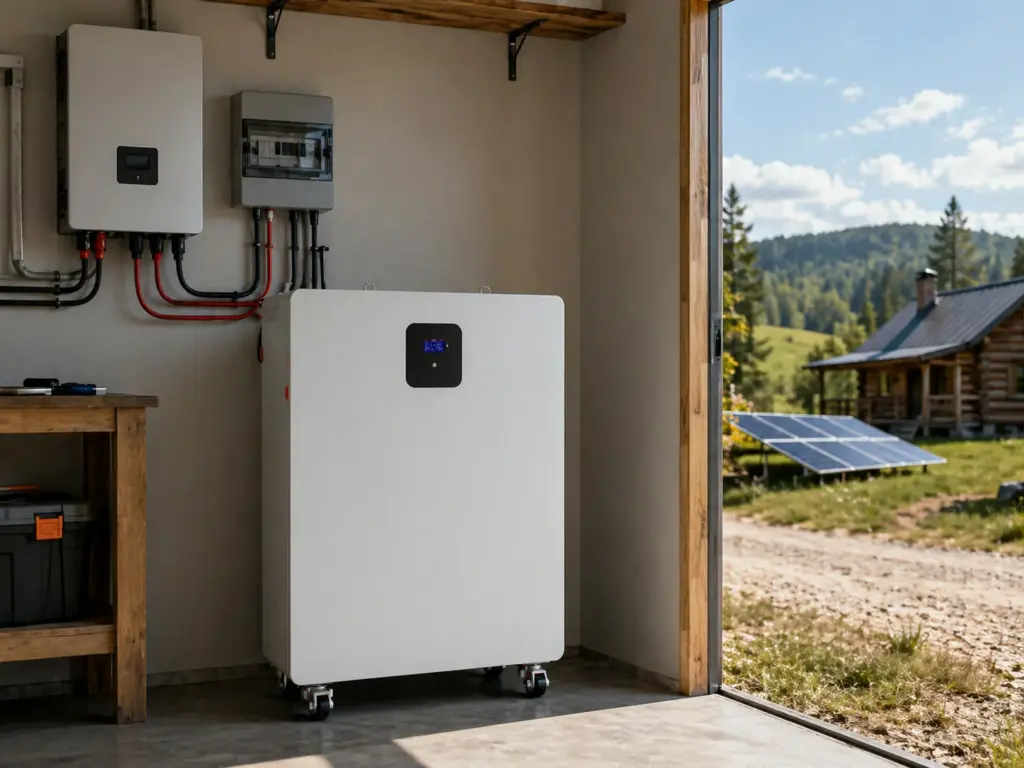
Avepower provides LiFePO4 home energy storage batteries for installers, distributors, EPCs and solar energy partners. Our solutions support scalable capacity, and OEM/ODM customization.
FAQ
Smart home energy management is the process of monitoring and optimizing how electricity is generated, stored and used in a home. It usually connects solar panels, batteries, smart meters, inverters, appliances, EV chargers and energy management software.
A home energy management system, or HEMS, is a hardware and software platform that tracks home energy use and controls connected devices. It can help reduce electricity bills, improve solar self-consumption and automate energy decisions.
It monitors solar generation and household demand in real time. When solar production is high, the system can power home loads, charge a battery, run appliances or charge an EV instead of exporting all surplus power to the grid.
Common devices include solar inverters, home batteries, smart meters, EV chargers, heat pumps, water heaters, thermostats, smart plugs, lighting systems and major appliances.
Installers should check inverter compatibility, communication protocol, voltage range, current rating, BMS functions, safety certifications, monitoring options, warranty and expansion capacity.
Avepower provides LiFePO4 home battery systems with flexible product formats, inverter communication support and customization options for residential solar storage, installers, distributors and energy storage partners.
A smart home focuses on convenience and automation, such as lights, locks and temperature control. Smart home energy management focuses specifically on energy flow, solar production, battery storage, grid use and load optimization.