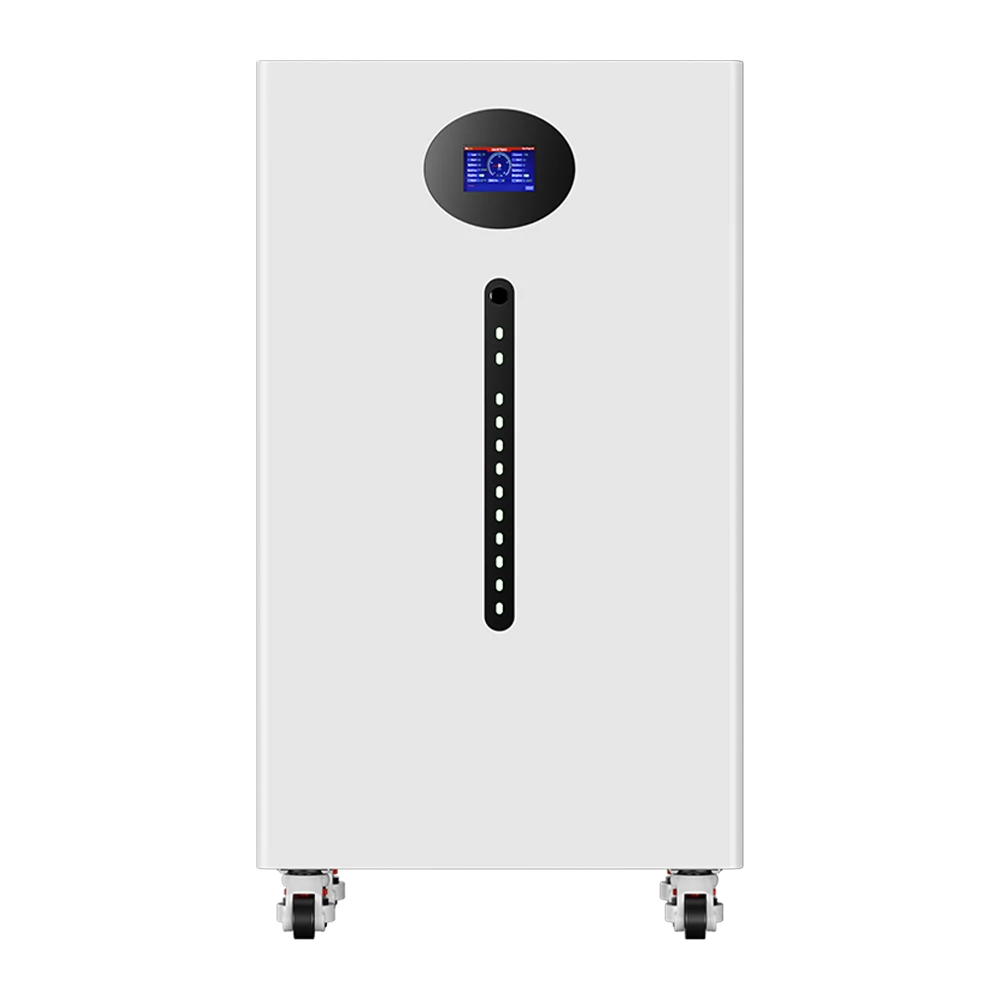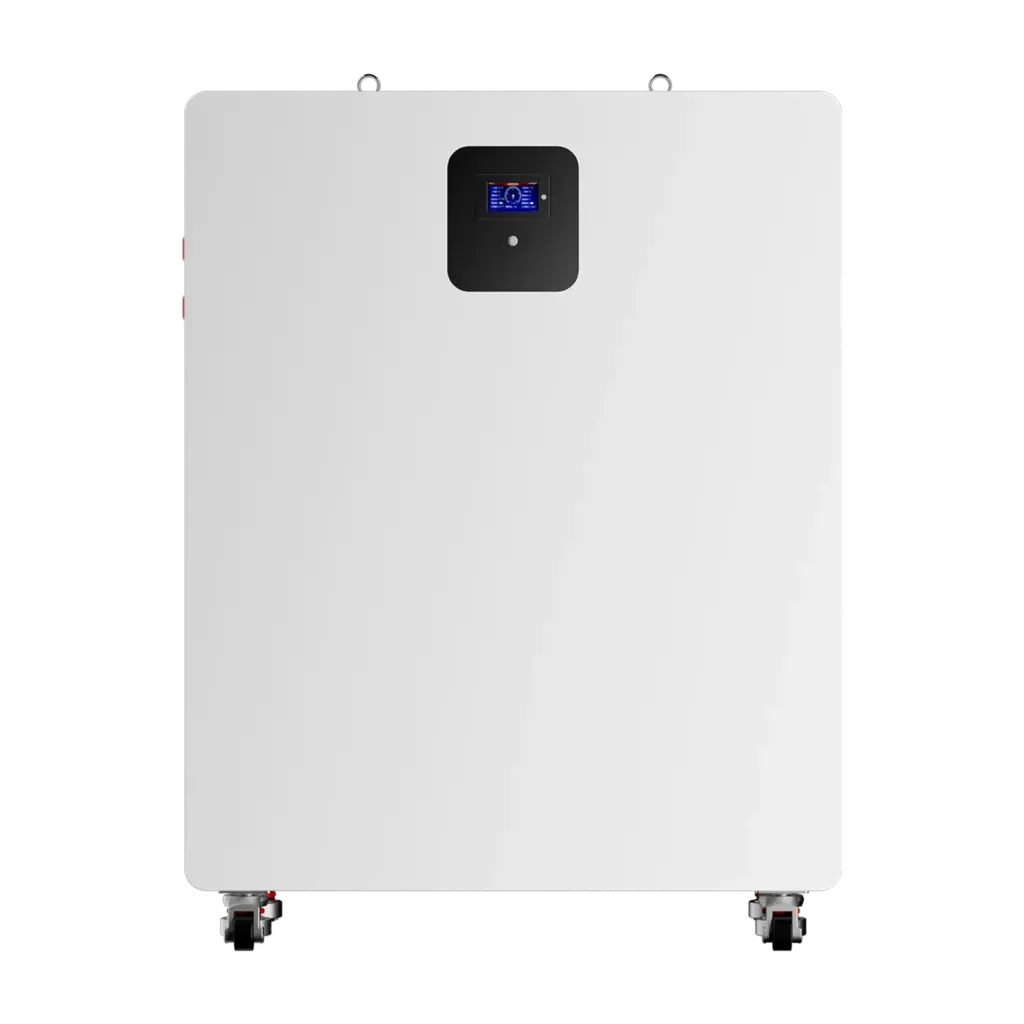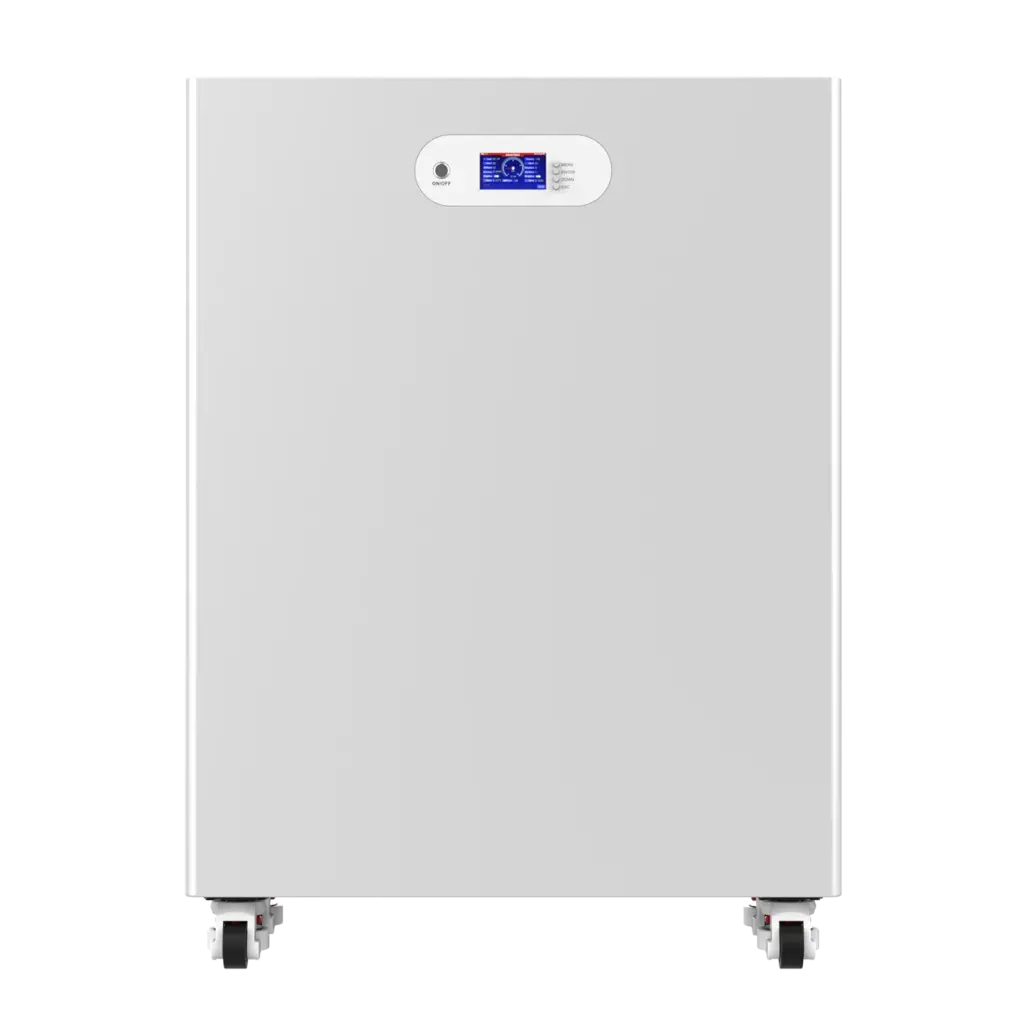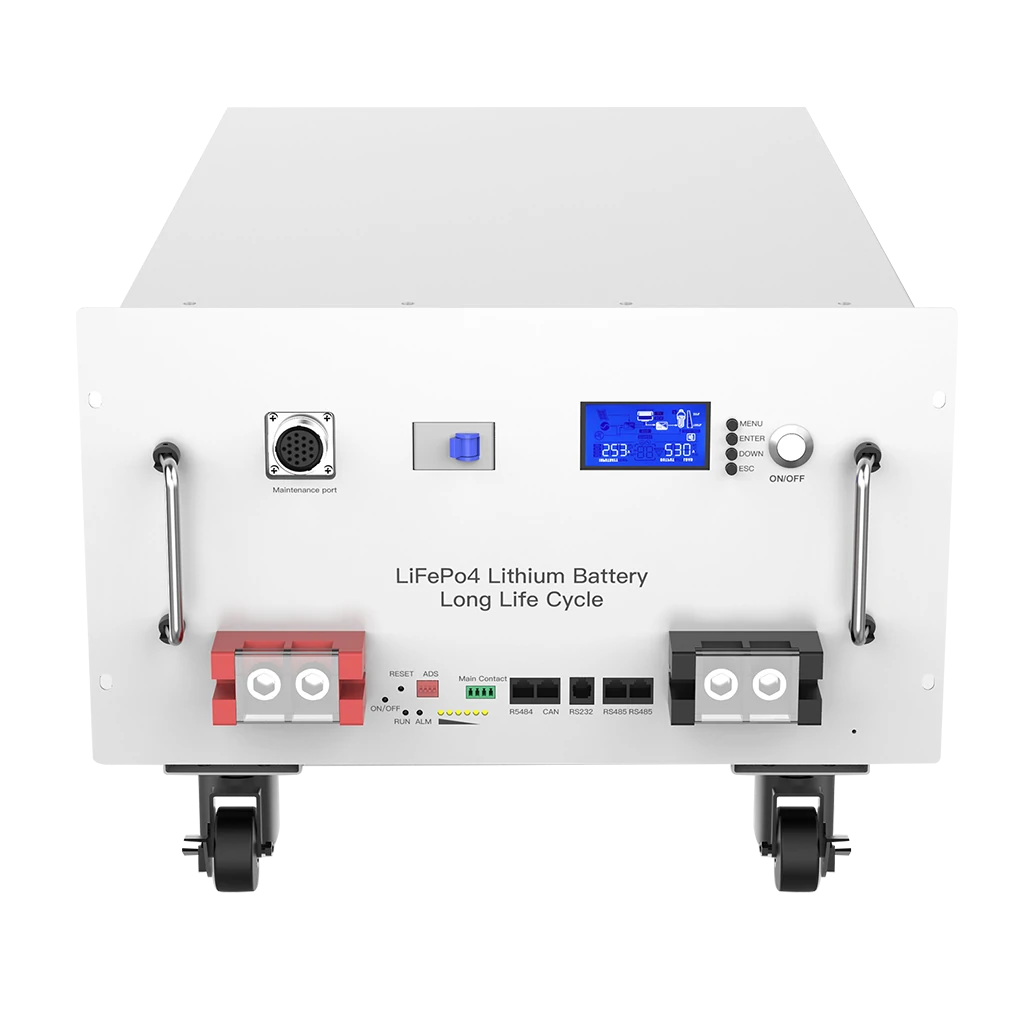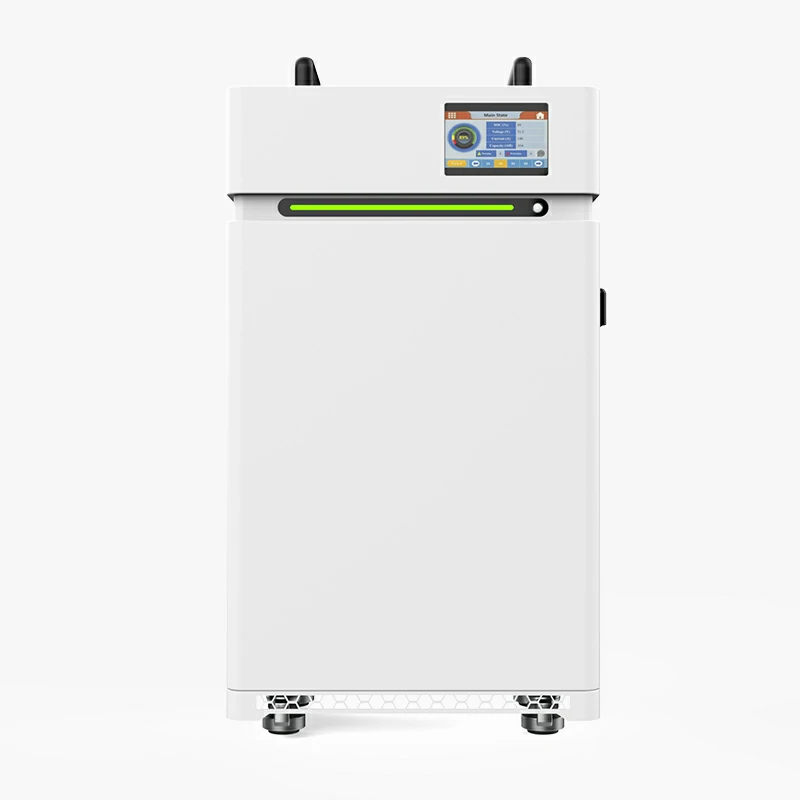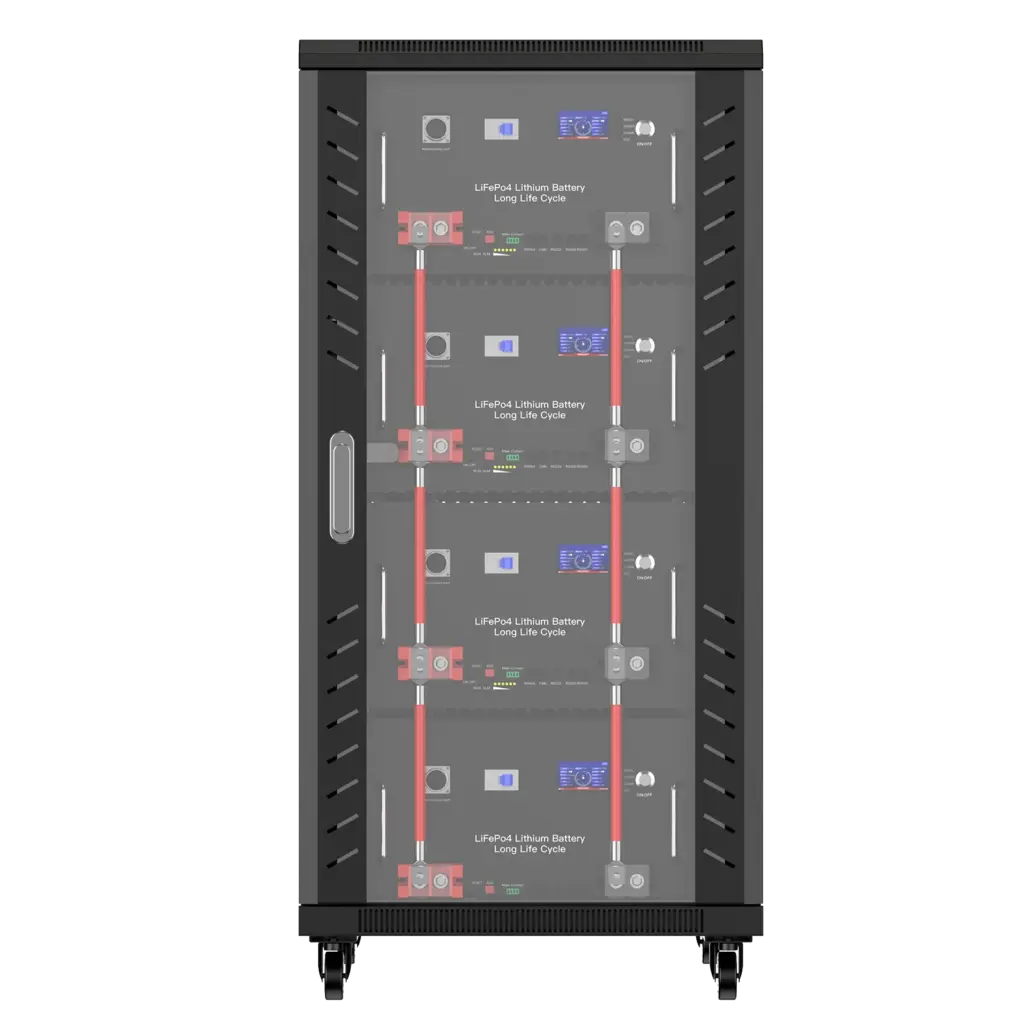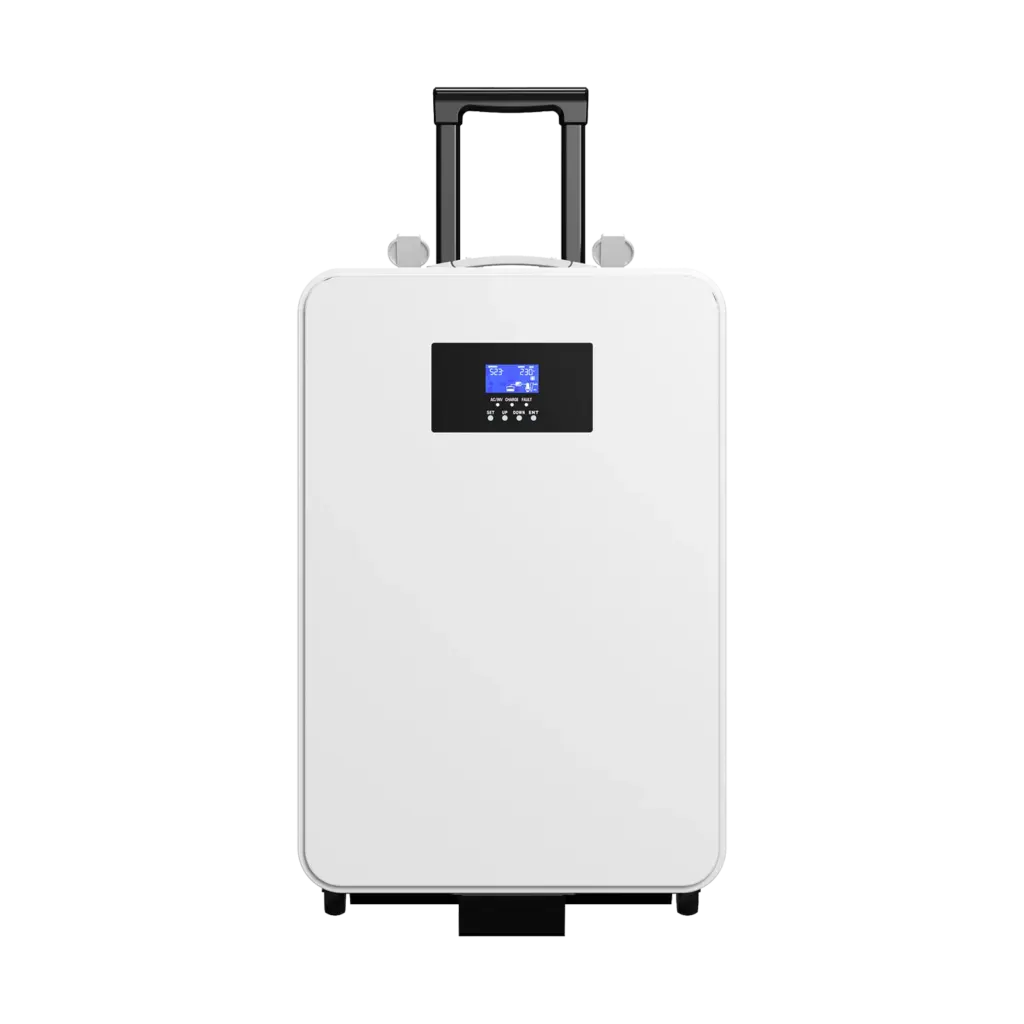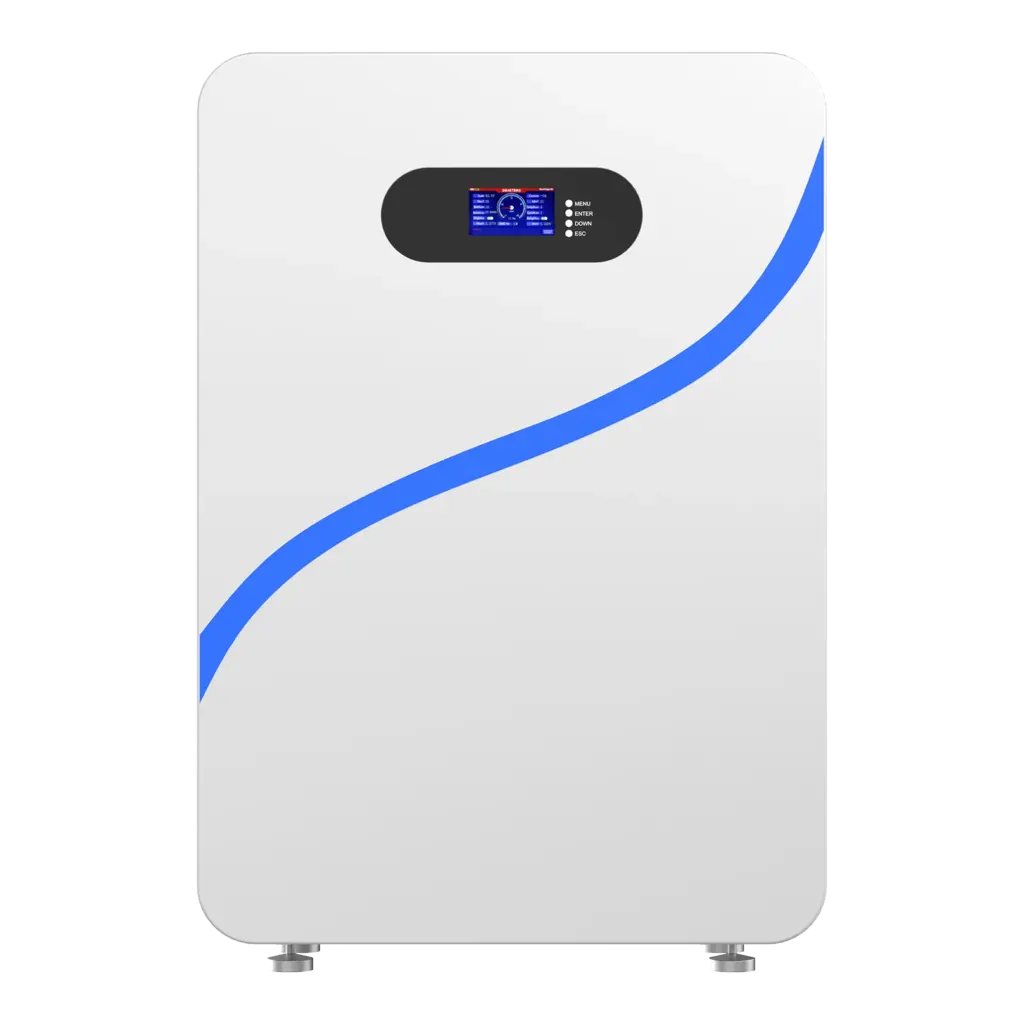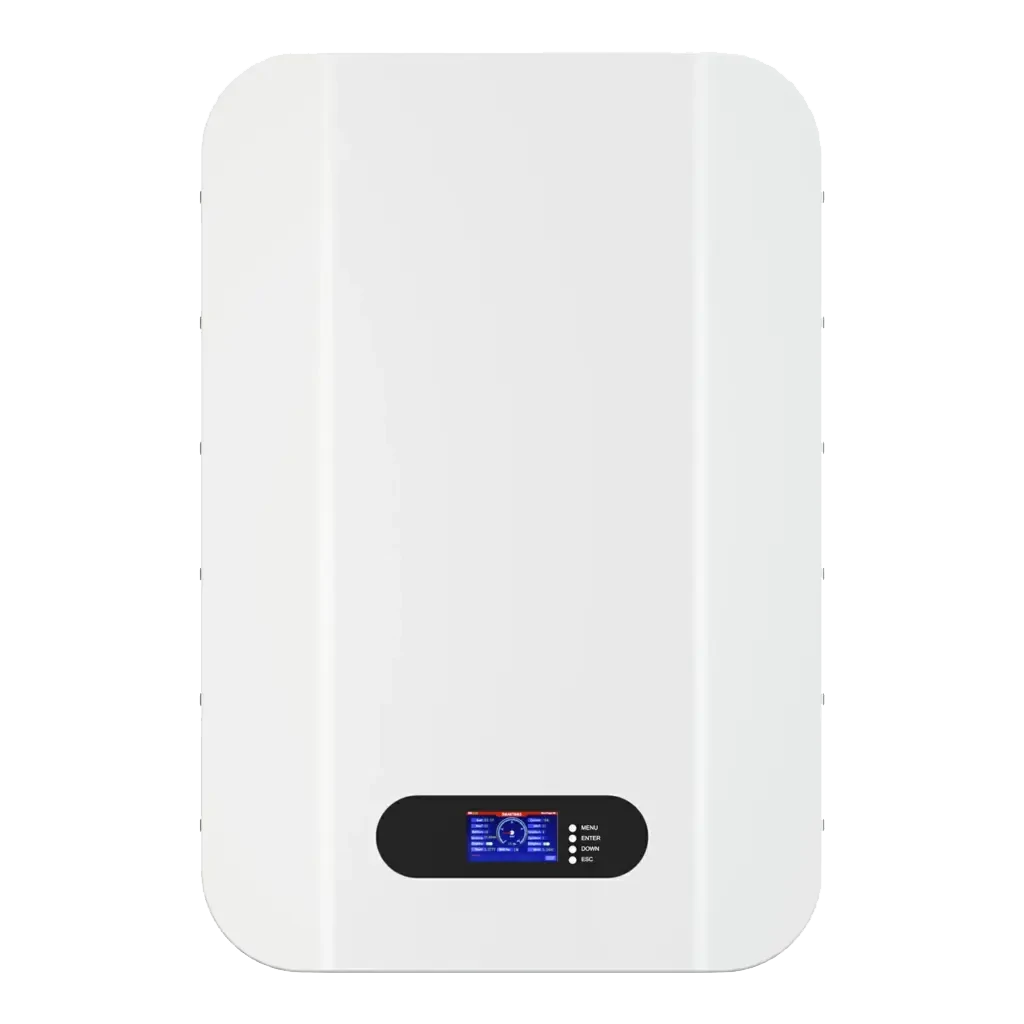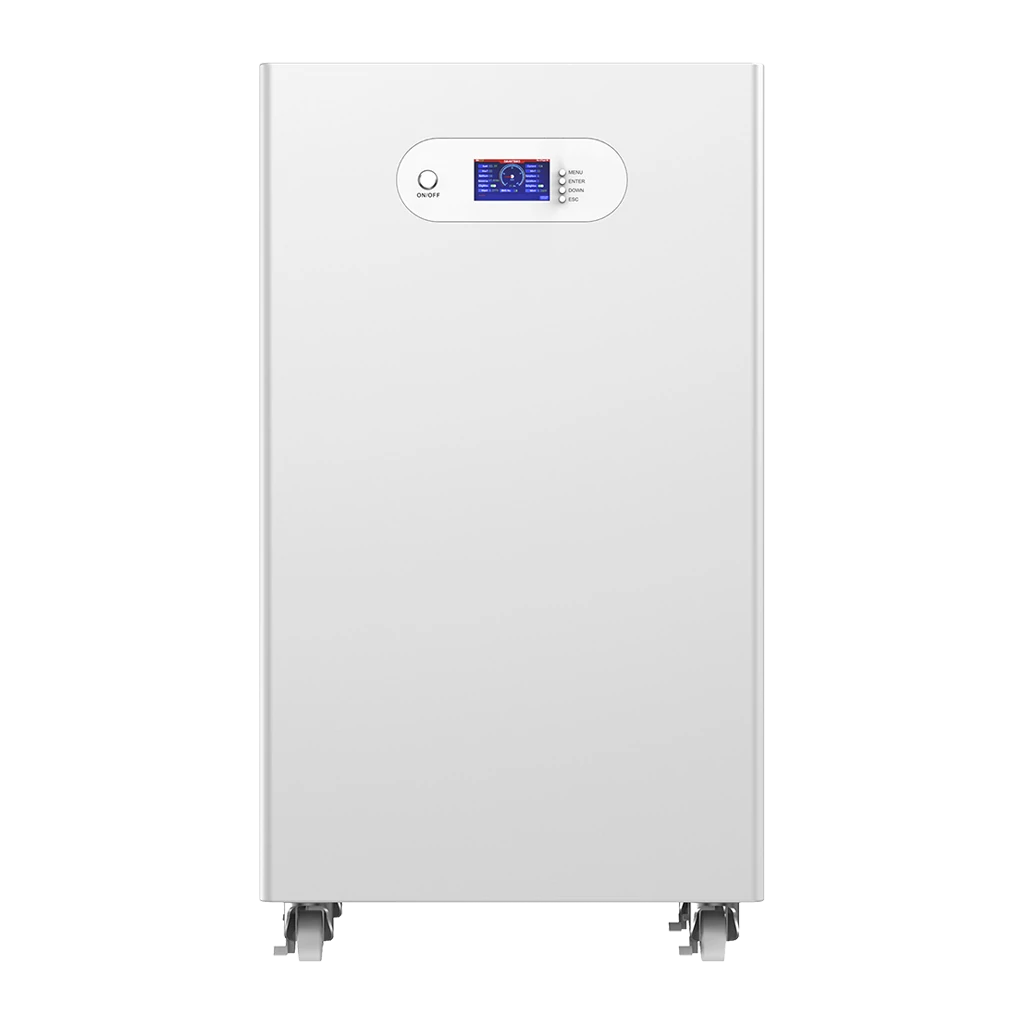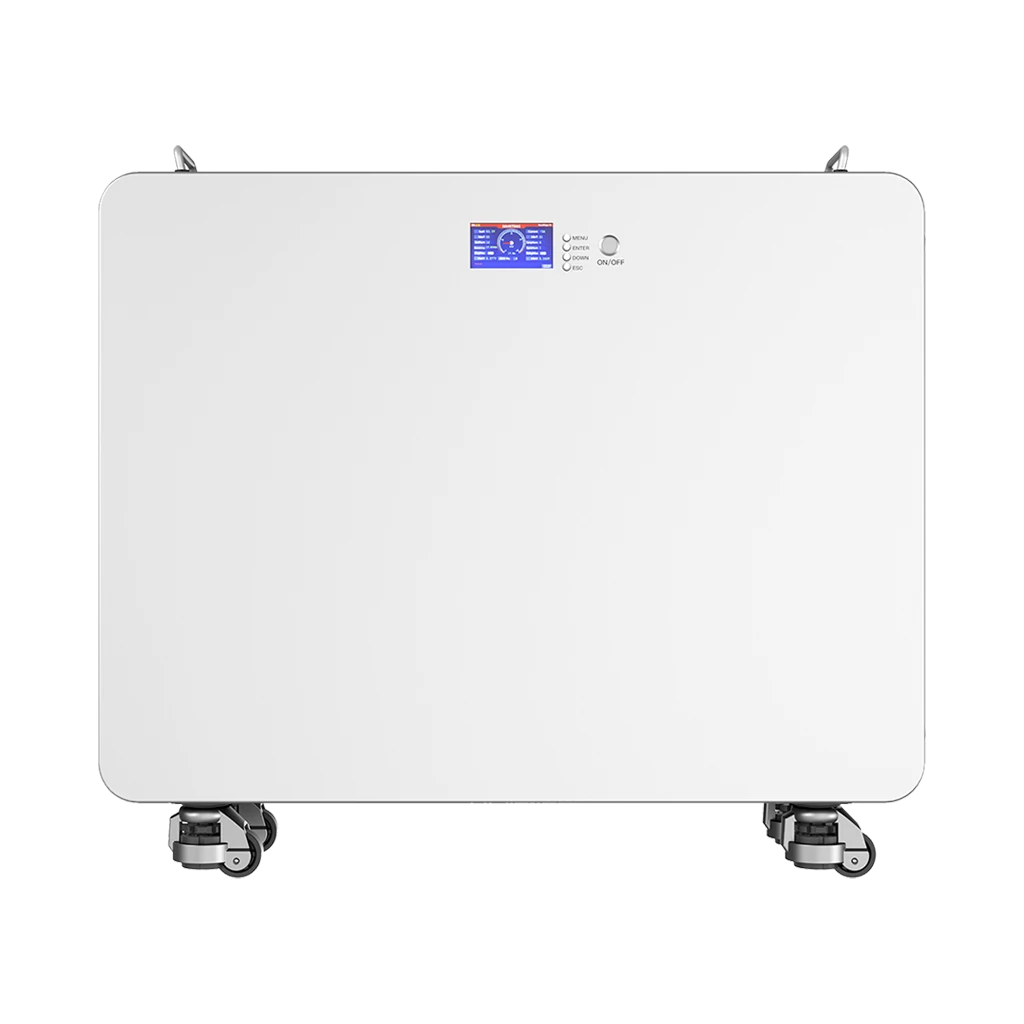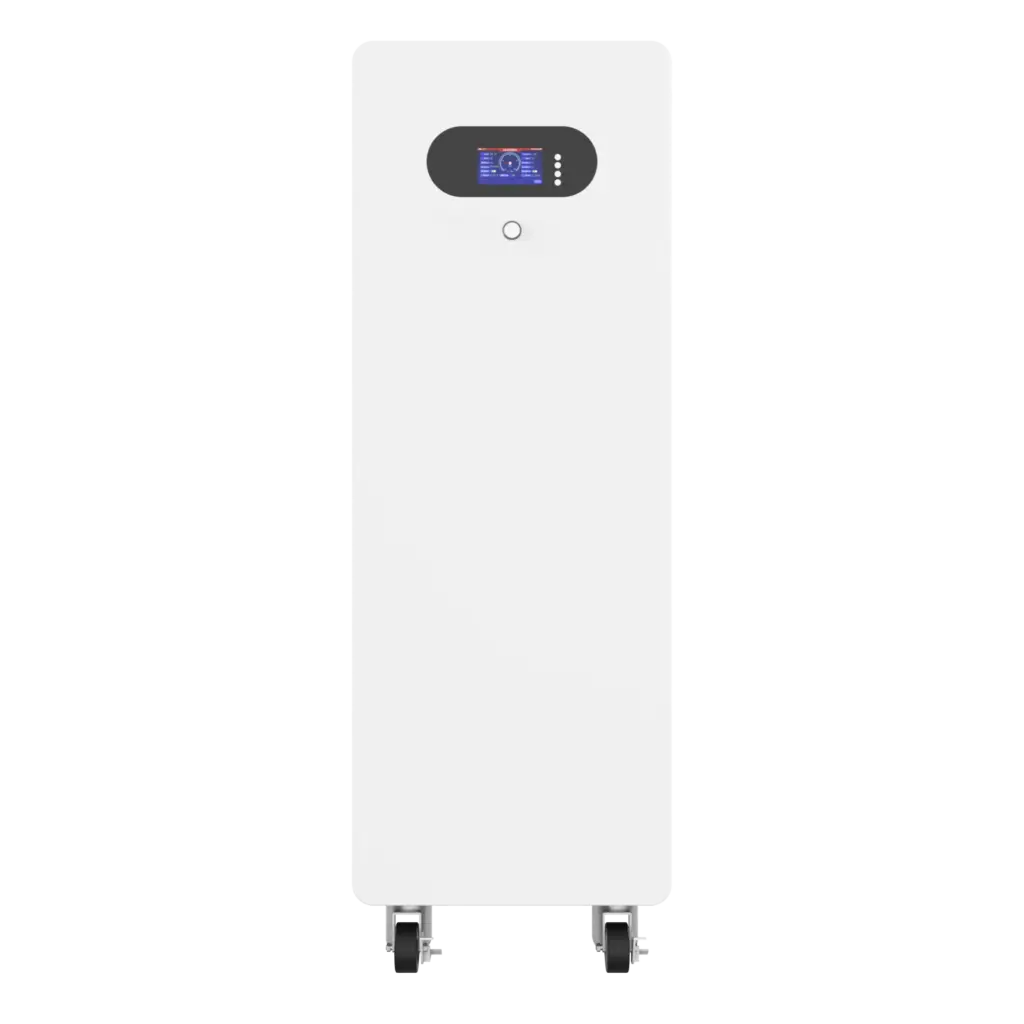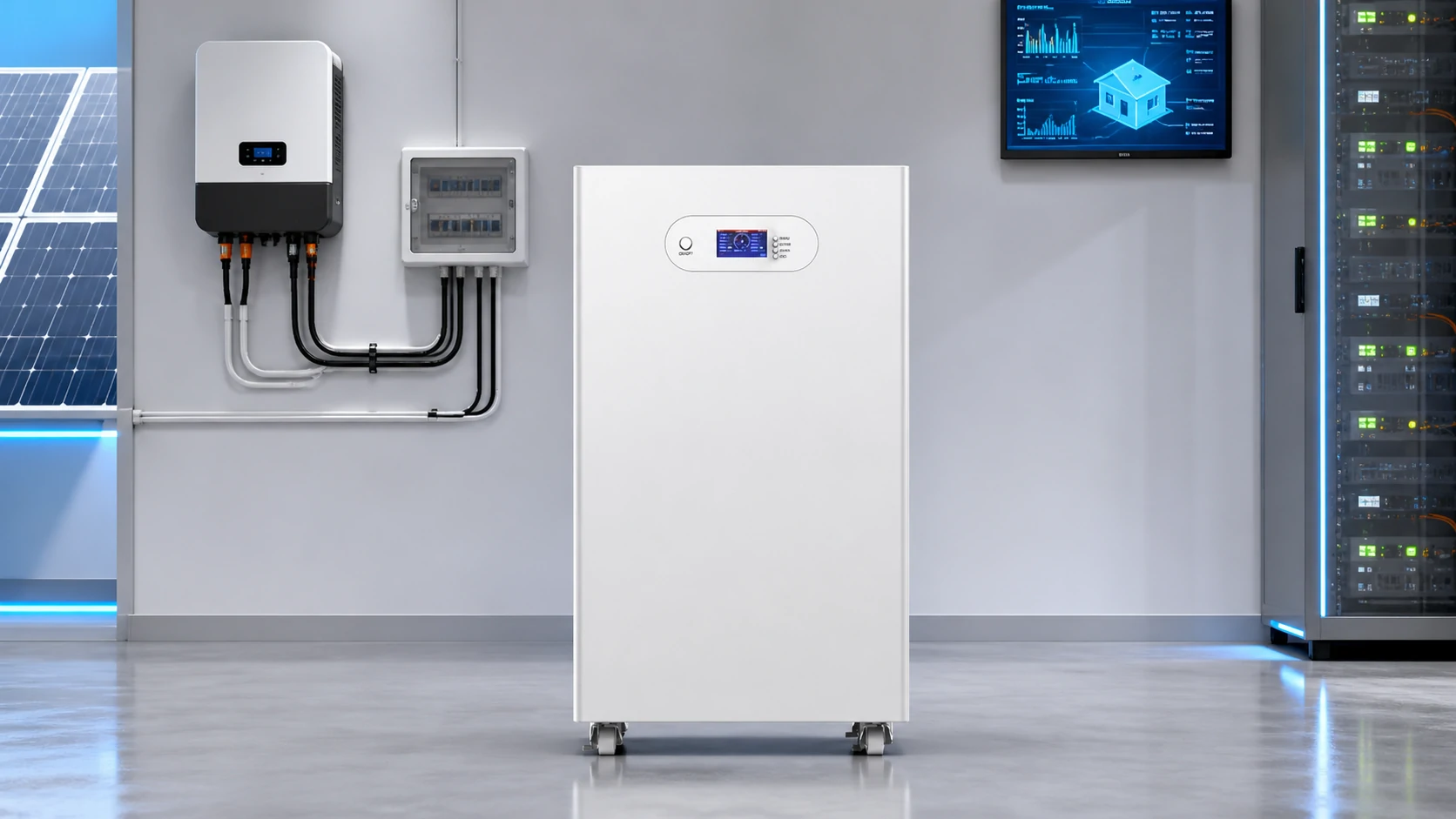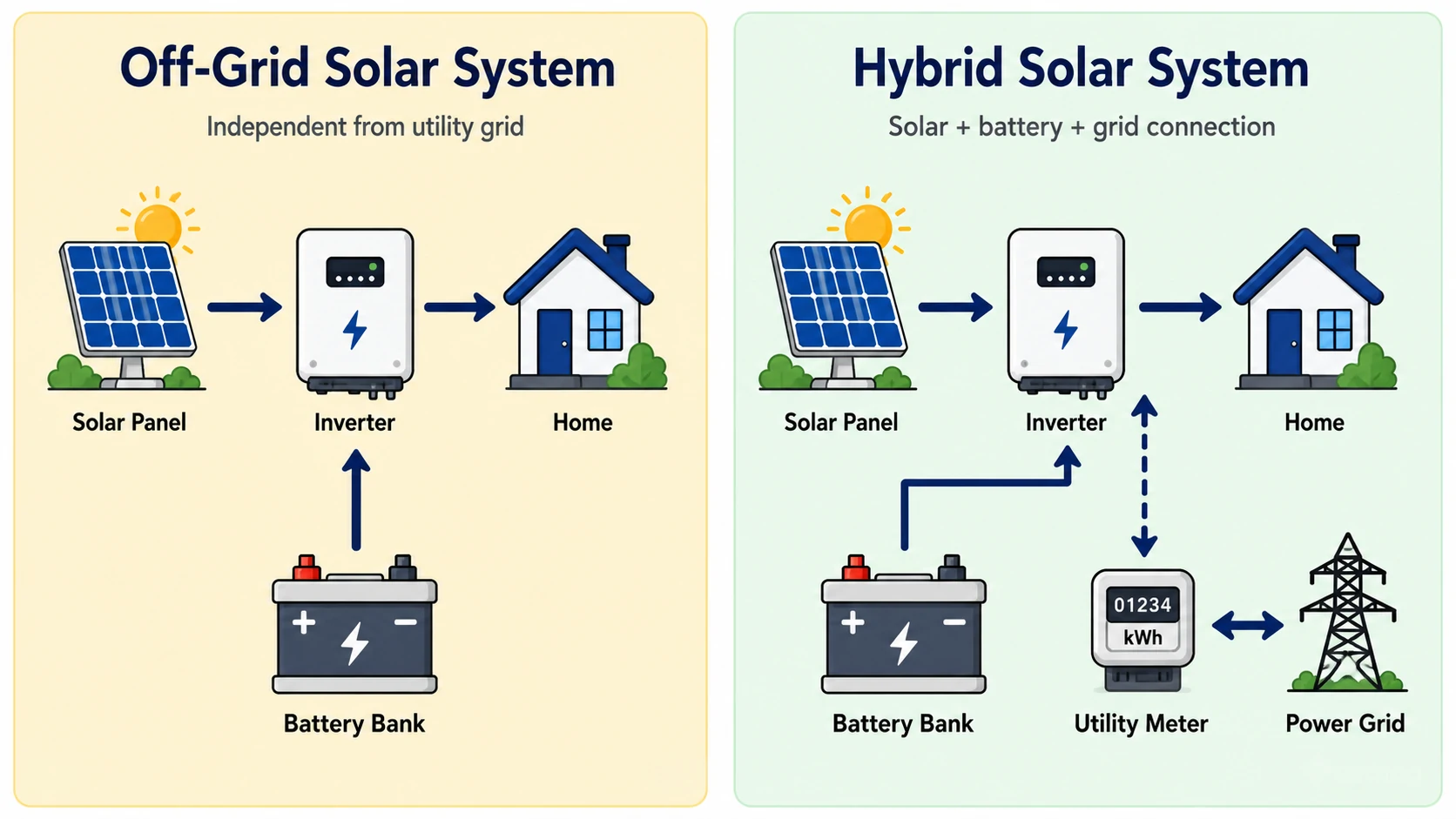

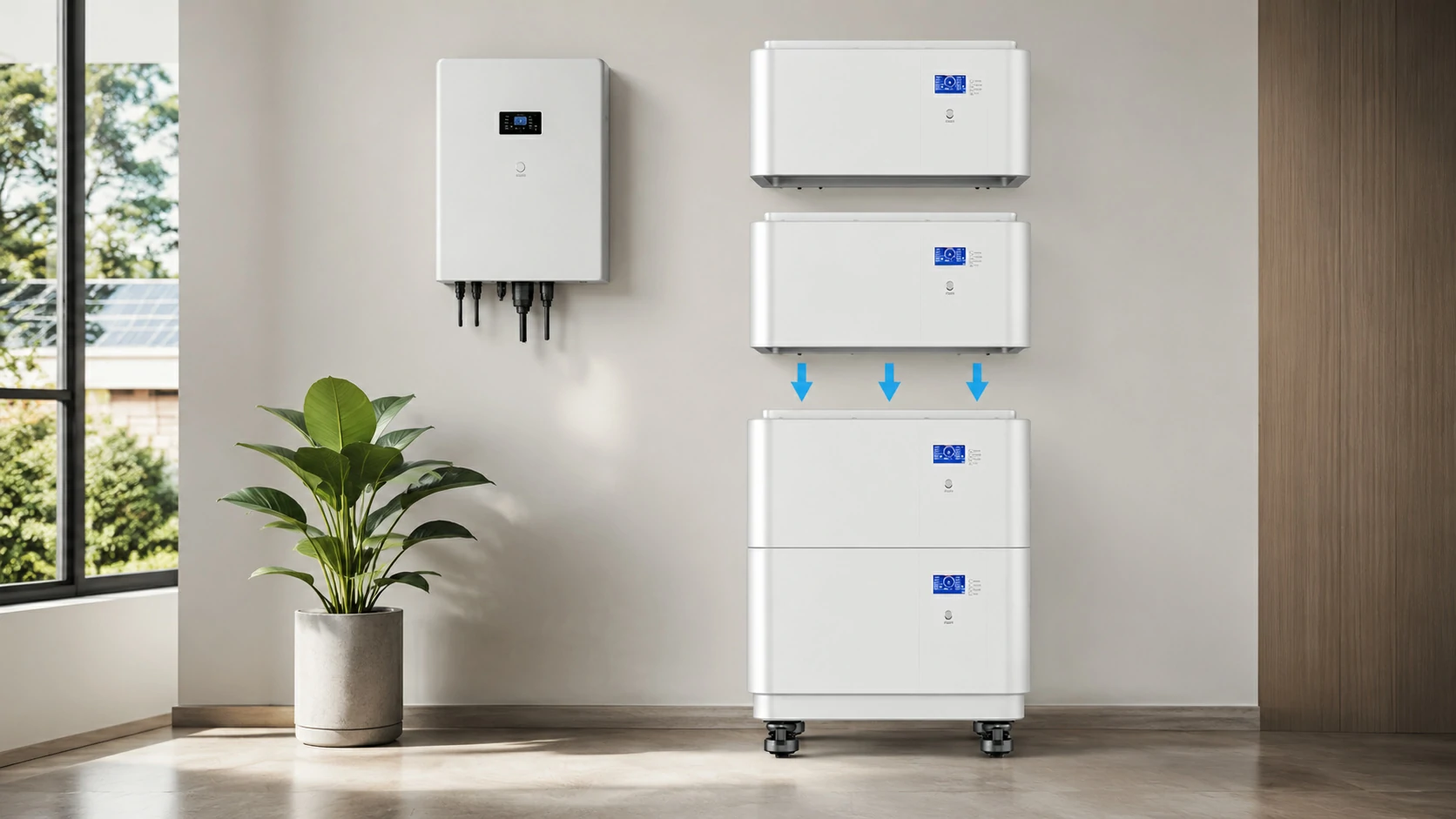
A modular solar battery is a battery storage system that can be expanded by adding extra battery modules as your energy needs grow. Instead of buying one fixed-size battery from the start, homeowners, installers, and project buyers can begin with a smaller capacity and scale later for higher self-consumption, longer backup time, or larger off-grid loads.
A modular solar battery system is especially useful for homes that plan to add more solar panels, run more appliances at night, prepare for outages, or expand into EV charging. However, the best system is not simply the one that allows more modules.
What Is a Modular Solar Battery?
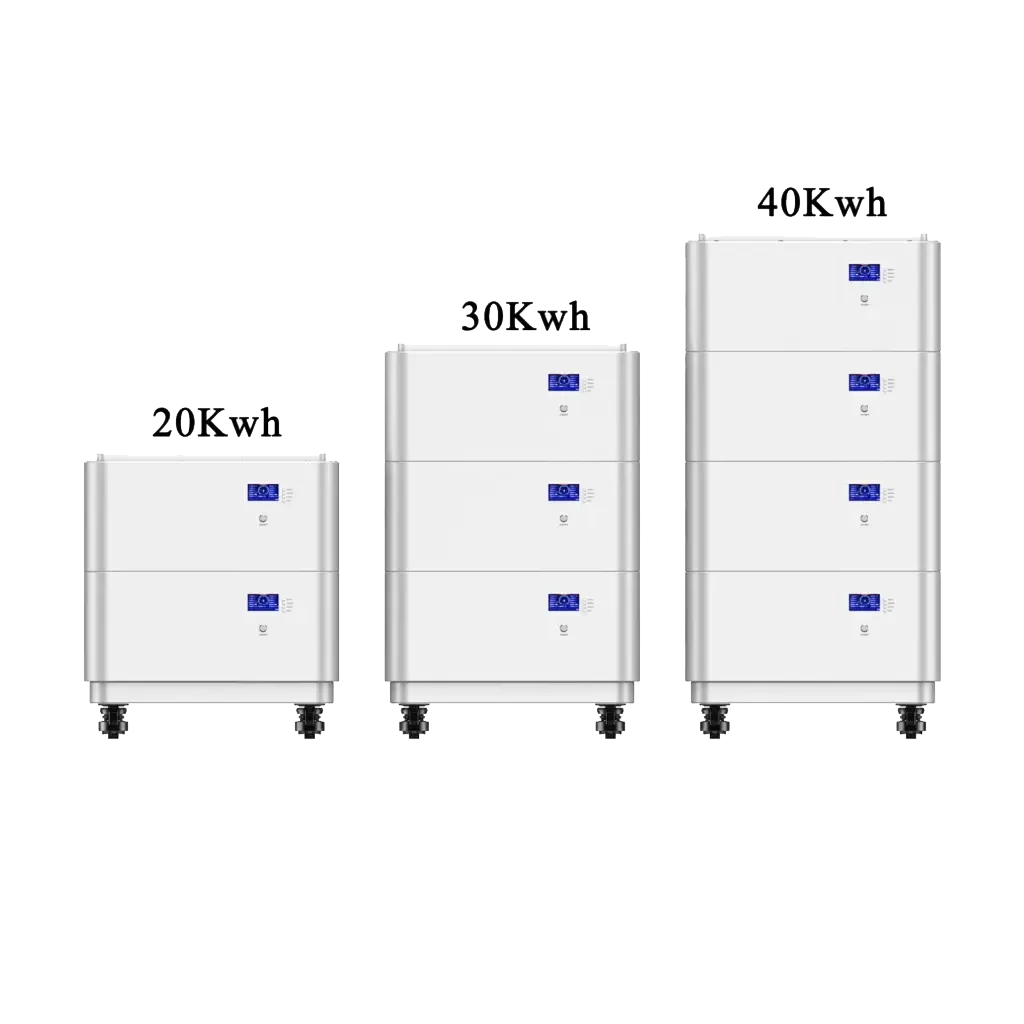
A modular solar battery is an energy storage system built from separate battery modules that work together as one battery bank. Each module adds a certain amount of capacity, usually measured in kilowatt-hours, or kWh. For example, a you may start with 5 kWh or 10 kWh of storage and later expand to 15 kWh, 20 kWh, 30 kWh, or more depending on the system design. The Avepower provides larger 20kWh, 30kWh and 40kWh stackable battery configurations for homes, villas, off-grid properties, and installer-led projects.
Who Should Choose a Modular Solar Battery?
A modular solar battery is a strong choice for:
- Homeowners who want to start small and expand later
- Families expecting higher future electricity use
- Homes adding EV charging, heat pumps, or larger backup loads
- Off-grid and hybrid solar projects
- Installers who need flexible battery configurations
- Distributors building scalable product lines
- OEM/ODM buyers who want private-label storage products
Avepower supports home solar battery wholesale buyers with LiFePO4 battery systems, wholesale supply, OEM/ODM private label options, documentation support, and stackable battery formats for different channel needs.
Modular Solar Battery vs Integrated Battery System
When comparing solar batteries, you will often see two common approaches: modular systems and integrated all-in-one systems.
| Feature | Modular Solar Battery | Integrated Battery System |
|---|---|---|
| Capacity growth | Add modules over time | Usually fixed or expanded in large steps |
| Upfront cost | Can start smaller | Often higher initial capacity |
| Installation planning | Needs expansion layout planning | Usually simpler one-time setup |
| Flexibility | High | Medium to low |
| Future upgrades | Easier if supported by manufacturer | May require another full battery unit |
| Risk | More connections and compatibility checks | Less complex, but less flexible |
Modular Solar Battery
A modular solar battery focuses on expandability. It separates storage capacity into smaller modules so users can add more storage over time.
Main advantages include:
- Easier capacity expansion
- Lower entry capacity for smaller homes
- More flexible system design
- Better fit for staged solar projects
- Useful for installers serving different customer budgets
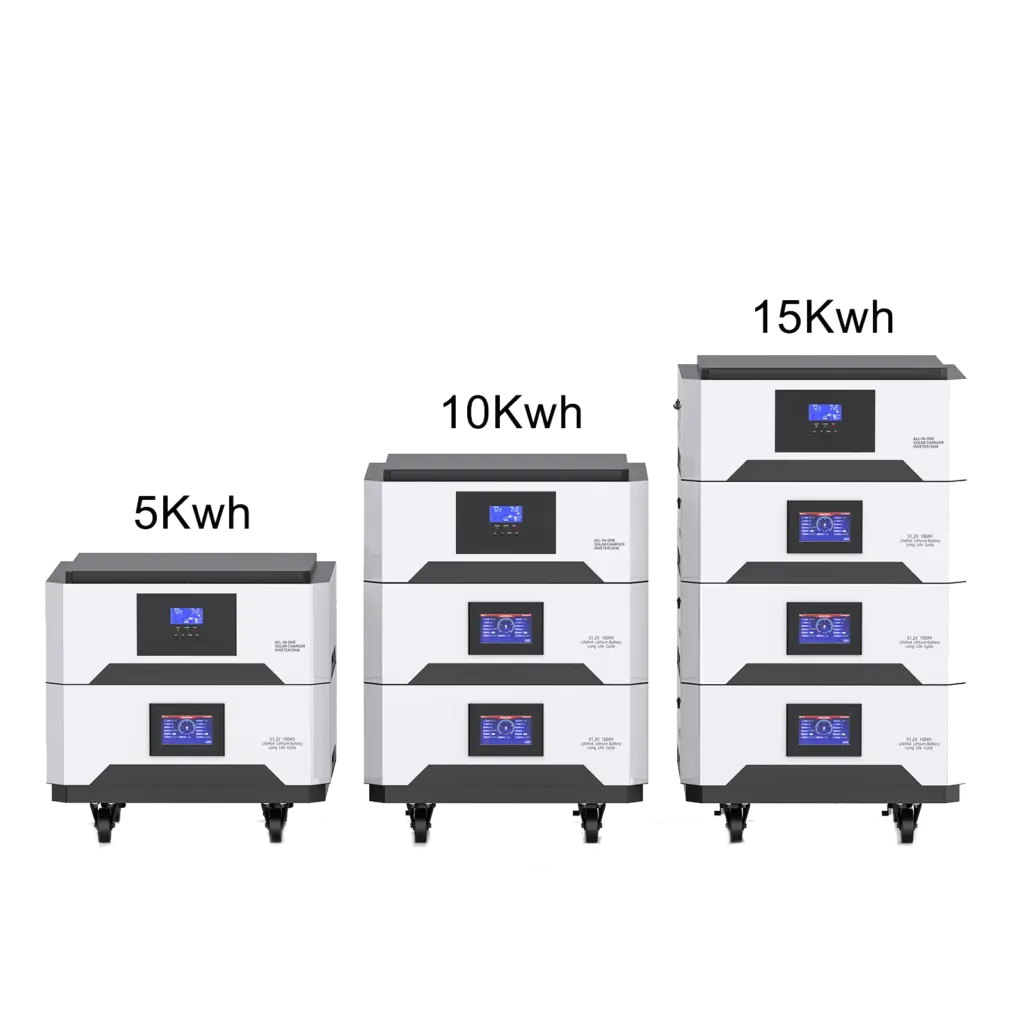
For example, Avepower’s stackable solar batteries are designed around 5 kWh, 10 kWh, and 15 kWh modular configurations, with support for parallel expansion depending on the system design. Avepower lists LiFePO4 chemistry, BMS monitoring, CAN/RS485/RS232 communication, Bluetooth/WiFi monitoring, and up to 16 units in parallel for larger capacity planning
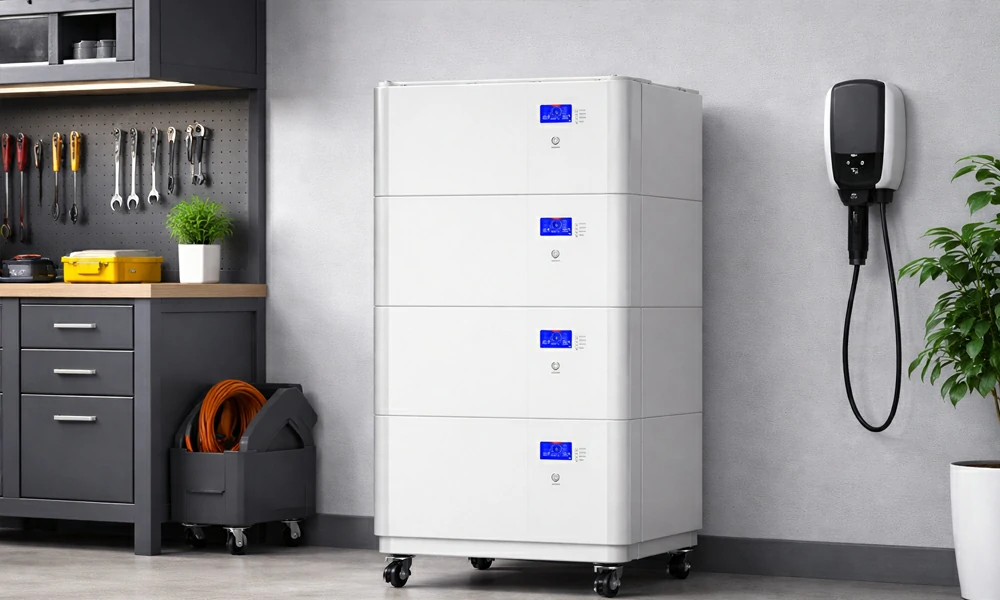
Scalable Solar Battery Storage for Growing Energy Needs
Avepower can help you match battery capacity, inverter compatibility, communication protocol, enclosure design, and certification documents to your project requirements.
Integrated Battery System
An integrated battery system usually combines the battery, inverter, and energy management components into one package. This can simplify installation and create a clean appearance. It may also reduce design complexity because components are already matched by the manufacturer.
However, integrated systems may be less flexible if the user wants to expand capacity later. Some integrated systems allow additional units, but expansion increments may be larger or more expensive than simply adding one small module.
For homeowners who want a simple package and do not expect major load growth, an integrated system may be suitable. For homeowners or installers who want capacity flexibility, a modular solar battery may be the better long-term option.
Pros and Cons of Modular Solar Batteries
Advantages
- Flexible capacity planning
- Lower starting investment
- Suitable for future expansion
- Good fit for solar retrofit projects
- Can match different home sizes
- Useful for installers and distributors
- Easier staged upgrades than fixed large systems
- Can reduce overbuying unused capacity
Limitations
- Expansion may require extra controller hardware
- Not every modular system can expand after commissioning
- Warranty rules may restrict adding new modules later
- Inverter output may limit backup performance
- More modules and connections require careful installation
- Space must be reserved for future growth
- Older and newer modules may not perform identically
A modular solar battery is not automatically better than every integrated system. It is better when flexibility, staged investment, and future capacity planning are important.
Example Modular Solar Battery Sizing Scenarios
| Use Case | Starting Battery Size | Future Expansion Path | Best Fit |
|---|---|---|---|
| Small home solar self-consumption | 5–10 kWh | Add modules if evening use grows | Budget-conscious homeowners |
| Standard family home | 10–15 kWh | Expand to 20–30 kWh | Daily solar storage + backup |
| Villa or larger home | 15–30 kWh | Expand in parallel | Higher loads and longer backup |
| Off-grid cabin | 10–20 kWh | Add capacity seasonally | Solar independence |
| Installer-led project | Flexible | Based on load study | Custom residential systems |
| Small commercial site | 30 kWh+ | Parallel expansion | Peak shaving and backup |
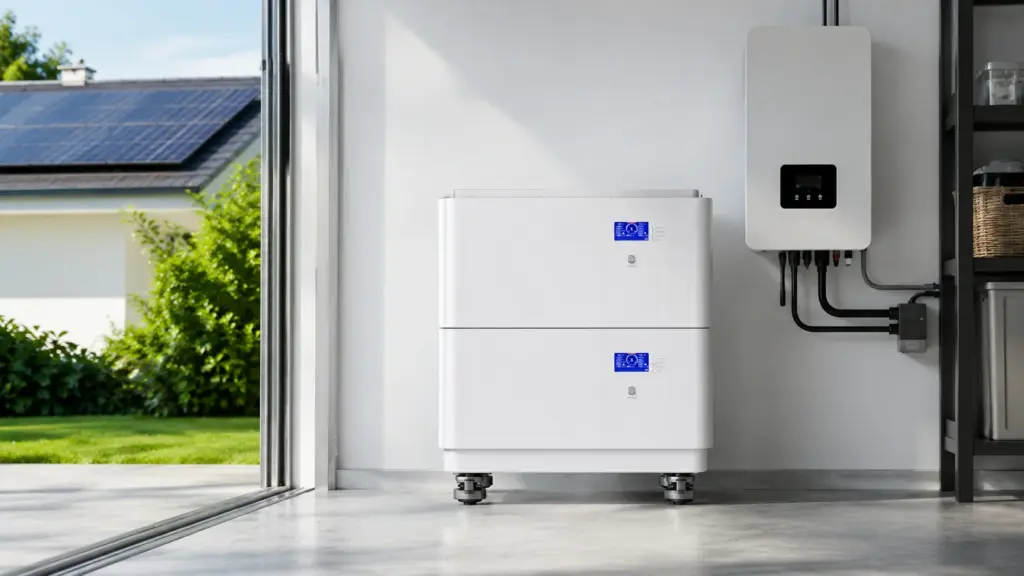
Key Specifications to Check Before Buying a Modular Solar Battery
A modular solar battery sounds simple: add more modules when you need more energy. In real projects, expansion can be more complicated.
1. Controller and Inverter Limits
Every system has a maximum number of modules per stack, tower, or inverter. Once you reach that limit, adding more capacity may require another controller, inverter, gateway, or battery cabinet.
This is where costs can jump. The battery module may not be the most expensive part. The controller or hybrid inverter can represent a large share of the total system cost because it manages charging, discharging, safety, and grid connection.
Before buying, ask:
- What is the maximum number of modules per stack?
- What is the maximum total capacity per inverter?
- Can I add another battery stack later?
- Will I need another controller?
- Will the battery inverter count toward grid connection limits?
- How much will the second stage expansion really cost?
2. Warranty Restrictions
Not all modular batteries are expandable after commissioning. Some manufacturers allow expansion only within a specific time period. Others may require all modules to be the same model, firmware version, capacity, or state of health.
Adding new modules to an older battery stack can create balancing and performance issues. A new module may have higher usable capacity than older modules, but the total system may operate according to the weaker or more aged modules.
Always read the warranty conditions before assuming that “modular” means unlimited expansion.
3. Physical Space and Layout
A battery stack needs space for ventilation, maintenance access, wiring, safety clearance, and future expansion. A common installation mistake is placing the inverter or other equipment directly above the battery stack, leaving no vertical room for additional modules.
Installers should plan the final target capacity from the beginning, even if the customer only buys part of the system today.
4. Communication Compatibility
A modular battery must communicate correctly with the inverter. Poor communication can lead to inaccurate SOC readings, charging problems, shutdowns, or protection alarms.
Avepower provides an inverter compatibility list covering communication protocols such as CAN and RS485 across selected inverter brands. For installers and EPC teams, compatibility confirmation before order is one of the most important steps in reducing commissioning risk.
5. Safety Certification and Local Approval
Battery systems should meet relevant safety, transport, and market entry requirements. For example, the Clean Energy Council maintains an approved batteries list for lithium-based batteries used in Australian solar and battery installations. Requirements vary by market, so distributors and installers should check local standards before importing or specifying a product.
Avepower’s certifications page lists CE, UL, RoHS, UN38.3, ISO 9001, CB reports, FCC certificates, and related documentation support for partners. For B2B buyers, this documentation can be important for tenders, distributor qualification, customs clearance, and local approval.
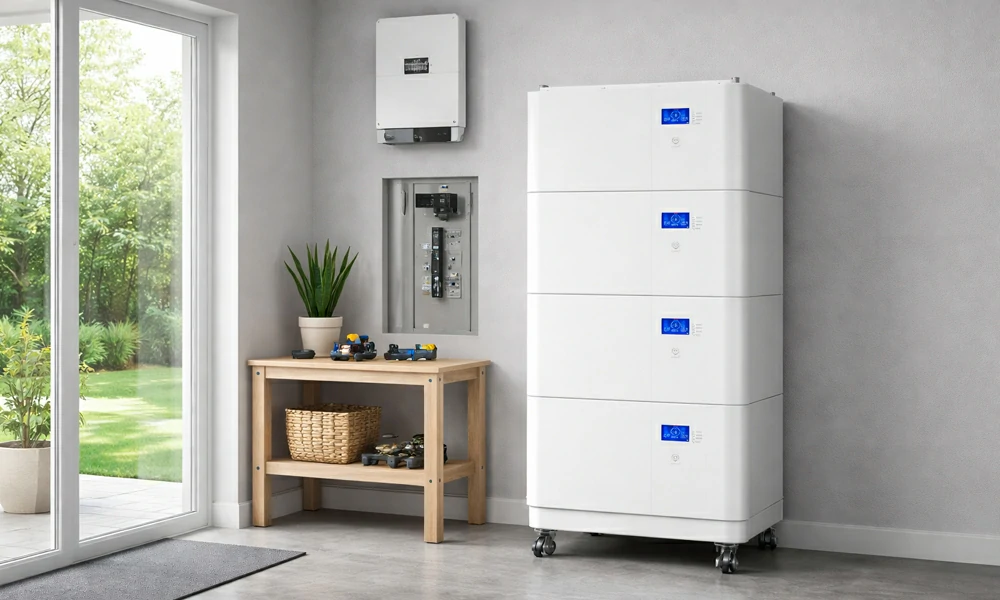
Choose the Right Modular Battery for Your Solar Project
From daily solar self-consumption to backup power and off-grid storage, Avepower helps you match battery capacity, inverter compatibility, and installation requirements for reliable long-term performance.
Modular Solar Battery Chemistry: Why LiFePO4 Is Common
Many modern home storage systems use lithium iron phosphate, or LiFePO4 / LFP, because it is widely used for stationary energy storage and is known for safety, cycle life, and thermal stability.
For home solar applications, LiFePO4 batteries are often selected because they are suitable for daily cycling, long service life, and stable performance when combined with a well-designed BMS.
Avepower’s vertical LiFePO4 battery series is built for home energy storage and supports parallel connection for larger energy needs. Avepower states that its vertical battery series uses LiFePO4 technology, supports up to 16 units in parallel, and is designed for solar storage, grid dependence reduction, and customizable project requirements.
AC-Coupled vs DC-Coupled Modular Batteries
A modular solar battery can be used in different system architectures.
DC-Coupled Modular Battery
A DC-coupled system connects the battery on the DC side through a hybrid inverter. This can be efficient for new solar-plus-storage installations because the solar panels and battery are designed together from the start.
AC-Coupled Modular Battery
An AC-coupled system connects the battery through its own inverter on the AC side. This can be useful for retrofitting battery storage to an existing solar system, especially when the current solar inverter is still working well.
All-in-One Modular System
Some systems integrate the inverter and battery into one package while still allowing modular expansion. Avepower’s all-in-one battery with inverter combines battery storage with a built-in inverter and supports remote monitoring, LiFePO4 battery technology, OEM/ODM customization, and parallel expansion depending on configuration.
The right architecture depends on whether the project is new or retrofit, whether backup power is required, and how much flexibility the homeowner or installer needs.
How Much Modular Battery Capacity Do You Need?
The right modular solar battery size depends on your energy use, solar system size, tariff structure, backup expectations, and future expansion plans.
A basic sizing process looks like this:
- Check your daily electricity consumption in kWh
- Identify evening and nighttime usage
- Decide which loads need backup during outages
- Estimate how many hours of backup you want
- Match battery capacity with inverter output
- Leave room for future expansion
Here is a simple guide:
| Home Type | Typical Battery Goal | Suggested Modular Capacity Range |
|---|---|---|
| Small home or apartment | Evening solar self-consumption | 5kWh–10kWh |
| Standard family home | Daily cycling and limited backup | 10kWh–15kWh |
| Larger home | More backup and higher evening load | 15kWh–30kWh |
| Off-grid cabin or villa | Longer autonomy | 20kWh–40kWh+ |
| Small commercial project | Load shifting and backup | 30kWh+ depending on load |
These are only general ranges. A proper design should use real consumption data, solar generation estimates, local weather patterns, and the customer’s backup priorities.
For example, a home that only wants to run lights, WiFi, a refrigerator, and basic appliances during outages may not need a very large battery. A home that wants to run air conditioning, pumps, heating, or workshop equipment will need a larger system and a carefully selected inverter.
Common Mistakes When Choosing a Modular Solar Battery
Mistake 1: Only Comparing Price per kWh
Price per kWh is useful, but it does not show the full cost. You also need to consider inverter cost, controller cost, installation labor, cabling, protection devices, monitoring, warranty, and future expansion hardware.
A battery that looks cheaper at the module level may become more expensive if the second expansion stage requires another controller or inverter.
Mistake 2: Ignoring Inverter Limits
The battery may be expandable, but the inverter may not be. If the inverter output is too small, adding more battery capacity may increase runtime but not the number of appliances you can run at the same time.
Mistake 3: Installing Without Future Space Planning
Modular batteries need physical space for future modules. If the first installation leaves no room above, beside, or around the battery, future expansion may require relocation.
Mistake 4: Mixing Batteries Without Checking Warranty
Some manufacturers allow expansion only under specific conditions. Others may limit mixing old and new battery modules. Always check the warranty and installation manual before planning staged expansion.
Mistake 5: Choosing a Battery Without Local Compliance Support
Battery systems are regulated differently across markets. A product that works technically may still need documentation for import, rebate eligibility, installer approval, or grid connection.
For wholesalers and project buyers, this is why supplier documentation matters. Avepower supports OEM/ODM customization, inverter compatibility support, and export documentation for global energy storage buyers.
How Avepower Supports Modular Solar Battery Projects
Avepower provides LiFePO4 battery energy storage systems for residential, commercial, industrial, and OEM/ODM applications. For home solar storage, Avepower’s modular and stackable battery options are designed to support daily solar self-consumption, backup power, off-grid use, and staged capacity expansion.
The Avepower stackable solar battery supports 5 kWh, 10 kWh, and 15 kWh configurations, with expandable system design, BMS protection, CAN/RS485/RS232 communication, Bluetooth and WiFi monitoring, and LiFePO4 chemistry for long cycle life.
For installers and distributors, Avepower can also support project matching, inverter compatibility checking, technical documents, and OEM/ODM customization. This makes the system suitable not only for individual home projects but also for wholesale, installer-led, and private label battery programs.
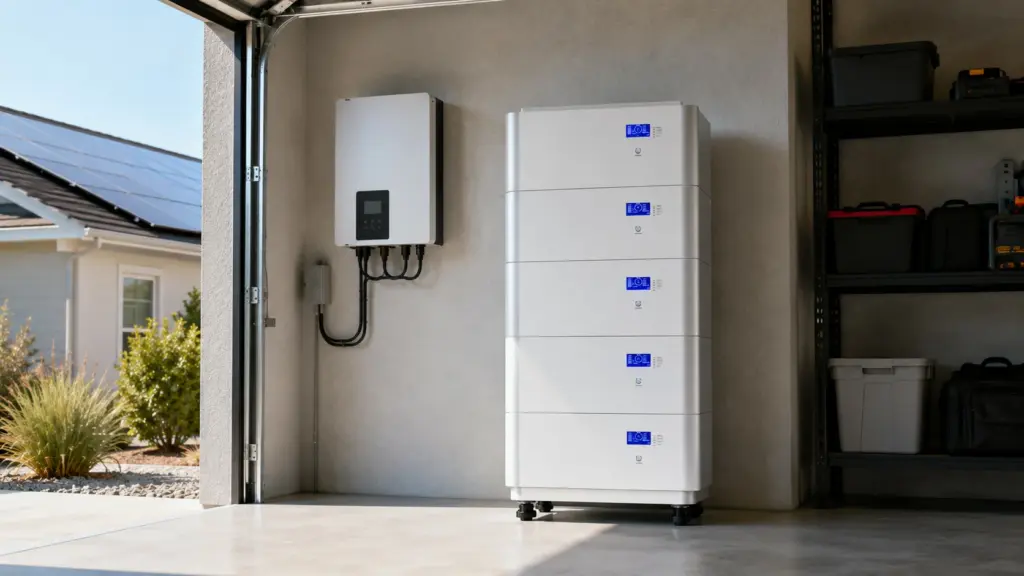
Avepower Modular Solar Battery Solutions
Need a scalable battery solution for home solar storage projects? Avepower can help you choose the right modular battery configuration, and support OEM/ODM customization for your target market.
Final Thoughts
A modular solar battery is not just a battery with stackable parts. It is a long-term energy storage strategy. The real value comes from matching today’s budget with tomorrow’s energy needs.
When comparing options, focus on more than the battery capacity. Check inverter compatibility, expansion limits, controller requirements, BMS protection, certifications, installation rules, and warranty terms. A well-designed modular solar battery should be safe, expandable, serviceable, and technically matched to the home’s real load profile.
Avepower provides scalable LiFePO4 residential energy storage solutions including stackable, vertical, rack-mounted, wall-mounted, and all-in-one battery systems. For installers, distributors, and OEM/ODM partners, Avepower can support battery configuration, inverter compatibility, documentation, and customized storage solutions for residential and light commercial solar projects.
FAQ
A modular solar battery is a scalable energy storage system made from separate battery modules that can be connected together to increase total capacity. It allows you to start with a smaller battery size and add more modules later as electricity demand grows, such as after installing more solar panels, adding an EV charger, or needing longer backup power.
A modular solar battery stores excess electricity generated by solar panels during the day and releases it when the home needs power, such as at night, during peak electricity rates, or during grid outages. The battery modules work with an inverter and a battery management system to control charging, discharging, safety protection, and system communication.
The main advantage of a modular solar battery is scalability. You can begin with a smaller system and expand capacity later instead of buying a large battery all at once.
Before buying a modular solar battery, check usable capacity, maximum expansion size, inverter compatibility, BMS protection, communication protocol, backup capability, safety certifications, installation space, warranty terms, and whether future expansion requires extra hardware.
Yes, LiFePO4 batteries are widely used for modular solar storage because they offer good thermal stability, long cycle life, and strong safety performance for daily charging and discharging.