
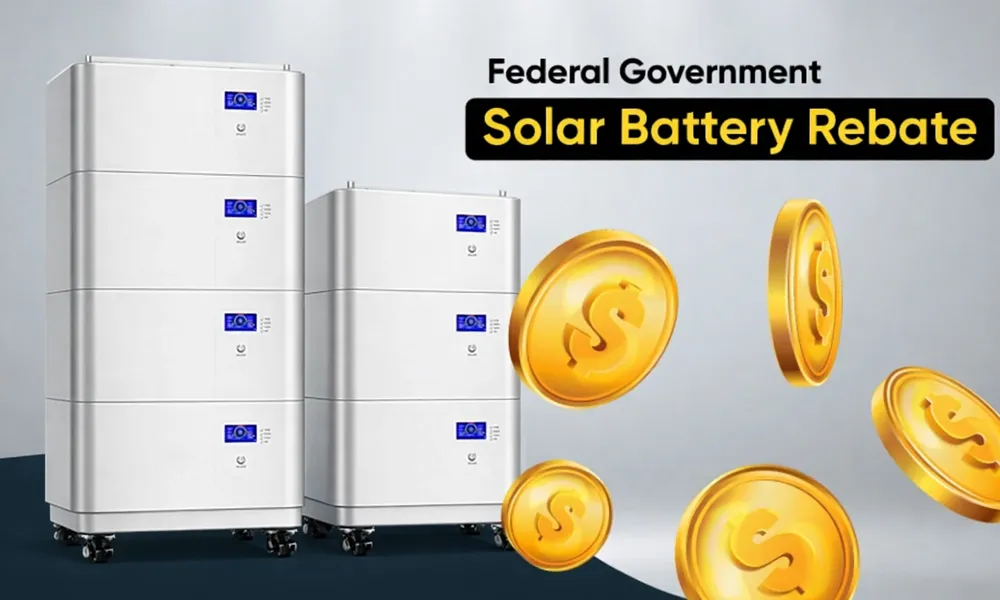
Australia’s national battery discount is delivered through the Cheaper Home Batteries Program, which expands the Small scale Renewable Energy Scheme so that eligible home and small business batteries can create Small scale Technology Certificates STCs. In plain terms, this means most Australians won’t “apply” for a rebate in the traditional way. Instead, an approved retailer or installer typically claims STCs and applies the discount up front on your invoice, reducing the price you pay at point of sale.
Just as importantly, the policy was updated for 2026. The Government confirmed the program will be expanded from an estimated $2.3 billion to $7.2 billion over the next four years, with formal rule changes commencing 1 May 2026. Those changes make the STC discount step down every six months and taper for larger batteries, so timing and sizing now matter more than ever.
What the Federal Battery Rebate Actually is in 2026
The Cheaper Home Batteries Program provides an up front discount of about 30% on eligible battery installs by allowing batteries to create STCs and having the discount passed through to customers (most commonly by assigning STC rights to your installer or a registered agent). The program is administered by the Clean Energy Regulator CER, and the rules sit under the Renewable Energy Electricity Regulations 2001.
- Eligible install date: battery systems “installed” on or after 1 July 2025 (as defined by the date the certificate of electrical compliance is issued) may be eligible.
- Policy change date: rule changes commence 1 May 2026.
- Program outlook: the discount is reviewed at least annually and reduces through to 2030 in line with falling battery costs.
Who Can Get the Rebate
The program is designed to be broad. It is available for households, businesses, and community organisations, provided the system and installation meet program rules.
Property Level Eligibility
- Support is tied to the premises and is intended to be available the first time a battery system is installed, added to, or replaced at that premises under the program.
- Owners with multiple eligible sites may be eligible per site (because eligibility is premises based), as long as each installation meets the rules. (Source: dcceew.gov.au)
Battery System Requirements You Must Meet
The Government’s eligibility guidance is clear: your battery must be the right size, installed correctly, and use approved products and accredited installers.
Size Rules Nominal vs Usable
- Nominal capacity range: 5 kWh to 100 kWh nominal.
- STCs only apply to usable capacity and are capped: STCs apply to the first 50 kWh of usable capacity (new or added).
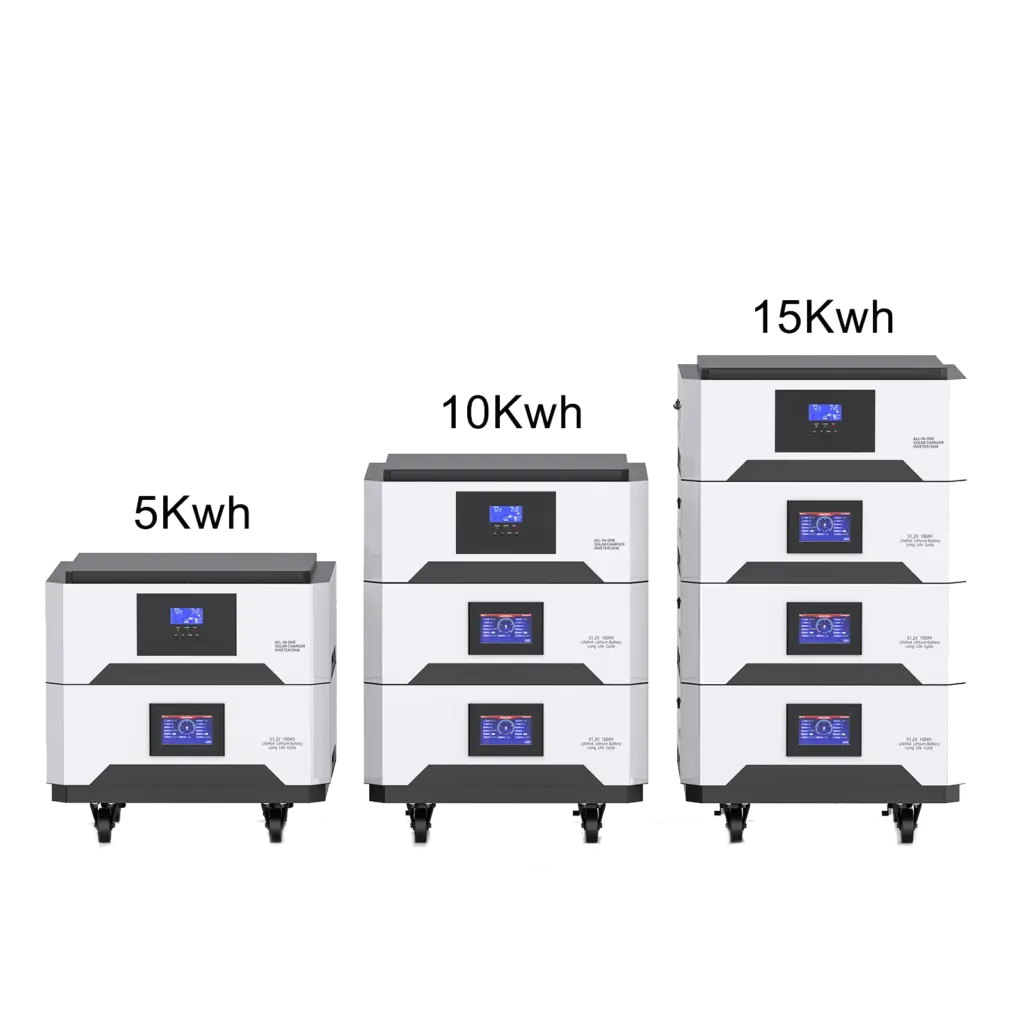
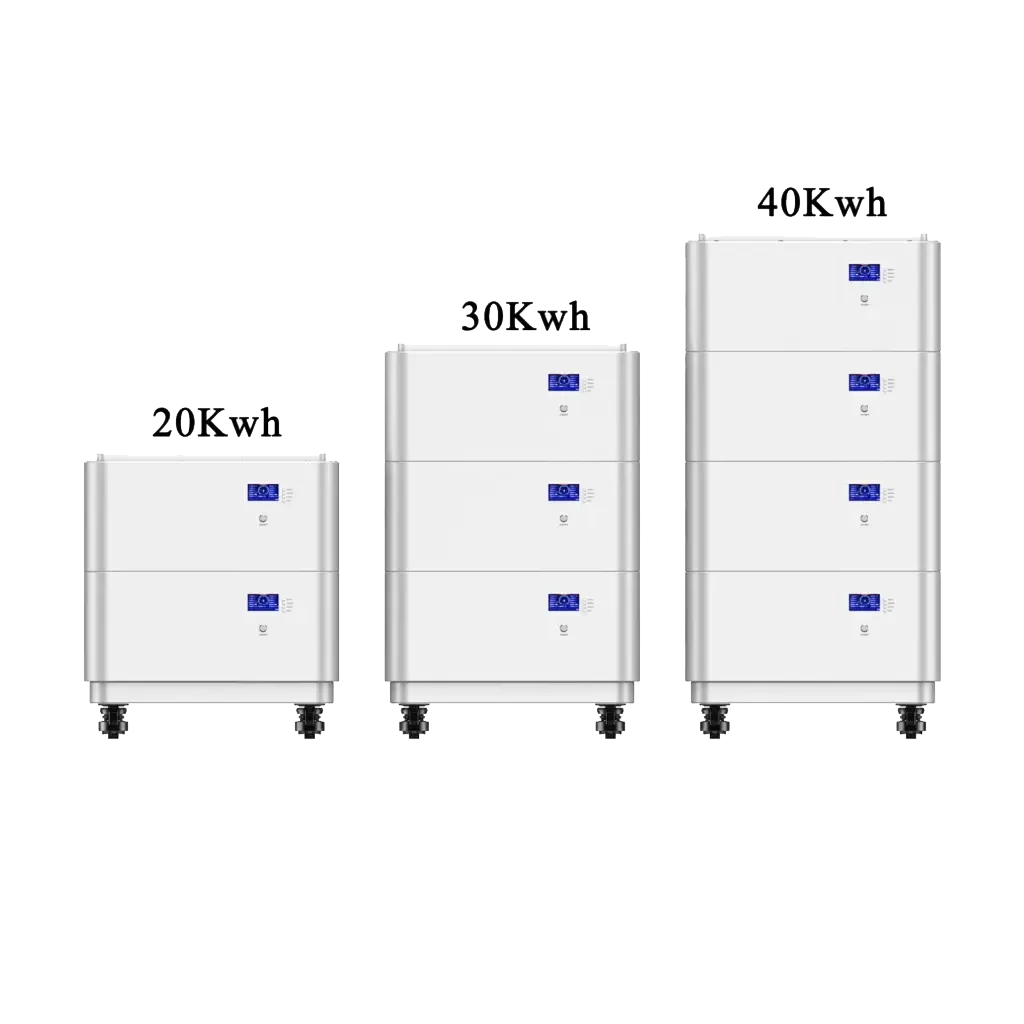
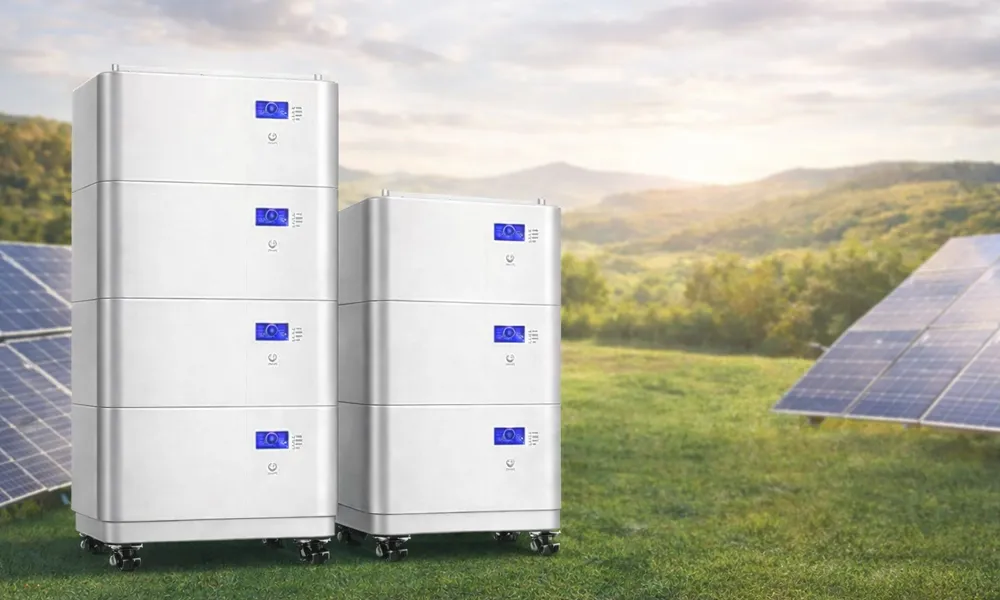
- Stackable modular batteries are allowed: smaller modules can be stacked to meet the minimum, but the final configuration must be on the CEC approved product list and the full system must be re certified by an accredited installer. (Source: dcceew.gov.au)
New System Only and What is Excluded
- Batteries must be eligible under the rules and installed as a compliant system.
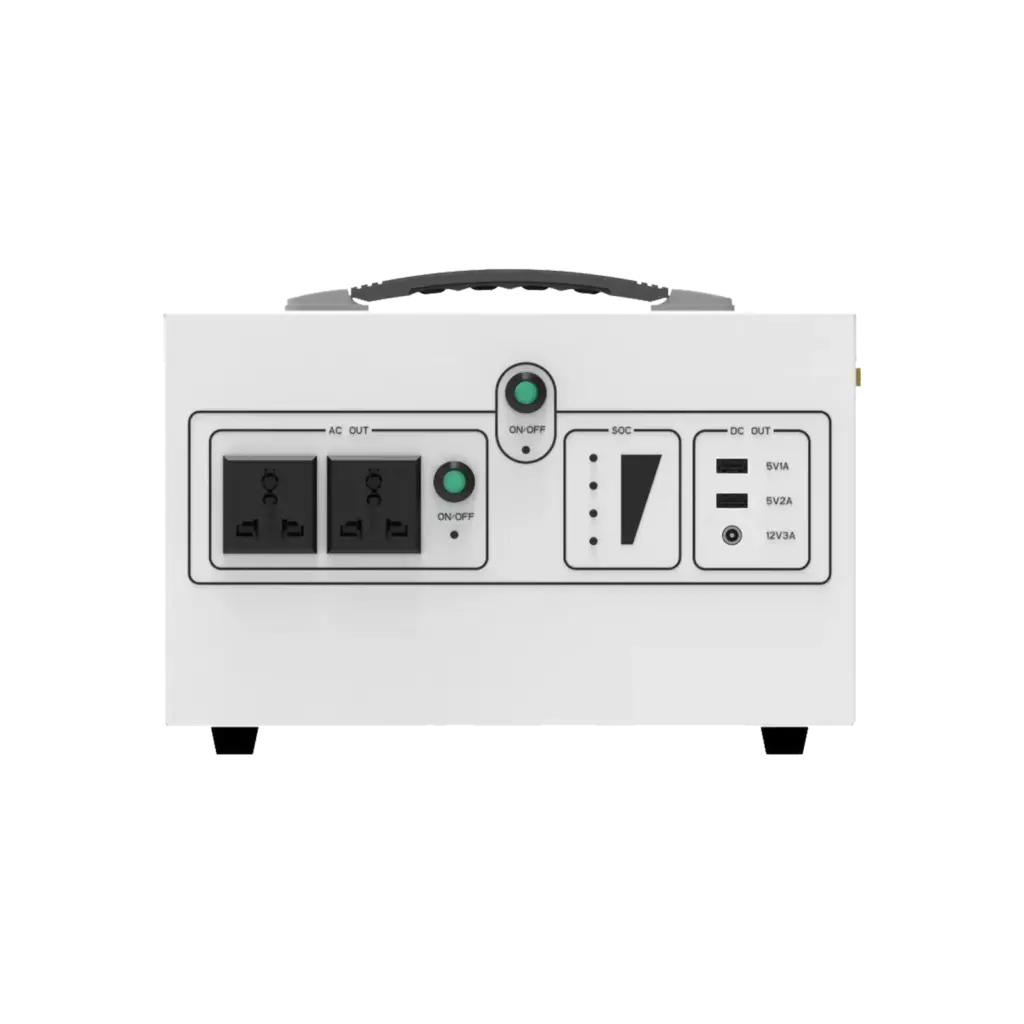
- Portable batteries and electric vehicles are not eligible under the program.
Must Be Installed With Solar PV
The program is intended for batteries that store solar energy from a PV system at the same premises. Official guidance states that batteries installed without solar PV (storing grid energy only) are not eligible.
There are also PV size boundaries aligned to SRES eligibility (for example the PV system capacity threshold noted in the eligibility guidance).
Product Approval and Installer Accreditation are Mandatory
To be eligible, you generally need:
- Battery and inverter on Clean Energy Council CEC approved product lists
- Installation by (or under on site supervision of) a Solar Accreditation Australia SAA accredited battery installer, compliant with state and territory electrical safety requirements
The CER also flags compliance improvements, including new photo requirements for solar battery installations starting 1 March 2026, which is relevant because reputable installers will build this documentation into their process.
VPP Capability Rules On Grid vs Off Grid
One of the most misunderstood parts of the policy is the Virtual Power Plant VPP capability requirement.
On Grid Systems Must Be VPP Capable
For on grid systems, the battery system (including the inverter it connects to) must have the technical capability to participate in a VPP to be eligible, but you do not have to actually join a VPP.
The Government definition is functional: the inverter must be able to communicate and respond to remote signals (directly or indirectly), using an appropriate communications protocol.
Off Grid Nuance (Distance to Grid Matters)
The CER provides specific guidance for off grid systems:
- More than 1 km from the grid: must be on the CEC approved list and does not need to be VPP capable.
- Less than 1 km from the grid: must be on the CEC list and either show written evidence that grid connection would cost more than $30,000, or install a VPP capable system. (Source: dcceew.gov.au)
How the Discount is Calculated in 2026
What is an STC and Why it Affects Your Battery Price
An STC is a tradable certificate under the Small scale Renewable Energy Scheme. Installers or registered agents create STCs for eligible systems and then sell them (either in the open market or via the STC clearing house). The value of those certificates is passed through to you as a discount when you assign your right to create STCs.
STC Price Basics
- The STC clearing house price is capped at $40 per STC (excluding GST). (Source: cer.gov.au)
- The open market price can move daily based on supply and demand.
Because there are administrative and transaction costs, many consumer facing estimates use a “net” STC value (for example, some market calculators assume a lower effective value than $40). The safest way to treat the rebate value is as a range rather than a single guaranteed number.
The Official STC Factor Schedule to 2030
The policy change from 1 May 2026 makes the STC factor decline every six months. The Department and CER publish the schedule.
| Year | Period | Amended STC factor (per kWh usable) |
|---|---|---|
| 2026 | Jan–Apr | 8.4 |
| 2026 | May–Dec | 6.8 |
| 2027 | Jan–Jun | 5.7 |
| 2027 | Jul–Dec | 5.2 |
| 2028 | Jan–Jun | 4.6 |
| 2028 | Jul–Dec | 4.1 |
| 2029 | Jan–Jun | 3.6 |
| 2029 | Jul–Dec | 3.1 |
| 2030 | Jan–Jun | 2.6 |
| 2030 | Jul–Dec | 2.1 |
The key rule: the factor is locked in on the date the battery is considered installed (certificate of electrical compliance date).
From 1 May 2026 the Rebate Tapers for Larger Batteries
From May 2026, the “headline” STC factor is applied in bands (so larger batteries receive a lower marginal discount).
| Usable Capacity Band | How the STC Factor is Applied (from 1 May 2026) |
|---|---|
| 0–14 kWh | 100% of STC factor |
| >14–28 kWh | 60% of STC factor |
| >28–50 kWh | 15% of STC factor |
If you want an official calculator for this banding and the current STC factor, the CER provides a solar battery STC calculator specifically referencing the May 2026 rule change.
Step by Step How to Claim the Rebate
Point of Sale Discount Through Your Installer
Most Australians will claim the benefit by assigning STCs to their installer or retailer (or a registered agent), and receiving the discount on the invoice. The Department explicitly notes you can seek multiple quotes and ensure the retailer explains the value of the discount, when you’ll receive it, and warranty and payback expectations.
- Confirm system eligibility
- Battery within 5–100 kWh nominal
- Battery installed with eligible solar PV at the premises
- On grid systems are VPP capable (capable, not necessarily enrolled)
- Verify product approval
- Battery and inverter appear on the CEC approved lists at the time of certification
- Verify installer accreditation
- Installer is SAA accredited for battery systems and will be on site for set up installation commissioning
- Get itemised quotes
- Ask for the estimated STC discount as a line item and confirm whether they are using clearing house pricing or an open market estimate (and what fees are assumed).
- Installation and certification
- The system is considered “installed” when the certificate of electrical compliance is issued (or state equivalent).
- STC creation and discount applied
- Your installer/agent creates STCs and the discount is passed through to you, usually immediately on the invoice.
Claim STCs Yourself
You can forego the point of sale discount and claim STCs directly by creating and trading them via the REC Registry. The Department notes that if you wish to do this, you must not assign the right to create STCs to the installer or retailer.
How Much Can You Save in 2026
Below is a simple way to estimate savings using an assumed net STC value. Remember that real world outcomes vary by:
- your installer’s STC price assumption and fees
- whether your battery is above 14 kWh after May 2026 (tapering)
- any switchboard upgrades backup circuits metering or site specific costs
A Quick Formula
Estimated rebate ≈ usable kWh × STC factor × STC price
- STC price may be close to the clearing house cap of $40 ex GST, but open market prices vary.
Example Savings Using an Assumed $37 Per STC Net Value
This section illustrates the policy mechanics, not a guaranteed quote.
- Jan–Apr 2026: STC factor 8.4, so value per usable kWh ≈ 8.4 × 37 = $310.80
- May–Dec 2026: STC factor 6.8, so first band value per usable kWh ≈ 6.8 × 37 = $251.60
And after May, larger batteries taper in bands.
Solar Battery Cost Comparison
Because installed prices vary widely by home, a transparent way to compare is by home battery size and whether you need an additional inverter. Solar Choice publishes a regularly updated index based on installer submitted pricing (including installation and GST) and notes that the prices shown include the federal battery rebate.
Typical Installed Costs (Battery Only) in Early 2026
| Usable Capacity | Average Installed Cost (Battery Only, Includes Federal Rebate) |
|---|---|
| 10 kWh | $8,650 |
| 14 kWh | $11,270 |
| 20 kWh | $14,700 |
What May 2026 Tapering Can Mean in Practice
To make the May rule change tangible, we can back calculate an estimated “base price” and then re apply the May 2026 STC factor and banding. This uses the official STC factors and tapering bands, plus an assumed $37 per STC net value.
| Battery Size | Approx Cost Paid (Early 2026 Settings) | Approx Cost if Installed May–Dec 2026 (Same Base Price, Tapering Applied) | Difference |
|---|---|---|---|
| 10 kWh | $8,650 | ~$9,245 | +~$595 |
| 14 kWh | $11,270 | ~$12,099 | +~$829 |
| 20 kWh | $14,700 | ~$16,494 | +~$1,794 |
Why the gap grows with size: after May 2026, capacity above 14 kWh receives a reduced STC factor in the 14–28 kWh band.
Brand and Model Comparisons
When comparing popular batteries, focus on these four numbers rather than brand reputation alone:
- Usable kWh (what you can actually discharge)
- Warranty term and conditions (especially throughput and allowable cycles)
- Installed price including site works
- Eligibility status (CEC listing + SAA installer pathway)
If a model is not on the CEC list at the time of install, it can jeopardise eligibility.
Can You Stack the Federal Rebate With State Incentives
The federal scheme is national and is designed to complement other incentives, but stacking depends on each state’s rules. The Department explicitly notes that eligibility for multiple schemes depends on state or territory requirements.
New South Wales VPP Incentive
NSW provides an incentive for connecting a battery to a VPP (a demand response contract) and confirms it can be accessed even if you used the federal Cheaper Home Batteries discount, noting that batteries installed under the federal program are able to be connected to a VPP.
Because NSW support is certificate based and provider dependent, the dollar value can vary, so always check current provider offers and NSW guidance.
Related articles: Solar Battery Rebates in NSW: Maximize Your Savings in 2026
Western Australia WA Residential Battery Scheme
WA has a separate state scheme that can combine with the federal program. Official guidance states rebate payments are:
- $380 per kWh (up to $3,800) for Horizon Power customers
- $130 per kWh (up to $1,300) for Synergy customers
and eligibility includes VPP participation requirements
Ready to lock in your 2026 Federal Battery Rebate savings with a system that’s built for long-term reliability? Avepower delivers modular home battery solutions engineered for everyday cycling and scalable backup—so you can start with the right size now and expand later as your needs grow.
Get an Avepower Rebate Ready Quote (Free, No Obligation)
- Tell us your postcode, whether you already have solar, and your target battery size
- We’ll help you verify your setup against the key rebate requirements (capacity bands, VPP capability, installer accreditation, and compliant installation paperwork)
- You’ll receive a clear breakdown of upfront price, estimated STC discount, net cost, plus expected bill savings based on your usage profile
Trade partners (installers/distributors): ask about Avepower OEM/ODM options and scalable residential storage bundles.
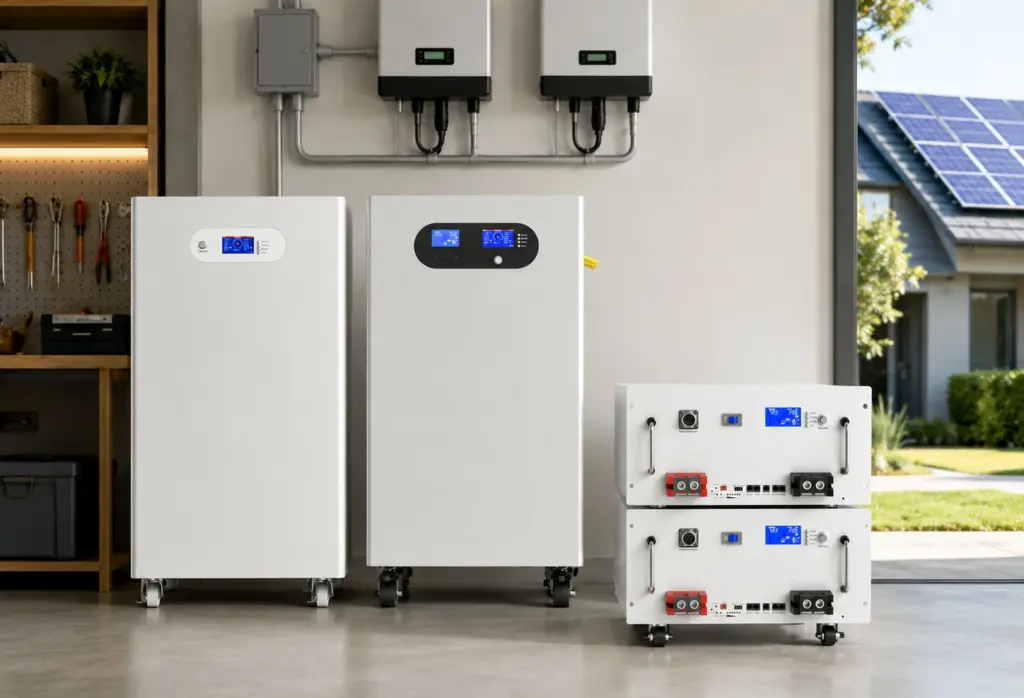
Take Control of Your Energy with Avepower!
Reliable home solar battery solutions with OEM/ODM customization and in-house manufacturing, tailored to the needs of distributors, installers, and energy partners.
Official Resources
- DCCEEW — Cheaper Home Batteries Program overview and 1 May 2026 changes
- DCCEEW — Eligibility information (VPP capability, size limits, CEC/SAA requirements, installation definition)
- CER — Solar batteries (STC eligibility rules and key constraints)
- CER — Creating/assigning STCs (how the discount is delivered in practice)
- Clean Energy Council — Approved inverter list (and related product program requirements)
- Energy.gov.au — Solar Consumer Guide: monitoring and maintenance advice
FAQ
An accredited retailer/installer (or their agent) will create and trade the STCs and apply the discount upfront on your invoice. Some people can choose to create STCs themselves, but it’s less common and more paperwork.
Eligible batteries generally need to be installed with an existing or new solar PV system at the same premises. Batteries installed without solar may not qualify under standard STC rules for solar batteries.
Systems generally must fall within a nominal capacity range (commonly cited as 5–100 kWh). The rebate value is calculated on usable capacity (the energy you can actually discharge), and there’s typically a cap on how much usable capacity can earn STCs.
Eligible participants typically include homeowners (owner-occupiers and landlords), small businesses, and community facilities. It isn’t means-tested, and eligibility is assessed per premises (usually linked to the electricity meter/NMI).