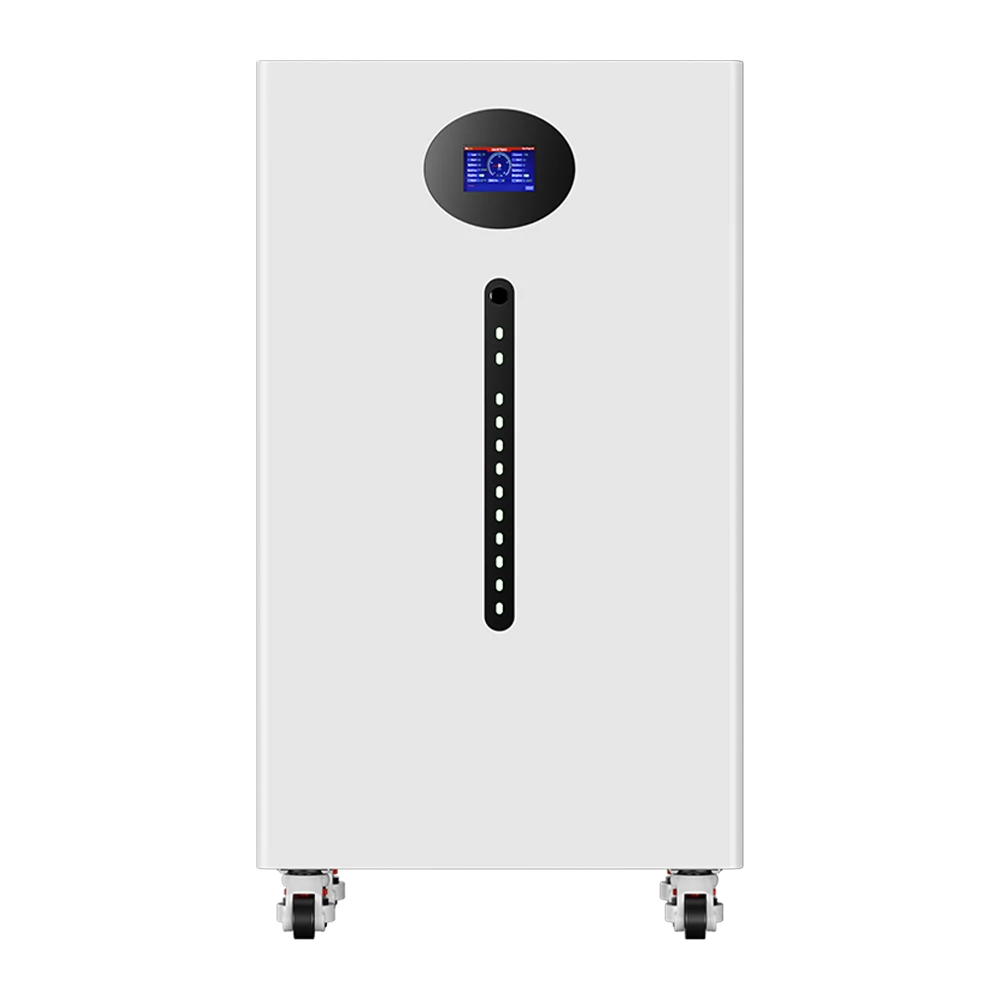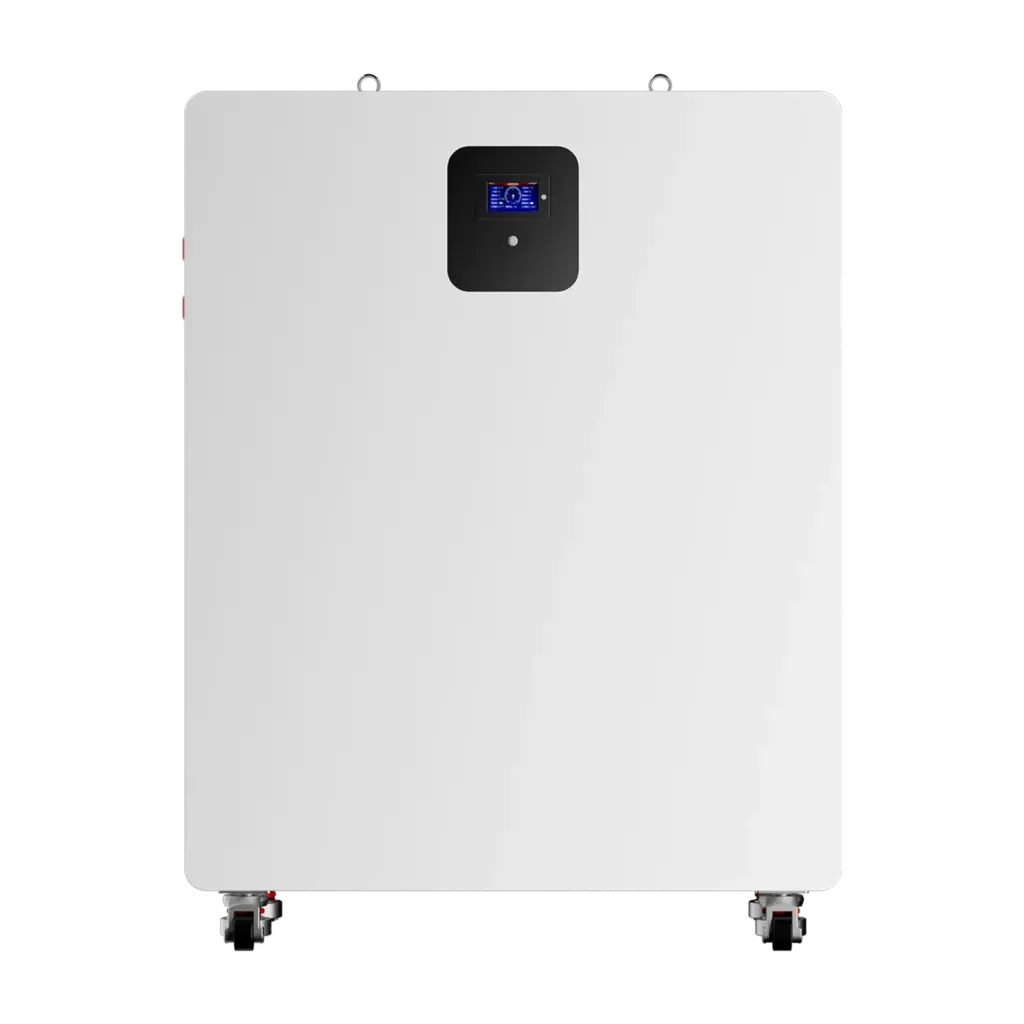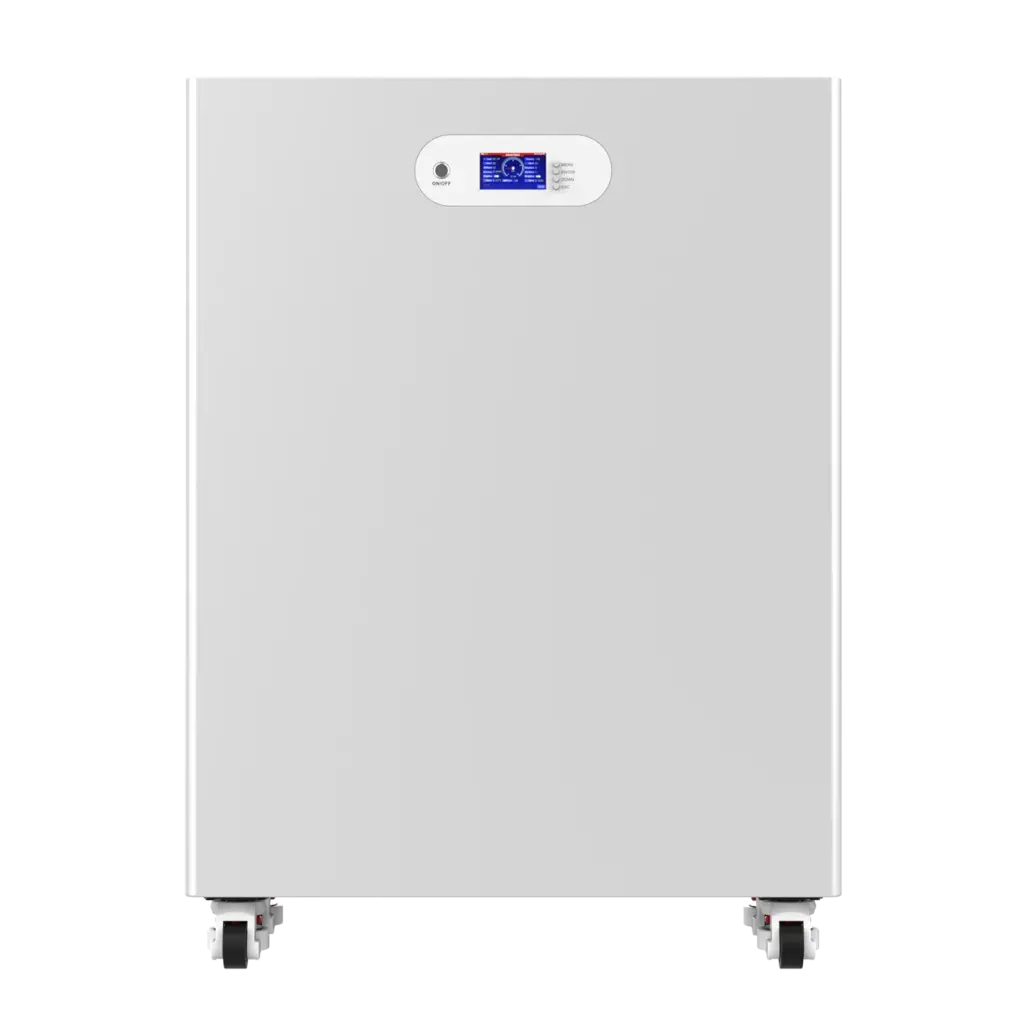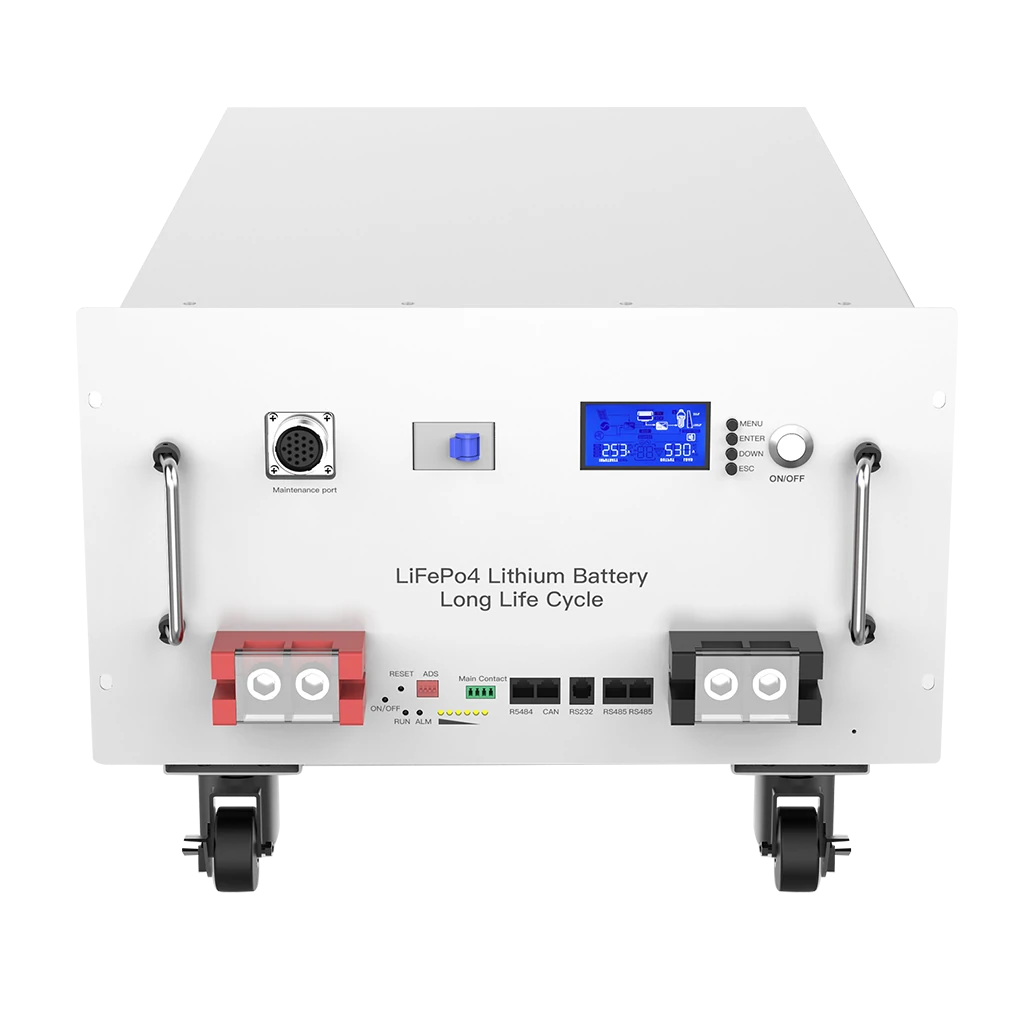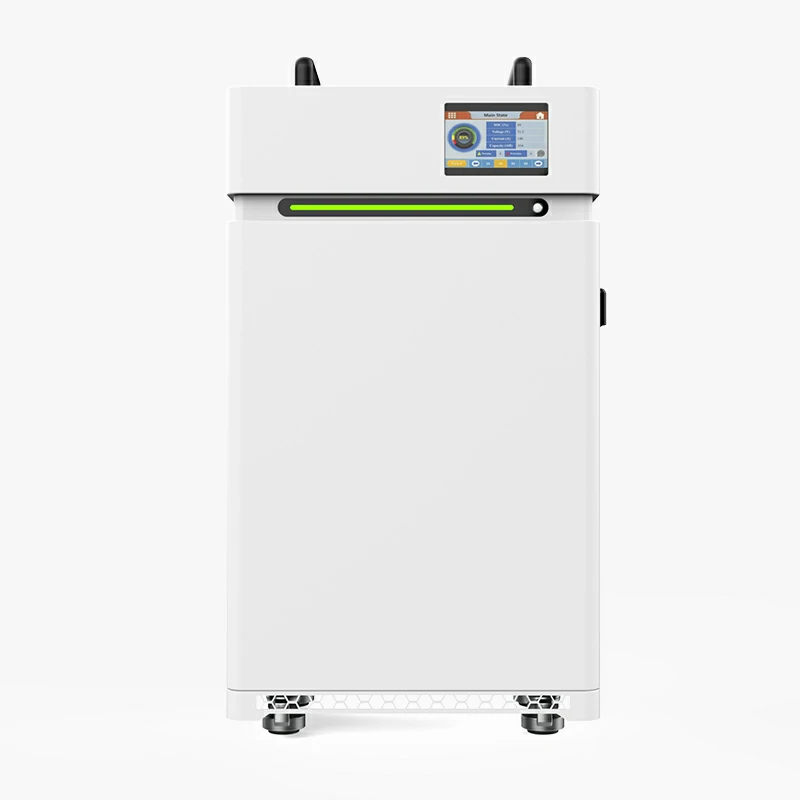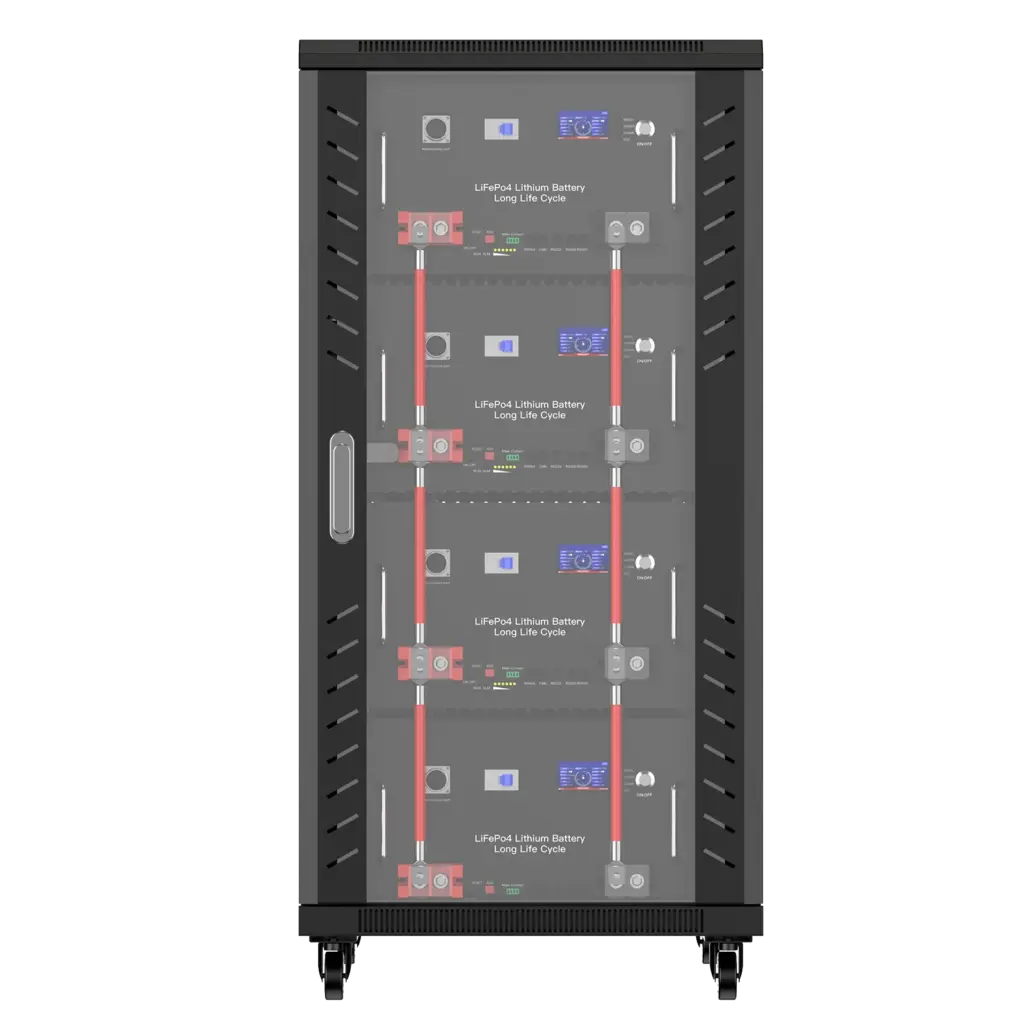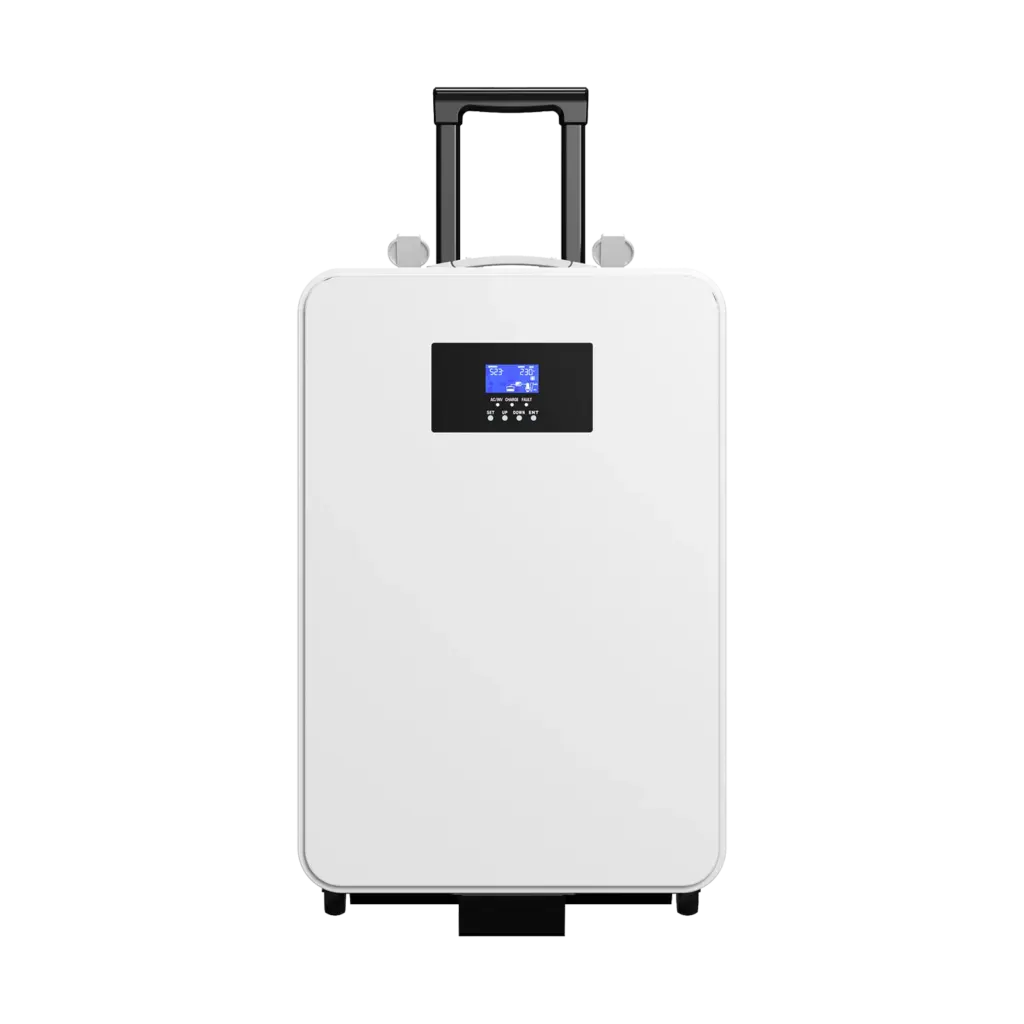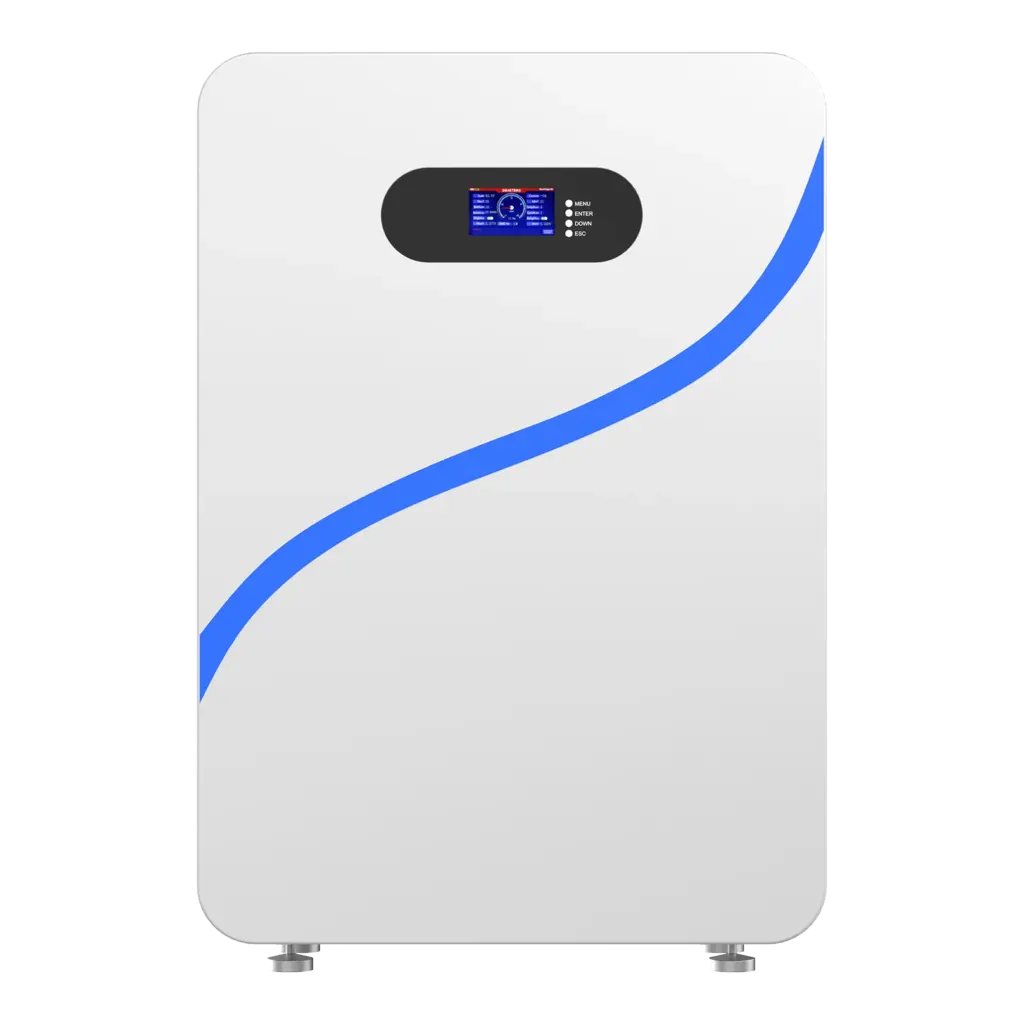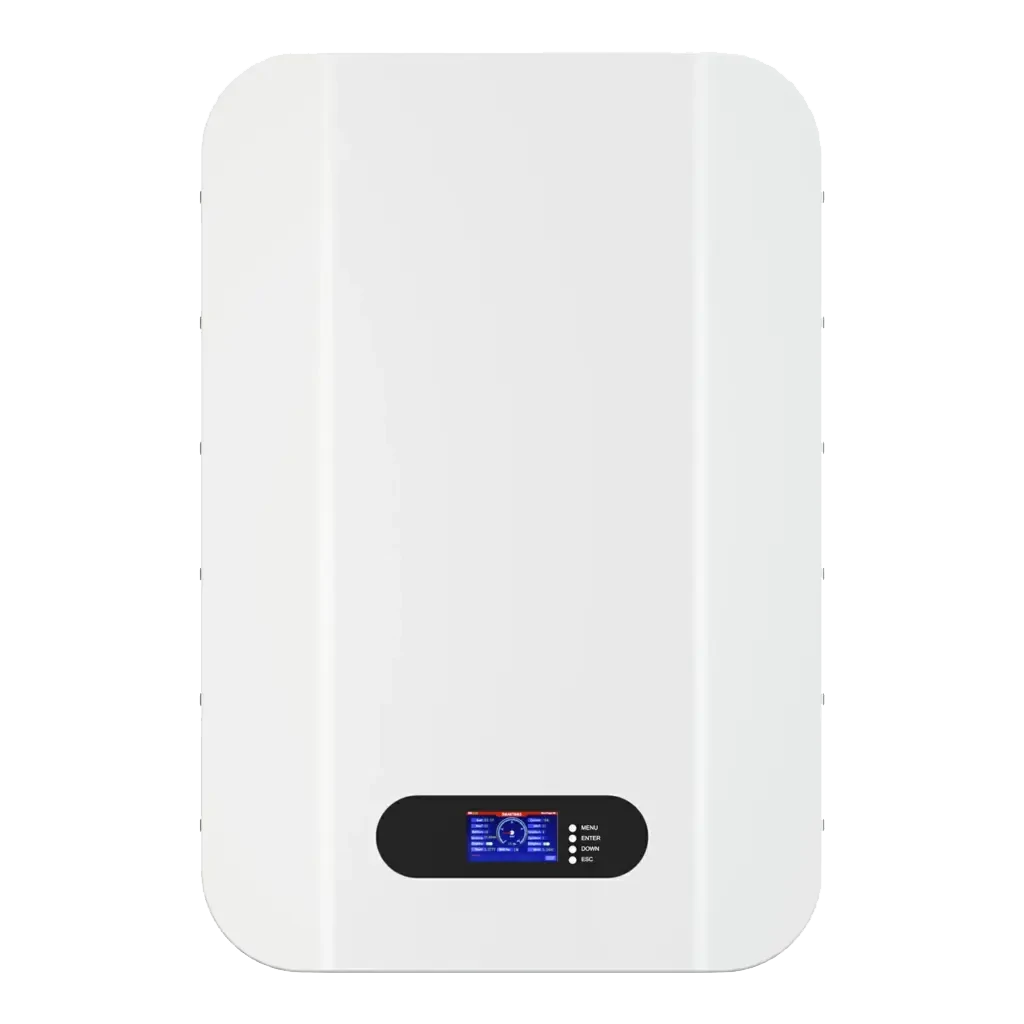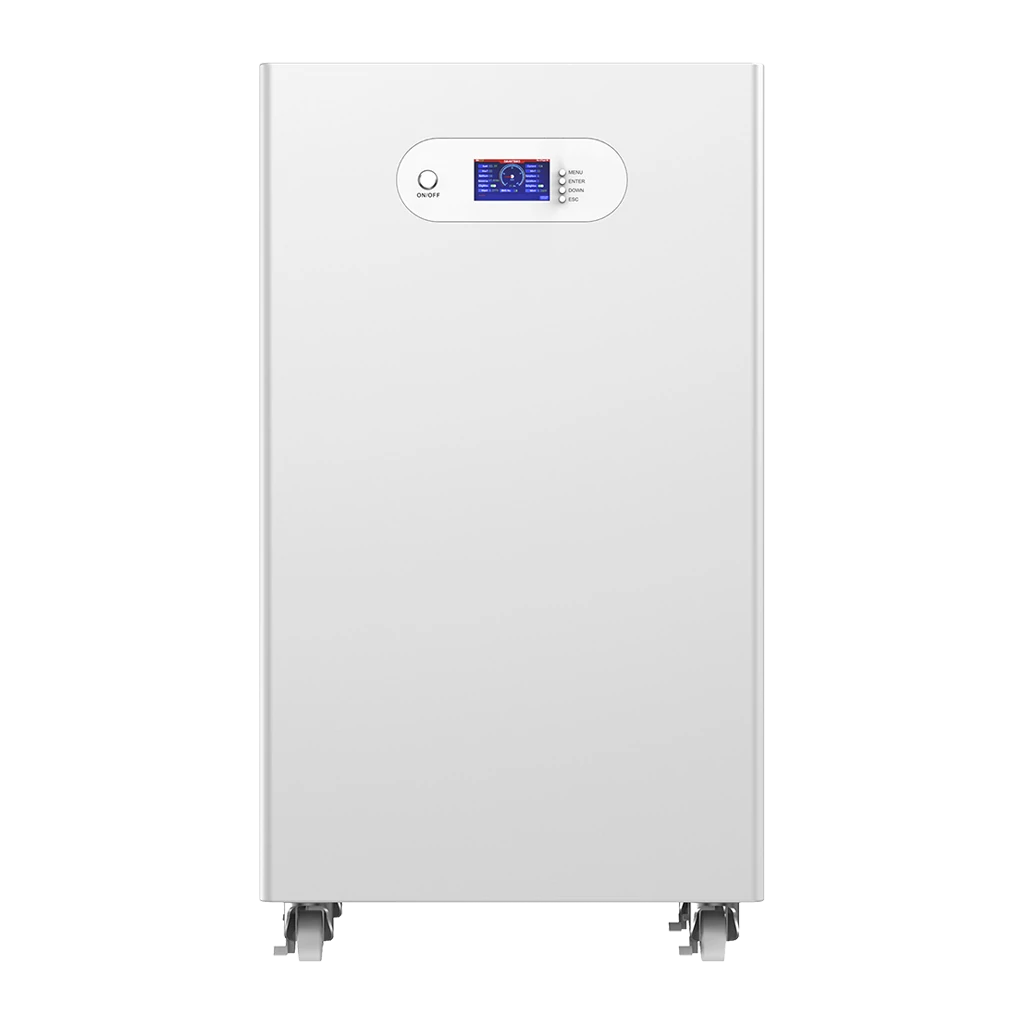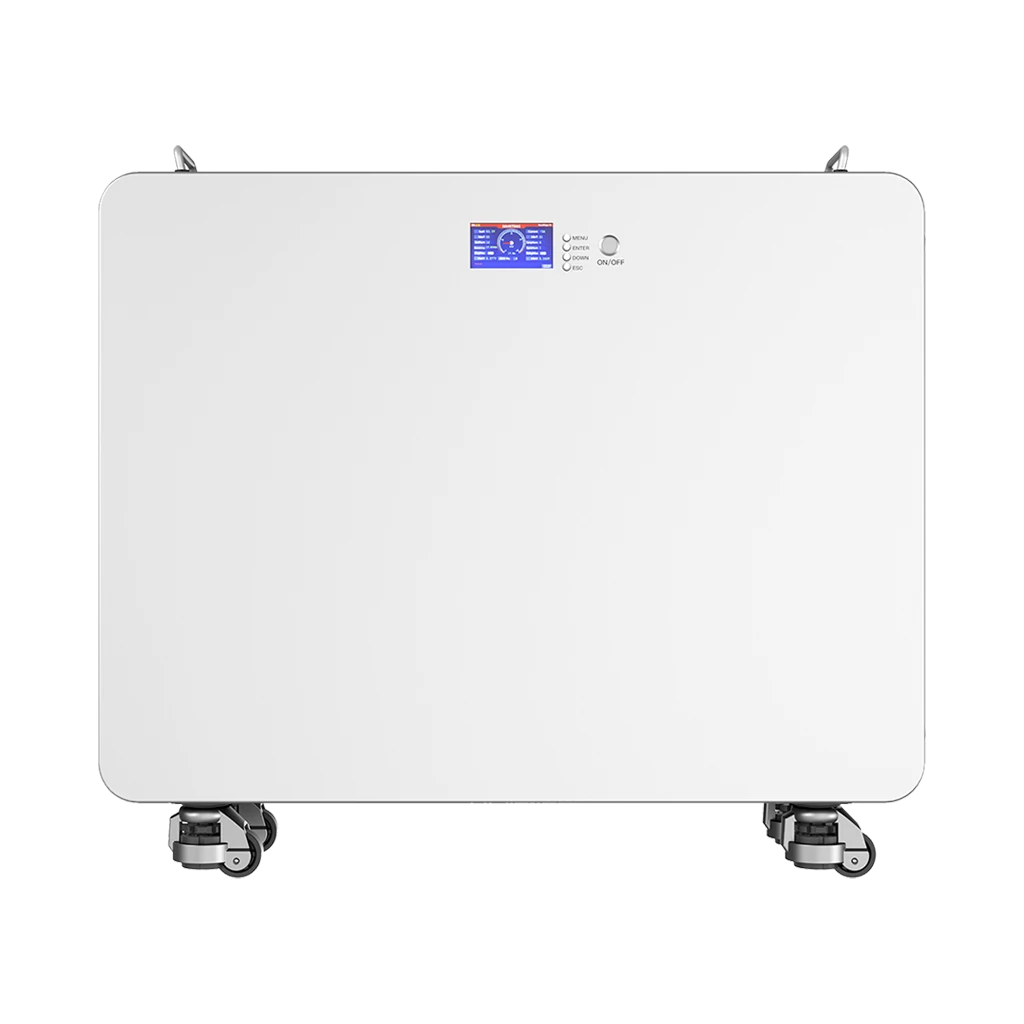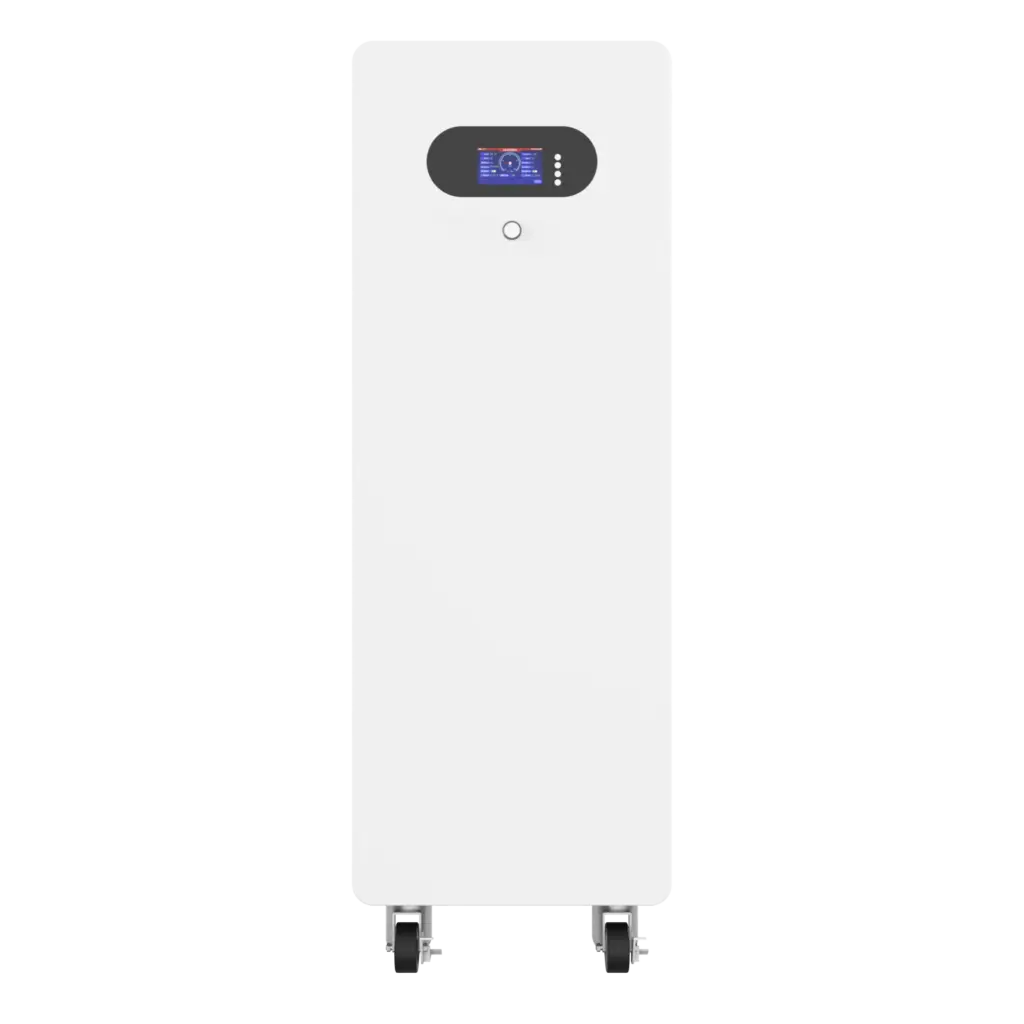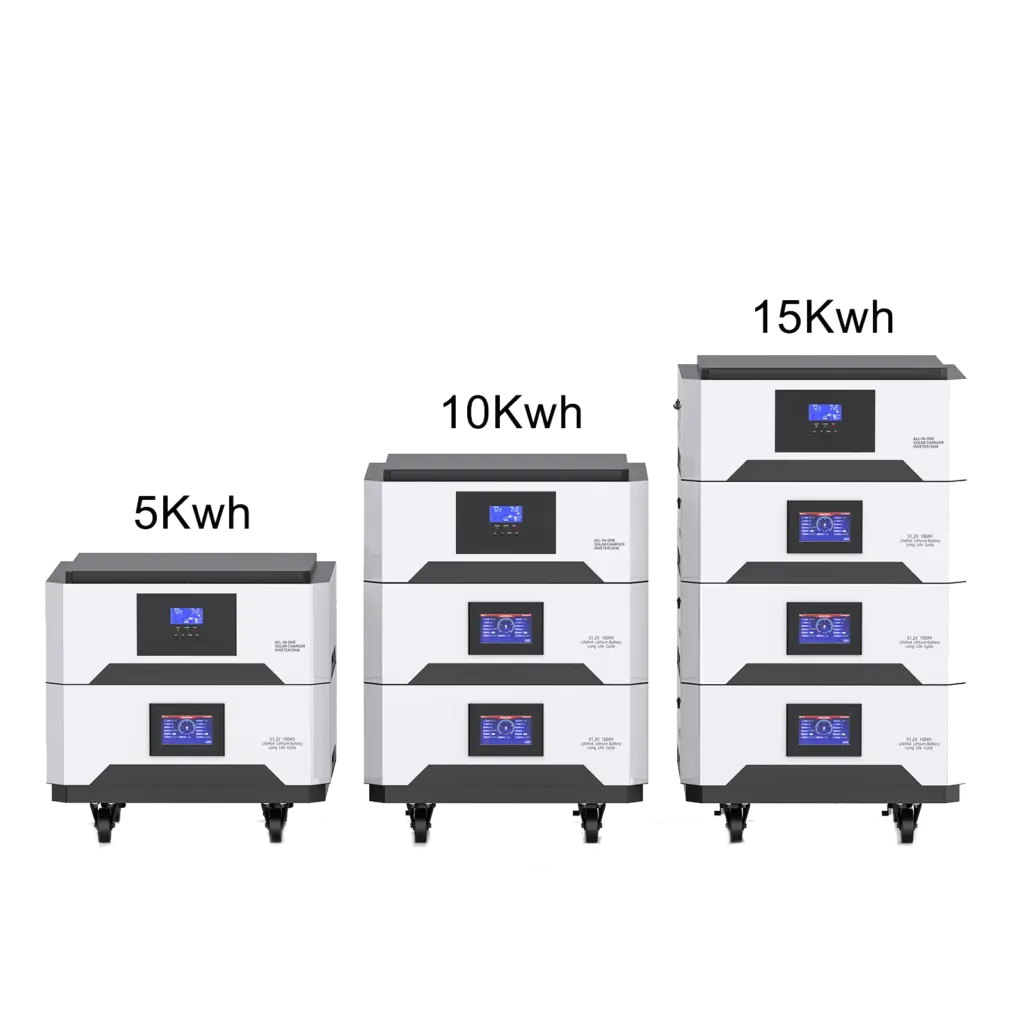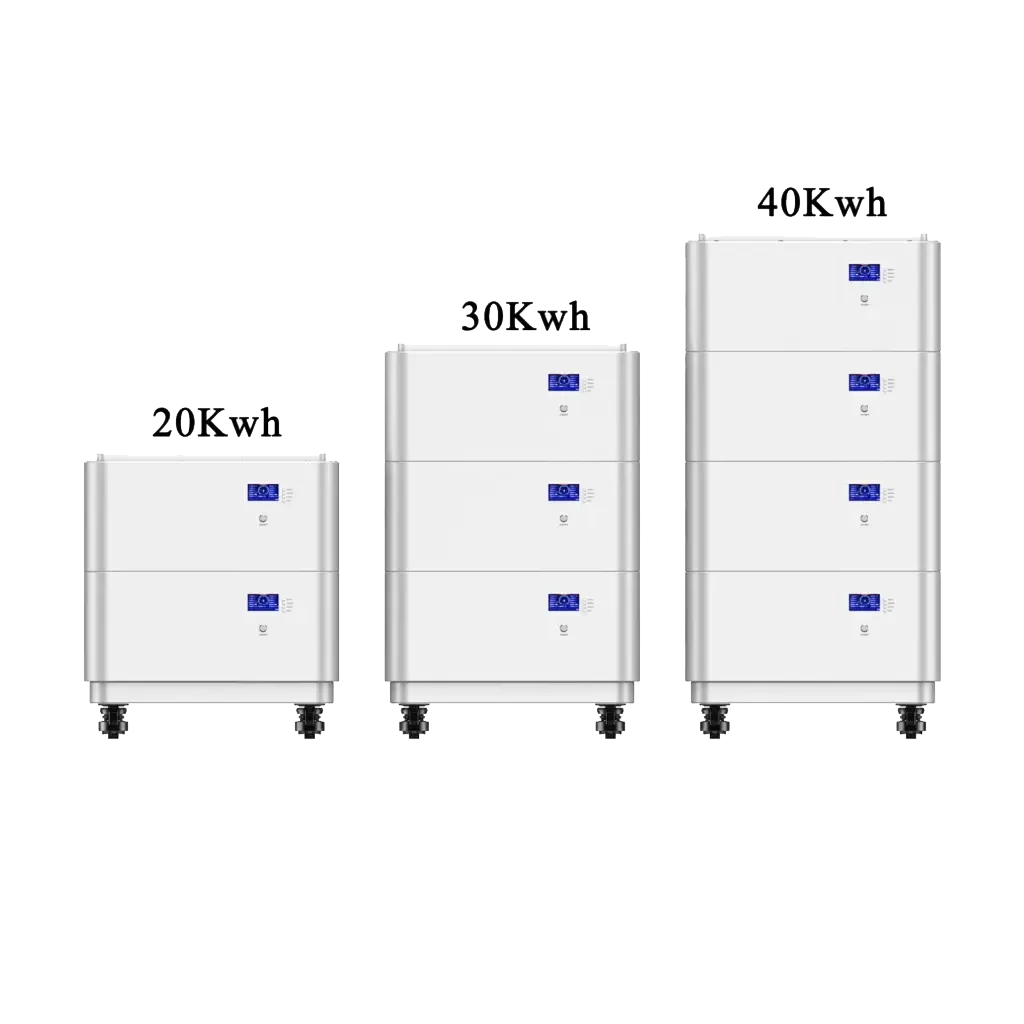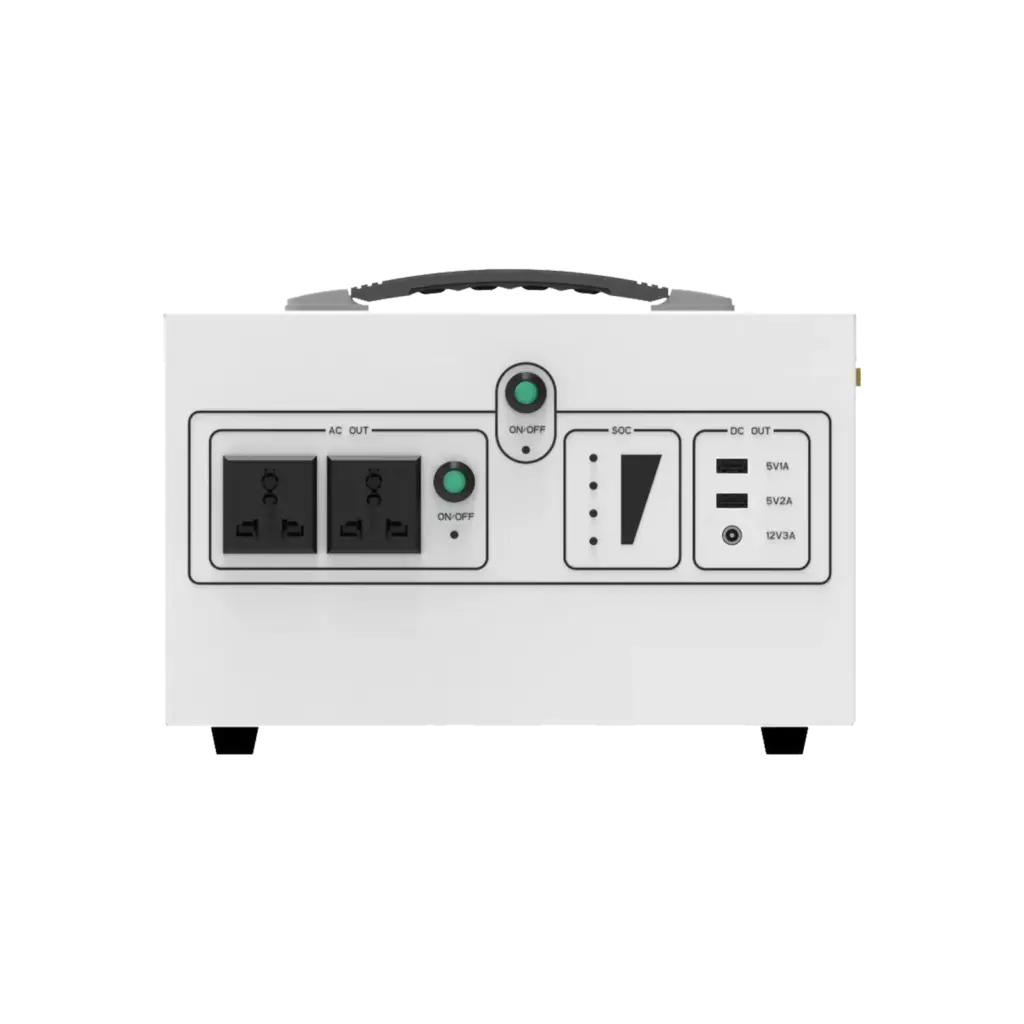

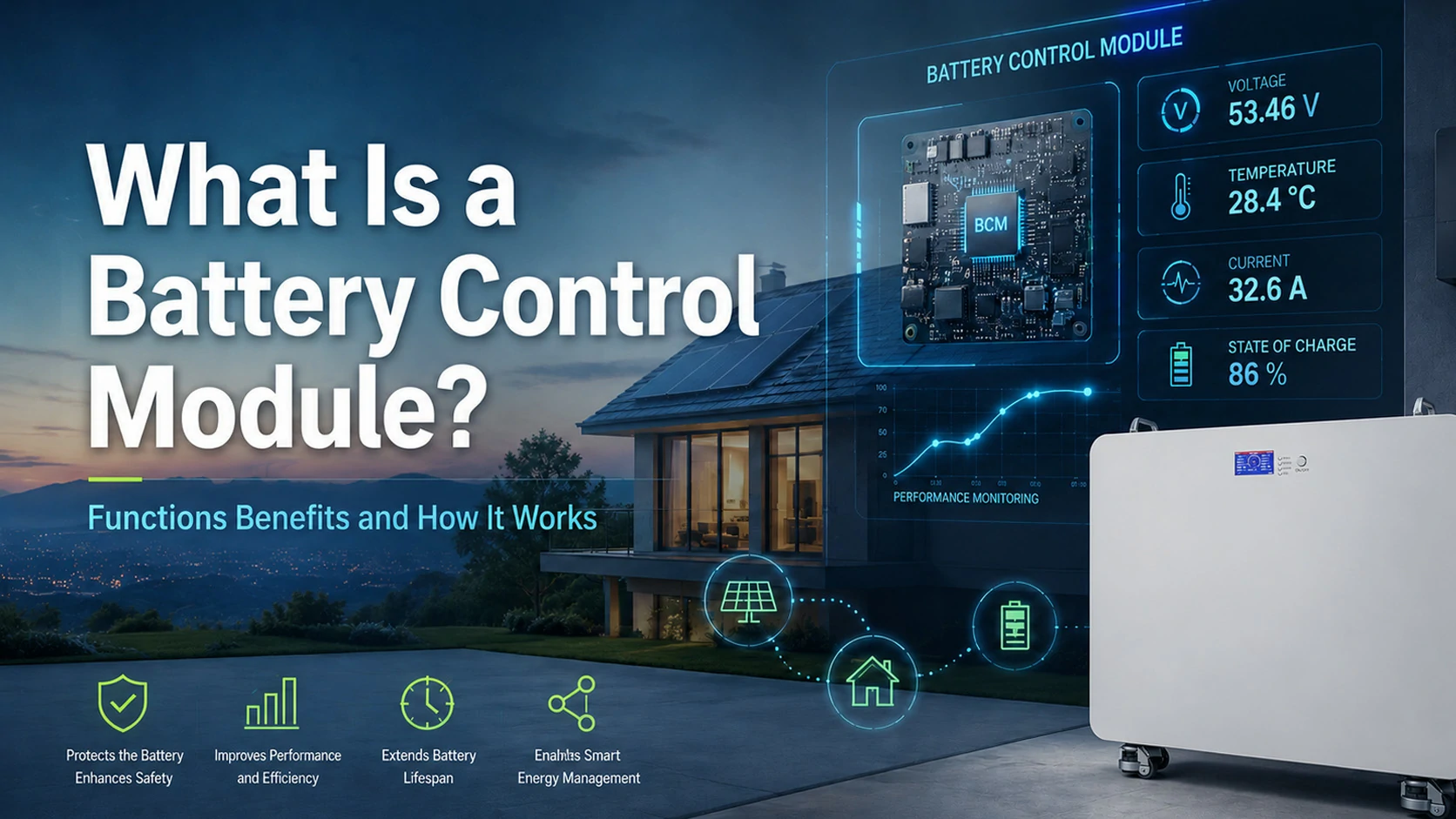
A battery control module, often shortened to BCM, is the electronic control unit that monitors, manages, protects and coordinates a battery system during charging, discharging and standby operation. In simple terms, it works like the “decision-making center” of a battery pack. It collects data such as voltage, current, temperature, state of charge and fault signals, then uses that data to keep the battery operating within safe limits.
In lithium battery systems, the battery control module is closely related to the Battery Management System, often called a BMS. Depending on the system design, the control module may be called a BCM, BCU, BMU, master controller or part of the BMS architecture.
A high-quality battery control module helps prevent overcharge, over-discharge, overheating, overcurrent, short circuit risk, cell imbalance and communication failures. In residential and commercial energy storage, this module is essential for safety, long cycle life, inverter communication, fault protection and system reliability.
How Does a Battery Control Module Work?
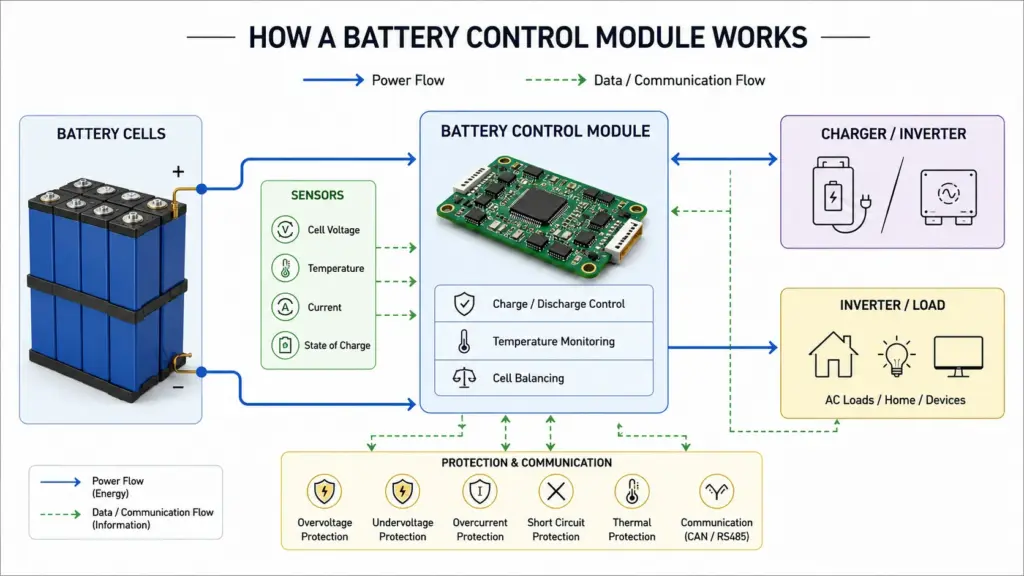
A battery control module works through three basic steps: sensing, decision-making and control.
Step 1: Data Collection
Sensors and monitoring circuits measure voltage, current, temperature and other parameters. In hybrid battery systems, the control module may listen to voltage sense wires, current sensor feedback, internal temperature sensors, safety interlocks and connectors.
Step 2: Data Processing
The microcontroller processes this data through firmware algorithms. It estimates SOC and SOH, checks whether values are within safe limits, compares cell differences and detects abnormal patterns.
Step 3: Control Action
The module then sends commands. It may allow charging, stop discharging, open or close contactors, balance cells, trigger alarms, limit current or send data to the inverter or EMS.
A simple energy storage control flow looks like this:
Battery cells → Monitoring circuits → Battery control module → BMS/BCU logic → Inverter or EMS → Loads, grid or solar system
This control loop happens continuously. In a well-designed system, users rarely notice it because the process is automatic. But when the control module is missing, poorly designed or incompatible with other components, the battery system can become unstable, unsafe or difficult to service.
What Does a Battery Control Module Do?
A battery control module performs several tasks at the same time. Its value is not limited to switching a battery on or off. It manages safety, performance, communication and long-term battery health.
1. Monitors Battery Voltage
Voltage monitoring is one of the most basic and most important functions. The control module checks total pack voltage and, in more advanced systems, individual cell or module voltage.
This helps prevent:
- Overcharge
- Over-discharge
- Cell imbalance
- Abnormal voltage drop
- Unsafe operating conditions
- Incorrect state of charge readings
If one cell group charges faster than others, the battery control module can detect the difference and trigger balancing or protection logic. This is important because a battery pack is only as strong as its weakest cell group.
2. Monitors Current Flow
The battery control module tracks current flowing into and out of the battery. This allows the system to understand how much power is being charged, discharged or demanded by connected loads.
Current monitoring helps protect against:
- Overcurrent
- Short circuit events
- Excessive surge loads
- Incorrect inverter operation
- Unsafe charging or discharging rates
In solar battery storage systems, current control is especially important because the battery may need to respond to changing household loads, solar input, grid conditions or backup power demand.
3. Monitors Temperature
Lithium batteries need to operate within a defined temperature range. Excessive heat accelerates degradation and may increase safety risk. Very low temperatures can reduce performance and may make charging unsafe, depending on the battery chemistry and design.
A battery control module uses temperature sensors to monitor the pack and react when needed. It may limit charging, reduce discharge power, trigger cooling, activate heating or shut down the system if the temperature becomes unsafe.
4. Estimates State of Charge SOC
State of charge, or SOC, tells users how much usable energy remains in the battery. A simple voltage reading is not always enough because lithium battery voltage curves can be relatively flat during much of the discharge cycle.
The battery control module estimates SOC using voltage, current, temperature, charge-discharge history and system algorithms. Accurate SOC matters because it affects:
- Backup power planning
- Solar self-consumption
- Inverter operation
- User confidence
- Battery reserve settings
- Energy management decisions
For example, a home battery system with poor SOC estimation may show 40% remaining but shut down much earlier than expected. A well-designed control module reduces this risk.
5. Estimates State of Health SOH
State of health, or SOH, describes the condition of the battery compared with its original capacity and performance. Over time, all rechargeable batteries age. The battery control module helps track degradation trends by analyzing operating history, capacity changes, resistance changes, temperature exposure and cycle behavior.
SOH data helps installers, service teams and system owners understand whether a battery is performing normally or starting to degrade faster than expected.
6. Provides Cell Balancing
In a multi-cell lithium battery pack, individual cells do not remain perfectly equal. Some cells may charge slightly faster. Others may discharge slightly deeper. Over hundreds or thousands of cycles, these small differences can reduce usable capacity and increase stress.
Cell balancing helps keep the battery pack consistent. The battery control module or BMS can balance cell groups so that no single cell becomes the limiting factor too early. This improves:
- Usable capacity
- Cycle life
- Safety
- Charging consistency
- Long-term reliability
For large energy storage systems, balancing is especially important because even a small imbalance across many cells can reduce overall system performance.
7. Controls Charging and Discharging
A battery should not be charged or discharged without limits. Charging too fast, charging at low temperatures, deep discharging or overloading the pack can shorten battery life or create safety risks.
The battery control module helps manage:
- Maximum charge current
- Maximum discharge current
- Charge voltage limits
- Discharge cut-off voltage
- Low-temperature charge protection
- Over-current protection
- Short-circuit protection
- Overload protection
This is especially important for lithium batteries used in solar battery storage, backup power and commercial energy storage. A home battery may need to charge from solar during the day, discharge during peak electricity periods and switch to backup mode during an outage. A commercial battery may need to respond quickly for peak shaving, load shifting or microgrid support.
Avepower’s 50kWh solar battery is an example of a large residential and light commercial LiFePO4 battery platform built with a 300A smart BMS, 2A active balancing and CAN/RS485/RS232 communication for inverter and energy management integration.
8. Communicates With Inverters and Energy Systems
Modern battery systems rarely work alone. They communicate with hybrid inverters, solar inverters, chargers, energy management systems, monitoring platforms and sometimes grid-connected control systems.
Common communication methods include CAN, RS485 and RS232. Avepower’s stackable solar batteries support CAN, RS485 and RS232 communication, Bluetooth and WiFi monitoring, and integrated BMS monitoring for voltage, current, temperature and SOC.
This communication is important because the inverter needs to know the battery’s safe charge and discharge limits. Without proper communication, the inverter may not charge correctly, may show wrong battery data or may trigger system faults.
Avepower also provides an inverter compatibility list covering mainstream inverter brands and protocol options such as CAN and RS485, which is useful for installers and project developers who need correct protocol matching before deployment.
Battery Control Module vs BMS vs BMU vs BCU
In automotive, hybrid vehicles and EV repair, people often say battery control module. In energy storage systems, engineers may use terms such as BMS, BMU or BCU.
Here is the practical difference.
| Term | Full Name | Main Role | Common Application |
|---|---|---|---|
| BCM | Battery Control Module | Controls and supervises battery operation, protection, communication, and fault response | EVs, hybrid vehicles, solar batteries, ESS |
| BMS | Battery Management System | Complete battery monitoring and protection system | Most lithium battery packs |
| BMU | Battery Management Unit | Often monitors battery module or cell-level data | Modular ESS, EV packs |
| BCU | Battery Control Unit / Battery Cluster Unit | Higher-level controller for battery racks, clusters, or cabinets | High-voltage ESS, C&I storage |
| EMS | Energy Management System | Manages system-level energy strategy, loads, PV, grid, and battery dispatch | Home and commercial ESS |
In small lithium battery packs, the protection board may only prevent overcharge, over-discharge and short circuit. In a larger solar battery or commercial energy storage system, the control architecture is more advanced. It may include cell-level monitoring units, a master battery control unit, relays, contactors, communication boards, thermal sensors and software logic.
For example, Avepower’s custom high-voltage battery storage system uses an integrated BMU and BCU architecture to support real-time monitoring, balancing, fault detection, multi-level protection and CAN/RS485 communication for inverter and EMS integration.
So, battery control module is usually the core electronic controller inside a battery management architecture. It may be a standalone module, part of the BMS, or the master control unit in a larger battery energy storage system.
Why Battery Control Modules Matter
Lithium batteries are powerful, efficient, and widely used, but they must operate within strict limits. A battery pack is not just a group of cells connected together. It is an electrical, thermal, and communication system that needs active supervision.
Without proper control, a battery may experience:
- Overcharging
- Over-discharging
- Cell imbalance
- Excessive current
- Overheating
- Communication failure
- Reduced usable capacity
- Shortened cycle life
- Unexpected shutdown
- Safety risk under abnormal conditions
This is why the battery control module is critical. It continuously checks whether the battery is working inside its designed operating window. If something moves outside that window, the module can limit current, stop charging, disconnect output, trigger alarms, or report a fault.
For battery energy storage systems, safety is especially important because BESS installations may support homes, commercial buildings, microgrids, backup power, or grid services.
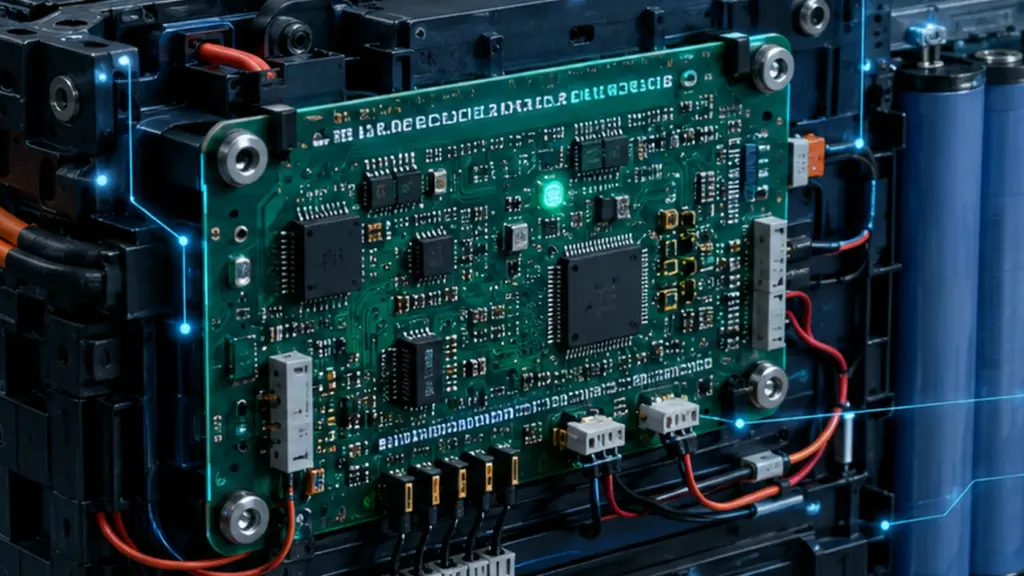
Key Components Inside a Battery Control Module
The internal design depends on battery voltage, application and manufacturer, but most battery control modules include several common components.
Microcontroller Unit
The microcontroller is the decision-making center. It runs the firmware, processes sensor data, calculates battery status and sends control commands.
Cell Monitoring Circuit
This circuit measures individual cell or module voltages. Accurate voltage measurement is critical because overcharge and over-discharge are two of the main conditions a battery control system must prevent.
Current Sensor
The current sensor measures how much current flows into or out of the battery. This helps calculate SOC, detect overload and control charge/discharge limits.
Temperature Sensors
Battery performance and safety are temperature-sensitive. The control module uses temperature data to prevent charging when too cold, reduce output when too hot or trigger shutdown during abnormal conditions.
Balancing Circuit
The balancing circuit helps keep cells at similar voltage levels. This improves pack consistency and long-term usable capacity.
Communication Interface
The communication interface connects the battery to other devices. In energy storage systems, CAN and RS485 are common because they allow battery data to be shared with compatible inverters and energy management systems.
Protection and Contactor Control
In high-voltage systems, the control module may control relays or contactors that physically connect or disconnect the battery pack. It may also support pre-charge logic, insulation monitoring and emergency stop functions.
Firmware and Data Memory
The firmware defines how the module reacts to different conditions. Data memory stores logs, fault history and operating records for service and maintenance.
Where Are Battery Control Modules Used?
Electric Vehicles and Hybrid Vehicles
In EVs and hybrids, the battery control module monitors the high-voltage battery pack and communicates with the vehicle’s control system. It helps calculate SOC, manage charge and discharge limits, monitor sensors, and trigger fault codes when something is wrong.
A failing hybrid battery control module can sometimes make a healthy battery pack appear faulty because the vehicle is receiving incorrect data. This is why proper diagnostics are important before replacing expensive battery modules.
Solar Battery Storage
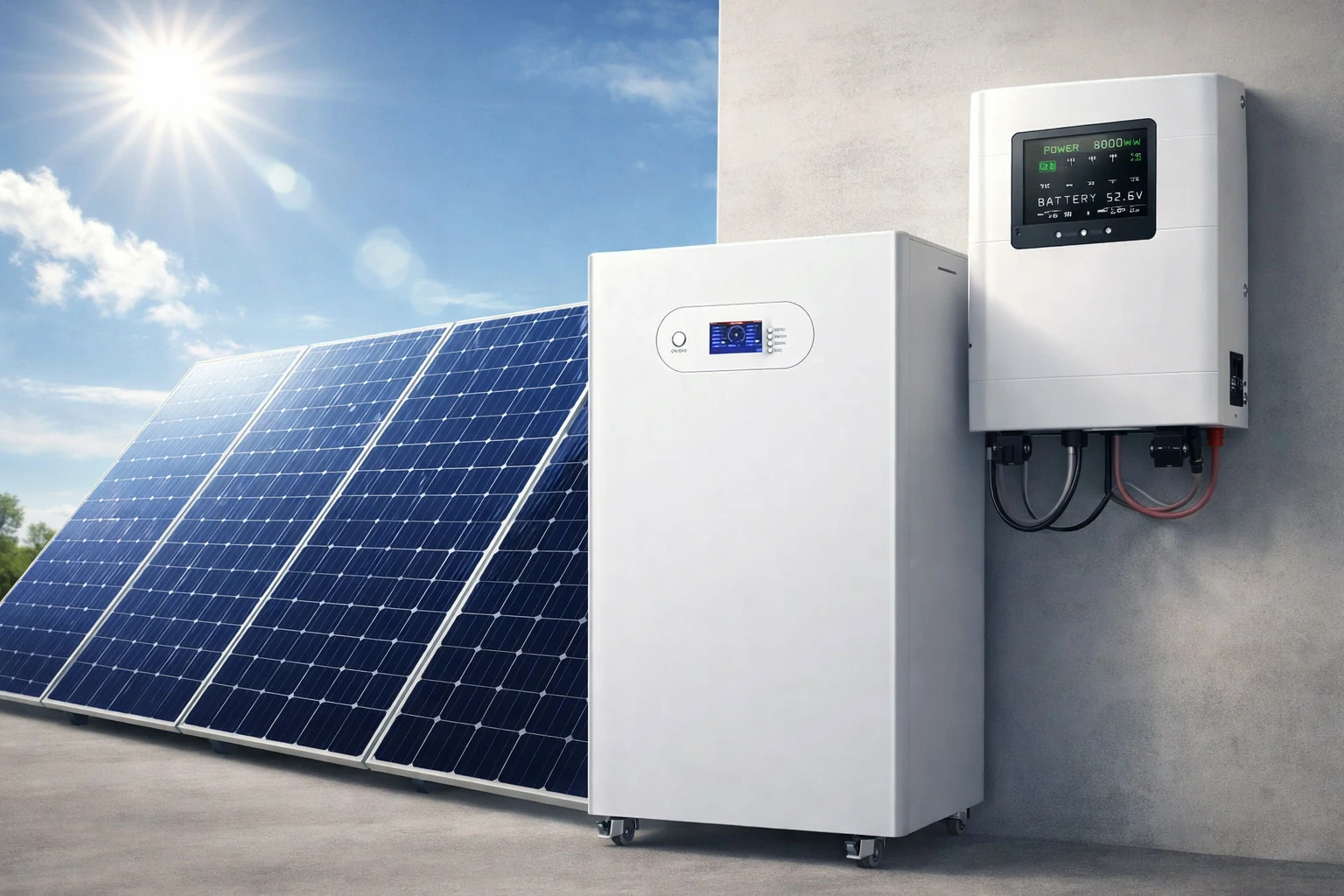
In home solar batteries, the BCM or BMS works with the inverter to manage charging from solar panels and discharging to home loads. It helps prevent unsafe operation and supports stable backup power.
Commercial and Industrial Energy Storage
In commercial and industrial ESS, the control architecture is more complex. A high-voltage battery system may include multiple battery modules, racks, cabinets, BMUs, BCUs, PCS, and EMS.
This is where battery control becomes even more important. The system must manage not only individual battery safety, but also system-level coordination, inverter communication, thermal behavior, and fault response.
UPS and Backup Power
In UPS systems, battery control modules help ensure the battery is ready to support critical loads during power interruptions. They monitor battery health, regulate charging, and help switch the load to battery power when needed.
Portable Power and Industrial Equipment
Battery control modules are also found in portable power stations, e-bikes, forklifts, robotics, medical equipment, telecom backup systems, and DC power systems. The complexity of the module depends on battery size, voltage, chemistry, and safety requirements.
Symptoms of a Bad Battery Control Module
A faulty BCM can be difficult to identify because symptoms may look similar to a bad battery, charger, inverter, sensor, or wiring issue.
Common symptoms include:
- Inaccurate State of Charge: The battery display may jump from high to low, show 100% too early, drop suddenly under load, or remain stuck at one value.
- Charging Problems: The battery may charge slowly, stop charging early, refuse to charge, or trigger charger/inverter alarms.
- Discharging Problems: The system may shut down unexpectedly, reduce output, or fail to deliver normal power even when the battery appears charged.
- Warning Lights or Fault Codes: In vehicles, dashboard warnings such as hybrid system faults may appear. In ESS, the inverter or monitoring system may show BMS communication faults, voltage faults, temperature alarms, or battery protection warnings.
- False Battery Failure Diagnosis:A BCM fault can make a good battery look bad.
- Communication Failure: The inverter, charger, vehicle ECU, or monitoring system may fail to receive correct data from the battery.
- Cell Imbalance or Unstable Voltage Readings: If the module cannot measure or balance properly, cell groups may drift apart over time.
- Overheating or Temperature Sensor Errors: Bad temperature readings can cause unnecessary shutdowns or, worse, allow unsafe operation if the system fails to detect real overheating.
- No Output or No Start: In severe cases, the battery may not activate, the vehicle may not enter READY mode, or the ESS may not connect to the inverter.
Important: Users should not attempt to repair a high-voltage battery control module without proper training. High-voltage battery systems can be dangerous. Diagnosis should be done by qualified technicians or the battery manufacturer.
Is a Battery Control Module the Same as a Charge Controller?
No. A battery control module and a charge controller are related to battery charging, but they are not the same.
A charge controller regulates charging input, often from solar panels, to prevent improper charging. It is common in solar PV systems, especially off-grid systems.
A battery control module monitors and protects the battery pack itself. It checks cell voltage, current, temperature, SOC, SOH, communication, and safety status.
In a modern solar battery system, the inverter or solar charge controller manages the charging source, while the battery control module decides whether the battery can safely accept or deliver current.
Is a Battery Control Module the Same as a PCM?
Not exactly.
A PCM, or protection circuit module, is usually simpler. It may provide basic protection against overcharge, over-discharge, overcurrent, and short circuit. It is often used in smaller battery packs.
A BCM or full BMS is more advanced. It may include SOC estimation, cell balancing, thermal management, communication, fault logging, current limit calculation, and coordination with external devices.
For small battery packs, a PCM may be enough. For EVs, solar batteries, high-voltage storage, and industrial systems, a more advanced BMS/BCM architecture is usually required.
Battery Control Module and Battery Safety
Battery safety is not based on one component alone. It depends on the complete system:
- Cell chemistry
- Cell quality
- Pack design
- BMS and BCM logic
- Thermal management
- Electrical protection
- Enclosure design
- Installation environment
- Inverter compatibility
- Commissioning process
- Maintenance and monitoring
A good battery control module can detect abnormal conditions early, but it cannot compensate for every poor design choice. That is why professional battery systems should be evaluated as complete energy storage systems, not only as cells inside a cabinet.
Compliance Considerations
For stationary and industrial lithium battery systems, common safety references include:
- UL 9540 energy storage system testing and certification
- IEC 62619 safety requirements for industrial lithium cells and batteries
- EPA guidance on BESS safe installation and incident response
- NFPA 855 stationary energy storage system installation standard
IEC 62619:2022 specifies requirements and tests for safe operation of secondary lithium cells and batteries used in industrial applications, including stationary applications such as electrical energy storage systems, UPS and emergency power.
For distributors, installers and project developers, it is important to request documentation before procurement. Avepower provides a certification page listing CE, UL, RoHS, UN38.3 and ISO 9001 related documentation support for global partners.
Conclusion
A battery control module is the intelligence layer that helps a battery pack work safely, efficiently and predictably. It monitors voltage, current, temperature, SOC, SOH and fault status, then uses that data to control charging, discharging, balancing, protection and communication.
For a small battery, the control module may seem like a hidden circuit board. For a home battery system, it becomes the link between the battery and the inverter. For a commercial or high-voltage energy storage system, it becomes part of a larger control architecture involving BMU, BCU, BMS, PCS and EMS platforms.
When choosing a battery system, do not judge only by kWh capacity. The quality of the battery control module, BMS design, communication compatibility and supplier engineering support can have a major impact on safety, service life, installation success and long-term performance.
For installers, distributors and project developers looking for LiFePO4 battery systems with smart BMS protection, CAN/RS485/RS232 communication and customizable energy storage configurations, Avepower provides residential, commercial and high-voltage battery storage solutions for different project needs.
FAQ
A battery control module is an electronic control unit that monitors, manages and protects a rechargeable battery system. It tracks voltage, current, temperature, SOC, SOH and fault conditions to keep the battery operating safely and efficiently.
It monitors battery data, controls charging and discharging, protects against unsafe conditions, supports cell balancing, estimates state of charge, records fault data and communicates with external devices such as inverters or chargers.
Common symptoms include charging failure, discharge failure, incorrect battery percentage, communication errors, sudden shutdowns, repeated fault codes, inverter alarms and abnormal SOC readings.
A BMU usually monitors cell or module-level data such as voltage and temperature. A BCU usually acts as the master control unit, processing BMU data and managing protection, relays, alarms and communication with external systems.
Installers should check battery chemistry, BMS/BCM protection functions, inverter protocol compatibility, CAN/RS485 communication, voltage range, charge/discharge current, monitoring method, certifications and supplier technical support.
For modern lithium battery packs, especially high-capacity or high-voltage systems, operating without proper battery control is unsafe. Lithium batteries need monitoring and protection to stay within safe operating limits.