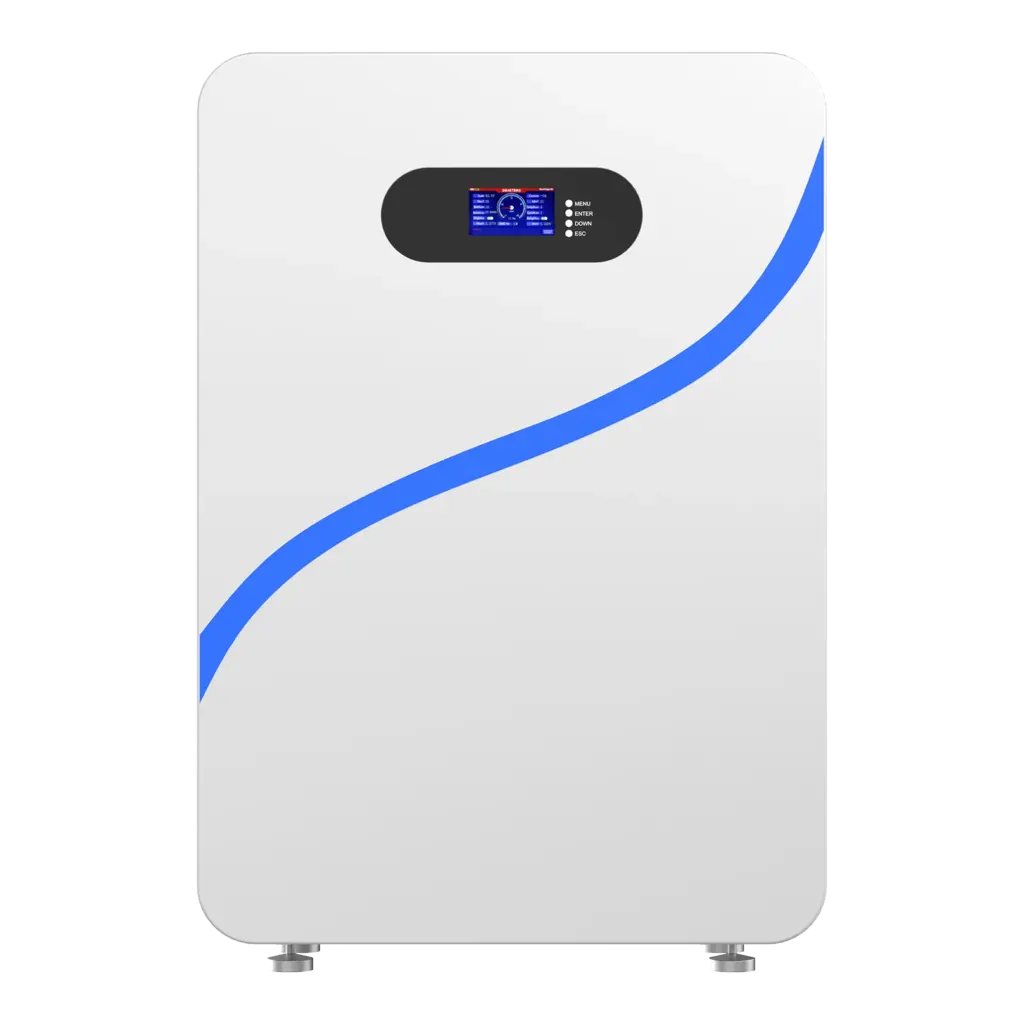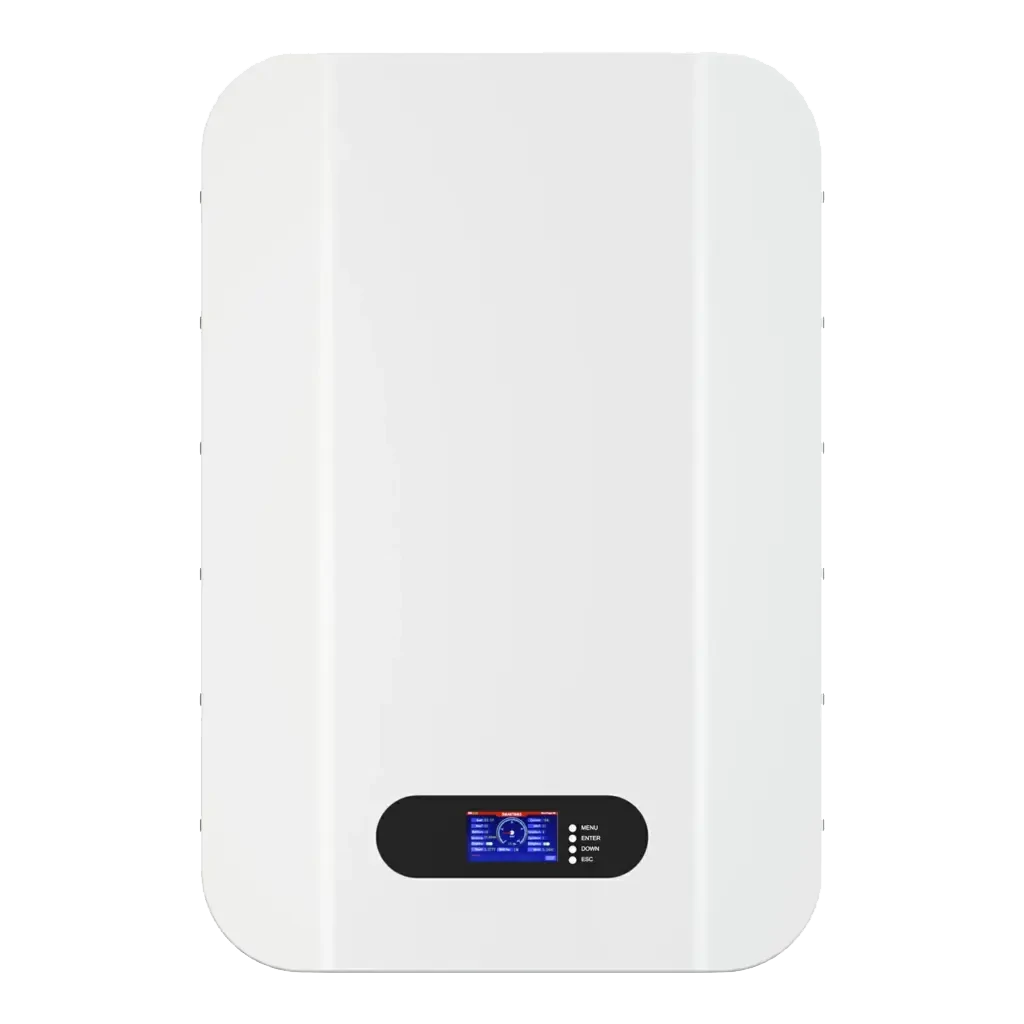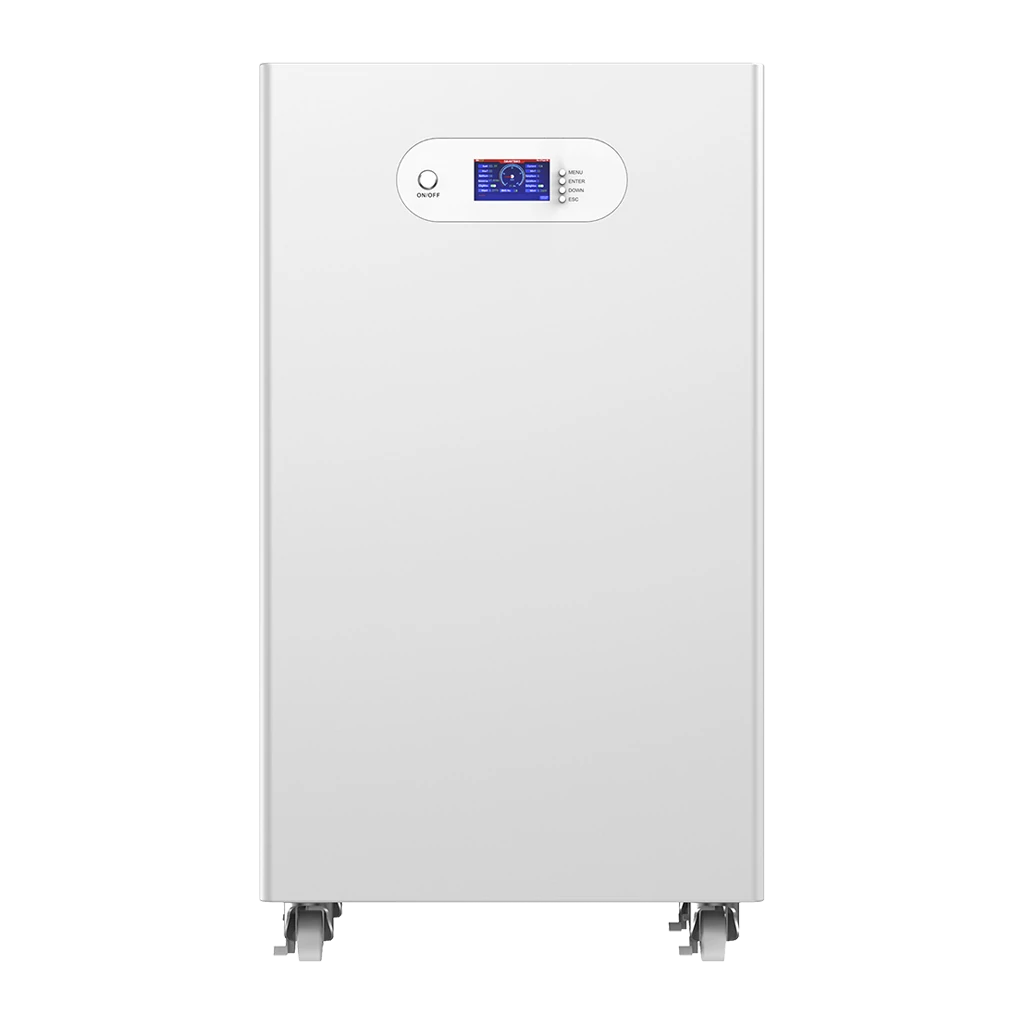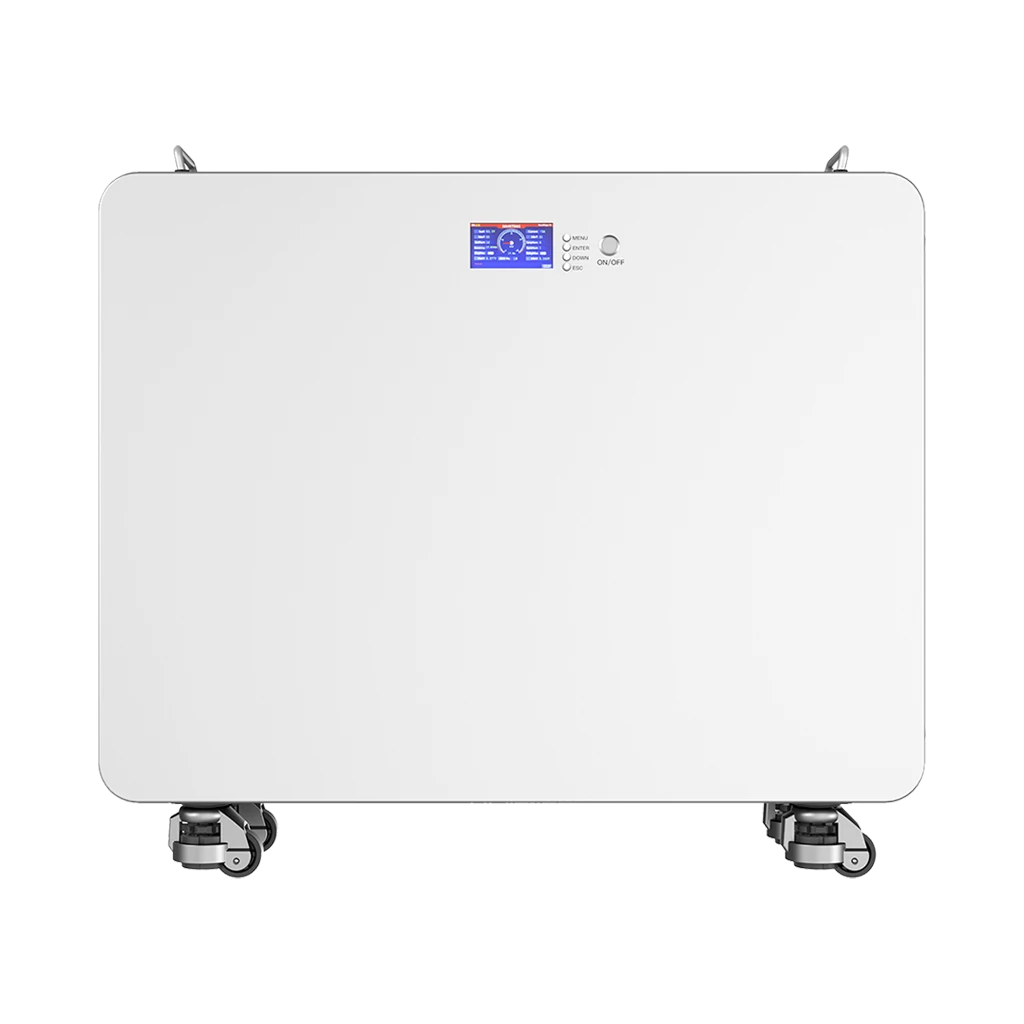
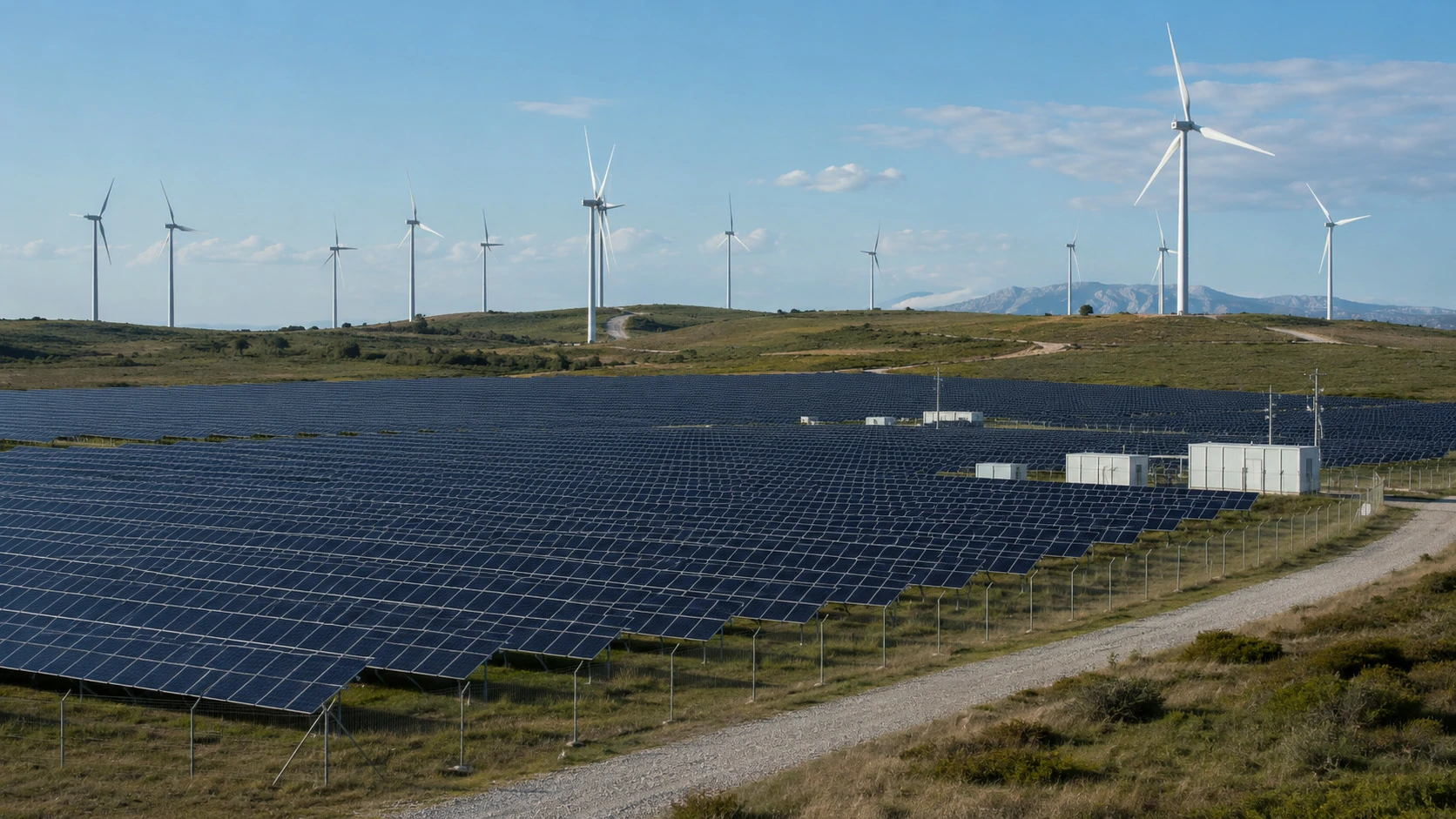
Renewable energy systems are complete energy setups that capture energy from naturally replenished sources — such as sunlight, wind, moving water, geothermal heat and sustainable biomass — and convert it into usable electricity, heating, cooling or stored energy.
A renewable energy system is not only the energy source itself. A practical system usually includes generation equipment, power conversion devices, control software, safety protection, energy storage and a connection to home loads, business loads or the electricity grid. For example, a modern solar energy system may include solar panels, a hybrid inverter, a lithium battery, monitoring software and a grid connection.
What Is a Renewable Energy System?
A renewable energy system is an integrated system designed to capture energy from renewable resources and convert it into useful energy for electricity, heating, cooling, transport, industrial processes, or backup power.
A simple solar renewable energy system may look like this:
Solar panels → inverter → battery storage → home or business loads → grid connection
A larger commercial or industrial renewable energy system may include:
- Solar PV arrays
- Wind power generation
- Battery energy storage systems
- Hybrid inverters or power conversion systems
- Energy management systems
- Grid interconnection equipment
- Backup generators or microgrid controls
- Electrical loads such as buildings, machinery, EV chargers, pumps, or HVAC systems
Renewable Energy vs Renewable Energy System
Although the two terms are closely related, they are not exactly the same.
| Term | Meaning | Example |
|---|---|---|
| Renewable energy | The natural energy source | Sunlight, wind, flowing water |
| Renewable energy technology | The equipment used to capture that energy | Solar panel, wind turbine, hydro turbine |
| Renewable energy system | The complete working setup | Solar panels + inverter + battery + monitoring + grid connection |
For example, sunlight is renewable energy. A solar panel is the technology that converts sunlight into electricity. A full solar power system with an inverter, battery and monitoring platform is a renewable energy system.
This distinction matters because real performance depends on the full system design, not just the energy source.
Main Types of Renewable Energy Systems
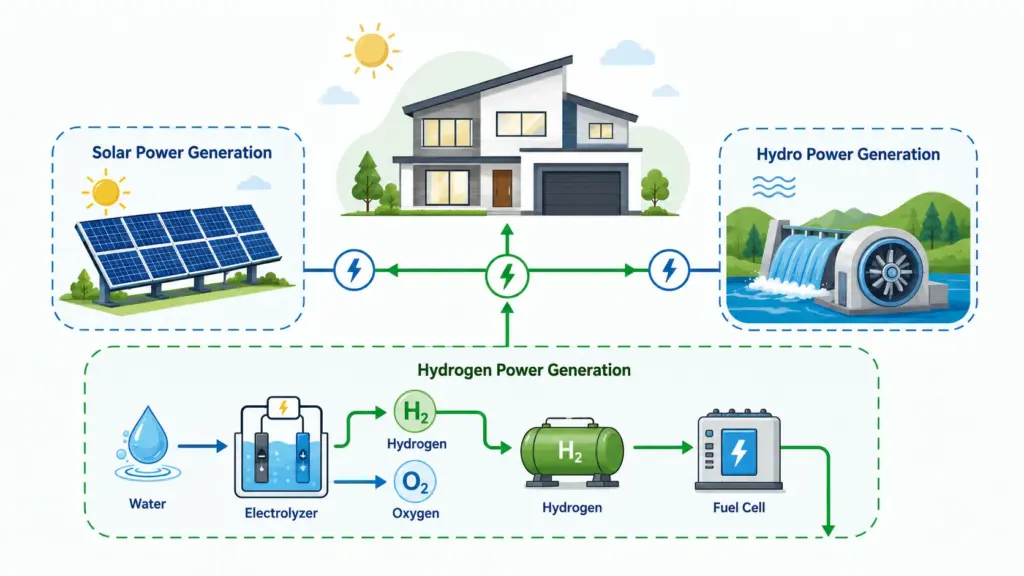
Renewable energy systems can be classified by the energy source they use. The most common types include solar, wind, hydropower, geothermal, bioenergy, marine energy, and hybrid renewable systems.
1. Solar Energy Systems
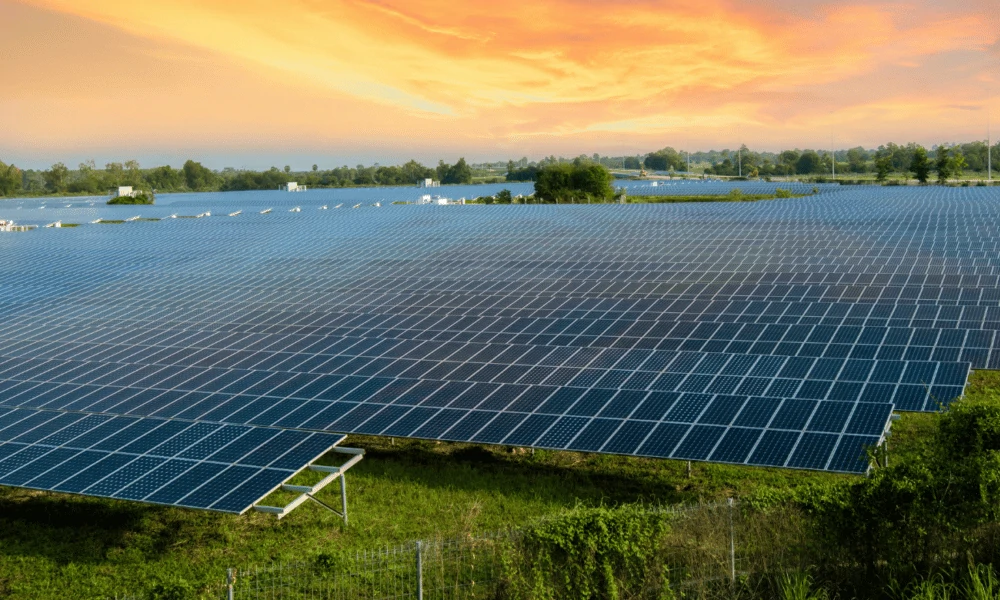
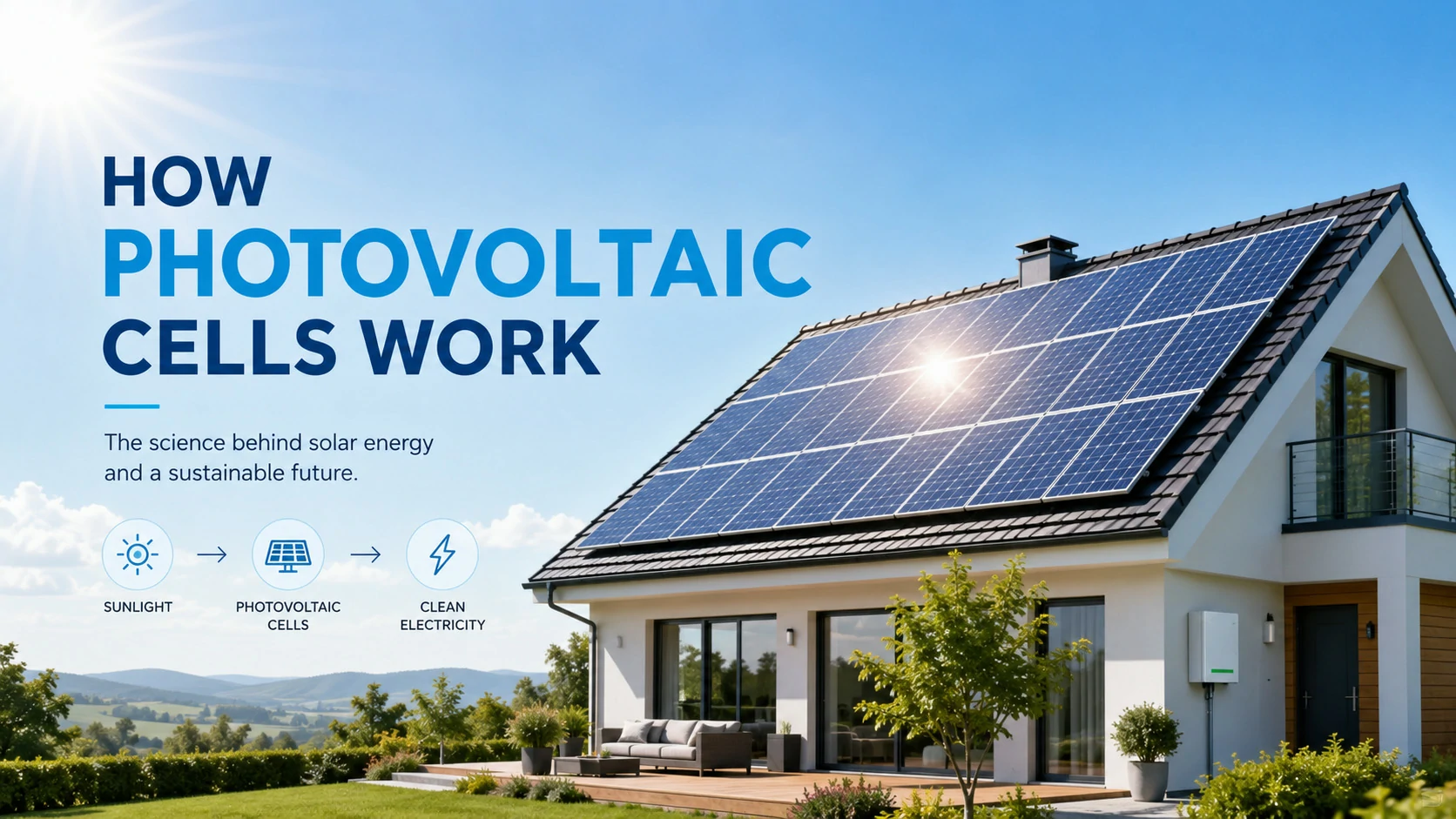
Solar energy systems use sunlight to produce electricity or heat. The most common form is solar photovoltaic, also known as solar PV.
In a solar PV system, solar panels convert sunlight into direct current electricity. An inverter then converts that DC power into alternating current electricity used by homes and businesses. Photovoltaic systems use semiconductor properties to convert solar radiation into electricity, and PV systems can often be expanded because of their modular structure.
A typical solar energy system may include:
- Solar panels
- Mounting structure
- DC isolators and protection equipment
- Solar inverter or hybrid inverter
- Battery storage
- Smart meter
- Energy monitoring platform
- Grid connection or off-grid control system
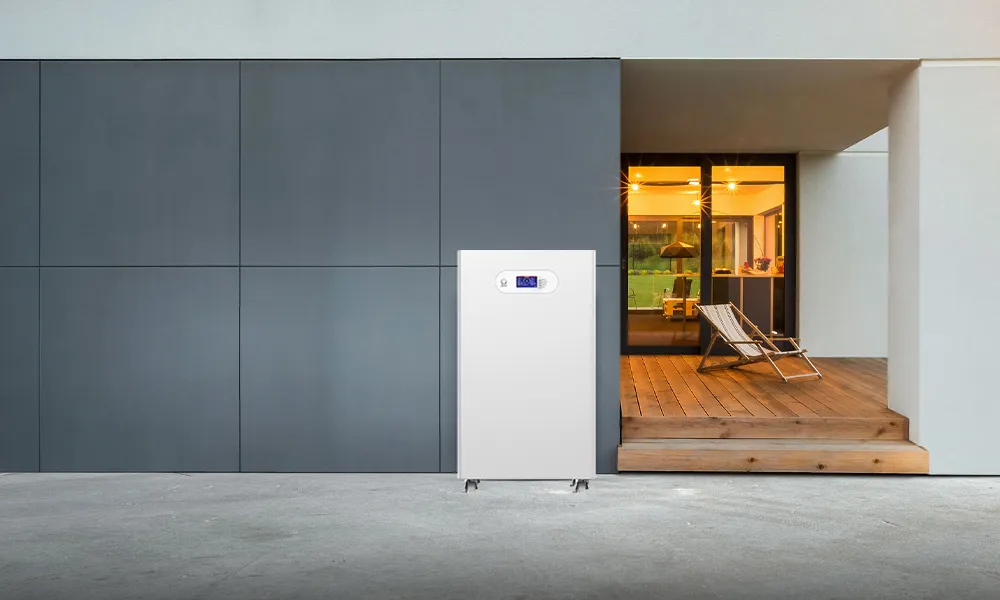
Solar systems are popular because they are scalable. A small home may use a rooftop system with battery backup, for businesses that need larger storage capacity, a commercial and industrial energy storage system can help increase solar self-consumption, reduce peak demand, and support more flexible energy management.
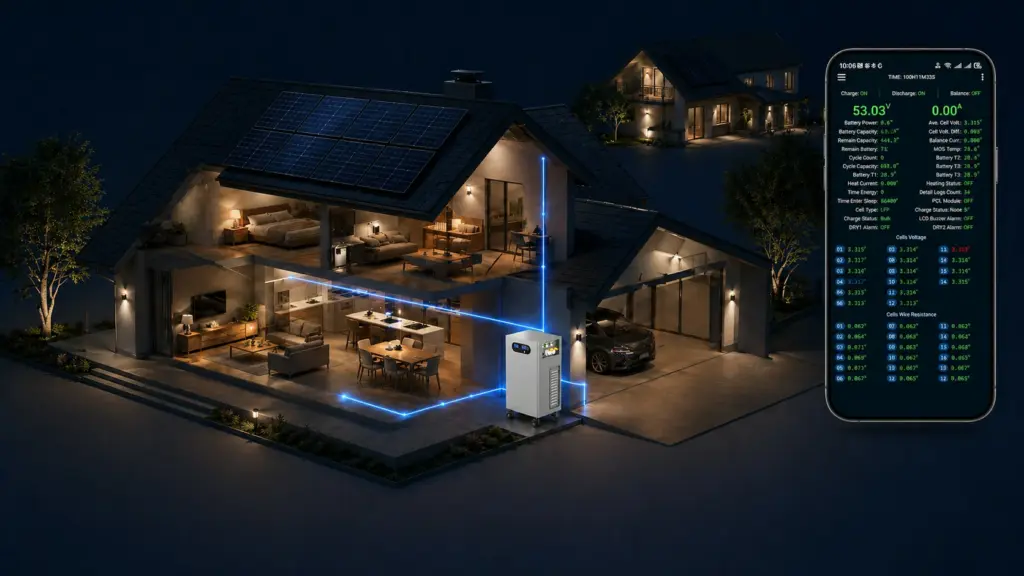
Build a Smarter Renewable Energy System
Avepower provides scalable LiFePO4 battery systems designed for homes, businesses, installers, and energy project developers.
2. Wind Energy Systems
Wind energy systems convert the kinetic energy of moving air into electricity. A wind turbine uses blades, a rotor, a nacelle, a generator, power electronics, and a tower to produce usable power.
Wind systems are often used in utility-scale wind farms, but smaller wind turbines can also support farms, remote homes, islands, telecom stations, or off-grid facilities where wind resources are strong.
The key challenge is site suitability. Wind systems need consistent wind speed, sufficient open space, safe installation conditions, and proper grid or storage integration.
3. Hydropower Systems
Hydropower systems use moving or falling water to generate electricity. In large systems, water stored behind a dam flows through turbines. In small-scale systems, micro-hydro equipment may use streams or flowing water on rural sites.
Hydropower is one of the oldest renewable electricity technologies. It can provide stable output when water resources are reliable. Pumped hydro can also act as a form of energy storage by moving water uphill when electricity is abundant and releasing it later when electricity is needed.
A hydropower system may include:
- Water intake
- Penstock or channel
- Turbine
- Generator
- Control equipment
- Grid or load connection
Hydropower can be reliable, but it depends heavily on site geography, water availability, environmental approvals and long-term hydrological conditions.
4. Geothermal Energy Systems
Geothermal systems use heat from the earth. Some geothermal systems generate electricity from underground heat reservoirs. Others use geothermal heat pumps to provide heating and cooling for buildings.
A geothermal heat pump system does not usually “create” electricity. Instead, it transfers heat between the building and the ground. This can reduce the amount of electricity required for heating and cooling, especially in buildings with suitable site conditions.
Geothermal systems may include:
- Ground loops or boreholes
- Heat pump
- Circulation pumps
- Heat exchanger
- Building heating and cooling distribution system
Geothermal can be efficient, but installation cost and site requirements are important considerations.
5. Bioenergy Systems
Bioenergy systems use organic material such as plant matter, agricultural waste, wood residues, food waste or biogas. These materials can be burned directly, converted into gas, or processed into liquid fuels.
Bioenergy can support electricity generation, heating and industrial processes. However, it must be managed carefully. A bioenergy system is only truly renewable when the biomass source is sustainable and regrowth or waste recovery balances the carbon released during use.
Common bioenergy applications include:
- Biomass boilers
- Biogas generators
- Anaerobic digestion systems
- Waste-to-energy systems
- Industrial heat systems
Bioenergy is often more relevant for farms, food processing plants, wastewater facilities and industrial users than for ordinary urban homes.
6. Marine and Ocean Energy Systems
Marine energy systems use waves, tides, ocean currents or temperature differences in seawater. These systems are less common than solar, wind and hydro, but they can be valuable in coastal or island regions.
Ocean energy technologies may include:
- Tidal turbines
- Wave energy converters
- Ocean current systems
- Ocean thermal energy conversion
Marine energy has strong long-term potential, but many technologies are still developing compared with solar PV and wind.
7. Hybrid Renewable Energy Systems
A hybrid renewable energy system combines two or more energy sources, such as solar and wind, or solar, wind, and battery storage.
Hybrid systems are often used where one renewable resource alone cannot provide stable power. For example, solar may generate more during the day, while wind may be stronger at night or during certain seasons. Battery storage can smooth the output and make the system more reliable.
What Components Make Up a Renewable Energy System?
A renewable energy system is more than one device. It is a coordinated energy architecture.
Energy Generation Equipment
This is the part that captures renewable energy. Examples include solar panels, wind turbines, hydro turbines, solar thermal collectors and biomass generators.
Power Conversion Equipment
Renewable energy often needs to be converted before it can be used. Solar panels generate DC electricity, while most homes and businesses use AC electricity. This is why inverters are essential in solar and battery systems.
Power conversion equipment may include:
- Solar inverter
- Hybrid inverter
- Battery inverter
- DC/DC converter
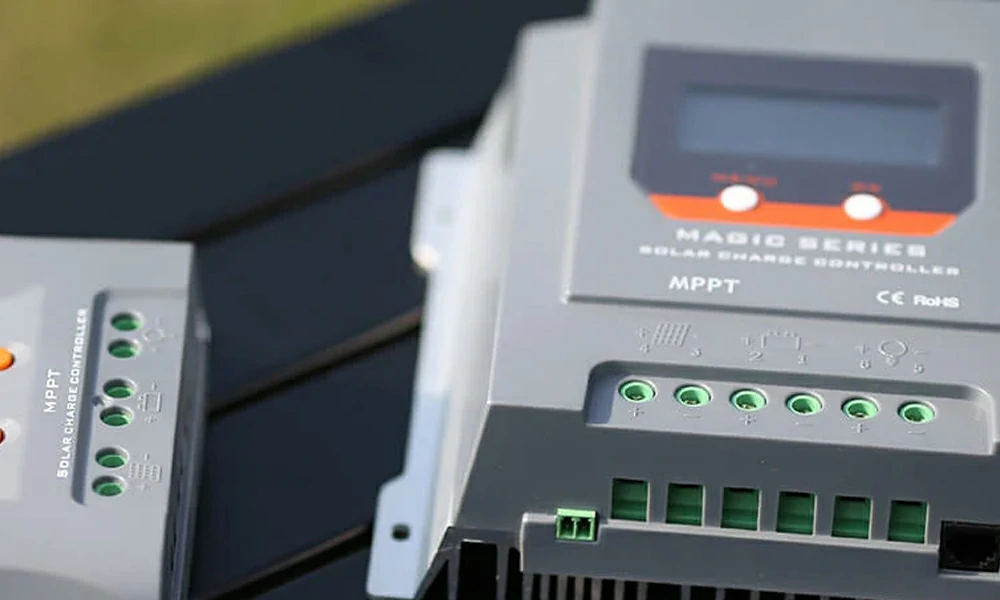
- Charge controller
- Power conditioning system
Energy Storage
Energy storage helps solve one of the biggest challenges of renewable energy: timing. Solar output is strongest during the day, while household demand often rises in the evening. Wind output can also vary by weather and season.
Solar and wind are variable energy sources. Solar output changes with sunlight, shading, weather, and time of day. Wind output changes with wind speed and seasonal patterns. Without storage, excess renewable electricity may be exported, curtailed, or wasted.
Battery storage helps solve this problem by storing energy when production is high and releasing it when production is low.
Battery storage can support:
- Solar self-consumption
- Backup power
- Peak shaving
- Load shifting
- Microgrid stability
- Demand charge reduction
- Off-grid power supply
- Better use of renewable generation
For residential users, battery storage can help shift solar power from daytime production to evening consumption. For commercial users, storage can reduce peak electricity demand and improve energy cost control. For industrial users, larger energy storage systems can support load management, backup power, and renewable integration.
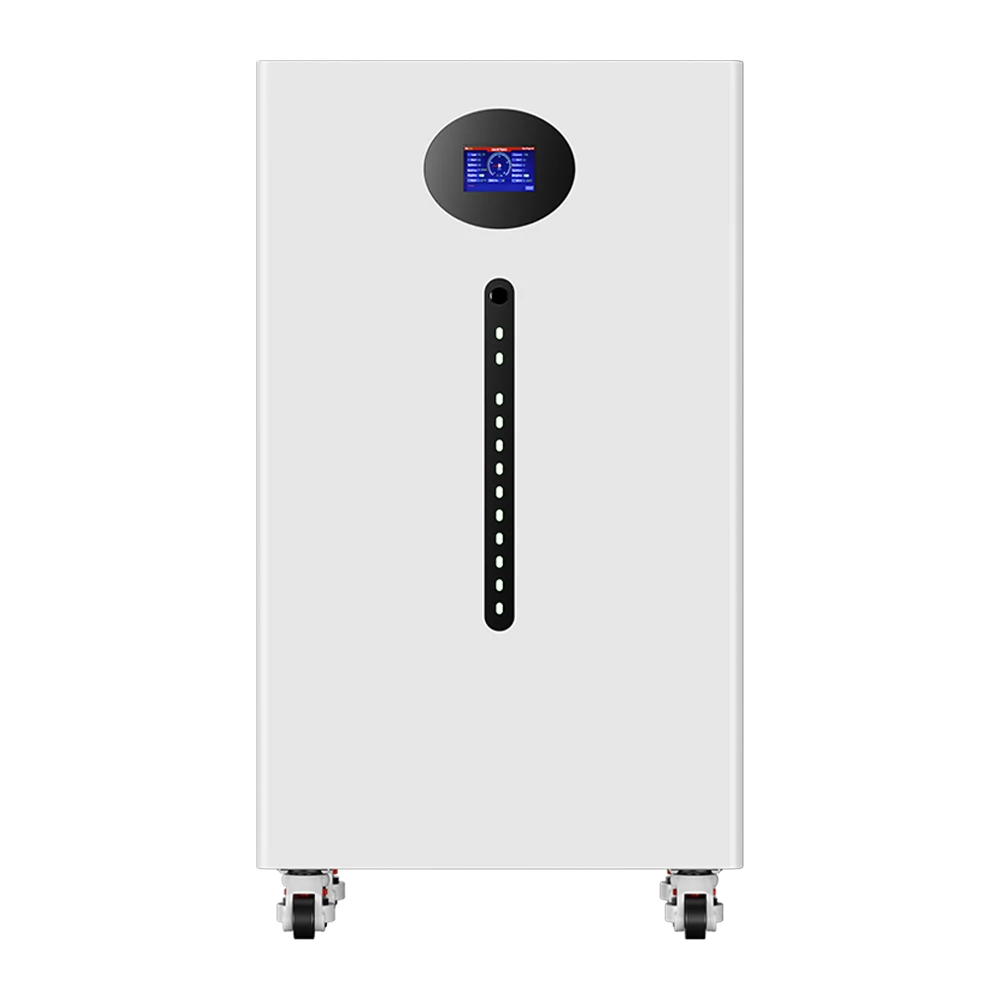
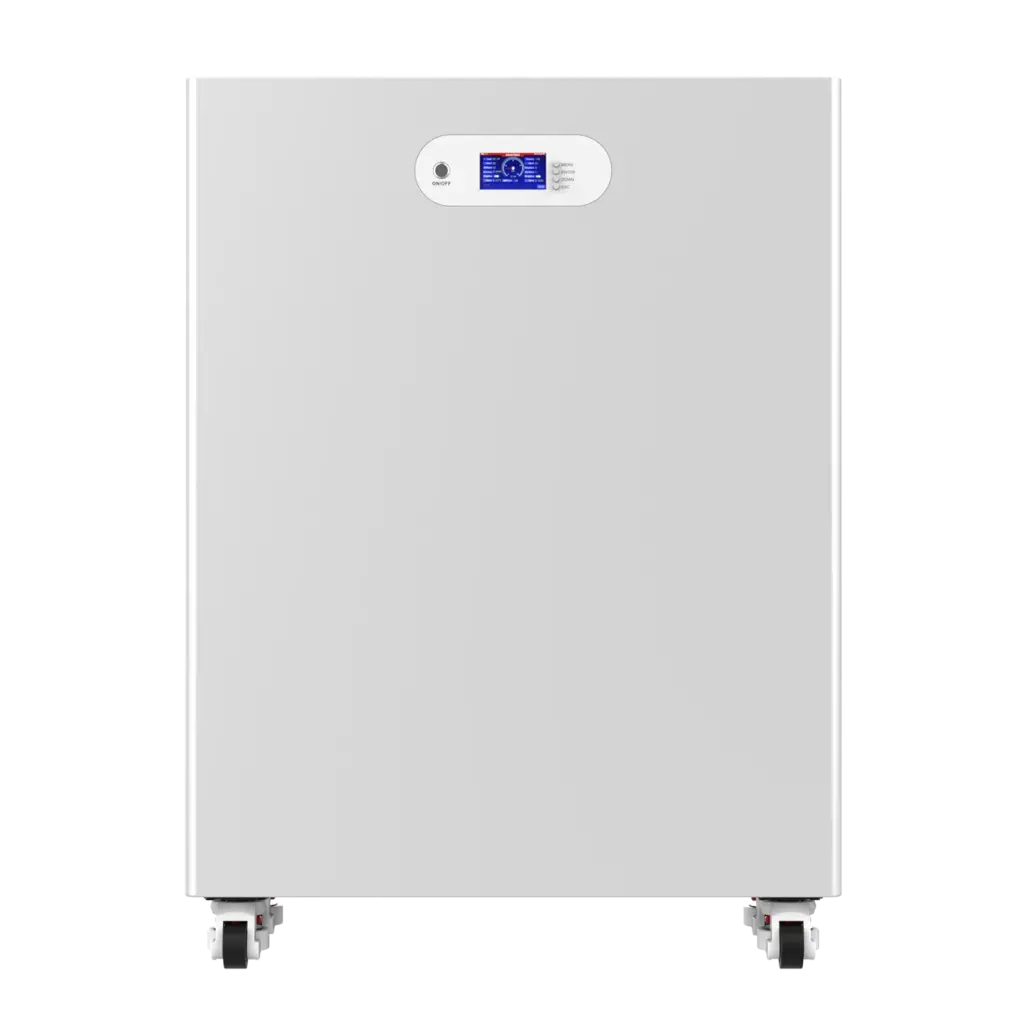
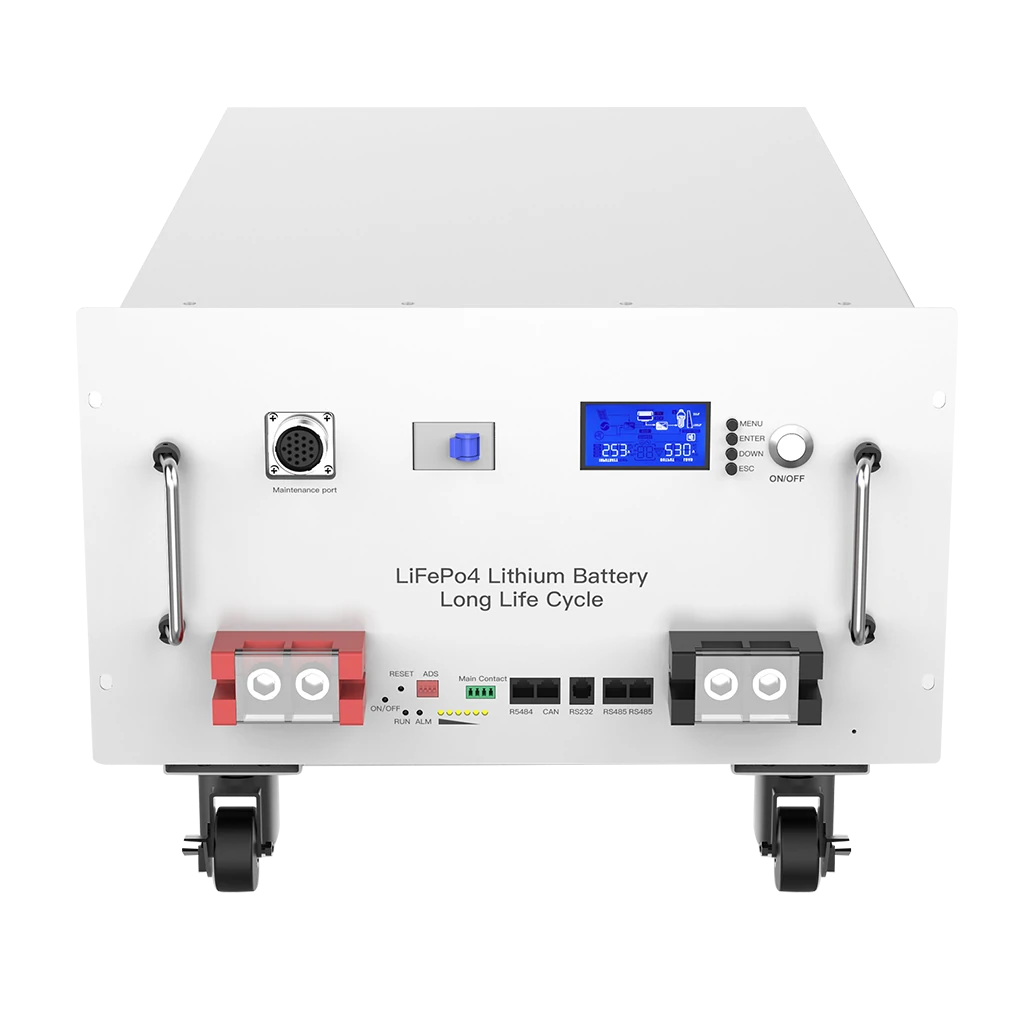
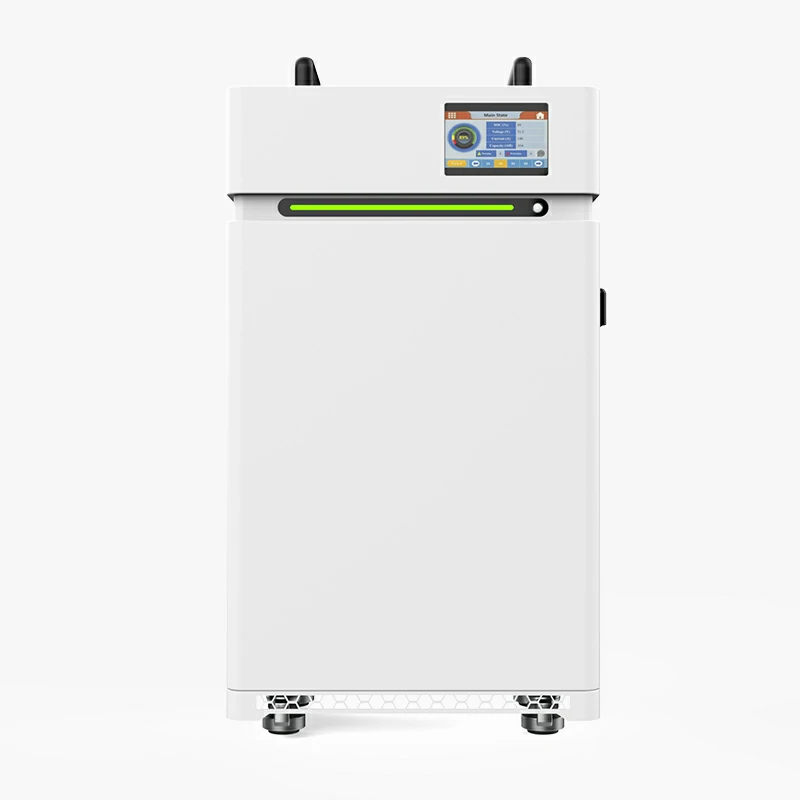
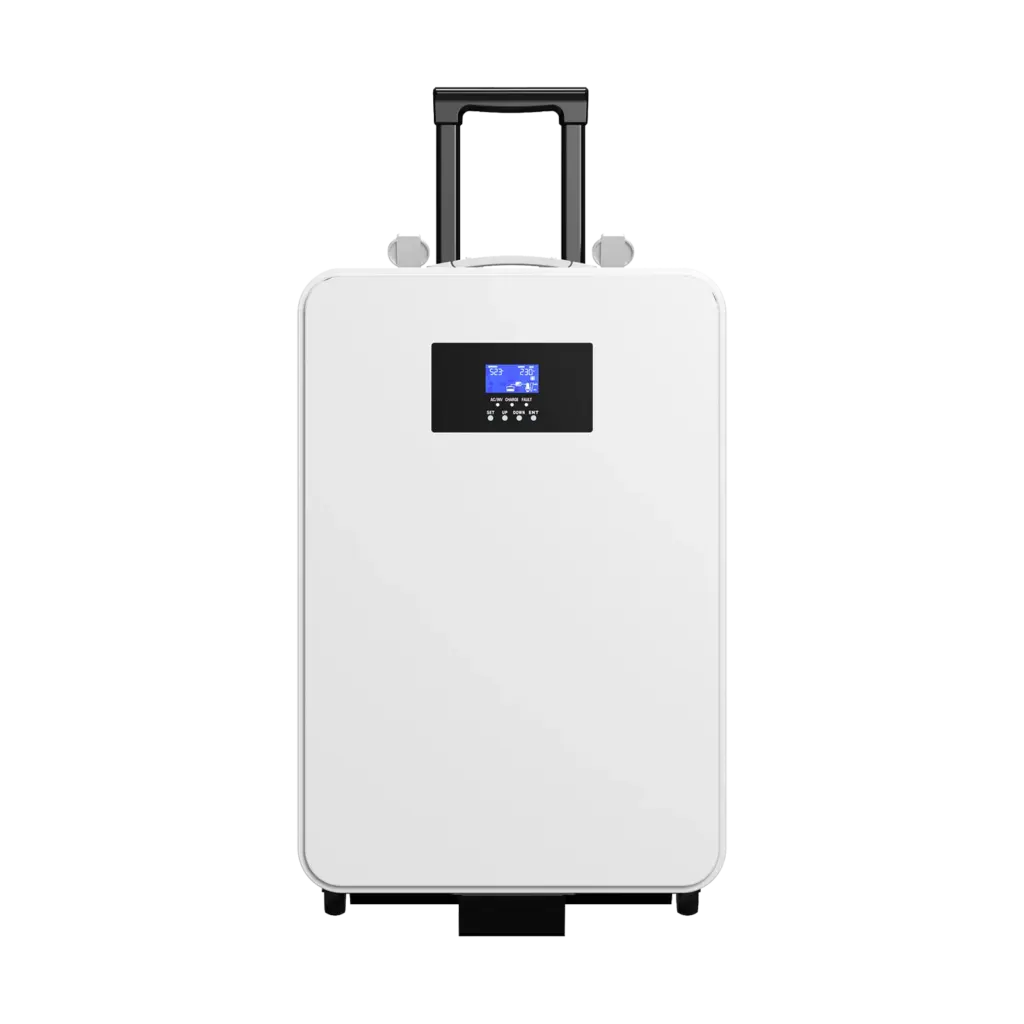
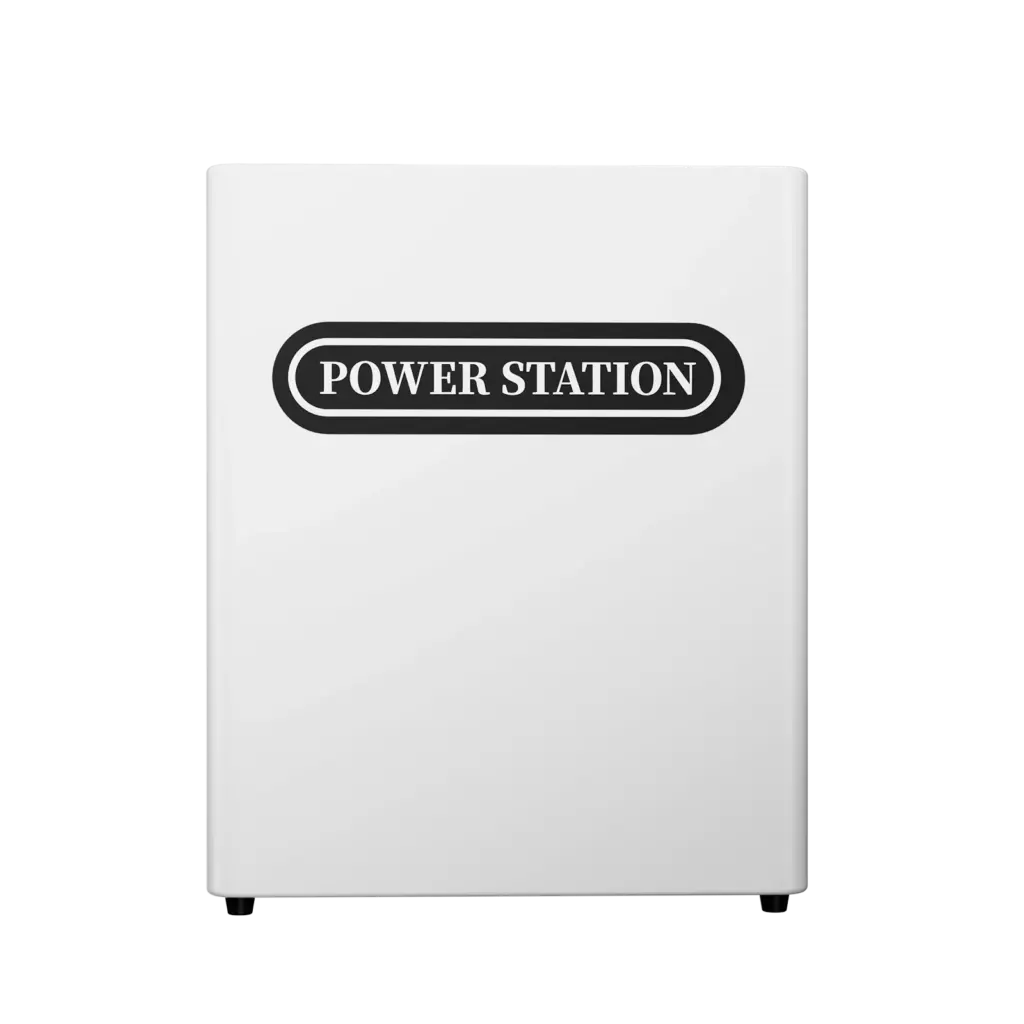
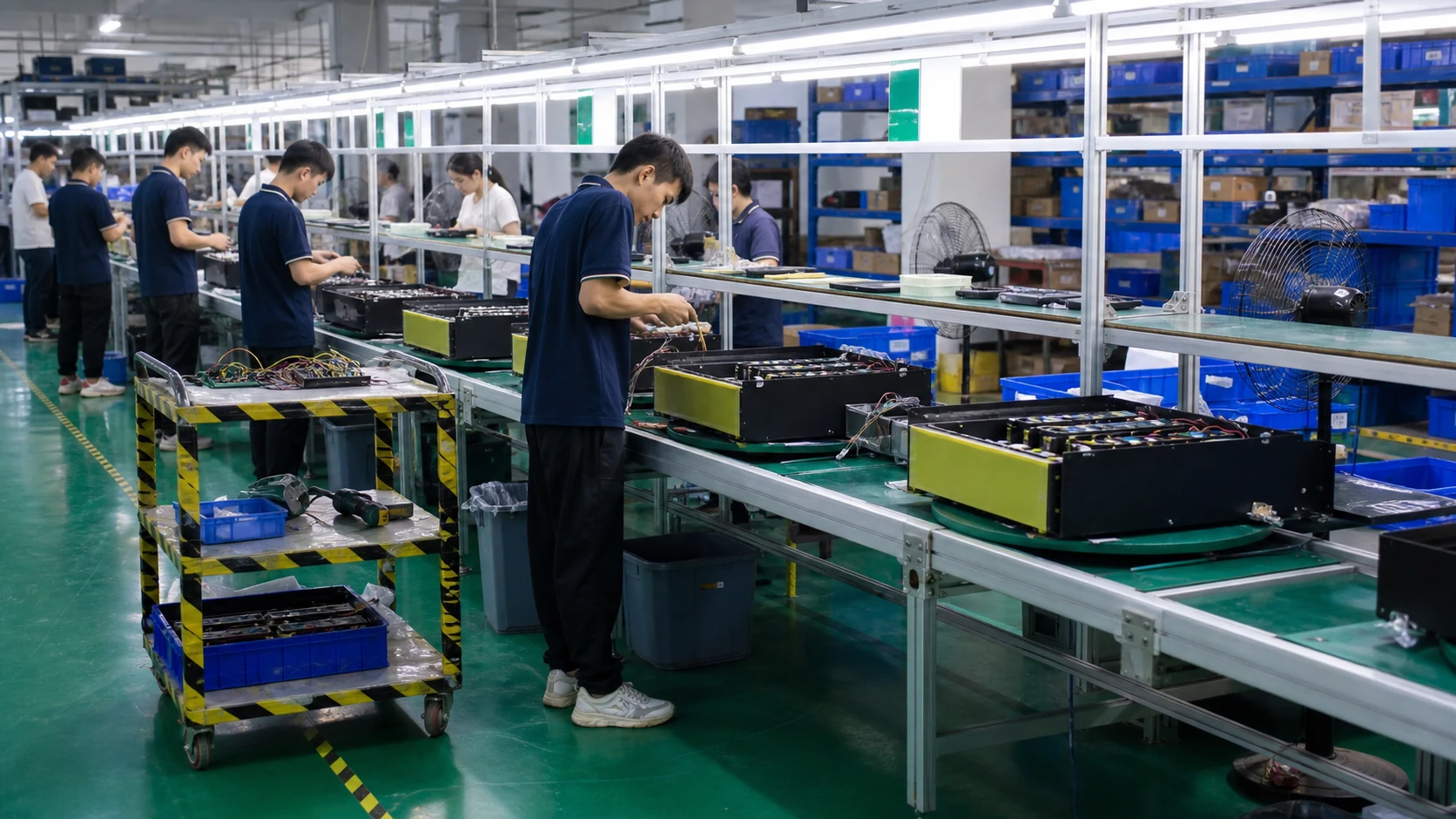
Avepower’s LiFePO4 battery energy storage solutions are designed for applications where safety, cycle life, monitoring and scalability matter, including homes, installers, distributors and project-based storage users.
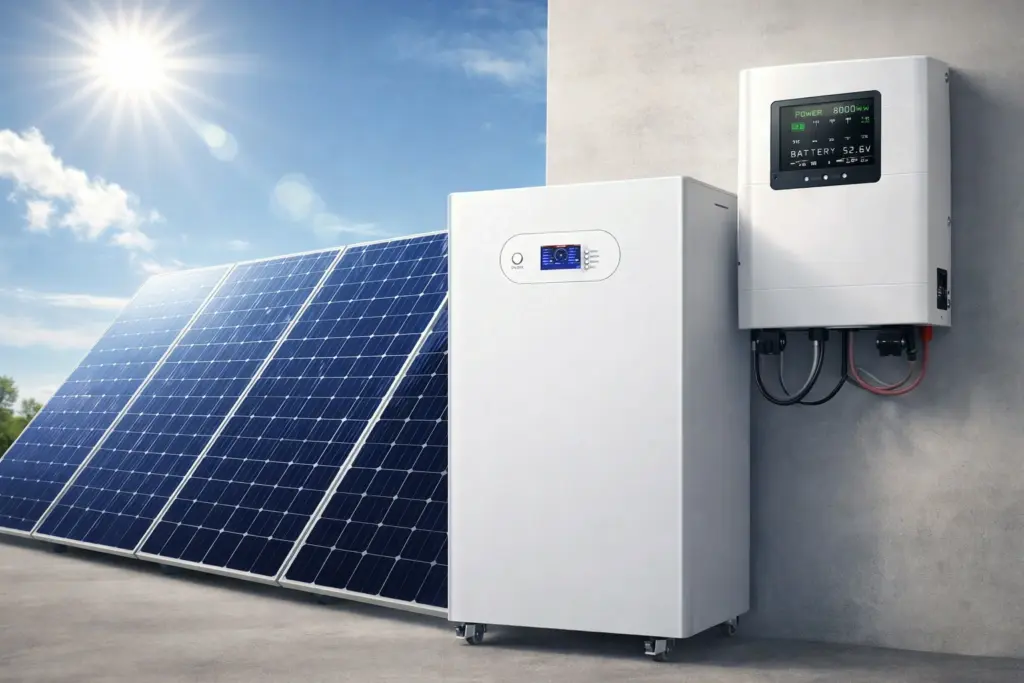
Power Your Project With Clean Energy Storage
From residential solar storage to commercial renewable energy systems, Avepower helps you match the right battery capacity, inverter communication, and system design for long-term performance.
Control and Monitoring System
Modern renewable energy systems need intelligent control. A control system decides when to use solar power directly, when to charge the battery, when to discharge stored energy, and when to import or export electricity.
This may include:
- Battery Management System
- Energy Management System
- Smart meter
- Remote monitoring app
- Grid export control
- Load prioritisation
- Safety shutdown functions
For battery-based systems, the BMS is especially important because it monitors voltage, current, temperature, state of charge and protection functions.
Loads and Grid Connection
The final purpose of a renewable energy system is to serve a load. A load may be a home, factory, farm, telecom station, office building, EV charger or utility grid.
Systems can be designed as:
- Grid-connected systems
- Hybrid systems with battery backup
- Off-grid systems
- Microgrids
- Commercial and industrial energy systems
- Utility-scale renewable power plants
How Do Renewable Energy Systems Work?
Most renewable energy systems follow the same basic logic:
- Capture energy from a renewable source
Solar panels capture sunlight. Wind turbines capture wind. Hydro turbines capture moving water. Geothermal systems capture heat. Bioenergy systems capture energy stored in organic matter. - Convert the energy into useful power
Renewable energy may need to be converted into electricity, heat, mechanical power, or fuel. Solar PV produces DC electricity, which usually needs an inverter to become AC electricity. - Manage the power flow
Controllers, inverters, meters, and energy management systems decide where the power should go: to the load, to the battery, to the grid, or to another device. - Store excess energy when needed
Battery storage stores surplus renewable electricity and releases it later. This is especially important for solar and wind because their output changes with weather and time of day. - Deliver energy to the end user
The final energy may power lights, appliances, machinery, heating systems, cooling systems, EV chargers, pumps, or entire buildings.
This system-level view is important. Renewable energy is not only about installing panels or turbines. It is about designing a complete energy architecture that matches real energy demand.
Grid-Tied, Off-Grid and Hybrid Renewable Energy Systems
Renewable energy systems can be designed in different ways depending on how they interact with the electricity grid.
Grid-Tied Renewable Energy System
A grid-tied system is connected to the utility grid. It can use renewable energy when available and import electricity from the grid when needed.
Best for:
- Homes with reliable grid access
- Businesses that want to reduce energy bills
- Solar self-consumption projects
- Buildings with daytime electricity demand
Main advantage: lower system cost than off-grid systems.
Main limitation: backup power may not be available unless the system includes a suitable battery and backup configuration.
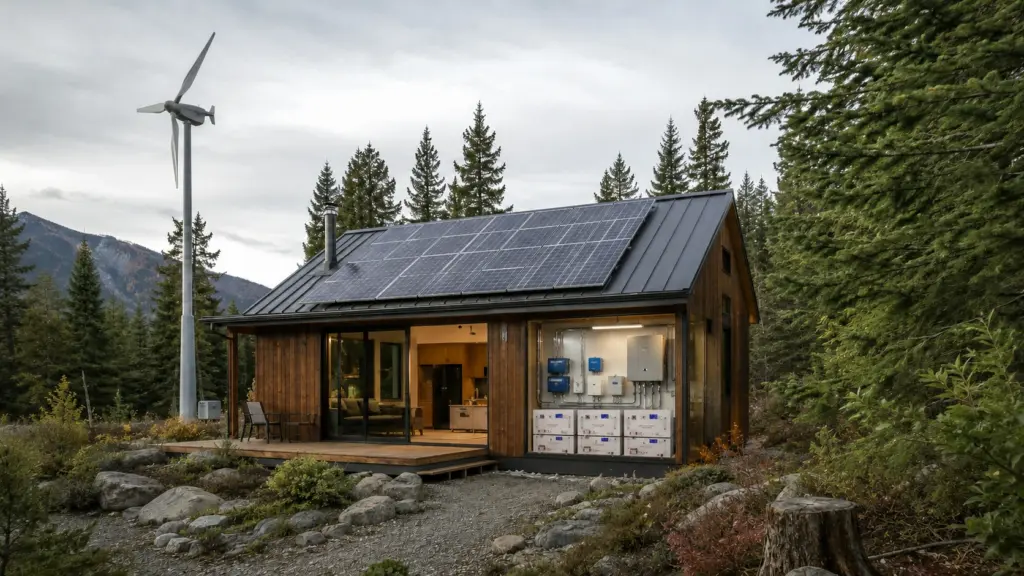
Off-Grid Renewable Energy System
An off-grid system operates independently from the utility grid. It usually needs larger battery storage and sometimes backup generation.
Best for:
- Remote homes
- Farms
- Islands
- Telecom sites
- Mining camps
- Rural businesses
- Areas with expensive grid connection
Main advantage: energy independence.
Main limitation: higher design complexity and higher storage requirement.
Hybrid Renewable Energy System
A hybrid system combines grid connection, renewable generation and battery storage. Some hybrid systems can also include generators, EV charging or smart energy management.
Best for:
- Homes needing backup power
- Businesses managing peak demand
- Solar-plus-storage projects
- Microgrids
- Commercial and industrial facilities
- Projects with unstable grid supply
Main advantage: flexible energy control.
Main limitation: requires careful inverter, battery and EMS integration.
For solar-plus-storage projects, battery-inverter communication is important. Before selecting a battery, installers should review technical compatibility, communication protocols, and operating limits. Avepower provides an inverter compatibility resource to help installers and project buyers evaluate system matching more clearly.
Benefits of Renewable Energy Systems
Renewable energy systems provide multiple benefits, but the value depends on system type, location, energy demand, electricity price, and installation quality.
Lower Operating Emissions
Renewable energy systems can reduce reliance on fossil fuels and lower greenhouse gas emissions. Solar, wind, hydro, geothermal, and other renewable technologies can produce electricity with low or zero direct emissions during operation.
Lower Long-Term Energy Costs
Renewable systems often require upfront investment, but they can reduce long-term energy costs by generating electricity onsite and reducing electricity purchases from the grid.
For businesses, renewable energy can also reduce exposure to future electricity price volatility. The Australian Government energy.gov.au guide notes that renewable energy can offer cost savings compared with grid-supplied energy and help businesses reduce emissions and price risk.
Better Energy Independence
A renewable energy system with battery storage can reduce dependence on the grid. This is especially valuable in areas with unstable electricity supply, high energy prices, weak grid infrastructure, or frequent outages.
Scalable System Design
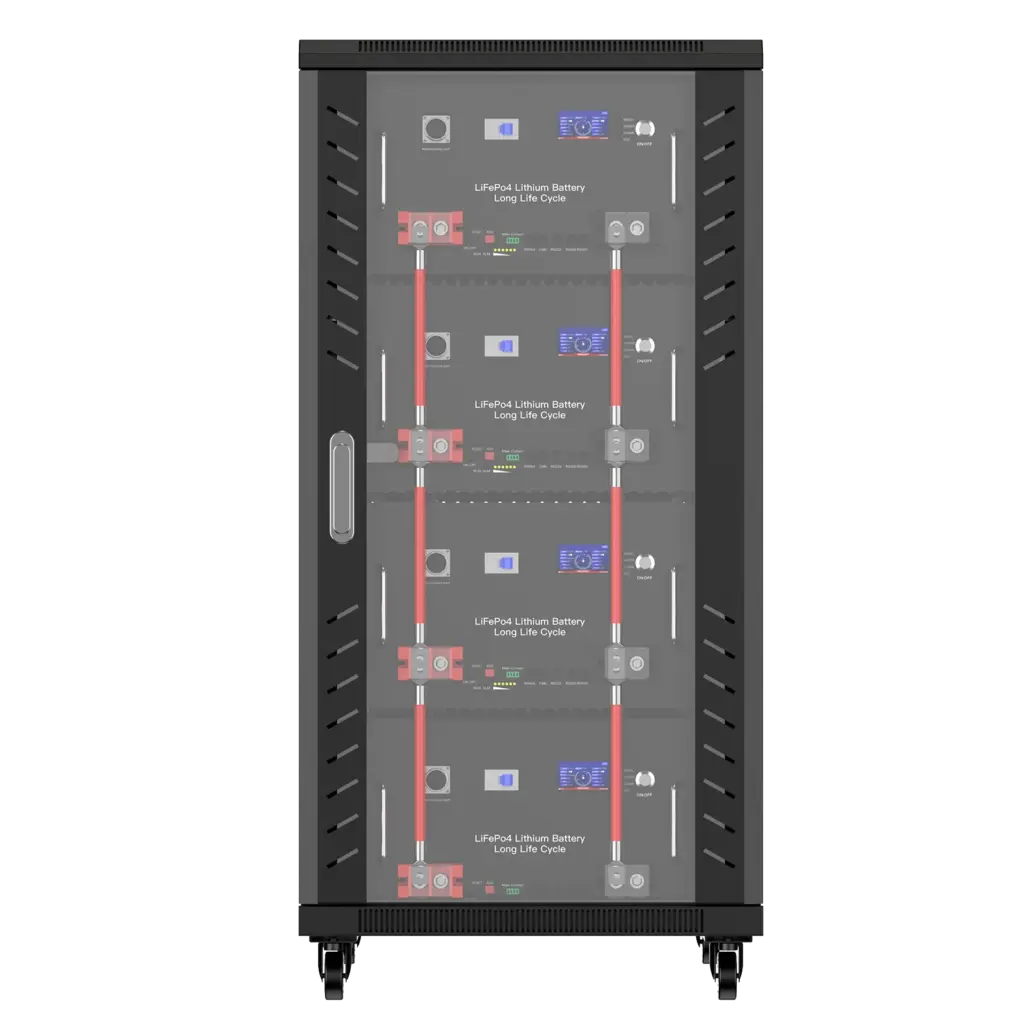
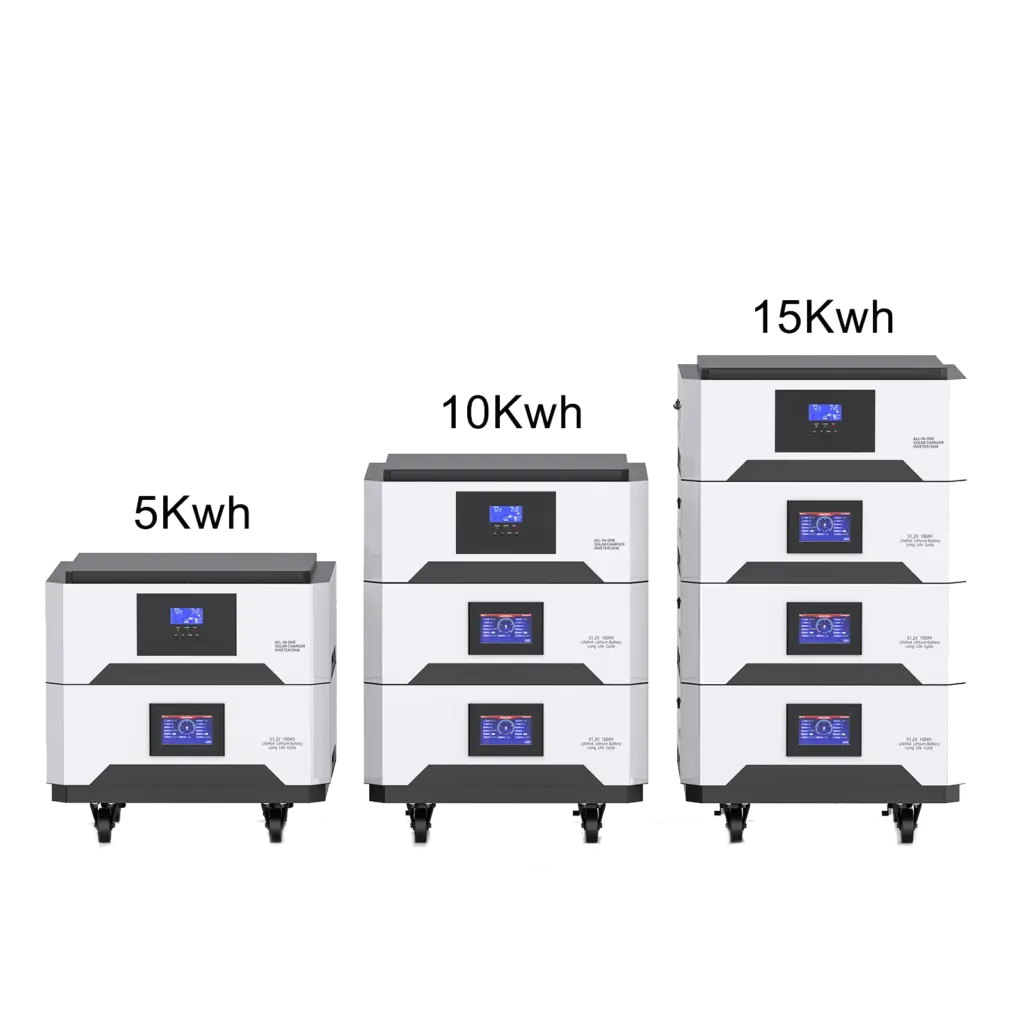
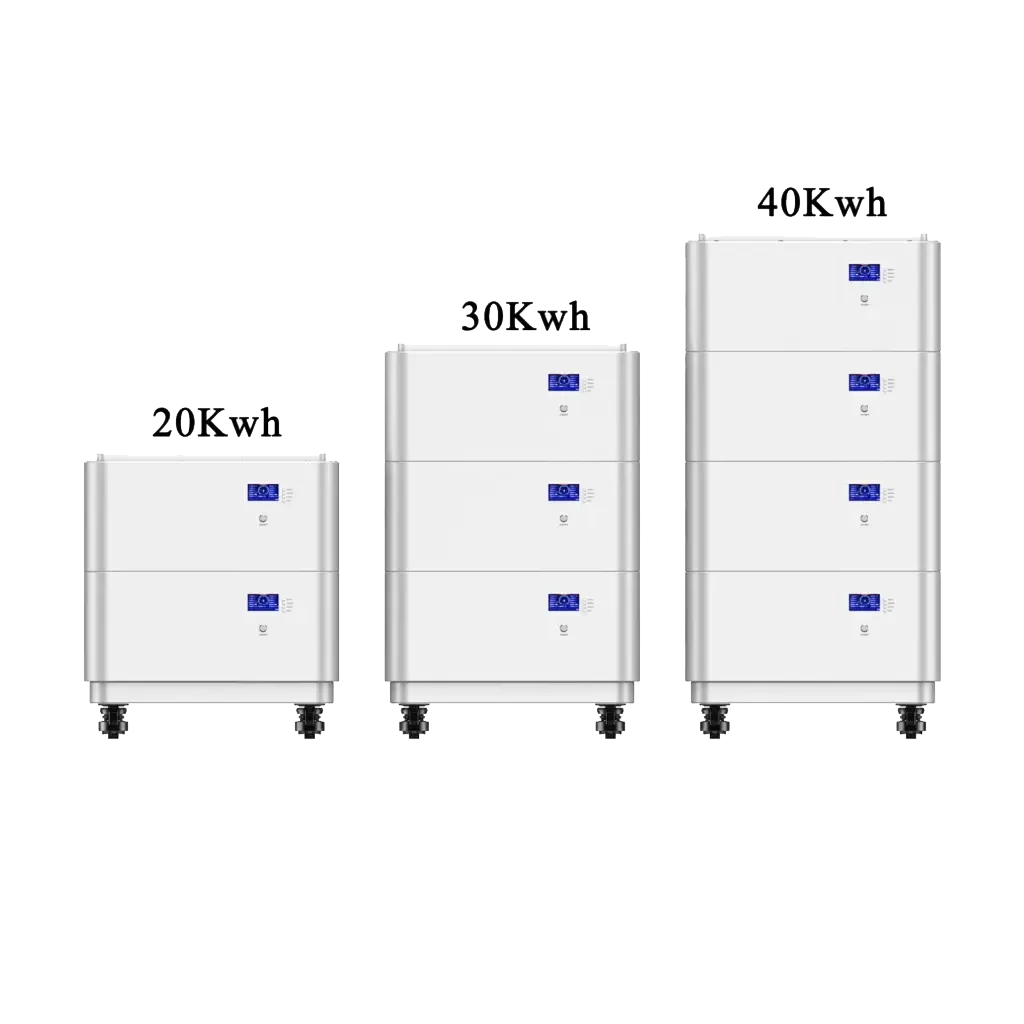
Many renewable energy systems are modular. Solar PV arrays can be expanded. Battery systems can be scaled by adding modules or cabinets. Hybrid systems can integrate additional generation sources over time.
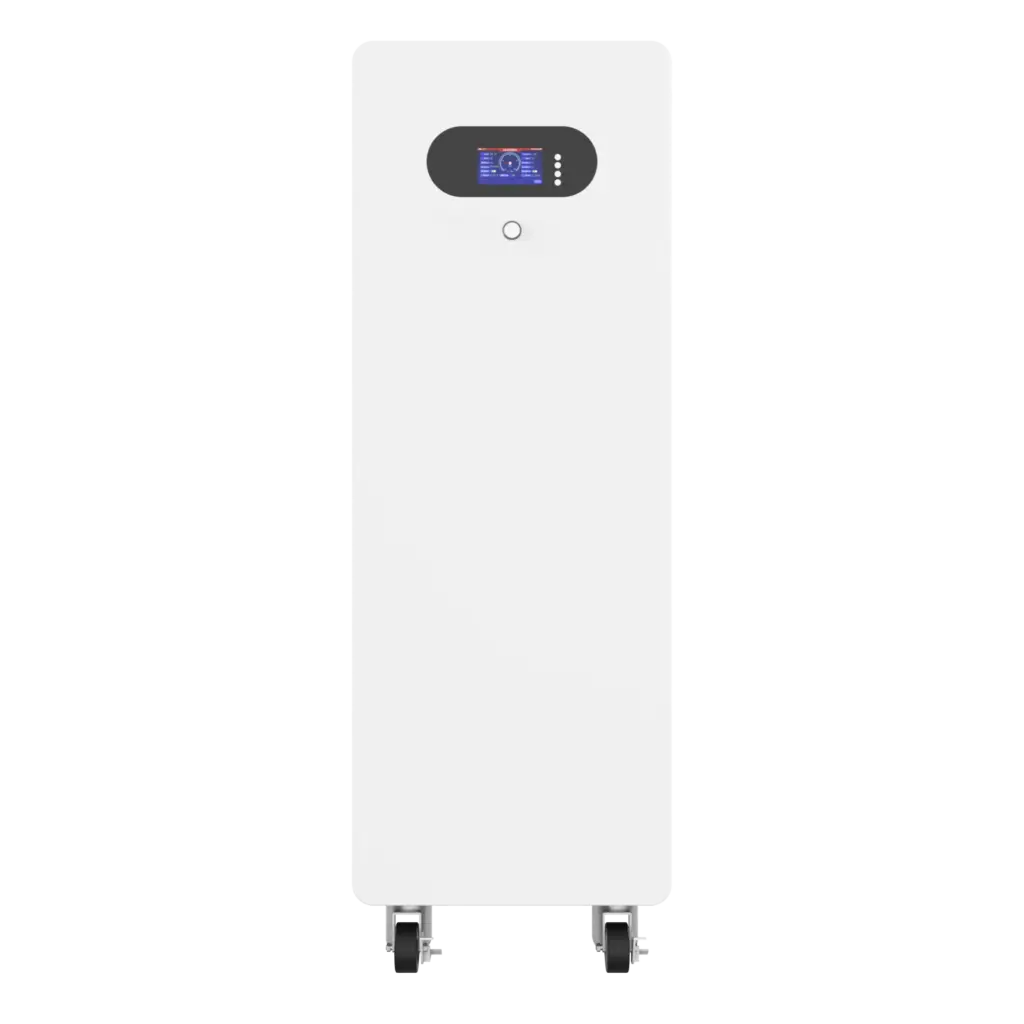
For example, modular battery products such as stackable LiFePO4 battery storage can support future capacity expansion when household or project energy demand increases.
Support for Electrification
As homes and businesses adopt electric vehicles, heat pumps, electric cooking, and electric industrial processes, electricity demand will increase. Renewable energy systems can help supply this demand with cleaner power.
Improved Resilience
When properly designed, renewable energy systems with storage can keep essential loads running during grid outages. This is useful for homes, medical equipment, telecom sites, commercial buildings, farms, and critical infrastructure.
Challenges of Renewable Energy Systems
Renewable energy systems offer many benefits, but they must be designed carefully.
Common challenges include:
- Variable solar or wind output
- Incorrect system sizing
- Battery capacity mismatch
- Inverter compatibility issues
- Grid connection limits
- Local permitting requirements
- Upfront installation cost
- Maintenance planning
- Communication protocol compatibility
- Backup power expectations
A solar system without the right battery size may export too much power during the day and still rely heavily on the grid at night. An off-grid system without enough storage may struggle during cloudy or low-wind periods. A commercial system without proper EMS control may miss peak shaving opportunities.
This is why renewable energy systems should be designed around real load profiles, local energy resources, safety standards and long-term operating goals.
What Makes a Renewable Energy System Reliable?
A reliable renewable energy system depends on more than the renewable source itself.
Key reliability factors include:
- Accurate load calculation
- Correct inverter sizing
- Proper battery capacity
- Strong BMS protection
- Quality installation
- Good communication between inverter and battery
- Suitable environmental protection
- Monitoring and fault alerts
- Maintenance access
- Technical support
For example, a solar array may perform well, but if the battery is too small, the user may still rely heavily on the grid at night. If the inverter and battery do not communicate properly, the system may not charge or discharge efficiently. If the system is installed in a poor environment, long-term performance may decline.
This is why renewable energy system design should be handled as an integrated engineering process.
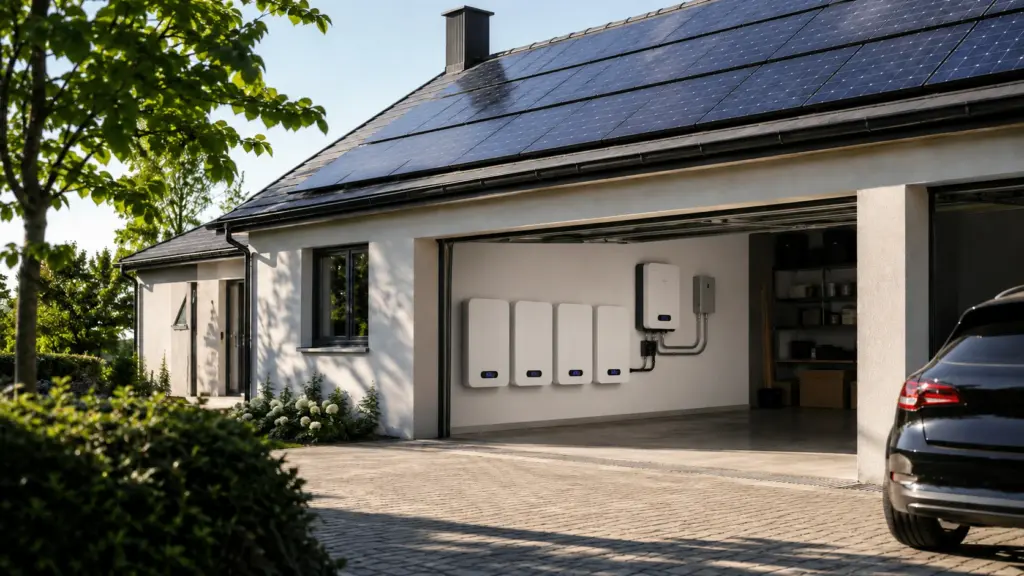
Renewable Energy Systems for Homes
For homeowners, the most common renewable energy system is rooftop solar PV. A more complete home system may include:
- Solar panels
- Hybrid inverter
- Battery storage
- Smart meter
- Backup circuit
- Monitoring app
- Grid connection
A home renewable energy system can reduce electricity bills, support backup power and improve self-consumption. However, the best design depends on daily consumption, roof size, local tariff structure and whether the user wants backup power.
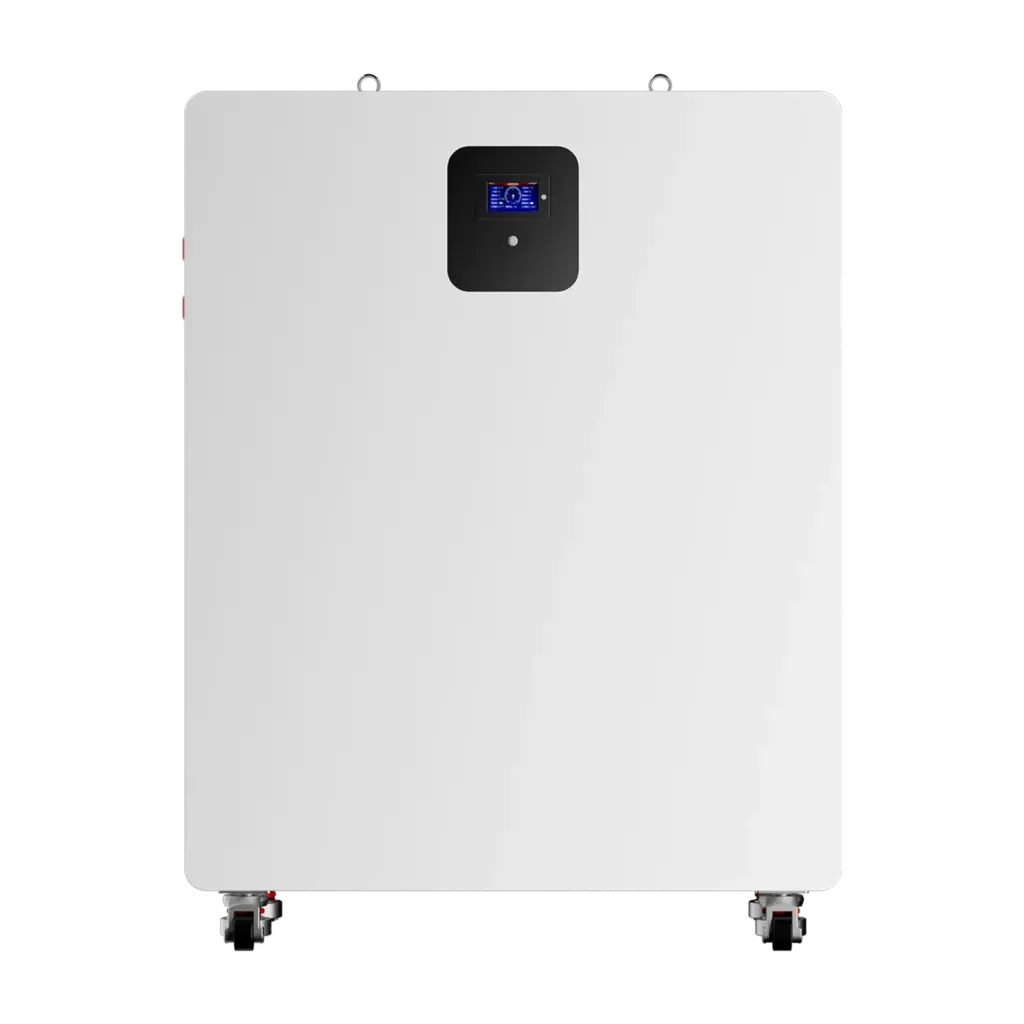
For smaller homes or limited wall space, a wall mounted solar battery may be practical. For growing energy demand, stackable or vertical battery systems may provide more flexible capacity expansion.
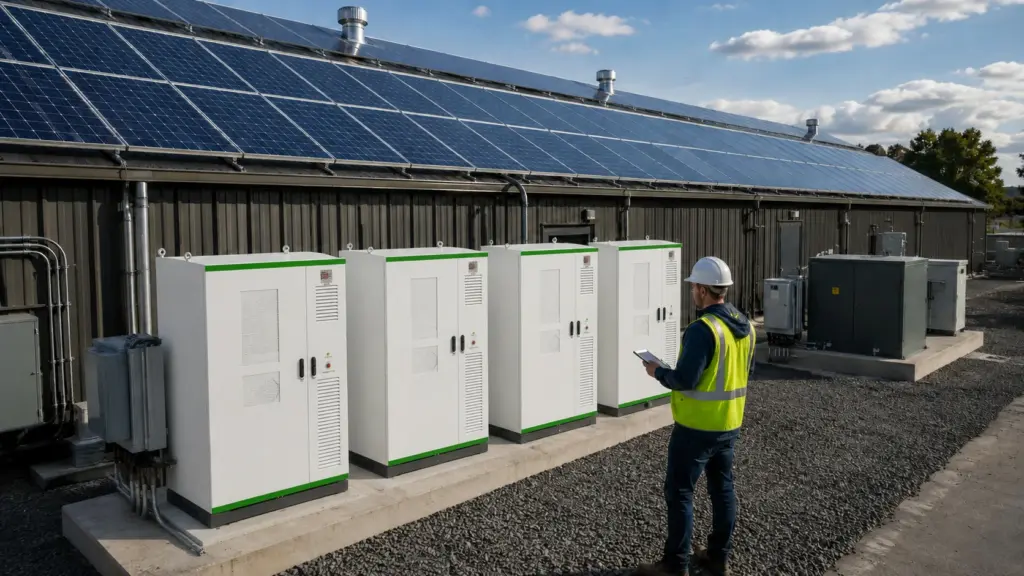
Renewable Energy Systems for Businesses
Businesses often have different priorities from homeowners. They may care more about peak demand, daytime load coverage, operational continuity and return on investment.
A business renewable energy system may include:
- Rooftop or ground-mounted solar PV
- Battery energy storage system
- Energy management system
- Demand response control
- Backup power integration
- Monitoring dashboard
- Grid export control
For commercial and industrial users, renewable energy systems can support sustainability targets, reduce exposure to energy price volatility and improve power resilience.
Businesses planning larger projects should compare system cost, load profile, available roof area, network export limits, battery economics and operational risk. This is where engineering support and project-based battery customization become important.
Future Trends in Renewable Energy Systems
Renewable energy systems are becoming more intelligent, distributed and storage-based.
Solar and Storage Will Continue to Grow
The IEA expects global renewable capacity to more than double by 2030, with solar PV accounting for nearly 80% of the global increase. This means future renewable energy systems will not only generate clean power but also manage energy more dynamically through batteries, software and grid interaction.
More Hybrid Systems
Hybrid systems will become more common because they solve practical reliability problems. Solar plus storage, wind plus storage and microgrid systems are already important for homes, businesses and remote communities.
Smarter Energy Management
Energy management systems will increasingly use real-time data to decide when to charge, discharge, export or import energy. This will be especially important as electricity tariffs become more dynamic.
More Distributed Energy Resources
Homes, businesses, EV chargers, batteries and solar systems will become part of a more distributed electricity network. In this future, renewable energy systems will need better communication, control and interoperability.
Conclusion
Renewable energy systems are complete energy solutions that use naturally replenished resources to generate, store, manage, and deliver usable power. They can range from a small rooftop solar and battery system to a large industrial microgrid combining solar, wind, battery storage, and advanced controls.
The most important point is that a renewable energy system is not only about the energy source. It is about the full system design: generation, conversion, storage, control, demand, safety, and long-term operation.
For homeowners, renewable energy systems can reduce electricity bills and improve energy independence. For businesses, they can lower operating costs, reduce emissions, and improve resilience. For installers, distributors, EPCs, and project developers, they create opportunities to build cleaner, smarter, and more flexible energy infrastructure.
If you are planning a solar-plus-storage or commercial renewable energy project, Avepower provides LiFePO4 battery storage solutions for residential, commercial, industrial, OEM/ODM, and project-based applications. Explore Avepower’s home energy storage battery systems, or commercial and industrial energy storage solutions to compare options for different renewable energy system designs.

Need a Renewable Energy Storage Partner?
Avepower supports installers, distributors, and project developers with OEM/ODM battery solutions, inverter compatibility guidance, and scalable LiFePO4 energy storage systems.
FAQ
Renewable energy systems are complete setups that use renewable sources such as solar, wind, hydro, geothermal or biomass to generate electricity, heat or usable energy. They may include generators, inverters, batteries, controls and monitoring systems.
The most common home renewable energy system is rooftop solar PV. Many homeowners also add battery storage to use more solar energy at night or during outages.
A solar panel is part of a renewable energy system, but it is not usually the whole system. A complete solar system also needs an inverter, wiring, protection devices, monitoring and sometimes battery storage.
Batteries store excess renewable electricity and release it when generation is low or demand is high. This is useful for solar energy at night, backup power and off-grid systems.
A grid-connected system can import or export electricity from the utility grid. An off-grid system operates independently and usually requires larger battery storage and backup planning.
Hybrid renewable energy systems combine two or more energy sources or technologies, such as solar plus wind, solar plus battery storage, or solar plus grid backup.
Choose a battery based on capacity, voltage, cycle life, chemistry, BMS protection, inverter compatibility, communication protocol, installation environment and warranty support. For project-based systems, supplier engineering support is also important.