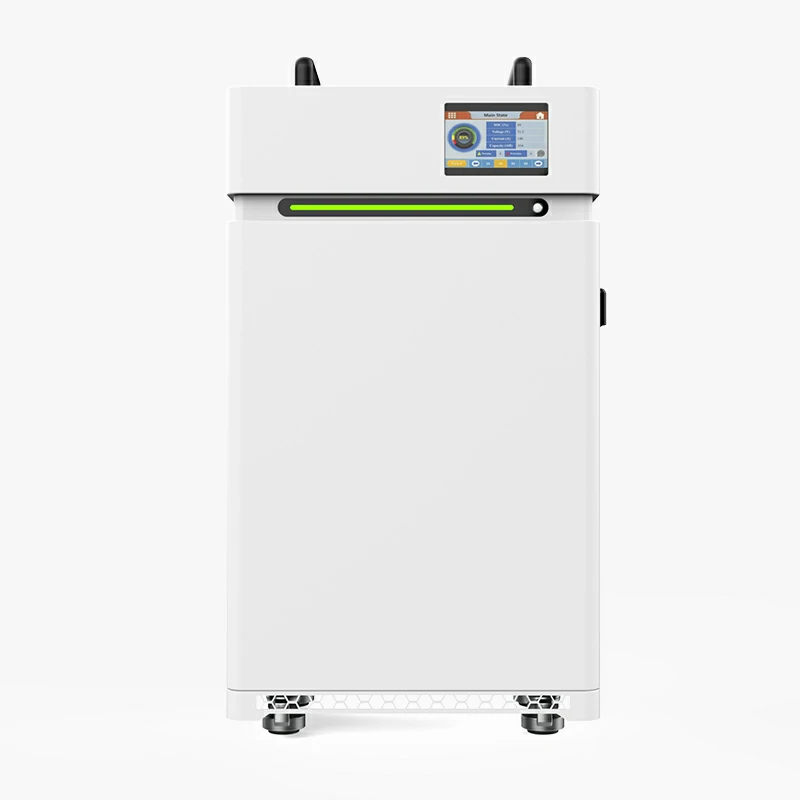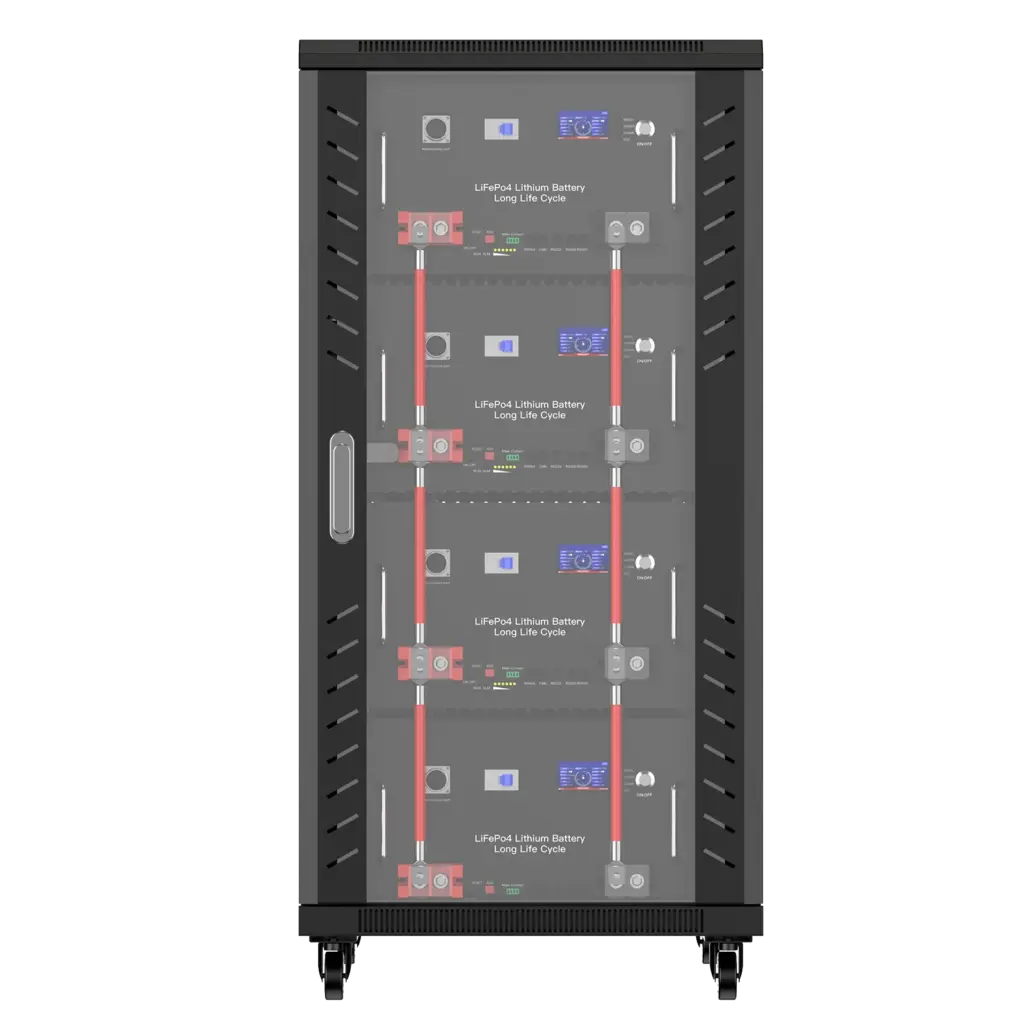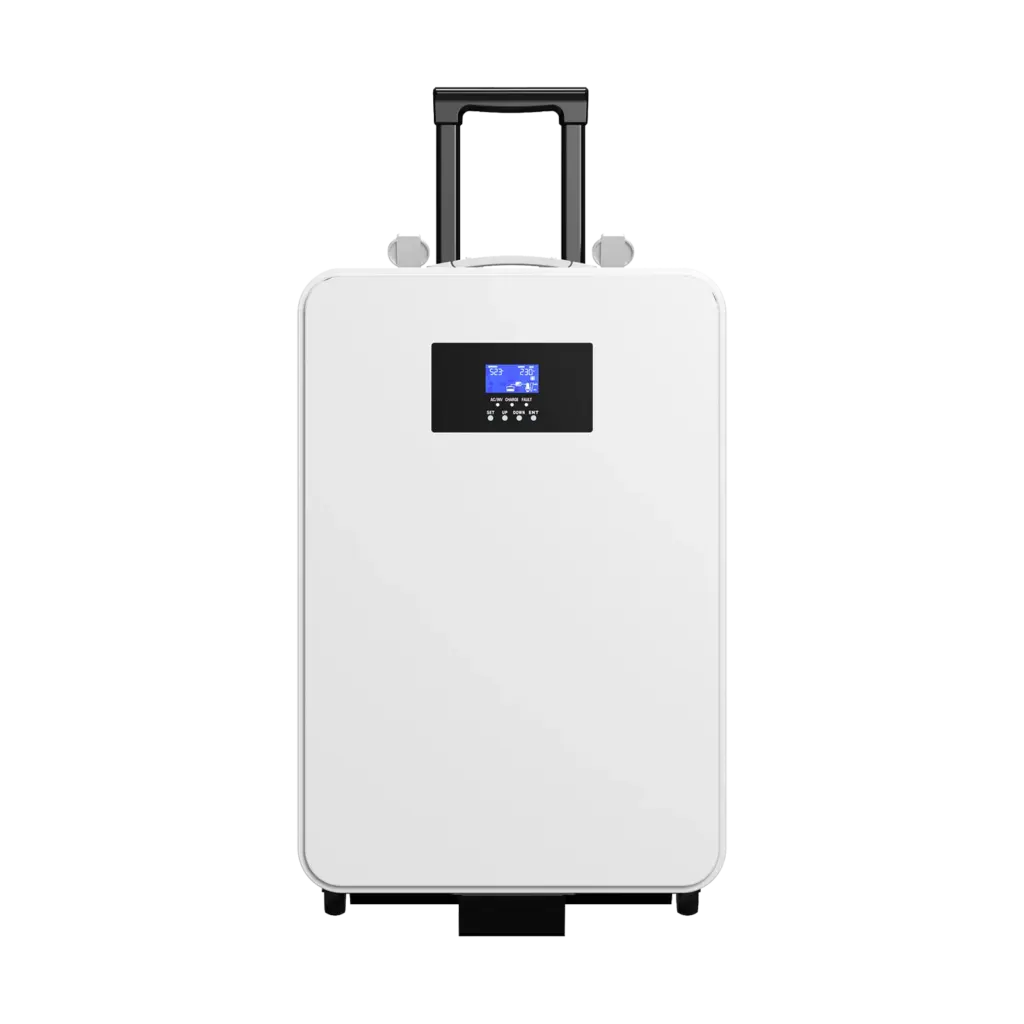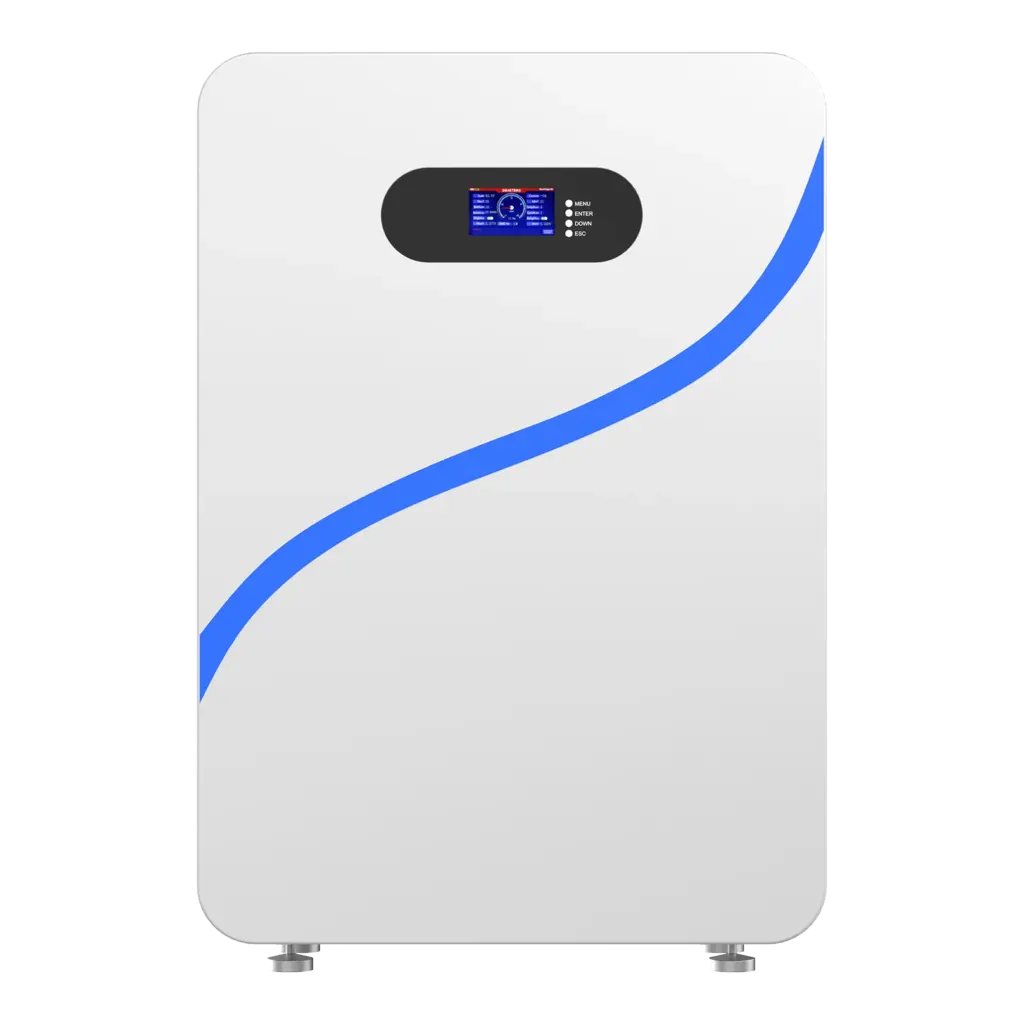

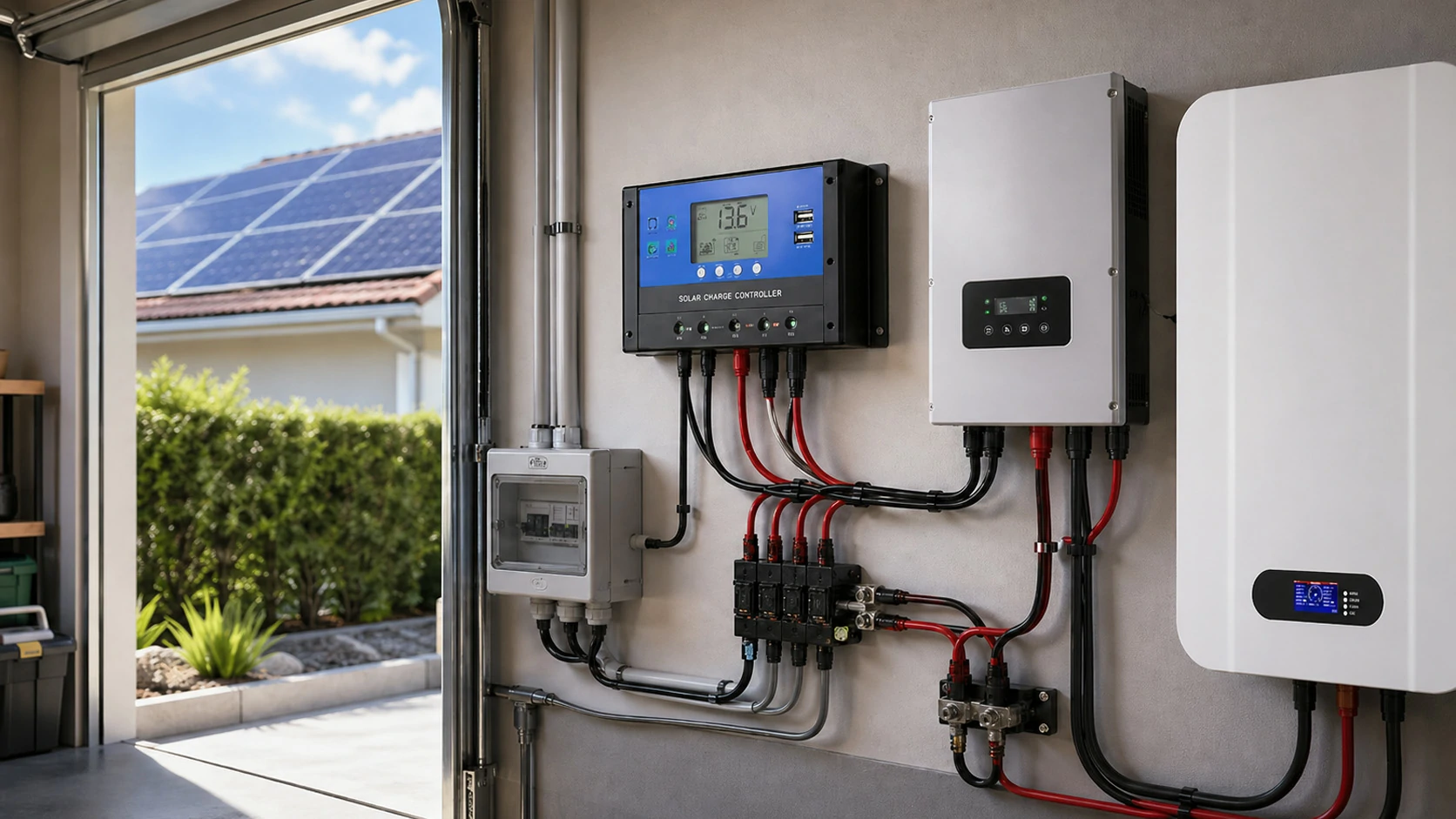
A solar charge controller is a device that regulates the electricity flowing from solar panels to a battery bank. Its main job is to make sure the battery receives enough power to charge safely, without being overcharged, overheated, or damaged by unstable solar input. In simple terms, it works as the charging manager between the solar array and the battery.
This component is especially important in off-grid solar systems, RV solar setups, cabins, boats, telecom backup systems, and solar battery storage projects where solar panels directly charge batteries.
What Does a Solar Charge Controller Do?
A solar charge controller manages how much electrical power moves from the solar panels into the battery. Solar panels do not produce a perfectly stable output. Their voltage and current change with sunlight, temperature, shading, panel wiring, and load conditions.
Without a controller, solar panels can send voltage that is too high for the battery. For example, a “12V” solar panel can produce a higher voltage than a 12V battery needs, which is why a controller is required to regulate the charging process.
How Does a Solar Charge Controller Work?
A solar charge controller is installed between the solar panels and the battery bank.
The basic power flow is:
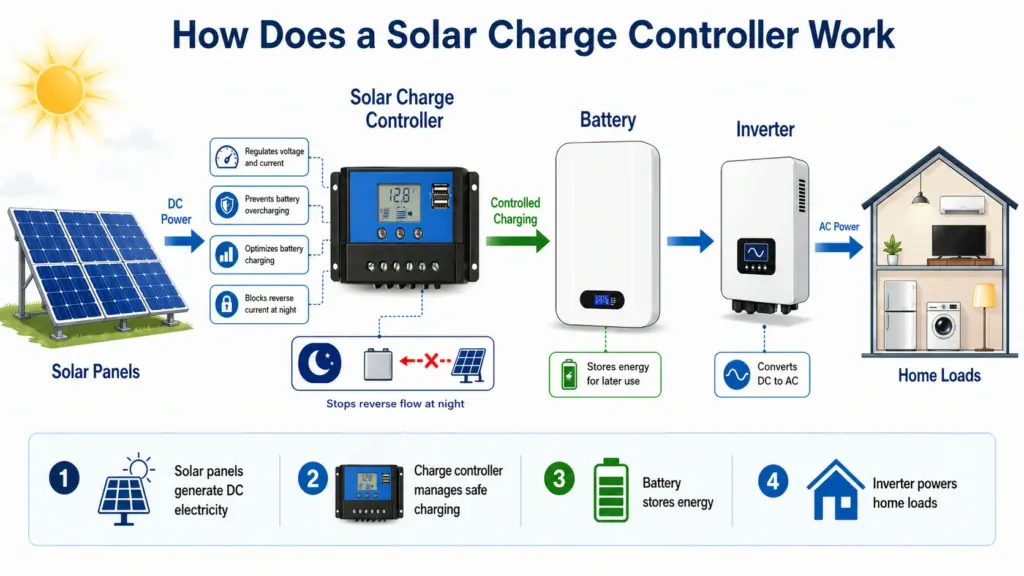
Solar panels → solar charge controller → battery bank → inverter → home or DC loads
During the day, solar panels generate DC electricity. The charge controller reads the battery voltage and determines how much current the battery can safely accept. It then adjusts the incoming power from the panels so the battery charges at the right voltage and current.
Solar panels for a 12V battery system are often rated higher than 12V because a charging battery may need around 13.6V to 14.4V. The controller reduces and manages the solar input so the battery receives the voltage it currently needs.
At night, the controller also helps prevent reverse current. Without this protection, stored battery energy could flow back into the solar panels because the panels are no longer producing voltage.
Why Do Solar Batteries Need a Charge Controller?
Solar batteries need stable and controlled charging. If the battery receives too much voltage or current, it can overheat, age faster, or fail. If it receives too little charge for long periods, it may suffer from reduced capacity or poor performance.
A solar charge controller protects the battery in several ways:
- It prevents overcharging.
- It reduces the risk of deep discharge in systems with load control.
- It adjusts charging according to battery voltage.
- It can support battery temperature monitoring.
- It improves the overall reliability of the solar storage system.
Solar charge controllers help prevent overcharging and over-discharging, and many models include temperature sensing to support battery longevity.
For Avepower solar battery systems, the BMS is designed to monitor key battery conditions such as voltage, current, temperature, and state of charge. In a complete solar energy storage system, the charge controller, inverter, BMS, and battery bank should be matched correctly to ensure stable operation.
PWM vs MPPT Solar Charge Controllers
There are two main types of solar charge controllers: PWM and MPPT. Both regulate charging, but they do it in different ways.
PWM Solar Charge Controller
PWM stands for Pulse Width Modulation. A PWM controller is simpler and usually cheaper. It works by switching the connection between the solar panel and the battery on and off very quickly to control the average charging voltage.
PWM controllers are usually suitable for:
- Small solar systems
- RVs
- Boats
- Simple off-grid cabins
- Low-cost 12V or 24V battery systems
- Systems where panel voltage and battery voltage match closely
The limitation is that PWM controllers cannot convert excess panel voltage into extra charging current. If the solar panel voltage is much higher than the battery voltage, that extra potential energy is mostly wasted. Where PWM output may operate around 80% efficiency in a simple system, while PWM controllers may work around 70% efficiency depending on system conditions.
MPPT Solar Charge Controller
MPPT stands for Maximum Power Point Tracking. An MPPT controller is more advanced. It tracks the solar panel’s maximum power point and converts higher panel voltage into usable charging current for the battery.
MPPT controllers are usually better for:
- Larger solar arrays
- Higher-voltage battery systems
- Lithium battery systems
- Cold or variable weather
- Off-grid homes
- Commercial or industrial battery systems
- Projects where energy harvest matters more than lowest upfront cost
MPPT controllers can reach around 95% to 97% efficiency in suitable conditions, while MPPT controllers can use higher-voltage arrays with lower-voltage batteries and recover power that PWM would otherwise waste.
PWM vs MPPT Comparison Table
| Item | PWM Controller | MPPT Controller |
|---|---|---|
| Full Name | Pulse Width Modulation | Maximum Power Point Tracking |
| Cost | Lower | Higher |
| Efficiency | Lower | Higher |
| Best For | Small systems | Medium to large systems |
| Voltage Flexibility | Panel and battery voltage should match closely | Can handle higher panel voltage and convert it |
| Energy Harvest | Less efficient in variable conditions | Better energy harvest |
| Common Use | RVs, boats, small cabins | Off-grid homes, lithium systems, larger arrays |
| Recommended For Avepower Battery Systems | Usually not ideal for larger storage | More suitable when separate solar charging is required |
For a small 12V system with one or two panels, a PWM controller may be enough. For a home battery system, larger off-grid project, high-voltage PV array, or LiFePO4 battery bank, MPPT is usually the better choice.
For B2B solar storage projects, installers and distributors usually prefer MPPT-based architecture because it gives more flexibility in PV string design, improves charging efficiency, and supports higher-capacity battery systems.
Avepower provides LiFePO4 battery energy storage solutions for residential, commercial, installer, distributor, and project-based applications. In a solar battery system, the battery is only one part of the complete energy architecture. The solar panels, MPPT controller or hybrid inverter, BMS, communication protocol, and battery capacity must all be matched correctly.
Avepower battery solutions are designed with intelligent BMS protection, long cycle life LiFePO4 chemistry, communication options such as CAN and RS485, and flexible OEM/ODM customization for different project needs.
Do You Always Need a Solar Charge Controller?
You need a solar charge controller when solar panels are connected to a battery bank and there is no other device already managing the charging process.
You usually need one for:
- Off-grid solar systems
- RV solar systems
- Boat solar systems
- Cabin solar systems
- Solar-powered telecom systems
- Small DC solar battery systems
- DIY solar battery charging setups
- Some backup battery systems
A charge controller is needed whenever a battery bank is connected to the DC output of solar panels, especially in small off-grid systems. Almost all solar systems using batteries require a controller, except very small trickle-charging setups.
You may not need a separate solar charge controller if:
- Your system is grid-tied without batteries
- Your hybrid inverter already has built-in MPPT inputs
- Your all-in-one solar battery system has integrated solar charging
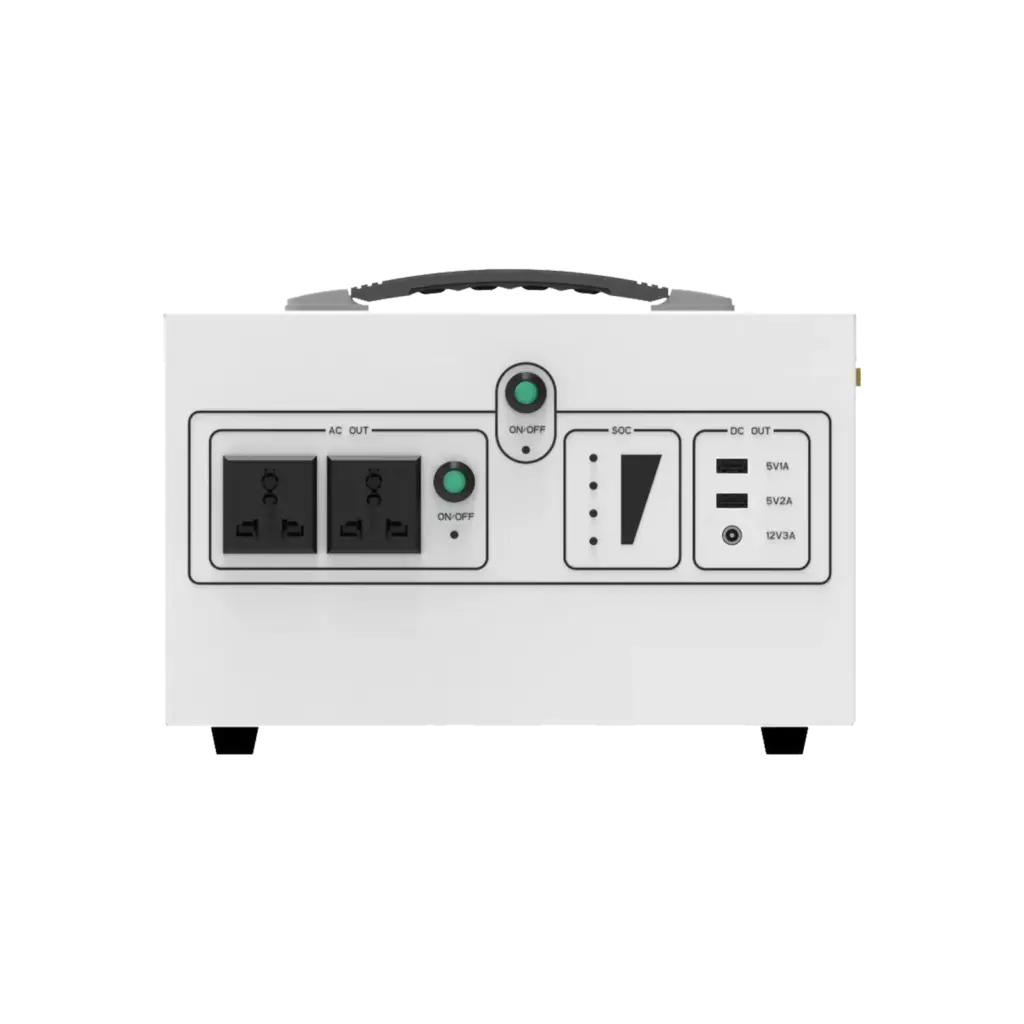
- Your portable power station already includes a built-in controller
For modern residential energy storage systems, many hybrid inverters already include MPPT solar charge control. In that case, the battery connects to the inverter, and the inverter manages solar input, battery charging, grid interaction, and load supply.
Solar Charge Controller and Lithium Batteries
Lithium batteries are different from traditional lead-acid batteries. They have higher usable capacity, lower maintenance needs, longer cycle life, and more precise charging requirements.
When using a solar charge controller with a lithium battery, check whether the controller supports:
- Lithium charging profiles
- Custom voltage settings
- Correct bulk and absorption voltage
- Low-temperature charging protection
- Battery communication if required
- BMS compatibility
- Proper current limits
For larger LiFePO4 battery storage systems, the battery management system is extremely important. A high-quality BMS monitors voltage, current, temperature, state of charge, and protection conditions. The solar charge controller or hybrid inverter should work within the battery manufacturer’s recommended charging parameters.
For Avepower LiFePO4 battery systems, system design should consider the battery voltage platform, inverter compatibility, communication protocol, charging current, and project capacity. This is especially important for installers, distributors, and project developers who need reliable long-term system performance rather than only low upfront equipment cost.
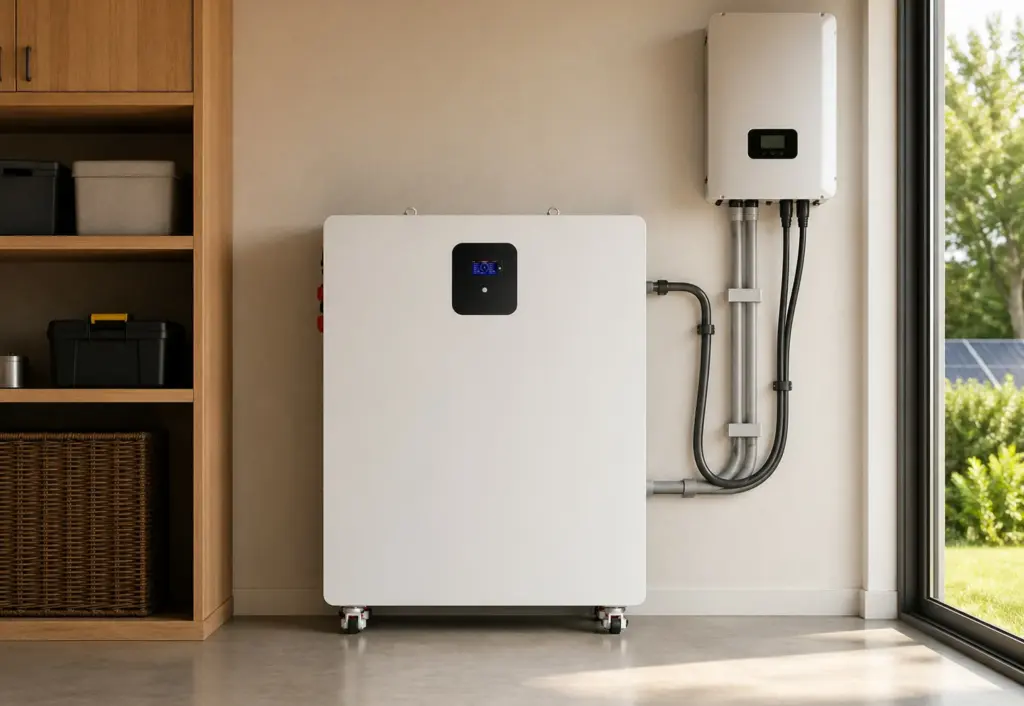
How Avepower Supports Solar Battery Storage Projects
Looking for a reliable LiFePO4 battery system for solar storage projects? Contact Avepower to discuss battery capacity, inverter compatibility, communication protocol, and OEM/ODM customization for your market.
Solar Charge Controller vs Hybrid Inverter MPPT
A standalone solar charge controller is common in small off-grid systems. However, many modern solar battery systems use a hybrid inverter with built-in MPPT solar charging.
Standalone Charge Controller
Best for:
- DIY off-grid systems
- RVs and boats
- Remote monitoring stations
- Small DC battery systems
- Systems without a hybrid inverter
Hybrid Inverter With Built-In MPPT
Best for:
- Residential solar battery systems
- Home backup power
- Solar-plus-storage systems
- AC load supply
- Grid-tied and off-grid hybrid applications
For a home energy storage system, the solar panels often connect directly to the hybrid inverter. The inverter’s built-in MPPT manages solar input and battery charging, while the battery BMS protects the battery pack.
How to Size a Solar Charge Controller
Sizing a charge controller means checking both current and voltage. A controller must be able to handle the solar array’s output and match the battery bank voltage.
Step 1: Confirm Battery Bank Voltage
Common battery bank voltages include:
| Battery System | Common Use |
|---|---|
| 12V | Small RV, boat, portable, small cabin |
| 24V | Medium off-grid systems |
| 48V | Larger residential and commercial storage systems |
| High voltage | Advanced hybrid and commercial energy storage systems |
For Avepower residential and commercial battery systems, 48V low-voltage LiFePO4 batteries and customized high-voltage battery systems are commonly used depending on the project design.
Step 2: Calculate Controller Current Rating
A simple formula is:
Controller current = solar array watts ÷ battery voltage
For example:
800W solar array ÷ 12V battery system = 66.7A
An 800W array on a 12V system could produce about 66.67A, so the controller must be rated above that output.
However, it is better to include a safety margin. Avepower recommends choosing a controller rated for about 25% more current than the solar panels are expected to produce, because panels can exceed their rated output under strong sunlight.
So for an 800W / 12V system:
66.7A × 1.25 = 83.4A
In real product selection, you may choose a controller size above that level, depending on available models and manufacturer guidance.
Step 3: Check Maximum PV Input Voltage
This step is especially important for MPPT controllers.
If panels are wired in series, their voltage adds up. The total open-circuit voltage of the PV string must stay below the controller’s maximum PV input voltage, even in cold weather when solar panel voltage can rise.
Avepower recommends using the panel open-circuit voltage when working with many panels in series to avoid overloading the controller input.
Step 4: Match the Battery Chemistry
The controller must support the battery type.
Common options include:
| Battery Type | Controller Requirement |
|---|---|
| Flooded lead-acid | Bulk, absorption, float, equalization settings |
| AGM / Gel | Correct sealed lead-acid charging profile |
| LiFePO4 | Lithium charging profile and correct voltage limits |
| High-voltage lithium | Usually managed by hybrid inverter and BMS architecture |
For LiFePO4 solar batteries, the controller should allow suitable charging voltage settings. It should also work correctly with the battery BMS. If the controller only supports fixed lead-acid profiles, it may not be ideal for lithium battery storage unless the battery manufacturer confirms compatibility.
Solar Charge Controller Charging Stages
Many solar charge controllers charge batteries in stages. For lead-acid batteries, the common stages are bulk, absorption, and float. Bulk charging sends more energy when the battery is low, absorption reduces current as the battery nears full charge, and float maintains the battery at full charge with lower voltage.
- Bulk Charging: The battery is low, so the controller sends maximum safe current into the battery.
- Absorption Charging: The battery is close to full. The controller holds voltage at a safe level while current gradually decreases.
- Float Charging: The battery is full. The controller provides a small maintenance charge to keep it topped up.
For lithium batteries, charging behaviour can be different from lead-acid batteries. Lithium batteries normally require specific voltage settings, current limits, and BMS compatibility. This is why it is important to choose a controller or inverter that supports the correct lithium battery charging profile.
Solar Charge Controller vs Inverter: What Is the Difference?
A solar charge controller and an inverter are not the same thing.
| Component | Main Function |
|---|---|
| Solar charge controller | Controls charging from solar panels to battery |
| Inverter | Converts DC battery power into AC power for appliances |
| Hybrid inverter | Combines inverter, charger, and often MPPT solar input |
| Battery BMS | Protects battery cells and monitors battery status |
In a traditional off-grid system, the charge controller charges the battery, and the inverter draws power from the battery to run AC loads. In systems with AC loads, the inverter should be powered from the battery, not from the controller’s load terminals, because inverter startup surge may exceed the controller’s load rating.
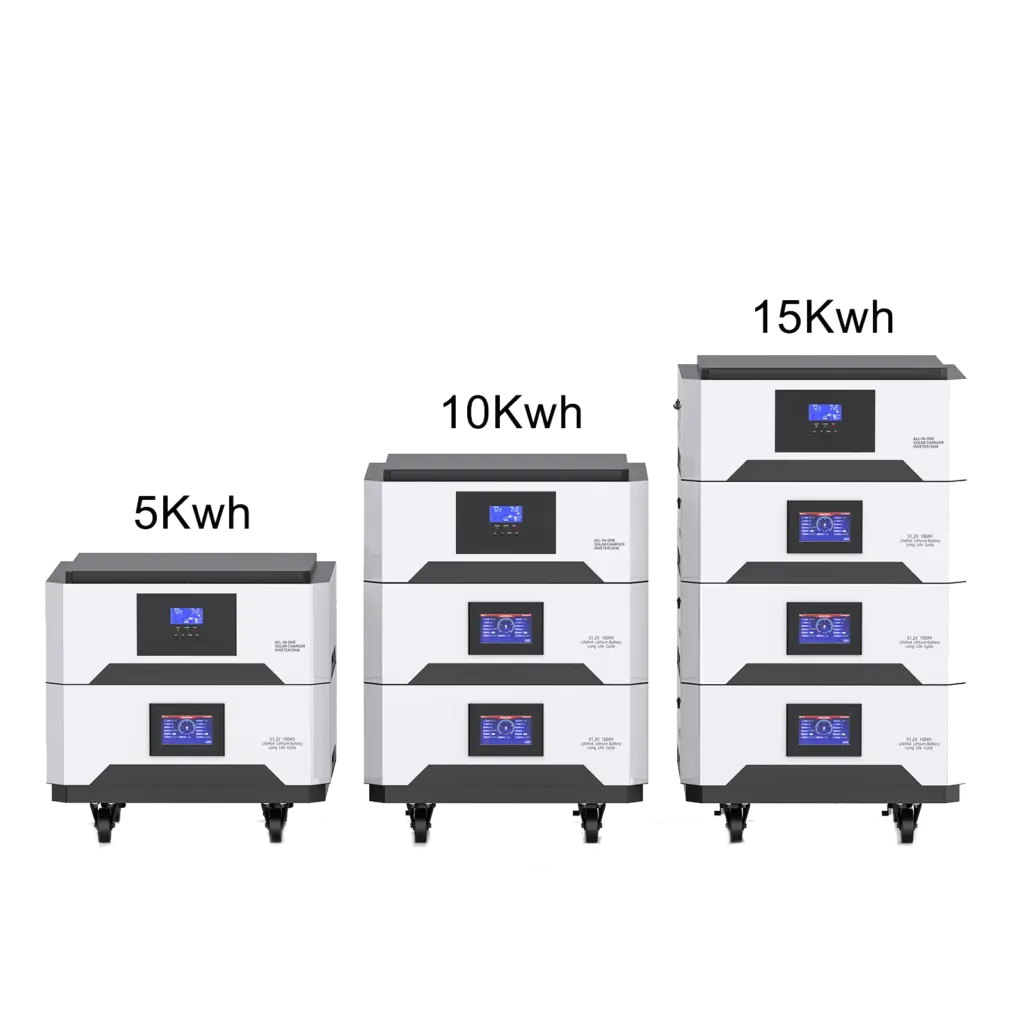
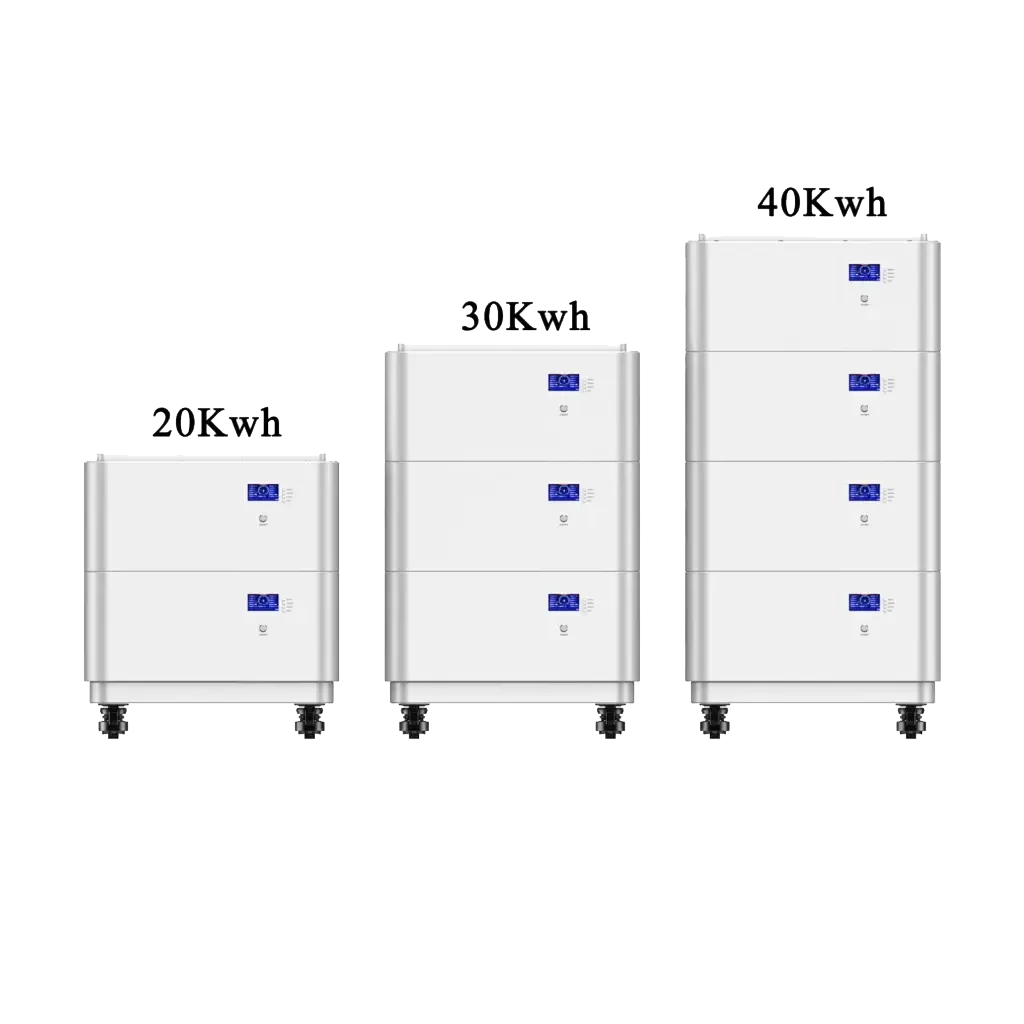
In many modern residential solar battery systems, the MPPT function may already be built into the hybrid inverter or all-in-one energy storage unit. For example, an all-in-one solar battery system may integrate the battery, inverter, MPPT, and monitoring into one cabinet. This can simplify installation and reduce the number of external components.
Can a BMS Replace a Solar Charge Controller?
No. A BMS and a solar charge controller have different jobs.
A BMS protects the battery cells from unsafe conditions such as overvoltage, undervoltage, overcurrent, short circuit, and temperature issues. A solar charge controller manages how solar power charges the battery every day.
The BMS is the battery’s protection layer. The charge controller is the solar charging manager.
In a well-designed LiFePO4 battery system, both are important. The charge controller should be selected according to the battery voltage, capacity, chemistry, communication requirements, and charging limits recommended by the battery manufacturer.
Need Help Matching Solar Batteries With the Right System Design?
Avepower provides LiFePO4 battery storage solutions for residential, commercial, installer, distributor, and customized energy storage projects. Whether you need wall-mounted batteries, rack-mounted systems, stackable batteries, all-in-one solar battery systems, or custom high-voltage storage solutions, our engineering team can support battery selection, system matching, communication guidance, and OEM/ODM customization.
Contact Avepower to discuss your solar battery storage project and get a suitable LiFePO4 battery solution for your market.
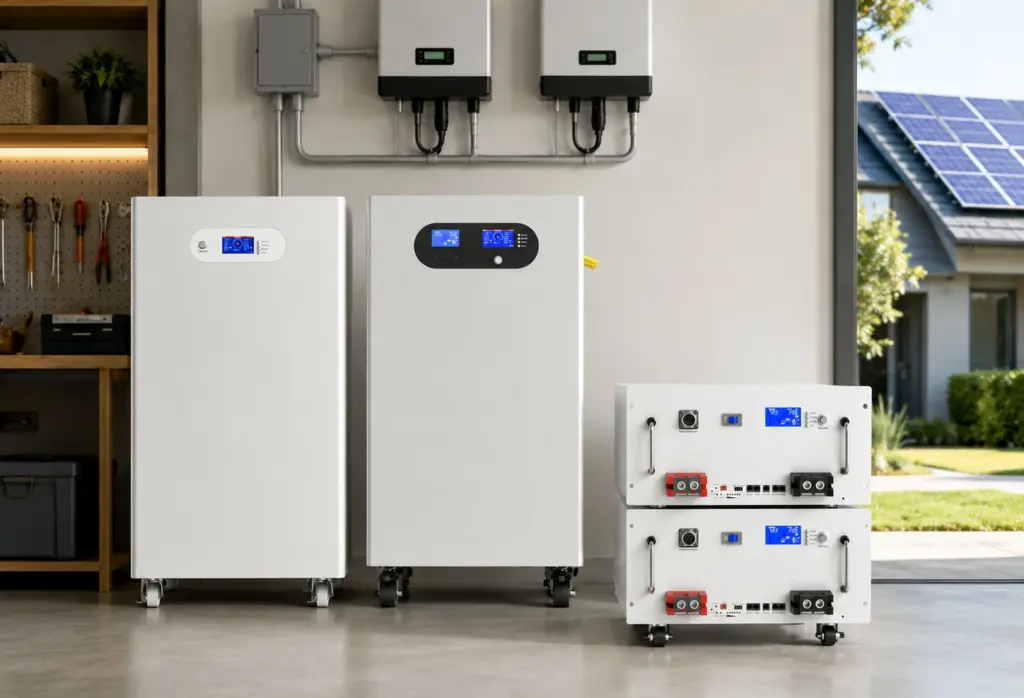
Take Control of Your Energy with Avepower!
Reliable home solar battery solutions with OEM/ODM customization and in-house manufacturing, tailored to the needs of distributors, installers, and energy partners.
Conclusion
A solar charge controller is the device that controls how solar panels charge a battery. It regulates voltage and current, prevents overcharging, stops reverse current at night, and helps protect battery life.
For homeowners, installers, and project developers, the controller should not be selected in isolation. It must match the solar panels, battery voltage, battery chemistry, inverter, BMS, and future expansion plan. A properly designed solar battery system will charge more safely, waste less solar energy, and deliver more reliable backup power over time.
FAQ
A solar charge controller is a device that regulates the power flowing from solar panels to a battery. It controls voltage and current so the battery can charge safely without being overcharged.
You usually need a solar charge controller if solar panels are charging a battery directly. You may not need a separate controller if the system uses a hybrid inverter or all-in-one power system with built-in MPPT charging.
The two main types are PWM and MPPT. PWM controllers are simpler and cheaper. MPPT controllers are more efficient and better for larger or higher-performance solar systems.
A charge controller should be installed in a dry, ventilated, accessible location away from direct heat and moisture unless it is specifically rated for outdoor use. It should be wired according to the manufacturer’s installation guide and local electrical standards.
Use the basic formula: amps = solar array watts ÷ battery voltage. Then choose a controller with a current rating higher than the calculated value, ideally with a safety margin.
For most LiFePO4 battery systems, an MPPT controller or hybrid inverter with lithium-compatible charging settings is recommended.