
People often ask what the “48 volt” designation actually means for a golf cart. Simply put, the voltage is the electrical pressure in the circuit, which pushes the current (measured in amps) to the motor. In a golf cart, the battery pack is made up of several smaller batteries wired together.
Electric golf carts typically use one of two main setups: 36 volts or 48 volts. The 48 volt system has become the standard for most major manufacturers, including Club Car, EZ-GO (Textron), and Yamaha. The primary reason for this popularity is efficiency and power. When you increase the voltage from 36V to 48V, the cart can deliver the same amount of power to the wheels with less amperage.
To achieve this 48 volt total, manufacturers commonly use one of two battery configurations:
- Eight 6-volt batteries: Each battery contributes 6 volts, and 8×6=48 volts.
- Six 8-volt batteries: Each battery contributes 8 volts, and 6×8=48 volts.
In short: if your cart is 48V, you will usually see 8×6V, 6×8V, or 4×12V — and you should replace the whole set together to keep all batteries at the same age and performance level. Read this article to learn batteries in series vs parallel.
Types of 48 Volt Golf Cart Batteries
In 2025, golf cart owners have several types of 48 volt batteries to choose from. The main types include lead-acid, AGM (Absorbent Glass Mat), gel, and lithium-ion.
When owners look into 48V packs, one of the first cost questions is replacement: a fresh lead-acid 48V set typically runs about $800–$1,500 USD depending on brand and capacity, and a lithium upgrade can push the total above $2,000 once installation is included, so planning the budget early helps.
Each type has its advantages and limitations.
1. Lead-Acid Batteries
Lead-acid batteries have been around for decades and are widely used in golf carts because they are reliable and cost-effective. They come in two forms: flooded (wet) and sealed AGM (Absorbent Glass Mat).
- Flooded lead-acid batteries require regular maintenance, such as checking water levels and cleaning terminals. They are heavier and less efficient but usually cost less upfront.
- AGM batteries are sealed and require less maintenance. They are safer, perform better in hot environments, and last longer than traditional flooded batteries.
Lead-acid batteries work best if charged correctly and not allowed to discharge completely. Over-discharging or improper charging can shorten their lifespan.
Typical service life on a well-maintained 48V lead-acid pack is about 3–5 years, but in rental or heavy-use scenarios it can drop closer to 2–3 years. That’s why many shops quote around $800 on the low end and $1,200–$1,500 on the high end to “do the batteries” on a 48V cart, parts only.
You should also budget extra if you’re paying a technician, since labor for removal, cleaning, wiring, and testing can add a few hundred dollars depending on your area. Most technicians recommend swapping all batteries at once instead of mixing new and old batteries, because pairing fresh batteries with weak ones will pull the new ones down faster.
2. Lithium-Ion Batteries
Lithium-ion batteries are newer but have quickly become popular for 48-volt golf carts. They are lighter, more efficient, and last longer than lead-acid batteries. They can also be charged faster and require almost no maintenance.
Some benefits of lithium-ion batteries include:
- Longer lifespan: They can last 5–10 times longer than lead-acid batteries.
- Consistent power: They maintain steady voltage throughout the charge cycle.
- Lightweight: They reduce the overall weight of the golf cart, improving speed and handling.
The main drawback of lithium-ion batteries is their higher initial cost. However, their long lifespan and lower maintenance often make them more cost-effective in the long run.
For price reference, a 48V 50Ah lithium pack can be around 45,000 INR (approx.) in the Indian market, and higher-capacity 48V 100–160Ah golf cart packs in North America typically cost more but deliver much longer runtime. This is the reason many owners still start with lead-acid — lower upfront — but plan a lithium conversion later when the original pack wears out.
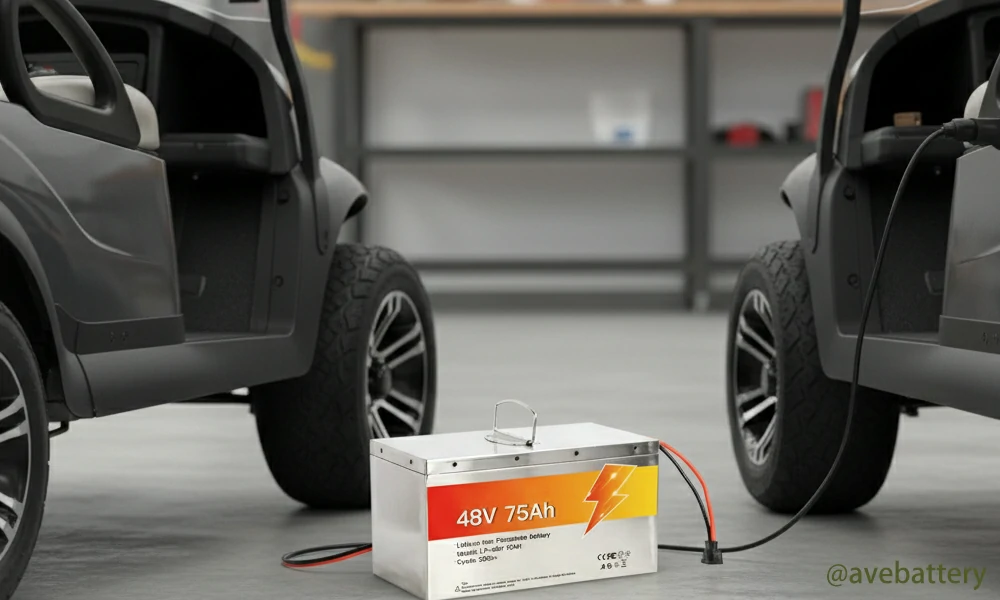
Upgrade your golf cart with Avepower’s 48V lithium golf cart battery. Each pack comes with an advanced BMS for safety and reliability, and we offer customizable options for appearance, capacity, and performance. Choose Avepower for long-lasting power and peace of mind on every ride.
The BMS performs critical functions:
- Cell Balancing: It ensures all the individual cells inside the battery pack are charged and discharged equally.
- Over-Voltage Protection: It stops the charger if the voltage gets too high.
- Under-Voltage Protection: It shuts the battery off before it fully depletes, preventing damage.
- Temperature Control: It monitors and manages the battery’s operating temperature, which is a major safety feature.
People who are new to lithium should understand that the BMS is what makes the technology safe and reliable. It also helps prevent the two biggest mistakes that shorten golf cart battery life — overcharging and running the pack too low over and over again.
How Long Do 48 Volt Golf Cart Batteries Last?
The lifespan of a 48-volt battery depends on its type, usage, and maintenance:
- Lead-Acid Batteries: 3–5 years
- AGM Batteries: 4–6 years
- Gel Batteries: 4–6 years
- Lithium-Ion Batteries: 8–12 years
In lighter-use residential carts, good lead-acid packs often reach the high end of these ranges, while fleet carts or lifted carts with bigger tires can wear packs out faster. By contrast, modern lithium golf cart batteries can run 8–20 years with proper charging, so even though they cost more at the start, you’re usually buying one pack instead of two or three sets of lead-acid over the same period.
Proper maintenance, avoiding deep discharges, and using a suitable charger can extend the life of your battery. Lithium-ion batteries, although more expensive upfront, often save money in the long run due to their durability and low maintenance needs. Read this article to learn How Long Do Golf Cart Batteries Last.
Remember: frequent partial charges and long periods in a low state-of-charge are two of the fastest ways to reduce battery life on any chemistry.
Battery Runtime Calculator
Range Note: A 48V cart with a 160Ah lithium battery can often deliver 40–60 miles per charge in a typical 4-passenger lifted setup with a 450A controller, but terrain, payload, and driving style can reduce that range.
Upgrading to 48 Volt Systems
Some older golf carts use 36-volt systems. Upgrading to a 48-volt system can improve speed and efficiency, but it requires careful planning. You must replace the battery pack, install a compatible controller, and sometimes update the motor. Always consult a professional before upgrading to ensure safety and compatibility.
If you hire a pro to do the swap and wiring, factor in installation costs on top of the battery price — this is why total invoices for “battery job + upgrade” can exceed $2,000 when lithium is chosen.
Benefits of 48 Volt Golf Cart Batteries
Choosing a 48-volt battery system has several advantages over lower-voltage setups:
- Faster Speeds: A higher voltage system allows the motor to operate at a higher power level, giving the golf cart better acceleration and top speed.
- Longer Range: 48-volt batteries store more energy, which means you can drive longer distances between charges.
- Improved Hill Climbing: Steeper slopes require more power, and a 48-volt system provides enough voltage to handle hills with ease.
- Efficiency: Higher voltage reduces the current draw from the batteries, which minimizes energy loss and heat generation.
- Compatibility with Upgraded Motors: Many modern high-performance golf cart motors are designed for 48-volt systems.
These benefits make 48-volt systems ideal for serious golfers, resort operators, and anyone who needs a reliable, powerful golf cart.
The Switch from Lead-Acid to Lithium
Many golf cart owners are making the switch from their old lead-acid batteries to a 48 volt lithium system. This is often called a lithium conversion or upgrade.
Why People Convert:
- More Driving Time: You get a longer distance on a single charge.
- Lighter Cart: The cart is much lighter, which can lead to better tire wear and a more comfortable ride.
- Zero Maintenance: You do not have to worry about watering or cleaning battery terminals anymore.
- Consistent Power: The cart does not slow down as much on hills or when the battery is running low.
What the Conversion Involves:
- Removing Old Batteries: You take out the many heavy lead-acid batteries.
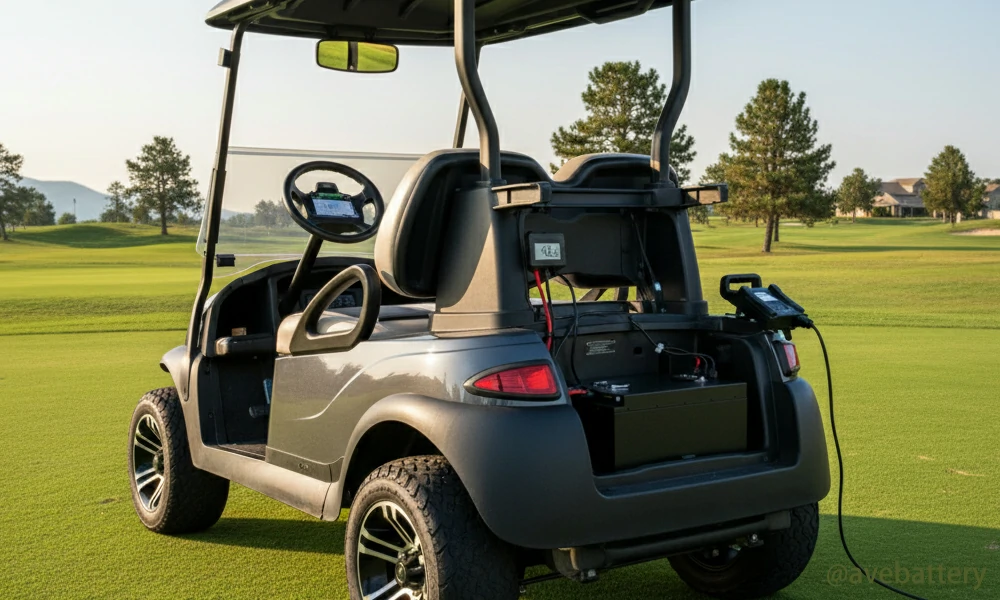
- Installing the Lithium Pack: You put in a single, lighter lithium battery pack. Many are designed to fit the same space as the old setup.
- Installing a New Charger Port: Since the charging system is different, you usually need to install a new charging port that matches the lithium charger.
- Connecting the Wires: You connect the wires from the cart’s motor and controller to the new lithium battery. The process is often simple, and many kits are sold as “plug-and-play” to make the job easy for anyone to do.
Because lithium packs live so much longer, most installers will insist you replace the whole legacy pack at once and not try to “mix” batteries or run partial sets. That’s the same logic shops use with lead-acid: mixing old and new batteries is almost always a false economy.
How to Charge a 48 Volt Golf Cart Battery
Proper charging is crucial for extending battery life and maintaining performance. Every battery type has its recommended charging method.
Lead-Acid Battery Charging
Lead-acid batteries require a charger that matches the voltage and amperage of your system. The general steps are:
- Connect the charger to the battery terminals.
- Set the charger to the correct voltage (48 volts for a full system).
- Allow the battery to charge fully without interruption.
- Disconnect the charger once the battery reaches full capacity.
It is important to avoid overcharging, as this can damage the battery plates and reduce lifespan. Using a smart charger with automatic shut-off is recommended. Undercharging is just as harmful — frequent “short” charges that never bring the pack to 100% will slowly reduce capacity.
Lithium-Ion Battery Charging
Lithium-ion batteries are more forgiving but still require proper care:
- Use a charger specifically designed for lithium-ion chemistry.
- Charge at the recommended rate (often faster than lead-acid).
- Avoid fully discharging the battery whenever possible.
Most lithium-ion batteries include a built-in Battery Management System (BMS), which automatically prevents overcharging, deep discharge, and overheating. This makes lithium-ion batteries safer and easier to maintain.
Battery Charging Time Calculator
Maintenance Tips for 48 Volt Golf Cart Batteries
Keeping your batteries in good condition is key to long-term performance. Here are some tips:
- Regular Inspection: Check terminals for corrosion and ensure connections are tight.
- Keep Batteries Clean: Dirt and debris can create a path for electricity and cause power loss.
- Proper Charging: Avoid overcharging or leaving batteries in a discharged state for long periods.
- Monitor Water Levels: For flooded lead-acid batteries, maintain proper water levels.
- Temperature Considerations: Batteries perform best at moderate temperatures. Avoid extreme heat or cold whenever possible.
- Use a Battery Management System: For lithium-ion batteries, ensure the BMS is functioning correctly.
Things that shorten golf cart battery life include: running the pack too low on a regular basis, letting the cart sit for weeks uncharged, using the wrong charger, and operating with mismatched or weak batteries in the same series string. Fixing these habits often adds 1–2 more years of useful life.
Common Myths About 48 Volt Golf Cart Batteries
Many people have misconceptions about 48-volt systems. Let’s clarify a few:
- Myth 1: Higher voltage batteries are unsafe.
Fact: 48-volt systems are safe when installed correctly and maintained. Modern BMS and chargers prevent overvoltage risks. - Myth 2: Lithium-ion batteries explode easily.
Fact: Lithium-ion batteries are designed with multiple safety layers. They are much safer than older battery technologies if used properly. - Myth 3: Lead-acid batteries are obsolete.
Fact: Lead-acid batteries are still reliable, affordable, and suitable for moderate use. They remain a popular choice for many golf cart owners. For budget buyers who only use the cart seasonally or on flat courses, a good 48V lead-acid set is still the lowest-cost way to keep the cart moving.
Top 48V Golf Cart Batteries Manufacturer to Watch in 2025
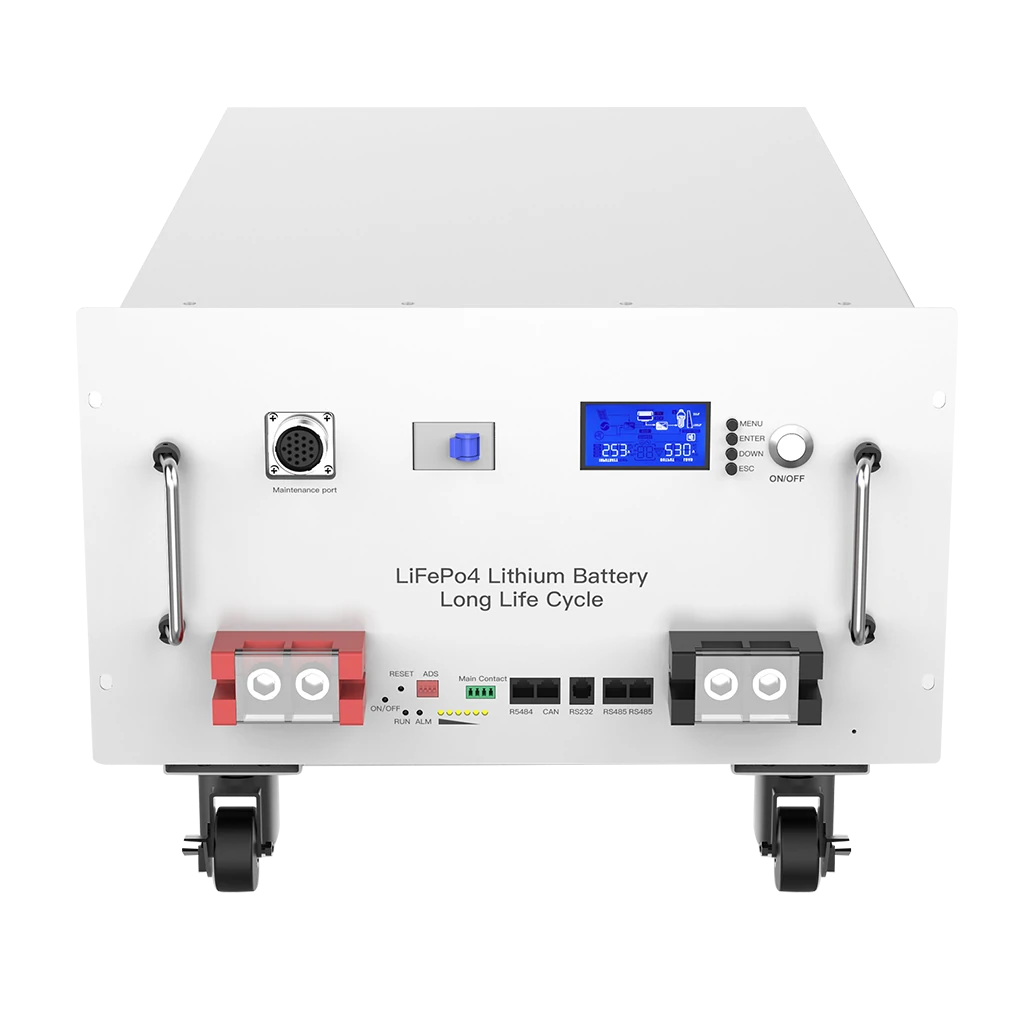
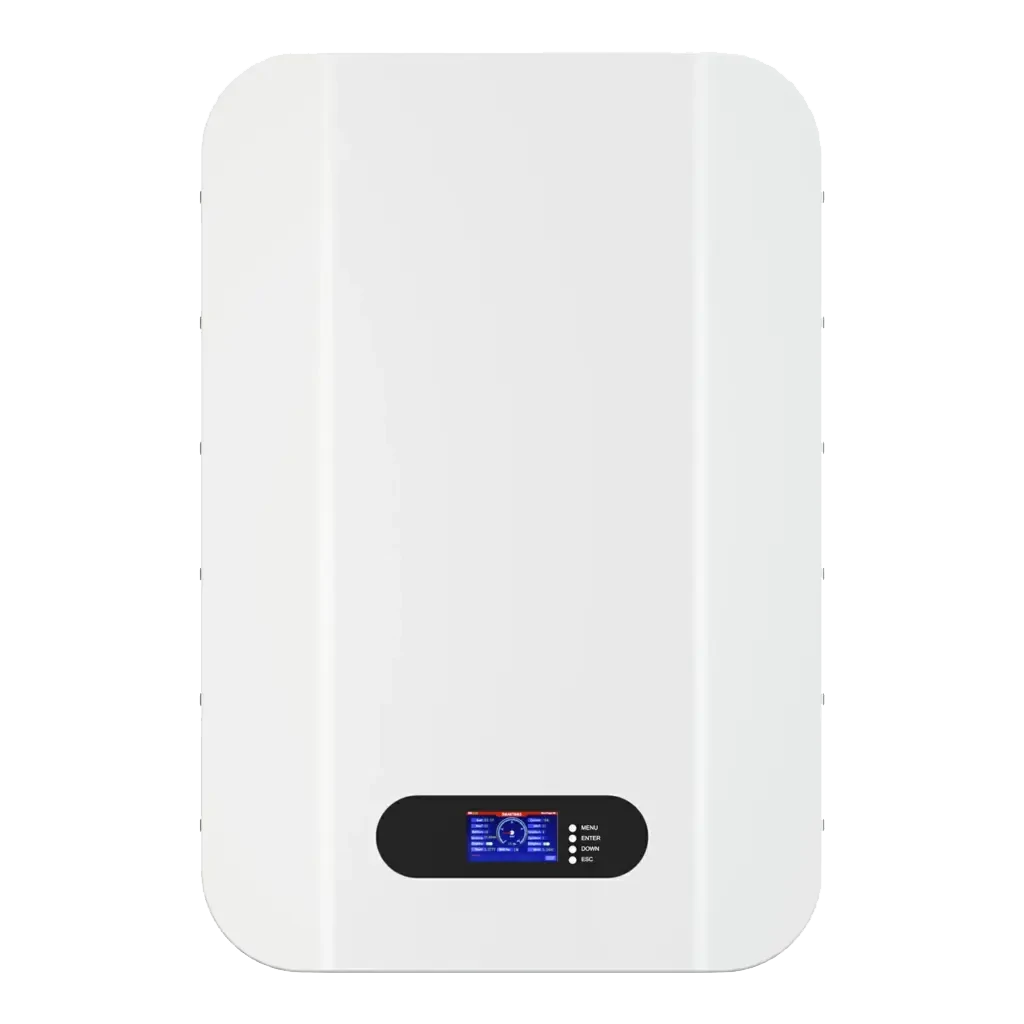
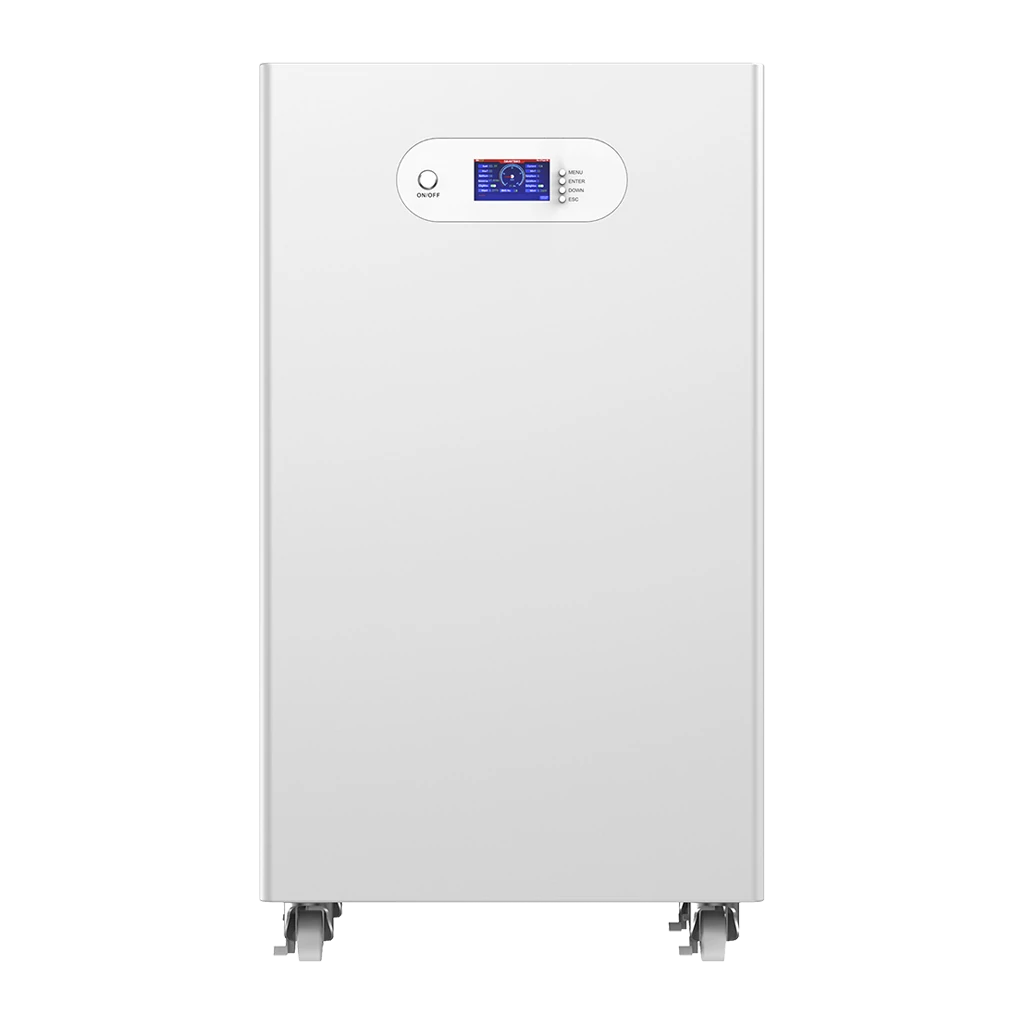
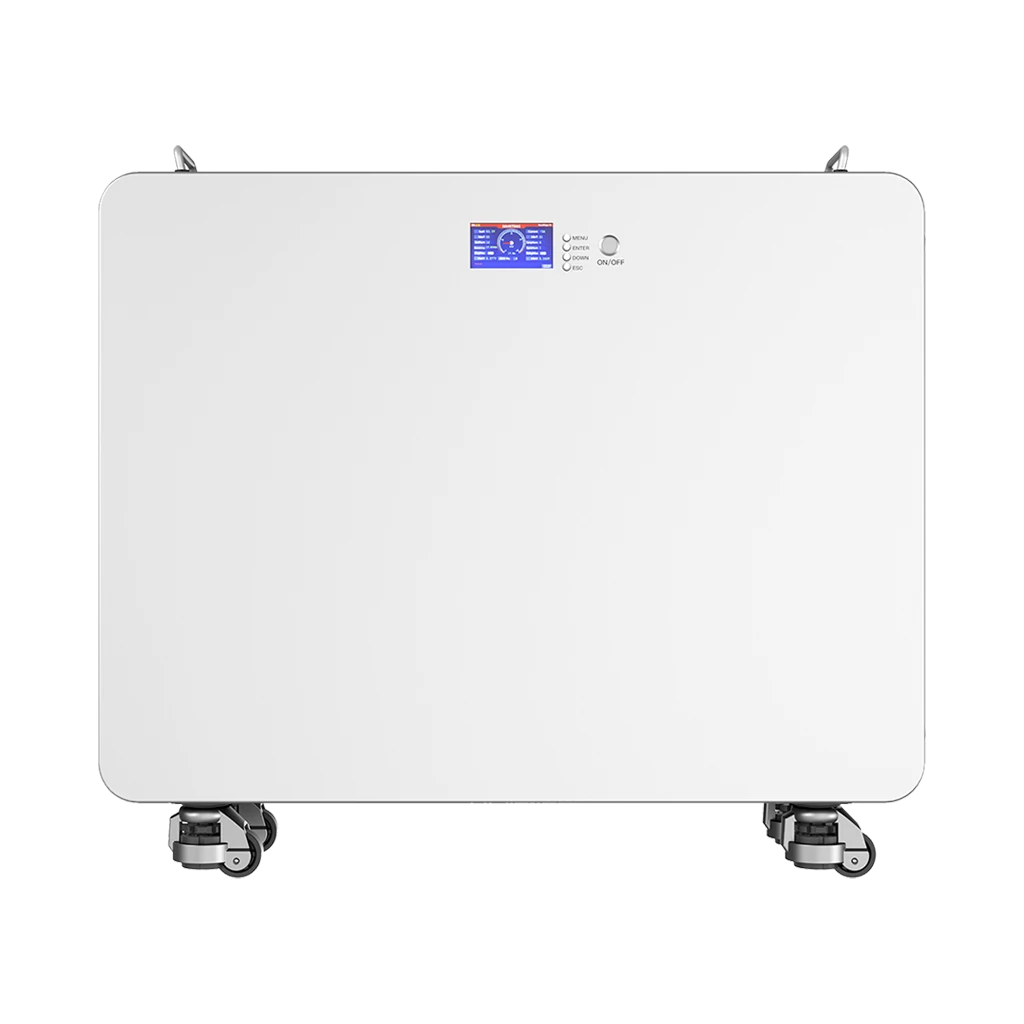
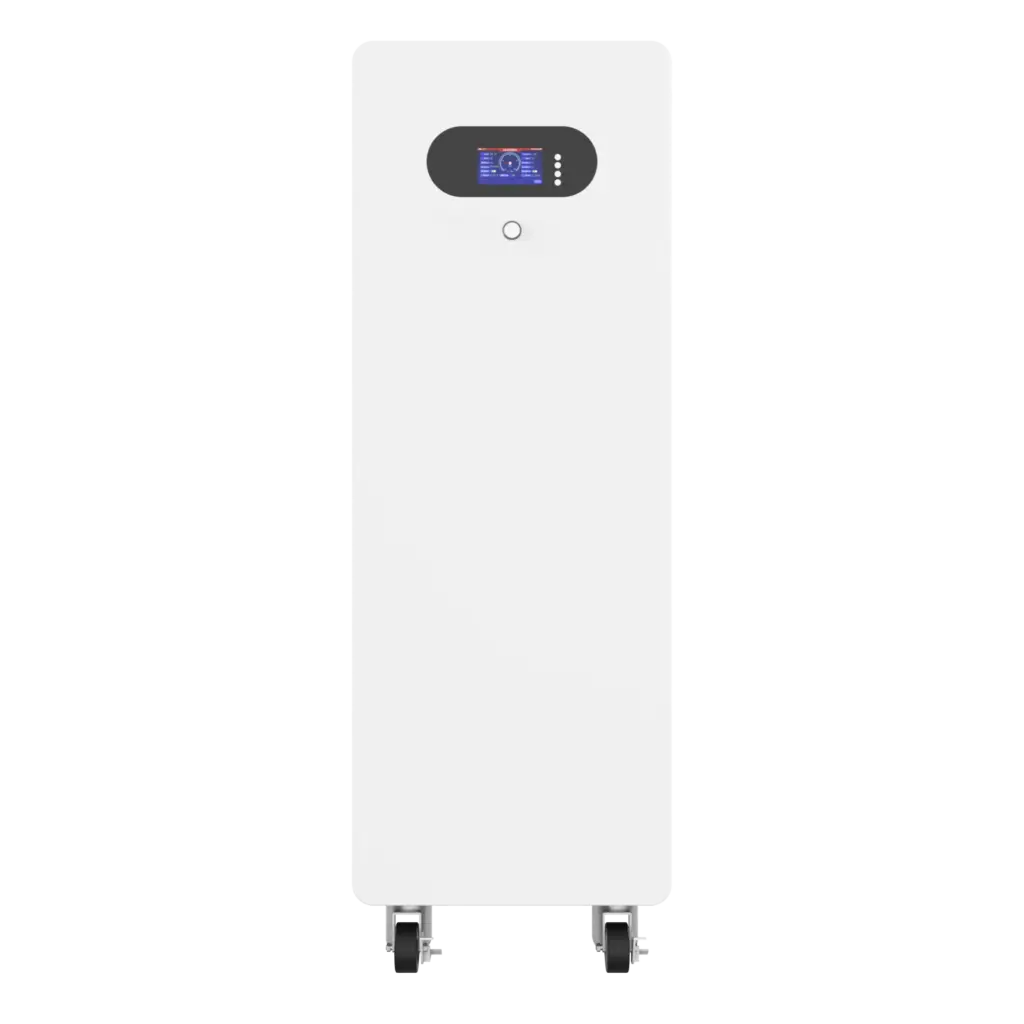
Avepower is a prominent manufacturer specializing in 48V lithium iron phosphate (LiFePO4) batteries, catering to various applications, including golf carts, e-bikes, and solar energy storage systems. Their products are recognized for their durability, safety, and performance, making them a notable player in the battery manufacturing industry.
Avepower’s 48V Lithium Battery Offerings
Avepower provides a range of 48V lithium battery packs designed to meet the energy demands of modern electric vehicles and renewable energy systems:
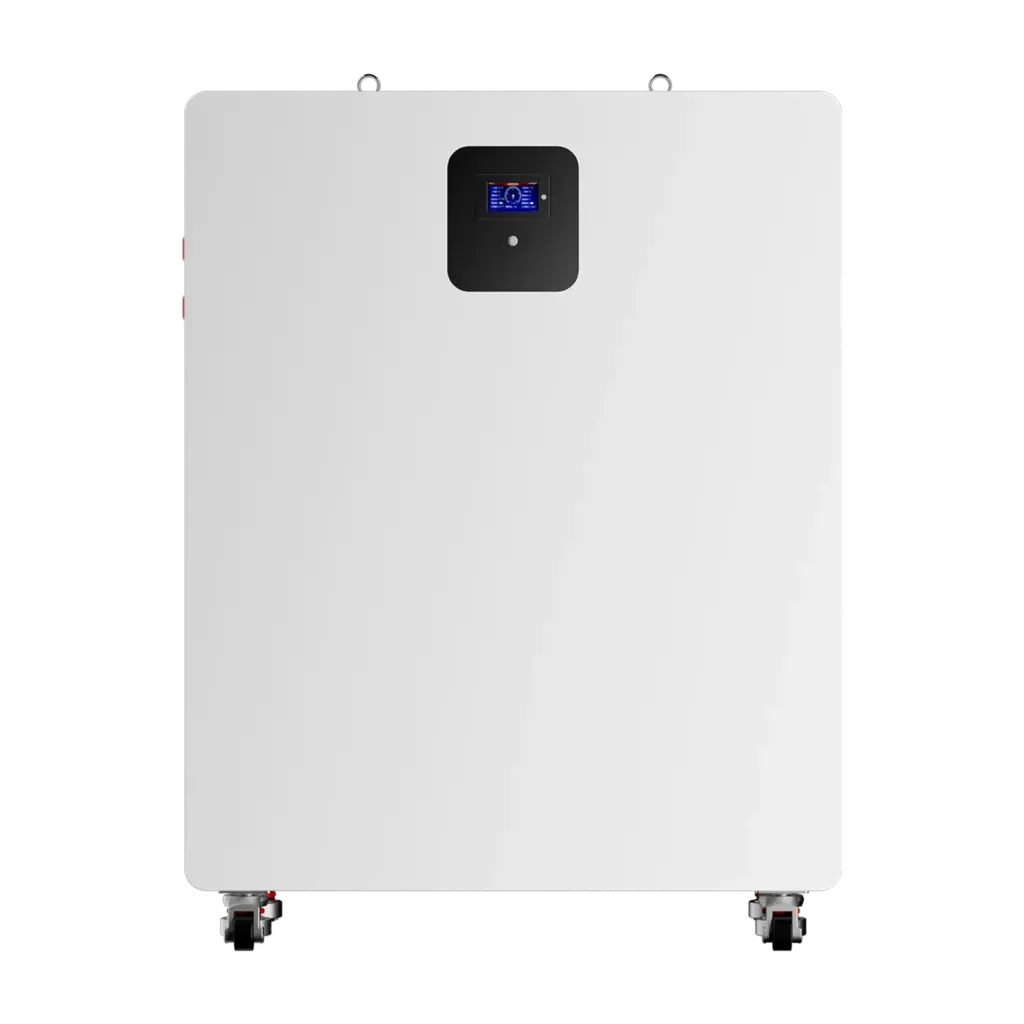
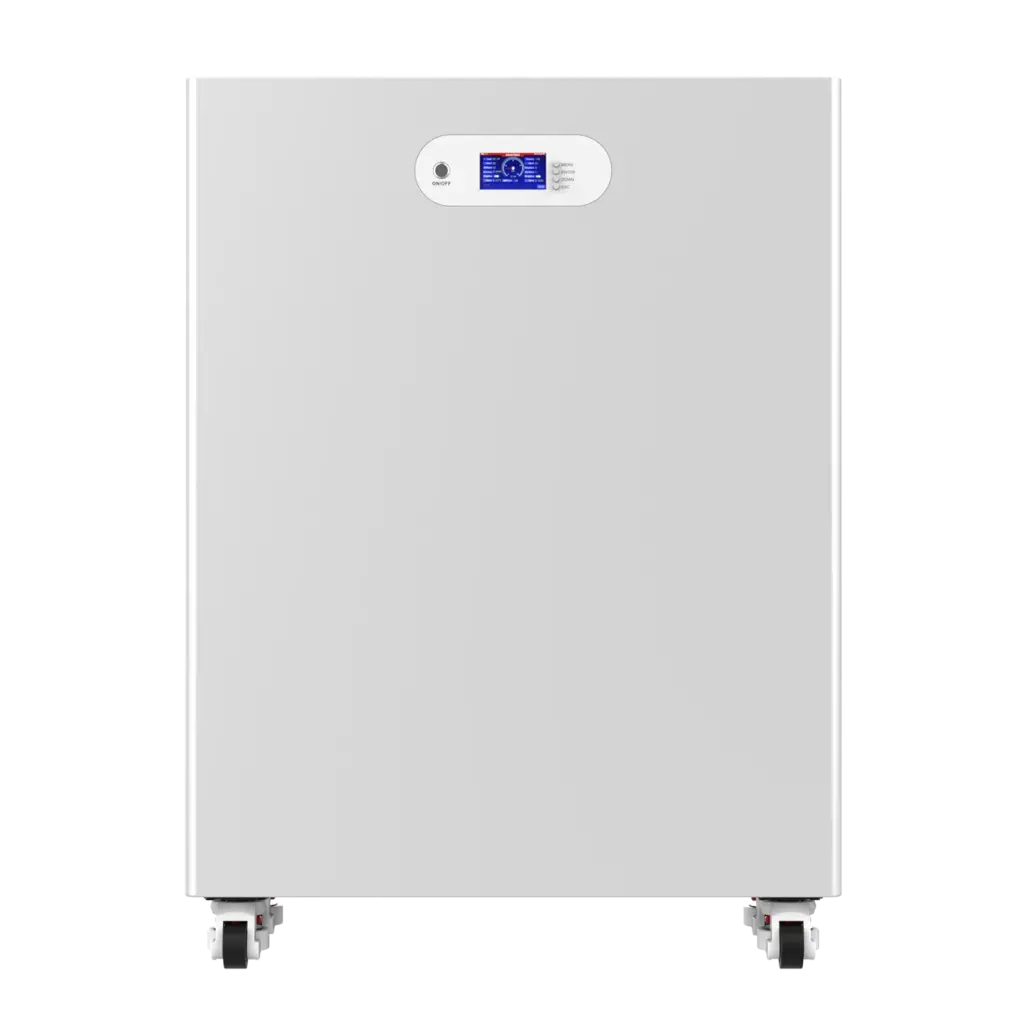
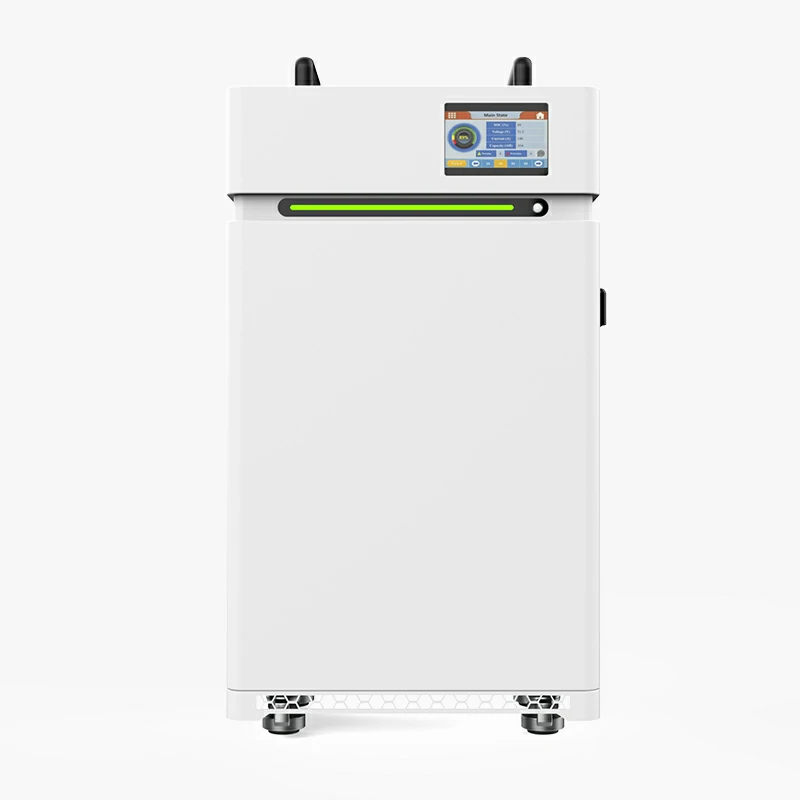
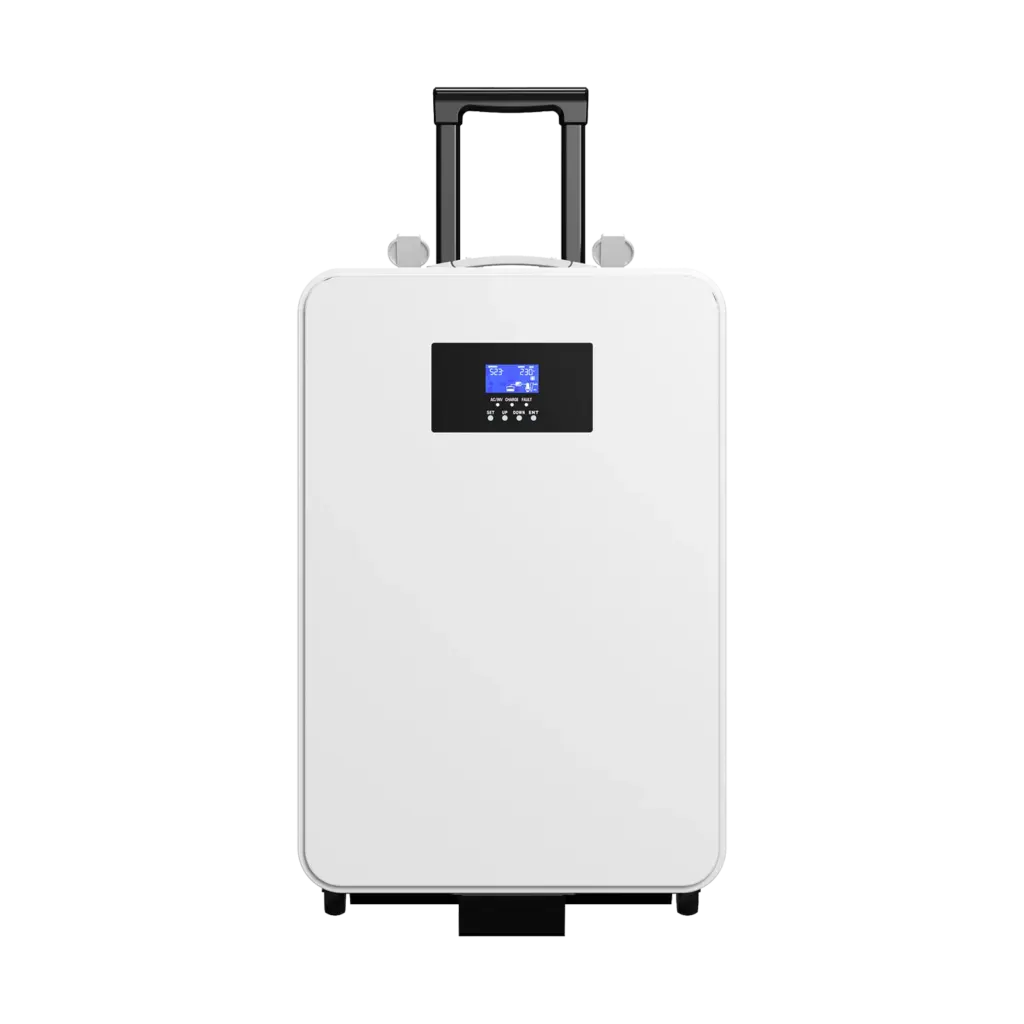
- 48V 55Ah/100Ah/110Ah Lithium Golf Cart Batteries: These batteries are tailored for golf carts, offering varying capacities to suit different usage needs. They are known for their lightweight design and long cycle life.
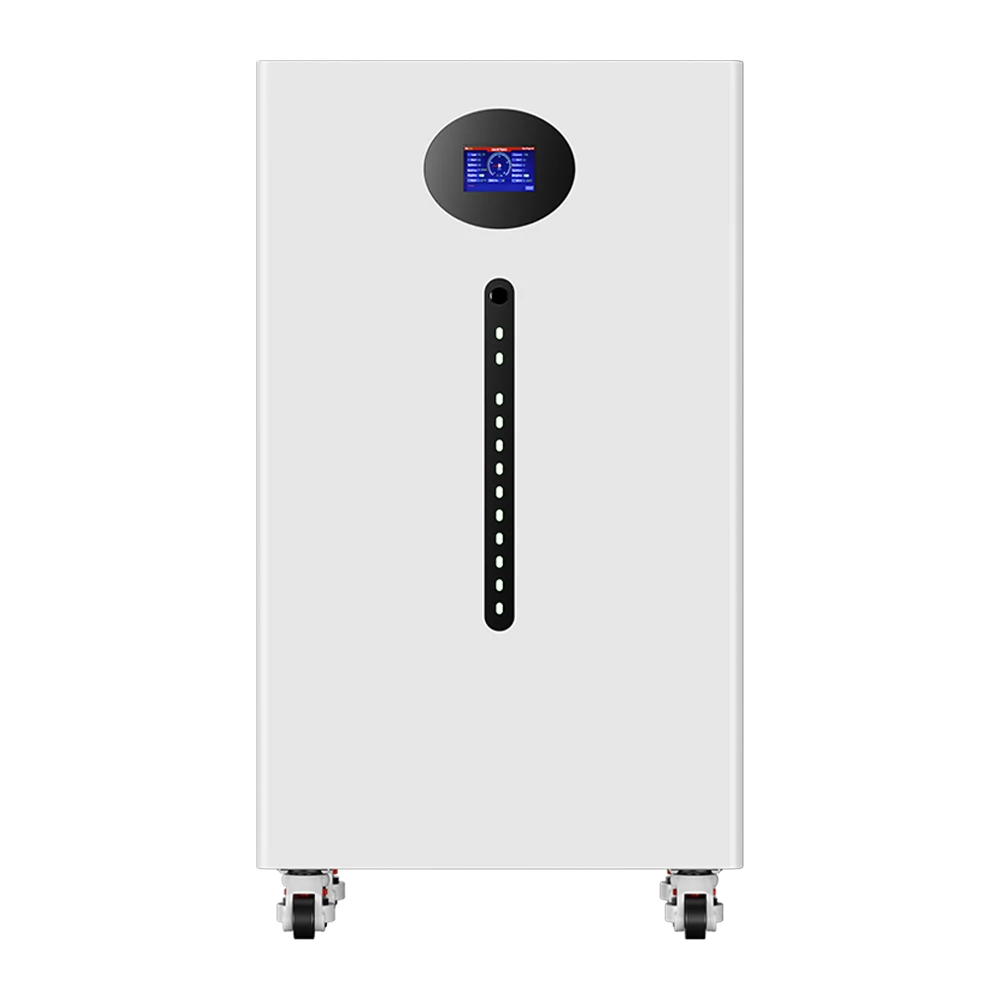
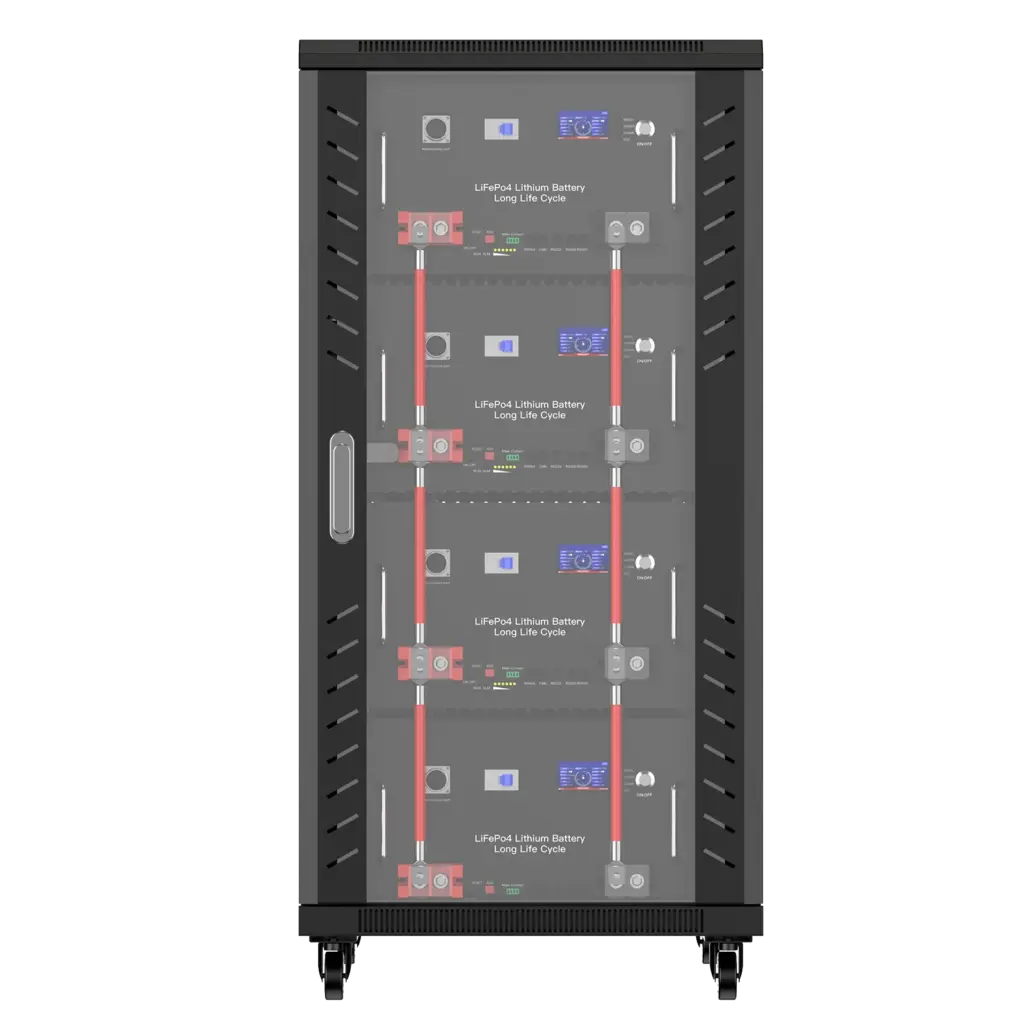
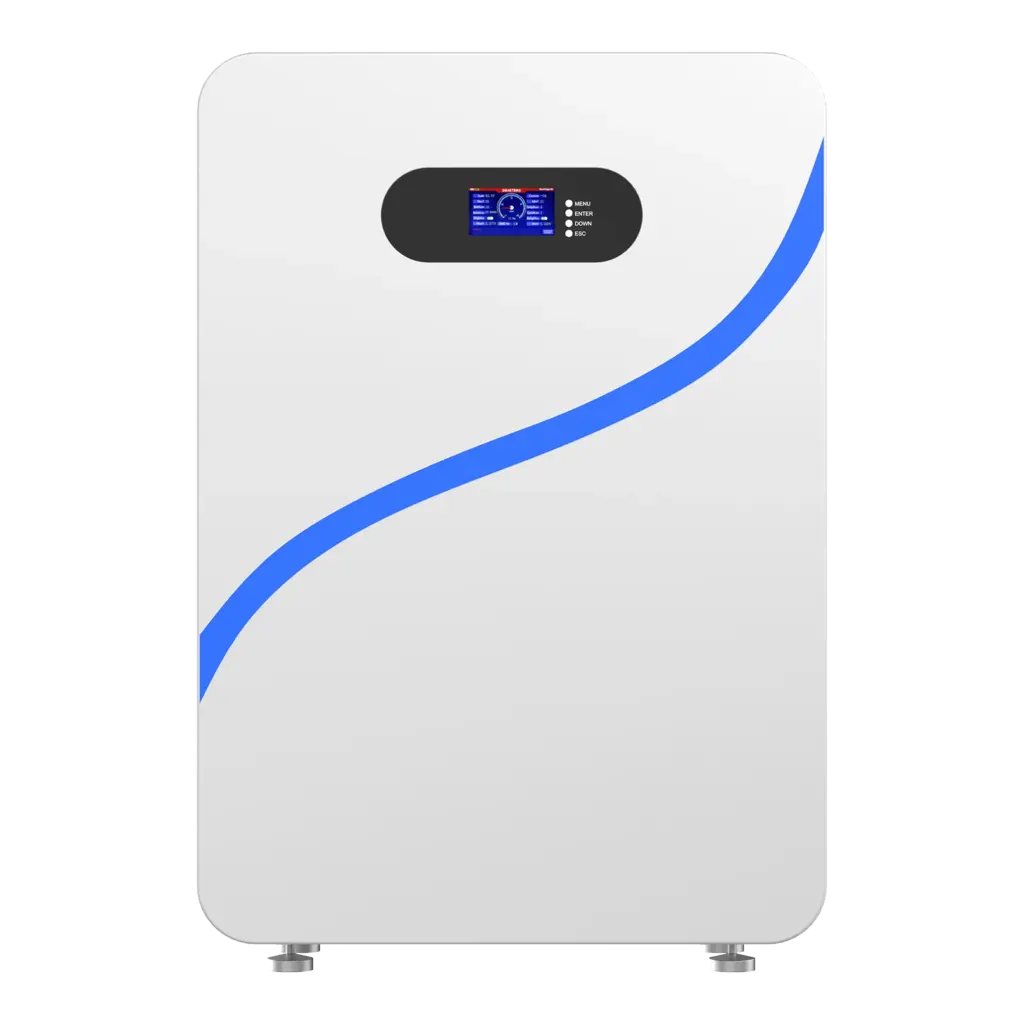
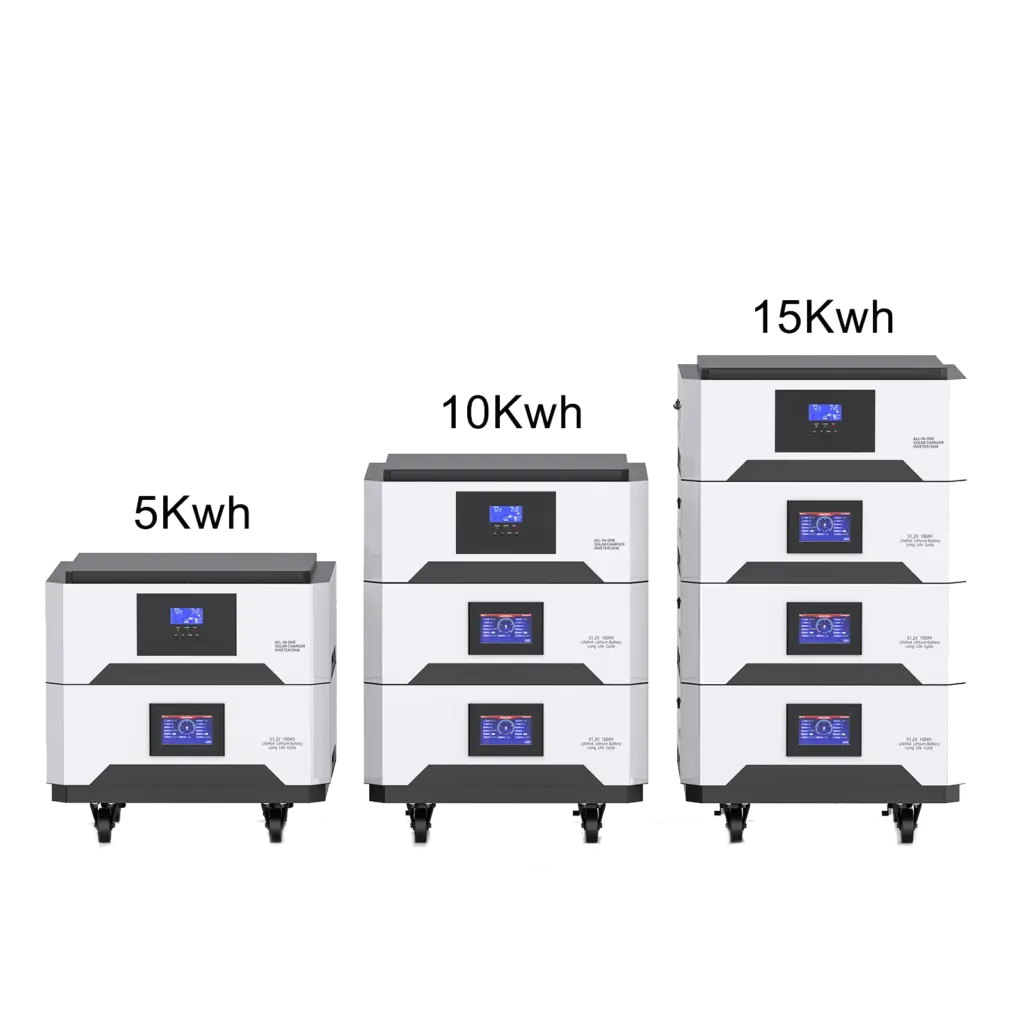
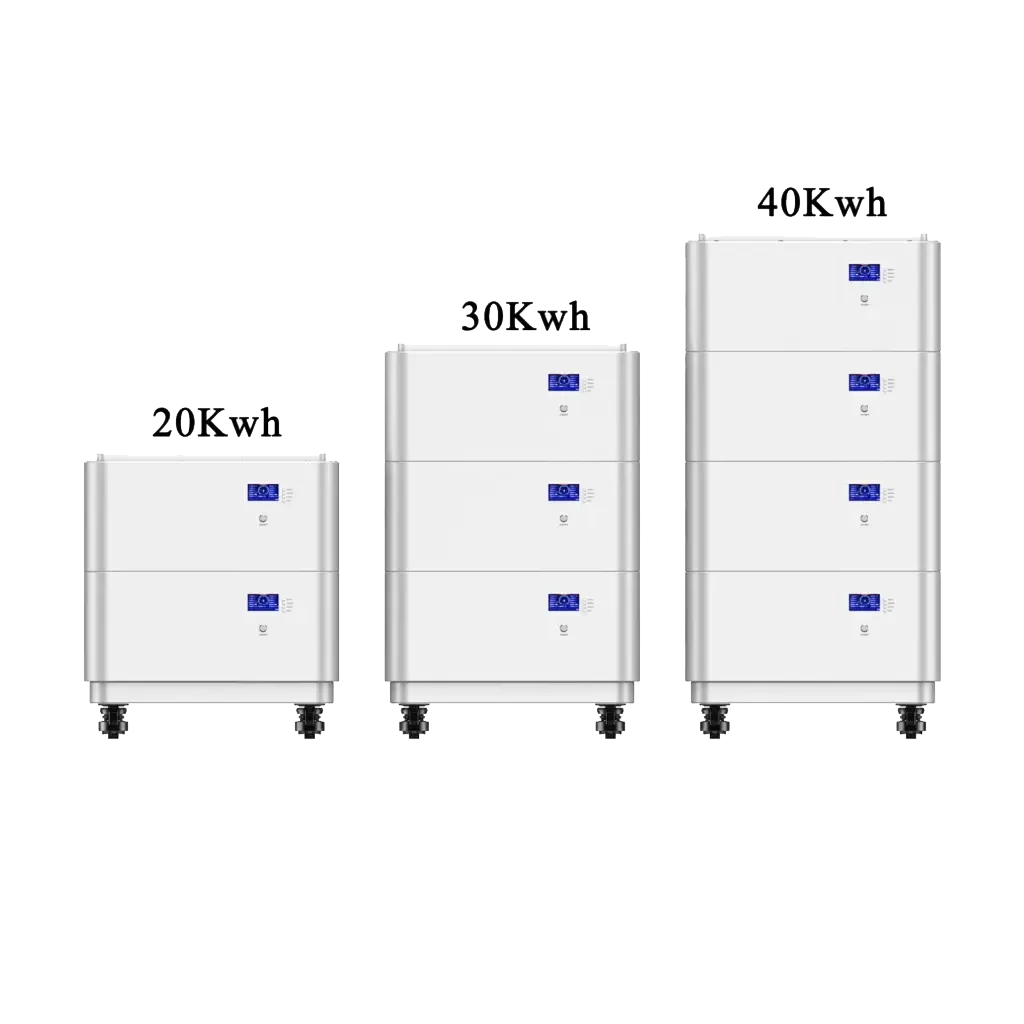
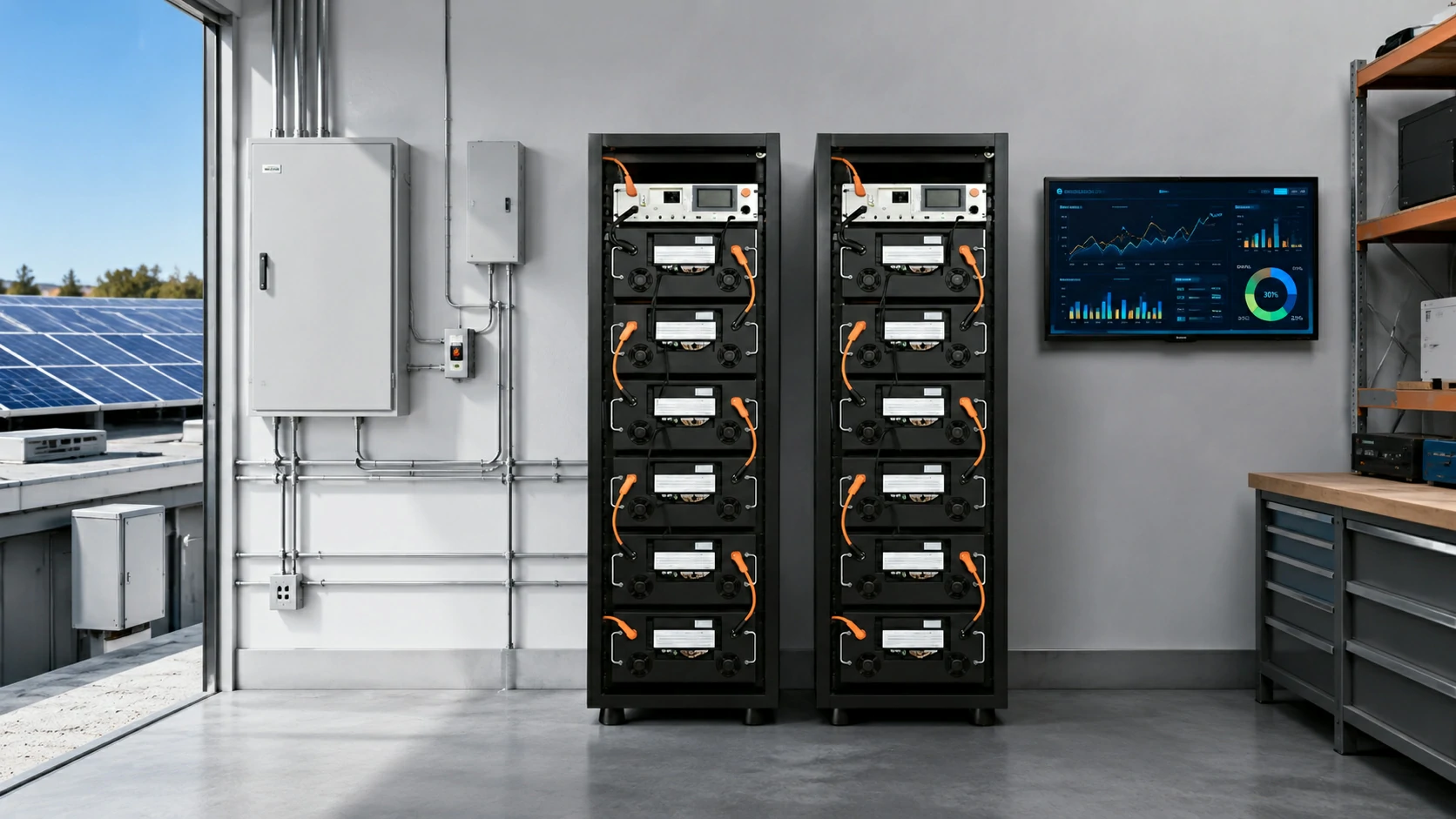
- 48V 280Ah Vertical LiFePO₄ Battery Pack: This high-capacity battery pack is ideal for solar energy storage systems, providing 15kWh of energy storage. Its vertical design allows for efficient space utilization in residential settings.
- 48V Rechargeable Lithium-ion Batteries (16Ah, 30Ah, 60Ah): These compact batteries are suitable for e-bikes and other light electric vehicles, offering flexibility in energy storage solutions.
Key Features and Benefits
- Long Cycle Life: LiFePO4 batteries typically offer over 2,000 charge cycles, ensuring longevity and reducing the frequency of replacements.
- Safety: LiFePO4 chemistry is known for its thermal stability and resistance to combustion, making these batteries safer compared to other lithium-ion batteries.
- Efficiency: These batteries provide high energy density, translating to longer operating times for devices and vehicles.
- Eco-friendly: LiFePO4 batteries are more environmentally friendly due to their non-toxic materials and recyclability.
Contact us now to find the perfect battery solution for your golf cart or electric vehicle!
FAQ
The cost varies depending on the type and brand. Lead-acid battery packs can range from $400 to $900, while lithium-ion packs typically cost $1,200 to $2,000. Prices may also vary based on capacity and warranty.
Yes. Connecting four 12-volt batteries in series adds up to 48 volts. This configuration is common in both lead-acid and lithium battery setups for 48-volt golf carts.
You need four 12-volt batteries or two 24-volt batteries connected in series to reach 48 volts. The number may vary if using higher-capacity lithium modules.
Battery life depends on type and usage. Lead-acid batteries generally last 4–6 years, while lithium-ion batteries can last 8–10 years or more with proper care.
Life expectancy depends on cycles and maintenance. Lead-acid typically offers 800–1,200 cycles, whereas lithium-ion can reach 2,000 cycles or more.
Yes, for frequent users or hilly terrain. Lithium batteries are lighter, charge faster, require less maintenance, and last longer, making them a cost-effective investment over time.