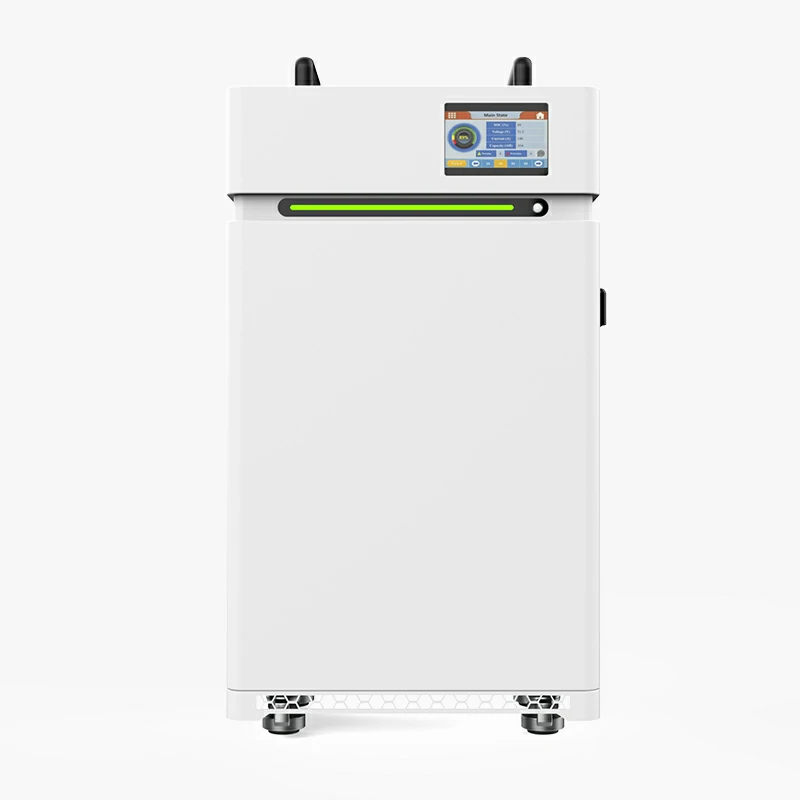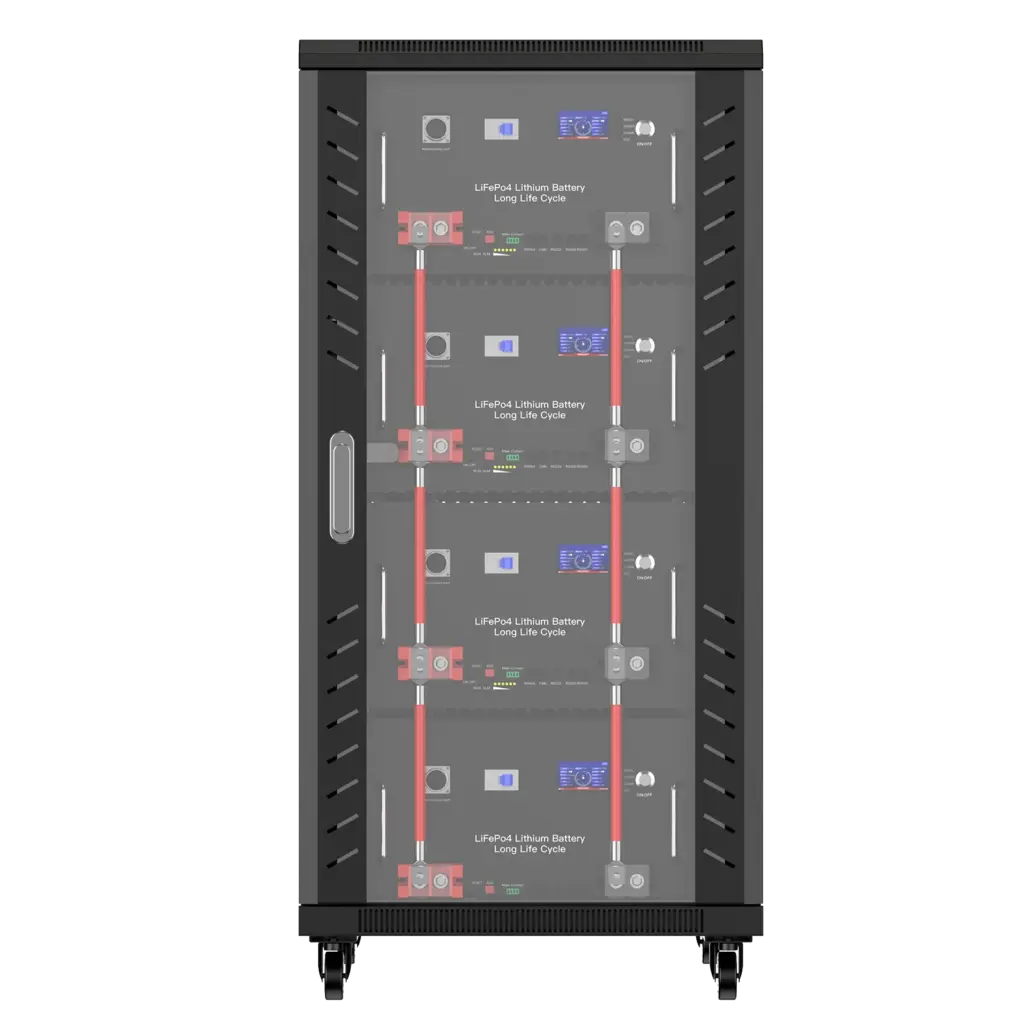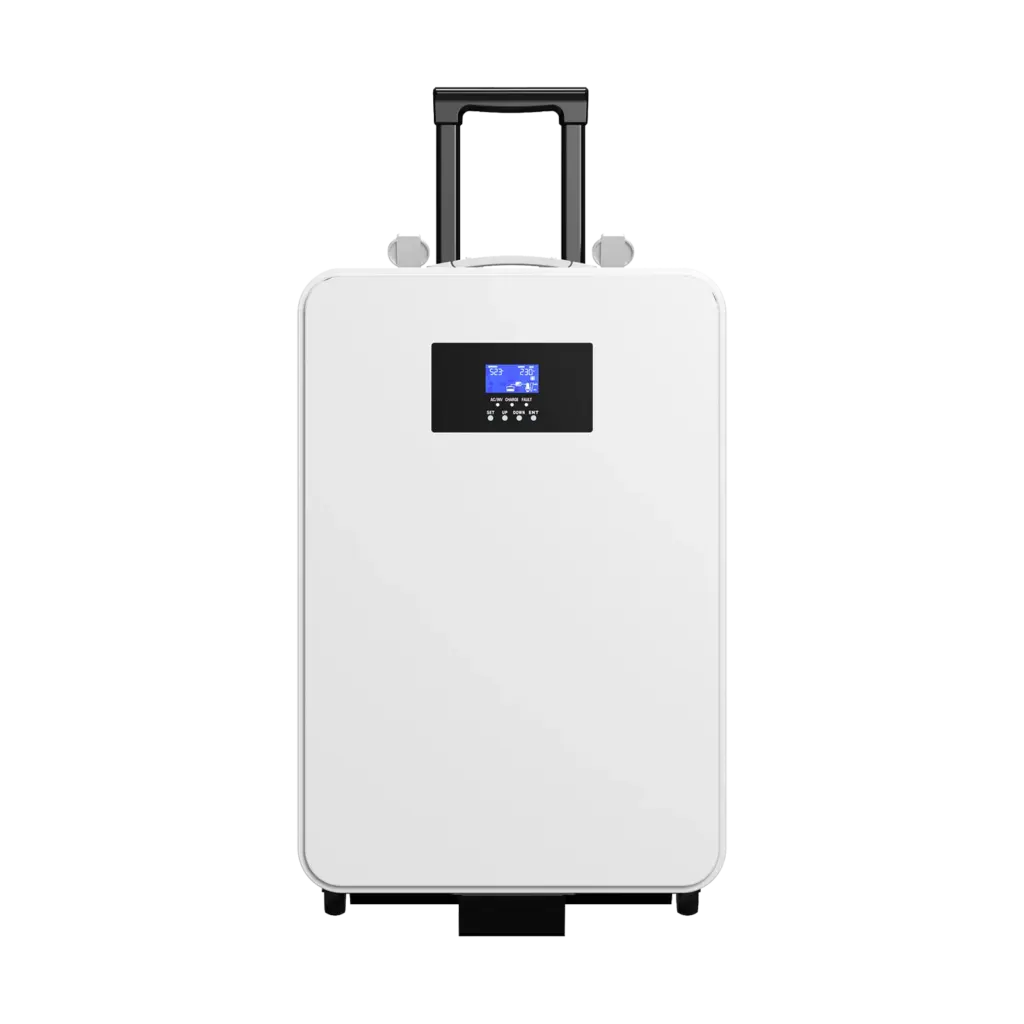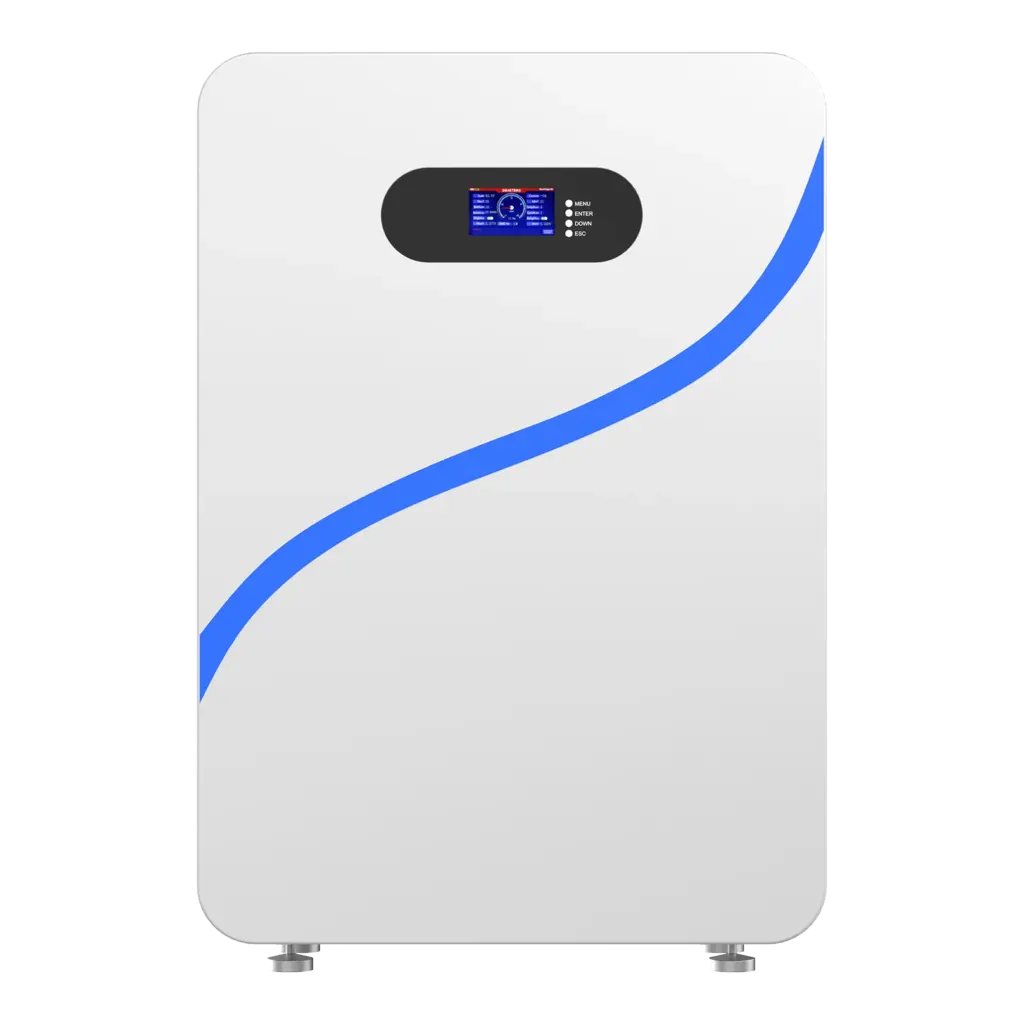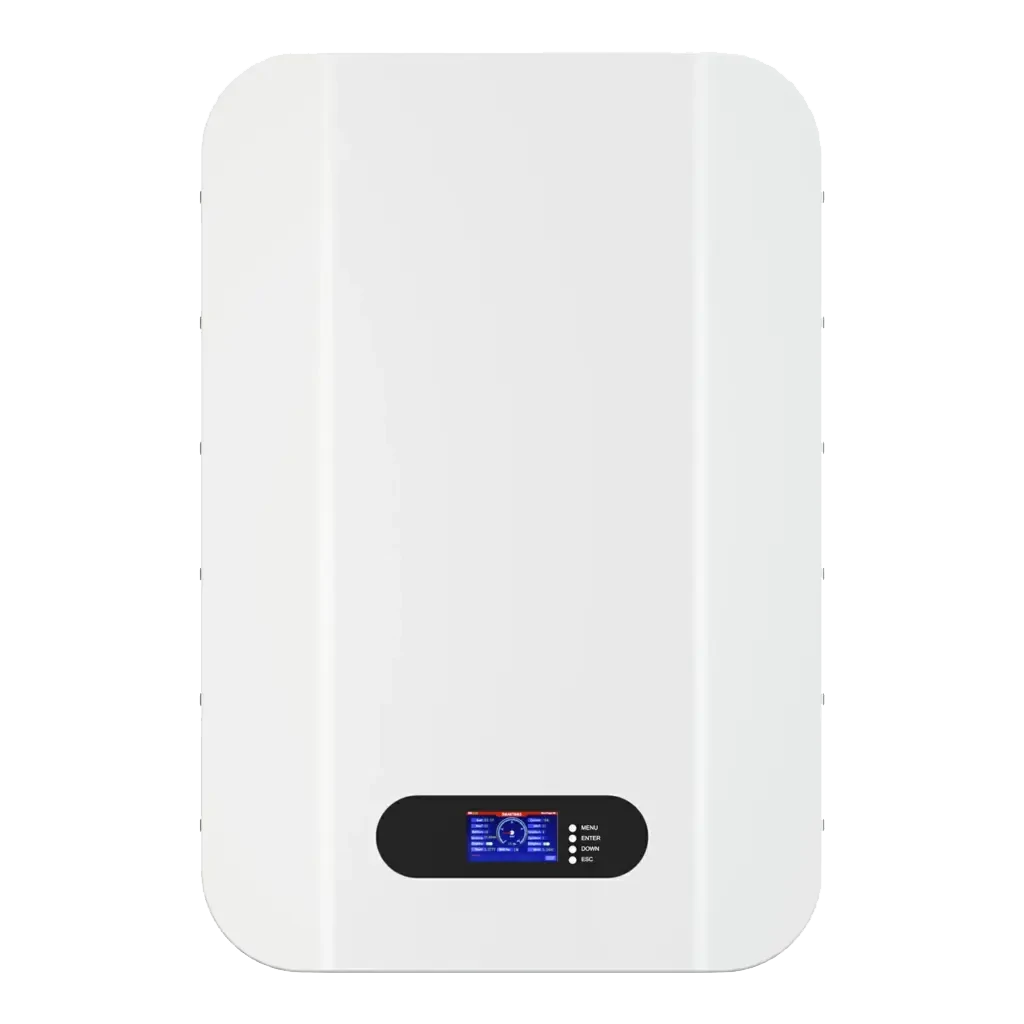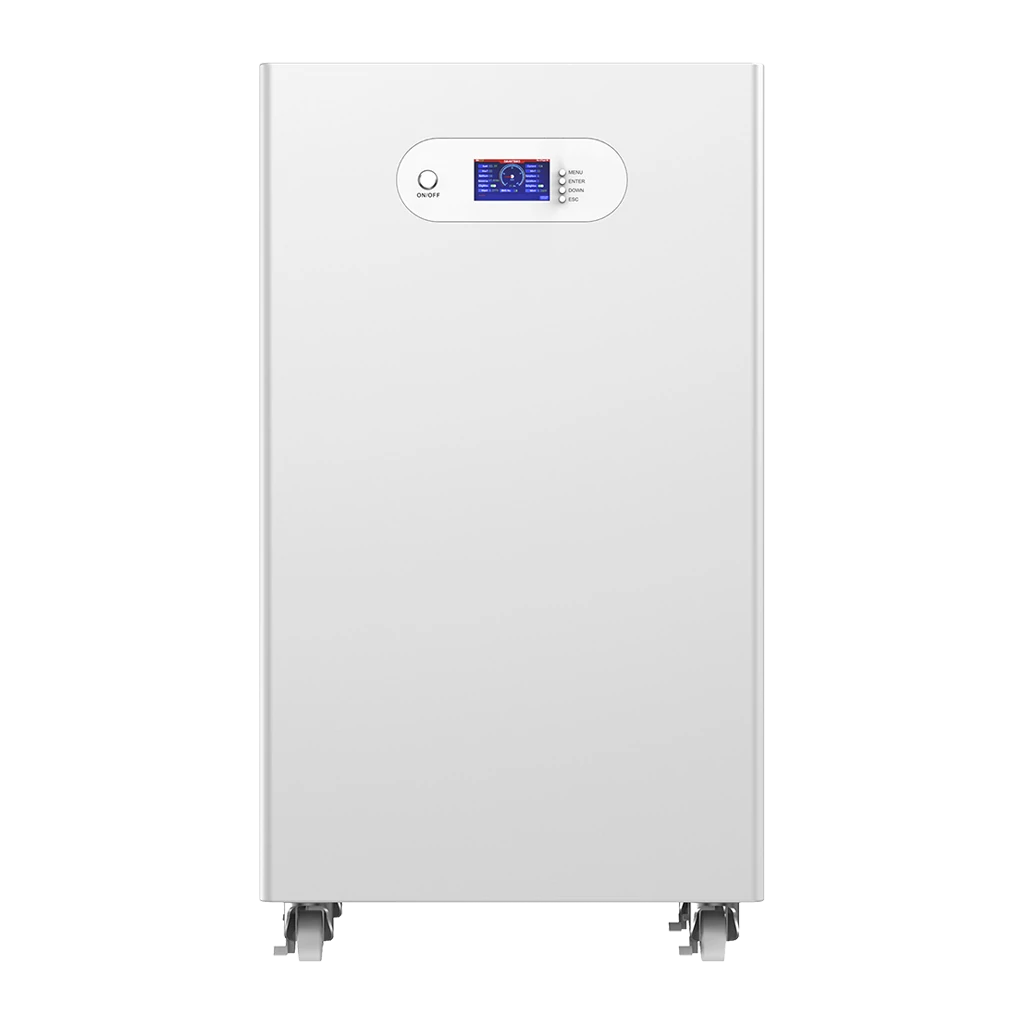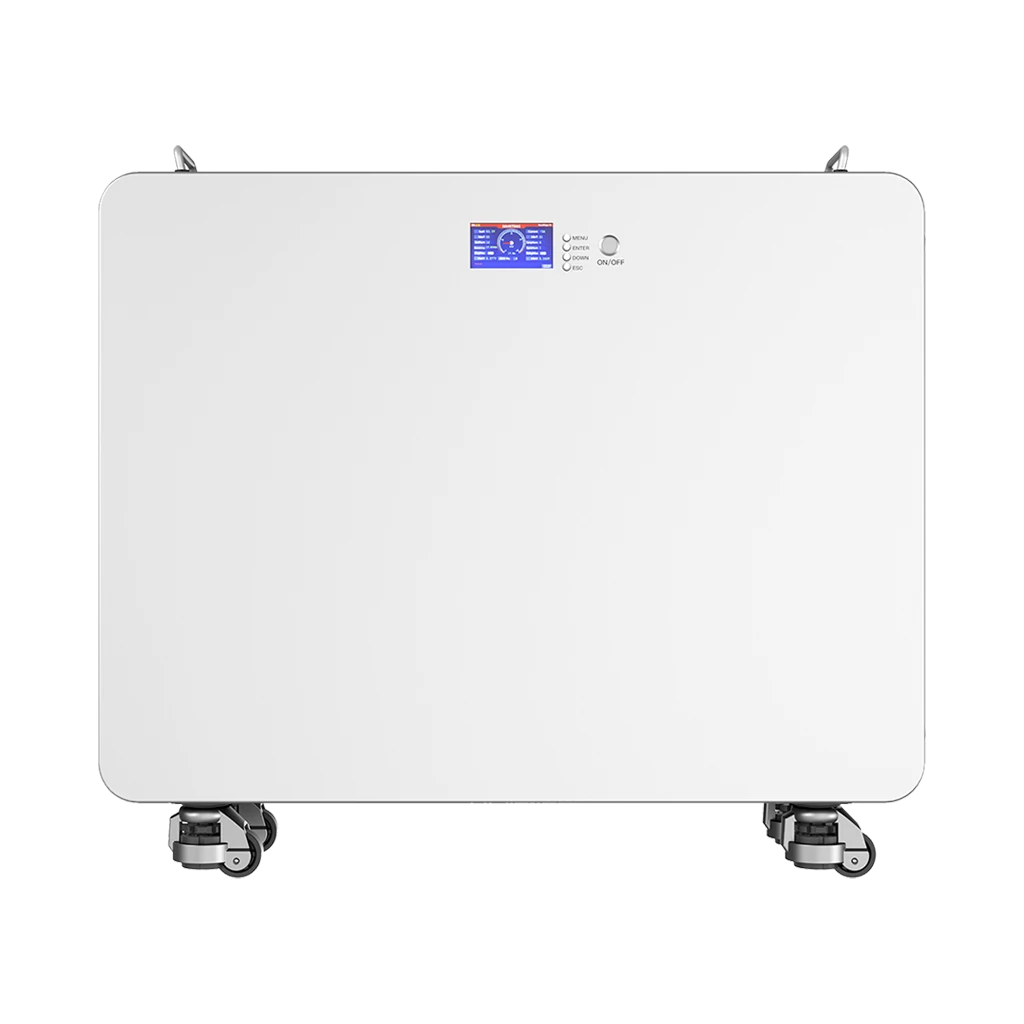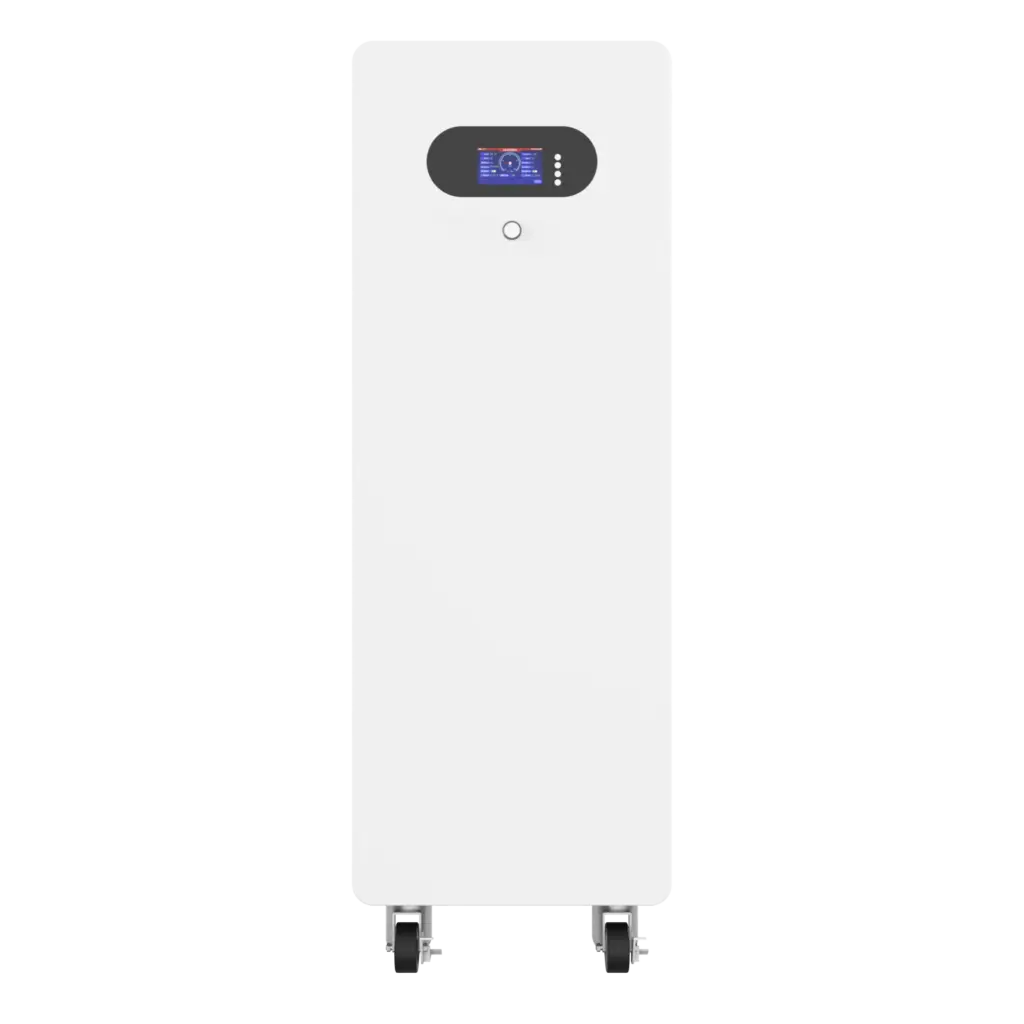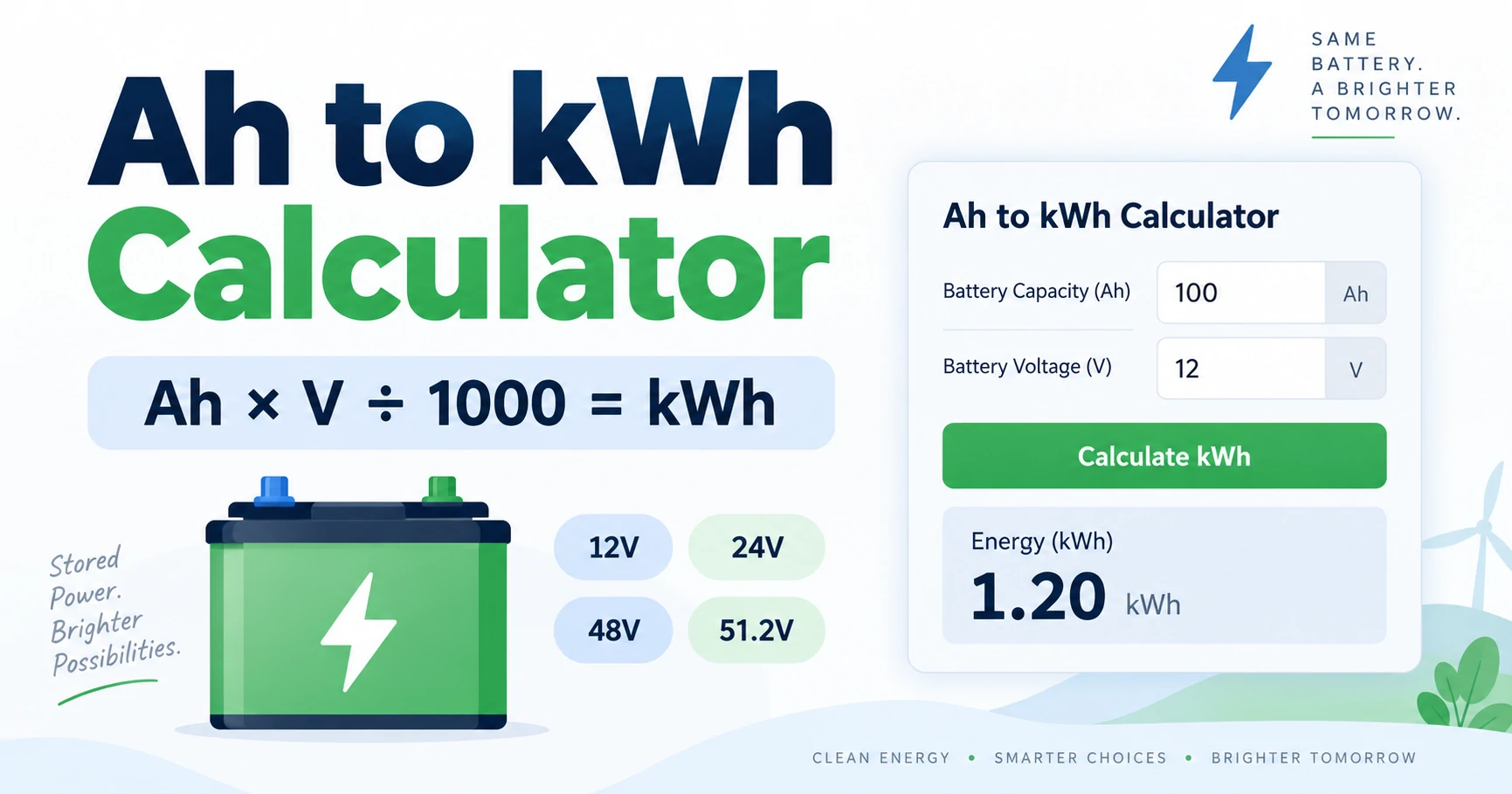

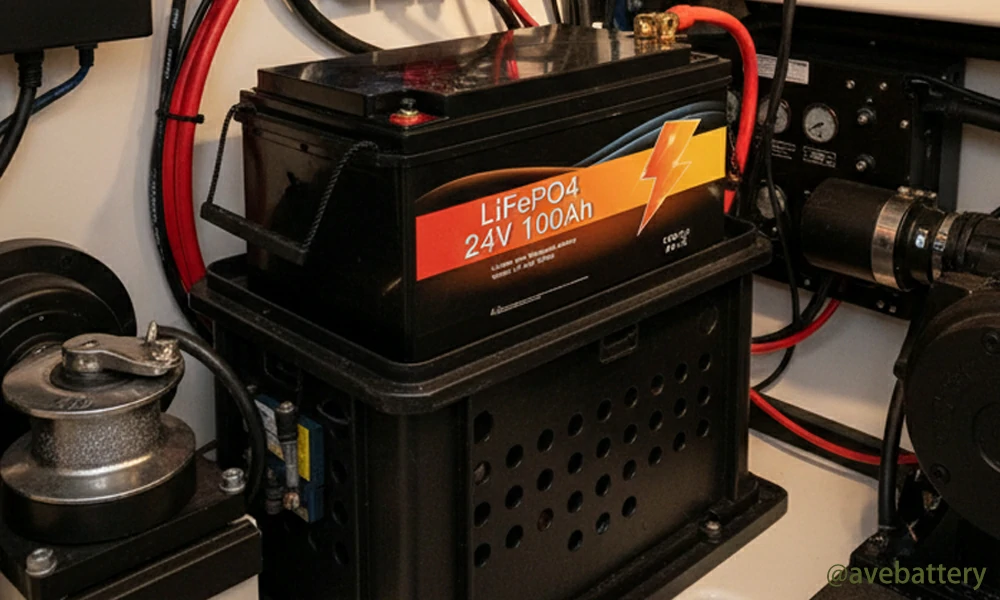
A 24V battery is commonly used when a device needs more power than a 12V system can deliver efficiently—especially for motors, inverters, long cable runs, and off-grid energy storage. This guide will explain the advantages, drawbacks, practical uses, and maintenance tips for 24-volt batteries, helping you make informed decisions for your energy needs.
What Is a 24-Volt Battery?
A 24-volt battery is a power source that delivers about 24 volts of electrical potential. Most cars and many small boats use 12V systems, but 24V is common when equipment draws more power.
You can build a 24V system in two main ways:
- A single 24V battery pack (one unit designed to output 24V).
- Two 12V batteries wired in series (connect the positive of Battery 1 to the negative of Battery 2). Series wiring adds voltage: 12V + 12V = 24V.
Practical rule: Power stays the same, but current changes. When a system doubles voltage (12V → 24V), it can deliver the same power with roughly half the current.
Read this article to learn batteries in series vs parallel.
12V vs 24V: Which Is Better?
Neither voltage is “always better.” The best choice depends on your loads and wiring distance:
- A 12V system is convenient for small DC accessories because many devices are designed for 12V.
- A 24V system is usually better for higher-power loads, long cable runs, and inverter-based setups because it reduces current and voltage drop.
If your system is getting “bigger” (larger motor, larger inverter, longer wiring), 24V usually becomes the cleaner and more efficient option.
Benefits of Using a 24-Volt Battery System
Using a 24-volt system offers several clear advantages:
1. Smaller Wire Size
A core principle of electricity is that to deliver the same amount of power, a higher-voltage system needs less electrical current (measured in amperes) than a lower-voltage system. Because a 24-volt system uses half the current of a 12-volt system to deliver the same power, it requires much thinner electrical wires. This is why boats, RVs, and industrial machines often step up to 24V—it keeps copper costs down.
2. Improved Energy Efficiency
Higher voltage systems lose less energy during transmission. This means your battery’s energy is used more effectively, generating less heat and providing more consistent power. High-voltage setups are especially beneficial for longer wiring runs, such as in boats, RVs, or off-grid solar systems.
3. Reduced Heat Build-Up
Running devices at a higher voltage and lower current generates less heat. This helps prevent energy loss and protects sensitive electronics connected to the battery.
4. Compact Setup
With a 24-volt battery, fewer batteries are required to achieve the desired power level. This reduces the overall space needed for the battery system, which is useful in boats, recreational vehicles, and other compact setups. And when you use an integrated 24V LiFePO4 pack, you also get a built-in BMS, so installation is cleaner.
Potential Drawbacks of a 24-Volt Battery System
Despite the benefits, there are some challenges to consider:
1. You Might Need Voltage Converters
Many accessories (lights, small pumps, fish finders, USB chargers) are still designed for 12V. If you run a 24V main bank, you often need a 24V-to-12V DC-DC converter for those devices.
Best practice: Many marine and RV setups use a 24V “main” bank for heavy loads and a DC-DC converter to supply a stable 12V bus for electronics.
2. Part Availability and Cost
Generally, there are fewer components and pieces of equipment made specifically for 24 volts compared to 12 volts. This can make it more difficult and potentially more expensive to find things like lights, small pumps, and other accessories that run directly on 24 volts. That’s why many people run a 24V main bank and then add a DC–DC step-down for all their 12V accessories.
3. Charging Complexity
If you plan to charge your 24-volt battery from a vehicle’s standard 12-volt alternator (the part that charges your main engine battery), you will again need a DC-DC charger (sometimes called a battery isolator). This piece of equipment is necessary to convert the 12-volt output from the alternator into the 24 volts needed to properly charge your secondary battery bank.
Safety reminder: A 24V system is not something you “half jump-start” with random wiring. You cannot safely “jump” a 24V system from a single 12V vehicle battery without proper equipment and correct configuration.
Practical Applications of 24-Volt Batteries
24-volt batteries are popular in applications where their advantages can be fully utilized. Some of the most common uses include:
1. Trolling Motors
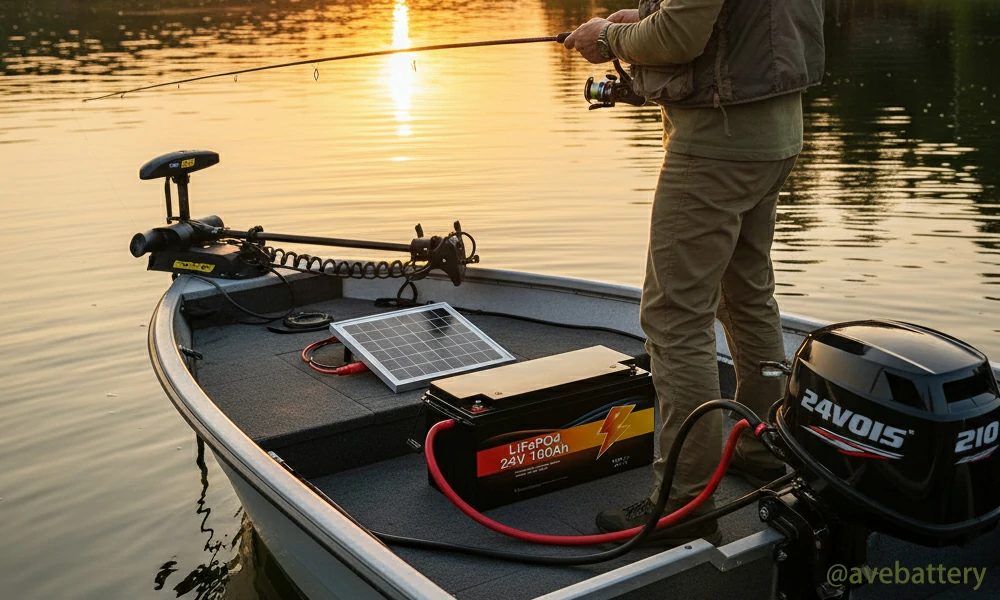
For fishing boats, a 24-volt battery powers trolling motors efficiently. These batteries provide more thrust than 12-volt batteries, which is important for larger boats or when navigating strong currents. The higher voltage allows the motor to draw less current, which reduces heat and increases energy efficiency.
When choosing a battery for a trolling motor, deep cycle marine batteries are recommended. A Group 27 battery with at least 110 amp-hours is a popular choice, ensuring longer run times and consistent performance. Proper charging with a compatible 24-volt battery charger is crucial to maintain the battery’s health.
2. Power Wheels
Many ride-on toys are sold in 12V versions, and hobbyists sometimes upgrade to 24V for stronger acceleration and higher speed. Results vary widely by motor, gearing, and controller.
Important safety upgrade: A 24V conversion should include proper fusing, suitable wire gauge, and a charger matched to the battery chemistry to reduce overheating and fire risk.
3. Marine Applications
Boats benefit from reduced current in long wiring runs. Many modern systems run 24V for high-draw equipment (bow thrusters, winches, trolling motors) while keeping navigation and cabin electronics on 12V via DC-DC conversion.
4. Solar and Off-Grid Systems
A 24V battery bank is common for off-grid cabins, small homes, telecom cabinets, and backup systems. Many inverters and charge controllers support 24V as a “middle ground” between 12V and 48V.
A 24V 200Ah battery bank stores about 4.8 kWh (24 × 200 = 4,800 Wh). If you use ~80% depth of discharge and your inverter is ~94% efficient, you may have ~3.6 kWh usable. A 1,000W continuous load could run for about 3.6 hours (3.6 kWh ÷ 1 kW).
5. RV House Power
Many RV owners choose 24V when they install larger inverters (for air fryer, microwave, coffee machine, tools) or when the battery bank sits far from the inverter. A 24V bank helps keep currents and cable sizes under control.
6. Industrial and Commercial Equipment
24V is common in industrial cleaning machines, access platforms, municipal service vehicles, and other equipment that needs stable DC power without excessive current.
Who Uses 24V in 2025?
Beyond boats and hobby projects, 24V remains common in:
- Marine equipment (especially higher-thrust setups)
- Heavy-duty vehicles and service fleets
- Industrial machines and platforms
- Off-grid and backup systems (small to mid-size)
Lithium-Ion vs. Lead-Acid: Choosing the Best 24-Volt Battery
Most buyers pick between lead-acid (AGM/GEL/flooded) and lithium (commonly LiFePO4).
| Feature | Lithium-Ion (LiFePO4) | Lead-Acid (AGM/Flooded) |
|---|---|---|
| Energy Efficiency | Around 95% | About 80–85% |
| Lifespan | Much longer (handles significantly more charge cycles) | Shorter (fewer charge cycles before capacity loss) |
| Weight | Significantly lighter | Very heavy |
| Performance in Cold | Performs well in extreme cold (down to about −20°F / −29°C) | Performance drops significantly in cold temperatures |
| Cost | Higher initial purchase price | Lower initial purchase price |
| Maintenance | Zero maintenance required | Requires periodic checking and adding of water (for flooded type) |
Lead-acid (AGM/GEL/flooded)
Lead-acid is familiar and often cheaper upfront. It can work well if you accept heavier weight, lower usable capacity (if you want long life), and slower charging.
Lithium Iron Phosphate (LiFePO4)
LiFePO4 is popular in 2025 because it usually offers:
- Higher usable capacity (often comfortable at deeper discharge)
- Lighter weight
- Faster charging acceptance
- Longer cycle life in many duty cycles
Cold-weather correction: LiFePO4 can discharge in cold conditions, but charging below the battery’s allowed temperature range can trigger BMS protection and can damage cells if the battery lacks low-temp safeguards. Buyers should confirm low-temperature charging protection or self-heating features if winter charging matters.
What to Look for
When you compare 24V batteries, you should confirm:
- The battery chemistry (LiFePO4 vs AGM vs GEL vs flooded)
- A BMS with over/under-voltage, over-current, short-circuit, and temperature protections (for lithium)
- Appropriate compliance testing for your use case (examples below)
- A realistic warranty and support path
- A charger profile that matches the battery chemistry
Compliance context: For industrial/stationary lithium batteries, IEC 62619 is a widely referenced safety standard. For stationary and motive auxiliary power applications, UL 1973 is commonly used in North America. For shipping lithium batteries, UN 38.3 testing is commonly required to support safe transport.
Setting Up and Connecting Your 24-Volt System
Correct installation matters as much as the battery itself.
How to Hook Up Two 12V Batteries to Make 24V (Series Connection)
- Place the two 12V batteries side-by-side.
- Connect Battery 1 (+) to Battery 2 (−) using a short cable.
- Your 24V output terminals become the remaining free posts: Battery 1 (−) and Battery 2 (+).
Series wiring increases voltage but keeps amp-hour capacity the same.
Critical setup rule: If you build a 24V bank from two 12V batteries, you should use the same brand/model/chemistry, the same age, and the same state of health. Mixing an old battery with a new battery can cause imbalance and shorten life.
Wiring Safety and Protection
- Use a fuse or breaker close to the positive terminal.
- Use a master disconnect switch when practical.
- Keep cables tight, clean, and protected from abrasion and corrosion.
Extra safety detail: A loose connection can create resistance, heat, and failure under load—especially with high-draw devices like motors and inverters.
How Do You Charge a 24V System Made of Two Batteries?
If two 12V batteries are wired in series and operate as a single 24V bank, the cleanest method is one proper 24V charger connected to the outer terminals.
If you need to charge batteries separately (for troubleshooting or balancing), you must disconnect the series link before applying individual 12V chargers. You should never put a 12V charger across the full 24V series bank.
Optional improvement for series banks: Some users add a dedicated battery balancer/equalizer to help keep two series batteries at similar voltage, especially in lead-acid banks or mixed duty cycles.
Charging and Maintaining a 24-Volt Battery
Choose the Right Charger for Your Chemistry
- LiFePO4 needs a LiFePO4-specific charge profile.
- AGM/GEL/flooded lead-acid needs a lead-acid-appropriate profile.
A mismatched charger is one of the fastest ways to reduce battery life.
Charger Sizing
Many users choose a charger current around 10% to 20% of battery Ah (for example, 10A–20A for a 100Ah bank), balancing speed and battery stress.
Maintenance Tips
- Inspect terminals for corrosion and keep them clean.
- Store batteries properly if unused for long periods.
- Follow the manufacturer’s temperature limits, especially for lithium charging.
Better storage guidance: If you store a lithium battery for weeks or months, many manufacturers recommend storing at a partial state of charge (often around 30%–60%) rather than fully full or fully empty, and then topping up periodically.
2025 Best 24-Volt Battery Manufacturer
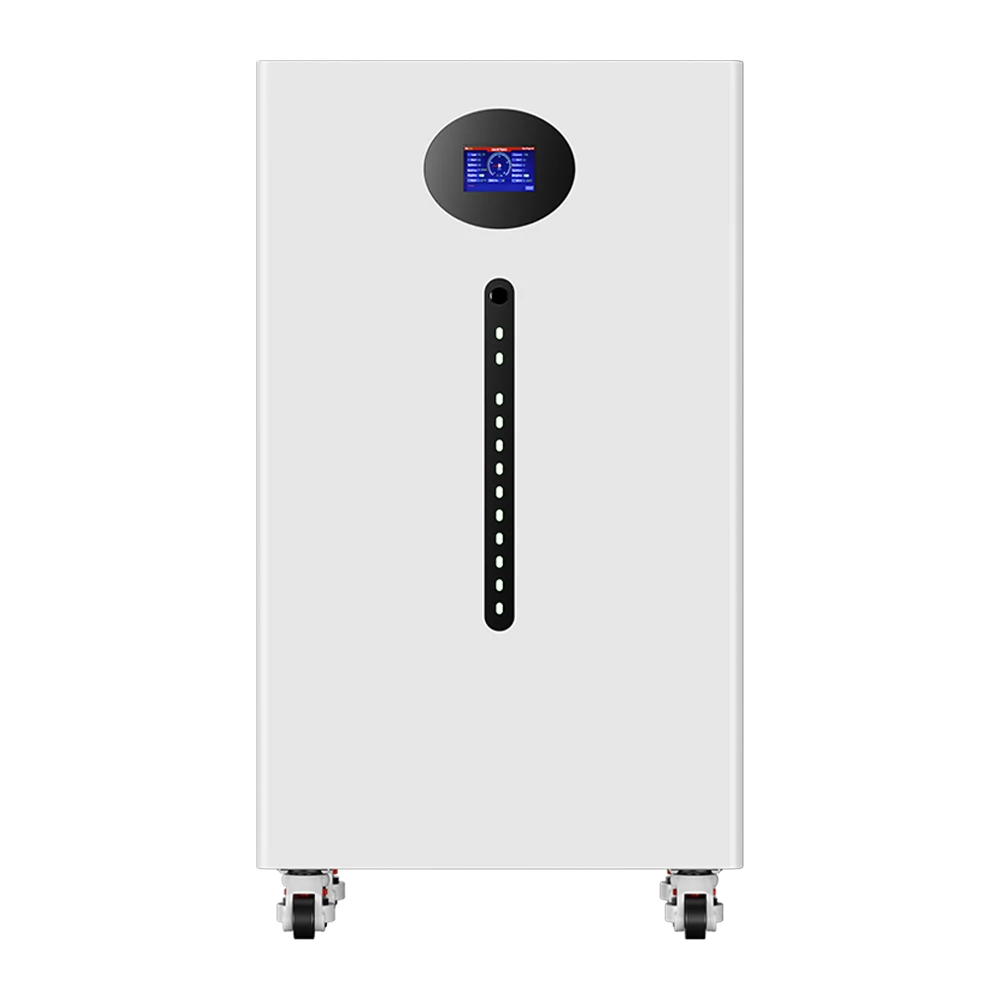
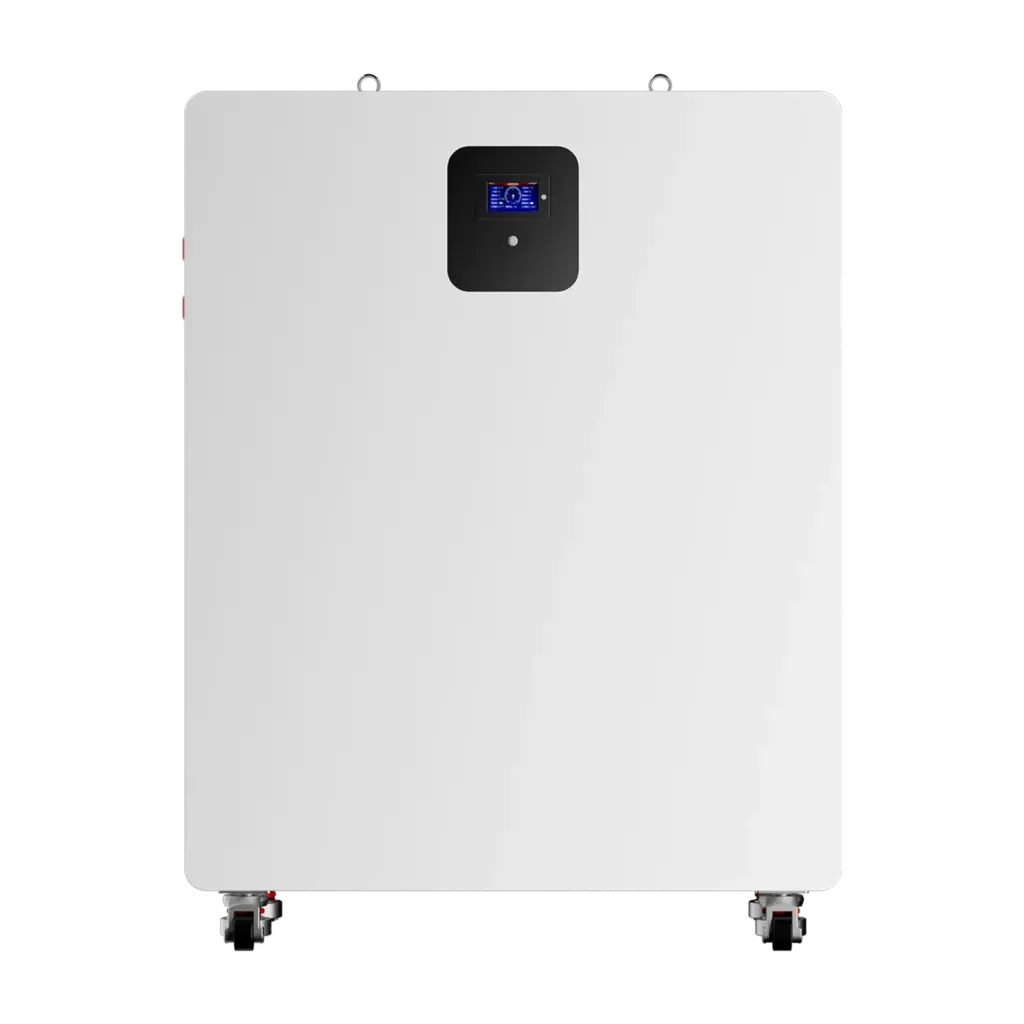
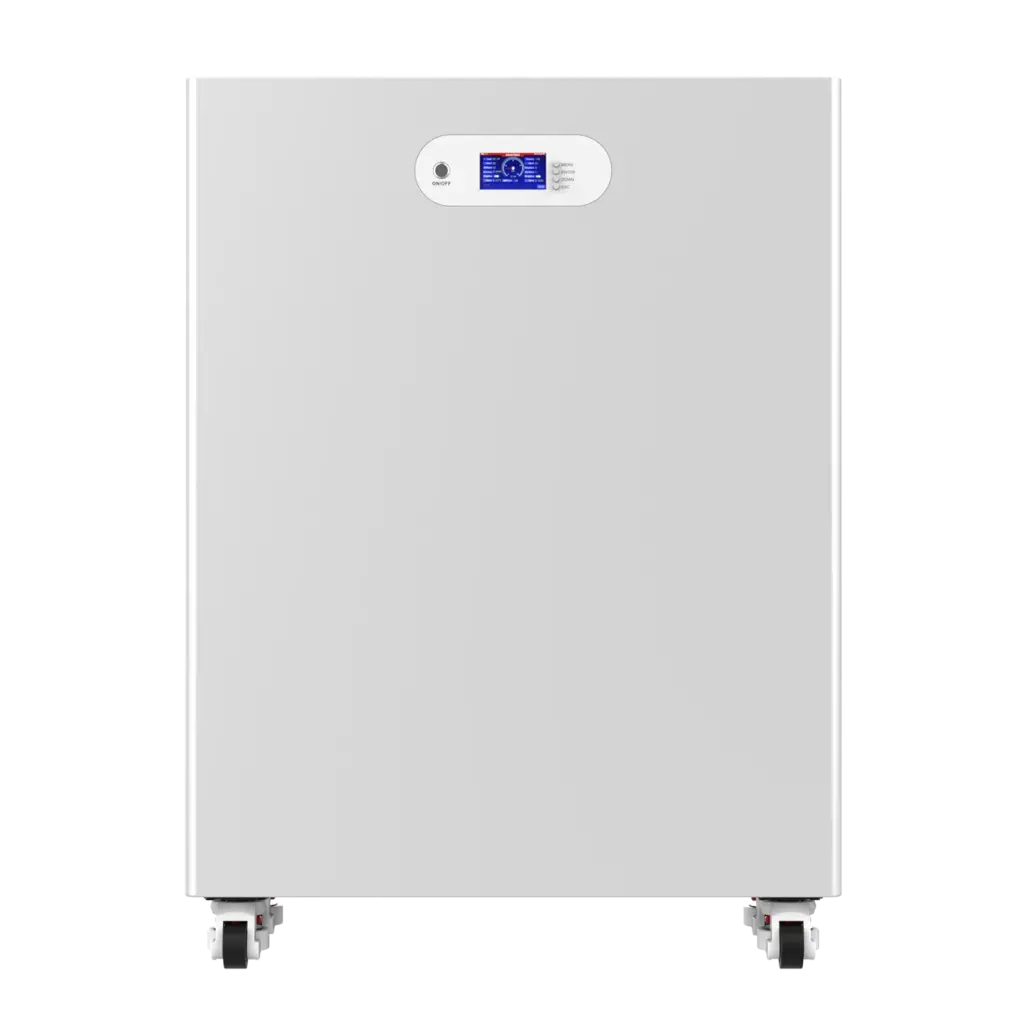
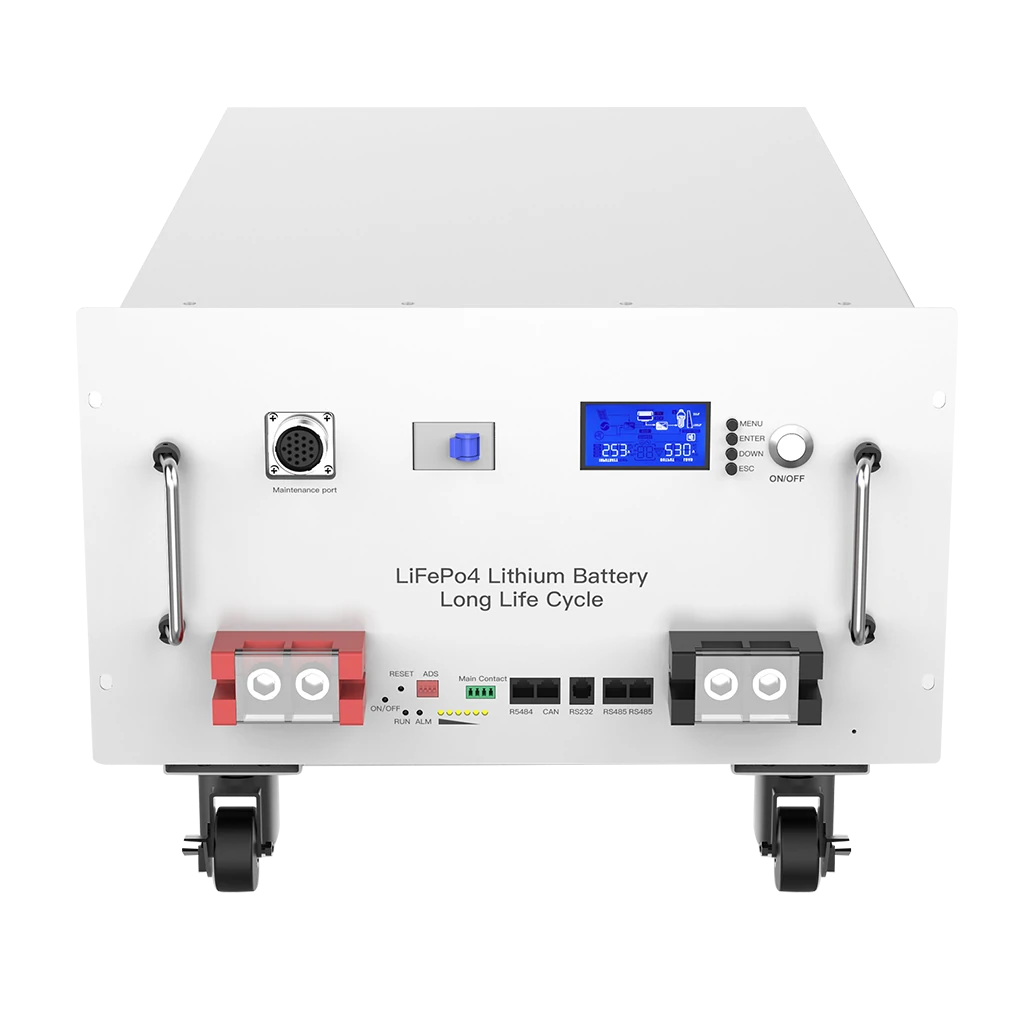
Avepower is a leading manufacturer of high-quality 24-volt batteries, offering reliable and efficient power solutions for a wide range of applications. Their 24-volt batteries are available in 100Ah and 200Ah capacities, providing flexibility for both small and large energy systems.
Avepower 24-volt batteries use LiFePO4 cells, known for their long lifespan, high efficiency, and superior safety compared to traditional lead-acid batteries. This technology ensures that the batteries maintain consistent performance even under demanding conditions, making them ideal for applications such as trolling motors, power wheels, solar energy storage, and marine use.
Each Avepower battery comes with an integrated Battery Management System (BMS), offering multiple layers of protection:
- Overcharge protection – prevents damage from excessive charging
- Over-discharge protection – ensures the battery does not drain too deeply
- Short-circuit protection – safeguards the battery and connected devices
- Overcurrent and overheating protection – maintains safe operation in all conditions
This advanced BMS guarantees reliable and safe operation, prolonging the battery’s lifespan and ensuring stable performance over time.
Avepower 24-Volt Battery Series
24V 100Ah Battery
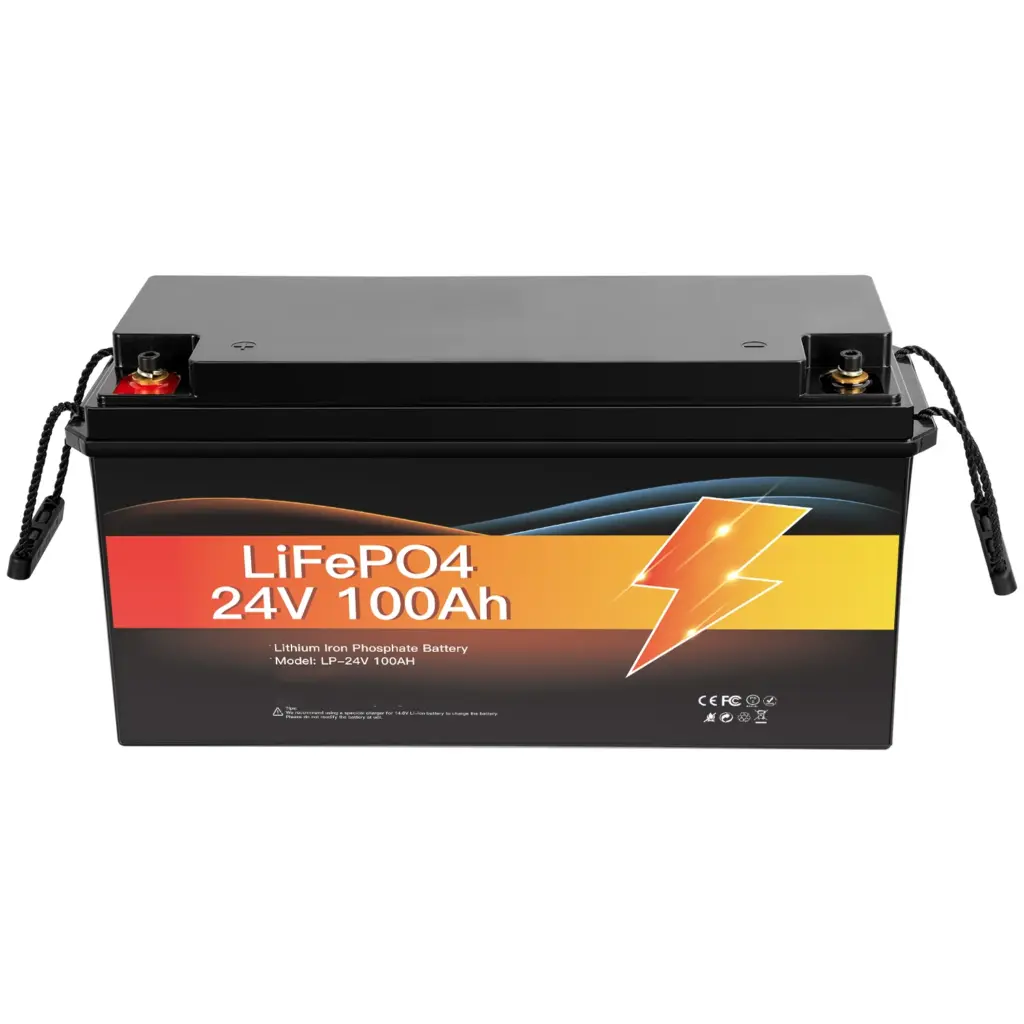
| Items | Value |
|---|---|
| Pack Style | 8S1P |
| Nominal Voltage | 24V |
| Nominal Capacity | 100Ah |
| Min Capacity | 100Ah |
| Rated Power | 2560Wh |
| Charging Voltage | 29.2V |
| Working Voltage | 20V~29.2V |
| Charging Mode | CC-CV |
| Internal Resistance | ≤100mΩ |
| Dimension L*W*H/mm | 288*483*178 mm mm (Excluding plug)318*483*178 mm (Including plug) |
| Approx. Weight | ≈30Kg |
24V 200Ah Battery
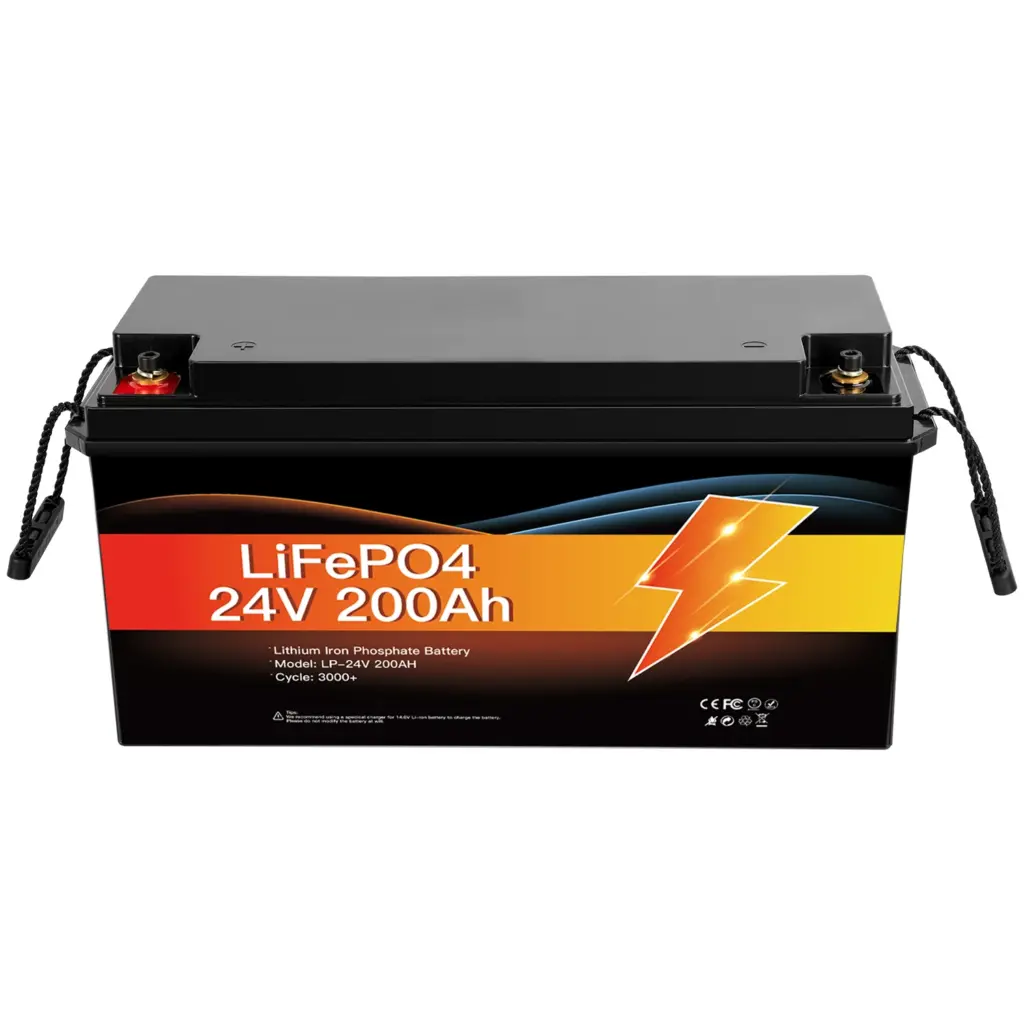
| Items | Value |
|---|---|
| Pack Style | 8S2P |
| Nominal Voltage | 24V |
| Nominal Capacity | 200Ah |
| Min Capacity | 200Ah |
| Rated Power | 5120Wh |
| Charging Voltage | 29.2V |
| Working Voltage | 20V~29.2V |
| Charging Mode | CC-CV |
| Internal Resistance | ≤100mΩ |
| Dimension L*W*H/mm | 325*483*267 mm mm (Excluding plug )361*483*267 mm(Including plug) |
| Approx. Weight | ≈50Kg |
Avepower combines cutting-edge battery technology with strict quality control standards. Their 24-volt batteries are tested to meet international safety certifications and deliver reliable, long-lasting power for all types of projects. Whether you need a 24V 100Ah battery for moderate loads or a 24V 200Ah battery for high-demand applications, Avepower provides a solution that is safe, efficient, and dependable.
Contact us now to find the perfect 24V 100Ah or 24V 200Ah battery for your needs and take your energy solutions to the next level.

Power That Lasts
If you want a battery you can just install and forget, go with an Avepower LiFePO4.
You get 4000+ cycles, around 10 years of use, a built-in BMS, and capacity you can expand later as your needs grow—just talk to Avepower for easy sizing advice and a no-pressure quote.
FAQ
It depends on the application. A 12V system is simpler for small accessories and common devices. A 24V system is usually more efficient for higher-power loads, long wiring runs, and inverter setups.
It is usually not recommended. A 12V tap can unbalance the series batteries over time. A DC-DC converter from 24V to 12V is normally the safer approach.
A 24V 200Ah bank feeding a 1,000W load draws ~41.7A (1000 ÷ 24). In theory, 200Ah ÷ 41.7A ≈ 4.8 hours. Real usable time will be lower if you limit depth of discharge, account for inverter losses, or face cold temperatures.
It depends on chemistry and whether you mean “nominal,” “resting,” or “fully charged.” A 24V LiFePO4 battery is often 25.6V nominal (8 cells in series), and it is commonly about 29.2V at full charge. Under load, voltage drops depending on current and state of charge.