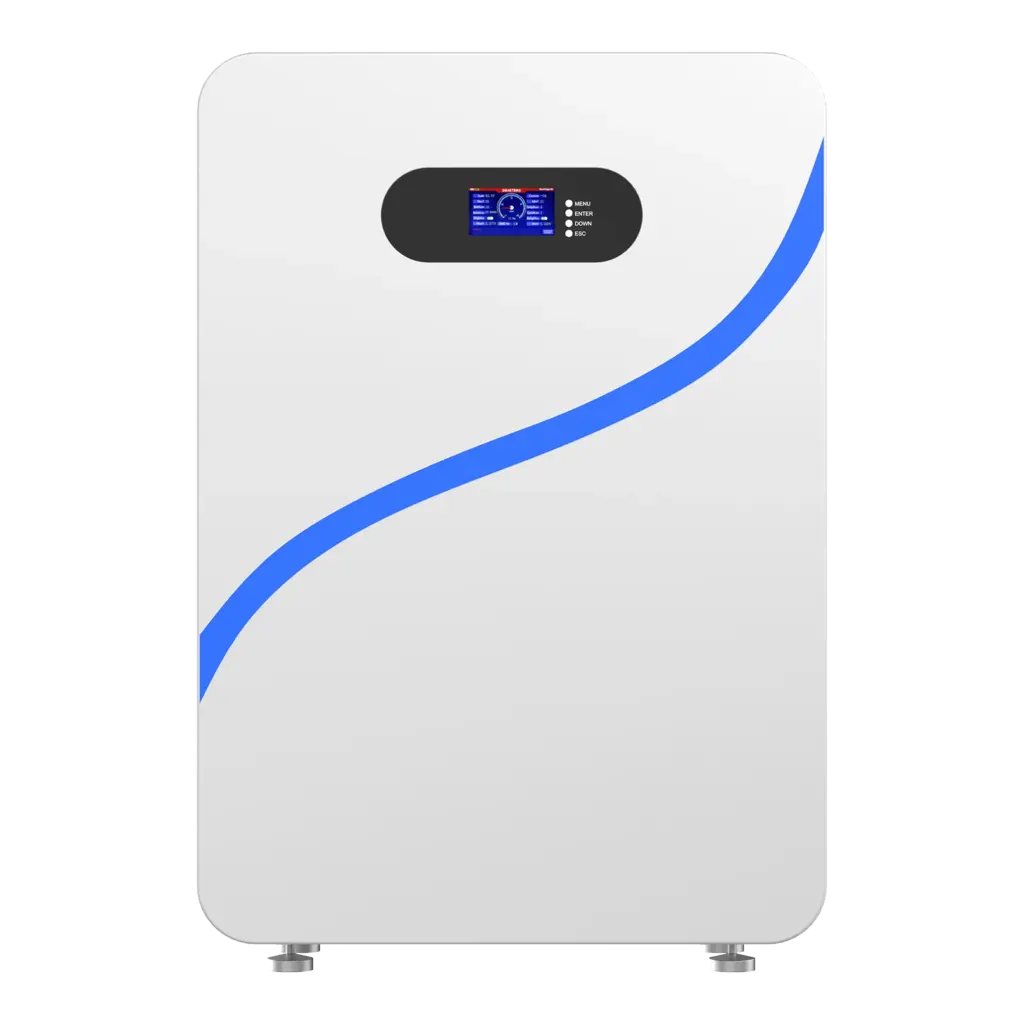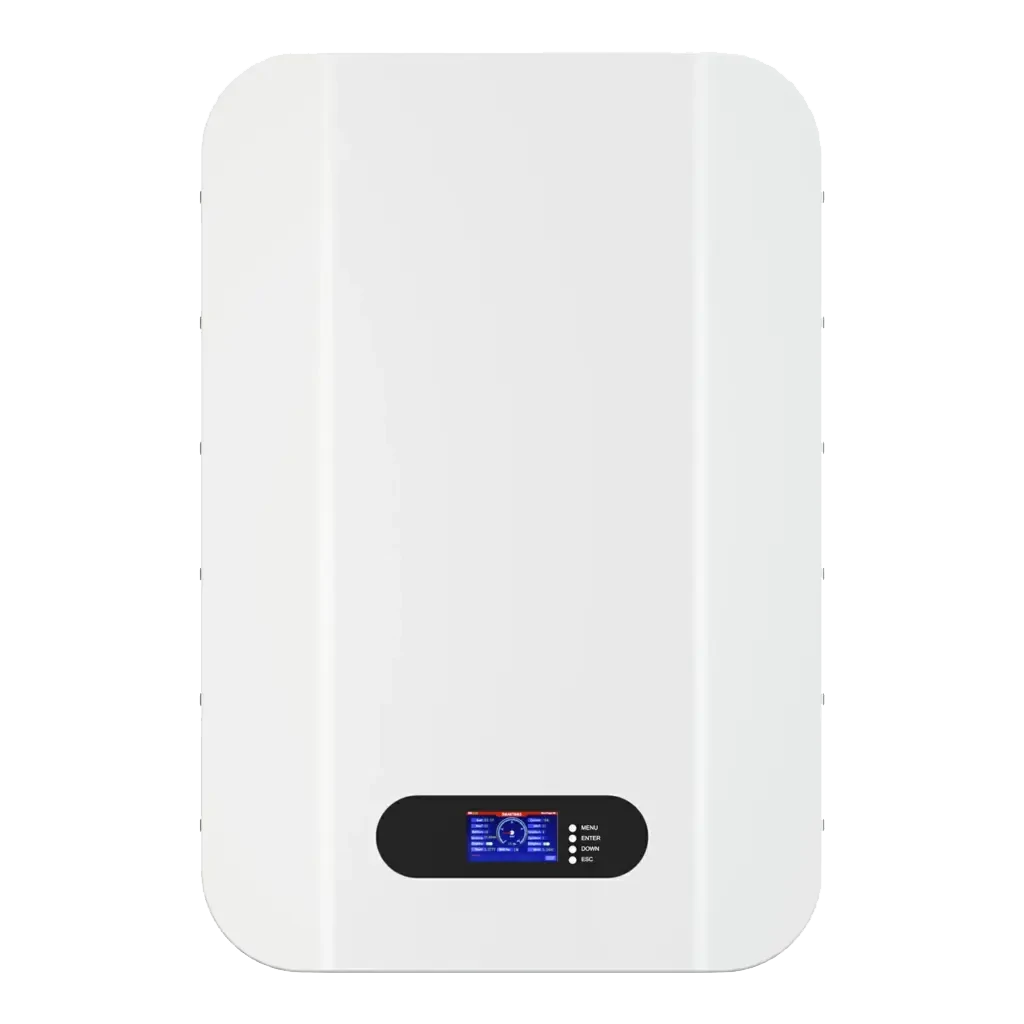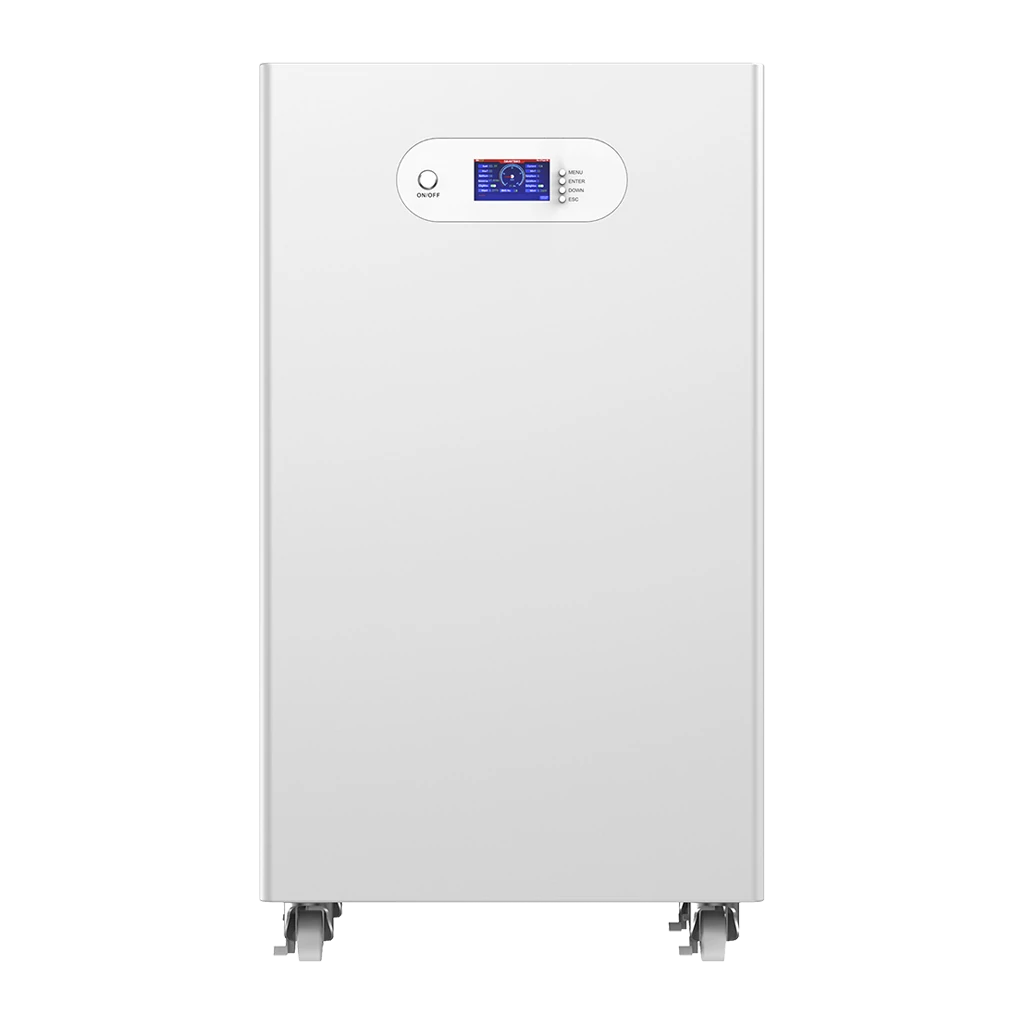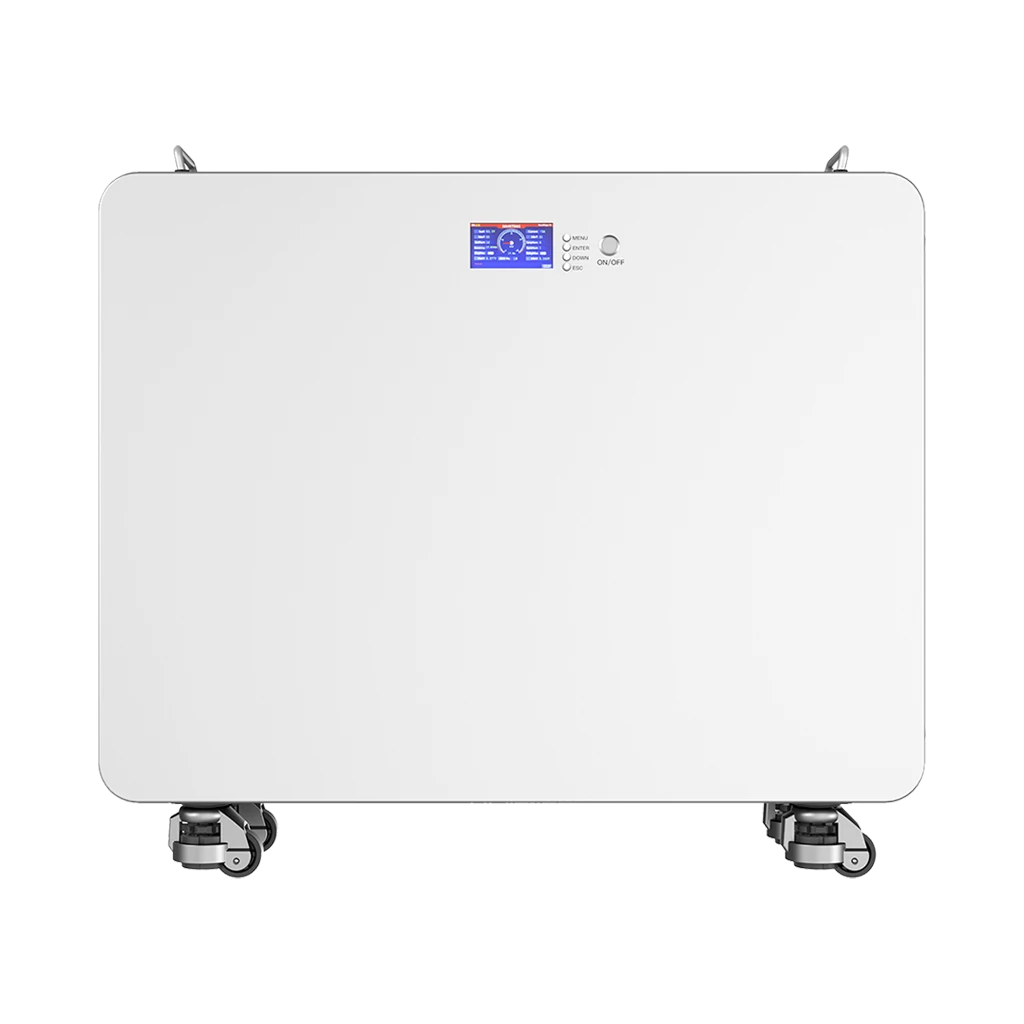
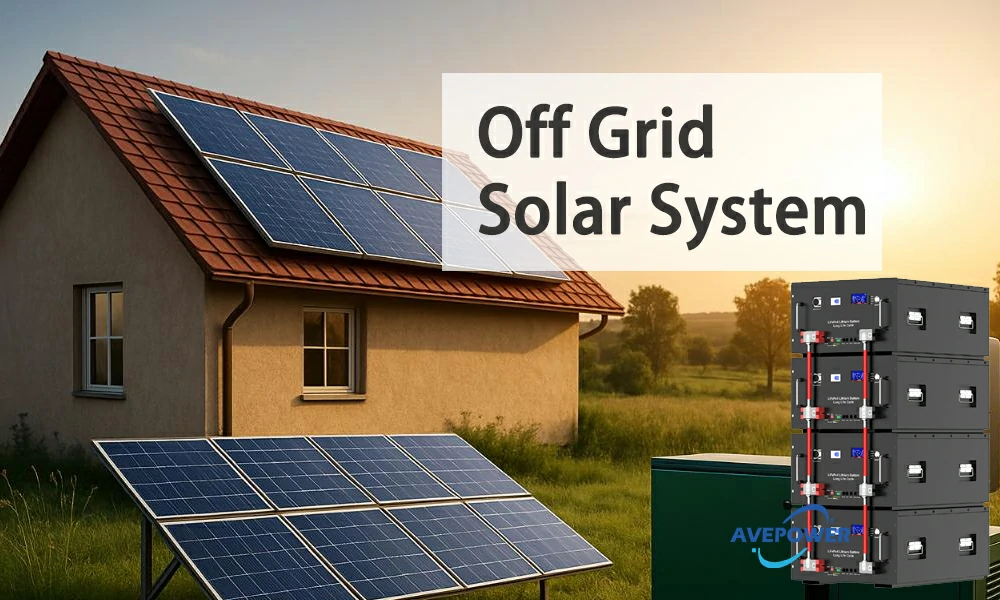
An off-grid solar system gives you power without relying on your local utility grid. Many people like that idea because they want energy independence, because they live far from power lines, or because they want strong backup power during storms.
This article explains what an off-grid solar power system is, how it works, and what the key differences are versus grid-tied solar.
What is an Off-Grid Solar System?
An off-grid solar system is a solar power setup that can run a home, cabin, farm, or facility without a connection to the utility grid. The system makes electricity from solar panels during the day, and the system stores extra electricity in off grid batteries for use at night and during cloudy weather.
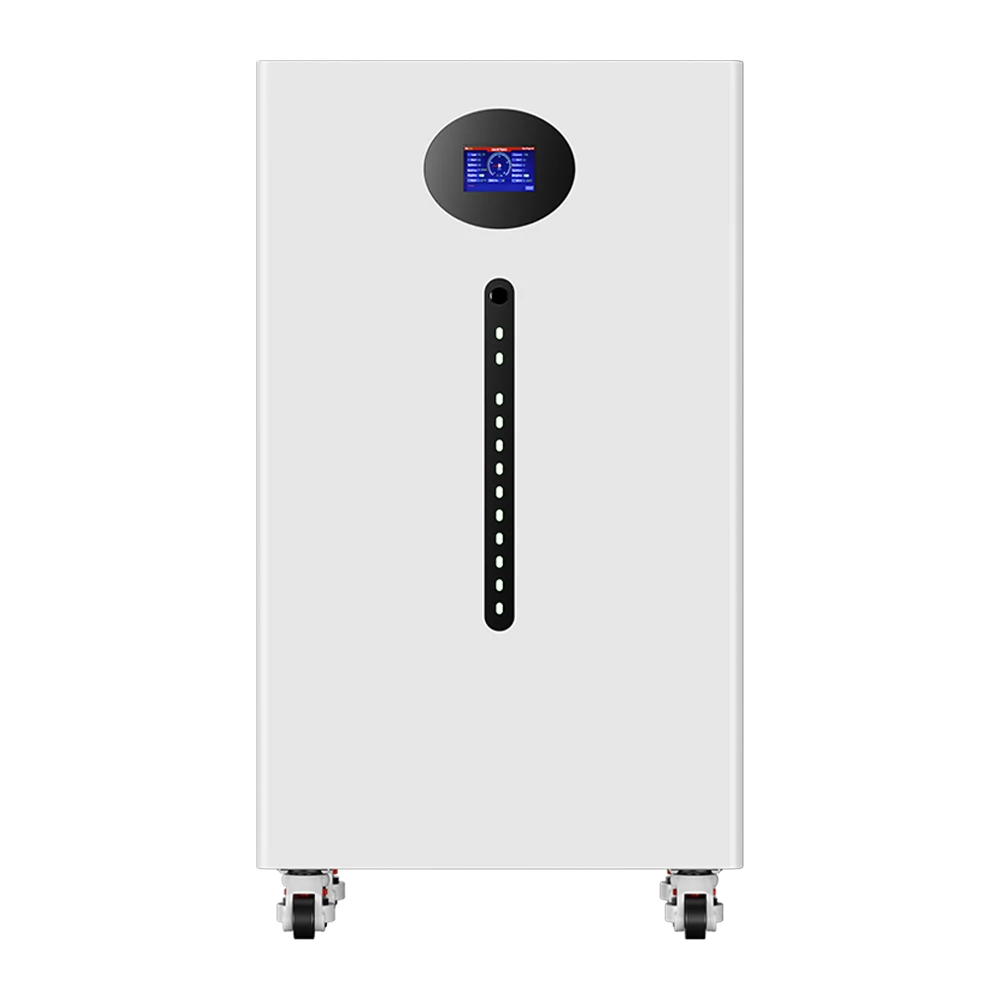
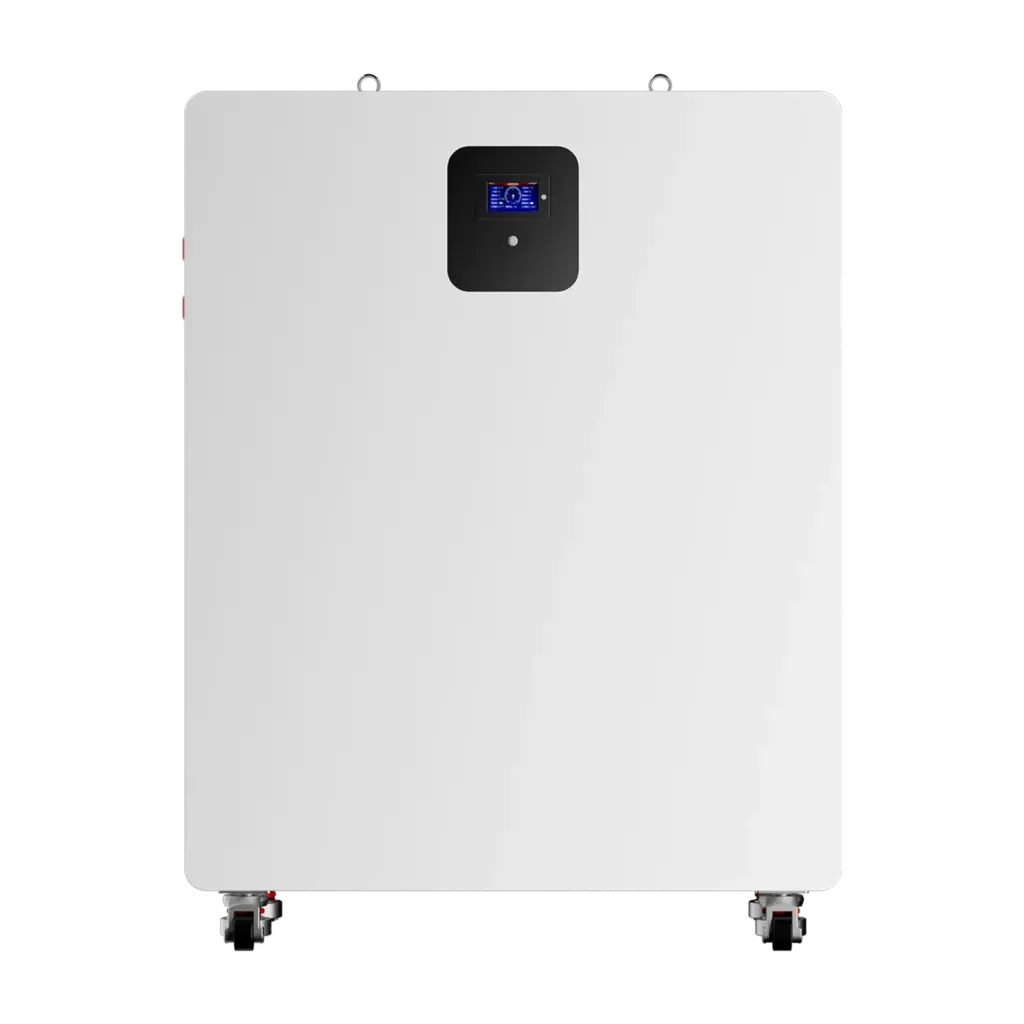
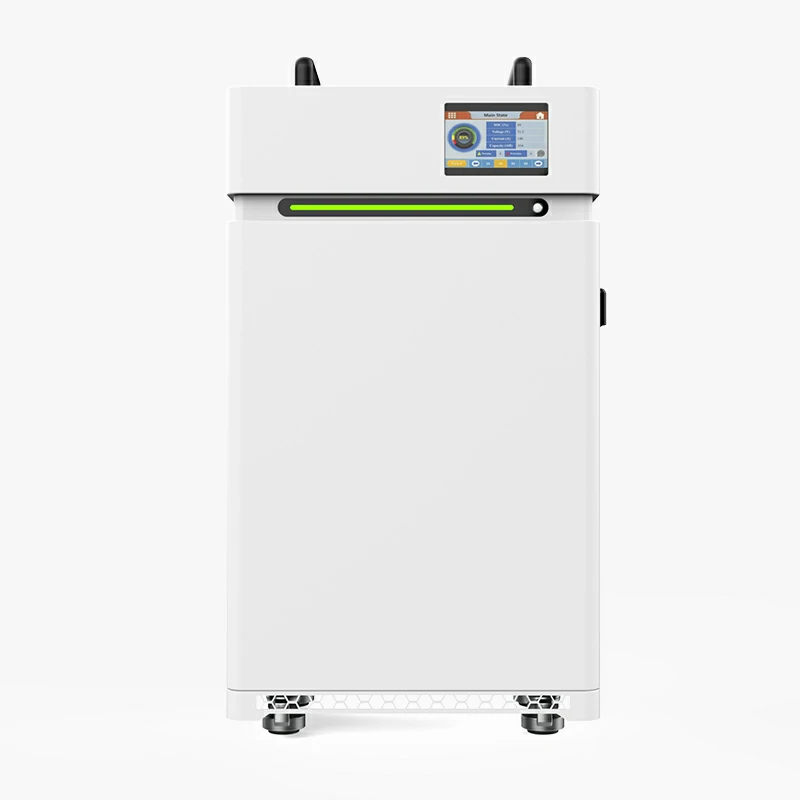
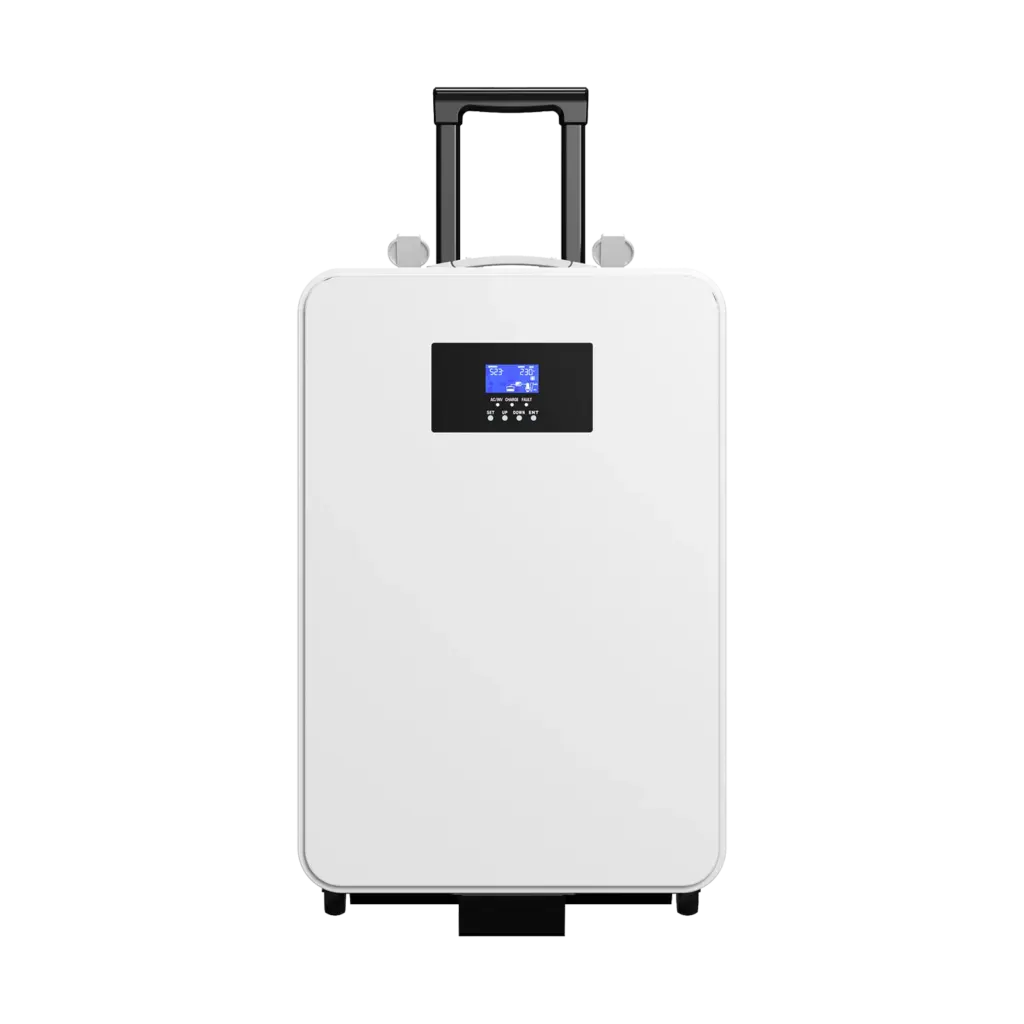
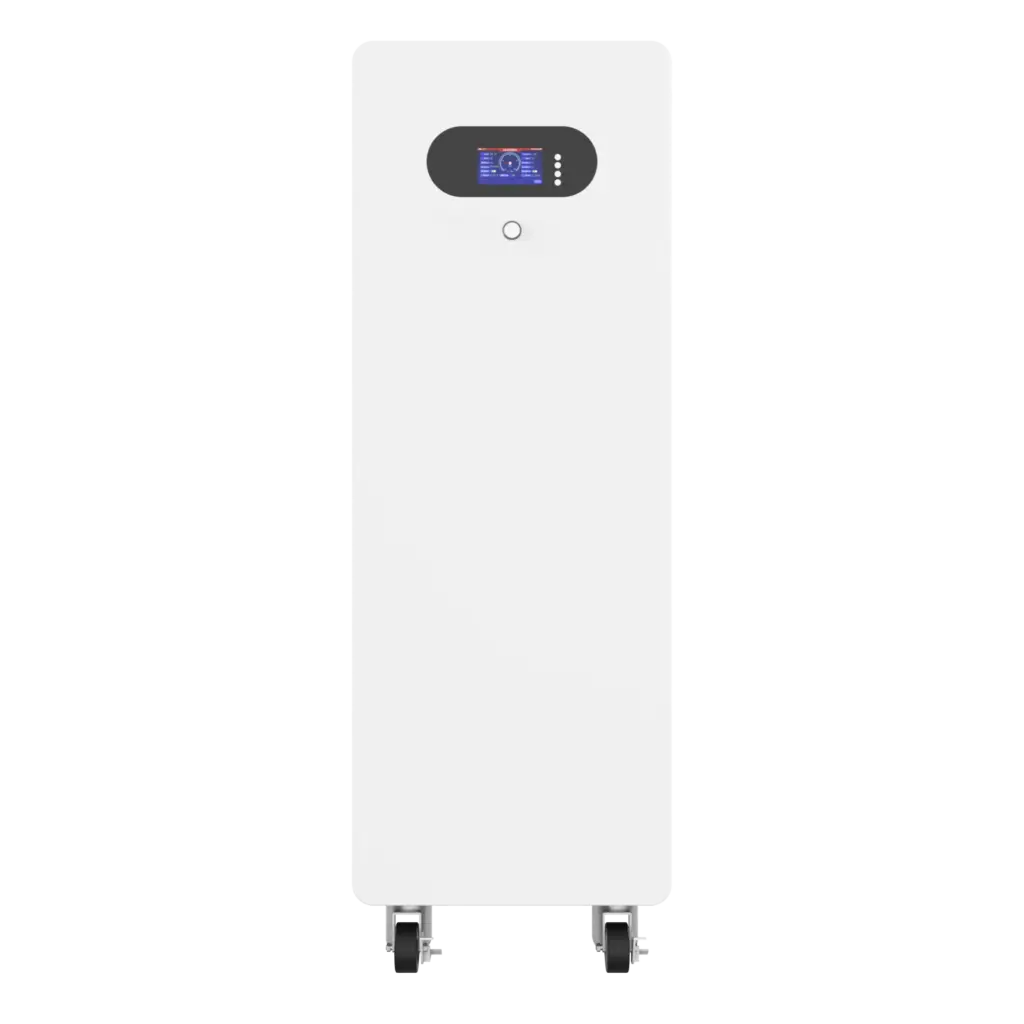
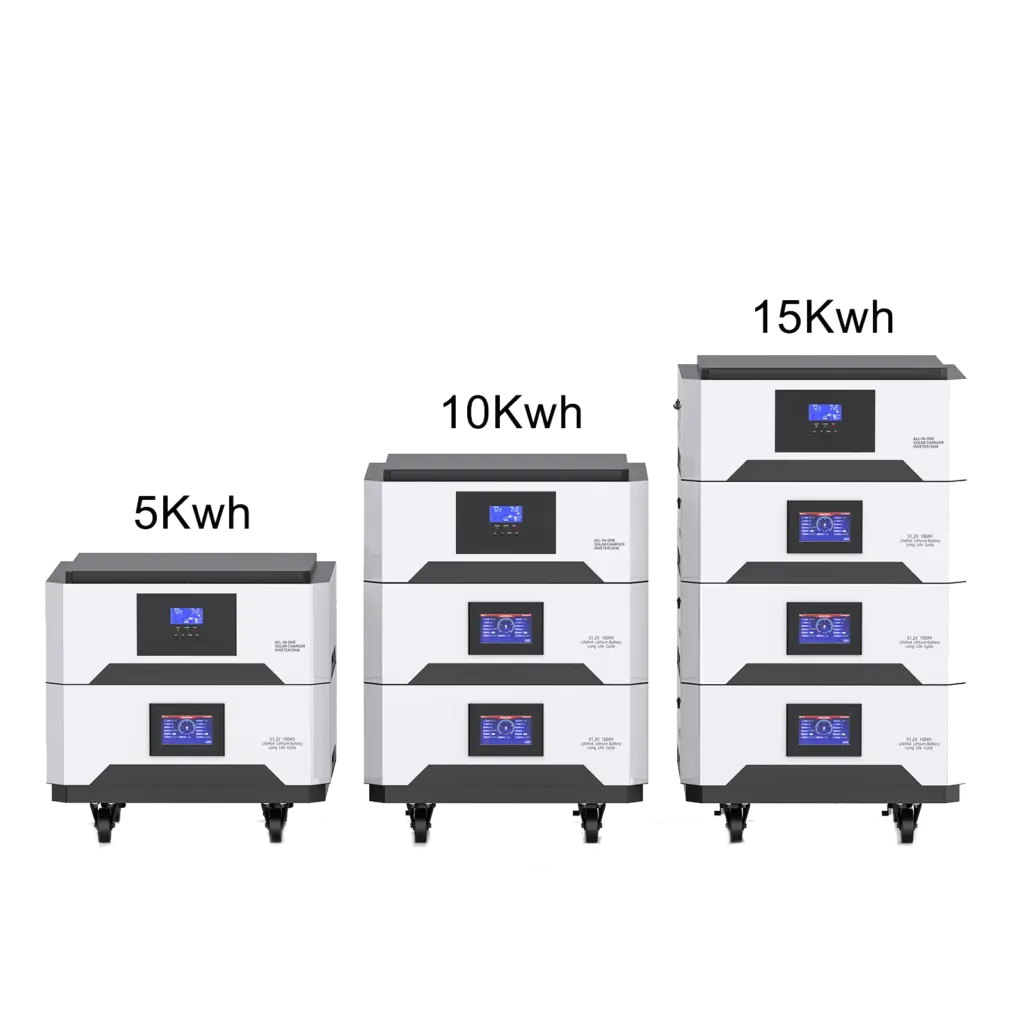
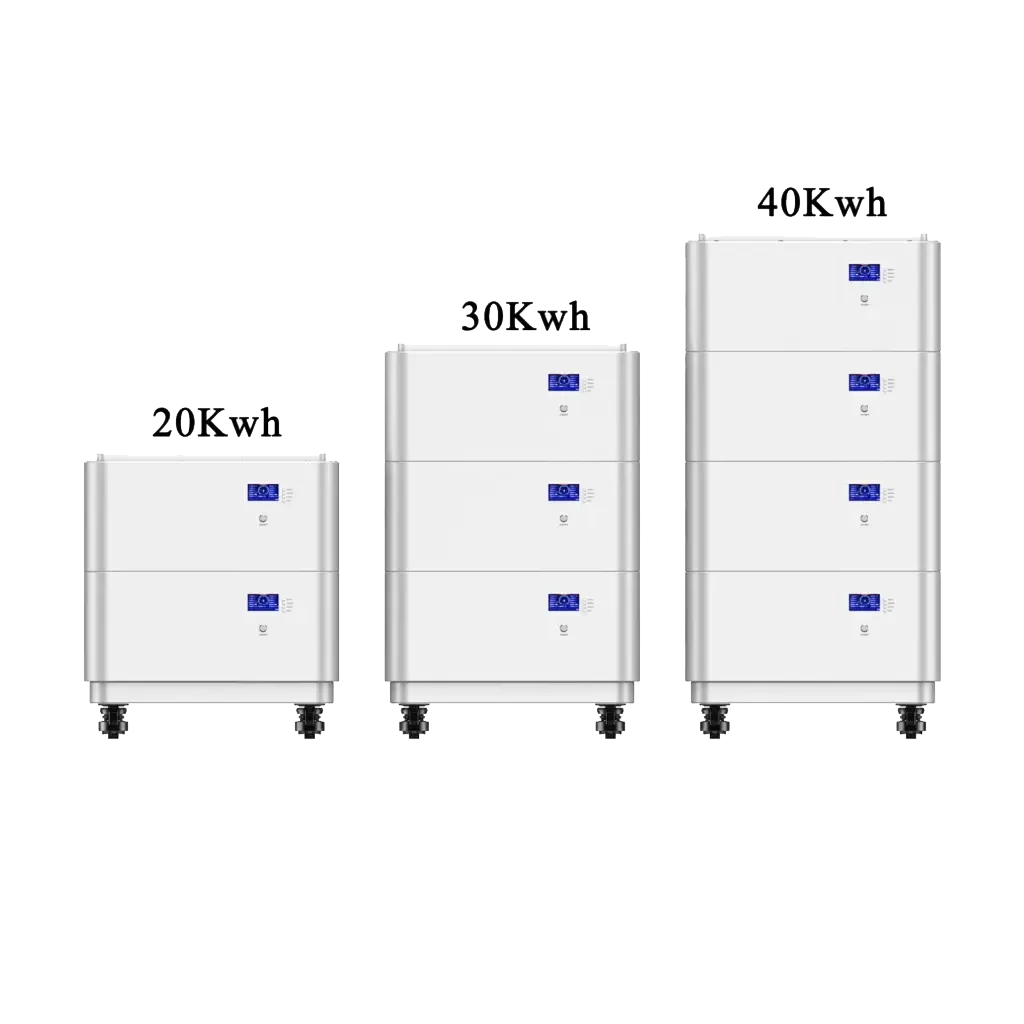
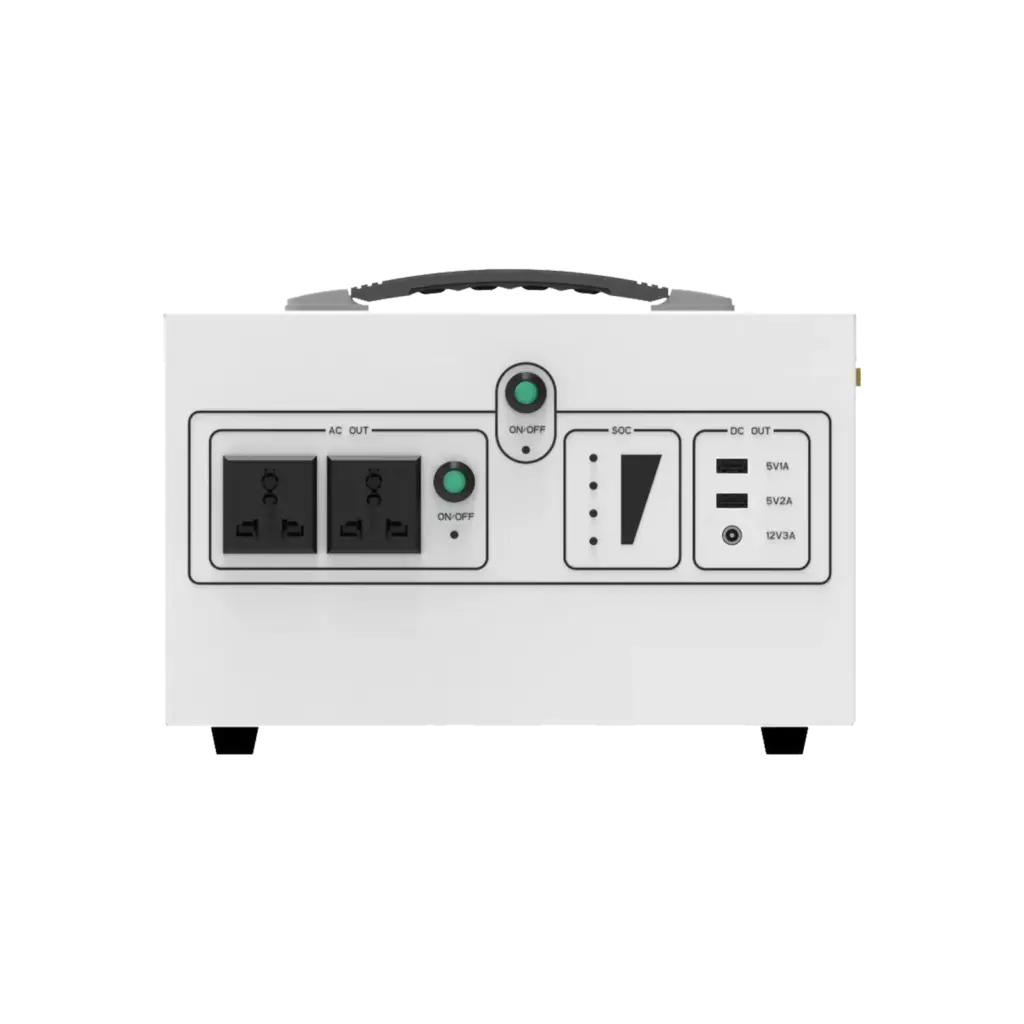
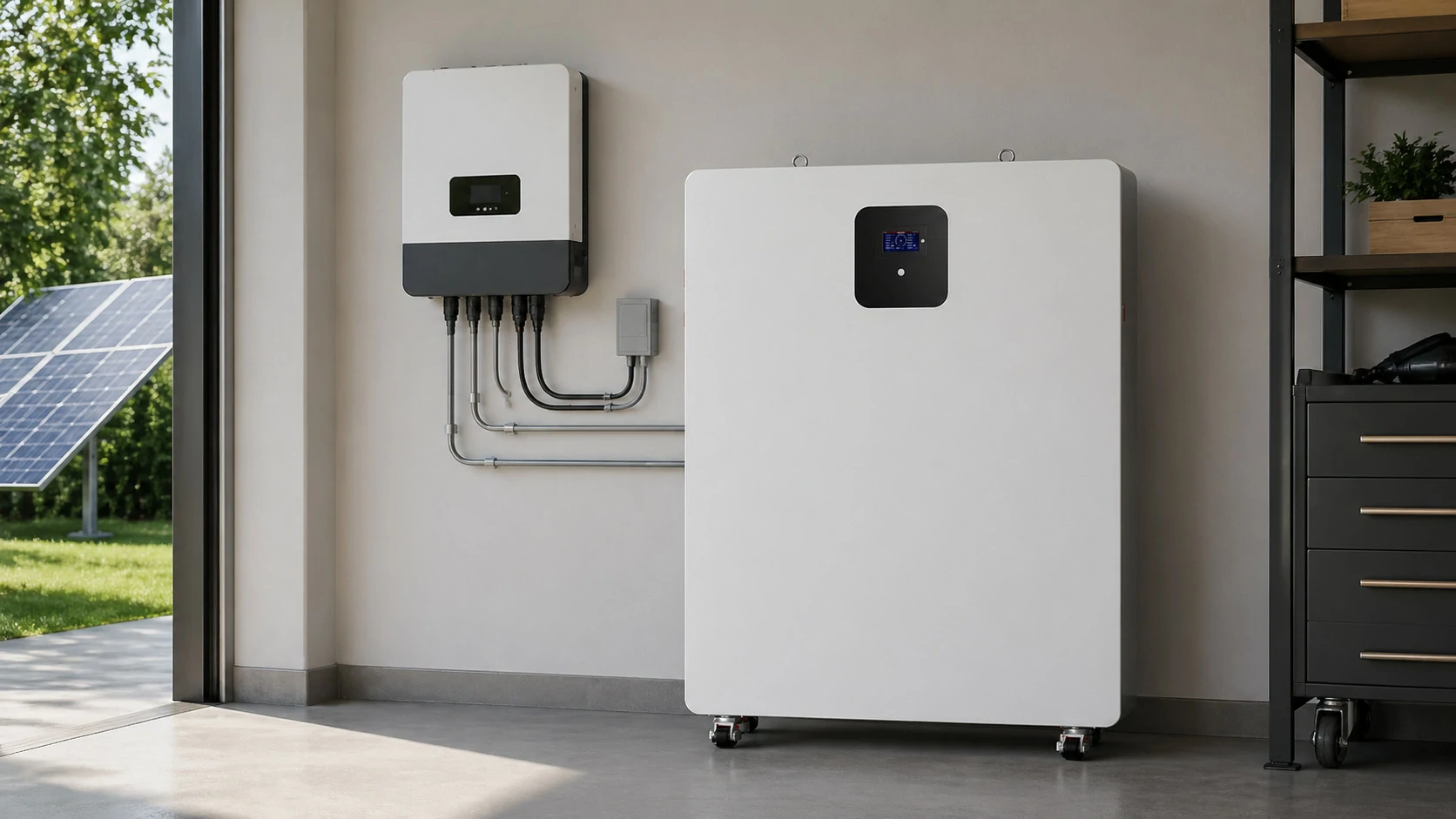
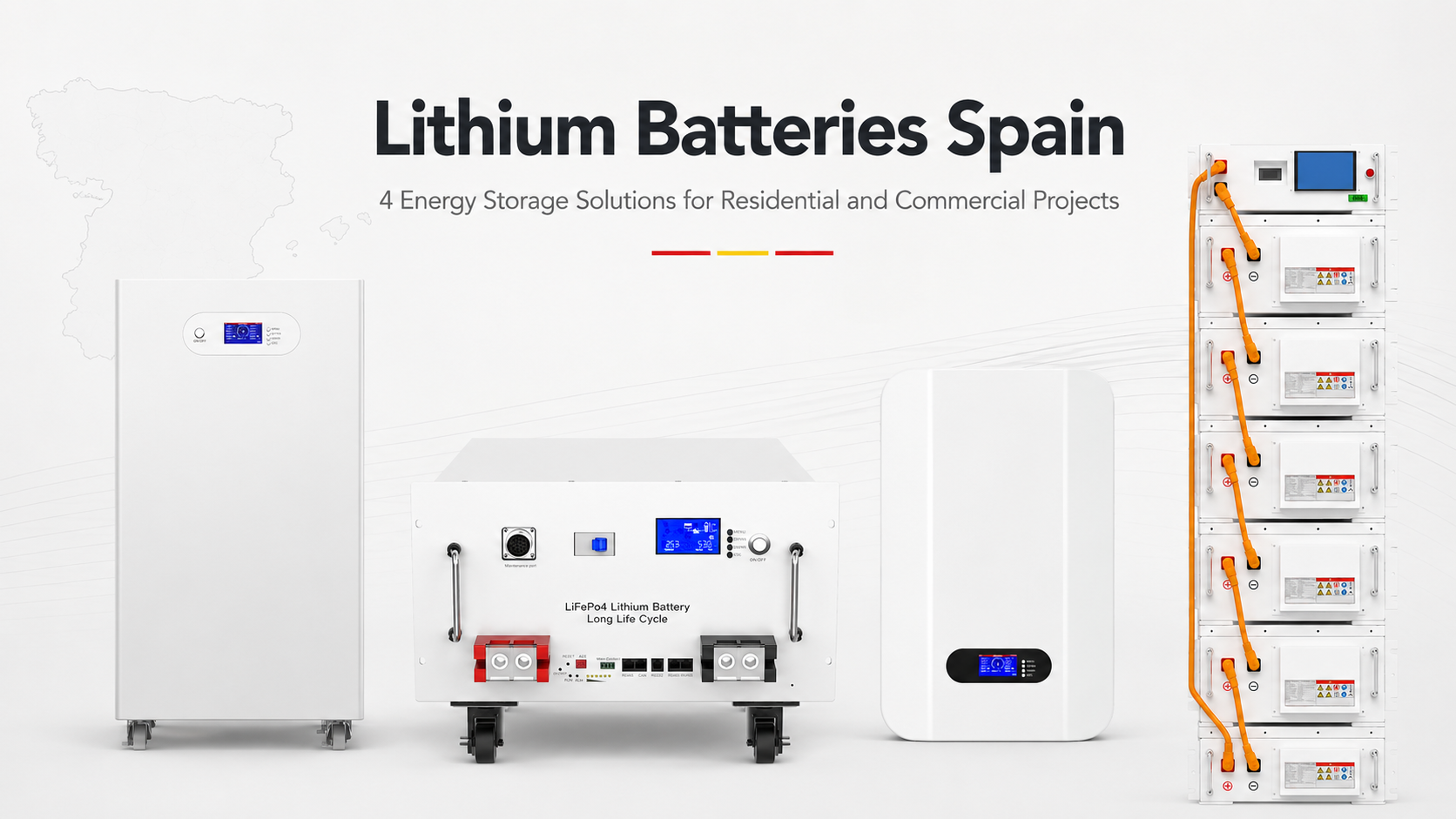
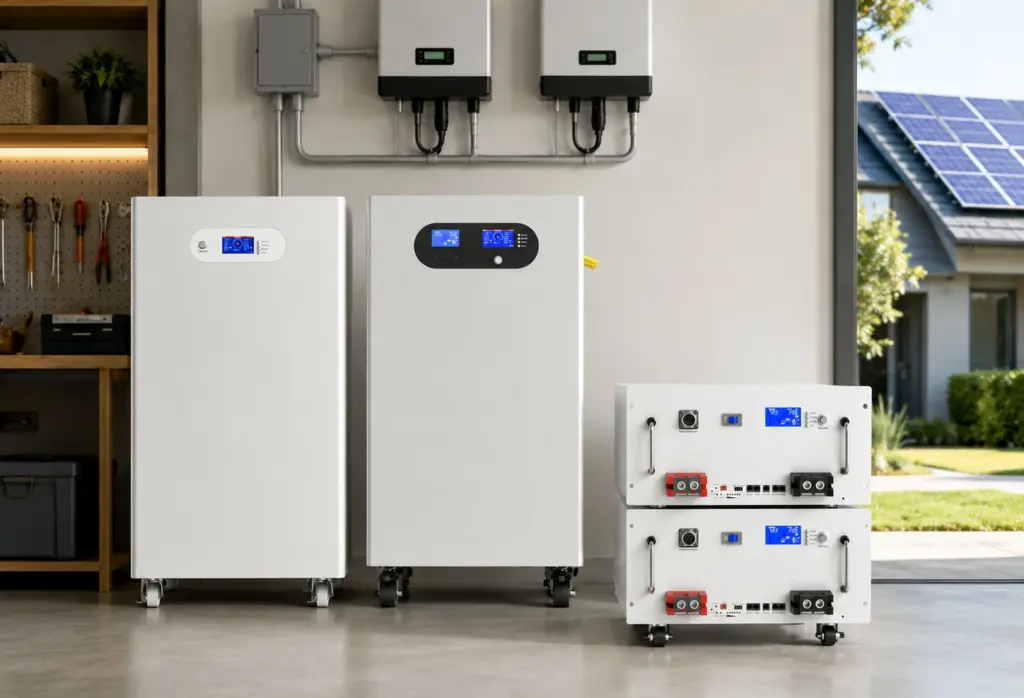
A grid-tied system can lean on the grid when solar production drops. An off-grid system cannot do that. An off-grid system must cover your needs with solar generation, battery storage, and sometimes a backup generator. A product like the Avepower Powerwall 10kWh lets you scale up both battery capacity and power output as your electricity needs grow.
How an Off-Grid Solar System Works
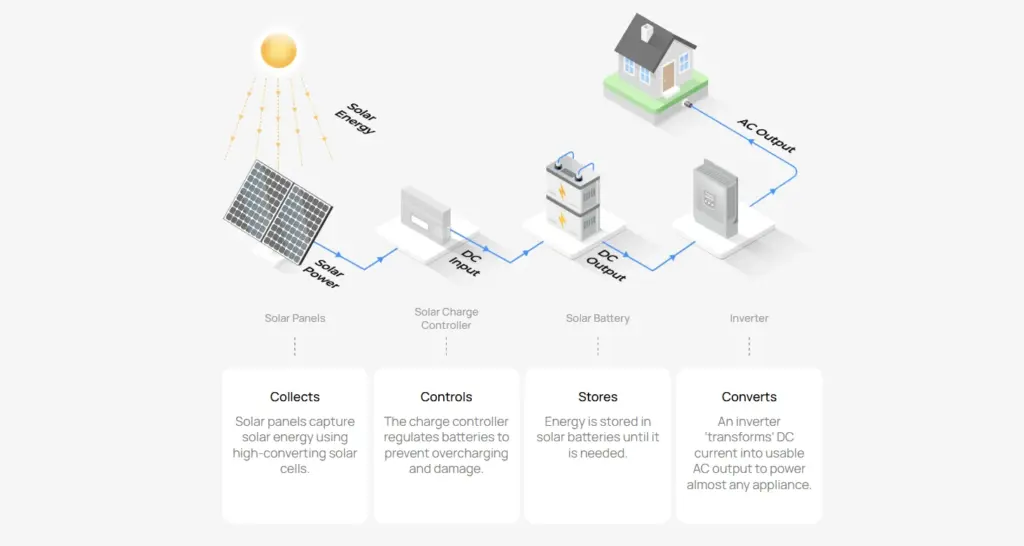
An off-grid system follows a simple energy path.
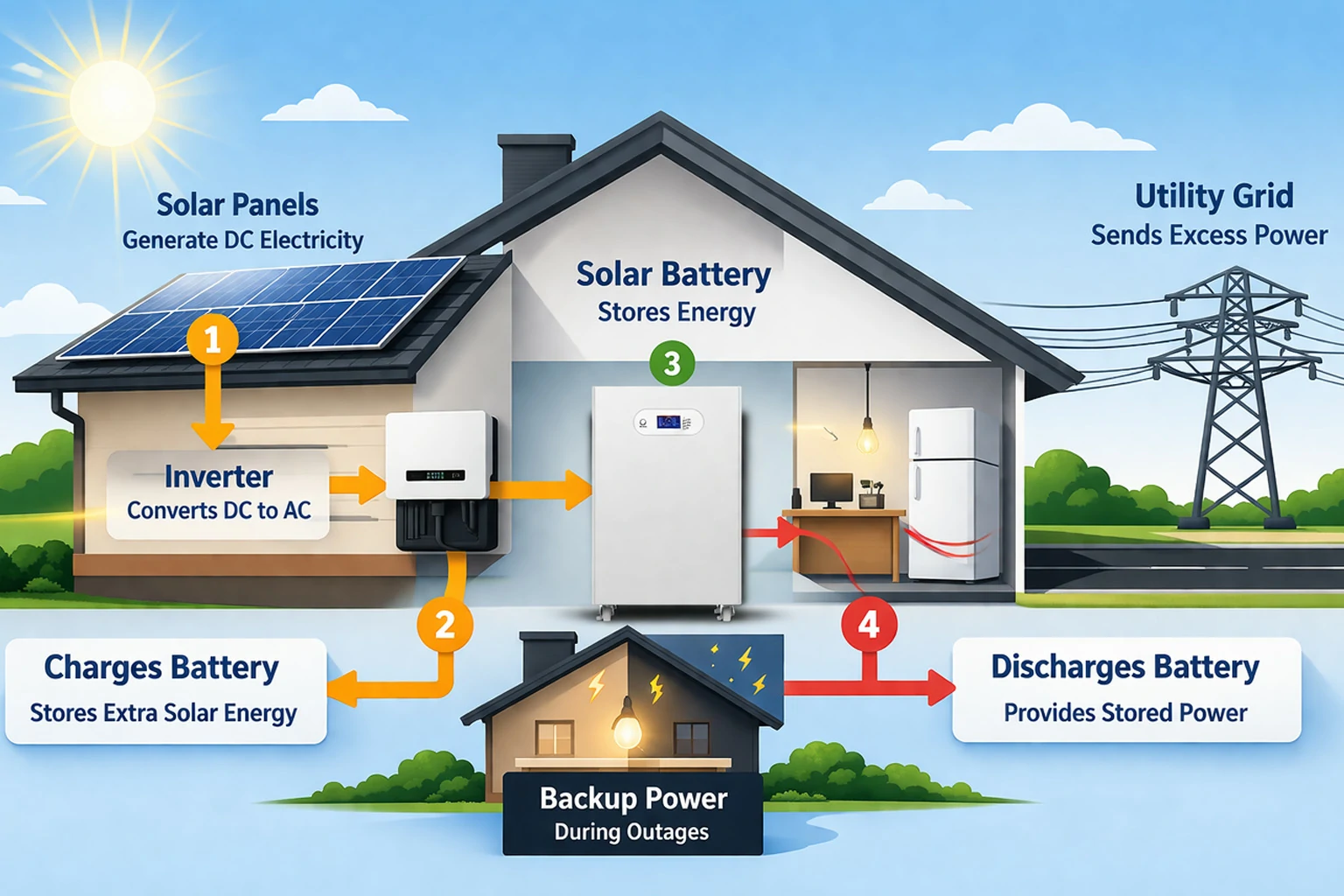
Solar panels produce DC electricity when sunlight hits them. A charge controller manages that DC power and charges the battery bank safely. An inverter converts DC power from the batteries into AC power that your home appliances use.
This basic flow is the core idea behind off-grid solar, even though real systems add breakers, fuses, monitoring, and sometimes generators for safety and reliability.
How Much Does an Off-Grid Solar System Cost?
The cost of an off-grid solar system varies much more than a grid-tied system because off-grid setups can range from a small remote cabin to a fully electrified large home that relies entirely on solar power.
A practical way to understand off-grid solar pricing is to break the total cost into key components:
- Solar panels and installation
- Battery storage (often the largest cost driver)
- Inverter and charge controllers
- Balance of system (BOS) components, including wiring, breakers, combiner boxes, and mounting racks
- Labor, system design, permits, and logistics (where applicable)
Because an off-grid system must meet 100% of a home’s energy needs without utility support, both the solar array and battery capacity are typically oversized to account for night use, bad weather, and seasonal changes.
10kW Off-Grid Solar System
A 10kW off-grid system is often suitable for a medium-size home with efficient appliances and careful energy management.
- Estimated battery storage: 30 kWh battery–60 kWh battery
- Typical cost range: $60,000 – $90,000
- Best for: Moderate energy use, partial electrification, or locations with good solar resources
20kW Off-Grid Solar System
A 20kW system is designed for large homes, high energy consumption, electric heating/cooling, or full off-grid living with minimal compromises.
- Estimated battery storage: 60 kWh battery–120 kWh battery
- Typical cost range: $100,000 – $150,000+
- Best for: Large households, off-grid estates, or year-round energy independence
In the United States, a fully engineered off-grid solar + battery system can cost $150,000 or more in some cases, especially when long autonomy, high surge loads, or harsh environmental conditions are involved.
While the upfront investment is significant, off-grid solar systems provide complete energy independence, long-term protection from rising electricity prices, and reliable power in locations where utility access is limited or unavailable.
Core Components of an Off-Grid Solar Power System
An off-grid solar power system relies on several key components working together to generate, store, and deliver electricity without any connection to the utility grid. Below are the most important elements.
Solar Panels
Solar panels convert sunlight into direct current (DC) electricity. While solar panels function the same way in both off-grid and grid-tied systems, off-grid systems typically require a larger solar array. This is because the system must generate enough energy not only to power current loads but also to fully charge the batteries for nighttime and low-sun conditions.
Buyers often compare monocrystalline, polycrystalline, and thin-film solar panels. Most modern residential systems use monocrystalline panels because they deliver higher efficiency in limited roof or ground space.
Thin-film panels are usually reserved for specialized applications where weight, flexibility, or surface coverage is more important than peak efficiency.
Charge Controller
The charge controller sits between the solar array and the battery bank. Its role is to regulate voltage and current, ensuring batteries are charged safely and protected from overcharging.
Off-grid solar guides often describe the charge controller as a critical component for battery health and system safety, as it controls how solar power is delivered to the batteries.
Most off-grid systems use MPPT (Maximum Power Point Tracking) charge controllers, which can extract more usable energy from solar panels under changing sunlight and temperature conditions compared to simpler PWM controllers.
Battery Storage
Batteries store excess solar energy so electricity is available at night, during cloudy weather, or when solar production is low. They also help stabilize power during sudden load spikes, such as when water pumps or power tools start.
Most modern off-grid systems use lithium iron phosphate (LiFePO₄ or LFP) batteries. Compared to lead-acid batteries, LFP batteries typically offer:
- Longer cycle life
- More stable performance
- Lower maintenance requirements
While some budget-conscious off-grid users still rely on lead-acid batteries, they generally require more frequent maintenance and replacement.
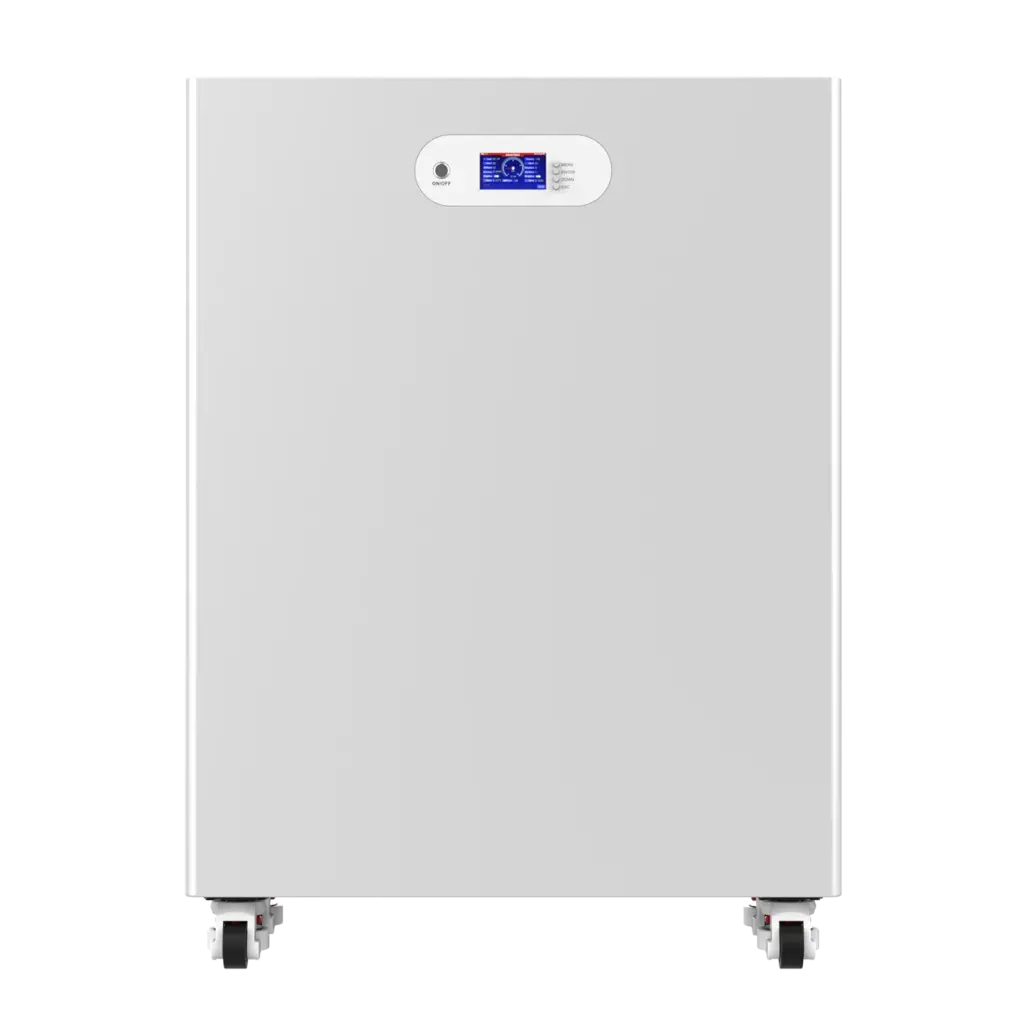
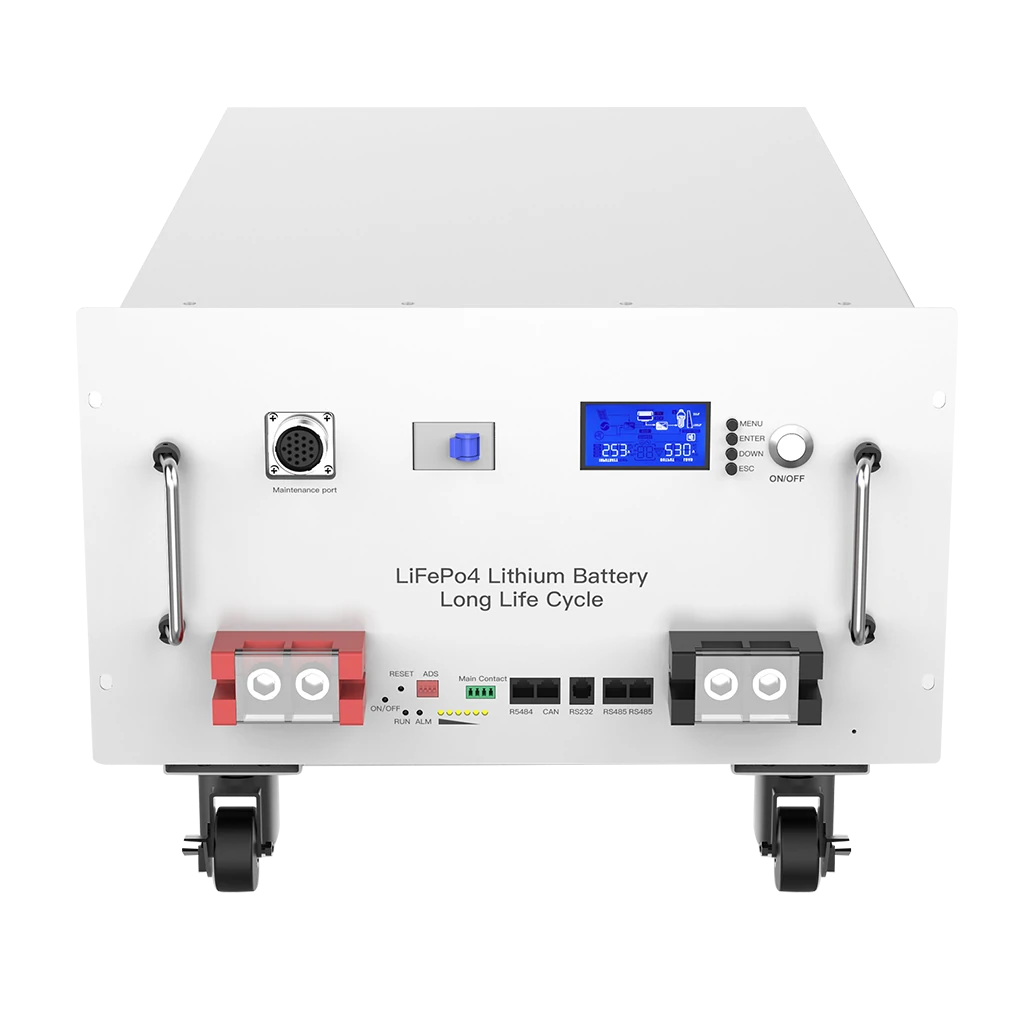
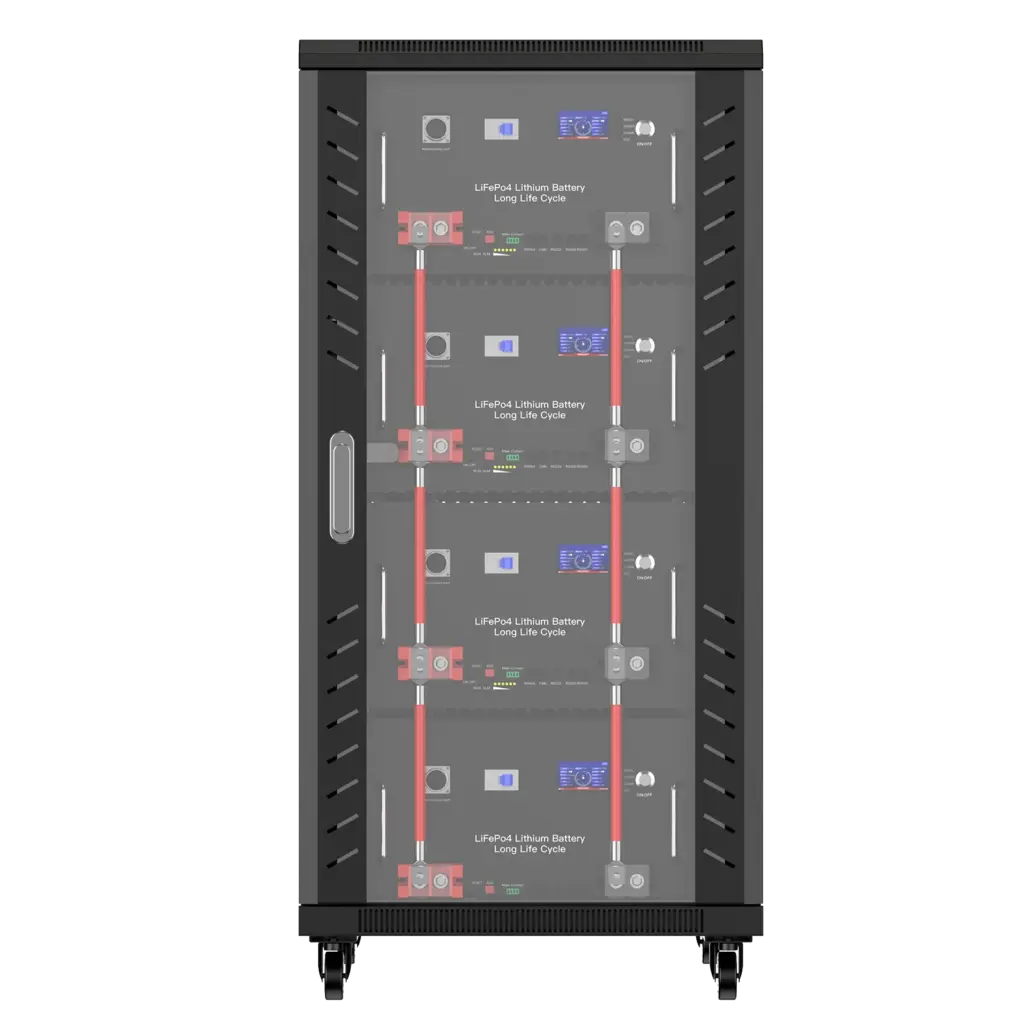
For whole-home backup power or true off-grid living, large battery capacities are required. Battery costs at this scale are significant, typically ranging from $25,000 to $40,000 on average, depending on capacity and system design. Off-grid systems built with LiFePO4 battery technology—such as the Avepower stackable LiFePO4 battery—deliver 8,000+ cycles and can run for 10 years or longer with minimal loss of performance. They also typically require little to no maintenance.
Inverter
The solar inverter converts DC electricity (from solar panels or batteries) into AC power, which is required by most household appliances.
In off-grid systems, the inverter plays a more advanced role than in grid-tied setups. In addition to DC-to-AC conversion, off-grid inverters manage:
- Generator input
- Load distribution
- Battery charging rules
Many off-grid inverters are also designed to handle high surge power, which is essential for starting motors, compressors, and other inductive loads.
Key Differences Off-Grid Solar System vs Grid-Tied
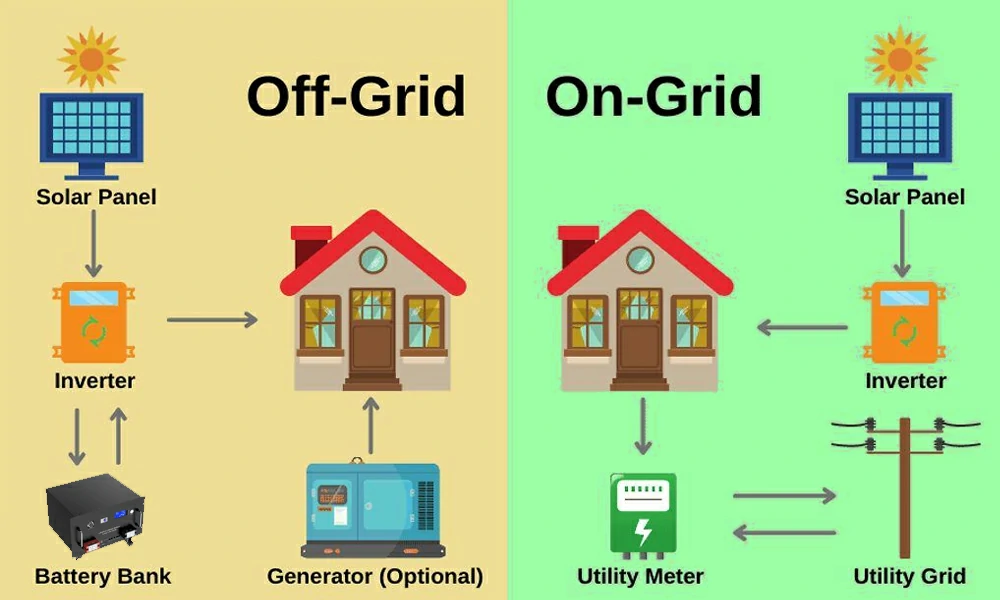
Off-grid and grid-tied systems both use solar panels, and both systems can lower fossil fuel use. The key difference is the backup source. An off-grid system uses batteries (and often a generator) as backup. A grid-tied system uses the utility grid as backup.
| Feature | Off-Grid Solar | Grid-Tied Solar |
|---|---|---|
| Grid connection | The system has no grid connection | The system stays connected to the grid |
| Batteries | The system needs batteries | The system usually has no batteries |
| Power during a grid outage | The system keeps running if the batteries have energy | The system usually shuts down for safety |
| Excess solar power | The system may waste extra power if batteries are full | The system can export to the grid if rules allow |
| Typical upfront cost | The system cost is usually higher | The system cost is usually lower |
| Best fit | Remote sites, high outage risk, full independence | Most city and suburban homes |
Backup and Resilience
A grid-tied solar system usually shuts down during a blackout for safety reasons. The shutdown protects utility workers and equipment, and many inverters use anti-islanding protection to stop exporting power when the grid is down.
An off-grid system keeps running during outages because the system does not depend on grid voltage to operate.
Storage Requirement
An off-grid system needs batteries because the system must supply power at night. A grid-tied system does not need batteries because the grid provides night-time energy. That battery requirement is the biggest driver of cost and design complexity in off-grid solar.
Energy “Waste” vs Energy Export
An off-grid system can waste energy on sunny days when the batteries are full and the loads are low. A grid-tied system can export surplus energy to the grid, and that export can reduce the payback time when local compensation rules support it.
System Sizing Pressure
An off-grid system must cover the worst reasonable case, because the system has no grid safety net. A grid-tied system can be sized closer to average usage, because the grid can cover shortfalls.
Cost Profile
An off-grid system usually costs more upfront because batteries, extra controls, and sometimes a generator add cost. A grid-tied system usually costs less upfront and can deliver faster simple payback in many urban and suburban markets.
Advantages of Off-Grid Solar Systems
As a fully independent energy solution, off-grid solar systems offer several compelling benefits:
- You generate, store, and use your own electricity without relying on a utility provider.
- Because you produce and consume your own energy, rising utility rates and monthly power bills no longer affect you.
- Off-grid solar is especially well suited for rural locations or regions where grid power is unavailable or unreliable
- When designed with adequate solar capacity and battery storage, off-grid systems can deliver consistent electricity—even during extended periods of limited sunlight
However, off-grid systems also come with trade-offs. Initial investment costs are higher, mainly due to the need for battery storage. In addition, excess energy may go unused when battery capacity is full and electricity demand is low.
Advantages of Grid-Tied Solar Systems
While grid-tied solar systems depend on the utility grid, they also offer several important advantages:
- Grid-tied systems are generally more affordable because they do not require large battery storage systems.
- Any surplus electricity is exported to the grid, helping reduce your electricity bill through net metering or feed-in tariffs.
- If your solar system does not produce enough power at certain times, the grid seamlessly supplies the additional electricity you need.
That said, grid-tied solar systems also have limitations. They do not provide backup power during grid outages, as the system must automatically shut down for safety reasons when the grid goes offline.
What About a Hybrid Solar System?
A hybrid solar system mixes solar, batteries, and a grid connection. A hybrid system can store energy like an off-grid system and can also draw from the grid like a grid-tied system. Many hybrid systems can keep critical loads running during outages, and many hybrid systems can still export energy depending on local rules and hardware.
A hybrid setup can feel like the “best of both,” but a hybrid setup also adds complexity. A hybrid system usually needs more gear, more design work, and more careful settings to make everything work smoothly.
How to Properly Size an Off-Grid Solar System
Correctly sizing an off-grid solar system starts with understanding both daily energy consumption and peak power demand. Your system must be able to supply the total electricity you use each day (measured in kilowatt-hours) and handle the highest loads that may run at the same time.
Step 1: Calculate Your Daily Energy Consumption (kWh)
Daily energy usage can be estimated by reviewing past utility bills (if the property was previously connected to the grid) or by listing each appliance along with its power rating and usage time. Homeowners may also use home energy monitors to collect accurate, real-world data.
A home that consumes 20 kWh per day requires a very different system than a remote cabin using only 3 kWh per day. System size should always be based on actual usage—not rough assumptions.
Step 2: Size the Solar Array Using Local Peak Sun Hours
Peak sun hours vary by location and season. System designers divide daily energy consumption (kWh) by the average daily peak sun hours, then add a buffer to account for system losses.
Winter performance is especially important, as shorter days and lower sun angles often represent the limiting case for off-grid system output.
Step 3: Select Battery Capacity Based on Days of Autonomy
Battery sizing is not only about how much energy you use in one day, but also how many days you want the system to operate with little or no sunlight.
- Homes with a backup generator may choose 1–2 days of autonomy
- Remote locations or critical-load applications often require 2–4 days of autonomy
The right choice depends on accessibility, weather patterns, and how critical uninterrupted power is to the household.
Step 4: Size the Inverter for Peak and Surge Loads
The inverter must be powerful enough to handle simultaneous loads and provide sufficient surge capacity for starting motors, pumps, and compressors.
Designers also evaluate the battery discharge limits to ensure the battery system can safely supply the inverter during high-load events without excessive stress or voltage drop.
How Long an Off-Grid Battery Can Last in Real Use
A battery’s “runtime” depends on usable battery capacity and the loads you run.
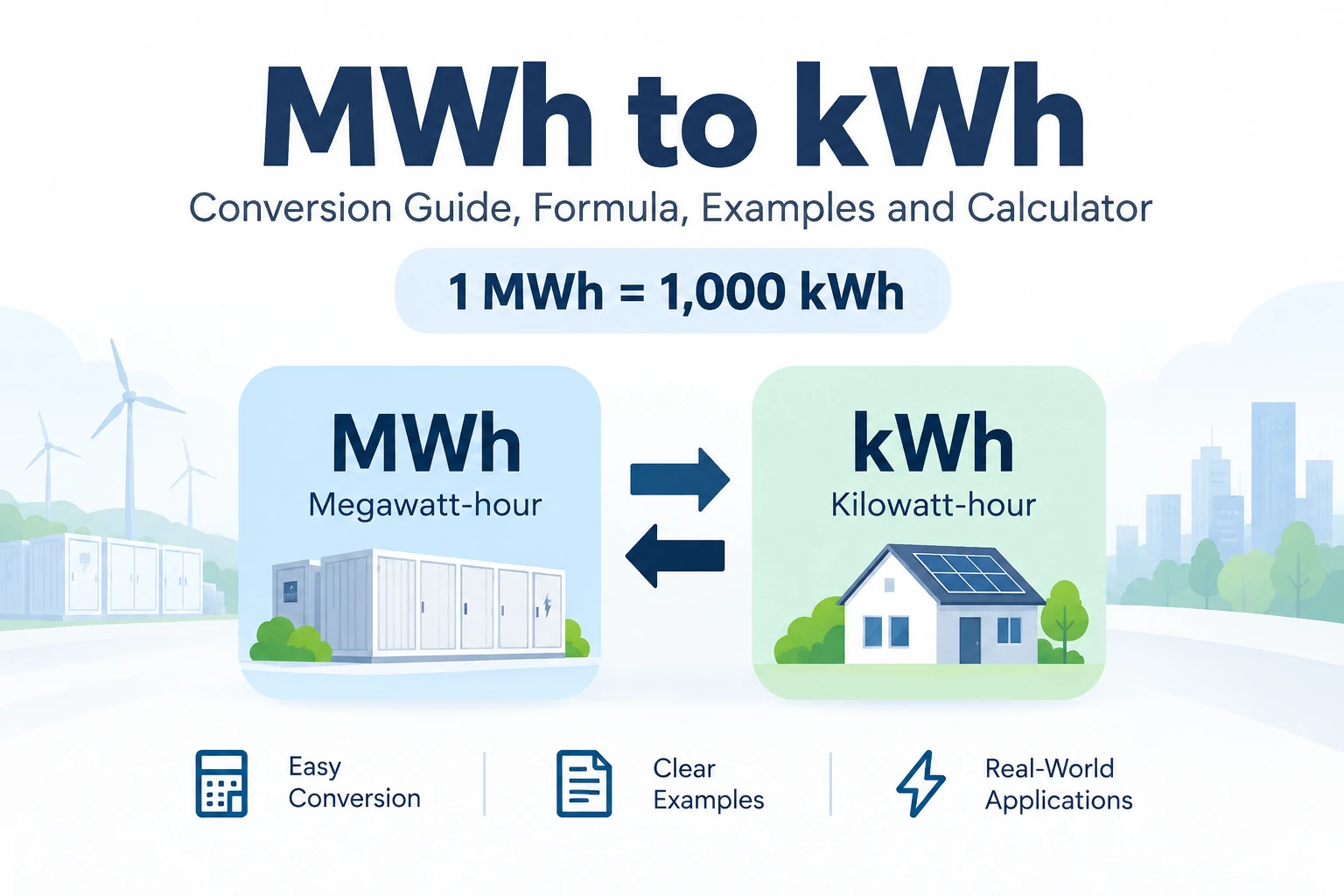
A 20 kWh battery does not always give a full 20 kWh of usable energy. Many systems reserve a safety buffer. Many systems also face inverter losses. A real design might assume 80–90% usable energy depending on battery settings and hardware.
A home that averages 2 kW can drain 16 kWh of usable energy in about 8 hours. A home that averages 0.5 kW can run much longer.
Power Your Independence with a Smarter Solar Solution
No matter which option you choose, generating clean renewable energy helps reduce your carbon footprint while lowering long-term energy costs—a true win-win. Before deciding which type of solar system is right for you, it is important to carefully evaluate your specific energy needs, usage patterns, site conditions, and budget.
If you are considering an off-grid solution, Avepower offers reliable off-grid solar and battery storage systems designed to meet a wide range of power demands. Share your daily energy usage, critical loads, and desired backup duration with us, and our team will recommend the right system configuration for your needs. Contact Avepower today to receive a tailored solution and a detailed quotation.
Take Control of Your Energy with Avepower!
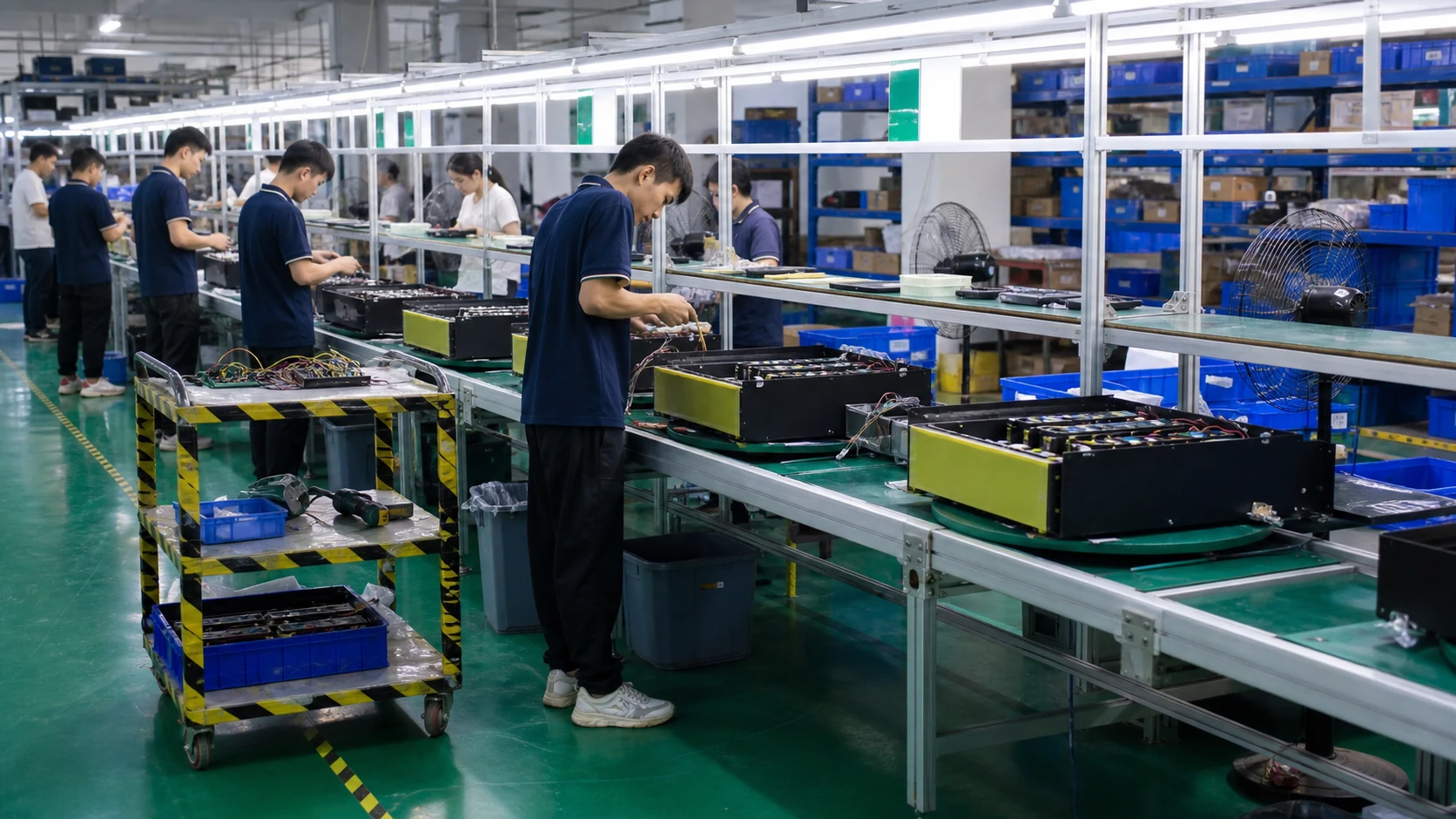
Reliable home solar battery solutions with OEM/ODM customization and in-house manufacturing, tailored to the needs of distributors, installers, and energy partners.
FAQ
An off-grid solar system is a solar power setup that operates without a connection to the utility grid. The system uses solar panels to generate electricity and batteries to store energy for use at night or during low-sun periods.
An off-grid system must rely on batteries and system sizing to meet demand because the grid is not available. A grid-tied system can draw power from the grid when solar output is low and can often export surplus energy for credits, depending on local rules.
Most off-grid systems include solar panels, mounting hardware, a charge controller (or hybrid inverter), a battery bank, an inverter, wiring and protection devices, and sometimes a backup generator.
You should calculate daily kWh usage, identify peak power needs, estimate solar production based on sun hours, and choose an appropriate battery capacity and autonomy days. A professional assessment is recommended because load behavior and local conditions strongly affect sizing.