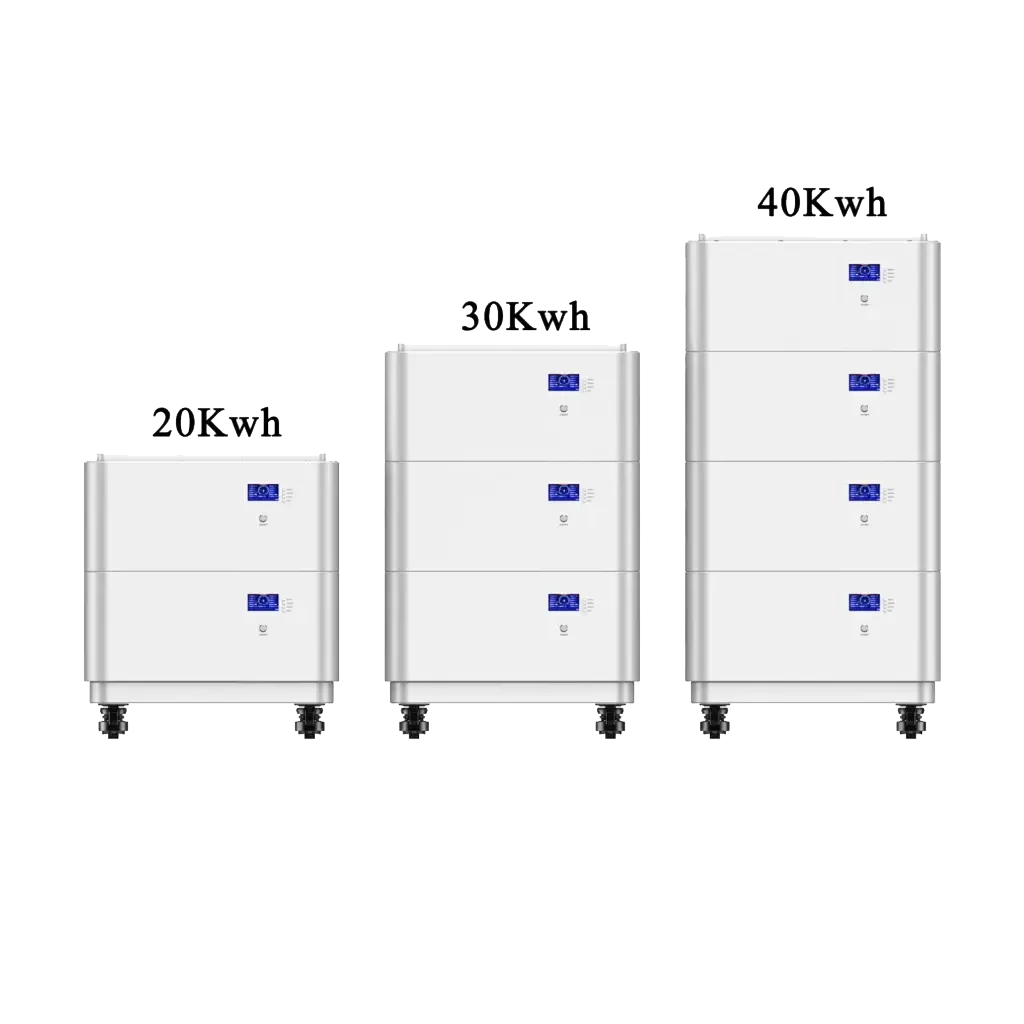

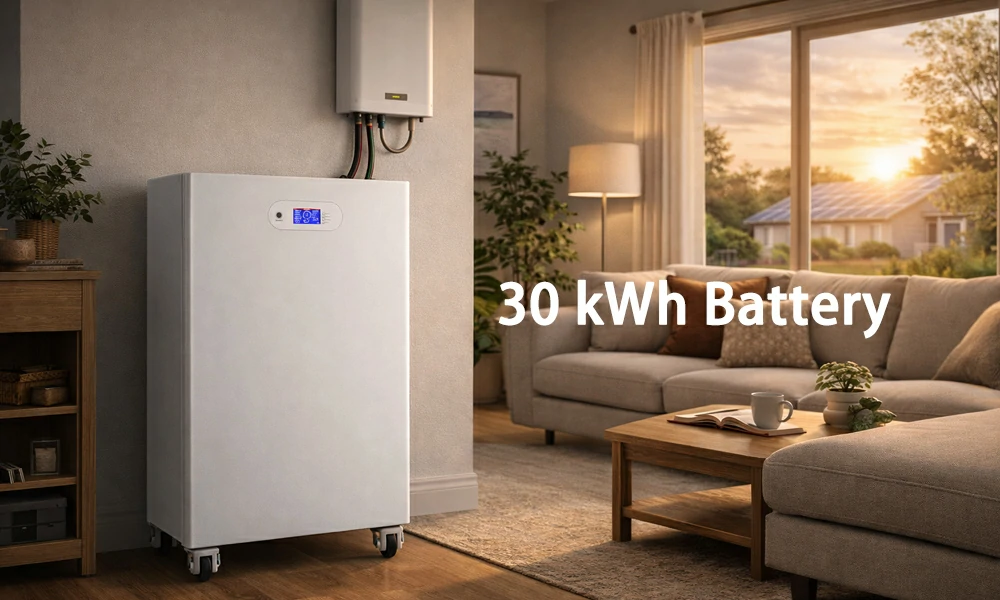
A 30 kWh home battery is a powerful step toward energy independence. A homeowner can use a 30 kWh battery to store solar energy, reduce grid usage during peak rates, and keep essential appliances running during outages. Many homeowners ask a simple question: Is a 30 kWh battery enough for my home, and how long will it actually last?
This guide explains what a 30 kWh battery means, what it can power, how long it lasts in real homes, how long it takes to charge, and what it typically costs.
What Does a 30 kWh Battery Mean?
A 30 kWh battery can store 30 kilowatt-hours of electrical energy. This number represents how much electricity the battery can hold, not how fast it can deliver that electricity.
Every household uses energy over time. A kilowatt-hour measures energy consumption when a device uses one kilowatt of power for one hour. For example, a 1,000-watt appliance running for one hour consumes 1 kWh of electricity.
A fully charged 30 kWh battery can theoretically:
- Power an average home for about one full day
- Support essential appliances during a blackout for many hours
- Recharge an electric vehicle one or two times, depending on vehicle size
- Store excess solar energy produced during the day
Energy Capacity vs Power Output: A Key Difference
Many people confuse energy capacity and power output. A battery system includes both measurements, and each one serves a different purpose.
- Energy capacity (kWh) describes how much electricity the battery can store
- Power output (kW) describes how quickly the battery can deliver electricity
A 30 kWh battery may deliver 5 kW, 10 kW, or more at any given moment, depending on its inverter and design. A higher power rating allows the battery to run more appliances at the same time, while energy capacity controls how long the battery lasts.
A home with high power demand but low daily usage may still need a battery with strong output, even if capacity remains moderate.
How Much of 30 kWh Is Actually Usable?
A homeowner rarely uses the full “nameplate” 30 kWh as delivered AC energy. A real system loses some energy to round-trip efficiency, inverter conversion, and reserve limits set by the battery management system.
A practical planning shortcut is to treat a “30 kWh” battery as roughly ~23–27 kWh usable for outage planning, depending on the battery’s allowed depth of discharge and the system’s losses.
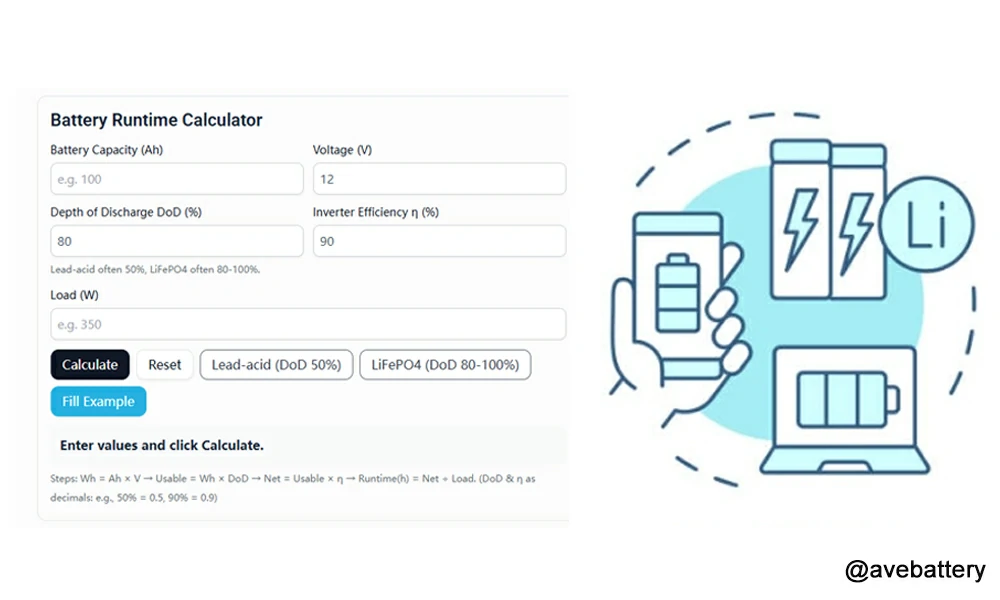
Example (simple planning math): 30 kWh × 90% usable depth × 85% round-trip efficiency ≈ 23 kWh delivered.
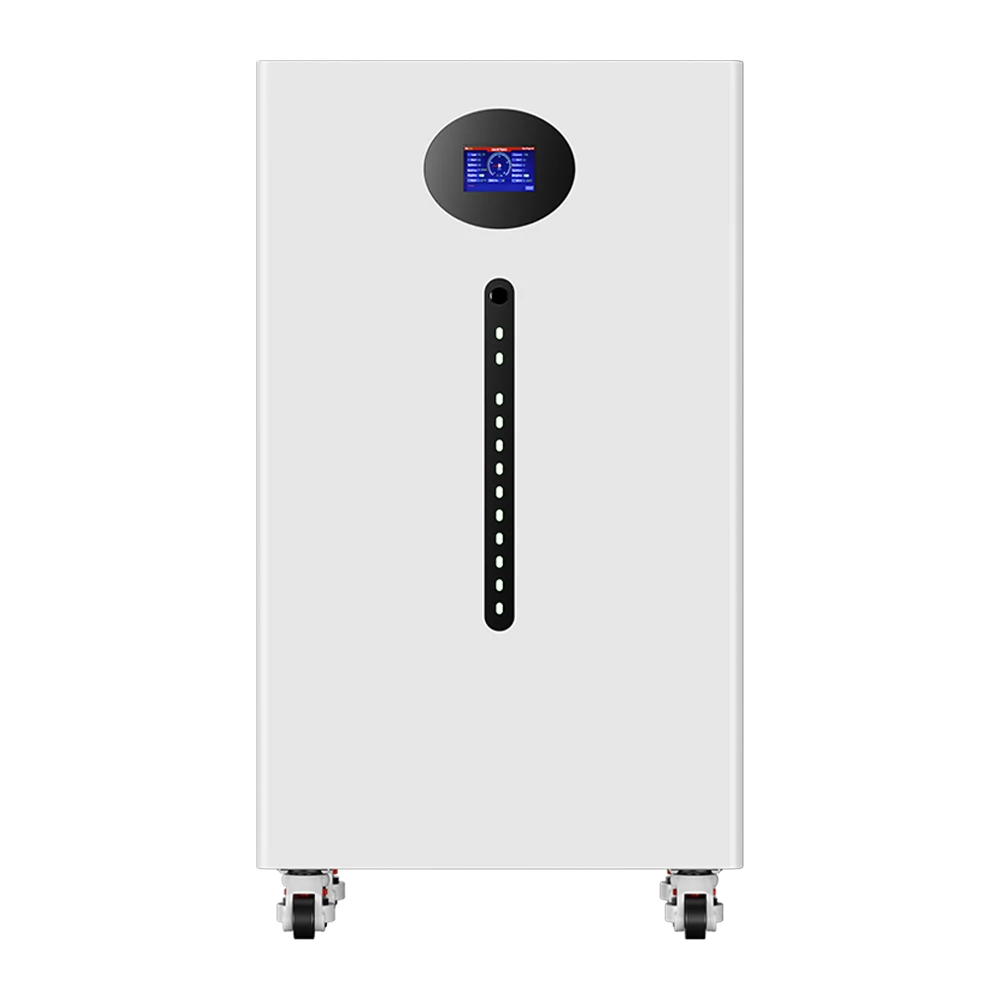
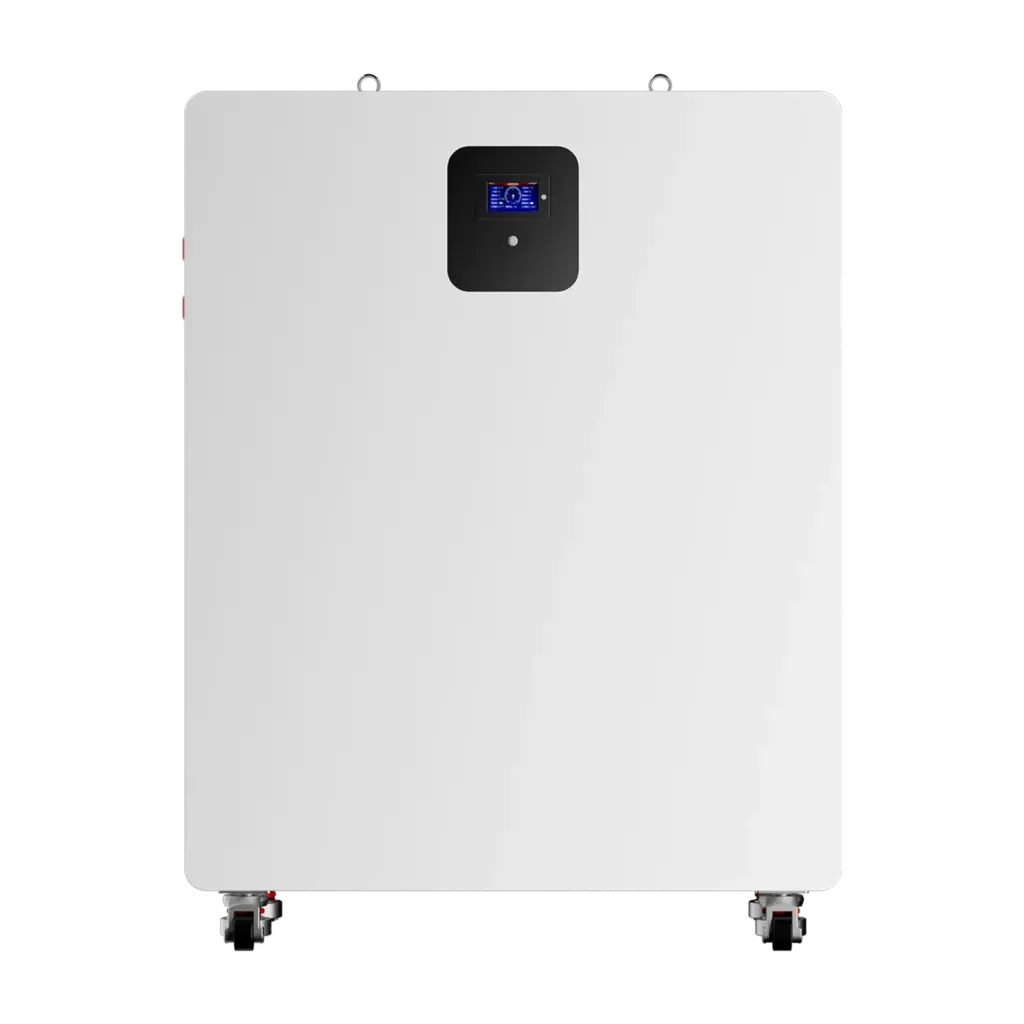
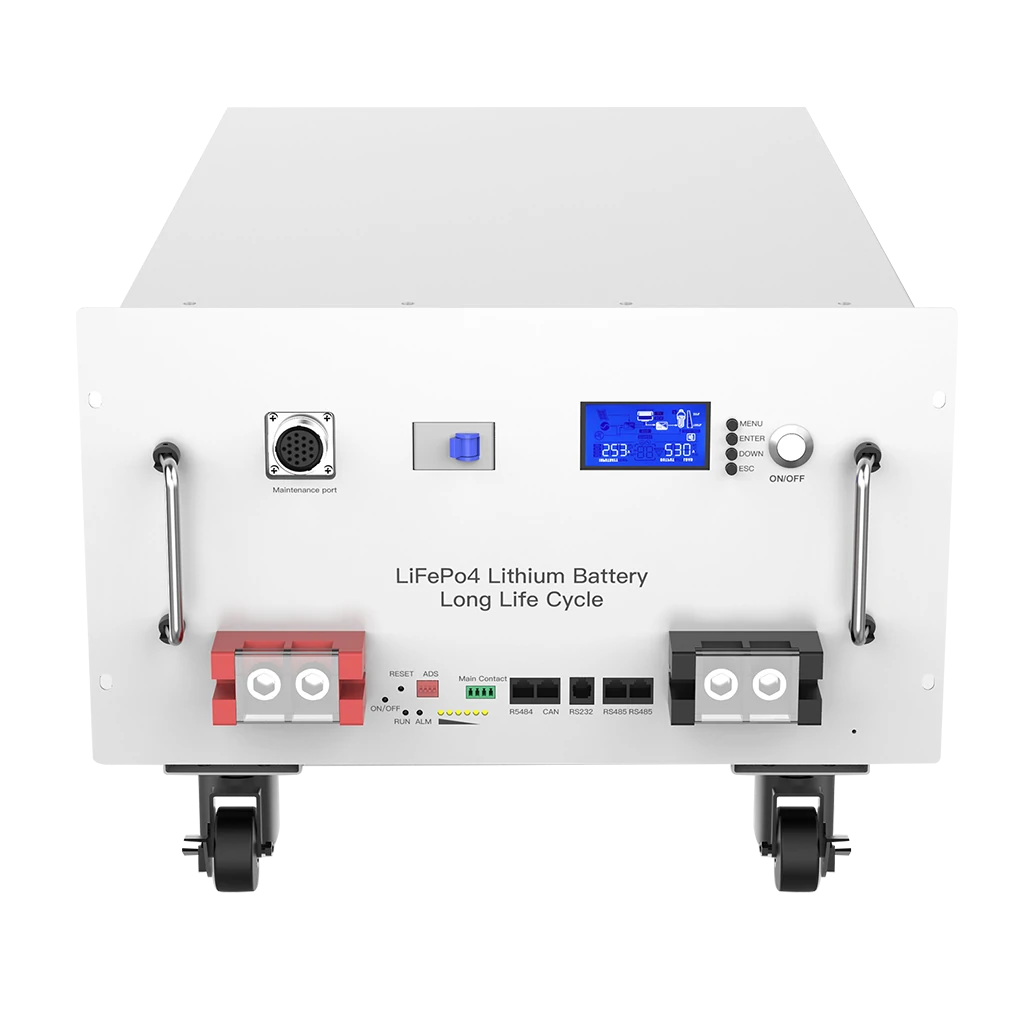
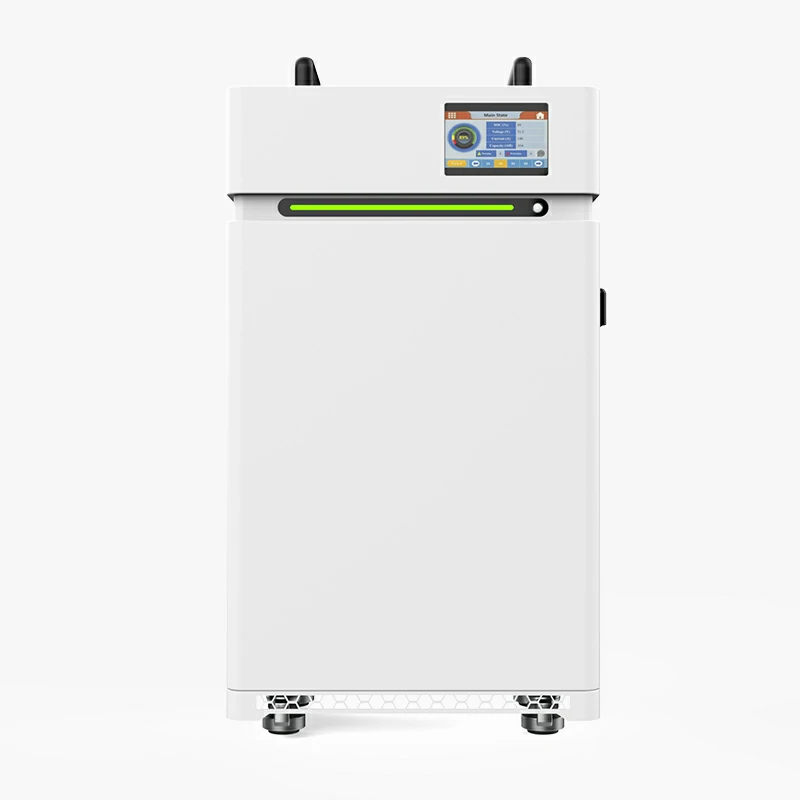
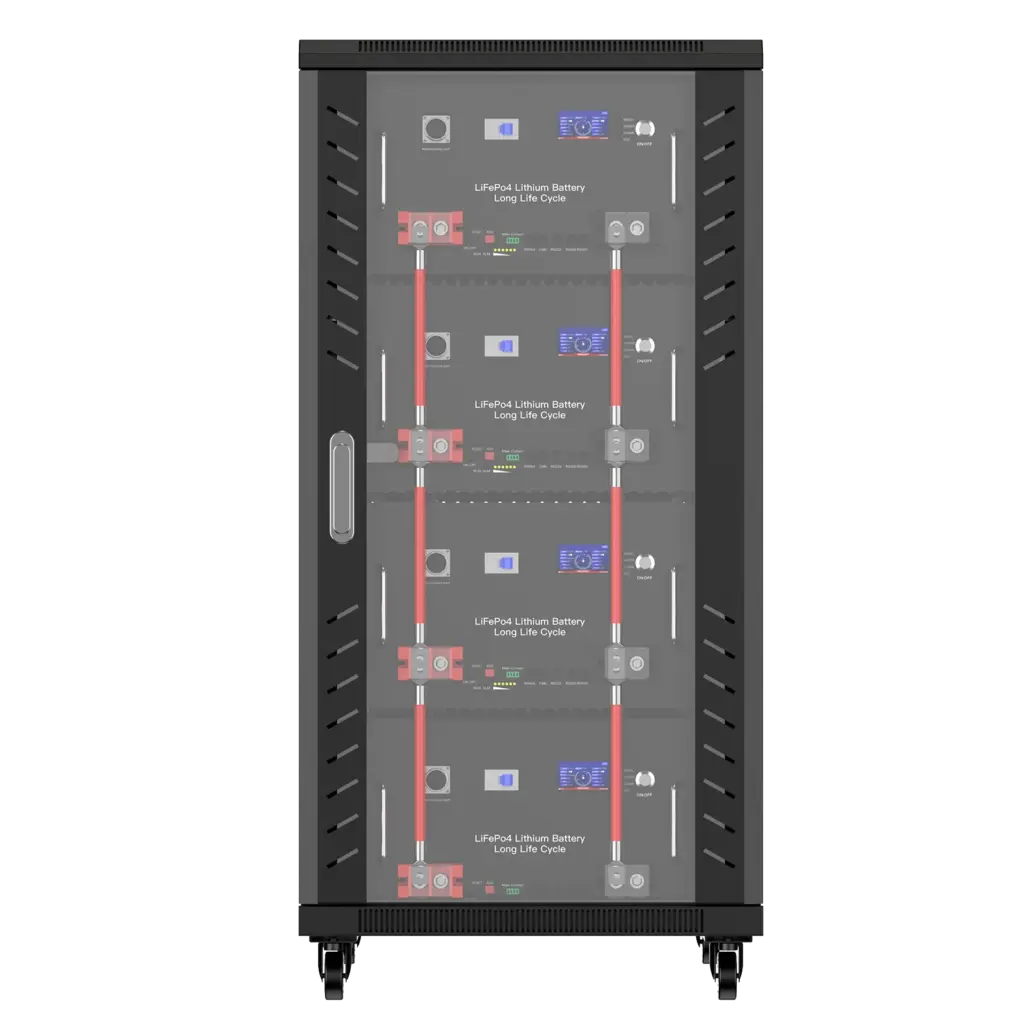
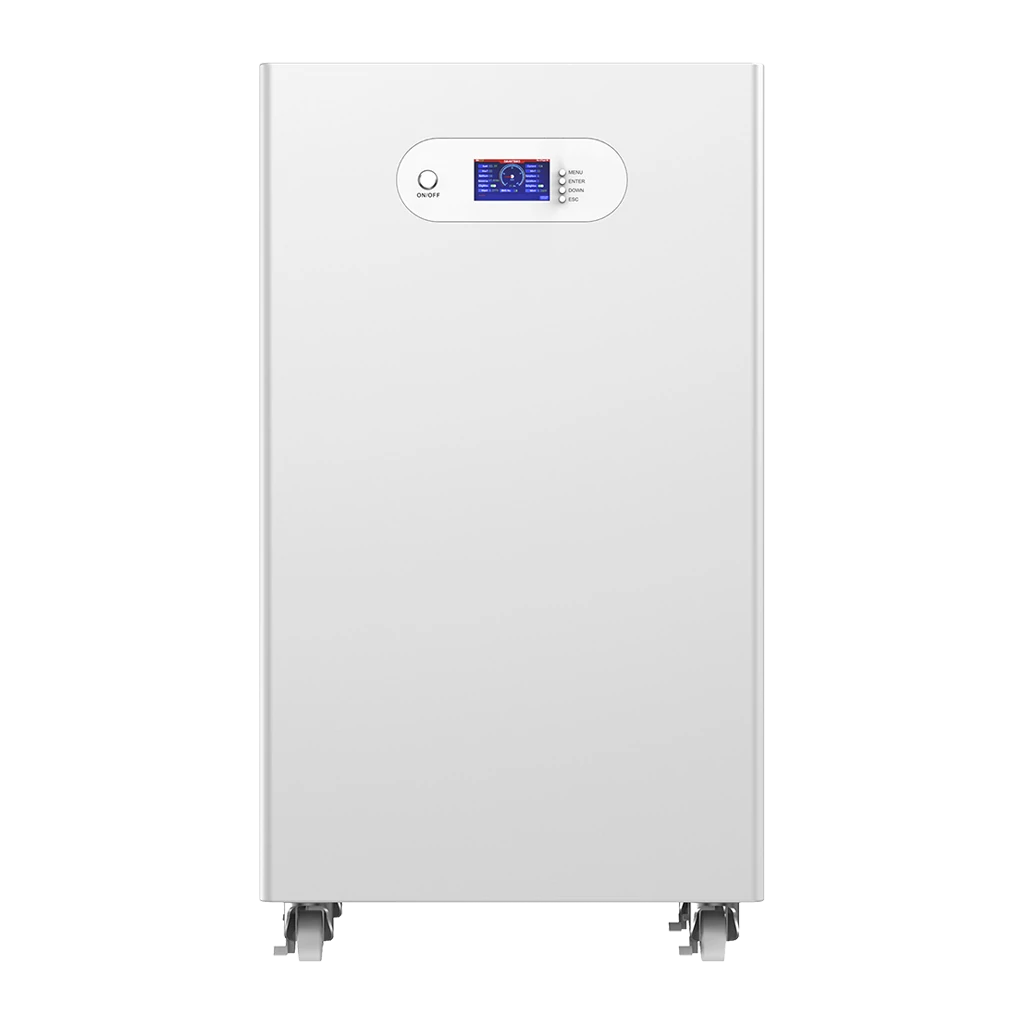
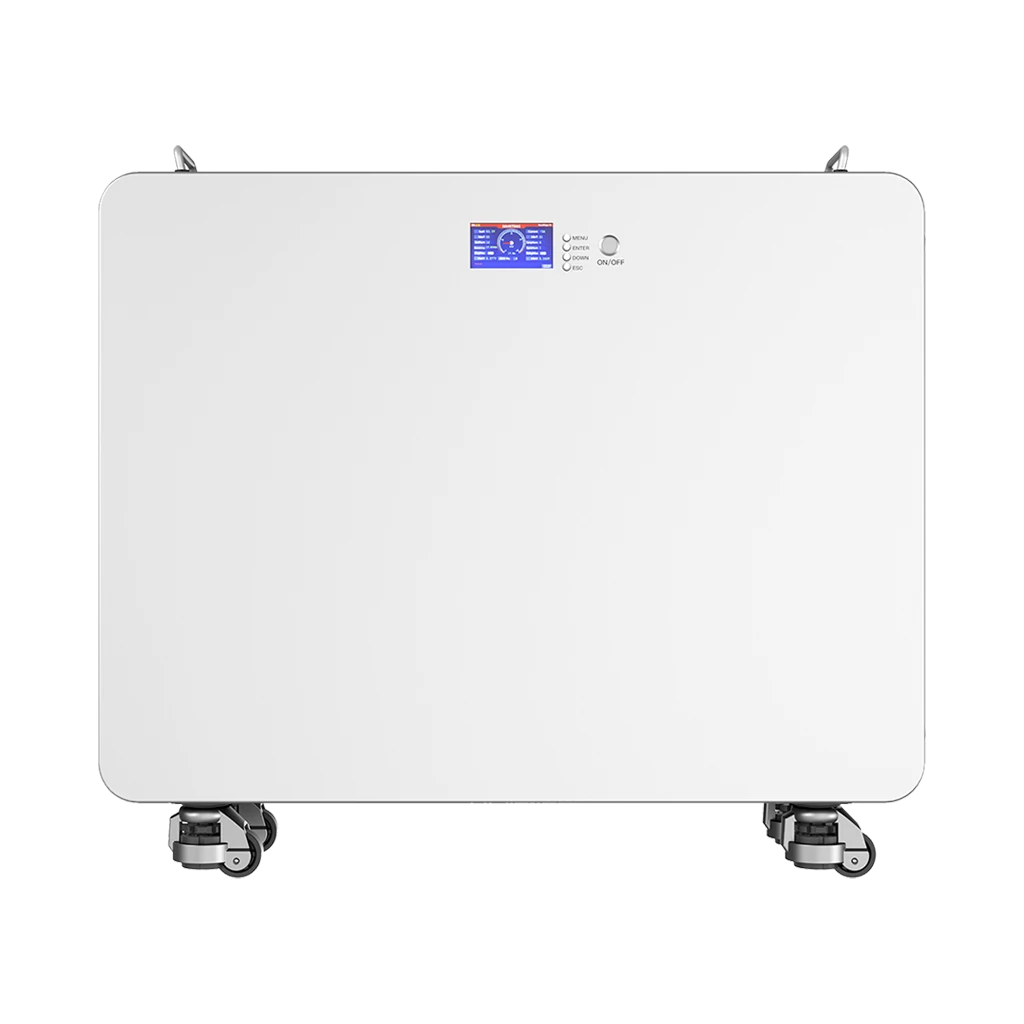
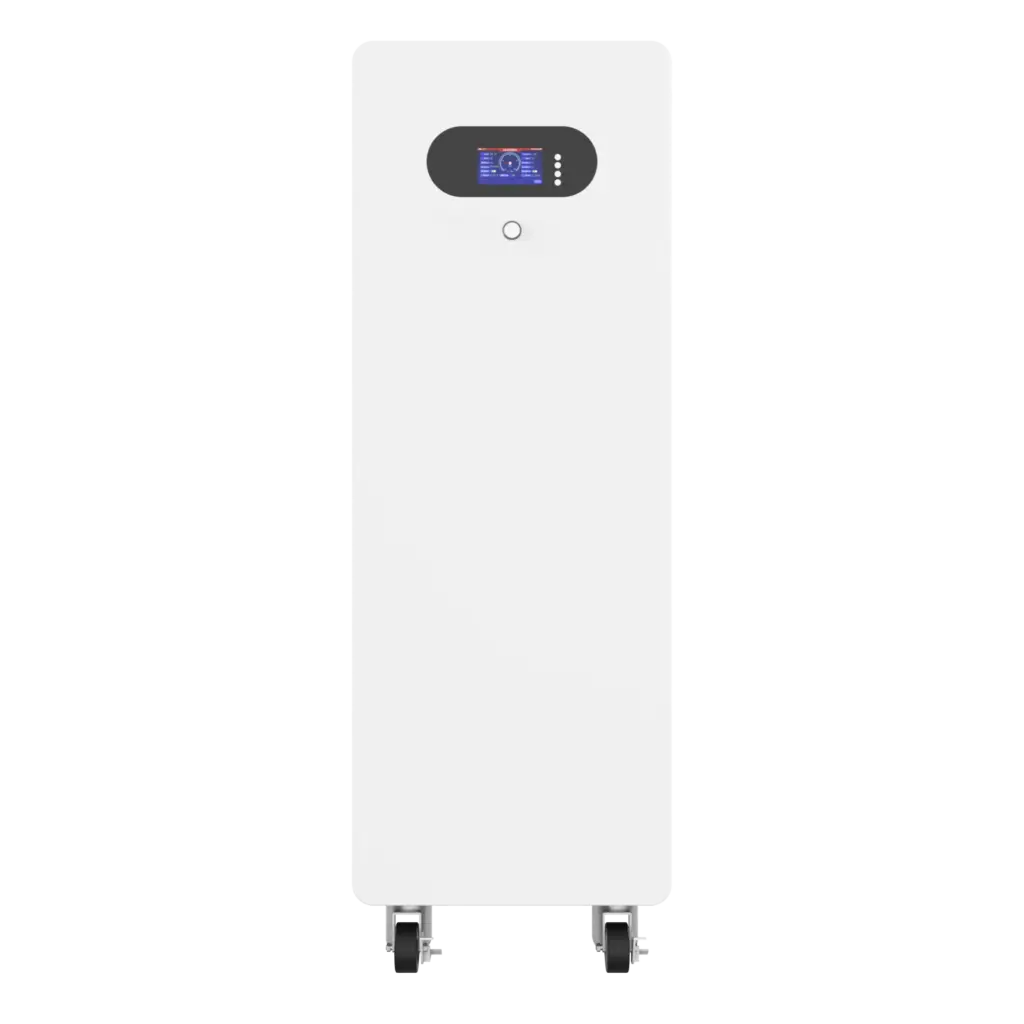
The Avepower 30kWh 600Ah vertical battery is a useful real-world example here. Its product page lists 48V nominal voltage, 600Ah nominal capacity, 30kWh nominal energy, 200A max charge current, and 200A max discharge current. It also lists cycle life above 8000 cycles at 80% DoD and a designed life of 10+ years.
How Much Electricity Does a Typical Home Use?
A typical U.S. residential customer used about 899 kWh per month in 2022, which is about 30 kWh per day on average. A larger home, electric heating, a pool pump, or EV charging can push daily use much higher. A smaller home with gas heating and efficient appliances can use much less.
A quick way to check if 30 kWh is “enough”
A homeowner can list “critical loads” and estimate daily kWh for outages. A homeowner can then multiply by the number of outage days they want to cover and add a loss buffer (often 10–20%).
If a homeowner’s critical loads are ~10 kWh/day, a 30 kWh battery can often cover ~2 days of critical backup. If a homeowner’s whole-home use is ~30 kWh/day, a 30 kWh battery usually covers less than a day unless solar recharges it.
How Much Does a 30 kWh Battery Cost?
In 2026, the price of a 30 kilowatt-hour (kWh) home energy storage system typically ranges between $1,000 and $1,600 per kWh. This means the total installed cost for a 30 kWh battery system generally falls between $30,000 and $48,000.
NREL notes that the battery pack can be a significant portion of cost, but it is only a fraction of the total installed system once BOS components, power electronics, and labor are included.
Factors Influencing Price
- Battery Chemistry: Different battery types (such as lithium iron phosphate vs. nickel manganese cobalt) significantly impact cost.
- Brand and Quality: Well-known brands with high-quality cells usually command higher prices but offer better lifespan and safety.
- Installation Complexity: Site conditions, additional equipment like inverters, grid connection, and commissioning add to total costs.
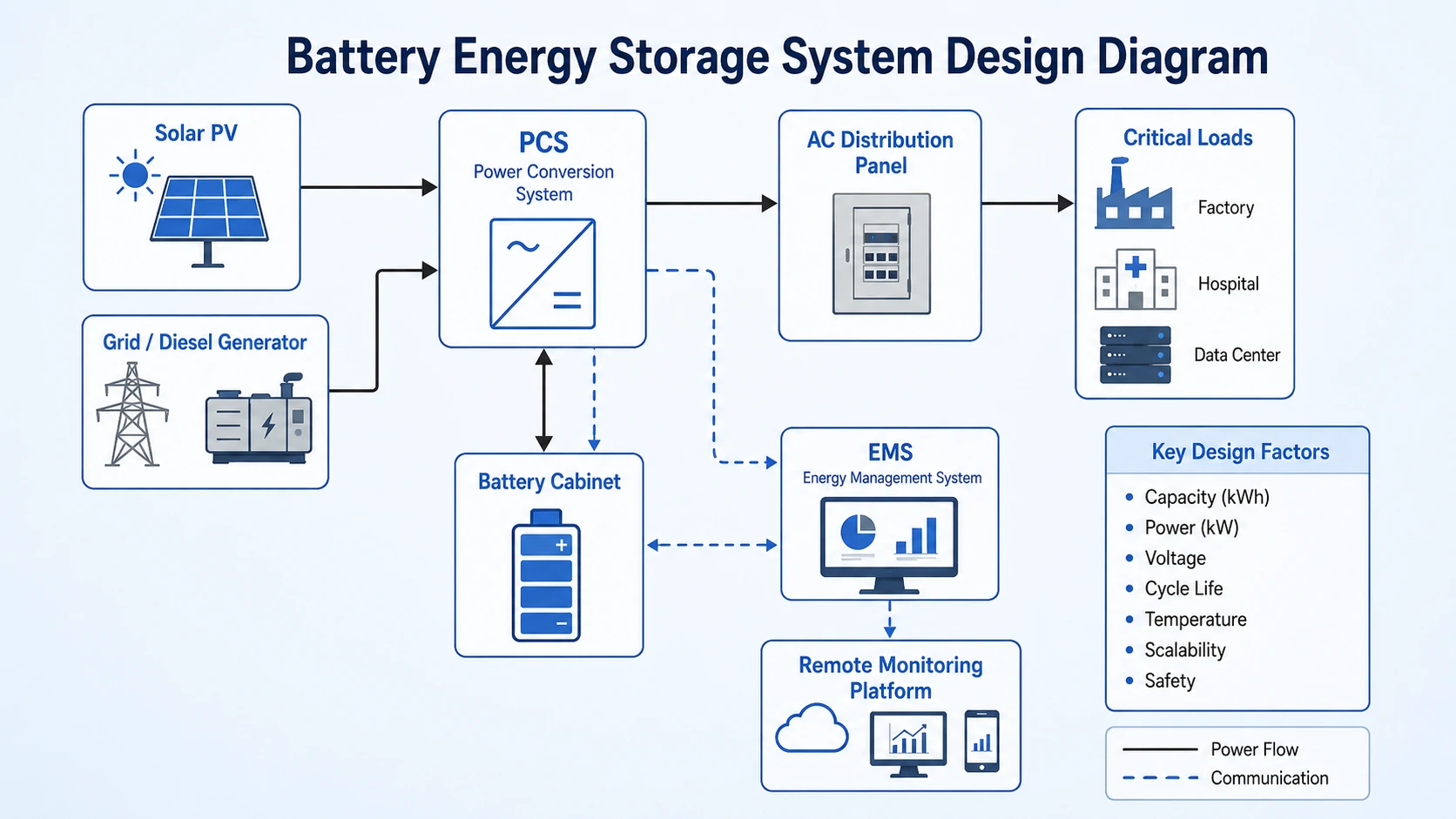
- System Features: Inclusion of energy management systems (EMS), solar integration, and monitoring capabilities can affect pricing.
Incentives and tax credits (update for 2026): A homeowner should verify current incentives before budgeting. IRS guidance around the Residential Clean Energy Credit (25D) changed, and IRS documents indicate termination for expenditures after December 31, 2025.
If you are looking for a reliable 30 kWh solar battery for home storage, backup power, or a larger residential energy project, explore the Avepower 48V 600Ah 30kWh Vertical LiFePO4 Battery. It offers a strong balance of capacity, safety, long cycle life, smart monitoring, and future expansion for homeowners, installers, and distributors. You can review the specifications and contact Avepower for inverter compatibility, customization options, and project pricing.
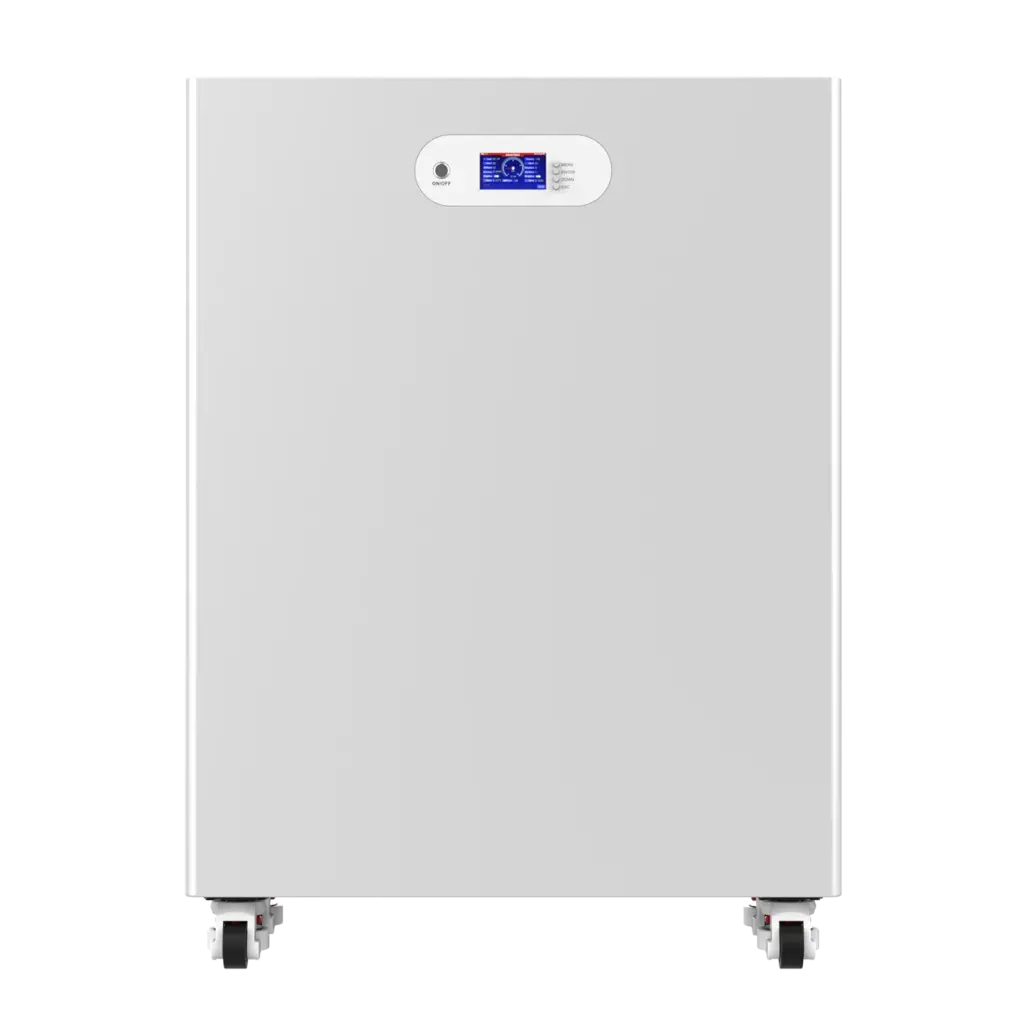
Avepower 30kWh Solar Home Battery
- Nominal Voltage: 48V
- Nominal Capacity: 600Ah
- Nominal Energy: 30kWh
- Max Charge Current: 200A
- Max Discharge Current: 200A
- Communication Protocols: RS485 / RS232 / CAN
- Monitoring: Bluetooth & WiFi
- Parallel Expansion: Up to 16 units
How Long Will a 30 kWh Battery Last?
A 30 kWh battery runtime depends on two things:
- How much power the home needs at one time (kW peaks)
- How much energy the home uses (kWh per day)
A you can estimate runtime with a simple formula:
Estimated hours = usable battery energy (kWh) ÷ average load (kW).
Assumption for planning: ~23 kWh usable from a 30 kWh system (example).
| Home Energy Use Pattern | Daily Energy Use (kWh/Day) | What a 30 kWh Battery Often Covers (Approx.) |
|---|---|---|
| Essential loads only (fridge, lights, internet, some outlets) | 8–12 | ~2 to 3 days |
| Efficient home (no heavy HVAC, careful use) | 15–20 | ~1.1 to 1.5 days |
| Typical home use (varies by climate and behavior) | 25–35 | ~0.7 to 1.0 day |
| High-use home (big HVAC, electric cooking, pool pump, EV charging) | 45–60 | ~0.4 to 0.5 day |
If a you runs a refrigerator (150 W average), Wi-Fi (20 W), some lights (80 W), and outlets (150 W average), the combined load may be ~400 W average. A 30 kWh battery (usable ~23 kWh) can then last about ~57 hours (about 2.4 days).
A Real Example of a 30 kWh Home Battery System
If you are looking at real-world products instead of just theoretical battery sizing, a 30 kWh system like the Avepower 48V 600Ah Vertical LiFePO4 Home Battery gives a practical reference point. It is built around a 30 kWh nominal energy capacity with a 48V, 600Ah configuration, making it suitable for homes that want longer backup duration, better solar self-consumption, and more flexibility during peak electricity pricing periods.
In practical terms, this kind of system can be a strong fit for homeowners who want to run essential household loads for an extended period, or support a larger home with careful energy management. Compared with smaller battery sizes, 30 kWh gives you much more room to cover refrigeration, lighting, internet, outlets, and part of your HVAC or kitchen loads, depending on your usage habits and whether solar can recharge the battery during the day.
Key Factors That Affect 30 kWh Battery Runtime
Understanding what influences battery runtime helps you plan their energy usage more effectively. Battery capacity alone does not determine how long a system will last—how the energy is used, managed, and replenished is equally important.
1. Peak Loads vs. Steady Loads
Most homes do not consume electricity at a constant rate. High-power appliances such as air conditioners, ovens, kettles, and clothes dryers draw large amounts of power for short periods. These peak loads can drain a battery much faster than steady, low-power devices like LED lighting, Wi-Fi routers, or refrigerators.
When multiple high-wattage appliances operate simultaneously, battery discharge accelerates significantly. Managing or staggering these peak loads is one of the most effective ways to extend battery runtime.
2. Depth of Discharge (DoD)
Lithium battery systems are not typically designed to be fully discharged. Instead, home battery manufacturers specify a Depth of Discharge (DoD), which defines how much of the battery’s total capacity can be safely used.
For example:
- A 30 kWh battery with 80% DoD provides 24 kWh of usable energy
- A 30 kWh battery with 90% DoD provides 27 kWh of usable energy
A higher DoD increases usable energy and runtime, but it may slightly reduce long-term battery lifespan. High-quality battery systems balance usable capacity with long cycle life to ensure reliable performance over many years.
3. Solar Charging Availability
When paired with solar panels, a battery becomes far more powerful. During the day, solar panels can power your home directly and recharge the battery at the same time.
On sunny days, a properly sized solar system can:
- Refill the battery before sunset
- Extend backup power over multiple days
- Reduce grid electricity usage to near zero
Without solar input, the battery can only supply stored energy once per charge.
4. Battery Design Also Matters, Not Just Capacity
When choosing a 30 kWh battery, capacity is only one part of the decision. Battery chemistry, cycle life, communication compatibility, monitoring functions, and future expandability all affect long-term value. For example, the Avepower 30kWh 600Ah vertical battery uses LiFePO4 chemistry, offers over 8000 cycles at 80% DoD, and supports CAN, RS485, and RS232 communication, which is important for inverter integration and system stability. It also supports Bluetooth and WiFi monitoring, making it easier to check battery status and manage the system in daily use.
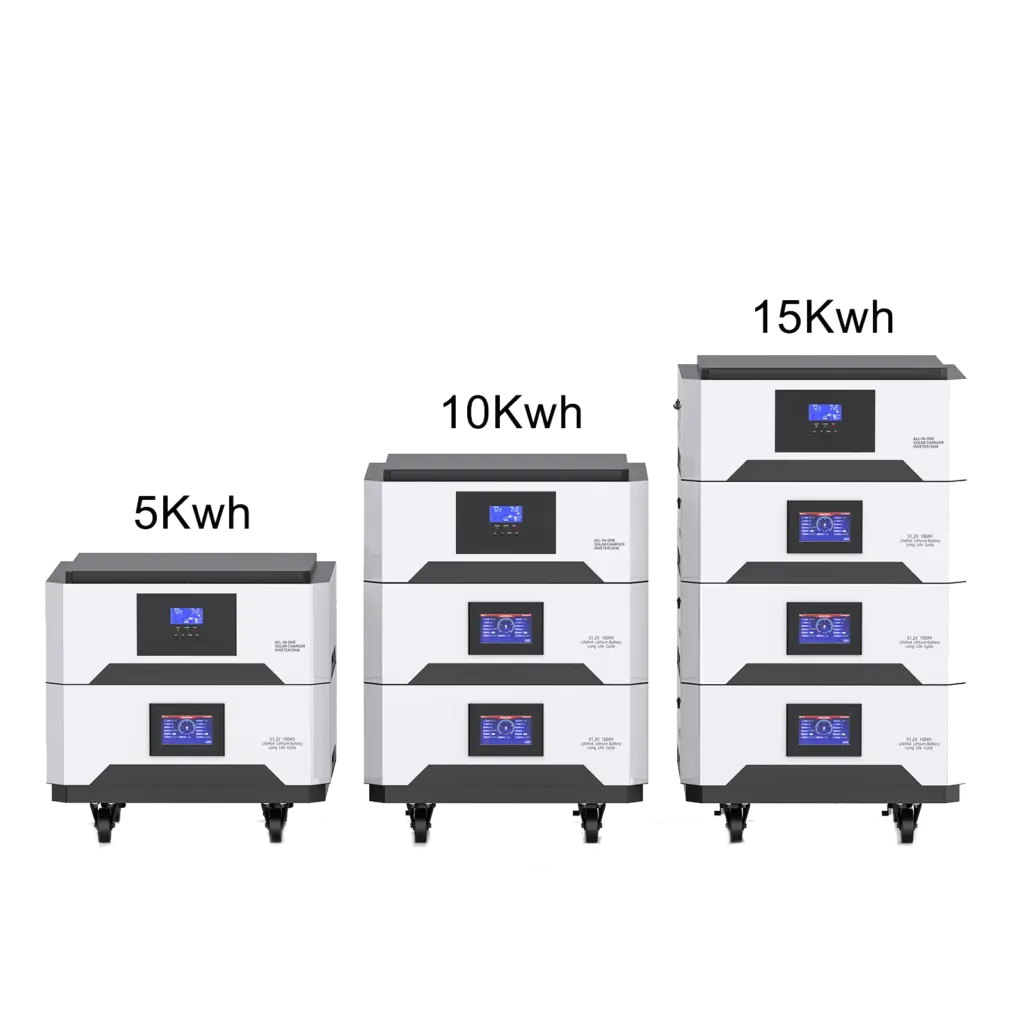
Another practical advantage is scalability. If your energy needs grow over time, a battery platform that supports parallel expansion can reduce the need for a full system replacement later. Avepower’s 30 kWh model supports up to 16 units in parallel, which gives homeowners, installers, and project planners much more flexibility for future upgrades.
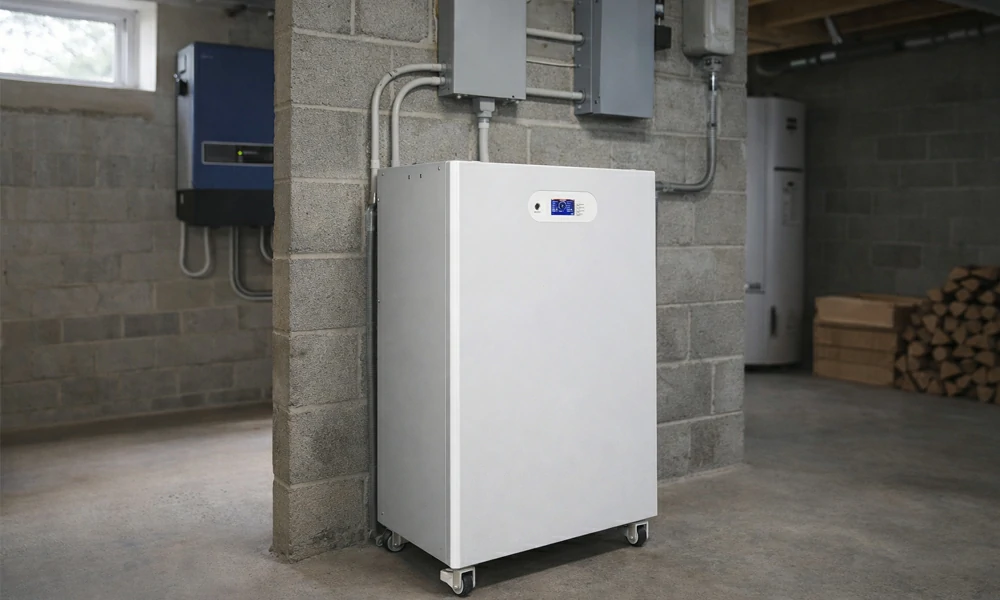
Avepower 48V 600Ah 30kWh Vertical LiFePO4 Battery
That it is designed for home solar storage and off-grid backup, with 30 kWh nominal energy, LiFePO4 safety and durability, smart monitoring, and parallel scalability.
What Can a 30 kWh Battery Power?
A 30 kWh battery can run many common devices for a long time if the home keeps total power reasonable. The table below uses ~23 kWh usable as a conservative planning number.
| Device (Typical) | Typical Power Draw (W) | Approx. Runtime on ~23 kWh usable (hours) |
|---|---|---|
| Refrigerator (average cycling) | 150 | ~153 |
| LED TV | 100 | ~230 |
| Wi-Fi + modem | 20 | ~1,150 |
| Laptop | 60 | ~383 |
| Desktop computer | 200 | ~115 |
| Microwave (while running) | 1,000 | ~23 |
| Dishwasher (while heating) | 1,200 | ~19 |
| Kettle (while heating) | 1,500 | ~15 |
| Space heater | 1,500 | ~15 |
| Central AC (running) | 2,000–4,000 | ~6 to 11 |
| EV charging (Level 2) | 7,000+ | Energy runs out quickly, and many systems limit this use |
A battery does not run most devices continuously. A refrigerator cycles. A TV runs only when people use it. An AC runs hard in hot weather and runs less in mild weather.
How Long Does It Take to Charge a 30 kWh Battery?
Charging time depends on the power source.
Solar Charging Time
Solar charging depends on system size and sunlight hours.
For example, a 10 kW solar system receiving 5 peak sun hours can generate about 37–40 kWh per day under good conditions. This output can fully recharge a 30 kWh battery in one sunny day while still powering the home.
Grid Charging Time
From the grid, charging speed depends on inverter limits.
- A 5 kW charger takes about 6 hours
- A 10 kW charger takes about 3 hours
Many homeowners combine grid and solar charging for flexibility.
| Charging Method | Typical Power (kW) | Approximate Charging Time for 30 kWh Battery |
|---|---|---|
| Solar (10 kW system) | ~10 kW (peak sun) | About 1 sunny day (5+ hours of sun) |
| Grid Charger (standard) | 5 kW | Around 6 hours |
| Grid Charger (fast) | 10 kW | Around 3 hours |
How Much Does It Cost to Fully Charge a 30 kWh Battery?
If a homeowner uses the U.S. average residential electricity price of 17.98¢/kWh (Oct 2025), a full 30 kWh charge costs about $5.39 before losses (30 × $0.1798).
If a homeowner includes a representative 85% round-trip efficiency, the grid must supply about 35.3 kWh to deliver 30 kWh stored, which raises the cost to about $6.35 (35.3 × $0.1798).
Start Saving with a 30 kWh Battery Today
If you are comparing options for a 30 kWh class system, Avepower can be a practical short-list option when you want LiFePO4 chemistry, modular expansion, and strong protection features.
Avepower home storage products focus on intelligent BMS protection, international certifications (such as CE, UL, RoHS, ISO9001), and flexible OEM/ODM customization for appearance, capacity, and functions. If you want help sizing a system, you can position Avepower as a “design support + compatible solution” choice rather than a one-size-fits-all purchase.
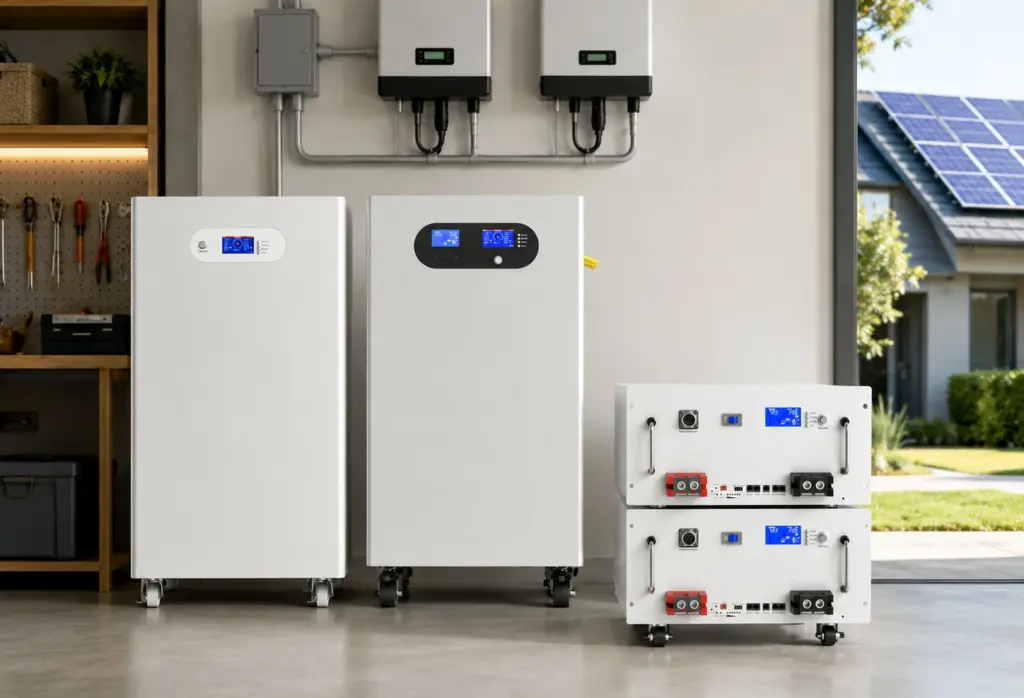
Take Control of Your Energy with Avepower!
Reliable home solar battery solutions with OEM/ODM customization and in-house manufacturing, tailored to the needs of distributors, installers, and energy partners.
FAQ
A 30 kWh battery often lasts 10–20+ hours for whole-home backup depending on load, and the battery often lasts 2–3 days for critical loads.
A 30 kWh battery usually charges in about 3–6 hours at 10 kW to 5 kW charge power, and real systems add extra time for losses and tapering.
A full charge often costs around $5–$10 in many U.S. areas depending on local electricity rates and system efficiency, and the U.S. average residential price was about 17.98¢/kWh in Oct 2025.
A homeowner usually needs an inverter sized to the home’s peak loads, and many whole-home systems use roughly 8–12 kW while essential-load systems can use less.