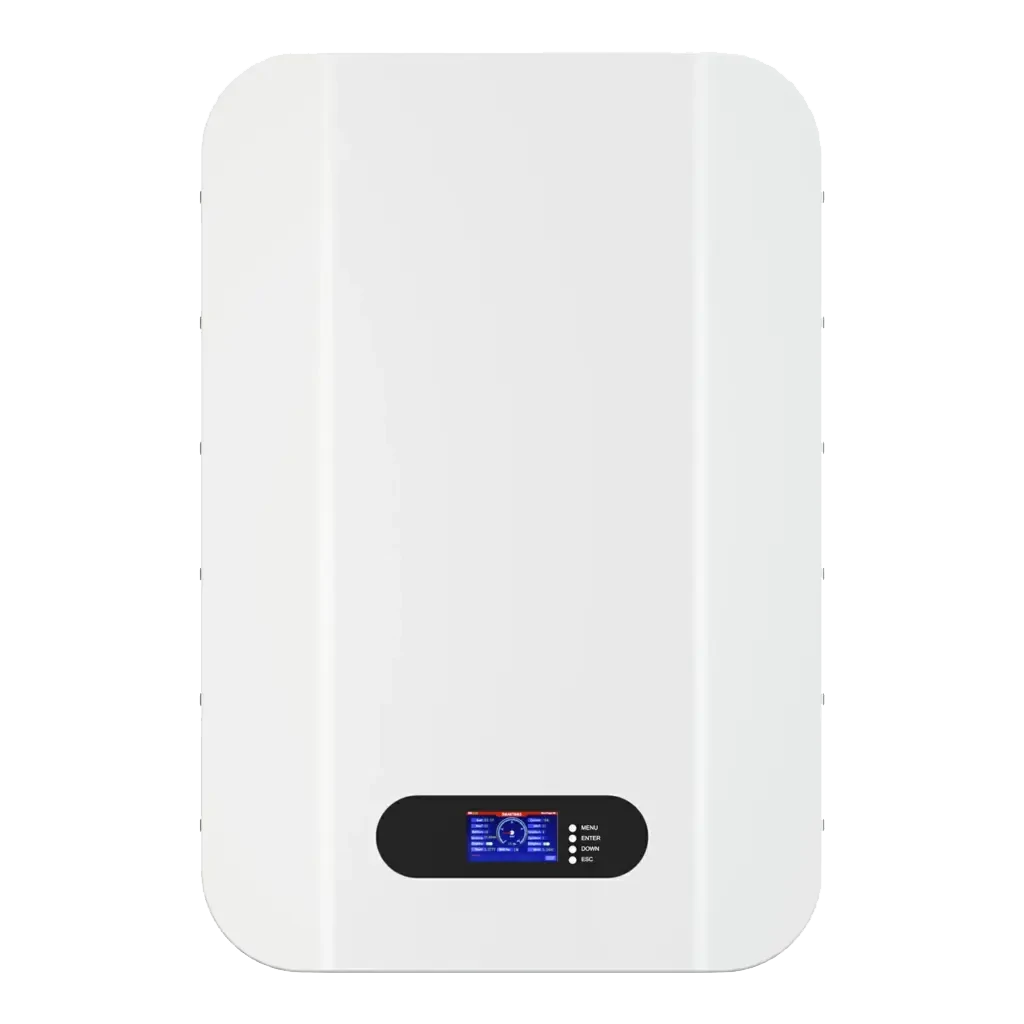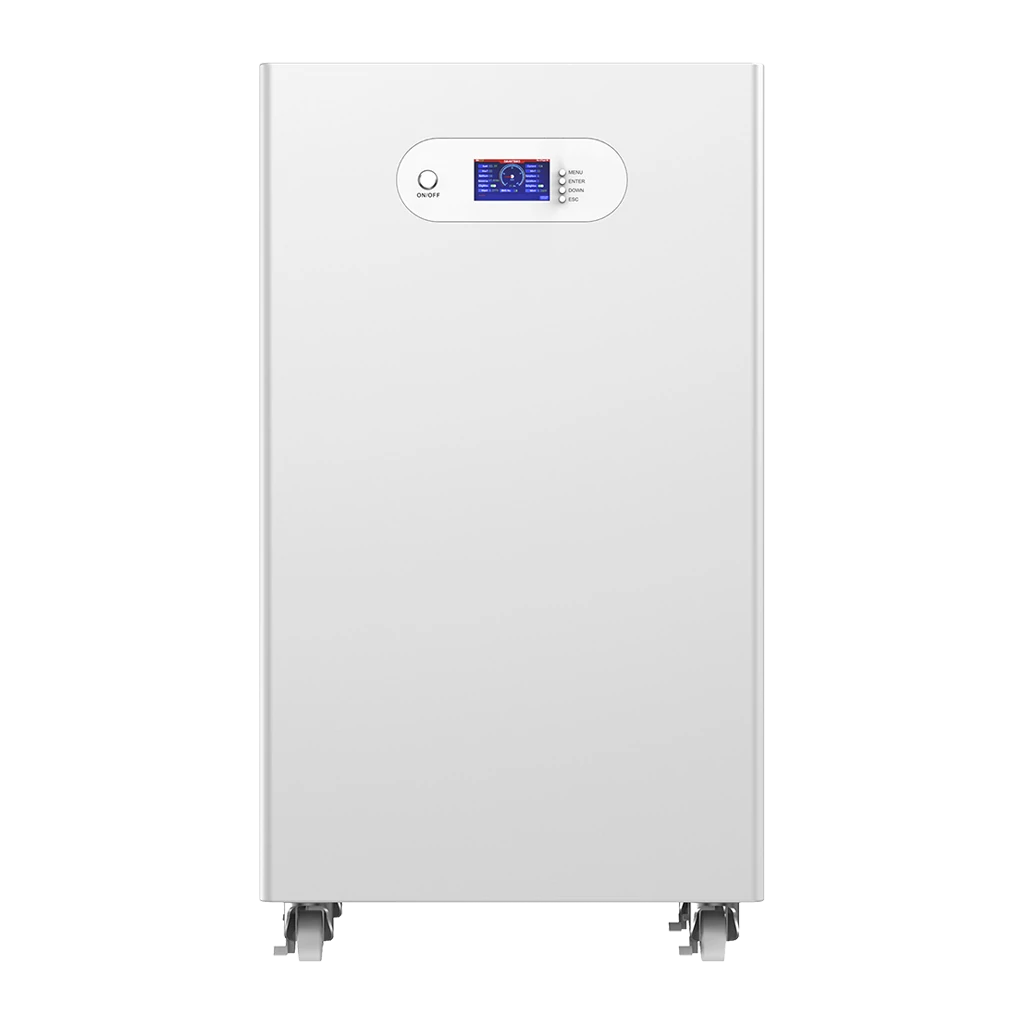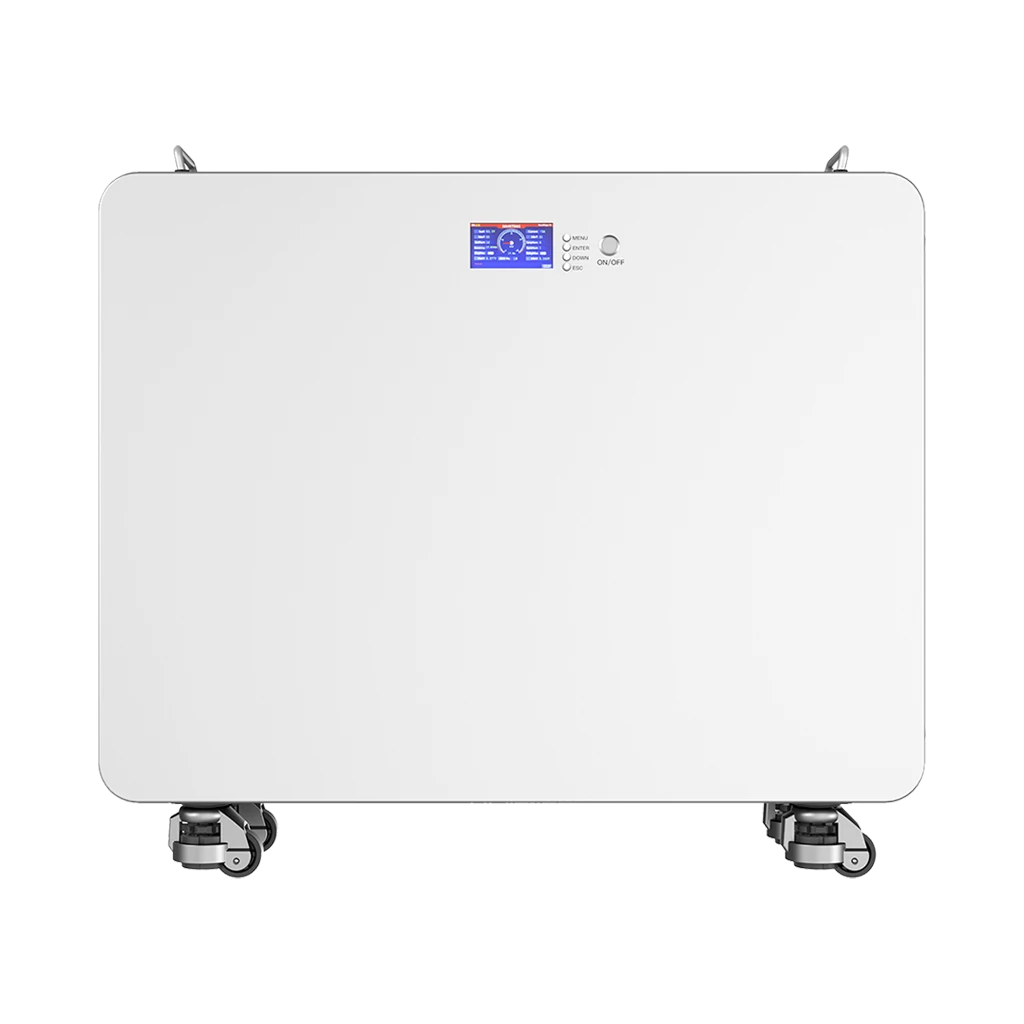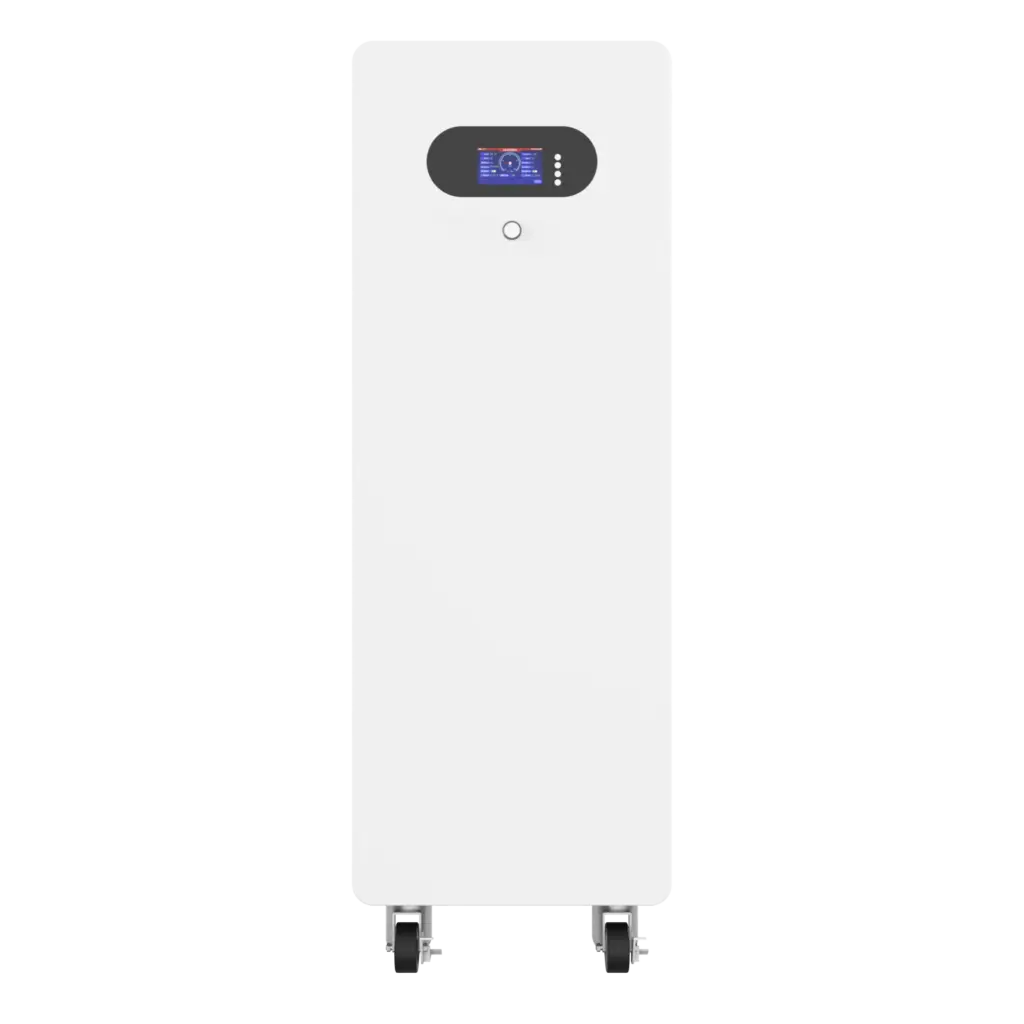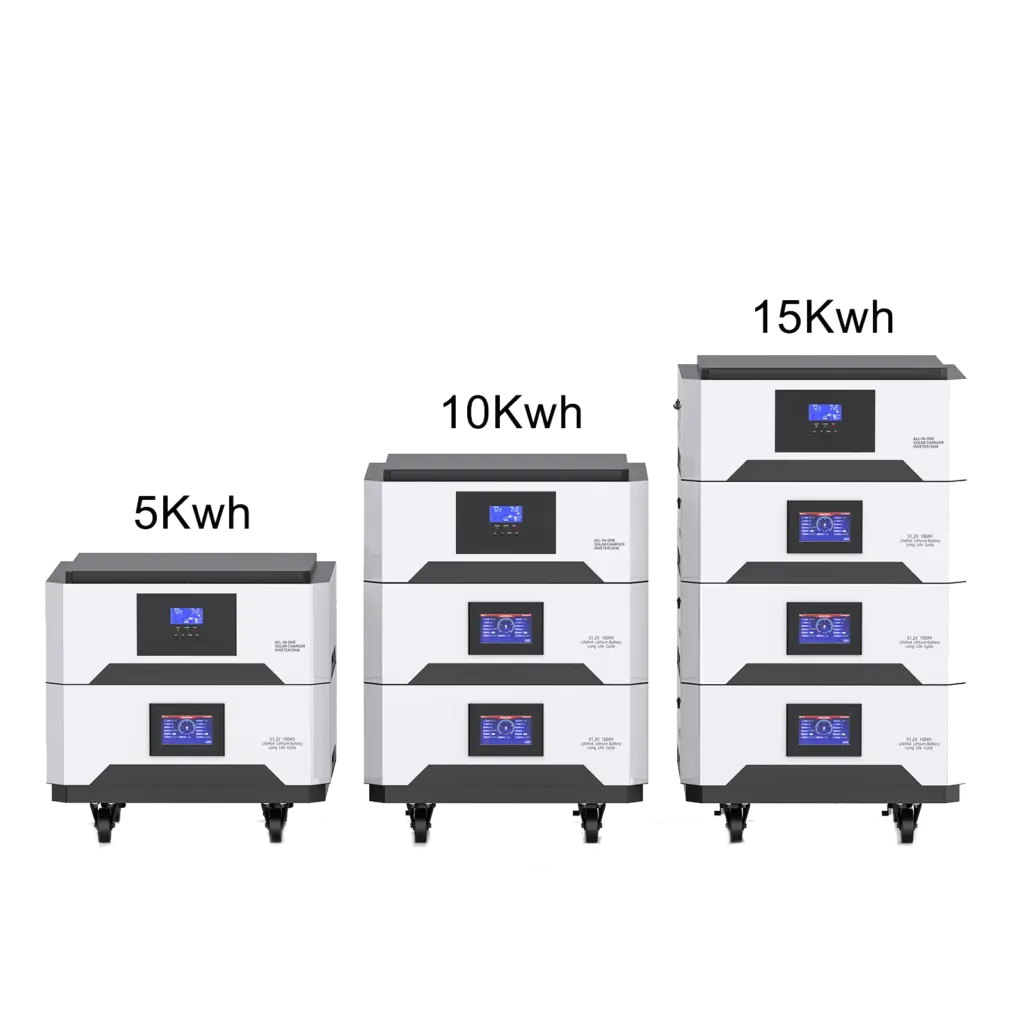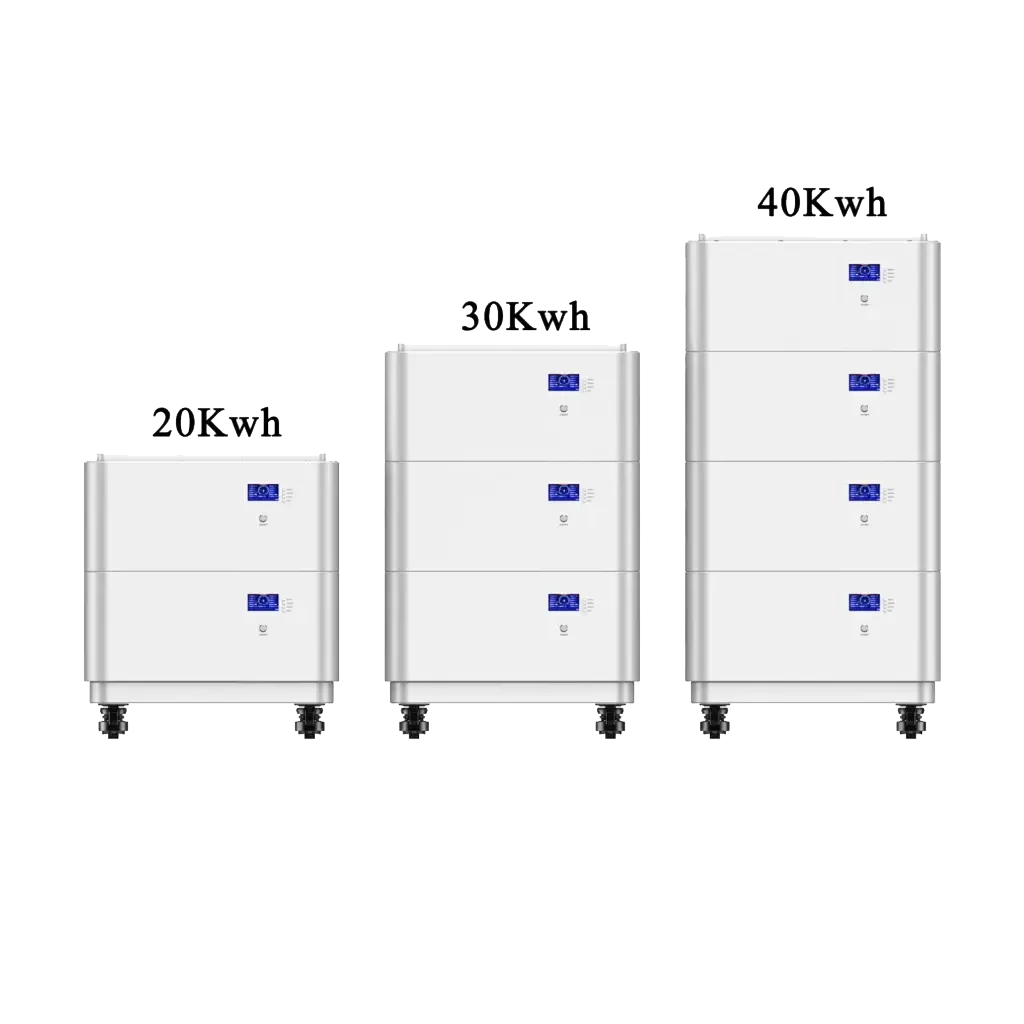

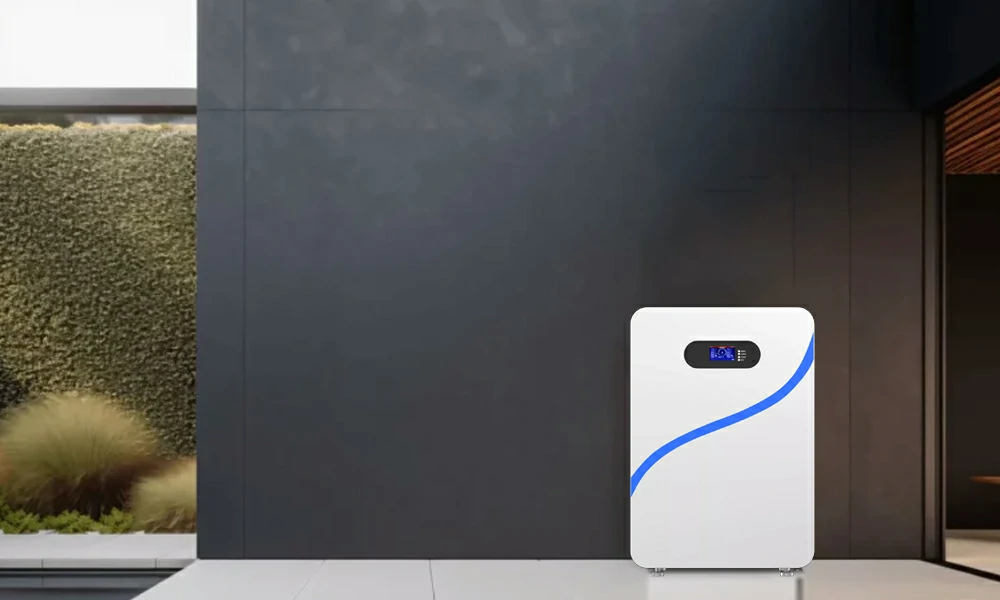
As of August 2026, a standard 20kWh home battery installation in Australia averages approximately A$14,700 for a battery-only configuration and A$16,900 when a compatible hybrid inverter is included. Full-home backup, switchboard upgrades, difficult cable routes and three-phase integration can push the final quote above A$20,000.
These figures should be treated as national planning benchmarks rather than fixed retail prices. The final cost depends on usable capacity, inverter compatibility, backup design, installation conditions, warranty coverage and whether the quoted price already includes the federal battery discount.
How Much Does a 20kWh Solar Battery Cost in Australia in 2026?
A 20kWh solar battery generally costs around A$14,700 installed for a standard battery-only configuration or approximately A$16,900 with a hybrid inverter, based on the Solar Choice Battery Price Index. More complex backup installations may cost substantially more.
| 20kWh Configuration | Indicative 2026 Price | Approximate Cost per kWh |
|---|---|---|
| Battery with standard installation | A$14,700 | A$735/kWh |
| Battery plus hybrid inverter | A$16,900 | A$845/kWh |
| Complex or full-home backup installation | Often above A$20,000 | Quote dependent |
The benchmark prices include installation, GST and the federal battery discount. They do not necessarily include extensive switchboard work, long cable runs, backup gateway hardware, structural work or major upgrades to an existing solar system.
Very low advertised prices—sometimes below A$7,000 for 20kWh—should be checked carefully. They may refer to battery hardware only, a promotional package, a limited installation scope or a system that does not include backup equipment or a compatible inverter.
How Did the Federal Battery Discount Change in May 2026?
From 1 May 2026, the federal battery discount became less generous for capacity above 14kWh. A 20kWh battery still qualifies, but the additional 6kWh above 14kWh receives only 60% of the standard STC factor.
For batteries installed between May and December 2026:
- The STC factor is 6.8 per eligible kWh.
- The first 14kWh receives 100% of the factor.
- Capacity above 14kWh and up to 28kWh receives 60%.
- Capacity above 28kWh and up to 50kWh receives 15%.
For a 20kWh battery, the indicative calculation is:
14 × 6.8 + 6 × 60% × 6.8 = approximately 119.68 STCs
At a gross certificate value close to A$40 per STC, this represents approximately A$4,700–A$4,800 of theoretical support before certificate rounding, administration costs and retailer margins.
Under the January–April 2026 settings, the same 20kWh capacity could theoretically generate 168 STCs. Therefore, buyers should not rely on battery rebate estimates prepared before 1 May 2026.
Are There Additional State Battery Incentives?
The federal discount is available nationally, but additional state support is more limited and often depends on joining a Virtual Power Plant rather than simply installing a battery.
In New South Wales, the previous general battery installation discount is no longer available. However, an eligible battery may receive an additional incentive when it is connected to an approved Virtual Power Plant. The NSW VPP incentive can be combined with the federal battery discount, subject to program and provider requirements.
Battery owners should confirm current state and territory programs before signing a contract because eligibility, capacity limits and VPP conditions can change.
How Do New Electricity Tariffs Affect Battery Savings?
A battery’s value depends on the difference between the electricity price avoided and the feed-in tariff sacrificed—not simply on whether electricity prices are rising.
From July 2026, eligible customers on the Solar Sharer Offer may receive up to three hours of free daytime electricity, subject to plan conditions and a daily limit. This may create opportunities to charge a battery or shift large loads into the free period.
However, users should compare the complete tariff, including peak, shoulder, off-peak, supply and export rates. A free charging period does not automatically make a plan cheaper if electricity outside that period costs more.
Start Your Solar Battery Storage Project with Avepower
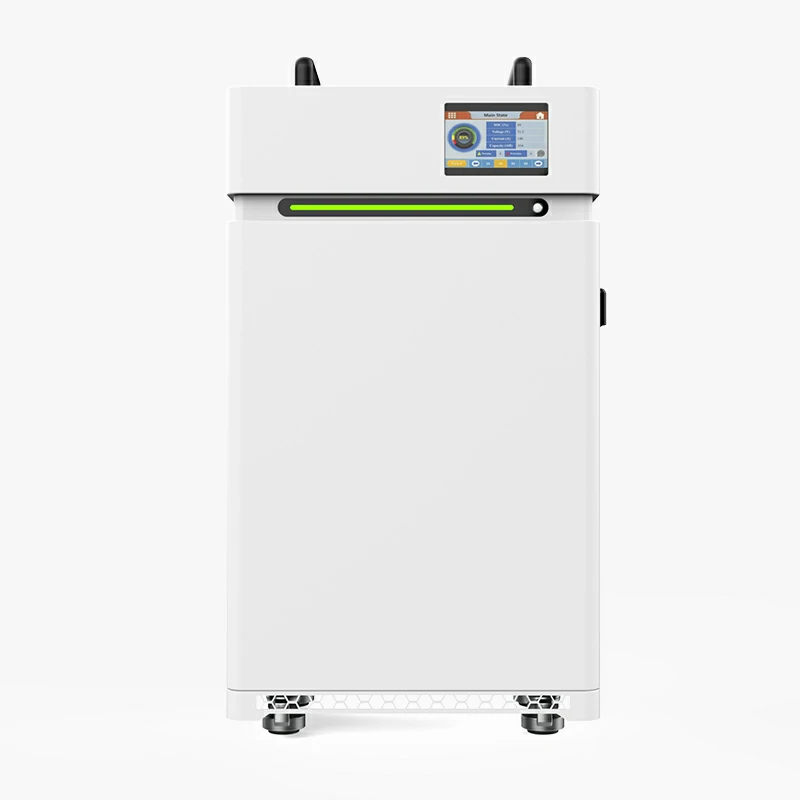
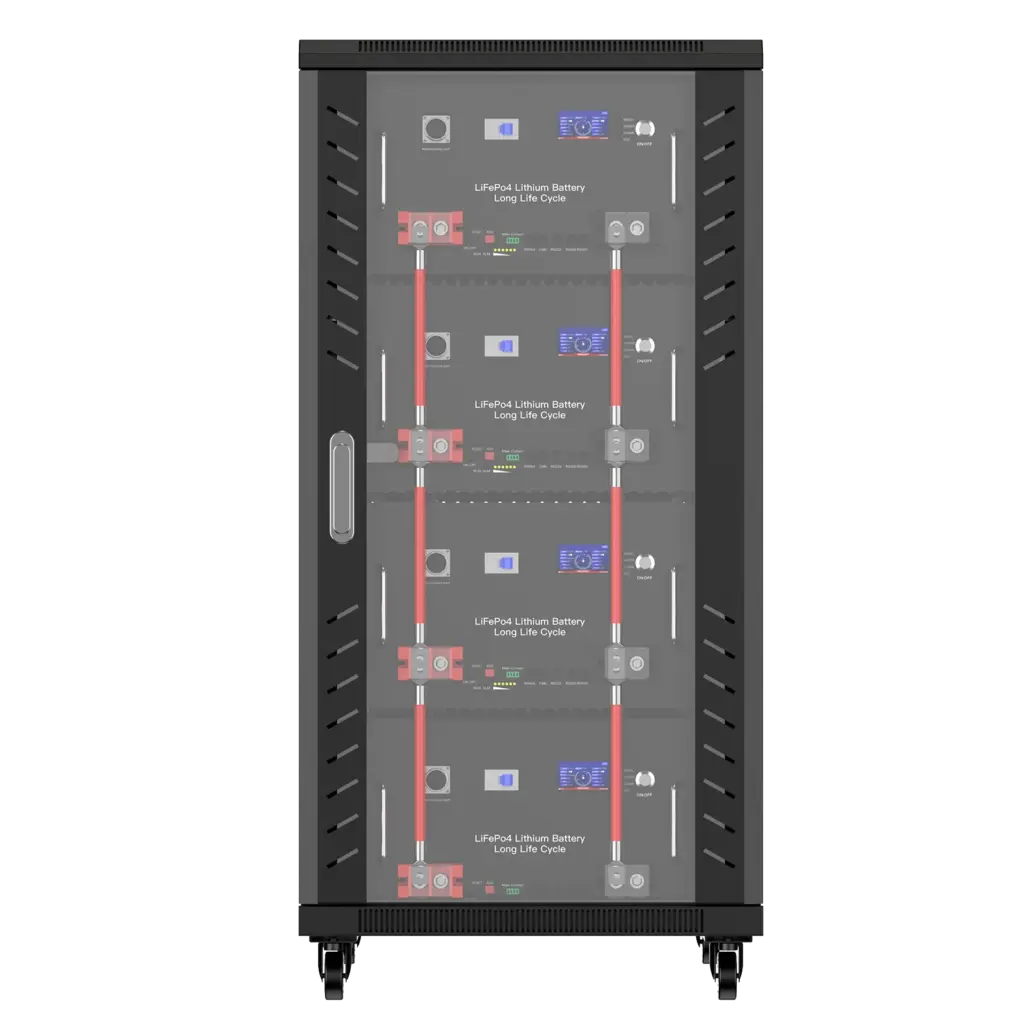
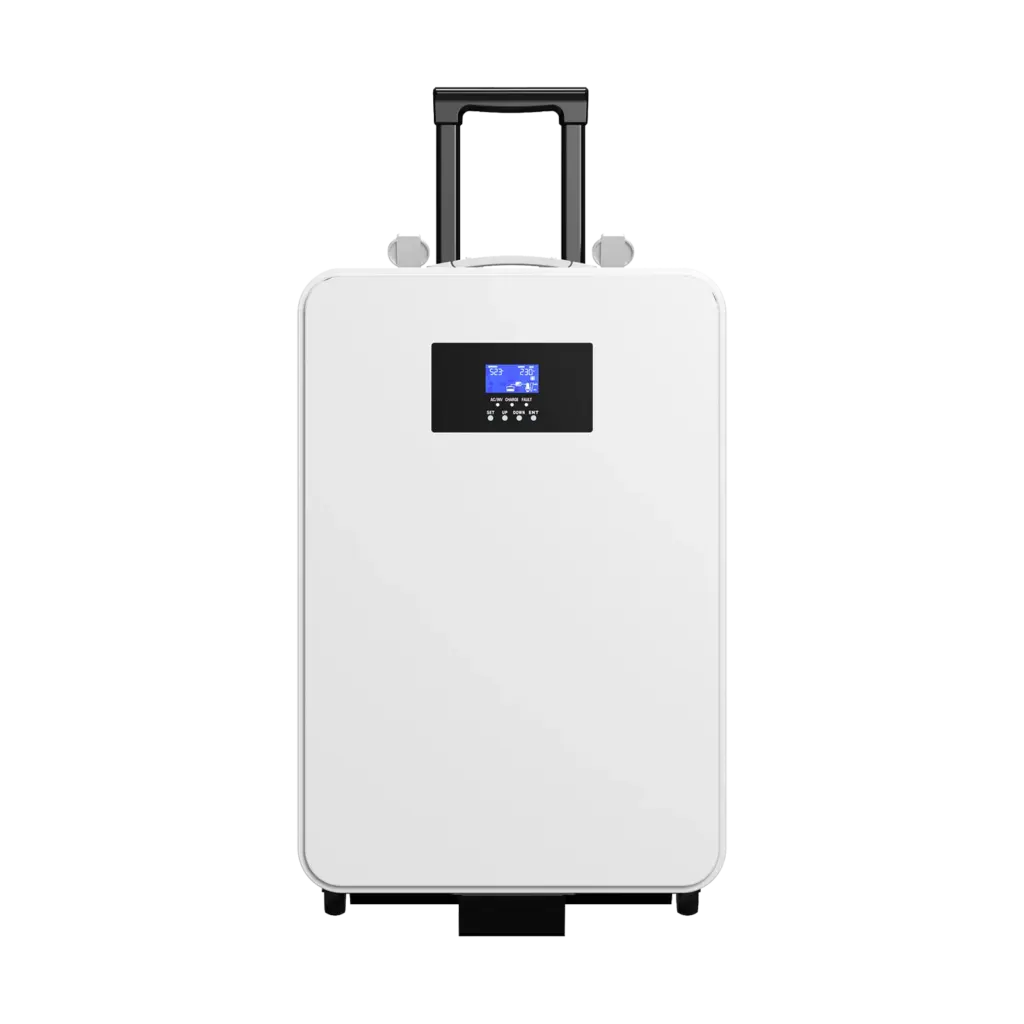
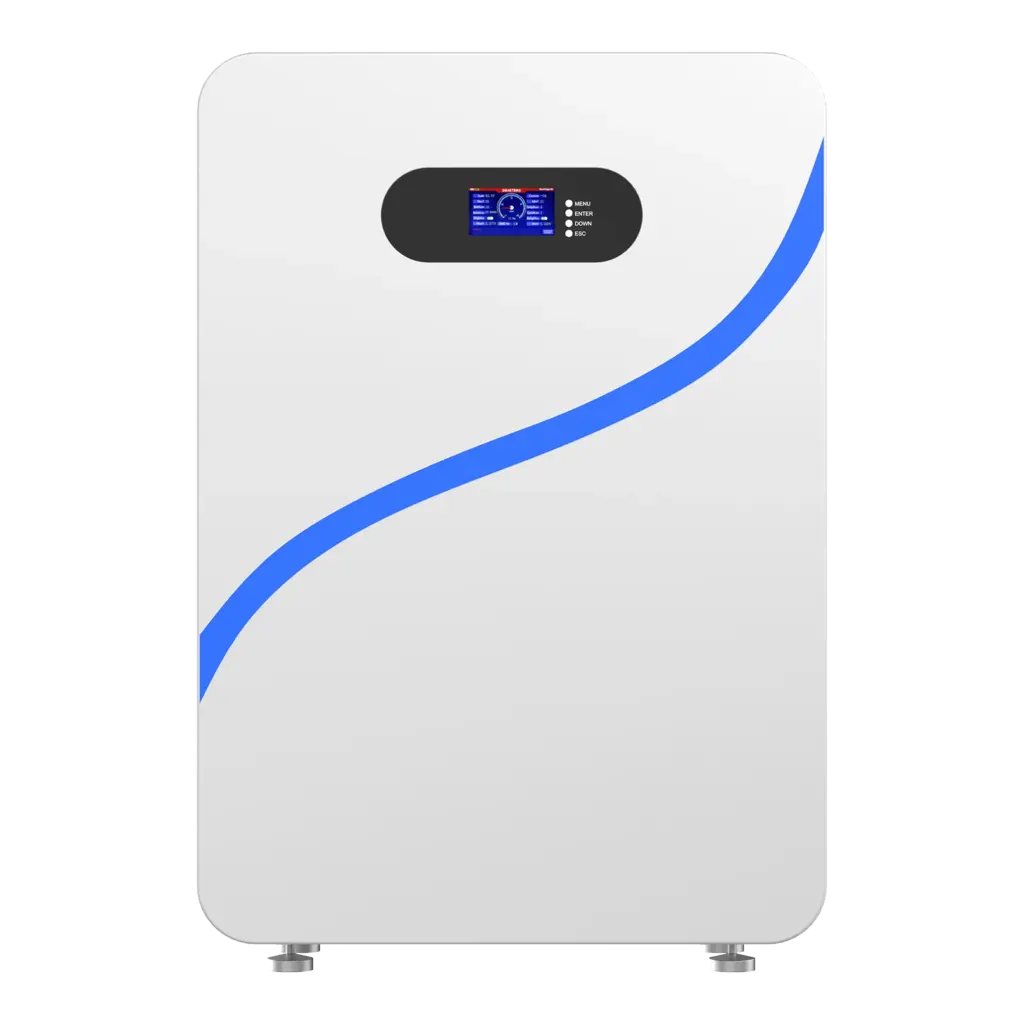
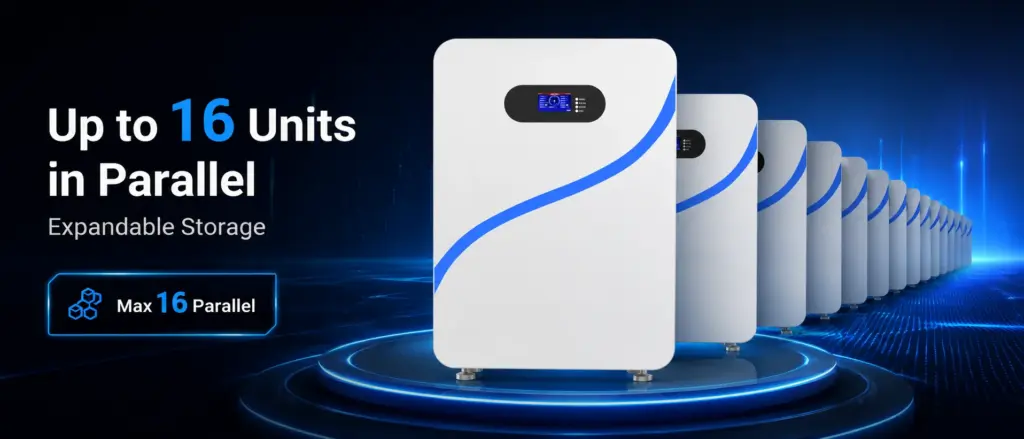
Whether you are comparing 20kW solar battery prices or sourcing a complete home energy storage solution, Avepower offers long-life LiFePO4 batteries with BMS protection, communication support, scalable capacity options and OEM/ODM customization.
Advantages and Disadvantages of 20kWh Solar Battery
Advantages
- Significant Energy Independence: Drastically reduce grid reliance and electricity bills.
- Reliable Backup Power: Keeps your home running during blackouts.
- Supports Large Homes & Loads: Powers multiple heavy appliances simultaneously.
- Future-proof Energy Storage: Scalable to adapt to growing energy demands.
- Environmental Impact: Lower carbon footprint by maximizing solar usage.
Disadvantages
- High Initial Cost: Installation and equipment require a significant upfront investment.
- Space Requirements: Large batteries need appropriate space and installation conditions.
- Installation Complexity: May require switchboard upgrades and 3-phase integration.
- Payback Period: Typically 6 to 11 years depending on usage and incentives.
Despite these challenges, the benefits often outweigh the drawbacks for medium to large homes prioritizing energy security and savings.
Is a 20kWh Battery the Right Size for Your Home?
A 20kWh battery is most suitable when the property regularly uses a large amount of electricity after sunset and has enough solar surplus—or sufficiently cheap grid electricity—to recharge the battery. It should not be selected solely because it offers a lower cost per kWh.
Check the following before buying:
- Average electricity use between sunset and sunrise
- Available excess solar generation in summer and winter
- Usable rather than nominal battery capacity
- Maximum continuous and peak power output
- Essential-load or whole-home backup requirements
- Existing inverter compatibility
- Single-phase or three-phase connection
- Planned EV charging, electric heating or future load growth
- Required backup reserve
- VPP or energy-trading requirements
A 20kWh battery may be oversized when a home uses only 6–8kWh overnight or cannot generate enough surplus solar to recharge it regularly.
What Should Be Included in a 20kWh Battery Quote?
A useful 20kWh battery quote should separate the battery price from inverter, backup, electrical and commissioning costs so the buyer can compare equivalent systems.
The quote should identify:
- Nominal and usable battery capacity
- Continuous charge and discharge power
- Battery chemistry and operating temperature range
- Compatible inverter or battery inverter
- Standard installation scope
- Backup gateway and protected circuits
- Switchboard or meter-board upgrades
- Three-phase integration
- Monitoring and communication equipment
- Federal STC discount
- State or VPP incentives
- Product and installation warranties
- Warranty throughput and retained-capacity conditions
- CEC product approval and installer accreditation
- Commissioning, documentation and after-sales support
This quote-based comparison is more useful than ranking brands using unsupported national prices, because different products rarely provide exactly the same capacity, output power, backup capability and installation scope.
How Long Is the Payback Period for a 20kWh Battery?
A 20kWh battery does not have one universal payback period. The result depends mainly on how much energy is shifted each day and the difference between the retail import tariff and the feed-in tariff that would otherwise have been earned.
A simple calculation is:
Annual battery value = daily energy shifted × 365 × (avoided import price − forgone feed-in tariff) + VPP income
Illustrative examples using a A$14,700 installed price:
| Daily Energy Shifted | Effective Tariff Difference | Estimated Annual Value | Simple Payback |
|---|---|---|---|
| 10kWh | A$0.25/kWh | A$913 | 16.1 years |
| 15kWh | A$0.30/kWh | A$1,643 | 8.9 years |
| 18kWh | A$0.35/kWh | A$2,300 | 6.4 years |
These examples exclude financing costs, degradation, maintenance, tariff changes and additional VPP income. They show why a battery that is charged and discharged regularly can repay much faster than an oversized system that remains partly unused.
Avepower 20 kWh Solar Battery for Australians
Avepower supplies factory‑direct bulk energy storage batteries to trade buyers, wholesalers, distributors, and project suppliers worldwide. Their program includes tiered wholesale pricing, margin protection, and stable production capacity, helping channel partners source 20 kWh LiFePO4 solar batteries in volume. OEM/ODM customization and export‑ready packaging are also available for qualified partners.
Avepower focuses on home energy storage products that are built around protection, compliance, and scalable design. You can use these facts to judge credibility:
- Avepower batteries use a BMS protection architecture that supports safe charging, discharging, and cell balancing.
- Avepower supports international compliance expectations with certifications such as CE, UL, RoHS, and ISO9001 (as applicable to product and factory systems).
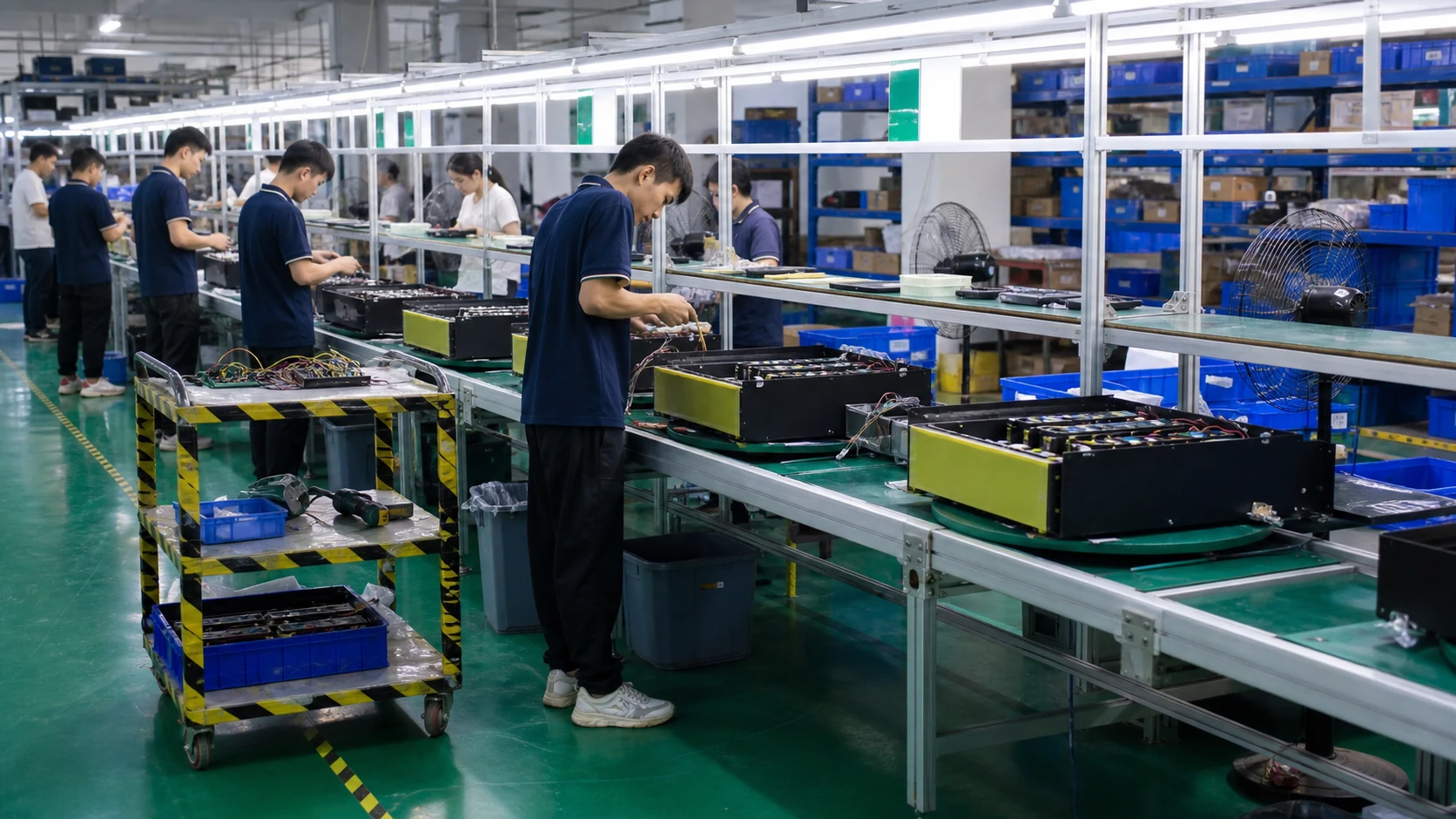
- Avepower has 10 years of battery R&D and production experience, with an engineering team and a factory-scale production base that supports consistent builds and OEM/ODM customization.
Take Control of Your Energy with Avepower!
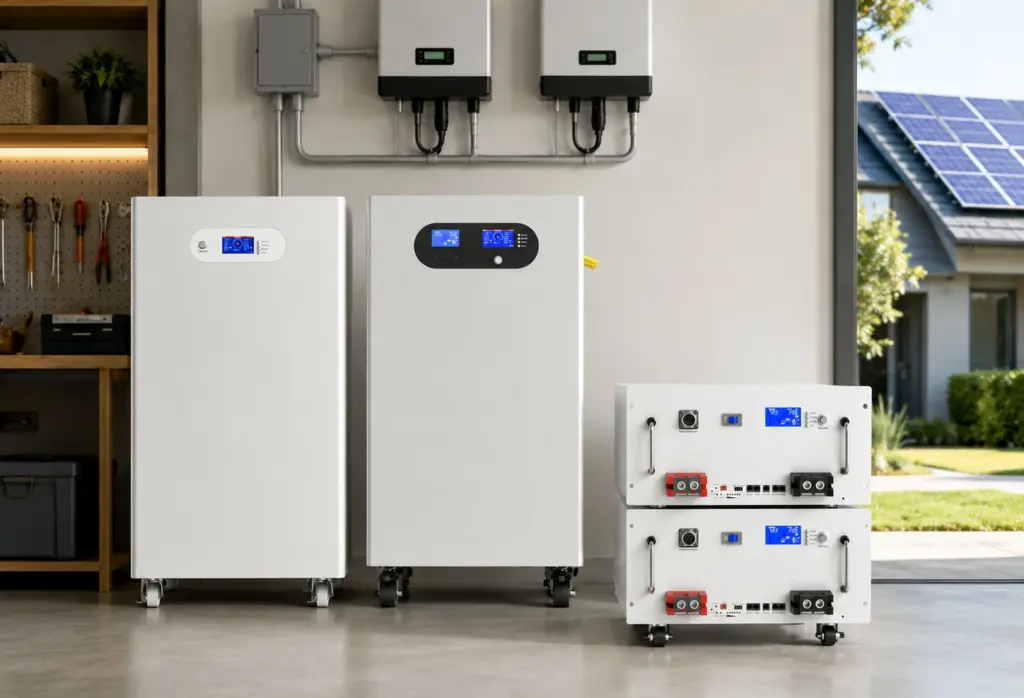
Reliable home solar battery solutions with OEM/ODM customization and in-house manufacturing, tailored to the needs of distributors, installers, and energy partners.
FAQ
No. A 20kWh battery describes energy-storage capacity, while 20kW describes the rate at which a system can produce or deliver power. A battery may store 20kWh but have a continuous output of only 5kW, 10kW or another value.
A national market benchmark is approximately A$14,700 for a standard battery installation and A$16,900 when a hybrid inverter is included. Complex backup or switchboard work may increase the final price above A$20,000.
The May–December 2026 formula produces approximately 119.68 STCs before certificate rounding and final eligibility checks. The exact number and dollar value should be confirmed using the REC Registry calculator and the installer’s itemised quote.
Only when the battery system is designed with backup capability. A grid-connected battery without a backup gateway or protected circuits will normally shut down during a grid outage.
Not automatically. The correct connection depends on the inverter, battery output, network requirements, household loads and whether three-phase appliances must operate during backup.
Backup time is approximately usable battery energy divided by the average load. For example, 18kWh of usable energy could theoretically support a steady 2kW load for about nine hours, before allowing for reserve settings and conversion losses.
It may receive the federal discount and an additional NSW VPP incentive when all product, installation and VPP requirements are satisfied. The NSW incentive is not a general battery installation rebate.