

A solar battery charge calculator estimates how many peak-sun hours and solar days are needed to move a battery from its current state of charge to a target level. For an accurate estimate, you need battery capacity, voltage, starting and target SOC, solar-array wattage, system losses, charge-controller efficiency and local peak sun hours.
For example, an Avepower 12V 100Ah LiFePO4 battery has a rated energy capacity of 1,280Wh. If it is charged from 20% to 100% using a 200W solar array, the battery needs about 1,024Wh of stored energy replaced before losses are considered.
This guide explains how to calculate that charging time correctly and what changes the result in a real solar system.
Solar Battery Charge Calculator
How to Calculate Solar Battery Charging Time
To calculate solar battery charging time, first determine how much energy the battery needs to regain, then divide that energy by the actual charging power reaching the battery.
Step 1: Calculate the Battery’s Energy Capacity
If the battery capacity is listed in amp-hours (Ah), convert it to watt-hours (Wh):
Battery Capacity (Wh) = Battery Voltage (V) × Battery Capacity (Ah)
For example, a 12.8V 100Ah LiFePO4 battery stores:
12.8V × 100Ah = 1,280Wh
If your battery capacity is already listed in Wh or kWh, you can skip this step.
Step 2: Calculate How Much Energy Needs to Be Recharged
Most batteries are not charged from 0% to 100%, so use the difference between the current state of charge and the target state of charge.
Energy Needed (Wh) = Battery Capacity × (Target SOC − Current SOC)
For a 1,280Wh battery charging from 20% to 100%:
1,280Wh × (100% − 20%) = 1,024Wh
This means the battery needs approximately 1,024Wh of stored energy restored.
Step 3: Estimate the Actual Solar Charging Power
A 200W solar panel does not normally deliver a continuous 200W into the battery. Real-world losses occur because of panel temperature, irradiance, wiring, charge-controller conversion, and battery charging losses.
Use:
Effective Charging Power = Solar Array Watts × Solar Output Factor × Controller Efficiency × Battery Efficiency
Example:
- Solar array: 200W
- Real-world solar output: 85%
- MPPT efficiency: 95%
- Battery charging efficiency: 95%
Calculation:
200W × 0.85 × 0.95 × 0.95 ≈ 153W
So the battery is effectively receiving around 153W under these assumptions.
Step 4: Calculate the Required Peak-Sun Hours
Now divide the energy that must be replaced by the effective charging power:
Charging Time (Peak-Sun Hours) = Energy Needed ÷ Effective Charging Power
Using the example above:
1,024Wh ÷ 153W ≈ 6.7 peak-sun hours
The battery therefore needs approximately 6.7 equivalent full-sun hours to charge from 20% to 100%.
Step 5: Convert Peak-Sun Hours Into Solar Days
Peak-sun hours are not the same as normal daylight hours. If the location receives an average of 5 peak sun hours per day:
Solar Days = Required Peak-Sun Hours ÷ Daily Peak Sun Hours
6.7 ÷ 5 ≈ 1.34 days
Under good conditions, the battery would therefore take approximately 1.3 solar days to recharge.
| Item | Example Value |
|---|---|
| Battery Capacity | 1,280Wh |
| Starting SOC | 20% |
| Target SOC | 100% |
| Energy to Replace | 1,024Wh |
| Solar Array | 200W |
| Effective Charging Power | ~153W |
| Required Peak-Sun Hours | ~6.7 hours |
| Peak Sun Hours per Day | 5 hours |
| Estimated Charging Time | ~1.3 solar days |
A More Practical Charging-Time Formula
For quick estimates, use:
Solar Charging Time = Battery Wh × SOC to Replace ÷ (Solar Watts × Total System Efficiency)
Actual charging time may be longer if the system has shading, cloudy weather, active daytime loads, a small charge controller, battery current limits, high or low temperatures, or reduced charging current as the battery approaches full charge.
If your battery is listed only in Ah and you want to compare it with kWh-based home batteries, Avepower’s Ah to kWh calculator can help convert the units first.
What Is the Difference Between Peak Sun Hours and Charging Hours?
Peak sun hours measure solar energy, not the number of daylight hours between sunrise and sunset. A location with five peak sun hours may have ten or more hours of daylight, but the panels only produce the equivalent energy of five hours at their rated solar irradiance.
Solar output changes because of:
- Time of day
- Season
- Cloud cover
- Panel temperature
- Panel tilt and azimuth
- Shading
- Dust and soiling
- Wiring losses
- Controller operation
For system planning, use local monthly solar-resource data rather than assuming the same peak sun hours every day of the year.
Worked Example: Charging an Avepower 12V 100Ah LiFePO4 Battery With Solar
A real 12V 100Ah LiFePO4 battery paired with a 200W solar array may require roughly 6.7 equivalent peak-sun hours to charge from 20% to 100% under the assumptions below, or about 1.3 good solar days in a location receiving five peak sun hours per day.
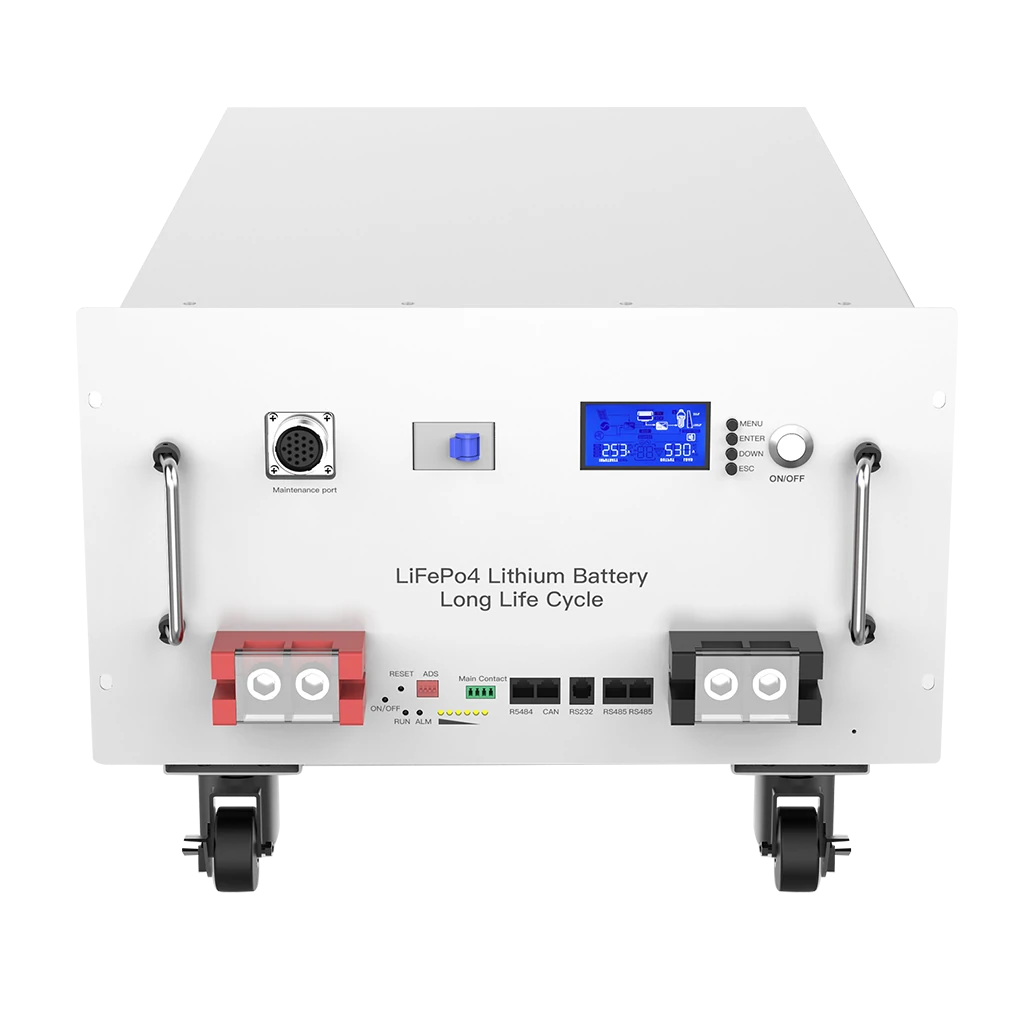
Avepower’s 12V 100Ah LiFePO4 battery is rated at 1,280Wh and uses a 100A BMS. The more than 4,000 cycles at 100% DoD and CE, CB, MSDS and UN38.3 documentation.
Example assumptions
- Battery energy: 1,280Wh
- Starting SOC: 20%
- Target SOC: 100%
- Solar array: 200W
- Solar-output factor: 85%
- Controller efficiency: 95%
- Battery charging efficiency: 95%
- Peak sun hours: 5 hours/day
Step 1: Calculate energy to replace
1,280Wh × 80% = 1,024Wh
Step 2: Calculate effective solar charging power
200W × 0.85 × 0.95 × 0.95 ≈ 153W
Step 3: Calculate peak-sun hours
1,024Wh ÷ 153W ≈ 6.7 peak-sun hours
Step 4: Convert to solar days
6.7 ÷ 5 ≈ 1.34 solar days
The theoretical result is therefore approximately 6.7 peak-sun hours or 1.3 good solar days.
In practice, allow additional margin for clouds, shading, battery charging taper, daytime loads and temperature.
How Does Solar Panel Size Change Battery Charging Time?
Using the same 1,280Wh battery from 20% to 100%, with the same 85% solar factor, 95% controller efficiency and 95% battery charging efficiency:
| Solar Array | Effective Charge Power | Peak-Sun Hours | Days at 5 PSH |
|---|---|---|---|
| 100W | ~77W | ~13.3 h | ~2.7 days |
| 200W | ~153W | ~6.7 h | ~1.3 days |
| 300W | ~230W | ~4.4 h | ~0.9 day |
| 400W | ~307W | ~3.3 h | ~0.7 day |
Common Solar Battery Charging Calculation Mistakes
The most common mistakes are assuming rated panel watts are continuously available, confusing daylight hours with peak sun hours, ignoring the battery’s starting SOC, and failing to check charge-current limits. Each mistake can make an apparently precise calculator result unrealistic.
Avoid these errors:
- Using battery Ah without voltage.
A 100Ah 12V battery and a 100Ah 48V battery do not store the same amount of energy. - Assuming the battery always starts at 0%.
Enter actual starting SOC whenever possible. - Using daylight hours as peak sun hours.
They measure different things. - Assuming panel watts equal battery charging watts.
Losses occur before energy reaches the cells. - Ignoring loads operating during charging.
Solar energy used by the home cannot simultaneously charge the battery. - Ignoring charge-controller limits.
A larger PV array cannot force unlimited current through a smaller controller. - Ignoring battery maximum charging current.
BMS and cell limits can become the real bottleneck. - Using one annual solar number for every season.
Winter charging performance may be substantially different from summer performance. - Using round-trip efficiency as one-way charge efficiency.
The two metrics describe different energy paths. - Treating the calculator result as an installation specification.
Final PV, wiring, controller, battery, protection and inverter selection should follow equipment datasheets and applicable electrical requirements.
Choose the Right Solar Battery, Not Just the Fastest Charging Time
Charging time is only one part of solar-battery design. A reliable system must also match usable capacity, solar generation, maximum charging current, BMS protection, inverter compatibility, temperature limits, daily loads and the amount of backup reserve the project actually requires.
Avepower supports solar installers, distributors and energy-storage partners with battery sizing, inverter compatibility checks and customized LiFePO4 storage configurations. If your calculator result shows the approximate battery capacity, solar-array size or recharge requirement but you still need to validate the complete system, explore Avepower’s custom battery storage solutions or installer support and solar battery solutions to match the battery, inverter and project requirements before installation.
FAQ
A 100W panel can require more than one good solar day to recharge a deeply discharged 100Ah battery. For the 1,280Wh LiFePO4 example above, charging from 20% to 100% requires roughly 13.3 peak-sun hours under the example efficiency assumptions, or about 2.7 days at five PSH per day.
Using a 1,280Wh LiFePO4 battery from 20% to 100%, a 200W array requires approximately 6.7 peak-sun hours under the assumptions used in this article. At five peak sun hours per day, that equals around 1.3 good solar days before adding weather and charging-taper margin.
Calculate the Wh that must be replaced, then divide that energy by daily peak sun hours and total charging-path efficiency. Finally divide the required array wattage by the wattage of one panel and round up to a practical panel count.
Peak sun hours express daily solar irradiation as an equivalent number of hours at approximately full reference solar intensity. They are an energy-planning metric and should not be confused with the total number of hours between sunrise and sunset.
Charging current may reduce as the battery approaches its upper voltage limit. The amount of taper depends on battery chemistry, charger configuration, temperature, cell balance and BMS behavior.