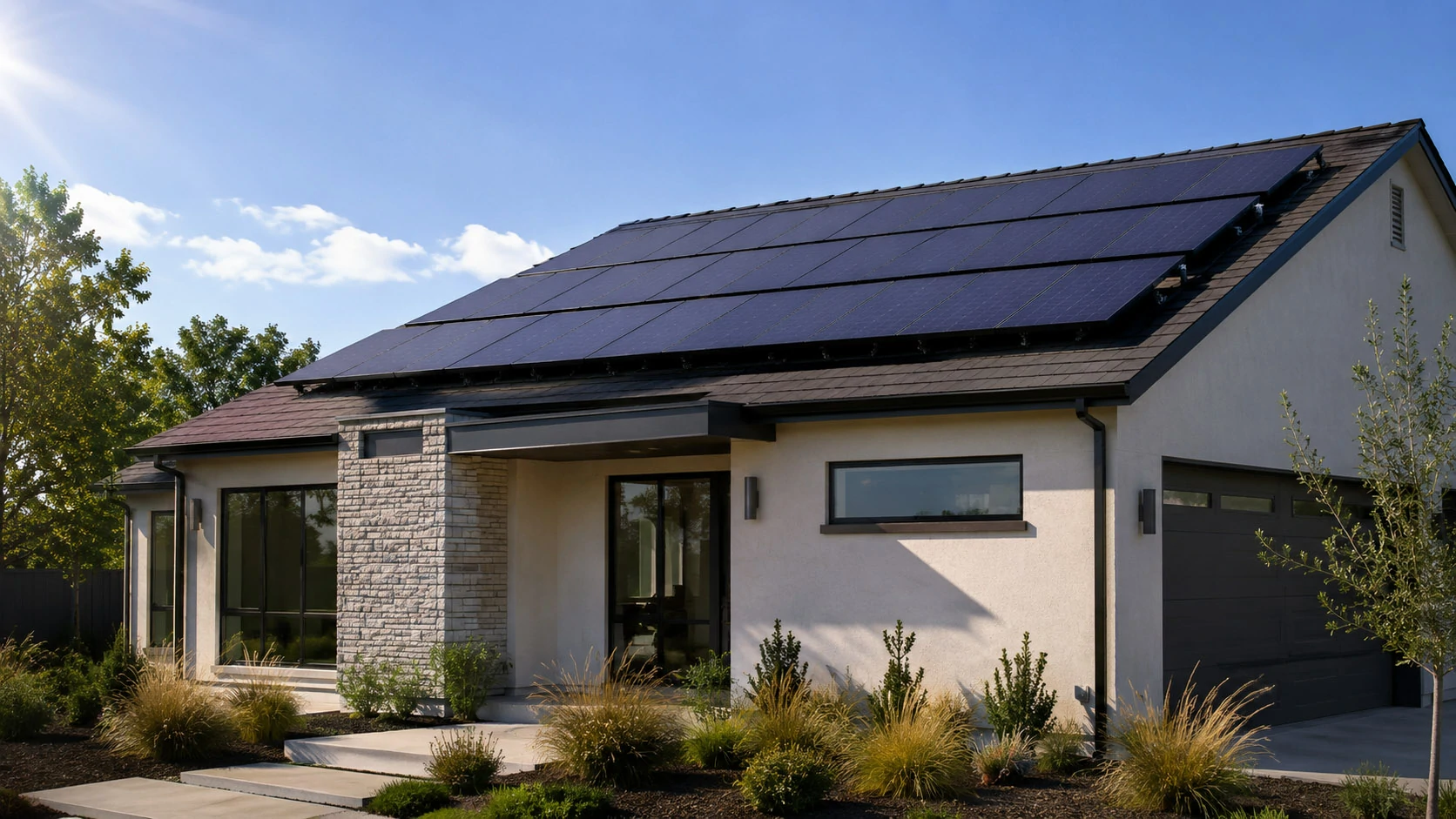
A solar micro inverter is a small inverter installed behind or near each solar panel. Instead of sending power from a whole panel string to one central inverter, each panel has its own inverter that converts DC electricity into AC electricity at the panel level.
Micro inverters are usually best for homes with partial shading, panels facing different directions, complex roof layouts, or owners who want panel-level monitoring. They can improve flexibility, safety, and fault detection, but they usually cost more than string inverter systems and may be harder to service because the electronics are installed on the roof.
For solar projects that also need energy storage, it is important to check how the microinverter system will connect with the battery. Many microinverter-based solar systems use an AC-coupled battery setup, while some hybrid inverter systems use a different architecture.
If you are planning a solar-plus-storage project, review the inverter and battery communication requirements early. Avepower provides home energy storage battery systems and an inverter compatibility list to help installers and project buyers evaluate system matching.
What Is a Solar Micro Inverter?
A solar inverter converts the direct current electricity produced by solar panels into alternating current electricity that can be used by home appliances or exported to the grid.
A solar micro inverter performs the same basic conversion, but it does the job at the individual panel level. In a traditional string inverter system, several panels are connected together and feed one central inverter. In a micro inverter system, each panel has its own small inverter, usually mounted underneath the panel.
This means every panel can work more independently. If one panel is shaded, dirty, or affected by a mismatch issue, the rest of the system can continue producing power without being dragged down in the same way as a conventional string design.
For readers who want a broader foundation before comparing inverter types, Avepower’s guide on what a solar inverter is and how it works gives a useful overview of inverter roles in solar and storage systems.
How Does a Solar Micro Inverter Work?
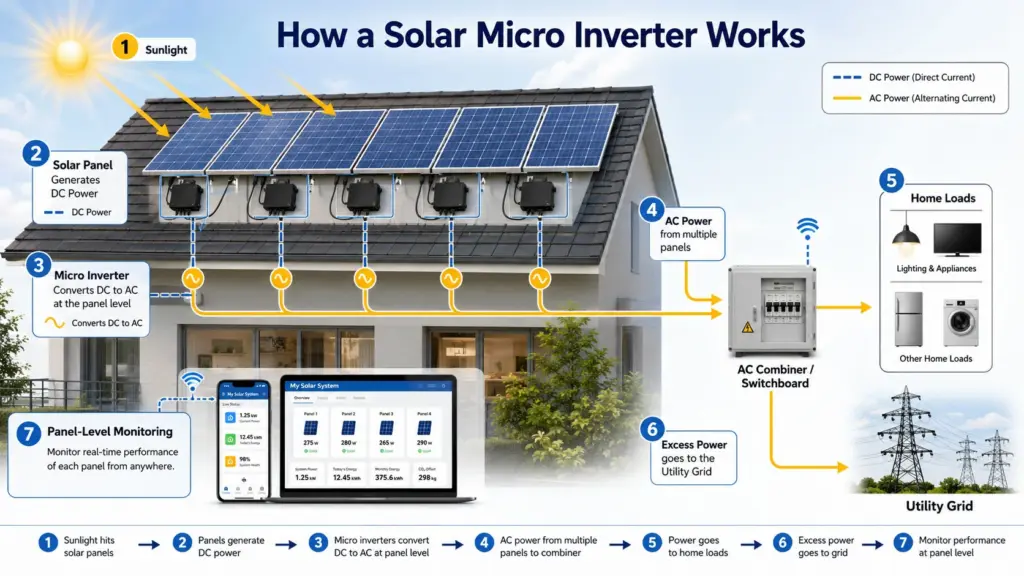
A solar micro inverter works in four basic steps:
- Solar panels generate DC power
When sunlight hits the solar panel, the panel produces direct current electricity. - The micro inverter converts DC to AC at the panel
Instead of sending DC power from multiple panels to one central inverter, each micro inverter converts power from its own panel into usable AC electricity. - AC power flows to the home switchboard
The converted AC power can supply household loads, charge an AC-coupled battery system, or be exported to the grid where permitted. - Monitoring software tracks each panel
Many micro inverter systems include panel-level monitoring. This helps installers or homeowners identify whether one panel is underperforming due to shade, debris, damage, or a connection issue.
This panel-level design is why micro inverters are often grouped under module-level power electronics. The U.S. Department of Energy notes that microinverters are placed on individual panels, and shading or damage on one panel does not affect the output of the other panels in the same way as a string inverter system.
Solar Micro Inverter vs String Inverter
Both micro inverters and string inverters convert solar DC power into AC power. The difference is mainly where the conversion happens and how much independence each panel has.
| Feature | Solar Micro Inverter | String Inverter |
|---|---|---|
| Conversion point | At each solar panel | At one central inverter |
| Best for | Shaded roofs, complex roofs, multiple orientations | Simple, shade-free roofs |
| Panel independence | High | Lower, depending on string design |
| Monitoring | Usually panel-level | Usually system-level or string-level |
| Expansion | Easier to add panels gradually | Limited by inverter capacity and string design |
| Service access | On the roof, harder to access | Wall-mounted, easier to access |
| Upfront cost | Usually higher | Usually lower |
| Battery design | Often AC-coupled | Can be DC-coupled or hybrid depending on inverter |
String inverters remain common because they are simple, proven, and usually more affordable. For a deeper comparison, you can also read Avepower’s article on string solar inverters, which explains when a central inverter architecture still makes sense.
Solar Micro Inverter and Battery Storage
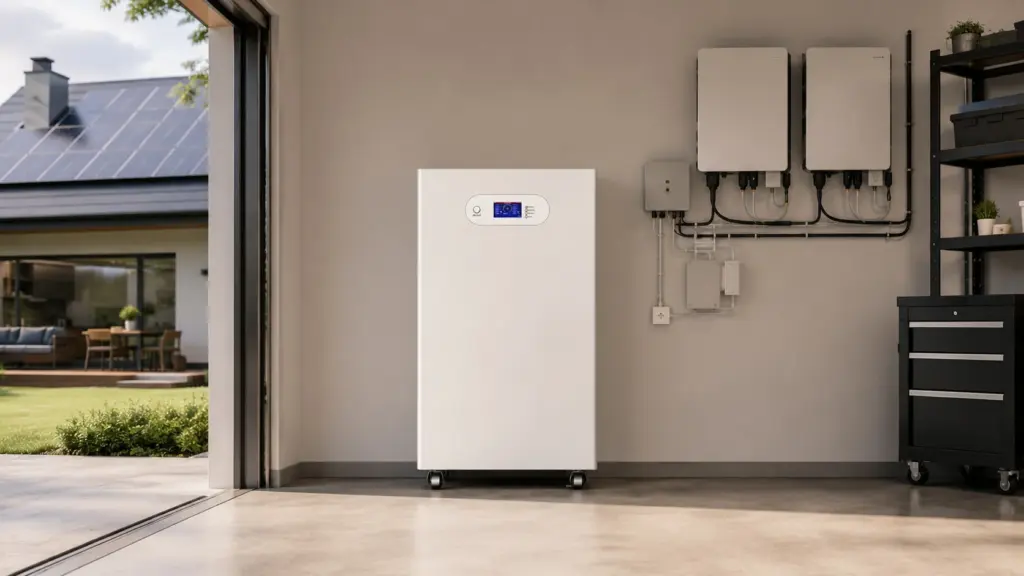
Solar panels and batteries use DC electricity, while homes and the grid use AC electricity. Solar-plus-storage systems can be connected using either DC-coupled or AC-coupled configurations. In a DC-coupled system, battery storage connects more directly on the DC side; in an AC-coupled system, solar power is converted to AC and battery charging requires additional conversion equipment.
Because a solar micro inverter converts power to AC at each panel, micro inverter systems are commonly paired with AC-coupled battery storage. This can work very well, especially for retrofit projects where solar is already installed. But it also means you should check:
- Whether the battery system supports AC coupling.
- Whether backup power is required during outages.
- Whether the battery can charge from solar during a blackout.
- Whether the system supports whole-home backup or only essential loads.
- Whether the inverter, battery, gateway, and monitoring platform communicate properly.
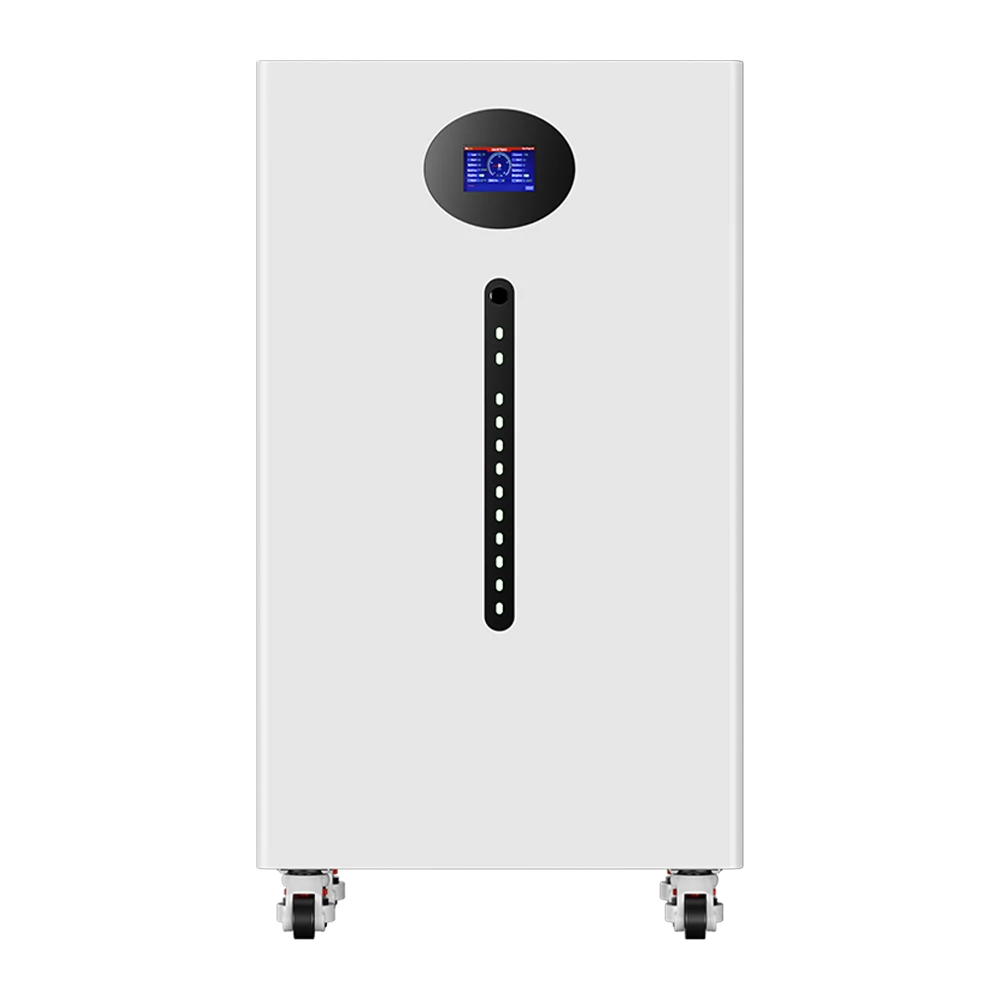
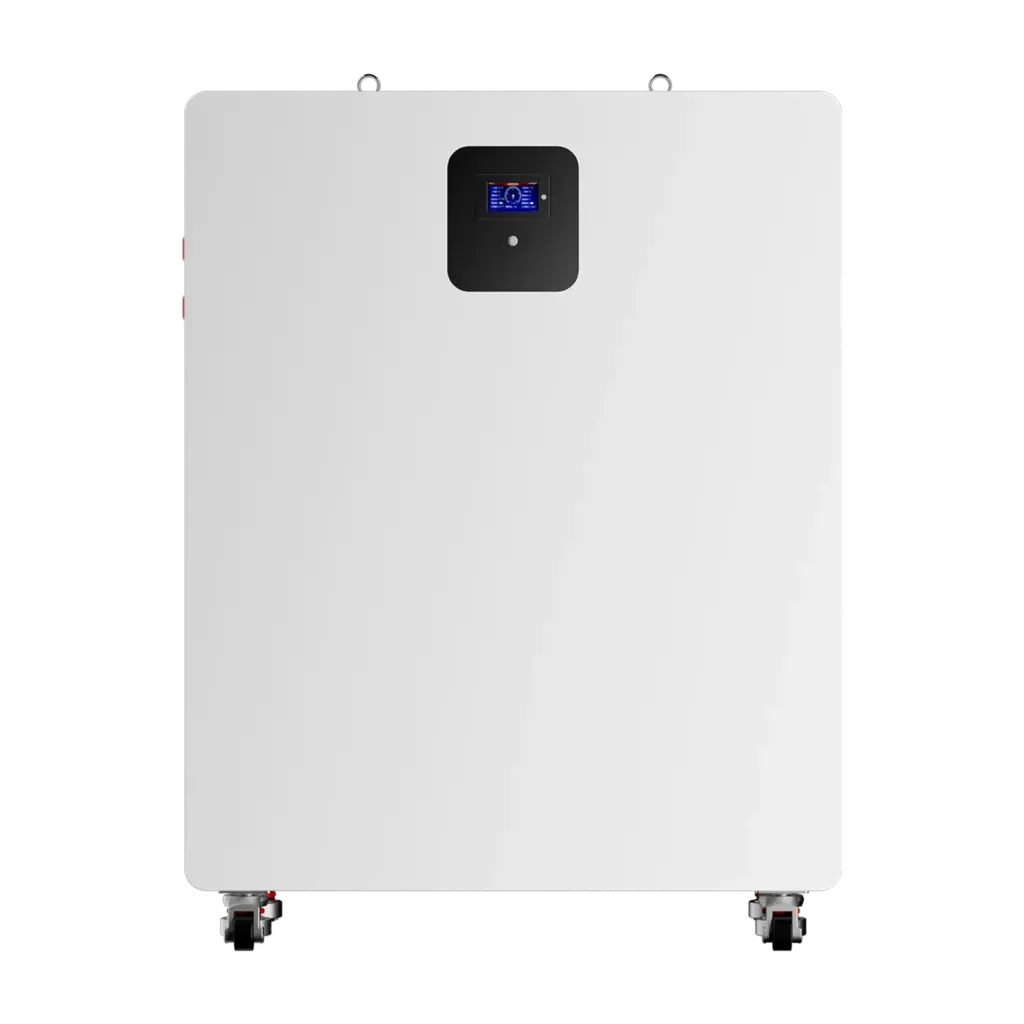
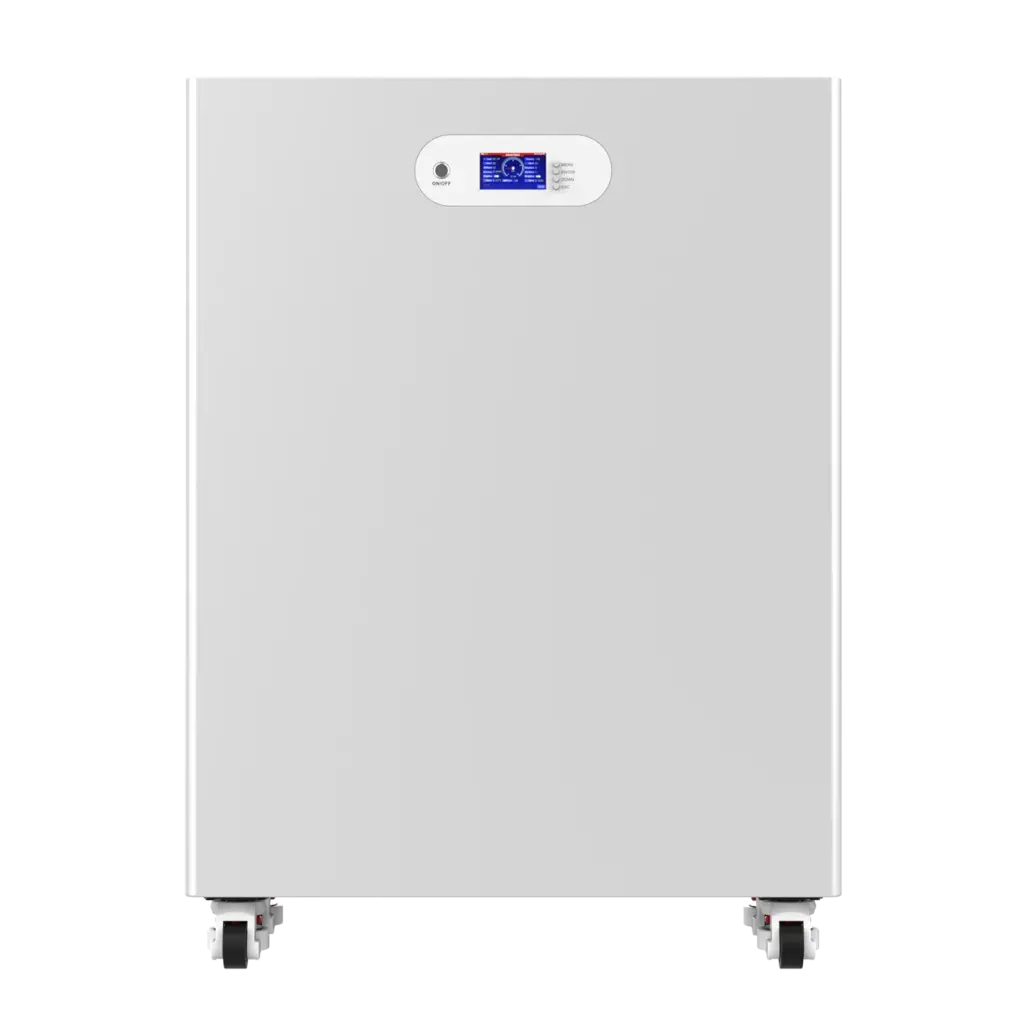
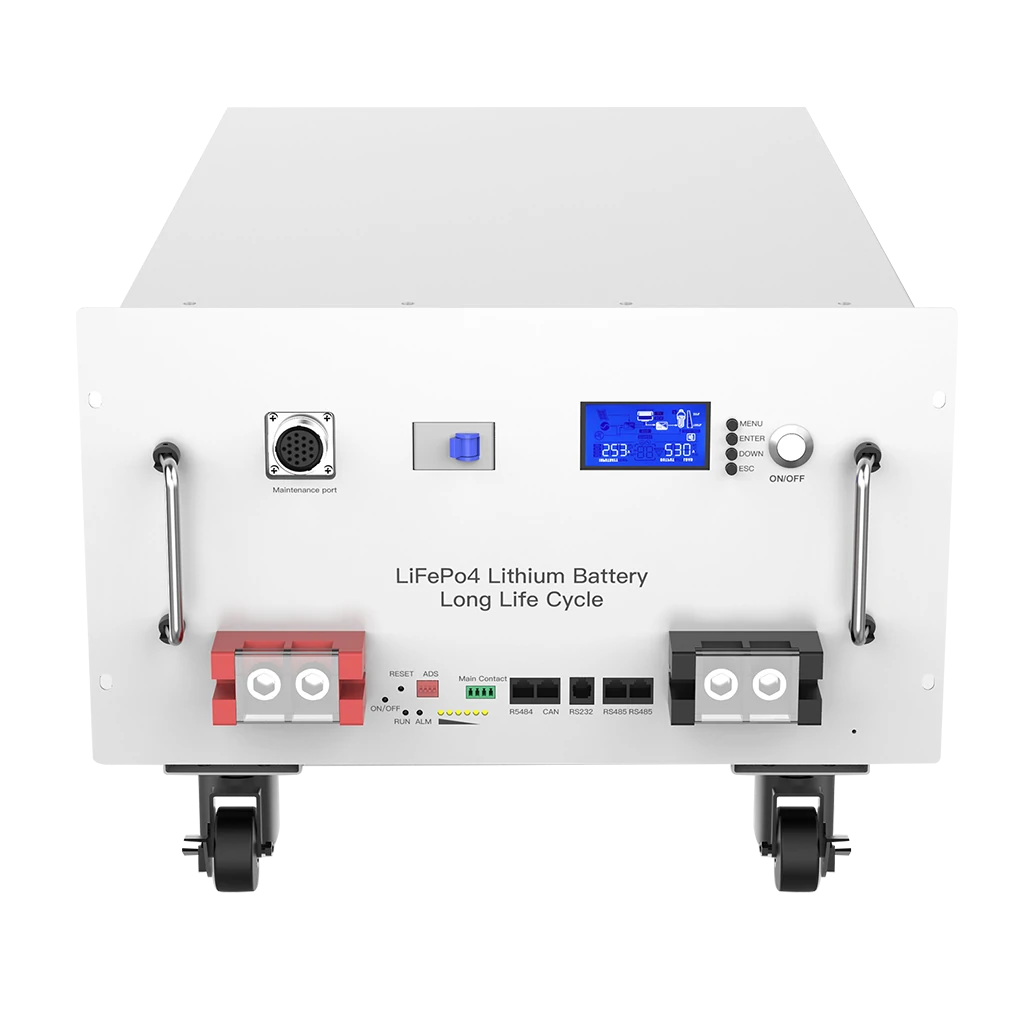
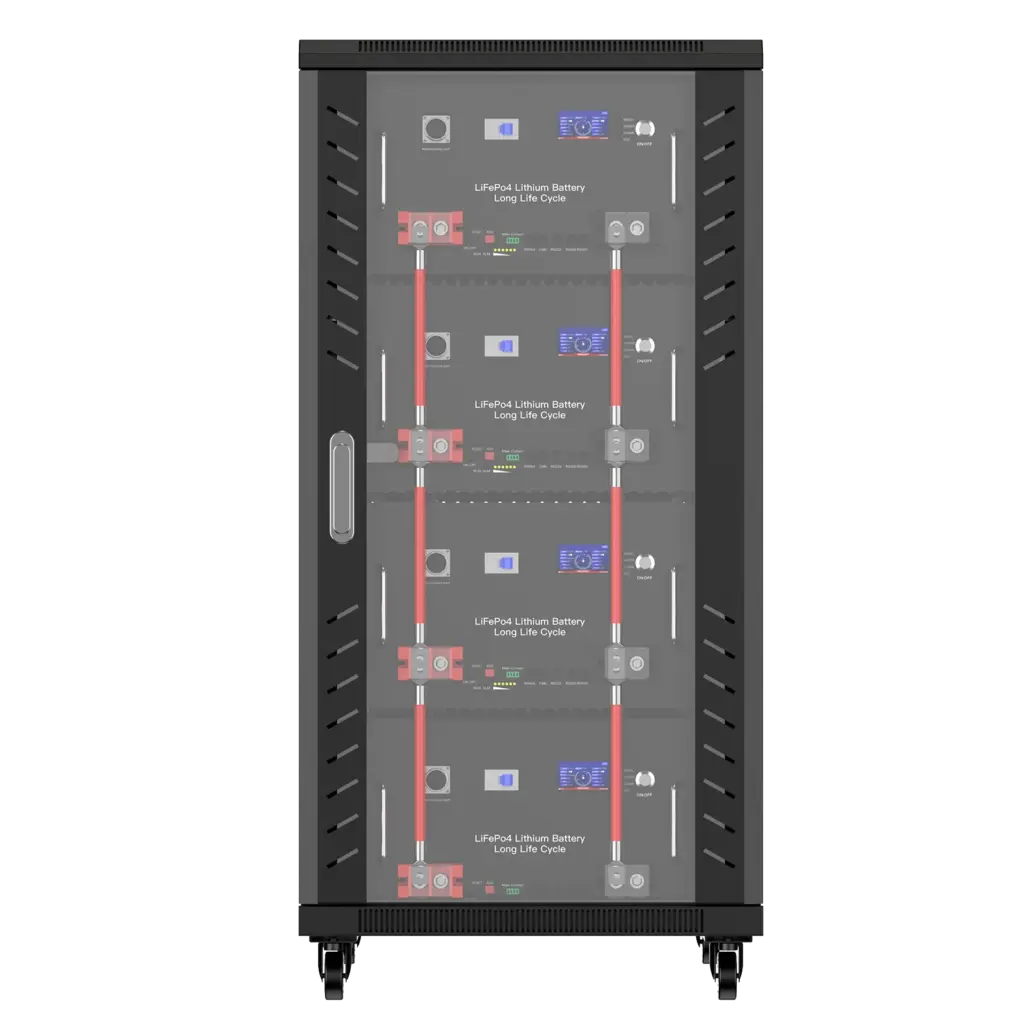
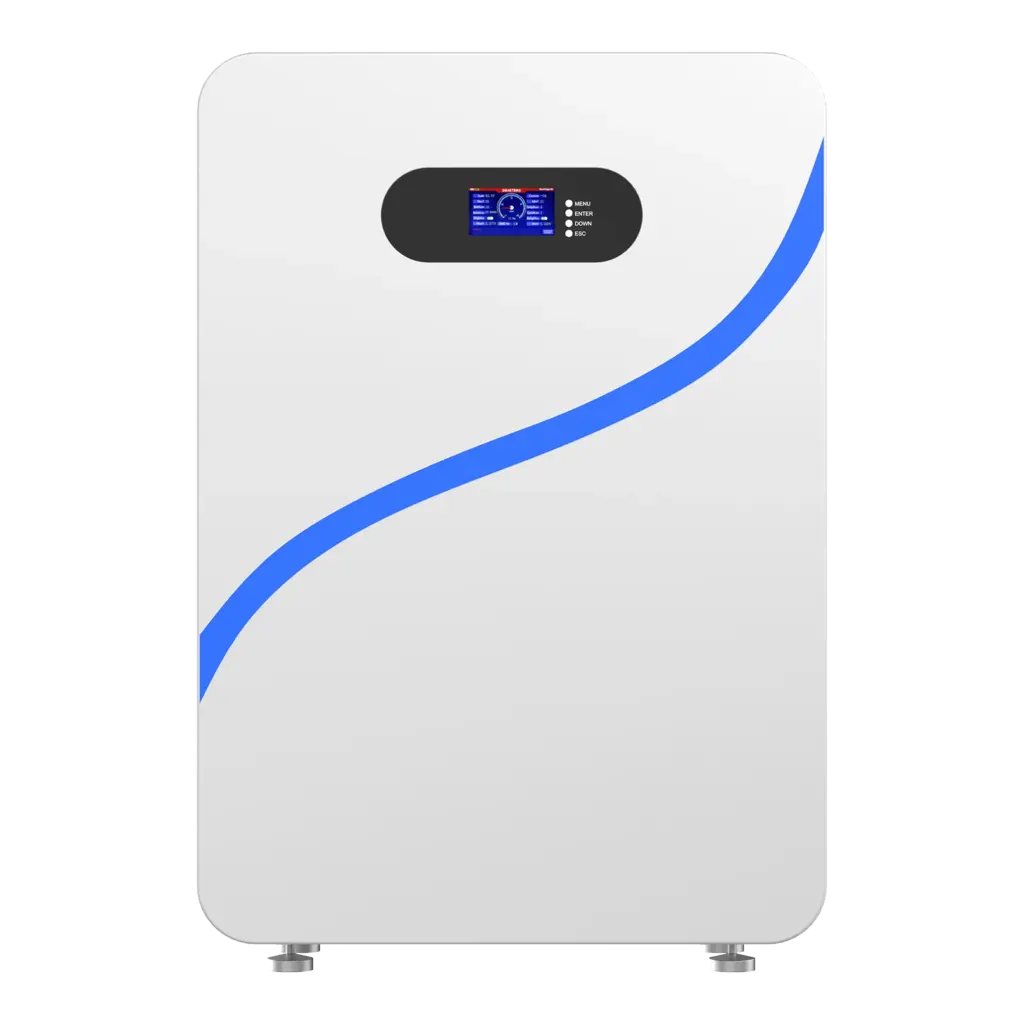
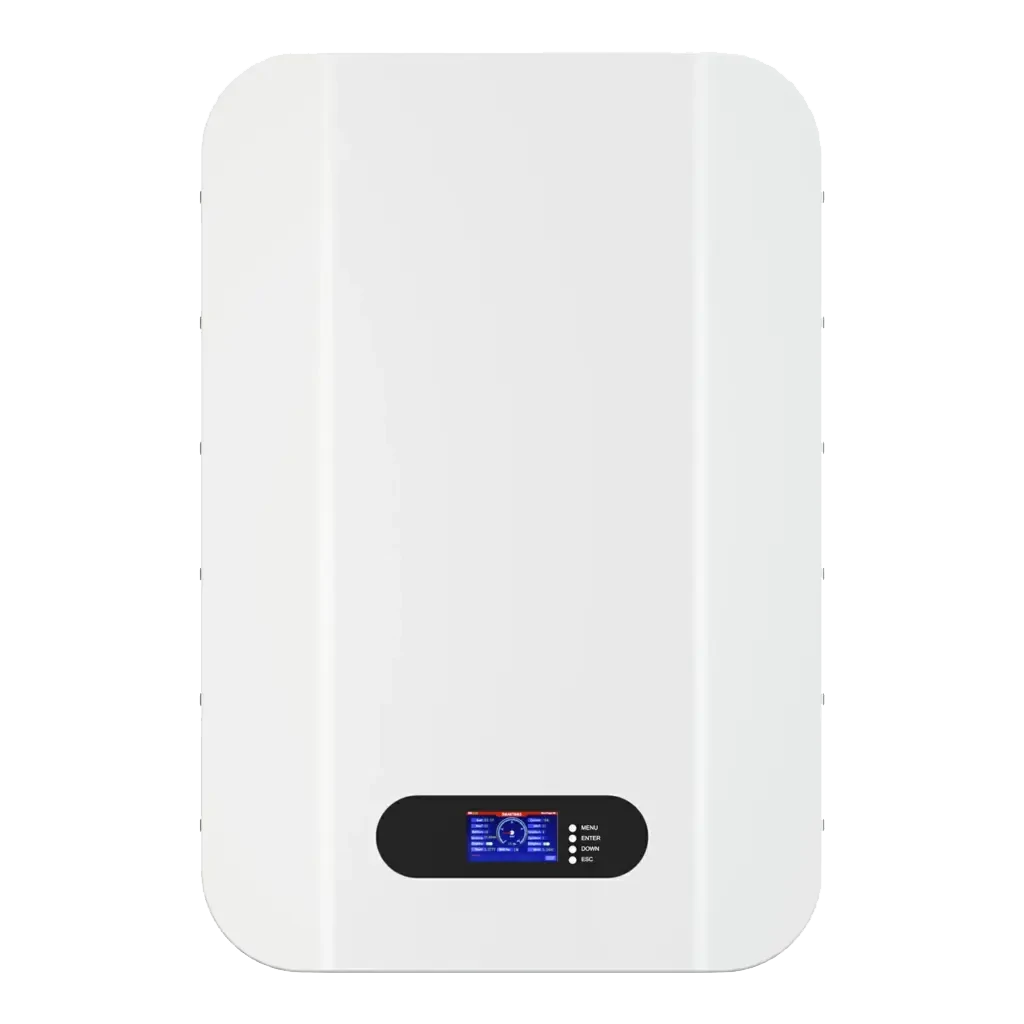
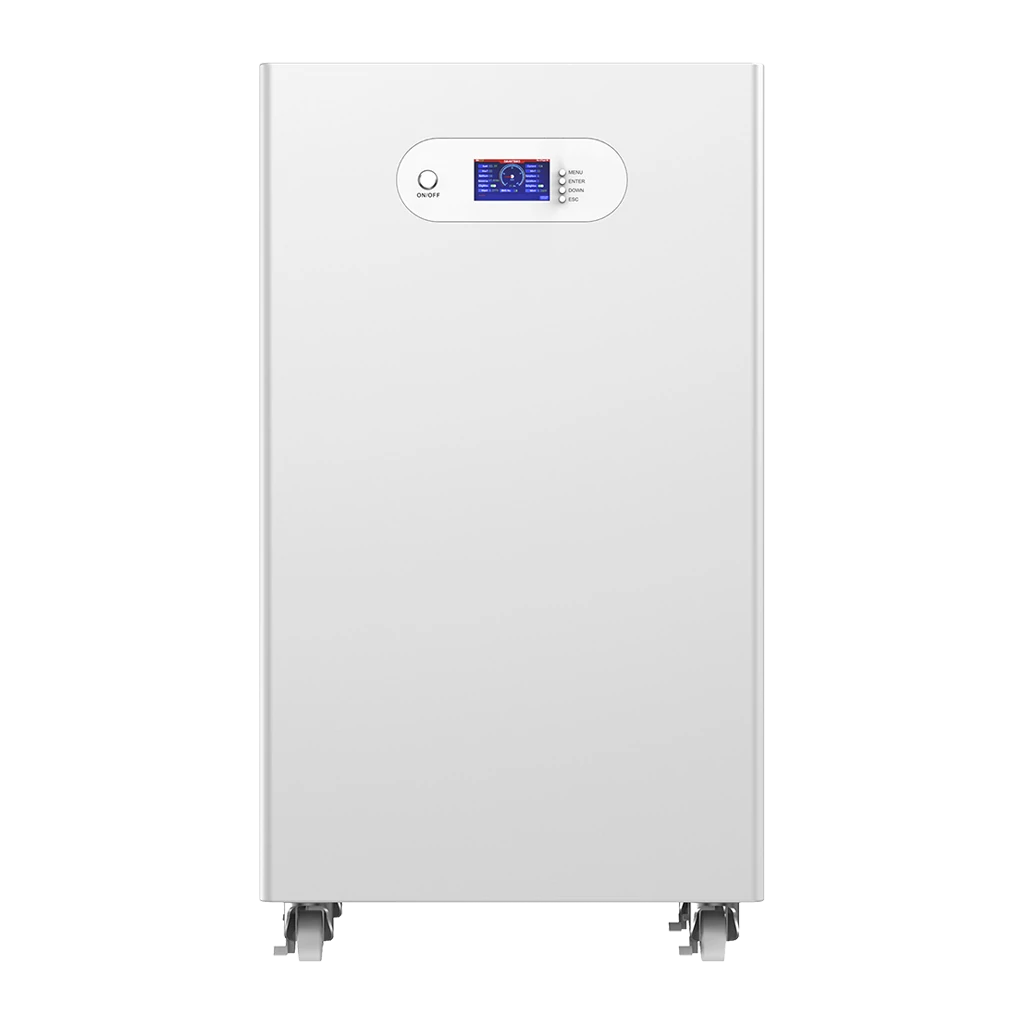
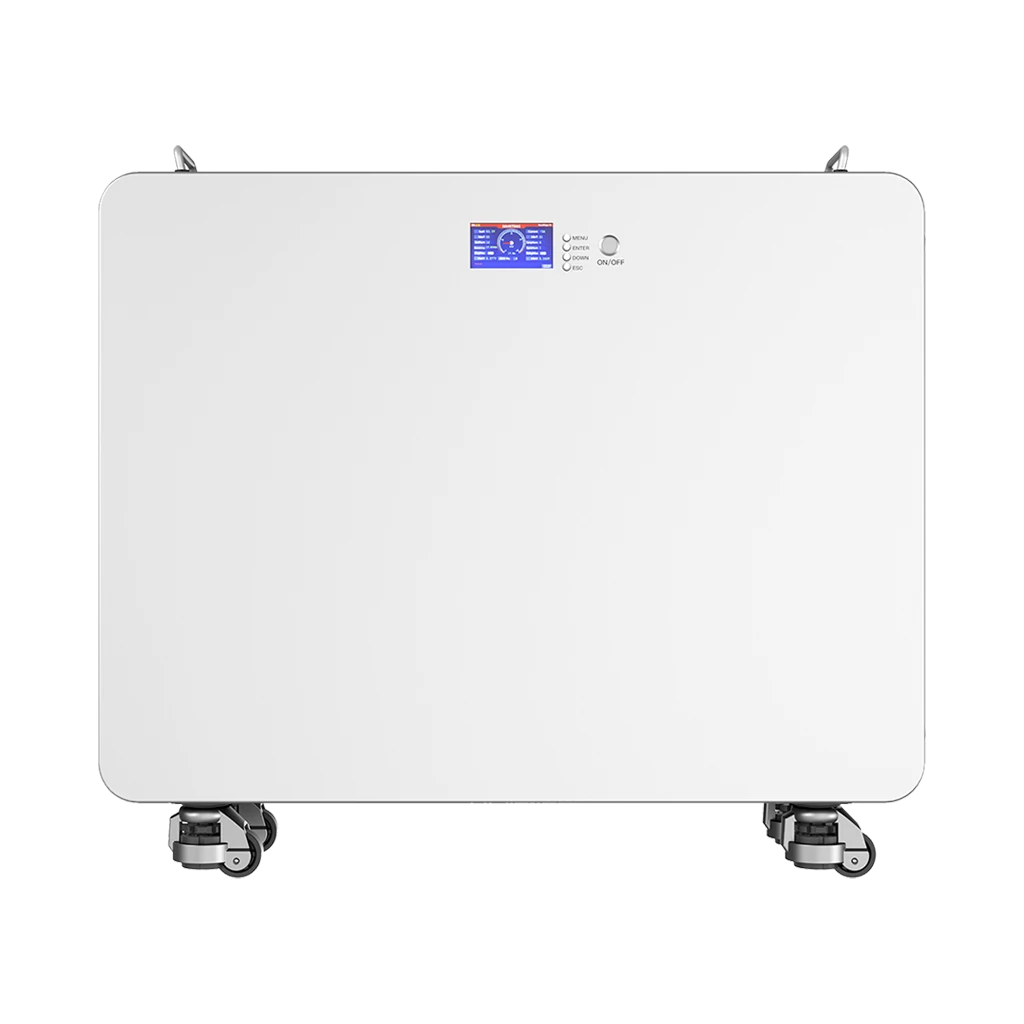
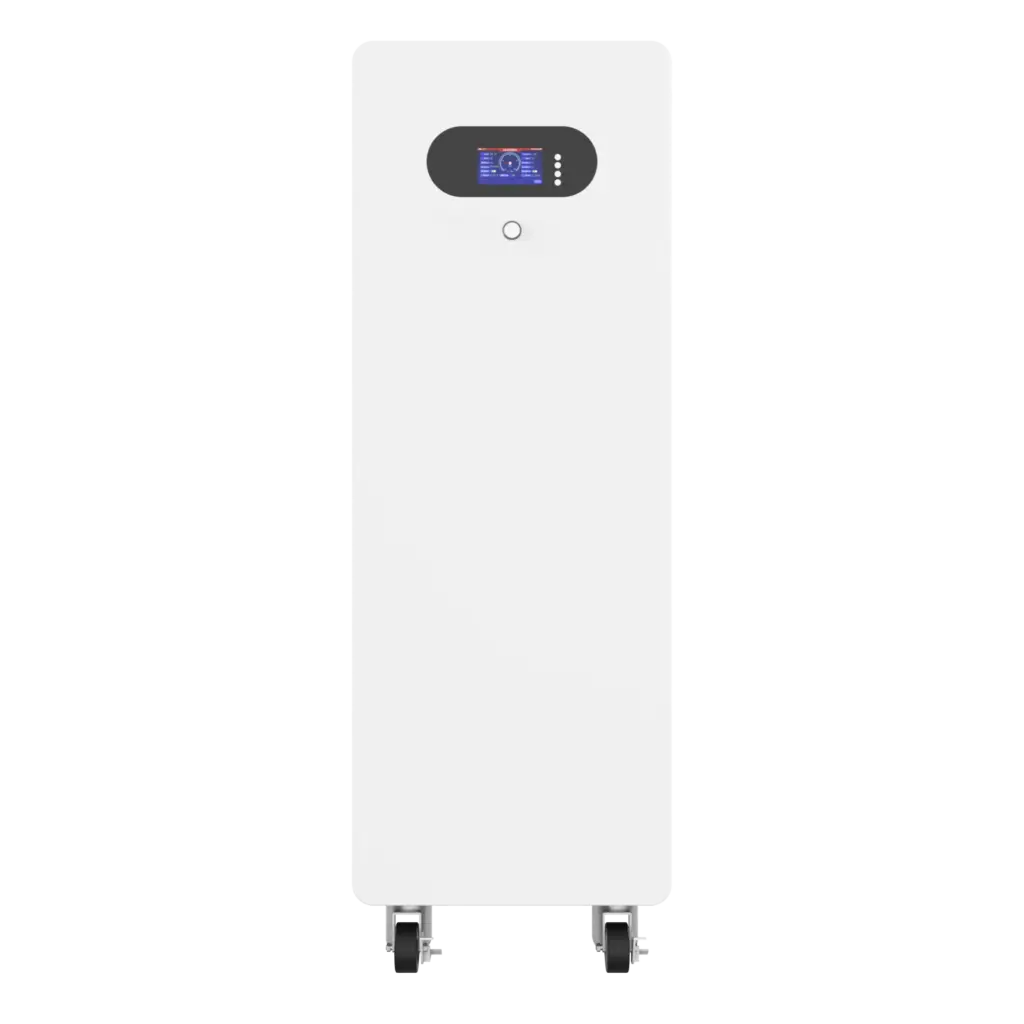
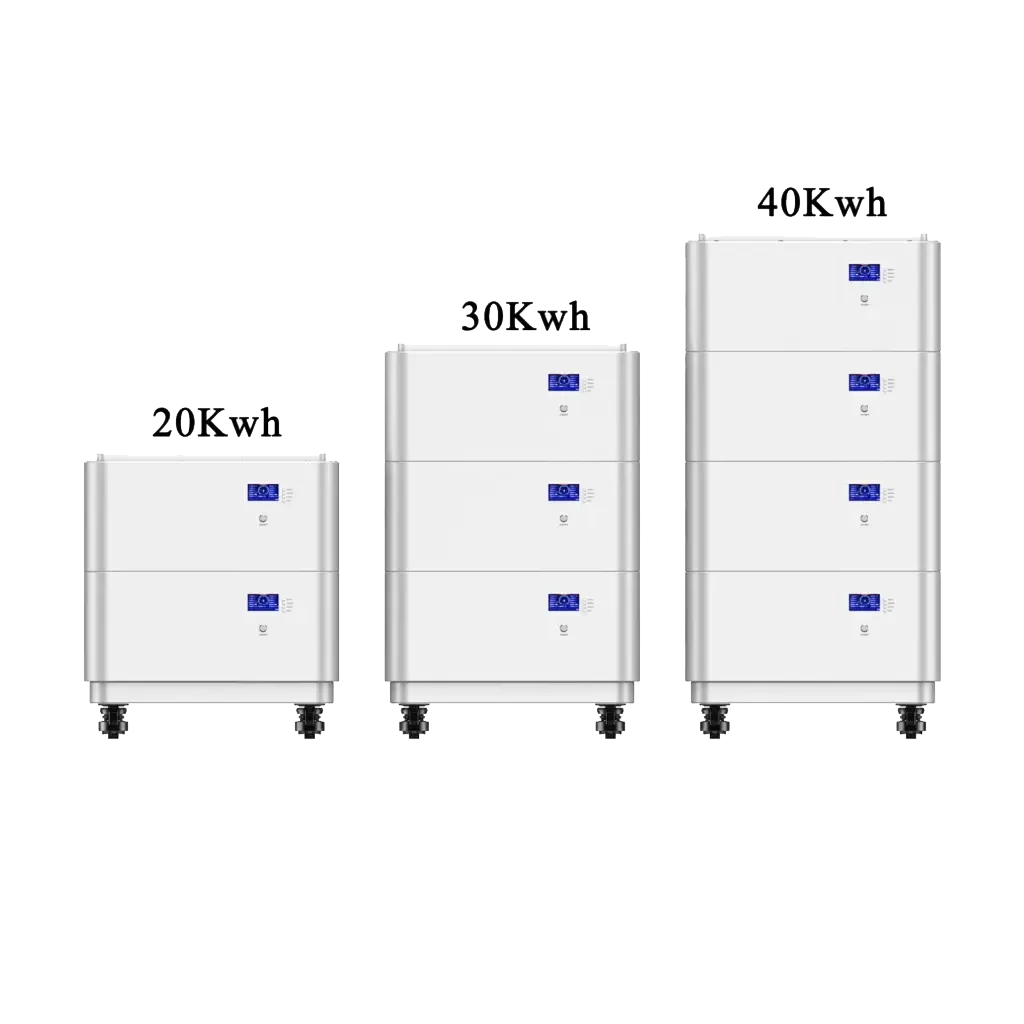
Avepower’s residential energy storage solutions are designed for solar energy storage, backup power, peak shifting, and self-consumption. For installers and project buyers comparing battery and inverter architecture, the Avepower inverter compatibility list can help check supported inverter brands, communication protocols, and practical integration requirements.
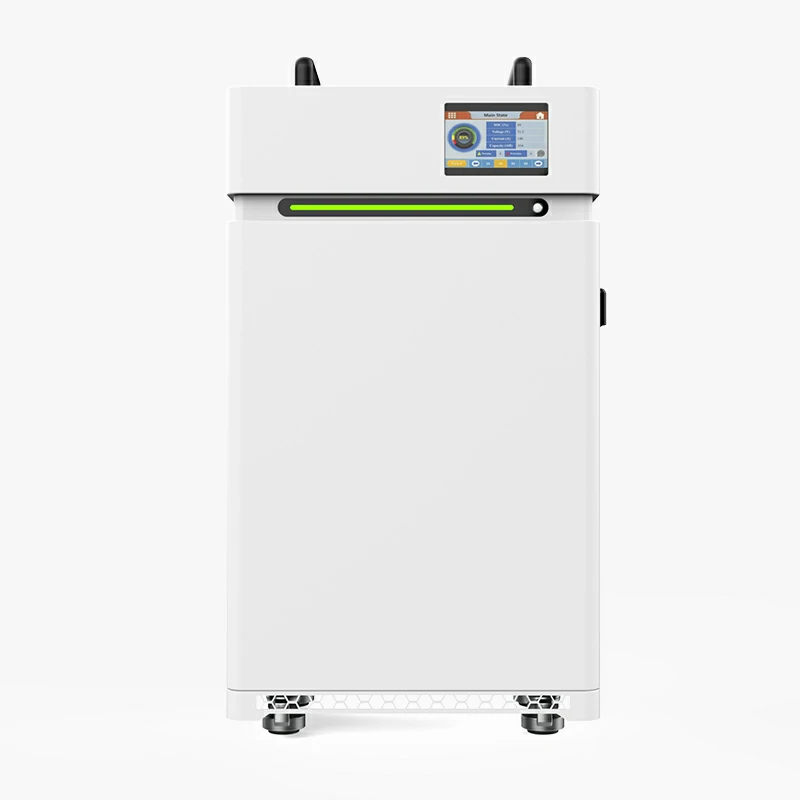
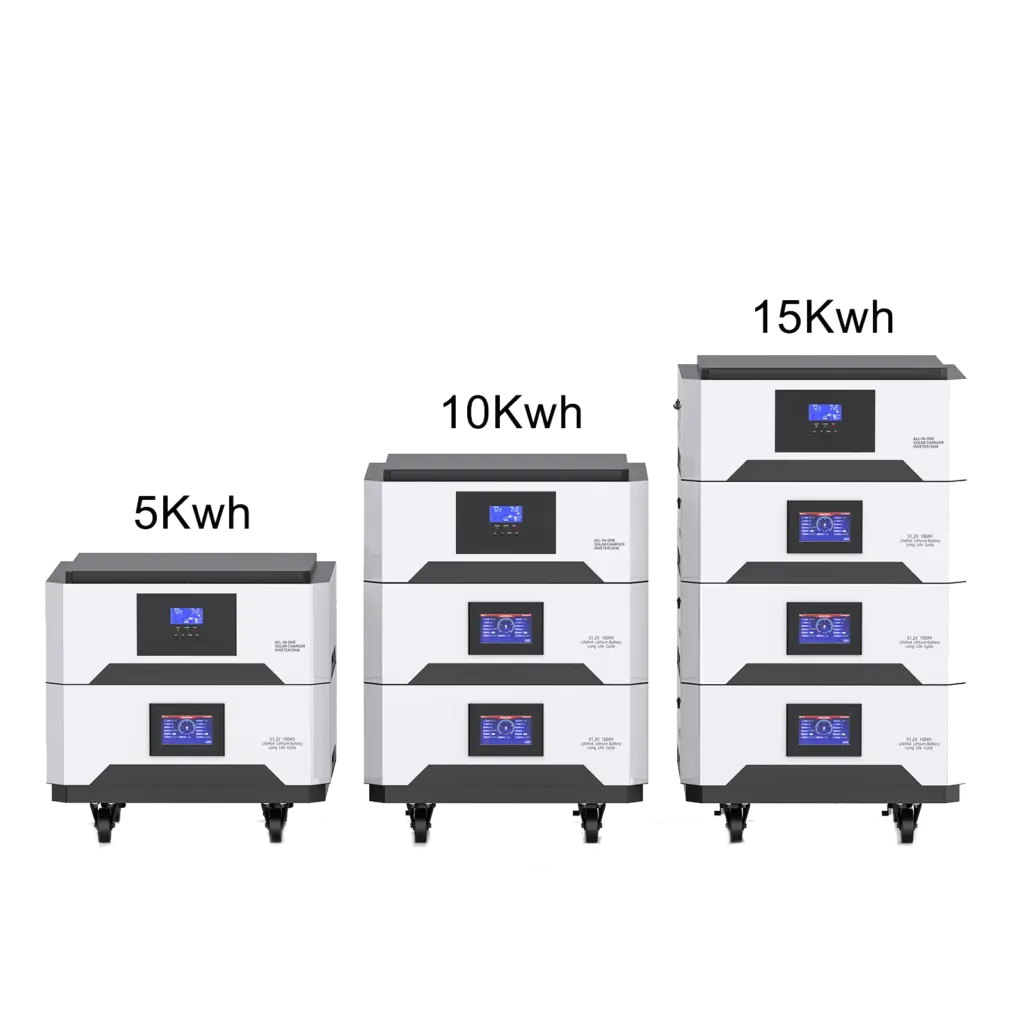
If the project needs a more integrated format, Avepower’s all-in-one battery with inverter combines battery storage and inverter functions in one system. This is different from a rooftop micro inverter setup, but it can be relevant when designing a complete solar-plus-storage solution where installation simplicity and system matching are priorities.
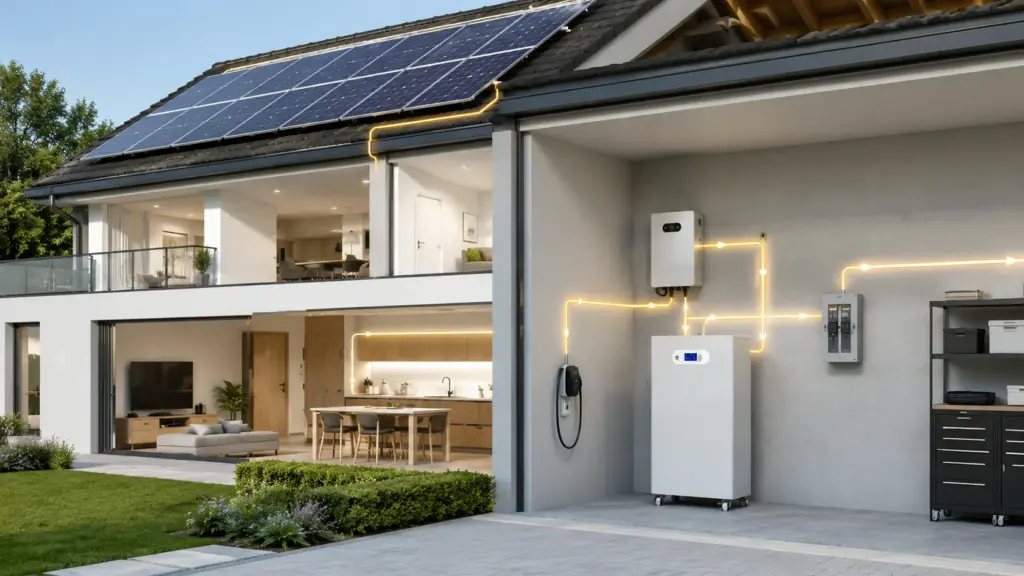
Plan Your Solar System With Battery Storage
A solar micro inverter can improve panel-level performance, but the battery system must also match the inverter architecture. Avepower helps installers and project buyers choose battery storage solutions that fit real solar project requirements.
Main Pros of Solar Microinverters
1. Better Performance on Shaded Roofs
Solar microinverters can reduce the impact of partial shading on system performance. In a string inverter system, shading on one panel may reduce the output of the entire string. With a microinverter system, the shaded panel produces less power, but the remaining panels can continue operating independently based on their own conditions.
2. More Flexibility for Different Roof Orientations
Many homes do not have one large, perfectly north-facing or south-facing roof surface. Some roofs face east and west, while others have limited space or multiple roof angles. Certain townhouses and detached homes also require panels to be distributed across different roof sections.
Microinverters allow each solar panel to operate independently, making it easier to install panels on different roof orientations without major performance conflicts.
3. Panel-Level Monitoring
Many microinverter systems include monitoring software that displays the performance of each individual solar panel. This helps homeowners and installers identify underperforming panels, faults, dirt buildup, or shading issues more quickly.
4. No Single Central Inverter Failure Point
In a string inverter system, the central inverter is a critical component. If it fails, the entire solar array may stop producing power until the inverter is repaired or replaced. In a microinverter system, if one microinverter fails, the remaining units can continue operating. However, having multiple microinverters also means there are more independent electronic components within the system.
5. Easier Future Expansion
Microinverter systems are generally easier to expand because each new panel can be paired with its own inverter, provided the electrical design, roof space, grid connection conditions, and local regulations allow it. This is practical for homeowners who want to start with a smaller system and add more panels later.
6. Reduced High-Voltage DC Exposure
Microinverters convert DC power to AC power at the panel level, reducing the amount of high-voltage DC wiring compared with traditional string systems. This can be attractive to homeowners and installers who prioritize electrical design safety.
Avepower recommends checking whether the inverter is listed on the Clean Energy Council approved products list before purchasing, as certified products have undergone independent testing and comply with electrical safety, product, and quality standards.
For Australian projects, homeowners and installers can check the Clean Energy Council approved inverter list before selecting equipment.
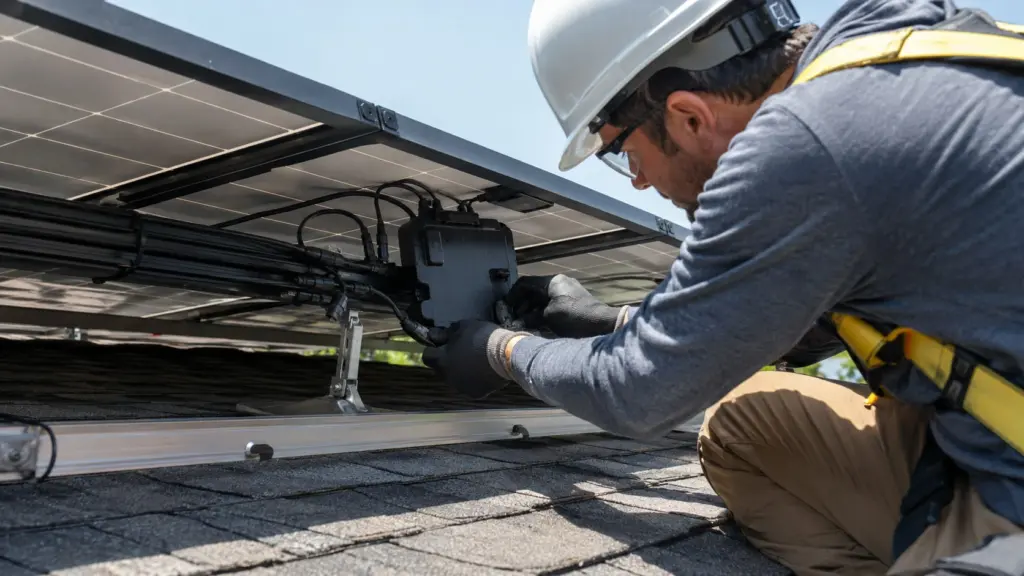
Cons of Solar Microinverters
1. Higher Upfront Cost
Microinverter systems can cost at least 30% more than traditional string inverter systems because each solar panel requires its own inverter hardware and related components. The exact price difference depends on system size, brand, number of panels, installer pricing, warranty coverage, monitoring platform, and roof complexity.
2. More Difficult Roof Maintenance
Microinverters are usually installed underneath the solar panels. If one microinverter fails, installers may need to access the roof and potentially remove or lift a solar panel to replace the unit. This can make repairs more time-consuming compared with replacing a wall-mounted string inverter.
3. More Electronics Installed on the Roof
A string inverter system may only use one inverter for the entire solar array. In contrast, a microinverter system may have one inverter attached to each solar panel. While this increases system redundancy, it also means more independent electronic devices are exposed to roof heat, moisture, wind, and long-term weather cycles.
4. Battery Compatibility Requires More Planning
Microinverter systems typically connect with batteries through AC coupling. This approach is common and practical, especially when adding batteries to an existing solar system, but it requires a compatible battery inverter or an AC-coupled battery solution.
Avepower recommends confirming battery compatibility, inverter specifications, and local installation requirements before designing a solar-plus-storage system.
Best Use Cases for Solar Micro Inverters
Homes With Partial Shading
If trees, chimneys, roof edges, or nearby buildings shade some panels during the day, micro inverters can limit the impact to the affected panels.
Multi-Direction Roofs
If panels need to be split across east, west, north, or different tilt angles, micro inverters allow more design flexibility.
Townhouses and Small Roofs
Where every panel matters, panel-level optimization can be useful. Solar Calculator also lists townhouses or units as situations where micro inverters may add value.
Premium Residential Systems
For homeowners who want higher monitoring detail, flexible expansion, and fewer system-wide shutdown risks, micro inverters can be attractive.
Retrofit Solar Expansions
If you may add panels later, micro inverters can sometimes make expansion easier, provided the electrical system, grid approval, and monitoring platform support the change.
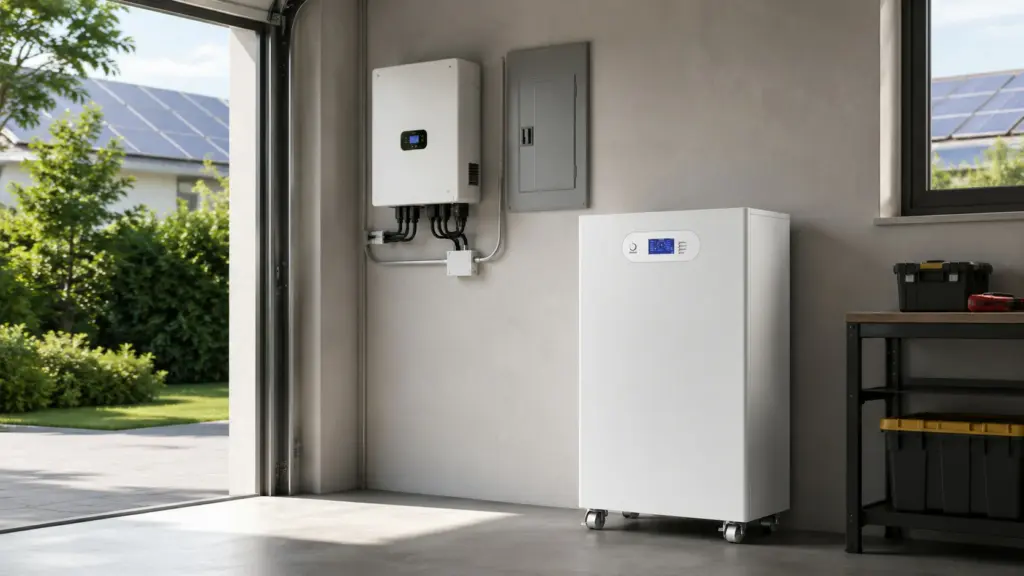
Need a Compatible Solar Battery?
Building a microinverter solar system or upgrading an existing PV project? Explore Avepower home energy storage batteries for scalable capacity, intelligent BMS protection, and flexible installation options.
Solar Micro Inverter vs Power Optimizer
Power optimizers are another type of module-level electronics. They are installed at the panel level like microinverters, but they do not convert DC to AC at the panel. Instead, they condition or optimize the DC output before sending it to a central inverter.
In simple terms:
- Microinverter: DC to AC conversion happens at each panel.
- Power optimizer: Panel-level DC optimization happens at each panel, but DC to AC conversion still happens at a central inverter.
- String inverter: DC to AC conversion happens at one central inverter, usually without panel-level electronics unless optimizers are added.
Power optimizers can be a middle option between string inverters and microinverters. They may help with shade and monitoring while keeping a central inverter architecture.
When a String Inverter May Be Better
A string inverter may be the better choice if your roof is large, simple, unshaded, and faces one main direction. In that case, the extra cost of micro inverters may not produce enough additional energy to justify the investment.
String inverters are also easier to access because they are usually wall-mounted near the switchboard or meter. For some homeowners, this makes maintenance simpler.
If your main goal is a clean, integrated solar-plus-storage design, a hybrid inverter or battery-ready string inverter may also be worth comparing. You can read Avepower’s guide on what a hybrid solar inverter is to understand how hybrid systems combine solar, battery, grid, and load management.
Solar Micro Inverter Cost: Is It More Expensive?
In most cases, a solar micro inverter system has a higher upfront cost than a simple string inverter system. This is because there are more devices, more roof-level components, and often a more advanced monitoring platform.
However, cost should be judged against the design problem being solved.
If a roof is shaded or split across several orientations, the extra cost may be worthwhile because the system can harvest more usable energy over time. If the roof is simple and unshaded, the same money may be better spent on a larger solar array, a better battery, or a higher-quality string inverter.
A practical way to compare options is to ask your installer for two designs:
- A string inverter design
- A microinverter design
Then compare:
- Installed cost
- Expected annual energy production
- Monitoring features
- Warranty terms
- Battery compatibility
- Backup power design
- Service access
- Future expansion flexibility
The better choice is the one that gives the lowest lifetime cost per useful kWh, not simply the lowest upfront price.
Are Solar Micro Inverters Good for Commercial Projects?
Microinverters can be used in some small commercial projects, especially where roof layout is complex or panel-level monitoring is valuable. However, many larger commercial and industrial solar systems use string inverters because they can be more cost-effective, easier to manage at scale, and better suited to large uniform roof areas.
For commercial solar-plus-storage projects, battery architecture becomes even more important. Larger systems may require more advanced EMS control, demand management, peak shaving, and grid export settings. In these cases, project developers often compare microinverters, string inverters, hybrid inverters, and dedicated battery inverters before finalizing the design.
Avepower’s commercial and industrial energy storage solutions can support projects where solar generation needs to be stored, shifted, or used for backup and demand management.
Conclusion: Should You Choose a Solar Micro Inverter?
A solar micro inverter is a strong choice when your roof is shaded, split across different orientations, or likely to be expanded in the future. It is also a good option if you want detailed panel-level monitoring and a more modular solar design.
However, microinverters are not always the best answer. For a simple, unshaded roof, a quality string inverter can still provide excellent performance at a lower cost. The right choice depends on roof conditions, system size, budget, local standards, and whether battery storage will be added.
For solar-plus-storage projects, do not choose the inverter and battery separately. Review the full system architecture first. A well-matched solar inverter, battery, BMS, EMS, and monitoring setup will usually deliver better real-world performance than selecting each component in isolation.
Avepower supports installers, distributors, and project developers with LiFePO4 battery systems for residential and commercial solar storage. If your solar micro inverter project also requires battery backup or energy storage, explore Avepower’s home energy storage battery systems or check the inverter compatibility list before final system design.
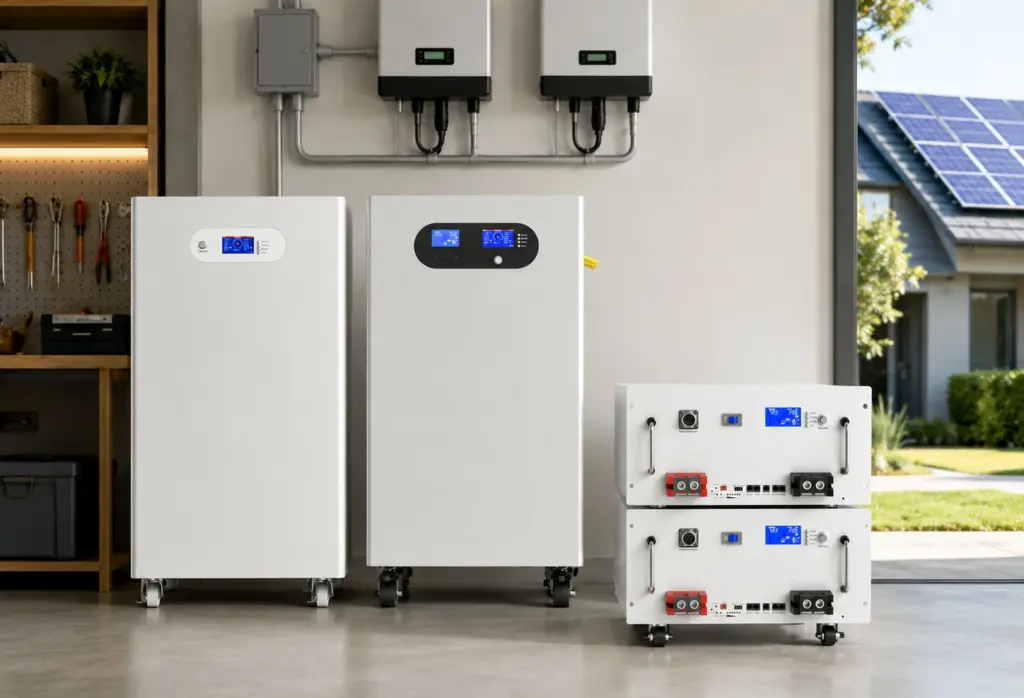
Take Control of Your Energy with Avepower!
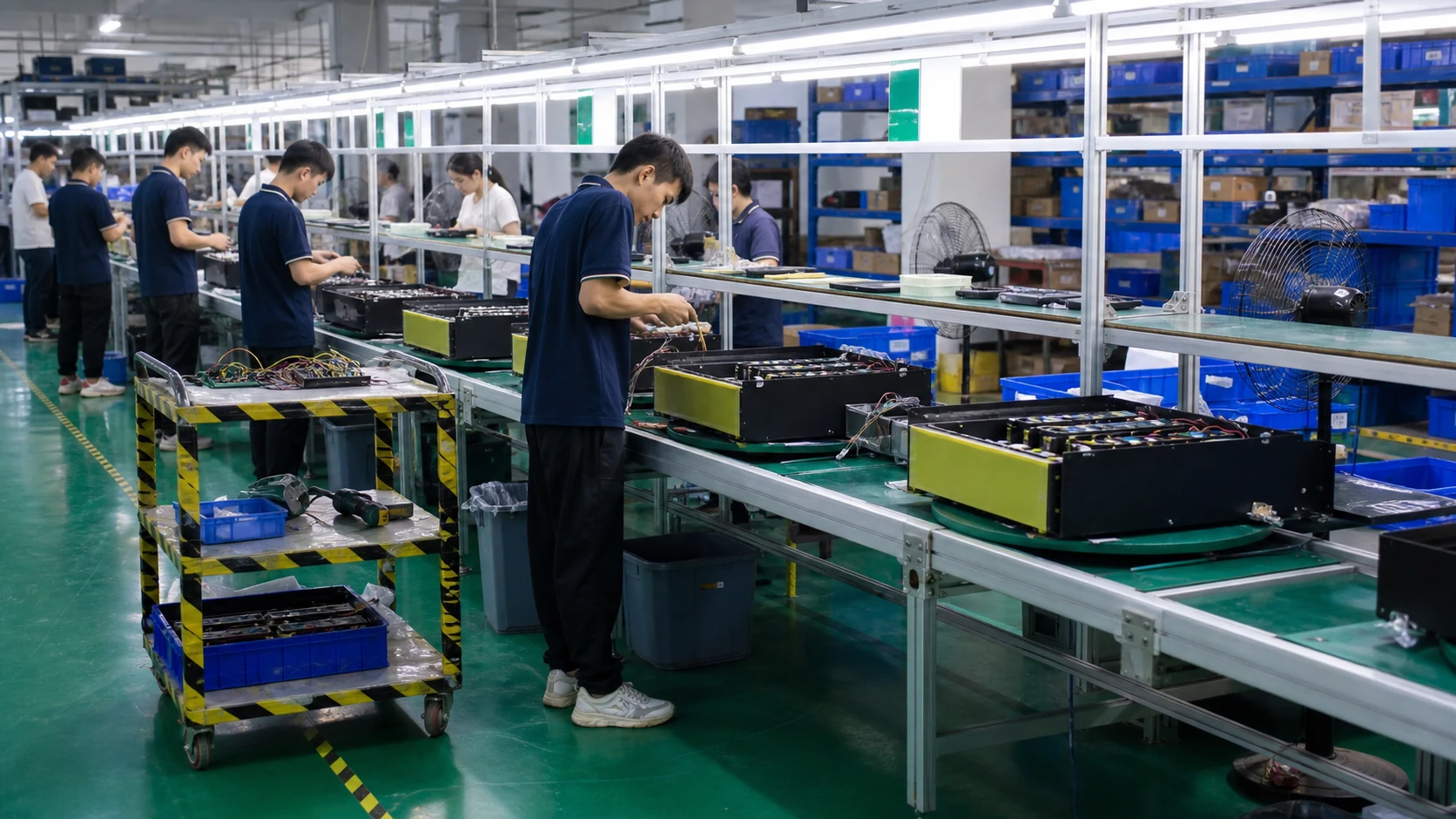
Reliable home solar battery solutions with OEM/ODM customization and in-house manufacturing, tailored to the needs of distributors, installers, and energy partners.
FAQ
A solar micro inverter is a small inverter installed at or near each solar panel. It converts DC electricity from the panel into AC electricity used by the home, business, or grid.
Microinverters are better for shaded roofs, complex layouts, multiple roof directions, panel-level monitoring, and future expansion. String inverters are often better for simple, unshaded roofs where lower cost and easier service access matter.
They can increase usable energy output when shading, dirt, different panel angles, or mismatch would otherwise reduce string performance. On a simple unshaded roof, the gain may be small.
Yes, microinverter systems usually cost more upfront than standard string inverter systems. The extra cost may be worthwhile if the roof design benefits from panel-level optimization.
Yes, but the design must be planned carefully. Many microinverter solar systems use AC-coupled batteries. Always check battery compatibility, backup requirements, and communication settings before installation.
In many cases, yes. Adding an AC-coupled battery later is often possible, but it may require extra equipment such as a battery inverter, gateway, smart meter, or backup interface.
Usually, only the panel connected to that microinverter is affected, while the rest of the solar system continues operating. However, replacement may require roof access.
Homeowners or businesses with shaded roofs, multiple roof orientations, limited expansion flexibility, or a need for panel-level monitoring are often good candidates for microinverters.