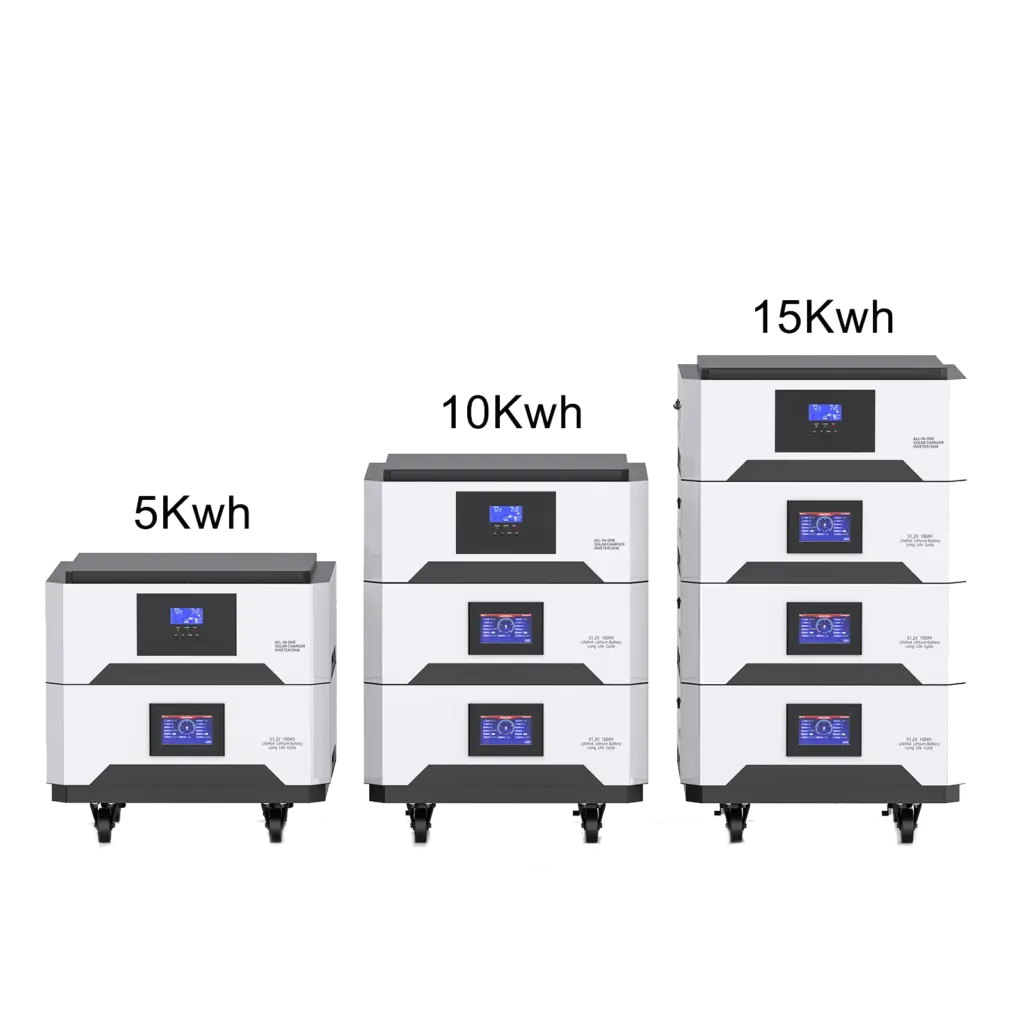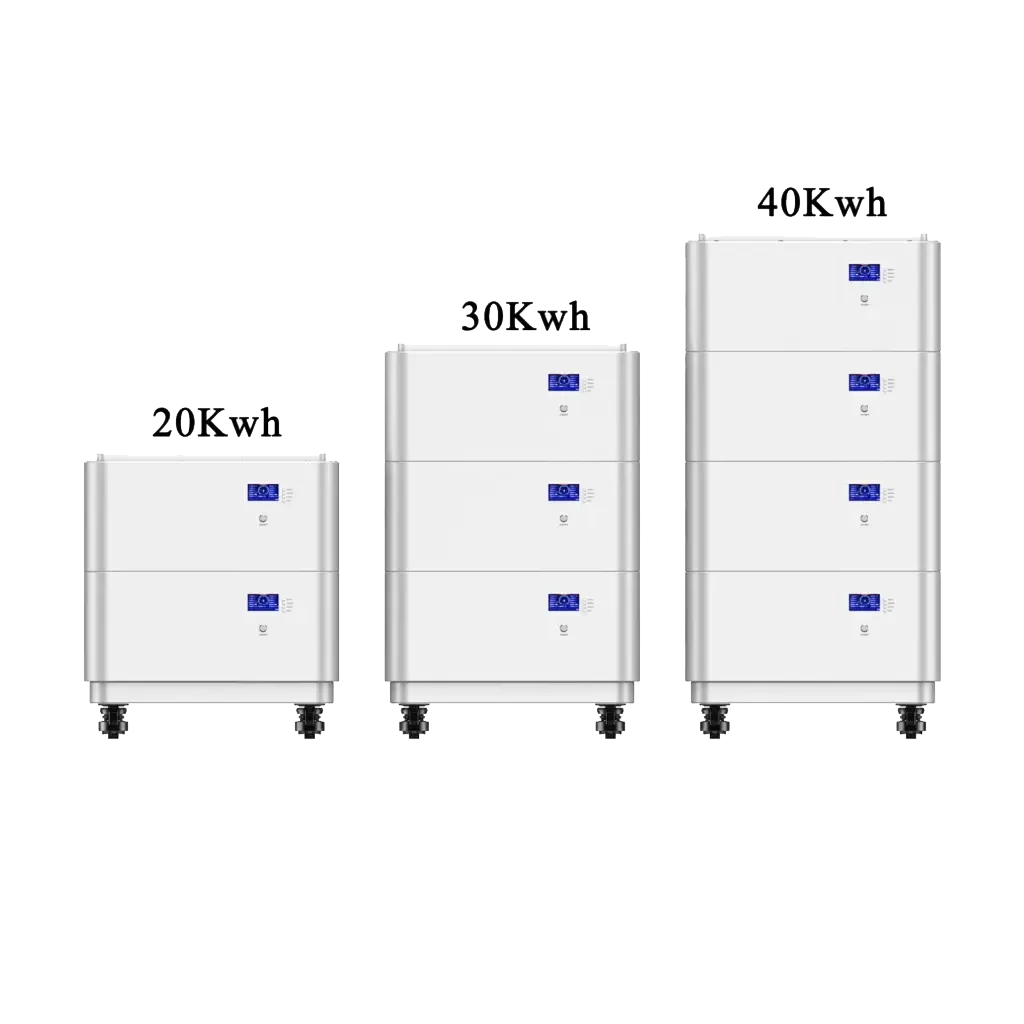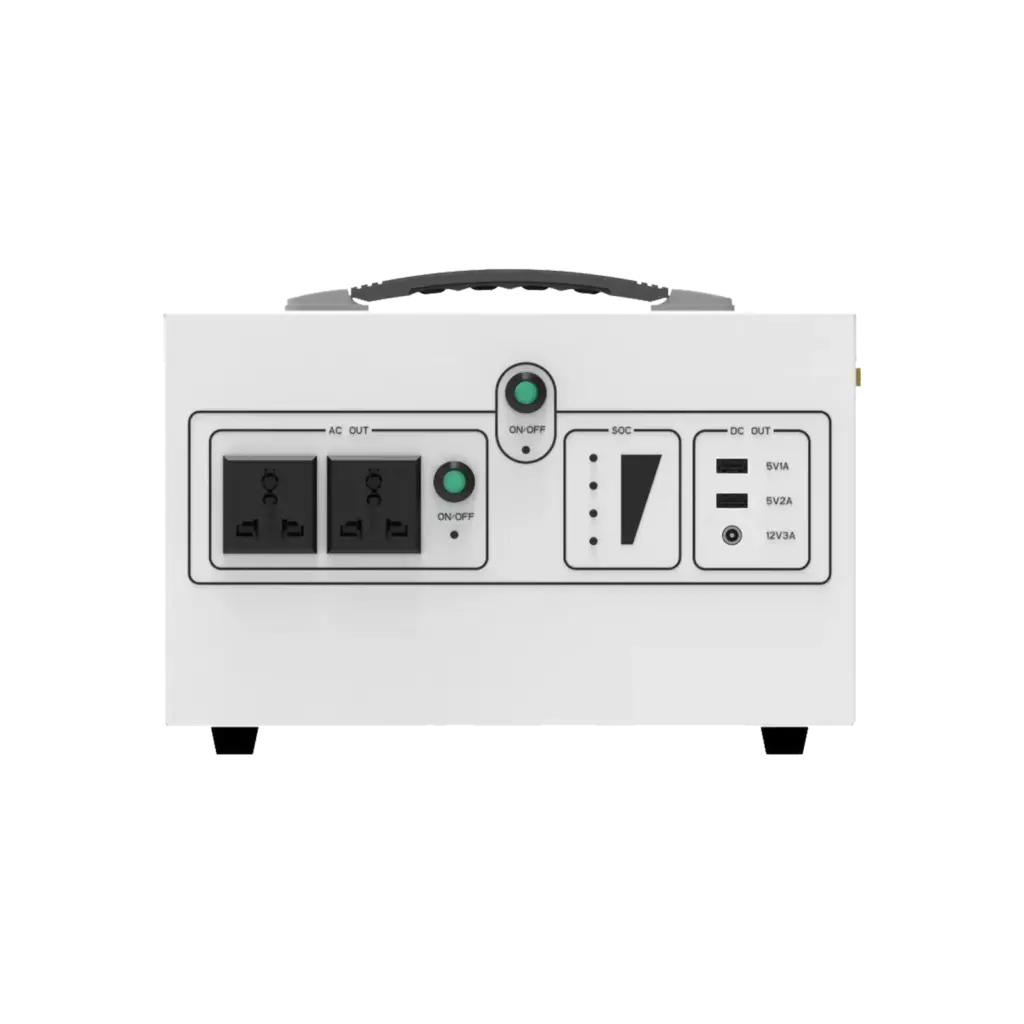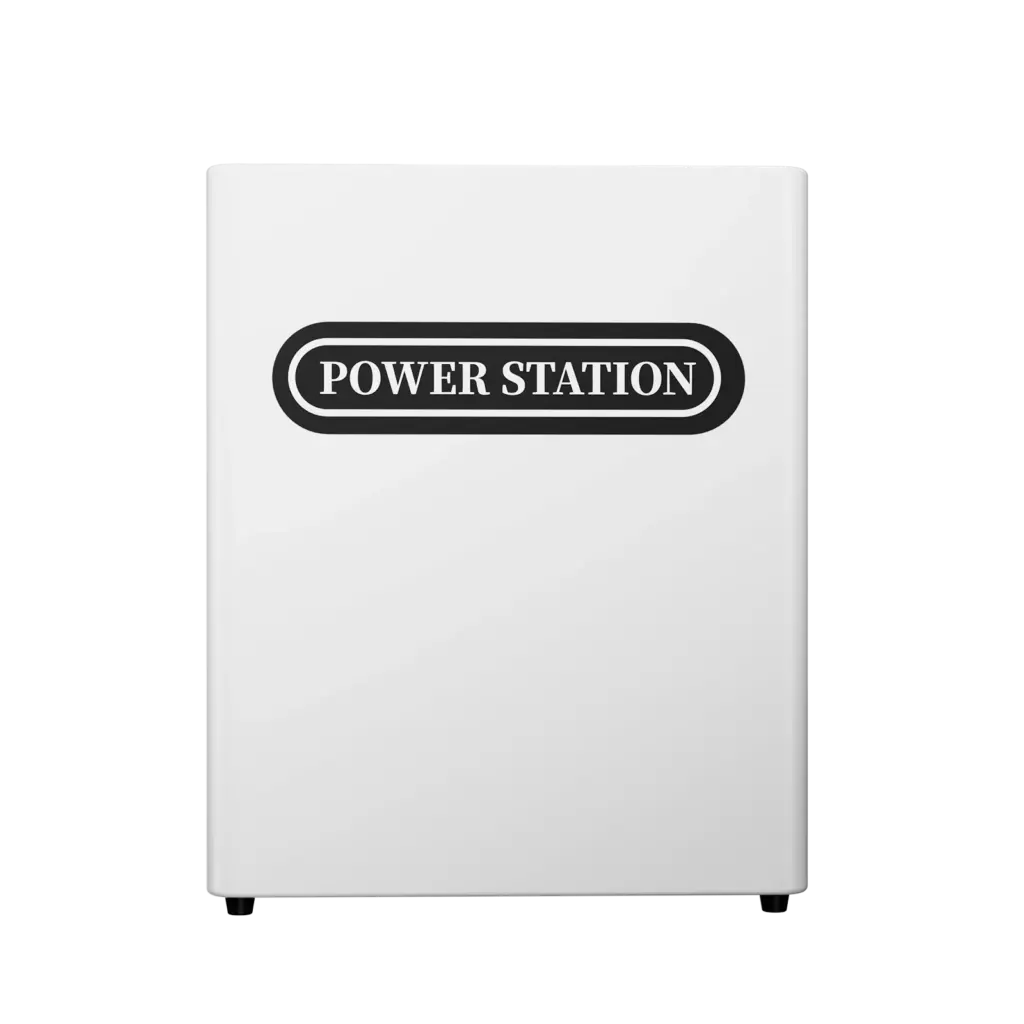

For most homes, a 10kW solar system will produce roughly 14,517 kWh per year on average, or about 40 kWh per day, but actual output varies by location, season, roof angle, and shading. That means some households may only need one 10–15 kWh lithium battery for evening self-consumption, while others may need two to four batteries if they want overnight backup or longer outage protection.
In other words, a 10kW solar system does not automatically mean you need 10 batteries, 8 batteries, or 4 batteries. The right number depends on four things:
- your daily electricity use
- how many hours of backup you want
- your battery chemistry and usable capacity
- your inverter and system voltage requirements
The Short Answer
Here is the simplest way to think about it:
- For bill savings and evening use: usually 1 battery in the 10–15 kWh range is enough.
- For partial-home overnight backup: usually 2 batteries are more realistic.
- For long outages or heavy night loads: you may need 3–4 batteries or more.
- For old-style 12V lead-acid systems: a 10kW setup often needs multiple batteries in series, such as 4 batteries for 48V, 8 for 96V, or 10 for 120V, before you even account for total storage capacity.
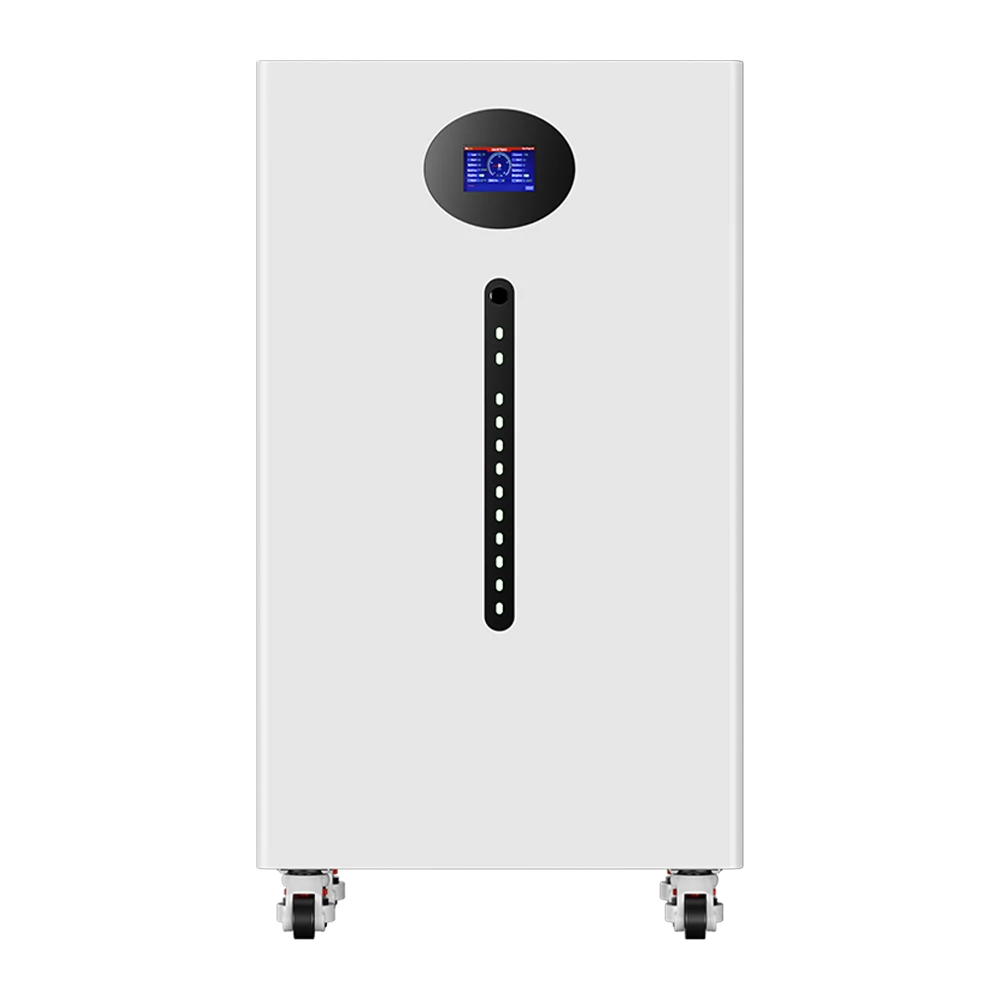
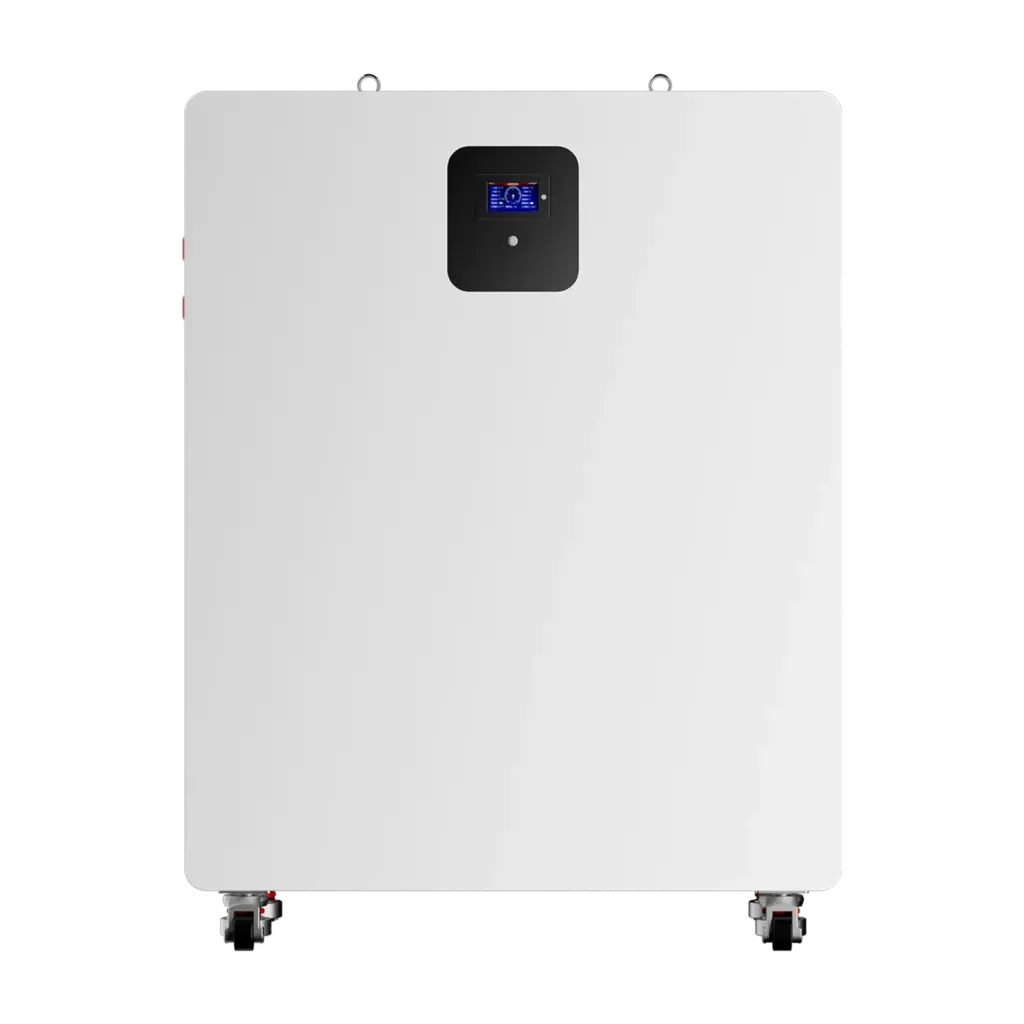
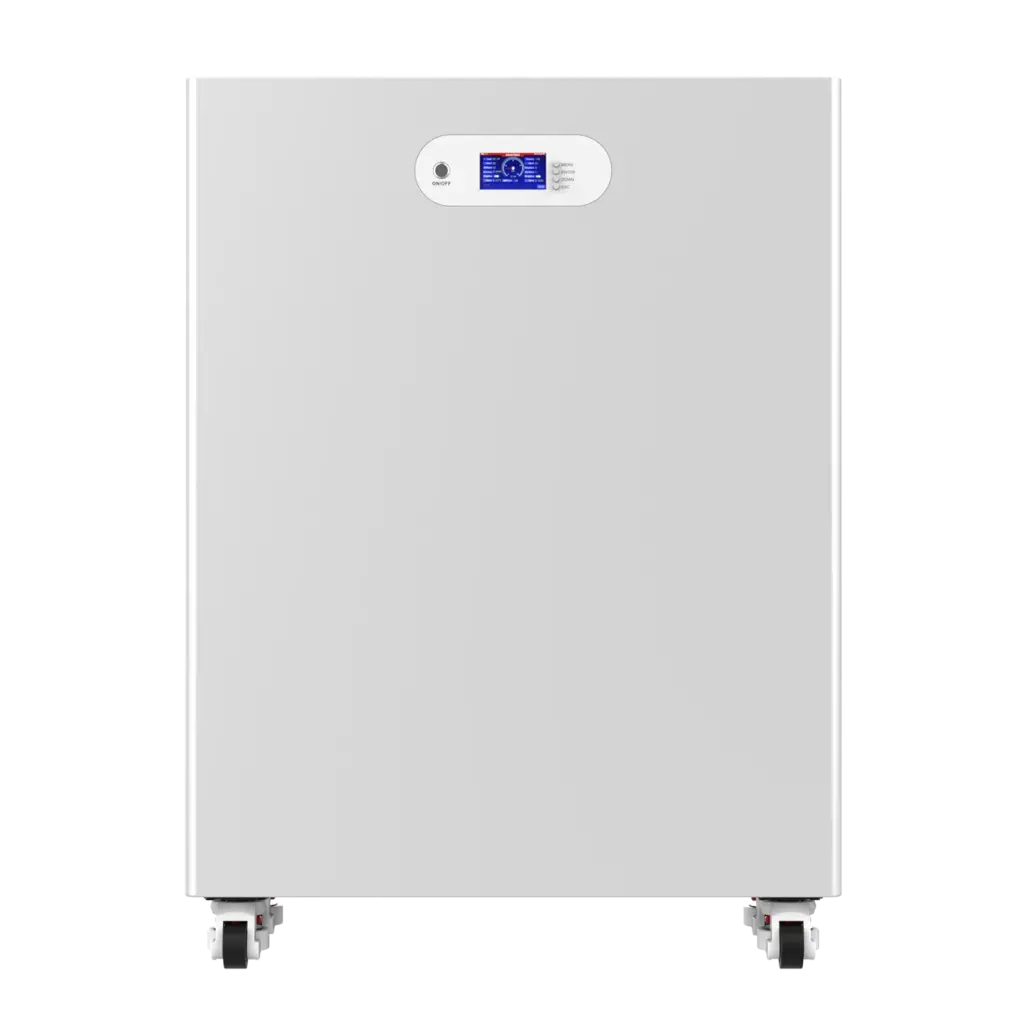
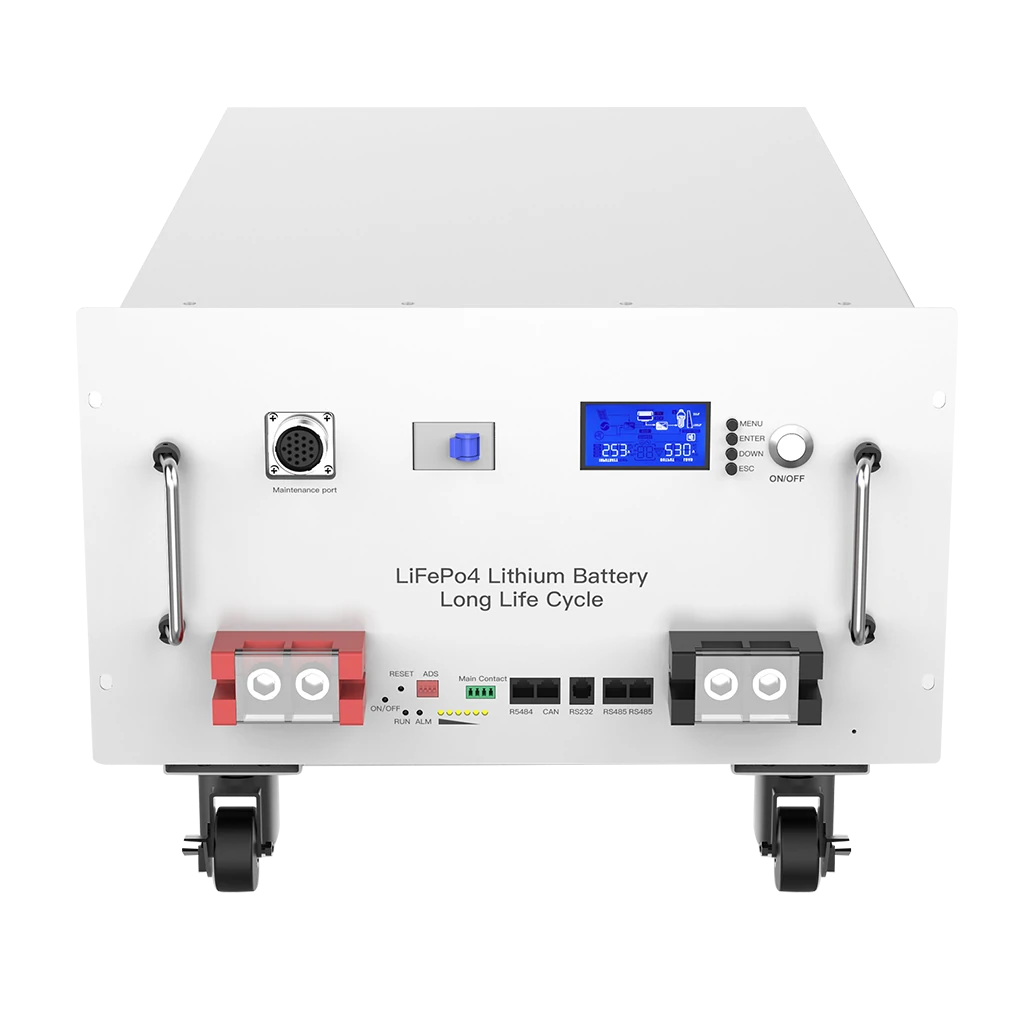
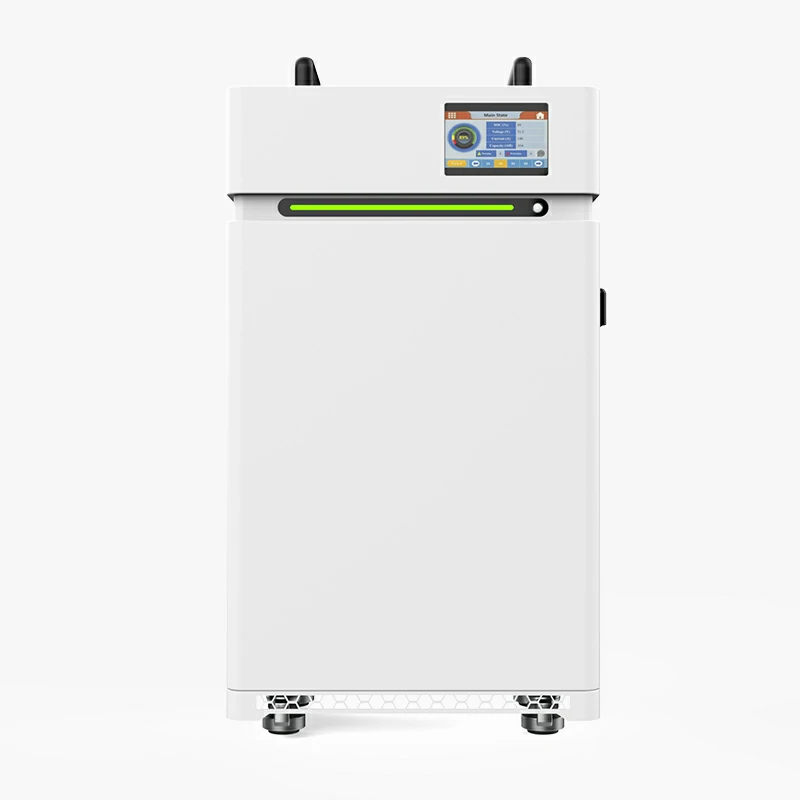
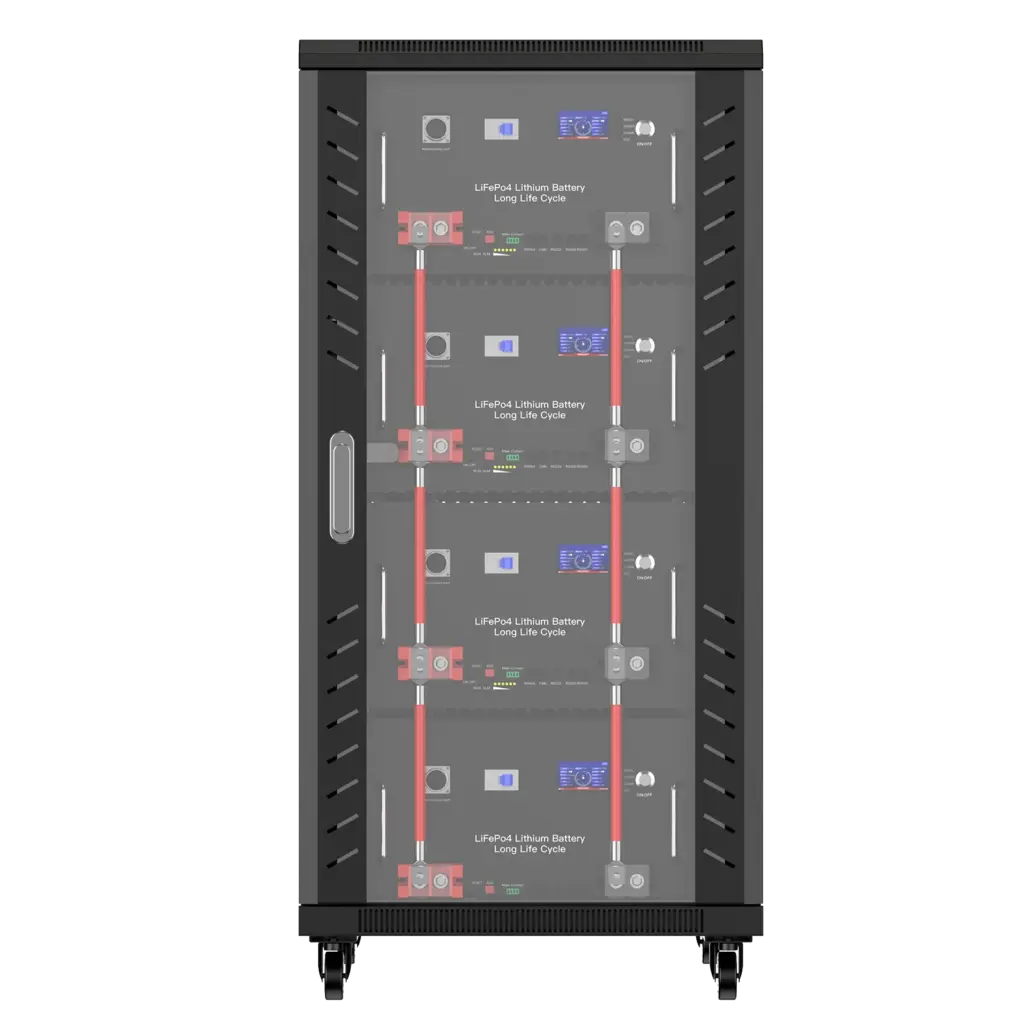
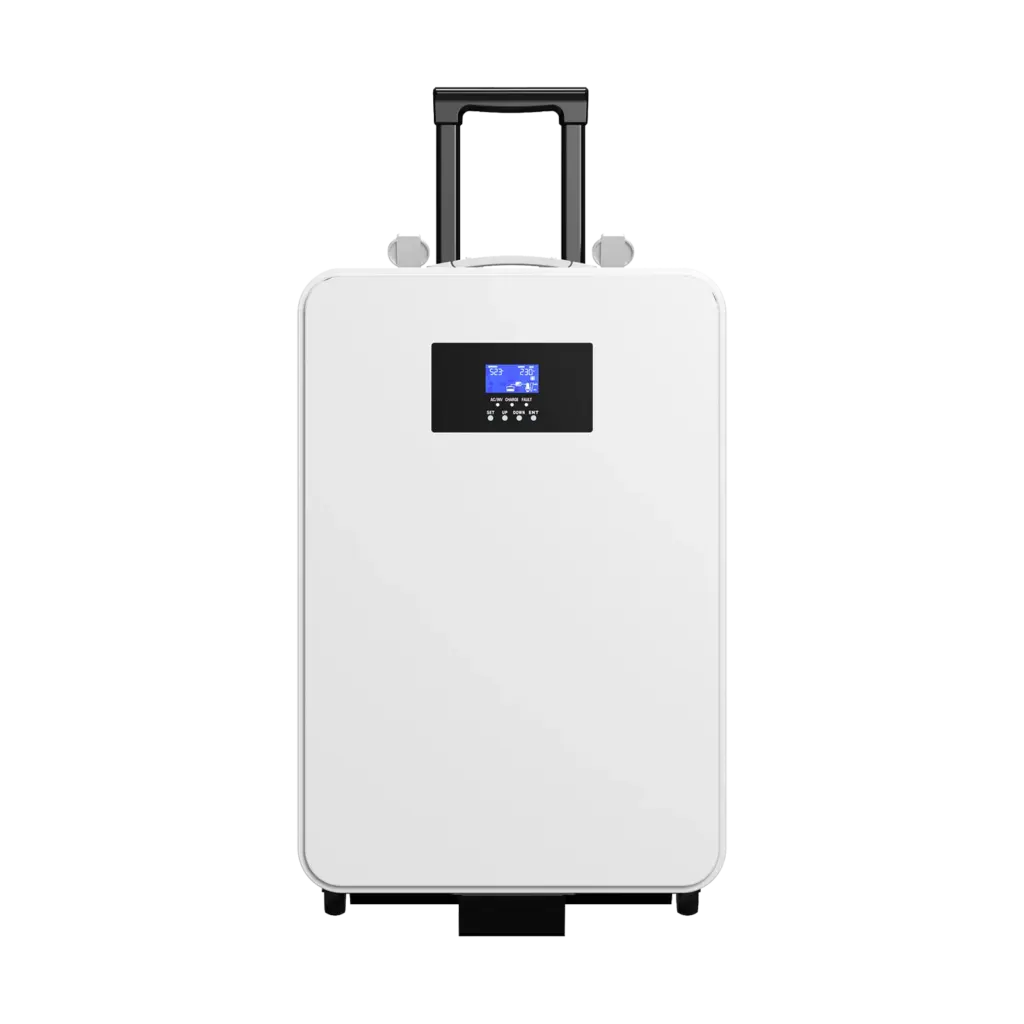
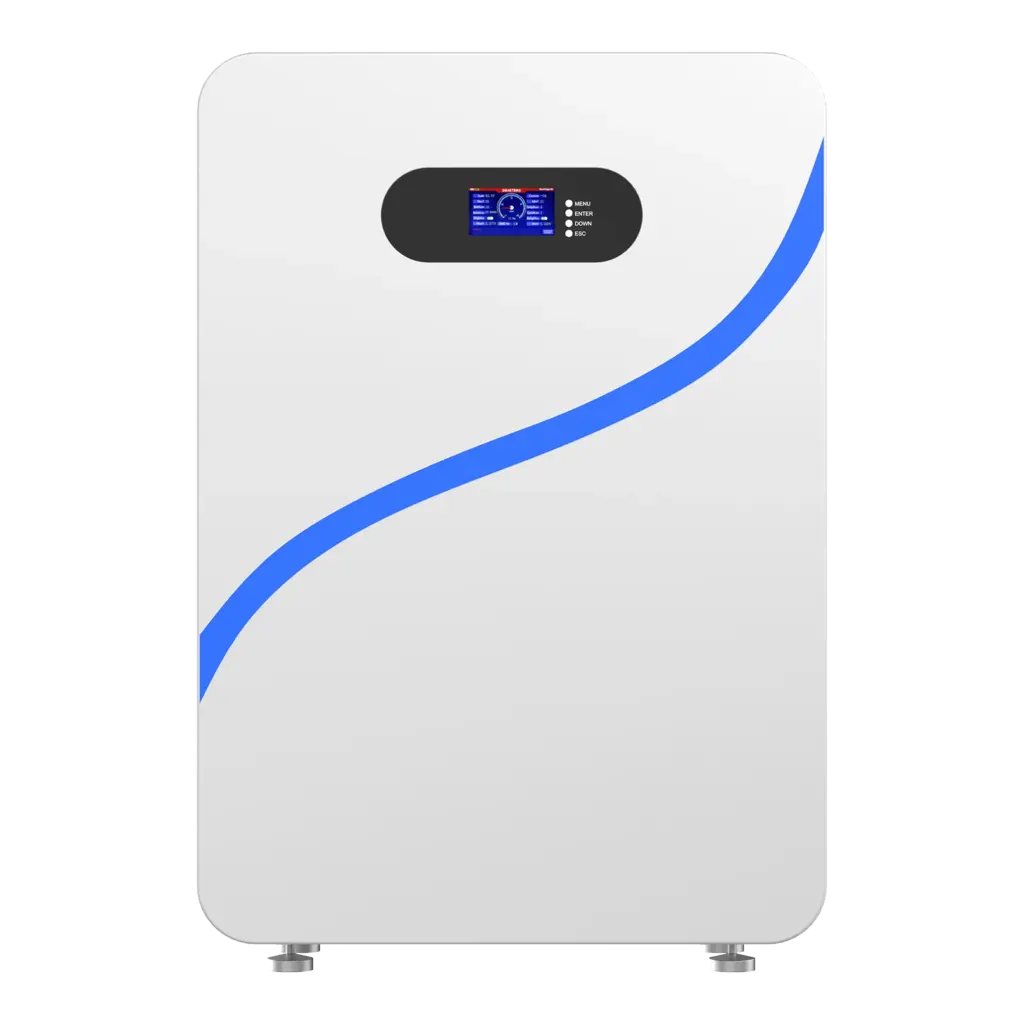
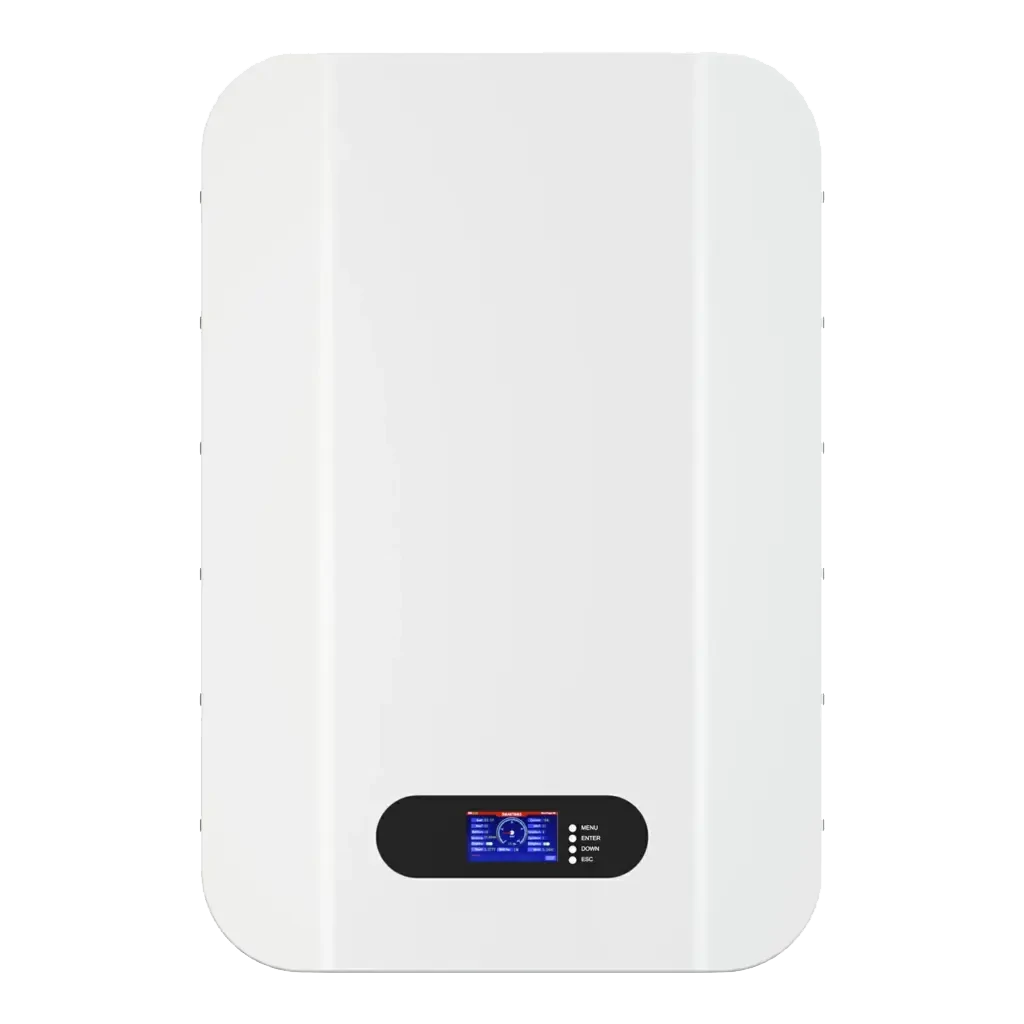
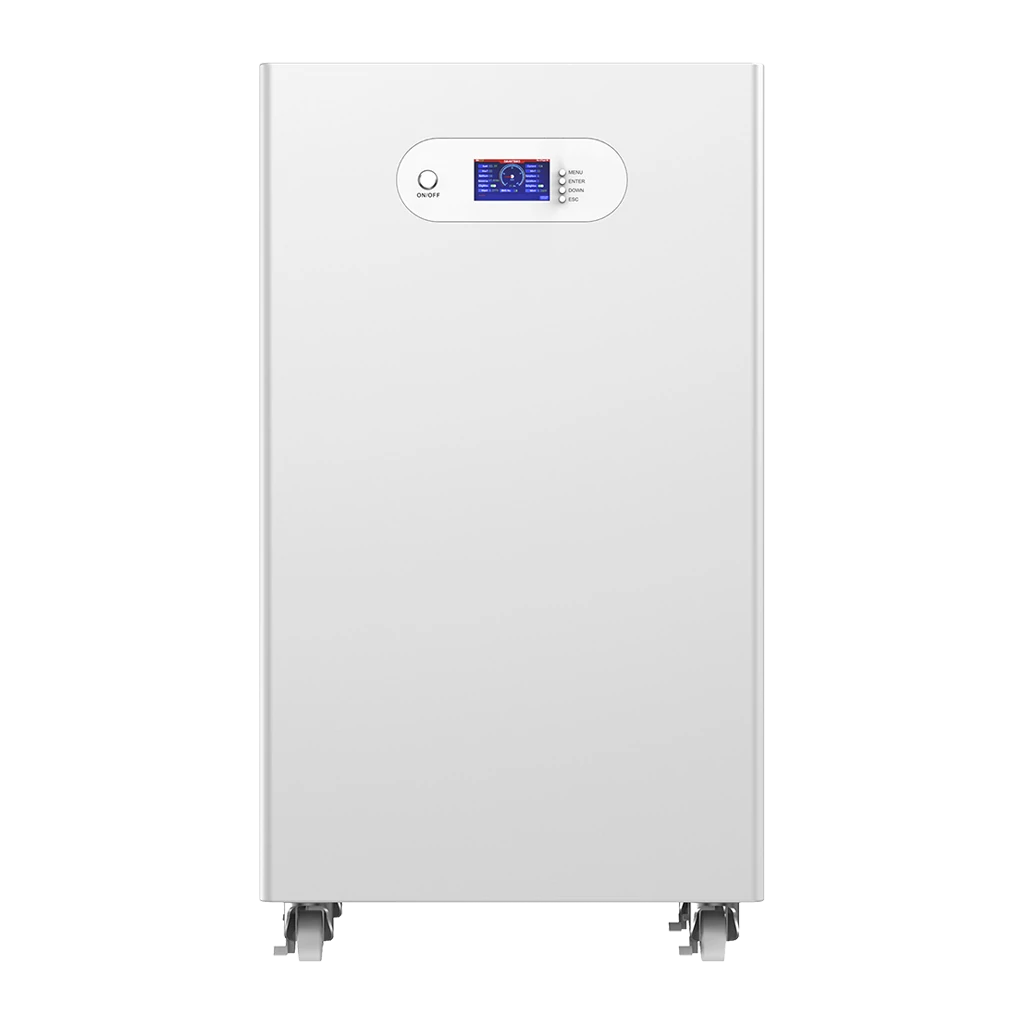
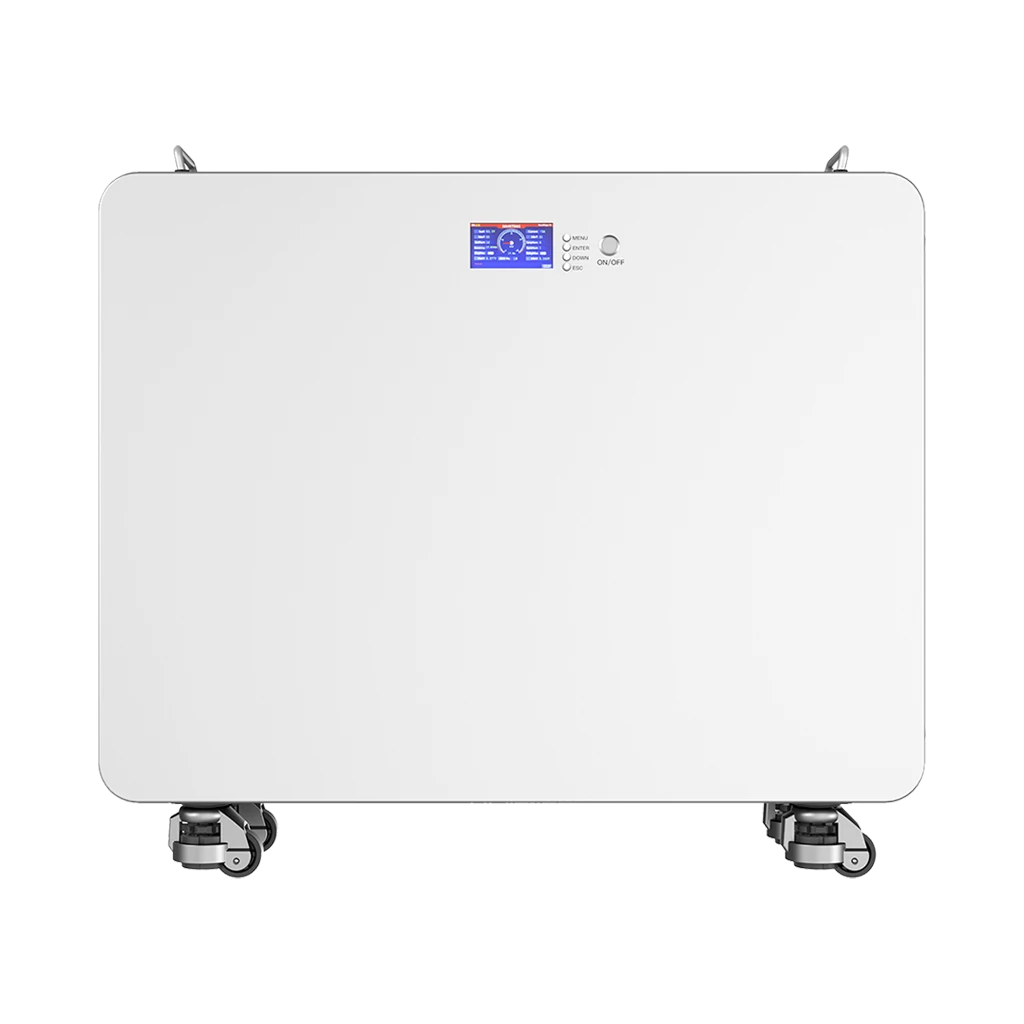
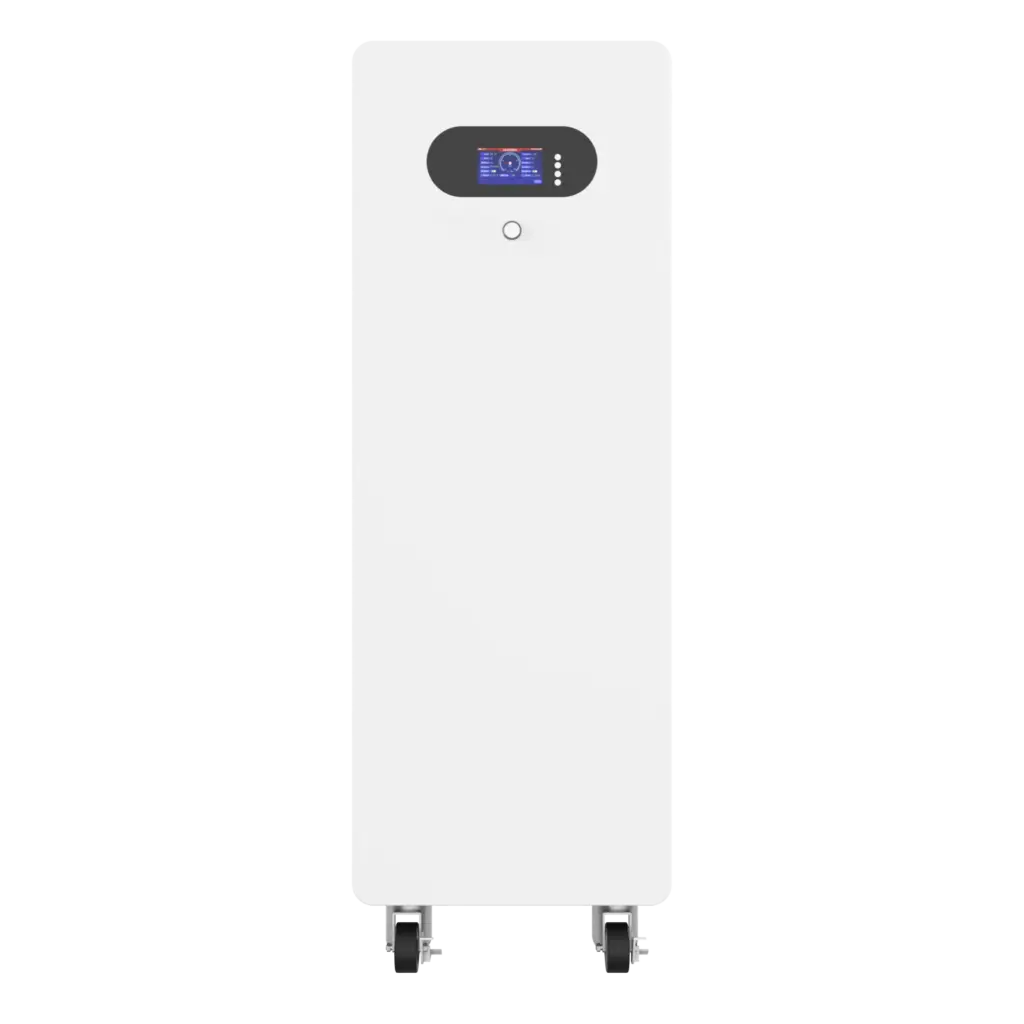
For example, Avepower’s residential LiFePO4 battery solutions are designed around this real-world flexibility. Instead of forcing homeowners into a one-size-fits-all setup, modular battery options make it easier to start with a practical storage size and expand later as energy needs grow.
How Much Electricity Does a 10 kW Solar System Produce?
A 10 kW solar system can generate approximately 14,517 kWh per year, which equals about 39.8 kWh per day on average.
With around 5 peak sunlight hours per day, it typically produces 30–40 kWh daily.
In practice, a 10 kW system will usually generate:
- Around 30–40 kWh per day under average conditions
- More in regions with strong sunlight
- Less on cloudy days or in suboptimal installation conditions
However, this does not mean you need a 30–40 kWh battery.
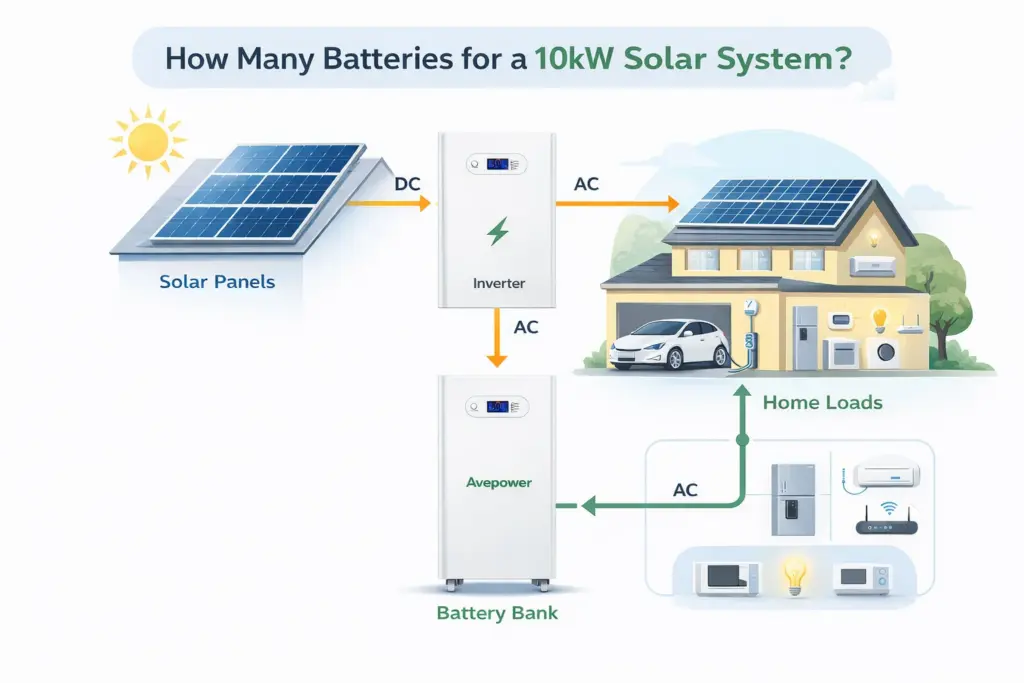
This is because a portion of the solar energy is usually consumed directly during the day. The battery only needs to store the excess energy that you want to use later.
Battery Capacity Calculation Formula
Required battery storage capacity (kWh) = Night or backup energy demand ÷ usable capacity ÷ round-trip efficiency
Modern residential battery selection is typically based on usable storage capacity, not just nominal voltage or nameplate capacity.
Why Usable Capacity Matters
Not all batteries allow you to use 100% of their rated storage capacity.
- A 10 kWh battery with an 80% depth of discharge (DoD) provides about 8 kWh of usable energy
- Many modern lithium-ion batteries now advertise up to 100% depth of discharge (DoD)
- Energy losses during charging and discharging are typically around 5%, meaning round-trip efficiency is usually 90%–95%, depending on the system
10 kW Solar System Example Calculation
Scenario 1: You Only Want Nighttime Self-Consumption
Assume your household uses 10 kWh after sunset.
If you choose a lithium battery with near-full usable capacity and a round-trip efficiency of around 90–95%, you would typically install about 11–12 kWh of storage capacity.
This usually means:
- 1 × 10 kWh battery if your load is light and expectations are modest
- 1 × 15 kWh battery if you want more buffer and flexibility
- 1 × 20 kWh battery if your nighttime usage is higher or you want additional headroom
For many grid-connected households, this is the most cost-effective setup.
Scenario 2: You Want Nighttime Backup for Essential Loads
Assume you want to run:
- Refrigerator
- Lights
- Wi-Fi
- Fans
- TV
- A few outlets
In this case, total overnight consumption is typically around 15–20 kWh.
You would usually need:
- 1 × 15 kWh battery for lighter essential loads
- 2 batteries if your actual nighttime usage is closer to 20–25 kWh, especially if you want extra reserve capacity for cloudy days or outages
Scenario 3: You Want to Power a Large Home with Air Conditioning
A 10 kW solar system may generate strong daytime energy, but if you want to run air conditioning, water pumps, kitchen appliances, and multiple circuits at night, you may need 30+ kWh of usable storage capacity.
This typically means:
- 2 × 15 kWh batteries, or
- 3–4 batteries for longer backup duration and higher load capacity
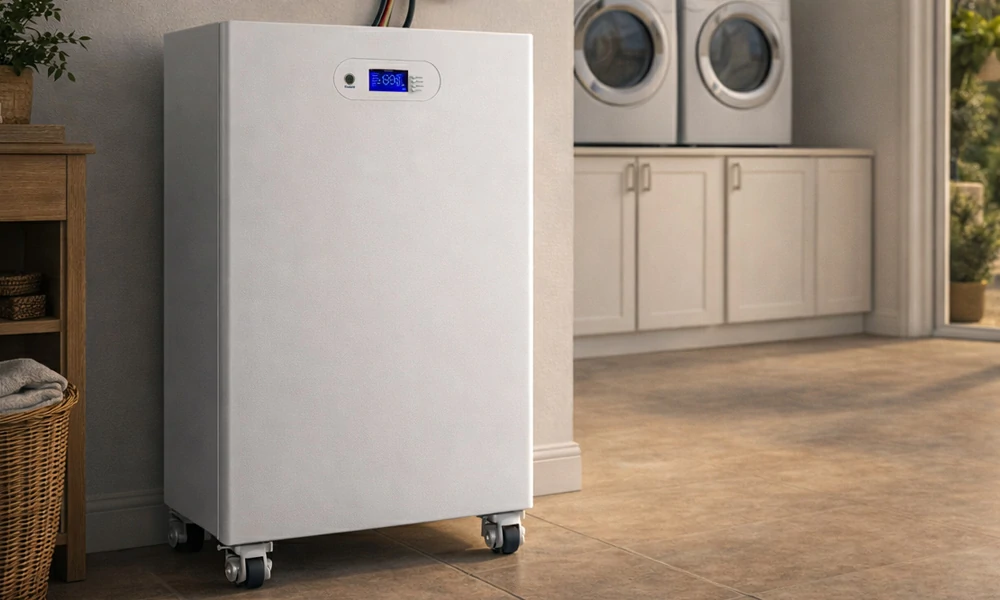
Need the Right Battery Size for Your 10kW Solar Project?
Looking for a safer and more scalable battery solution for a 10kW solar system? Explore Avepower residential LiFePO4 battery options for home backup, solar self-consumption, and expandable energy storage projects.
How Many 12V Batteries Are Needed for a 10 kW Solar System?
If you are using a traditional inverter-battery setup with 12V batteries, the minimum number of batteries depends on the DC voltage requirement of your inverter system.
Minimum Battery Strings Based on System Voltage
- 48V inverter → minimum 4 × 12V batteries (in series)
- 96V system → minimum 8 × 12V batteries (in series)
- 120V system → minimum 10 × 12V batteries (in series)
For example:
- A 48V system = 4 × 12V batteries in series
- A 96V system = 8 × 12V batteries in series
These numbers only represent the minimum series connection required to match system voltage. They do not determine whether the battery bank has enough energy storage (Ah or kWh).
Example Calculation
If your inverter requires a 48V system:
- You connect 4 × 12V batteries in series to achieve 48V
However, energy storage depends on capacity:
If each battery is 12V 200Ah, then one series string provides:
48V×200Ah=9.6 kWh
Even though a single 48V string can meet the voltage requirement, it may still not provide enough usable energy for a 10 kW solar system.
To increase capacity, you would need:
- Multiple parallel strings of 12V batteries
- Or higher-capacity lithium battery modules instead of small lead-acid units
Lead-Acid vs Lithium Batteries
Lead-Acid (or Tubular) Batteries
Lead-acid battery systems typically require more individual batteries because:
- Lower usable depth of discharge (DoD) is common
- They take up more physical space
- They are heavier
- More parallel strings are often needed to achieve sufficient usable storage
For example, a 10 kW system requiring about 4 hours of backup may need around 8 × 200Ah tubular batteries.
Lithium Batteries
Lithium batteries—especially lithium iron phosphate (LiFePO₄) home storage systems—usually require fewer units because they offer:
- Higher usable capacity
- Higher efficiency
- Smaller footprint
- Easier scalability
- Longer cycle life for residential applications
In many modern 10 kW home solar systems, lithium storage is typically configured as:
- 1 × 10 kWh battery, or
- 1 × 15 kWh battery, or
2 units if the homeowner needs stronger backup capability
Why Lithium Batteries Are The Preferred Choice For Modern 10 kW Solar Systems
For modern residential 10 kW solar systems, lithium batteries are typically the preferred option because they offer higher usable capacity, better efficiency, and a much smaller footprint compared to traditional lead-acid battery banks.
In practical terms, this means homeowners can achieve the same usable backup energy with fewer battery units, less installation space, and a cleaner system design. This is especially important for 10 kW solar systems, where the goal is often not only backup power, but also daily solar self-consumption and long-term system reliability.
Avepower’s residential energy storage solutions use Lithium Iron Phosphate (LiFePO4) technology combined with a smart Battery Management System (BMS) for enhanced safety, stability, and performance. This makes them well-suited for homeowners, installers, and distributors seeking a safer and more scalable energy storage solution.
For projects that require flexibility, modular options—including wall-mounted, rack-mounted, stackable, and vertical battery systems—make it easier to adjust storage capacity based on real household energy needs.
How to Choose the Right Battery Capacity for a 10 kW Solar System
Here’s the list summary of how to choose battery capacity for a 10 kW solar system:
- Define your goal (bill saving, night use, backup, whole-home, off-grid)
- Calculate your nighttime energy usage (not full-day consumption)
- Decide required backup duration (2–3 hours vs 10–12 hours+)
- Focus on usable capacity (kWh), not just nameplate capacity
- Consider depth of discharge (DoD) and system efficiency
- Check inverter type and system voltage compatibility
- Prefer modular lithium systems for easier expansion and better efficiency
Avoid Common Mistakes
- Mistake 1: sizing batteries only based on solar panel size
- Mistake 2: ignoring usable capacity (depth of discharge matters)
- Mistake 3: ignoring system losses (inverter and conversion losses)
- Mistake 4: confusing voltage requirements with total energy storage (kWh)
- Mistake 5: planning “whole-home backup” without checking real heavy loads
- Mistake 6: underestimating nighttime energy consumption
- Mistake 7: overlooking peak power demand (kW vs kWh confusion)
- Mistake 8: assuming all batteries deliver their rated capacity
- Mistake 9: not considering future energy expansion needs
- Mistake 10: choosing a system without checking inverter compatibility
- Mistake 11: ignoring backup duration requirements (hours vs days)
- Mistake 12: relying only on online calculators without real load data
- Mistake 13: not accounting for weather and seasonal solar variation
- Mistake 14: overloading a single battery instead of using a scalable system
A Smarter Way to Size a Battery for a 10kW Solar System
If you are planning a 10kW solar system, the best approach is to size the battery around usable night-time demand, not just around panel size. Start by asking:
- How much electricity do you use after sunset?
- Do you want bill savings, backup power, or both?
- How many hours of backup do you want?
- Do you want to leave room for future expansion?
For many households, the best answer is not “the biggest battery possible,” but a battery system that balances usable capacity, budget, installation space, and future scalability.
That is where modular residential storage becomes especially valuable. Instead of overspending on day one, homeowners and installers can begin with a right-sized battery bank and expand later if the household adds more loads, an EV charger, or longer backup requirements.
If you are sourcing battery storage for residential solar projects, Avepower provides OEM/ODM-capable LiFePO4 energy storage solutions with intelligent BMS protection, international certifications, and scalable configurations for different home energy needs.
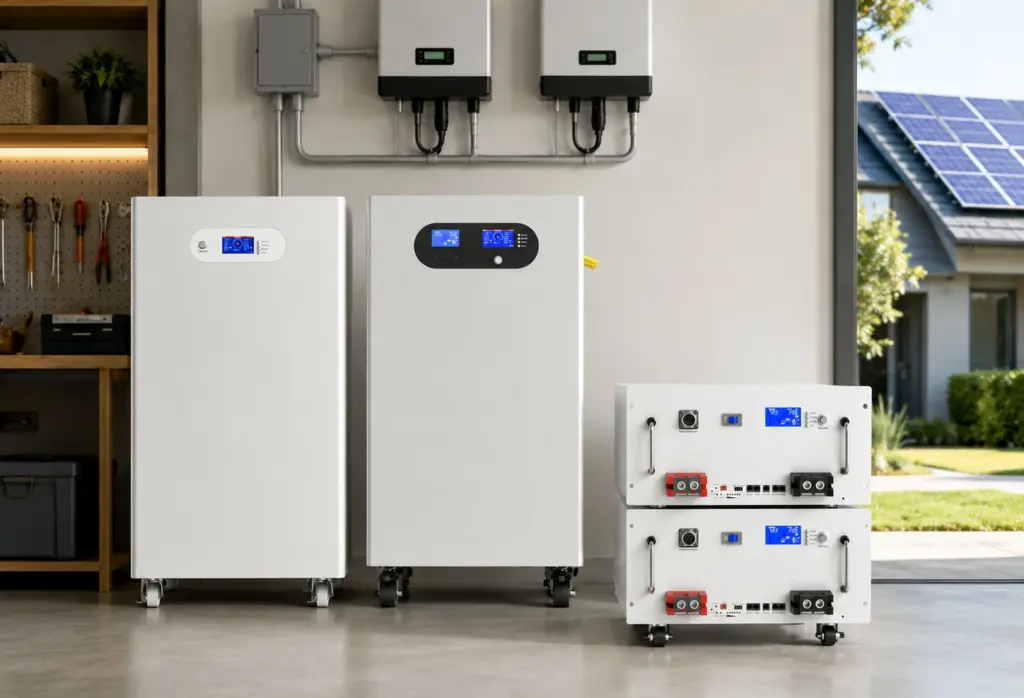
Take Control of Your Energy with Avepower!
Reliable home solar battery solutions with OEM/ODM customization and in-house manufacturing, tailored to the needs of distributors, installers, and energy partners.
Conclusion
A 10kW solar system is large enough to support serious energy savings, but the right battery size depends on what you expect from it.
- 4, 8, or 10 pieces of 12V batteries if you are discussing minimum series count for a 48V, 96V, or 120V inverter, respectively, but you still need to confirm whether that bank provides enough total kWh
- 1 battery if your goal is mainly storing excess daytime solar for evening use
- 2 batteries if you want stronger overnight backup for essential loads
- 3–4 batteries or more if you want long outages covered or near whole-home backup
The right number of batteries for a 10kW solar system is the number that matches your usable energy requirement.
FAQ
For most homes, the answer is usually 1 to 2 lithium batteries, but it depends on your night-time usage, backup goals, and battery capacity.
Yes, one battery can be enough if your goal is to store excess solar for evening use rather than power the whole home overnight. A single battery in the 10–15 kWh range is often suitable for light-to-moderate evening demand.
It depends on the inverter voltage. A 48V inverter usually needs 4 x 12V batteries in series, while a 96V inverter may need 8 x 12V batteries.
A practical range for many homes is 10 kWh to 30 kWh of storage. Smaller systems are suitable for self-consumption, while larger systems are better for backup power and longer outages.
kW measures power at a moment in time, while kWh measures energy stored or used over time. A 10kW solar system refers to panel output capacity, but battery sizing should be based on kWh.