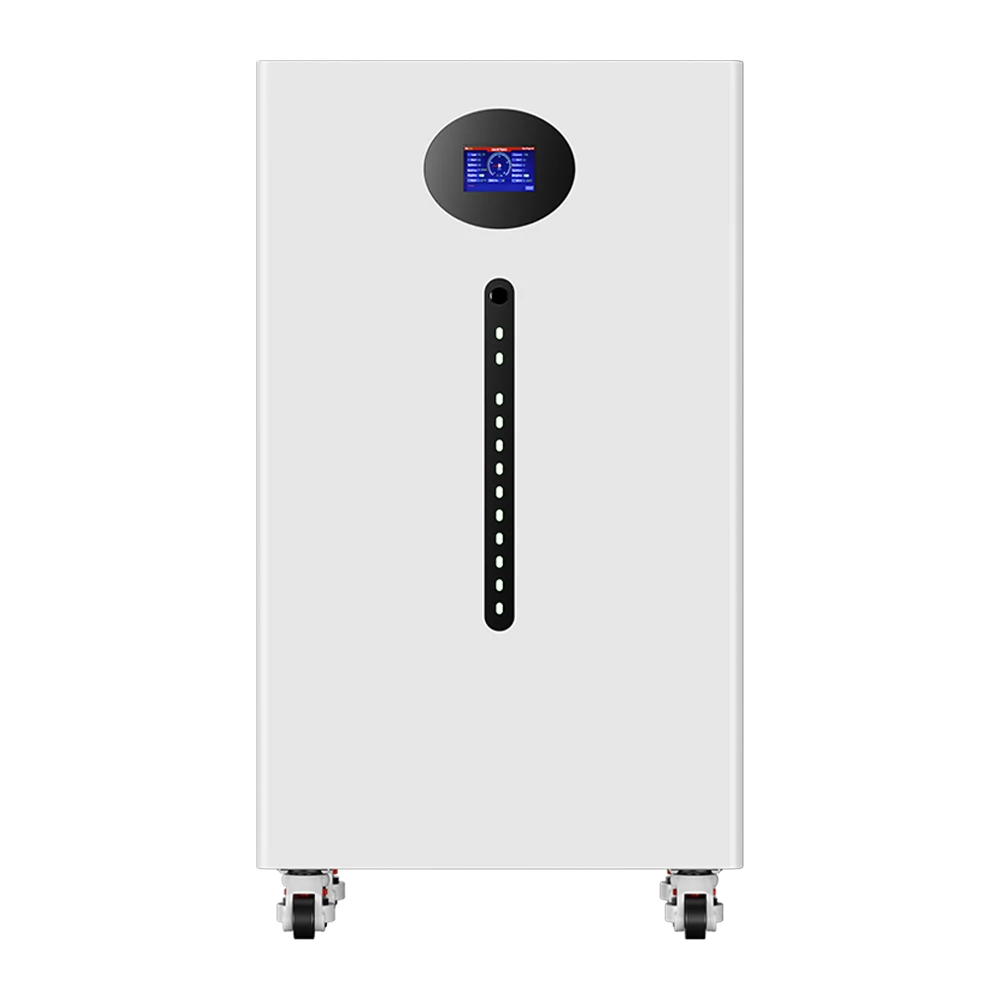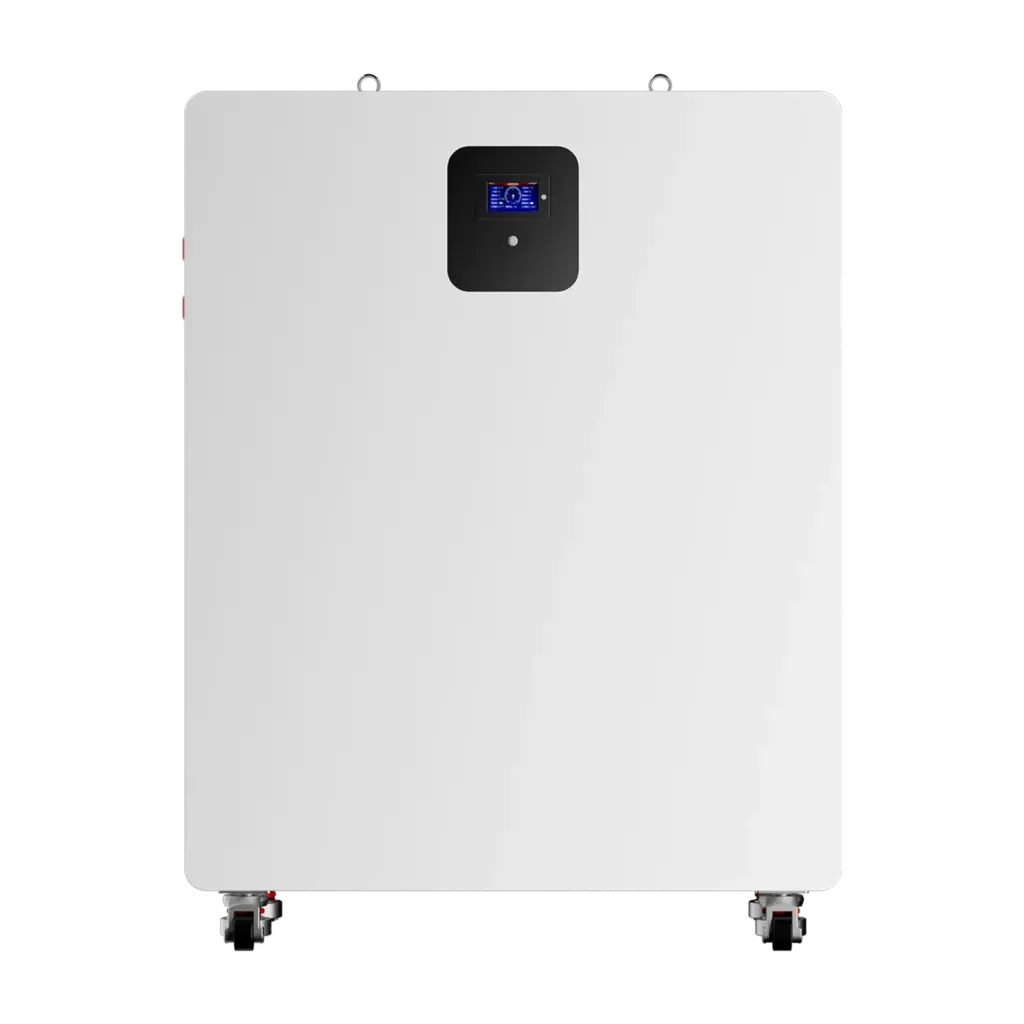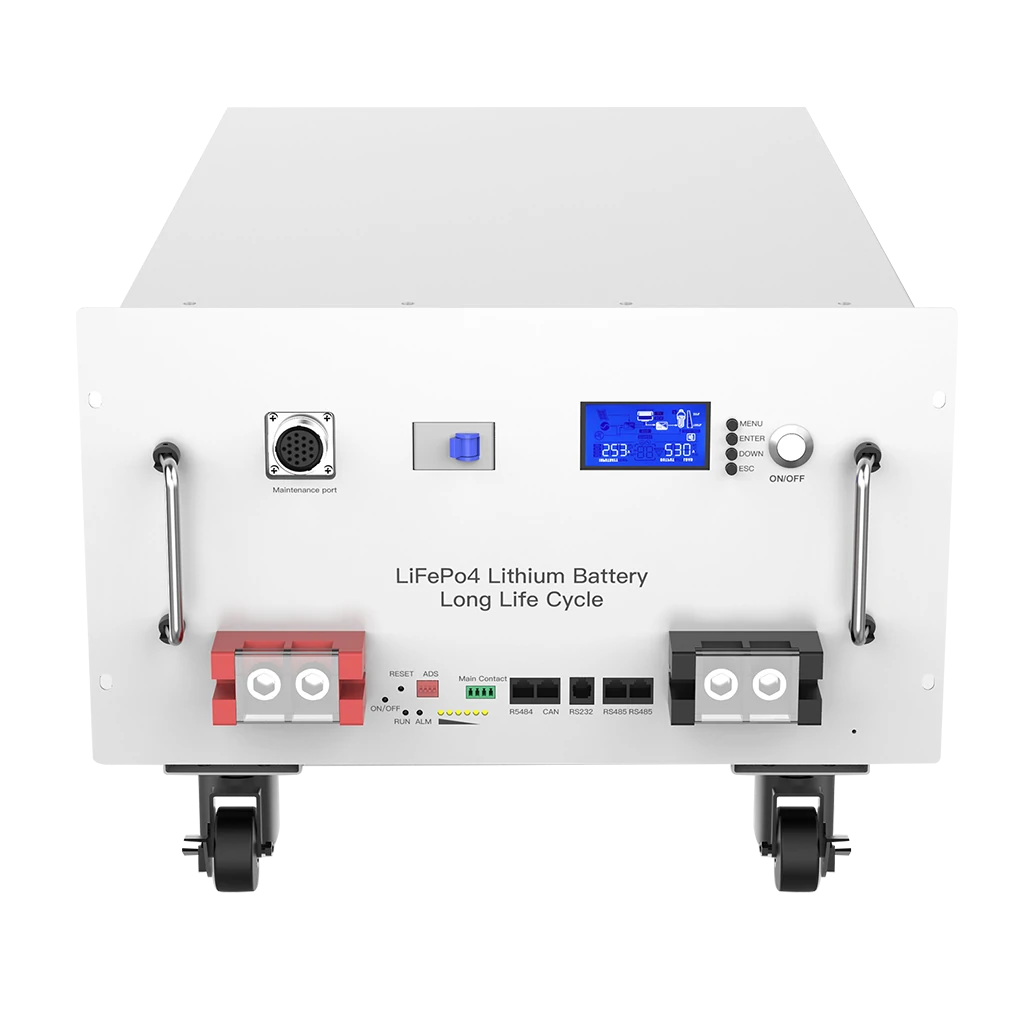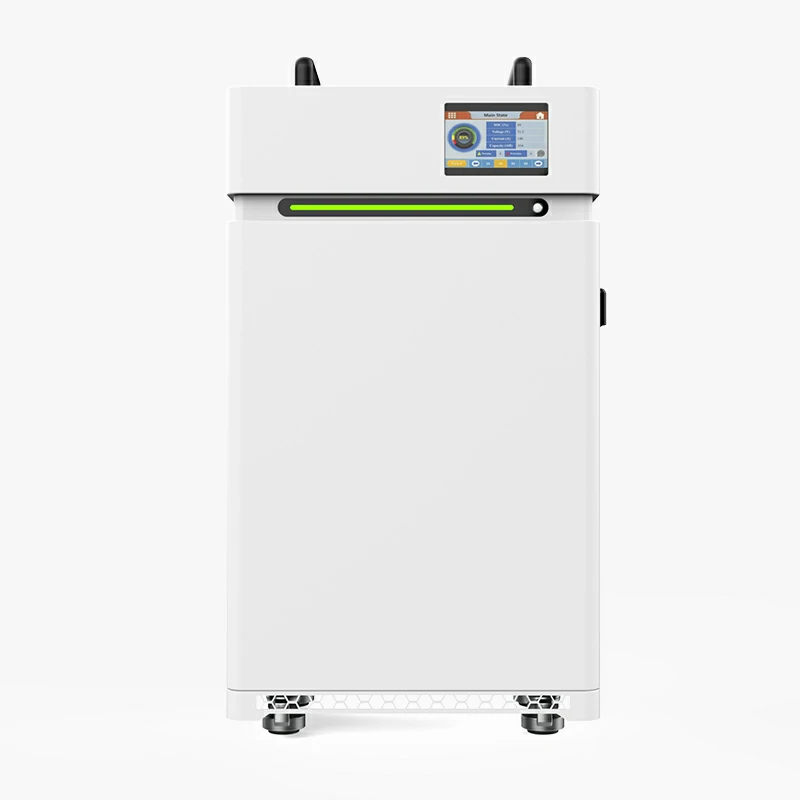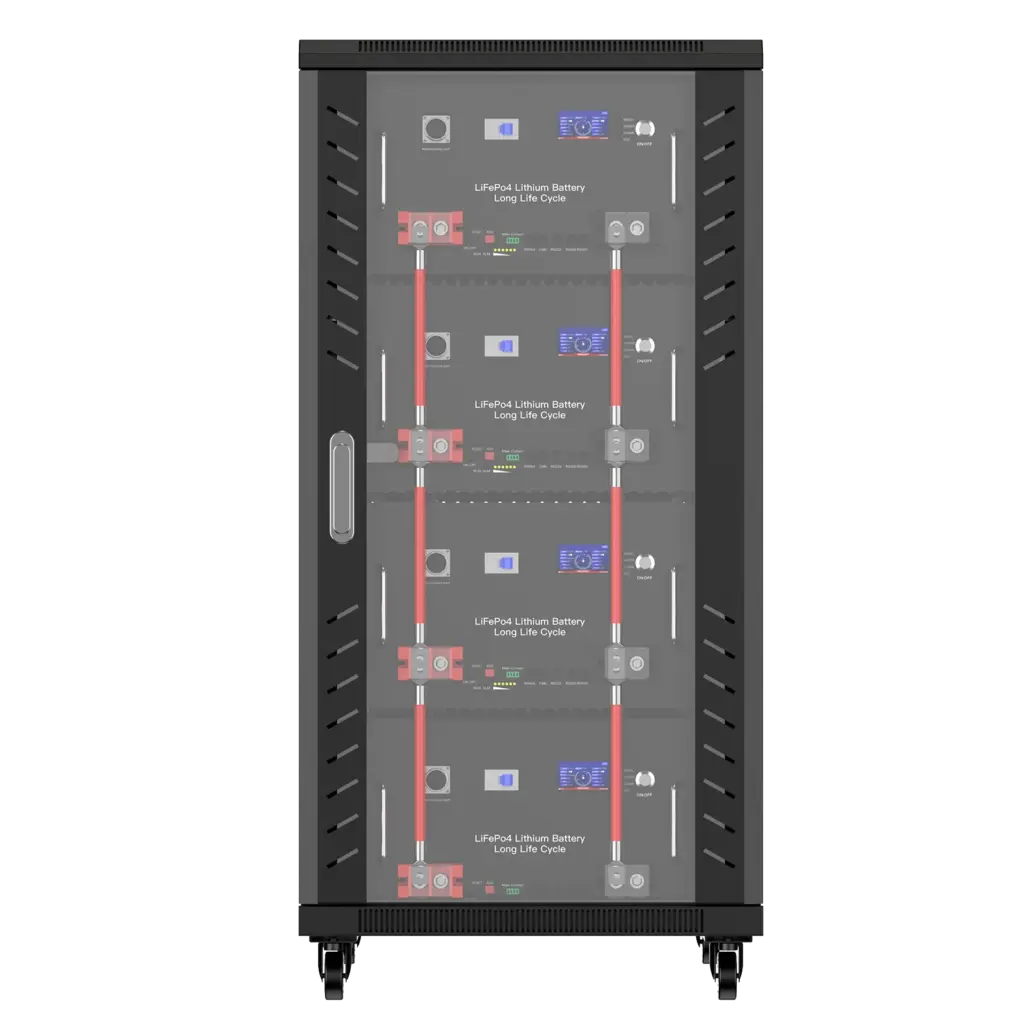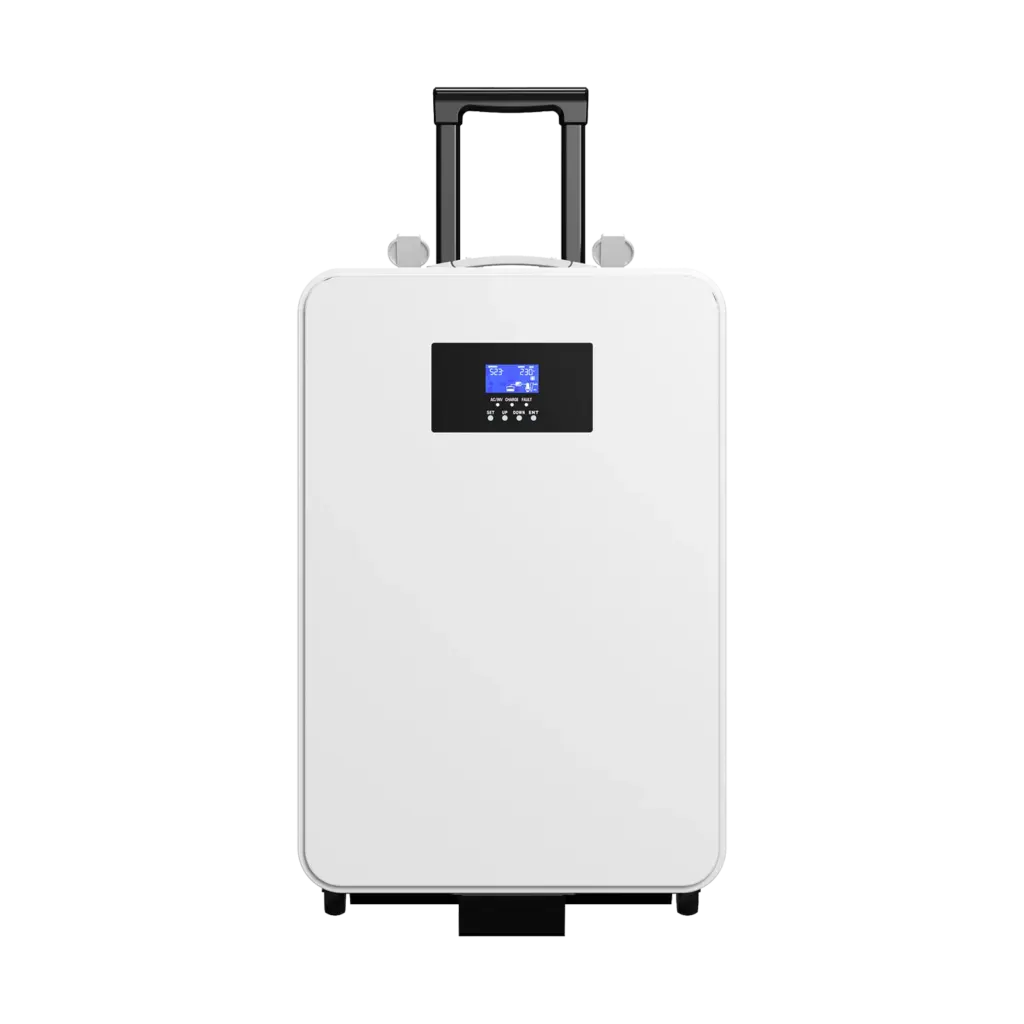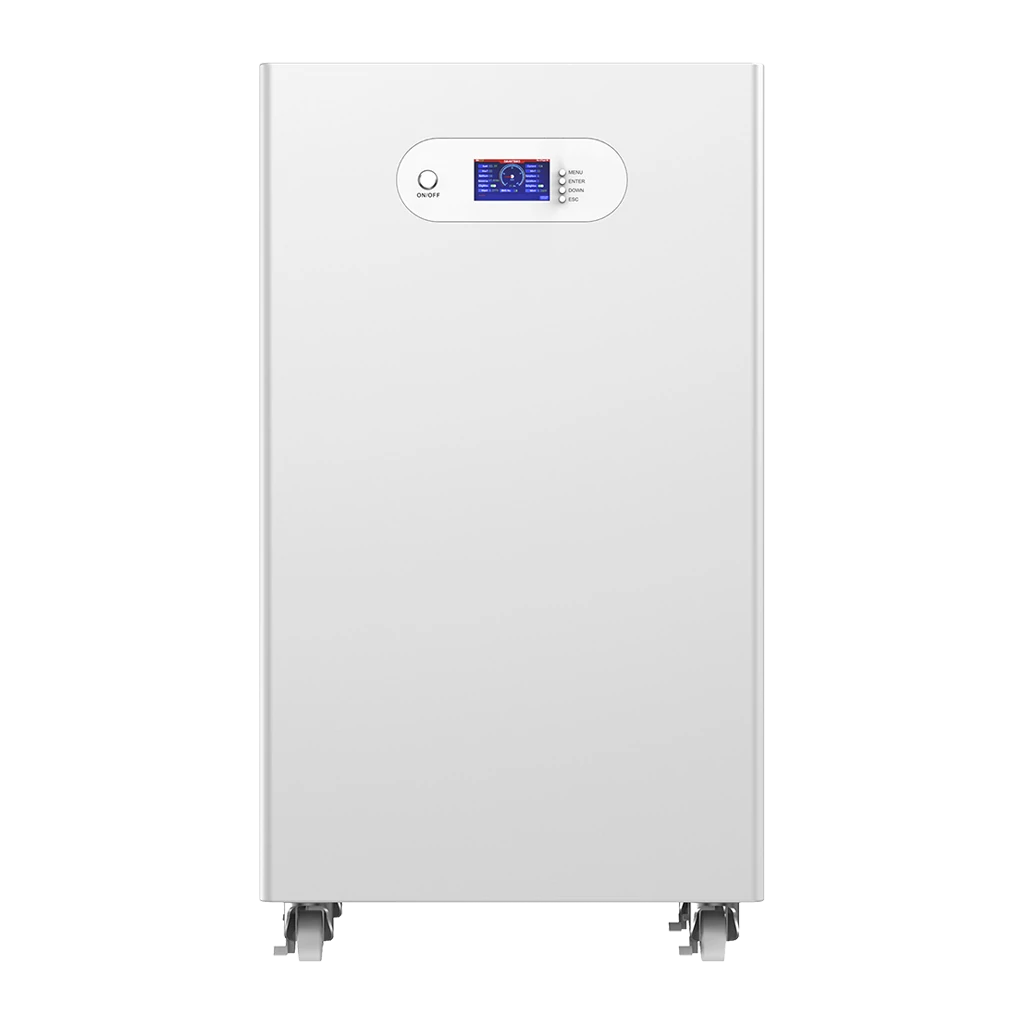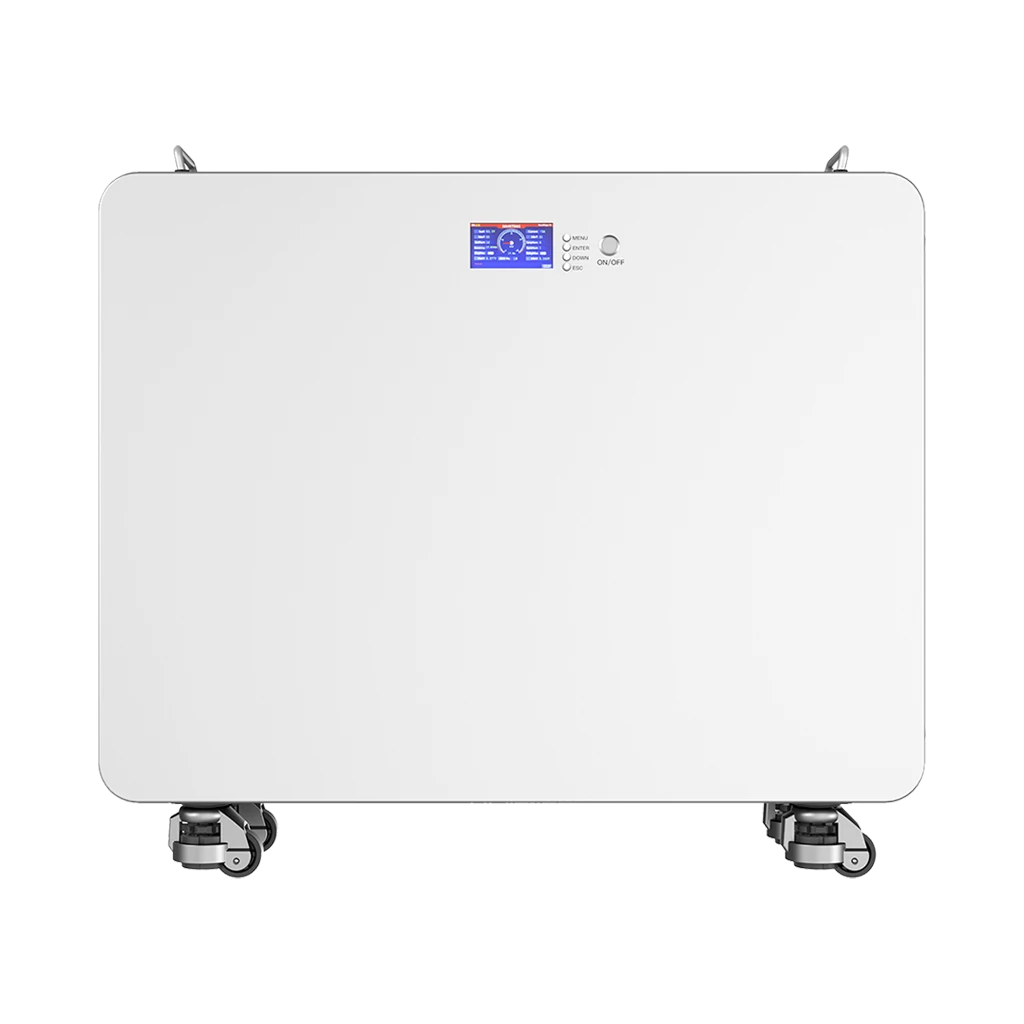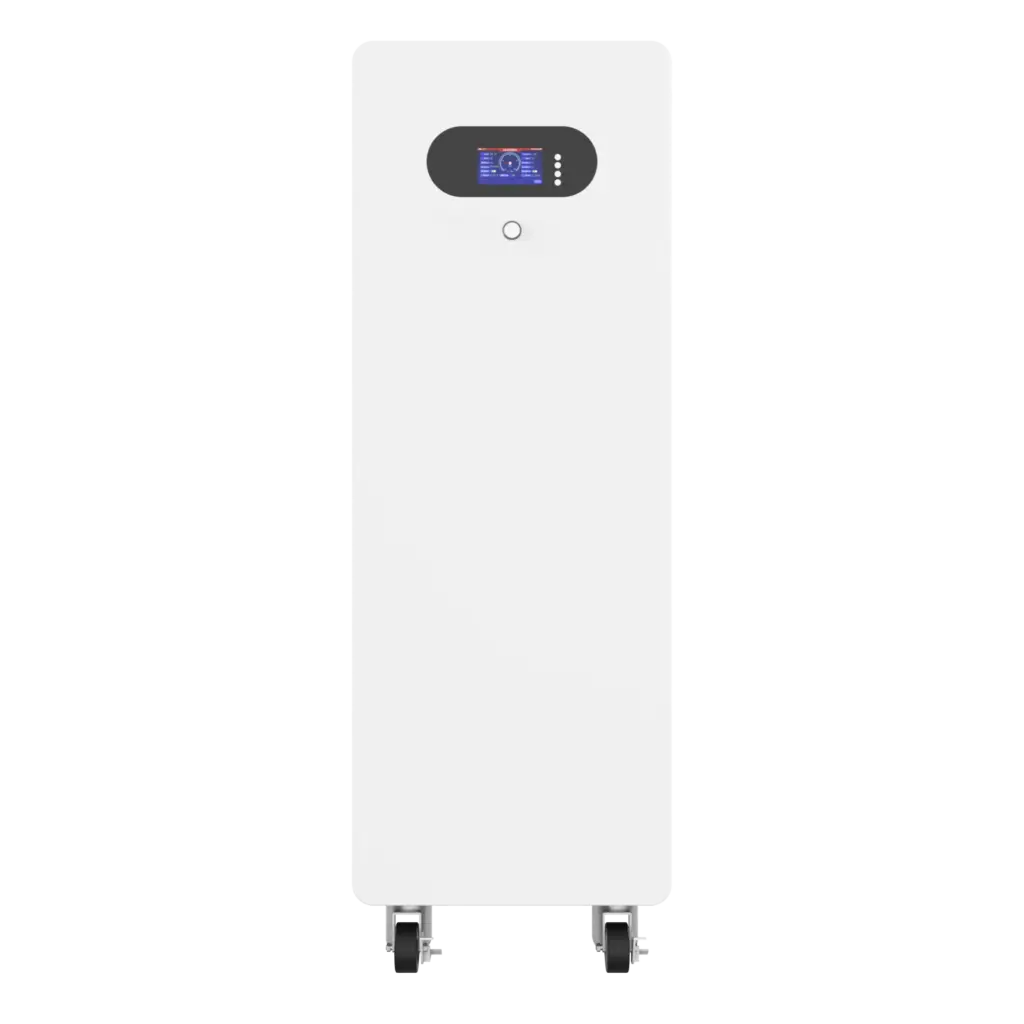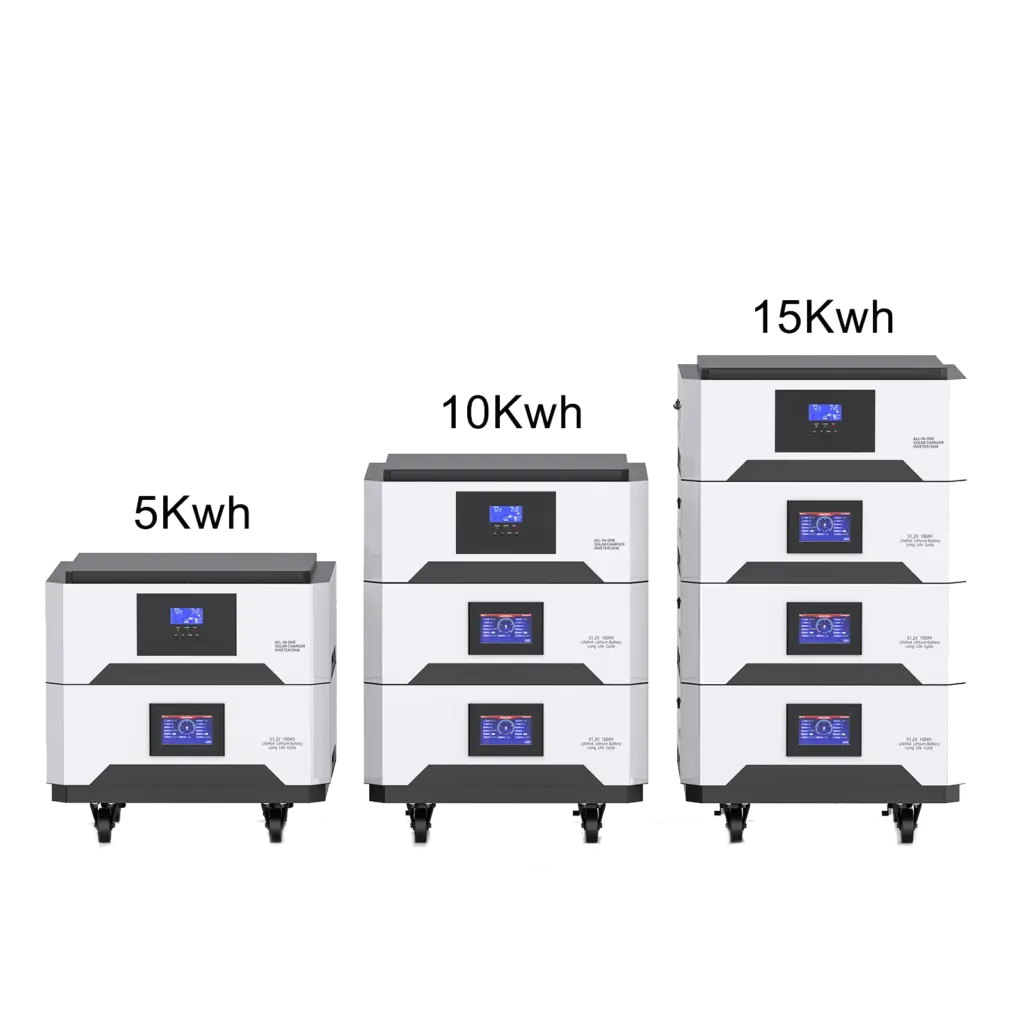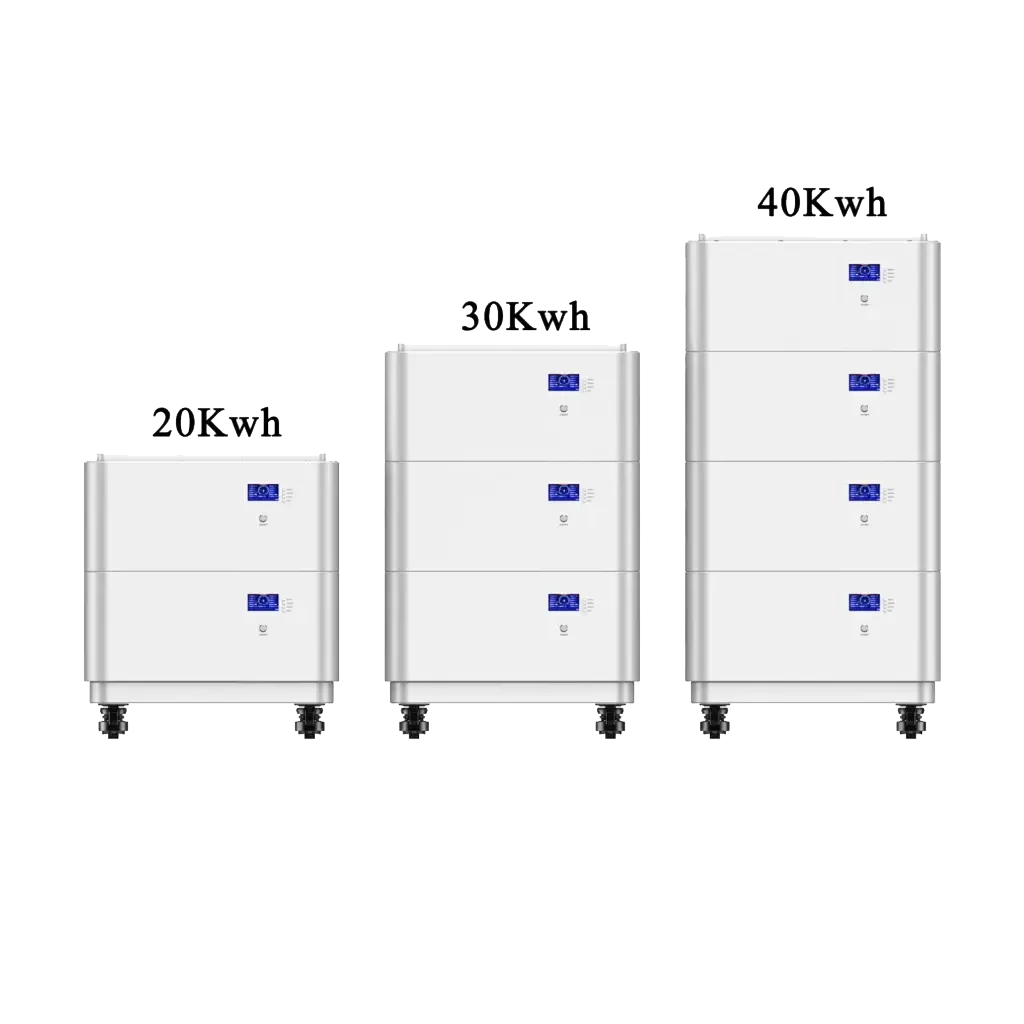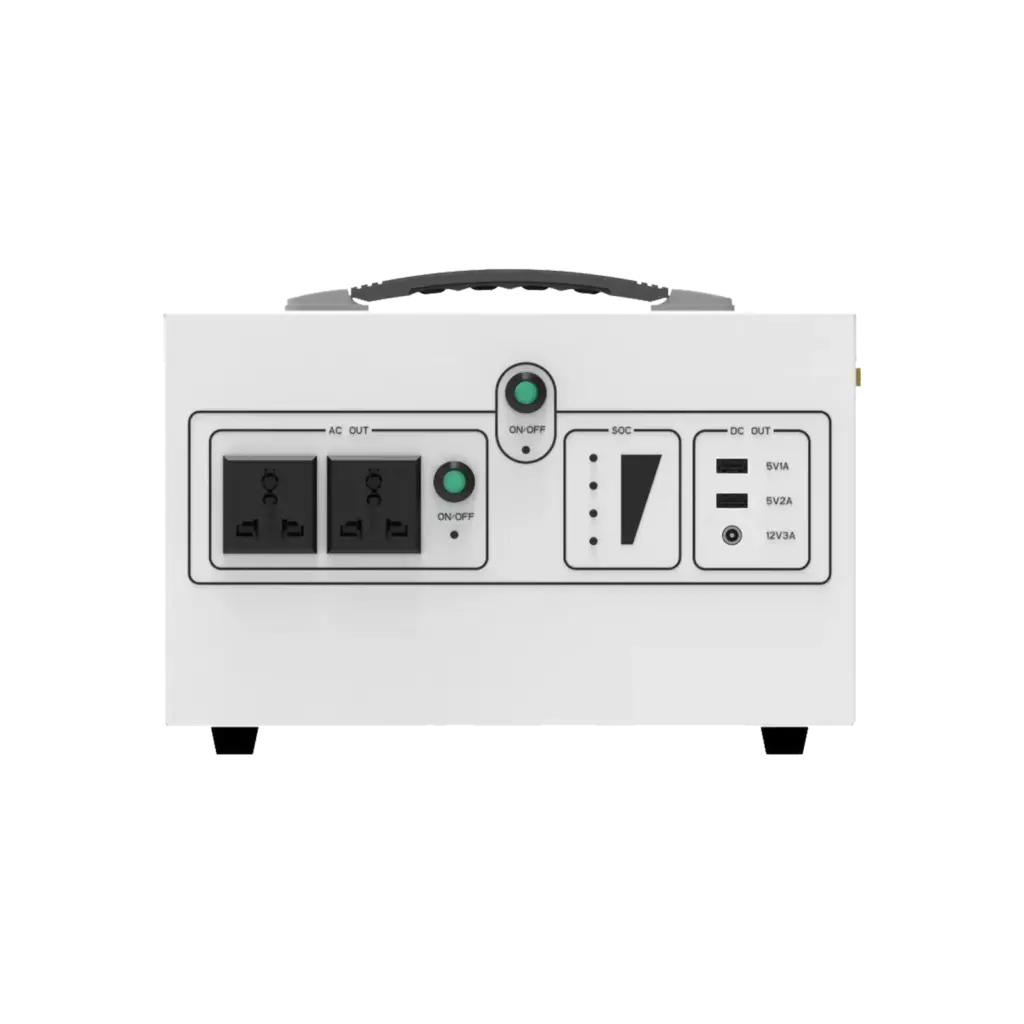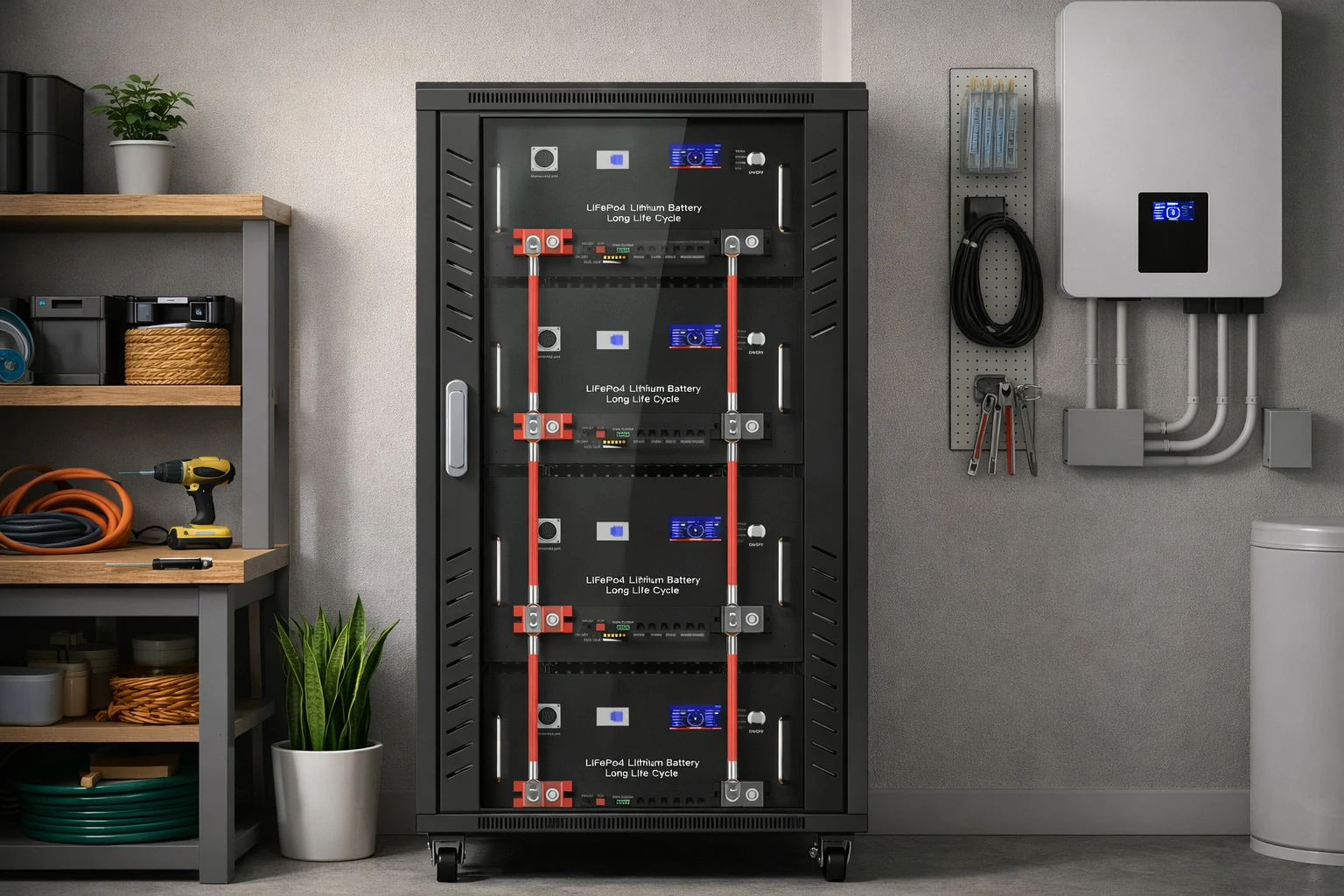


Solar batteries are primarily made of electrochemical materials designed to store and release energy, rather than “solar materials” like those used in solar panels. In most modern residential energy storage systems, the batteries are typically lithium-ion. Their structure includes key components such as the cathode, anode, electrolyte, separator, current collectors, outer casing, and electronic control systems like a Battery Management System (BMS).
Older or less common types of solar batteries may use materials such as lead, sulfuric acid, nickel-based compounds, or vanadium-based liquid electrolytes, depending on the battery technology.
Today, most solar batteries are composed of lithium-based chemicals, graphite, metal oxides or phosphate compounds, electrolytes, polymer separators, copper and aluminum conductors, protective casings, and integrated electronic components. However, the exact material composition varies depending on whether the battery is lithium-ion, lead-acid, nickel-based, or a flow battery.
The Short Answer
Most solar batteries today are made from the following materials:
- Lithium-based cathode materials
- Graphite or carbon-based anodes
- Liquid or polymer-based electrolytes
- Separators to prevent internal short circuits
- Copper and aluminum current collectors
- Outer metal or polymer casing
- Battery Management System (BMS) and other pack-level electronics
Some solar energy storage systems still use lead-acid batteries, while others may use nickel-based or flow batteries. These battery types have significantly different chemical compositions.
What Are Most Lithium-Ion Solar Batteries Made Of?
1. Cathode Materials
The cathode is the positive electrode during discharge and one of the most important components determining battery performance. Common cathode materials include lithium iron phosphate (LFP), lithium cobalt oxide (LCO), lithium nickel manganese cobalt oxide (NMC), lithium manganese oxide (LMO), and lithium nickel cobalt aluminum oxide (NCA).
For solar and stationary energy storage applications, LFP and NMC are currently the most widely used due to their balance of safety, performance, and cost.
2. Anode Materials
The anode is the negative electrode. It is typically made from graphite or other carbon-based materials. In most applications, graphite remains the dominant choice due to its stability and cost-effectiveness.
3. Electrolyte
The electrolyte connects the cathode and anode and enables the movement of lithium ions between them. It is essential for the battery’s operation.
Modern lithium-ion electrolytes are usually organic liquids or polymer-based compounds containing lithium salts. Without an electrolyte, the battery cannot function as an energy storage device.
4. Separator
The separator is a thin internal barrier placed between the cathode and anode. It allows lithium ions to pass through while preventing direct contact between the electrodes, reducing the risk of internal short circuits.
Separators are typically microporous and made from polymer materials, ceramics, or a combination of both.
5. Current Collectors
Current collectors are conductive layers that carry electrons in and out of the battery.
- The anode current collector is usually made of copper
- The cathode current collector is typically made of aluminum
6. Battery Housing, Structure, and Electronics
A complete solar battery system includes more than just the electrochemical components. It also consists of:
- Protective outer casing
- Structural framework
- Wiring and connectors
- Thermal management and insulation materials
- Battery Management System (BMS)
After manufacturing, individual cells are assembled into larger battery packs and integrated with the BMS, which monitors and controls performance, safety, and overall system operation.
Understanding what solar batteries are made of is the first step. Choosing the right battery chemistry is what really affects safety, lifespan, and long-term value. Avepower offers LiFePO4 solar battery solutions designed for reliable home energy storage, stable daily cycling, and flexible project needs.

Explore Reliable LiFePO4 Solar Battery Solutions
Avepower provides LiFePO4 battery systems with intelligent BMS protection, long cycle life, and flexible OEM ODM support for global markets.
LFP vs. NMC: Are All Lithium Solar Batteries Made the Same?
Not exactly. While both LFP (lithium iron phosphate) and NMC (lithium nickel manganese cobalt oxide) are types of lithium-ion batteries, they differ in their cathode materials.
LFP batteries use lithium iron phosphate, while NMC batteries use a combination of nickel, manganese, and cobalt oxides.
These differences in chemistry have a direct impact on key performance factors, including:
- Safety
- Cycle life
- Energy density
- Cost positioning
For solar and stationary energy storage, battery chemistry plays a crucial role in overall system performance and long-term value. According to the National Renewable Energy Laboratory (NREL), residential energy storage benchmark reports show that since 2021, LFP batteries have become the dominant chemistry for stationary storage applications.
What Are Lead-Acid Solar Batteries Made Of?
Lead-acid batteries are made from several key materials, including:
- Lead plates
- Lead dioxide plates
- Separators
- Sulfuric acid electrolyte
These batteries have long been used in off-grid and backup power systems due to their mature, reliable, and widely available technology. However, compared to modern lithium-ion solar batteries, they are typically heavier and have lower energy density. This is one of the main reasons why lithium-ion batteries are becoming more popular in residential energy storage systems.
What Are Nickel-Based Solar Batteries Made Of?
Nickel-based solar batteries are less common in today’s residential market but are still part of the broader energy storage landscape. Their primary chemistry typically involves nickel-cadmium (NiCd).
While durable in certain applications, nickel-based batteries are not a mainstream choice for most modern home solar storage systems.
What Are Flow Batteries Made Of?
Flow batteries are fundamentally different from other battery types. They use materials such as vanadium, iron-chromium, zinc-bromine, or zinc-ion systems, combined with water-based liquid electrolytes.
Unlike lithium-ion batteries, which store energy in solid electrode materials, flow batteries store energy in liquid electrolytes that circulate through the system.
However, in the mainstream residential solar energy storage market, flow batteries remain far less common than lithium-ion solutions.
How Are Solar Batteries Made from These Materials?
Once raw materials are sourced, manufacturers convert them into battery cells through a multi-step production process. In lithium-ion batteries, active materials are first mixed into a slurry, which is then coated onto current collectors.
The coated materials are compressed, cut, and either stacked or wound together with separators. After that, electrolyte is added, and the cell is sealed a protective casing. The cells then undergo testing and formation (activation) to ensure proper performance.
After individual cells are produced, they are assembled into modules and battery packs. These are then integrated with a Battery Management System (BMS) and additional protection hardware. At this stage, the cells are transformed into complete solar battery systems suitable for residential or commercial energy storage.
Can Solar Batteries Be Recycled?
Yes—many of the materials inside solar batteries are recyclable, which makes recycling increasingly important as adoption continues to grow.
Solar batteries contain valuable materials that can be recovered and reused in future manufacturing. In addition, certain battery chemistries include substances that require careful handling at end of life, making proper recycling essential for both environmental protection and safety. If you’d like to learn more about the recycling process, you can explore our guide: “Are Solar Batteries Recyclable?”
Conclusion
So, what are solar batteries made of? In most modern residential solar energy storage systems, they are primarily composed of lithium-based cathode materials, graphite anodes, electrolytes, separators, copper and aluminum current collectors, protective casings, and electronic control systems such as a Battery Management System (BMS).
Other types of solar batteries may use different chemistries, including lead-acid electrolytes, nickel-cadmium compounds, or liquid electrolyte systems such as vanadium-based flow batteries.
Rather than viewing a solar battery as a single material, it’s more accurate to think of it as a carefully engineered system—one that combines chemistry, metals, structural components, and electronics to safely and efficiently store solar energy.
Modern solar batteries are more than just lithium. The right cell chemistry, pack design, and battery management system all make a difference. Avepower supplies LiFePO4 solar battery solutions designed for dependable energy storage, long service life, and flexible customization for different project needs.
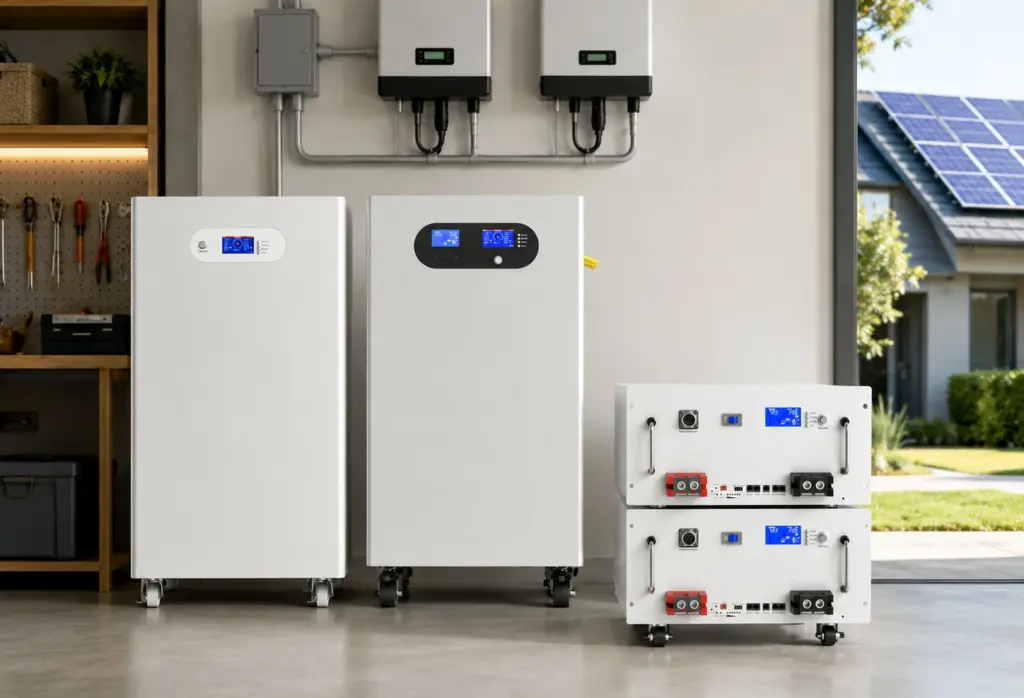
Take Control of Your Energy with Avepower!
Reliable home solar battery solutions with OEM/ODM customization and in-house manufacturing, tailored to the needs of distributors, installers, and energy partners.
FAQ
LFP batteries use lithium iron phosphate as the cathode chemistry. They also use an anode, electrolyte, separator, current collectors, casing, and pack-level controls like a BMS.
The separator is a thin internal layer that helps keep the anode and cathode apart while allowing lithium ions to move through the battery. It is important for both performance and safety.
Battery materials affect safety, lifespan, energy density, weight, cost, and how the battery performs in real-world solar storage applications.
NMC batteries use a cathode made from lithium nickel manganese cobalt oxide materials, combined with the other standard lithium-ion battery components such as the anode, electrolyte, separator, and current collectors.
Lead-acid solar batteries are typically made of lead-based plates and sulfuric acid electrolyte, along with separators and supporting structure.