

When space is limited, the attic may seem like an ideal location for installing a solar battery. It is hidden from view, close to rooftop solar equipment, and does not take up valuable living space.
However, the more important question is whether the attic is the best option for long-term safety, performance, maintenance, and compliance.
In some cases, solar batteries can be installed in an attic—provided that structural strength, temperature conditions, ventilation, accessibility, and manufacturer requirements are all fully met.
That said, for most modern homes, attics are no longer considered a preferred installation location. In regions such as the UK, updated fire safety guidance and installation best practices increasingly discourage placing batteries in attic spaces.
Quick Answer: Are Attics Suitable for Solar Battery Installation?
In most cases, no — it is not recommended.
For the majority of homeowners, better alternatives include:
- Garage
- Utility room
- Dedicated equipment room
- Suitable external wall
These locations typically offer:
- More stable temperatures
- Easier maintenance access
- Safer emergency handling
- Fewer structural limitations
This does not mean attic installations are impossible. They may be technically feasible if:
- The structure can safely support the battery weight
- Temperatures remain within the battery’s required operating range
- Adequate ventilation is in place
- Safe and practical access for maintenance is ensured
However, attic installation becomes unsuitable if:
- Temperatures rise significantly in summer
- Access is restricted or unsafe
- Ventilation is poor
While an attic might seem convenient, it is rarely the optimal choice for solar battery installation. Prioritizing temperature control, safety, and accessibility will lead to better system performance and longer battery lifespan.
Why Attic Installation for Solar Batteries Is Often Not Recommended
1. Temperature Fluctuations Can Impact Battery Performance
Home energy storage batteries perform best in controlled environments. For example, Avepower home batteries are rated to operate between -20°C and 55°C, but the recommended ambient temperature for optimal performance is 0°C to 30°C throughout the year.
When temperatures move outside this ideal range:
- Efficiency decreases
- Output power can drop
- The thermal management system has to work harder
This is one of the biggest challenges with attic installations. In many homes, attics become significantly hotter in summer and much colder in winter compared to living spaces below.
Even if the battery continues to function, repeated exposure to extreme temperature fluctuations can negatively affect both performance and long-term lifespan.
As a result, installers typically prefer locations such as garages, utility rooms, or sheltered outdoor areas where temperature conditions are more stable.
2. Ventilation Is Often Insufficient
There is no universal ventilation requirement that applies to all battery models. What matters most is that the system can dissipate heat effectively, with adequate airflow around the unit.
However, many attics:
- Are enclosed or poorly ventilated
- Accumulate dust easily
- Have uneven or inadequate insulation
- Were never designed to house electrical equipment
If airflow is restricted or vents are blocked, heat can build up much faster than in purpose-designed installation areas, increasing thermal stress on the battery.
3. Structural Load Can Be a Real Concern
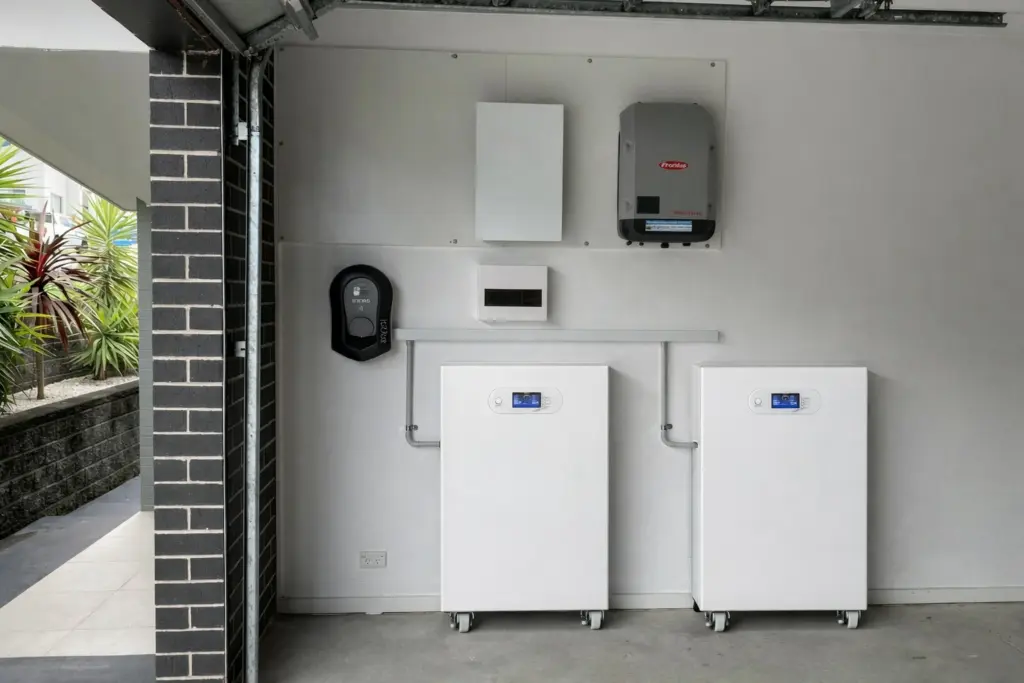
Modern home batteries are heavy. For instance, an Avepower 15kWh battery (including bracket and enclosure) weighs approximately 130 kg. Even smaller systems can create a significant concentrated load when installed in one area.
Most residential attics are not originally designed to support such loads in the same way as:
- Garage floors
- Concrete bases
- Masonry walls
In some cases, a structural assessment—or even reinforcement—is required before installation can be considered safe.
4. Limited Accessibility for Maintenance and Emergencies
Batteries should be installed in locations that allow:
- Safe and easy access for installers
- Convenient routine inspection and servicing
- Quick access for emergency responders
Attics are often:
- Tight and difficult to navigate
- Dusty or cluttered
- Not designed for regular access
Installing equipment in confined roof spaces makes maintenance, inspection, isolation, and future replacement significantly more difficult.
Even though battery-related fire incidents are rare, installation location still plays a critical role in safety planning.
In the UK, the British Standards Institution introduced the PAS 63100:2024, which outlines fire safety requirements for residential battery energy storage systems, including installation location. This standard has encouraged installers to choose safer, more accessible locations and has contributed to a shift away from using attics as a default installation option.
Do Solar Batteries Have to Be Installed Outside?
No. Solar batteries do not have to be installed outside. In fact, indoor installation is often preferred when there is a dry, ventilated, non-habitable service area with stable temperatures. Several sources note that indoor spaces usually provide more consistent conditions than lofts or fully exposed outdoor areas.
That said, outdoor installation can also work very well when the battery is rated for it.
Where Should a Solar Battery Be Installed Instead?
For most homes, the best locations are:
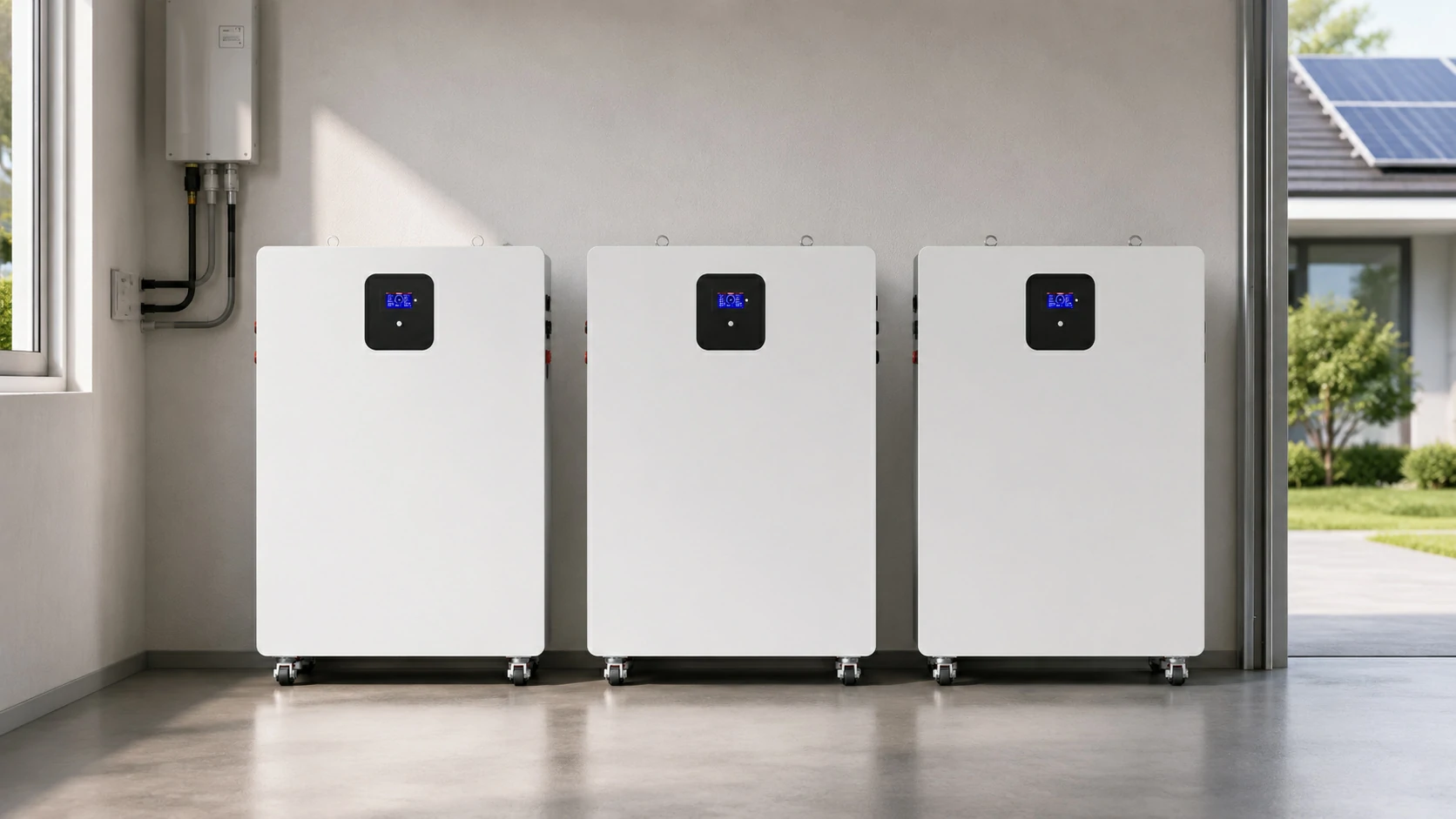
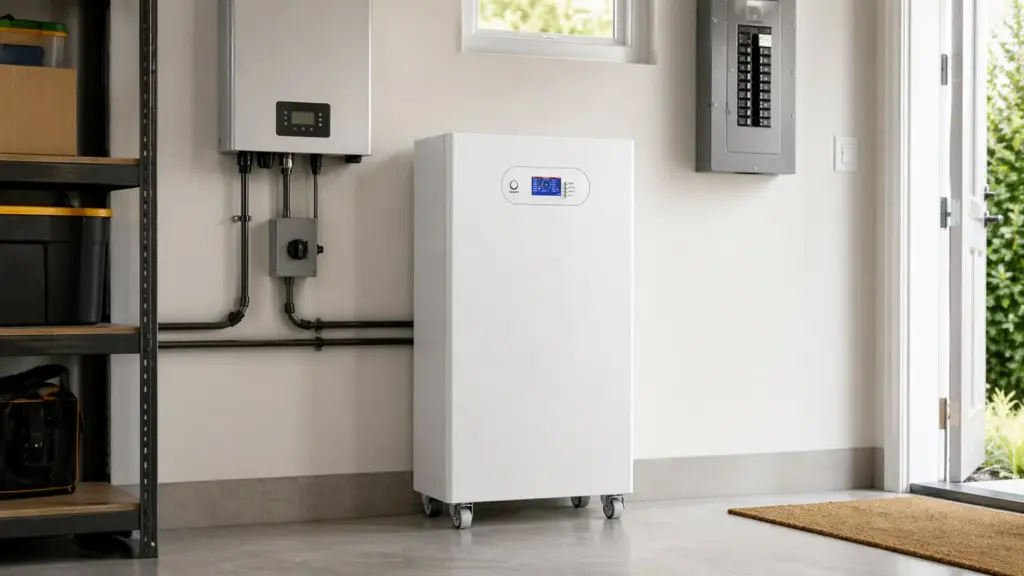
Garage
A garage is often the strongest option because it is usually cooler than a loft, easier to access, and structurally more suitable for heavy equipment. Many UK-oriented guides list garages as a top recommendation.
Utility Room or Plant Room
A utility room can work very well if it is dry, ventilated, and has enough wall or floor space to keep the required clearances around the battery. It also makes service access much easier than a loft.
Purpose-Built External Enclosure or Suitable Outside Wall
If indoor service space is limited, a weather-rated battery on an exterior wall or in a dedicated enclosure is often a better answer than a loft. This can be especially effective when the location is shaded and protected from direct sun, pooling water, and accidental damage.
Places to Avoid
Manufacturer guidelines typically direct installers to avoid locations such as attics, small enclosed cabinets, stairways, escape routes, bedrooms, wall recesses, and areas exposed to high heat, flooding, or flammable materials.
How Much Ventilation Does a Solar Battery Need?
There is no universal ventilation standard that applies to all battery models. The appropriate level of ventilation depends on the battery chemistry, enclosure design, installation location, and manufacturer specifications. Therefore, the safest approach is to strictly follow the installation manual for the specific battery model being installed. The installation location must ensure sufficient airflow and avoid heat buildup.
It is certain that batteries should not be placed in high-temperature, poorly ventilated spaces. For example, residential battery installation manuals may specify minimum clearances, such as at least 20 cm from surrounding surfaces, at least 30 cm from other batteries or heat sources, at least 30 cm from doors, at least 25 cm from windows, and at least 100 cm from emergency exits. At the same time, the front panel of the solar battery should not be obstructed.
Choose a Battery That Fits the Space, Not Just the Spec Sheet
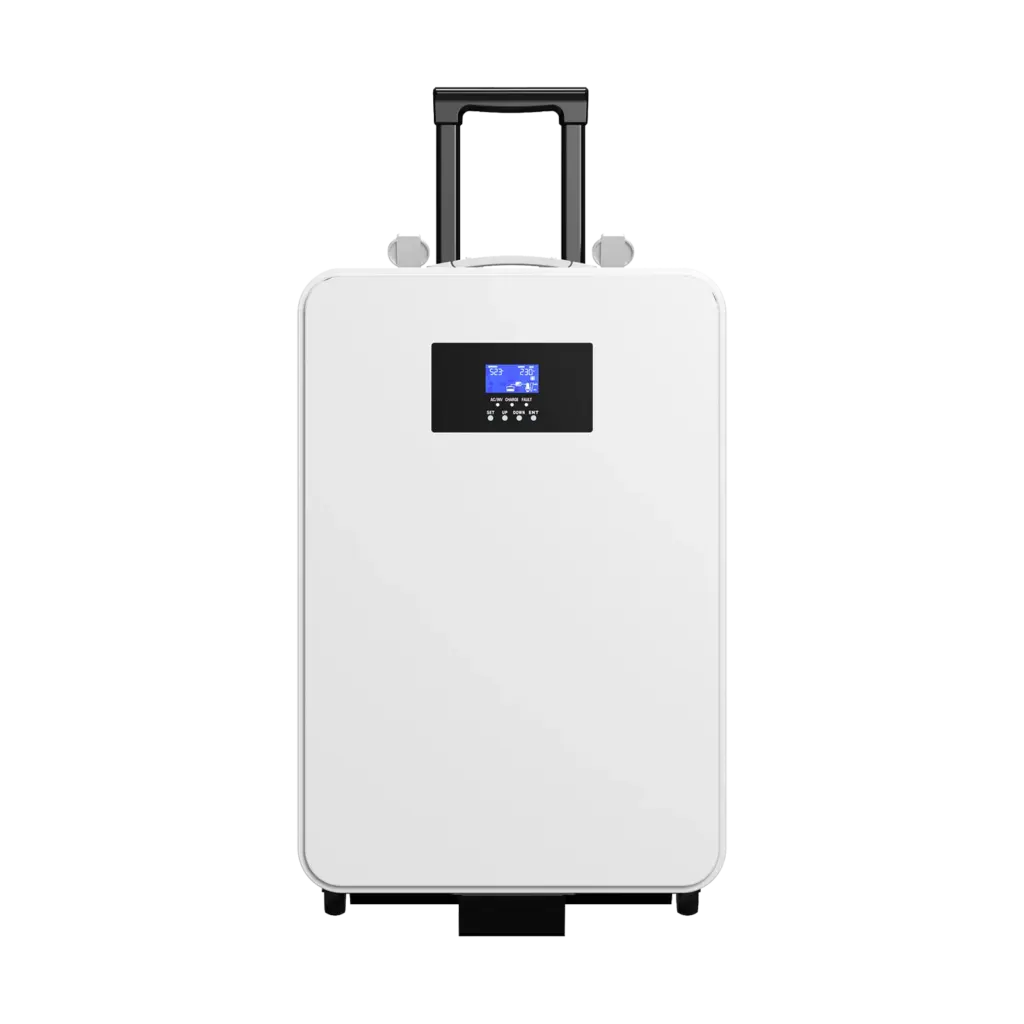
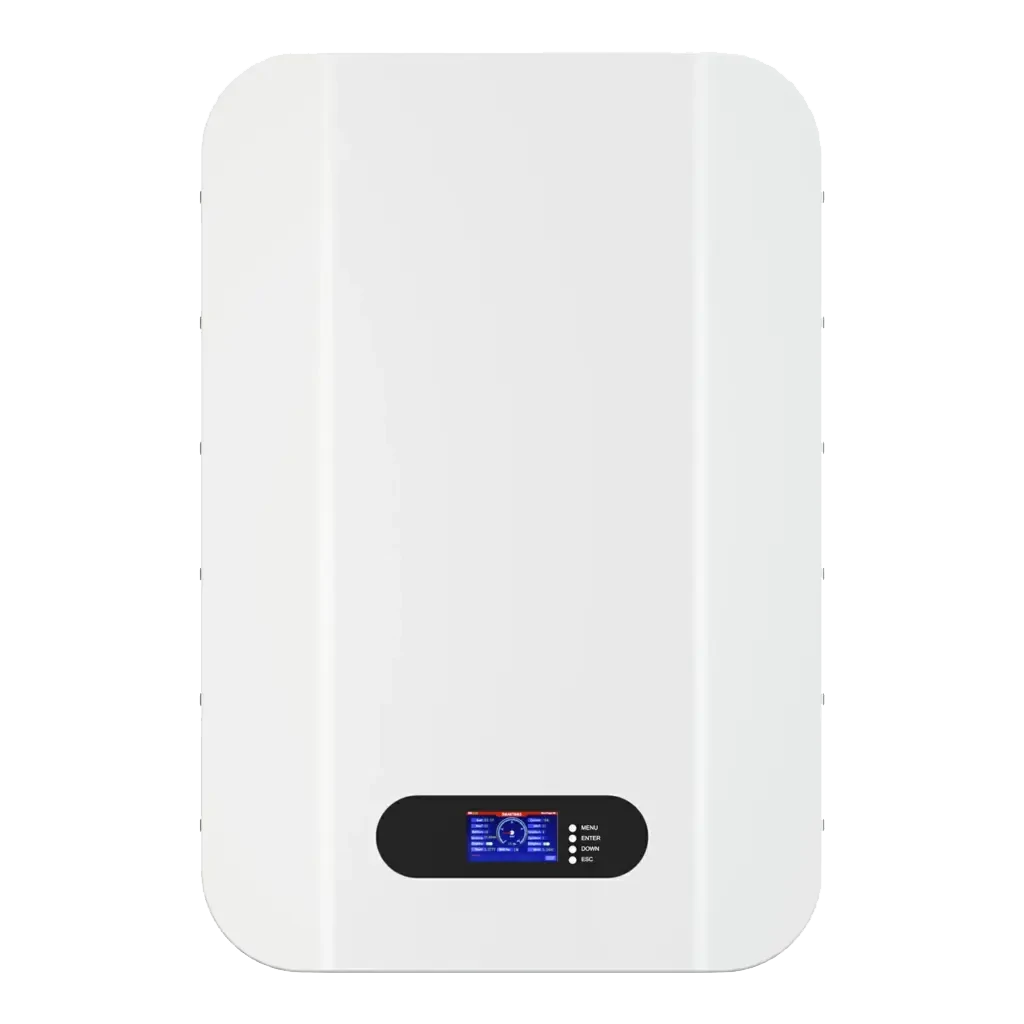
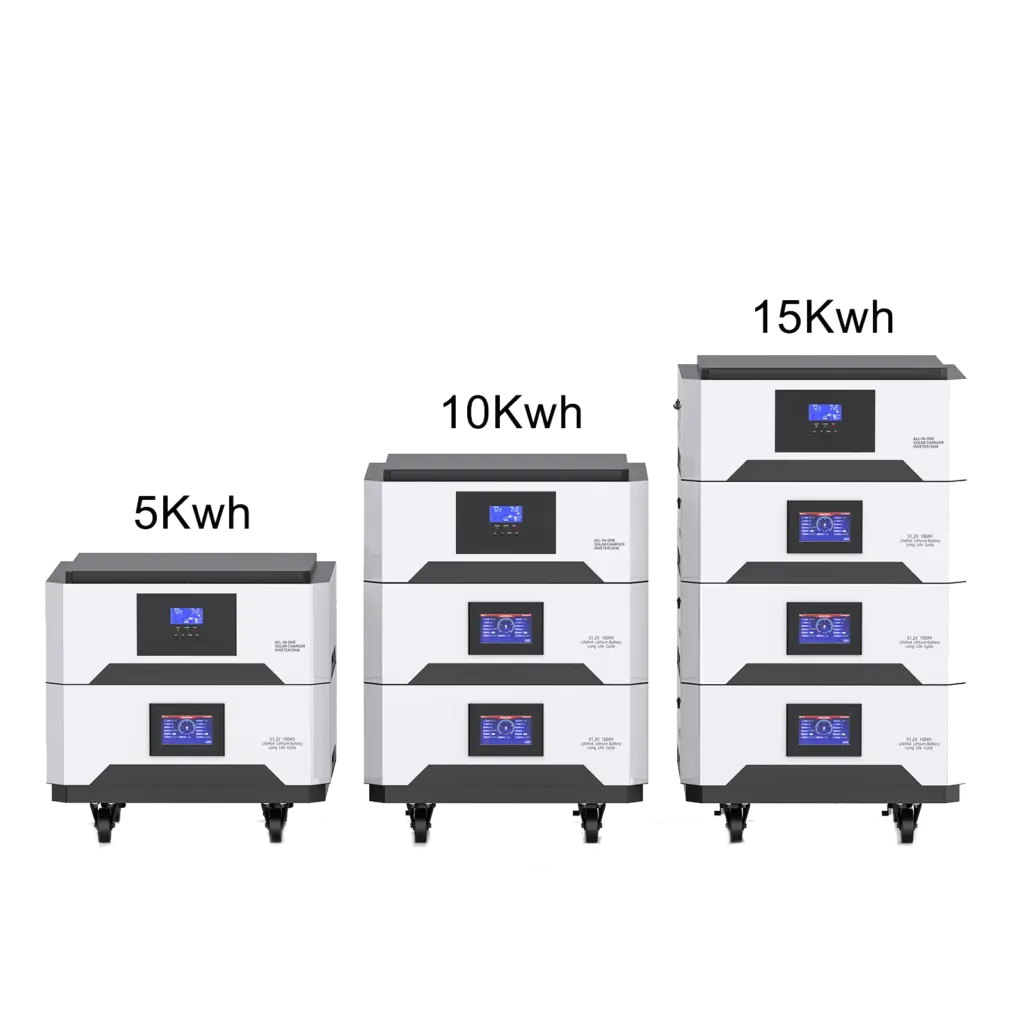
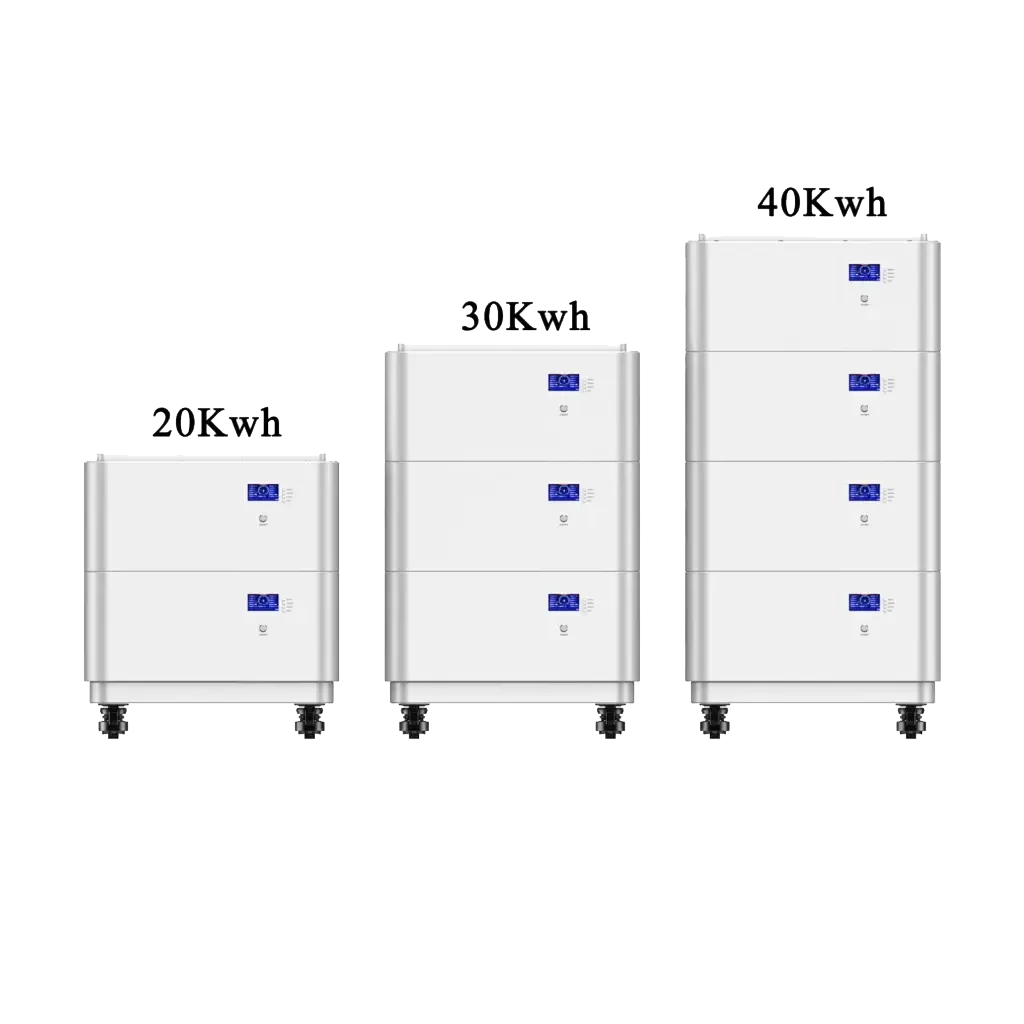
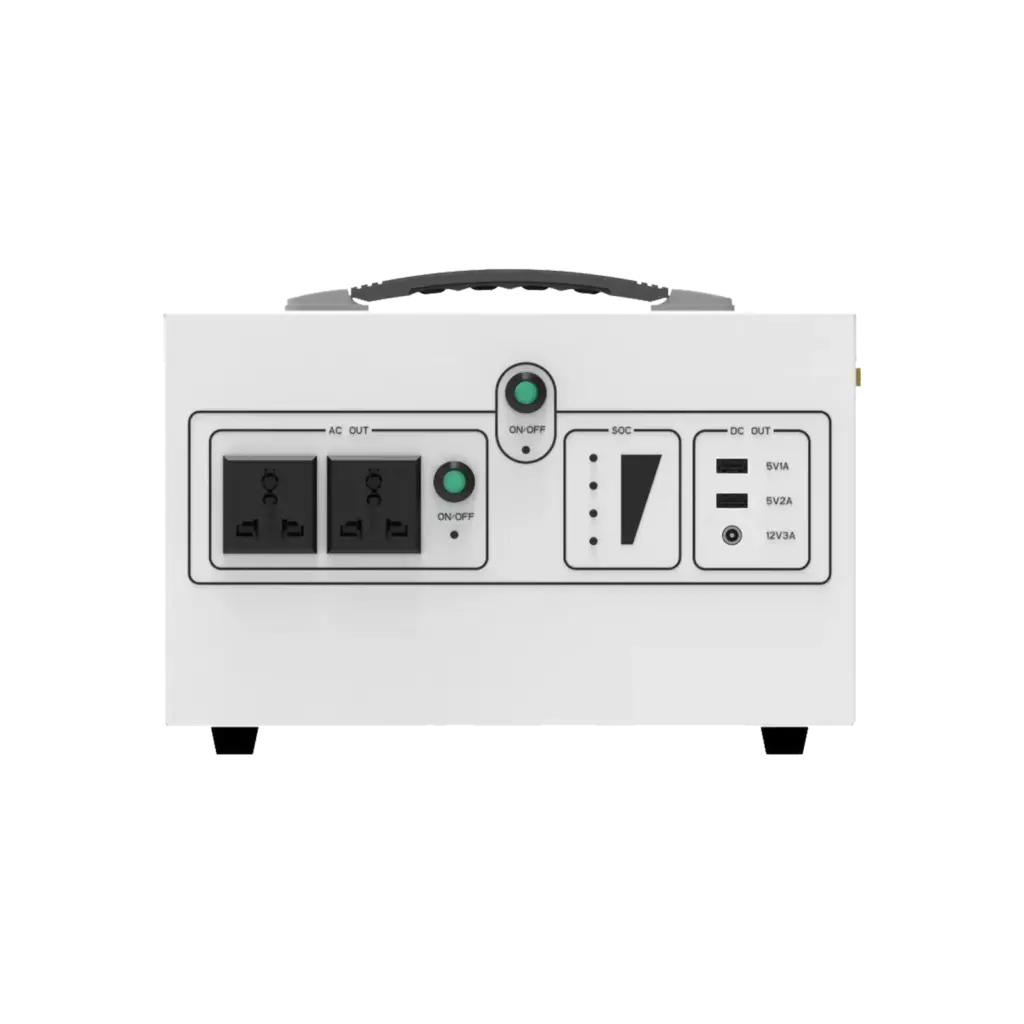
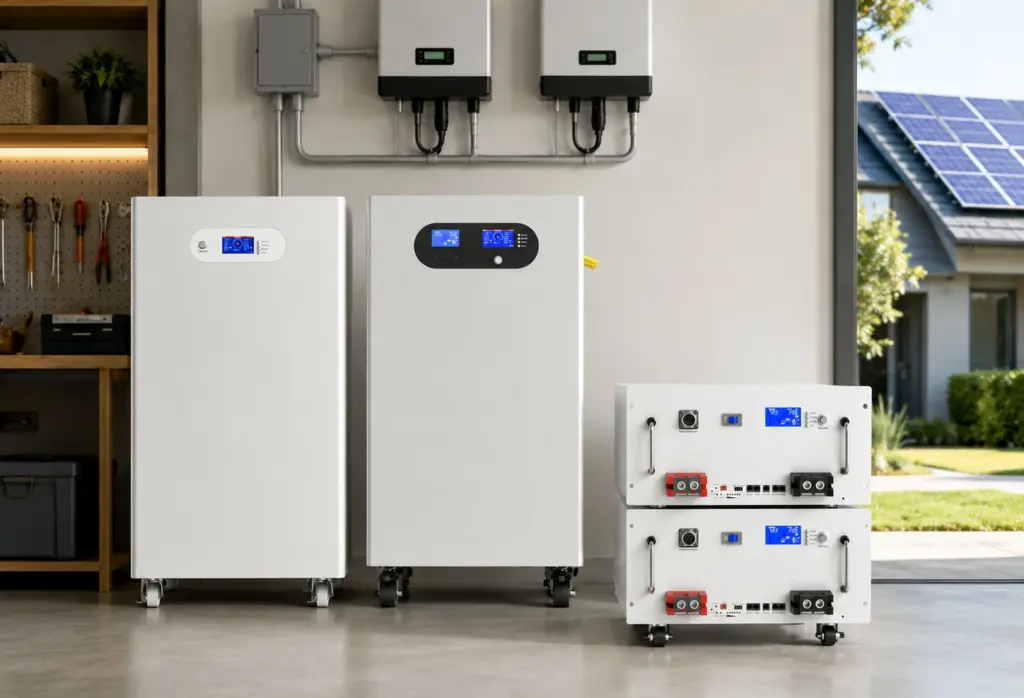
If a loft is not the right place for your battery, the next step is choosing a system that fits your home layout more naturally. Avepower offers multiple home energy storage formats, including wall-mounted, rack-mounted, stackable, and all-in-one batteries, so homeowners and installers can match the battery to the available installation space instead of forcing the installation into a less suitable area.
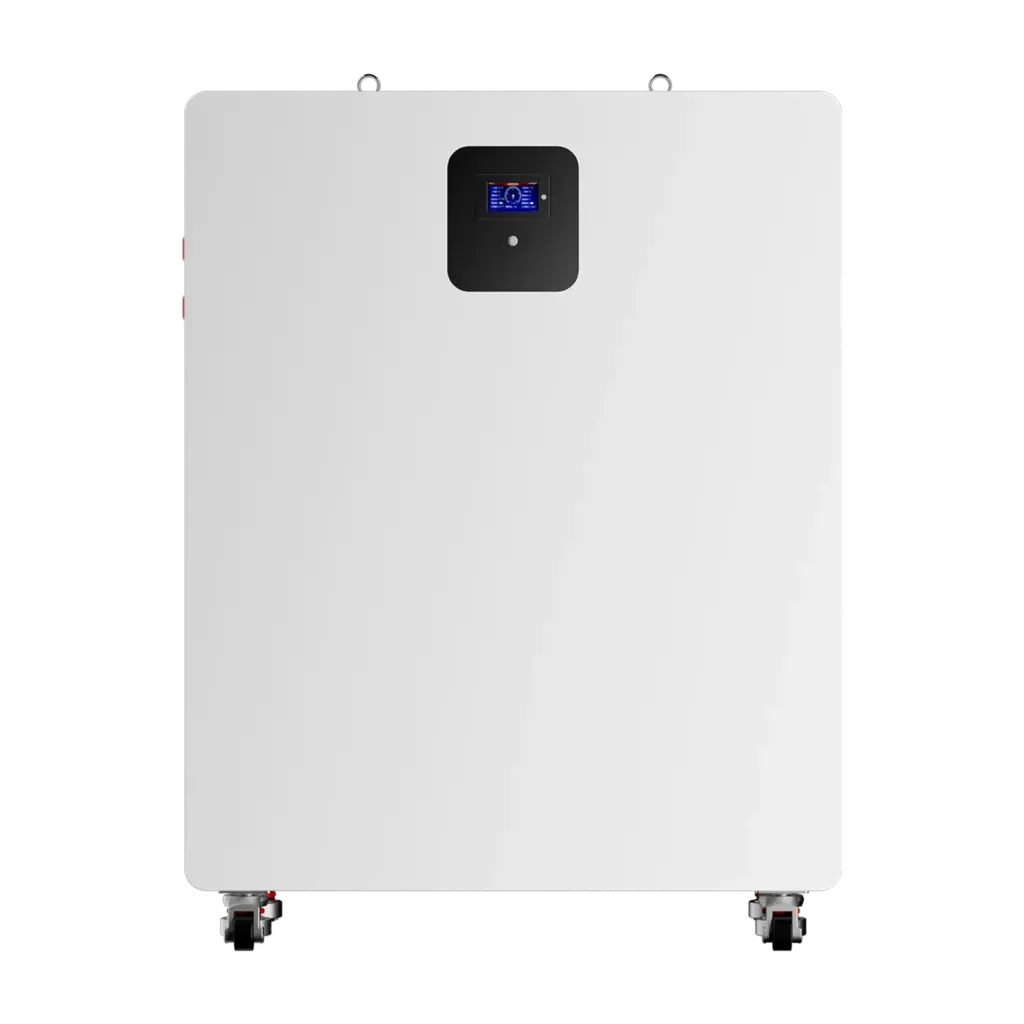
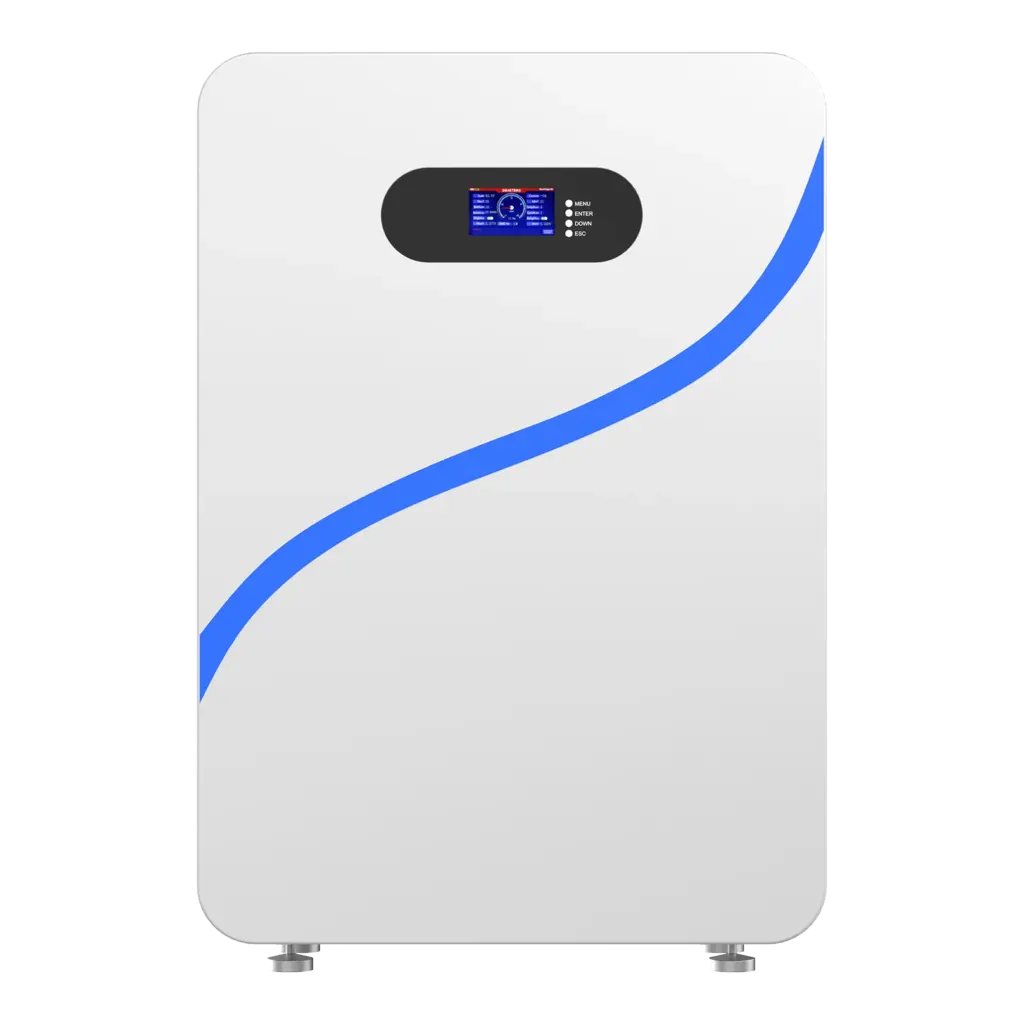
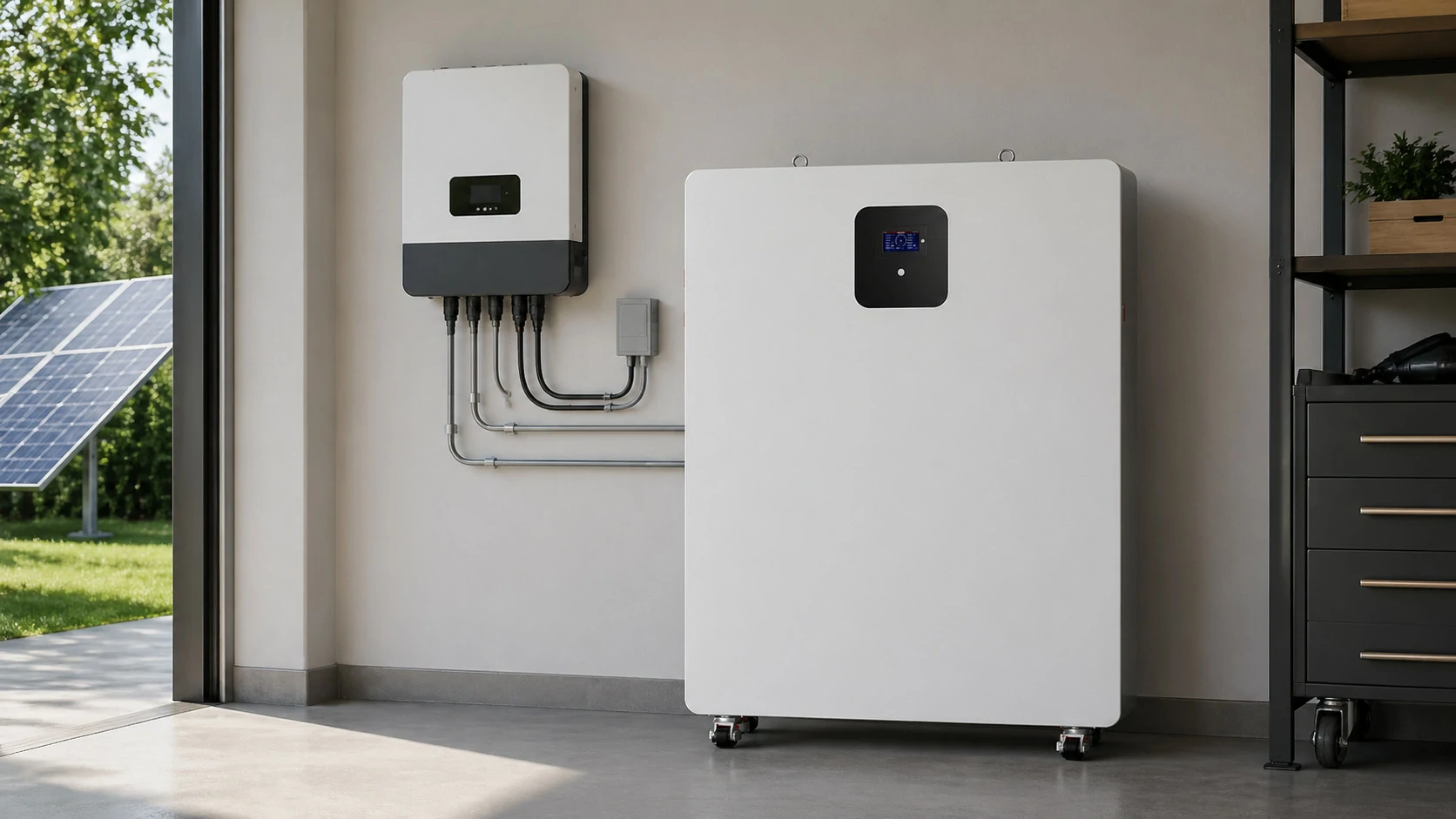
For example, a wall-mounted battery can be a practical option for garages or utility rooms where floor space is limited. Avepower’s wall-mounted series uses LiFePO4 cells, supports up to 16 units in parallel, and is designed for residential solar applications where a cleaner wall installation is preferred.
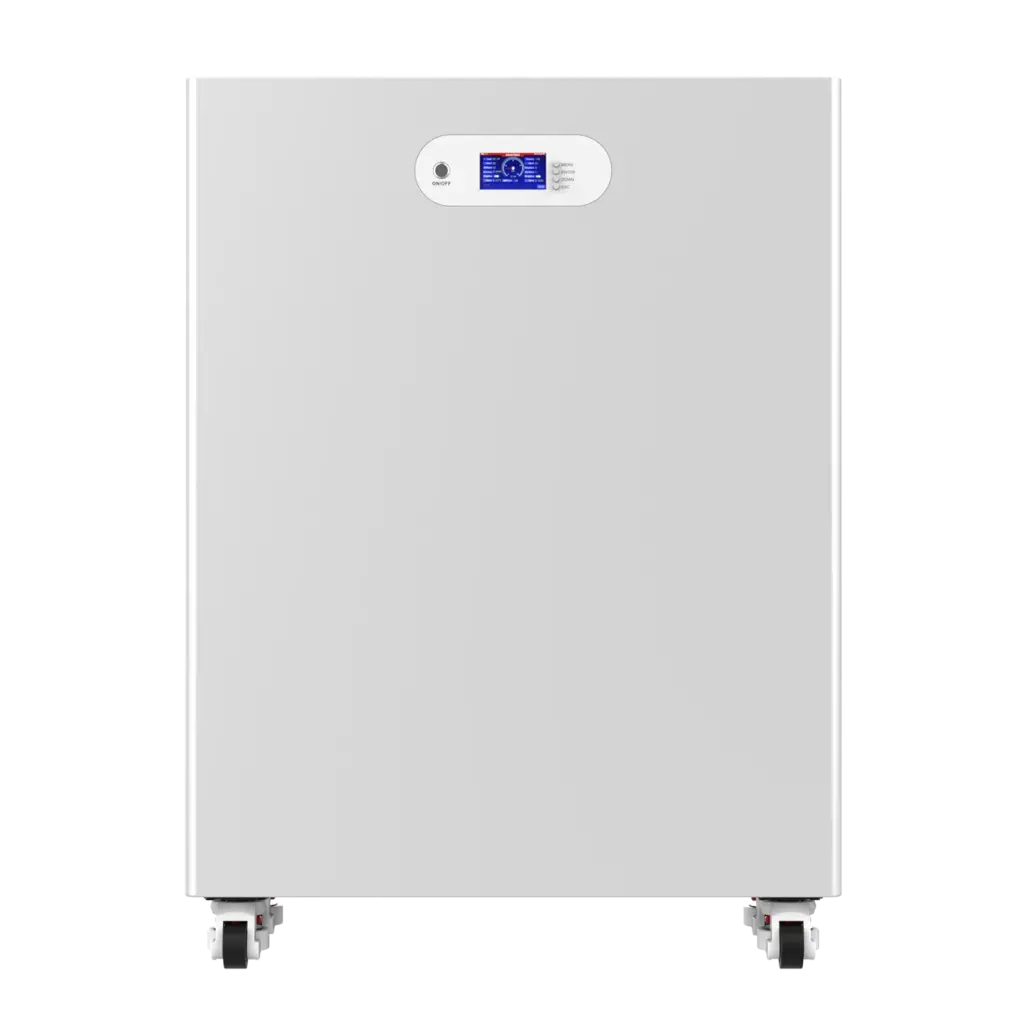
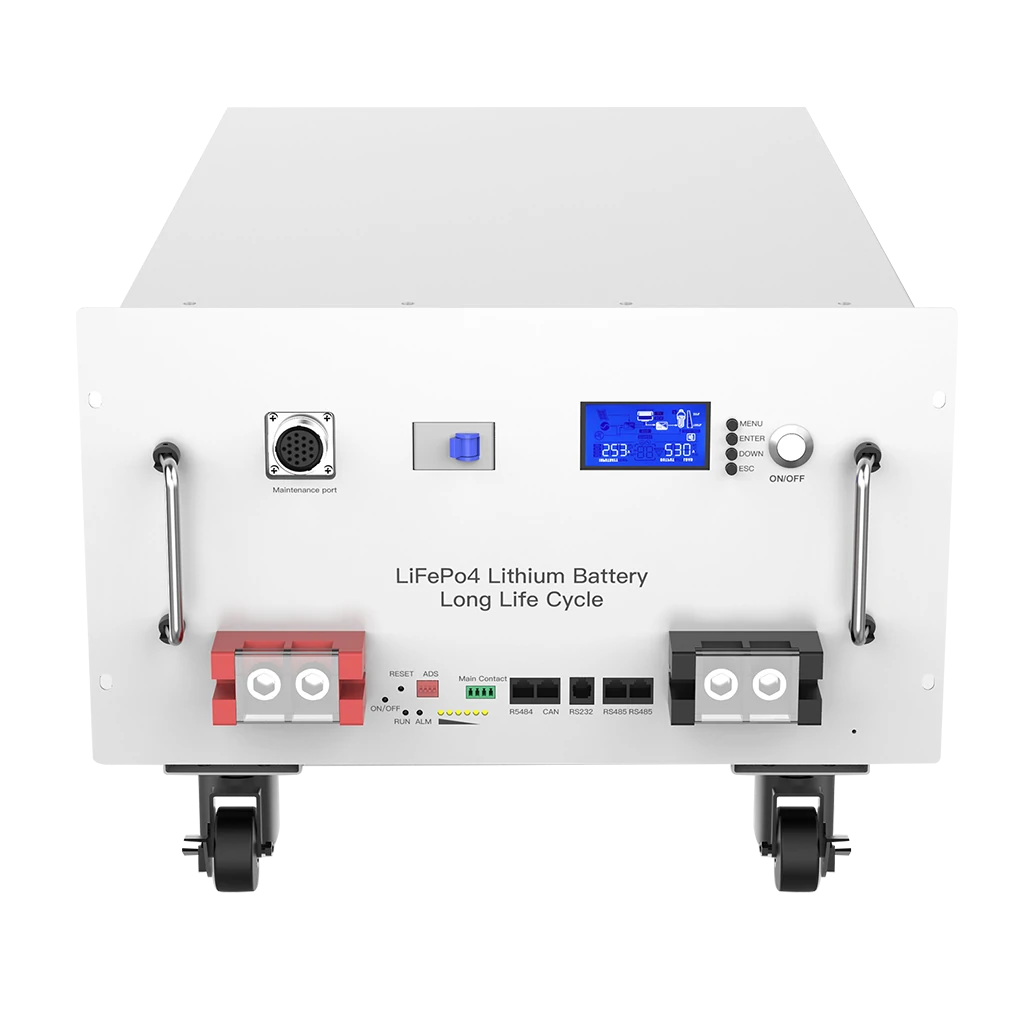
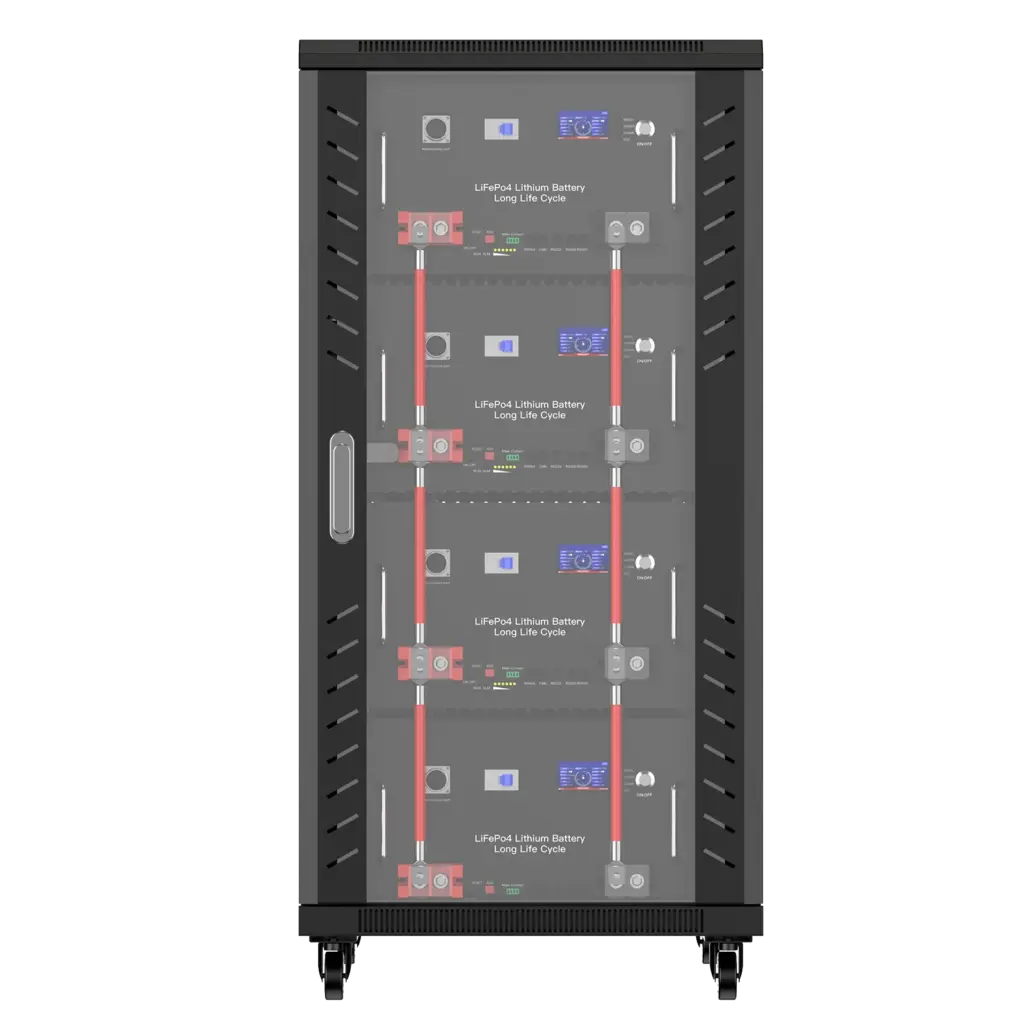
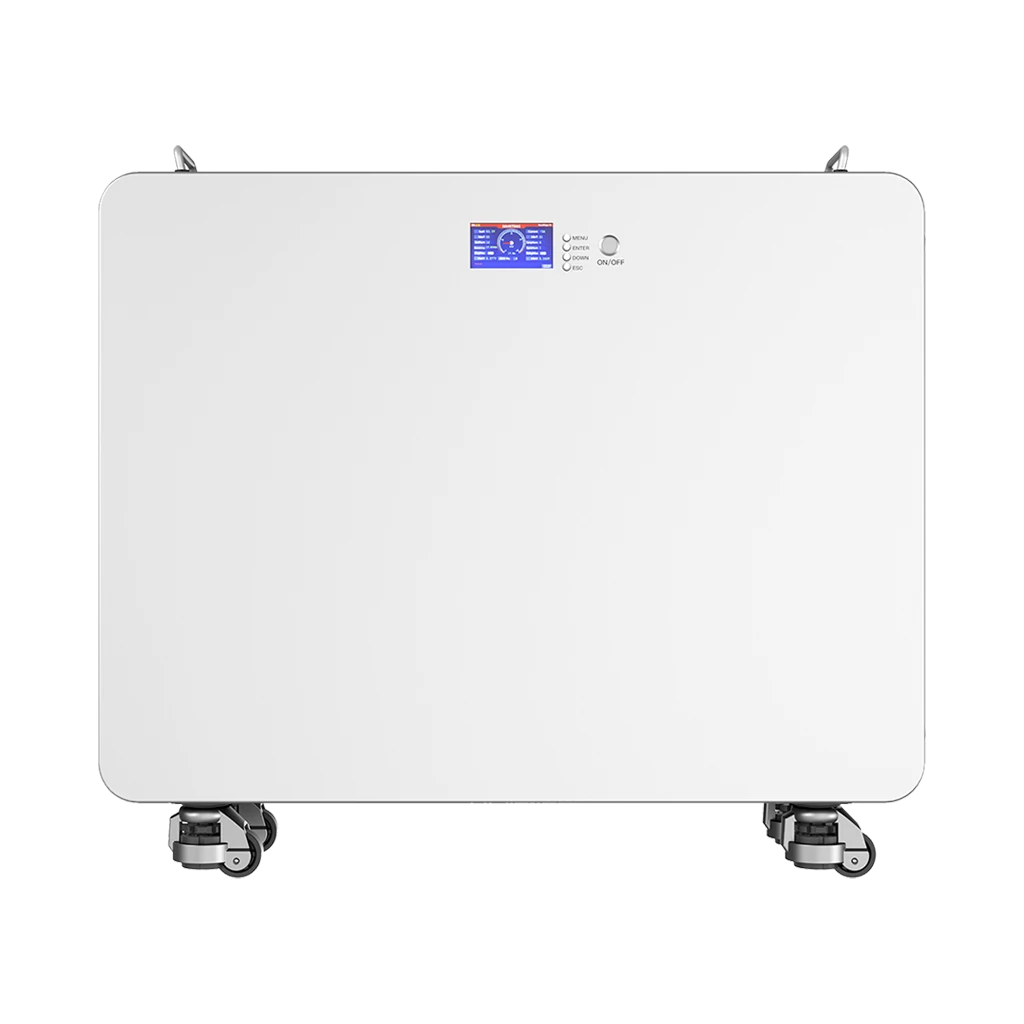
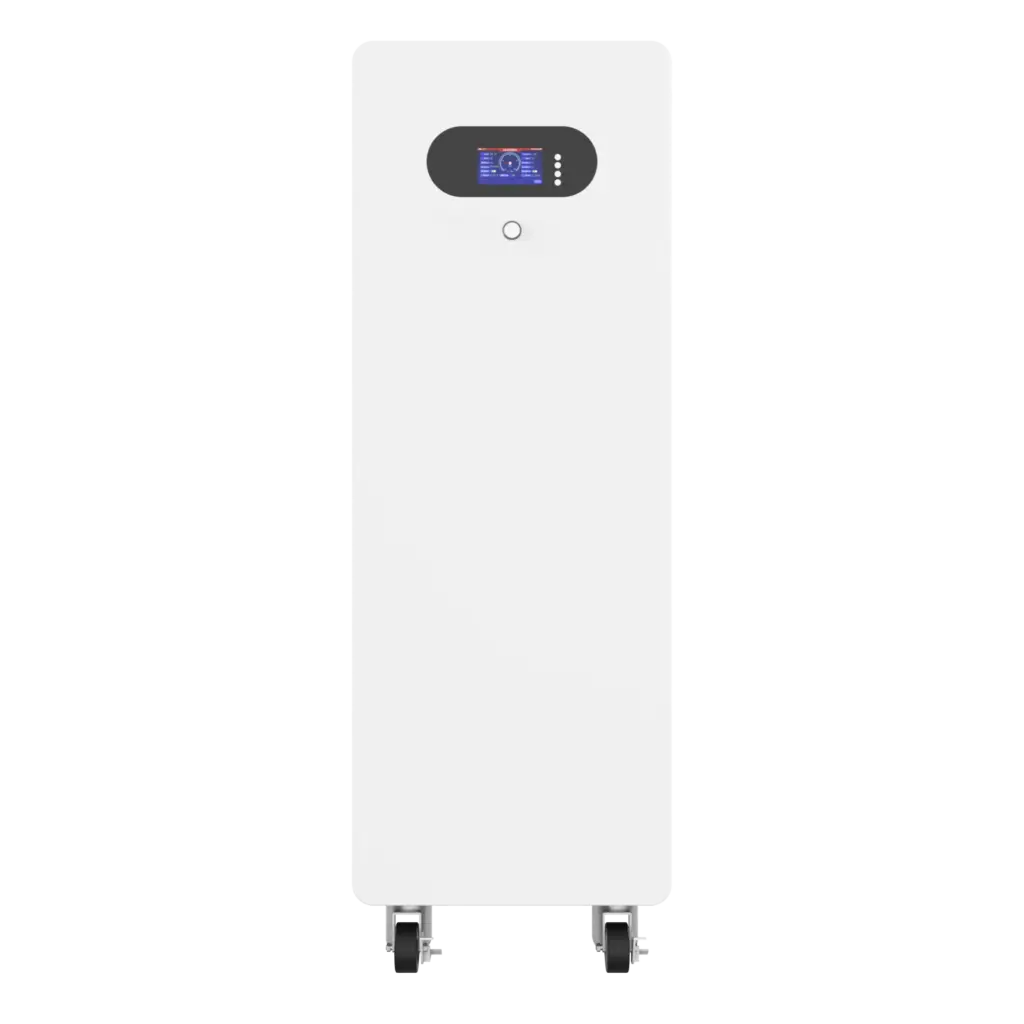
If you want a system that is easier to expand over time, a rack-mounted or stackable battery may be a better fit. Avepower’s rack-mounted and stackable ranges are built around modular expansion, giving installers more flexibility when designing systems for different home sizes, backup needs, and equipment-room layouts.
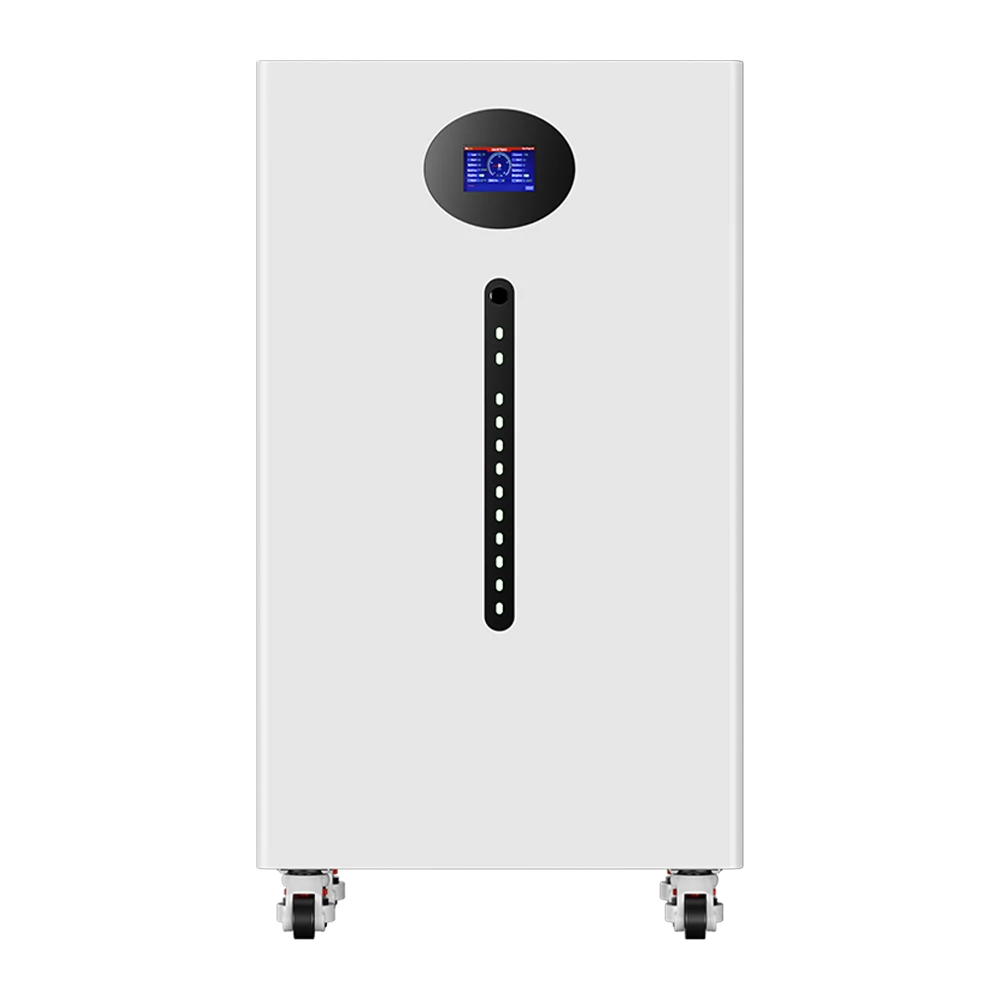
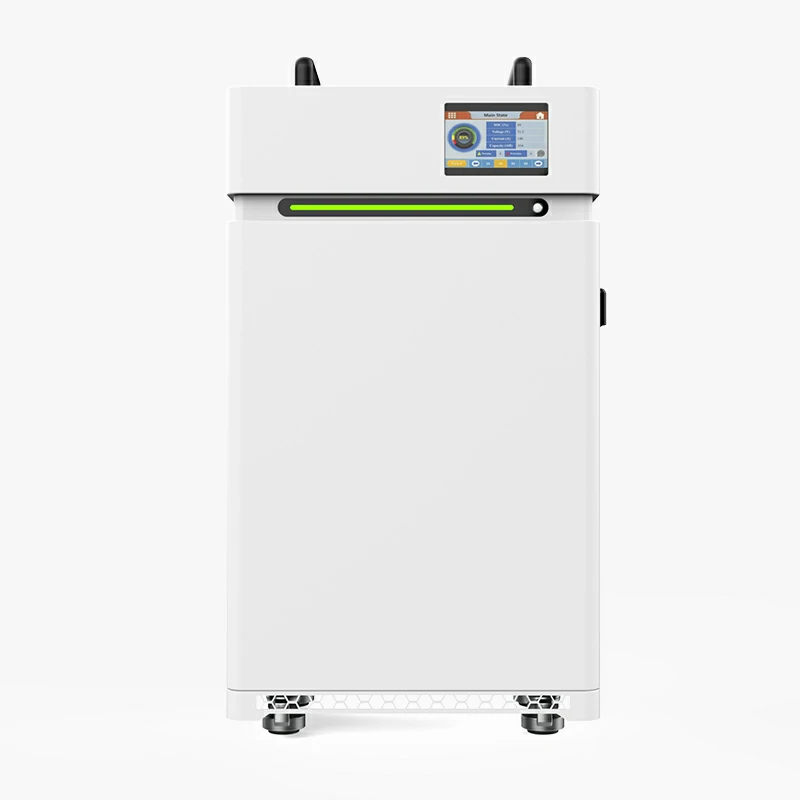
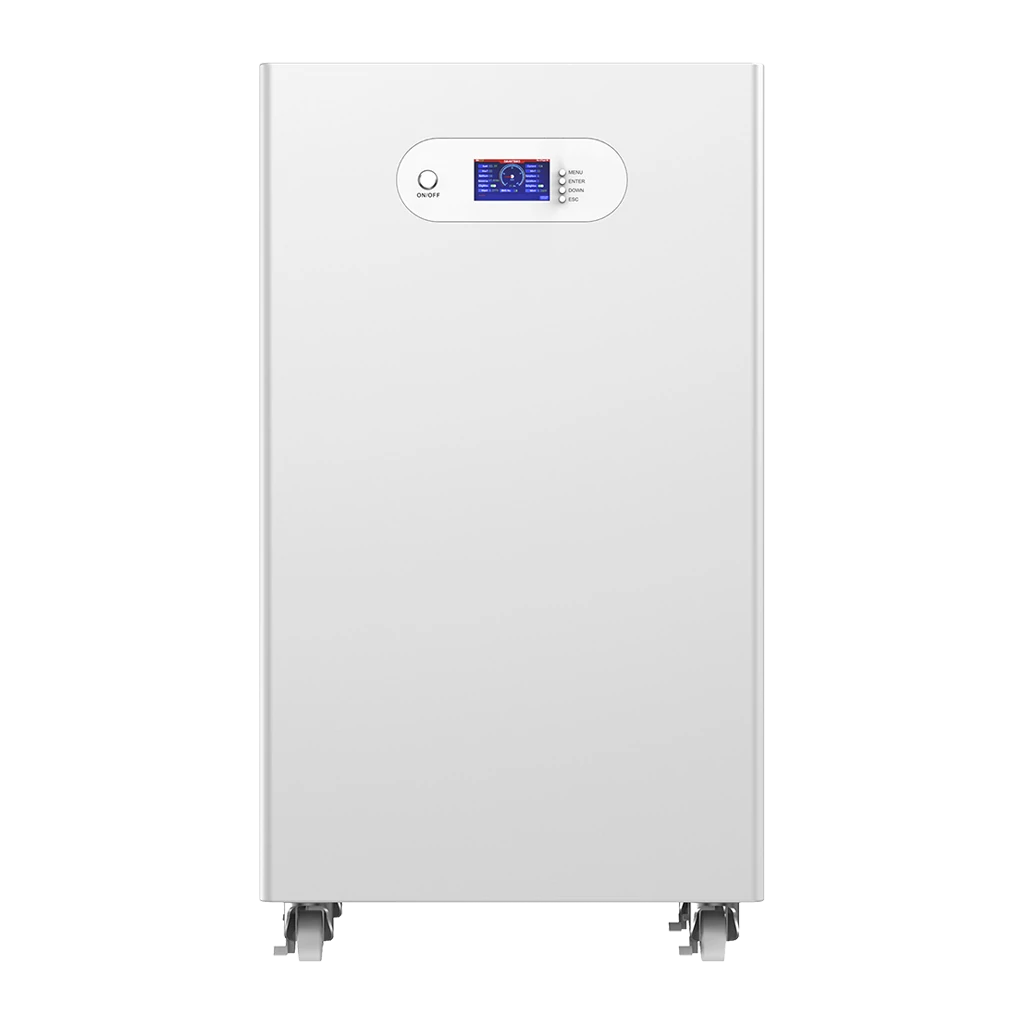
And for projects where installation simplicity matters most, an all-in-one battery can reduce system complexity by combining key functions in a more integrated format. Avepower’s all-in-one range includes a 15kWh home battery with 6kW inverter, which is useful for homeowners looking for a more compact solar-plus-storage setup.
Take Control of Your Energy with Avepower!
Reliable home solar battery solutions with OEM/ODM customization and in-house manufacturing, tailored to the needs of distributors, installers, and energy partners.
Conclusion
Solar batteries can sometimes be installed in a loft, but a loft is usually not the best place to install one. In the UK especially, newer fire-safety guidance and installer best practice increasingly discourage loft installations for new systems. Better alternatives usually include a garage, utility room, or a properly rated outdoor installation.
If you are choosing a battery system for a difficult installation space, focus less on marketing claims and more on four things: temperature range, clearance requirements, structural weight, and service access. Those four factors will tell you much more than a simple yes-or-no answer ever will.
FAQ
Usually, no. A loft is often less suitable than a garage, utility room, or protected outdoor wall because it can have higher summer temperatures, poorer access, and more installation constraints.
For most homes, the best place is a dry, accessible, well-ventilated area with stable temperatures, such as a garage, utility room, or plant room. A suitable outdoor location can also work if the battery is rated for it.
That depends on the model, but many major battery brands recommend an optimum ambient installation range of around 0°C to 30°C for best performance. Since lofts often run hotter than the rest of the home, they can be a poor fit even if the battery still technically operates there.
Ask whether the loft meets the battery maker’s temperature range, clearance rules, structural loading requirements, and access needs for maintenance and emergency isolation. Also ask why a garage, utility room, or outdoor wall was not chosen first.
Home batteries are heavy, and some systems weigh well over 100 kg. That is why installers should confirm that the mounting surface or structure can safely support the full load before considering a loft install.