
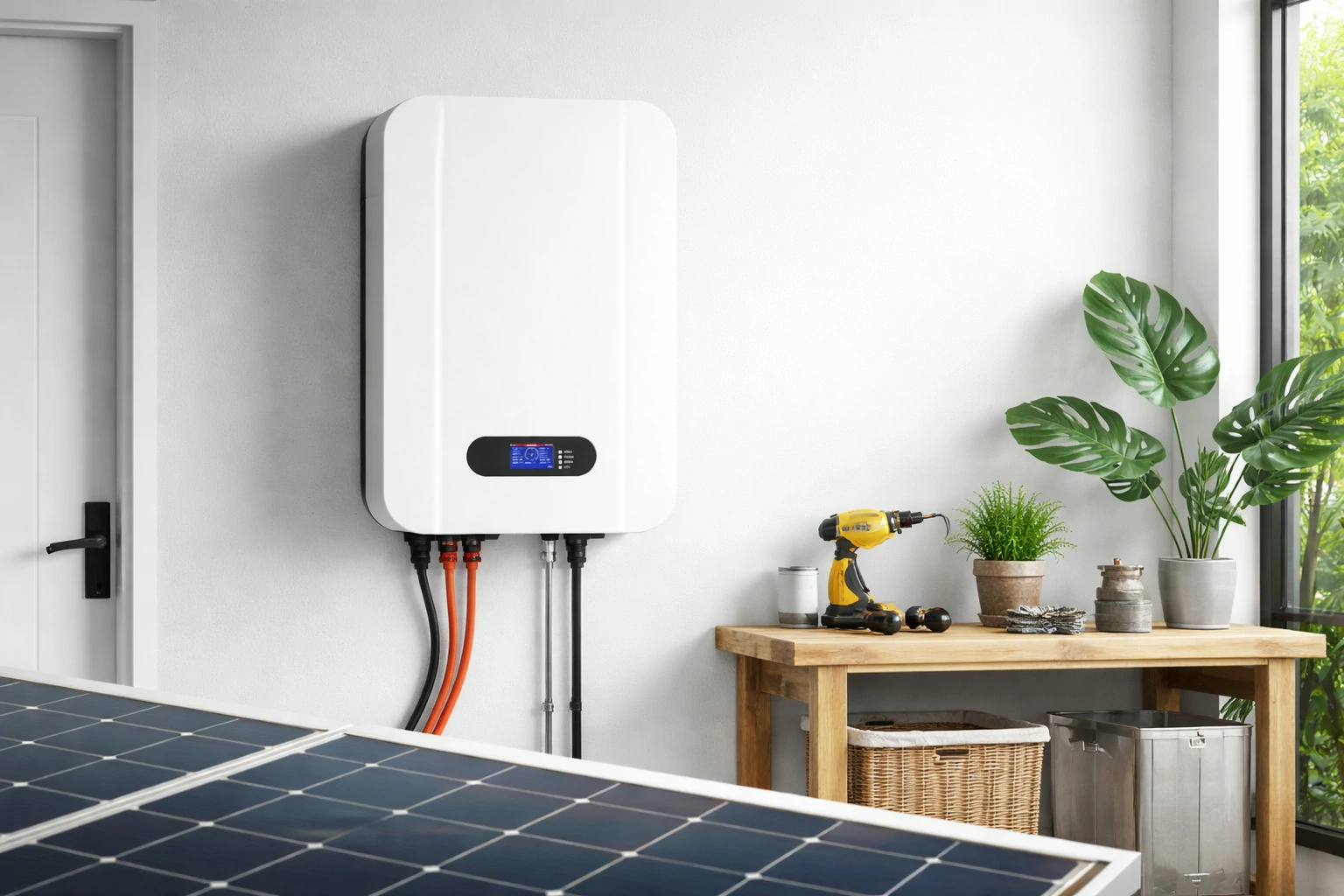
Australia’s home battery market has changed fast. In 2026, that price looks very different from 2025 because battery rebates are now live, installer pricing has shifted, and the way rebates are calculated will change again from 1 May 2026.
For most homeowners, the real question is not just “How much does a 10kWh battery cost?” It is also: What is included, how much rebate can I actually get, and how long will it take to pay back? This guide gives you a practical 2026 answer.
What is the price of a 10kWh solar battery in Australia in 2026?
As of early 2026, the average reference prices—including installation, GST, and federal battery incentives—are as follows:
- The cost of installing a 10kWh battery only is around AUD 8,650, assuming the home already has a suitable hybrid or battery-ready setup.
- A 10kWh battery with an inverter typically costs about AUD 10,350, which is more common for retrofitting existing solar systems.
This means homeowners should consider two practical scenarios when reviewing quotes: battery-only and battery plus inverter.
- With an existing hybrid or battery-ready system: approximately AUD 8,500–9,500
- Requiring a battery inverter or AC-coupled retrofit: approximately AUD 10,000–12,000
- Premium brands, complex installations, or backup upgrades: typically cost more
Retrofit complexity has now become one of the main factors driving price differences. As system capacity increases, the cost per kWh generally decreases, since some installation costs are fixed.
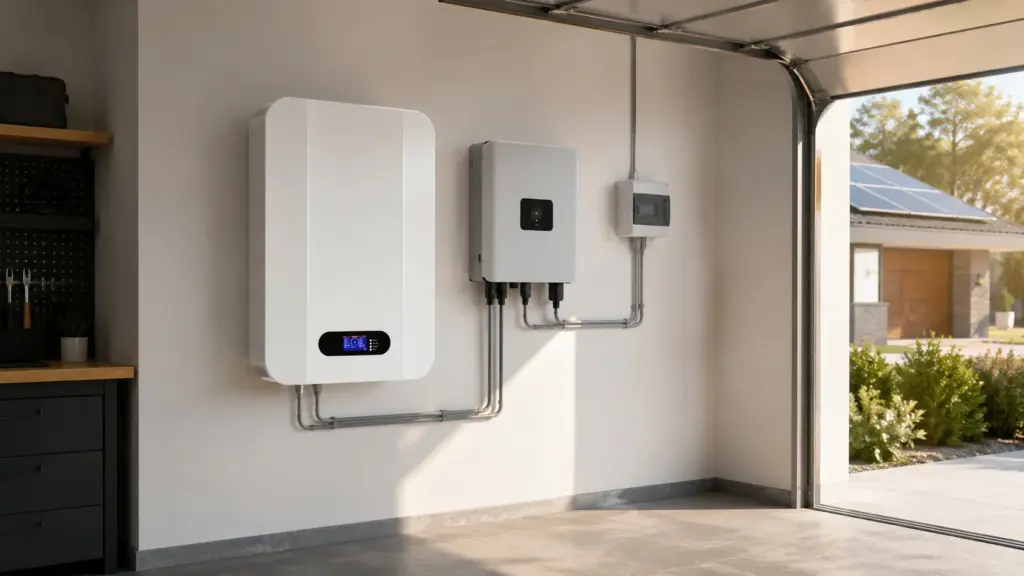
Planning a 10kW Solar Battery System?
A 10kW solar battery system can be a practical choice for homes, small businesses and backup power projects that need higher energy storage capacity. Avepower provides LiFePO4 battery solutions for solar storage, peak-time electricity use and reliable backup power.
What Does This Mean Before Rebates Are Applied?
Based on average installation prices as of February 2026 and current incentive policies, a typical 10kWh battery + inverter system costs around AUD 10,350 after rebates. This implies a pre-rebate price of approximately AUD 12,800 to AUD 13,500, depending on the installation timing and how the installer passes on the discount to the customer.
This estimate is derived from current average installation prices and the federal incentive levels in 2026.
How Much Does a 10kW Solar System With a 10kWh Battery Cost in Australia in 2026?
If you purchase solar panels and a battery system together, it is usually more cost-effective than retrofitting later.
In 2026, a high-quality 10kW residential solar system in Australia typically costs between AUD 8,000 and AUD 10,500. Data from SolarQuotes shows that many homeowners actually pay between AUD 8,000 and AUD 13,000, depending on the brand and installer qualifications.
When combined with a 10kWh battery system, the total project cost generally ranges from AUD 18,000 to AUD 23,500, with premium configurations costing even more.
What Rebates Can You Get in 2026?
The federal government’s “Home Battery Rebate Program” is a key reason why battery pricing in Australia has shifted in 2026. The Australian government states that the program provides approximately a 30% discount on eligible small-scale battery systems for households, small businesses, and community organizations. The scheme came into effect on July 1, 2025, and applies to battery systems with capacities between 5kWh and 100kWh.
Here are the key timing details to include:
- From January 1 to April 30, 2026, the STC factor is 8.4
- From May 1, 2026, the STC factor drops to 6.8, and incentives become tiered based on battery capacity
From May 1, 2026, support is structured as follows:
- First 0–14kWh: 100% STC factor
- 14kWh to 28kWh: 60% rate
- 28kWh to 50kWh: 15% rate
According to SolarQuotes, during the first four months of 2026, the rebate is approximately AUD 300 per kWh. From May 1, 2026, the incentive for the first 14kWh drops to around AUD 244 per kWh.
This means that a typical 10kWh battery installed before May could receive over AUD 3,000 in rebates, while the same system installed after May 1 would receive a lower total incentive.
What Are The State Incentives In 2026 And How Have They Changed?
In New South Wales (NSW), battery installation rebates are no longer available. However, the state government confirms that the Virtual Power Plant (VPP) incentive program is still active and can be combined with the Australian federal battery rebate.
In Victoria (VIC), the previous solar battery loan program has stopped accepting new applications. The Victorian Solar Association now recommends that residents apply for the federal government’s battery rebate instead. For more information, you can read this article: “Solar Battery Rebate VIC: Save on Home Energy Storage.”
In Queensland (QLD), the former battery booster program has also ceased accepting new applications.
In Western Australia (WA), the WA Residential Battery Scheme is now open, offering upfront rebates and interest-free loans. The WA government states that Synergy customers can receive up to AUD 5,000 for a 10kWh battery, while Horizon Power customers may receive up to AUD 7,500, subject to eligibility requirements such as participation in a Virtual Power Plant (VPP).
In the Australian Capital Territory (ACT), the Sustainable Household Scheme continues to offer low-interest loans. The ACT government states that eligible households can borrow between AUD 2,000 and AUD 15,000, with a new interest rate of 3%. Battery storage systems remain eligible under this financing program.
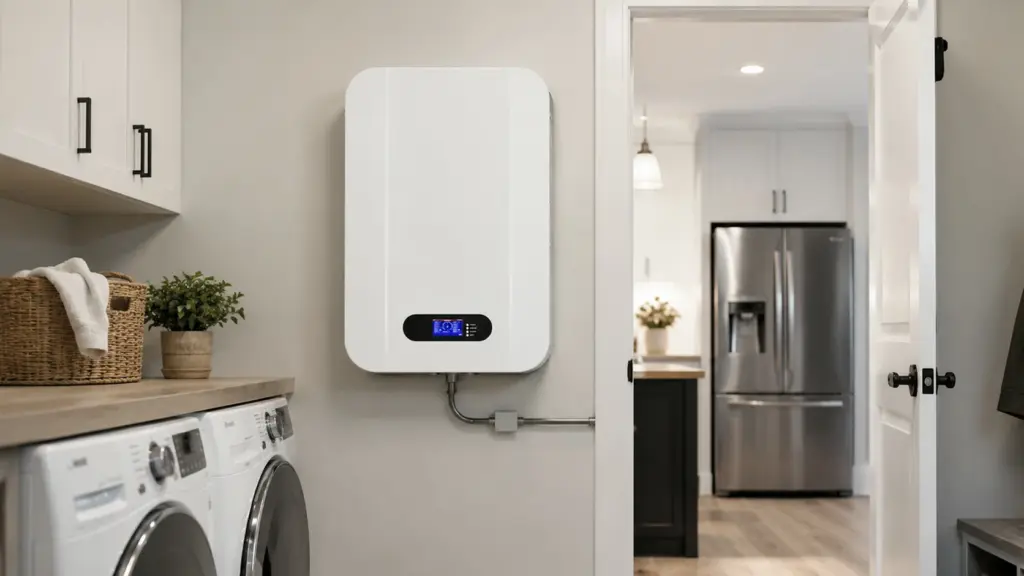
Start Your Solar Battery Project with Avepower
Whether you are comparing 10kW solar battery prices or planning a complete home energy storage system, Avepower offers long-life LiFePO4 batteries with flexible capacity options, BMS protection and OEM/ODM support.
Why Are Some 10kWh Battery Quotes More Expensive Than Others?
1. Retrofit Installation vs Battery-Ready Installation
If you already have a compatible hybrid inverter or a battery-ready solar system, installation costs are usually lower. If you need an additional battery inverter or an AC-coupled retrofit, the overall cost increases. This is currently one of the most significant pricing differences in Australian market data.
2. Backup Power Functionality
Some batteries only allow you to shift solar energy to nighttime use. Others provide backup power during outages, critical load backup, or even near whole-home backup capability. The stronger the backup functionality, the higher the installation cost tends to be.
3. Switchboard and Electrical Upgrades
Older homes or more complex installations may require switchboard upgrades, additional wiring, or extra labor. These site-specific costs are one of the main reasons online averages should only be used as a reference rather than a final quote.
4. Brand Positioning and Warranty
Not all 10kWh batteries are priced the same. In Australia, residential battery pricing typically ranges from AUD 800 to AUD 1,300 per kWh of usable capacity, depending on battery capacity, brand, and installation location. Premium brands generally come at a higher cost.
Is A 10kWh Battery Enough For An Average Household?
For many Australian households, the answer is yes—especially if the goal is to cover evening electricity usage, reduce grid consumption during peak hours, and increase solar self-consumption.
A 10kWh battery is typically suitable for households that:
- Already have rooftop solar installed
- Use a significant portion of their electricity after sunset
- Need backup power for essential loads
- Are looking to reduce exposure to high evening electricity tariffs
In general, a 10kWh battery is well-suited for households with moderate to high evening energy consumption. However, it may feel insufficient if you also need to charge an electric vehicle at night, run large ducted air conditioning systems for long periods, or aim for near off-grid living.
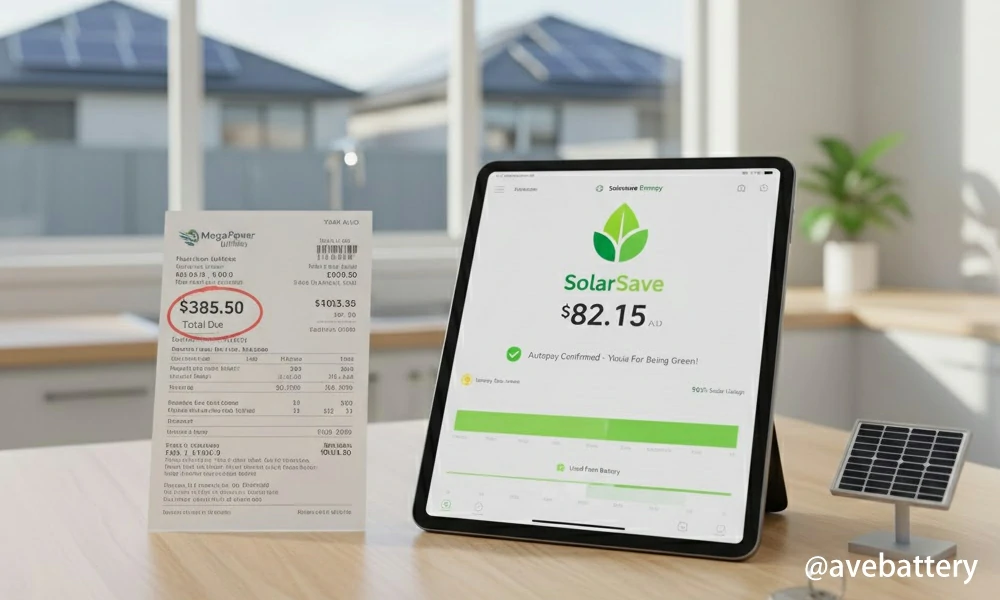
How Much Energy Can A 10kWh Battery Save By 2026?
A typical 10kWh battery can save between AUD 700 and AUD 1,500 per year on electricity bills, depending on energy consumption patterns and electricity prices. The typical payback period for a residential battery system is around 8 years. For newer hybrid systems, the payback period can range from 5 to 10 years, while combined solar + battery systems generally achieve an average payback period of 5.8 to 9.6 years, depending on the state and household energy usage.
The most cost-effective setups are typically found in households that have strong daytime solar generation, significant evening electricity consumption, and access to time-of-use tariffs, Virtual Power Plant (VPP) income, or both.
Is It Really Worth Buying Solar Batteries In Australia In 2026?
For many households, installing a solar energy storage system is no longer financially unrealistic, which was not the case just a few years ago. Federal government incentives have significantly shortened payback periods, and current pricing in Australia shows that 10kWh batteries have become more accessible and closer to mainstream affordability—especially when installed alongside new solar systems rather than retrofitted later.
However, this does not mean every household should purchase one. The ideal buyer in 2026 typically looks like this:
- Already has, or is installing, rooftop solar
- Consumes a significant amount of electricity after sunset
- Needs improved backup power reliability
- Faces high retail electricity prices
- Is eligible for federal support, and where possible, additional state-based incentives
Practical Buying Advice For 2026
When comparing quotes, homeowners should ask installers to break down pricing into the following components:
- Battery hardware
- Inverter or retrofit equipment
- Backup functionality
- Switchboard upgrades
- Labor and commissioning
- Rebate amounts passed through at point of sale
This single step makes it much easier to compare like-for-like systems and avoid misleading price differences.
Avepower Provides Multiple Options For Installers, Distributors, And Battery Buyers
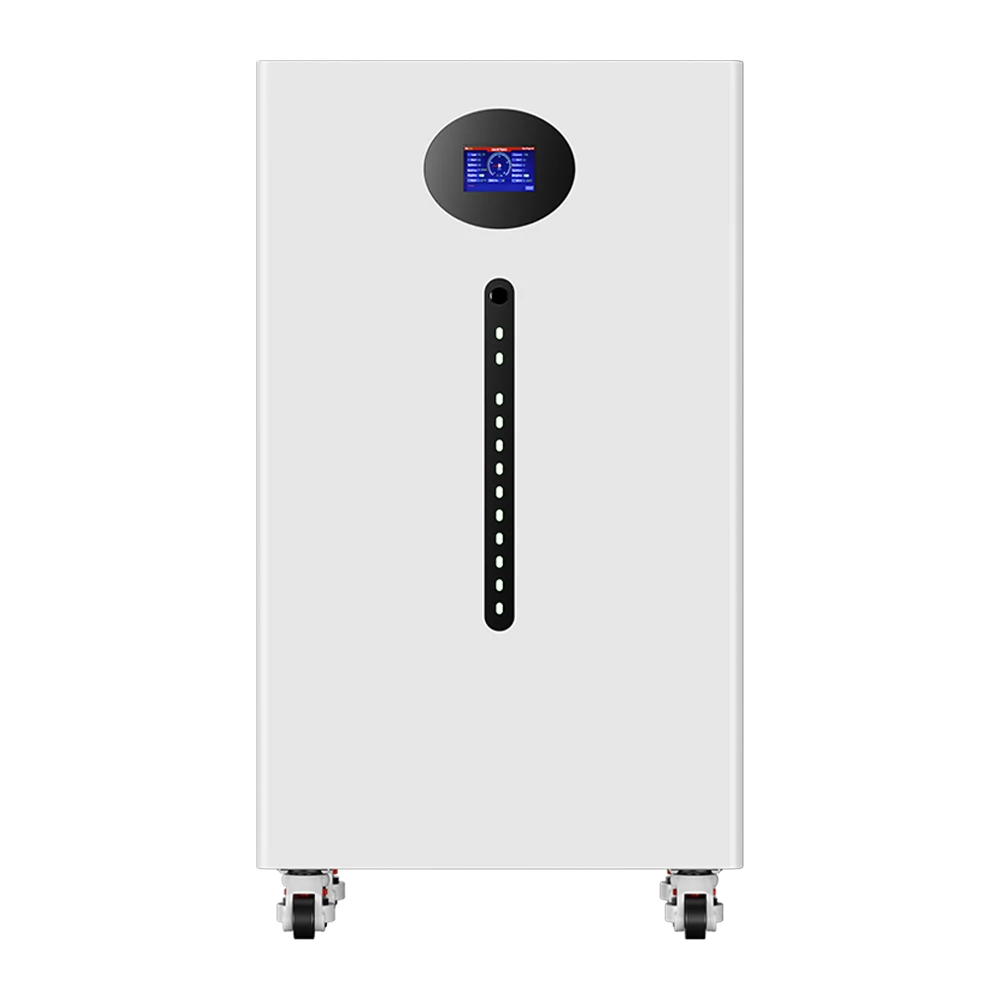
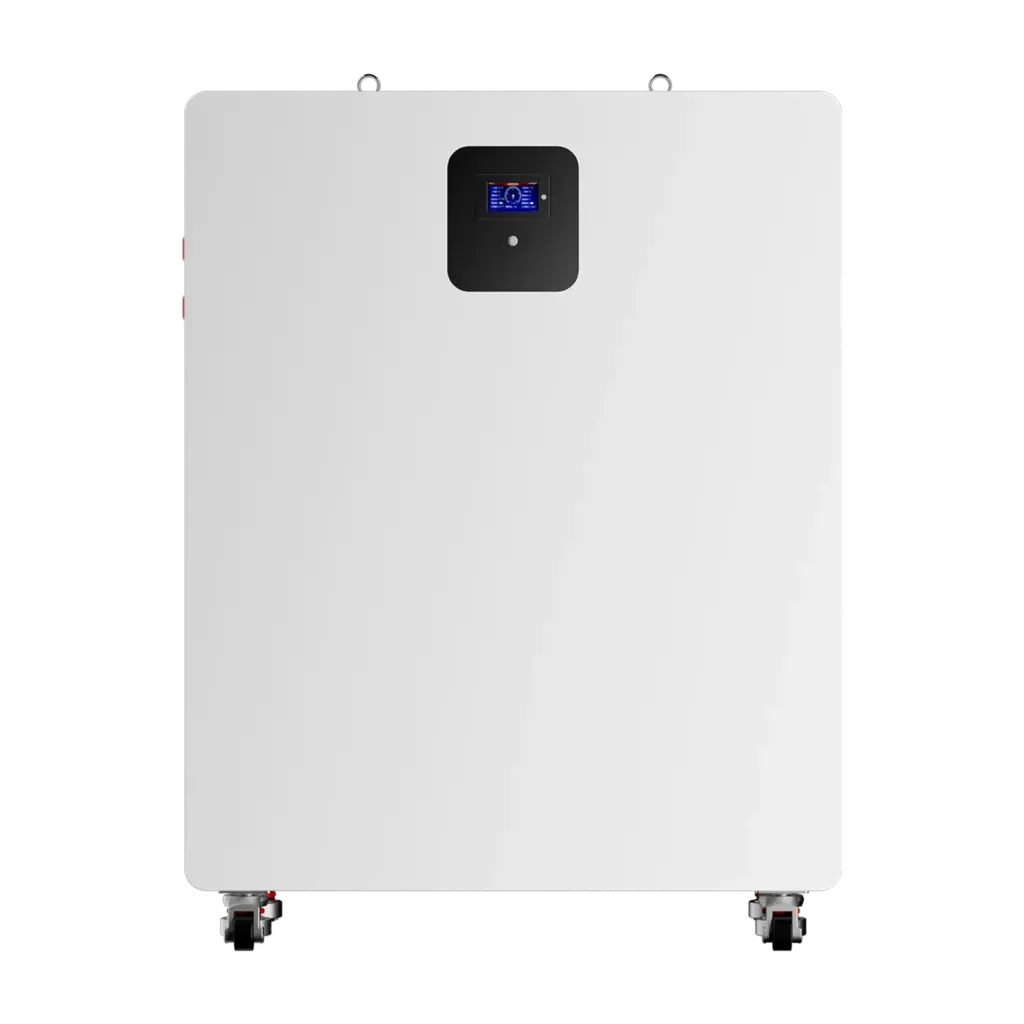
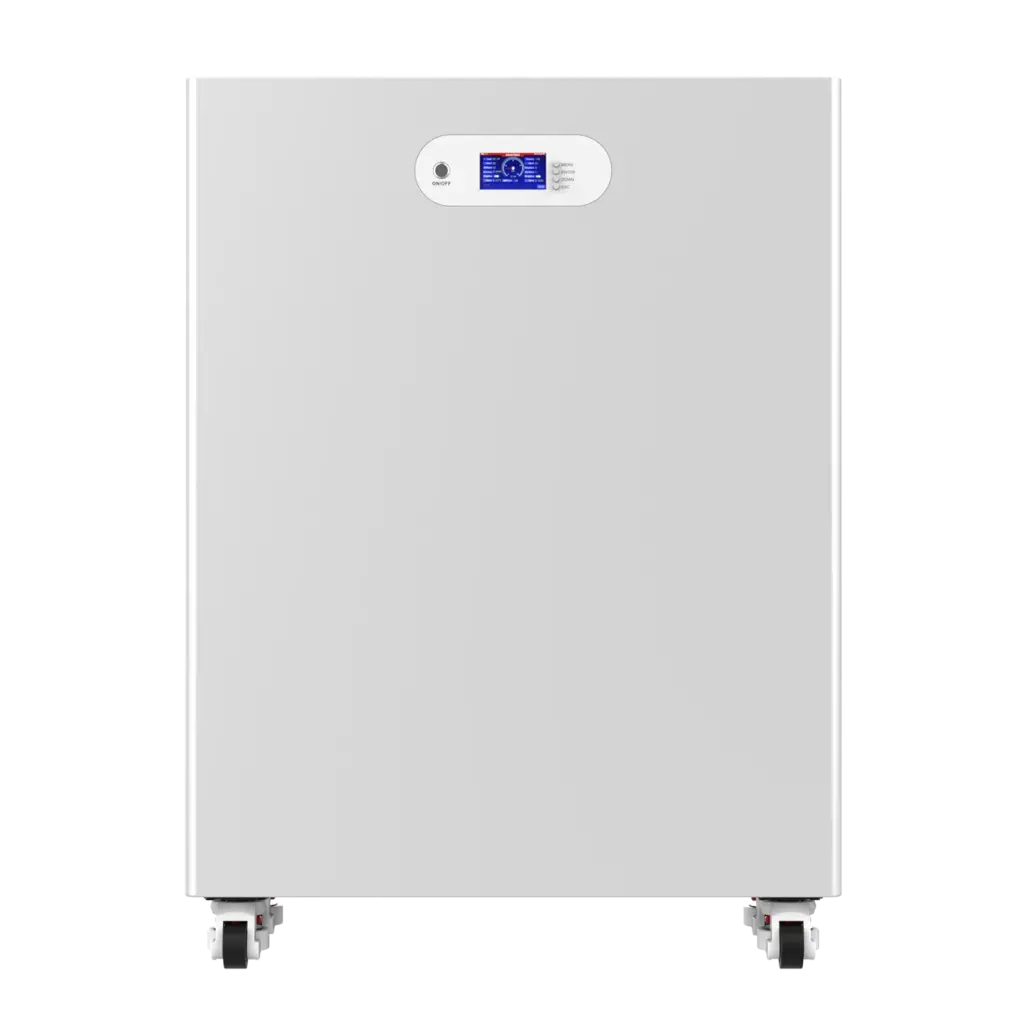
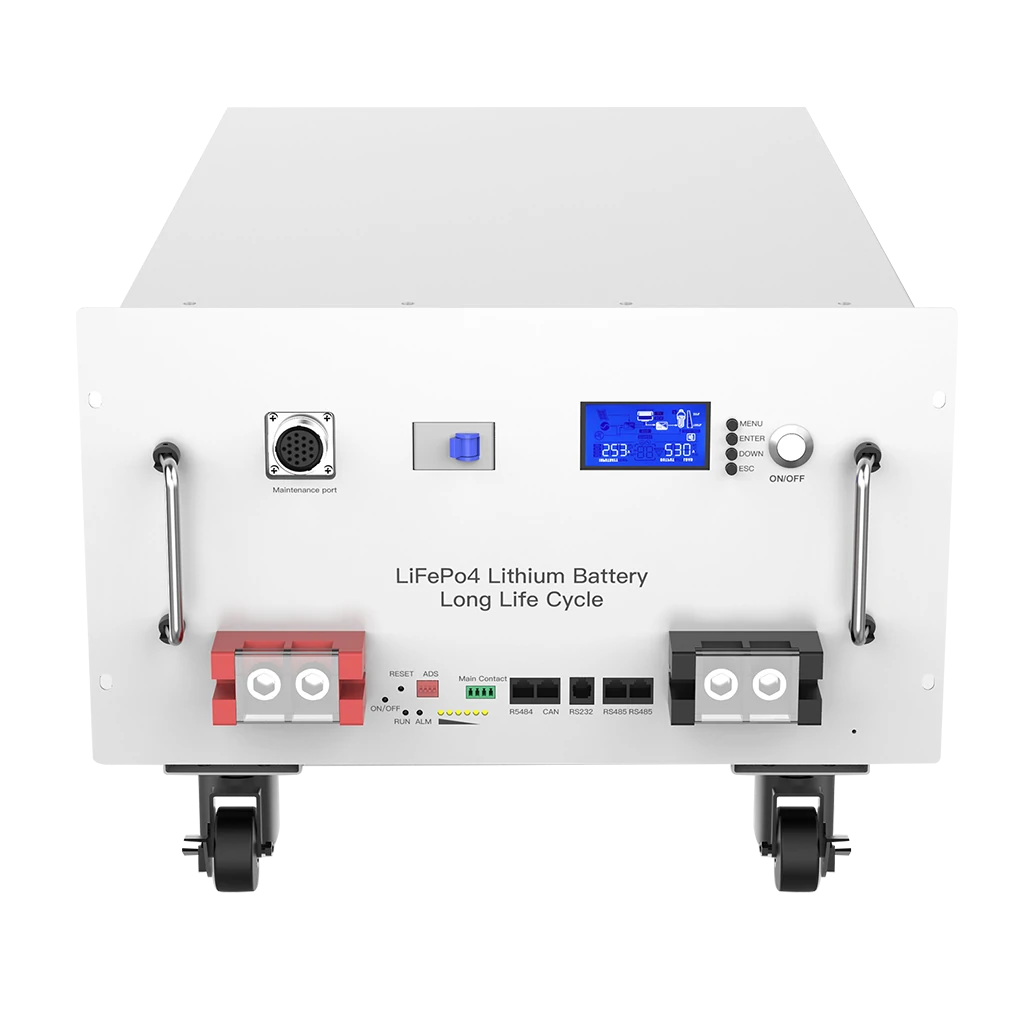
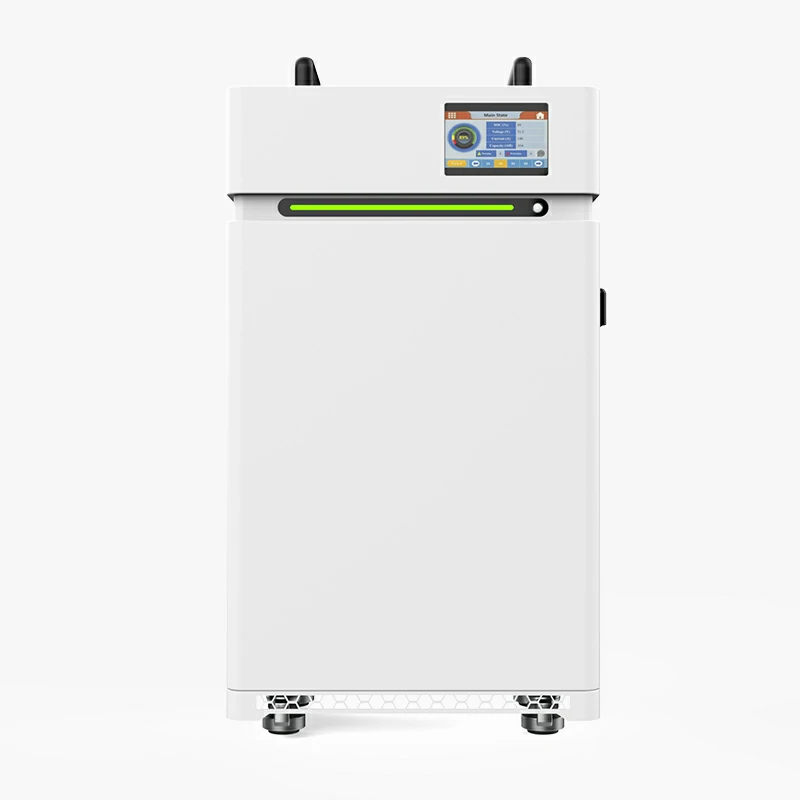
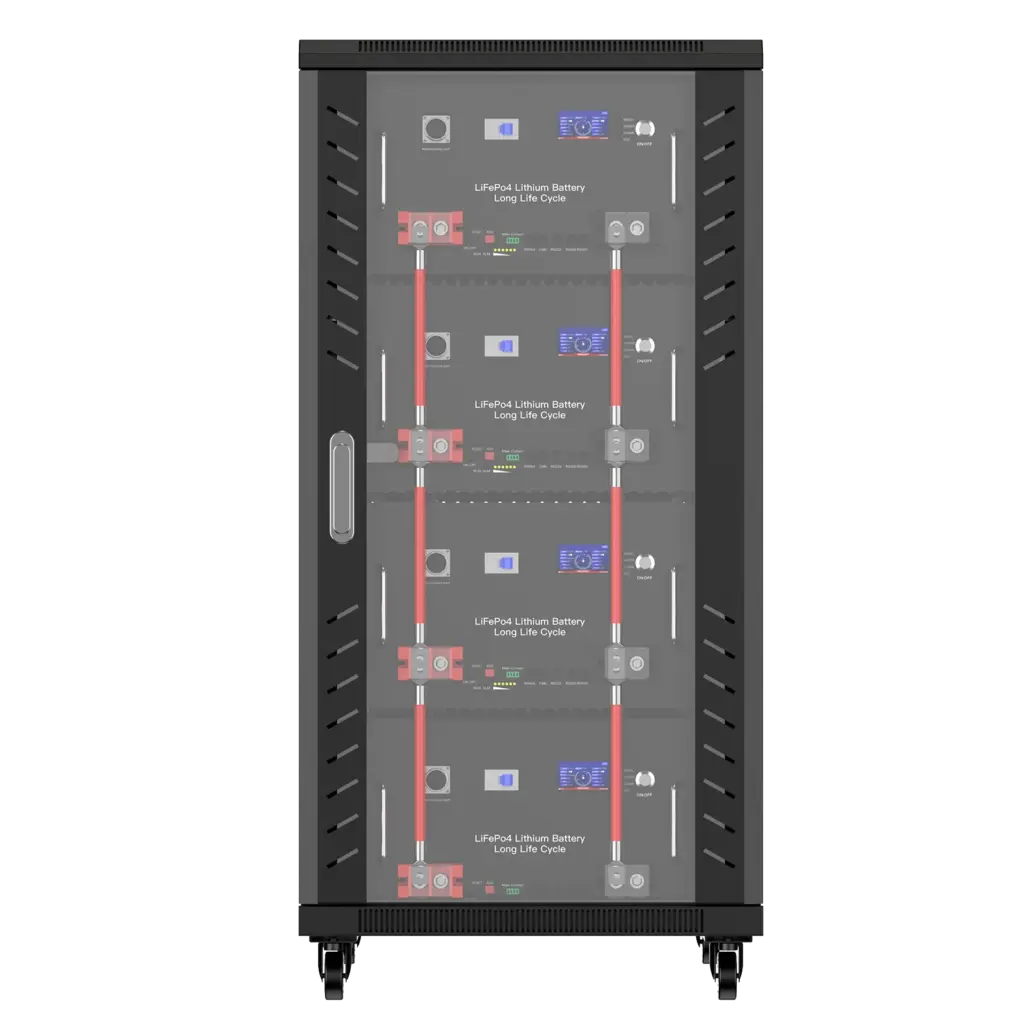
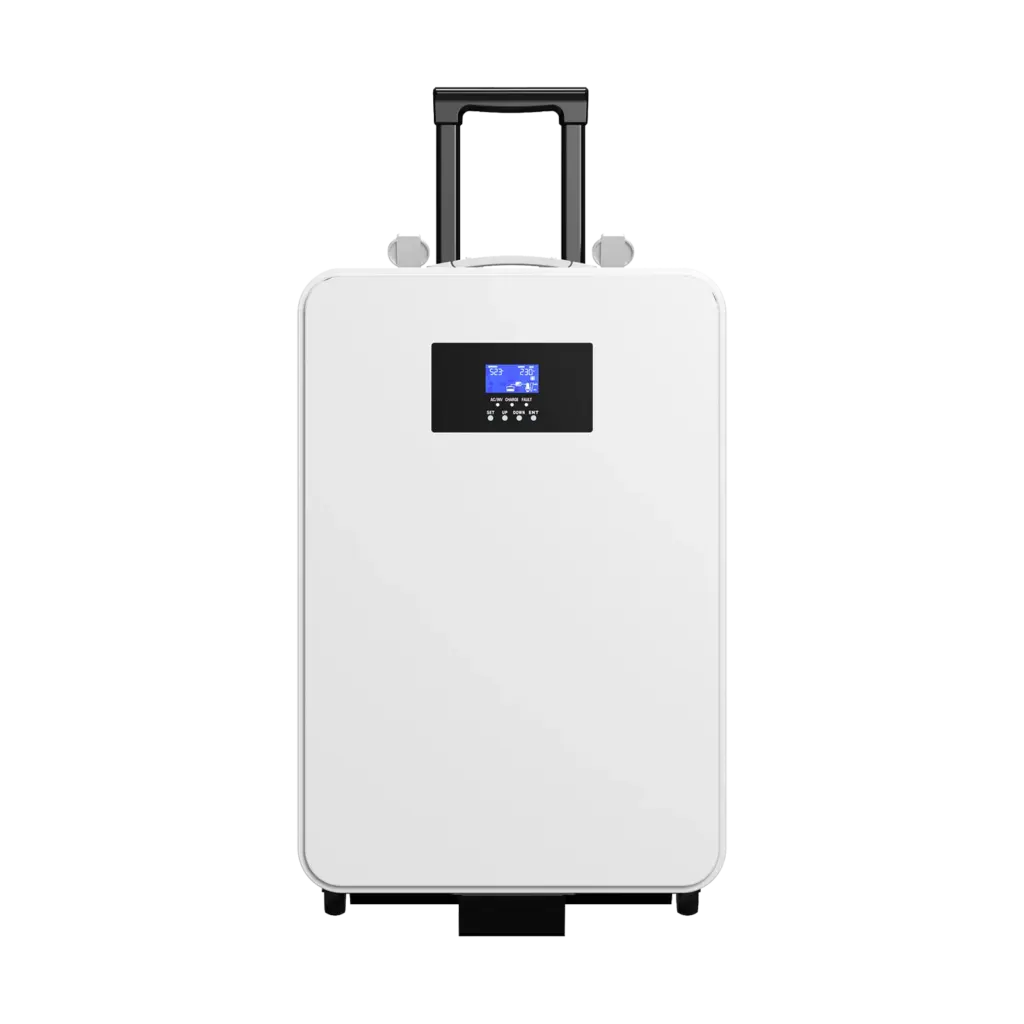
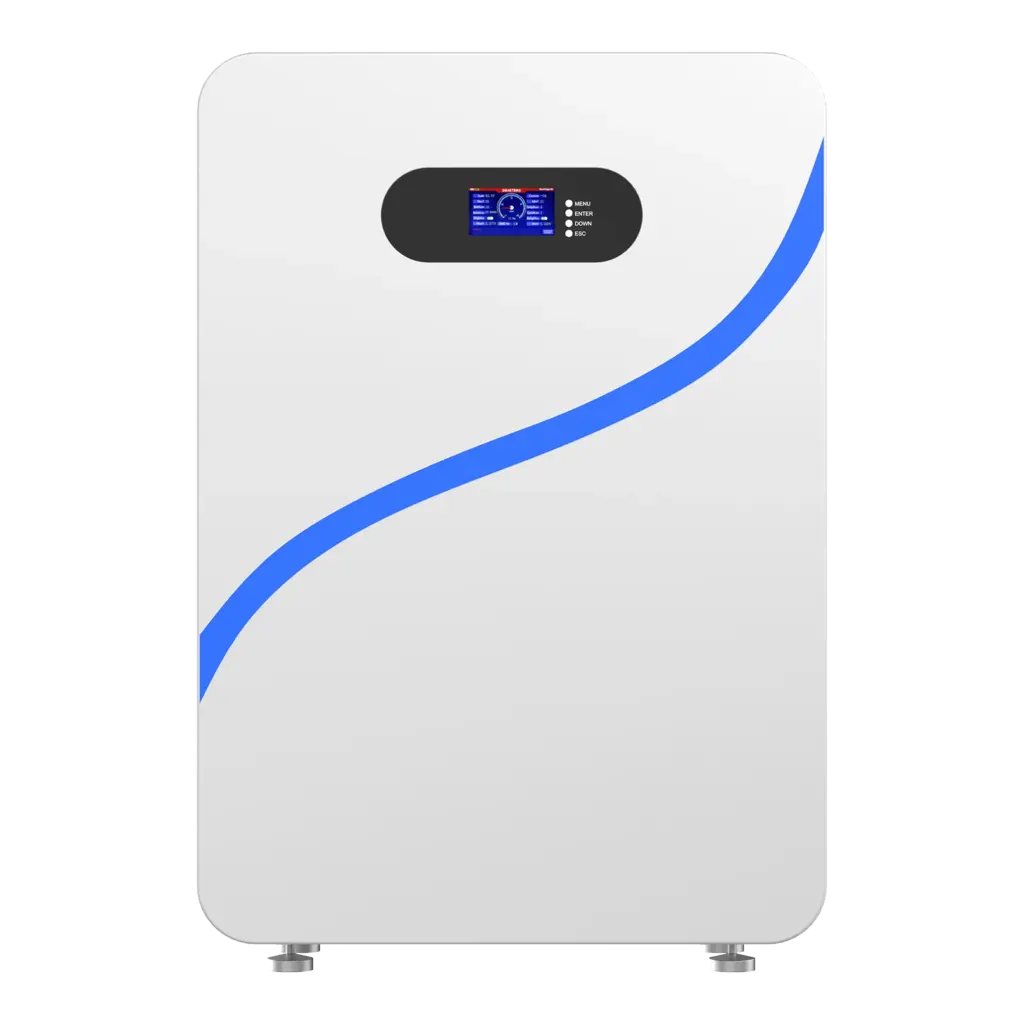
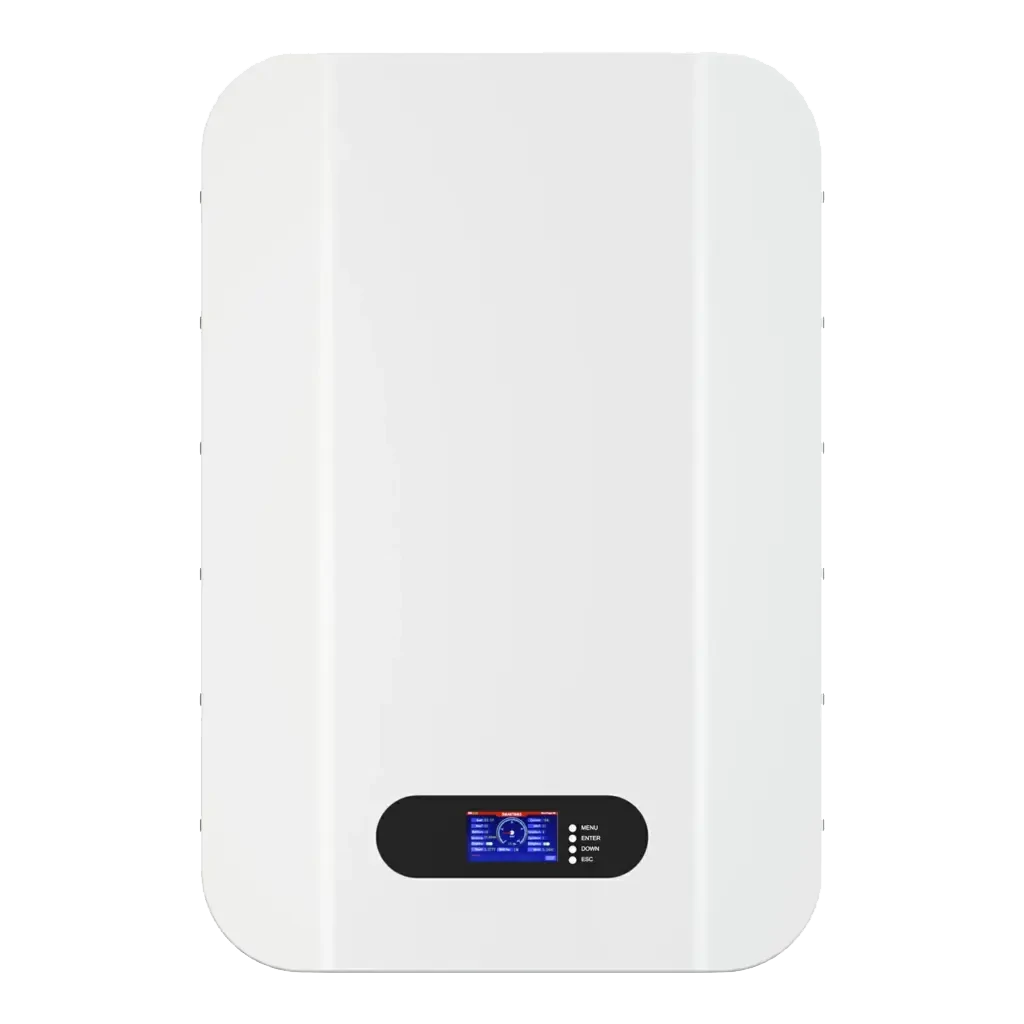
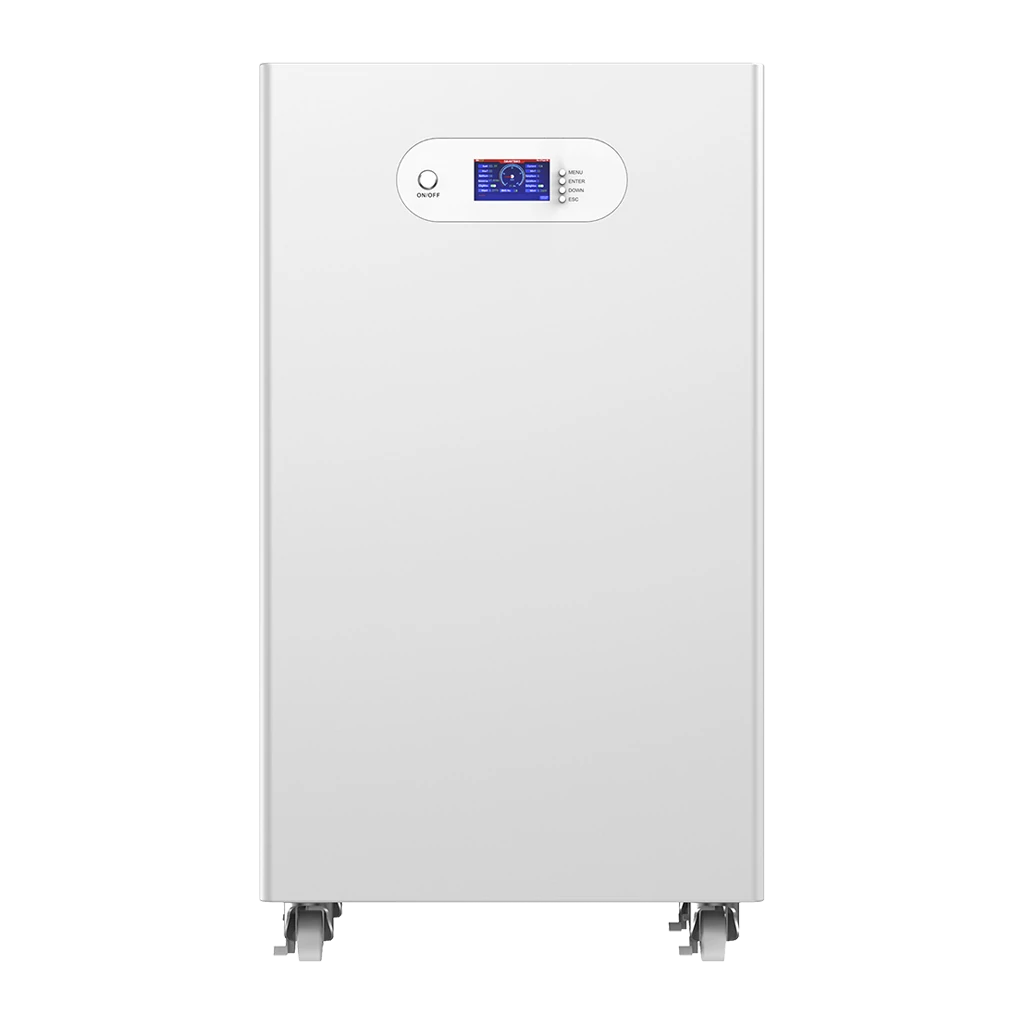
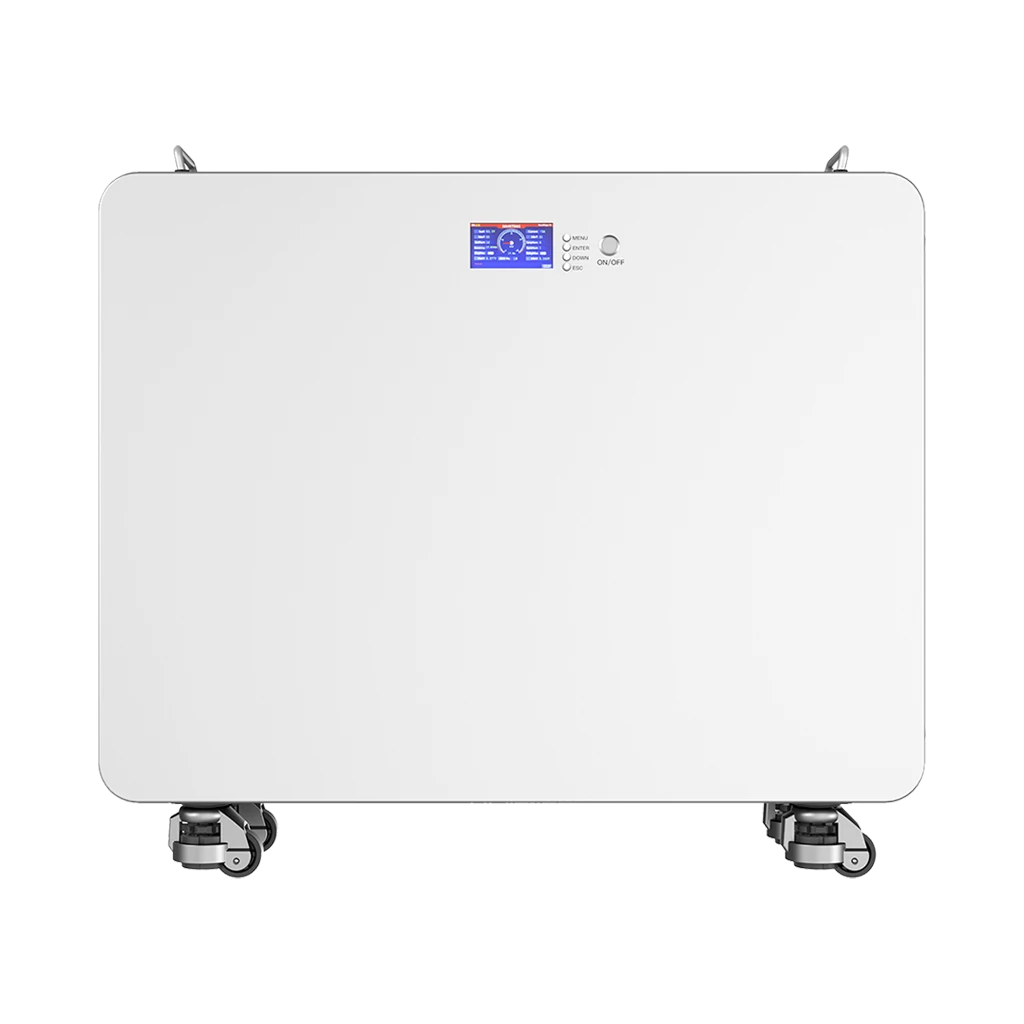
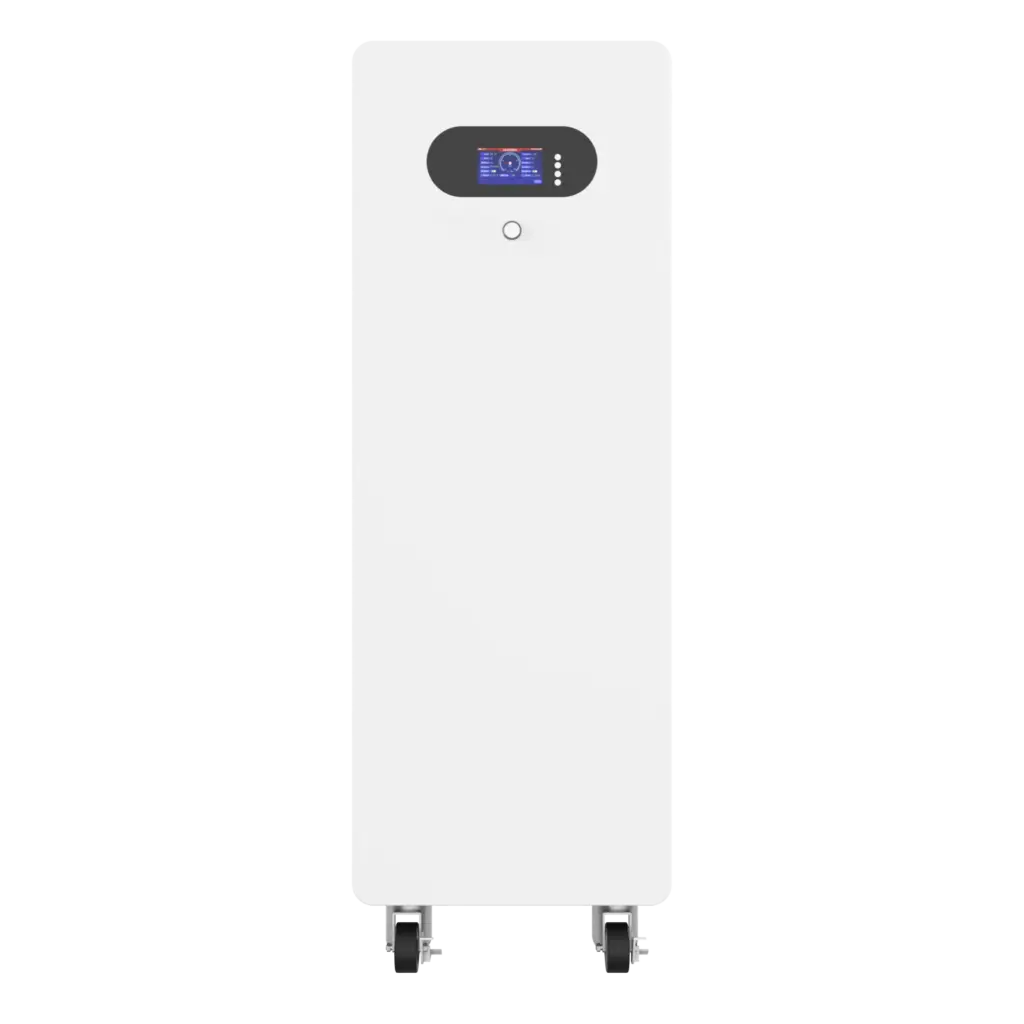
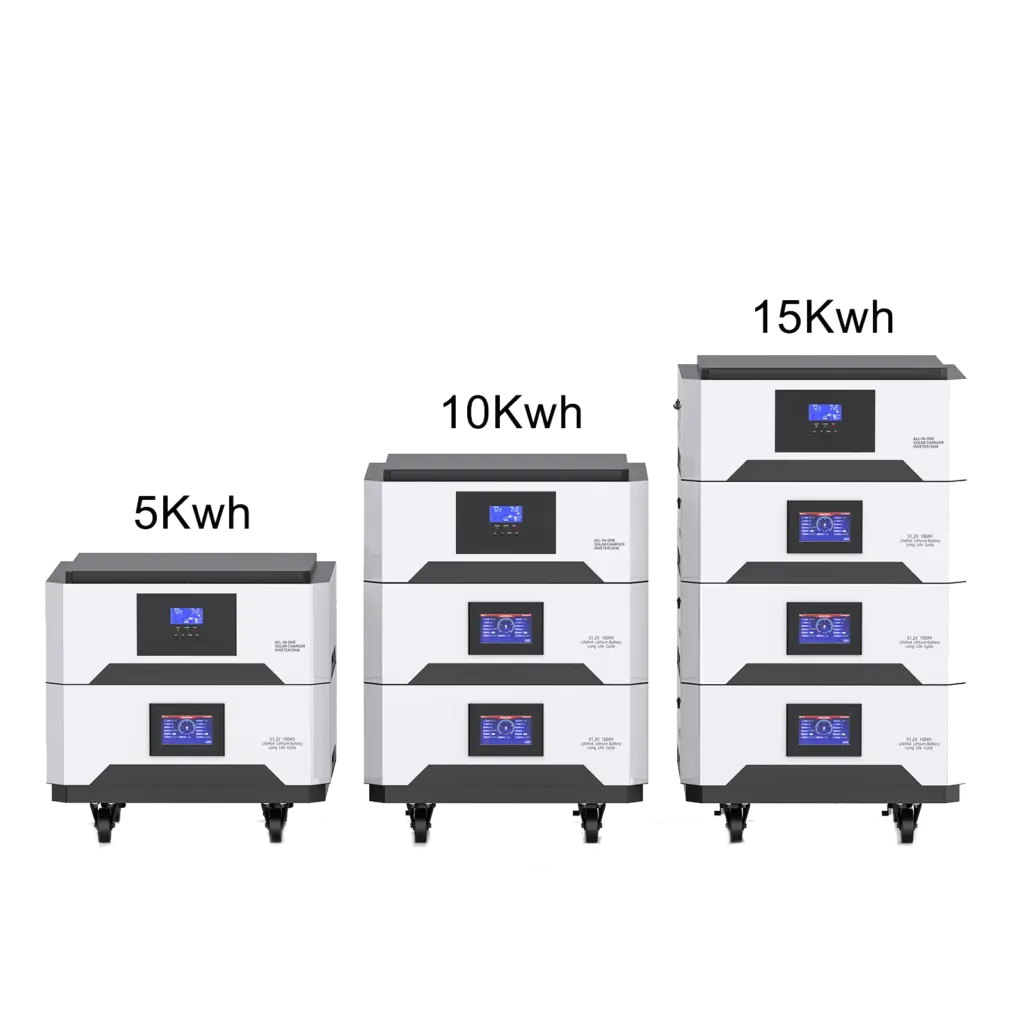
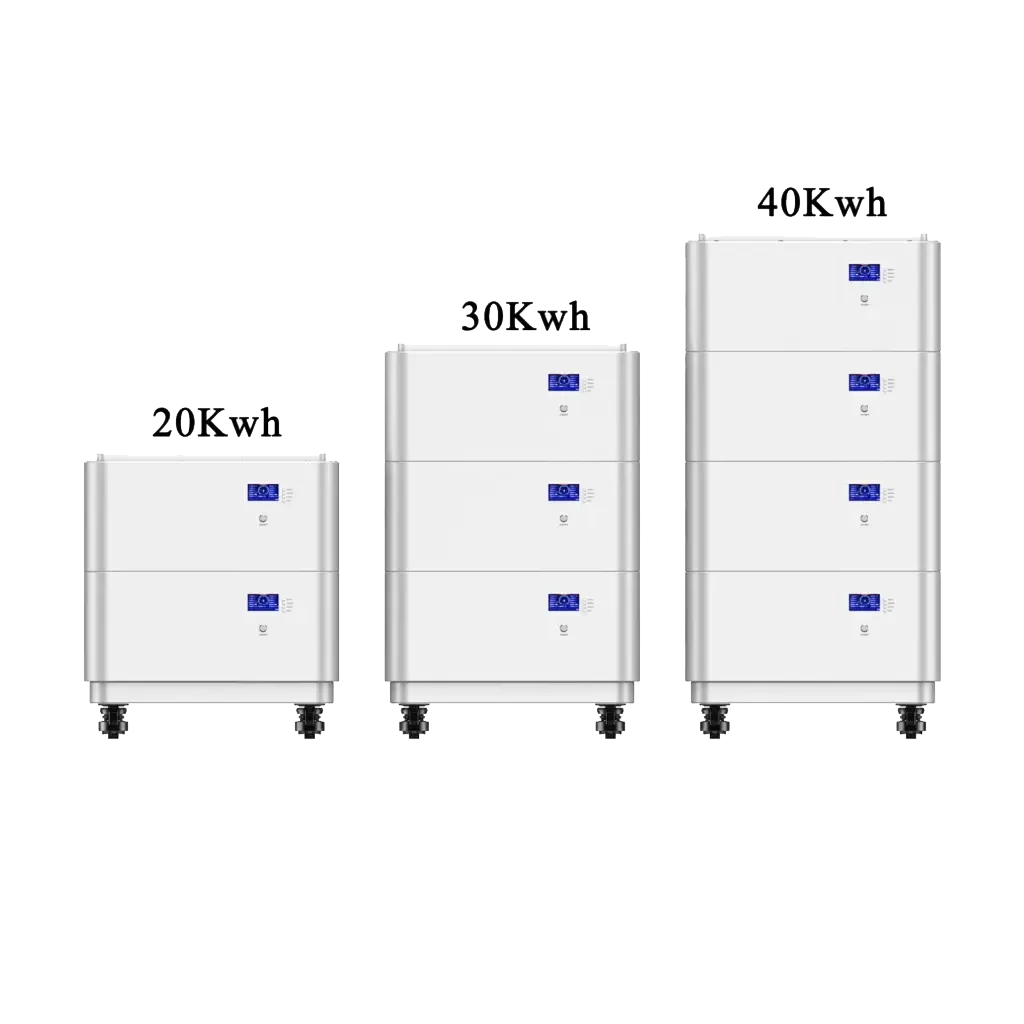
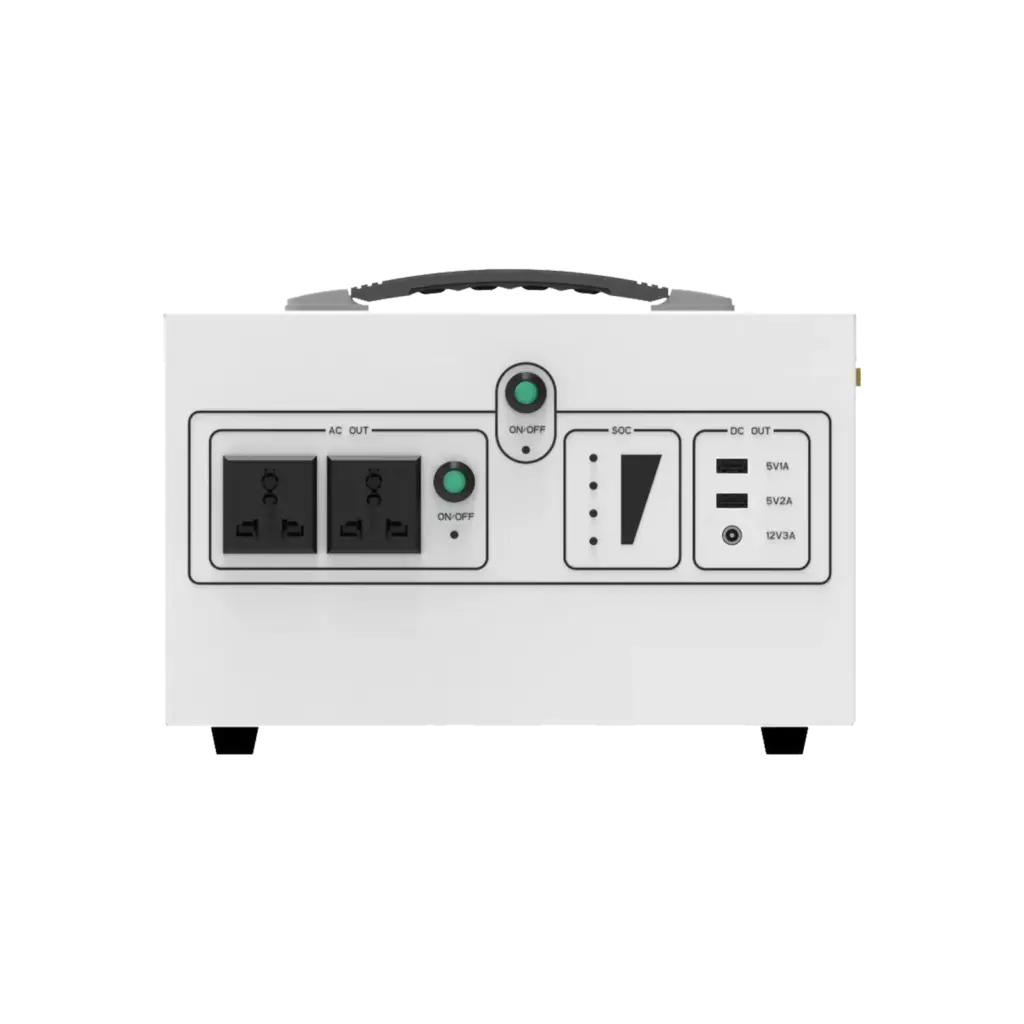
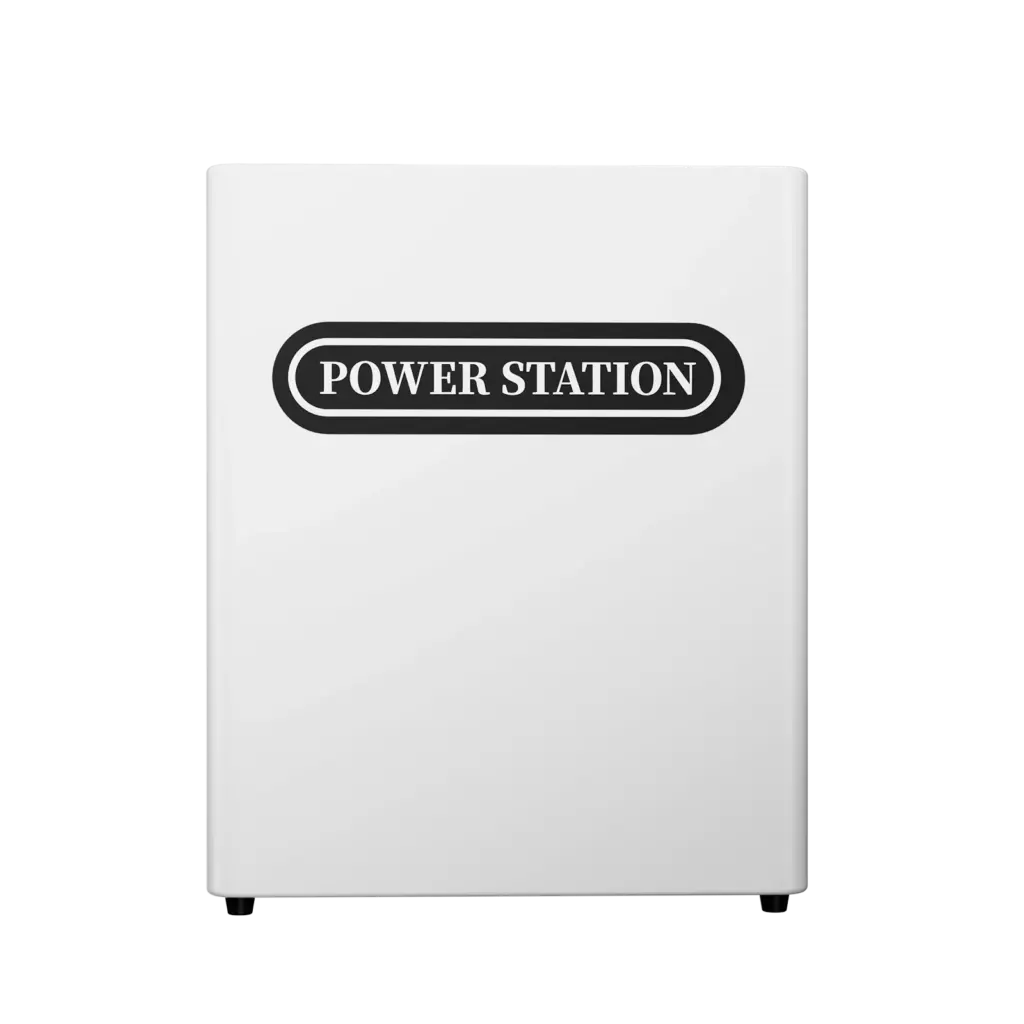
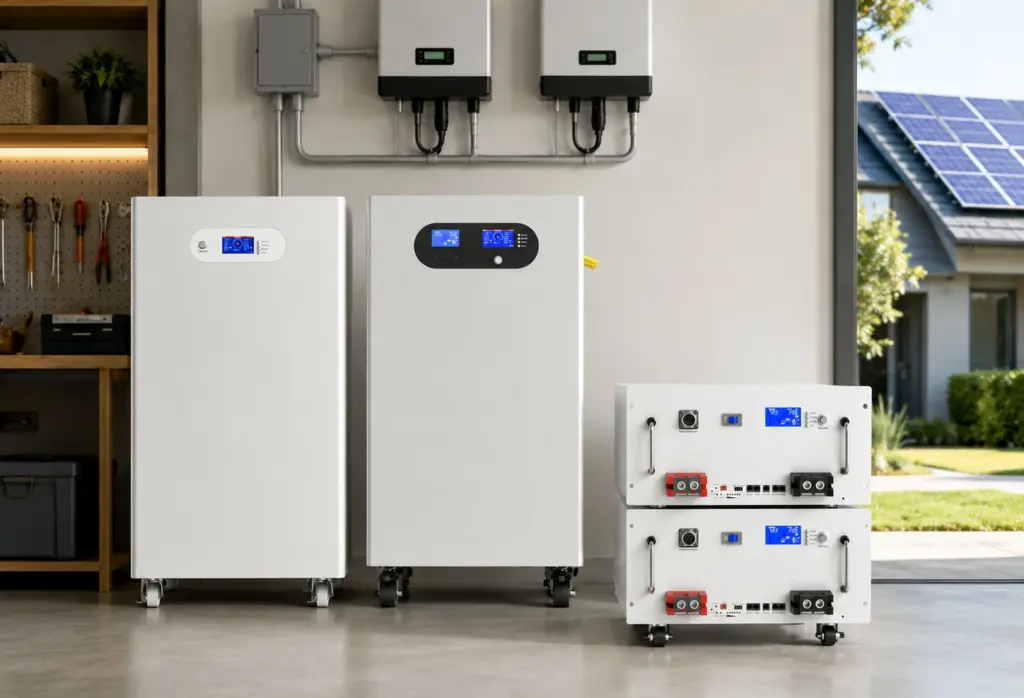
For buyers comparing 10kWh-class lithium iron phosphate (LiFePO4) battery systems, there is much more to consider beyond the listed price. Battery chemistry, Battery Management System (BMS) design, inverter compatibility, warranty terms, and scalability are all critical factors. Avepower’s home energy storage product range includes 10kWh wall-mounted, floor-standing, and stackable batteries, which are particularly useful for projects requiring different installation methods or future expansion. For installer-driven projects, this flexibility can be just as important as the upfront price.
Take Control of Your Energy with Avepower!
Reliable home solar battery solutions with OEM/ODM customization and in-house manufacturing, tailored to the needs of distributors, installers, and energy partners.
Conclusion
In Australia, the average price in 2026 for a 10kWh solar battery-only installation is around AUD 8,650, while a 10kWh battery with inverter system typically costs about AUD 10,350, with these averages already reflecting federal government incentives. A complete 10kW solar system plus a 10kWh battery generally costs between AUD 18,000 and AUD 23,500, depending on the installer, product tier, and site complexity.
For many Australian households, the key question in 2026 is no longer “Is a battery too expensive?”, but rather: whether a 10kWh capacity matches their usage patterns, and whether they should buy now or wait until after May 1st.
FAQ
In 2026, a typical installed price for a 10kWh battery in Australia usually falls in the range of about A$8,500 to A$12,000, depending on whether the system is battery-ready, whether an inverter is needed, and what backup features are included.
The final price depends on several factors, including battery brand, usable capacity, inverter requirements, backup capability, installation difficulty, switchboard upgrades, and local labour costs. A retrofit installation is often more expensive than installing a battery alongside a new solar system.
Yes. The Cheaper Home Batteries Program helps lower the upfront price of eligible battery systems in Australia. For many households, this rebate significantly reduces the installed cost compared with older 2025 price estimates.
Usually, yes. Installing a battery at the same time as a new solar system is often more cost-effective than retrofitting one later. This is because the installer can design the system as a whole and avoid some of the extra equipment and labour needed in retrofit projects.
For many homes, yes. A 10kWh battery is often suitable for households that already have rooftop solar and want to cover evening electricity use, improve solar self-consumption, and reduce grid reliance. Larger homes with EV charging, heavy air conditioning, or backup needs may require more capacity.
For many Australian households, a 10kWh battery is more attractive in 2026 than it was in previous years because battery rebates have improved the economics. It can be especially worthwhile for homes with high electricity prices, strong solar output, and a desire for backup power or better energy independence.
You should compare more than just the headline price. Look at the battery chemistry, usable capacity, warranty, cycle life, inverter compatibility, backup function, installation scope, and whether the rebate is already included in the quoted price. This helps you compare quotes more accurately.