
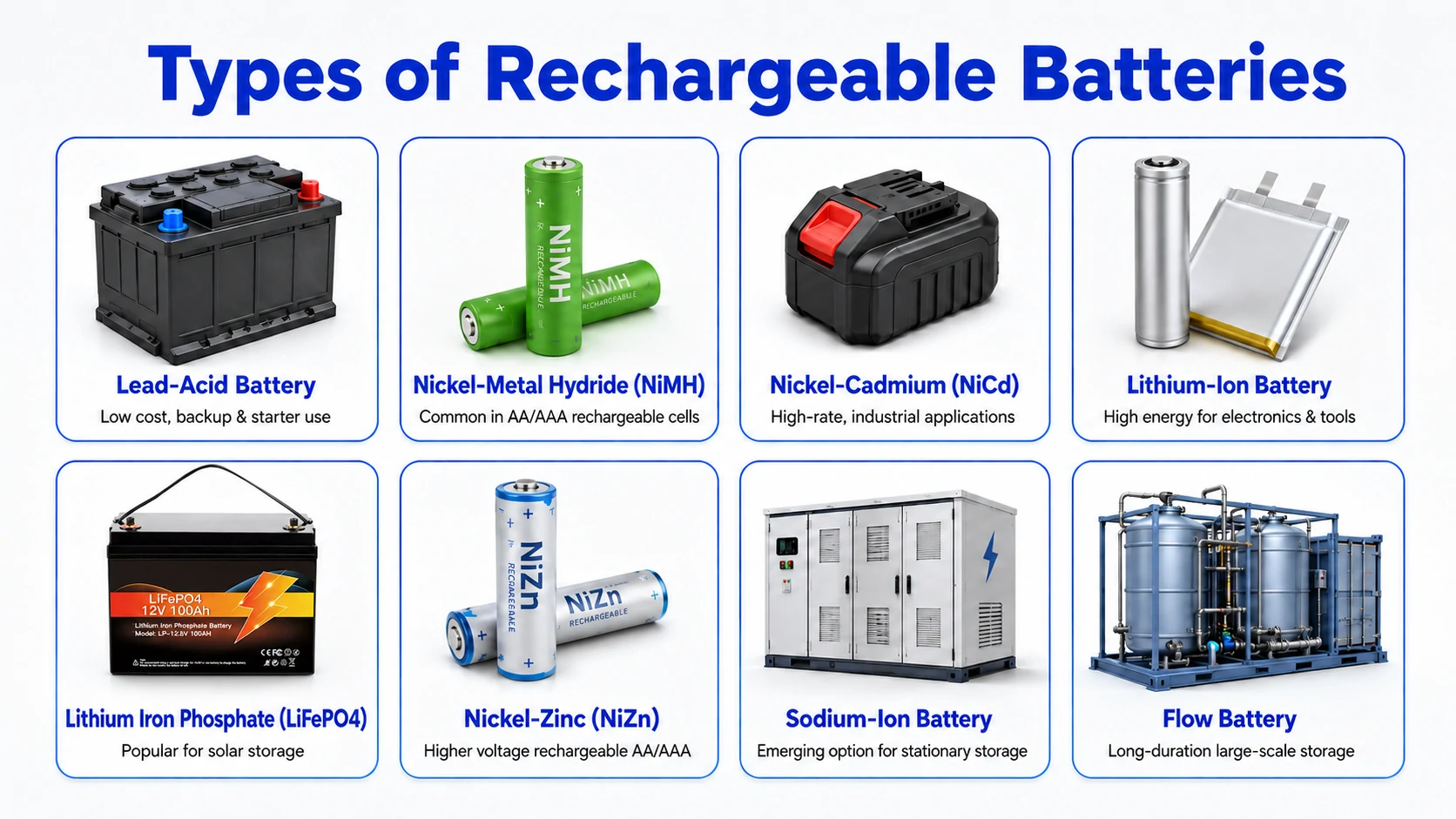
Rechargeable batteries are not one single technology. The main commercial families include lead-acid, nickel-cadmium, nickel-metal hydride, nickel-zinc and lithium-ion, while sodium-ion, flow, nickel-iron and silver-zinc batteries serve emerging or specialised applications. The best choice depends on voltage, energy density, power demand, cycle conditions, charging method, temperature, safety requirements and total lifetime cost.
A low-cost lead-acid battery may still be suitable for engine starting or occasional backup. NiMH is often practical for replaceable AA and AAA devices. High-energy lithium-ion chemistries are used in portable electronics and electric vehicles, while lithium iron phosphate, or LiFePO4, is frequently selected for solar storage, backup power and stationary energy systems.
What Are the Main Types of Rechargeable Batteries?
The main types of rechargeable batteries are lead-acid, nickel-cadmium, nickel-metal hydride, nickel-zinc and lithium-ion. Commercially important lithium-ion subtypes include LCO, LMO, NMC, NCA, LiFePO4 and LTO. Sodium-ion and flow batteries are also developing for stationary and long-duration storage, but they are not universal replacements for lithium-ion.
| Rechargeable Battery Type | Typical Nominal Cell Voltage | Representative Specific Energy | Representative Cycle-Life Potential | Main Advantage | Best-fit Applications | Important Limitation |
|---|---|---|---|---|---|---|
| Lead-acid | About 2.0–2.1V | About 30–50Wh/kg | Usually below 1,000 full-depth cycles | Low initial cost and high surge current | Starting batteries, UPS, occasional backup | Heavy and sensitive to repeated deep discharge |
| Nickel-cadmium, NiCd | About 1.2V | About 40–60Wh/kg | Roughly 500–2,000, design-dependent | Strong high-rate and low-temperature performance | Aviation, emergency lighting, industrial backup | Contains toxic cadmium and faces regulatory restrictions |
| Nickel-metal hydride, NiMH | About 1.2V | About 60–120Wh/kg | Roughly 300–2,000 | Available in common AA and AAA formats | Cameras, toys, controllers, household devices | Higher self-discharge and lower voltage than alkaline cells |
| Nickel-zinc, NiZn | About 1.6V | Product-dependent | Product-dependent | Voltage closer to disposable alkaline batteries | High-drain AA/AAA equipment requiring higher voltage | Requires a dedicated NiZn charger |
| High-energy lithium-ion | About 3.6–3.85V | About 100–265Wh/kg | Roughly 400–2,000 | High energy in a compact, lightweight package | Phones, laptops, EVs, power tools | Requires precise charging and protection electronics |
| Lithium iron phosphate, LFP | About 3.2–3.3V | About 90–160Wh/kg | Commonly above 6,000 under defined conditions | Long cycle potential and strong thermal stability | Solar storage, RVs, backup and stationary systems | Lower specific energy than high-nickel lithium chemistries |
| Lithium titanate, LTO | About 2.3–2.4V | About 50–80Wh/kg | Commonly above 5,000 under defined conditions | Fast charging, high power and long cycle potential | Transit, industrial equipment and high-duty systems | Low energy density and higher cost |
| Sodium-ion | Chemistry-dependent | Developing rapidly | Product-dependent | Material diversity and potential cost advantages | Stationary storage and cost-sensitive applications | Lower maturity and not a drop-in lithium replacement |
| Redox flow battery | System-dependent | Low at system level | Can exceed 10,000 cycles in some designs | Energy capacity can be expanded through larger electrolyte tanks | Long-duration commercial and grid storage | Low energy density, pumps and complex balance-of-plant |
Need a Rechargeable Battery for Solar Storage?
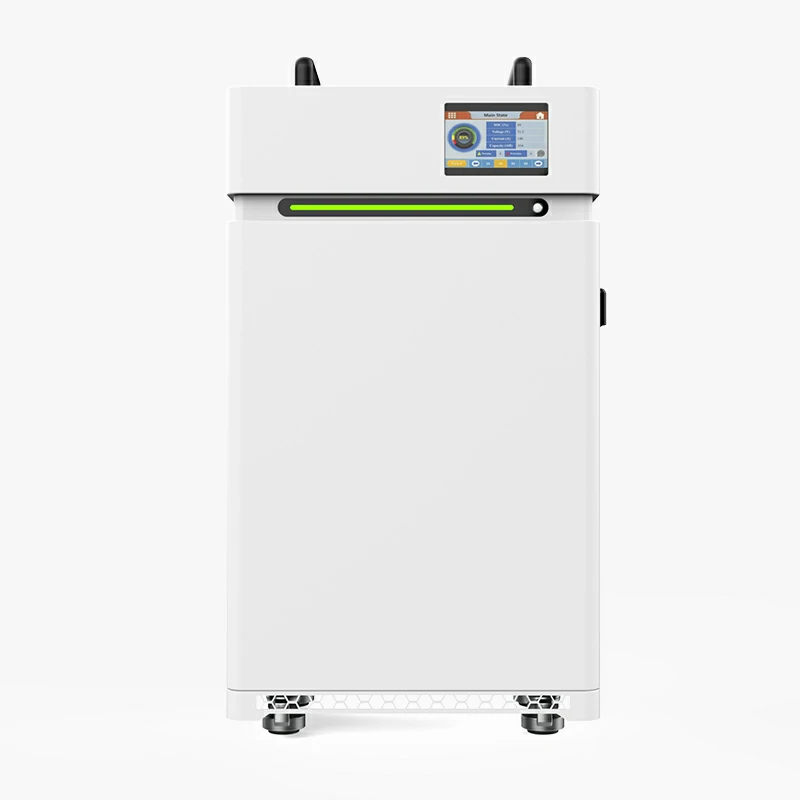
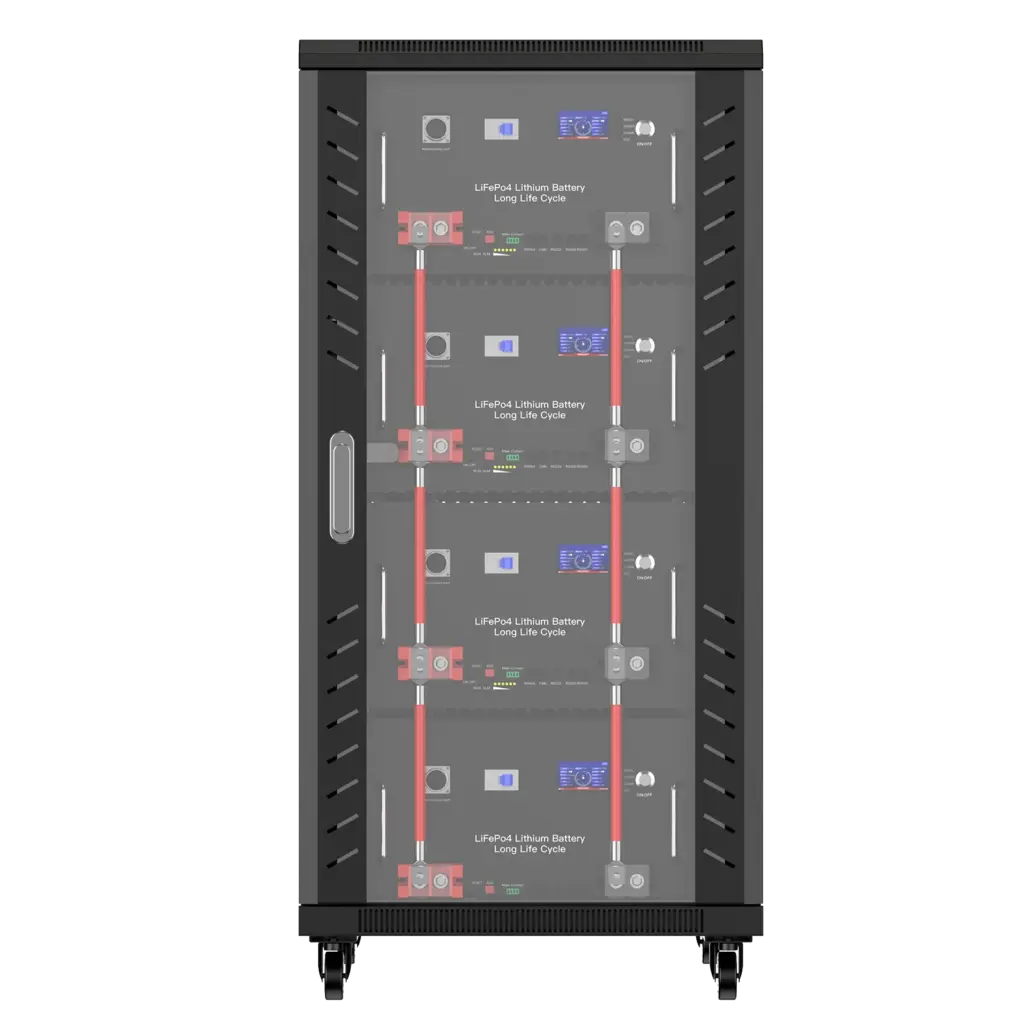
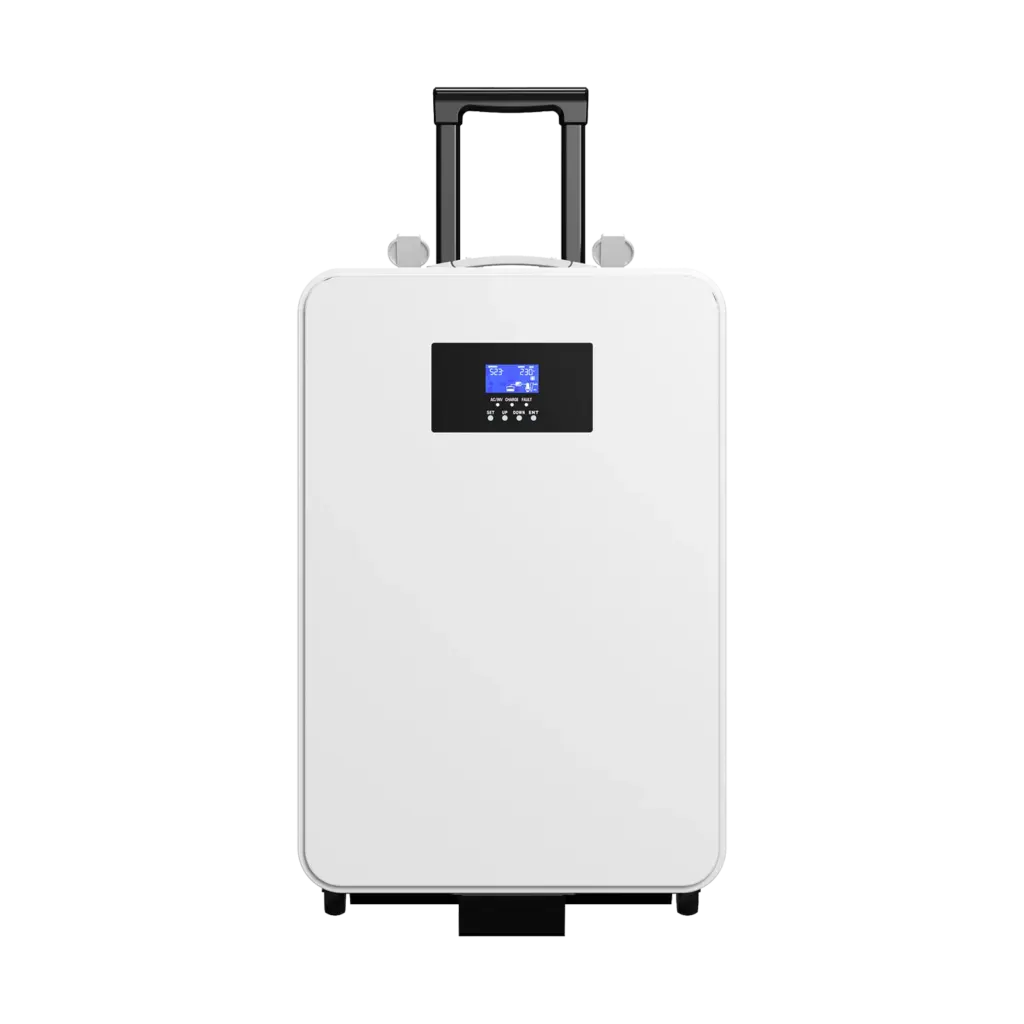
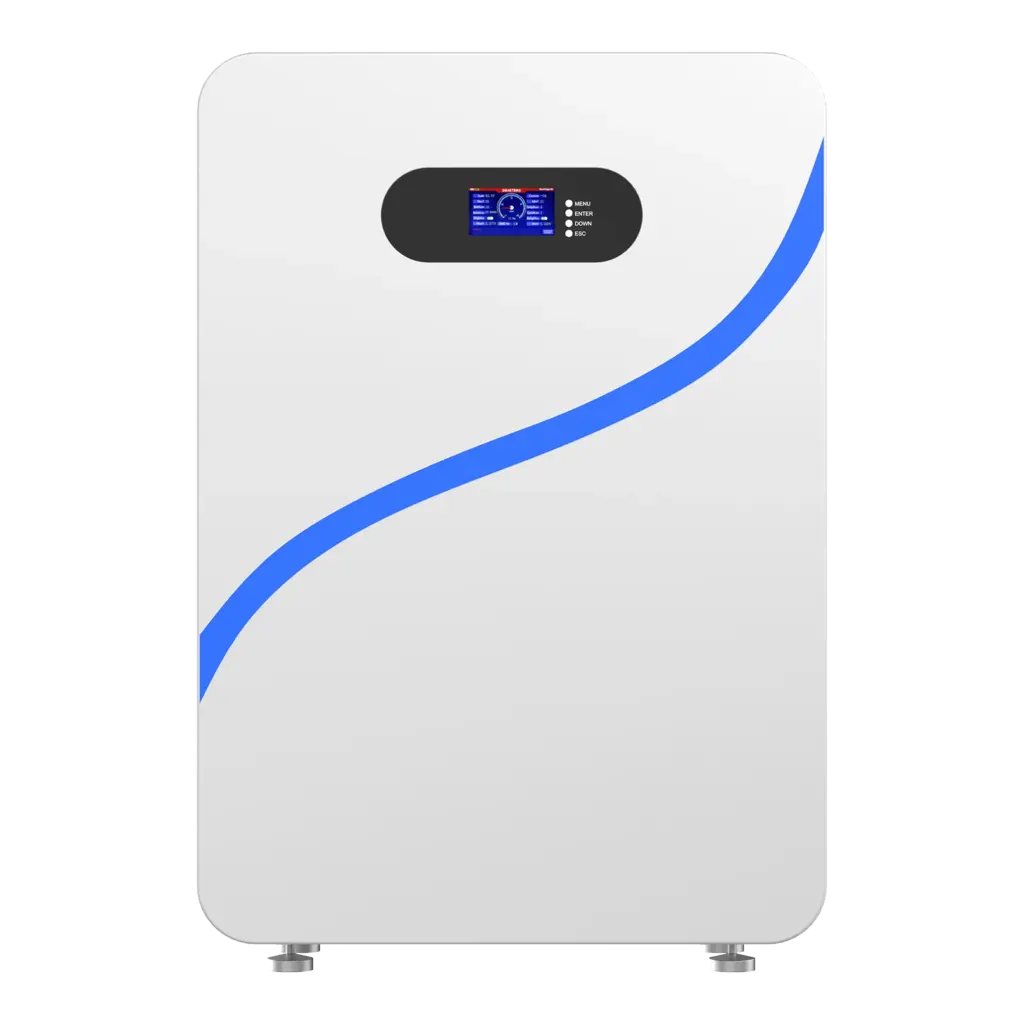
Explore Avepower’s LiFePO4 battery systems for residential, off-grid and small commercial applications, available in wall-mounted, rack-mounted, stackable and high-voltage configurations.
What Is a Rechargeable Battery?
A rechargeable battery, also called a secondary battery, stores electrical energy through a reversible electrochemical reaction. Charging drives the internal reaction in one direction, while discharging reverses it and releases electrical energy to the load. The reaction is only partly reversible, so capacity and internal resistance change gradually over time.
Every rechargeable cell contains a positive electrode, negative electrode, electrolyte, separator and current collectors. The selected materials determine the cell voltage, energy density, charging method, thermal behaviour and degradation mechanisms.
A battery should also be understood at four different levels:
| Level | What it Means | Example |
|---|---|---|
| Chemistry | Active electrochemical materials | LFP, NMC, NiMH or lead-acid |
| Cell format | Physical construction | Cylindrical, prismatic, pouch or flooded cell |
| Battery pack | Multiple cells plus connections and protection | 12V tool battery or 51.2V battery module |
| Complete system | Battery, BMS, enclosure, inverter or PCS and controls | Home solar battery or commercial ESS |
This distinction prevents a common mistake: comparing a laboratory cell specification directly with a finished battery system.
For a more detailed explanation of chemical and electrical energy conversion, see what type of energy is stored in a battery.
How Should Rechargeable Batteries Be Classified?
Rechargeable batteries should first be classified by electrochemical family, then by cell construction, voltage platform and intended application. Treating “lithium,” “pouch,” “48V” and “solar battery” as equivalent categories produces misleading comparisons because each term describes a different characteristic of the battery.
A useful classification sequence is:
- Chemistry: lead-acid, nickel-based, lithium-ion, sodium-ion or flow.
- Subchemistry: LCO, NMC, NCA, LMO, LFP or LTO.
- Cell format: cylindrical, prismatic, pouch, button or flooded.
- Pack voltage: 1.2V, 3.2V, 12V, 24V, 48V, 51.2V or high voltage.
- Application: portable electronics, traction, starting, UPS, solar storage or grid storage.
- Duty cycle: occasional standby, frequent shallow cycling, daily deep cycling or high-power pulses.
- Compliance: portable, industrial, transport, automotive or stationary-system requirements.
This approach makes it easier to compare products that perform the same job rather than products that merely share a similar name.
When Is a Lead-Acid Battery Still the Right Choice?
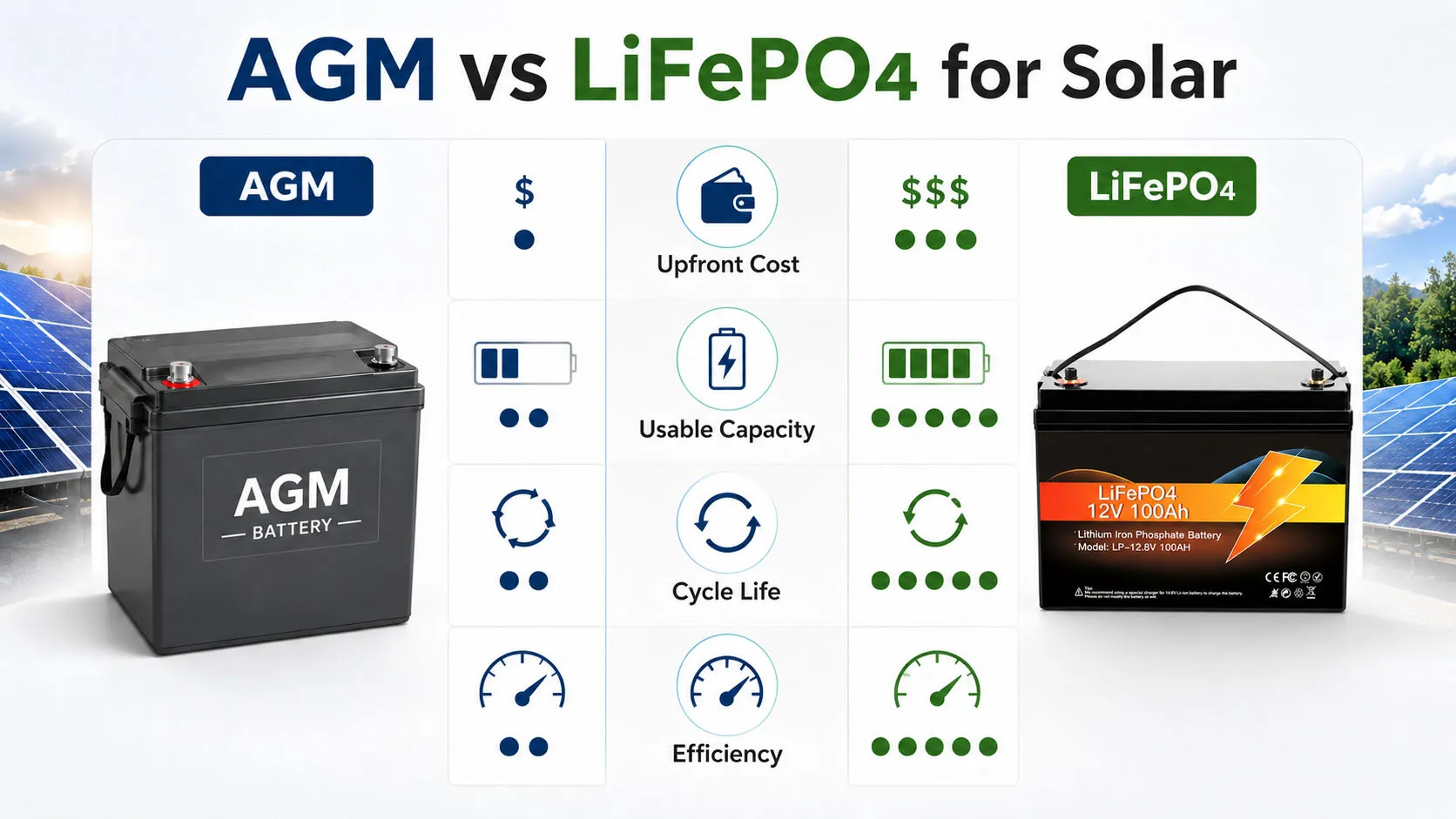
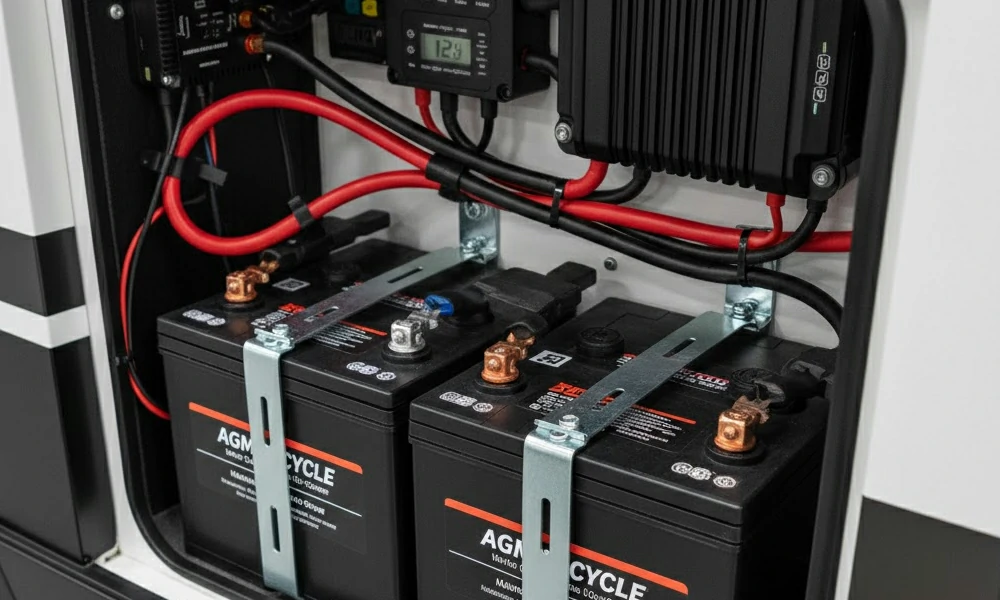
Lead-acid remains useful when low initial cost, mature supply, high surge current and established recycling are more important than weight, usable depth of discharge and daily cycle life. It is still appropriate for engine starting, some UPS systems, emergency backup and installations where the battery is discharged only occasionally.
The lead-acid family includes:
- Flooded lead-acid;
- Absorbent glass mat, or AGM;
- Gel lead-acid;
- Valve-regulated lead-acid, or VRLA;
- Deep-cycle lead-acid.
Flooded batteries can require electrolyte checks, ventilation and additional maintenance. AGM and gel designs reduce maintenance and leakage risk but still retain the weight and deep-cycling limitations of lead-based chemistry.
Lead-acid is generally less suitable when:
- The system cycles deeply every day;
- Installation space and weight are limited;
- High usable capacity is required from the nameplate rating;
- Fast charging is necessary;
- Maintenance access is difficult;
- Long replacement intervals are essential.
What Types of Lithium-Ion Rechargeable Batteries Are Available?
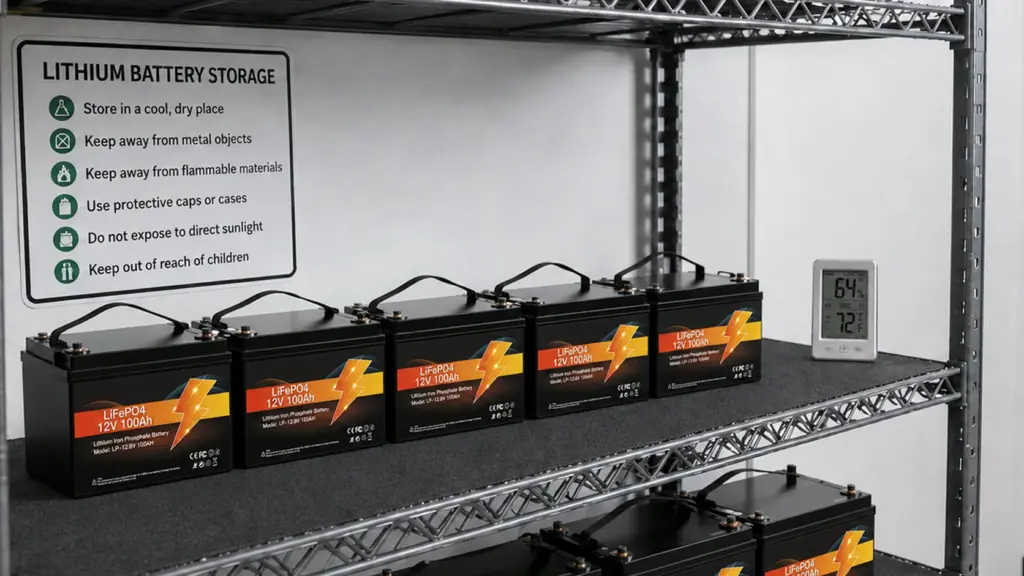
Lithium-ion is a family of rechargeable technologies rather than one uniform battery. The cathode, anode, electrolyte, cell construction and control system determine whether a lithium-ion battery prioritises energy density, power, fast charging, cycle life, cost or thermal stability.
How Do the Main Lithium-Ion Chemistries Compare?
| Lithium-ion Subtype | Main Strength | Typical Applications | Main Trade-off |
|---|---|---|---|
| Lithium cobalt oxide, LCO | High specific energy | Phones, cameras and compact electronics | Lower thermal margin and limited high-power suitability |
| Lithium manganese oxide, LMO | Good power capability | Power tools, medical devices and blended EV cells | Shorter cycle potential than some alternatives |
| Nickel manganese cobalt, NMC | Balanced energy, power and cycle performance | EVs, mobility and energy-dense packs | Performance changes substantially with nickel content |
| Nickel cobalt aluminium, NCA | High energy and power | Electric vehicles and specialised packs | Requires careful thermal and BMS control |
| Lithium iron phosphate, LFP | Cycle life, thermal stability and cobalt-free cathode | Solar storage, backup, RV, marine and commercial ESS | Lower specific energy than NMC or NCA |
| Lithium titanate, LTO | Fast charge, power and long cycle life | Buses, industrial machinery and high-duty systems | Low energy density and higher upfront cost |
Is LiPo a Separate Rechargeable Battery Chemistry?
LiPo should not automatically be treated as a completely separate cathode chemistry. In commercial use, “lithium-polymer” may describe a polymer-containing electrolyte, a pouch-style construction or a lithium-ion product marketed as LiPo.
Pouch cells can provide packaging flexibility and high pack-level space utilisation, which is useful in:
- Smartphones;
- Tablets;
- Drones;
- Wearables;
- Radio-controlled models;
- Thin medical devices.
However, a pouch format does not guarantee higher safety. Pouch cells can swell, and the flexible enclosure offers less mechanical protection than a rigid metal can unless the complete pack provides suitable compression and impact protection.
Why Is LiFePO4 Commonly Used for Solar Battery Storage?
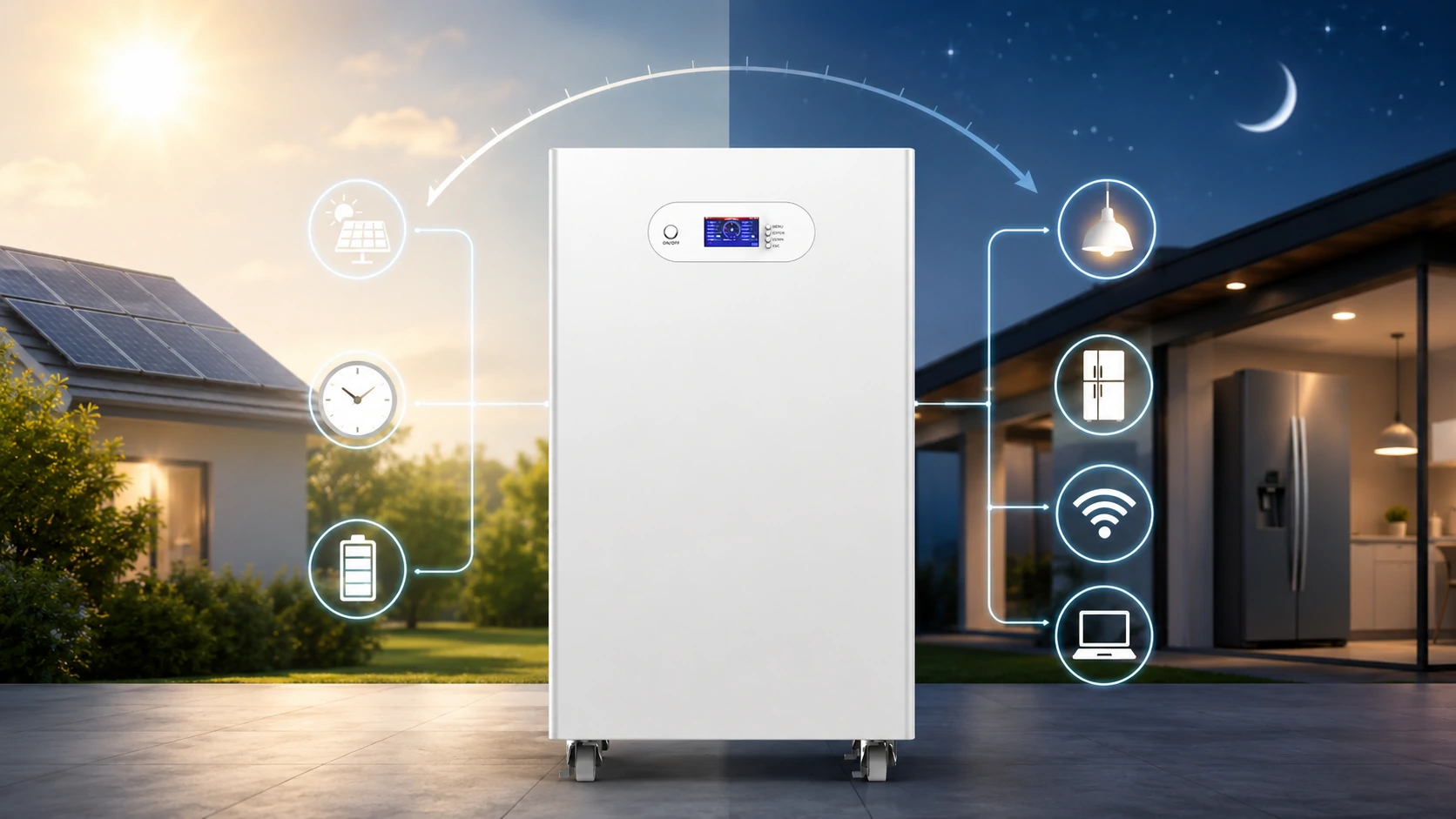
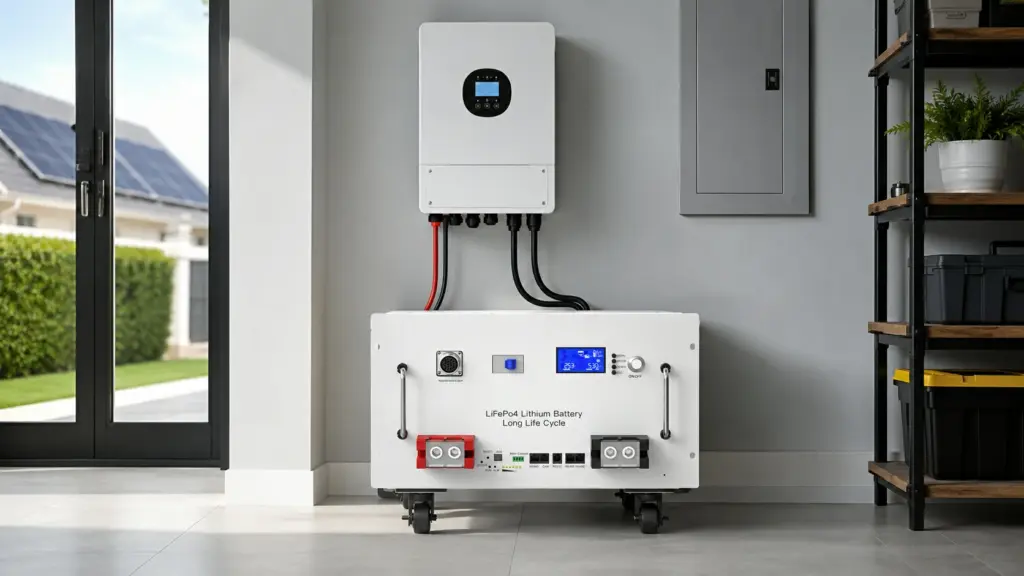
LiFePO4 is commonly selected for solar and stationary storage because it offers a practical balance of cycle life, thermal stability, usable depth of discharge, power capability and maintenance requirements. It is particularly suitable for systems expected to charge and discharge frequently rather than remain unused for most of their service life.
A home or commercial solar battery may complete hundreds of equivalent cycles each year. The battery must therefore be evaluated differently from an engine-starting battery that delivers a short current pulse and is immediately recharged.
LiFePO4 is commonly used in:
- Residential solar storage;
- Whole-home backup;
- Off-grid power;
- RV and marine systems;
- Telecom backup;
- Rack-mounted battery banks;
- Commercial battery cabinets;
- High-voltage energy storage systems.
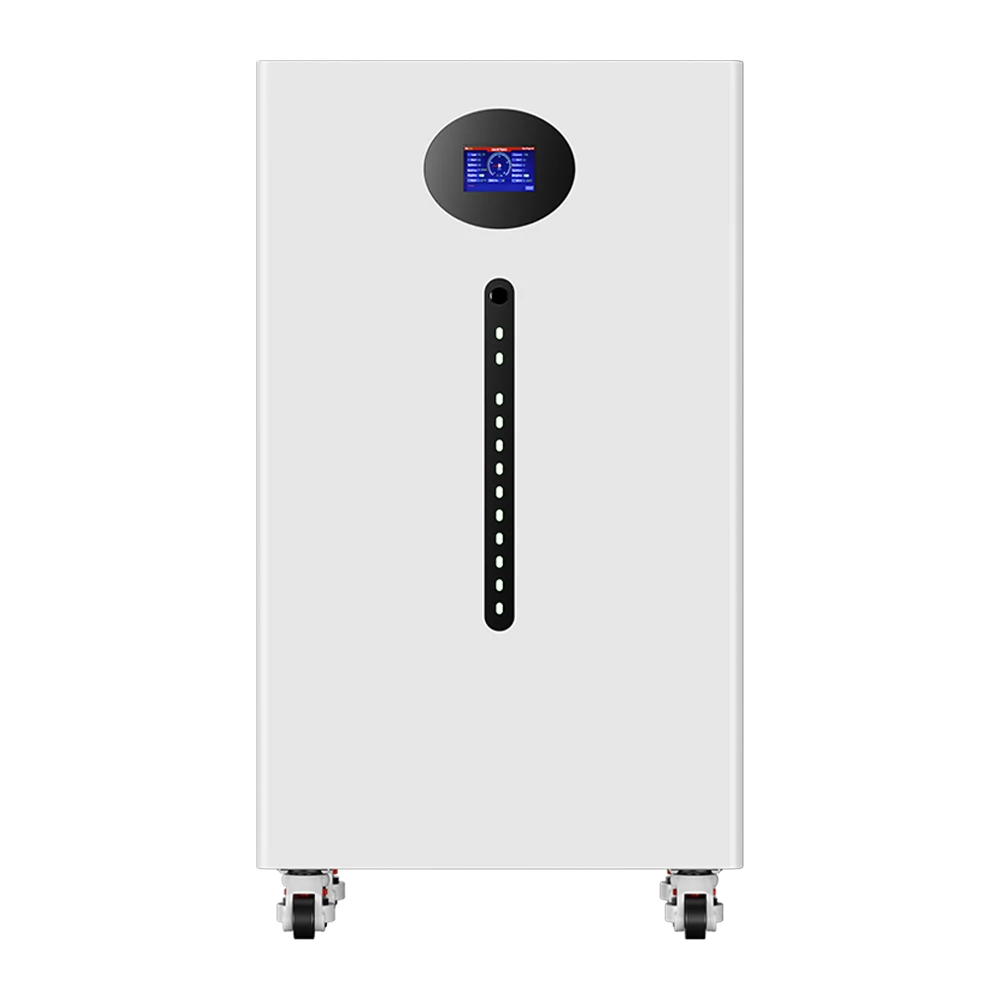
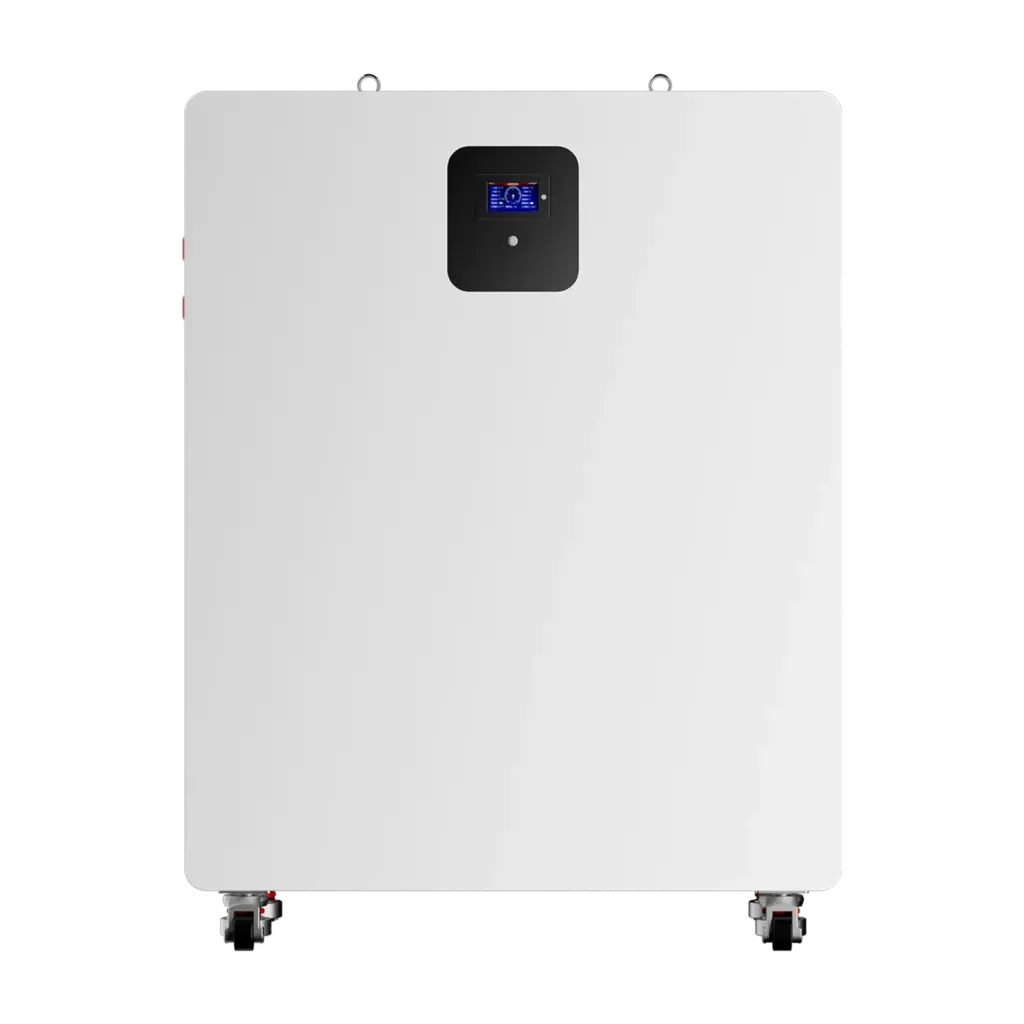
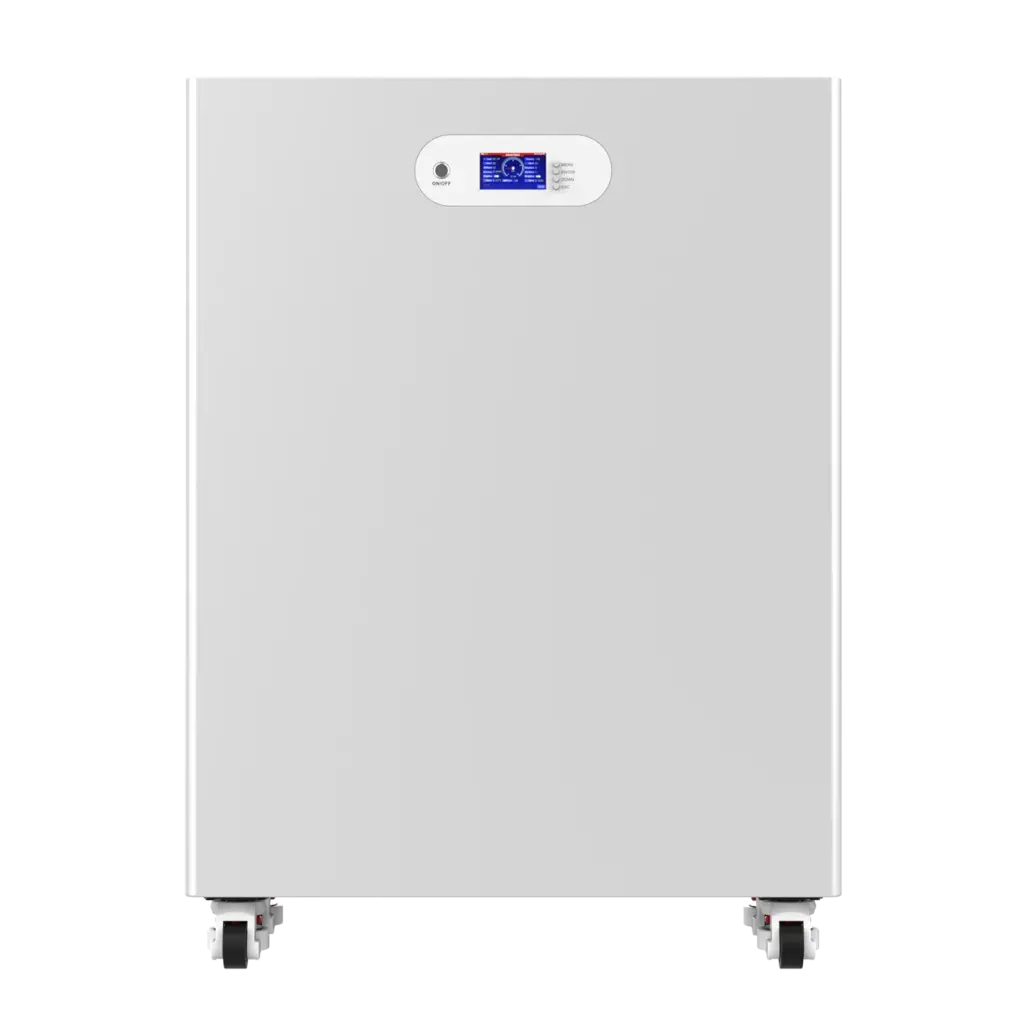
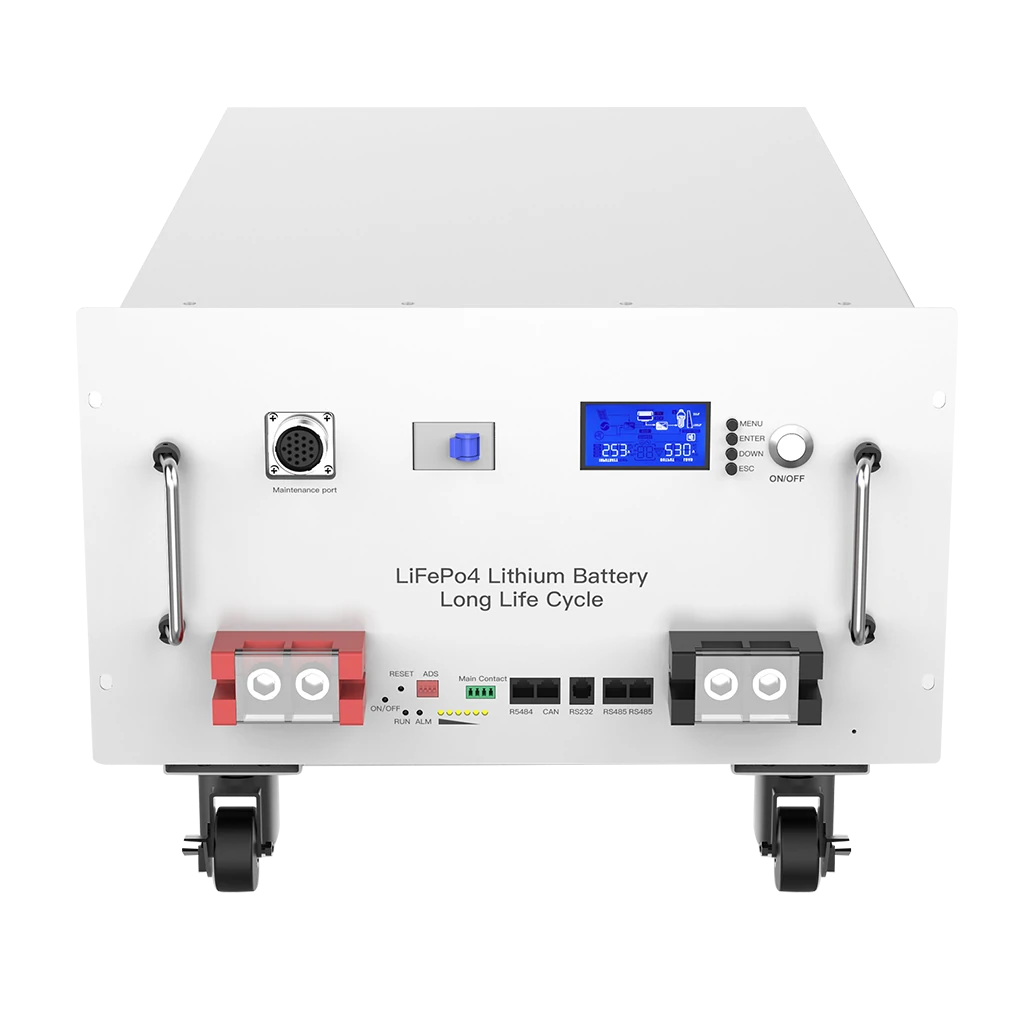
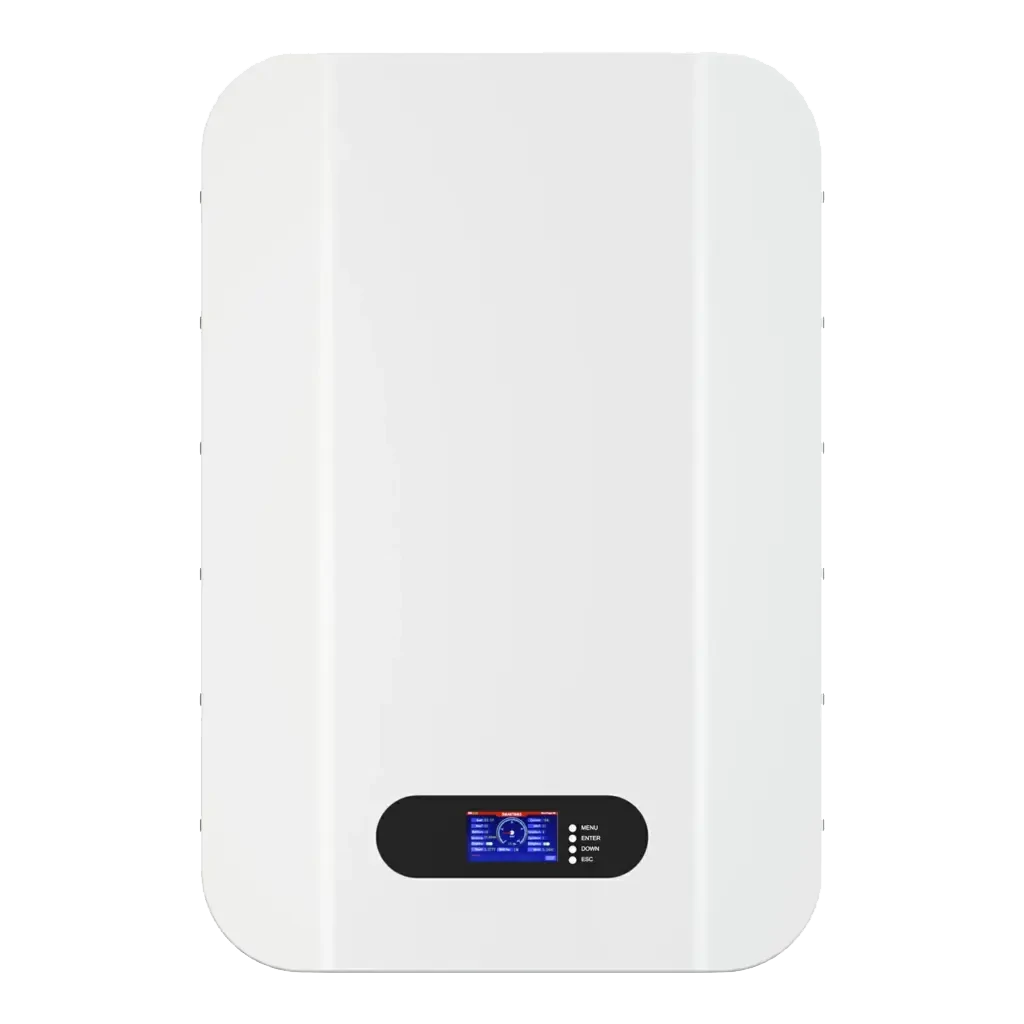
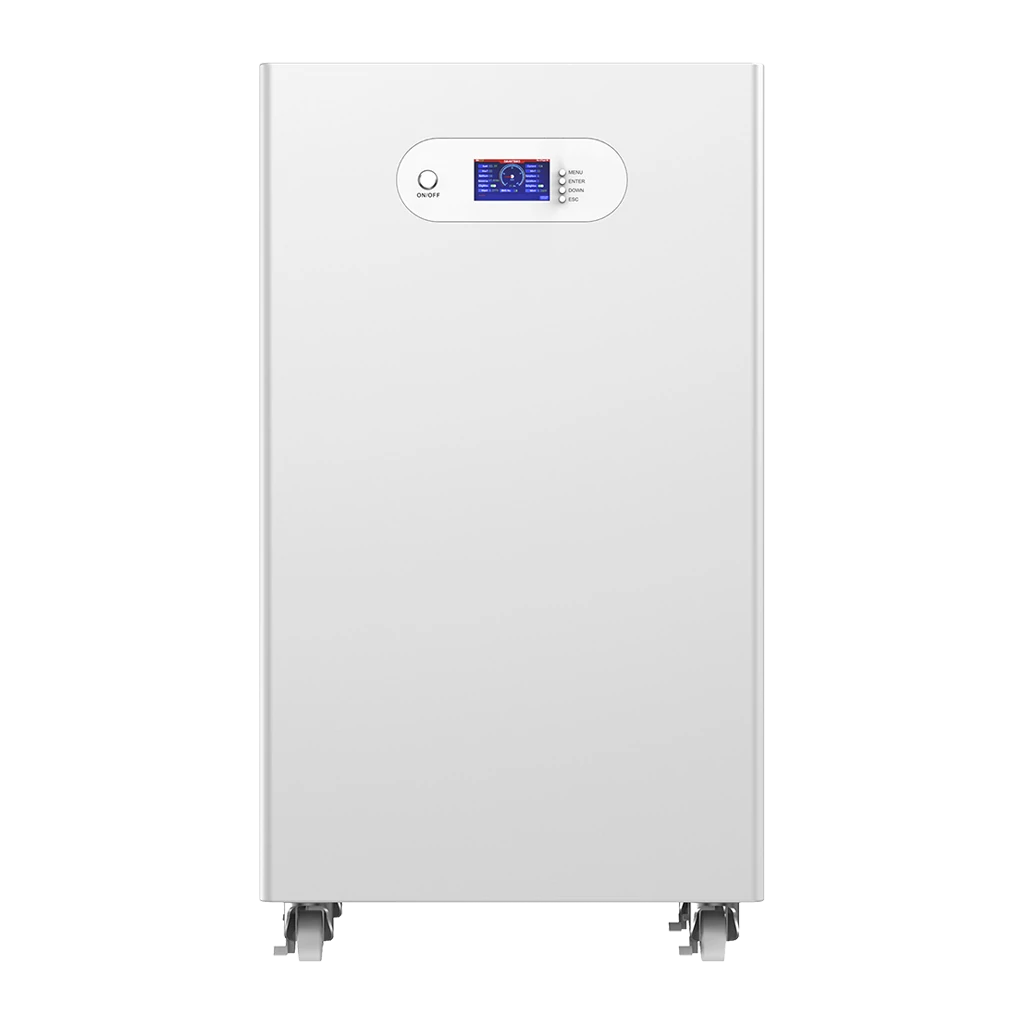
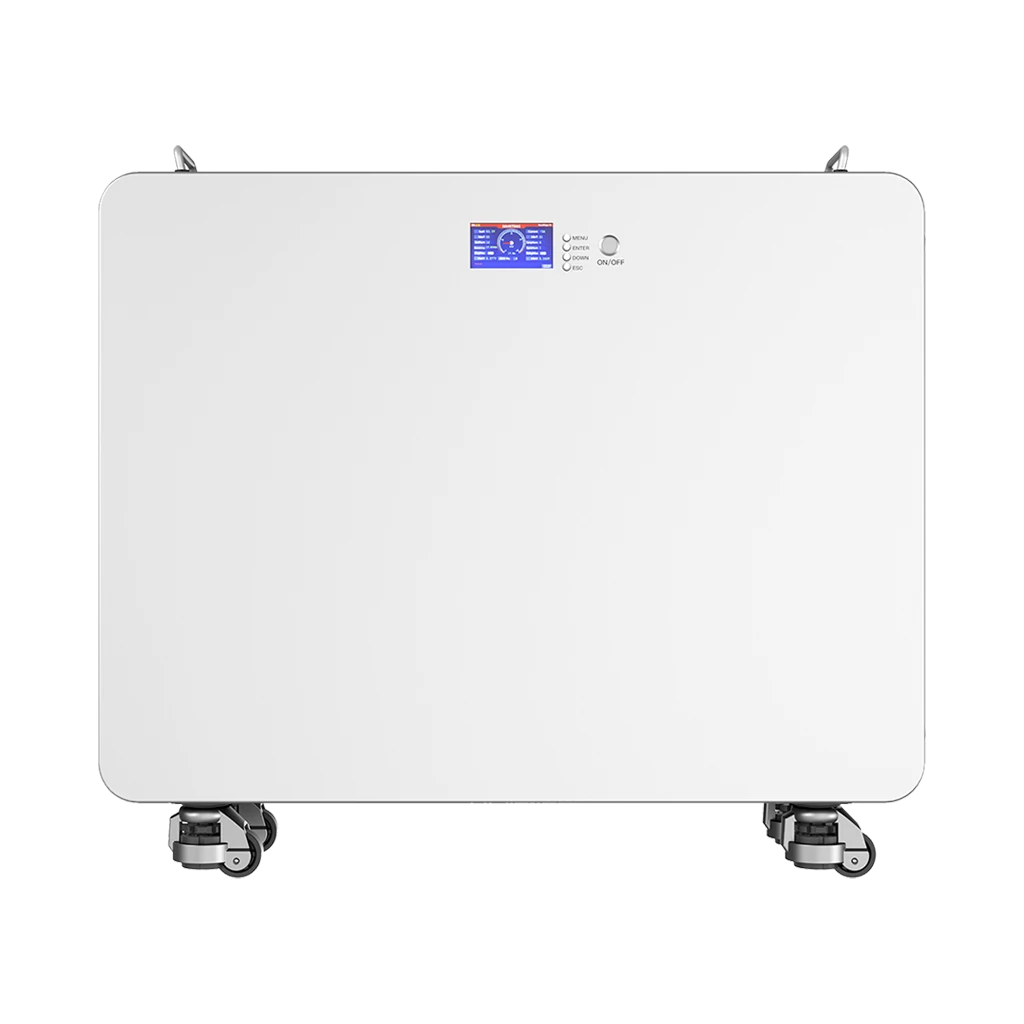
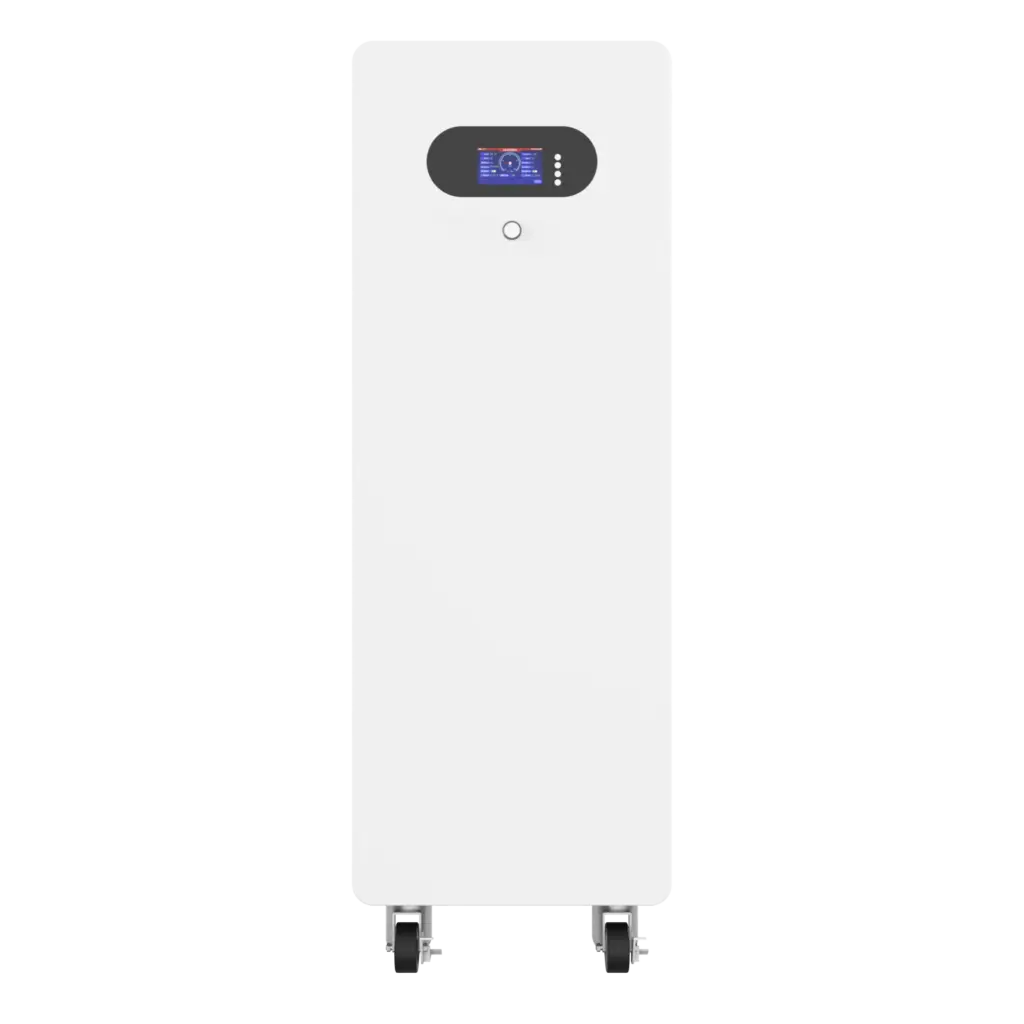
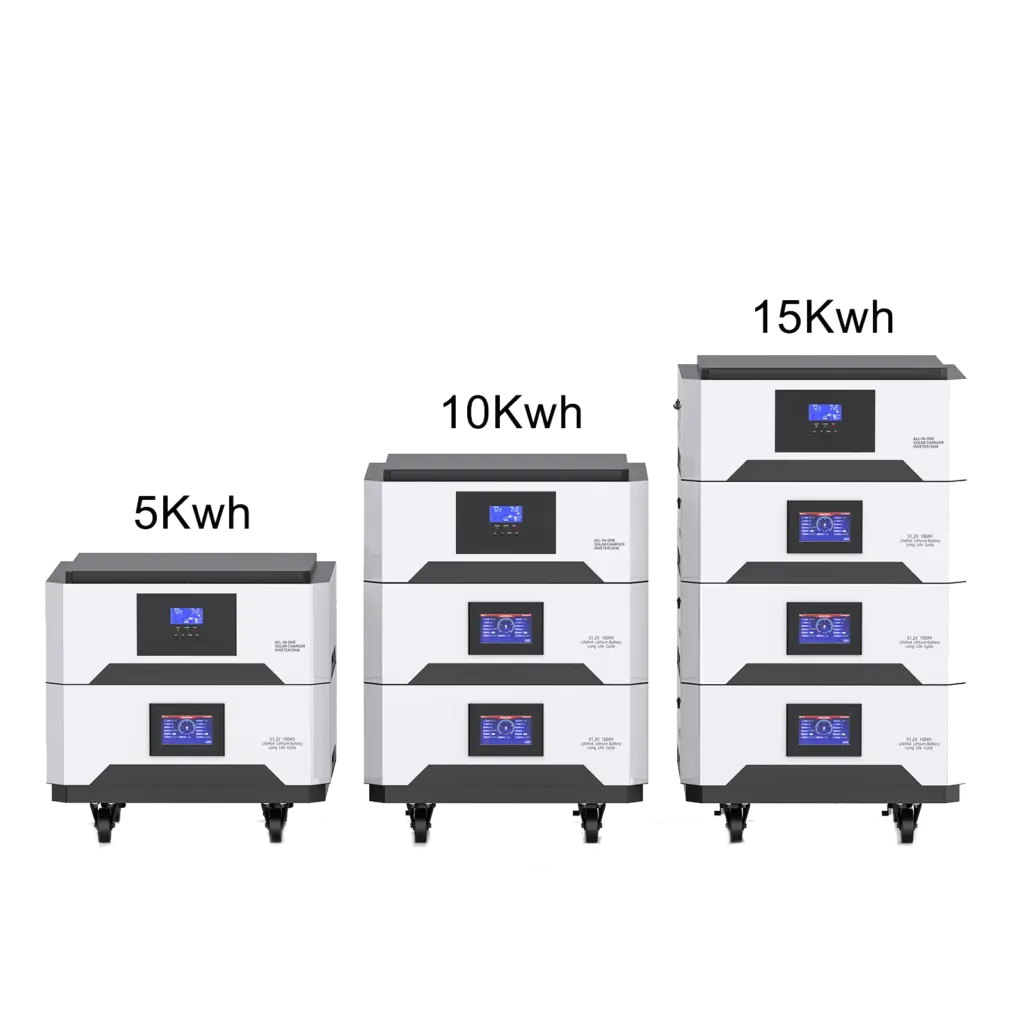
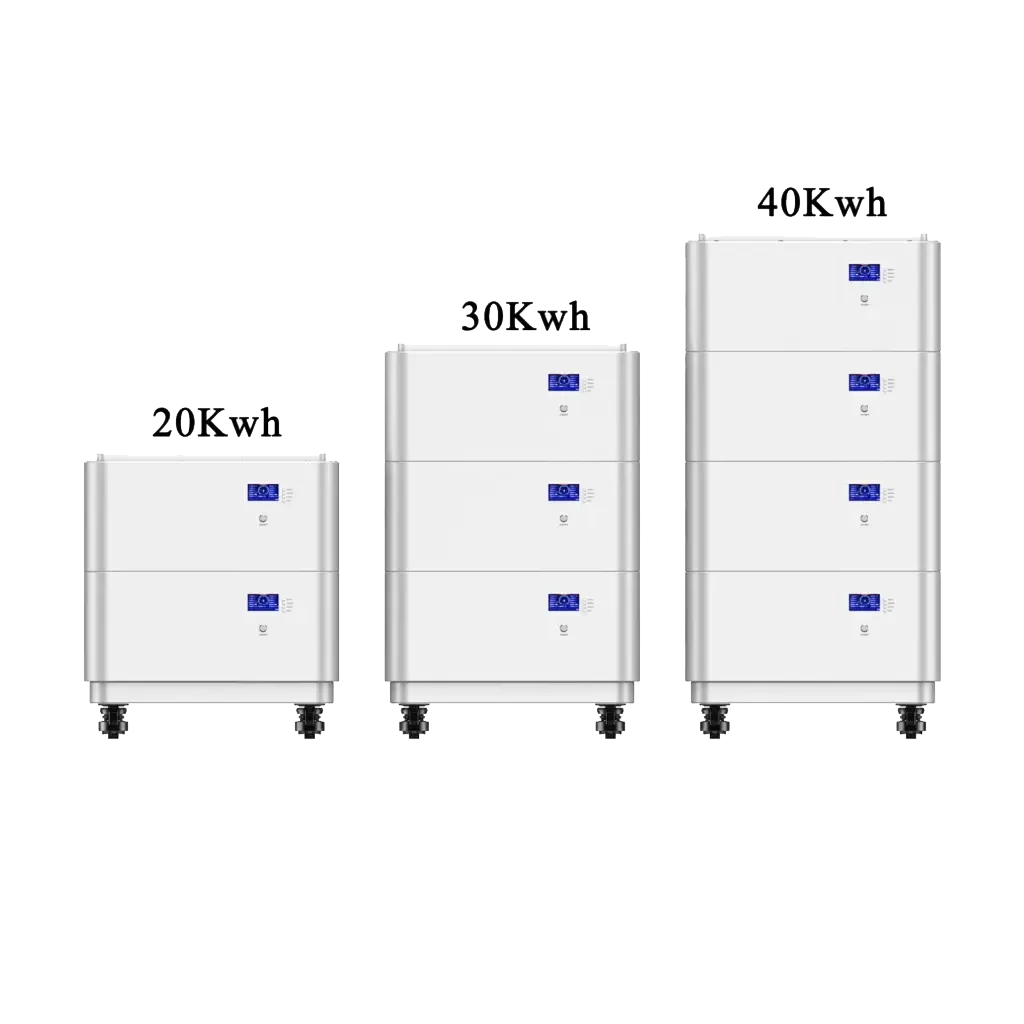
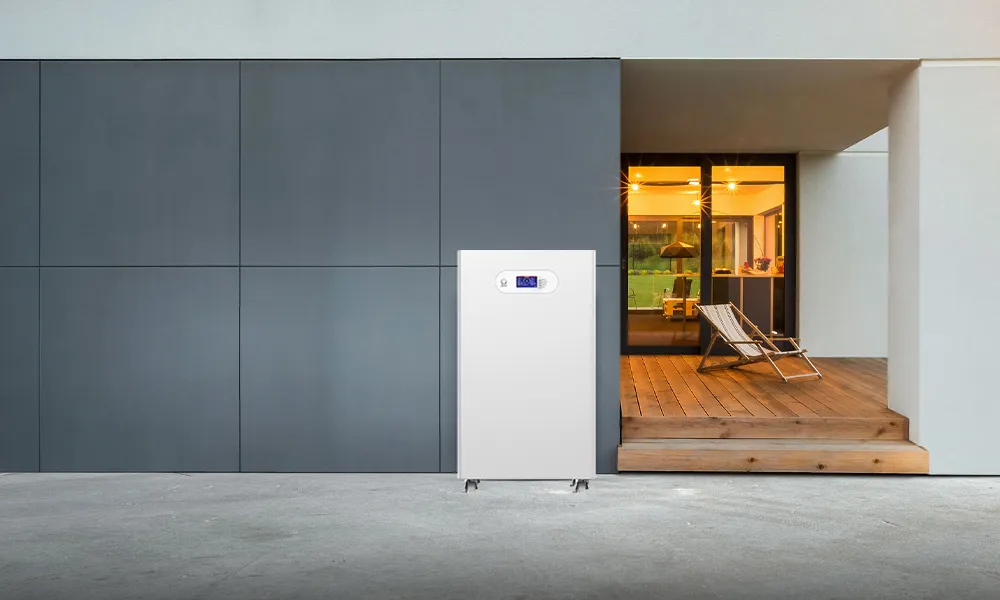
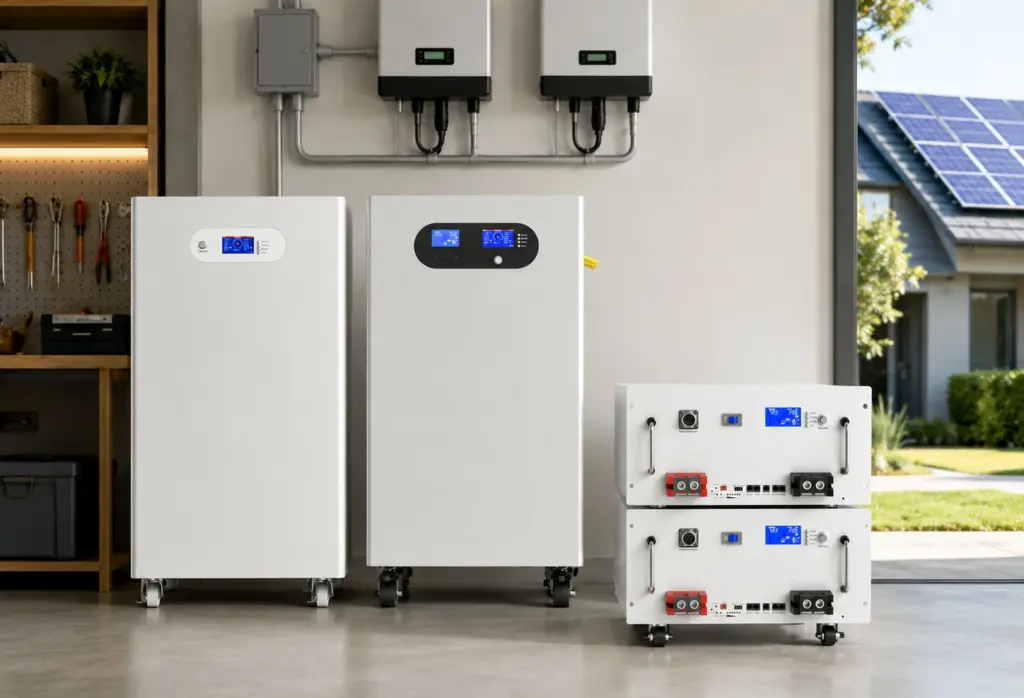
Avepower focuses on LiFePO4 for stationary applications through wall-mounted batteries, rack-mounted batteries, stackable systems, vertical batteries and all-in-one battery systems.
Installers comparing daily-cycle batteries should also review the relationship between depth of discharge and battery life rather than comparing cycle claims without test conditions.
Compare LiFePO4 Battery Options for Your Project
Choose from modular home batteries, rack-mounted systems and scalable energy storage solutions designed for frequent cycling, BMS protection and compatible inverter communication.
Can Sodium-Ion Batteries Replace Lithium-Ion Batteries?
Sodium-ion batteries may become important for stationary, cost-sensitive and supply-chain-diversification applications, but they should not be described as a universal lithium-ion replacement. Voltage, energy density, low-temperature behaviour, cycle life, manufacturing maturity and commercial availability depend heavily on the selected sodium chemistry and cell design.
Potential advantages include:
- Broad sodium availability;
- Reduced dependence on lithium and selected critical minerals;
- Compatibility with some existing battery manufacturing processes;
- Potential value in stationary storage;
- Potential performance advantages in selected temperature ranges.
Current limitations include:
- Lower commercial maturity than lithium-ion;
- Fewer proven product platforms;
- Lower energy density in many present designs;
- Limited long-term field data;
- Product-specific inverter and BMS requirements.
What Other Rechargeable Battery Types Exist?
Other rechargeable chemistries include nickel-iron, silver-zinc, rechargeable alkaline, zinc-bromine, sodium-sulfur and several metal-ion or metal-air systems. Most serve specialised, legacy or emerging markets and should not be selected only because their theoretical performance appears attractive.
Examples include:
| Chemistry | Possible Advantage | Typical Limitation |
|---|---|---|
| Nickel-iron | Long service potential and tolerance of deep discharge | Low efficiency, high self-discharge and maintenance |
| Silver-zinc | High energy and power for specialised compact systems | High material cost and limited cycle life |
| Rechargeable alkaline manganese | Familiar consumer-cell format | Low cycle life compared with NiMH |
| Sodium-sulfur | High-temperature stationary storage | Requires elevated operating temperature |
| Zinc-bromine flow | Deep discharge and scalable stationary storage | Pumping, electrolyte management and system complexity |
| Lithium-sulfur | High theoretical specific energy | Cycle stability and commercial maturity |
| Solid-state lithium | Potential safety and energy improvements | Interface, manufacturing and scale-up challenges |
Which Rechargeable Battery Type Is Best for Each Application?
Consumer devices usually favour NiMH or lithium-ion, starting and standby systems may still use lead-acid, and daily solar storage commonly favours LiFePO4.
| Application | Commonly Suitable Choice | Why |
|---|---|---|
| Frequently used AA/AAA devices | Low-self-discharge NiMH | Common sizes and good repeated-use value |
| AA/AAA device requiring higher voltage | Manufacturer-approved NiZn or regulated lithium cell | Voltage closer to 1.5V |
| Smartphone or laptop | Original or approved lithium-ion pack | High energy density and integrated control |
| Drone or RC model | High-power lithium-ion pouch pack | Low weight and high discharge capability |
| Power tool | Manufacturer-specific lithium-ion pack | High power and electronic communication |
| Vehicle starting | Lead-acid or approved lithium starter battery | High short-duration current |
| Occasional UPS backup | Lead-acid or approved lithium system | Mature standby options |
| Daily residential solar cycling | LiFePO4 | Cycle potential, usable capacity and thermal characteristics |
| Rapid-charge industrial system | LTO | Fast charge and high cycle potential |
| Long-duration grid storage | Flow, sodium-ion or project-specific technology | Energy-duration and material advantages |
| Harsh industrial legacy system | NiCd where legally permitted | Temperature and high-rate performance |
Build the Right Battery System for Your Market
Whether you are a solar installer, distributor, project developer or OEM energy brand, Avepower can support capacity selection, inverter protocol matching, product customisation and project configuration.
Share your project country, required capacity, load profile, inverter model and estimated order quantity to receive a tailored battery recommendation.
How Can Battery Capacity and Runtime Be Calculated?
Battery runtime should be calculated from usable energy rather than nameplate capacity. Begin with nominal kilowatt-hours, apply the permitted depth of discharge, subtract system losses and divide the remaining energy by the average load. Starting surges, temperature, reserve settings and inverter limits must then be checked separately.
Illustrative 64kWh LiFePO4 Calculation
An Avepower project in France used four 16kWh LiFePO4 battery units in parallel to create a 64kWh nominal battery bank. The project page documents the battery configuration, while the following runtime calculation is illustrative rather than a measured site result. Review the 64kWh France case study.
Assumptions:
- Nominal battery energy: 64kWh;
- Permitted usable DoD: 90%;
- Estimated battery-to-AC efficiency: 92%;
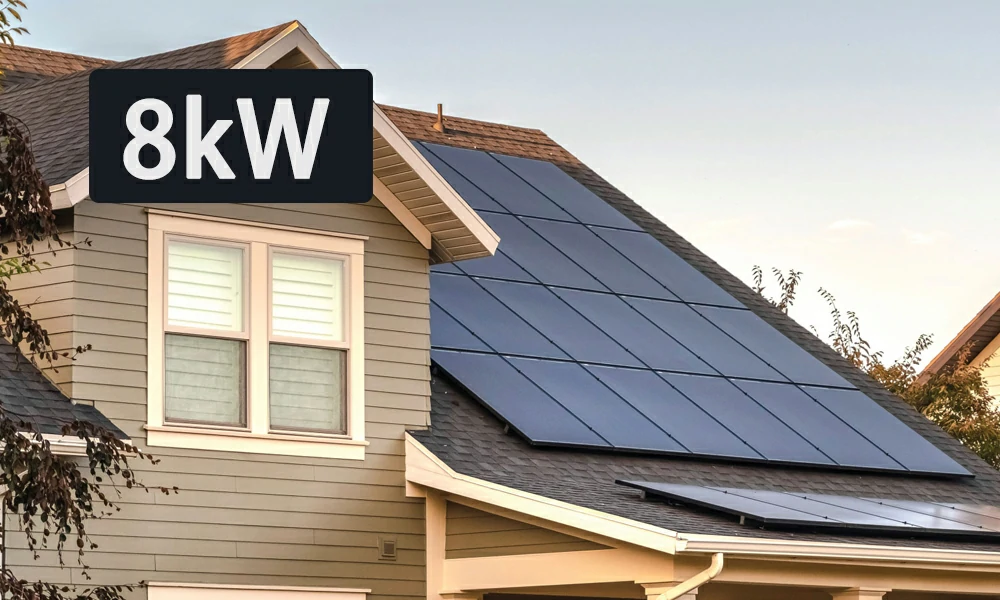
- Average load: 8kW.
Step 1: Calculate DC usable energy
64kWh × 0.90 = 57.6kWh
Step 2: Apply estimated conversion efficiency
57.6kWh × 0.92 = 52.99kWh
Step 3: Calculate approximate runtime
52.99kWh ÷ 8kW = 6.62 hours
Under the same assumptions:
| Average Load | Approximate Runtime |
|---|---|
| 5kW | 10.6 hours |
| 8kW | 6.6 hours |
| 12kW | 4.4 hours |
| 20kW | 2.6 hours |
Can Different Rechargeable Batteries Use the Same Charger?
Typical charging approaches include:
| Battery Chemistry | Typical Charging Approach | Critical Risk |
|---|---|---|
| Flooded lead-acid | Bulk, absorption, float and sometimes equalisation | Undercharge, water loss or excessive gassing |
| AGM and gel | Controlled multi-stage charging | Excess voltage can cause drying or gas pockets |
| NiMH | Current-controlled charging with voltage, temperature or timer termination | Continuous overcharge and heat |
| NiCd | Current-controlled charging with appropriate termination | Overcharge and unsuitable legacy charger settings |
| NiZn | Dedicated NiZn voltage profile | Using NiMH settings can result in incomplete or unsafe charging |
| Lithium-ion | Precise constant-current/constant-voltage charging | Overvoltage, lithium plating and thermal risk |
| LiFePO4 | Chemistry-specific CC-CV profile plus BMS limits | Incorrect high-voltage lithium settings |
| LTO | Product-specific lithium charging profile | Wrong upper-voltage limit |
| Flow battery | Integrated system controller and power electronics | Electrolyte imbalance and system-control faults |
Avepower’s battery certification page lists CE, CB, FCC, UL-related, UN38.3, RoHS and testing documents within its certification portfolio.
How Does Avepower Apply Rechargeable Battery Chemistry to Energy Storage?
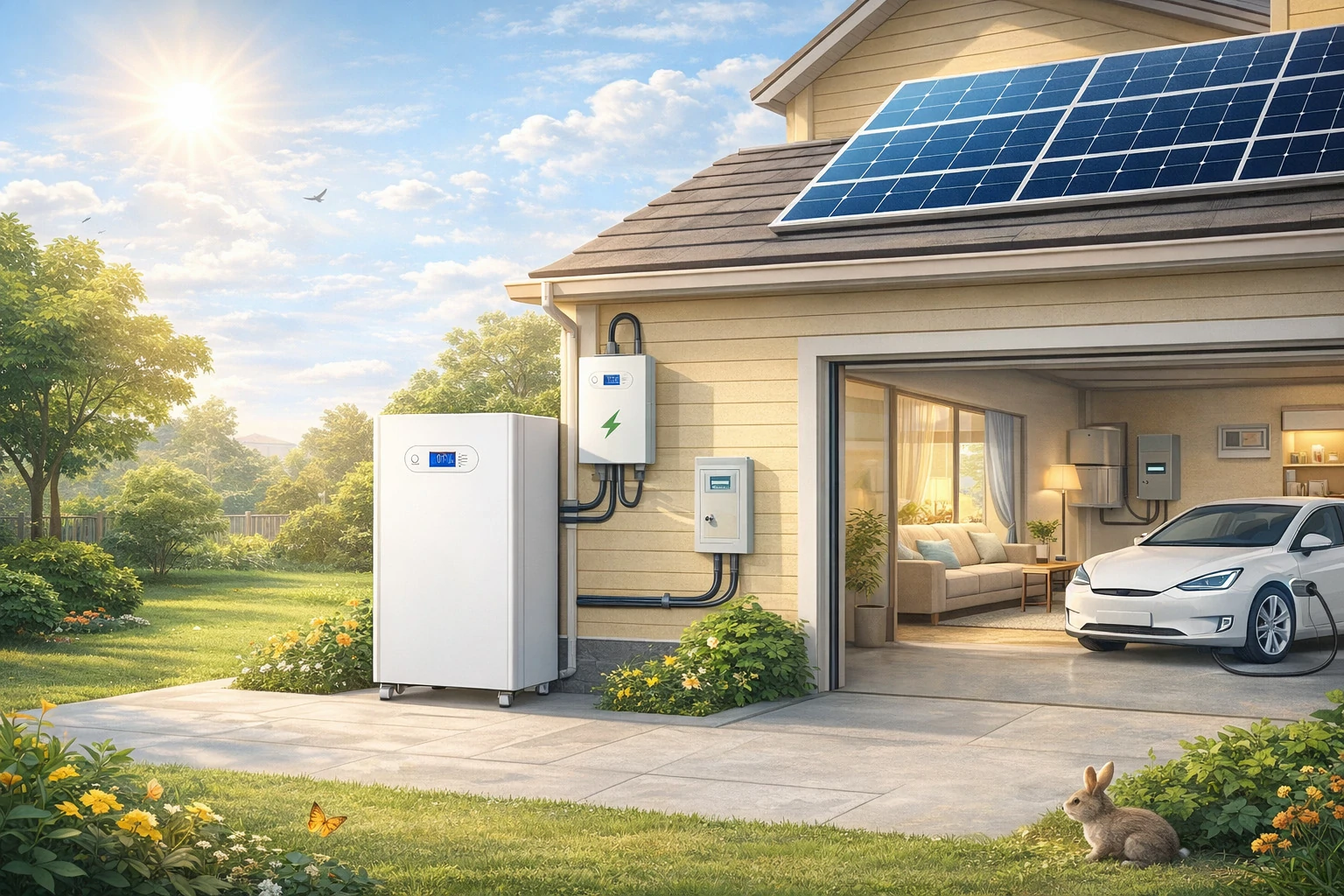
Avepower concentrates on LiFePO4 battery systems for residential, small-commercial and customised high-voltage energy storage rather than attempting to supply every rechargeable chemistry. This focus is relevant to installers and project buyers who need frequent cycling, scalable capacity, BMS communication and integration with compatible solar inverters.
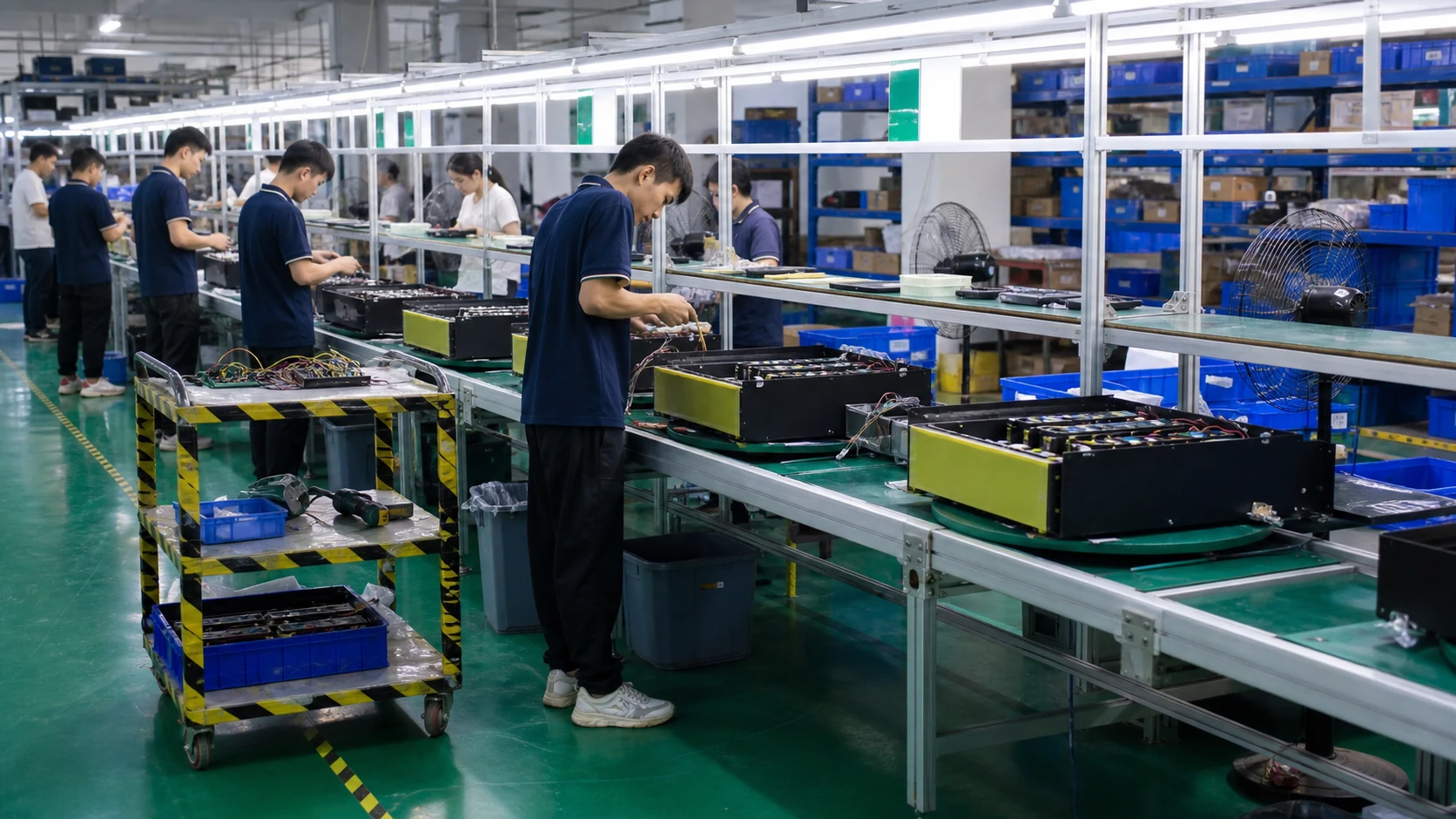
- A production base exceeding 20,000m²;
- More than 15 production lines;
- More than 50 R&D and engineering staff;
- Approximately 5GWh of annual production capacity;
- Supply and project experience across more than 100 countries.
- Review the Avepower manufacturing facility.
The product range includes:
- LiFePO4 battery packs;
- Home energy storage systems;
- Wall-mounted systems for space-limited residential projects;
- Rack-mounted systems for organised cabinets and service access;
- Stackable systems for modular capacity expansion;
- Vertical high-capacity batteries;
- All-in-one batteries integrating storage and power conversion;
- Custom high-voltage battery systems for larger projects.
A real-world example is Avepower’s 64kWh French solar battery project, which used four 16kWh LiFePO4 units in parallel. The value of the case is not simply the chemistry name: it shows how modular battery units, BMS protection and parallel system design are combined to reach the required project capacity.
Take Control of Your Energy with Avepower!
Reliable home solar battery solutions with OEM/ODM customization and in-house manufacturing, tailored to the needs of distributors, installers, and energy partners.
Conclusion
Rechargeable batteries include several distinct electrochemical families, and each one solves a different engineering problem. Lead-acid provides low-cost surge power, NiMH supports many replaceable consumer devices, high-energy lithium-ion powers compact electronics and vehicles, LiFePO4 supports frequent stationary cycling, LTO serves high-power rapid-charge systems, and flow or sodium-ion batteries may offer value in selected stationary projects.
For solar installers, distributors, project developers and OEM energy brands, Avepower provides scalable LiFePO4 battery systems in wall-mounted, rack-mounted, stackable, vertical, all-in-one and custom high-voltage formats.
Submit the required capacity, inverter model, voltage platform, project country, load profile and certification requirements through the Avepower project enquiry page to receive a model and system recommendation.
FAQ
The four traditional commercial families are lead-acid, nickel-cadmium, nickel-metal hydride and lithium-ion. However, modern comparisons should also distinguish lithium-ion subchemistries such as NMC, LFP and LTO, because their performance and applications differ substantially.
LTO, LFP, nickel-iron and some flow-battery designs can offer high cycle-life potential, but “longest” depends on whether the comparison means runtime per charge, full-equivalent cycles, calendar years or energy delivered over the battery’s life.
LiFePO4 is one type of lithium-ion battery. It uses lithium iron phosphate as the cathode material and generally prioritises thermal stability and cycle life over the maximum energy density available from high-nickel lithium-ion chemistries.
Sometimes. NiMH cells work in many AA and AAA devices, but their nominal voltage is usually about 1.2V rather than 1.5V. Check the device manual, especially for equipment with strict voltage thresholds.
No, unless the charger explicitly identifies and supports both chemistries. NiMH and lithium-ion require different voltage limits and charge-termination methods.
Stop using a battery that is swollen, leaking, overheating, physically damaged or producing an unusual smell. Isolate it from combustible materials and follow the manufacturer’s and local hazardous-waste guidance. Do not puncture, compress or place it in household waste.