
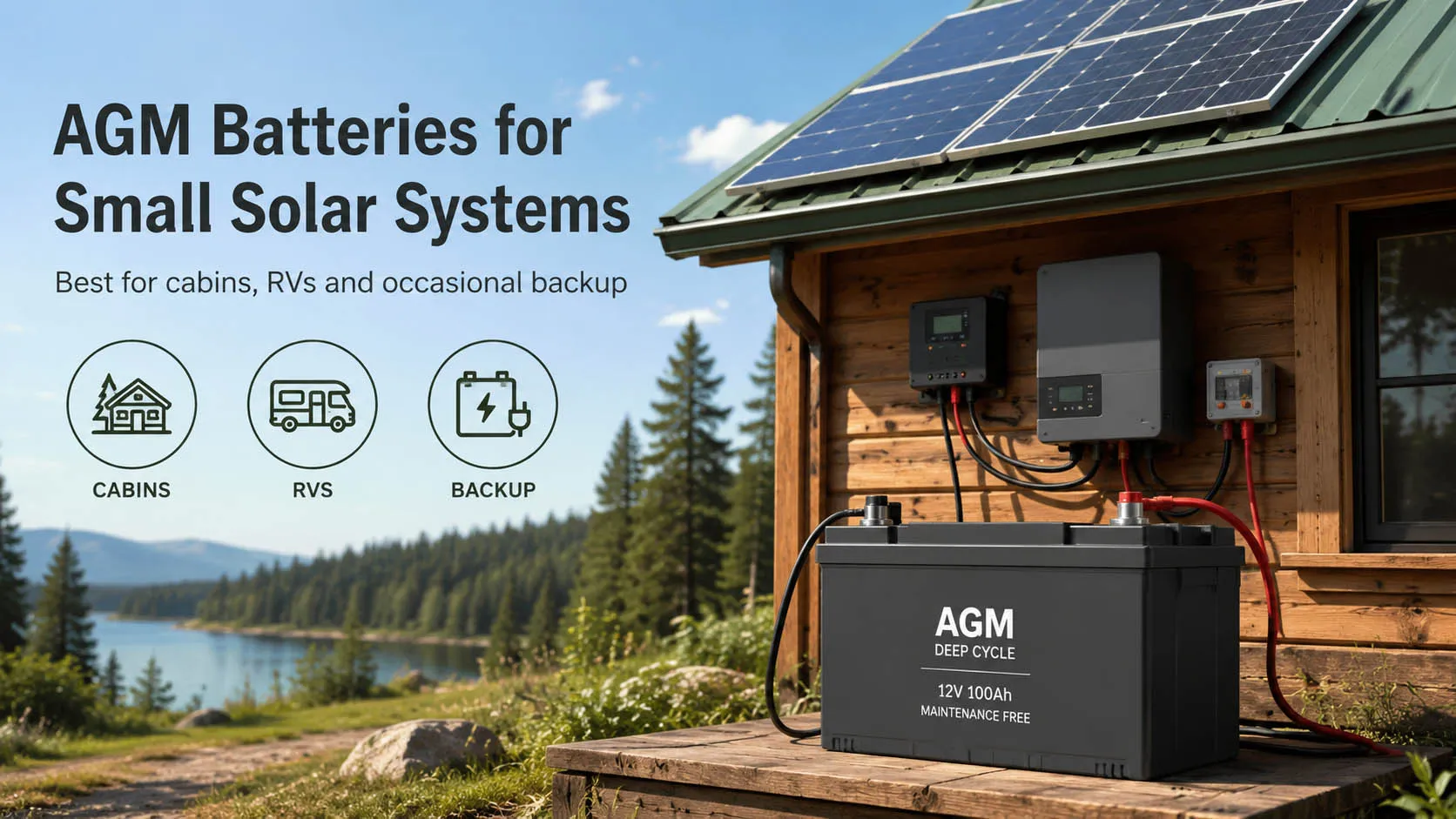
AGM batteries can be good for solar, but only in the right type of system. They are usually a practical option for small off-grid solar setups, cabins, RVs, boats, backup lighting, temporary power systems, and low-budget projects where daily heavy cycling is not required.
For a full home solar battery system, however, AGM batteries are usually not the best long-term choice. Modern lithium iron phosphate batteries, also known as LiFePO4 batteries, normally offer more usable energy, longer cycle life, higher efficiency, faster charging, lower weight, and better lifetime value.
So the short answer is:
Yes, AGM batteries are good for small solar systems, backup systems, and budget-conscious off-grid use. But for daily home solar storage, LiFePO4 batteries are usually a better investment.
This article explains where AGM batteries work well, where they fall short, and how to decide whether AGM or lithium is the better choice for your solar project.
Quick Answer: When AGM Batteries Make Sense for Solar
| Solar Use Case | Is AGM a Good Choice? | Better Option |
|---|---|---|
| Small cabin solar system | Yes | AGM or LiFePO4 |
| RV, caravan or boat solar | Yes | AGM or LiFePO4 |
| Weekend-use off-grid system | Yes | AGM if budget is limited |
| Daily home solar storage | Usually no | LiFePO4 |
| Whole-home backup power | Usually no | LiFePO4 battery system |
| Installer or distributor solar projects | Usually no | Scalable LiFePO4 system |
| High-cycle commercial storage | No | Commercial lithium BESS |
AGM is strongest when the system is small, simple and cost-sensitive. LiFePO4 is stronger when the system needs daily cycling, long service life, higher usable capacity and easier expansion.
What Is an AGM Battery?
AGM stands for Absorbent Glass Mat. An AGM battery is a type of sealed lead-acid battery. Instead of using free-flowing liquid electrolyte like a traditional flooded lead-acid battery, AGM batteries hold the electrolyte inside fiberglass mats placed between the battery plates.
This design makes AGM batteries:
- Sealed
- Spill-resistant
- Maintenance-free
- More vibration-resistant than flooded lead-acid batteries
- Safer for enclosed spaces than traditional wet-cell batteries
- Easier to install in mobile or compact applications
AGM batteries are part of the broader VRLA battery family, which means valve-regulated lead-acid. They can recombine gases internally during normal operation, which reduces water loss and removes the need for regular water topping.
For solar use, AGM batteries are usually sold as deep cycle AGM batteries. This is important because solar batteries need to charge and discharge repeatedly. A standard car starting battery is not designed for this kind of use.
How AGM Batteries Work in a Solar System
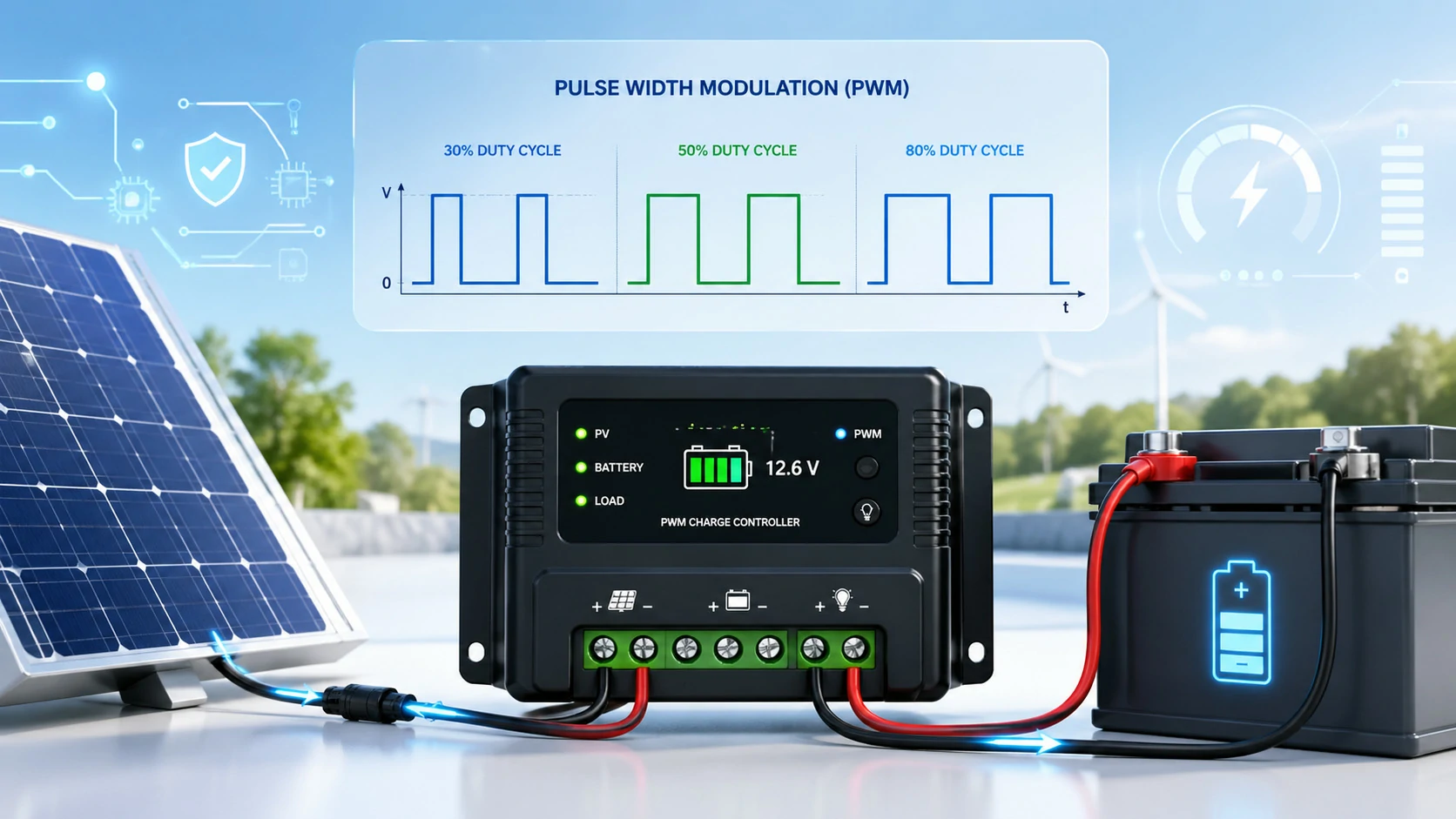
In a solar system, solar panels generate DC electricity during the day. A charge controller regulates this power and charges the battery bank. When the solar panels are not producing enough power, the battery supplies stored energy to DC loads or to an inverter for AC appliances.
A typical AGM solar setup may include:
- Solar panels
- MPPT or PWM solar charge controller
- AGM battery bank
- Inverter
- DC protection devices
- Battery monitor
- Cables, fuses, and breakers
For AGM batteries, the charge controller must support an AGM charging profile. This is important because AGM batteries are sensitive to incorrect charging voltage. Overcharging can dry out the battery, while undercharging can cause sulfation and reduce capacity.
Main Advantages of AGM Batteries for Solar
AGM batteries became popular in small solar systems because they are simple, available and relatively affordable. For many users, especially in older off-grid systems, they were easier to manage than flooded lead-acid batteries.
The main advantages include:
1. Lower Upfront Cost
AGM batteries are usually cheaper to buy than lithium batteries. For users building a small solar system on a limited budget, this lower initial cost can be attractive.
For example, someone powering LED lights, a small fan, a phone charger, or a camping fridge may not need a high-capacity lithium storage system. A properly sized AGM battery bank may be enough.
2. Maintenance-Free Design
Flooded lead-acid batteries require water checks and maintenance. AGM batteries are sealed, so they are much easier to use. For many homeowners and off-grid users, this is a major advantage.
3. Safer Than Flooded Lead-Acid Batteries
Because the electrolyte is absorbed into glass mats, AGM batteries are less likely to spill. They also produce less gas under normal charging conditions than flooded batteries, although proper ventilation is still recommended.
4. Good Vibration Resistance
AGM batteries are popular in 4WD, marine, caravan, and RV applications because they can handle vibration better than many flooded batteries. The internal structure helps hold the plates and electrolyte in place.
For solar systems installed in vehicles, trailers, or boats, this is a useful advantage.
5. Simple Compatibility
AGM batteries work with many traditional solar charge controllers and inverters. They are widely available in 12V, 24V, and 48V configurations. For older off-grid systems originally designed around lead-acid batteries, AGM may be a straightforward replacement if the charging settings are correct.
Main Disadvantages of AGM Batteries for Solar
AGM batteries are useful, but they have important limits. These limits become more obvious when the solar system is used every day.
1. Lower Usable Capacity
The biggest limitation of AGM batteries is usable capacity.
Although a battery may be rated at 100Ah, users usually should not discharge an AGM battery too deeply on a regular basis. Many AGM systems are designed around roughly 50% depth of discharge to protect battery life.
This means a 10kWh AGM battery bank may only provide around 5kWh of practical daily usable energy if you want reasonable service life.
By comparison, many lithium and LiFePO4 batteries allow much deeper usable capacity. This is one reason lithium batteries are now common in modern home energy storage solutions.
2. Shorter Cycle Life
AGM batteries can work well when used lightly, but their cycle life is usually much shorter than LiFePO4 batteries under daily charge and discharge.
In a solar home, the battery may cycle every day. Over several years, this cycling demand can wear out AGM batteries faster, especially if they are regularly discharged deeply, exposed to heat, or not fully recharged.
For homeowners and installers designing daily-use solar storage, cycle life is one of the most important factors.
3. Heavier and Larger
AGM batteries are much heavier than lithium batteries for the same usable storage capacity. This can affect wall mounting, floor space, cabinet design, transport cost and installation labor.
For homes, villas, garages and equipment rooms, compact battery design is often important. This is one reason many modern residential battery energy storage systems use LiFePO4 instead of AGM.
4. Slower Charging
AGM batteries generally charge more slowly than lithium batteries. They also need proper absorption and float stages. If they are not fully charged regularly, sulfation can develop and reduce capacity.
This can be a challenge in solar systems because solar production changes with weather, shading, and seasonal sunlight hours. If an AGM battery bank is oversized relative to the solar array, it may not receive enough charge to stay healthy.
5. Sensitive to Heat
High temperatures can shorten the life of lead-acid batteries, including AGM batteries. In hot garages, sheds, outdoor cabinets, or poorly ventilated areas, AGM battery life may drop faster than expected.
Temperature management is important for all batteries, but AGM batteries are particularly sensitive to long-term heat exposure.
6. Not Ideal for Large Home Backup
AGM batteries can provide backup power, but for whole-home backup they become bulky, heavy, and less efficient. If a user wants to run refrigerators, lights, internet, pumps, small air conditioning loads, or longer-duration backup, a modern lithium battery system is usually more practical.
For modular projects, stackable solar batteries can be scaled more easily than traditional AGM banks.
AGM vs LiFePO4 Batteries for Solar
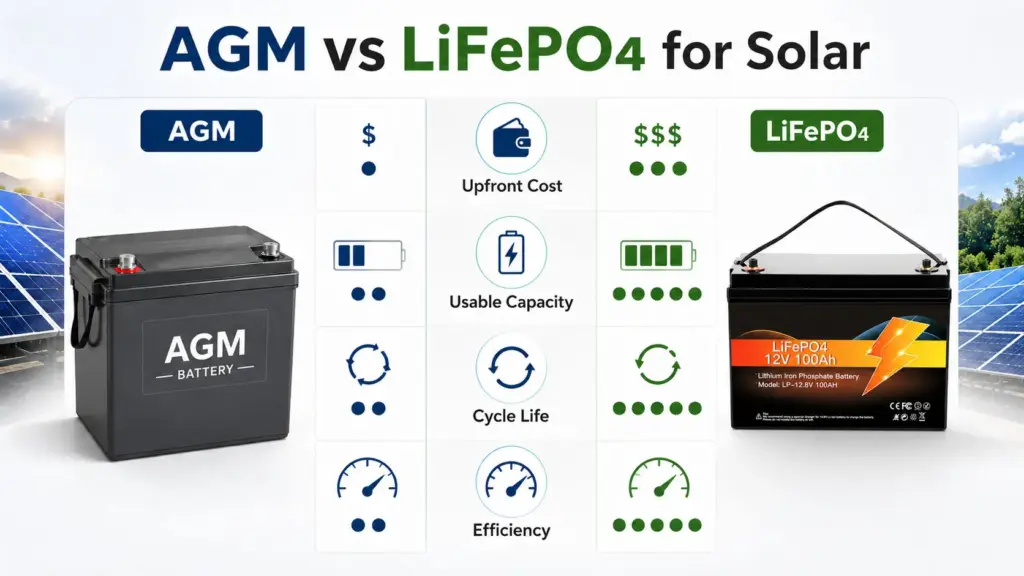
The biggest comparison for solar users is AGM vs LiFePO4. Both can store solar energy, but they are designed for different levels of performance.
| Feature | AGM Battery | LiFePO4 Battery |
|---|---|---|
| Upfront cost | Lower | Higher |
| Usable capacity | Usually lower | Higher |
| Cycle life | Shorter | Much longer |
| Weight | Heavy | Lighter |
| Maintenance | Low | Low |
| Charging speed | Moderate | Faster |
| Efficiency | Lower | Higher |
| Best use | Small solar, backup, RV, light off-grid | Home solar storage, daily cycling, scalable systems |
| Long-term value | Good for occasional use | Better for frequent use |
AGM batteries can still make sense when the budget is limited and the system is small. But if the battery will be used every day, LiFePO4 normally provides better lifetime value.
When AGM Batteries Are Good for Solar
AGM batteries can be a good choice when the system is small, simple, and not heavily cycled.
AGM Batteries Make Sense For:
- Small off-grid cabins
- Weekend-use sheds
- Camping solar kits
- Caravans and RVs
- 4WD auxiliary battery systems
- Boats and marine electronics
- Backup lighting
- Gate motors
- Remote monitoring equipment
- Low-budget starter solar systems
- Occasional backup rather than daily cycling
For example, if a user needs to power LED lights, a small DC fridge, phone charging, or basic tools for short periods, AGM can be a practical and affordable solution.
AGM is also useful when the user prefers a familiar battery technology and does not need advanced battery management features.
When AGM Batteries Are Not the Best Choice
AGM batteries are usually not the best option when the system needs high daily energy throughput.
AGM Batteries Are Less Suitable For:
- Whole-home solar battery backup
- Daily solar self-consumption
- Large residential energy storage
- High-power inverter loads
- Heat pumps or air conditioning backup
- Commercial solar storage
- Systems requiring long cycle life
- Projects where space and weight matter
- Installer or distributor projects needing scalable product lines
For these applications, LiFePO4 batteries are usually more practical. They are designed for deeper cycling, longer service life, and better usable energy density.
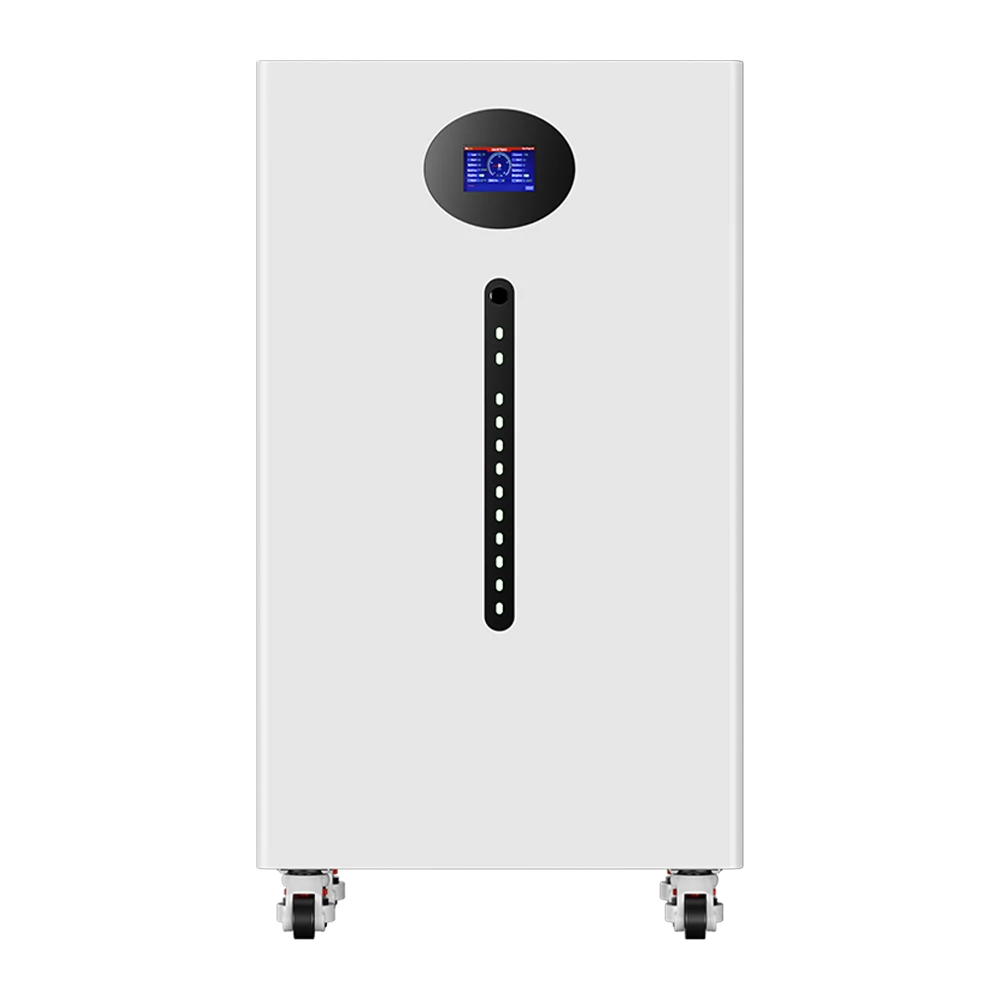
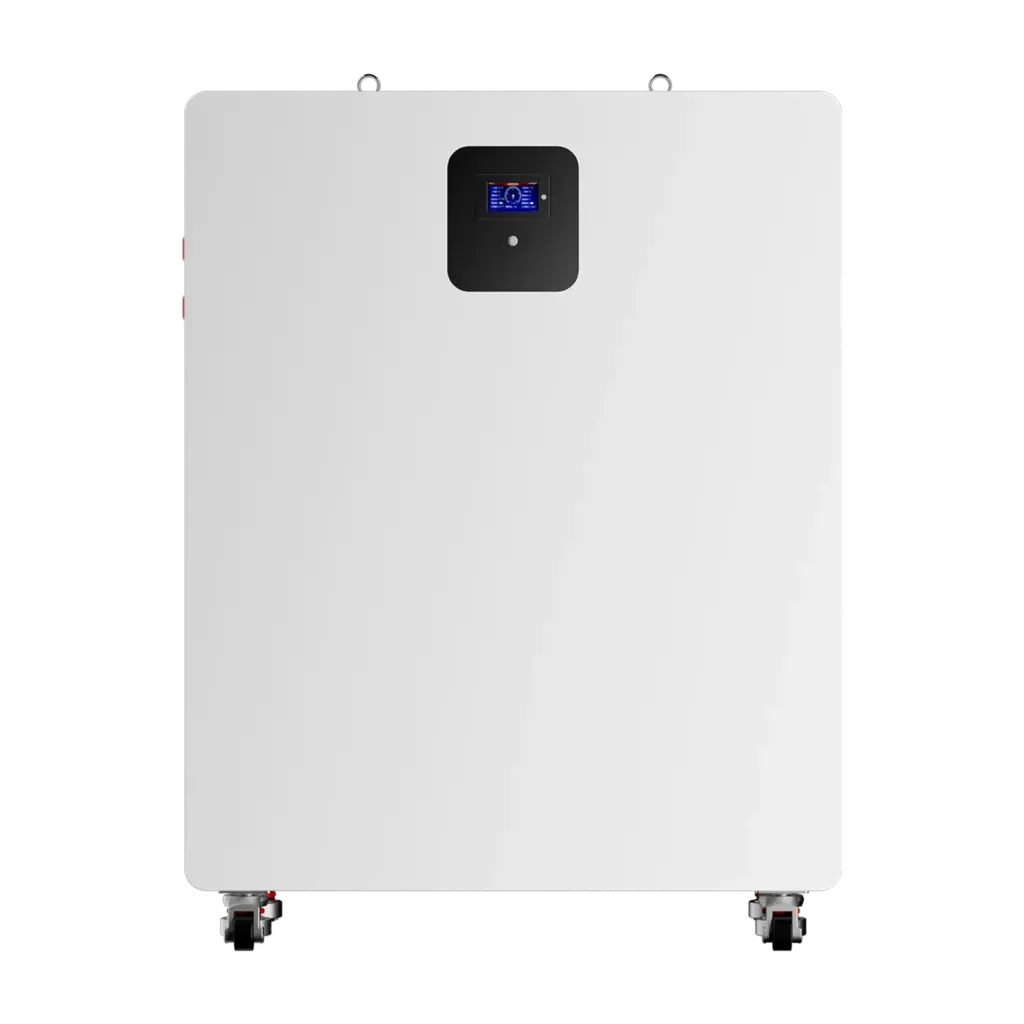
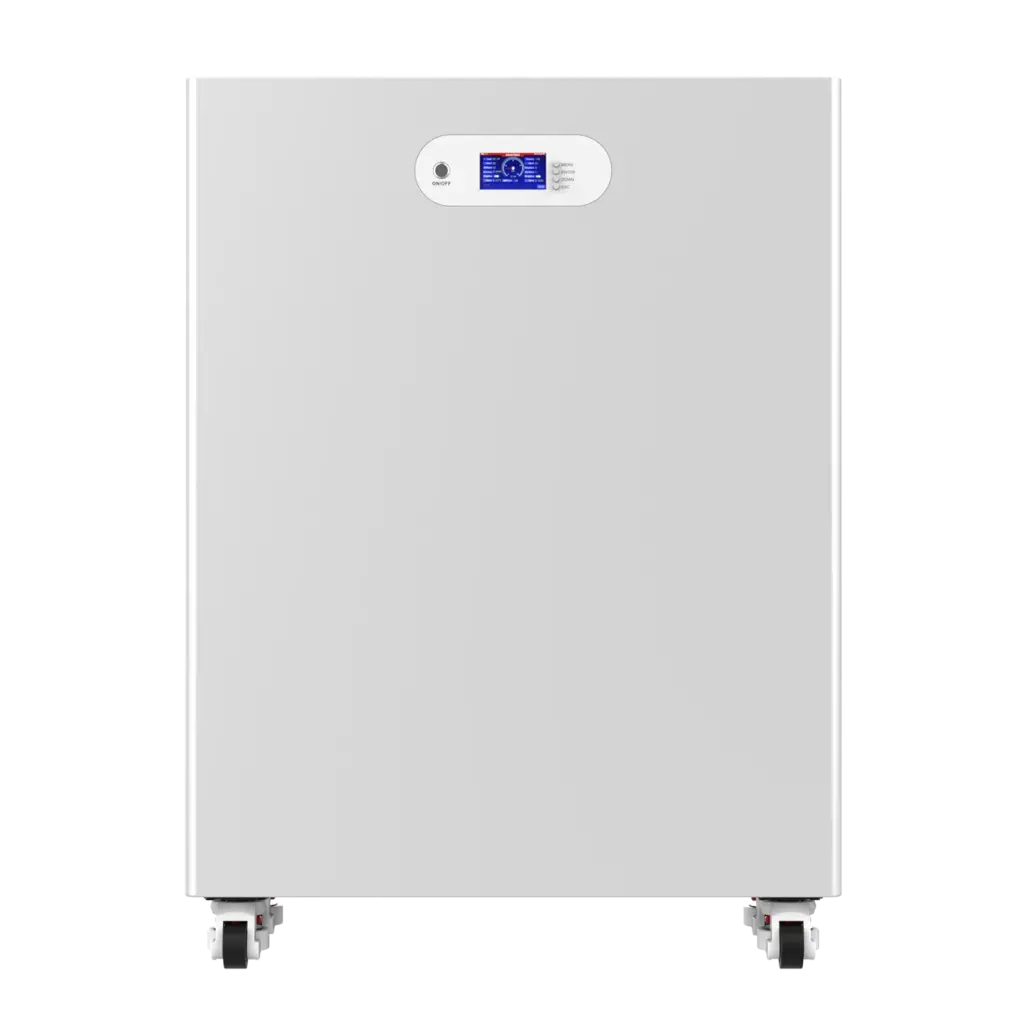
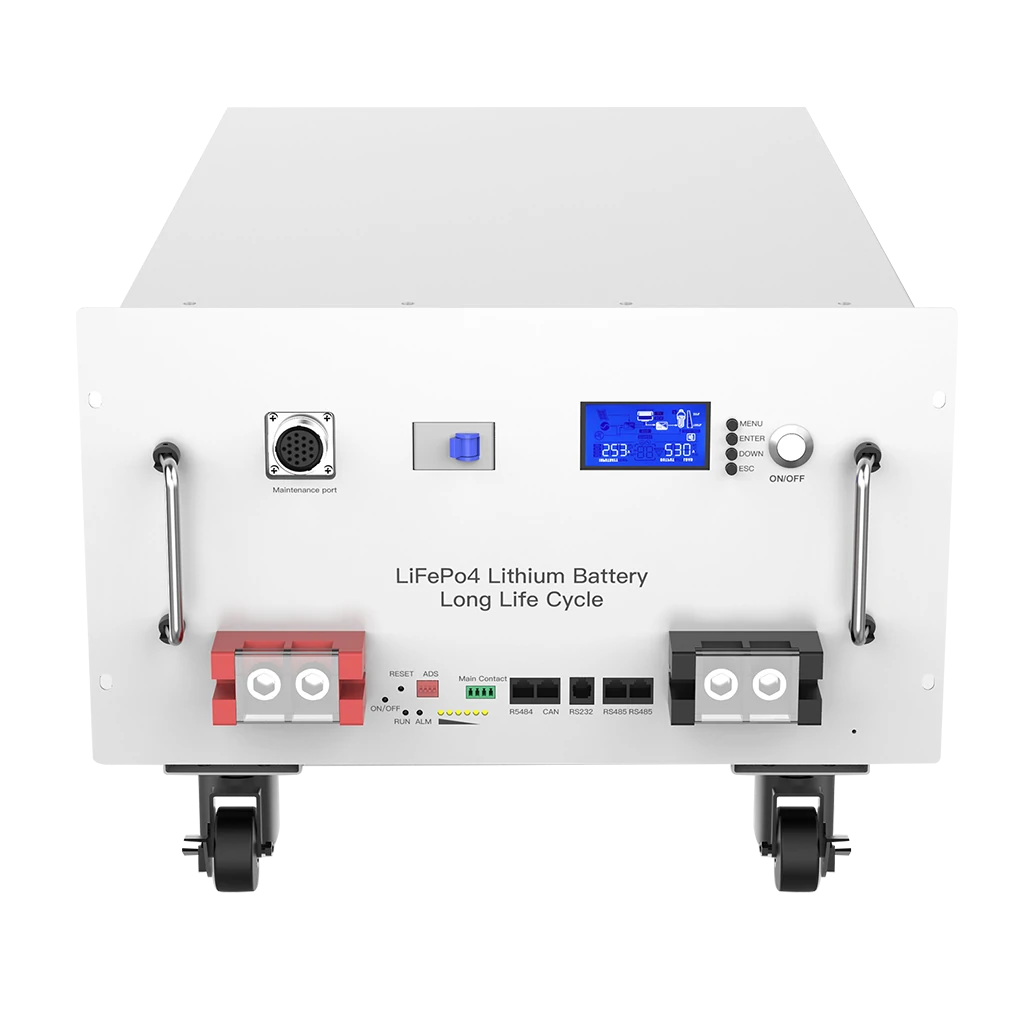
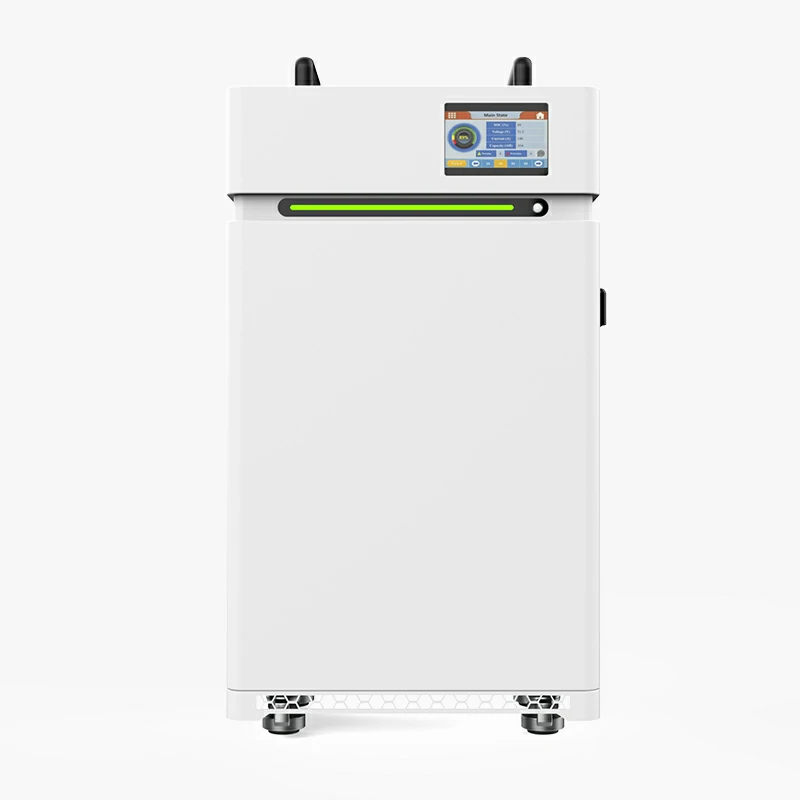
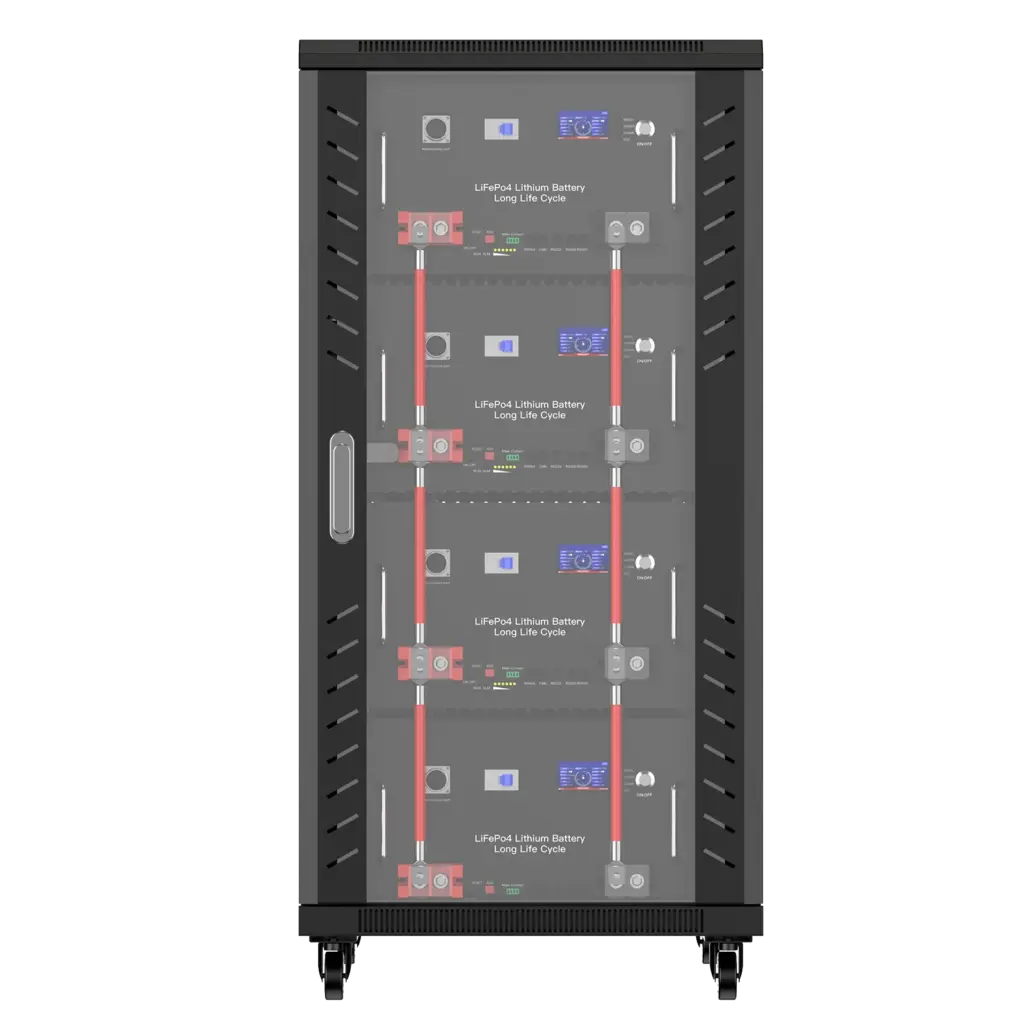
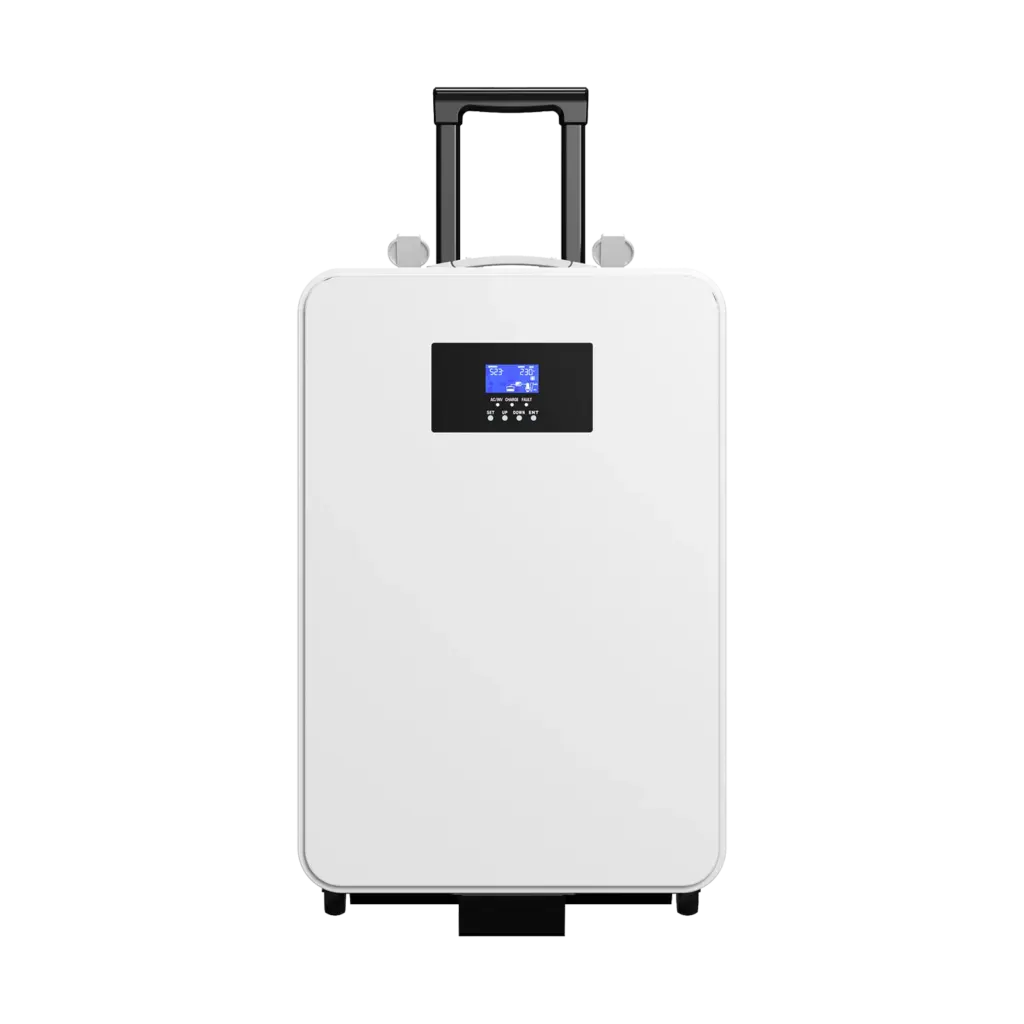
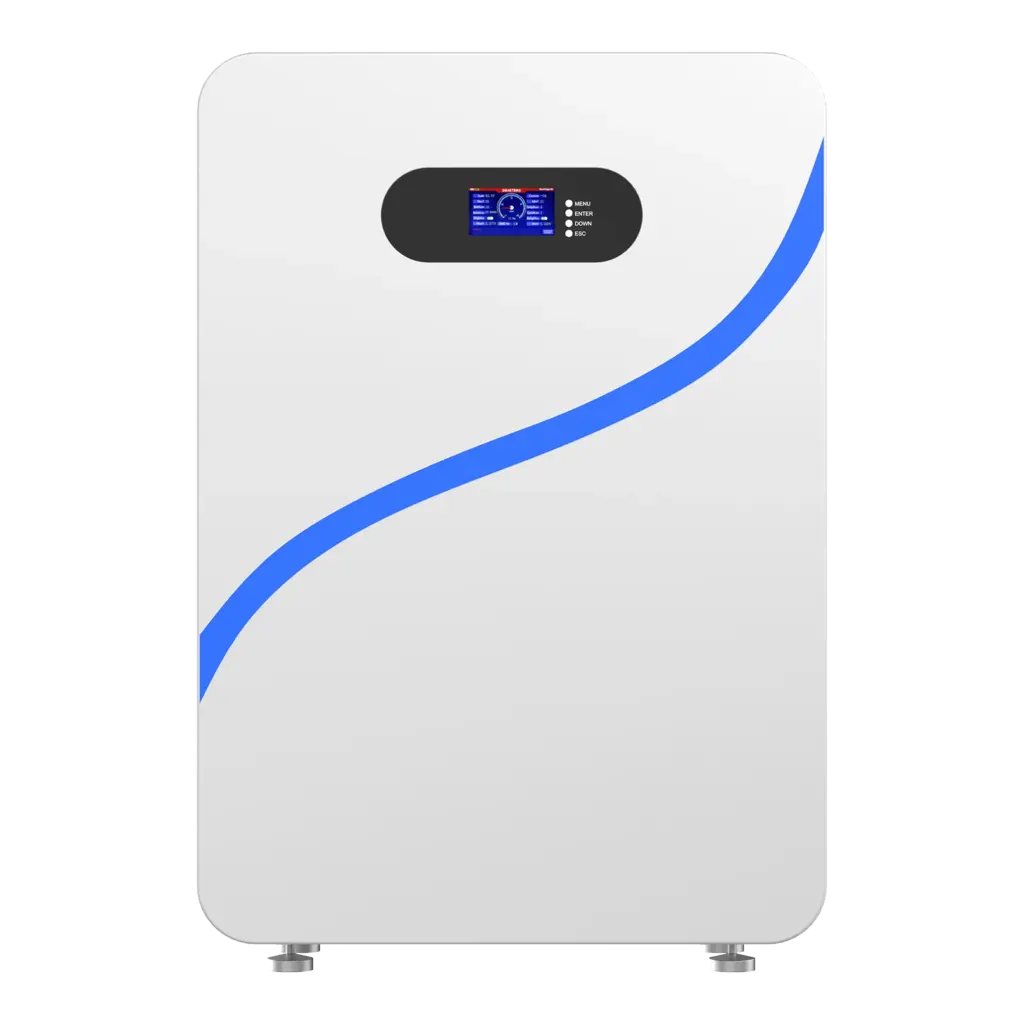
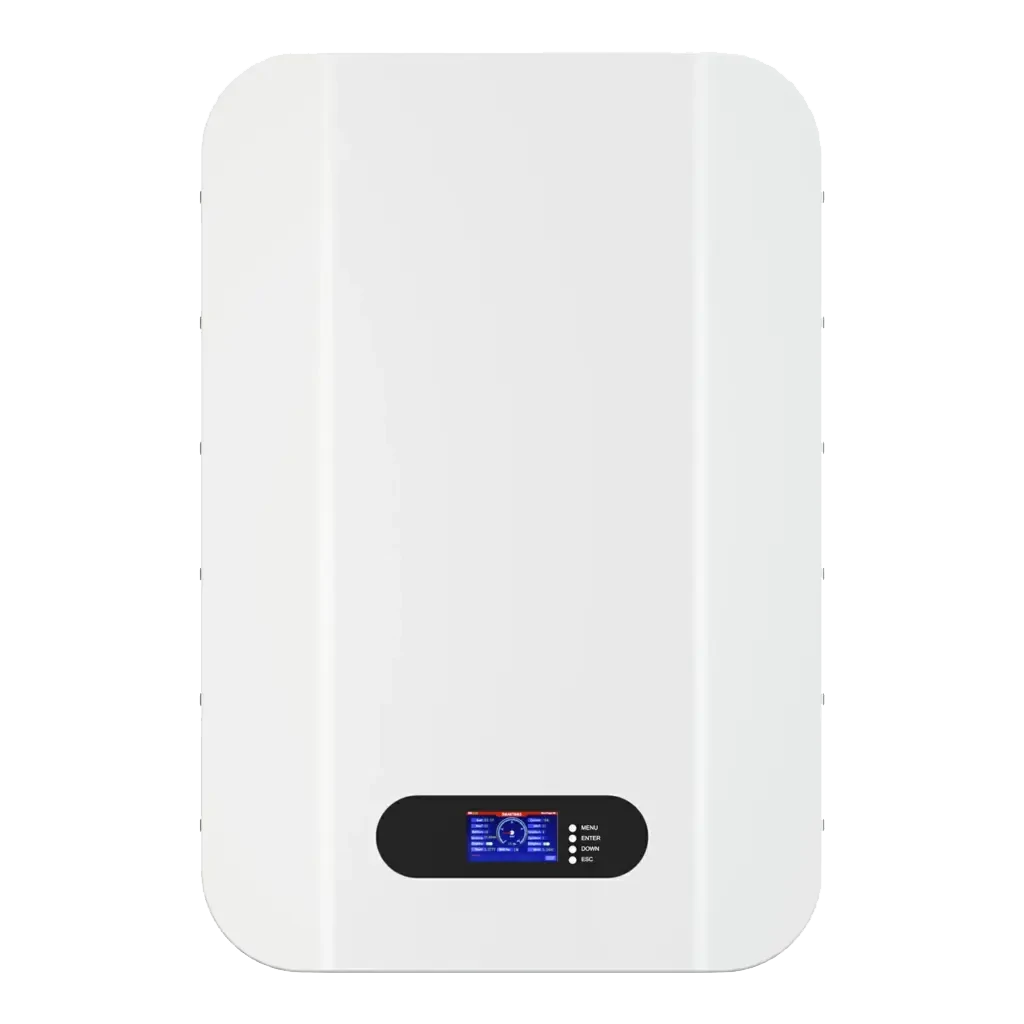
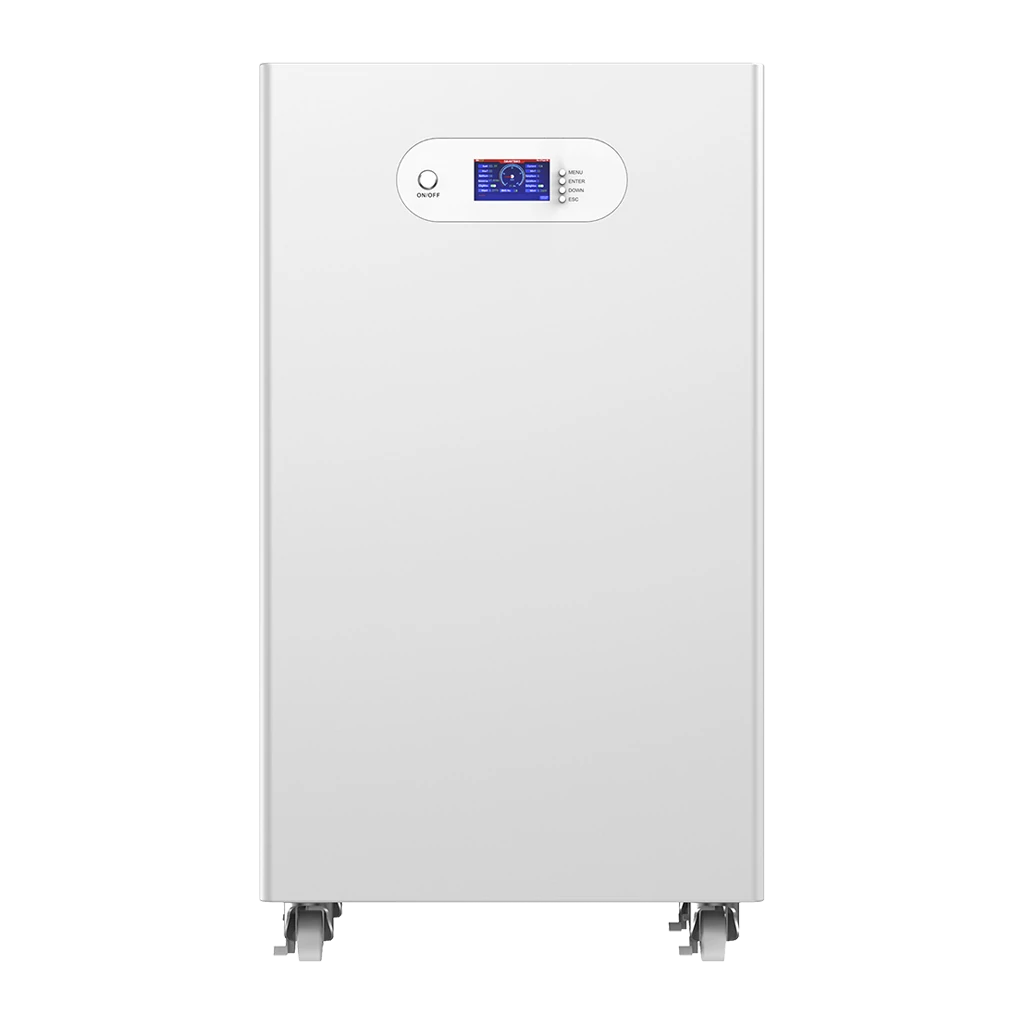
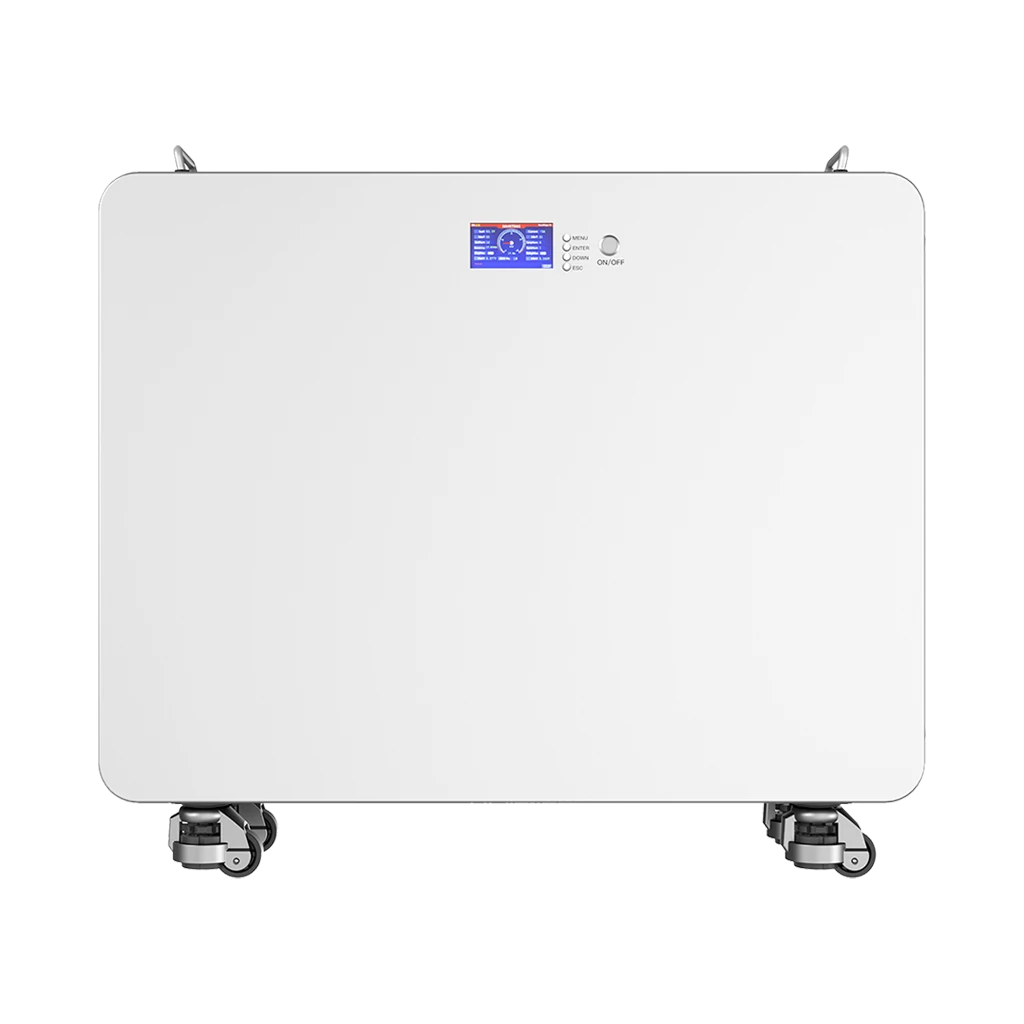
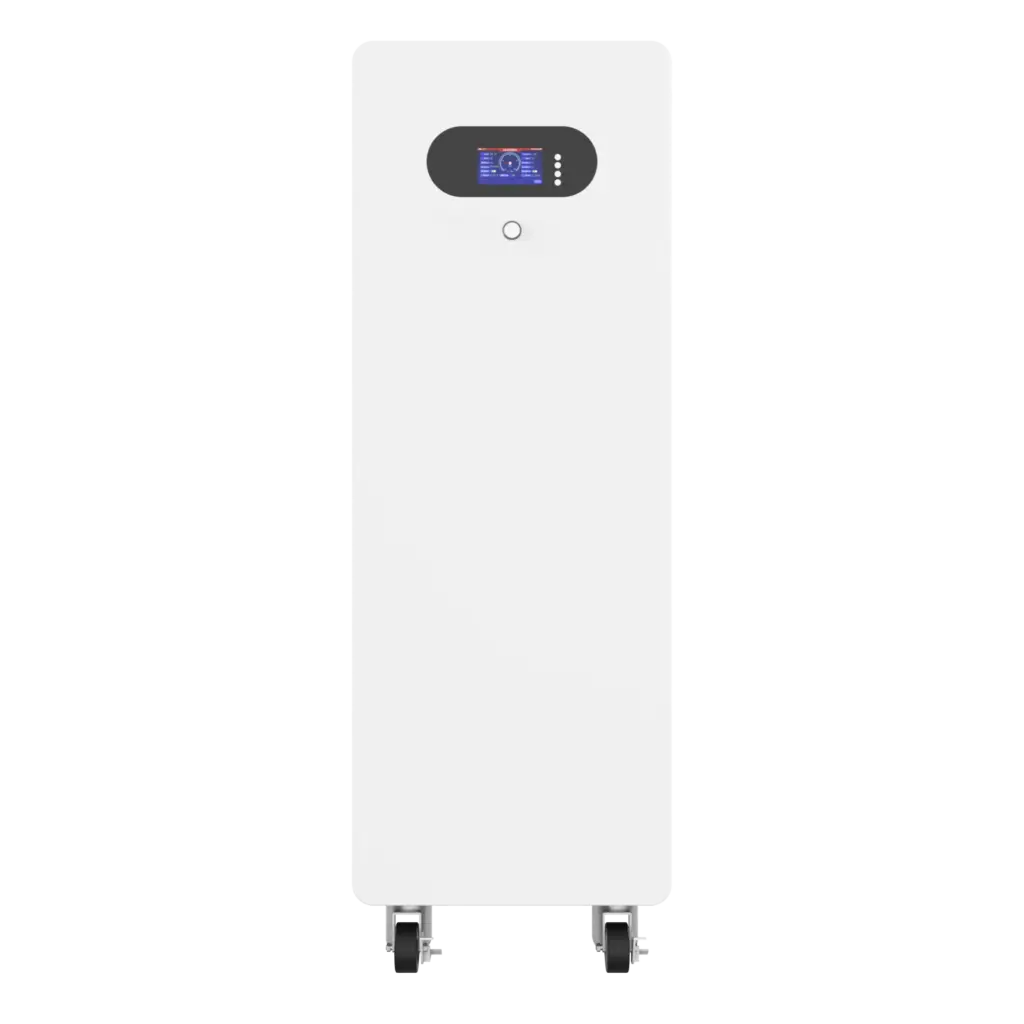
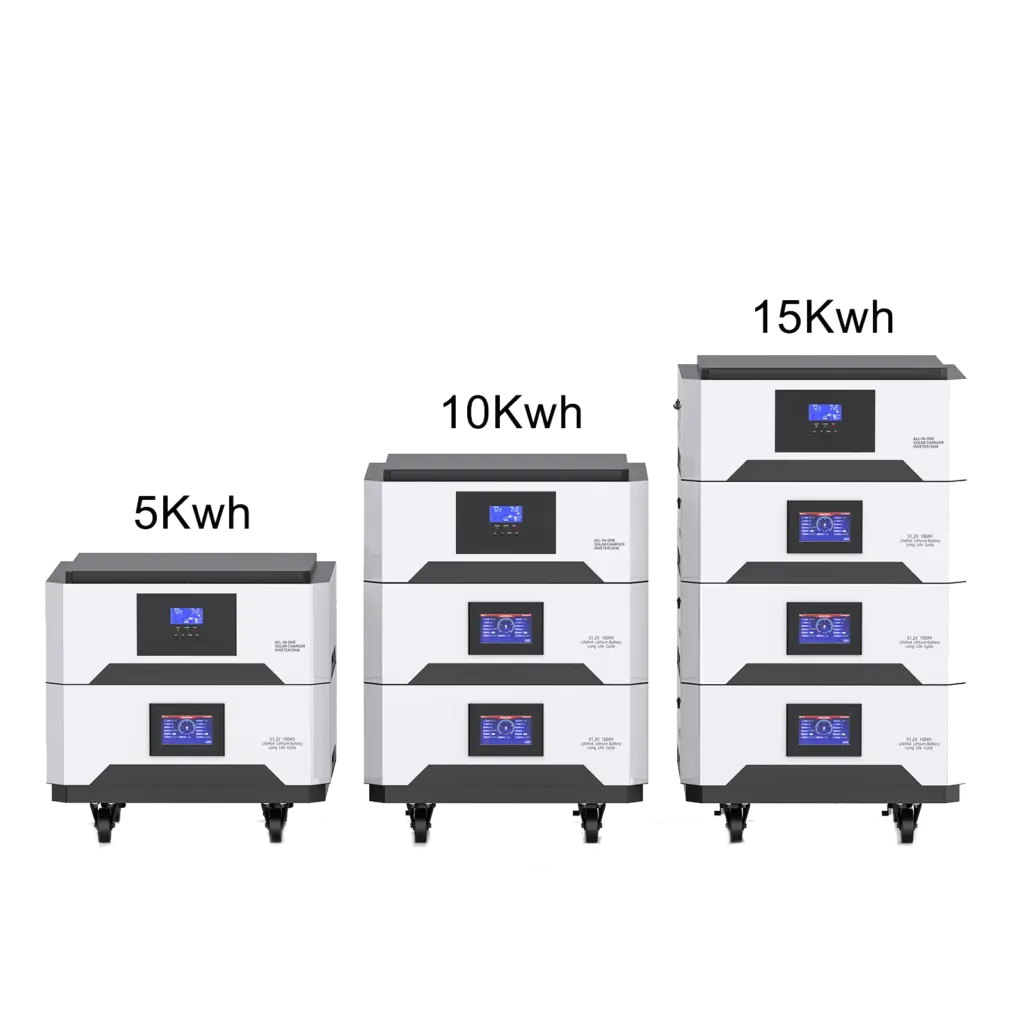
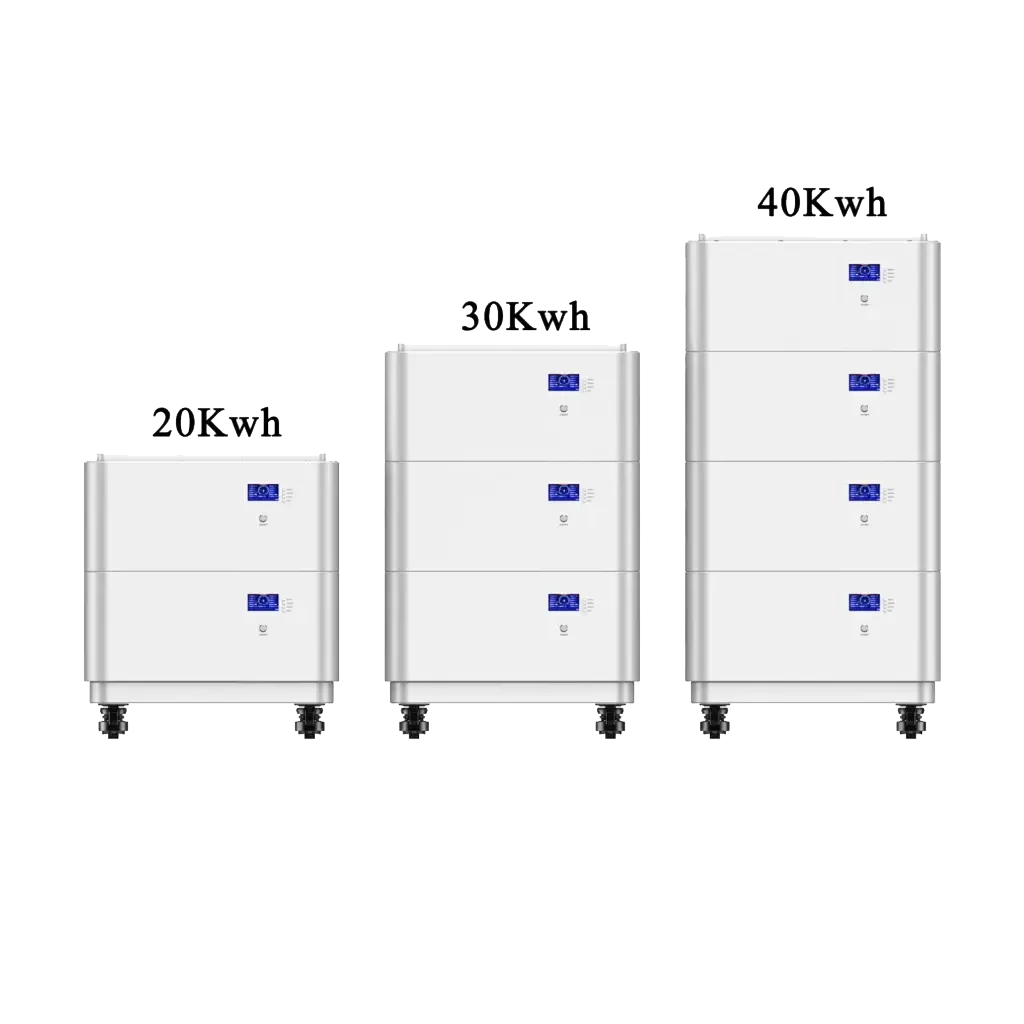
Avepower focuses on LiFePO4 solar storage systems for residential, installer, distributor, and OEM/ODM projects. For example, Avepower’s wall-mounted battery series is designed for home solar storage, backup power, and modular expansion. For larger residential or light commercial projects, Avepower also offers stackable LiFePO4 battery storage and custom OEM/ODM battery solutions.
Are AGM Batteries Better Than Flooded Lead-Acid for Solar?
In many small solar systems, AGM batteries are better than flooded lead-acid batteries because they are sealed, easier to install, and require less maintenance.
Flooded lead-acid batteries may still be used in some off-grid systems because they can be cheaper and serviceable. However, they require water maintenance, ventilation, and more user attention.
AGM is often the cleaner and simpler lead-acid option. But when compared with LiFePO4, AGM no longer has the same technical advantage for daily-use solar storage.
Can You Use AGM Batteries With Solar Panels?
Yes. AGM batteries can be charged by solar panels when the system includes the correct solar charge controller.
The basic setup includes:
- Solar panels
- Solar charge controller
- AGM battery bank
- Inverter, if AC power is needed
- DC loads or AC household loads
The charge controller is very important. AGM batteries need the correct charging voltage and charging profile. A controller with an AGM setting is recommended. MPPT charge controllers are usually preferred for better solar charging efficiency, especially in larger systems.
Using the wrong charging profile can cause undercharging, overcharging, sulfation or reduced battery life.
How to Size AGM Batteries for a Solar System
When sizing an AGM solar battery bank, do not size only by the battery’s nameplate capacity. You should calculate usable capacity.
A simple method:
Daily energy use ÷ usable depth of discharge = required battery capacity
For example, if a small cabin uses 2kWh per day and you want to use only 50% of the AGM battery bank:
2kWh ÷ 0.5 = 4kWh AGM battery bank
This means you may need a 4kWh AGM bank to safely supply about 2kWh of daily usable energy.
Best Applications for AGM Solar Batteries
AGM batteries are best used in solar systems where simplicity and low upfront cost are more important than maximum lifetime performance.
Good AGM Applications
- 100W to 800W small solar kits
- Weekend cabins
- RV house battery systems
- Boat electronics
- 12V lighting systems
- Farm gates
- Remote cameras
- Small backup systems
- Occasional-use off-grid sheds
Better LiFePO4 Applications
- 5kWh to 50kWh home battery systems
- Solar self-consumption
- Whole-home backup
- Installer-led residential projects
- Villa energy storage
- Small commercial backup
- Distributor product lines
- OEM/ODM battery programs
- Systems requiring monitoring and inverter communication
This is where brands such as Avepower focus more on LiFePO4-based battery energy storage systems for residential, commercial, and project-based use.
Should Installers and Distributors Still Offer AGM Solar Batteries?
AGM batteries can still have a place in small off-grid, mobile and low-cost systems. But for professional residential solar storage, installers and distributors should be careful about relying on AGM as the main product line.
Customers increasingly expect:
- Longer battery life
- Higher usable capacity
- Cleaner installation
- App or remote monitoring
- Better inverter compatibility
- Expandable storage
- Strong warranty support
These expectations are easier to meet with LiFePO4 battery systems.
For installer-led solar projects, Avepower provides support for home battery systems for solar installers and an inverter compatibility list to help match battery systems with project requirements.
Power That Lasts
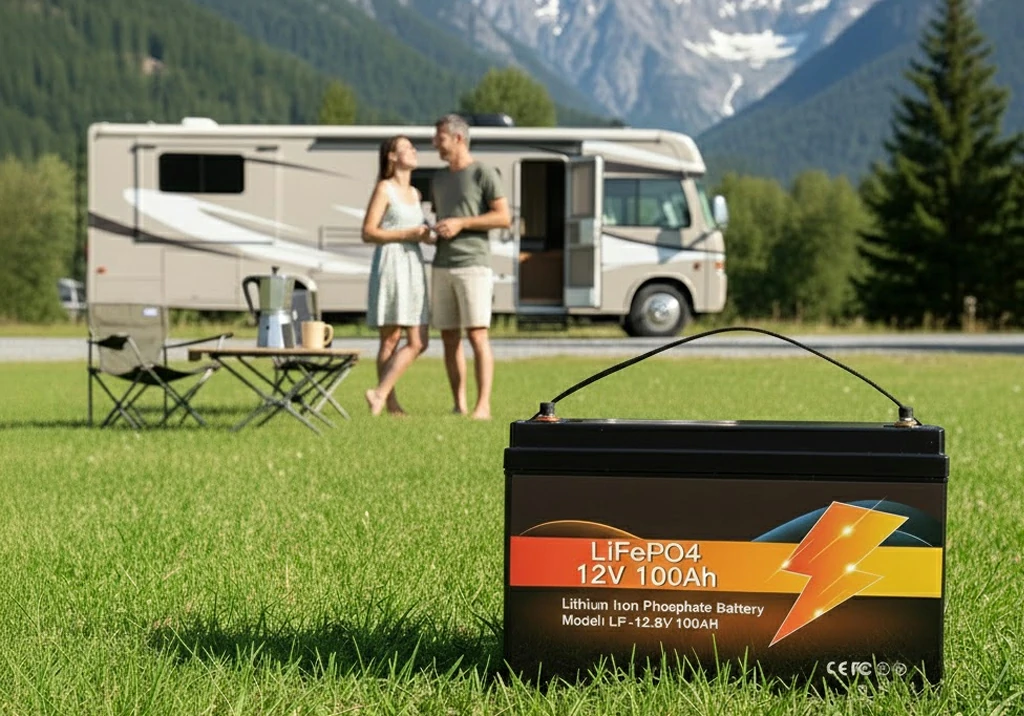
If you want a battery you can just install and forget, go with an Avepower LiFePO4.
You get 4000+ cycles, around 10 years of use, a built-in BMS, and capacity you can expand later as your needs grow—just talk to Avepower for easy sizing advice and a no-pressure quote.
Conclusion: Are AGM Batteries Good for Solar?
AGM batteries are good for small solar systems, occasional-use backup power, RVs, boats, cabins and budget off-grid projects. They are sealed, maintenance-free, relatively affordable and easier to manage than flooded lead-acid batteries.
But AGM batteries are usually not the best choice for modern home solar storage. For daily cycling, whole-home backup, solar self-consumption and scalable residential energy storage, LiFePO4 batteries usually provide better long-term value.
If your project is small and cost-sensitive, AGM can work. If your project needs reliable daily solar storage, longer service life and easier expansion, LiFePO4 is the smarter direction.
For homeowners, installers, distributors and OEM project buyers comparing AGM with lithium, Avepower’s residential battery energy storage systems offer a more scalable LiFePO4-based path for solar storage, backup power and energy independence.
FAQ
Yes, AGM batteries can be used with solar panels, especially in small off-grid systems, RVs, boats, cabins and backup power setups. They are not usually the best option for daily home solar storage.
It depends on battery quality, depth of discharge, charging settings, temperature and usage frequency. In light-use systems, AGM batteries can last several years. In daily deep-cycle solar use, they may wear out much faster than LiFePO4 batteries.
No. A regular AGM starting battery is designed for short bursts of high current, not deep cycling. For solar storage, use a deep-cycle AGM battery.
Many system designers size AGM battery banks around 50% usable depth of discharge for better lifespan, even if some models allow deeper discharge. Always follow the manufacturer’s datasheet.
AGM batteries produce less gas than flooded lead-acid batteries under normal conditions, but they should still be installed in a ventilated and protected location.
AGM batteries are usually easier to maintain because they are sealed and do not require water top-ups. They are often cleaner and more convenient than flooded lead-acid batteries.
Usually no. AGM batteries are cheaper upfront, but LiFePO4 batteries generally offer longer life, higher usable capacity, better efficiency and lighter weight. AGM may be better only for small or occasional-use systems where budget is the main concern.
For most modern home solar storage systems, LiFePO4 is one of the best choices because it is stable, long-lasting, efficient and suitable for daily cycling.