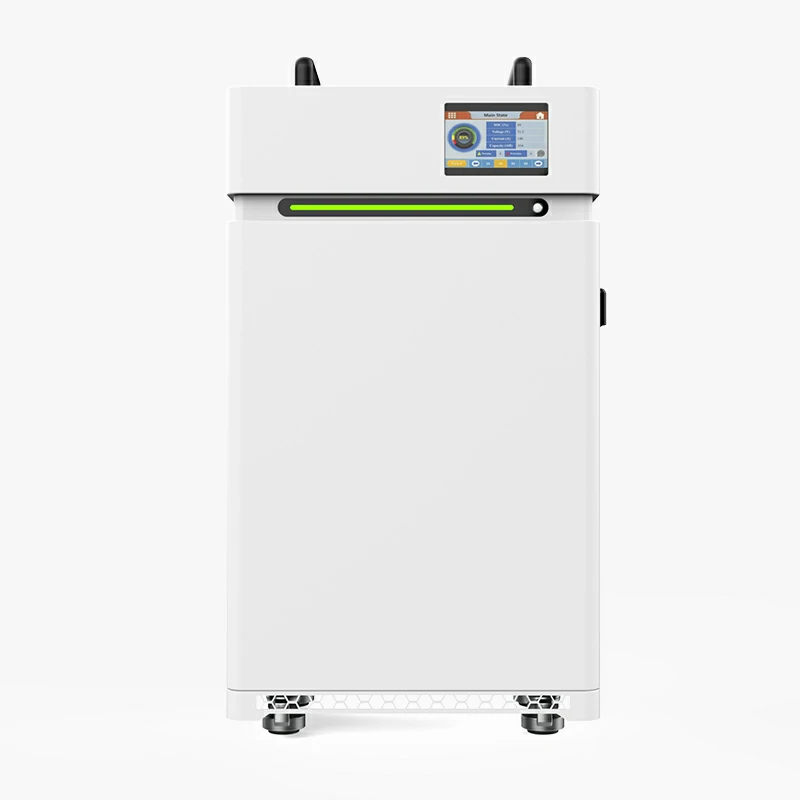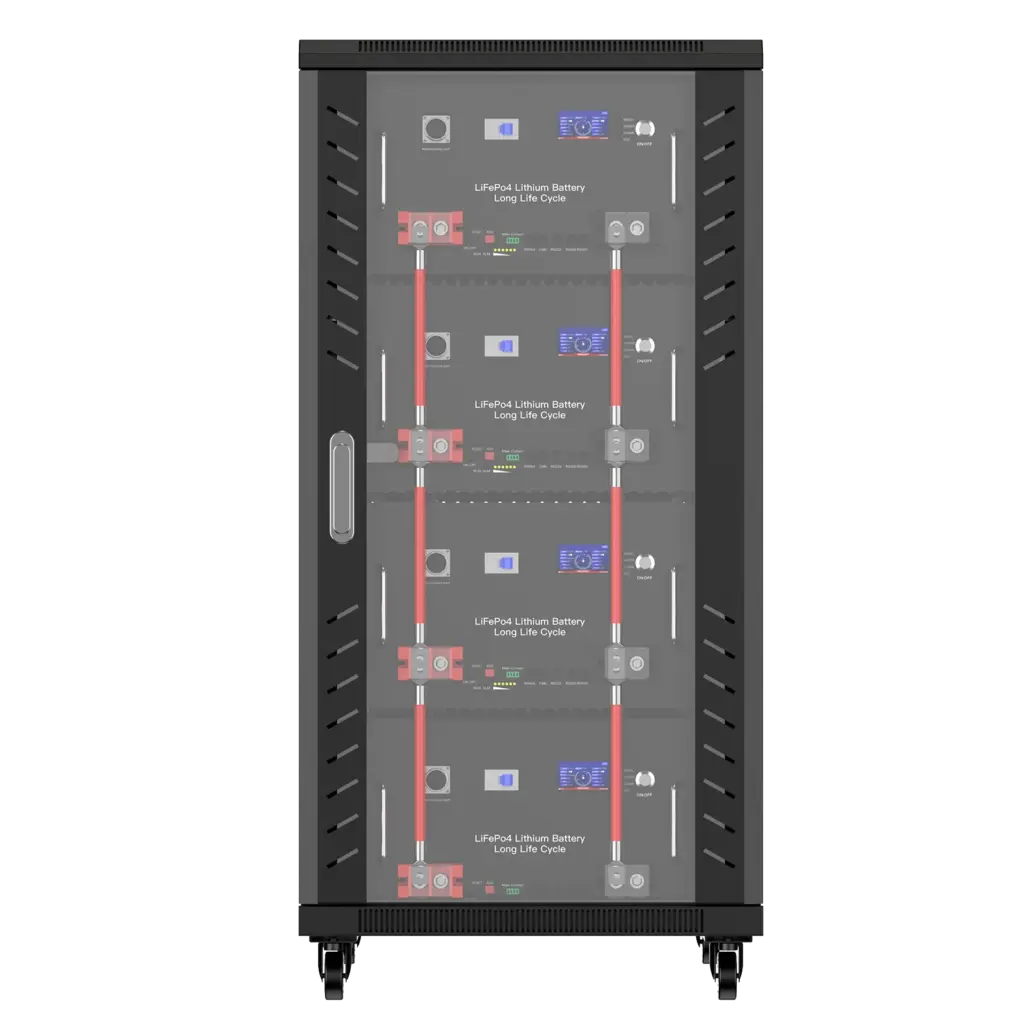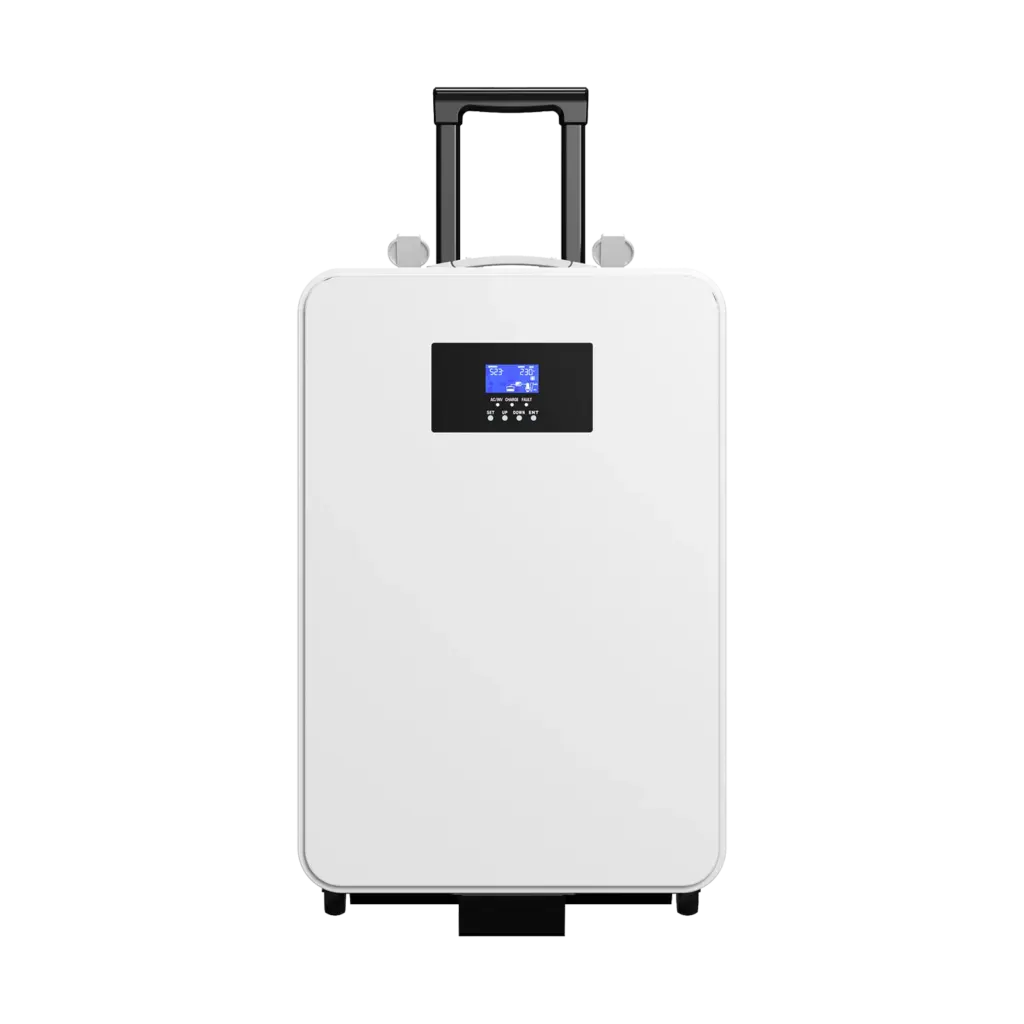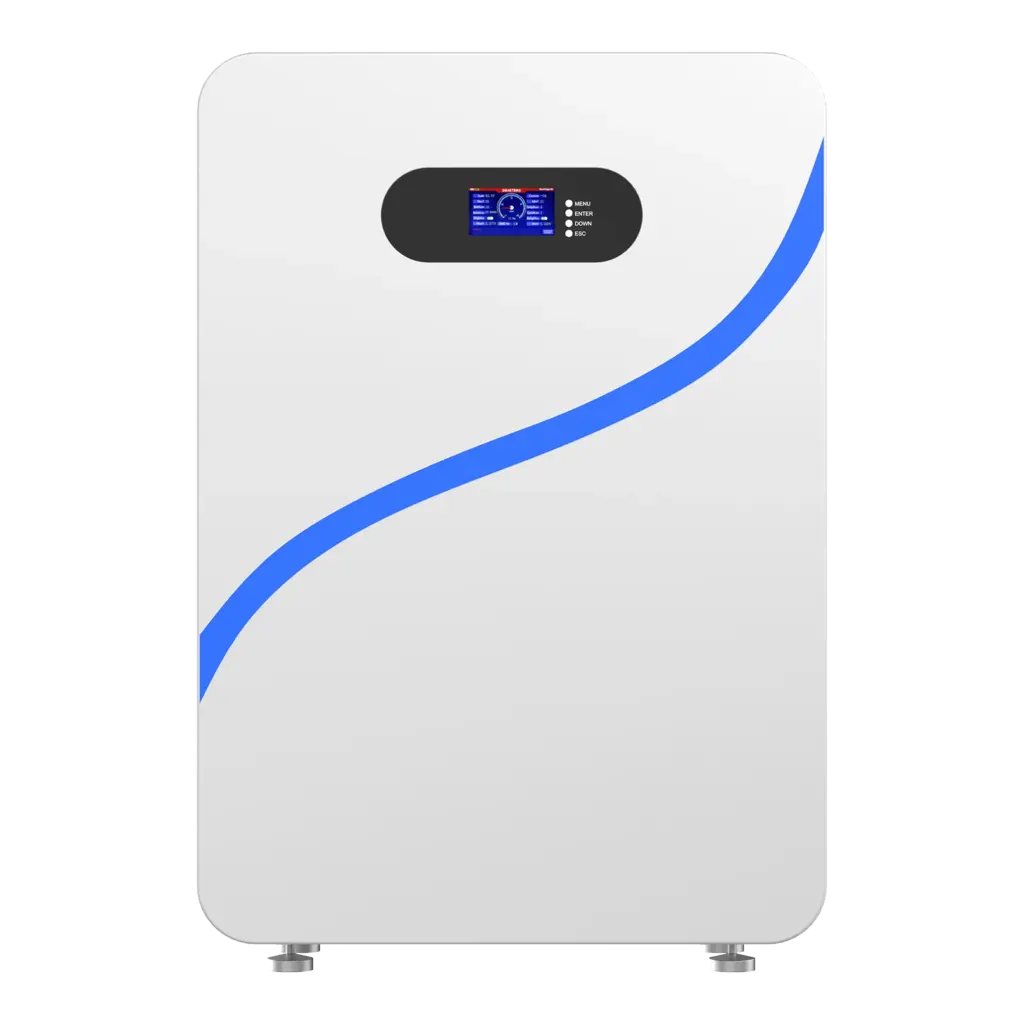

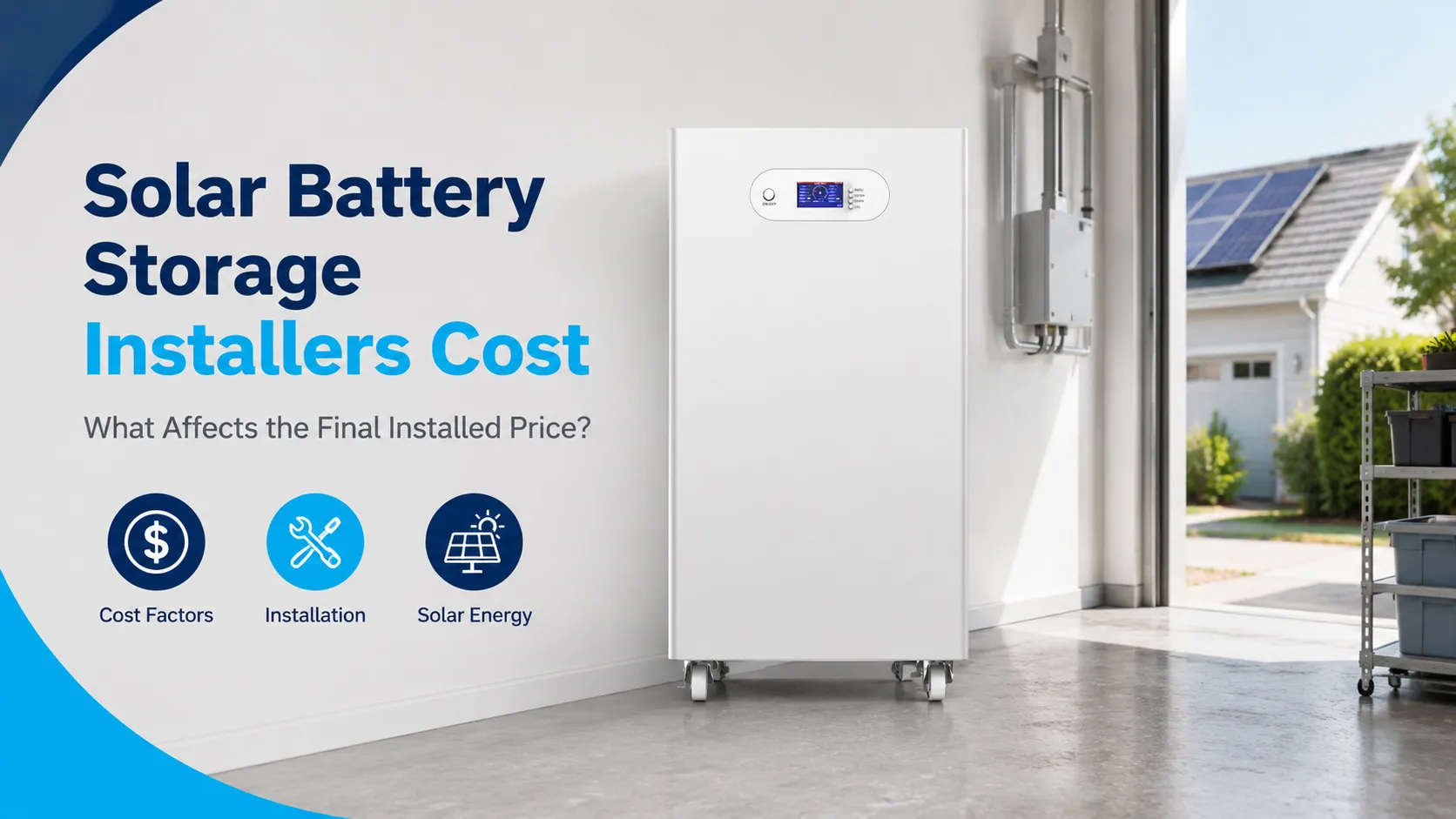
The cost of installing solar battery storage is not just the price of the battery. The answer depends on battery capacity, inverter type, backup requirements, electrical work, permits, installer labor, local regulations, and available incentives. A 10kWh battery installed beside a compatible hybrid inverter may cost far less than the same 10kWh battery added to an older solar system that needs rewiring, a backup gateway, a critical loads panel, or a main panel upgrade.
This guide explains how solar battery storage installers price a project, what a normal quote should include, and how homeowners, solar installers, distributors, and project buyers can compare battery storage costs more accurately.
Quick Summary: Solar Battery Storage Installers Cost
| Battery Size | Typical Installed Cost Before Local Incentives | Best Fit |
|---|---|---|
| 5 kWh | $5,000–$9,000 | Small backup loads, limited evening use |
| 10 kWh | $9,000–$15,000 | Common home solar self-consumption and backup |
| 13–15 kWh | $12,000–$20,000 | Larger homes, stronger backup needs |
| 20 kWh+ | $16,000–$27,000+ | Whole-home backup or high-consumption homes |
These are broad market ranges. Final solar battery storage installers cost can be lower or higher depending on country, city, battery brand, inverter type, rebate eligibility, switchboard condition, and whether the project is a new solar-plus-storage installation or a battery retrofit.
A good rule of thumb is this: the battery hardware may only represent part of the total project cost. The rest goes into design, electrical labor, cabling, inverter or gateway hardware, permits, inspection, commissioning, installer overhead, and warranty responsibility.

Need Reliable Solar Battery Options for Your Projects?
If you are comparing solar battery storage installers cost for residential or small commercial projects, the right battery supplier can help reduce installation uncertainty. Avepower provides LiFePO4 battery solutions for installers, distributors and OEM customers, with flexible capacities, communication support and project-based technical guidance.
Why Installer Cost Is More Than the Battery Price
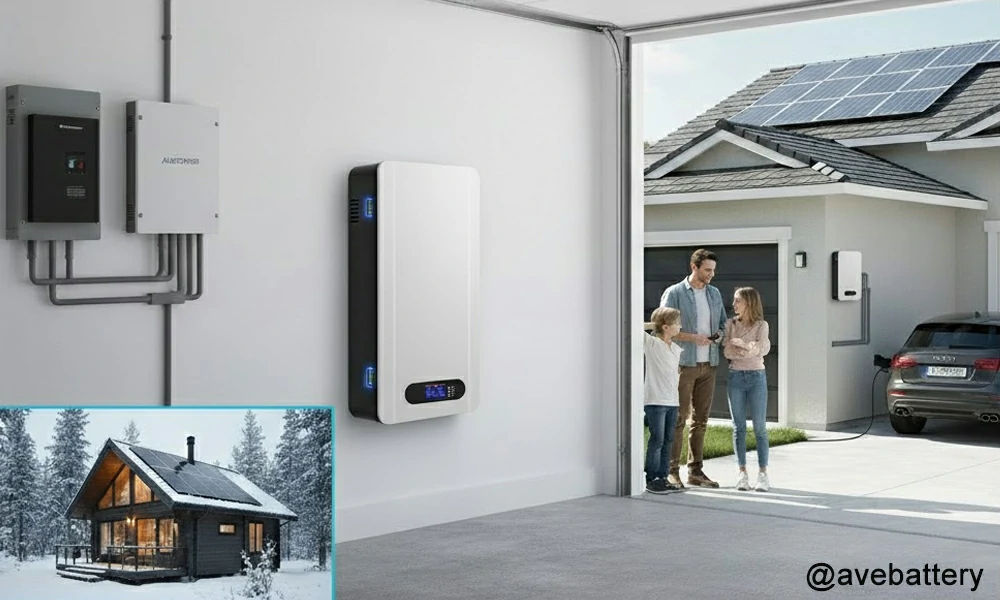
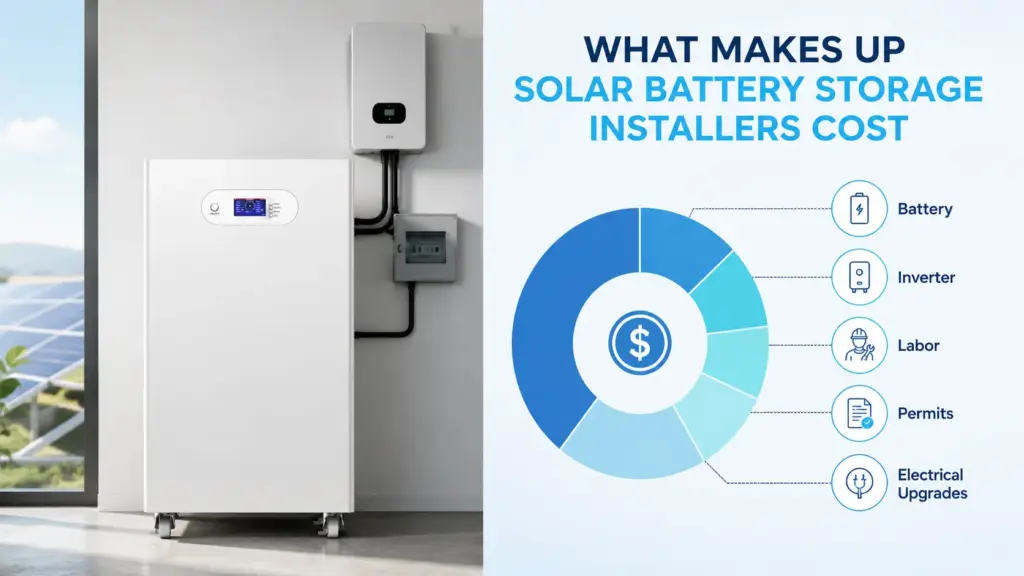
A solar battery is only one part of a complete energy storage system. A professional installation may include:
- Battery modules
- Hybrid inverter or battery inverter
- Backup gateway, transfer switch, or automatic changeover equipment
- Critical loads panel or whole-home backup panel design
- DC or AC cabling
- Conduit, isolators, breakers, fuses, meters, and protection devices
- Monitoring setup and communication configuration
- Permit application and inspection
- Utility interconnection paperwork
- Labor, travel, testing, commissioning, and after-sales support
This is why two homeowners may receive very different quotes for the same nominal battery capacity. One installation might be a simple battery-ready system upgrade. Another might require service panel upgrades, long cable runs, fire-code spacing changes, or a full backup redesign.
For installers and distributors, this also explains why choosing the right battery platform matters. A modular, inverter-compatible battery can reduce project complexity, but it cannot remove local electrical rules or certified installer requirements.
Typical Cost Breakdown for a Solar Battery Installation
A typical solar battery storage installers cost can be broken down like this:
| Cost Item | Typical Range | Notes |
|---|---|---|
| Battery equipment | $700–$1,400 per kWh | Depends on brand, chemistry, warranty, usable capacity |
| Inverter or charger | $1,000–$3,000+ | Needed if the battery does not include compatible power electronics |
| Backup gateway / transfer switch | $1,000–$3,000 | Required for many backup systems |
| Labor | $1,000–$8,000 | Depends heavily on complexity and region |
| Permits and inspections | $300–$2,000 | Varies by city, utility, and market |
| Electrical panel work | $500–$5,000+ | Needed if the existing panel is unsuitable |
| Cabling, breakers, conduit, mounting | $500–$2,500 | Higher for long cable runs or difficult sites |
| Commissioning and monitoring | Usually included | Should be clearly listed in the quote |
For installers, the quote must also cover business overhead: licensed electricians, insurance, training, warranty call-backs, design time, failed inspection risk, and after-sales support. A cheap quote that does not include these costs may become expensive later if the installation is poorly documented or difficult to service.
Regional Solar Battery Storage Installers Cost Notes
United States
In the US, installed home battery systems commonly fall into the $10,000–$20,000 range for many residential projects, with larger or whole-home backup systems costing more. A 13.5 kWh battery system often sits around the mid-five-figure range before local incentives.
Important note: US residential clean energy tax credit rules changed. Homeowners should verify eligibility using current IRS guidance before assuming a 30% credit applies to a 2026 installation.
United Kingdom
In the UK, smaller solar battery systems are often quoted from around £4,000 for entry-level battery supply and installation, while larger 10 kWh systems can be closer to £8,000 or more depending on brand, inverter requirements, and installation scope.
UK buyers should confirm whether the quote includes:
- Battery only
- Battery plus inverter
- Solar PV plus battery
- VAT treatment
- Scaffolding or electrical upgrades
- Monitoring setup
- DNO notification if required
Australia
Australia has become more attractive for home batteries because of the Cheaper Home Batteries Program. Eligible battery systems connected to new or existing rooftop solar can receive a discount, but buyers should check current eligibility, approved product lists, installer accreditation, and STC value.
A key point for Australian homeowners is battery sizing. Bigger is not always better. A system that is too large for the solar array or household consumption may deliver weaker payback than a correctly sized battery.
Commercial and Small BESS Projects
For commercial solar battery storage, installers often price by both kWh and kW. The battery capacity determines how long the system can run, while the power rating determines how much load it can support at one time.
Commercial projects may include:
- Battery cabinets
- PCS or hybrid inverters
- EMS
- Fire protection design
- HVAC or thermal management
- Grid studies
- Civil works
- Remote monitoring
- Maintenance contracts
For commercial and industrial projects, buyers should not compare cost only by battery capacity. A lower $/kWh system may still be unsuitable if it lacks the required discharge power, thermal design, certifications, or integration support.
Avepower offers commercial and industrial battery storage solutions including scalable energy storage systems for solar self-consumption, backup power, and peak shaving projects.
Match the Right Battery to Your Installation Scope
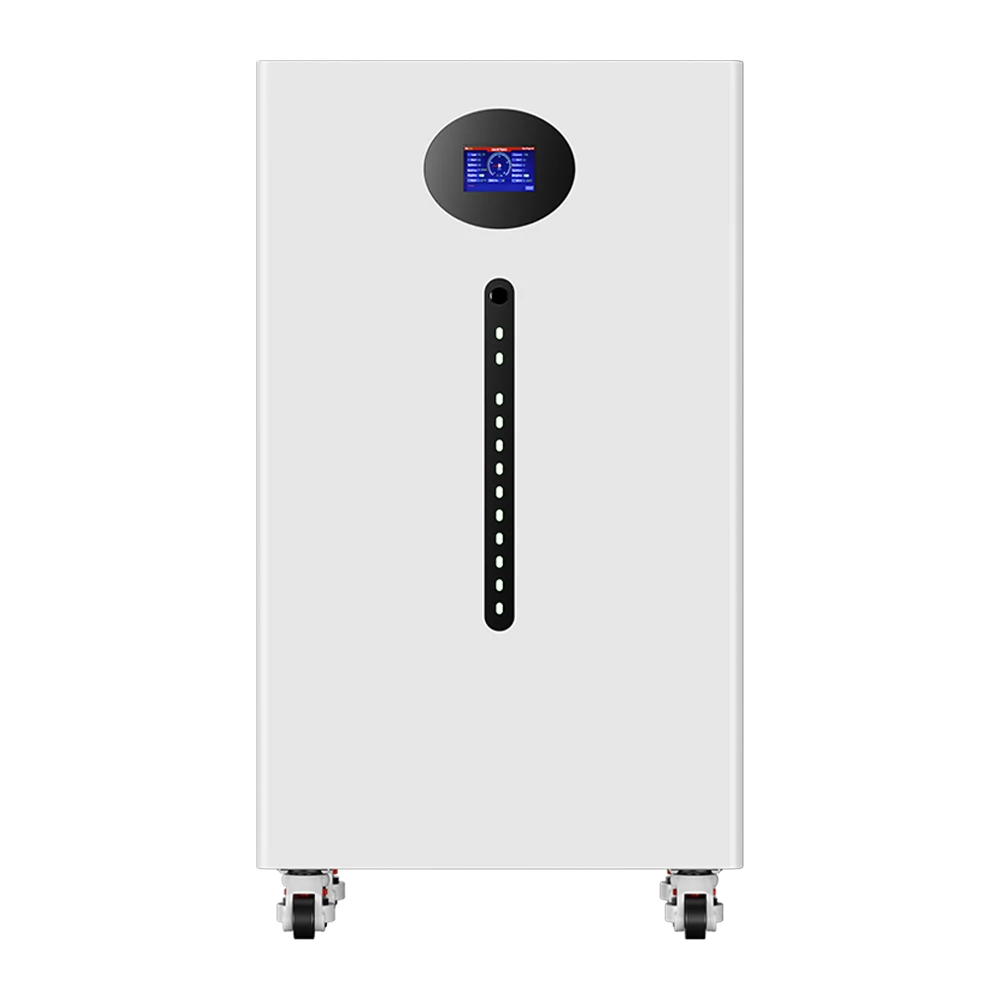
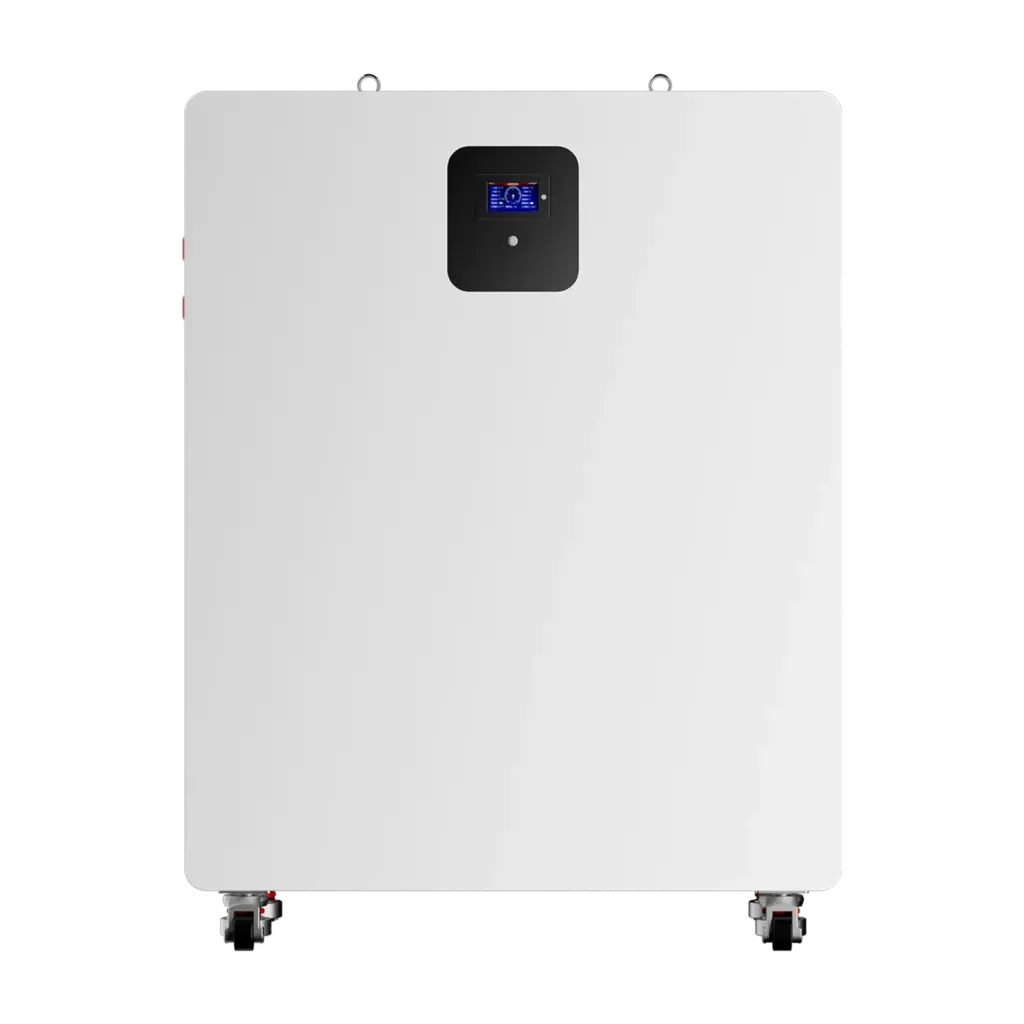
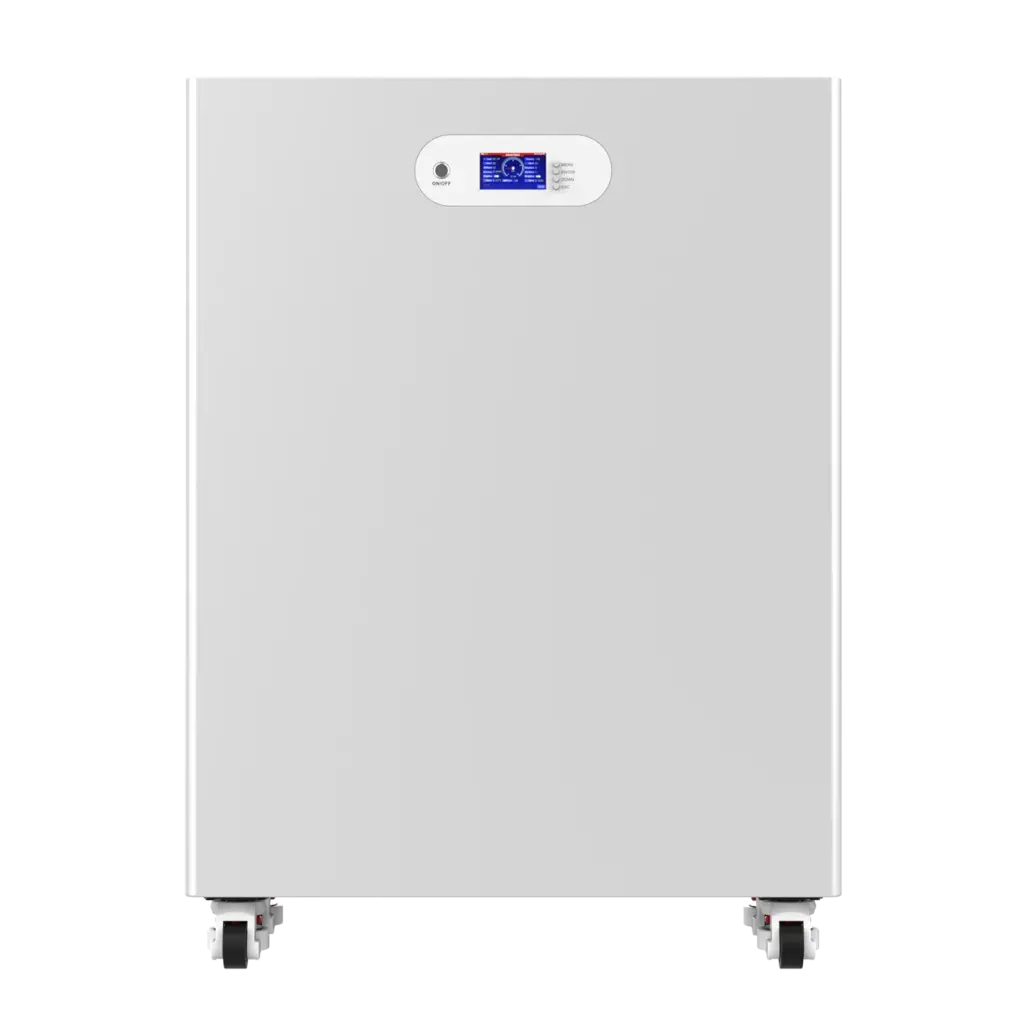
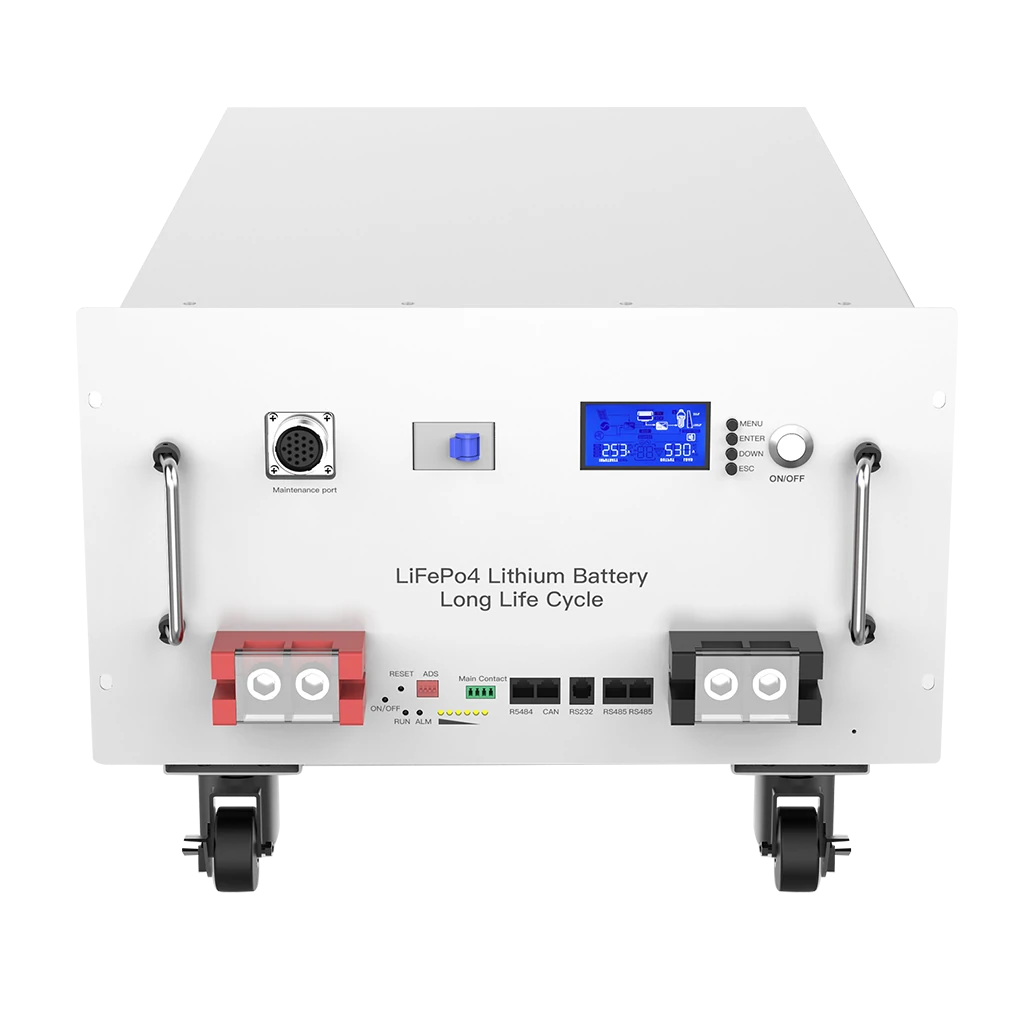
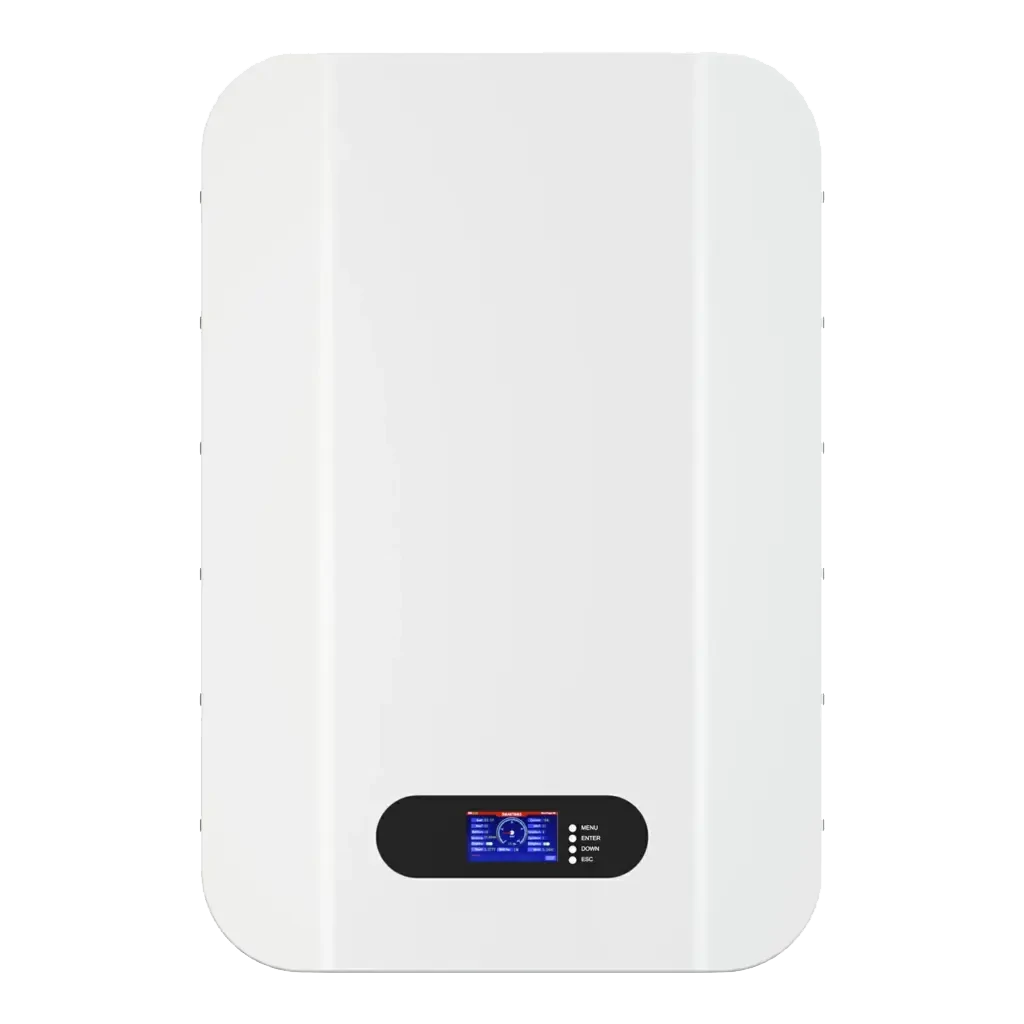
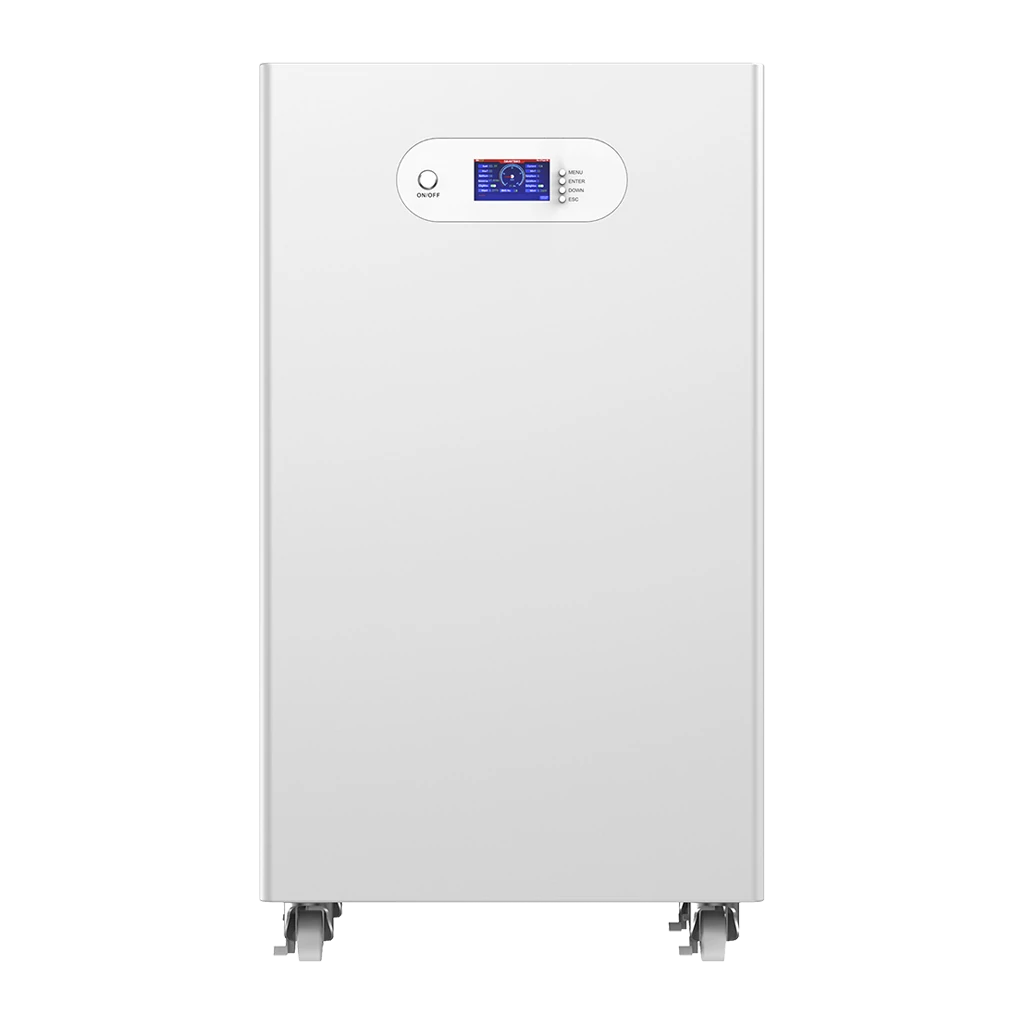
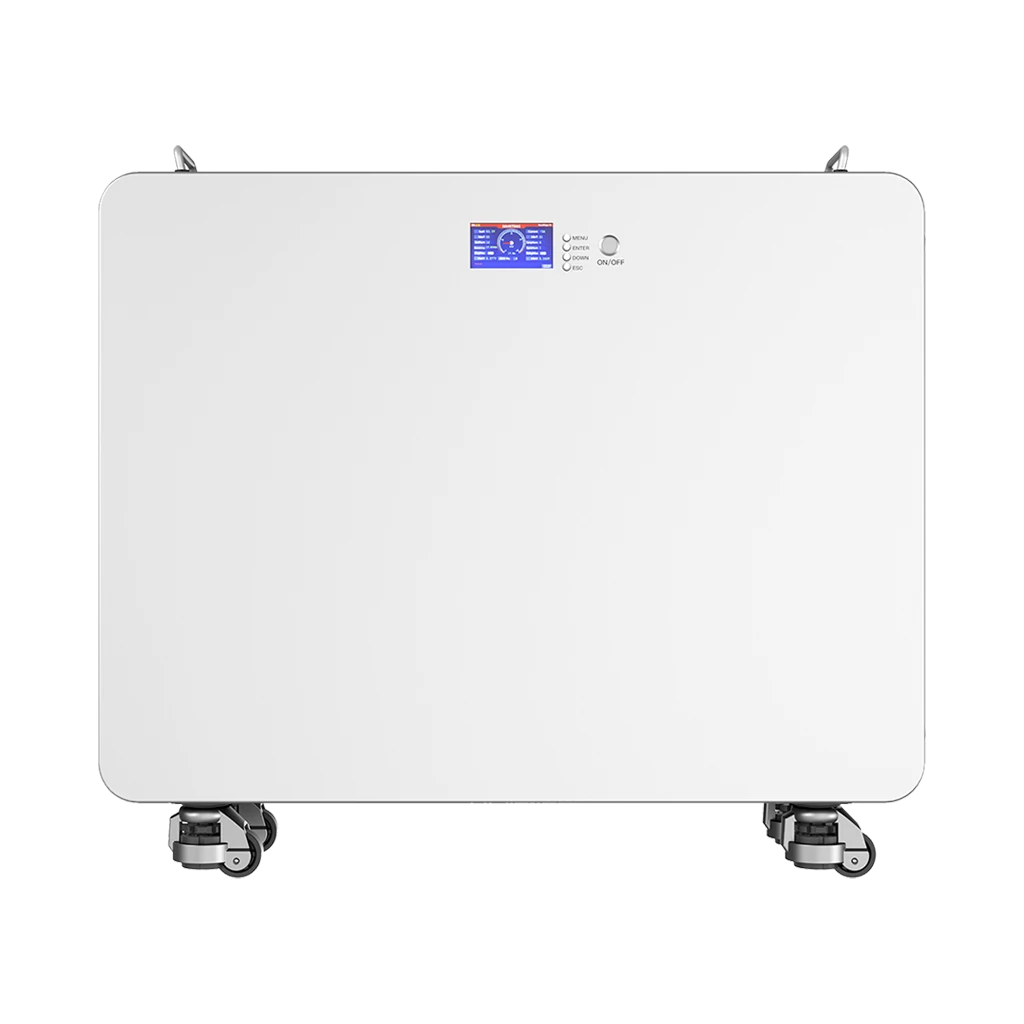
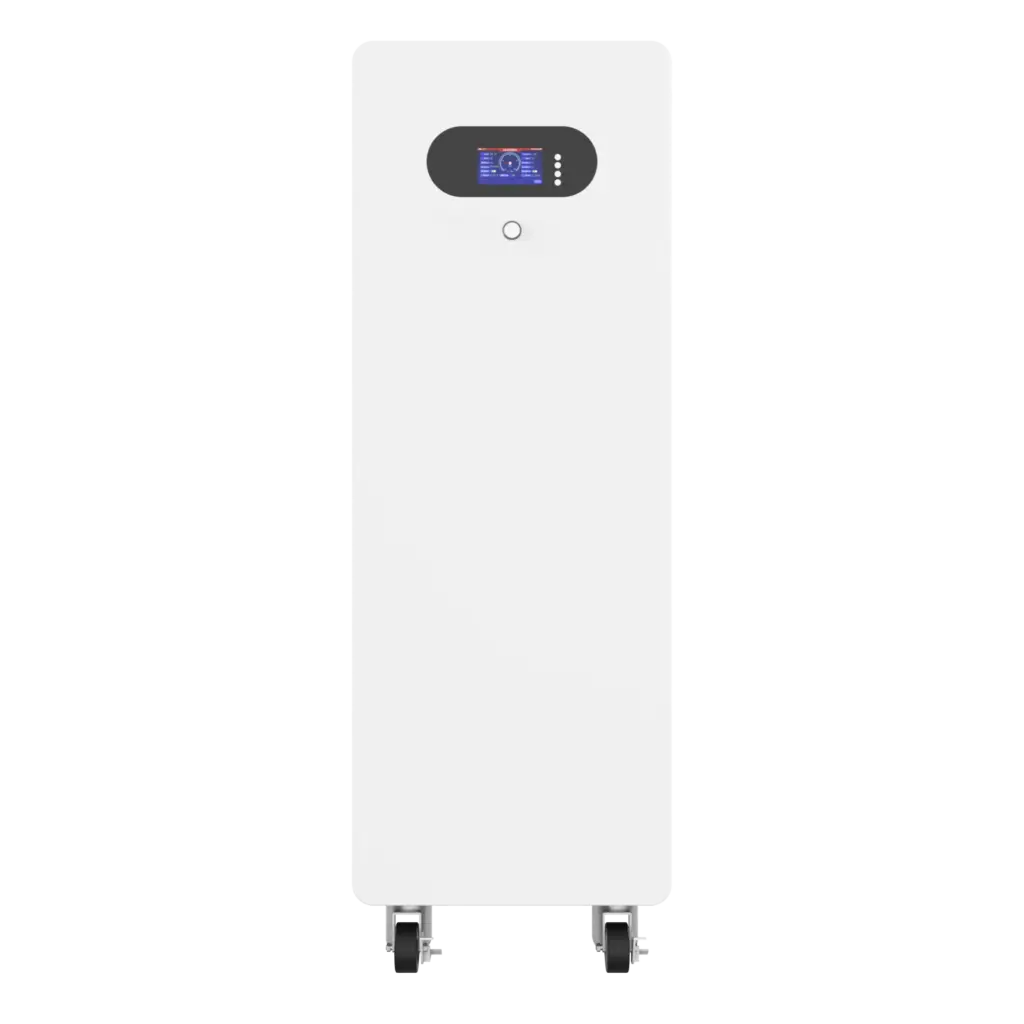
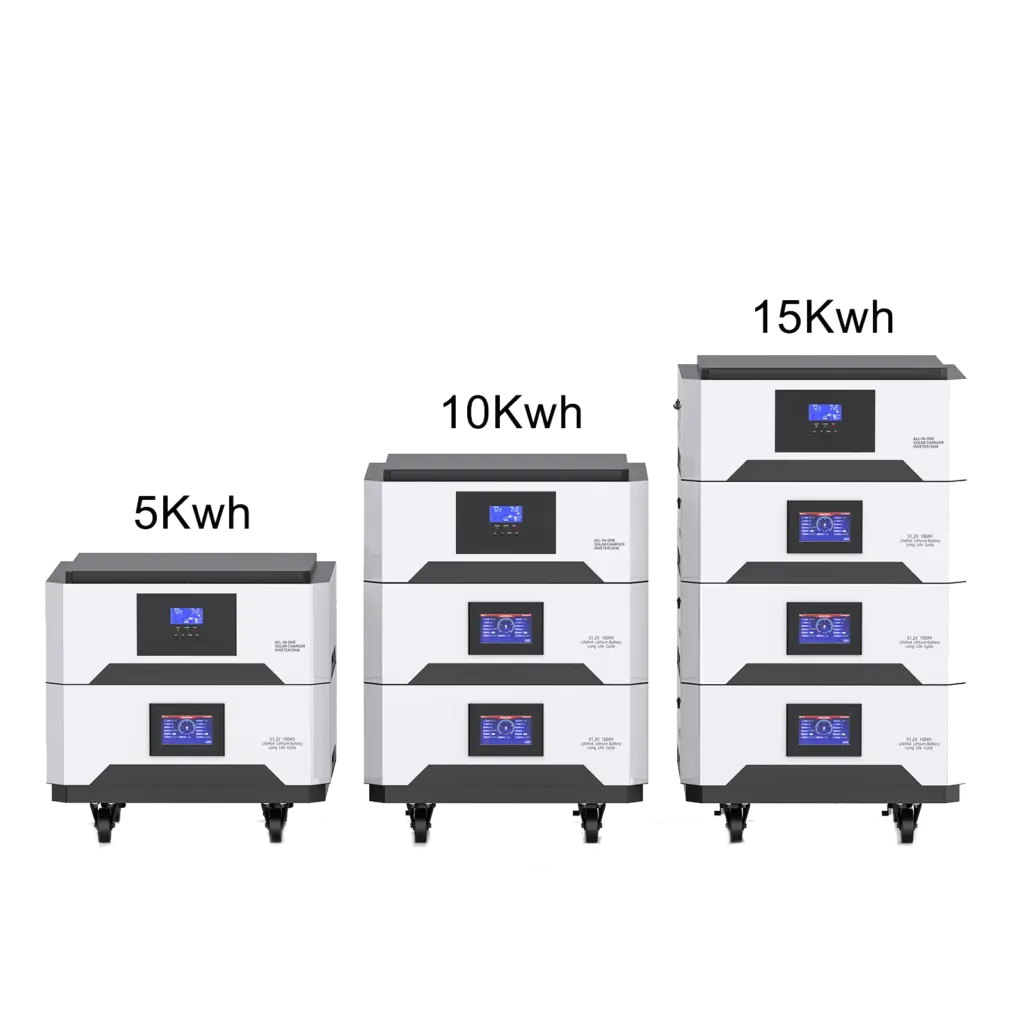
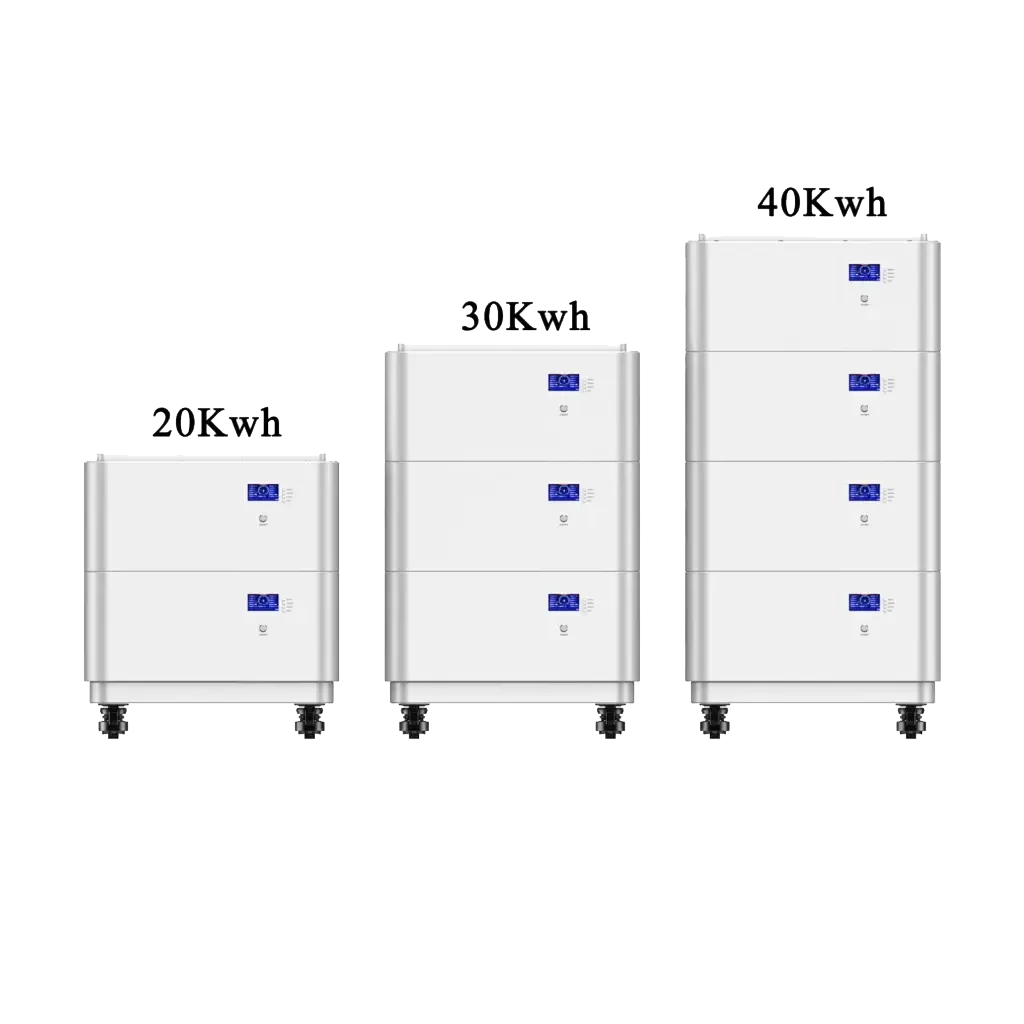
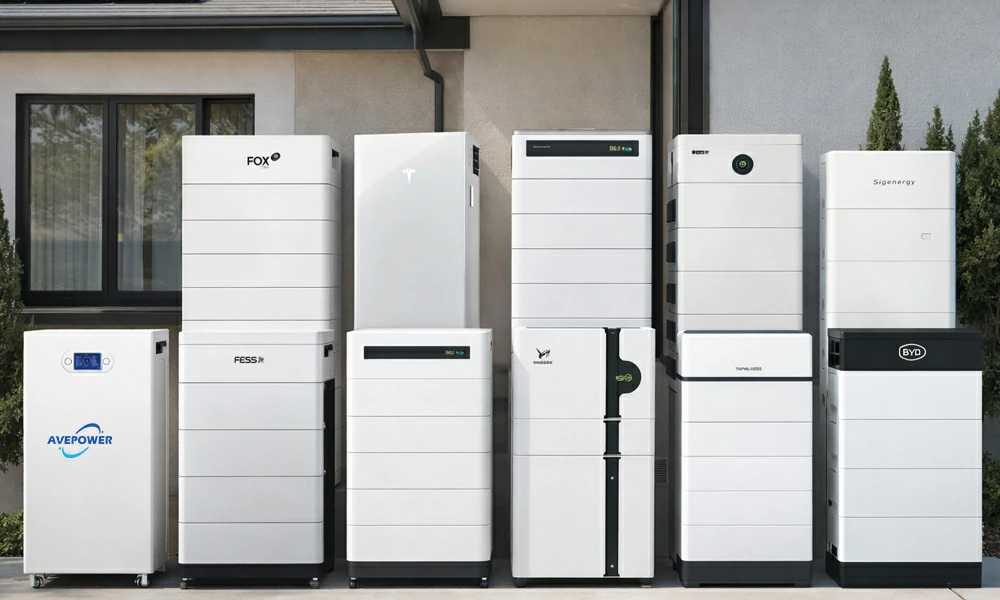
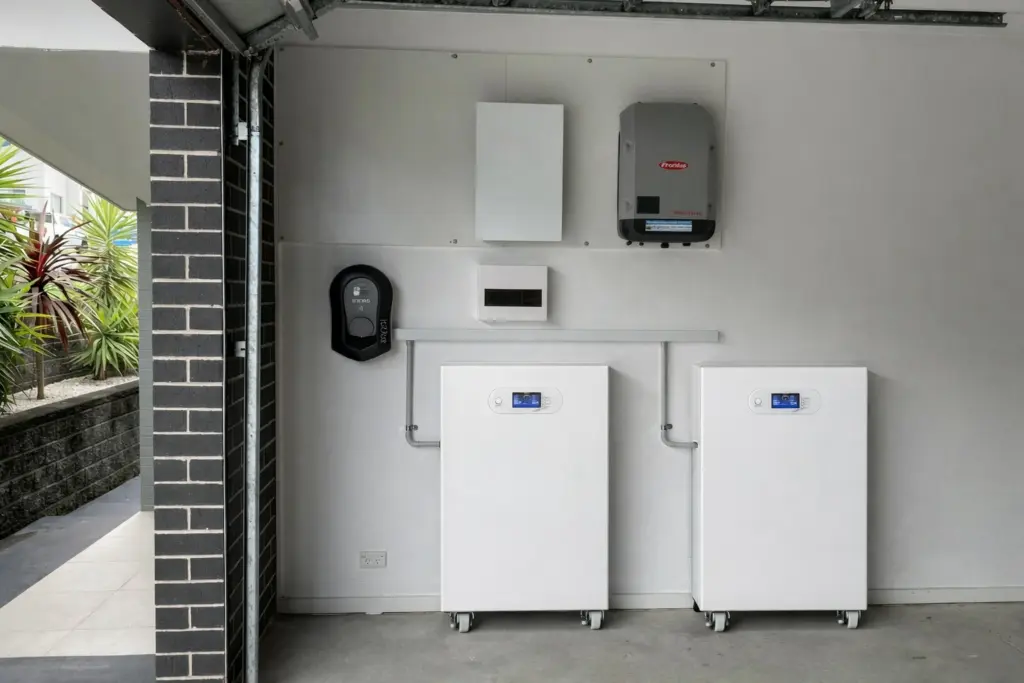
Battery cost is only one part of the final installed price. Inverter compatibility, backup design, communication protocol and installation layout all affect the total quote. Avepower helps solar installers choose suitable wall-mounted, stackable, rack-mounted and all-in-one battery systems for different project requirements.
Battery-Only Installation vs Solar-Plus-Storage Installation
A battery can be installed with solar panels, added to an existing solar system, or installed as a standalone battery that charges from the grid. The cost structure changes in each case.
1. Battery Added to Existing Solar
This is common for homeowners who already have rooftop solar. The installer needs to check:
- Existing inverter type
- AC-coupled or DC-coupled battery compatibility
- Export limitation rules
- Backup requirements
- Switchboard condition
- Monitoring integration
- Utility approval requirements
This can be more complex than installing solar and battery together from the start.
2. New Solar + Battery Installation
A new solar-plus-storage project is often easier to design because the solar array, inverter, battery, cable route, and backup design can be planned together. This can reduce rework and improve system performance.
3. Battery-Only Installation
A standalone battery may be suitable where solar panels are not possible due to roof shading, rental limitations, roof condition, or local restrictions. It can store off-peak grid electricity and discharge during peak-rate periods. However, the financial return depends heavily on the gap between off-peak and peak electricity prices.
In markets where battery incentives require connection to a solar PV system, battery-only installations may not qualify. Always check local rules before quoting or buying.
What Affects Solar Battery Storage Installers Cost?
1. Battery Capacity
Larger systems cost more in total but may reduce the cost per usable kWh. A 5kWh system is usually suitable for essential loads or partial backup. A 10kWh system is more common for daily solar self-consumption and evening use. A 15kWh–20kWh system may suit larger homes, high evening loads, heat pumps, EV charging support, or longer backup expectations.
2. Backup Scope
Backup design is one of the biggest cost drivers. There are three common options:
- No backup: The battery reduces bills but shuts down during grid outages unless the inverter and system are designed for backup operation.
- Essential loads backup: The battery powers selected circuits such as refrigerator, lighting, internet, garage door, security system, and selected outlets.
- Whole-home backup: The battery supports most or all home circuits, but this usually requires more inverter power, more battery capacity, load management, and more electrical work.
Whole-home backup is convenient, but it is not always the best value. In many homes, essential-load backup provides better cost control.
3. Inverter Compatibility
The inverter determines how the battery connects to the home and solar system. Some batteries require a specific inverter ecosystem. Others are more flexible but still need protocol compatibility.
Before quoting, confirm:
- Battery voltage range
- CAN / RS485 communication protocol
- Approved inverter list
- Charge and discharge current limits
- Backup mode support
- Parallel expansion rules
- Monitoring requirements
Avepower recommends confirming inverter compatibility before purchase, especially for installers, distributors, and OEM customers working across different markets.
4. Electrical Panel Condition
Older homes may need panel upgrades, subpanel installation, breaker replacement, earthing checks, or rewiring. These costs are often discovered during site inspection, not during the first online estimate.
5. Distance Between Battery, Inverter, and Switchboard
Long cable runs increase material and labor costs. A battery placed near the inverter and main switchboard is usually cheaper to install than one placed across the property, in a detached garage, or behind finished walls.
6. Indoor vs Outdoor Installation
Battery location affects enclosure requirements, ventilation, temperature exposure, fire safety, and protection from moisture. A clean garage or utility room may be simpler than an exposed outdoor wall.
7. Permit and Grid Approval
Permitting and inspection rules vary by country, state, city, utility, and property type. Professional installers price this administrative work into the final quote because failed inspections and interconnection delays can create extra labor.
8. Local Labor Rates
Installer labor costs vary significantly by region. High-demand markets with strong solar adoption, strict regulations, or limited certified installer availability often have higher labor pricing.
9. Incentives and Rebates
Rebates can reduce the customer’s net cost, but they can also add documentation requirements. In Australia, for example, eligible solar battery systems must meet program rules and approved product requirements. In the UK, VAT treatment can affect the final invoice. In the United States, federal tax credit rules changed for residential clean energy property after 2025, so homeowners should check current IRS guidance before relying on older incentive assumptions.
Recommended System Sizes by Use Case
| Use Case | Common Battery Size | Typical Goal |
|---|---|---|
| Essential backup only | 5kWh–10kWh | Keep lights, refrigerator, WiFi, and key outlets running |
| Solar self-consumption | 10kWh–15kWh | Store daytime solar and use it at night |
| High evening usage | 15kWh–20kWh | Reduce peak-rate grid purchases |
| Larger home or villa | 20kWh–40kWh | Longer runtime, more circuits, higher load coverage |
| Small commercial site | 30kWh–100kWh+ | Peak shaving, backup, load shifting, solar self-use |
| C&I BESS project | 100kWh+ | Demand charge reduction, backup, energy management |
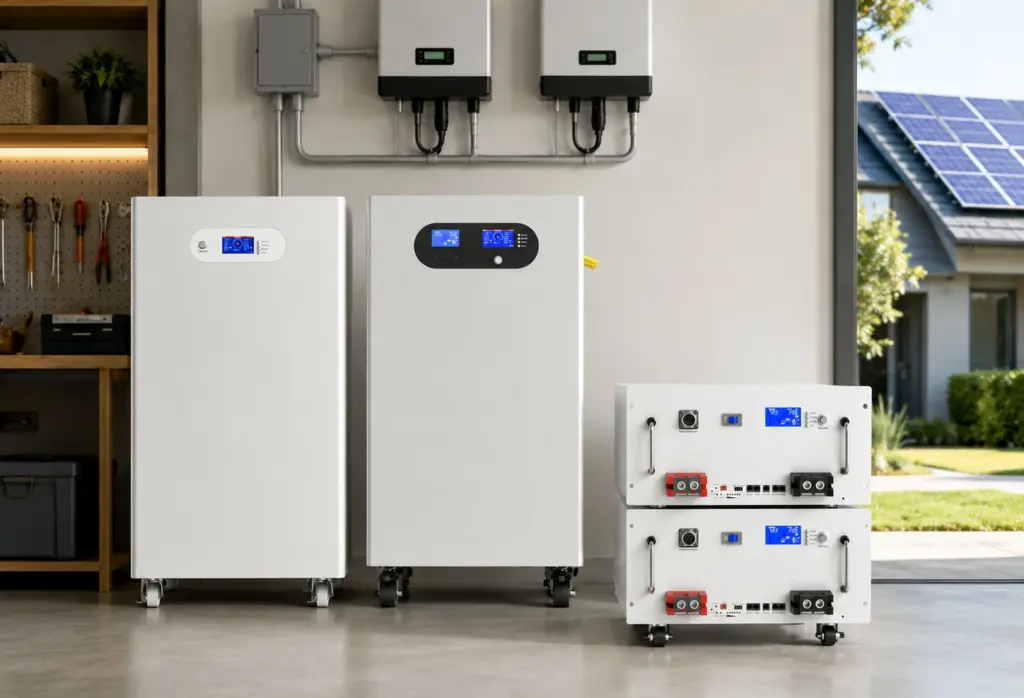
For residential and small commercial projects, Avepower offers multiple battery formats, including home energy storage battery systems, wall-mounted solar batteries, rack mounted battery solutions, and stackable solar battery systems. The right format depends on installation space, required capacity, inverter compatibility, and whether the project needs future expansion.
Build Better Solar Storage Quotes with Avepower
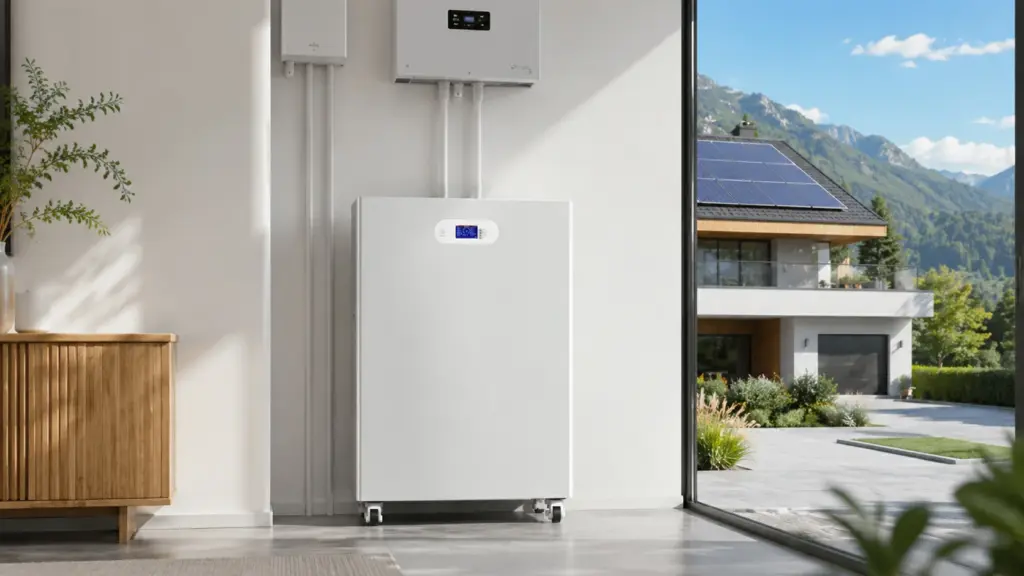
Whether you need batteries for home backup, solar self-consumption, installer packages or OEM/ODM energy storage projects, Avepower can support you with factory-direct LiFePO4 battery solutions, technical documents and scalable system options.
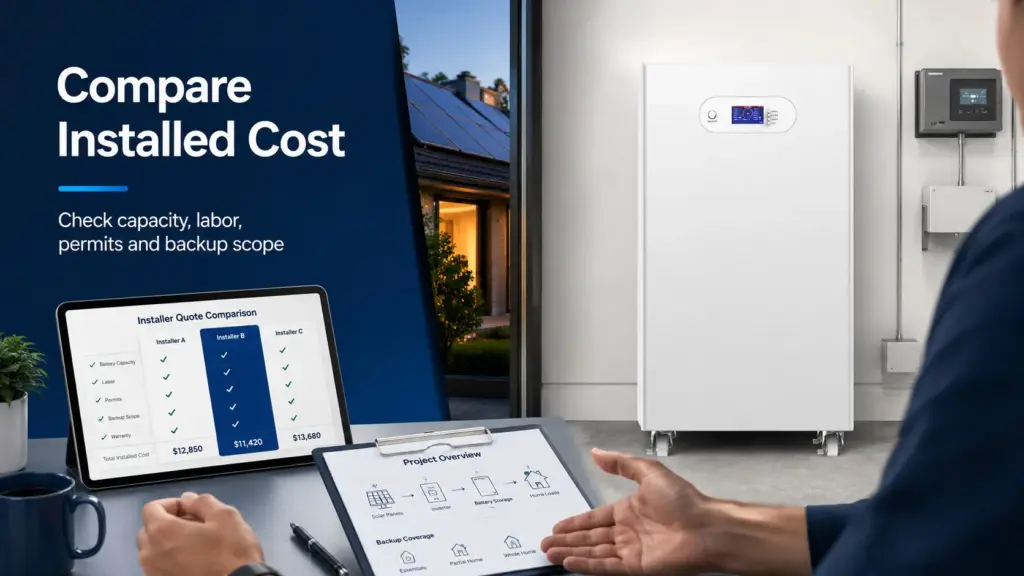
How to Compare Installer Quotes Properly
A low quote is not always the best quote. A high quote is not always overpriced. The key is to compare the same project scope.
Before comparing prices, ask each installer to show:
- Battery nominal capacity and usable capacity
- Battery chemistry and cycle life
- Inverter model and backup capability
- AC-coupled or DC-coupled design
- Maximum charge and discharge power
- Essential-load or whole-home backup scope
- Whether a backup gateway or transfer switch is included
- Whether a critical loads panel is included
- Permits, inspection, and utility interconnection fees
- Monitoring app setup
- Warranty terms for battery, inverter, and workmanship
- Rebate assumptions and whether they are guaranteed or estimated
- Exclusions, such as panel upgrades or long cable runs
A professional quote should make it clear what is included and what could become an extra charge.
Red Flags in Battery Storage Quotes
Be careful if a proposal:
- Only lists battery capacity but not usable capacity
- Does not specify inverter compatibility
- Promises whole-home backup without checking peak loads
- Ignores permitting or inspection requirements
- Uses rebate values without explaining eligibility
- Does not clarify AC or DC coupling
- Does not include cable length or installation location assumptions
- Does not explain warranty responsibility
- Avoids questions about safety standards or documentation
For installers and project buyers, unclear specifications can create expensive after-sales issues. For homeowners, unclear quotes can lead to surprise costs after signing.
How Installers Can Reduce Cost Without Reducing Quality
Installers cannot control every cost, but they can reduce unnecessary complexity by improving system design.
Use Compatible Battery and Inverter Combinations
Compatibility reduces commissioning time and lowers the risk of communication errors. For battery projects, CAN/RS485 protocol support and inverter matching should be confirmed before delivery.
Standardize Common System Sizes
Offering standard 5kWh, 10kWh, 15kWh, and 20kWh packages can simplify sales, quoting, training, inventory, and installation.
Design for Expansion
A modular battery system lets the customer start with a practical capacity and expand later. This is especially useful when a household plans to add an EV, heat pump, or higher evening loads.
Pre-Check Installation Location
Photos of the switchboard, inverter, cable path, wall condition, and available clearance help reduce variation between the online estimate and the final quote.
Use Clear Documentation
Datasheets, installation manuals, wiring diagrams, certification documents, shipping documents, and inverter compatibility guidance reduce project delays.
Avepower supports installers, distributors, and OEM/ODM partners with battery selection, inverter compatibility confirmation, custom branding options, and project documentation. For residential projects, the Avepower residential battery energy storage systems solution can be used as a reference for solar self-consumption, backup power, and energy bill savings applications.
Solar Battery Storage Installers Cost: Practical Budget Examples
Example 1: Simple 10 kWh Battery Add-On
A homeowner already has a compatible hybrid inverter and wants a 10 kWh battery for evening solar use.
Possible cost structure:
- Battery: $7,000–$10,000
- Mounting, cabling, protection: $800–$1,500
- Labor and commissioning: $1,500–$3,000
- Permits and inspection: $300–$1,000
Estimated total: $9,600–$15,500
Example 2: 13.5 kWh Battery With Backup Gateway
The homeowner wants backup power for essential loads.
Possible cost structure:
- Battery: $10,000–$14,000
- Backup gateway or transfer equipment: $1,000–$3,000
- Critical loads panel: $800–$2,500
- Labor: $2,500–$6,000
- Permits and inspection: $500–$1,500
Estimated total: $14,800–$27,000
Example 3: Retrofit Battery With Inverter Replacement
The home has older solar equipment and needs a new hybrid inverter.
Possible cost structure:
- Battery: $8,000–$14,000
- Hybrid inverter: $2,000–$5,000
- Electrical upgrades: $1,000–$4,000
- Labor and commissioning: $3,000–$7,000
- Permits and inspection: $500–$2,000
Estimated total: $14,500–$32,000
These examples show why installed battery storage pricing varies so much. The same battery capacity can produce very different quotes depending on existing equipment and backup requirements.
How to Ask for a Better Quote
To get a more accurate quote, provide installers with:
- Location and utility provider
- Current solar system size
- Existing inverter model
- Main switchboard photos
- Average daily electricity use
- Peak evening electricity use
- Desired backup loads
- Preferred battery location
- Whether the home has EV charging, heat pump, pool pump, or large HVAC loads
- Whether future expansion is needed
- Any local rebate or VPP preference
For B2B buyers, distributors, and installers, Avepower also recommends confirming target voltage, inverter brand, communication protocol, certification needs, packaging requirements, and expected monthly order volume before selecting a battery model.
Take Control of Your Energy with Avepower!
Reliable home solar battery solutions with OEM/ODM customization and in-house manufacturing, tailored to the needs of distributors, installers, and energy partners.
Conclusion
The real solar battery storage installers cost is the cost of a complete, safe, compliant, and properly commissioned energy storage system — not just the battery box on the wall.
Avepower provides LiFePO4 battery storage solutions for residential and small commercial applications, including wall-mounted, rack-mounted, stackable, vertical, and all-in-one systems. For project buyers, installers, and OEM/ODM partners, Avepower can support product selection, inverter compatibility, custom configuration, documentation, and long-term supply cooperation.
FAQ
Installer labor can range from a small part of the project to several thousand dollars, depending on system complexity. The total installed cost is usually much higher than the battery hardware price because it includes electrical work, protection devices, permits, commissioning, and service responsibility.
Battery installations require electrical integration, safety protection, inverter communication, backup control, inspection, and utility approval. The installer is not only mounting a battery but also making sure the system operates safely with the home and the grid.
A combined solar-plus-storage installation can reduce rework because the inverter, wiring, battery location, and backup design are planned together. Adding a battery later can be more expensive if the existing inverter or switchboard needs changes.
Inverter compatibility is one of the most important checks. Confirm voltage range, communication protocol, approved inverter models, charge/discharge current, backup support, and parallel expansion rules before purchasing.
For homeowners, comparing at least three itemized quotes is usually a good approach. For distributors or project buyers, compare not only unit price but also compatibility support, documentation, warranty terms, lead time, and OEM/ODM flexibility.